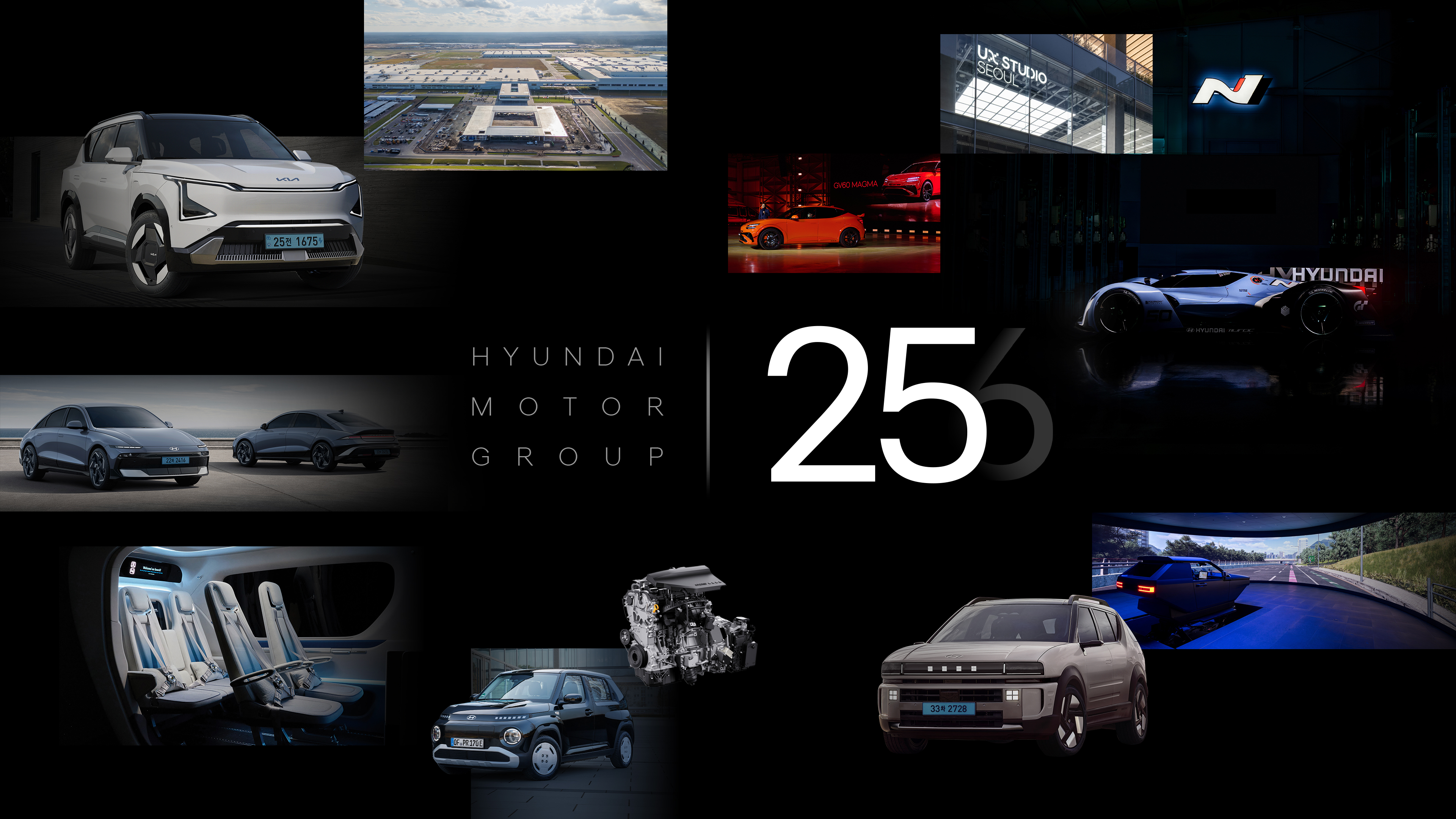
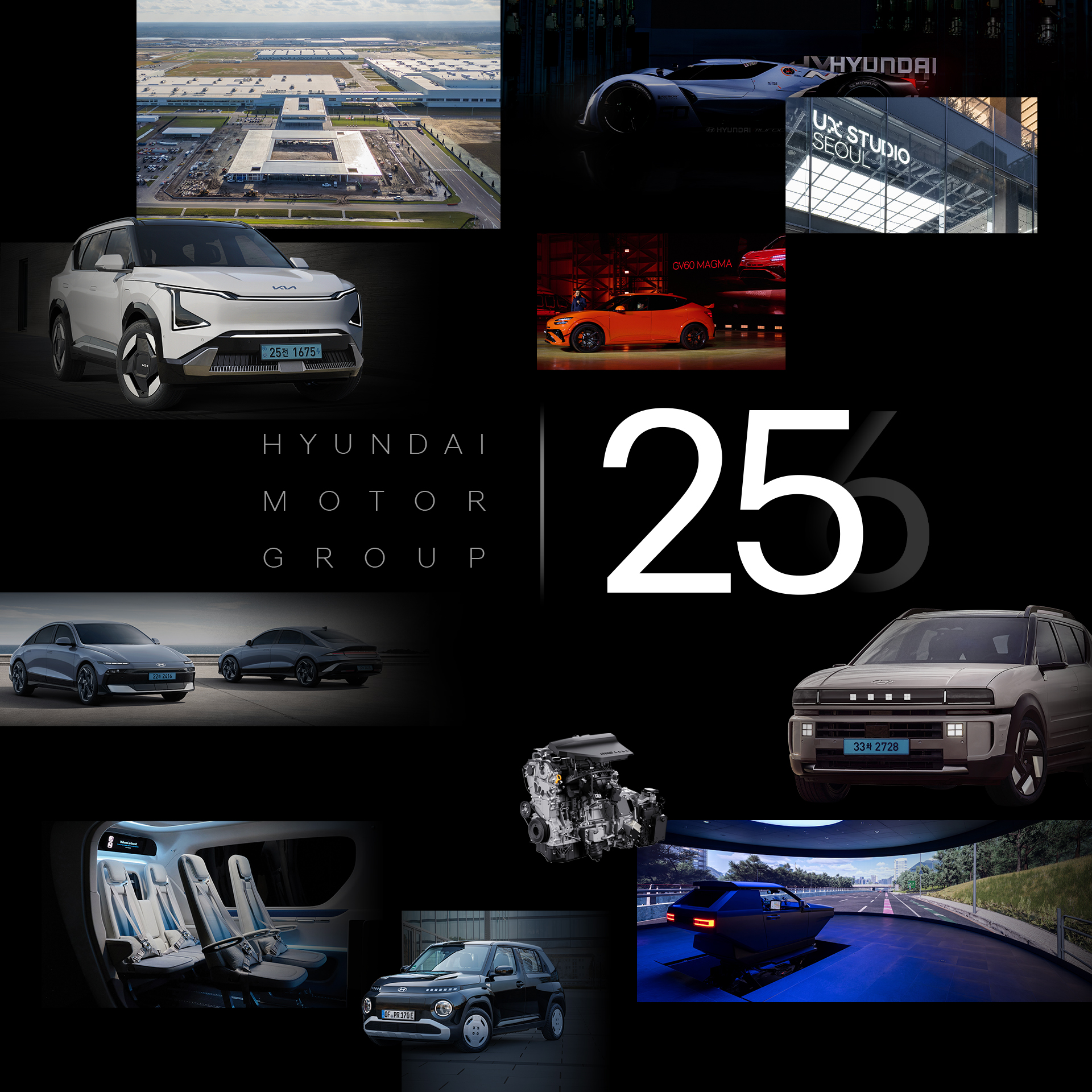

2025 was a year in which the world once again felt the global momentum of the “K” wave. As Korean culture, technology, and industries captured attention across the globe, Hyundai Motor Group further strengthened its presence on the world stage.
Building on an expanded hybrid lineup, the introduction of a dedicated PBV platform, and meaningful results achieved across major global markets, Hyundai Motor Group maintained a firm foundation for sustainable growth. At the same time, the Group marked clear milestones in future-focused fields such as software-defined vehicles (SDV), robotics, and smart mobility solutions, successfully advancing its vision for mobility innovation. In a year defined by rapid change and intense competition, 2025 stands as another chapter in Hyundai Motor Group’s ongoing evolution. Here, we look back at the defining moments that made the year shine.
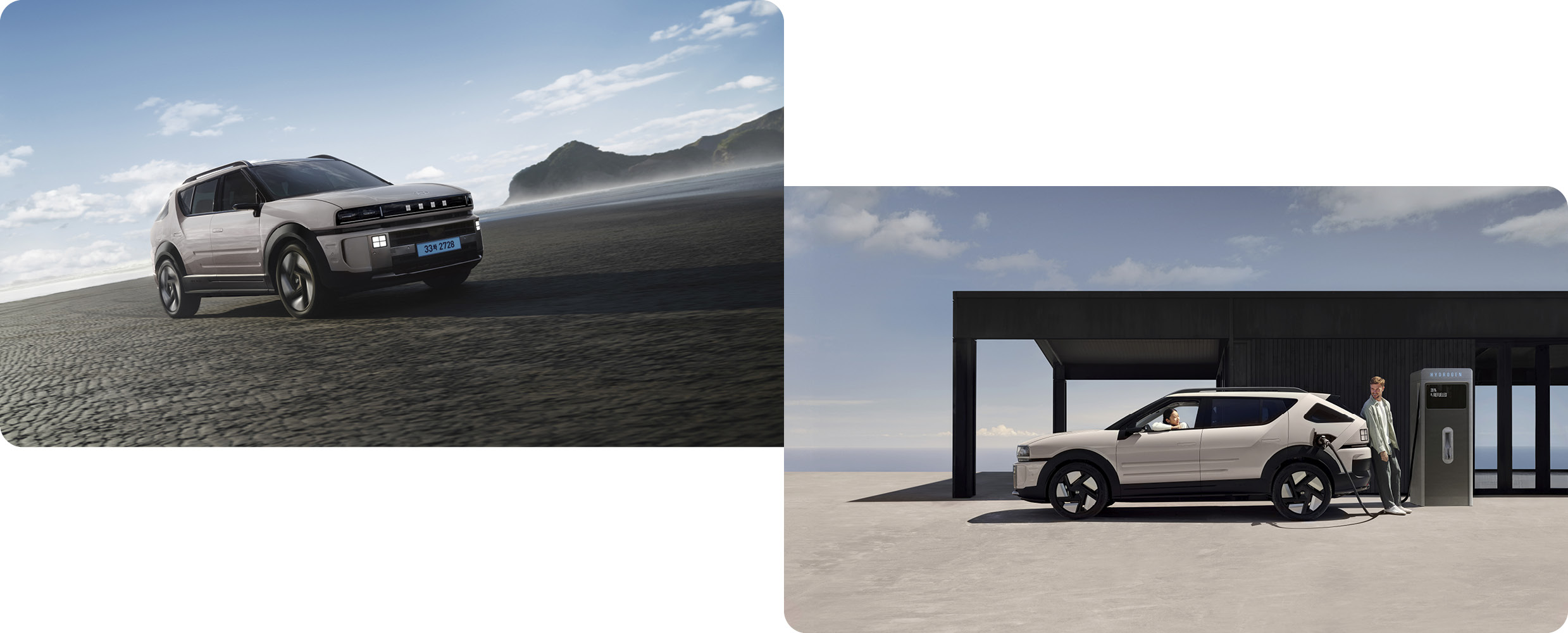
The most anticipated new model of the year was undoubtedly the all-new NEXO. Seven years after its initial debut, Hyundai Motor Company unveiled the second-generation NEXO as a complete redesign. Evolving in step with Hyundai’s hydrogen energy vision, the new NEXO helps accelerate the mainstream adoption of hydrogen mobility through a futuristic design shaped by the brand’s new Art of Steel design language and a driving range of up to 720 kilometers on a single charge.
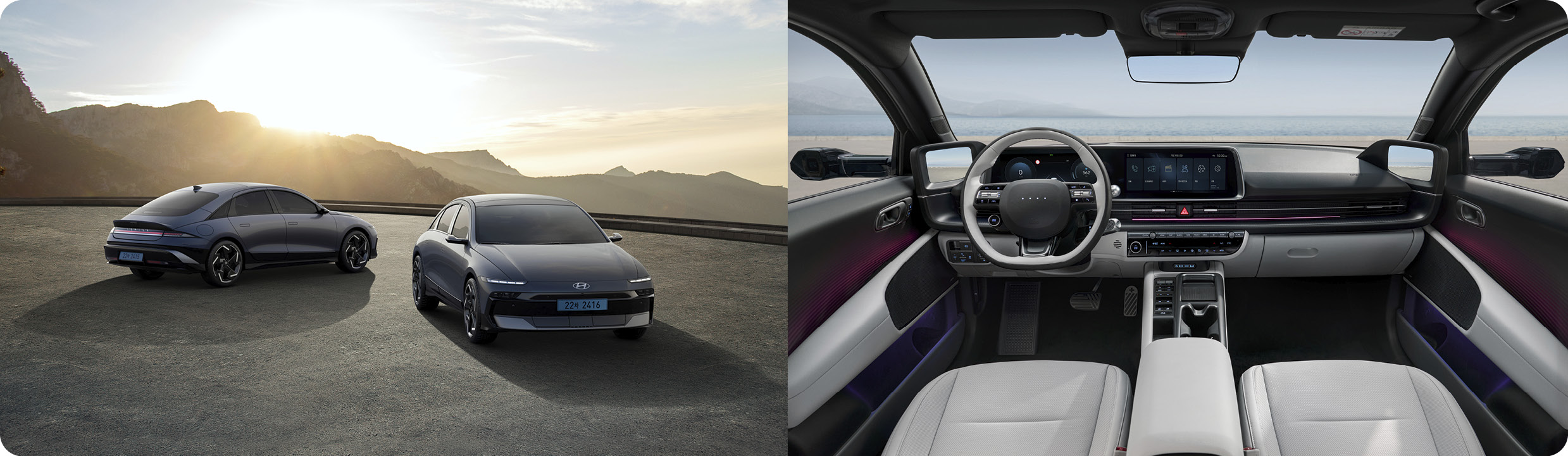
The new IONIQ 6 also captured attention among electric vehicles with its bold transformation. Refining the sleek design of its predecessor, the updated IONIQ 6 presents a more athletic profile. Beyond its distinctive styling, it delivers strong electrified performance with a driving range of up to 562 kilometers on a single charge (long-range 2WD with 18-inch wheels), while adding a wide range of convenience features to establish itself as a core model in the domestic EV market.
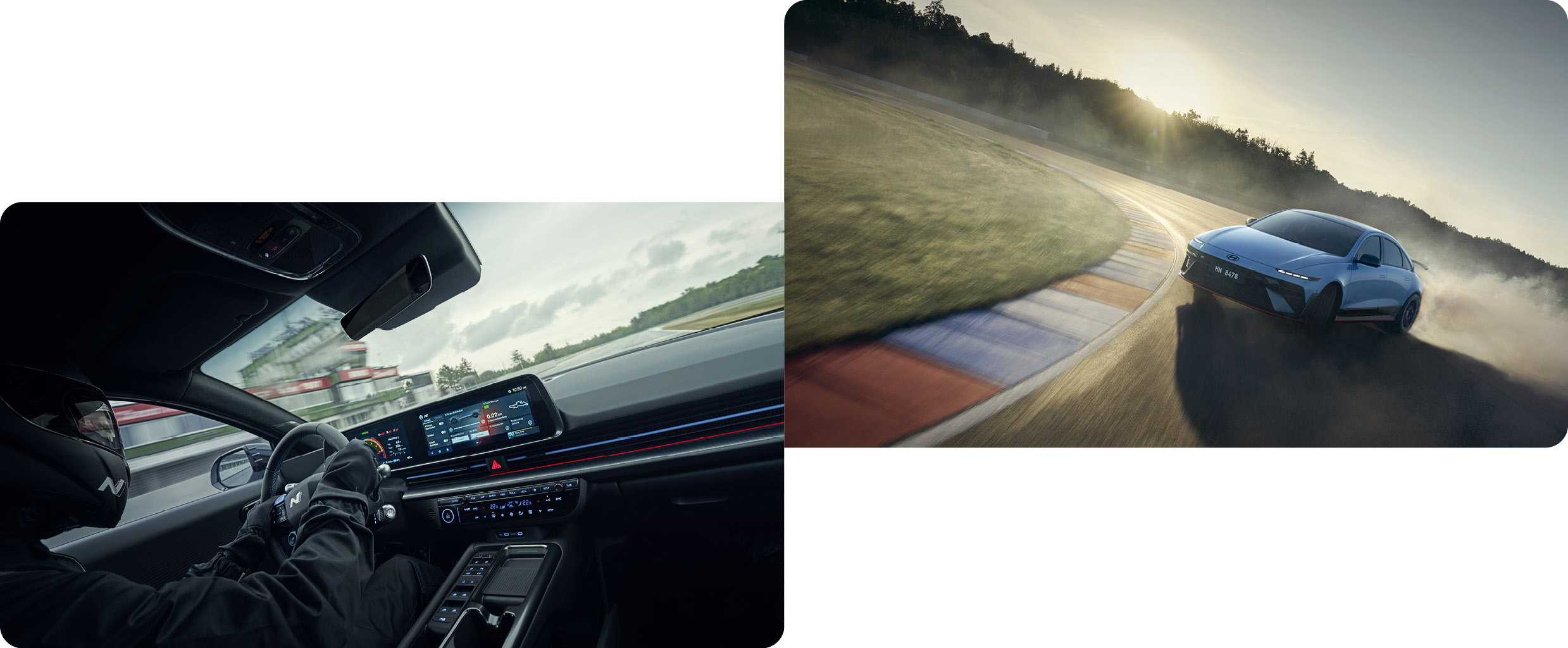
The high-performance lineup was further strengthened by the IONIQ 6 N, which embodies Hyundai’s high-performance electrification vision. The model draws on technologies refined through motorsports and rolling-lab development and delivers a combined maximum output of 478 kW (650 hp) along with peak torque of 770 Nm when N Grin Boost is engaged. Advanced systems such as stroke-sensing ECS, N e-Shift, and N Active Sound+ create a balanced driving character that feels equally at home in everyday driving and on the track.
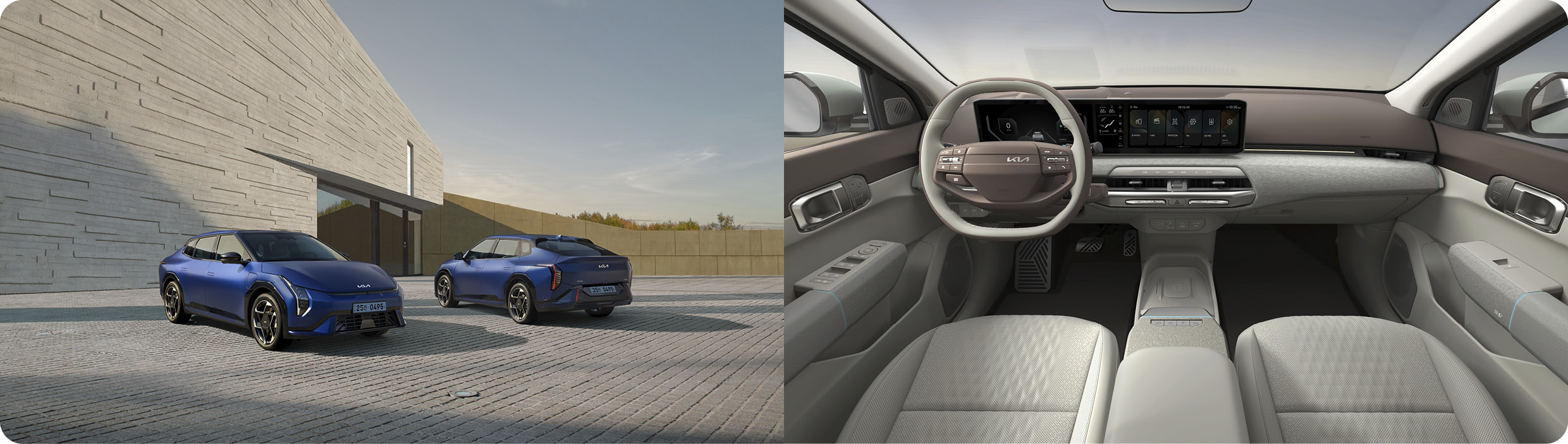
Kia also significantly expanded the scope of its electrification strategy throughout 2025. The EV4 played a key role in advancing the mainstream adoption of electric vehicles. As Kia’s first electrified sedan, the EV4 introduced a compelling alternative in an EV market dominated by SUVs. Strong aerodynamic efficiency, combined with a fourth-generation battery, enabled a maximum driving range of 533 kilometers for the long-range version, while competitive pricing helped make electric mobility more accessible.
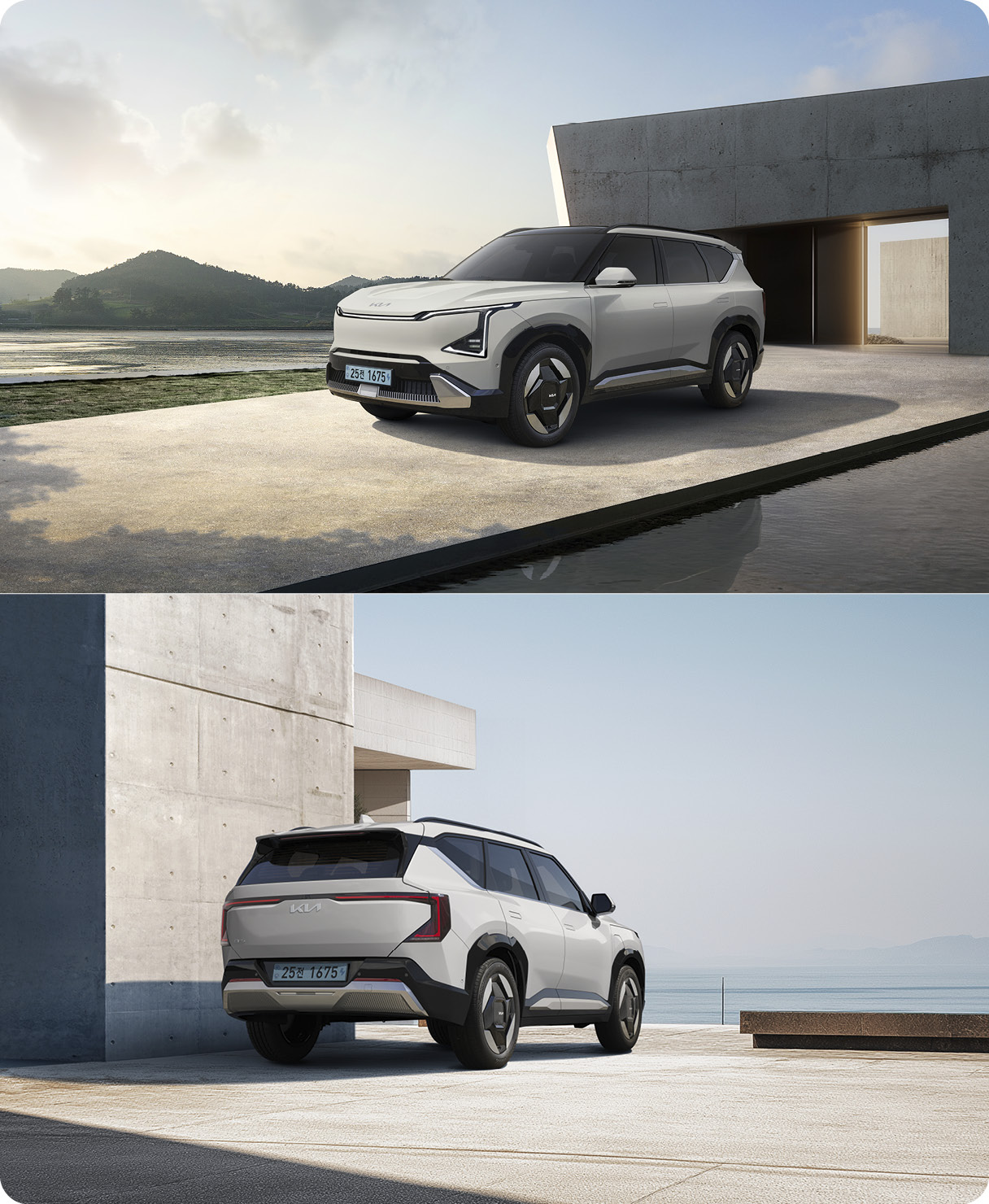
The EV5 further reinforced Kia’s presence in the electrified SUV market. Developed as a global strategic model, the EV5 offers a spacious interior, stable driving performance, and well-rounded attributes expected of an electric SUV, generating a strong and meaningful response in the domestic market.
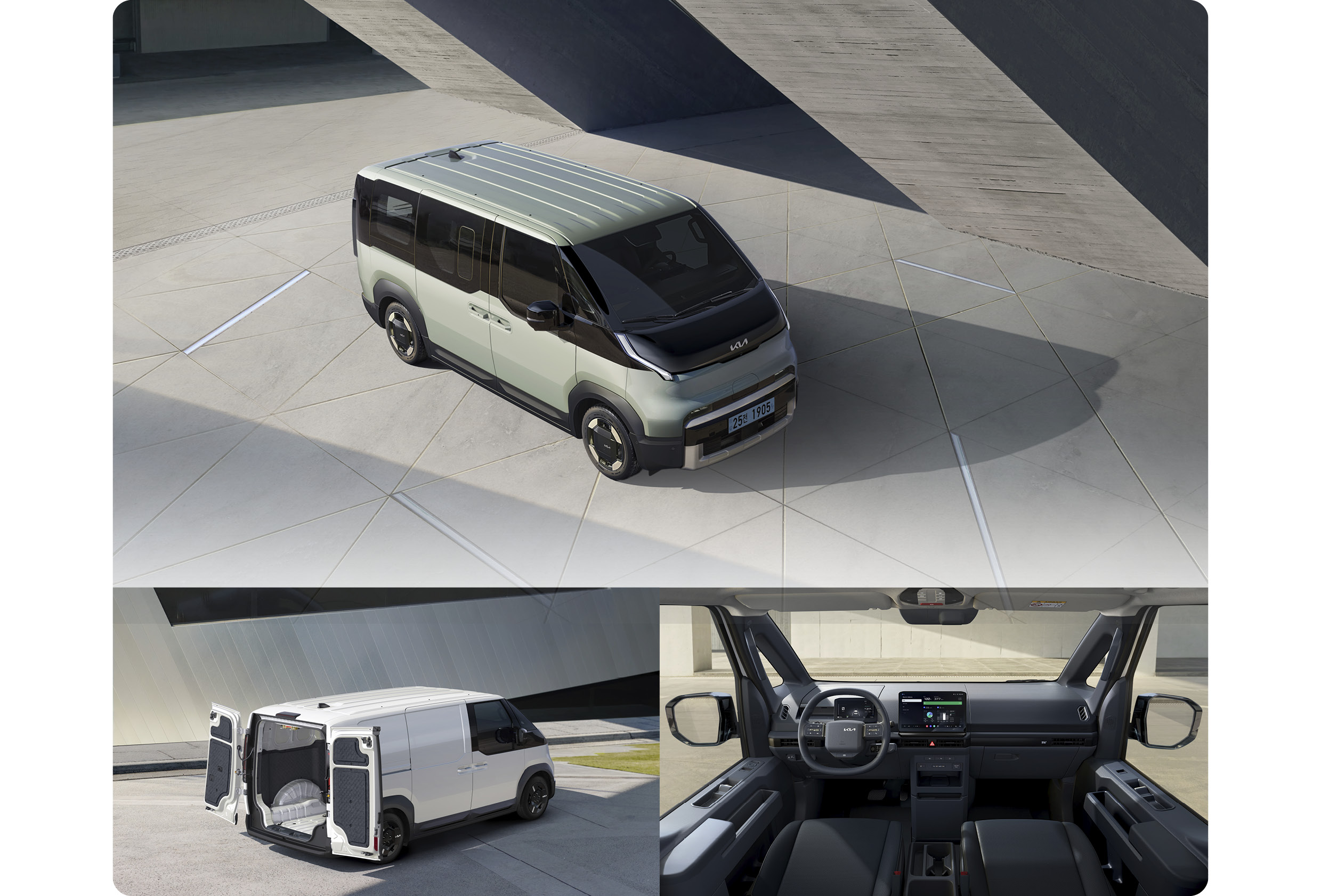
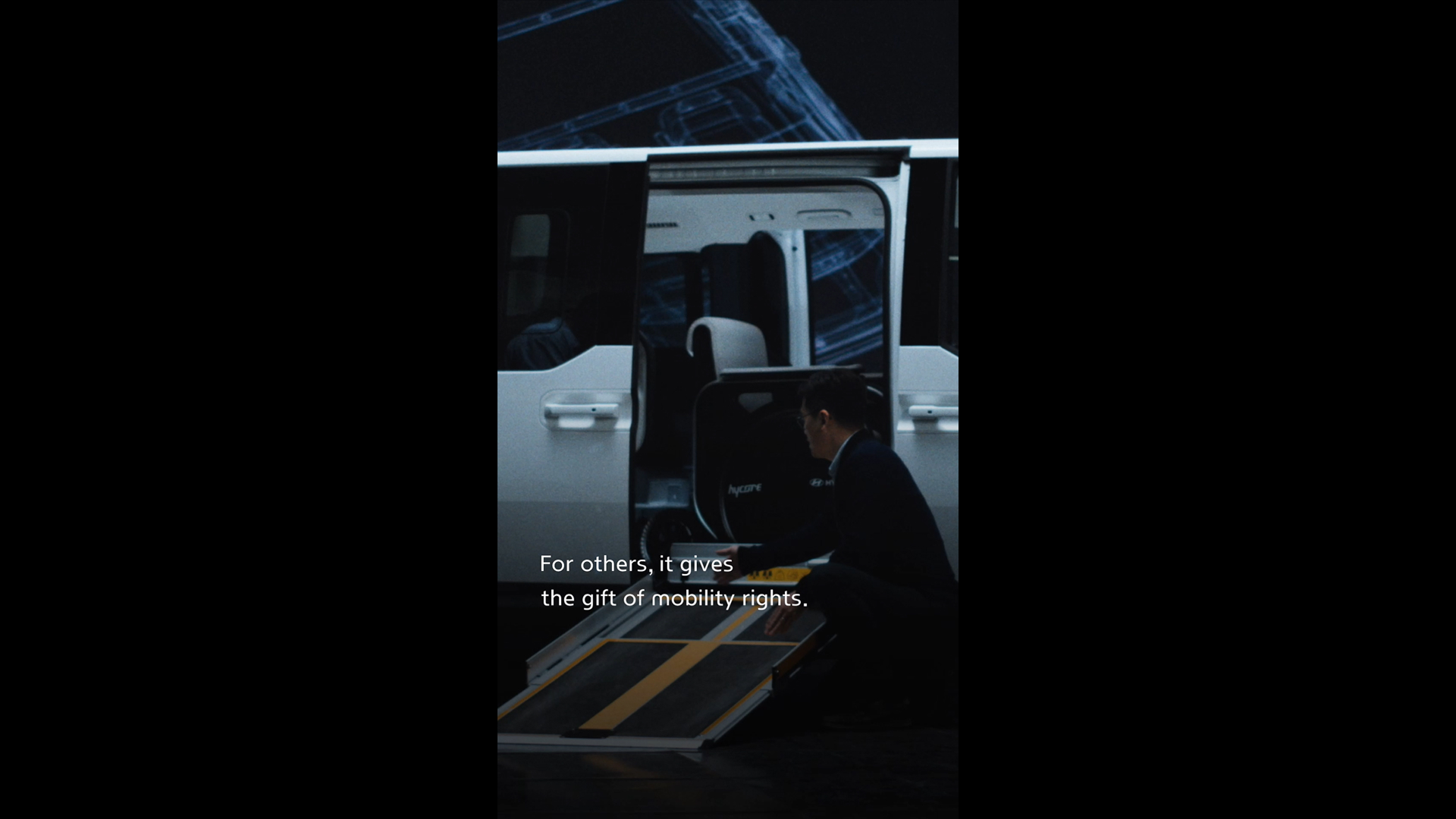
The PV5 stood out as the defining model that marked a turning point in Kia’s electrification strategy in 2025. As the first mass-produced vehicle built on Kia’s dedicated PBV electrification platform, the PV5 is a new-concept mid-size PBV that integrates hardware designed to meet diverse customer needs with optimized software solutions. Its modular space configuration, developed for use cases spanning logistics, service operations, and leisure activities, illustrates Kia’s vision of PBVs evolving beyond conventional commercial vehicles into comprehensive mobility solutions.
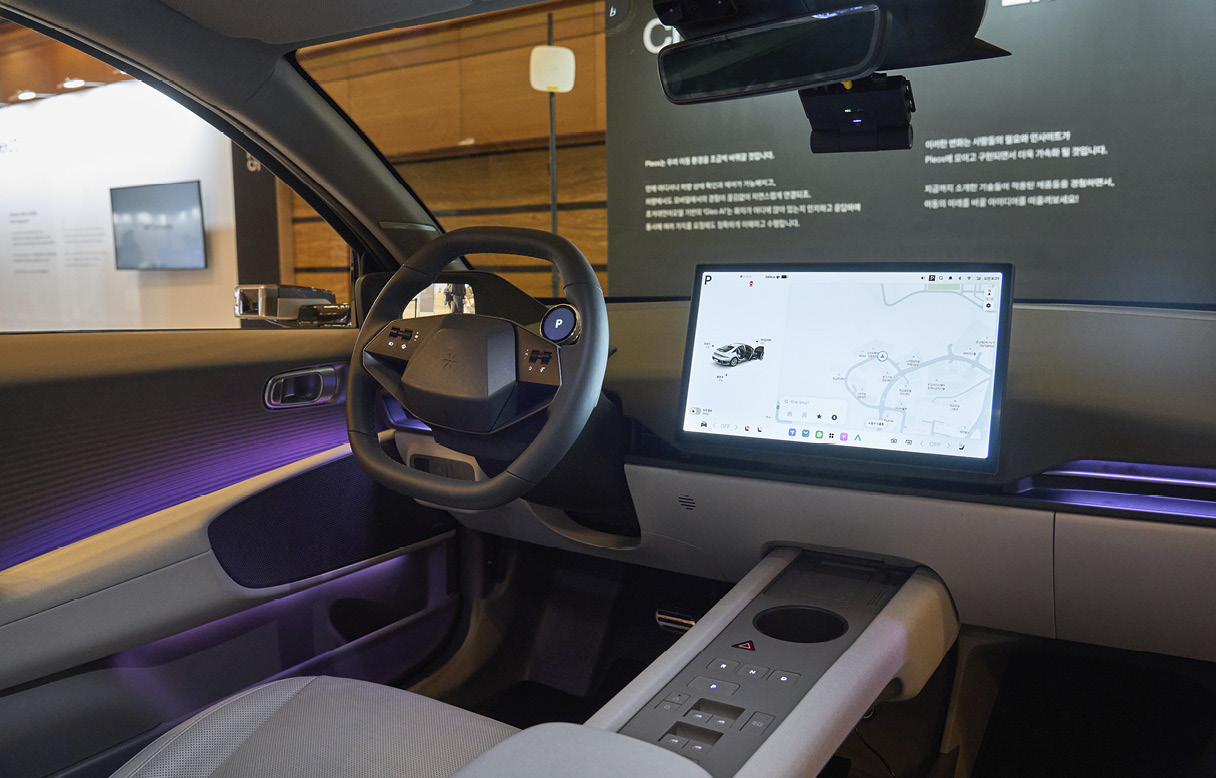
In 2025, Hyundai Motor Group introduced a range of new technologies focused on expanding the in-vehicle experience. The emphasis of innovation shifted toward more seamlessly connecting time spent on the move with users’ everyday lives. At the center of this shift is Pleos Connect, the next-generation infotainment system. First unveiled at the Pleos 25 Developer Conference, Pleos Connect redefines the vehicle as a standalone digital environment and extends the boundaries of the mobility experience.
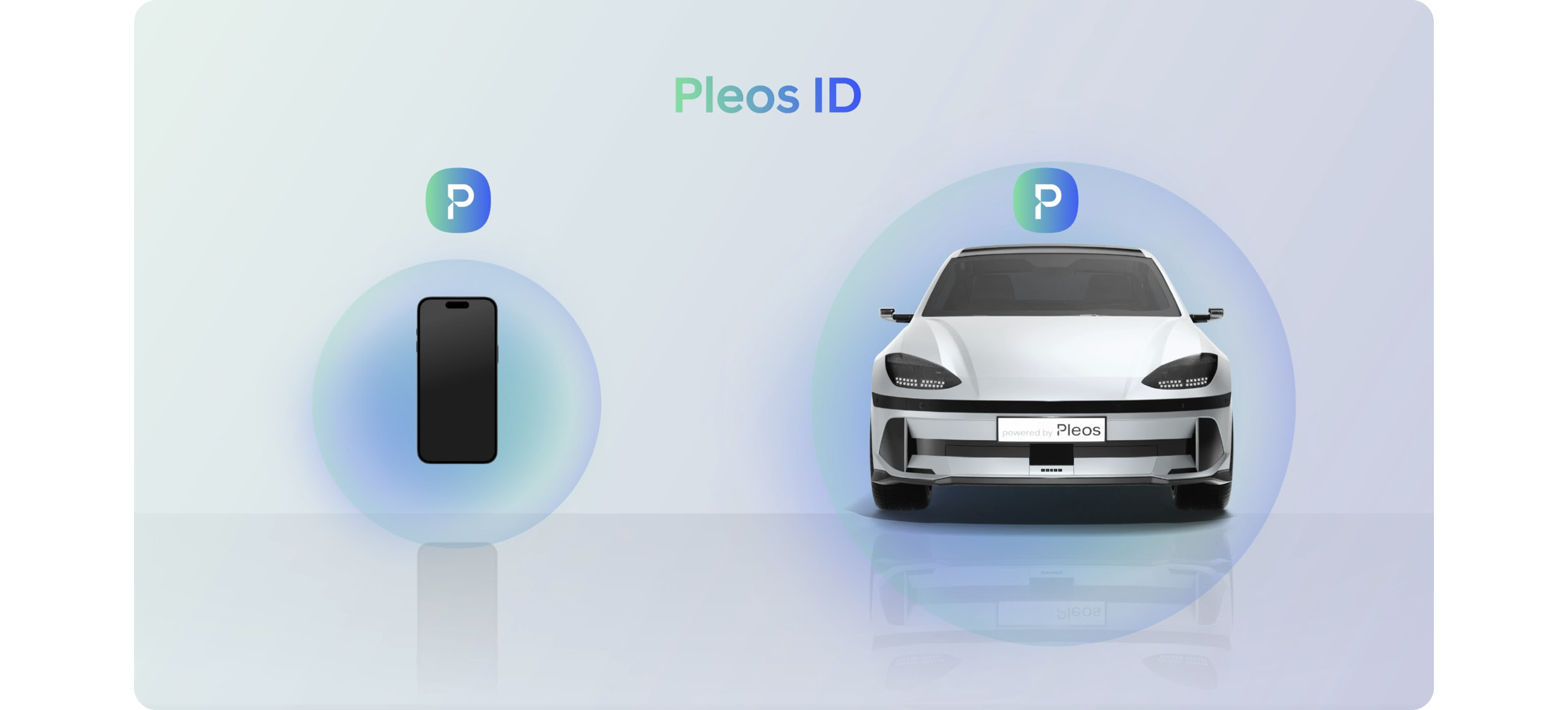
Developed on the Android Automotive OS, Pleos Connect brings the intuitive user experience of smartphones directly into the vehicle environment. Seamless smartphone integration, context-aware voice recognition powered by the generative AI Gleo, and hyper-personalized services based on Pleos ID together signal a successful generational shift in infotainment systems.
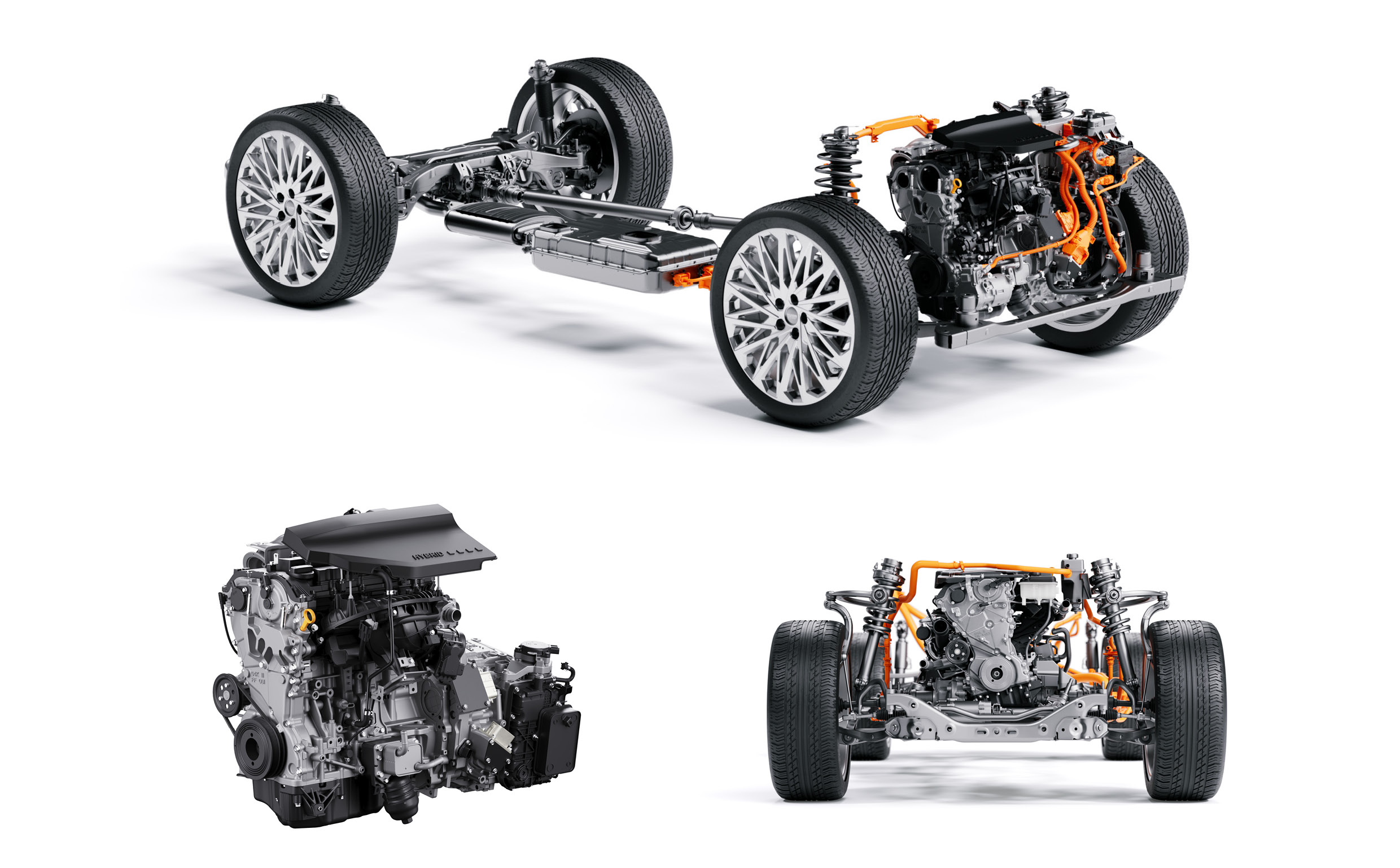
Hyundai Motor Group positioned 2025 as a critical turning point in its electrification transition with the unveiling of its next-generation hybrid system. The core innovation lies in a newly developed transmission that integrates two motors (P1 and P2) with technologies optimized specifically for electrification. By adding a P1 motor directly coupled to the engine, the system improves energy transfer efficiency while delivering smoother shifts and enhanced cabin quietness. As a result, fuel efficiency increases by up to 45 percent and maximum output by up to 19 percent compared with conventional internal-combustion counterparts. Building on electrification expertise accumulated through EV development, the system also incorporates technologies such as e-AWD, e-VMC 2.0, Stay Mode, V2L, and smart regenerative braking, further expanding driving performance, ride comfort, and the overall mobility experience.
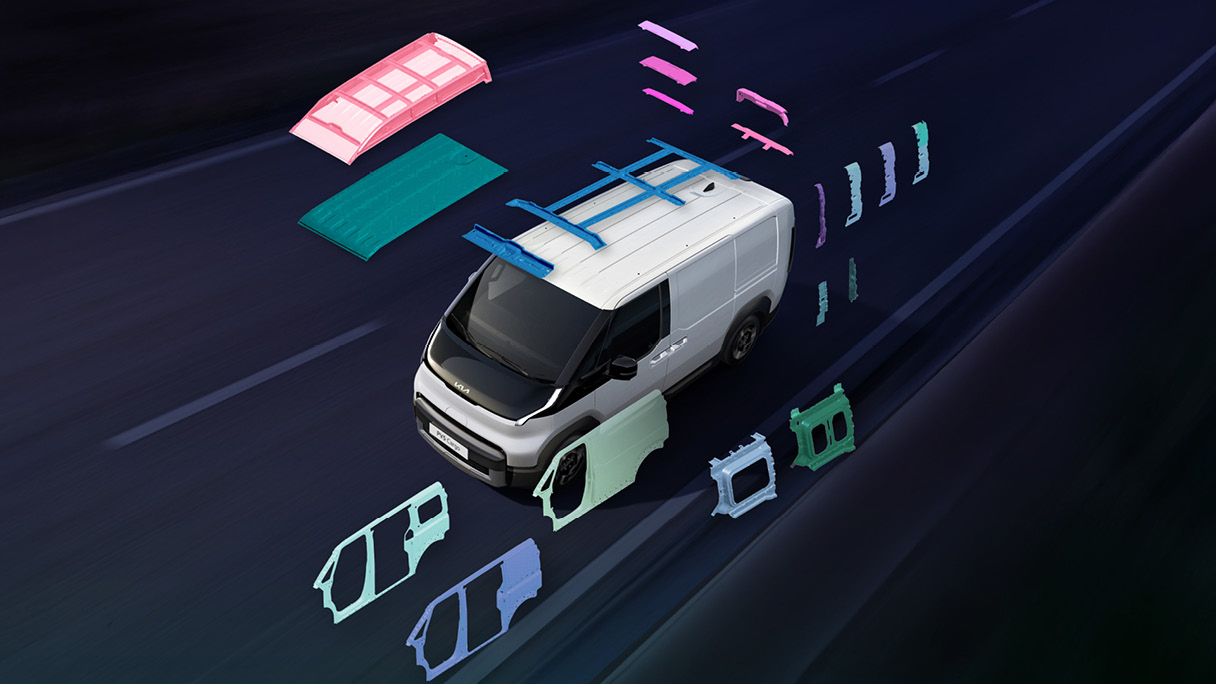
Another technology drawing attention is the Flexible Body System. Developed by Hyundai Motor Group for its PBV lineup, the system modularizes major body structures along with exterior and interior components, enabling flexible vehicle configurations across a wide range of specifications. Applied to the PV5, it allows multiple body variants—including Passenger, Cargo, and High Roof—to be created by combining body structures according to specific use cases.
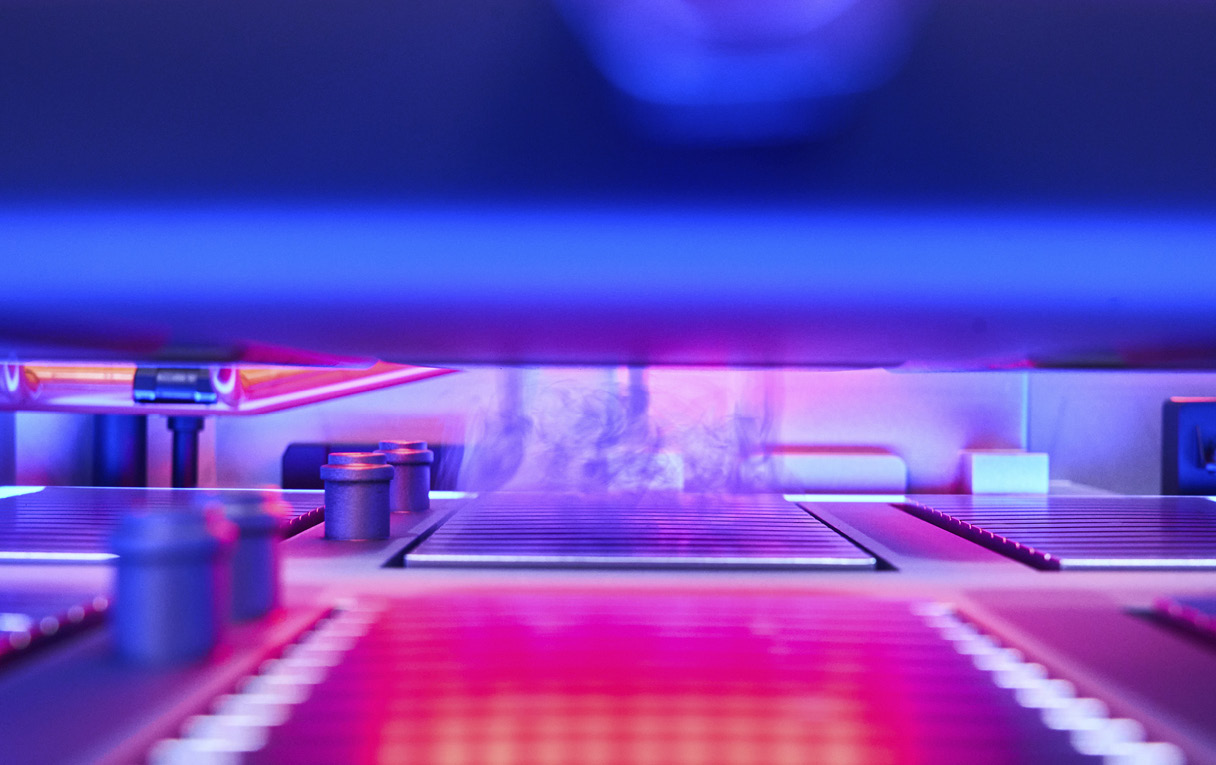
Another notable shift is the expansion of electrification technologies into the realm of safety. Hyundai Mobis has developed an automatic battery cell fire suppression system designed to extinguish fires immediately in the event of battery cell ignition. When the battery management system (BMS) detects abnormalities at the cell level, the system automatically sprays a fire-suppressing agent precisely at the affected area to cool the heat and suppress the flames. By effectively preventing thermal runaway in EV batteries, this technology is expected to significantly raise safety standards for the EV era.
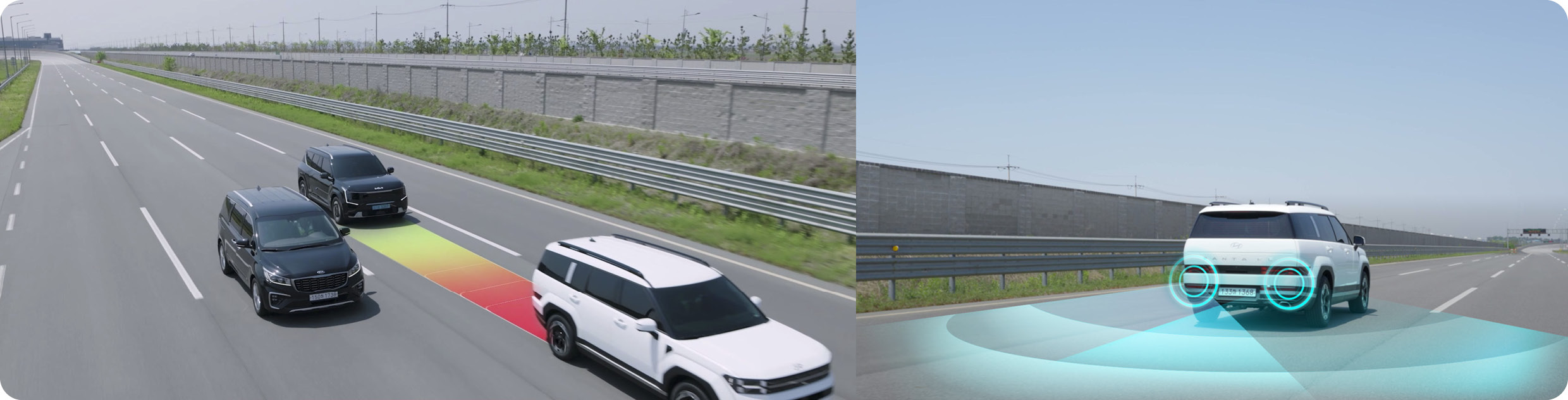
Another technology drawing attention from Hyundai Mobis is Active Rear Safety Control. When a following vehicle maintains an extremely close distance during highway driving, the system first warns the driver and then autonomously adjusts acceleration to secure a safe gap. Developed using existing ADAS sensors to ensure production readiness, the technology advances driving safety by shifting from passive response to a more proactive approach to accident avoidance.
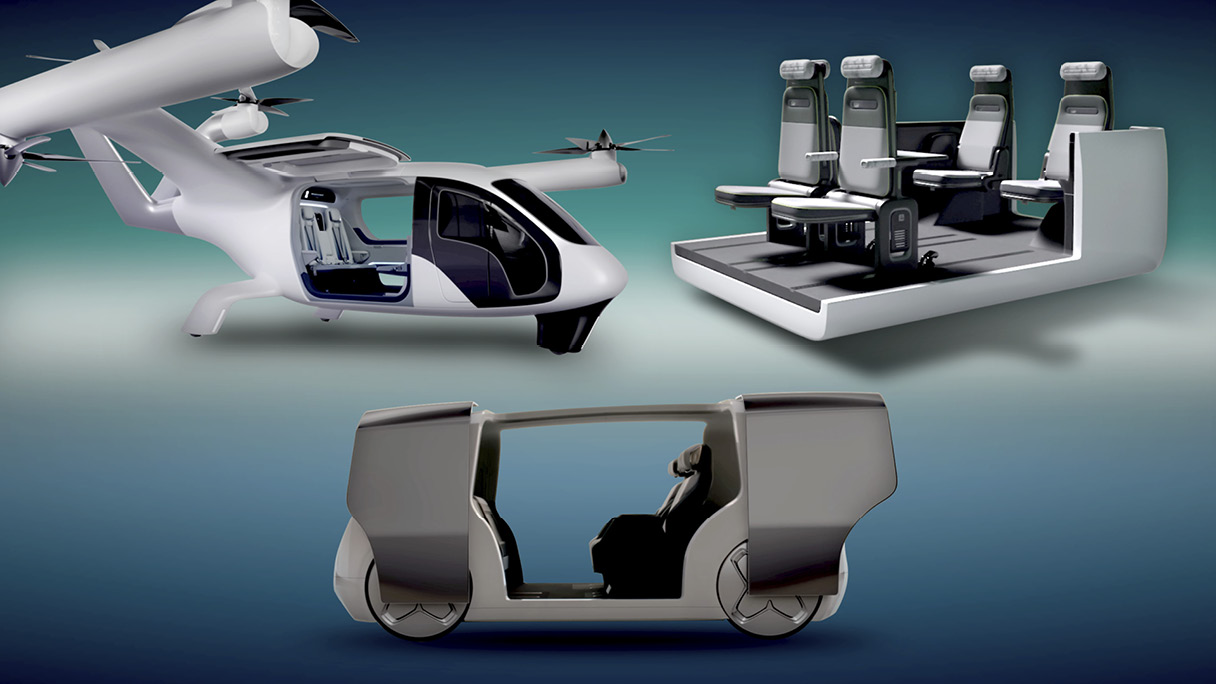
Hyundai Transys redefined the mobility interior through a range of new technologies designed for the era of autonomous vehicles, PBVs, and urban air mobility (UAM). In autonomous driving scenarios, rotating and transformable seats enhance spatial efficiency, while modular seating systems allow PBV interiors to be flexibly reconfigured for diverse use cases. In the UAM domain, lightweight yet safety-focused seat and cabin designs deliver a comfortable and refined travel experience, presenting interior solutions that inspire visions of future mobility.
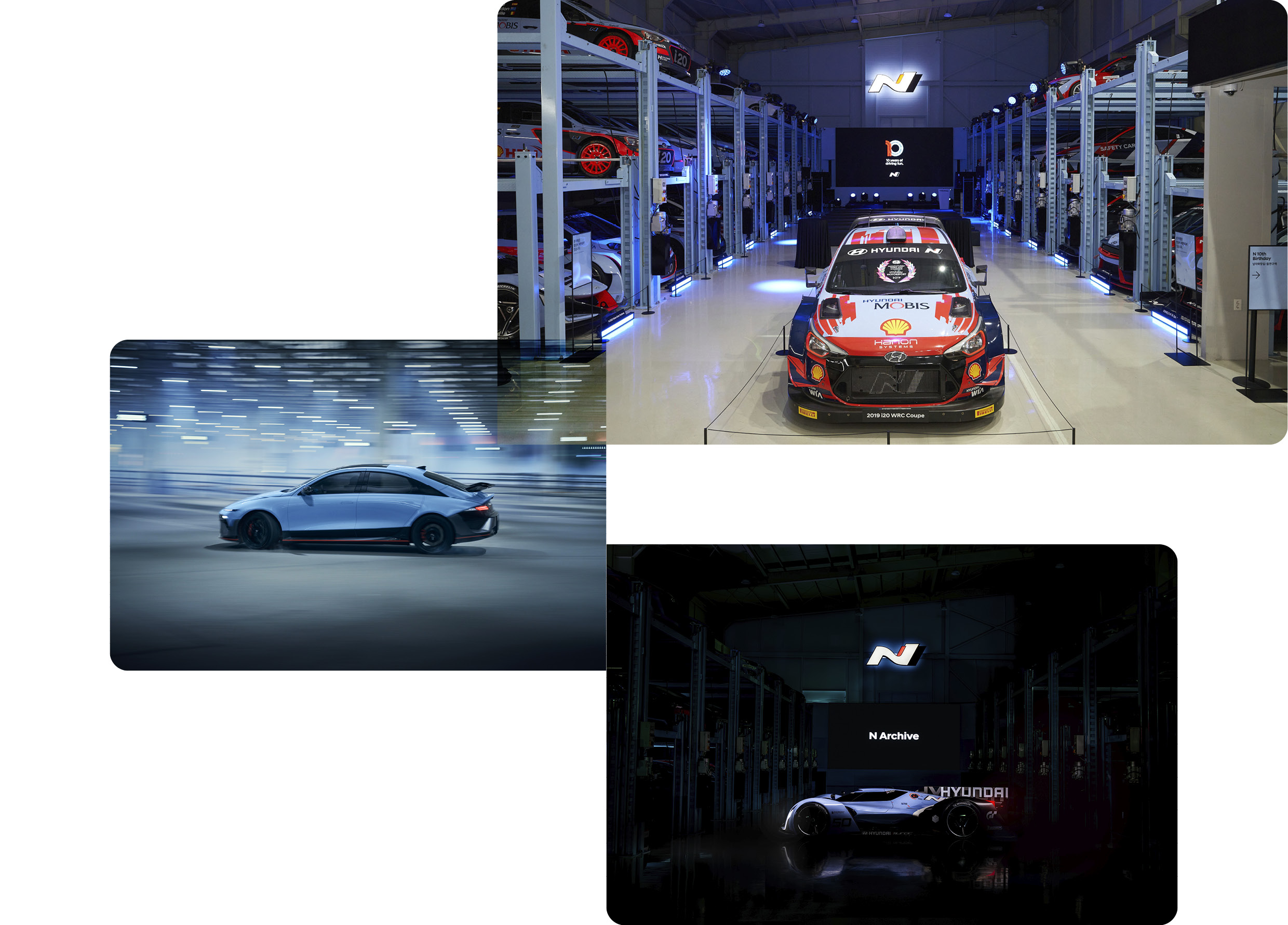
For Hyundai N, 2025 marked a meaningful milestone, celebrating a decade of achievement. Founded in 2015 under the guiding principle “Born in Namyang, Honed at Nürburgring,” Hyundai N has spent ten years pushing the boundaries of performance and driving enjoyment. Each milestone reflects the brand’s enduring commitment to challenge and innovation.
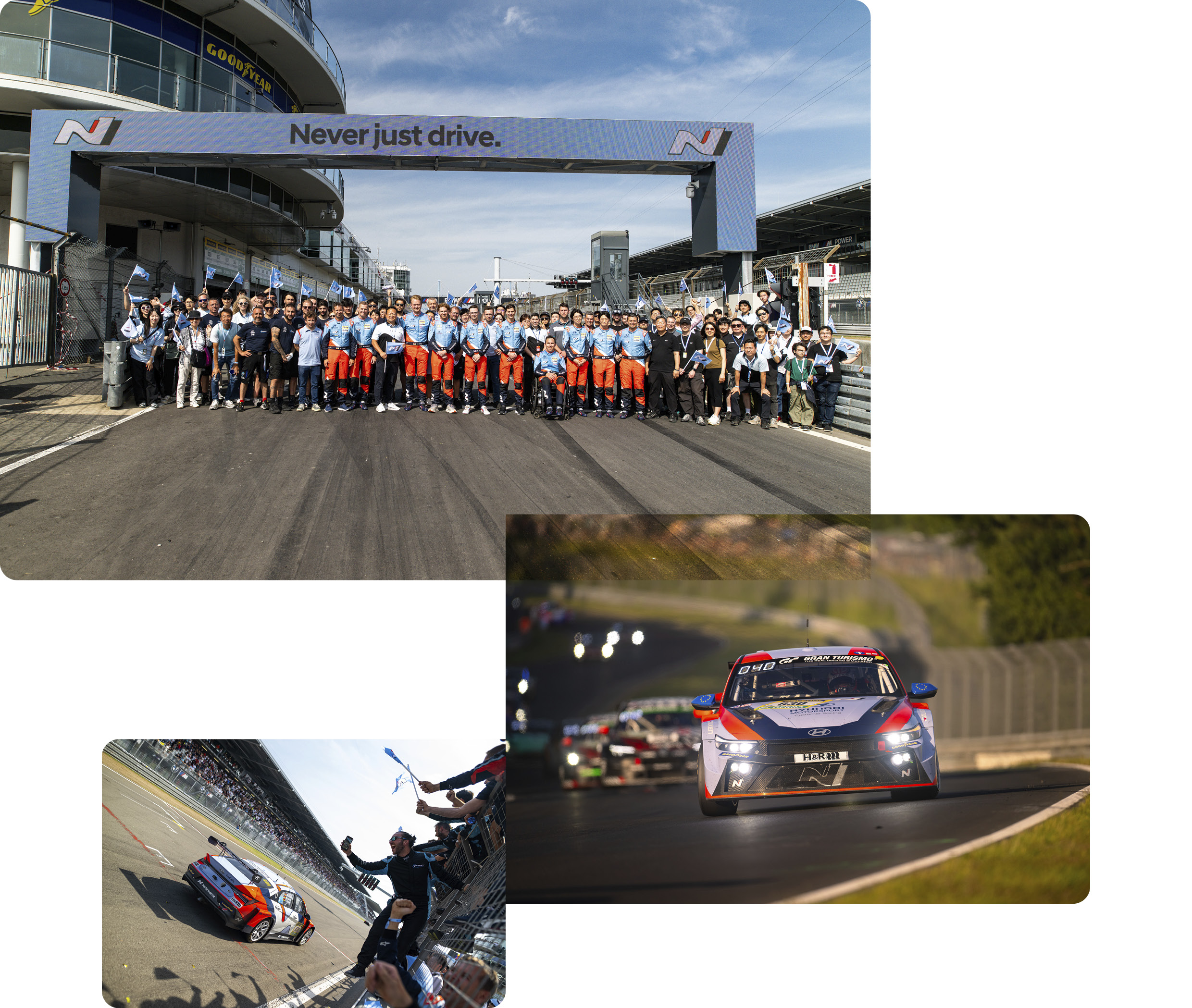
As the ultimate stage to validate a decade of progress, the Nürburgring 24 Hours Endurance Race remained Hyundai N’s most demanding and meaningful proving ground. Hyundai N further strengthened its legacy with a record ten consecutive appearances at the event, while two Elantra N TCR entries secured first and second place in the TCR class, extending the brand’s streak to five consecutive TCR class victories.
This decade of history and challenge is defined by far more than numbers alone. Data accumulated over time, race-proven technologies, and the trust built with fans have together become the brand’s competitive strength and a solid foundation for the future. Shaped alongside its fans, Hyundai N’s journey points toward a future still driven by the pure joy of driving.
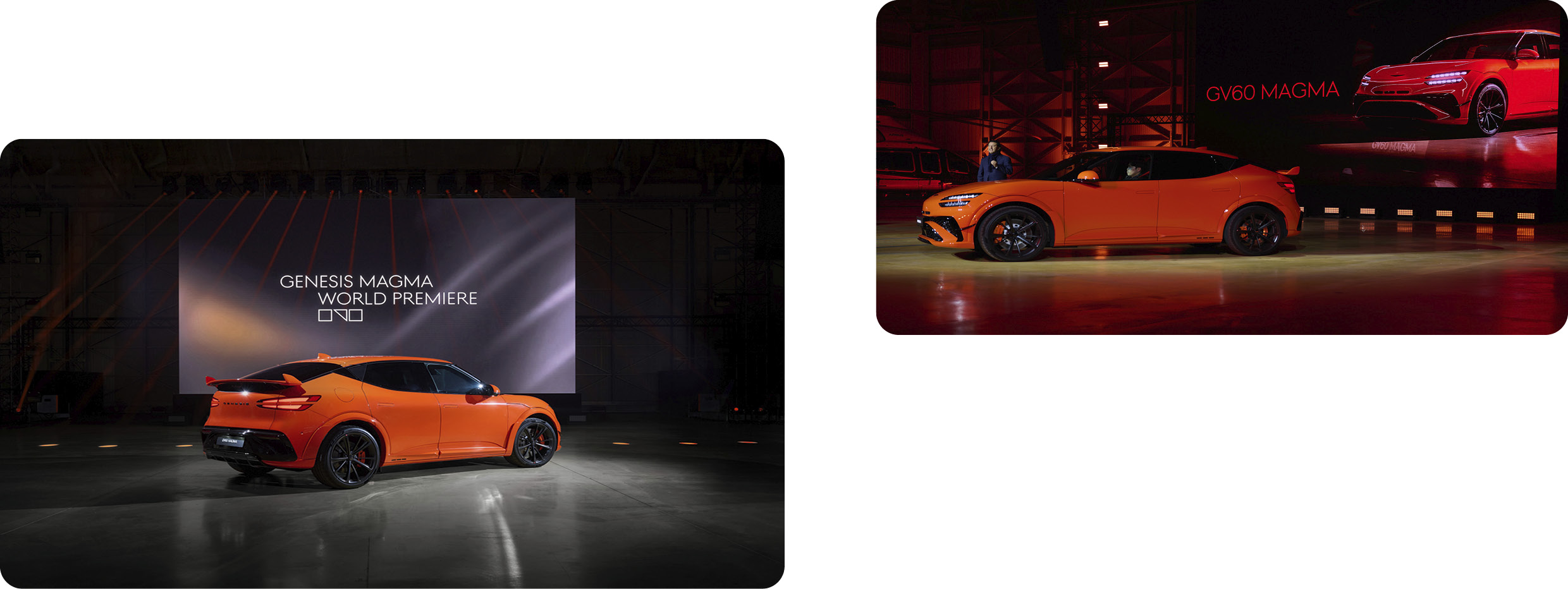
Marking its 10th anniversary, Genesis unveiled a new strategic direction with its “Luxury High Performance” vision. After rapidly establishing a strong presence in the global premium market over the past decade, the brand now seeks to expand its spectrum into high performance while preserving its refined and elegant identity. The debut of the GV60 Magma as the first model to embody this vision marks the starting point of Genesis’s high-performance lineup, setting the stage to redefine what luxury performance can be.
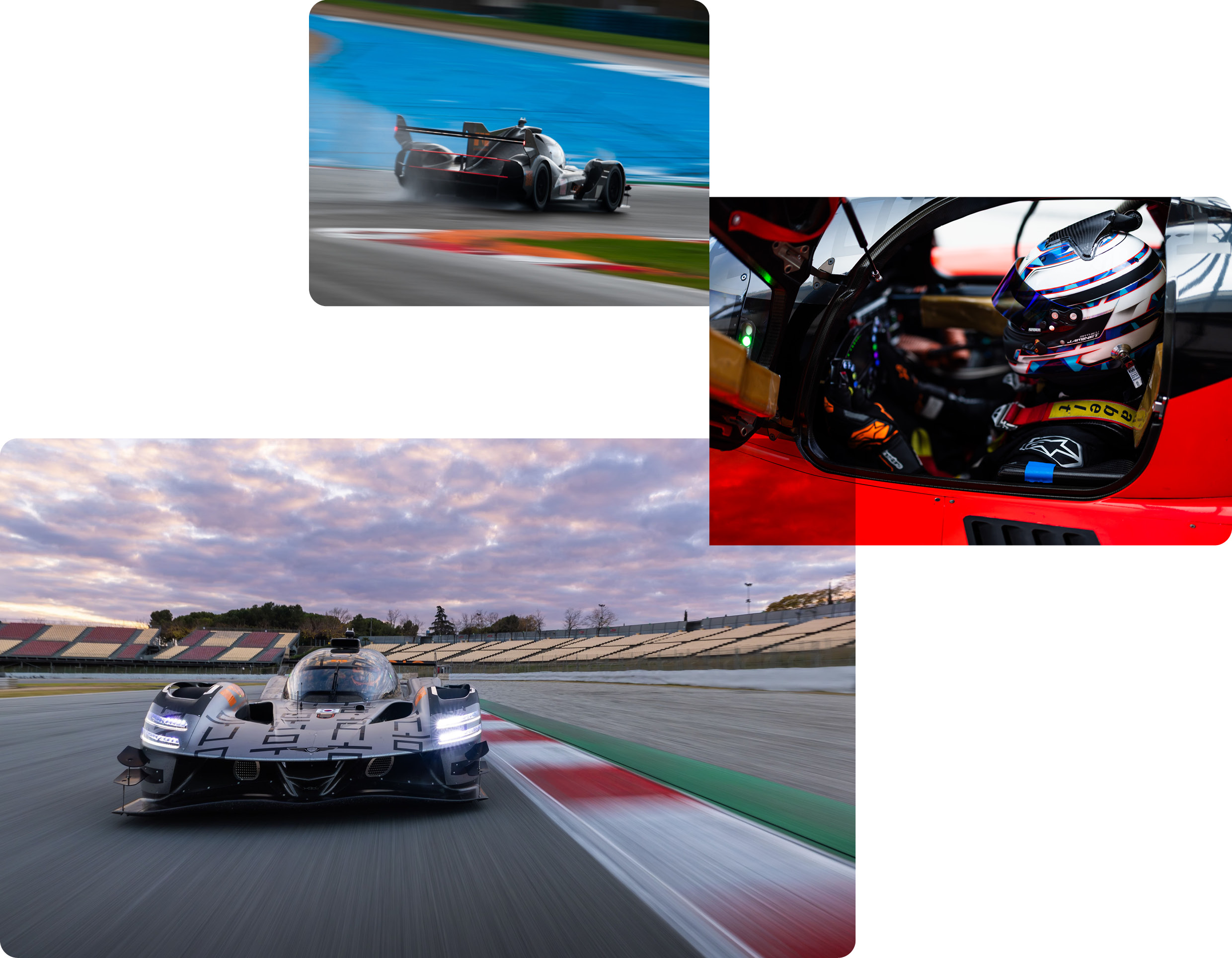
This move goes beyond a simple expansion of the model lineup. To demonstrate its commitment to high performance, the brand has embraced motorsports as its next frontier. Marking its 10th anniversary, Genesis unveiled the Genesis Magma Racing team and officially announced its entry into endurance racing in the LMDh hypercar class, the highest level of competition, with full-scale participation set to begin in 2026. The GMR-001 hypercar is currently undergoing rigorous testing under extreme conditions, while a WEC driver lineup made up of seasoned endurance racing professionals has already been finalized.
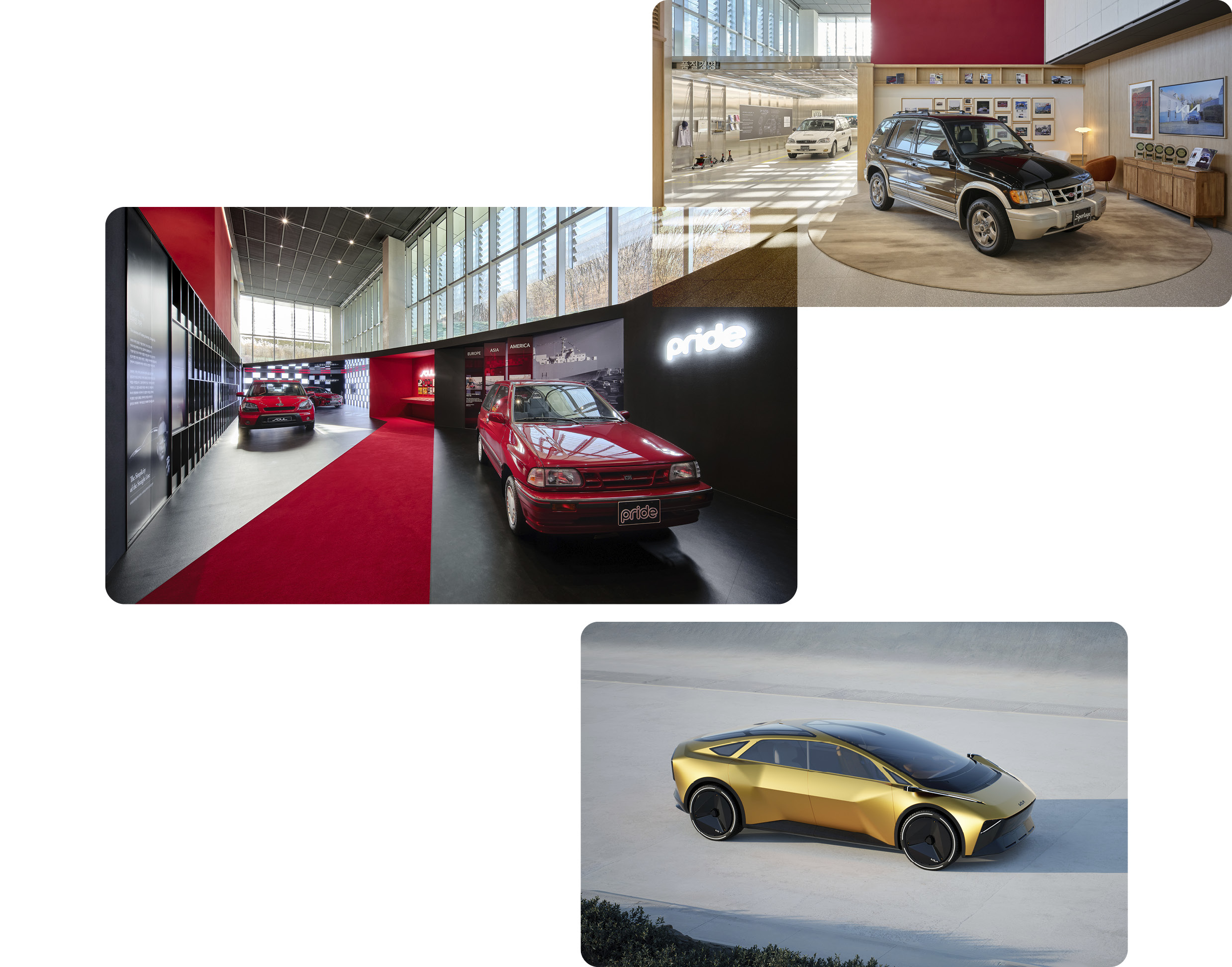
Kia held the Kia 80th Anniversary Ceremony at Kia Vision Square in Yongin, Gyeonggi Province. The event marked the debut of Kia 80 Years, the brand’s official history publication, along with the Vision Meta Turismo concept car—a future-oriented model that combines dynamic driving performance with a spacious interior designed for long-distance travel. Kia also presented a commemorative exhibition titled The Legacy of Movement, bringing together 17 vehicles in a single space, from heritage models to the latest electrified lineup. Spanning its journey from bicycles and motorcycles to EVs and PBVs, Kia’s 80-year legacy continues to evolve toward a new era of future mobility.
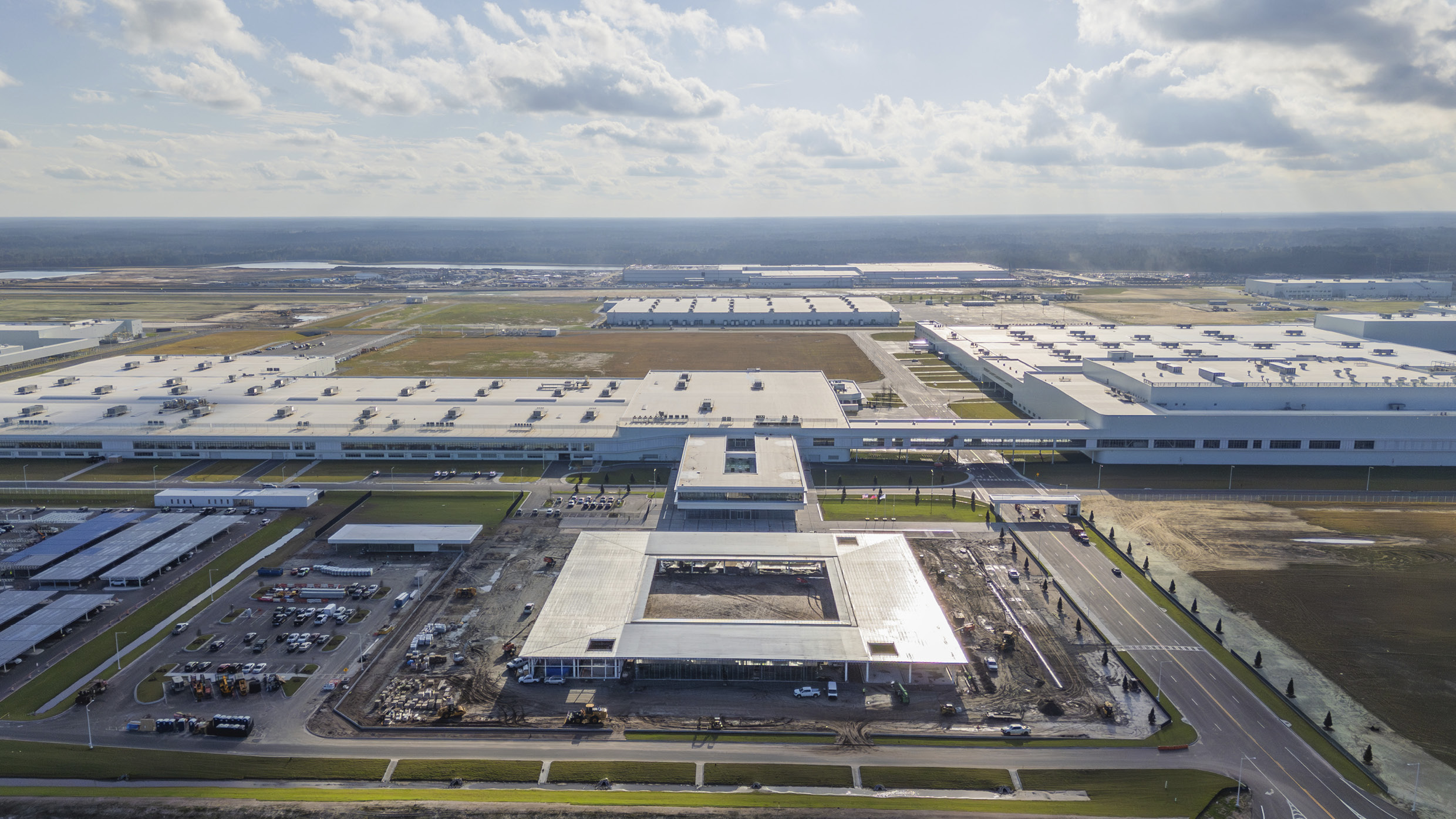
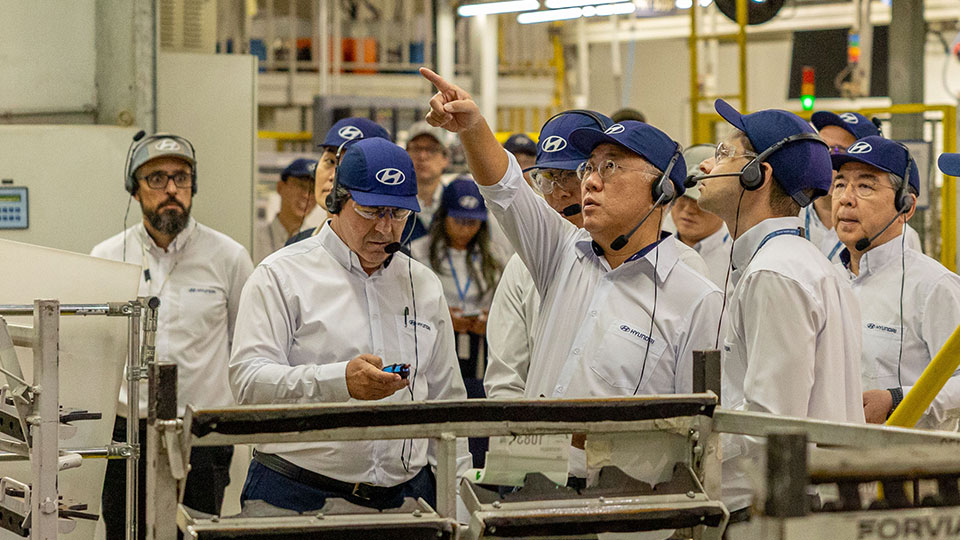
Hyundai Motor Group also marked a significant milestone in manufacturing with the completion of Hyundai Motor Group Metaplant America (HMGMA). As the Group’s third vehicle production facility in the United States, HMGMA is a next-generation smart factory that integrates robotics, artificial intelligence, and software. Built on the manufacturing innovation platform validated at the Hyundai Motor Group Innovation Center Singapore (HMGICS), the plant delivers high-quality, high-efficiency production while fostering a more human-centered working environment. Equipped with a flexible production system that supports both electrified and hybrid vehicles, HMGMA has emerged as a key hub for realizing Hyundai Motor Group’s future mobility ambitions.
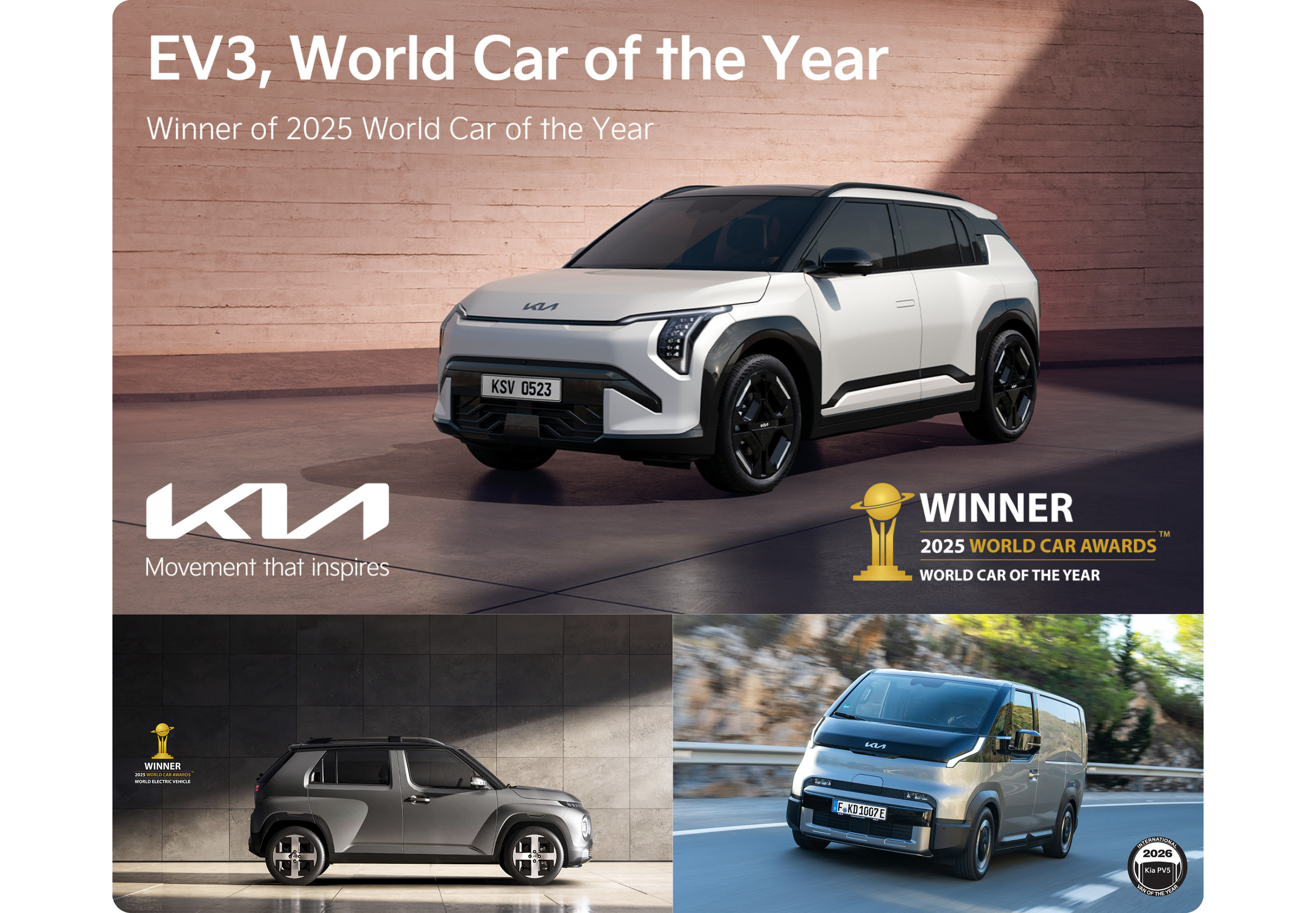
Hyundai Motor Group’s diverse lineup continued to deliver strong results at major global awards in 2025. Kia EV3 was named World Car of the Year at the 2025 World Car Awards, the program’s highest honor, marking a second consecutive top win following EV9. This achievement underscored the EV3’s strong value and product competitiveness, further reinforcing its presence in the global EV market. Hyundai INSTER also earned the title of World Electric Vehicle of the Year, highlighting the strength of compact EVs and demonstrating that practical electric vehicles can stand out on the industry’s most prestigious international stages.
In the commercial vehicle segment, the Kia PV5 set a new milestone by being named the 2026 World Van of the Year. As the first Korean brand to receive the award—and the first Asian electric light commercial vehicle to do so—the PV5 reaffirmed HMG’s technological capability and product excellence in the electric commercial vehicle sector.
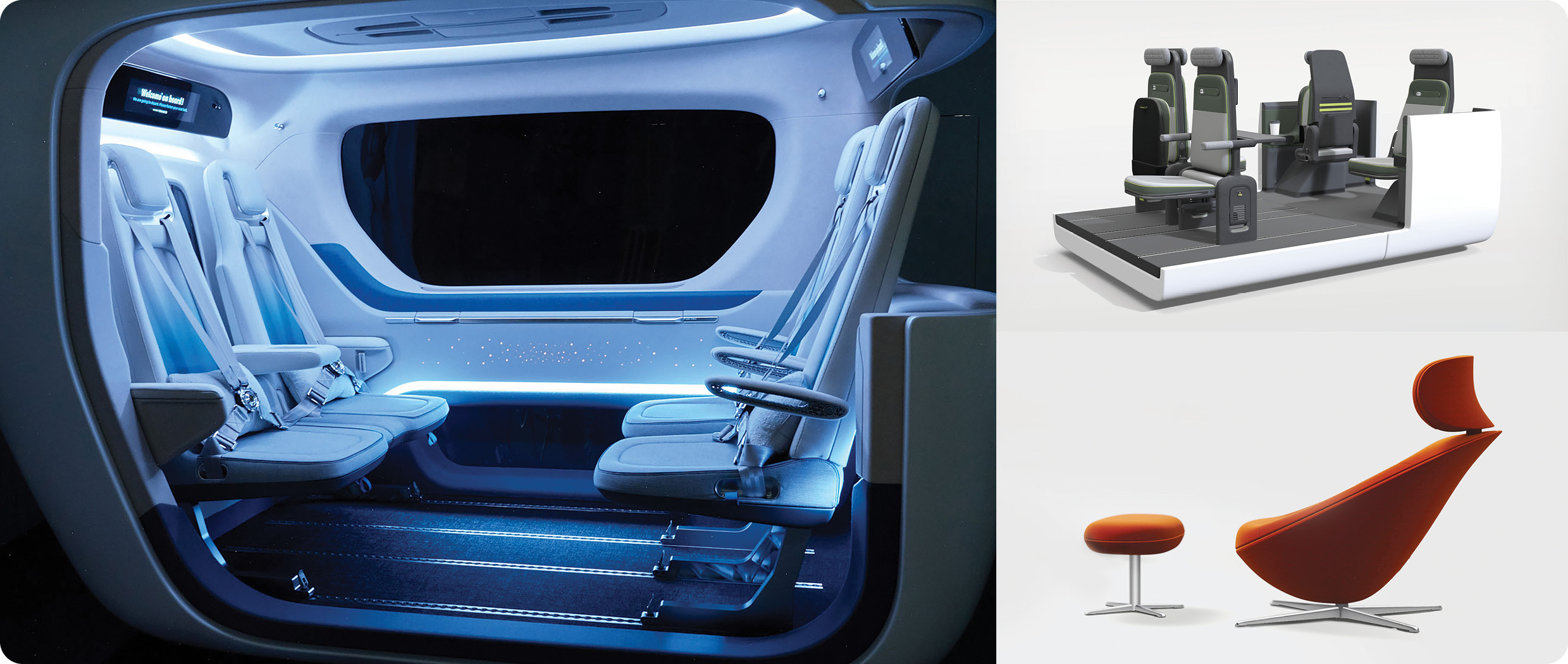
In the field of design, Hyundai Transys demonstrated strong competitiveness. At the Red Dot Design Award 2025—one of the world’s three major design competitions—Hyundai Transys secured three main awards, underscoring its leadership in future mobility interior design. The winning entries included a modular seat optimized for PBV environments, a UAM cabin concept emphasizing lightweight construction and spatial efficiency, and an ergonomically designed recliner chair, collectively presenting a vision of mobility interiors evolving into spaces centered on comfort and experience.

Brand communication emerged as another area where Hyundai Motor Group made a strong impression. The short film Night Fishing received the Grand Prix in the Entertainment category at Cannes Lions 2025, one of the world’s most prestigious international advertising festivals. In addition, the AI-based CSR campaign Tree Correspondent earned two Gold Lions and one Silver Lion, bringing the Group’s total to four awards at the festival. Together, these honors highlighted the power of storytelling that transcends conventional advertising formats and demonstrated how automotive brands can meaningfully engage with culture and society through technology.
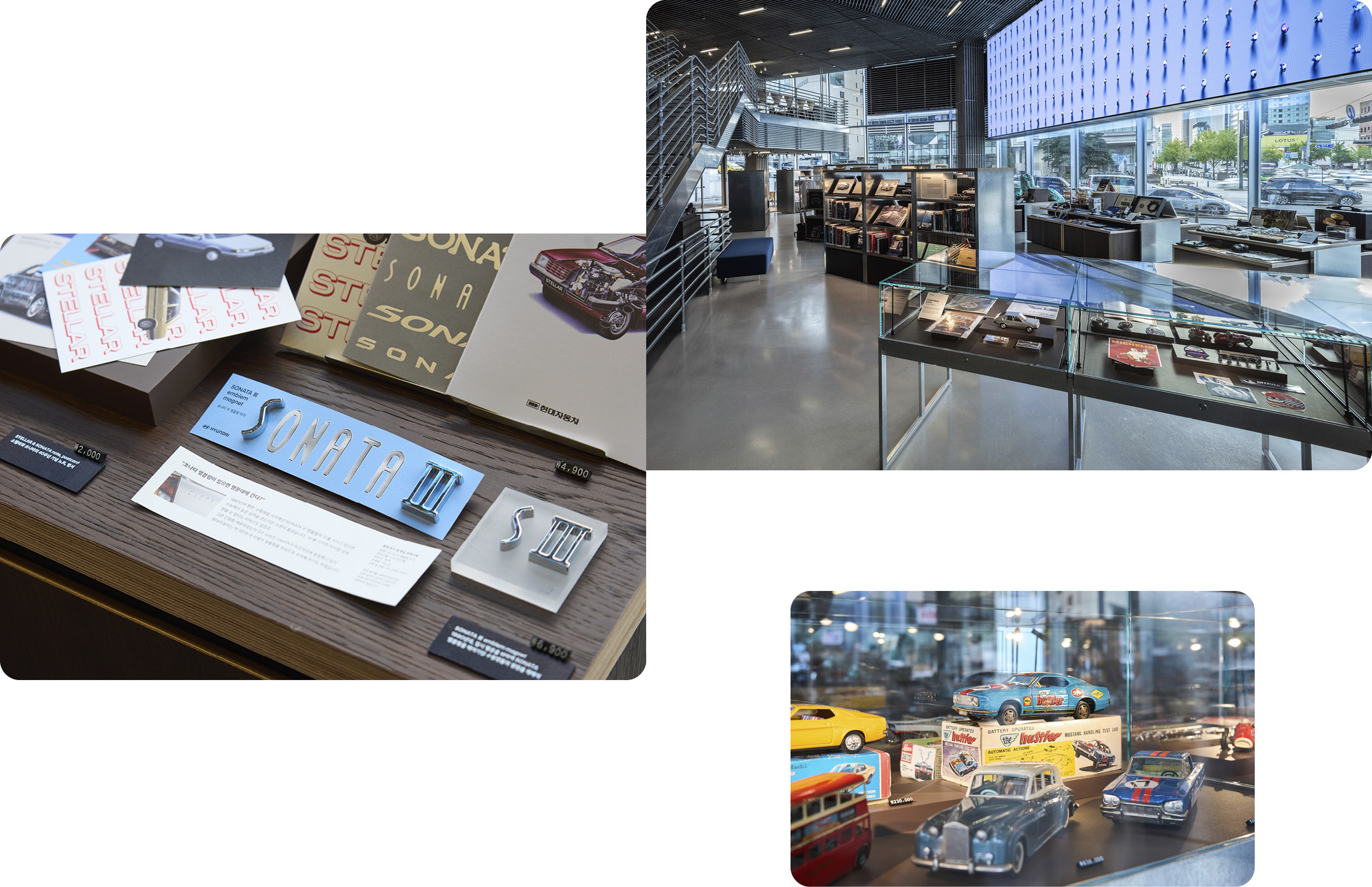
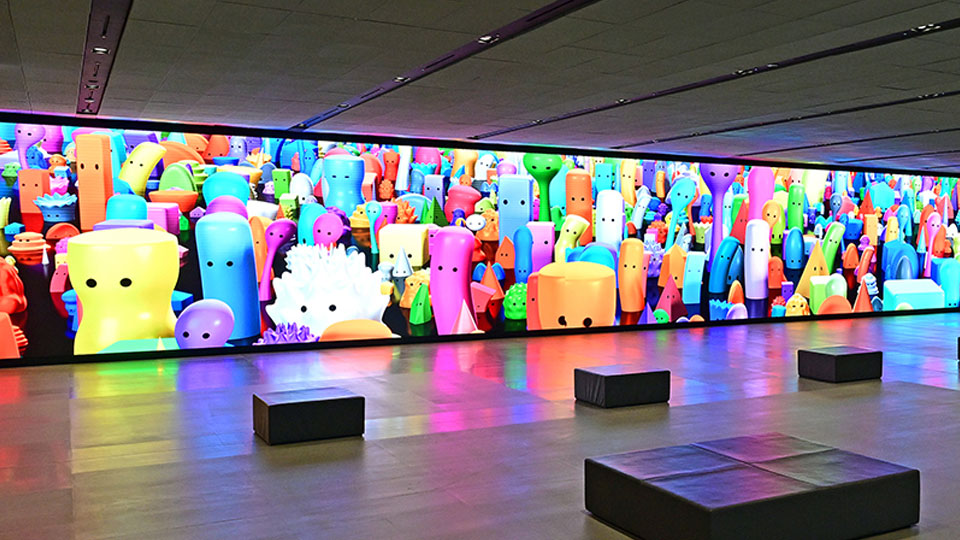
In 2025, Hyundai Motor Group reshaped brand–customer engagement through the launch of new spaces designed to broaden the customer experience. Hyundai Motor Company introduced a newly redesigned Hyundai Motorstudio Seoul, reoriented around the idea of staying, connecting, and interacting through automobiles. By thoughtfully curating books, lifestyle items, vehicle displays, and lounge areas, the space fosters a shared appreciation of automotive culture while strengthening connections with customers.
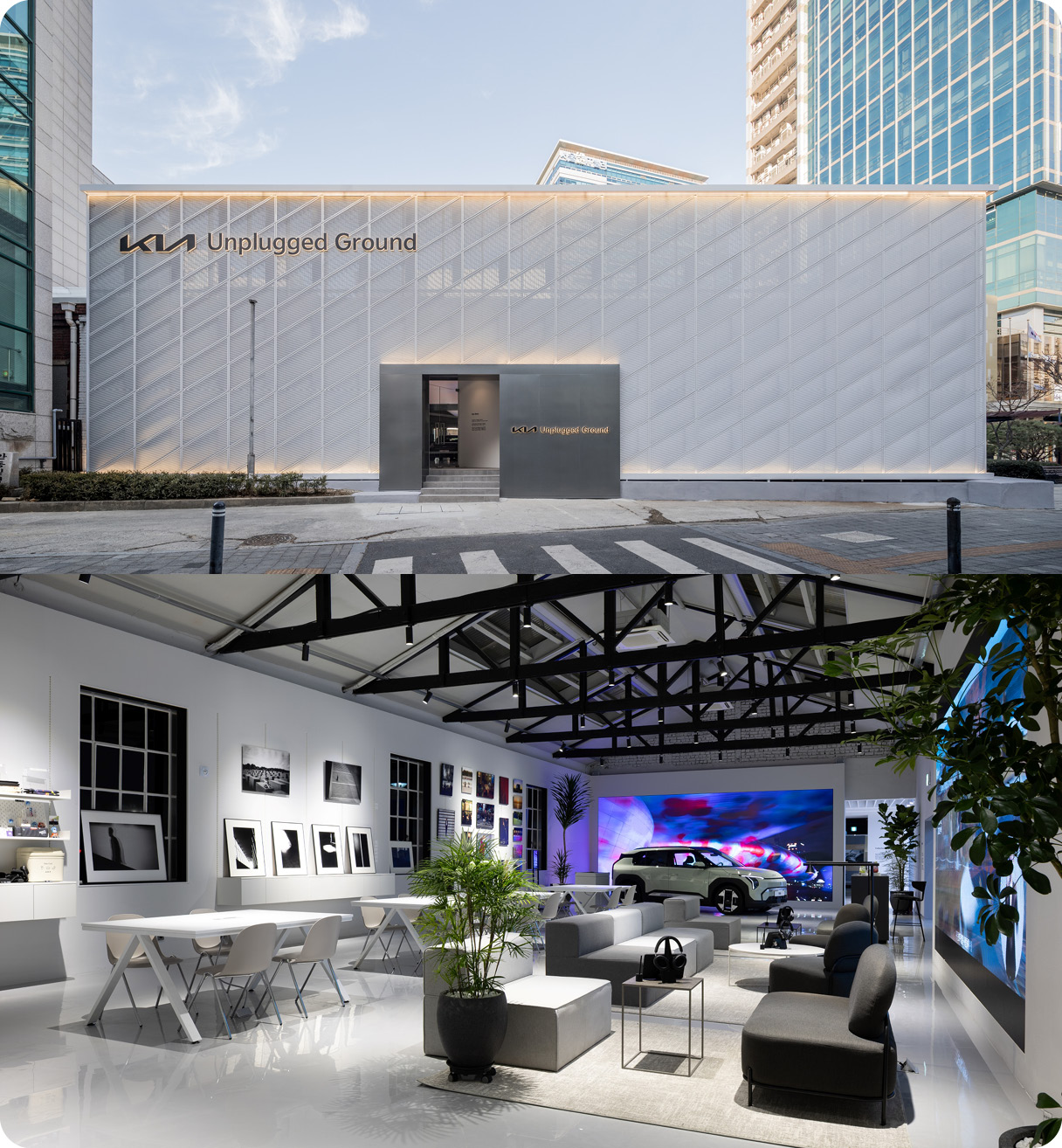
By renewing Kia Unplugged Ground in Seongsu, Kia expanded the scope of its electrified brand experience. The updated space features a reconfigured layout that enhances openness, along with a redesigned exhibition that brings the brand’s dedicated EV lineup together in a single setting. Built around the “Connecting Square” concept, which highlights the relationship between mobility and people, the venue offers a range of customer engagement programs and is set to evolve into an open platform proposing new ways of living in the era of electrification.
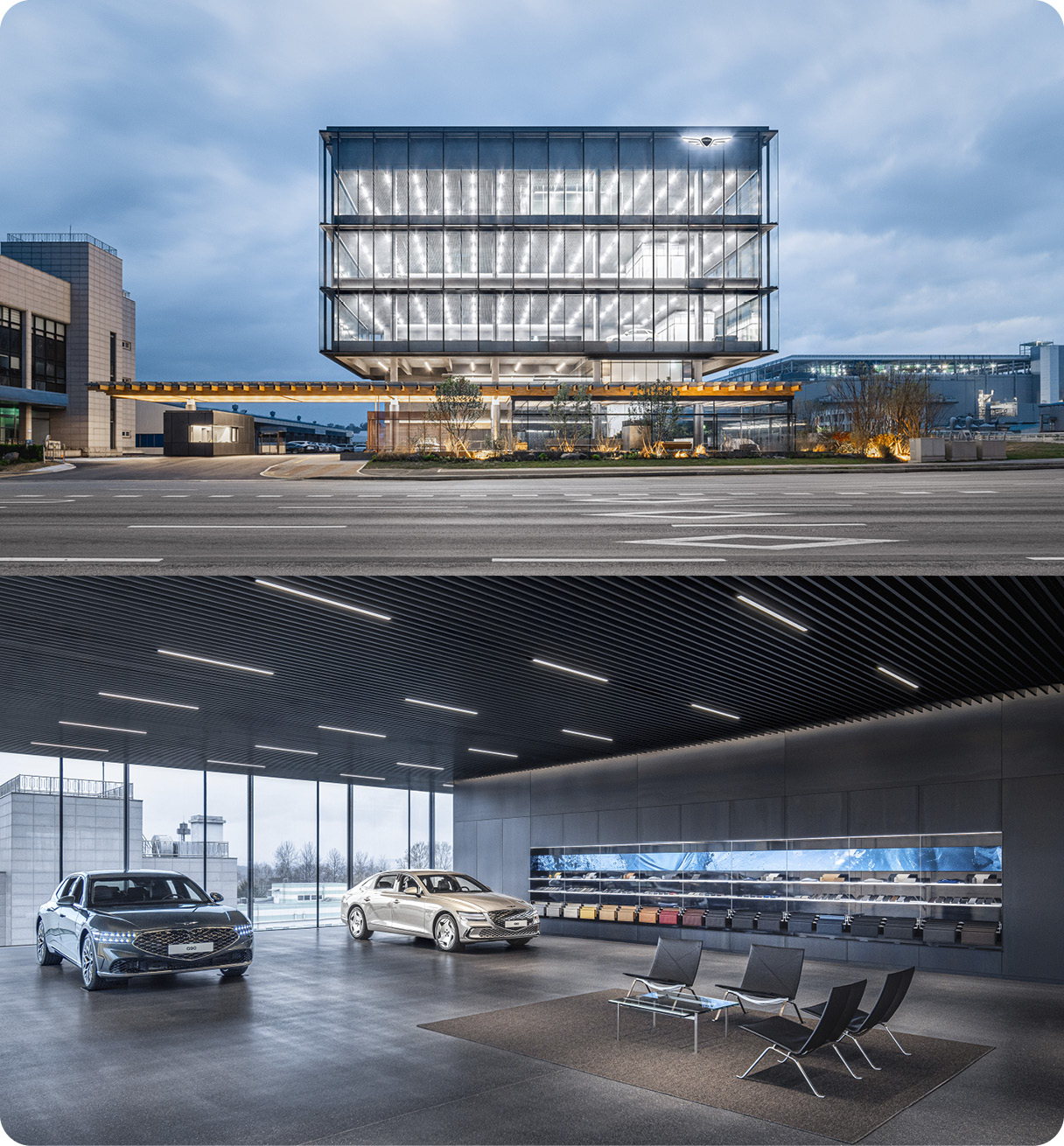
Genesis introduced a new way to engage with the brand by opening a dedicated exhibition space in Cheongju. Genesis Cheongju serves as a multifaceted cultural platform, offering not only vehicle displays and test drives but also the Genesis Lifestyle Collection, concept car exhibitions, and interactive classes. Thoughtfully designed exhibition and experience zones on each floor allow visitors to connect with Genesis’s design, technology, and brand philosophy. Additionally, region-specific test drives and a community lounge create fresh opportunities for customers to engage with the brand.
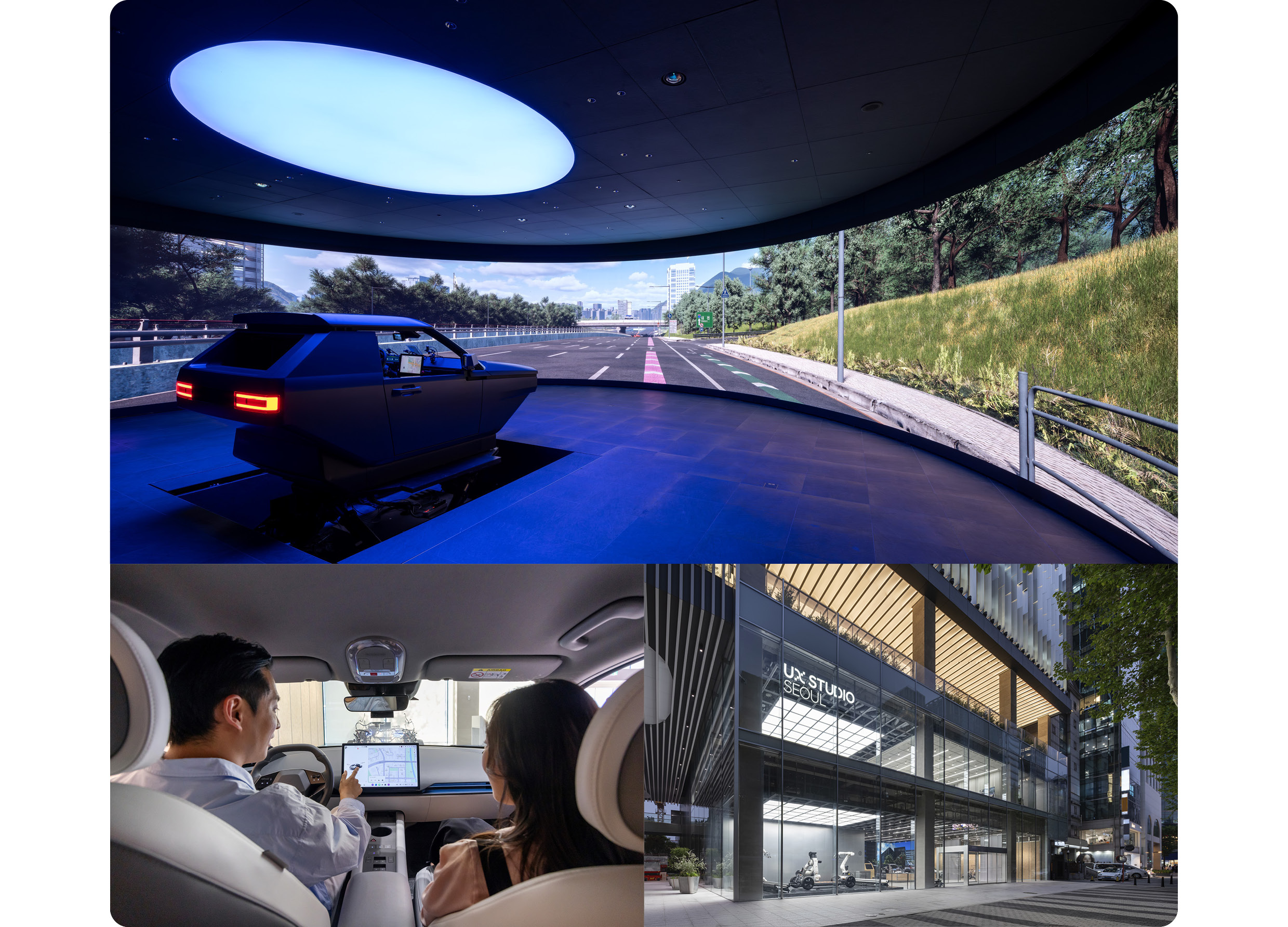
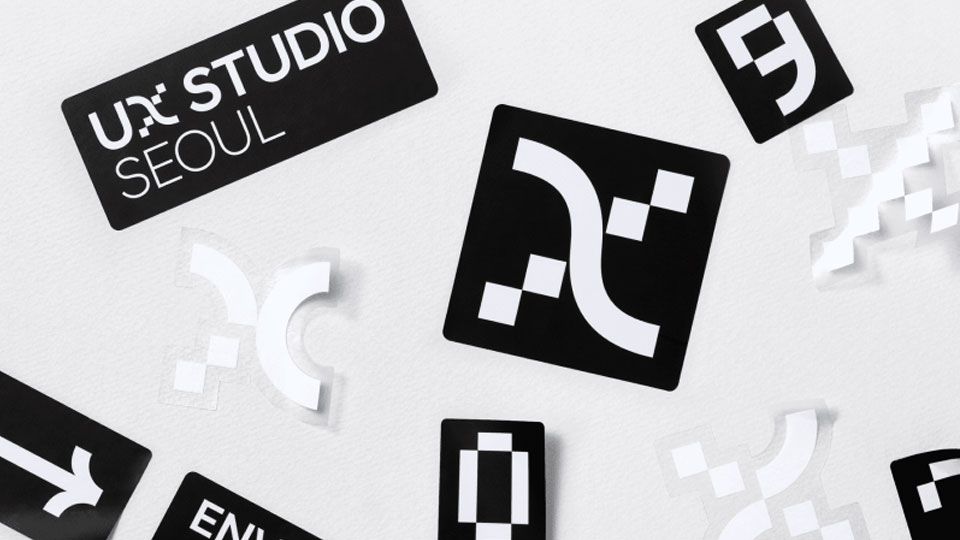
Hyundai Motor Company and Kia introduced a unique space to expand their approach to user experience research: UX Studio Seoul. This innovative space allows customers to actively participate in the development of mobility UX. In the Open Lab, visitors can experience SDV-based technologies and explore various UX prototypes, while the Advanced Research Lab employs immersive simulations for validation, ensuring complete transparency in the UX research process. Looking ahead, UX Studio Seoul is set to become a symbol of the paradigm shift in future mobility development.
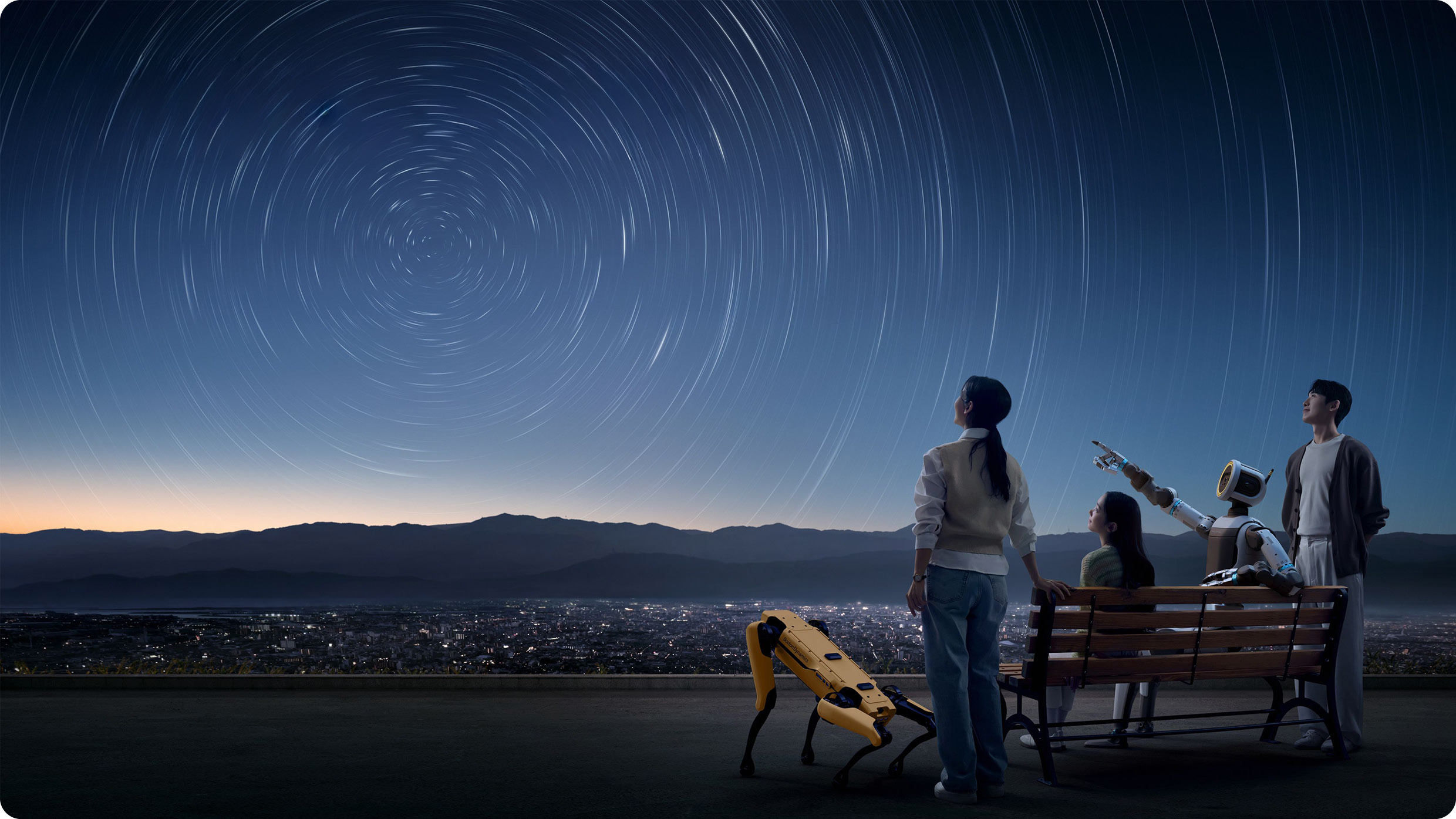
As demonstrated, 2025 was a year in which Hyundai Motor Group’s direction within the evolving mobility landscape became even clearer. Through the expanding momentum of electrification, new technologies, innovative spaces, and enhanced customer experiences, the Group’s vision of freedom of movement and the broader possibilities of mobility came into sharp focus. Amid a rapidly changing global market, Hyundai Motor Group continued to pursue this vision with increasing clarity and conviction. The journey will extend beyond 2025, carrying forward into the next phase of progress.