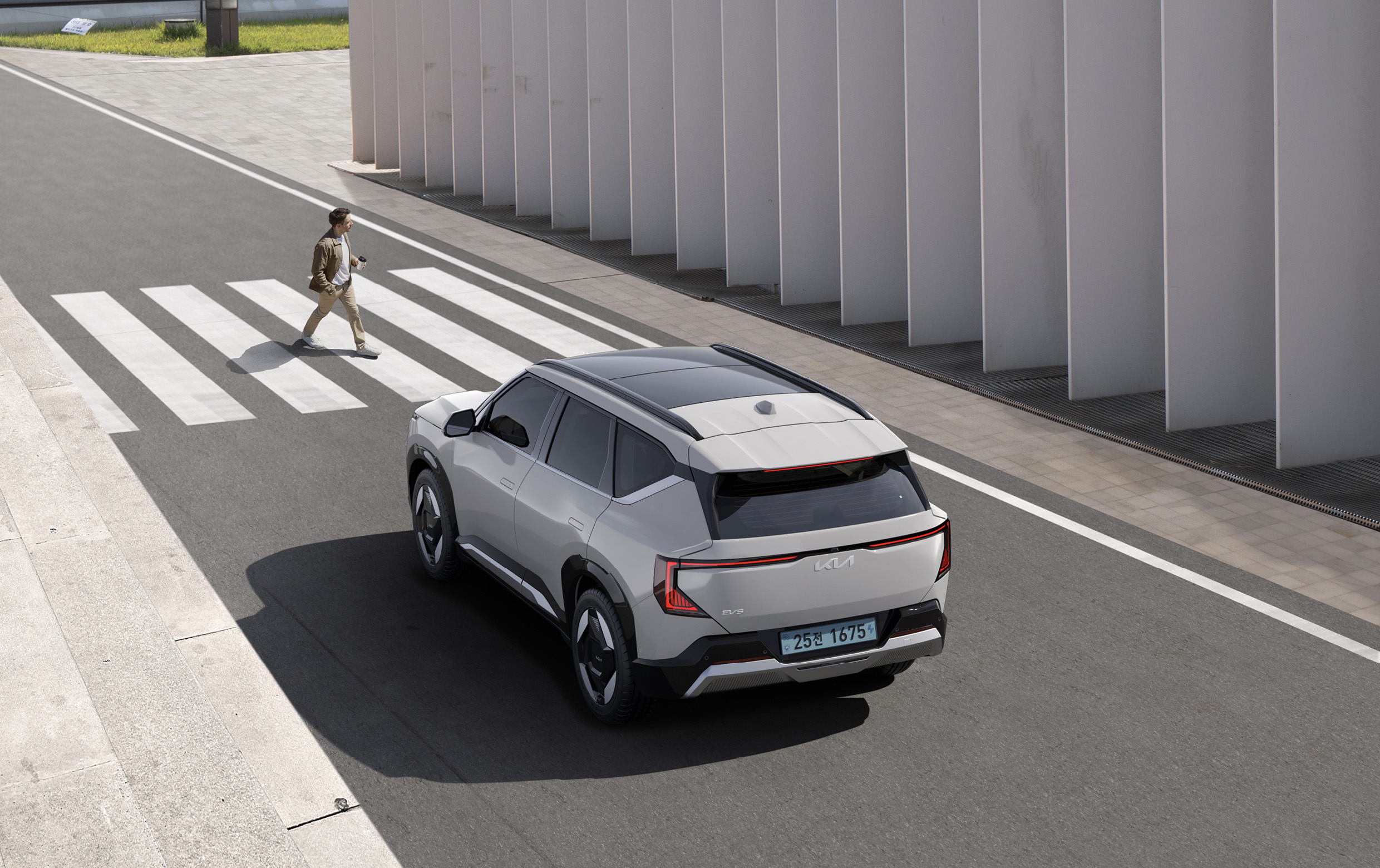
Advanced Driver Assistance Systems (ADAS), widely regarded as a critical steppingstone toward fully autonomous driving, has already delivered both convenience and safety. Thanks to rapid advances in cameras, radar, and LiDAR—the hardware that gives a vehicle its “eyes” and lets it interpret the road scene. Vehicles can now recognize not only surrounding traffic a driver might miss, but also pedestrians and bicycles, dramatically lowering the odds of an accident.
And yet, blind spots still exist. Vision-based sensing system has its limitation and cannot fully perceive areas beyond visible range. In cramped alleyways or on streets packed with tightly parked cars, sensors simply can’t collect enough information beyond the blockage. That makes it harder to react when something - or someone - sud-denly pops out from behind an obstacle.
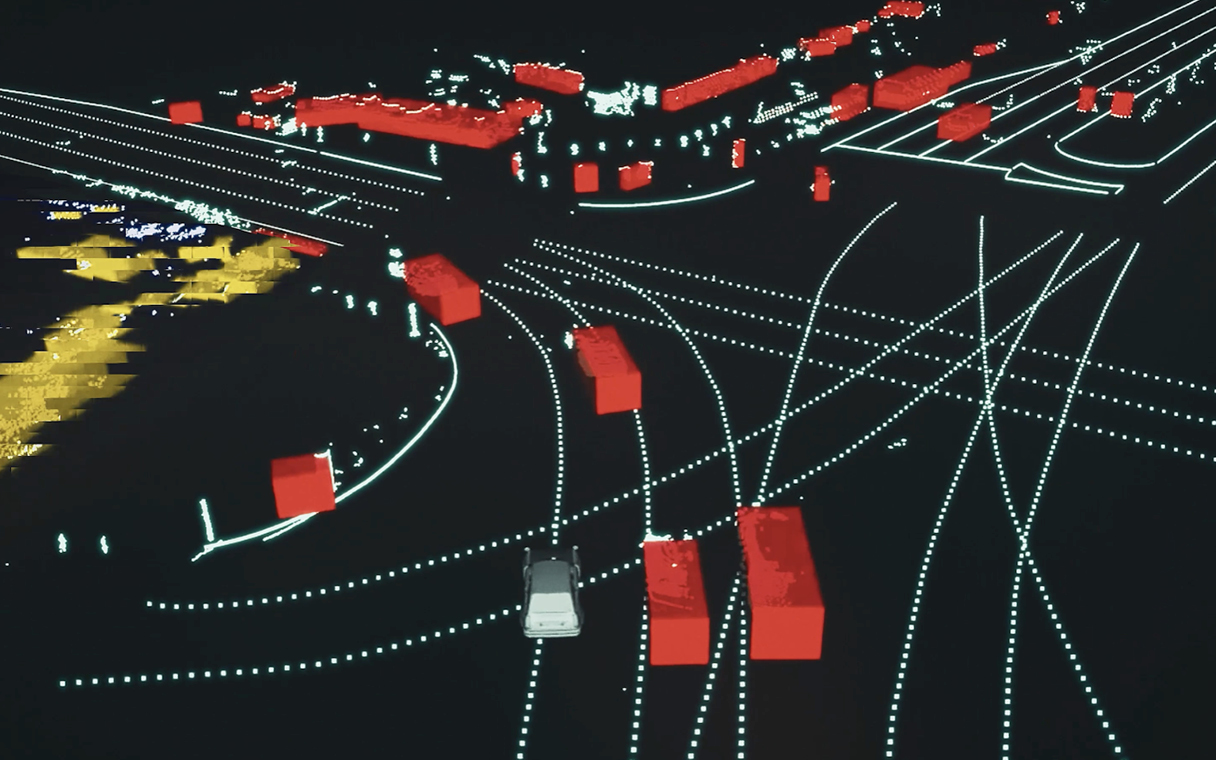
To tackle those gaps, Hyundai Motor Group has kept working on technology that can detect objects beyond obstacles. That push led to a world-first solution that brings GHz-band Ultra-Wide Band (UWB)—a technology best known for communications—into the core of driving safety.
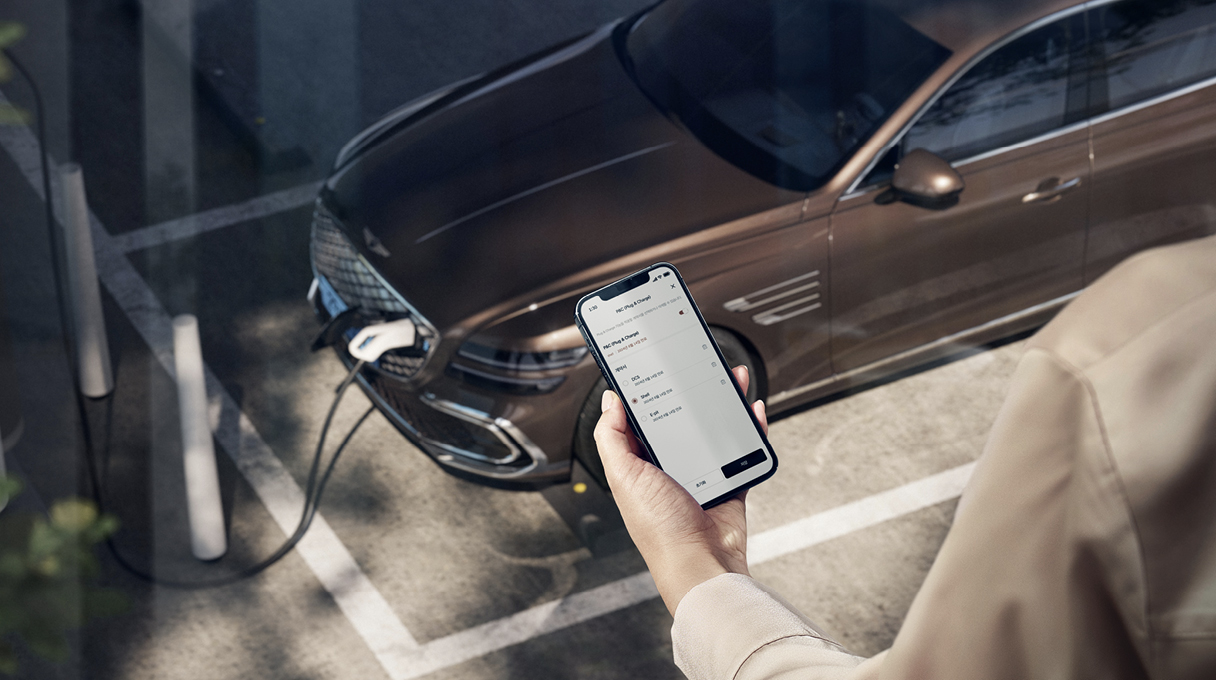
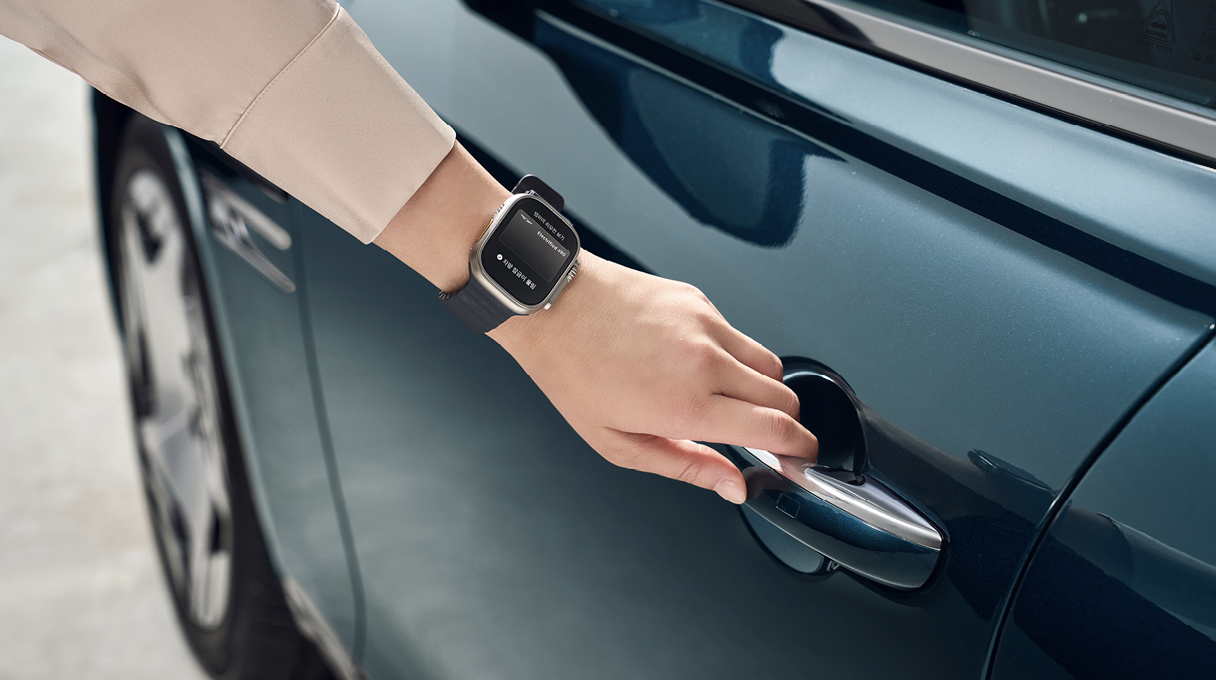
UWB is already used in vehicles, smartphones, and smartwatches for short-range functions known as the digital key. What makes it especially interesting for safety is its strong diffraction and penetration characteristics, which allow it to pick up objects behind the obstacles. Pair that with ultra-low latency measured in milliseconds and strong resistance to signal interference, and UWB is well suited to the real world—especially dense urban environments filled with signal clutter.
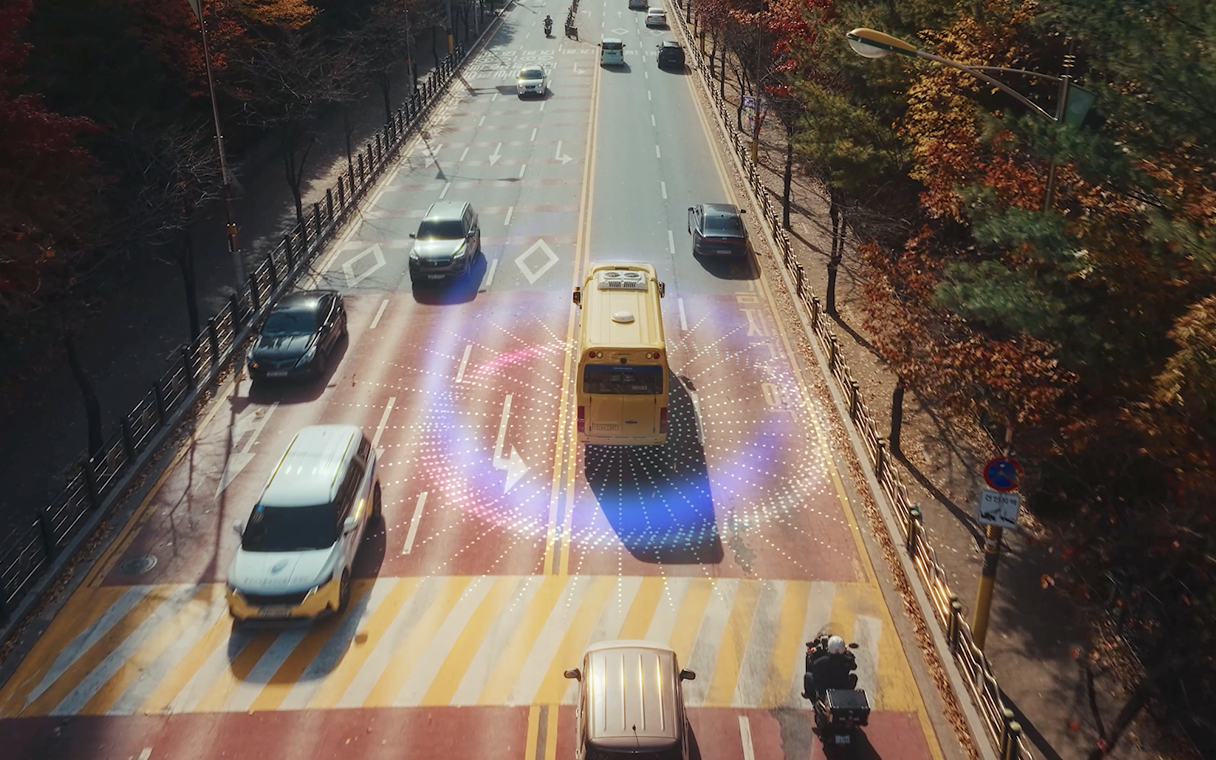
Vision Pulse is Hyundai Motor Group’s attempt to maximize the technical advantages of UWB. Operating at low power, it can detect surrounding environments and object status in real time and quickly measure precise positions—opening up new possibilities for driver safety.
The principle of the technology is the vehicle uses UWB modules installed inside—functionally, UWB transmit/receive points often described as anchors—to emit UWB signals. Nearby objects equipped with UWB-capable devices exchange signals with the vehicle. By measuring how long those signals take to travel, the system calculates distance and determines position. The payoff is precision. Using high-quality ranging data, Vision Pulse can estimate the position of nearby pedestrians or vehicles with an error margin of about 10 centimeters—roughly 4 inches.
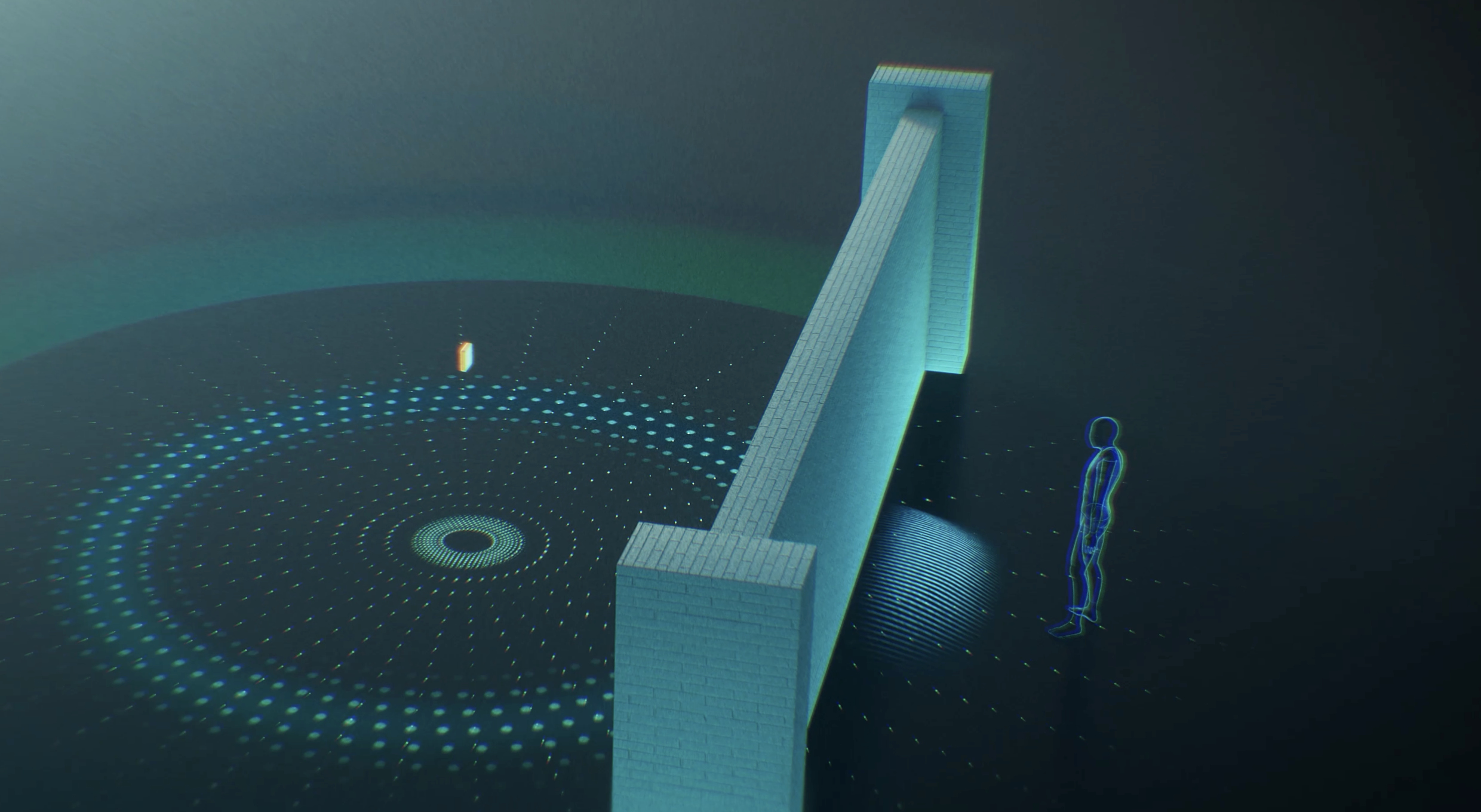
Vision Pulse’s accuracy and responsiveness come from direct communication between the anchor and surrounding objects with the tag. Traditional infrastructure-based positioning systems typically rely on fixed devices installed in known locations to detect and track vehicles or pedestrians. Signals are collected, routed through intermediary equipment, and then used to compute location. That multi-step process adds latency.
Hyundai Motor Group’s approach skips that bottleneck by calculating positions through direct signal exchange—without relying on separate communications infrastructure. The result is quicker response and higher capacity. In comparative testing, infrastructure-based solutions recorded communication speeds of 0.1 seconds, while Vision Pulse delivered approximately 0.02 seconds. The number of trackable objects also increased by more than four times.
These structural advantages translate into cost efficiency, too. Because Vision Pulse can leverage UWB modules already integrated into many vehicles, it can reduce the hardware changes needed to bring the technology into a vehicle. It also opens the door to building advanced driver assistance functions while reducing dependency on costly sensors such as LiDAR and radar. Low-power algorithms applied to the communications modules further improve overall system efficiency.
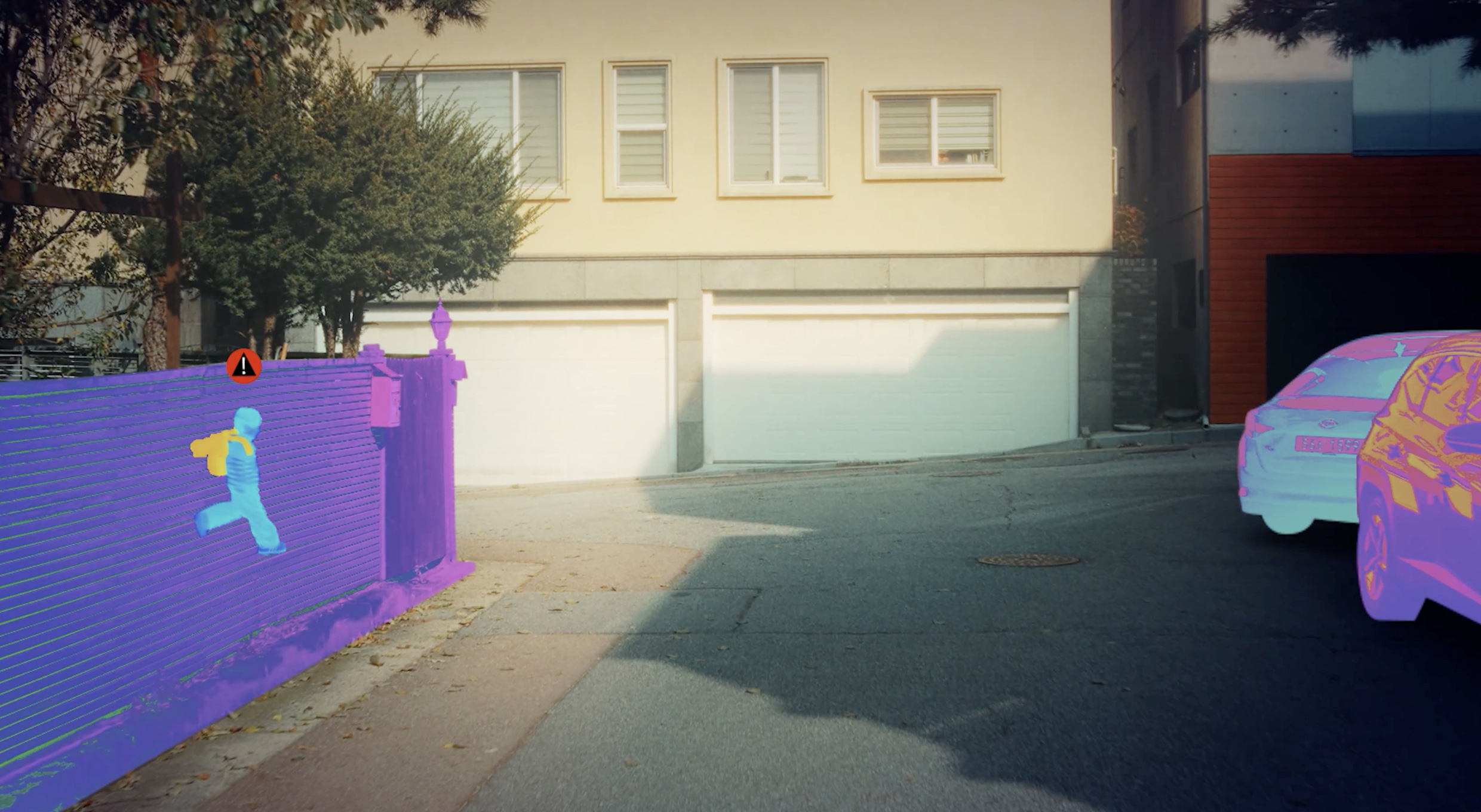
Hyundai Motor Group expects Vision Pulse to either replace certain components within today’s ADAS suites or reinforce perception architectures that have traditionally depended on line-of-sight sensing. In areas where conventional sensors struggle—like blind spots—the technology can detect the presence of pedestrians or vehicles and help identify collision risk sooner. By enabling a more three-dimensional perception framework, it’s expected to help prevent accidents that stem from complex driving environments or simply not having enough time to react.
This kind of perception innovation also matters for future technology expansion. Physical AI technologies—including Boston Dynamics’ AI humanoids—typically require high-order hardware stacks loaded with cameras and sensors. In that context, efficient perception technologies like Vision Pulse could become a key lever to reduce overall system complexity and cost burden.
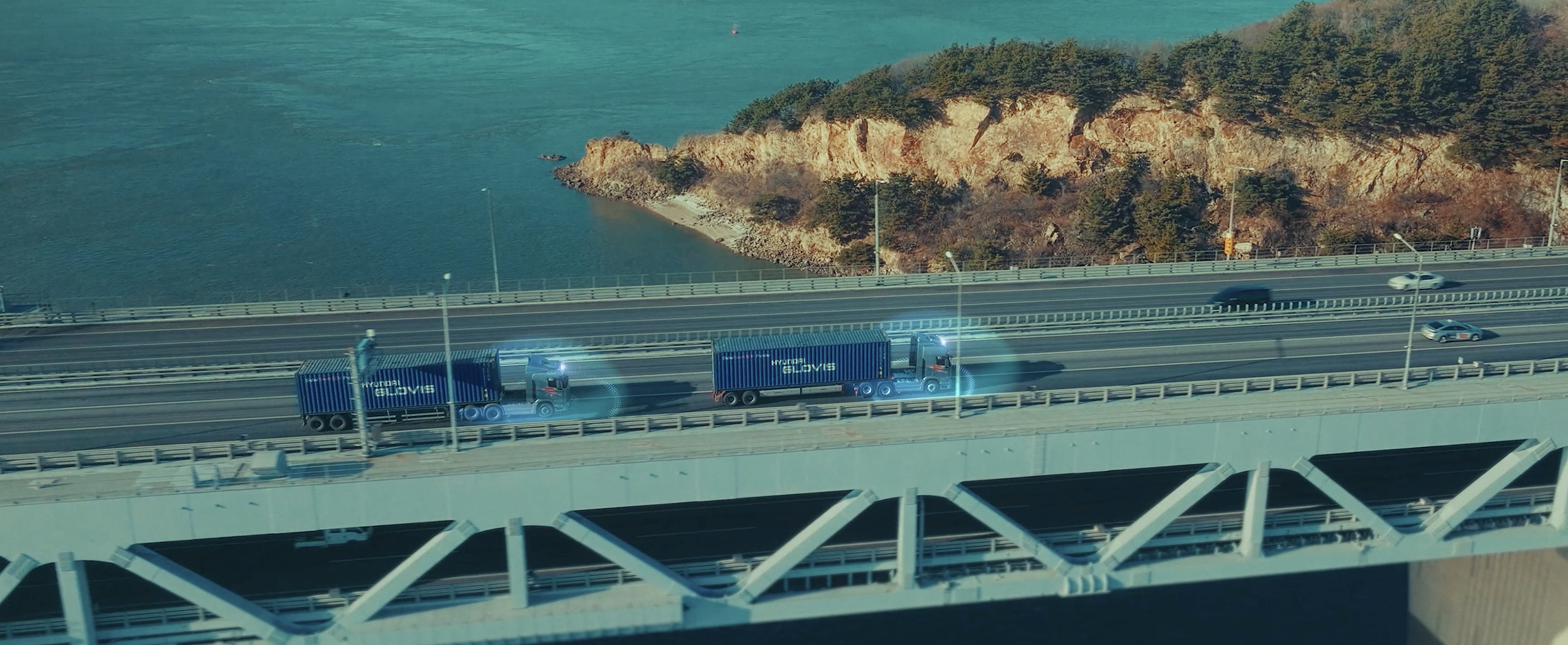
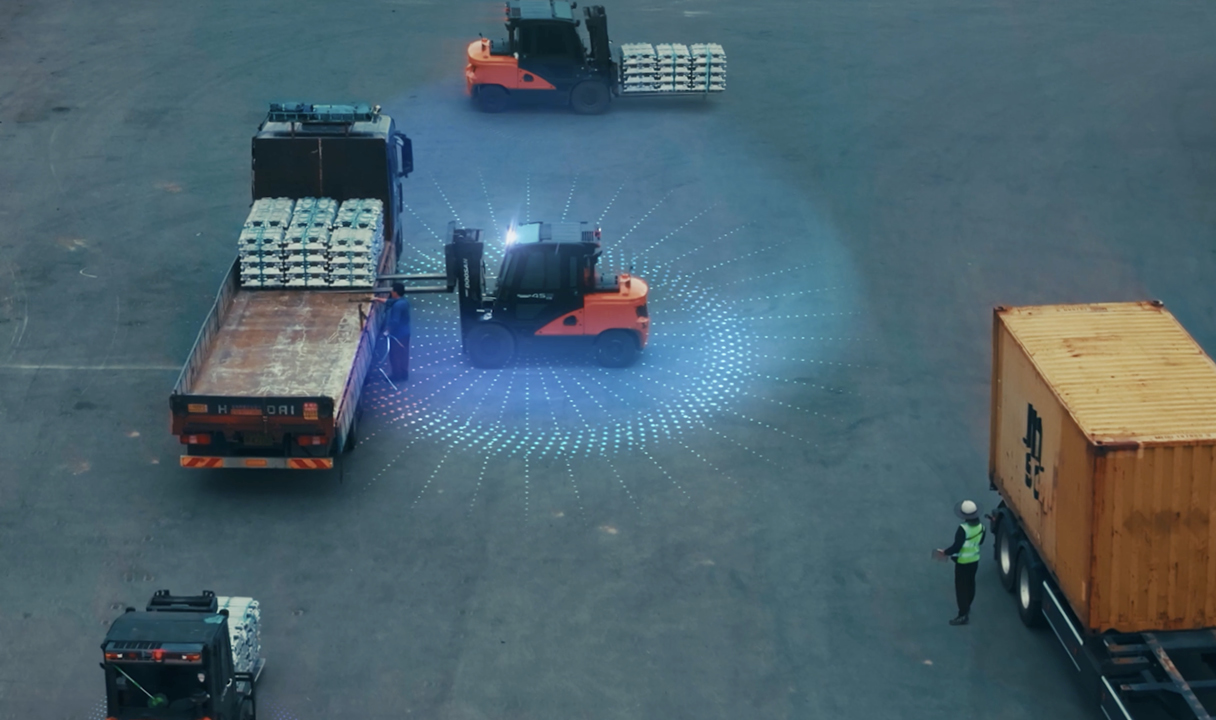
Hyundai Motor Group also aims to expand the technical value of Vision Pulse from public roads into broader industrial ecosystems. For example, to reduce safety accidents in logistics environments, it has been conducting technology demonstration projects since last year at Kia’s PBV Conversion Center production line and at Busan Port Authority areas. In environments where a forklift driver’s view is blocked by cargo, Vision Pulse can detect nearby workers in advance and issue warnings based on risk level, helping reduce accident risk.
Because it can detect objects beyond obstacles, Vision Pulse has potential applications even in specialized environments such as disaster scenes. If the system is linked with tags that include thermal detection sensors—say, in an underground parking garage or a ship where toxic gas blocks visibility—it becomes possible to quickly pinpoint the location of a fire or individuals.
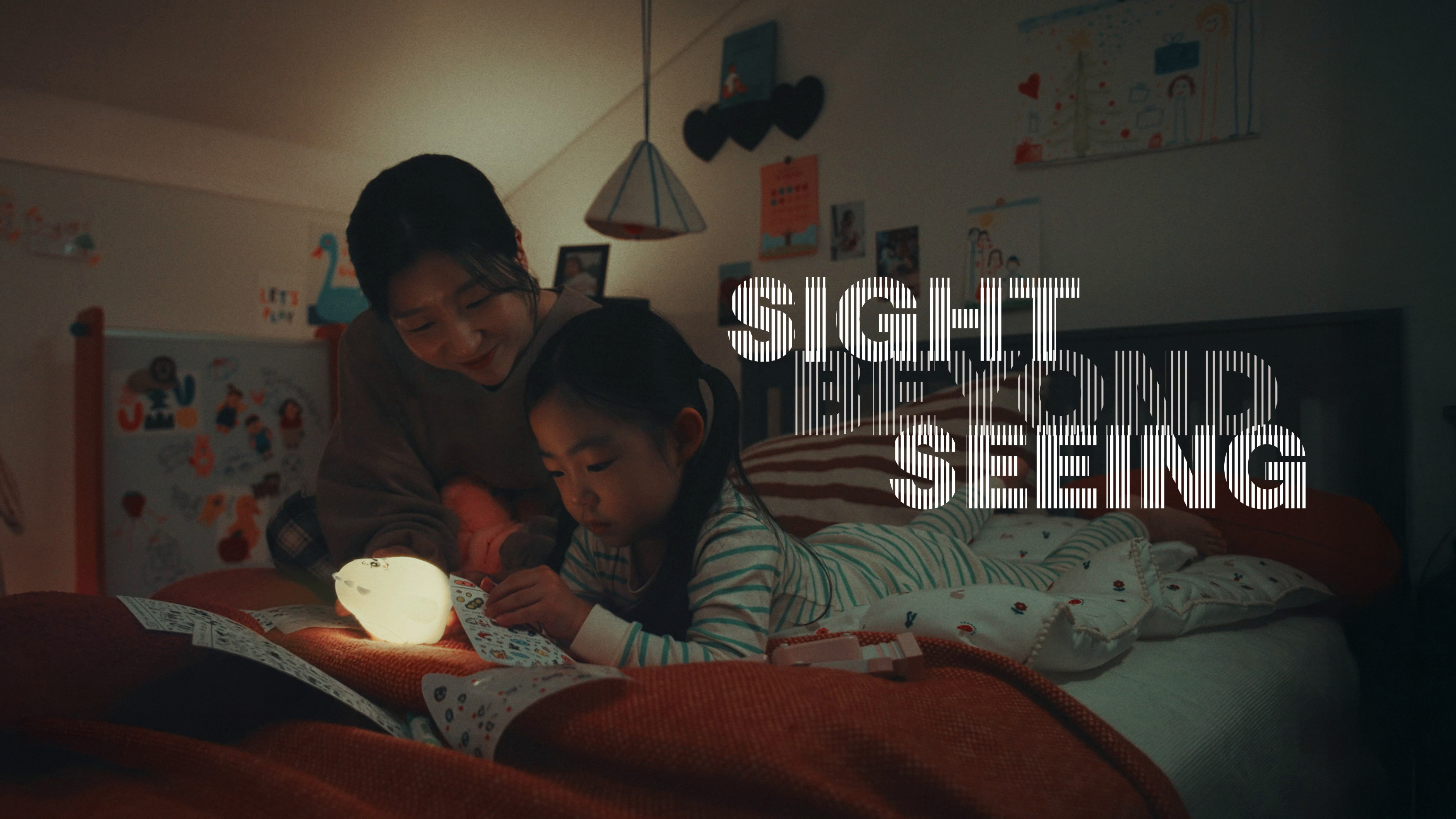
Also, Hyundai Motor Group revealed another real-world validation for Vision Pulse through a campaign film - Sight Beyond Seeing. The film opens with a familiar, everyday worry—the moment a child leaves out of sight. From the perspectives of a mother and a daycare-bus driver, it illustrates the risks that can emerge in a split second beyond a guardian’s gaze and outside a driver’s range of perception.
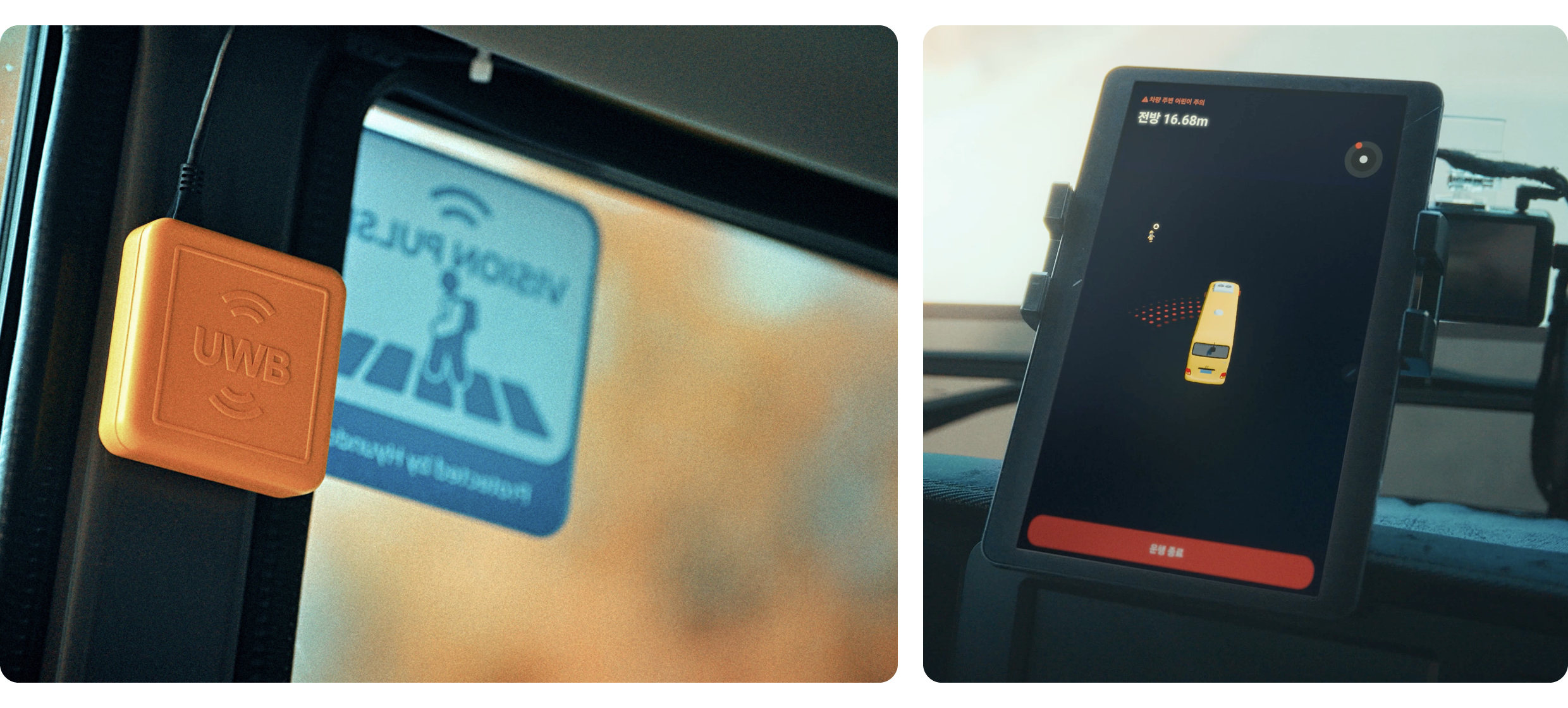
Children behave differently from adults. They’re smaller, they make sud-den movements more often, and they can be unpredictable. As a result, pedestrian accidents involving children exceed 2,000 cases each year, and many of them originate in blind spots in cars. Typical scenarios include a child darting into a crosswalk or alley without warning, or an incident during school-bus boarding and drop-off when the driver doesn’t recognize the child. Also, children being left unattended in vehicles in scorching summer heat still occur.
To address a problem that’s close to everyday life yet difficult to solve, Hyundai Motor Group piloted Vision Pulse technology in children’s school commuting. With anchors installed on a school bus and children carrying tags, the bus driver can easily confirm a child positioned in a blind spot through a dedicated app.

The tag was designed as a keyring so that young children can carry comfortably. Inspired by Hyeonmu—a Korean traditional guardian angel—it is made of lightweight silicone. Kids can customize their own with stickers or drawings, helping the keyrings feel familiar and easy to keep close.
The keyrings also double as sleep-friendly nightlights. At night, they add a soft glow that helps a child who’s afraid of the dark settle in and fall asleep with peace of mind. That idea—keeping children protected safely, day and night—is baked into both the design and the functionality.
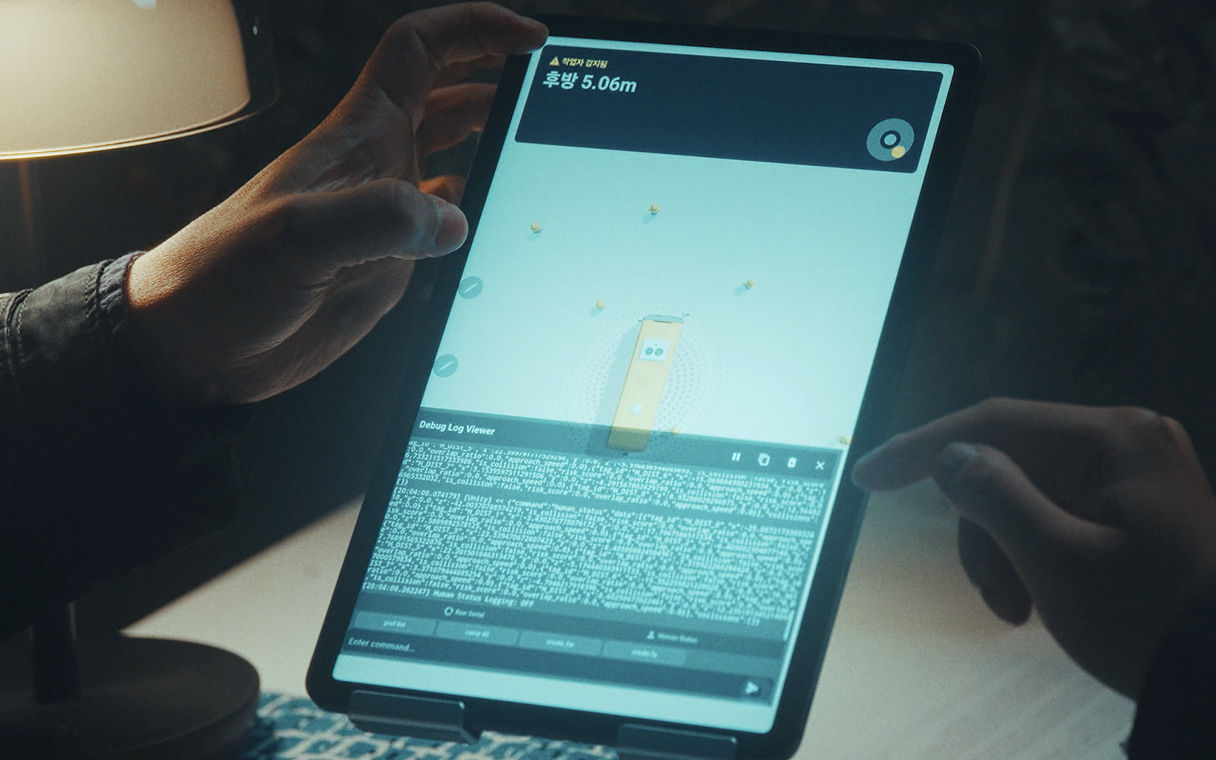
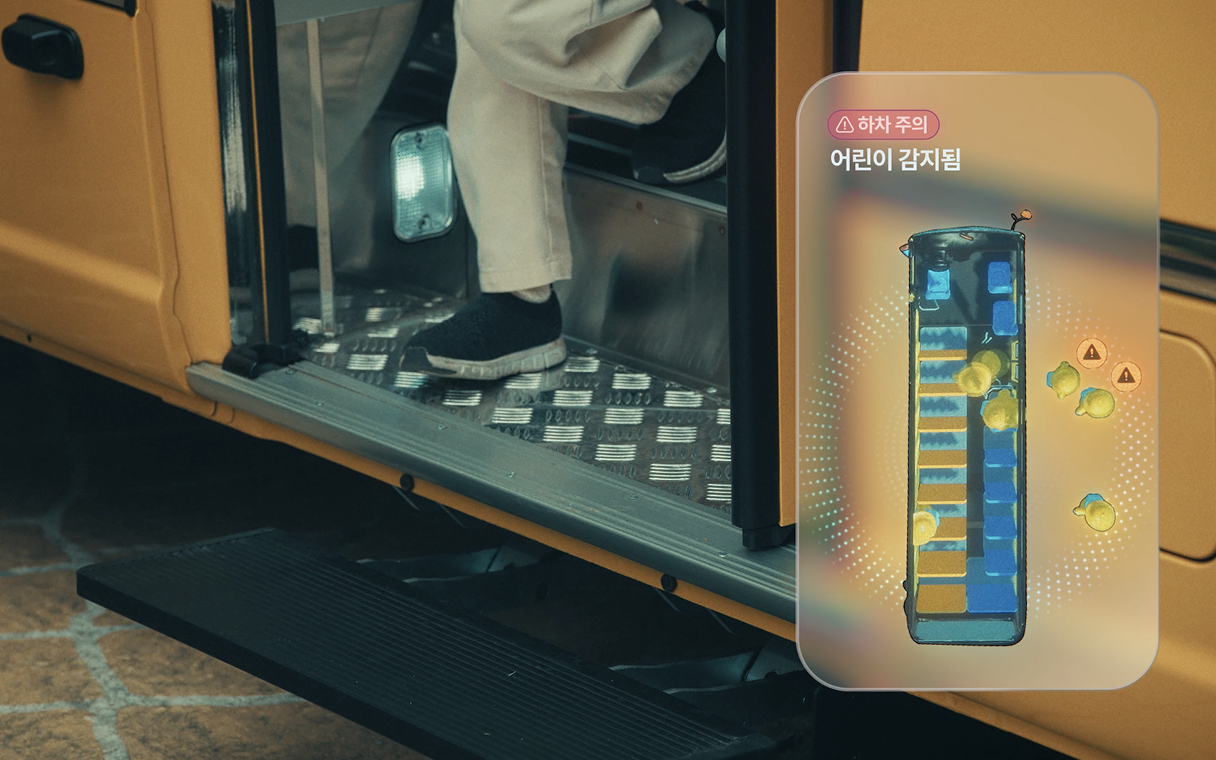
The “Sight Beyond Seeing: The Technology That Sees the Unseen” campaign video tells a clear, relatable story about how Vision Pulse can improve everyday safety. Set in the familiar world of school-bus drop-offs and pickups, it shows how Vision Pulse can detect and respond to hazards that traditional line-of-sight sensor systems can struggle to catch.
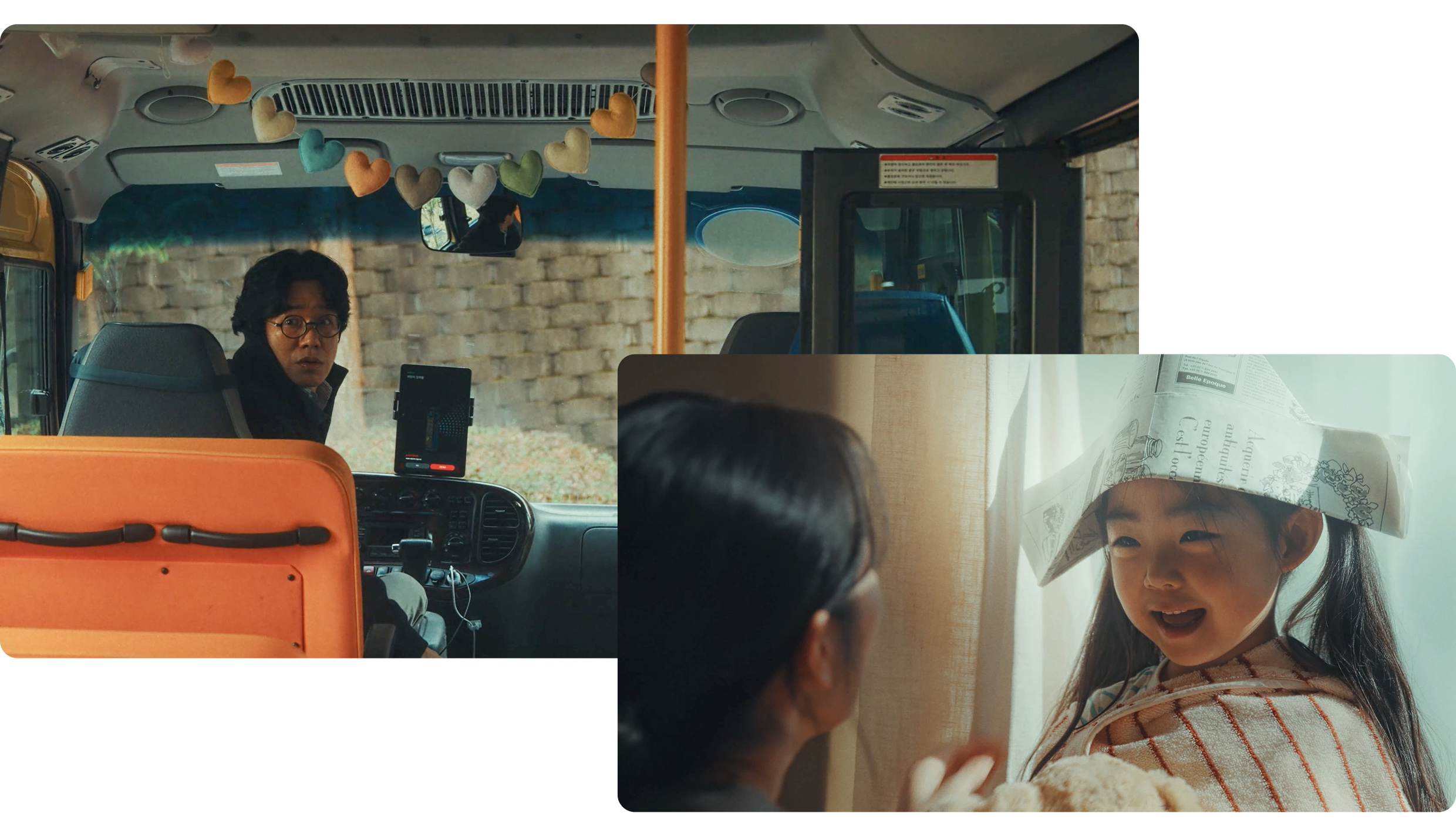
But Vision Pulse is still only taking its first steps. For everyday drivers to actually see the benefits in real life, the technology will need more real-world validation—and a clear path to commercialization. Even so, Hyundai Motor Group’s focus on safety tech like Vision Pulse makes sense: under its Progress for Humanity vision, the group wants to expand the mobility expertise it’s built over decades into safety solutions that can protect people across society.
“As my child grows, there will be more and more moments when I lost track of them. I hope there will be more technologies like this that keep them safe even when they are out of my sight,” says the mother in the campaign video. That wish fits right in with Hyundai Motor Group’s direction—and its push for safety innovation, made real through tech like Vision Pulse, is playing out where it matters most: in everyday driving.