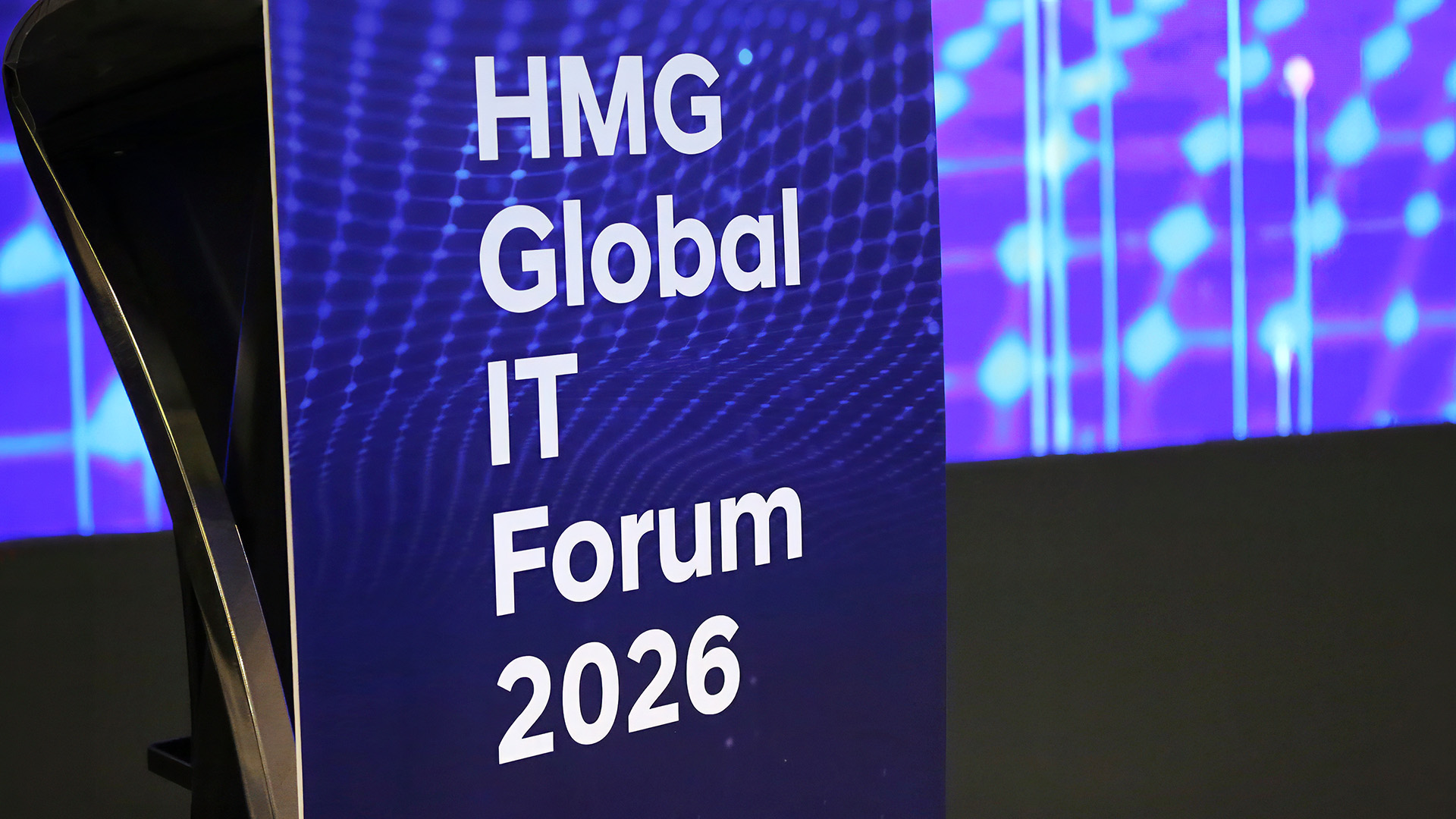
Hyundai Motor Group recently hosted the HMG Global IT Forum 2026. The forum is designed to share group-wide IT strategy and plans while reinforcing the collaboration needed to execute them. First launched in 2024 and now in its third year, the event brought in more than 100 IT staffers from 44 overseas entities spanning North America, Europe, India, Asia-Pacific, Latin America, and China. Including attendees from Korea, the gathering brought together roughly 200 IT experts in total.
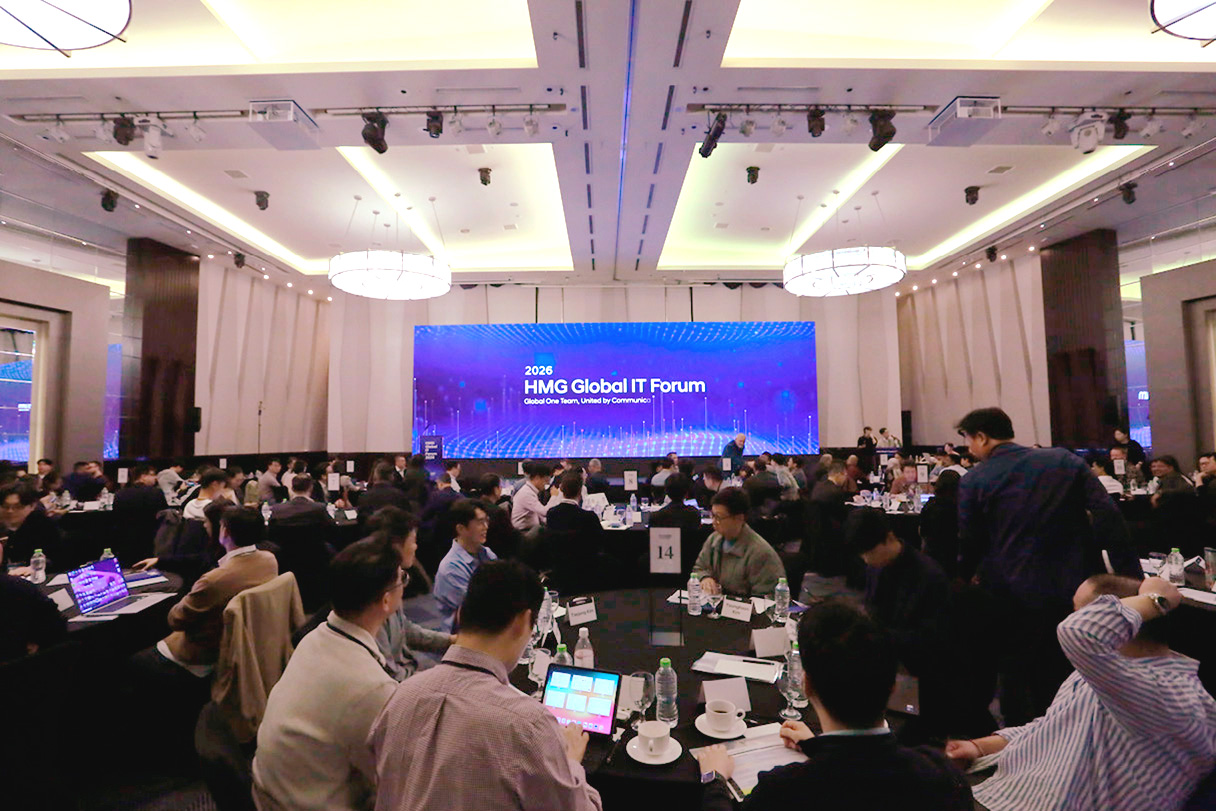
The phrase defining this year’s event was “Global One Team, United by Communication and Empathy.” In real terms, that means one team working across borders under the same goals and the same standards. With that in mind, HMG’s ICT organization built the forum as a place to share direction, principles, and long-term vision beyond the usual boundaries of region and org chart.
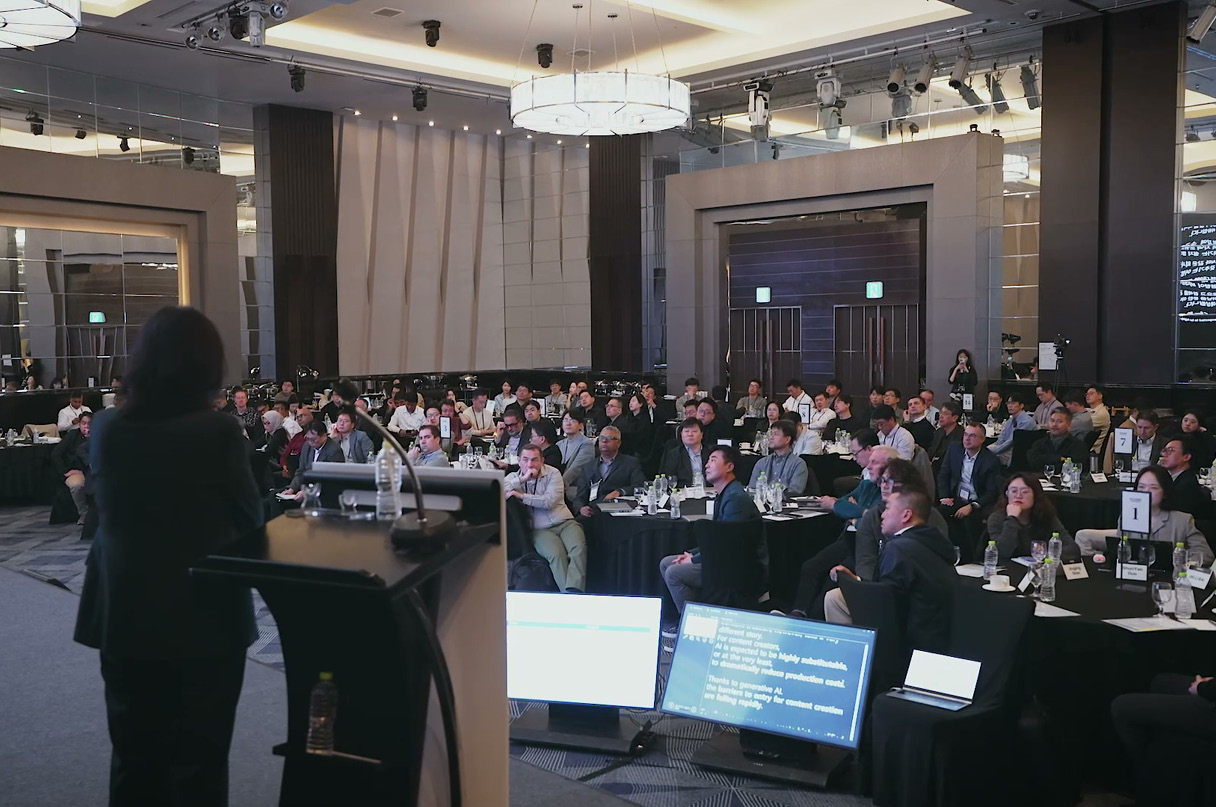
That same thinking shows up in HMG’s Global One IT Standard, which is already being applied across the group. This is not just about forcing everything into a single system. The point is to standardize systems, data, and processes while still accounting for the legal, institutional, and regulatory realities of each market. Done right, that creates a more consistent working environment, improves operating stability and security, and makes global collaboration far more effective.
Q. Why was the HMG Global IT Forum created?
The HMG Global IT Forum was created to bring the group’s global IT direction into sharper alignment as systems continue rolling out across markets. Rather than letting each region operate from its own point of view, the forum gives HMG a place to share common IT priorities, guiding principles, and long-term vision across the wider organization.
Q. What is the Global One IT Standard system?
The Global One IT Standard system is HMG’s effort to bring previously fragmented IT systems and work processes under a shared structure and a common set of standards across the global organization. It is not just about merging systems. The bigger goal is to create a more consistent working environment by standardizing systems, data, and processes while still accounting for the legal, regulatory, and institutional realities of each market.
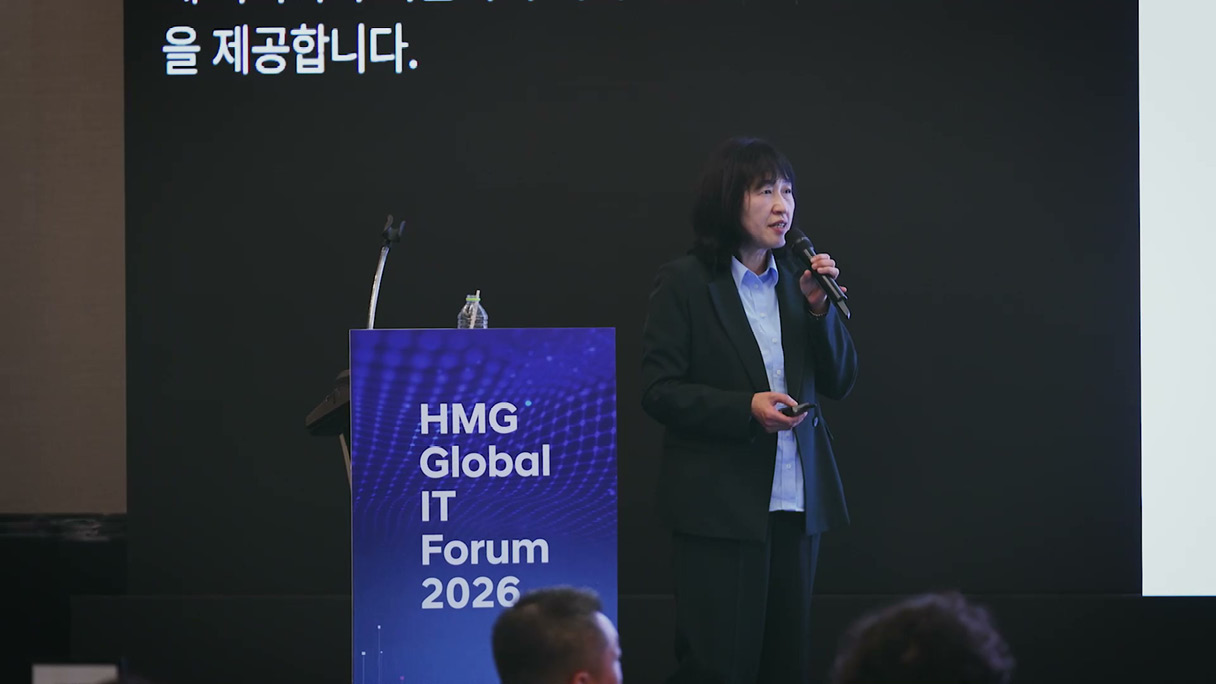
This year’s opening keynote came from Eun-sook Jin, President of the ICT Division. Under the title “Will AI Devour Software?”, Jin looked at how AI is reshaping the software business and laid out HMG’s direction for AX, or AI Transformation. At a moment when AI is starting to redraw the industrial landscape, the keynote centered on how IT organizations need to think, adapt, and respond.
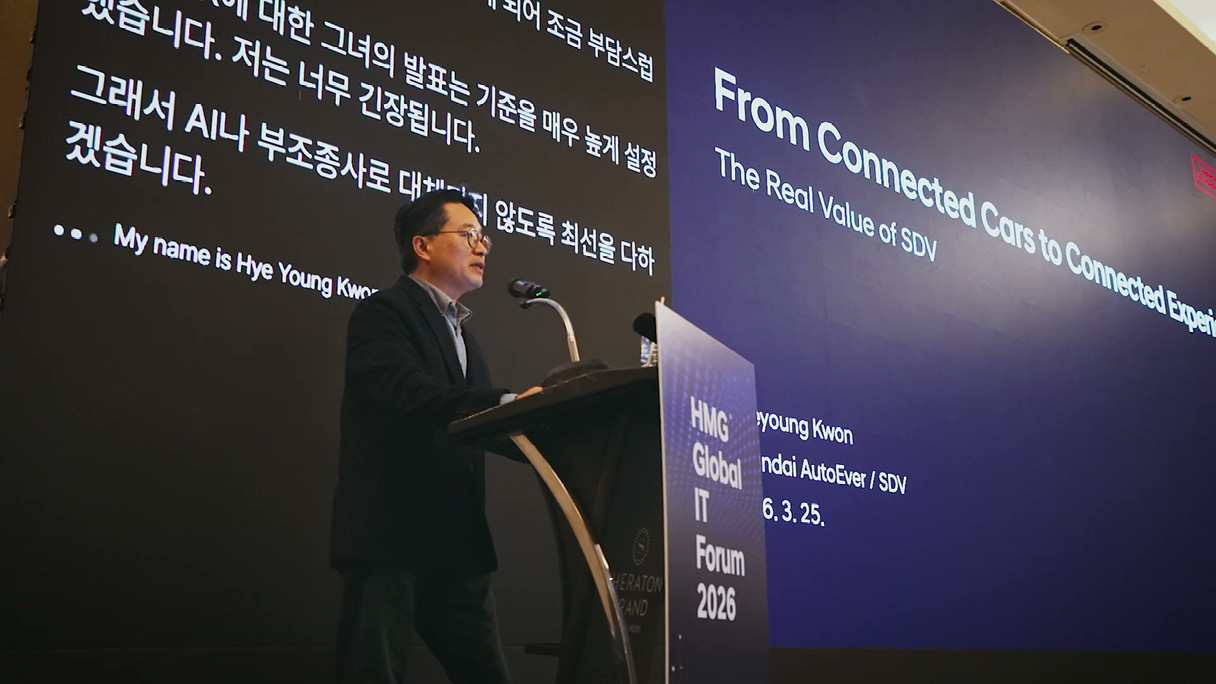
The second keynote was delivered by Haeyoung Kwon, Vice president of Hyundai AutoEver SDV, under the theme “The New Vehicle Experience Created by the Software-Defined Vehicle (SDV).” Kwon focused on how the SDV is evolving from a vehicle into a platform—one that connects more directly to the customer’s daily life—and what that shift demands from the IT side. The message was clear: IT is no longer just supporting the business from behind the scenes. It is becoming one of the engines driving where the business goes next.
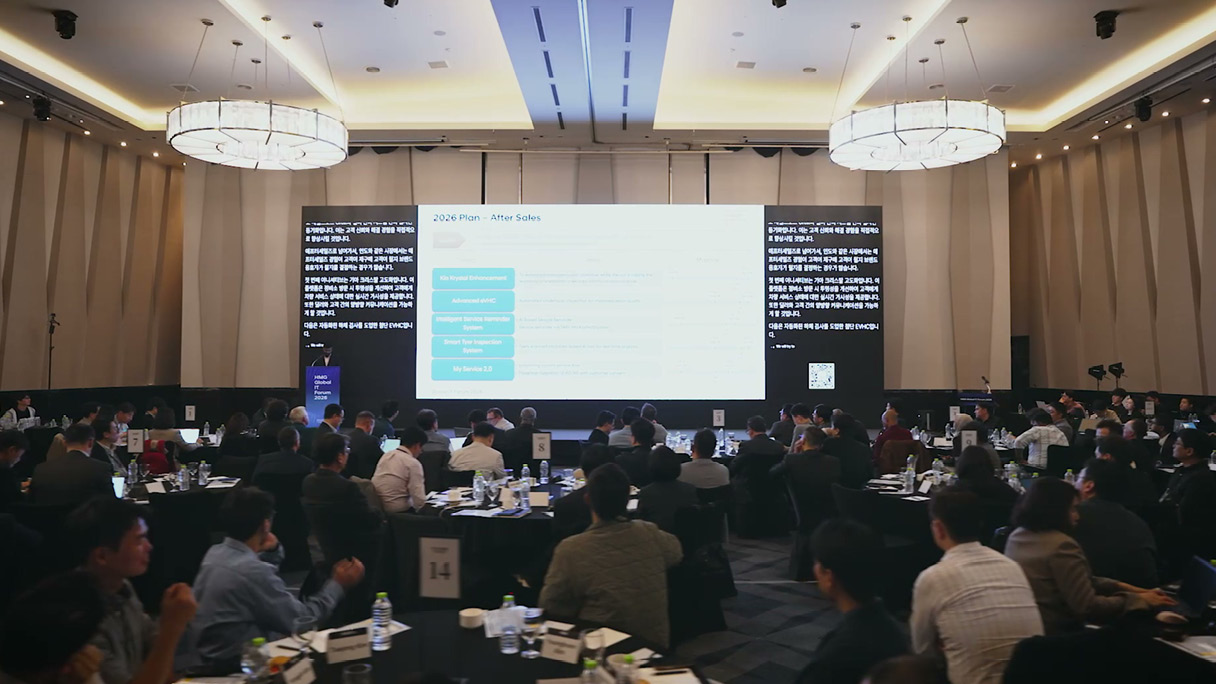
After the keynote sessions, speakers from overseas entities took the stage to walk through 2025 IT results, 2026 business plans, regional regulations, and operating strategies shaped around local IT environments. They also shared real-world examples of how the Global One IT Standard system is being applied on the ground. By comparing how different teams are handling very different operating conditions, participants came away with practical lessons for dealing with the complexity of real-world IT work.
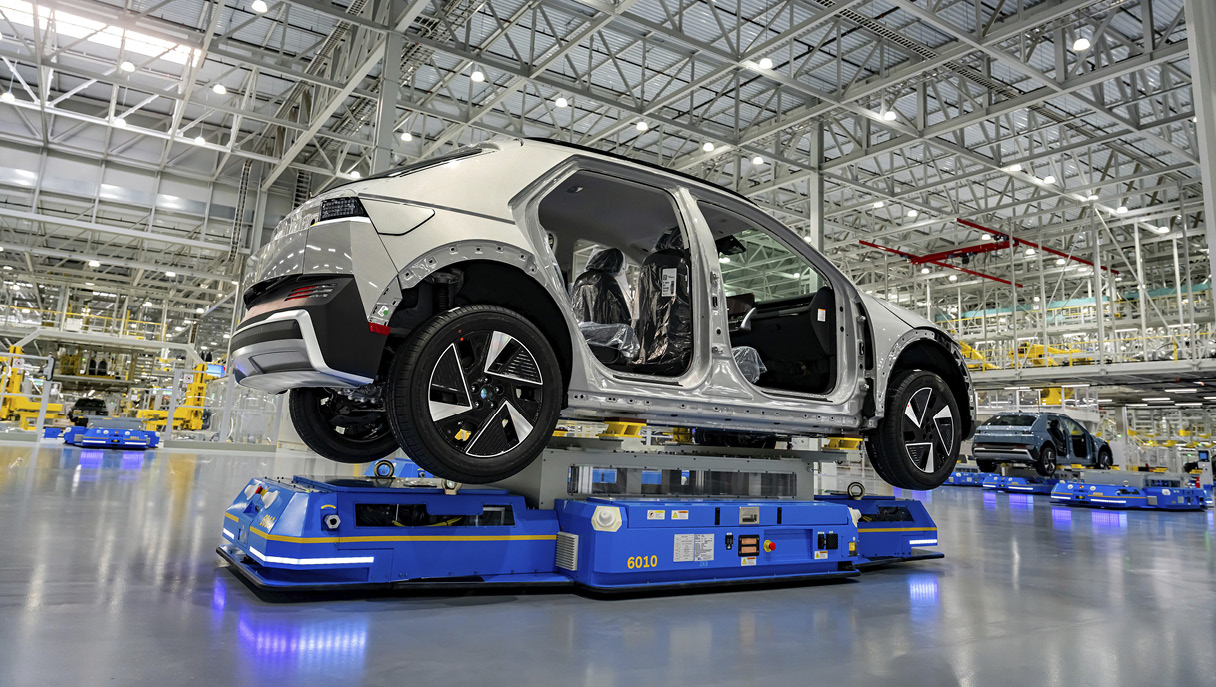
This year’s forum also featured sessions across a broad mix of topics, including AI, robotics, and data. That range says a lot about where HMG’s IT organization is headed. Its role is expanding beyond mobility itself and into the broader future-tech picture. Among those topics, AI drew some of the most serious discussion.
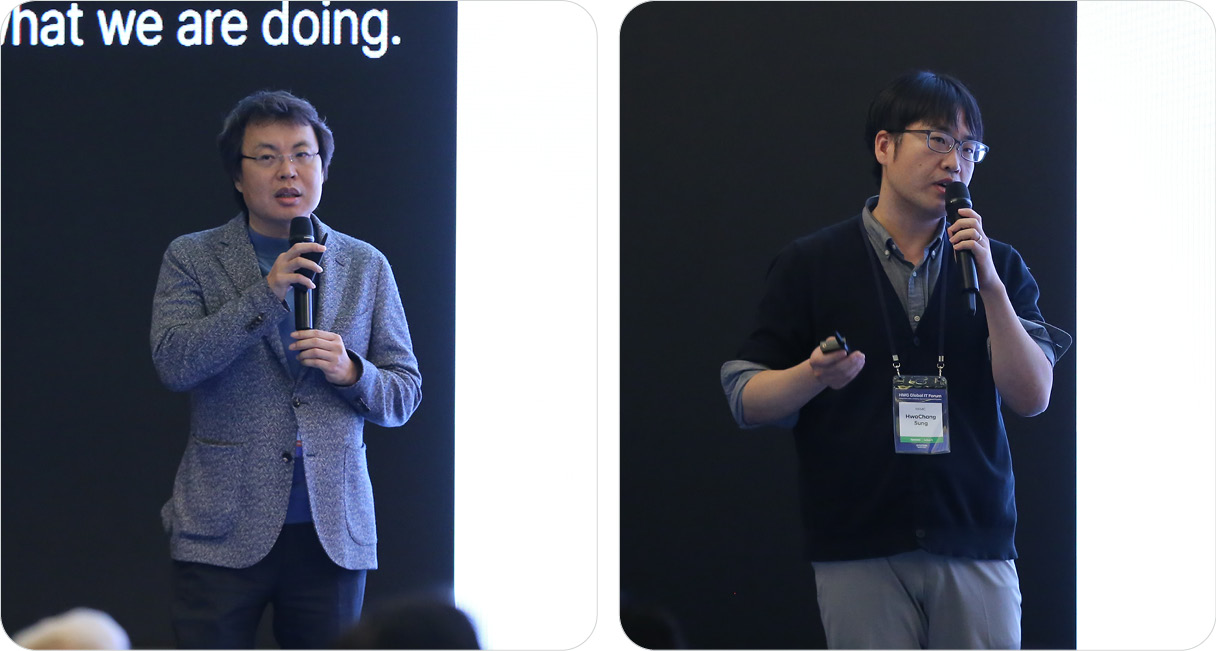
For example, the AI Execution Guidelines session centered on one big question: how should AI be used safely and responsibly in practice? Data security, privacy protection, control over the technology, and operational accountability all emerged as core themes. There was broad agreement that AI, like any other critical IT capability, has to be governed with the same seriousness as the rest of the IT operation.
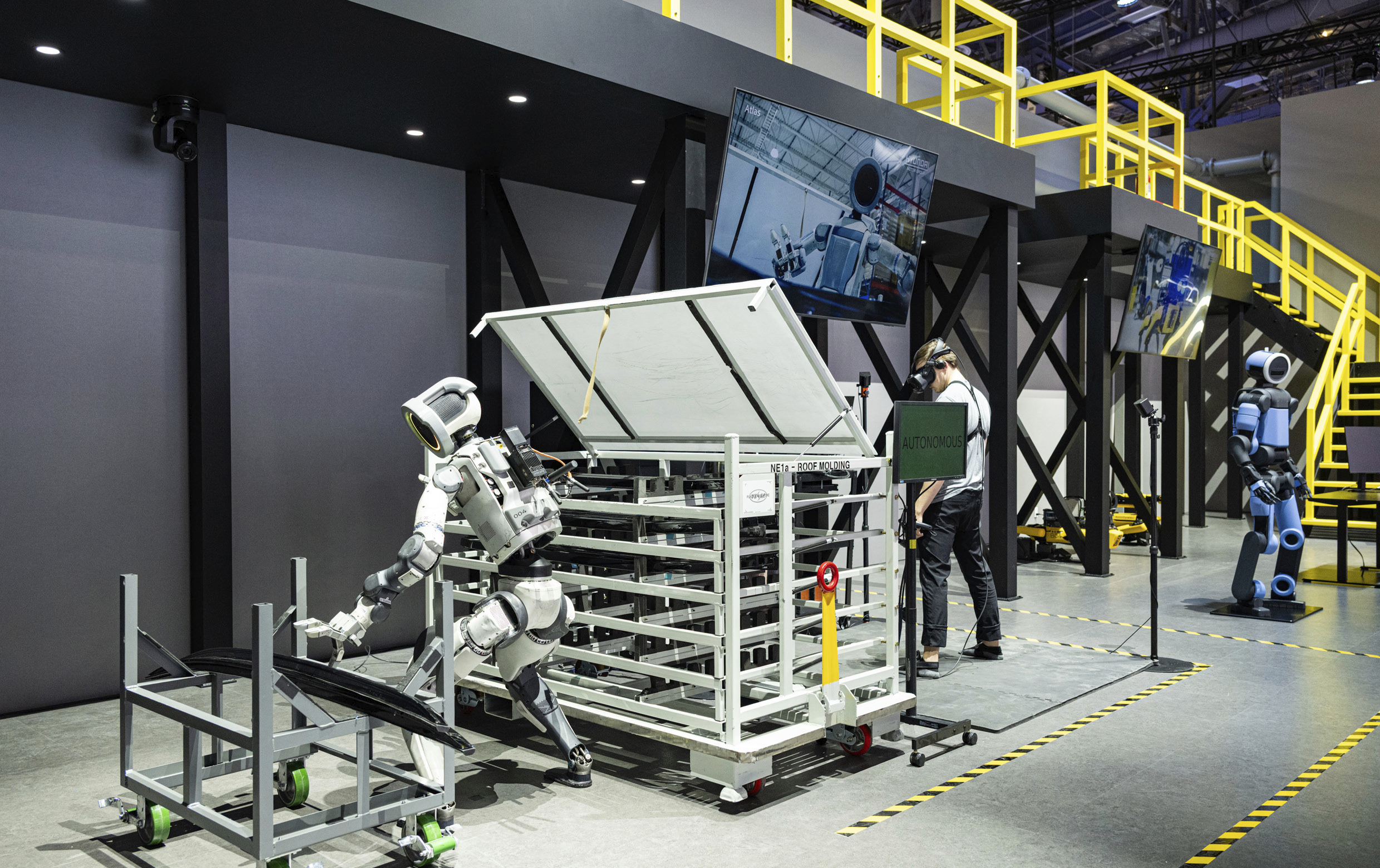
The robotics service session focused on real-world uses for AI-powered automation in manufacturing, logistics, and on-site operations, while also looking at where that technology could go next. The data session, meanwhile, mapped out the bigger picture behind how HMG collects, standardizes, integrates, and puts data to work across the group.
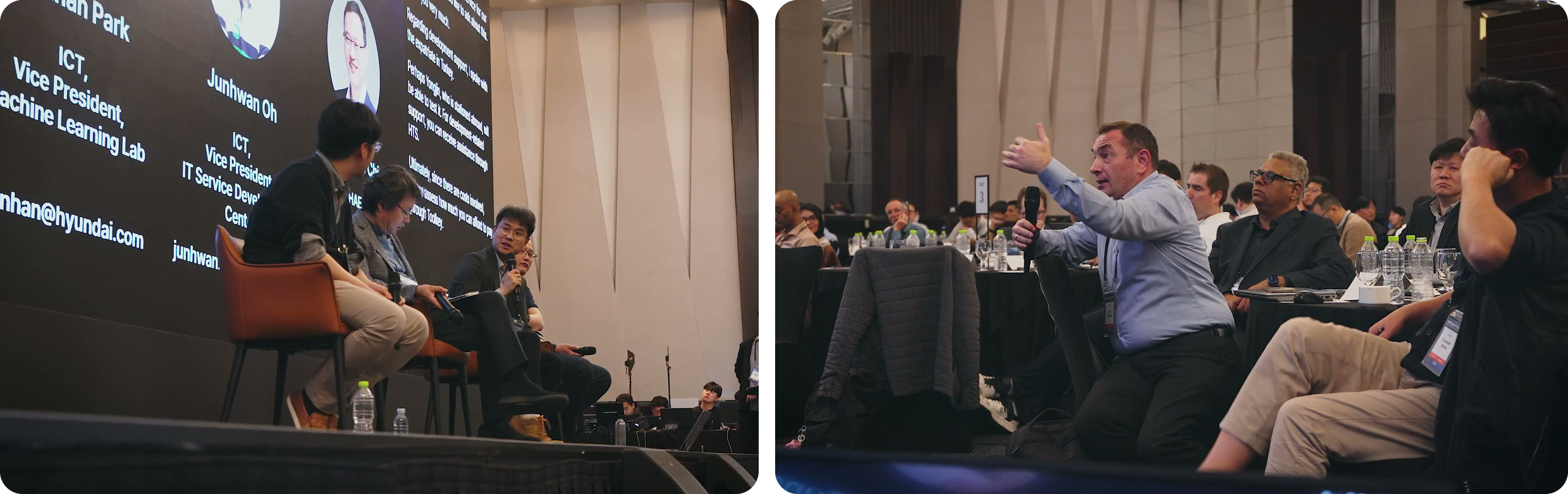
Sessions on security and infrastructure followed as well. No matter how advanced a system or service may be, it does not add up to much without the infrastructure and security needed to run it reliably and protect it properly. The takeaway was pretty straightforward: security is no longer just about deploying tools. It has to be managed as part of the operating foundation itself.
Q. Why were AI and SDV chosen as keynote themes?
AI and SDV are two of the biggest forces reshaping both IT and the auto industry right now. We wanted to lay out HMG’s direction for AX, or AI Transformation, while also sharing both the technologies already in hand and the ones still needed going forward. SDV was a natural fit as well, because it shows how software-driven vehicle experiences are evolving into something much more closely tied to the customer.
Q. Was it difficult to choose the session topics?
With limited time on the schedule, the focus had to be on the topics that mattered most across the group. That meant choosing the technologies that overseas entities most wanted to hear about from headquarters, along with the major systems already being used in daily operations and the shared foundations holding up the global IT environment.
Q. Why did HMG establish and share AI Execution Guidelines?
As HMG expands its use of AI, it sees data security, privacy protection, control over the technology, and operational accountability as non-negotiables. The basic principle is straightforward: AI has to be managed with the same seriousness as the rest of the IT environment. The AI Execution Guidelines cover where data is stored, who can access it, the security and data-sovereignty standards applied when outside solutions or SaaS are involved, and how AI models are controlled and audited during training, operation, and deployment. The goal is to make sure teams across the global organization can understand and use AI under the same standards—without compromising security or stability.
One of the most closely watched sessions at this year’s forum focused on a real-world example of global IT collaboration in action. Fittingly, the presentation was delivered jointly by Igor Megrish, director of ICT at HT (Hyundai Translead), and Gabriel Coleti, senior manager at HAEB (Hyundai AutoEver Brazil).
The collaboration between the two entities began after last year’s HMG Global IT Forum 2025. HT, operating with a leaner IT organization built around its business structure in the U.S. and Mexico, needed a reliable partner that could help it move forward on SAP operations, security, compliance, and system modernization within tight resource constraints. After the two teams connected through the forum, HAEB stepped in as a key partner, and the collaboration quickly moved from introduction to execution.
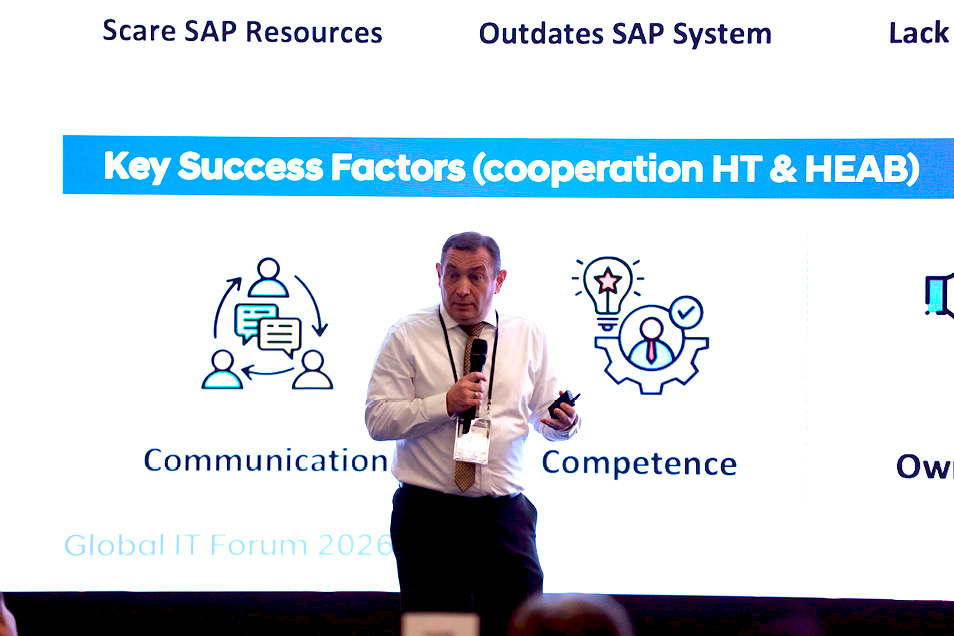
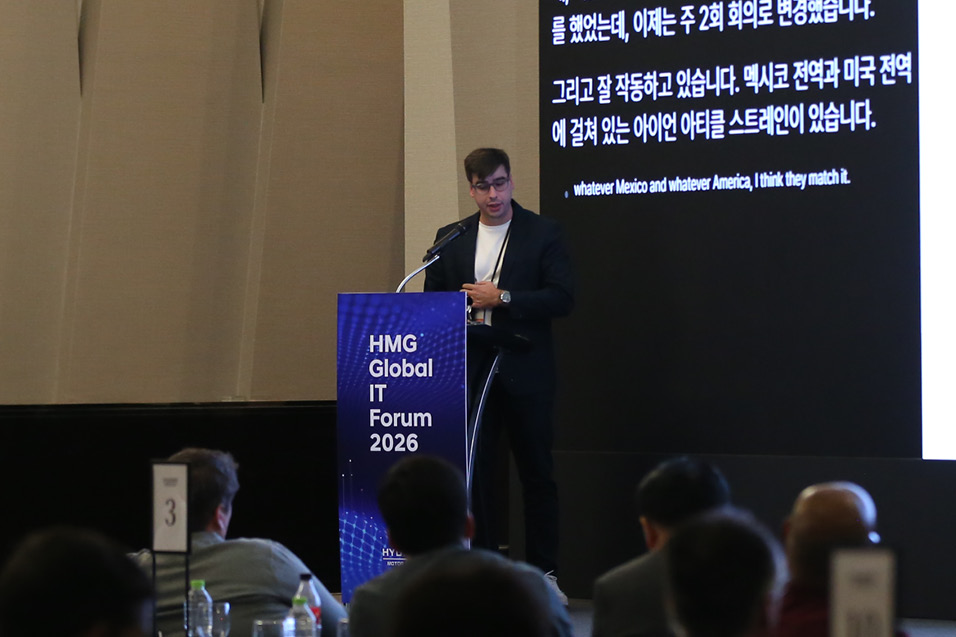
What stood out here was not just the project itself, but the way the two teams tackled it. In the past, HT would usually define the issue internally and then bring in outside support only when it was needed. This time, HT and HAEB worked as one team from the outset, defining the problem together and aligning early on how to solve it. And they did not stop at fixing a single issue. They also established operating standards and a working model that could be used again the next time a similar challenge surfaced. Two separate entities were involved, but they operated like one team. In practical terms, it was one of the clearest examples yet of what the Global One Team idea looks like when it actually works.
Hyundai Motor and Kia’s ICT Developer Relations Cell, which organized this year’s forum, framed the significance of the case this way: “We wanted the forum to be more than a place where information is shared. The goal was to connect people and organizations—and to make sure those connections translated into real changes in the way work gets done. The collaboration between these two showed that this idea does not have to stay a slogan. It can lead to meaningful collaboration in the real world.”
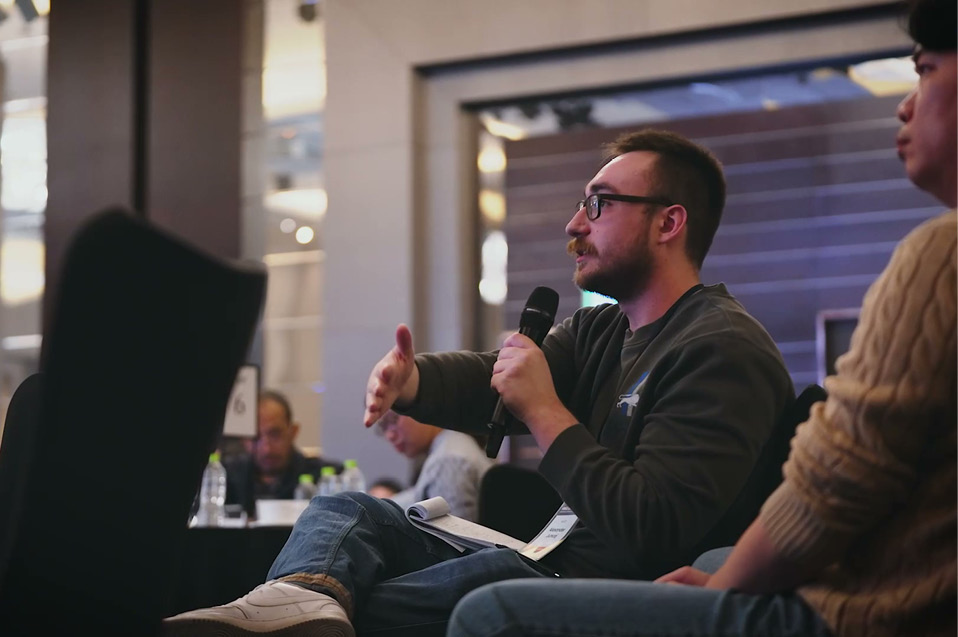
Q. How is the Global One Team culture changing the way people work?
Overseas entities taking part in the forum are now sharing IT concerns, experiences, and ideas more actively than before. Instead of treating one organization’s issue as a standalone problem, teams are making a greater effort to understand one another’s circumstances and solve problems together. That is what becoming a true Global One Team looks like in practice. The same shift is showing up in cross-entity meetings and day-to-day collaboration, where overseas teams are working harder to stay aligned. In that sense, Global One Team is no longer just a message. It is becoming part of how the organization actually works.
This year’s forum connected IT professionals from around the world through real collaboration case studies, broader discussions around topics like AI, robotics, and data, and the sharing of common guidelines and direction. And the conversations did not stop when the event ended. Teams have continued talking about whether the broader IT direction makes sense, which departments could collaborate next, and how AI can be used more effectively in practice. HMG’s ICT leaders described the forum as one of the group’s competitive advantages and shared the following reflections.
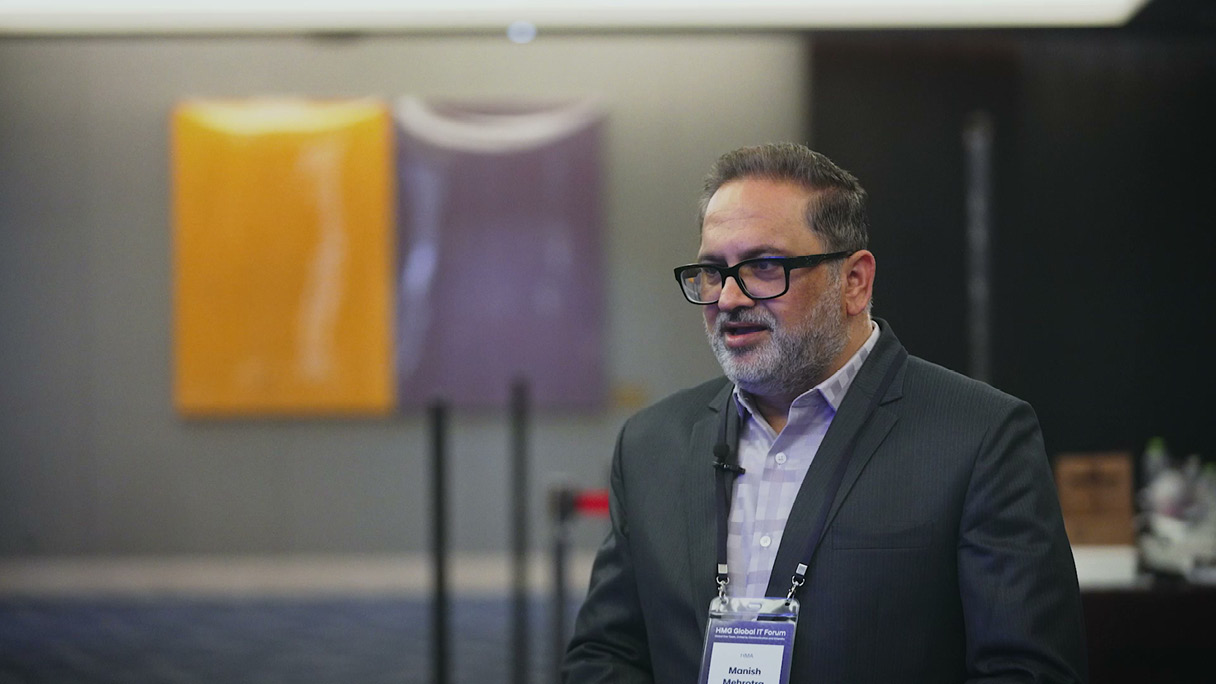
Manish Mehrotra, CIO at Hyundai Motor North America
“I believe it is critical to unify and further strengthen our global vision and strategy. Direction has to be shared more seamlessly across the global, regional, and local levels if we want to support today’s business effectively while also preparing for what comes next. This global forum, along with the broader effort to share global direction, can become an important stepping stone—not just in supporting the business, but in helping HMG grow into a true tier-one digital company.”
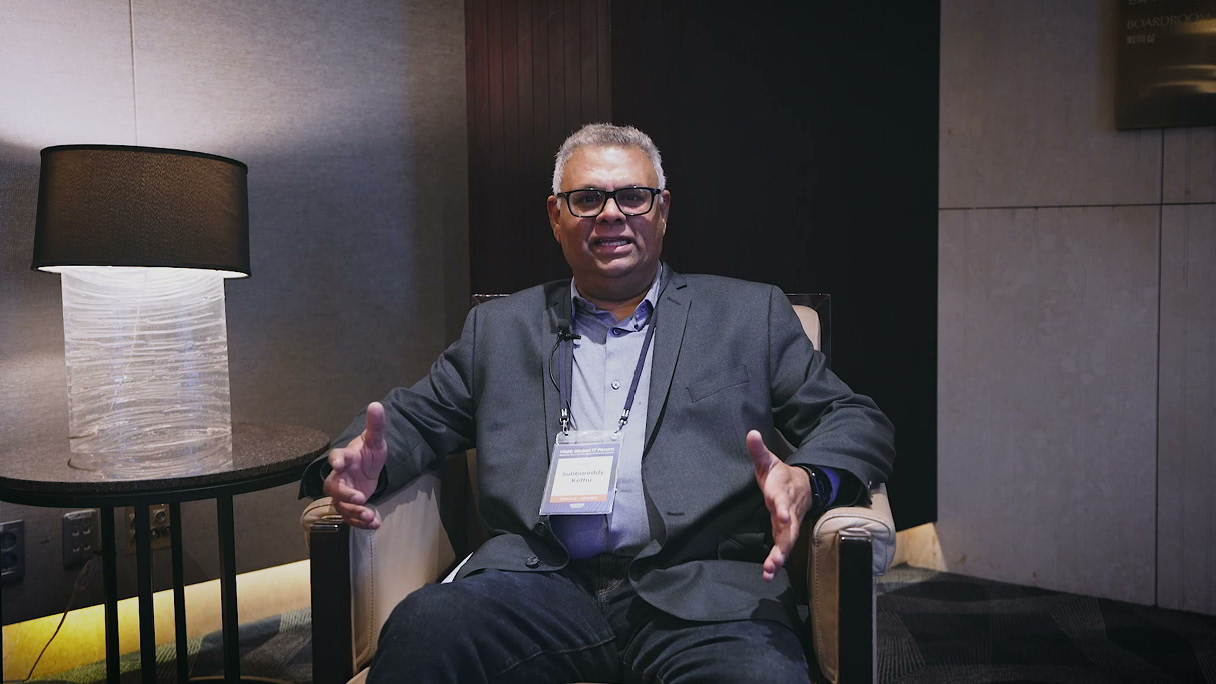
Subba Kethu, Director at Kia America
“We are sharing knowledge, information, and the issues and challenges each of us is facing. To strengthen collaboration across teams, we need more interaction, more process documentation, more open problem-sharing, more solution development, and a better process for sharing those solutions across HMG as a whole.”
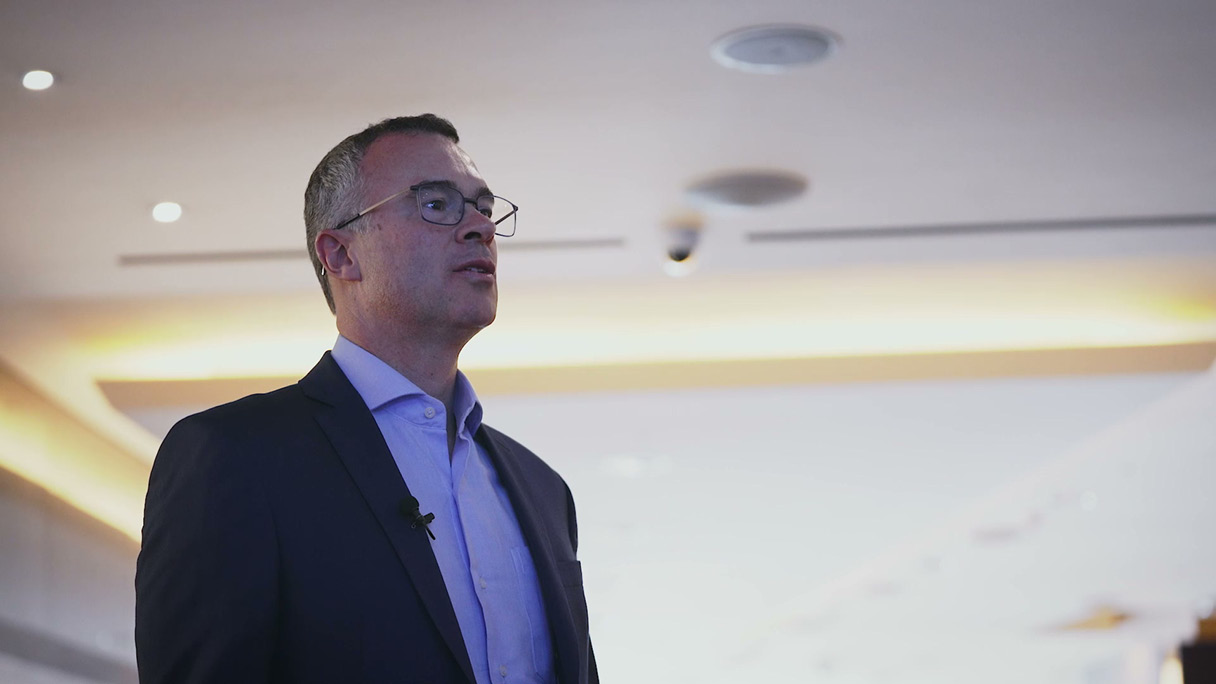
Fernando Vaz, Director at Hyundai Motor Brazil and Central & South America
“If we are serious about putting the Hyundai Way into practice, then we need to work through a collaboration-driven approach. The IT environment is undergoing major change right now, and new ways of working and new forms of customer interaction are emerging quickly. In the middle of that change, the global team, ICT, and the broader IT organization need to work together as a true One Team and turn that into real results."
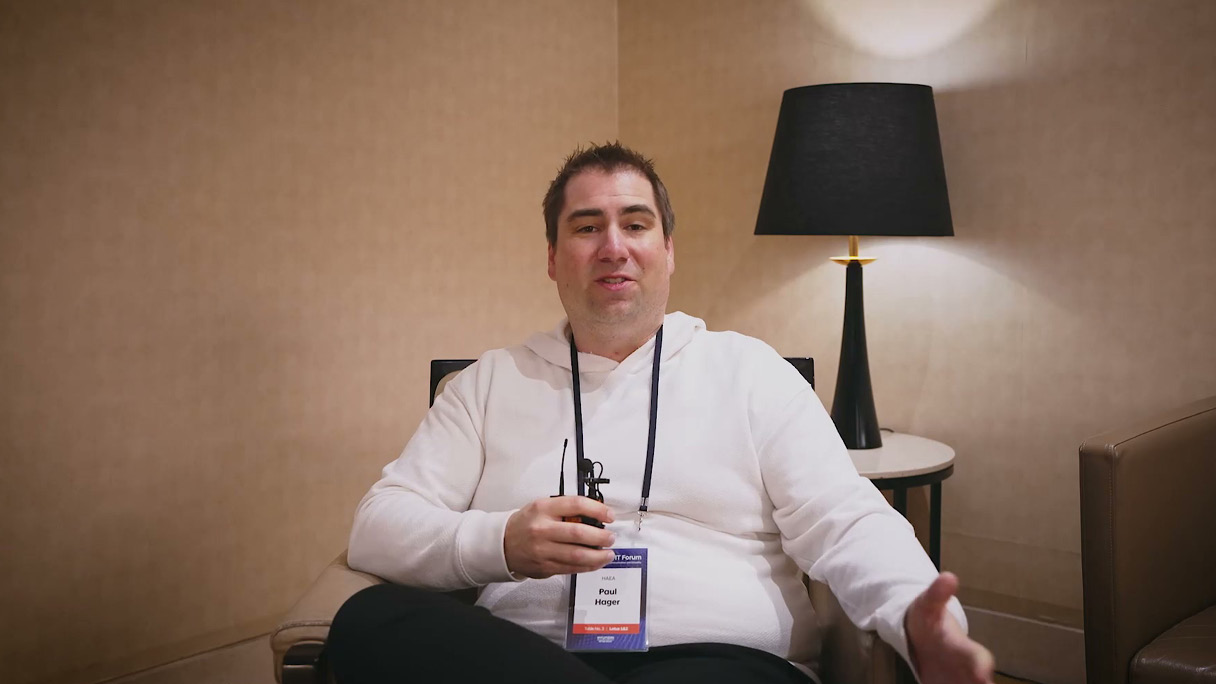
Paul Hager, CEO at Hyundai AutoEver America
“What made this especially meaningful was the chance to meet face-to-face despite the differences in time zone, language, and working environment. It was a valuable experience that made the idea of Global One Team—and the sharing of global direction—feel real.”
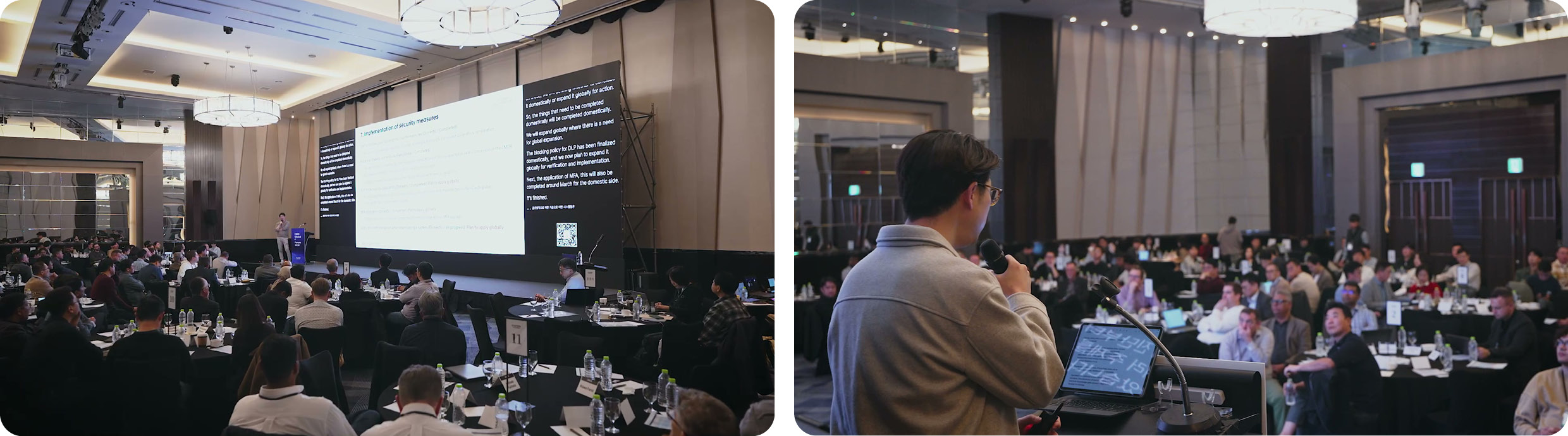
Over the past three years, the HMG Global IT Forum has steadily evolved into a place where the wider organization learns and improves together. The first forum focused on sharing the direction of the Global One IT Standard system and the broader framework for infrastructure and security governance. By the second and third editions, the scope had expanded to include real execution experience and measurable results. What started as a forum for sharing direction has grown into a place where people from around the world can meet in person, better understand one another, and work together on IT strategy and collaboration.
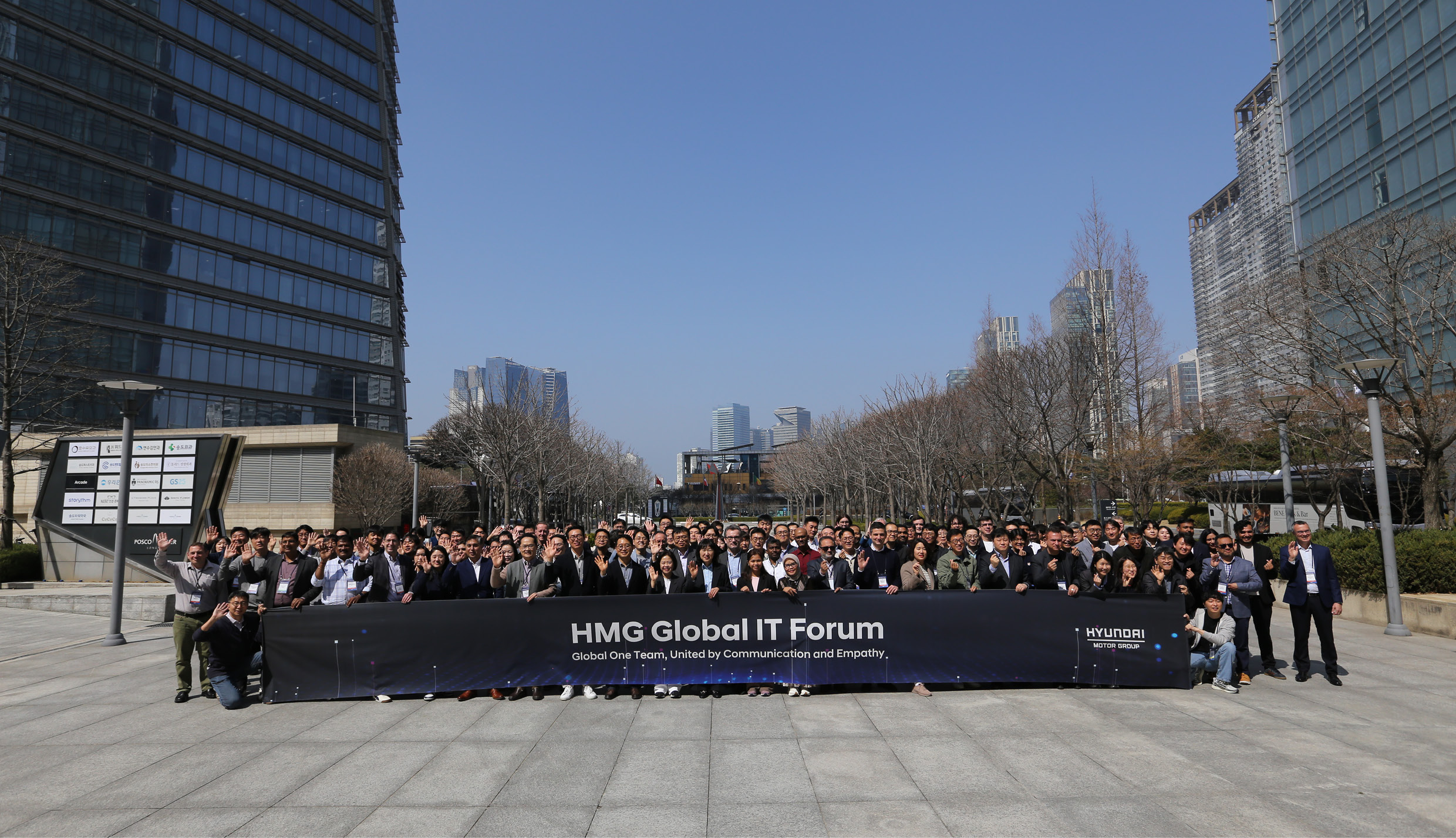
At its core, the forum is trying to become one thing: a platform where teams can share real experience, real results, and real trial and error, then use that knowledge to shape what comes next. A Global One Team culture—one where the global IT organization works flexibly under shared standards, shares experience openly, and keeps improving together—has the potential to become one of HMG’s real strengths.