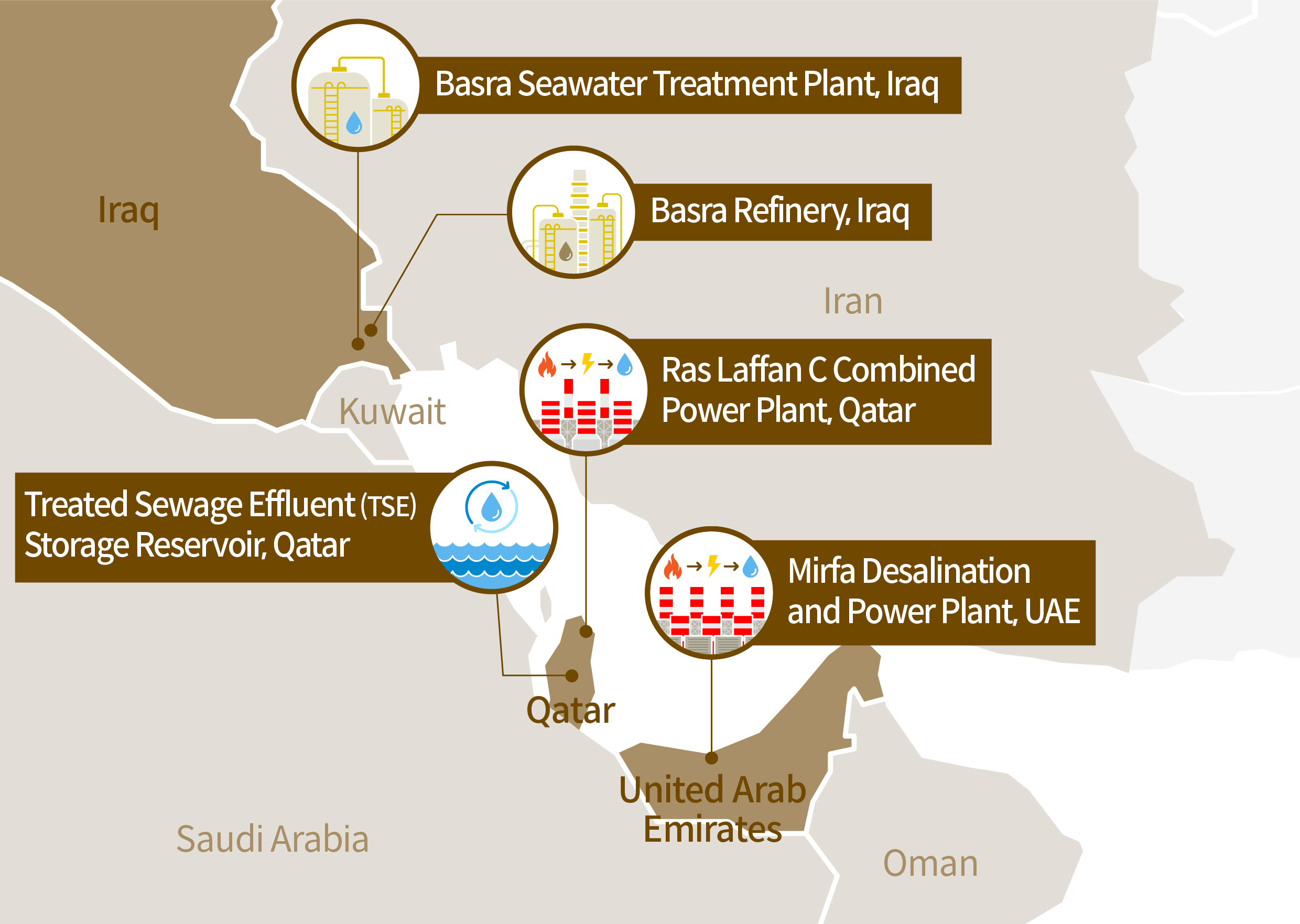
The Middle East, home to many of the world’s major oil-producing nations, serves as a critical supplier to the global energy market—hence the term “oil money.” At the same time, however, it is also one of the most water-stressed regions on the planet. According to the World Meteorological Organization (WMO), major Middle Eastern countries such as Qatar, the United Arab Emirates, and Saudi Arabia receive less than 100 millimeters of rainfall per year on average. Iraq experienced its worst drought on record this past summer—one reason the region is often described as a place where oil is more abundant than water.
Against this backdrop, Middle Eastern countries are seeking innovative infrastructure solutions to address both water and energy challenges. While abundant resources such as oil have long been a regional advantage, securing water resources is essential to envisioning a more sustainable future. Water also plays a critical role in crude oil production itself. Marking the 60th anniversary of its overseas expansion this year, Hyundai Engineering & Construction is delivering a wide range of infrastructure solutions tailored to the region’s needs, drawing on its accumulated expertise and proprietary technologies. These solutions help sustain life in the desert while further advancing the energy industry.
Southern Iraq’s Basra region is home to one of the world’s largest oil reserves. Yet increasing crude oil production presents a dilemma: it requires water. To boost output, water must be injected into underground reservoirs to raise pressure, but in a region where water is scarce, there are clear limits to relying on freshwater sources such as wells and rivers.
In response, Hyundai Engineering & Construction presented a solution in September by securing a contract for a mega-scale seawater treatment plant that converts seawater into injection water for oil wells. Once completed, the facility—located near the port of Khor Al-Zubair, approximately 500 kilometers southeast of Baghdad—will produce up to 5 million barrels per day of water for injection into oil reservoirs.
The seawater treatment plant goes beyond simply drawing seawater, encompassing everything required to operate the facility—from intake and pretreatment to main treatment, post-treatment, storage, transmission pipelines, and power generation systems. The treated water produced at the plant will be used to increase crude oil output at Iraq’s major oil fields, including West Qurna to the northwest of Basra and Rumaila to the west.
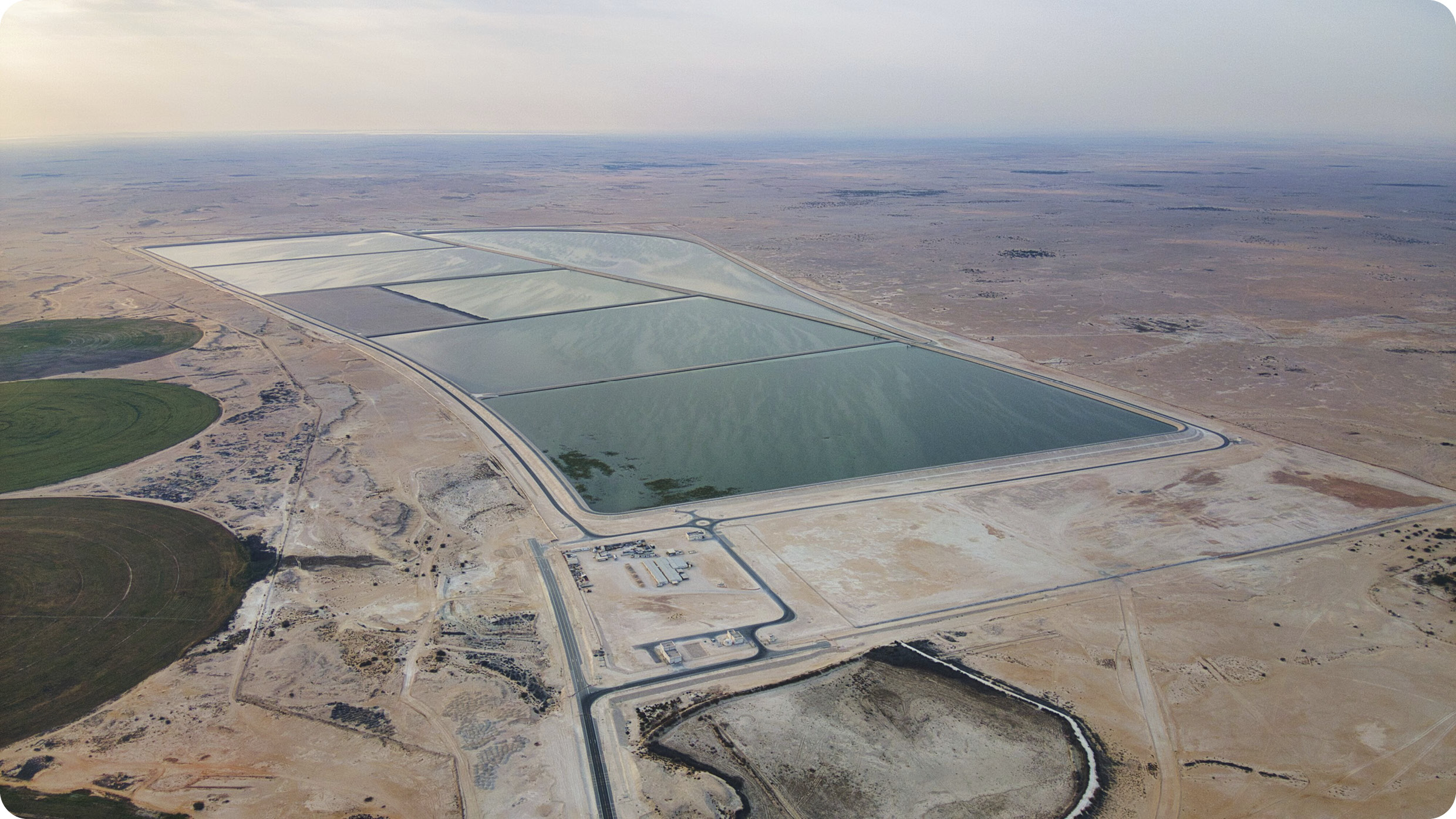
Qatar is experiencing acute water shortages driven by rapid urbanization and population growth. In response, the country has designated the use of treated sewage effluent (TSE)—water that would otherwise be discarded—as a national priority. However, effective TSE utilization requires not only advanced treatment technologies but also adequate storage infrastructure. Even reclaimed water has often gone to waste due to insufficient storage capacity.
Hyundai E&C recently completed a mega-scale TSE storage reservoir in the Al Kharanaa area, approximately 50 kilometers southwest of Doha, offering a practical solution to Qatar’s reclaimed water storage challenge. With a total capacity of 22.5 million cubic meters, the facility can store more than 130,000 tons of treated sewage effluent per day—enough to meet the daily water needs of approximately 7 percent of the country’s population of 3 million.
Any surplus water stored at the facility is collected separately during the winter and reused during the summer. It supplies irrigation water to large agricultural facilities surrounding the reservoir and is also used across a range of industrial operations. To ensure water quality during long-term storage, Hyundai E&C applied specialized materials designed to withstand extreme climatic conditions and high-salinity environments, while implementing a real-time water quality monitoring system that enables stable water management even over extended storage periods.
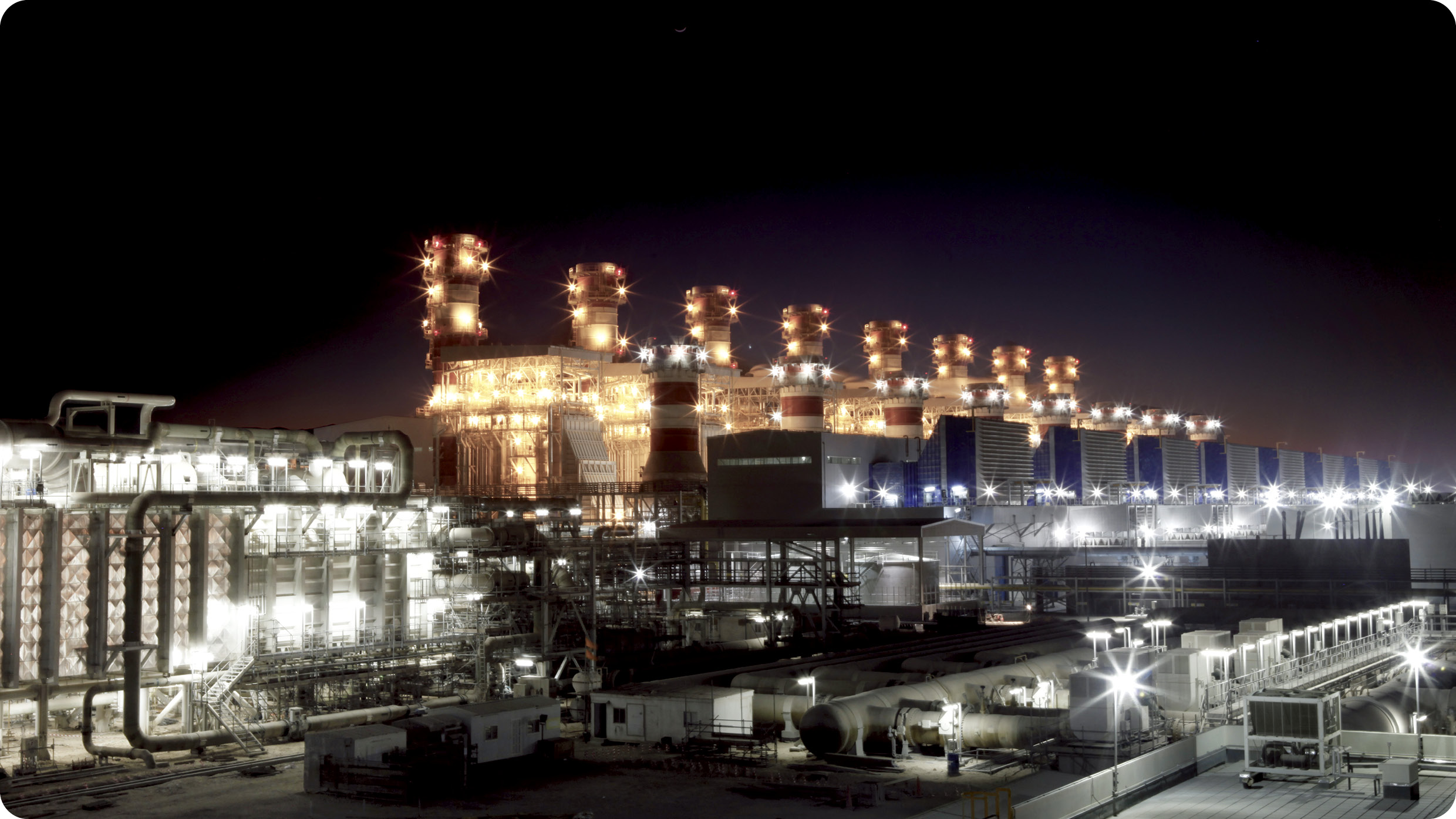
Securing sufficient water storage also depends on stable water production capacity. Ahead of its large-scale water storage facilities, Hyundai E&C completed what was then Qatar’s largest combined power and desalination plant in 2011. Located in the Ras Laffan area in northeastern Qatar, the Ras Laffan C Combined Power Plant was a national project designed to secure both drinking water and electricity—two essentials for human life. The facility generates power using natural gas and produces approximately 240,000 tons of desalinated water per day through a thermal distillation process that converts seawater into freshwater using steam generated during power production.
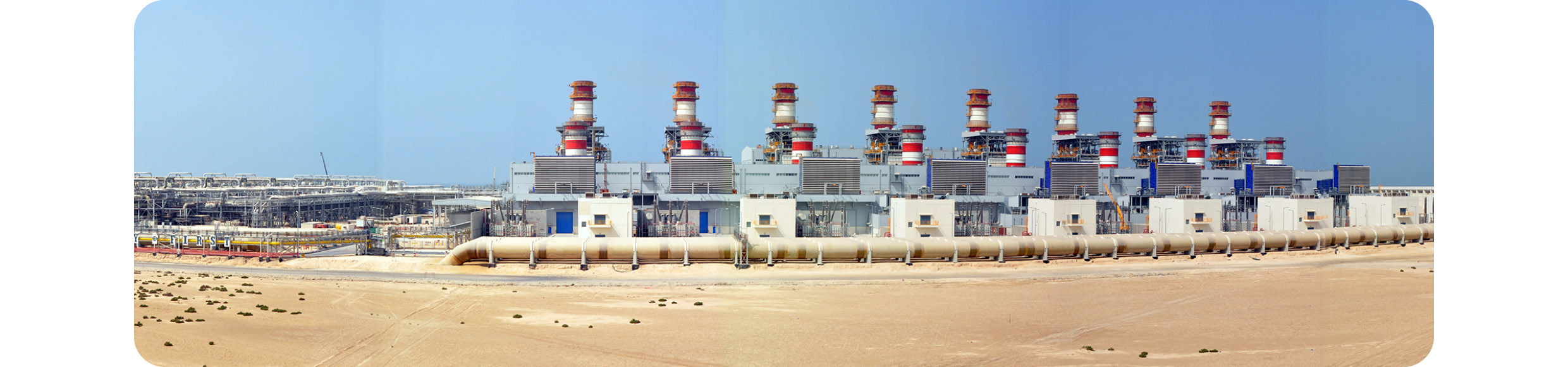
The plant operates through two distinct sections: a power generation section and a desalination section. Power is generated using a configuration of eight gas turbines and four steam turbines, ensuring stable electricity supply. In parallel, the desalination section makes use of high-temperature steam produced during power generation to transform seawater into freshwater. After desalination, the water undergoes a series of post-treatment processes—including pH control, mineralization, and disinfection—before being delivered to users across Qatar.
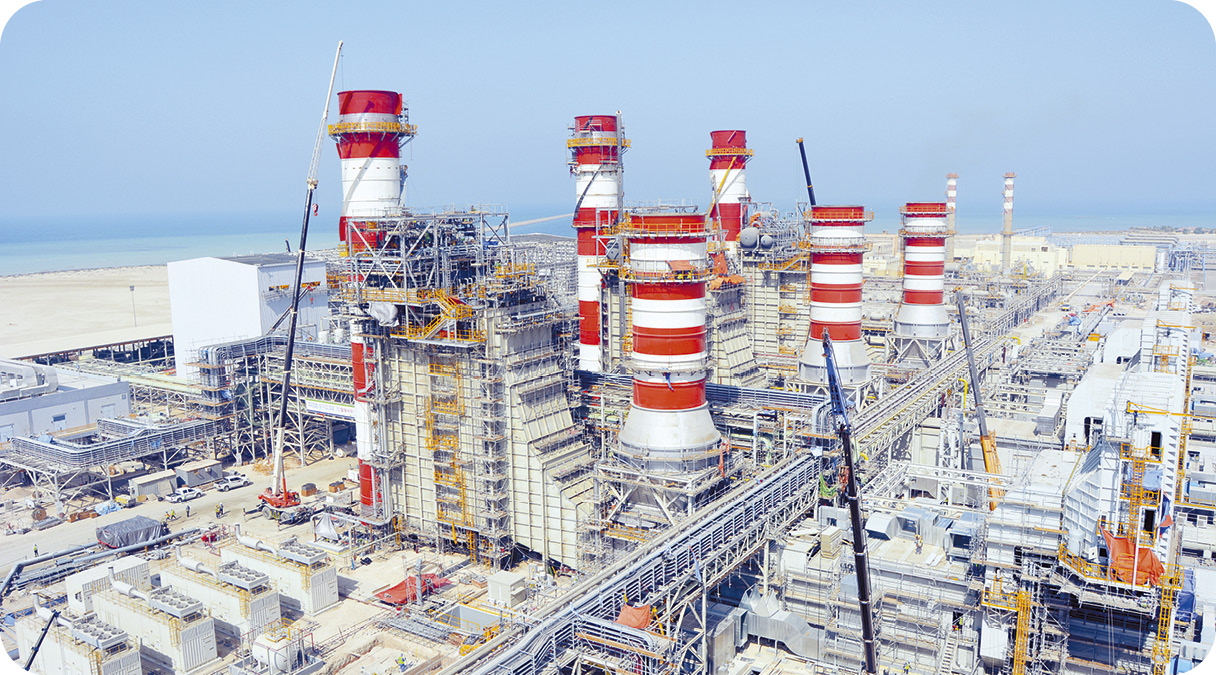
Although the United Arab Emirates ranks among the world’s top producers of crude oil and natural gas, its limited rainfall has resulted in a chronic shortage of drinking and household water. Converting seawater from the Gulf into freshwater became the most viable solution. Completed by Hyundai Engineering & Construction in 2017, the Mirfa Desalination and Power Plant was developed in response to these conditions, combining a 1,600-megawatt thermal power plant with a large-scale desalination facility capable of producing approximately 238,000 tons of freshwater per day. The plant serves as critical infrastructure, supplying around 10 percent of the electricity and potable water used by residents of Abu Dhabi.
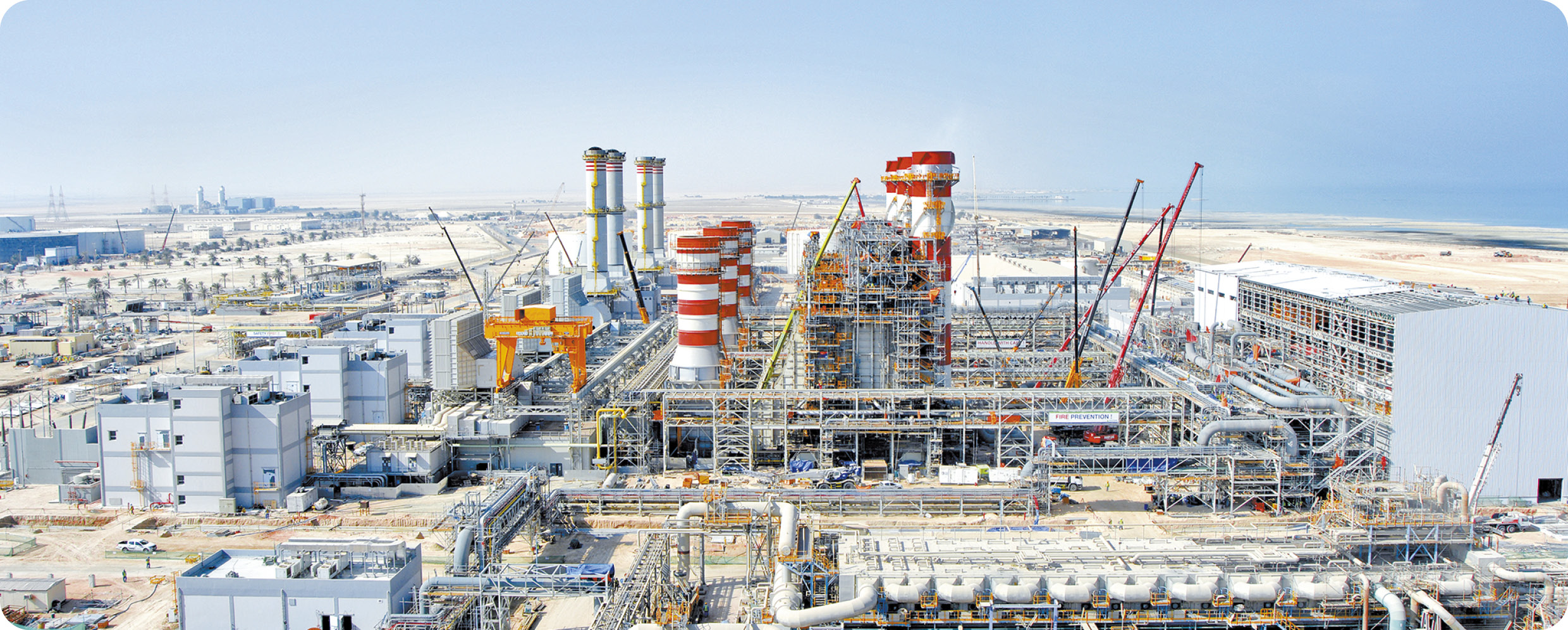
The Mirfa Desalination and Power Plant is distinguished by its combination of two desalination methods. Thermal distillation, which produces freshwater by condensing steam generated from heated seawater, has been widely used across the Middle East for decades. In addition, Hyundai Engineering & Construction introduced reverse osmosis (RO), a process that removes salinity by forcing seawater through filtration membranes under high pressure. Compared with thermal distillation, the RO method requires significantly less energy.
This facility represents Hyundai E&C’s first integrated model in the Middle East, combining power generation and desalination within a single project. By applying both desalination methods, it supplies not only drinking water for Abu Dhabi but also water for urban greening initiatives. Moreover, as a project in which thermal power and desalination facilities were developed simultaneously, the plant holds particular significance within the company’s Middle East portfolio.
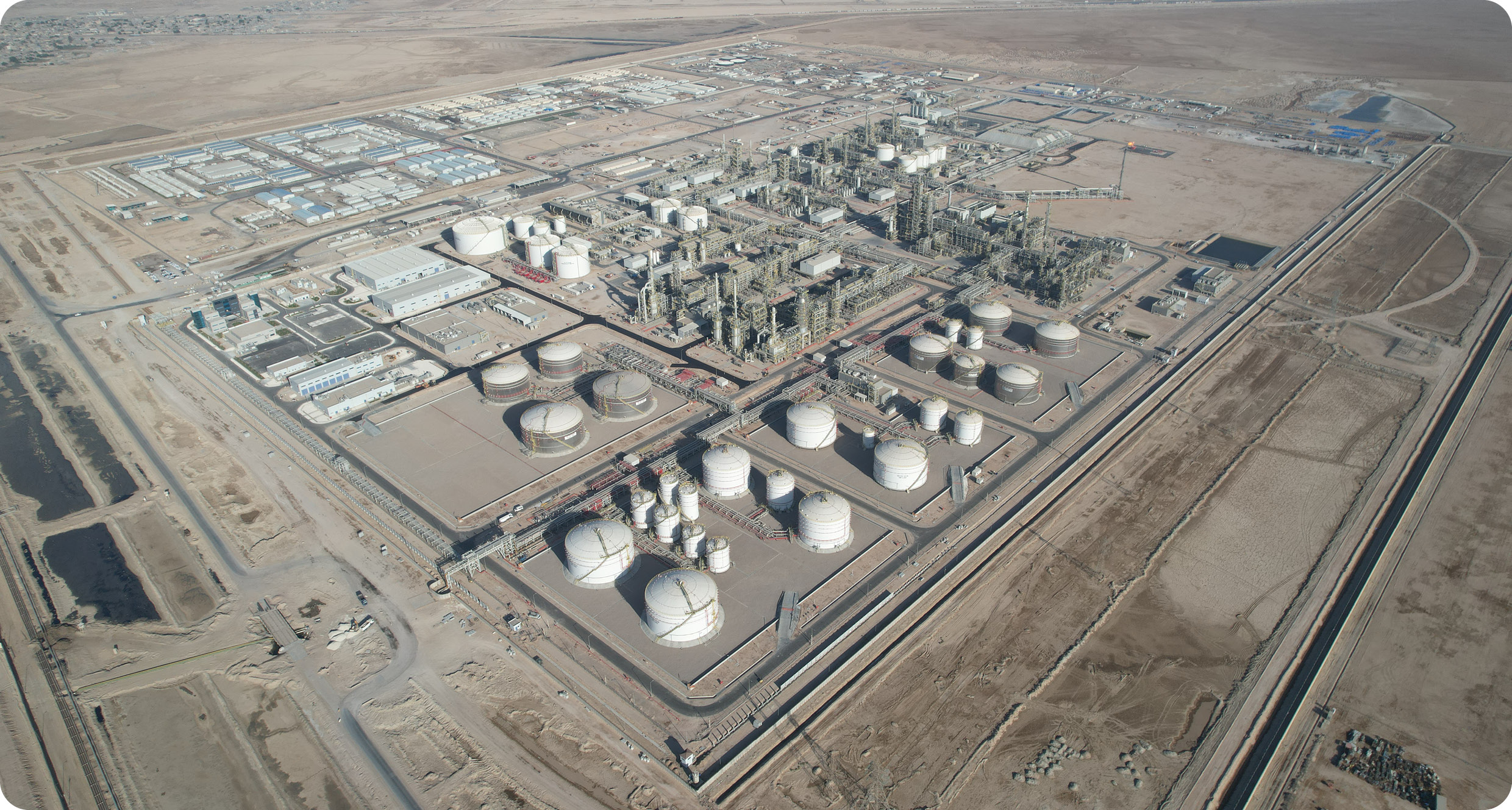
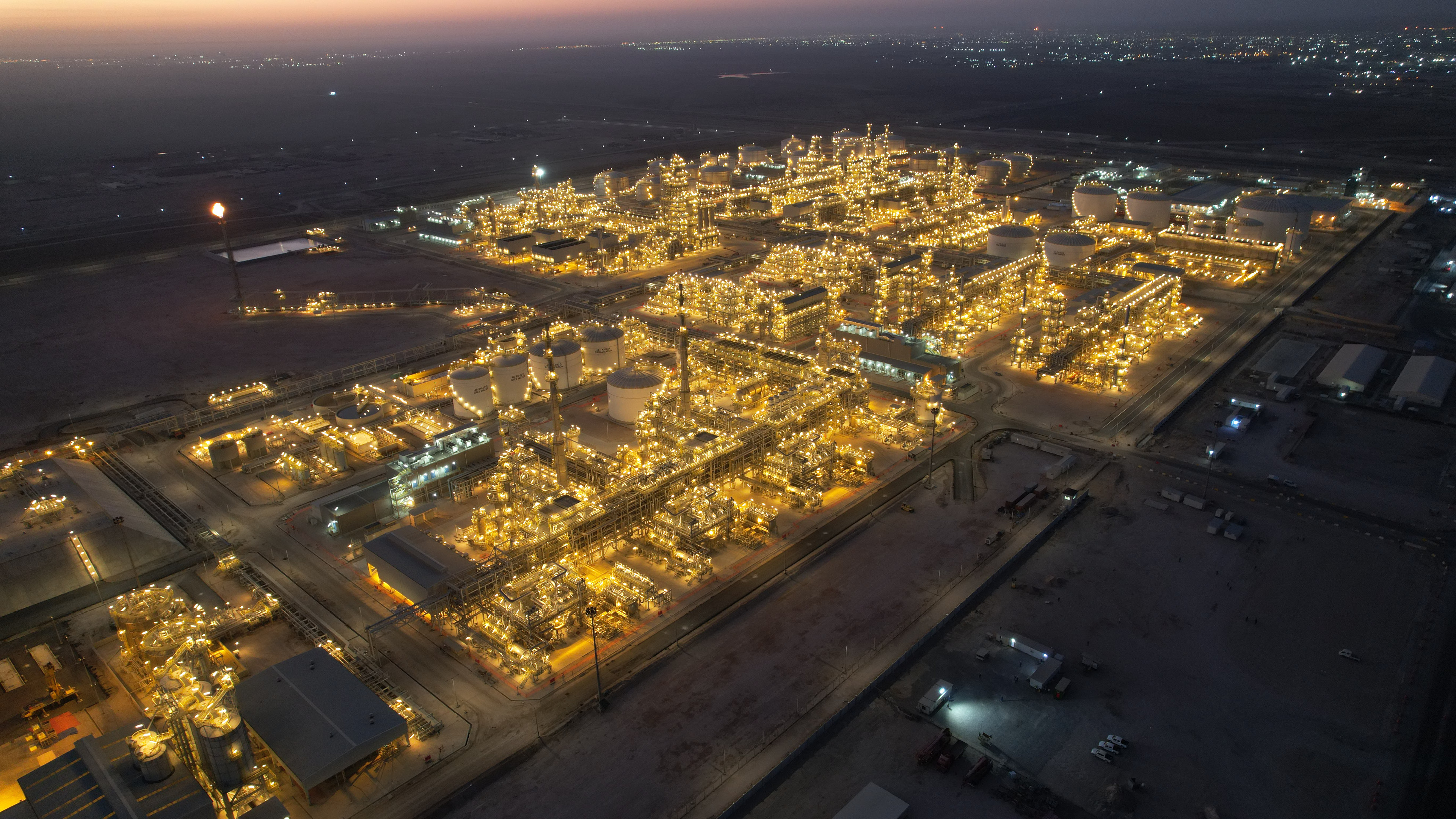
Iraq ranks among the world’s top five countries in proven oil reserves, yet it remains one of the world’s gasoline importers. This paradox stems from aging and damaged refining infrastructure, which has forced the country to rely on imports for fuel supply. In response, the Iraqi government has been pursuing large-scale capacity expansion and modernization efforts, with the Basra Refinery upgrading project led by Hyundai E&C standing as a representative example.
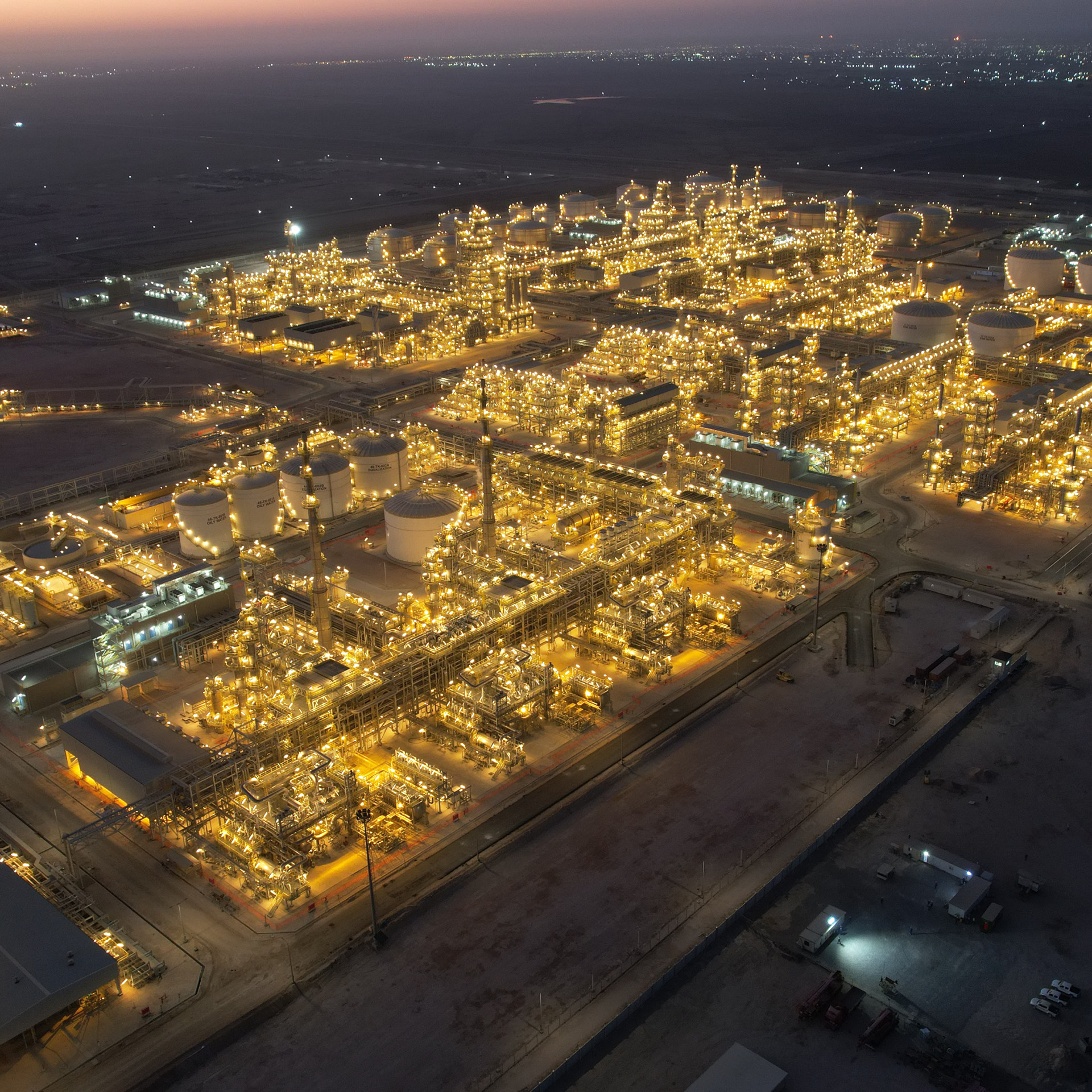
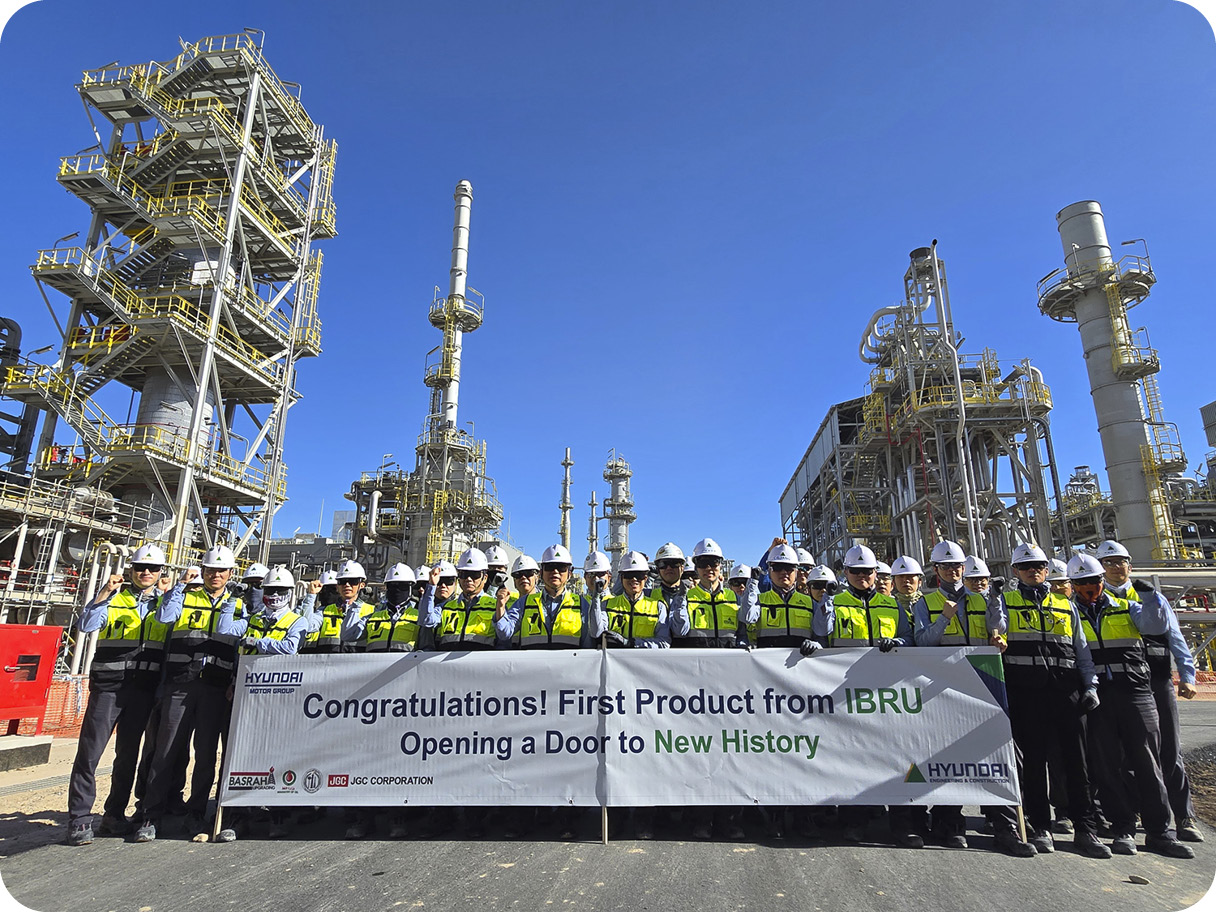
In 2021, Hyundai Engineering & Construction secured the contract for the Basra Refinery upgrading project in the southern Iraqi city of Basra, located approximately 450 kilometers southeast of Baghdad. Four years later, the project marked its first product output with a commemorative event this October and has now entered its final phase, with completion scheduled for February next year. The upgrading facilities convert heavy oil and residue generated during crude oil refining into gasoline and diesel, applying advanced technologies to transform lower-value feedstocks into higher-value fuels. Once fully operational, the facilities will be capable of producing up to 24,000 barrels of gasoline per day.
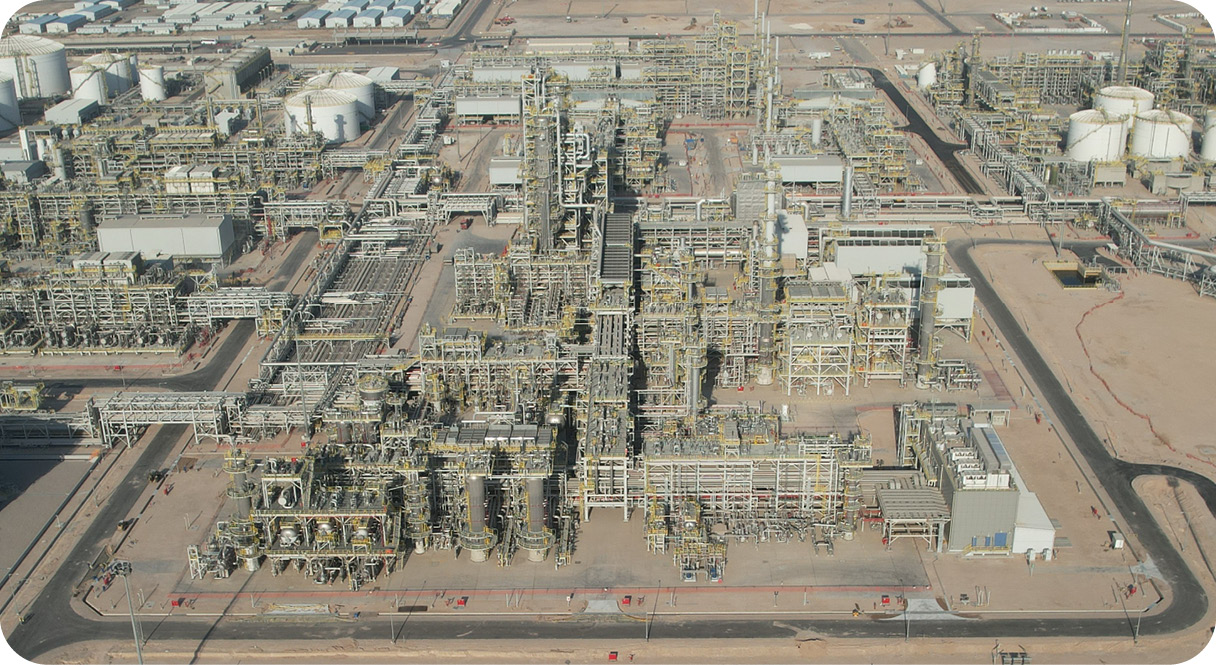
Delivering this outcome requires the precise construction of large-scale, highly complex facilities. At the core of the upgrading process is the fluid catalytic cracking (FCC) unit, a key system that converts heavy oils such as bunker C fuel and asphalt into higher-value products including gasoline, diesel, and LPG. Installing the FCC unit involves assembling reactors, catalyst regenerators, and fractionating columns weighing hundreds of tons, as well as carrying out meticulous work to connect high-temperature, high-pressure piping. To ensure stable operation, Hyundai E&C installed dozens of monitoring instruments to maintain temperature and pressure without fluctuation and conducted continuous, around-the-clock monitoring throughout construction. Following repeated simulations and testing, the facility achieved its first successful product output in late October this year.
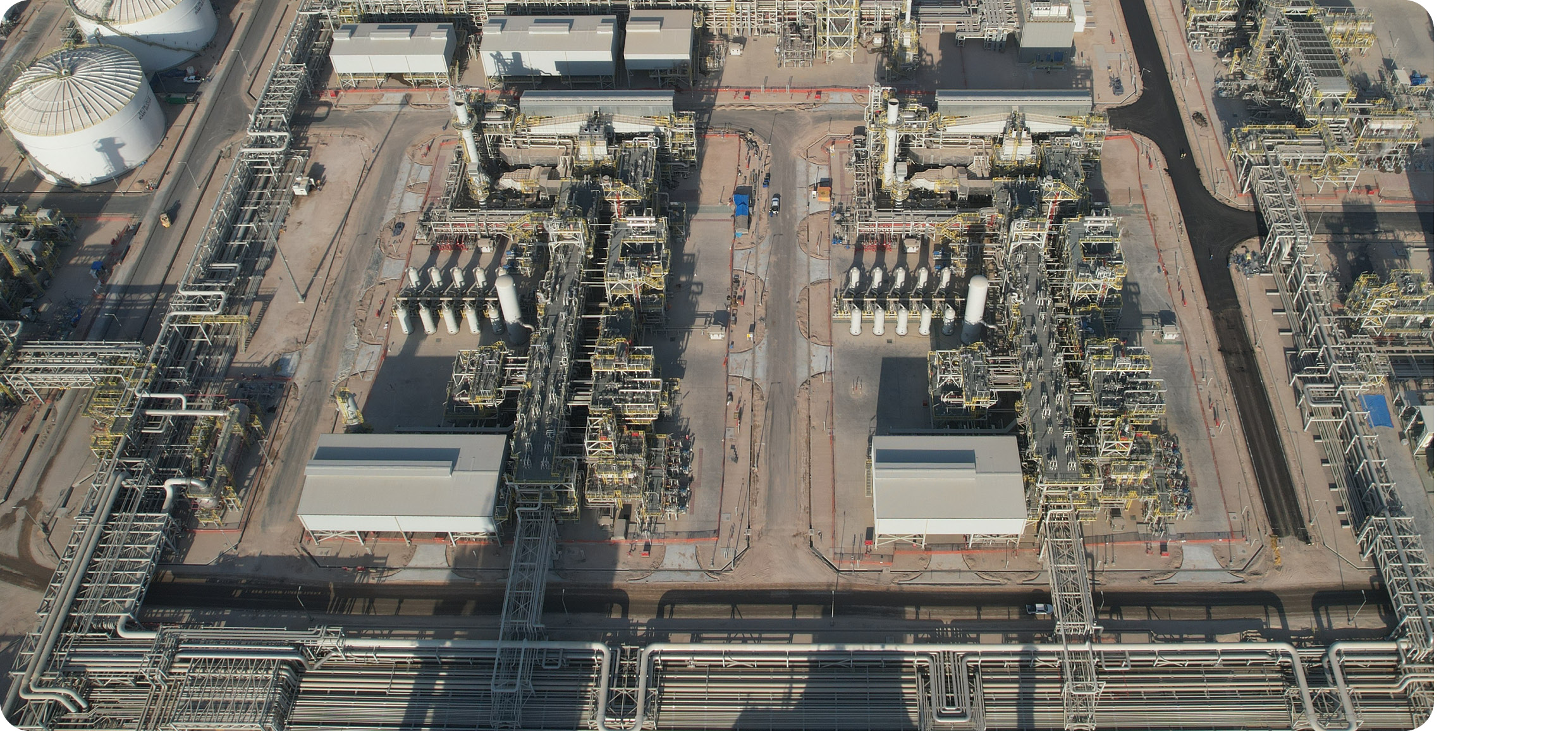
Meeting product quality and environmental standards also requires advanced technical capabilities. Among the refinery’s core systems, the hydrogen production unit and the desulfurization unit were treated as critical facilities, with particular care taken to ensure flawless performance during commissioning. In refining operations, hydrogen plays a vital role in removing impurities from feedstock, and without it, the entire process can be severely disrupted. Recognizing this, Hyundai Engineering & Construction placed strong emphasis on meeting quality and environmental requirements from the design stage, while ensuring stable operation through dozens of risk assessments and simulation runs conducted to prepare for potential operational variations.
Ensuring the stable operation of the entire upgrading complex also depends on integrated operational control. Even minor fluctuations in temperature, pressure, or flow during refining can affect the overall process. To address this, Hyundai E&C introduced digital control systems and an integrated monitoring platform, while conducting repeated scenario-based tests that simulated a wide range of potential contingencies to verify stable and reliable operation.
With completion approaching, the Basra Refinery upgrading project is drawing attention for its expected impact. Once full operations begin, the facility is anticipated to significantly strengthen Iraq’s energy self-sufficiency and improve the profitability of crude oil production. Through the project, Iraq is also looking to advance fuel self-reliance while generating employment and supporting broader industrial growth, contributing to positive changes across the national economy.
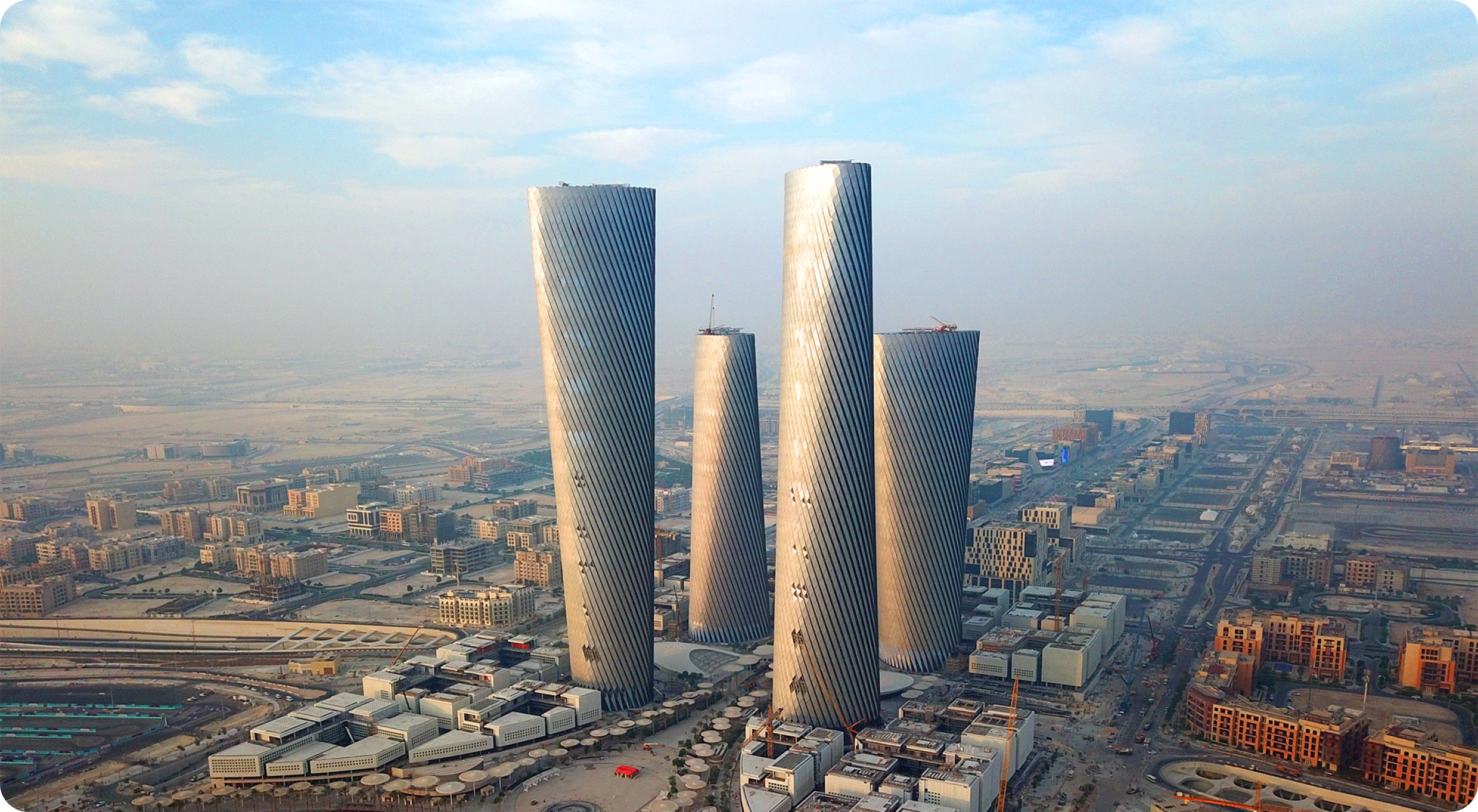
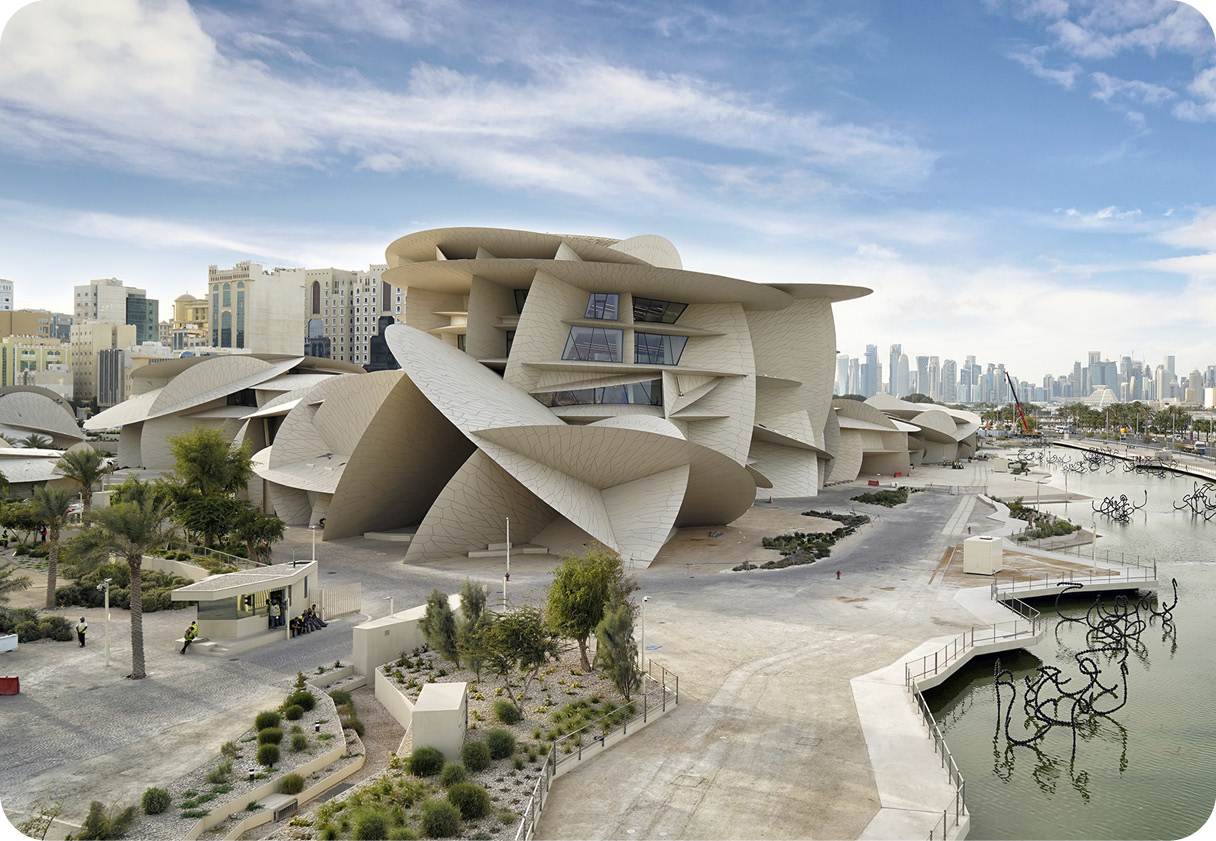
In this way, Hyundai Engineering & Construction’s projects in the Middle East go beyond conventional construction, reshaping the region’s future in some of the world’s most challenging environments. Drawing on six decades of experience and expertise built across the global construction market, the company continues to play a central role in developing the core infrastructure that underpins modern civilization. Wastewater once discarded is transformed into a new source of life for agriculture and industry, while seawater is converted into both energy that powers cities and drinking water that sustains communities. In the Middle East, Hyundai E&C is more than a builder—it is a partner committed to creating a sustainable future, even amid the harsh conditions of the desert.