본문 바로가기
Parts&Manufacturing Innovation main Poster Parts&Manufacturing Innovation Sub Poster
  • Series
Parts & Manufacturing Innovation

Manufacturing Innovation Realizing the Future of Mobility

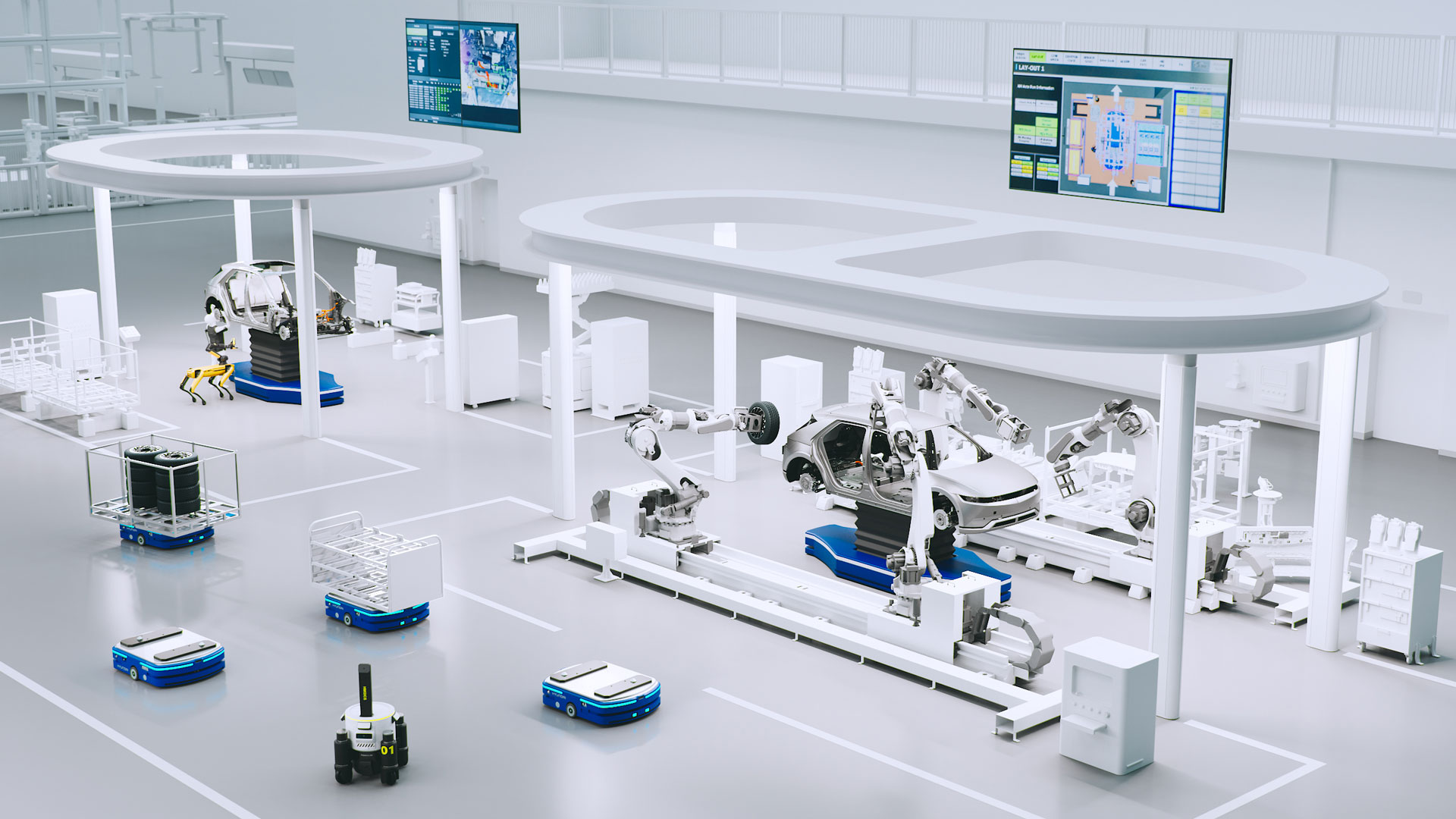
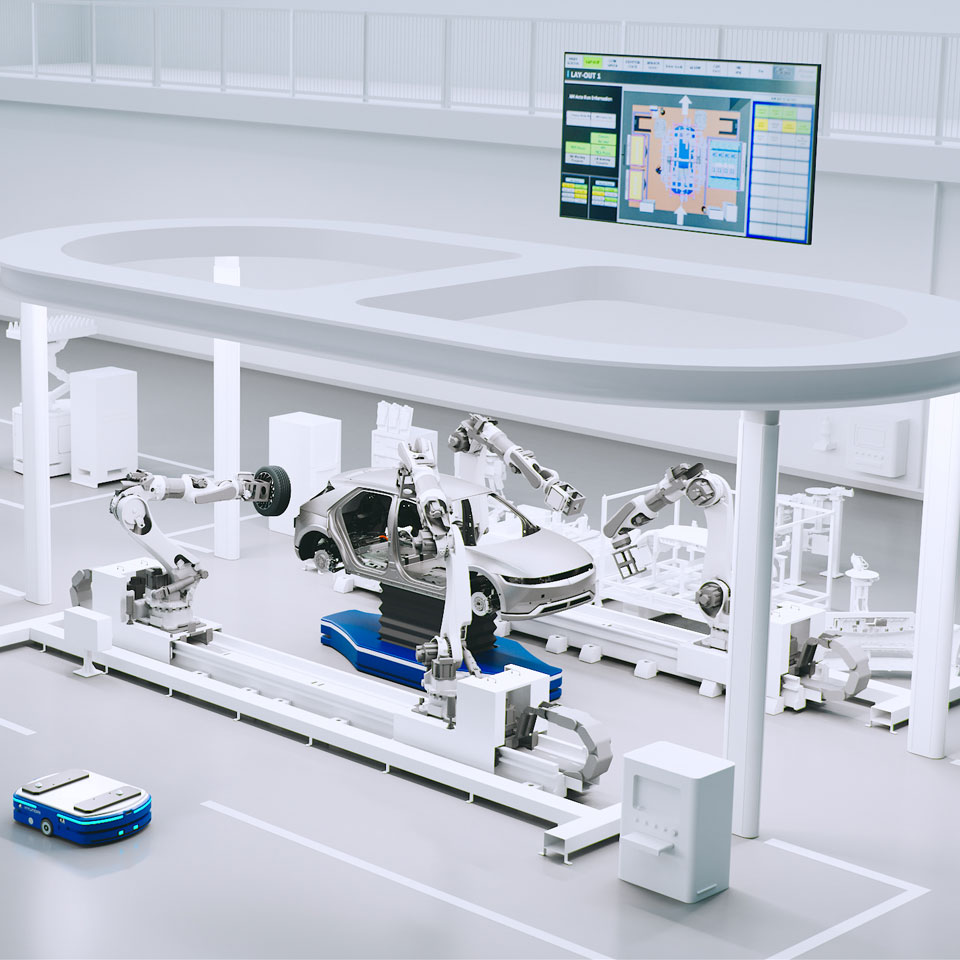
The Software Defined Factory (SDF) is a core concept of a future-ready production system that organically connects the entire manufacturing process.

Parts&Manufacturing Innovation Mid Image

By rapidly updating equipment performance, quality, and productivity through software, SDF enables continuous quality improvement, maximizing production efficiency, and optimized operations. 

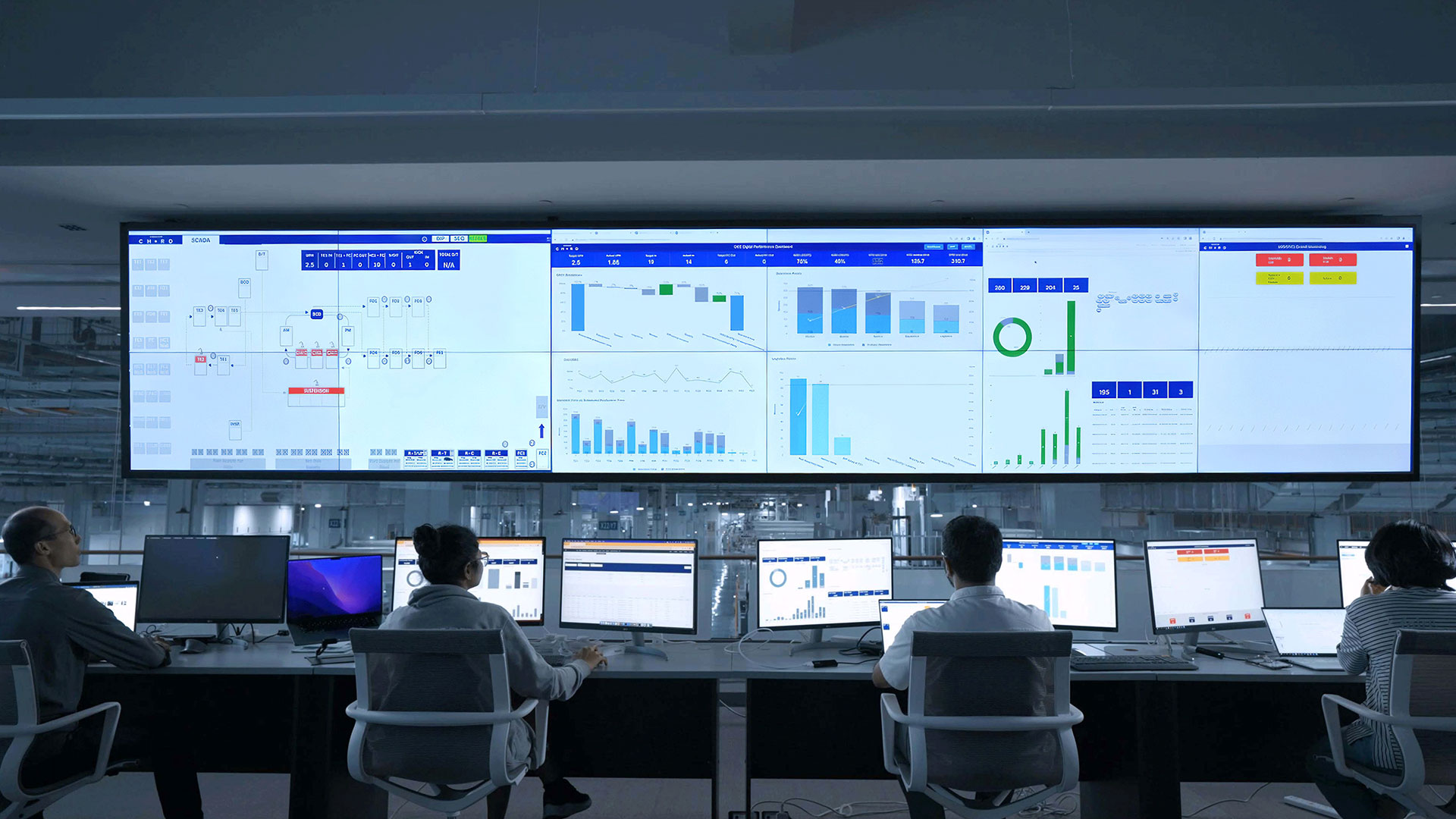
To realize SDF, Hyundai Motor Group has decoupled hardware and software and restructured its manufacturing systems into a four-layer architecture consisting of hardware, control, data platform, and application layers. This structure enables independent advancement of hardware and software, while allowing real-time visibility into global factory operations and the rapid deployment of the latest production algorithms.

In parallel, the Group continues to invest in research and development across diverse fields, including advanced composite materials, to drive future mobility innovation. The expansion of new mobility solutions—such as PBV, robotics, last-mile mobility, and Advanced Air Mobility (AAM)—will deliver freer and more seamless mobility experiences to customers. Composite materials serve as a foundational technology supporting future mobility, enhancing product sophistication and driving innovation.
  • Parts&Manufacturing Innovation Imgslide_01

    Implementing AI Systems in Production

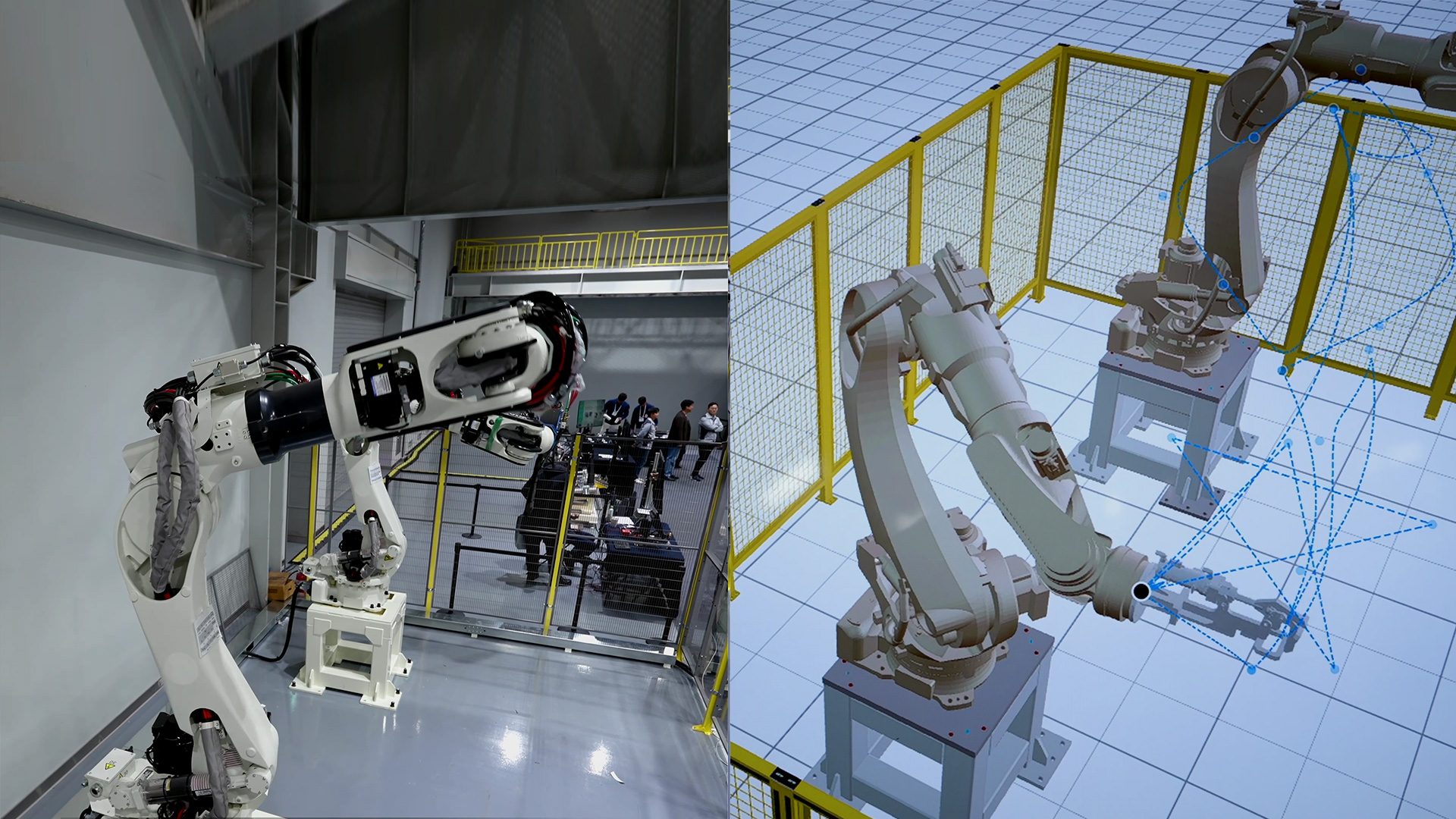
    Hyundai Motor Group is enhancing production reliability by applying AI technology to precision quality control areas, such as panel crack detection and door gap adjustment. Furthermore, the Group is improving production efficiency with AI-based component supply control systems and utilizing algorithmic analysis to automatically determine component assembly status. By implementing AI systems across predictive issue detection, quality control, and overall operating systems, the Group is accelerating digital innovation on the production floor.
  • Parts&Manufacturing Innovation Imgslide_02

    Software Defined Factory

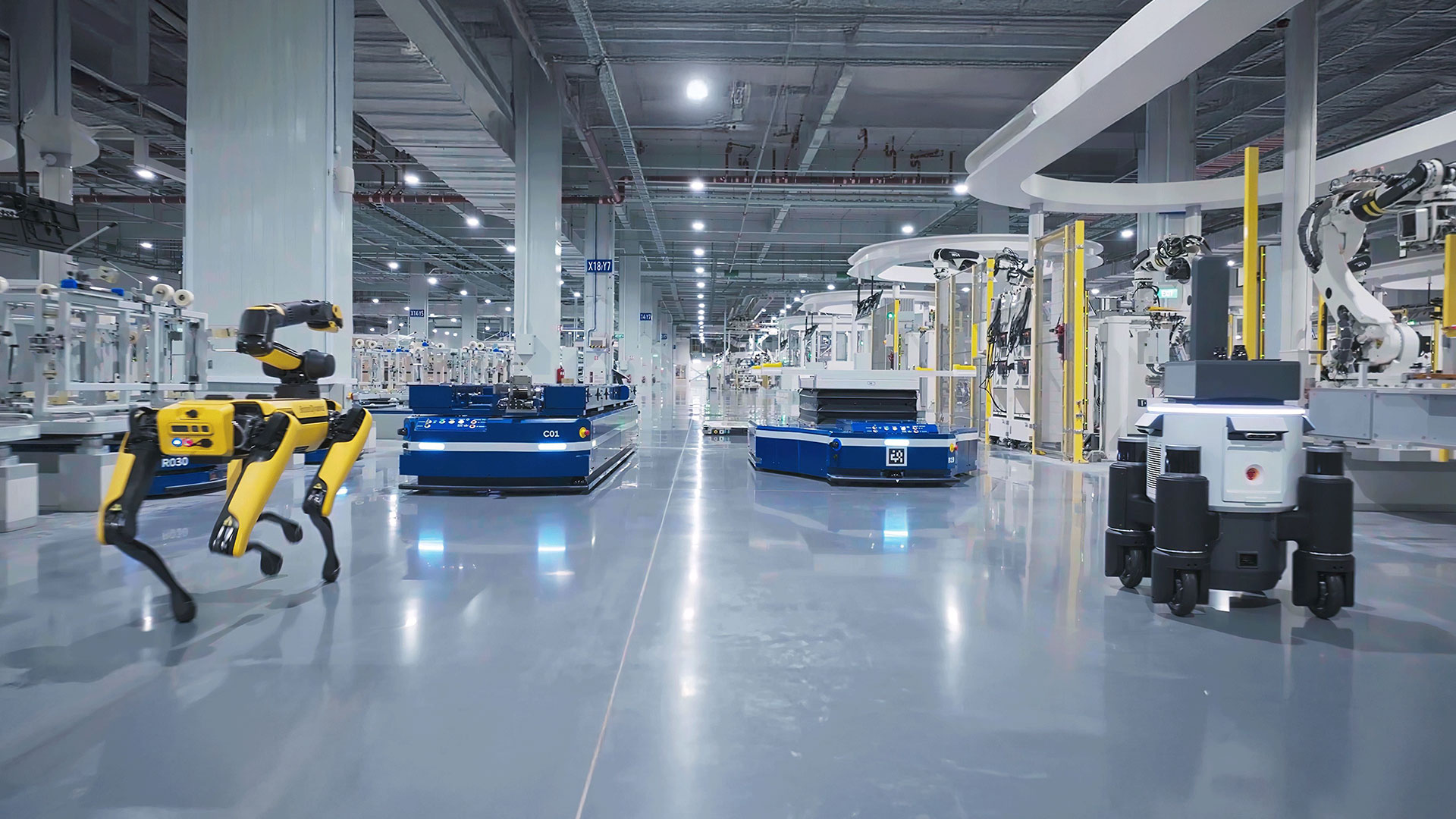
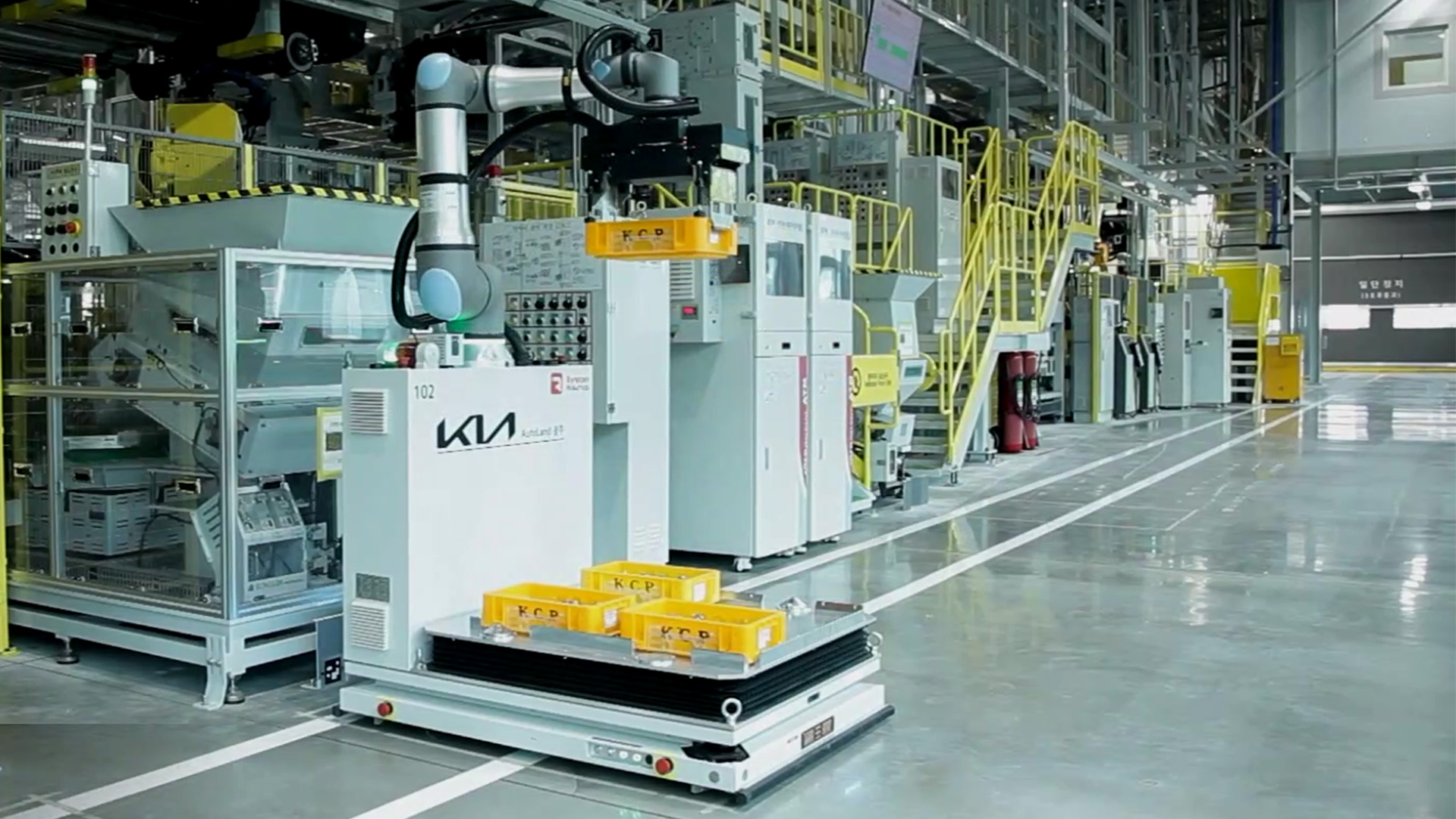
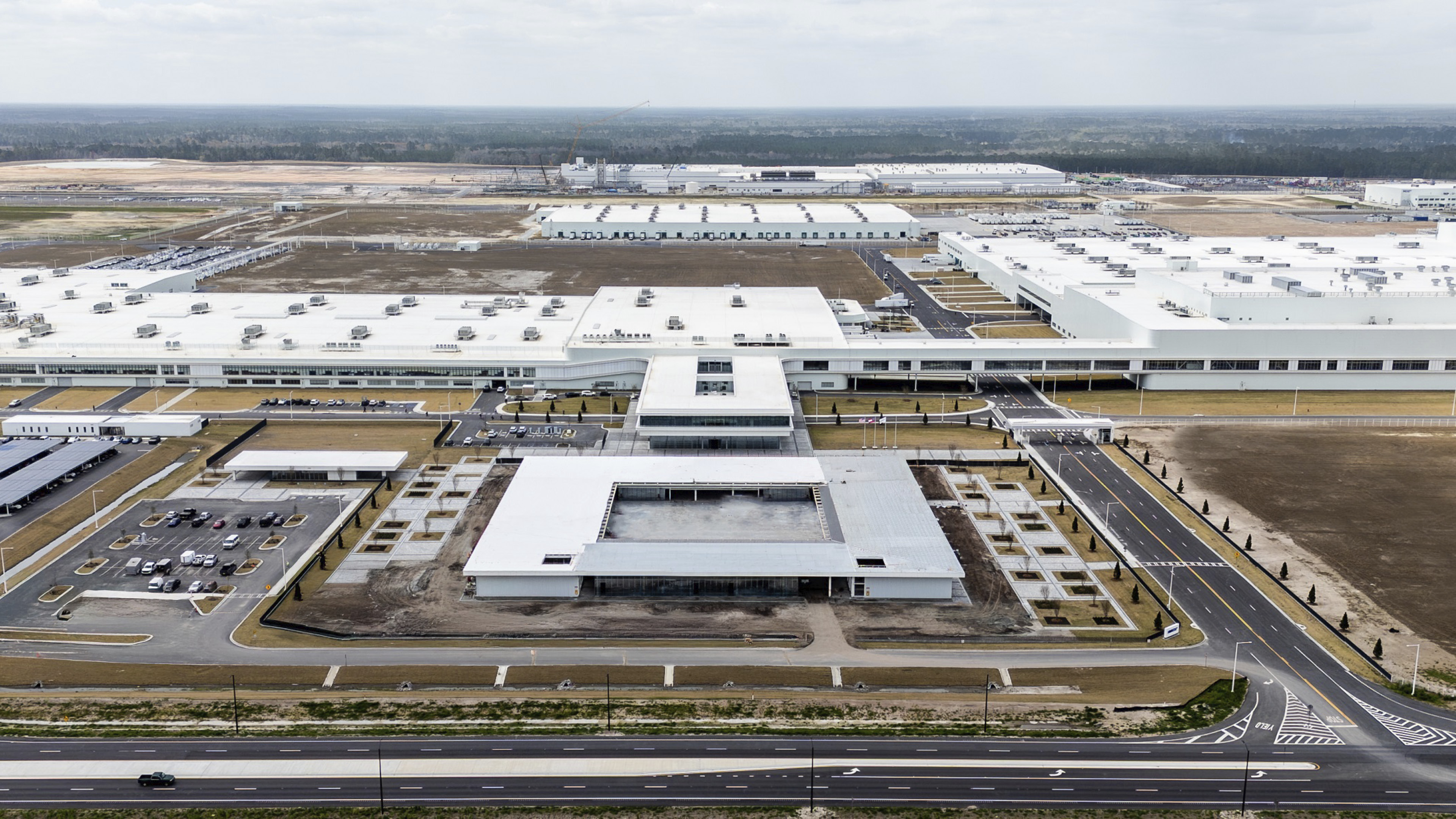
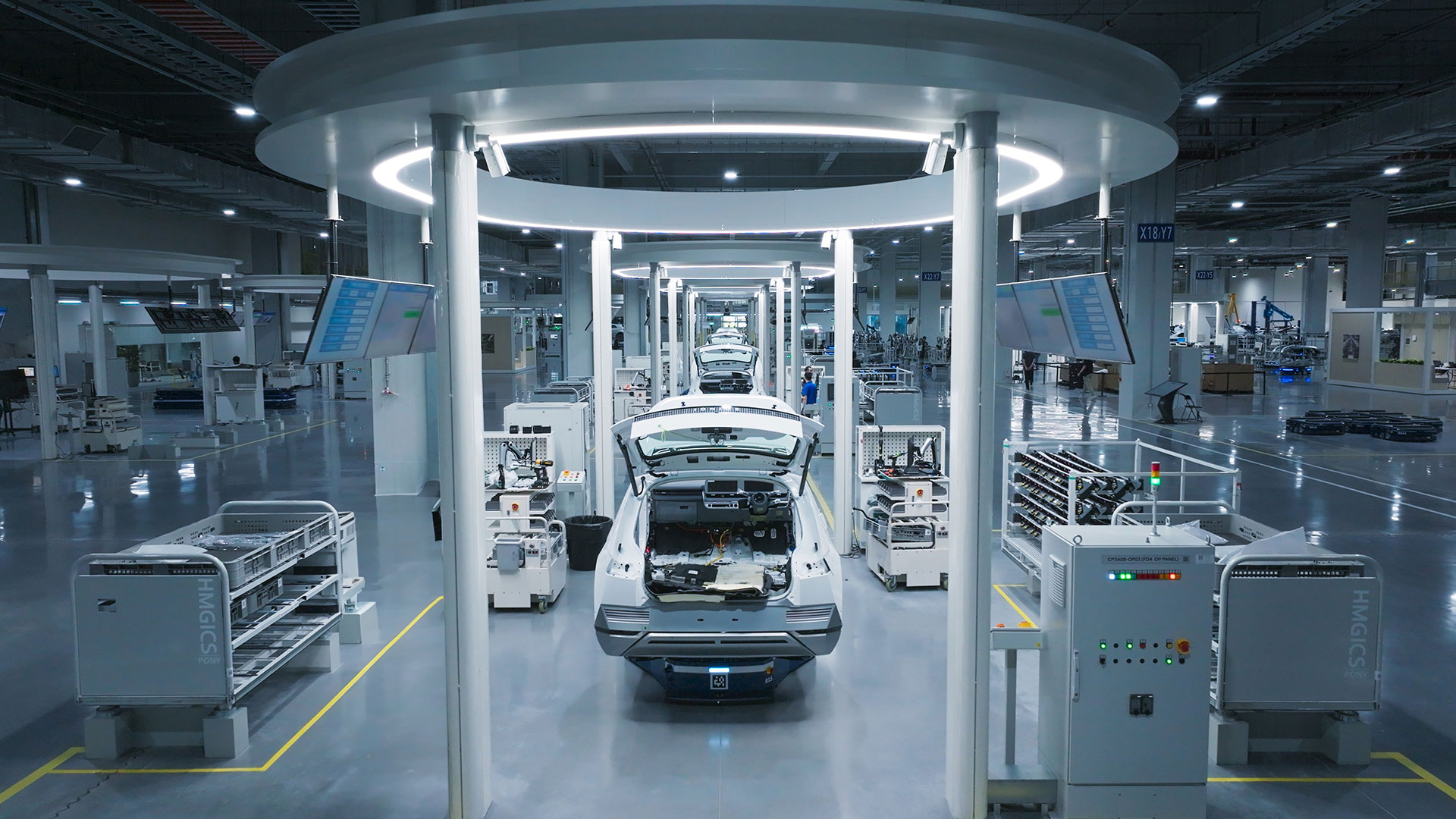
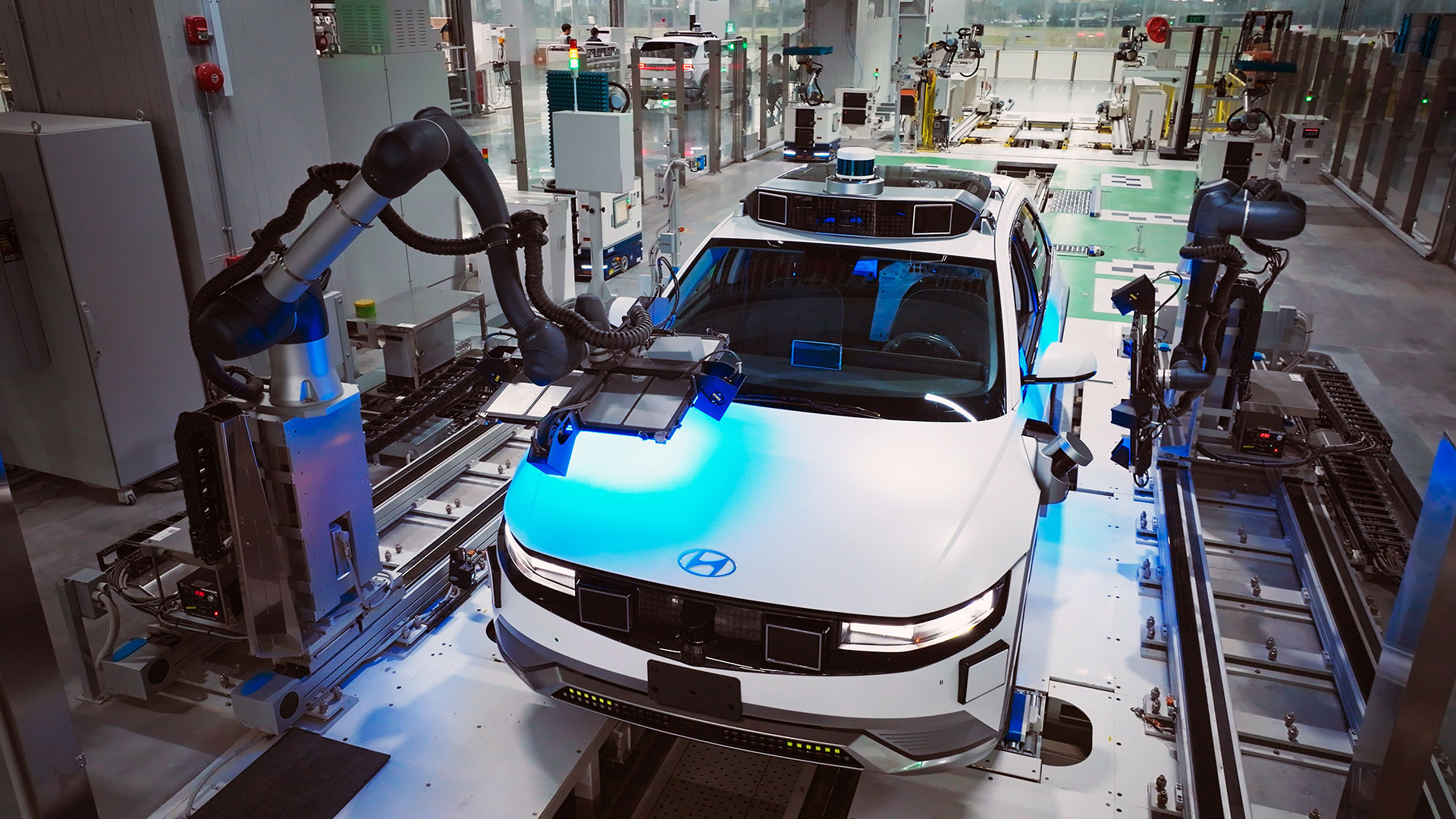
    Hyundai Motor Group’s software-defined factories, including HMGMA and HMGICS, have implemented new manufacturing systems powered by AI and autonomous robots, with all data fully digitized in real time. Based on a fully automated logistics system where mobile robots transport parts and parking robots move finished vehicles, the Group efficiently manages necessary components.
  • Parts&Manufacturing Innovation Imgslide_03

    Advanced Material Development

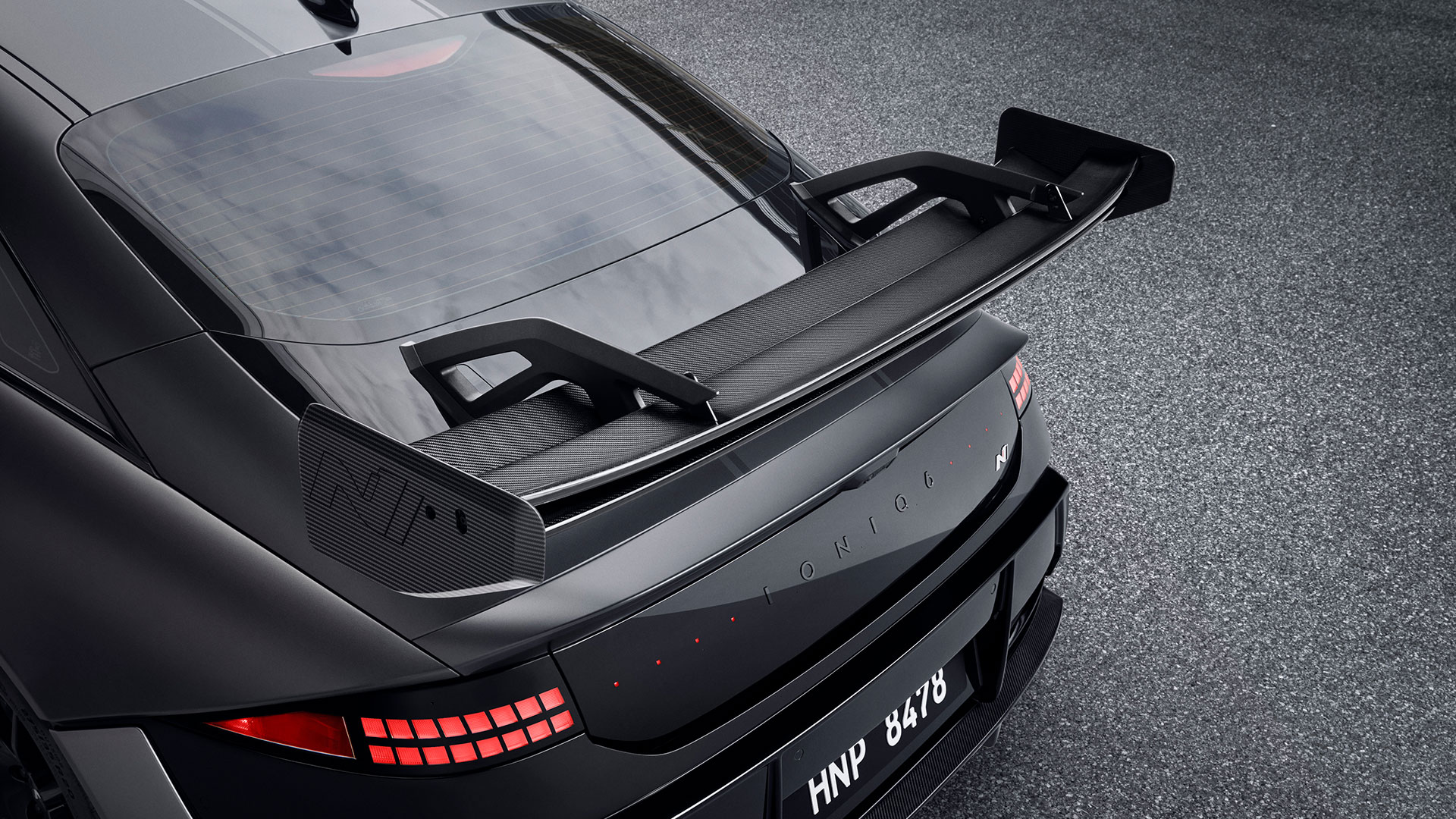
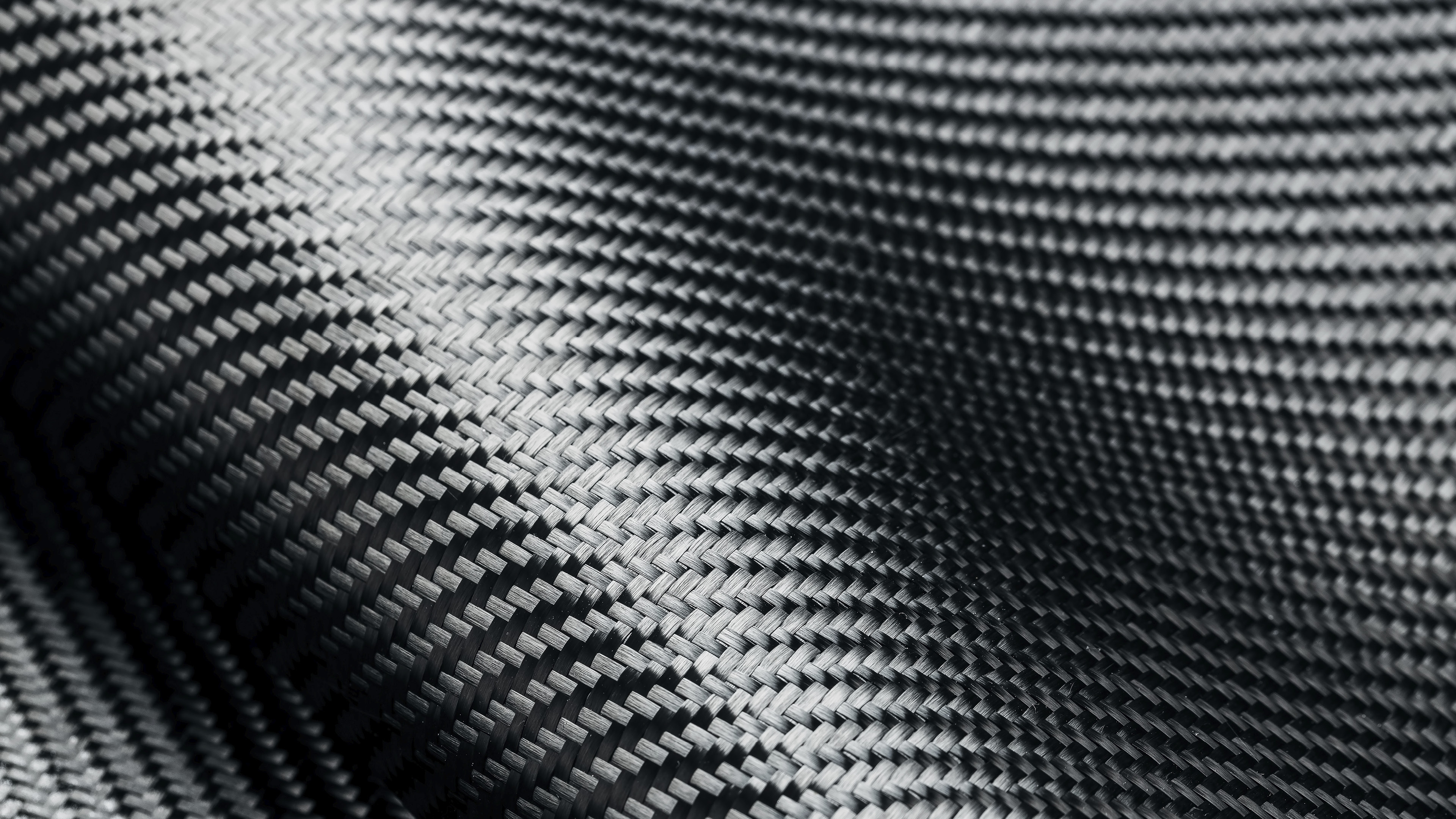
    Composite materials combine two or more substances to achieve superior properties compared to single-material alternatives. They offer a wide range of applications as various performance characteristics can be realized depending on the mixture ratio and layering method, with Carbon Fiber Reinforced Plastic (CFRP) being a representative example. CFRP is widely utilized as a critical material across the mobility industry, including high-performance vehicle components, wearable robotics, and hydrogen fuel tanks.
  • Parts&Manufacturing Innovation Imgslide_04

    Advanced Manufacturing Technologies

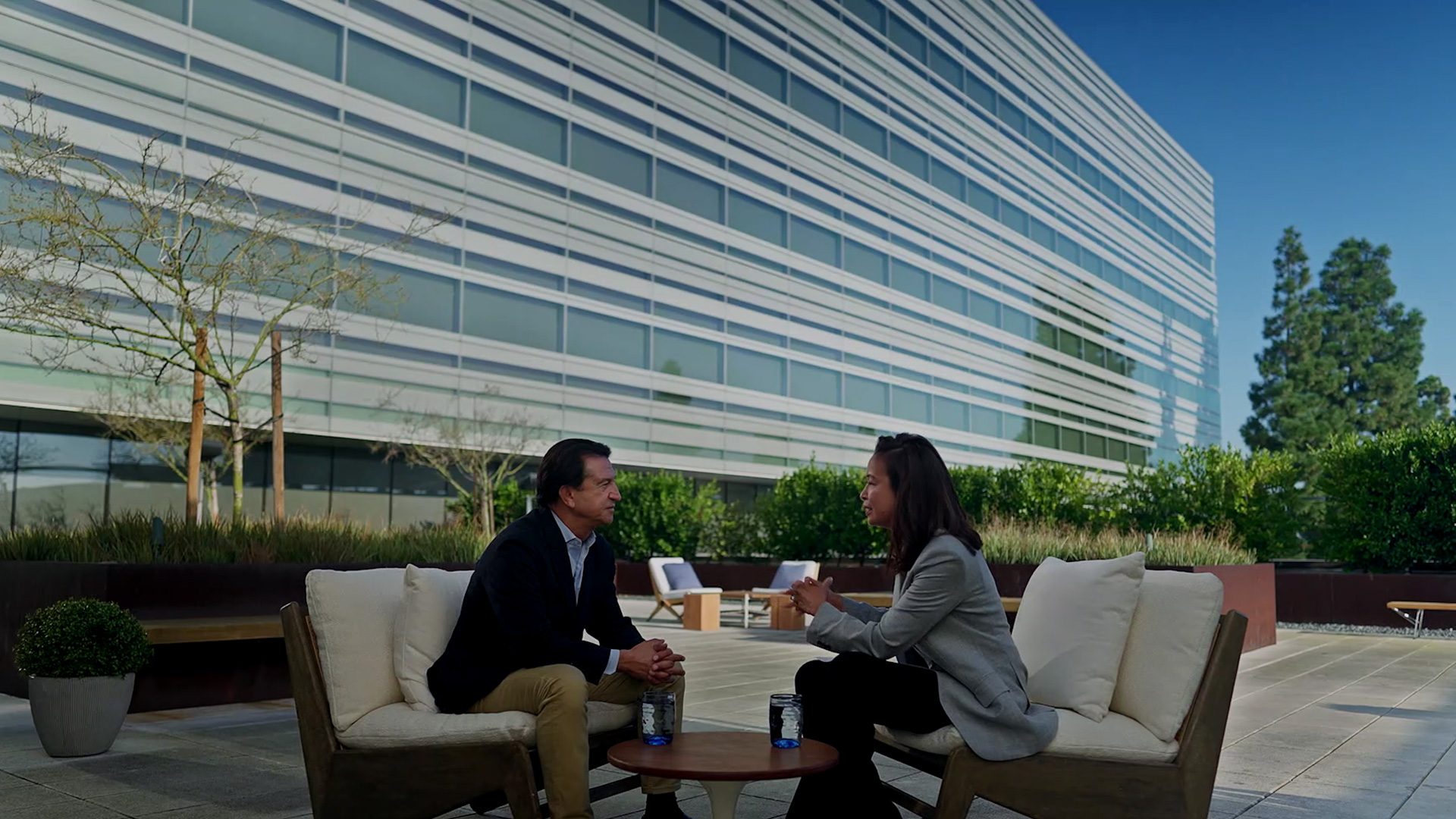
    Hyundai Motor Group’s advanced manufacturing technologies leverage AI, robotics, and big data to produce high-quality vehicles more efficiently and economically. By transitioning from conventional hardware-centric manufacturing to data- and software-driven production systems, the Group is able to reflect diverse customer requirements in real time and deliver customized products with greater speed and flexibility.

Implementing AI Systems in Production

Parts&Manufacturing Innovation Imgslide_01

Hyundai Motor Group is enhancing production reliability by applying AI technology to precision quality control areas, such as panel crack detection and door gap adjustment. Furthermore, the Group is improving production efficiency with AI-based component supply control systems and utilizing algorithmic analysis to automatically determine component assembly status. By implementing AI systems across predictive issue detection, quality control, and overall operating systems, the Group is accelerating digital innovation on the production floor.

Software Defined Factory

Parts&Manufacturing Innovation Imgslide_02

Hyundai Motor Group’s software-defined factories, including HMGMA and HMGICS, have implemented new manufacturing systems powered by AI and autonomous robots, with all data fully digitized in real time. Based on a fully automated logistics system where mobile robots transport parts and parking robots move finished vehicles, the Group efficiently manages necessary components.

Advanced Material Development

Parts&Manufacturing Innovation Imgslide_03

Composite materials combine two or more substances to achieve superior properties compared to single-material alternatives. They offer a wide range of applications as various performance characteristics can be realized depending on the mixture ratio and layering method, with Carbon Fiber Reinforced Plastic (CFRP) being a representative example. CFRP is widely utilized as a critical material across the mobility industry, including high-performance vehicle components, wearable robotics, and hydrogen fuel tanks.

Advanced Manufacturing Technologies

Parts&Manufacturing Innovation Imgslide_04

Hyundai Motor Group’s advanced manufacturing technologies leverage AI, robotics, and big data to produce high-quality vehicles more efficiently and economically. By transitioning from conventional hardware-centric manufacturing to data- and software-driven production systems, the Group is able to reflect diverse customer requirements in real time and deliver customized products with greater speed and flexibility.