Kia Opens PV5 Orders in Japan, Launching Customer-Centric PBV Business Platform
- Kia
- 2026.05.13 (KST)
- 분량10min
- 조회수 4,076Views
- Kia opens orders for PV5, its first dedicated PBV (Platform Beyond Vehicle) model, in Japan
- PV5 offers flexible vehicle architecture and advanced technologies tailored to Japanese customers’ needs
- PV5 Passenger five-seater and PV5 Cargo models to launch first, with plans to expand line-up to include PV5 Passenger seven-seater and WAV variant
(SEOUL) May 13, 2026 – Kia Corporation today launched the Kia PV5 in Japan, opening customer orders for its first dedicated PBV (Platform Beyond Vehicle) model to enhance the company’s long-term PBV strategy in the Japanese market.
Kia is launching the PV5 in Japan through Kia PBV Japan, a dedicated local entity established in partnership with Sojitz Corporation. The partnership provides Kia with an effective market-entry platform covering sales, aftersales service, maintenance, and vehicle operations.
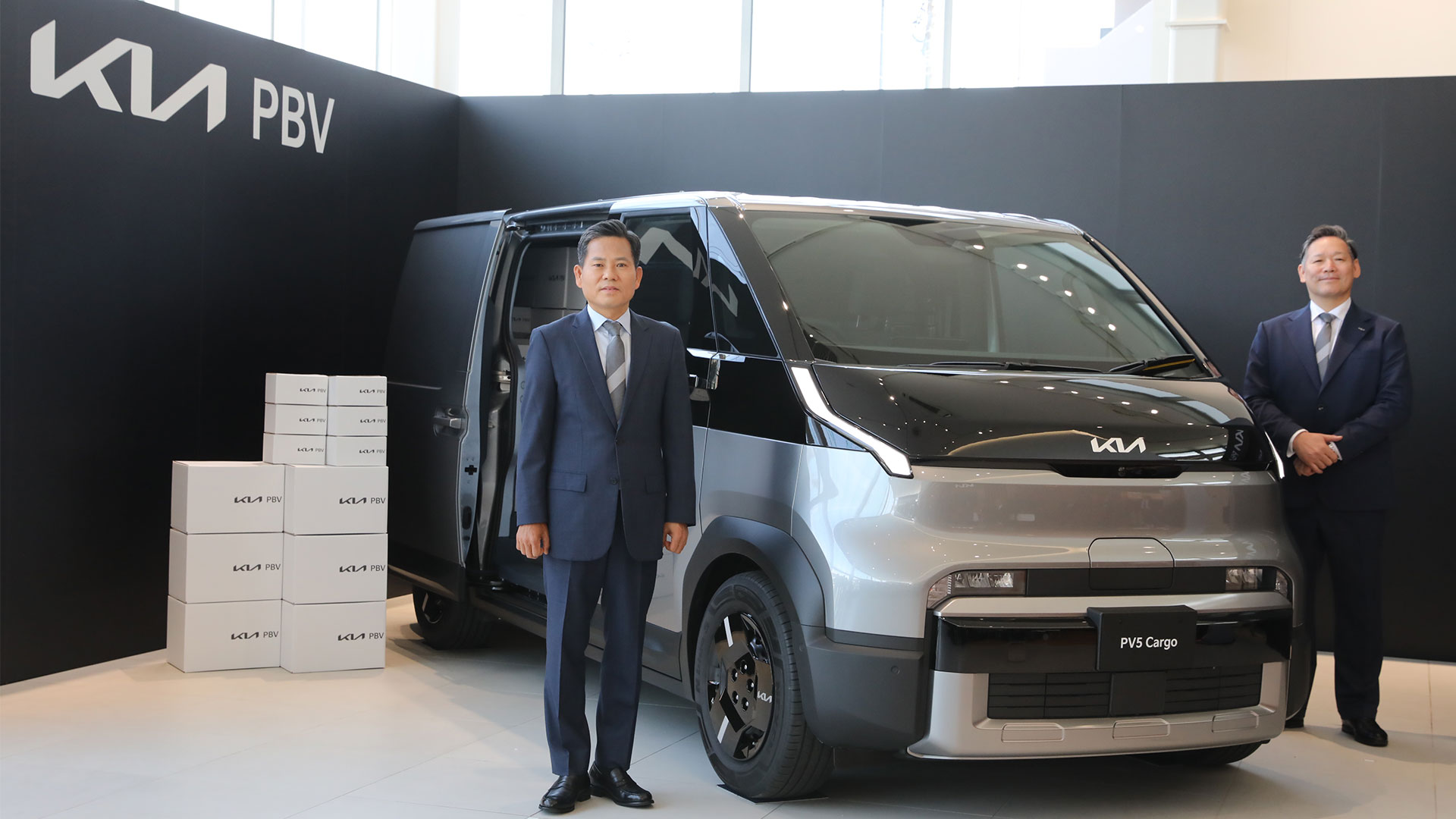
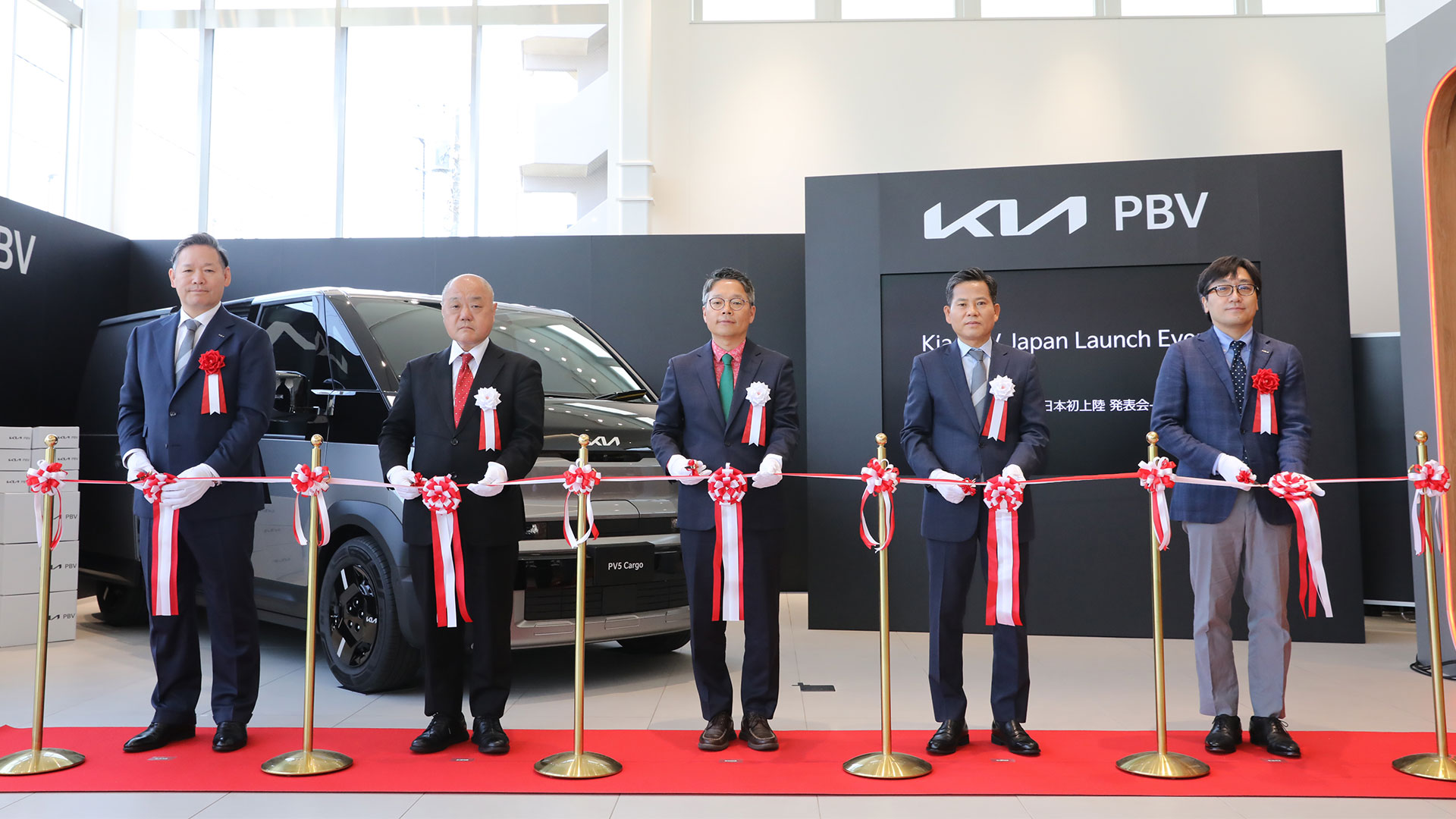
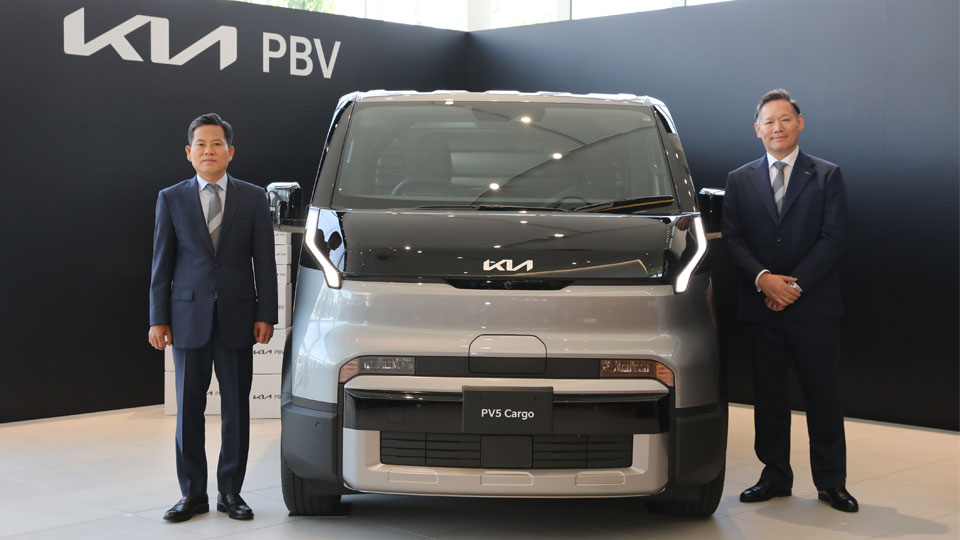
To mark the PV5’s introduction in Japan, Kia held an official launch event with Sojitz Corporation at the Kia PBV Japan Tokyo Nishi flagship store, attended by Sangdae Kim, Executive Vice President and Head of PBV Business Division at Kia, and Yasunari Tajima, CEO of Kia PBV Japan, along with other key stakeholders.
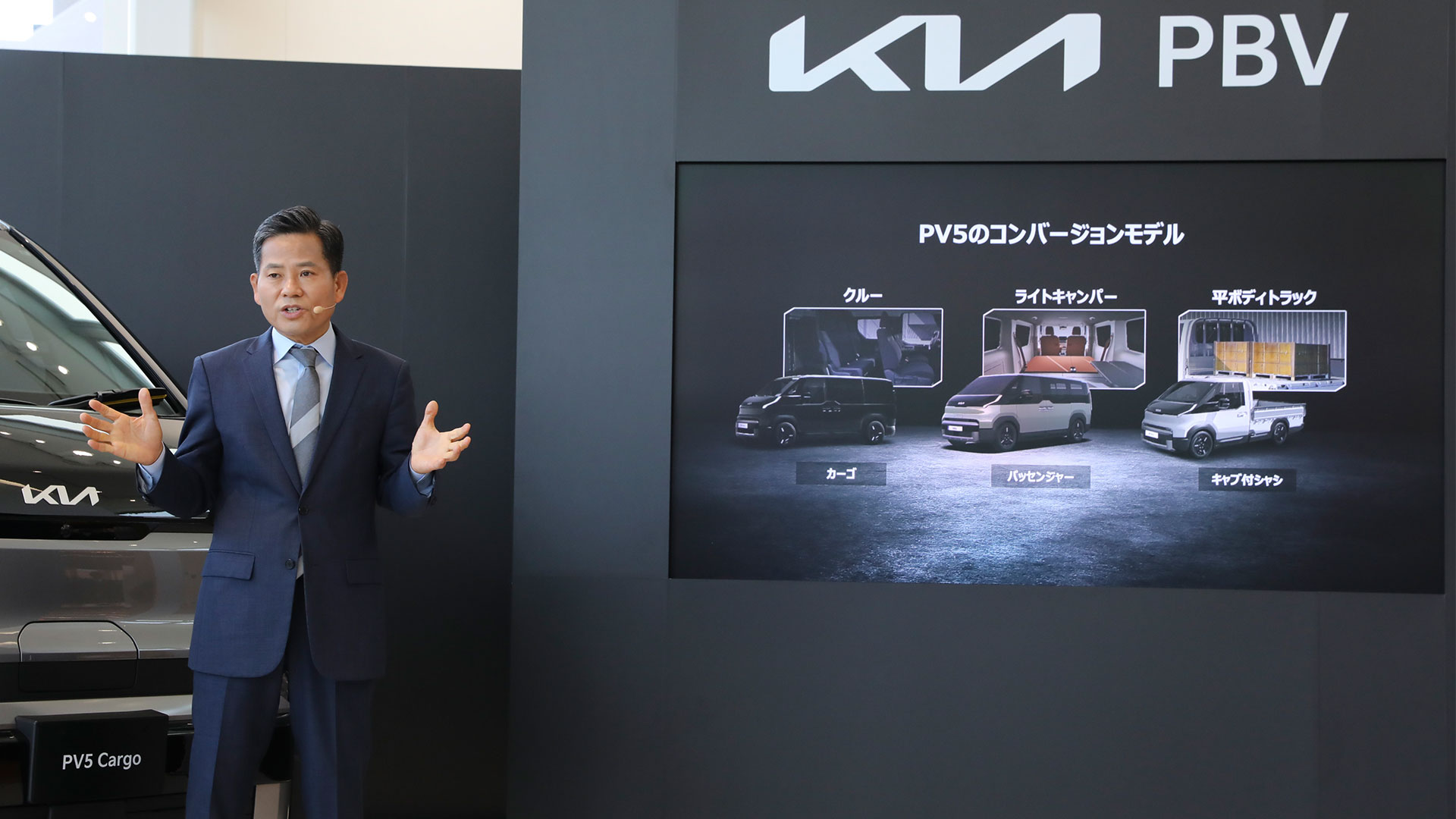
Kia will initially introduce the PV5 Passenger five-seater and PV5 Cargo models in Japan, then expand the lineup with the PV5 Passenger seven-seater and PV5 Wheelchair Accessible Vehicle (WAV) in the future. Kia also plans to broaden its PBV business by introducing the larger PV7 in 2028.
“The launch of the Kia PV5 in Japan is an important milestone that demonstrates the competitiveness of Kia’s PBV offering and global brand appeal. We will continue to build long-term trust through a customer-focused experience and responsible approach, while further strengthening our role as a reliable partner in the transition to electrification.” – Sangdae Kim, Executive Vice President and Head of PBV Business Division at Kia.
How is the Kia PV5 tailored to meet the needs of Japanese users?
The PV5 has been developed to support a broad range of business, passenger and lifestyle mobility needs in Japan through a combination of its dedicated EV architecture, flexible vehicle configurations that allow up to 16 body configurations, and advanced technologies tailored to local customer requirements.
Key benefits for Japanese customers include:
· CHAdeMO charging compatibility
· V2L (Vehicle-to-Load) and V2H (Vehicle-to-Home) capability, enabling the PV5 to serve as a power source in emergency situations such as earthquakes
· Compact dimensions ideally suited to dense urban environments and narrow roads:
.4,695 mm long
.1,895 mm wide
.5.5-meter turning radius
Which PBV models is Kia launching in Japan and when will they go on sale?
Following the PV5’s introduction at the Japan Mobility Show 2025, Kia is now accelerating its PBV business model into full commercial operation through Kia PBV Japan, enabling local sales, aftersales service and operational support for customers.
Kia’s PBV model lineup is comprised of:
· PV5 Passenger five-seater (on sale now)
· PV5 Cargo (on sale now)
· PV5 Passenger seven-seater (planned for launch in late 2026)
· PV5 Wheelchair Accessible Vehicle (planned for launch in early 2027)
· PV7 (planned for launch in 2028)
Why is Japan strategically important for Kia’s global PBV strategy?
Kia expects Japan to become an important market as part of its global PBV expansion strategy as demand grows for compact, flexible and efficient electric mobility solutions. Evolving legislation, changing urban mobility requirements and growing commercial electrification are expected to accelerate demand in the coming years.
Key market drivers include:
· Japanese Government target for electric vehicles (EVs) to account for 30 percent of new vehicle sales by 2030
· Growing logistics and last-mile delivery demand
· Labor shortages in transport industries
· Regional transportation gaps
· Demand for accessible transport
· Need for compact urban vehicles
· Interest in EV emergency power supply functionality
What advantages do Kia PBV Japan and Sojitz Corporation offer customers?
Kia PBV Japan has been established in partnership with Sojitz Corporation, one of Japan’s leading general trading companies with extensive experience across the automotive, infrastructure and energy sectors, as a wholly owned subsidiary of Sojitz.
The partnership will provide customers with comprehensive operational support across the full ownership and vehicle use cycle. Support areas include:
· Local sales operations
· Aftersales service
· Maintenance support
· Financing services
· Charging infrastructure support
· Vehicle operations support
· Long-term PBV ecosystem development
How extensive is Kia’s PBV support network in Japan?
Kia PBV Japan currently operates seven dealerships, including the directly operated Tokyo Nishi flagship store, alongside 52 service centers. The company plans to expand its network to further strengthen long-term customer support.
Within the year, the network is expected to expand to 11 directly operated stores and 100 service centers. Additional support initiatives include partnerships such as Kia’s collaboration with BS Summit, Japan’s largest maintenance association.
What global recognition has the Kia PV5 gained?
The Kia PV5 has already gained strong international recognition through major awards and industry assessments, reinforcing Kia’s growing presence in the electric commercial vehicle sector. These awards highlight the PV5’s balance of practicality, versatility, usability and long-range EV capability.
Recent achievements include:
· 2026 International Van of the Year
· Overall ‘Van of the Year’ at the 2026 What Car? Van and Commercial Vehicle Awards
· ‘Best Small Electric Van’ for PV5 Cargo
· ‘Best Van-Based MPV’ for PV5 Passenger
· Five-star Euro NCAP Commercial Van Safety rating
· Guinness World Records title for maximum-payload EV van range
· iF Design Award Gold for Automotive Product Design