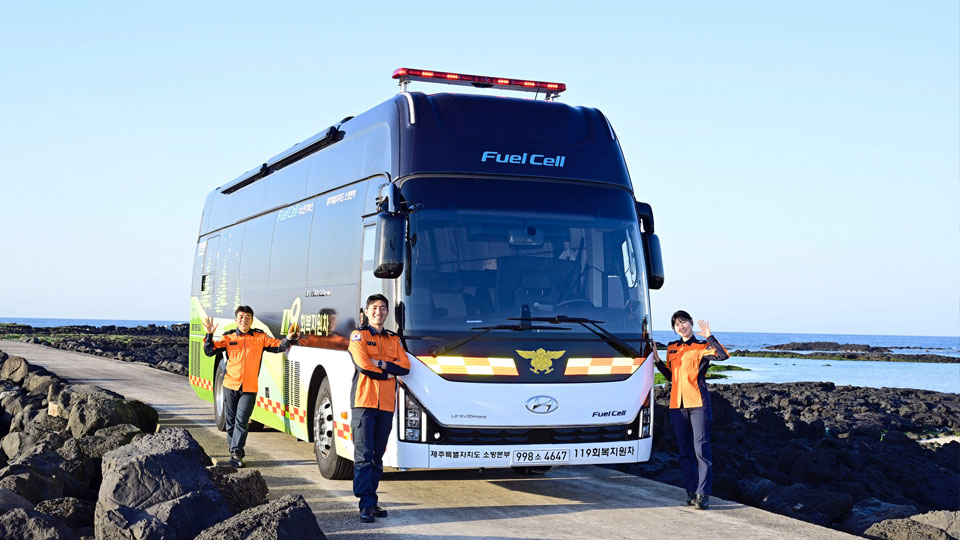
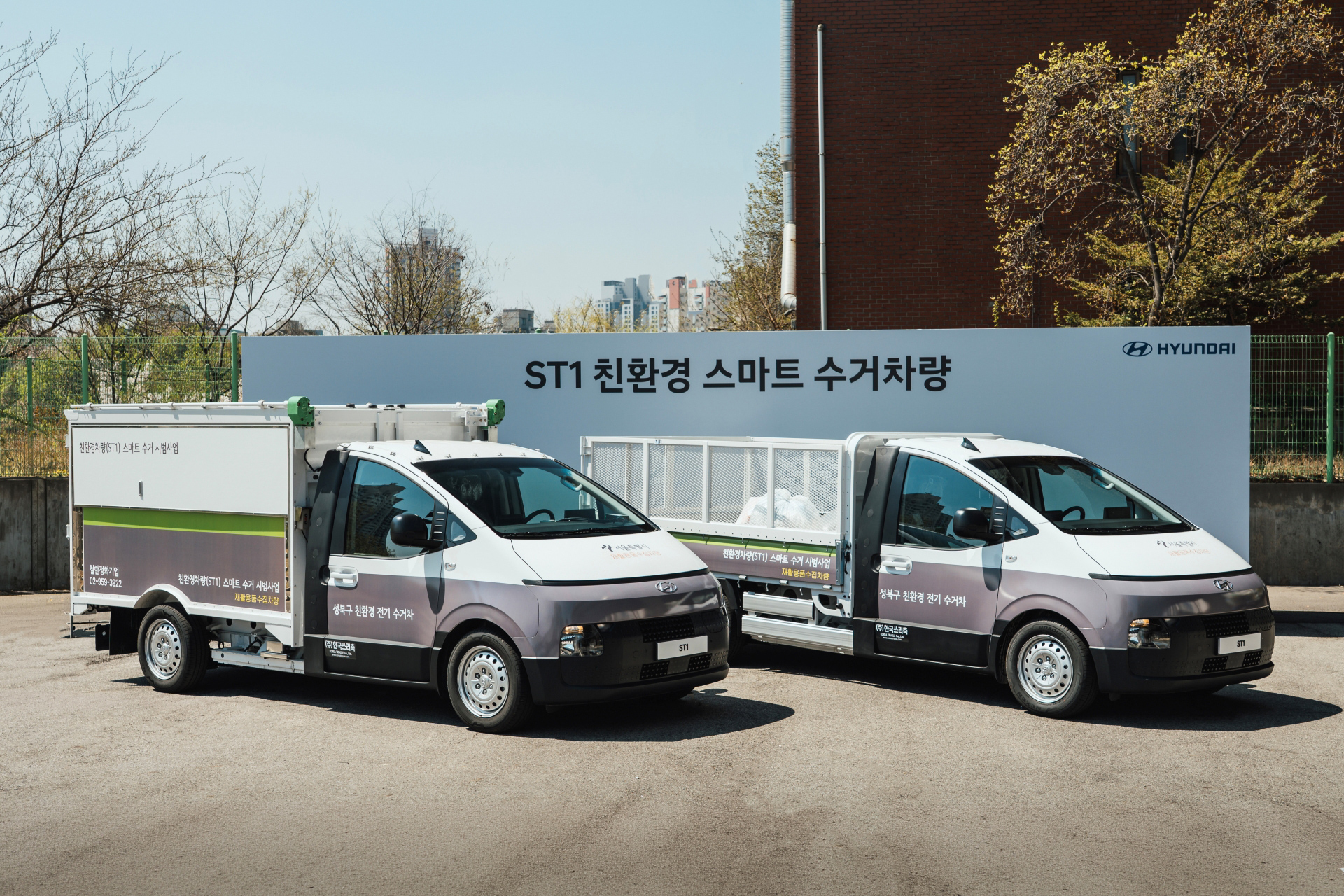
From delivery vans for daily logistics to tow trucks that respond to traffic accident scenes, street sweepers that maintain roads, and truck-mounted lifts used for moving and construction work, these diverse special vehicles built on commercial vehicle platforms have come to play an indispensable role in many aspects of our daily lives.
Special-purpose vehicle are created when a conversion specialist receives a base vehicle from an automaker and then adds equipment or modifies the structure to suit a specific purpose. This modification process demands a profound understanding of the base vehicle’s structure and technical characteristics. This is because the modification process requires meticulous verification to ensure there is no interference between the vehicle and the equipment, that the electrical system operates normally, and that the vehicle meets the legal certification standards required for sale and operation. In this process, the official technical documentation provided by the original equipment manufacturer serves as the foundational cornerstone for the safe and reliable production of special-purpose vehicles.
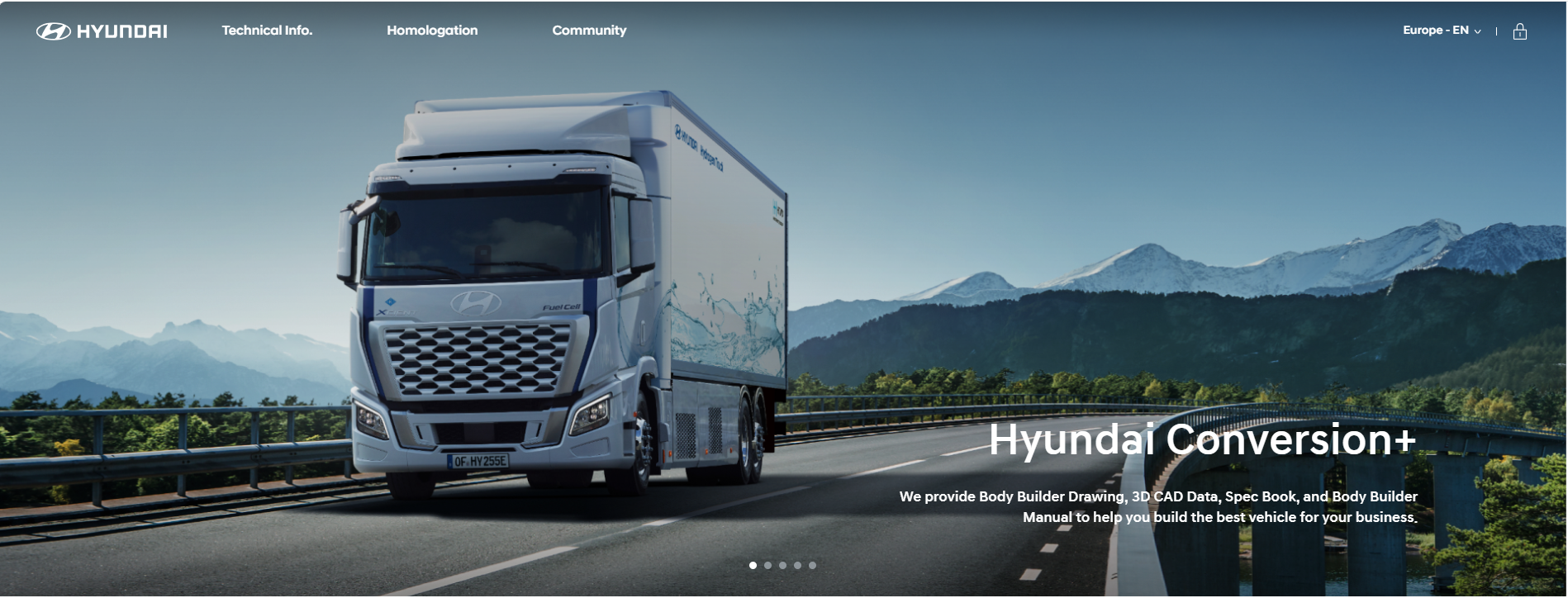
Hyundai Motor Company has operated a technical information portal that provides commercial vehicle data primarily to domestic special vehicle manufacturers. In Korea, the focus was on improving the efficiency of the existing platform, enhancing the user experience (UI/UX), and strengthening customer engagement and promotional capabilities. In global markets, there was a need to build a more systematic framework for information delivery and create a foundation for sharing technical information with a wider network of special vehicle partners. To respond to these changes and further strengthen collaboration between manufacturers and conversion companies, Hyundai Motor set out to build “Hyundai Conversion+,” an advanced information provision system.
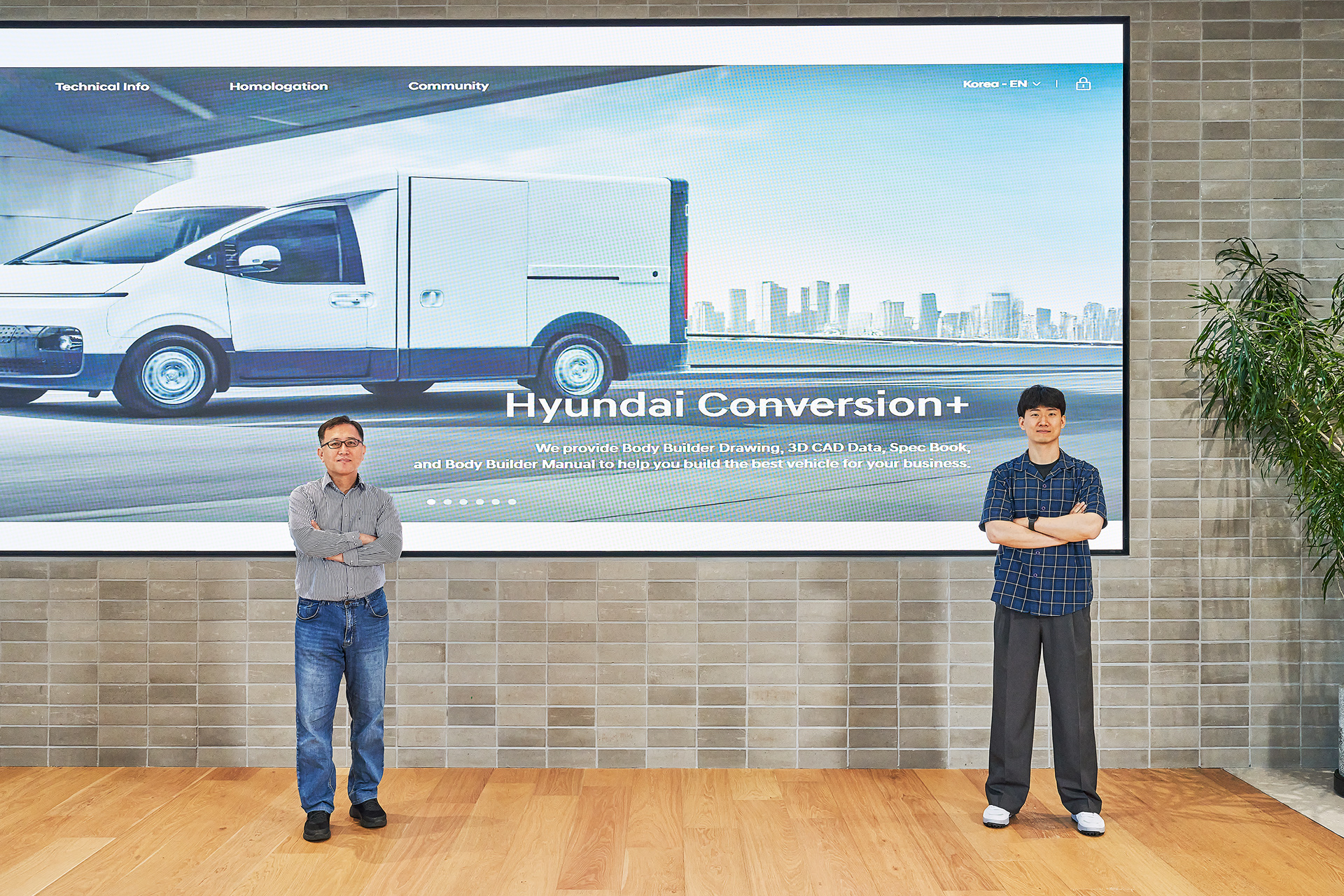
Hyundai Conversion+ is a platform built on the existing technical information portal, with enhanced data accessibility and technical support capabilities. It provides 2D vehicle drawings and, for selected models, 3D drawings, enabling bodybuilders to make more efficient use of vehicle information. Furthermore, the service is available in 15 languages across approximately 120 countries worldwide—including Europe, Asia, Latin America, Africa, and the Middle East—expanding accessibility to the global market.
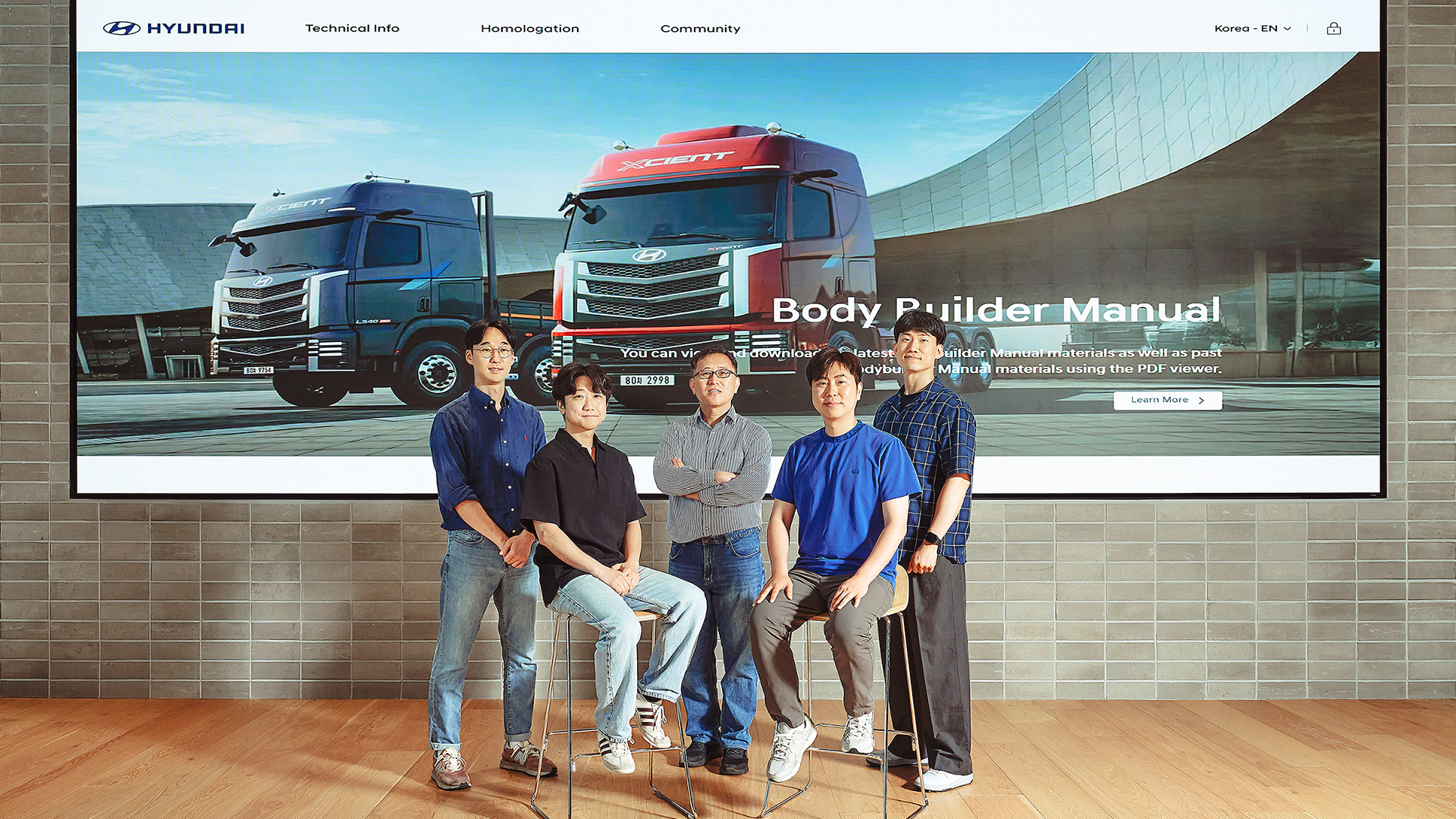
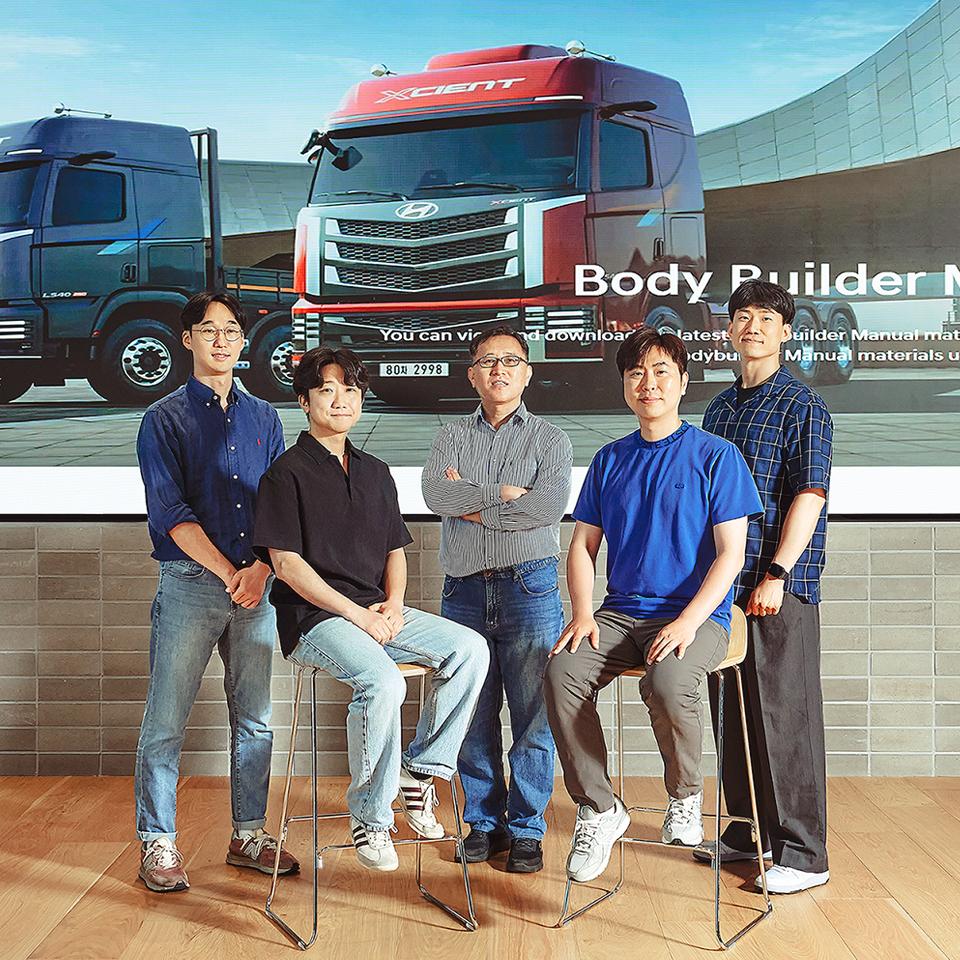
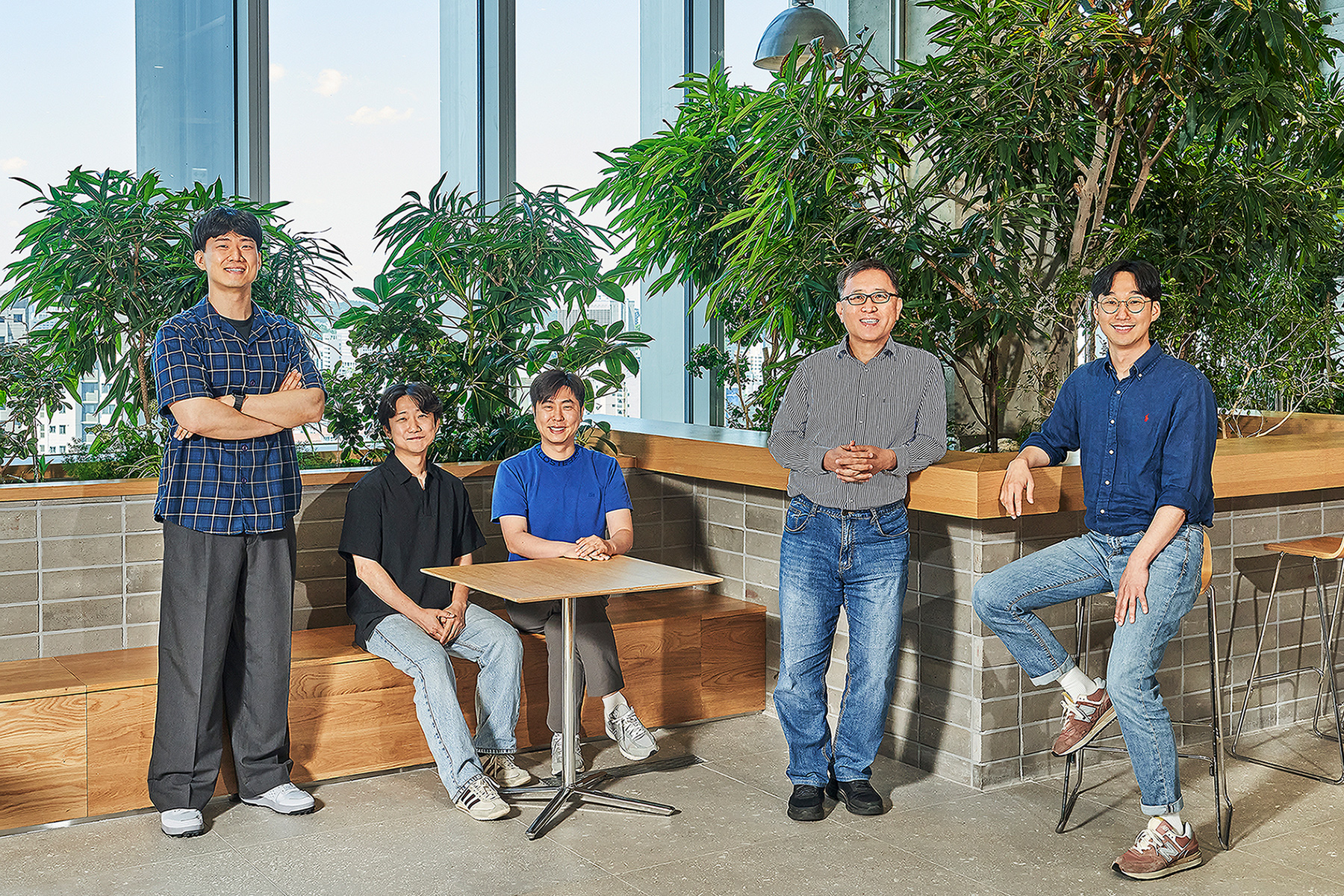
Members from various organizations and fields joined forces to drive innovation across the entire service. After approximately 12 months of holding in-person meetings at least once a week to refine the platform, Hyundai Conversion+ was born. We met with the five key developers who led the platform’s development to hear about the process and its significance.

What prompted Hyundai Motor to expand its special vehicle information service?
Jeongtaek Oh, Senior Manager, CV&LCV Solution Planning Team | In Korea, we already had established communication channels in place with bodybuilder partners. Based on our long experience operating these channels and listening closely to feedback from the field, a consensus naturally formed that it was time to take the service to the next level. We needed to improve the service so that customers could access the information they needed more quickly and conveniently, while enabling richer and smoother communication.
From a global perspective, communication channels were fragmented by country, so we needed to digitize the information into digital assets and improve service consistency. In particular, we came to believe that a systematic customer communication channel could serve as a practical business driver for increasing vehicle sales by effectively showcasing the strengths of Hyundai Motor’s large commercial vehicles and small-to-medium-sized LCVs to global bodybuilder customers. As these domestic and international needs converged, we decided to pursue a full-scale expansion of the service.

Compared to typical product information websites, how does the scope of information that Hyundai Conversion+ provides to special vehicle manufacturers differ?
Sungjin Jeoung, Senior Manager, CV&LCV Solution Planning Team | A typical product website focuses on “what to buy.” However, Hyundai Conversion+ addresses not only what to buy, but also how to use and customize vehicles after purchase. Since special vehicle manufacturers create new value based on Hyundai Motor’s commercial vehicles, the information we provide needs to be deeper and more specialized. Beyond basic specifications, manufacturers need detailed guidance on which parts of a vehicle can be modified and how.
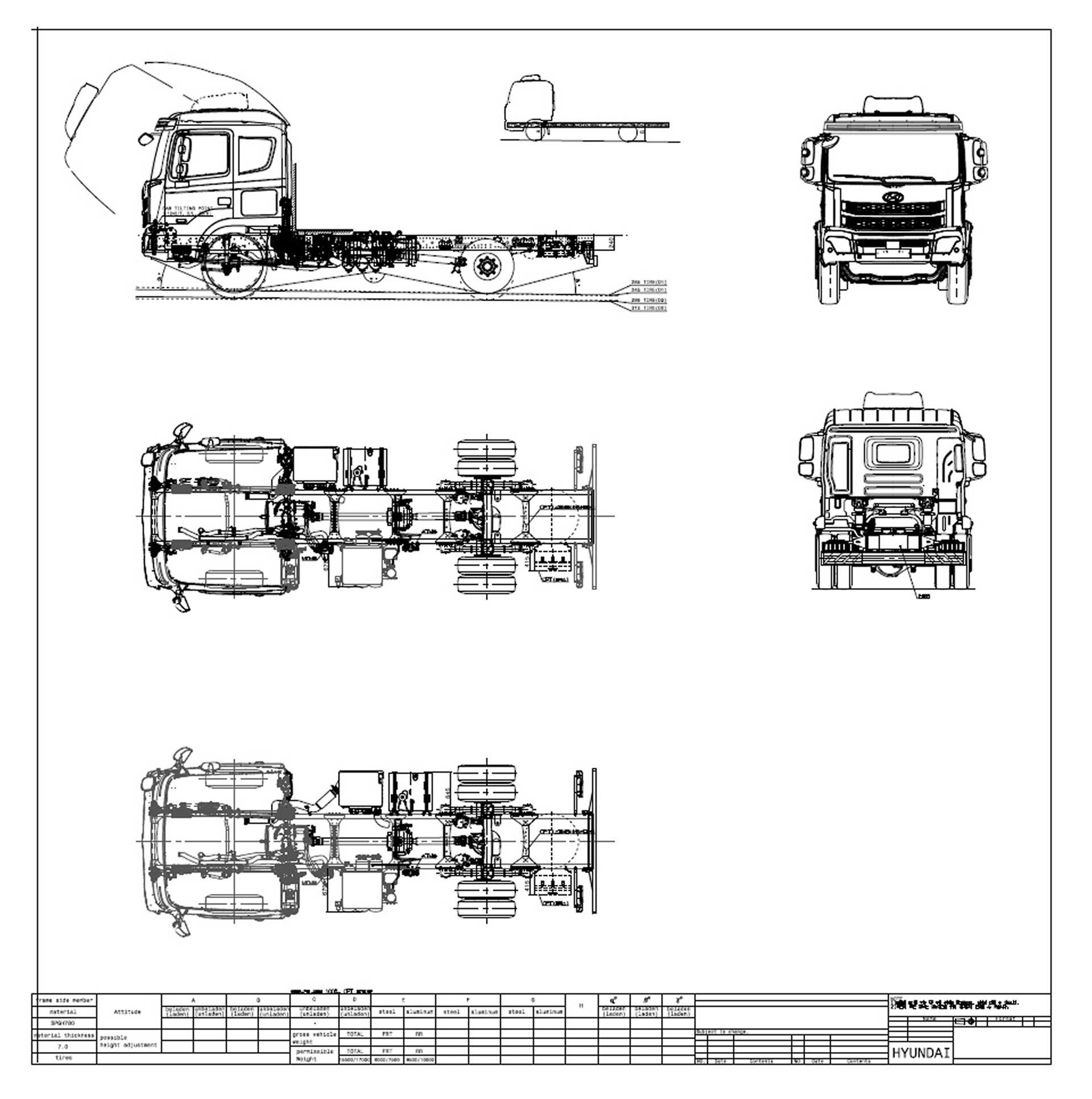
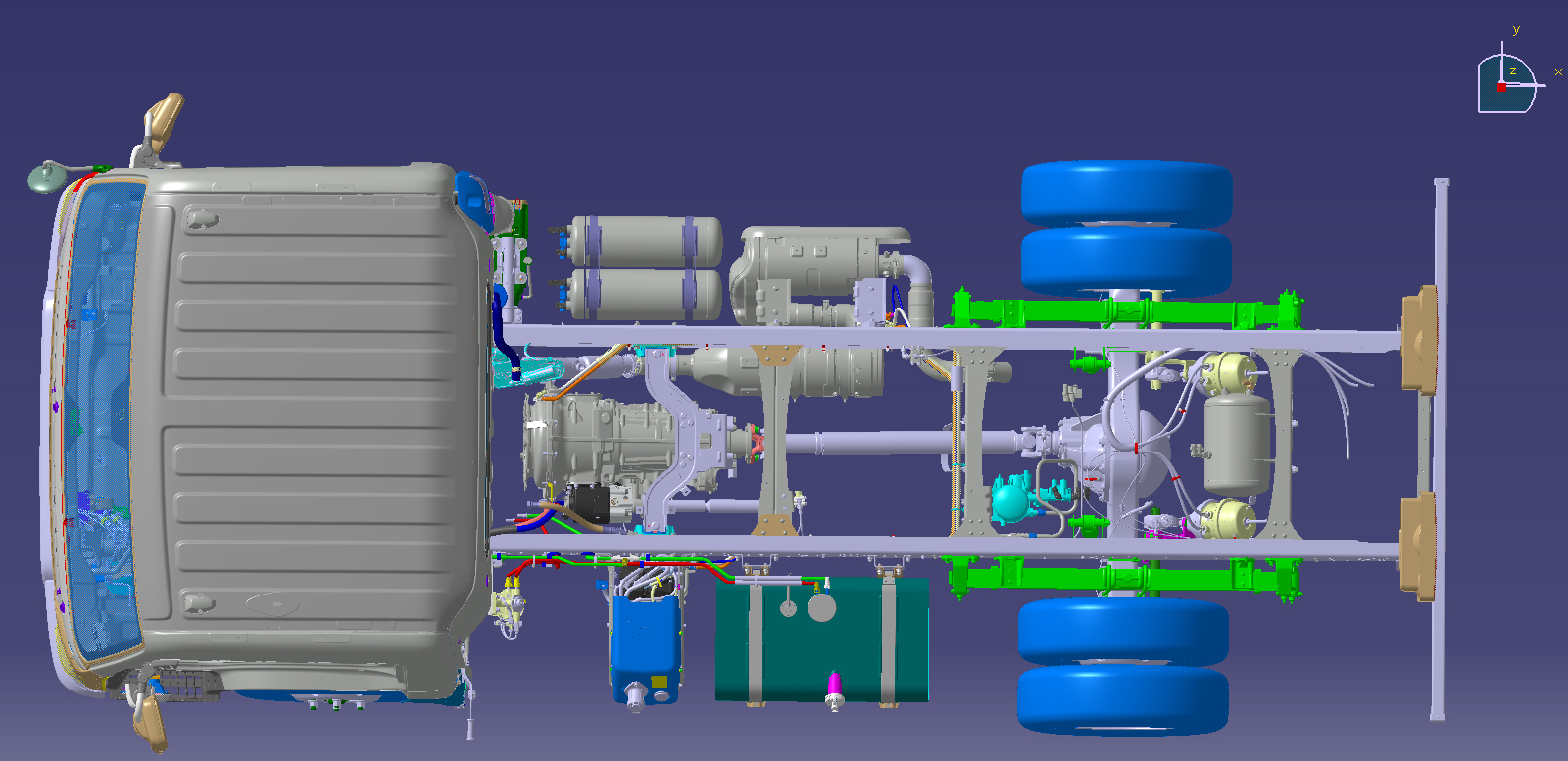
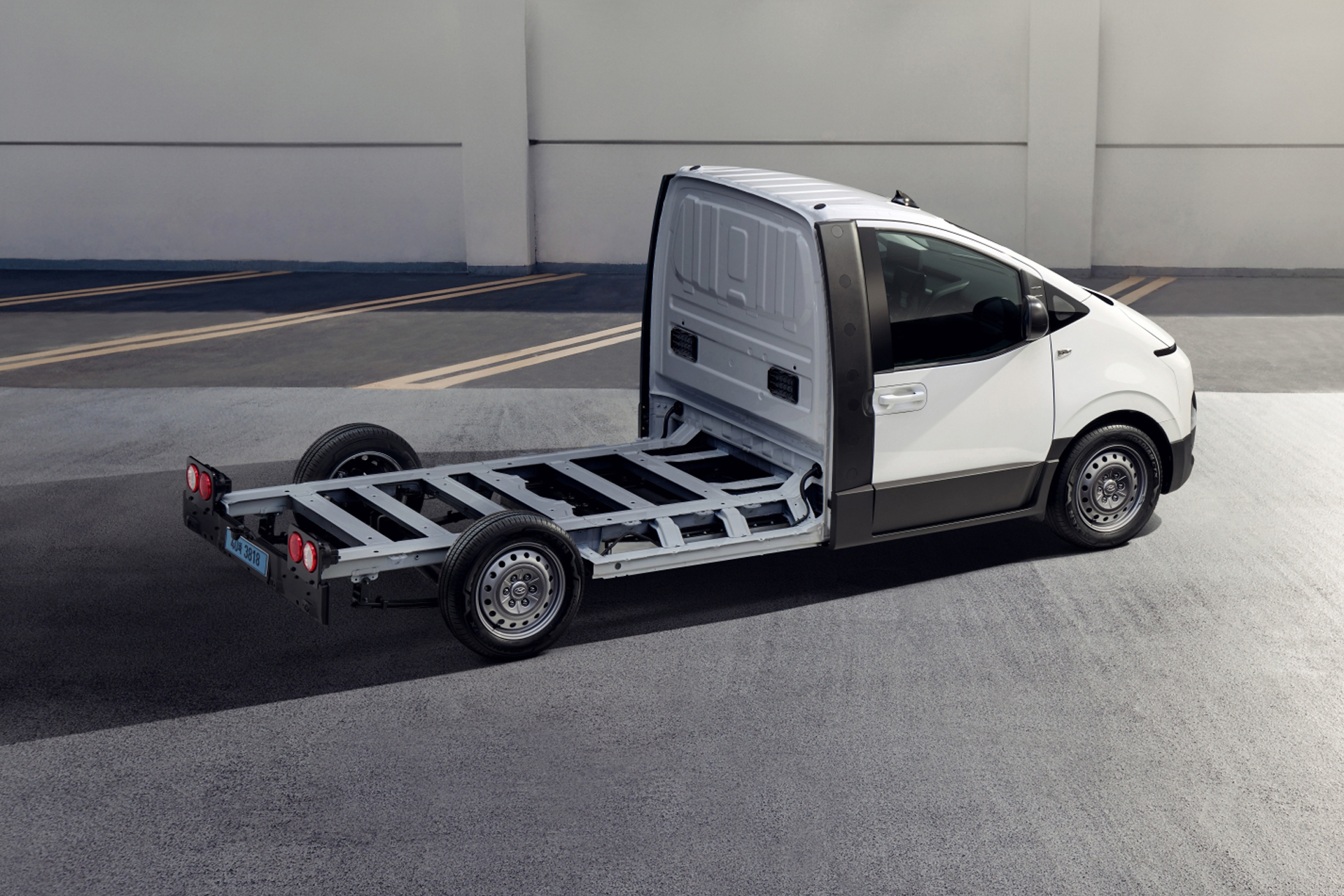
Hyundai Conversion+ clearly outlines the scope of possible customization through its technical guides. In particular, 2D and 3D drawings allow for an intuitive understanding of not only the interior space structure of the vehicle body but also the layout of wiring and piping, thereby reducing errors in the bodybuilder’s work. Additionally, it provides the certification documents required when bodybuilders need to prove that the customized vehicle is “legally safe” after completion.
The “Technical Communication” channel is also a crucial system. It serves as a communication channel to help bodybuilders quickly resolve unexpected issues that may arise during the actual manufacturing process. In particular, technical experts from Hyundai Motor's R&D Division directly respond to customer inquiries, providing more accurate and practical solutions. Ultimately, I believe the biggest difference between a typical product information website and Hyundai Conversion+ is that we serve as a platform that “stays with” our customers every step of the way, ensuring they can safely and successfully build their special vehicles.
How can “Technical Communication” as a channel for communicating with customers, improve the operational efficiency of special vehicle manufacturers?
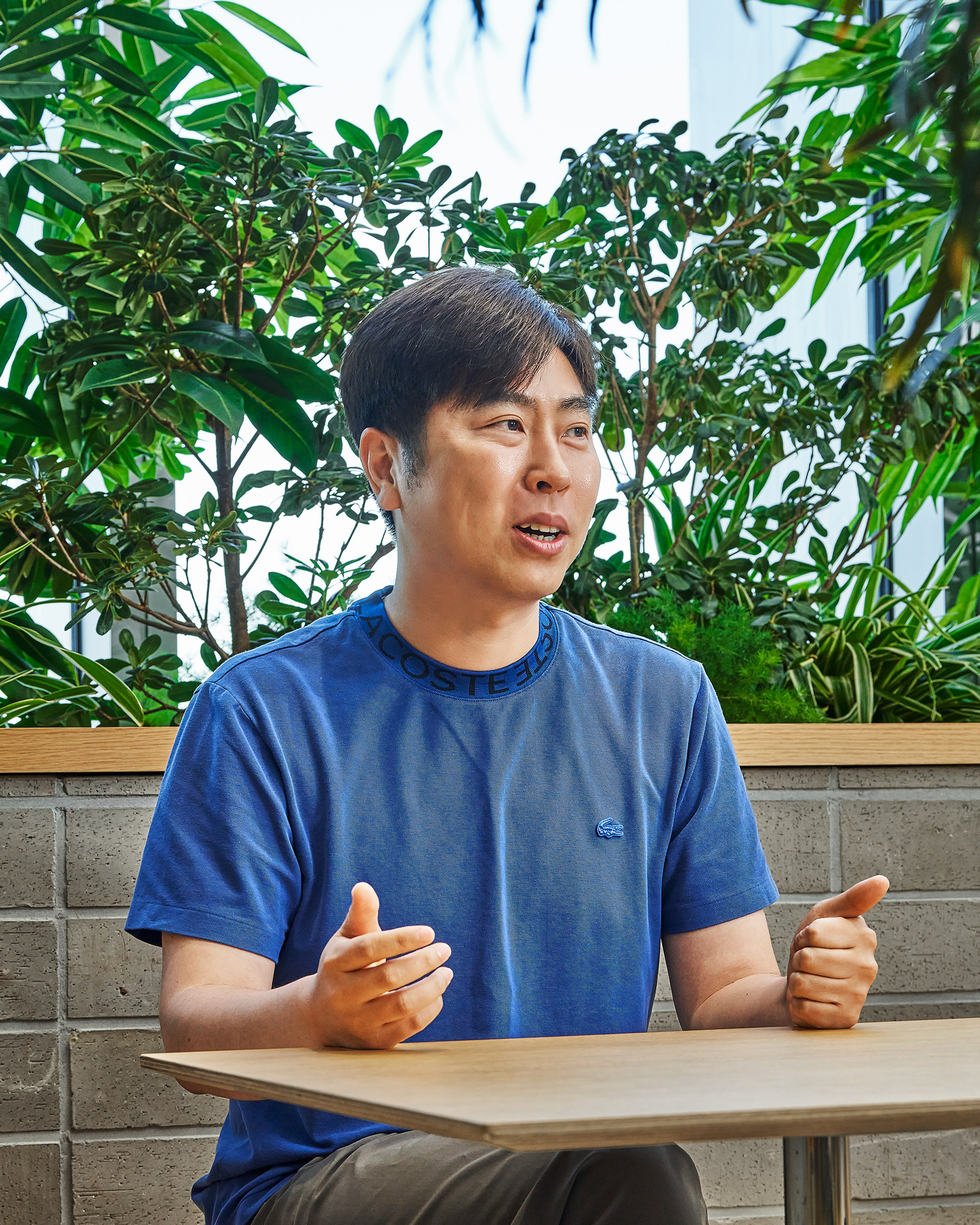
Hyunchol Kim, Senior Research Engineer, CV Package Team 1|Currently, about 70% of commercial vehicles are used as special-purpose vehicles. As a result, the quality of modifications performed by special-purpose vehicle manufacturers is becoming increasingly important; however, with the recent advancement of electrical systems, restrictions on electrical work are actually on the rise. As the volume and complexity of special vehicle modifications rise simultaneously, the number of vehicles brought into service centers has increased significantly compared to the past. In many of these cases, the problem lies not with the vehicle itself malfunctioning, but with the conversion method.
The Technical Communication Channel serves as a platform that provides essential technical information for special vehicle modifications to help prevent such issues in advance. We expect that if special vehicle manufacturers actively utilize the Technical Communication Channel during the production phase, they will be able to significantly improve operational efficiency by reducing unnecessary work errors and the number of service center visits.
Does the format of the information provided to customers vary by vehicle model?
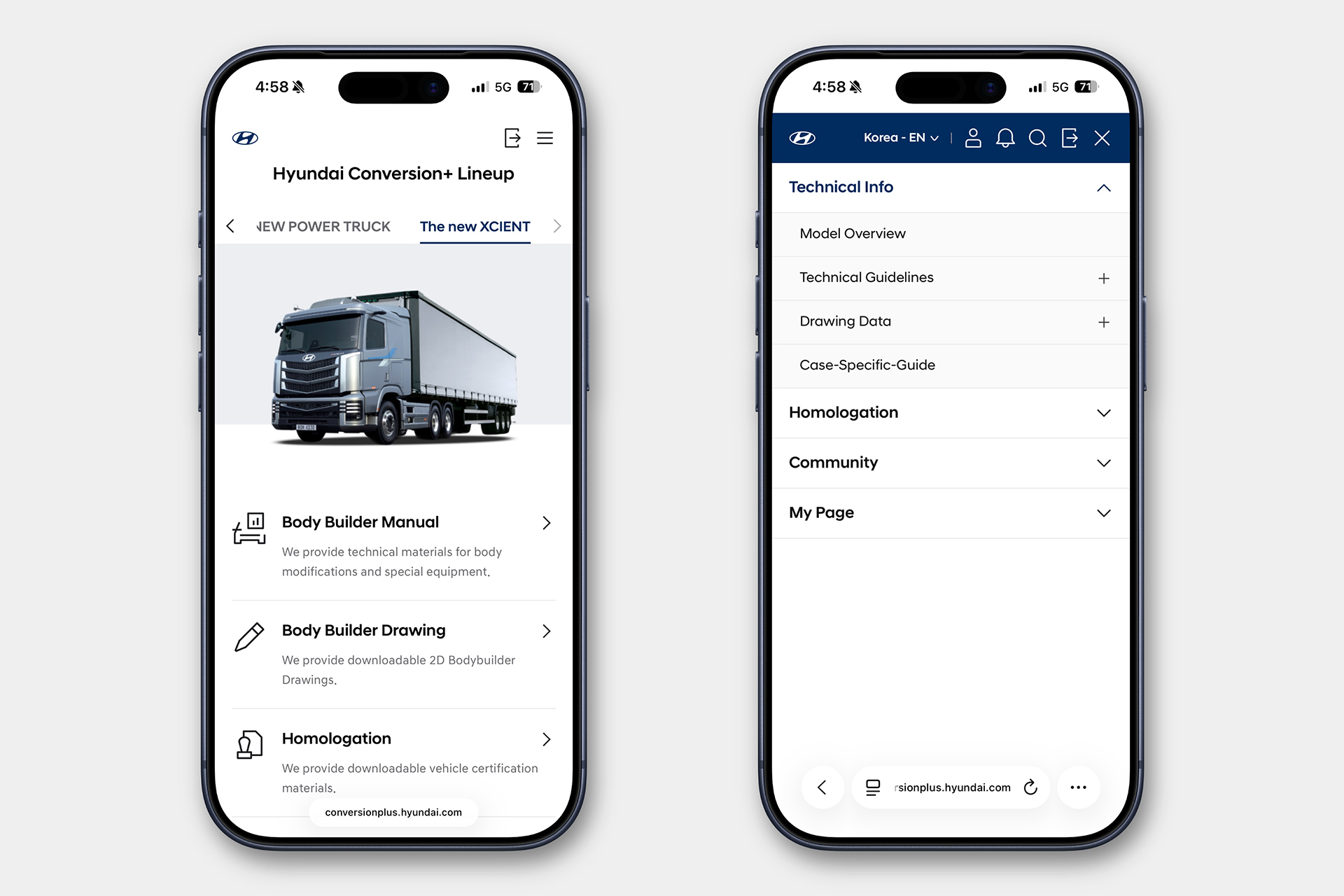
Myunggun Yoon, Senior Manager, CV Product Management Team | The types and formats of information provided by Hyundai Conversion+ vary depending on how each vehicle model is manufactured and certified. First, the “Bodybuilder Drawing,” which shows the vehicle’s overall structure, and the “Bodybuilder Manual,” a guide for special-purpose vehicle manufacturing, are provided uniformly for all models. Meanwhile, for medium- and large-sized commercial vehicles such as the MIGHTY and XCIENT, which are sold to bodybuilders in chassis cab form, we additionally provide certification documents—such as the “Chassis Cab Specifications Sheet” and “Exterior View Diagrams”—required when the bodybuilder completes vehicle production and applies for certification of the finished vehicle.
What was your biggest concern when redesigning the existing website? Please also tell us how domestic users have responded to it.
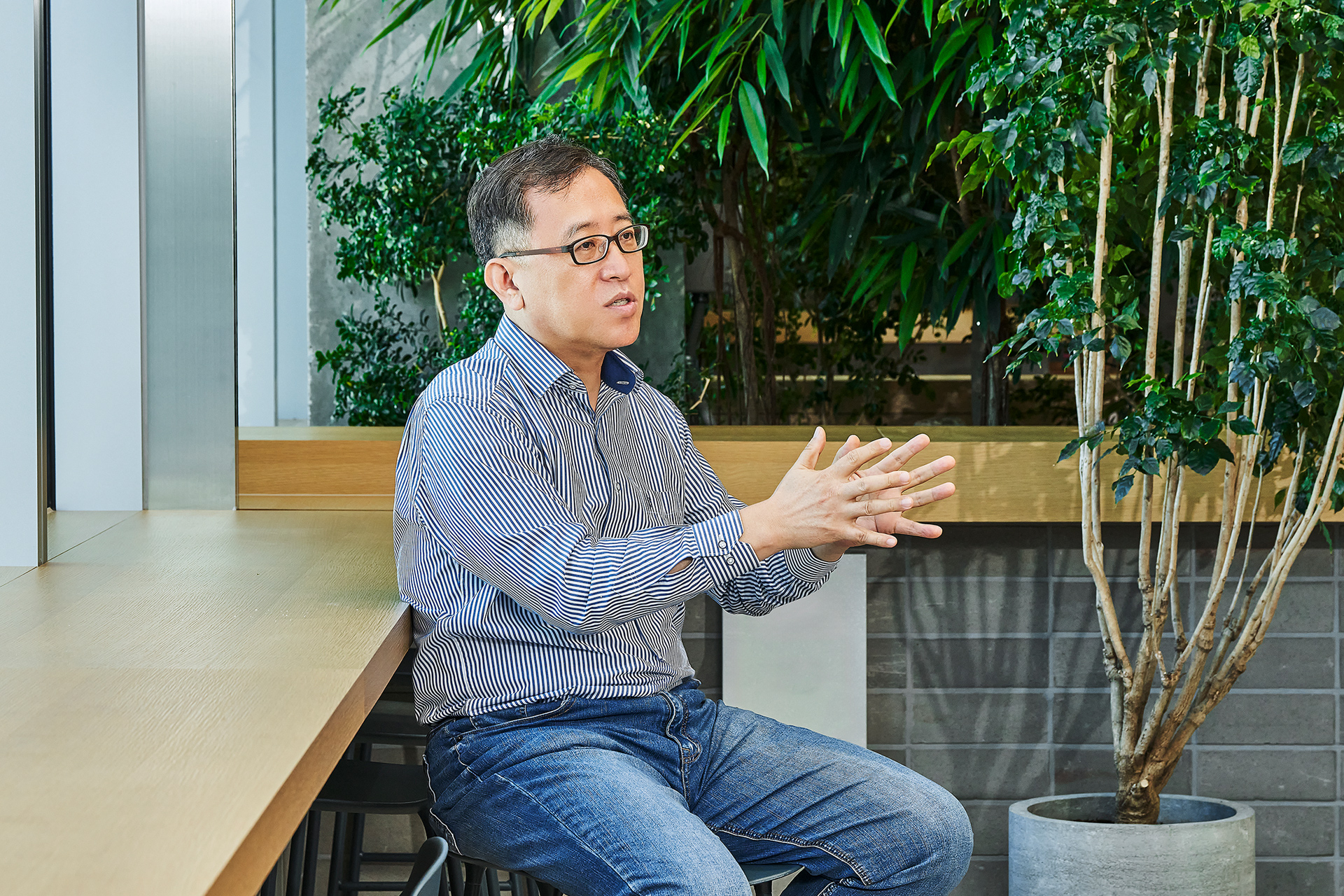
Jung Min-seop, Senior Manager, Korea Special Vehicle & PBV Business Team | Concerns about the technical upgrades to the website were minimal, given the confidence placed in experts to implement the latest systems. The primary focus, instead, was on how systematically the technical documentation response system could handle customer inquiries. Extensive discussions were held with certification and design personnel to address the various structural issues found in the existing platform.
These efforts culminated in the development of a bulk-upload system for technical documentation, alongside a cross-departmental agreement on a unified coding framework to support it — arguably the most significant achievement of the entire development process. The impact of the overhaul was clear: on the previous platform, inquiries about specification tables accounted for roughly 70% of all requests, whereas the new platform saw a dramatic reduction in such routine specification inquiries.
Were there any suggestions from existing customers reflected during the service development process?
Jung Min-seop, Senior Manager|Since services related to commercial vehicles and ST1 were operated according to the characteristics of each platform, special vehicle manufacturers sometimes had to go through a separate registration process. Hyundai Conversion+ has consolidated these into a single platform to provide a more convenient user experience. We also actively incorporated feedback from the field regarding how certification documents are provided. Previously, we only provided four-view exterior diagrams of the vehicle as image (JPG) files, but since special vehicle manufacturers requested CAD (DWG) drawing files to access more detailed design information, we now offer both formats.
The technical consultation process has also been significantly streamlined. Previously, even a simple follow-up inquiry required submitting a new consultation request each time; now, users can add follow-up inquiries directly to an existing consultation, reducing unnecessary steps and enabling continuous management of consultation history. This improvement is the result of actively incorporating feedback gathered during usability evaluations conducted with key representatives from special vehicle manufacturers prior to the launch of Hyundai Conversion+.
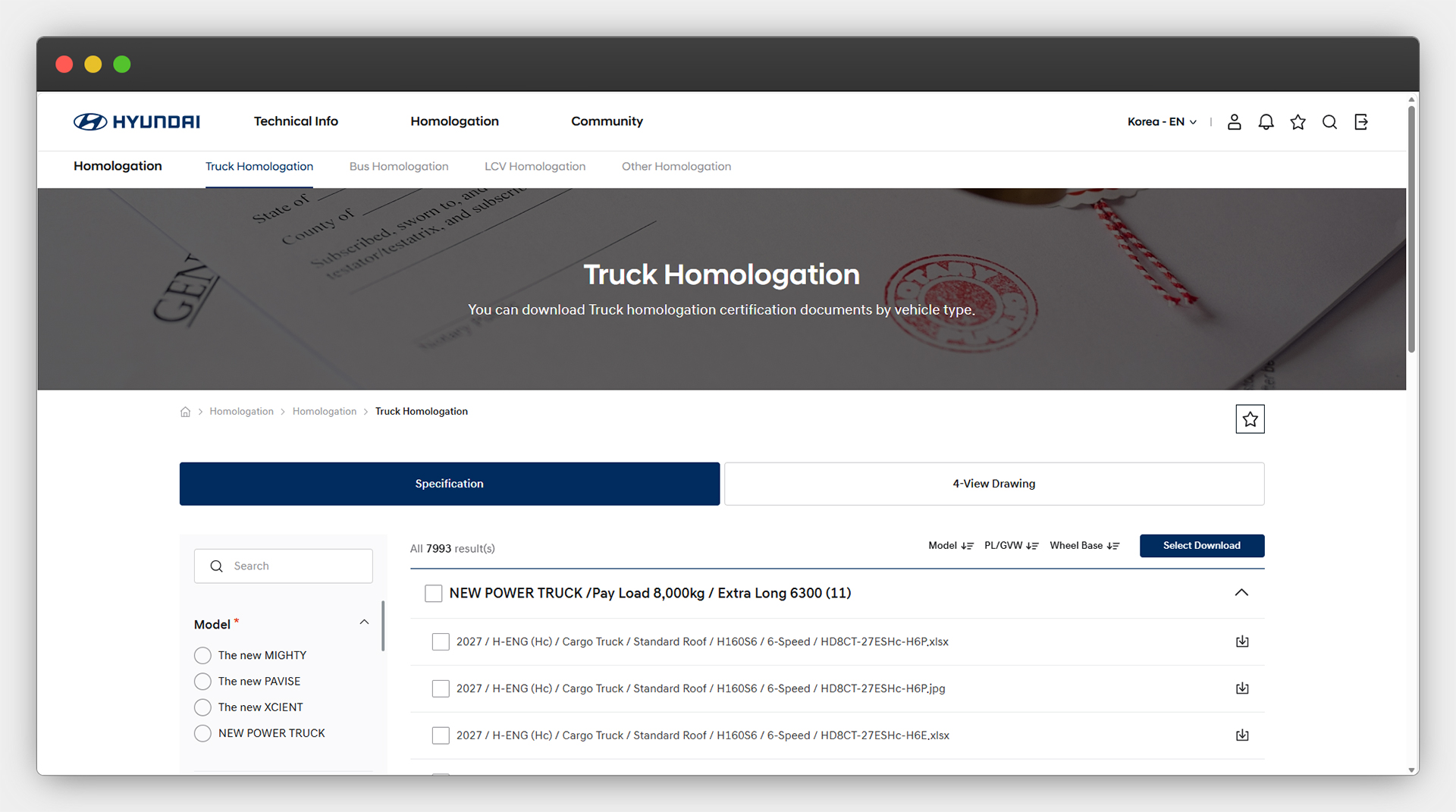
Providing such a wide range of vehicle data must have been a significant challenge for Hyundai Motor's R&D Division. What were some of the biggest hurdles you faced during the process?
Kim Hyun-chol, Senior Research Engineer | Unlike passenger cars, commercial vehicles can have over 100 derivative models within a single vehicle type, depending on various combinations of options such as payload capacity, number of axles, and wheelbase. In the past, we only provided data for vehicle types specifically requested by special vehicle manufacturers, but the biggest challenge in this project was to continuously provide data for all specifications. To achieve this, it took about a year—a lengthy process—to select and classify the data to be provided, establish standard codes for data labeling, and negotiate R&R among the managing entities. Thanks to the active cooperation of the relevant department heads, we were able to establish a data management system capable of reliably providing information on a wide range of vehicle models and specifications.
What was the most memorable response or piece of feedback from the initial user satisfaction survey?
Minseop Jung, Senior Manager|Requests for cybersecurity information and 3D drawings stand out the most. These were all materials we had to provide for the first time or prepare from scratch. As digital design and development environments advance, 3D drawing has increasingly become important data in the special vehicle industry, and cybersecurity information has become mandatory data to provide due to stricter regulations. Currently, 3D drawings are in the pilot provision phase. Continuous improvements are needed in both the system and operational aspects to ensure users can utilize them conveniently. I believe that supporting the competitiveness and sustained growth of our special vehicle manufacturer customers through these efforts is the vision that Hyundai Conversion+ strives to achieve.
Since the service covers customers across six regions and approximately 120 countries, a wide range of standards and regulations must have been taken into account. Close collaboration with the legal department was likely essential in this process. How were these standards established?
Jeoung Sung-jin, Senior Manager| To be honest, it was quite a burden. Even though I’m not a legal expert, I had to handle everything from the Terms of Service to the Privacy Policy and the NDA required for membership registration. When communicating with the legal teams in each region, I made it clear upfront that I wasn’t a legal expert and asked for their input by saying, “This is how the service is intended to operate. What changes or adjustments would be needed to ensure compliance with local laws and regulations?” When the legal teams presented requirements based on local regulations, we reviewed whether those changes were technically feasible and worked together to develop solutions.
At that time, our most important guiding principle was the mindset of “tailoring our approach to the unique characteristics of each region to make global business a reality.” Rather than simply conforming to global standards, we sought to respect the laws of each region and draft terms and conditions accordingly. We spent about 12 months discussing topics such as the information required for membership registration, data retention periods, and server locations, and the process was completed at different times for each region. Once the standards for all regions were finalized, I realized that this was not merely a legal review but a process through which we had built strong trust with our global partners. Looking back, the entire process was not a “technical negotiation” but a genuine “process of mutual respect.” This trust is fully embodied in Hyundai Conversion+.
The types of services required appear to vary considerably across regions. Could you explain the key differences and how they were consolidated into a single platform?
Myunggun Yoon, Senior Manager|Content for each region was planned to align with local sales conditions. In Europe, where eco-friendly vehicle sales dominate, we designed the platform so that customers can directly verify information on AER (All-Electric Range) and TCO (Total Cost of Ownership) for eco-friendly vehicles. Meanwhile, in regions such as Central and South America, where a high proportion of internal combustion engine commercial vehicles are customized locally, we focused on providing technical documentation for those customizations.
In particular, since emissions regulations and market conditions vary by country, customers may be unable to find the data they need due to differences in detailed specifications—even if the region and vehicle type are the same. To prevent this, we devoted significant effort to implementing an easy-to-use and intuitive search function. We created a new classification system to distinguish among the countless possible configurations of commercial vehicles and implemented a search system that allows filtering by vehicle type based on this classification.
How did you balance the service’s direction between “global” and “regional” criteria?
Myunggun Yoon, Senior Manager|What we considered most important was “gathering feedback from regional headquarters and flexibility in updates.” Hyundai Conversion+ operates separate websites for each region, including Korea, Europe, Asia-Pacific, and Latin America. Each website is displayed in the region’s primary language and is designed to showcase information on the vehicles sold in that country.
Regional headquarters are best positioned to understand local market requirements accurately and respond quickly to changing conditions. Accordingly, we gathered feedback from each headquarters during the early stages of development to determine the service direction, followed by a pilot operation for final validation. Furthermore, we structured the system to allow for updates based on future regional requirements, striving to develop a service that can flexibly respond to changing local conditions.
Different departments within the Company came together to complete this project. How did the overall collaboration process unfold?
Jeongtaek Oh, Senior Manager | It began with representatives from the Global CV&LCV Business Division, Korea Business Division, R&D Division, and ICT Division gathering in one place. From the project’s inception, executives from each organization demonstrated strong commitment and support, emphasizing the importance of regular communication and encouraging the team to meet at least once a week. Subsequently, we operated a consultative body involving the four divisions and over 30 teams, continuing discussions and reviews without missing a single week from the project’s start until just before its conclusion.
During the mid-project review phase, we also held intensive discussion sessions in the form of separate workshops. While the process was not easy, the intense discussions actually deepened our mutual understanding and trust. I came to realize that, ultimately, a project is driven by people, and I became convinced that as long as there is a shared vision and the will to make it happen, there is nothing we cannot achieve within the Hyundai Motor organization. We were finally able to breathe a sigh of relief after receiving positive feedback from the User Acceptance Test (UAT) conducted by the Korea Business Division ahead of the launch.
However, we recognize that there is still room for improvement, and we will remain vigilant as we continue to enhance and refine the platform. I also want to make sure to mention that there are many more team members who couldn’t join us for today’s interview. This project is the result of the combined efforts of all of them.
Throughout the project, the participating teams consistently met in person. Despite the availability of remote communication tools, why was face-to-face interaction prioritized?
Sungjin Jeoung, Senior Manager | While email and online meetings are excellent tools for conveying information, digital communication alone couldn’t build “trust.” Key details—such as why something was necessary, where each person stood in the overall project, and what challenges other teams were facing—weren’t fully communicated. The in-person workshop was different. Issues that had been delayed due to differences in team responsibilities and understanding of the system were easily resolved. We were able to meet in person to explain “Why is this necessary?” and immediately ask, “So, can we do it this way?” Ultimately, the workshop was a “forum for fostering understanding and respect.”
What direction will the special vehicle market take as it evolves through Hyundai Conversion+?
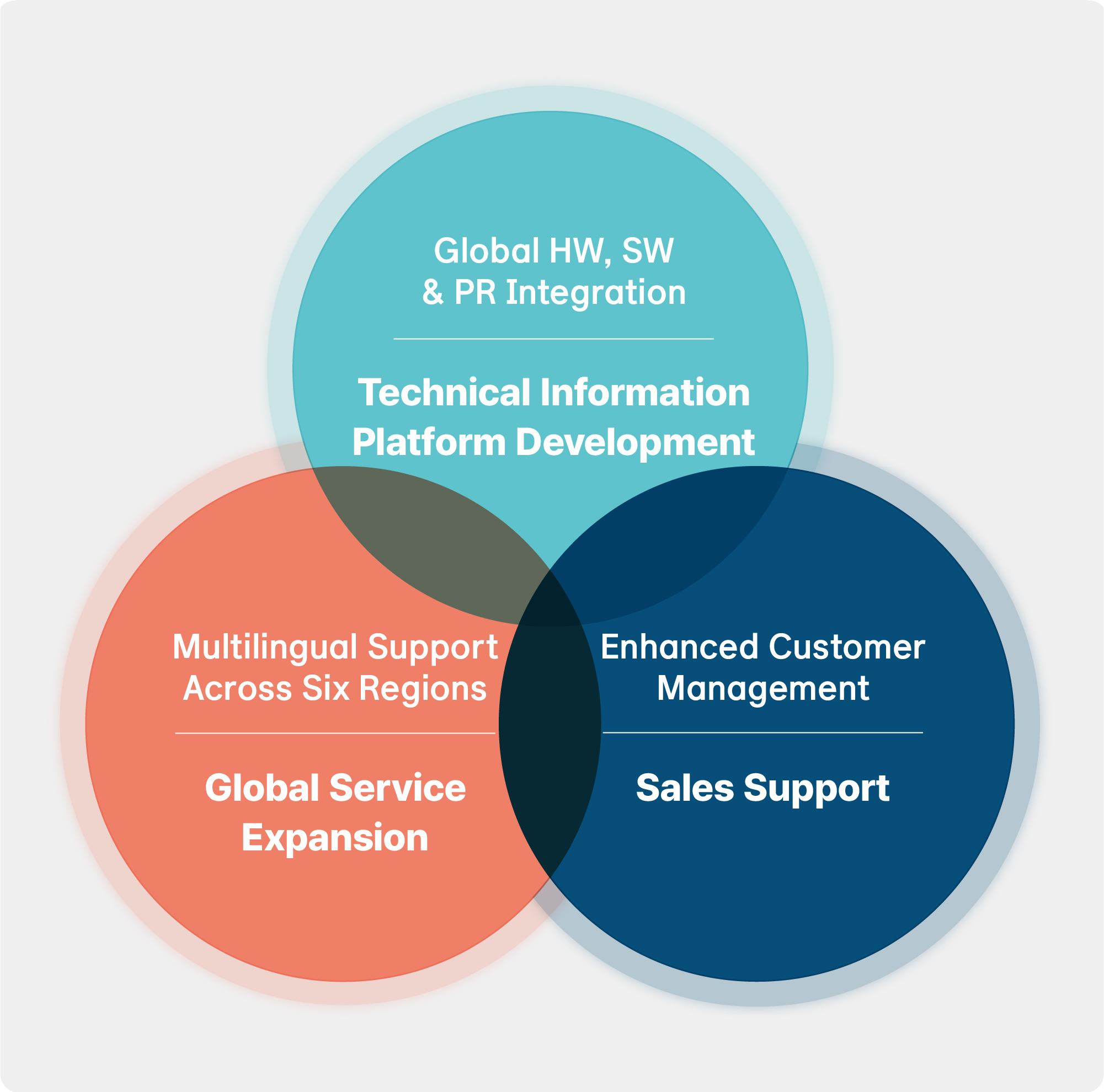
Jeongtaek Oh, Senior Manager | Hyundai Conversion+ aims to go beyond being a mere information-providing platform; it strives to create an ecosystem where manufacturers and special vehicle builders grow together as true partners. The importance of the special vehicle business in the commercial vehicle market—including LCVs—is growing day by day. Hyundai Conversion+ is currently operational in six regions. It is designed to enable customers in each region to build trusting relationships with manufacturers through access to accurate technical information and professional technical consultations. This is the first stage of the partnership we envision.
The next step is to expand the scope of vehicle customization into the realm of “vehicle data integration.” Currently, customization is primarily focused on physical components. Going forward, we will support the seamless integration of vehicle signals and data with the functions required in customers’ actual business environments, helping this become a new frontier in vehicle customization. Ultimately, our mid- to long-term vision is for vehicle manufacturers and bodybuilders to work together to expand the possibilities of vehicle customization in global markets.
What we ultimately aspire to is simple: “When a Hyundai Motor-based special vehicle succeeds in the market, the automaker, the bodybuilder, and the end customer all create value together.” Hyundai Conversion+ will serve as the platform that makes this possible.
The journey to launch Hyundai Conversion+ was not entirely smooth. We faced many challenges, including coordinating the roles of members across departments, addressing regulations and requirements across six regions, and incorporating feedback from existing customers. However, by working toward the common goal of “developing better services for the special vehicle market,” we have successfully established a global platform that will firmly support the ever-expanding special vehicle industry.
Hyundai Conversion+ has become a sustainable ecosystem that spans from vehicle manufacturing to our customer’s businesses—a guiding beacon enabling automakers and special vehicle manufacturers to thrive together across borders. At the same time, it serves as the key to breaking down the physical and technical barriers in the special vehicle market. The journey of innovation that Hyundai Conversion+ will drive across the global special vehicle industry is only just beginning.
*You can find detailed information about Hyundai Conversion+ on the portals for each region.
🔗Hyundai Conversion+|Korea
🔗Hyundai Conversion+|Europe
🔗Hyundai Conversion+|Asia Pacific
🔗Hyundai Conversion+|Latin America
🔗Hyundai Conversion+|Africa/Middle East
🔗Hyundai Conversion+|Eurasia
Photo: Hyunjong Mo