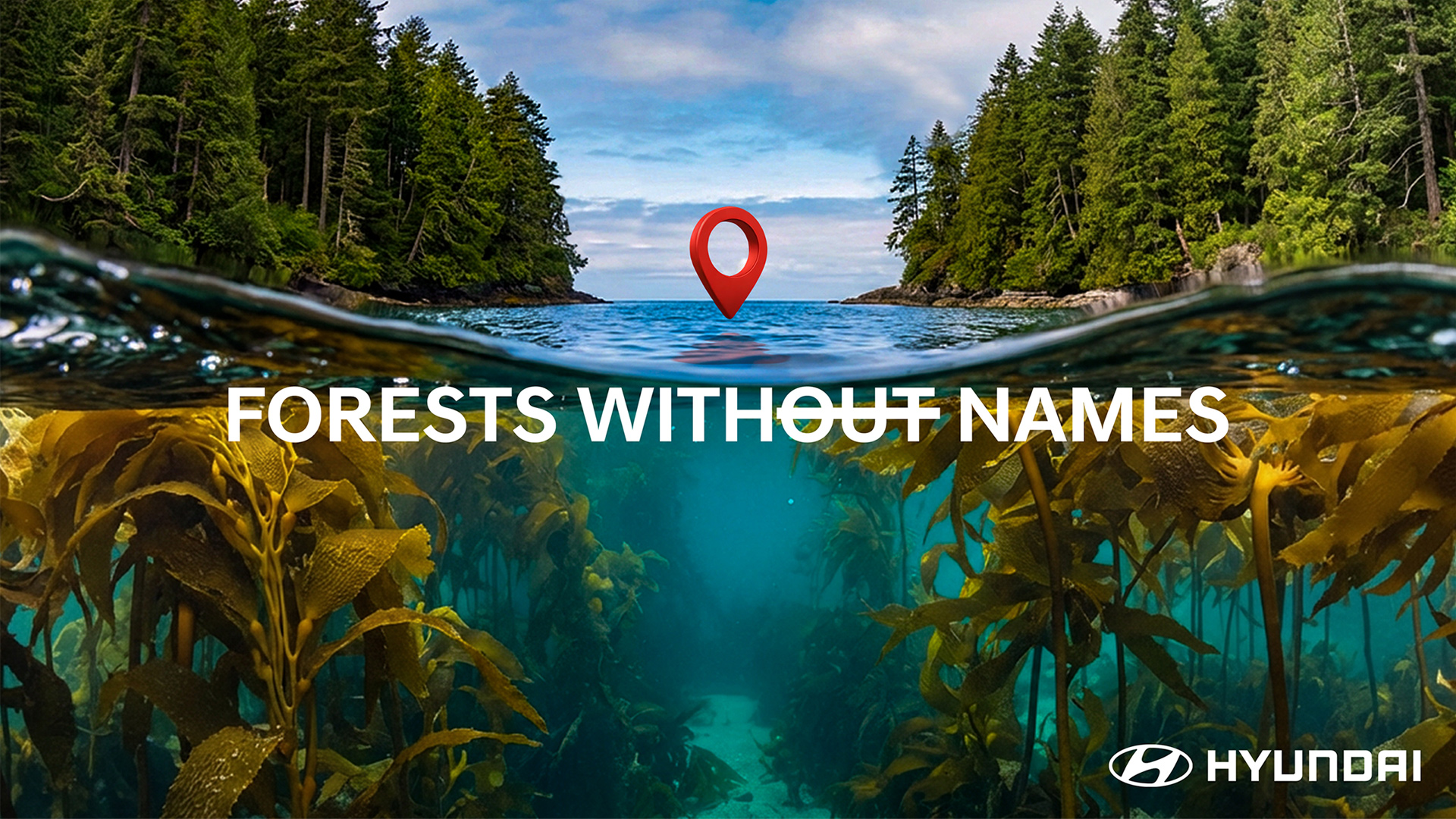
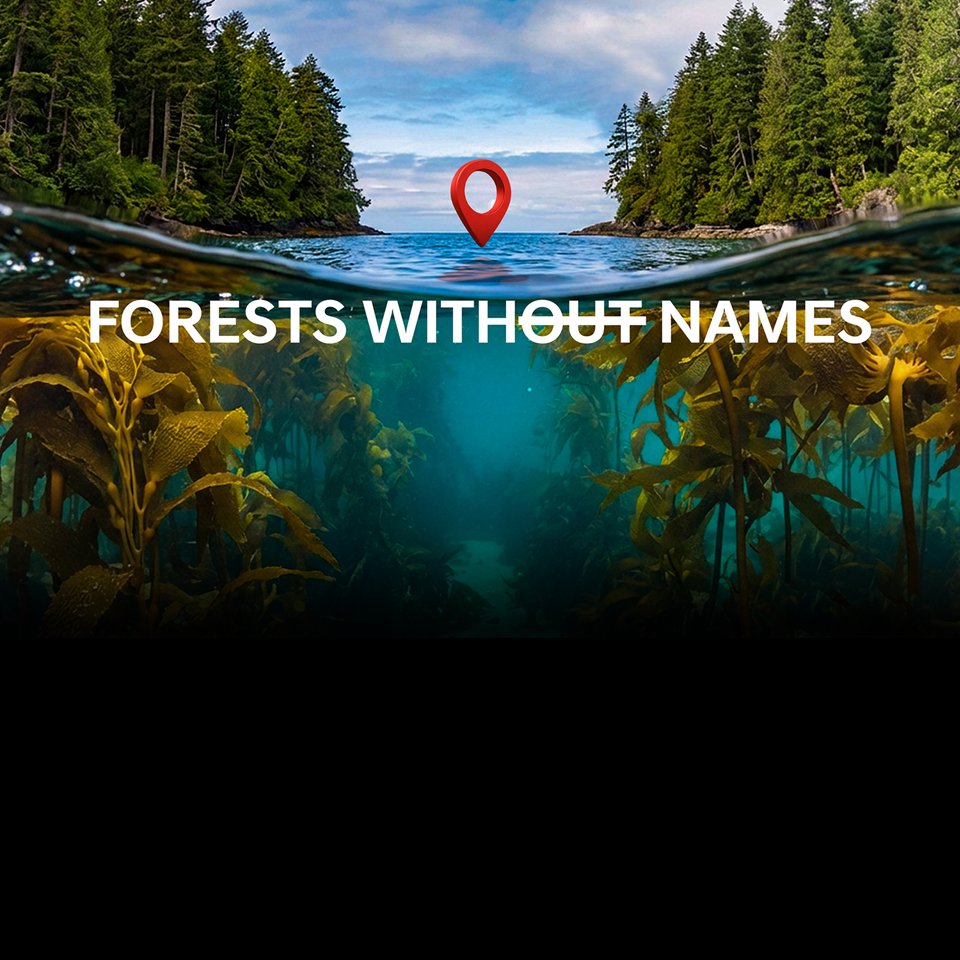
What does the word “forest” bring to mind? People normally picture the Amazon or Jeju Island’s Saryeoni Forest – familiar names seen on maps. But what about “sea forests”? Unlike their terrestrial counterparts, underwater forests remain distant and unfamiliar – not because they lack ecological value, but simply because they are located beneath the waves. Deprived of official names, they have long been neglected by our collective memory and conservation efforts.
To spark global conversation, Hyundai released a campaign video on Earth Day (April 22) titled “Forests Without Names.” Despite being a relatively unfamiliar subject, the video struck a chord globally, capturing over 50 million views in less than a month.
The narrative begins with a first-person perspective given by a sea forest: “I have no name, so I appear on no map, in no law, in no heart.” This poignant message allows Hyundai to highlight how these ecosystems have been marginalized because they cannot be seen. Humanity is preoccupied with land-based conservation, but marine ecosystems are equally critical to global climate equilibrium. Fortunately, marine vegetation is now gaining recognition as a key source of “blue carbon” candidates — organisms that absorb and store carbon.
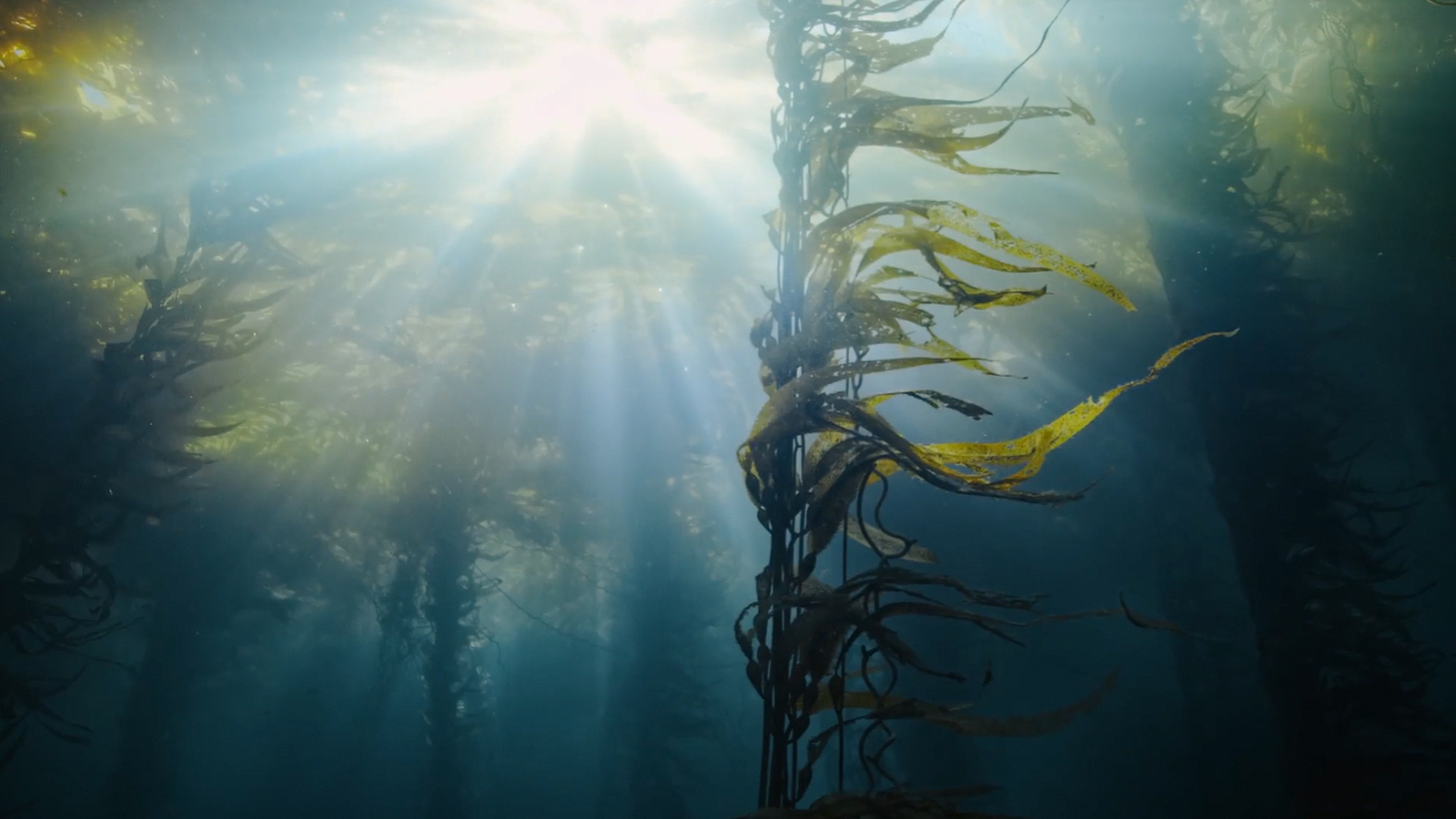
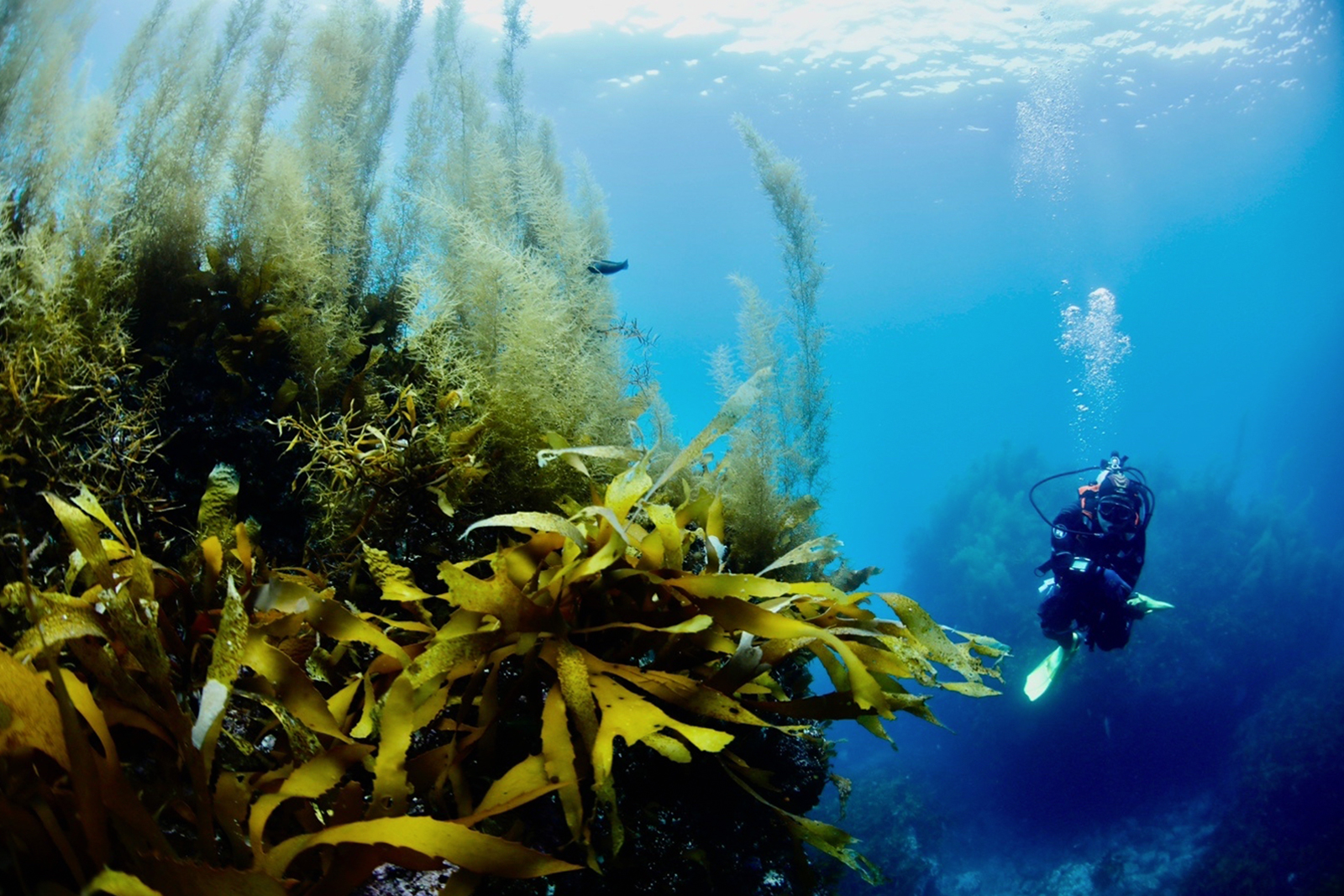
Though “sea forest” may sound unusual, it refers to something very familiar: seaweed colonies swaying gracefully beneath the currents like leaves in the wind. Hyundai’s decision to champion these underwater habitats is driven by their undeniable impact on our world. Seunghoon Lee, Senior Manager of Hyundai’s Carbon Neutrality Promotion Team, emphasizes that sea forest development is a practical and sustainable solution that contributes to expanding carbon sinks and preserving the marine ecosystem.
“The reason we focused on seaweed is its exceptional carbon absorption efficiency. Surprisingly, seaweed has a much higher carbon storage efficiency per unit area compared to terrestrial forests. The Korea Fisheries Resources Agency (FIRA) found in its ‘Marine Forest Project Results’ that one square kilometer of marine forest can absorb 337 tons of CO₂ annually. The approximately 3.96 square kilometers of sea forest currently being created in waters off Ulsan are expected to reduce carbon emissions by about 1,300 tons per year.”
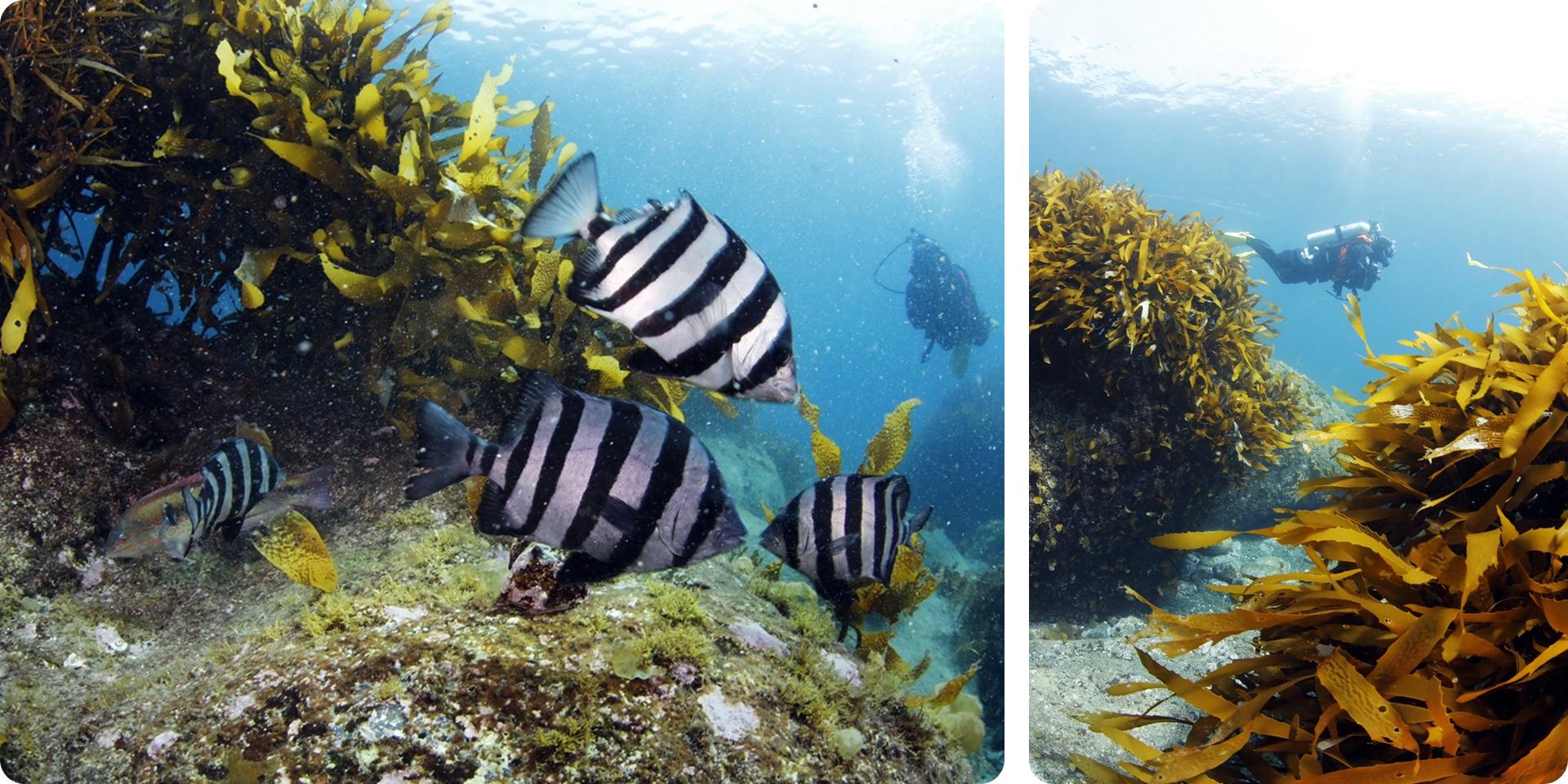
Beyond carbon sequestration, healthy seaweed beds act as primary producers. They provide vital habitats and breeding grounds for marine life, directly boosting biodiversity.
Seaweed also mitigates eutrophication*. It acts as a natural filter, absorbing an excess of nutrients and preventing “marine desertification” (coastal whitening), where marine rocks turn into barren, calcified deserts.
*Eutrophication: A phenomenon in which excessive accumulation of nutrients (such as nitrogen and phosphorus) in coastal waters causes rapid proliferation of phytoplankton and other algae, causing the water to cloud and oxygen levels to plummet, ultimately destroying the marine ecosystem.
Hyundai’s first step toward realizing the ecological potential of seaweed was taken in Ulsan. The sea forest development project grew out of a May 2023 Memorandum of Understanding (MOU) with the Ministry of Oceans and Fisheries (MOF) and FIRA. In 2024, Hyundai signed a follow-up agreement, becoming the first private corporation to successfully cultivate a managed sea forest in Ulsan waters.
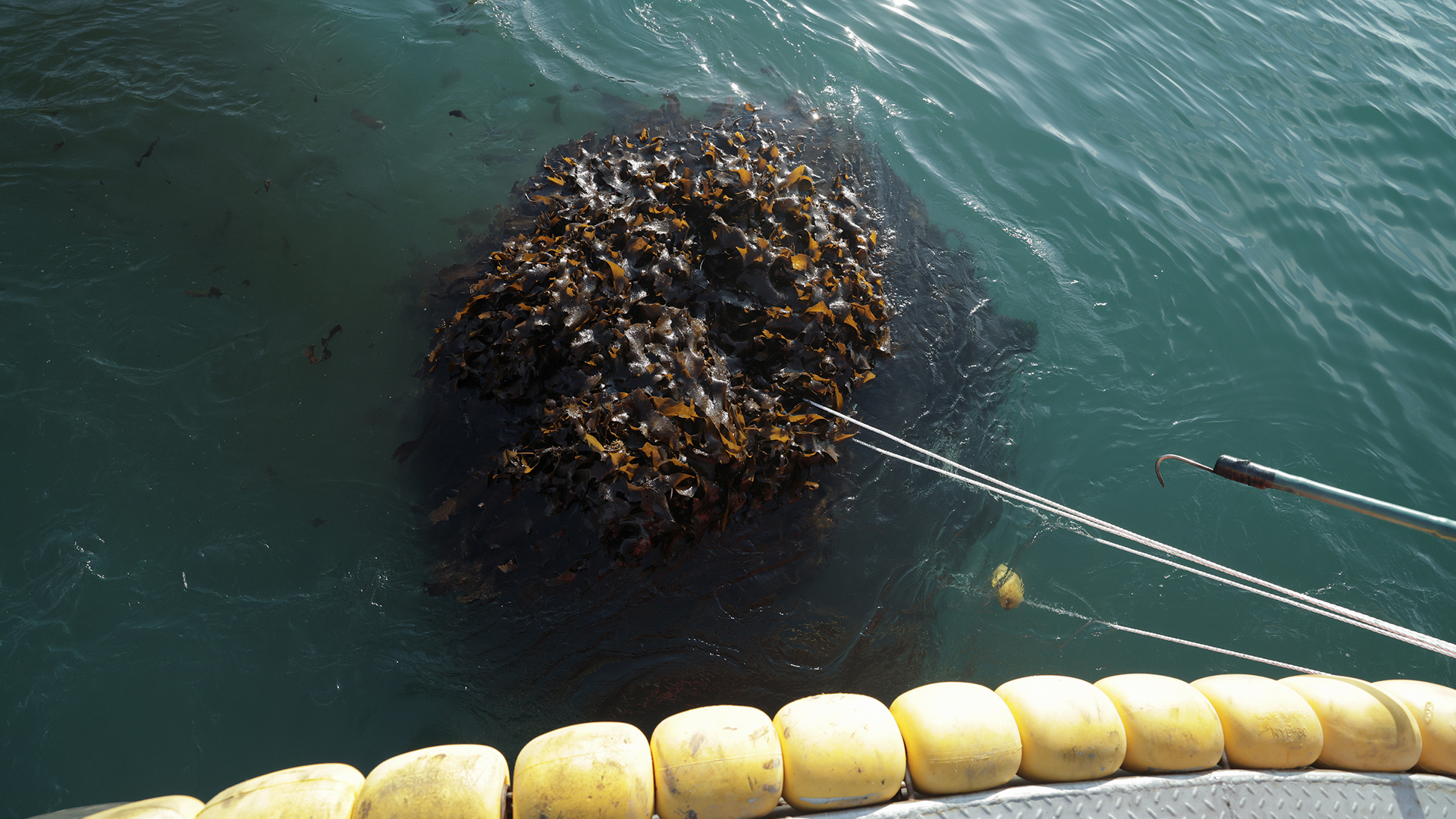
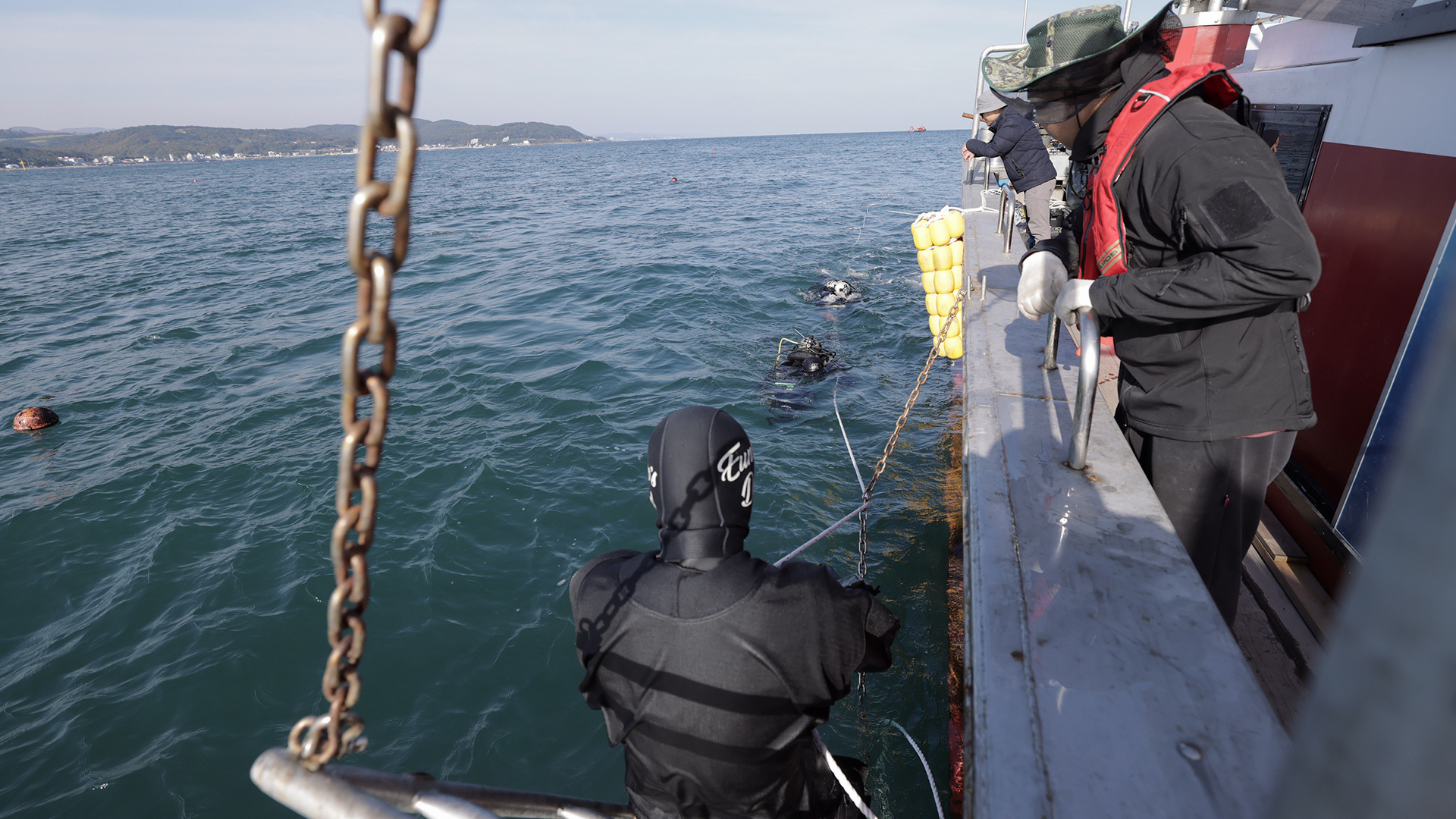
But Hyundai’s initiative went beyond corporate social responsibility – it altered public geography. For the first time in the world, sea forests were officially named and later registered on a major map platform. The sea forest established by Hyundai off Ulsan and the natural seaweed habitat near Ulleung Island are now listed as “Ullim Sea Forest” and “Tonggumi Sea Forest,” respectively on Kakao Maps. What were once invisible expanses beneath the waves are now recognized as clearly defined places in the public domain.
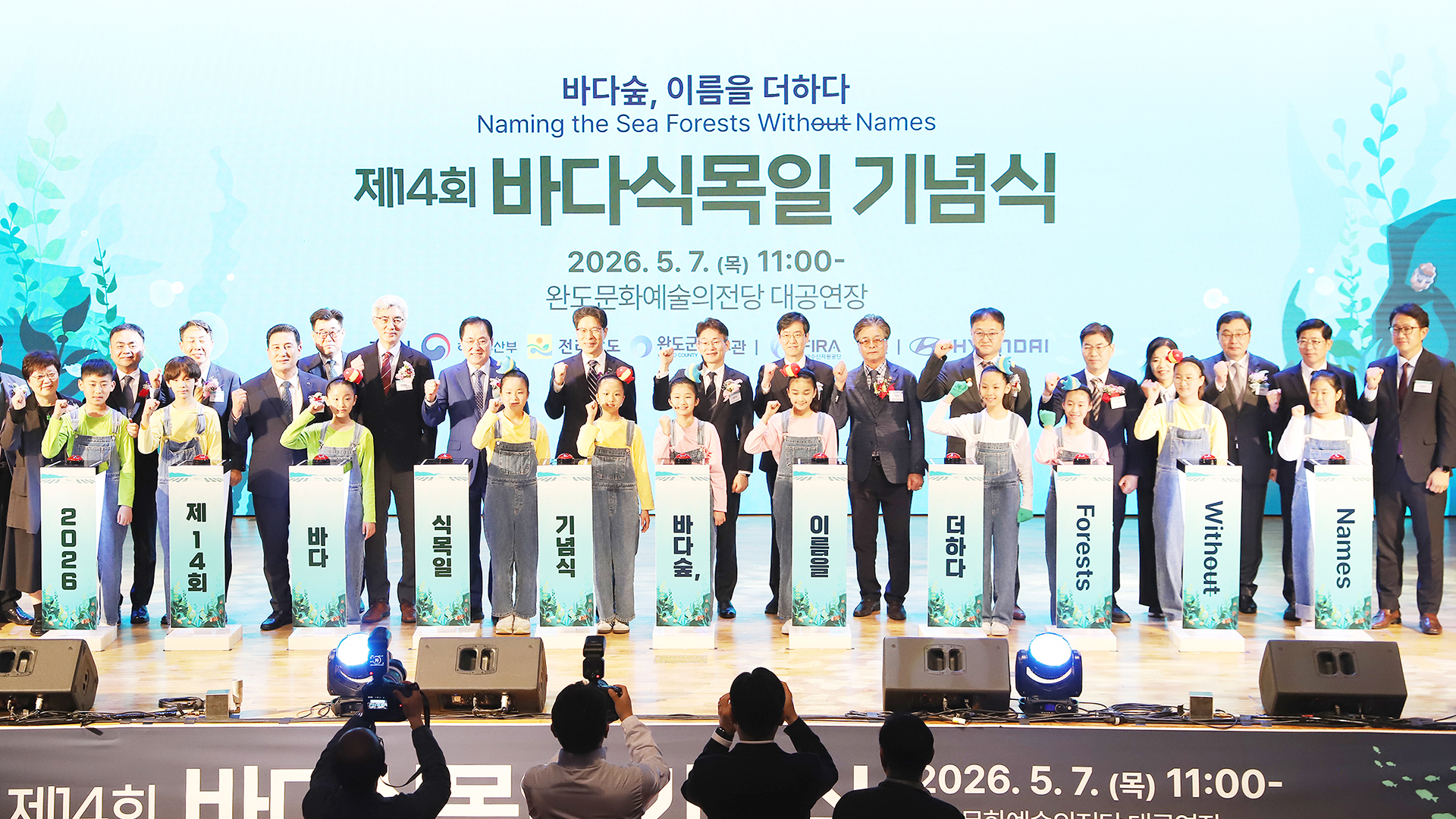
This corporate initiative has since expanded into national policy. At this year’s 14th Ocean Arbor Day, the MOF announced a new public project: “Sea Forests: Adding Names.” Hyundai’s initiative to name sea forests to facilitate real ecosystem protection is being directly translated into public policy. Hyundai plans to continue working closely with the MOF to take a leading role in building a healthy marine ecosystem.
To combat the rapid decline of seaweed caused by rising ocean temperatures, Hyundai is restoring sea forests through a rigorous four-stage ecological process that blends marine biology and engineering.
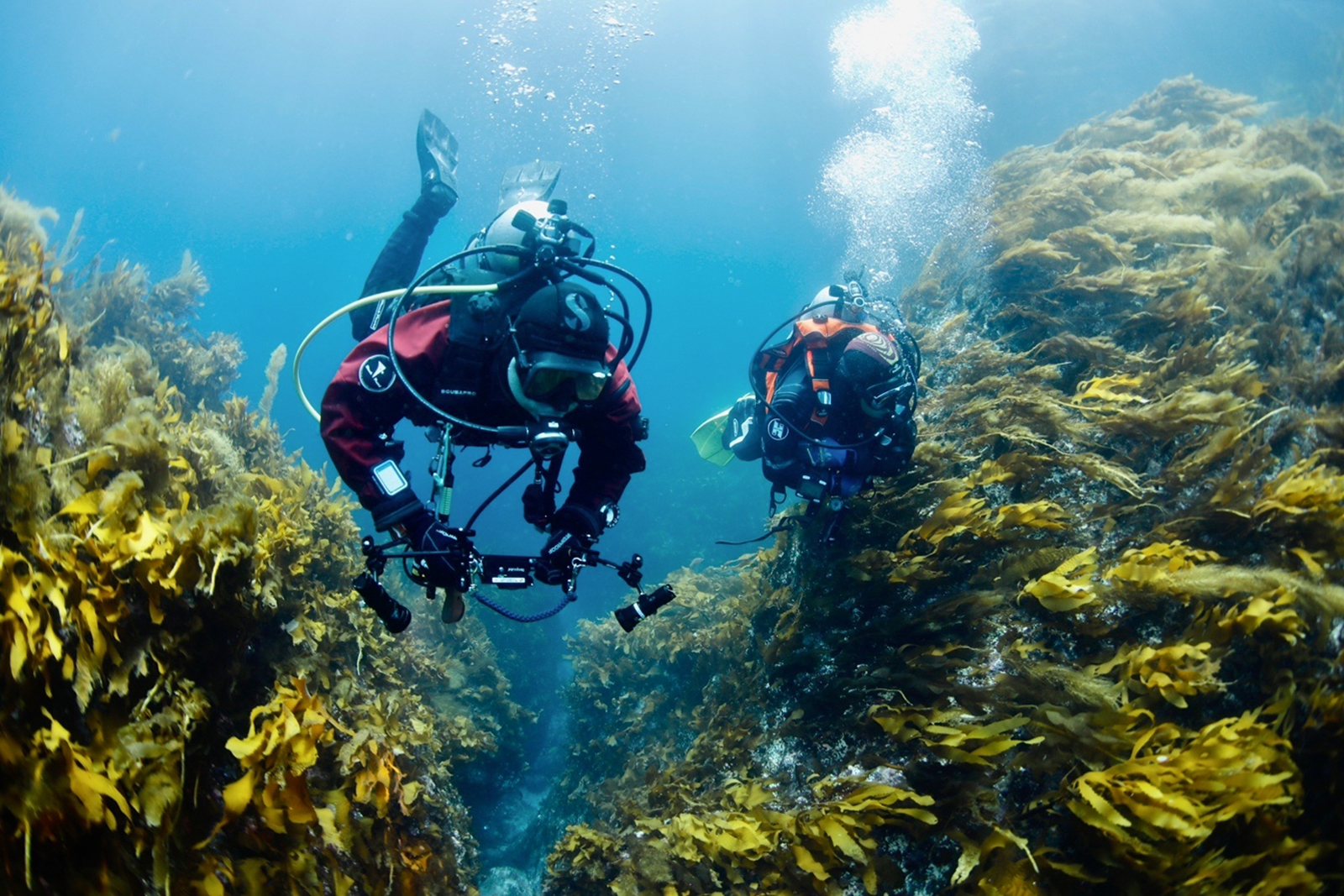
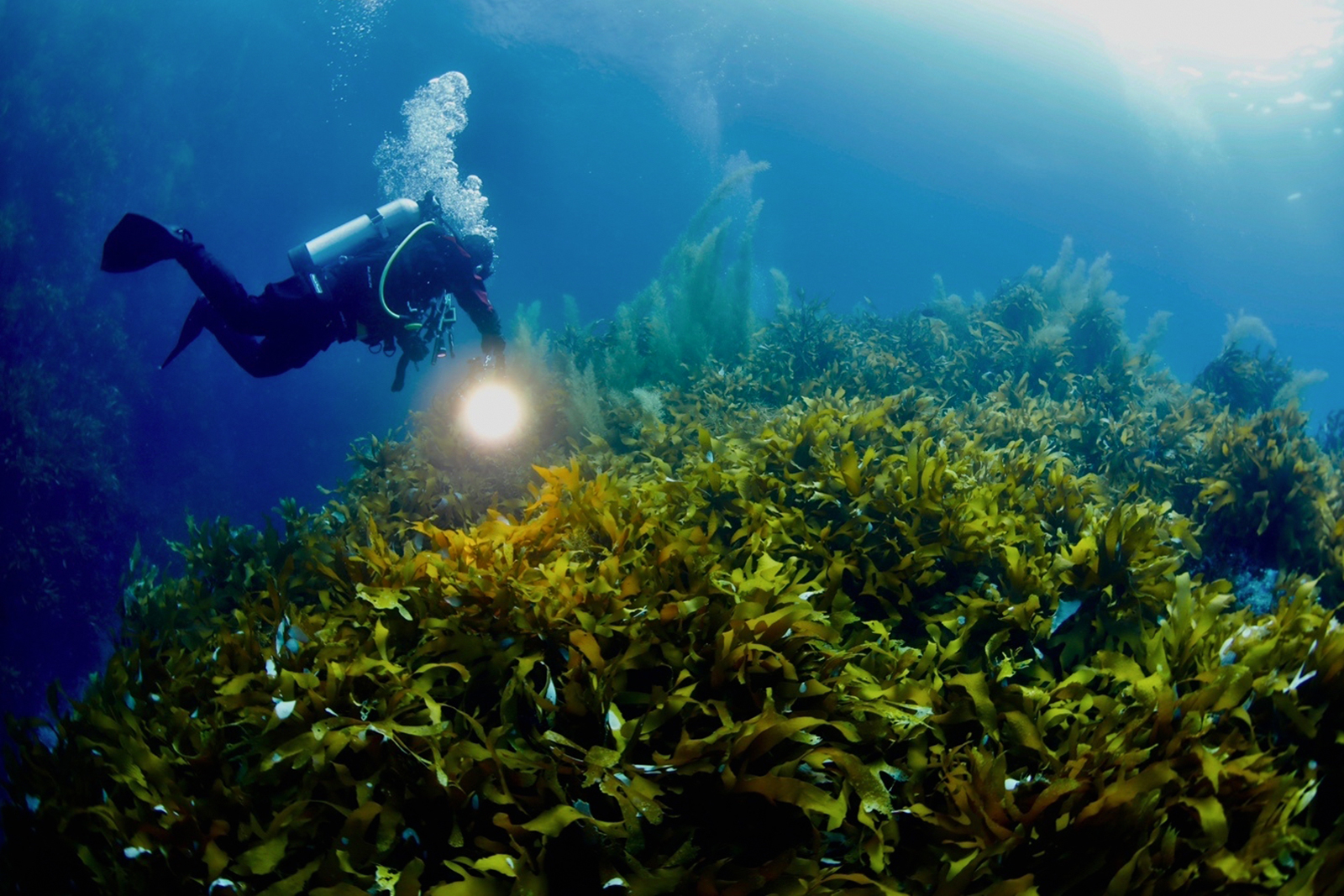
The first step is removing herbivores. Sea urchins, conches, and other creatures that feed primarily on seaweed are part of the marine ecosystem, but they can become obstacles to seaweed growth in early stages. Their removal carefully regulates population numbers with ecosystem balance in mind, creating a stable environment for seaweed to take root.
The second stage is rock cleaning. Much like a farmer tilling a field, this step prepares the ground for seaweed to grow. Eco-friendly high-pressure water jets are used to remove the calcified algae that has been blanketing rocky surfaces amid the rise in water temperatures. This creates pristine surfaces where seaweed can anchor firmly and flourish.
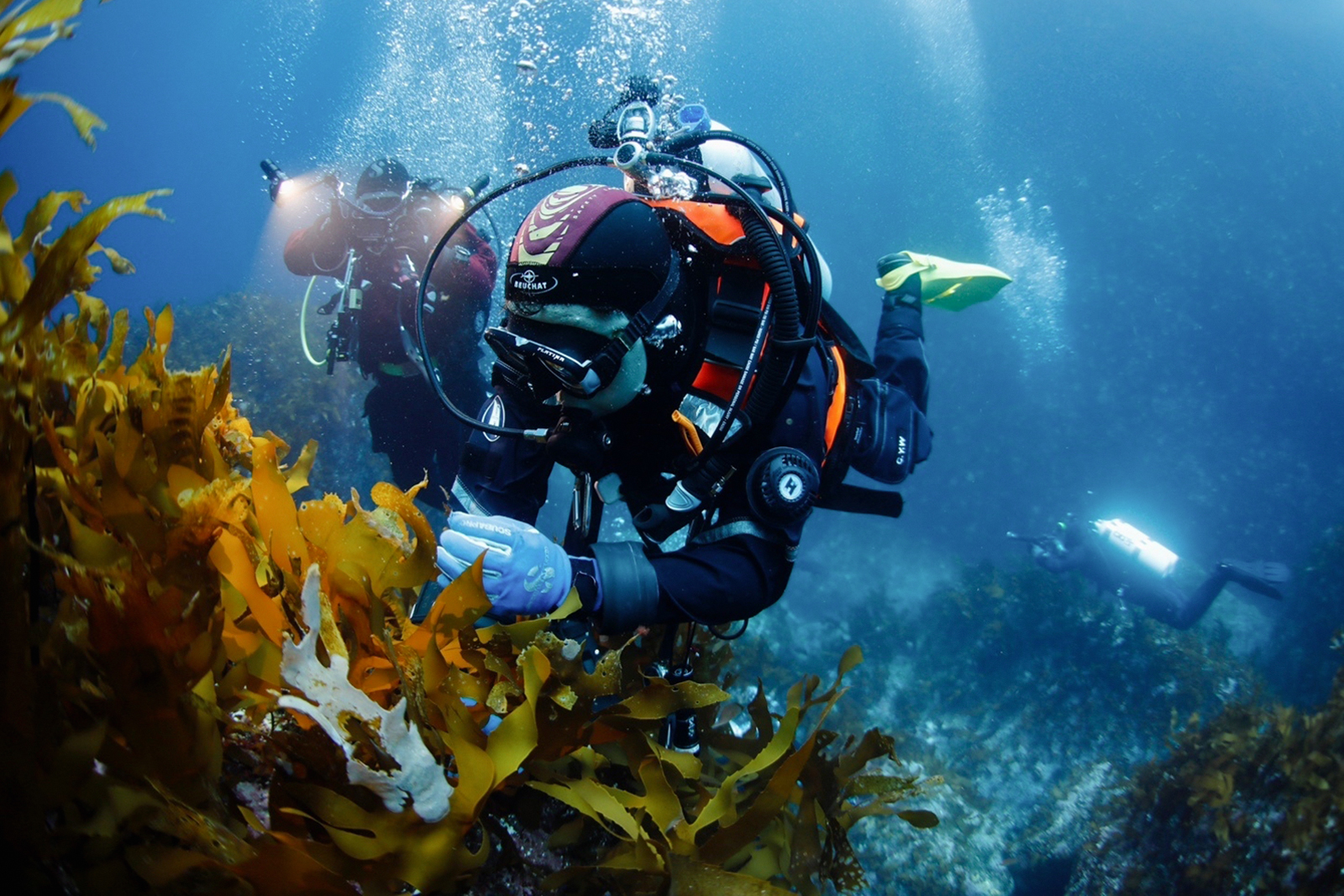
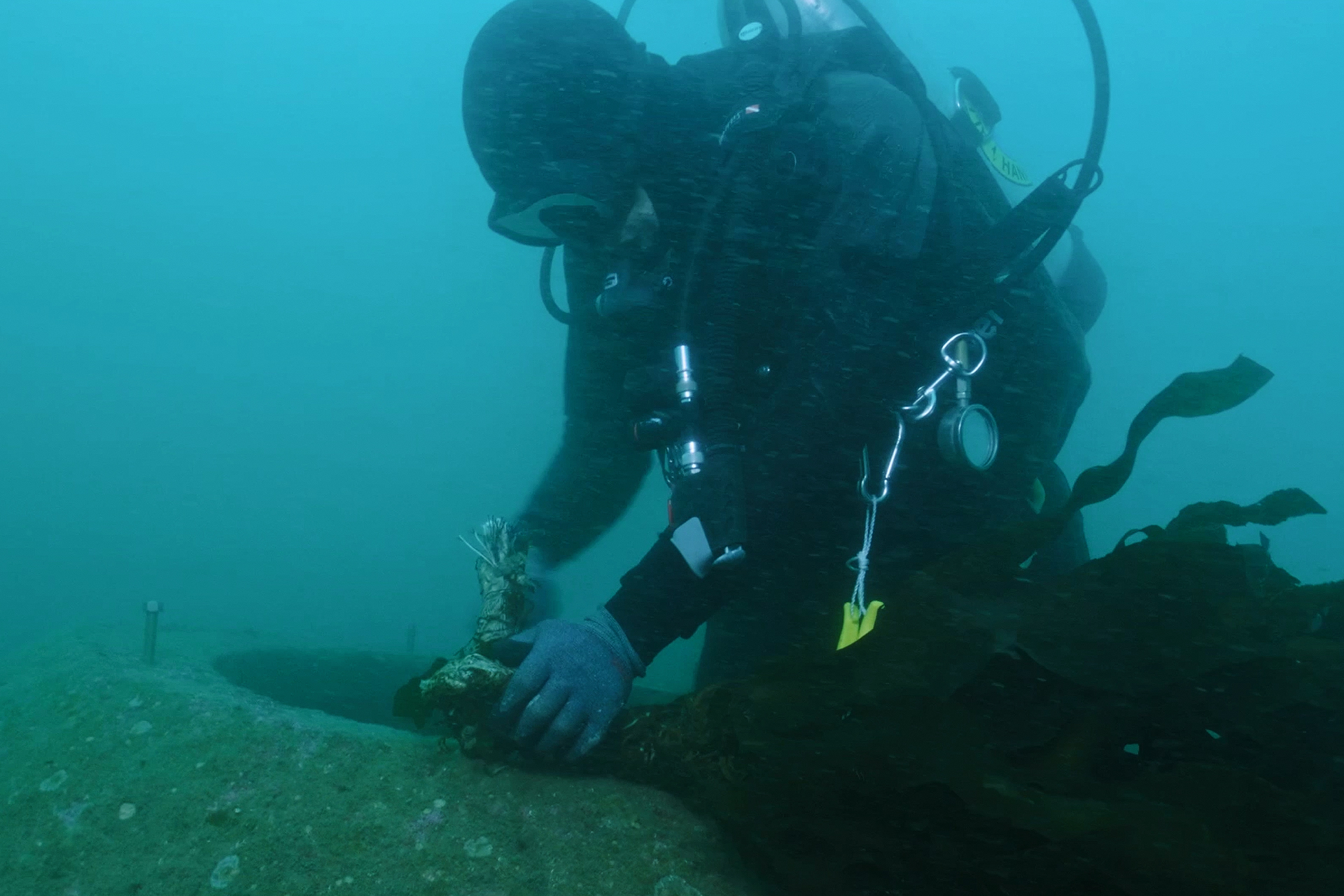
The third step is direct transplantation. Instead of randomly scattering spores, specialists select optimal locations – based on the characteristics of the seaweed and the conditions of the rock surface – and drill directly into the natural bedrock to secure mature seaweed transplants, drastically increasing early survival rates.
The fourth step is artificial spore sac installation. Replicating seaweed’s natural reproductive process, bags filled with spores – the seeds of seaweed – are installed underwater. This stage is designed to create a self-sustaining sea forest that grows on its own with minimal human intervention.
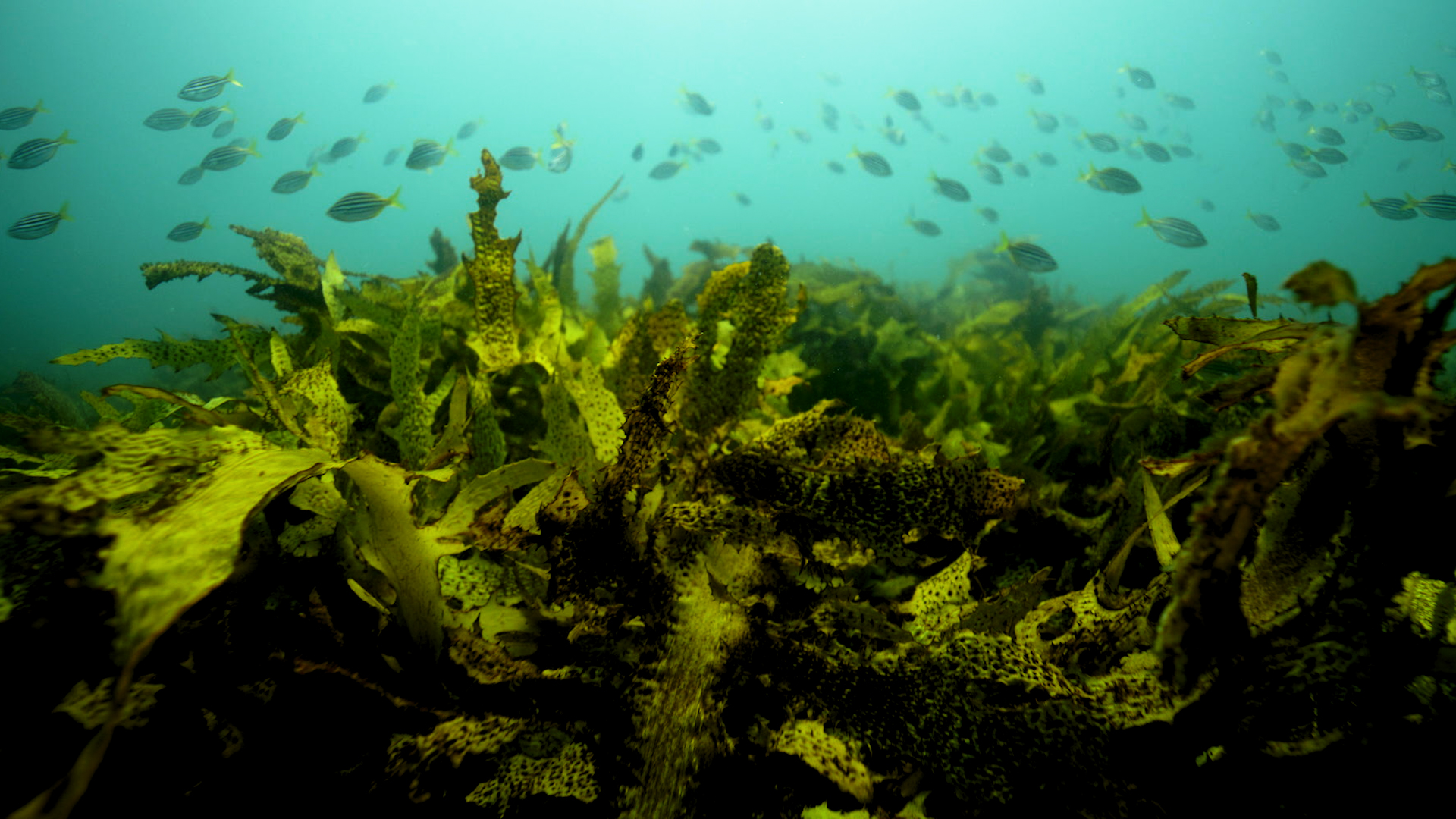
Hyundai’s “Sea Forest” project is a sophisticated ecological restoration process that combines biological and engineering technologies; rather than simply creating forests, the project focuses on enabling nature to regain its self-healing capacity and thrive on its own.
Geographically, the ocean may be divided into the Atlantic, Pacific, etc., but ocean ecosystems know no borders: The world shares one interconnected marine system. To sustain sea forest protection in a long-term, meaningful way, Hyundai conceived the “Global Sea Forest Map and Naming” campaign. By giving names to invisible portions of the ocean and marking them on a map, the campaign lays the groundwork for sea forests to take root in public consciousness via a dedicated interactive webpage.
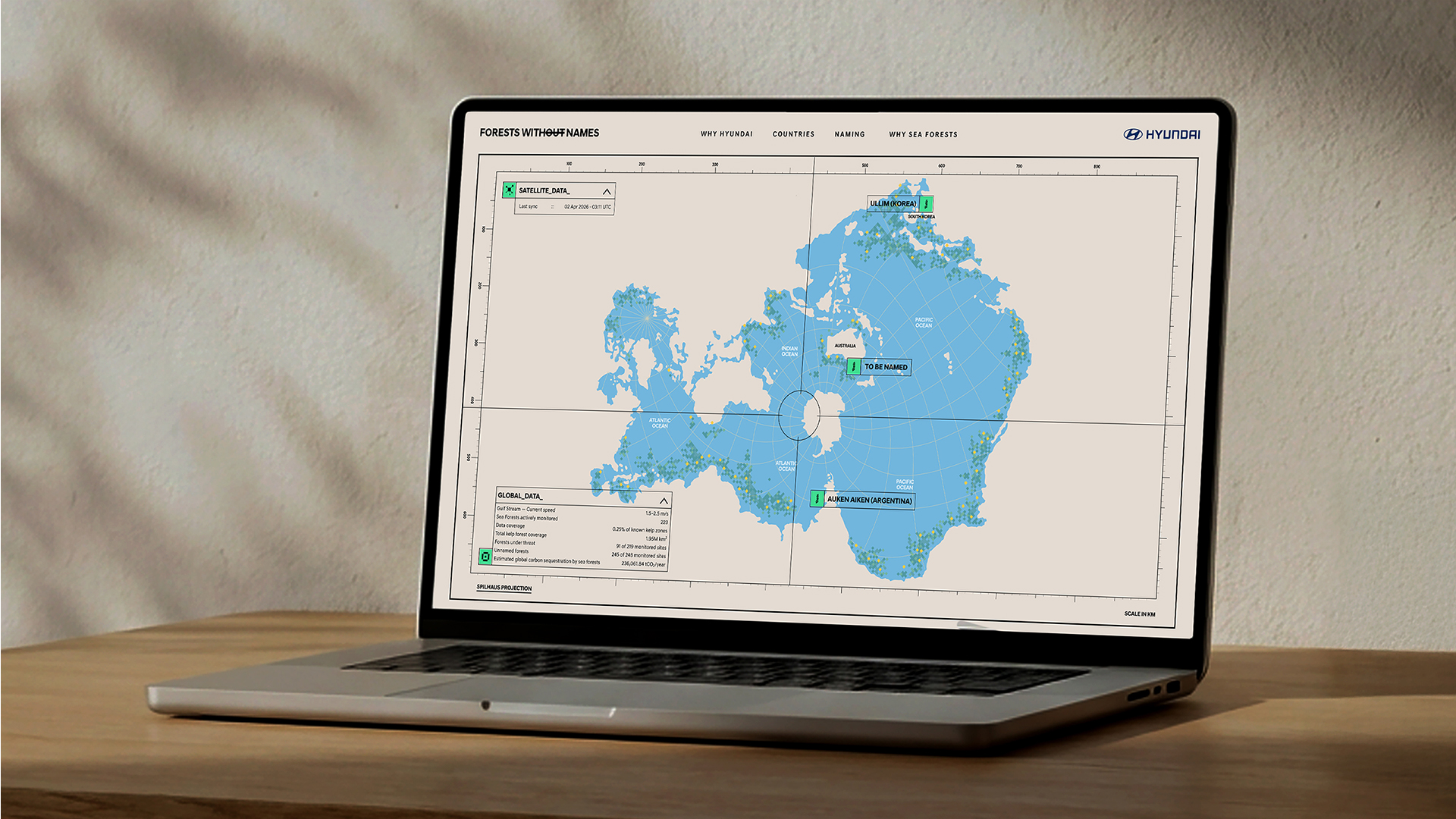
The Global Sea Forest Map on the Forests Without Names webpage looks markedly different from standard maps of the world. It flips the conventional land-centric view on its head, placing the world’s marine system directly at the center of the screen.
Heejune Kim, Senior Manager of Hyundai’s Brand Communication Team, explains the digital user experience this way: “The Global Sea Forest Map is more than a collection of location data; it’s a proposal to change the very lens through which we see the world.”
Kim pointed out, “Traditional world maps are defined by borders and continents – the ‘order of the land.’ The ocean is treated as a passive backdrop. Our interactive map shifts that perspective entirely, encouraging users to view the ocean as an active, vital space that requires our attention.”
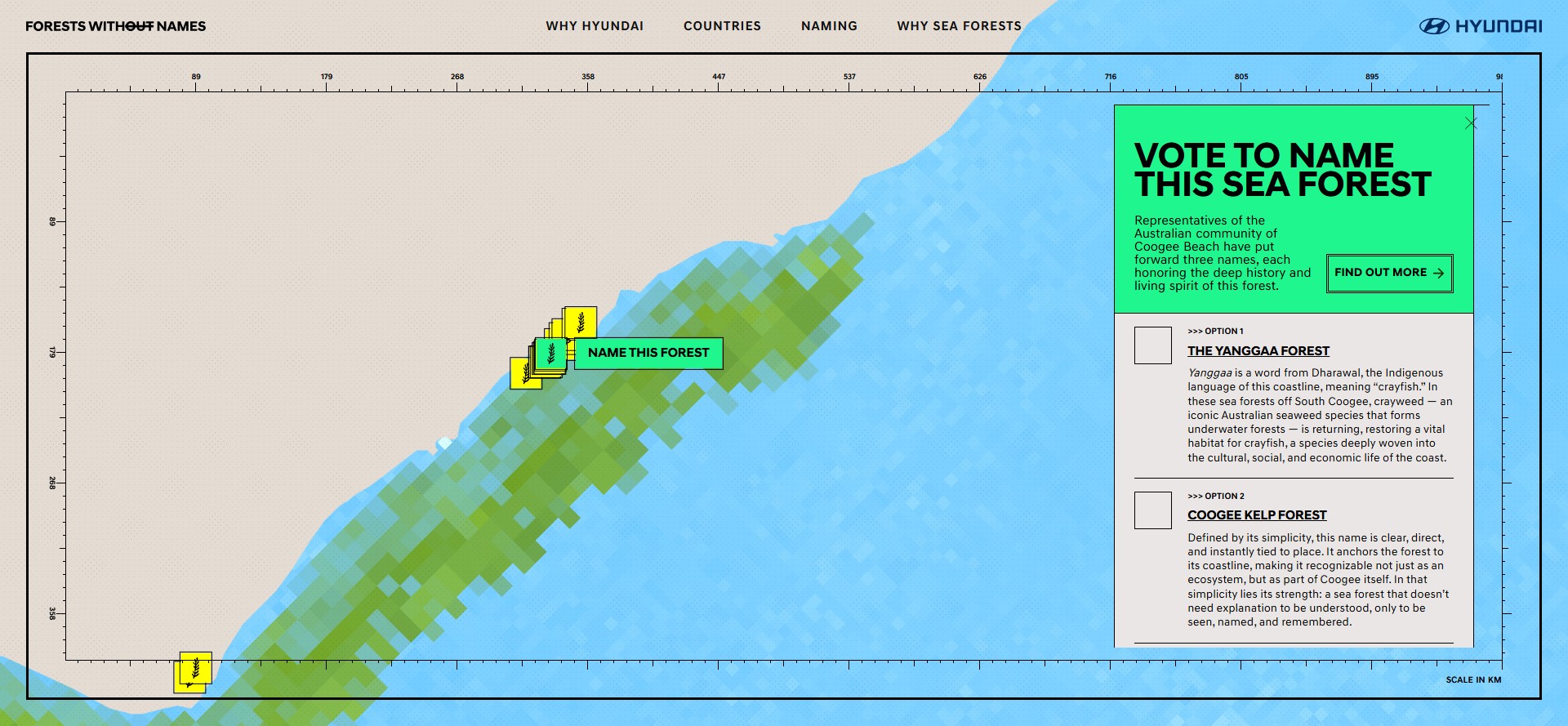
The Global Sea Forest Map project crowdsources the naming process through global public voting with the hope that these names will become deeply etched into public consciousness. Recently, a major sea forest off the coast of Sydney, Australia, was officially named “Yanggaa Forest” as a result of this process.
“Yanggaa” means “crayfish” in Australia’s Aboriginal Dharawal language. The name honors a species that plays a vital role in the ecological balance of those waters. The runner-ups were Dhanj (‘fish’ in Dharawal) and Coogee Kelp (a beach near the sea forest).
Senior Manager Heejune Kim said the campaign was designed to balance universal appeal with local identity. “We felt that even across different languages and cultures, the emotional logic that ‘what has no name is easily forgotten, and what is forgotten is hard to protect’ could be universally understood. So rather than leading with complex environmental discourse, we approached it with a very simple message: ‘to give a name is to acknowledge an existence.’”
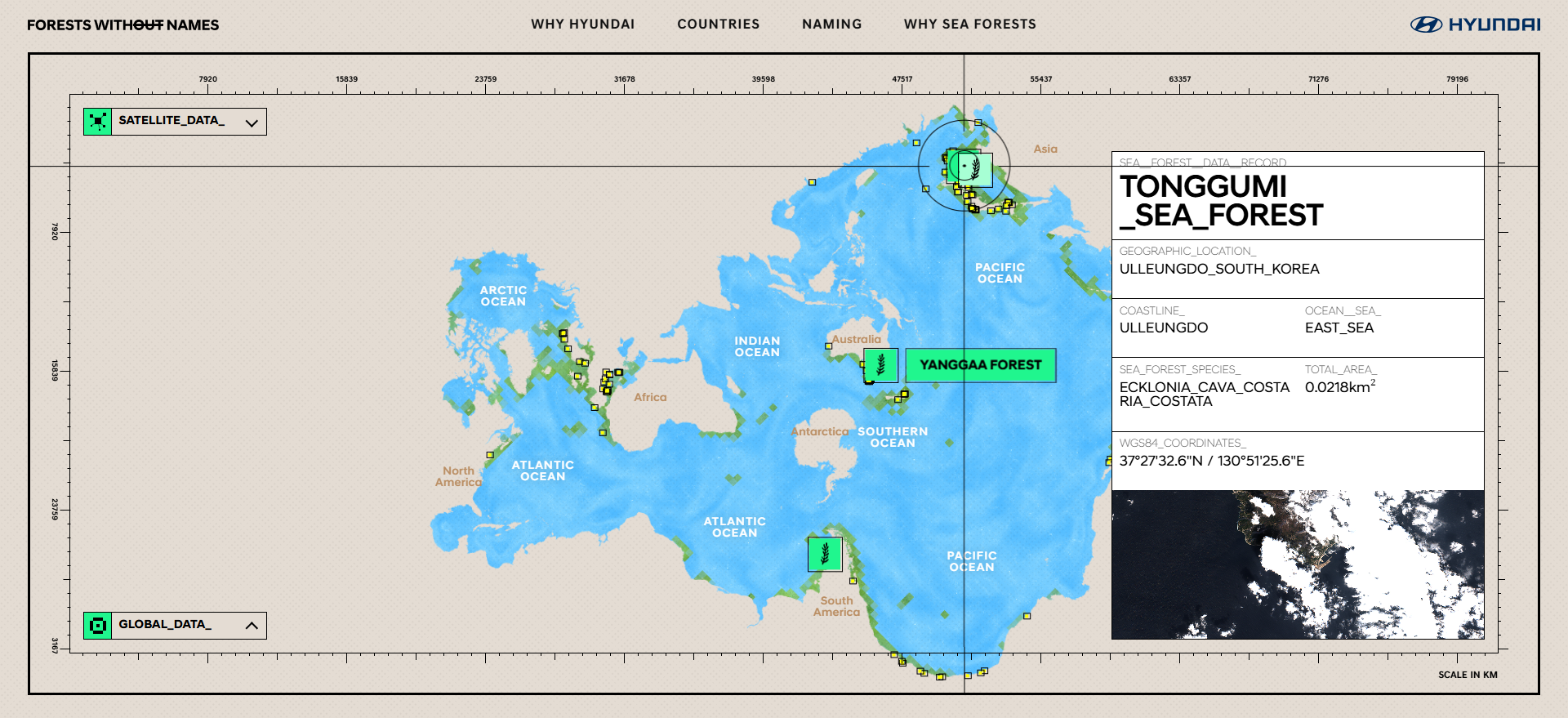
The Global Sea Forest Map does more than display names. Users can explore satellite-verified data layers, including water temperature, depth, dissolved oxygen, salinity, and sunlight penetration. They can also learn if areas are designated protection zones and the status of restoration. All of the data harvested through this digital platform is set to be officially transferred to the Kelp Forest Alliance, a global consortium, to empower researchers and conservationists worldwide.
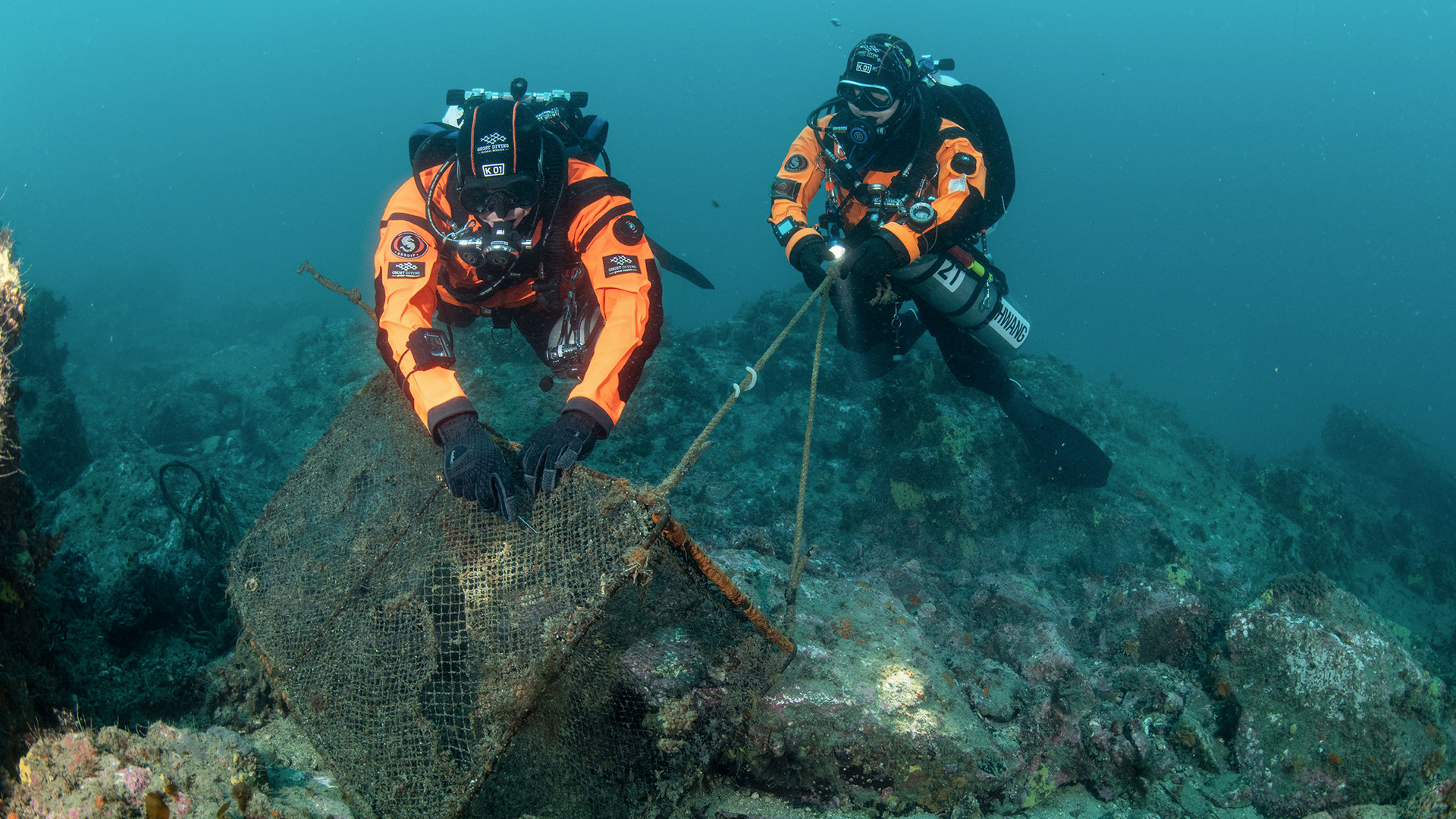
Hyundai’s relationship with the ocean extends from the sea floor to its product supply chain. Since 2021, Hyundai has partnered with the marine conservation non-profit Healthy Seas to collect approximately 320 tons of marine waste from waters around South Korea, Europe and the United States. Clearing away surface debris such as abandoned fishing nets allows more sunlight to penetrate the water, directly boosting photosynthesis in the sea forests below.
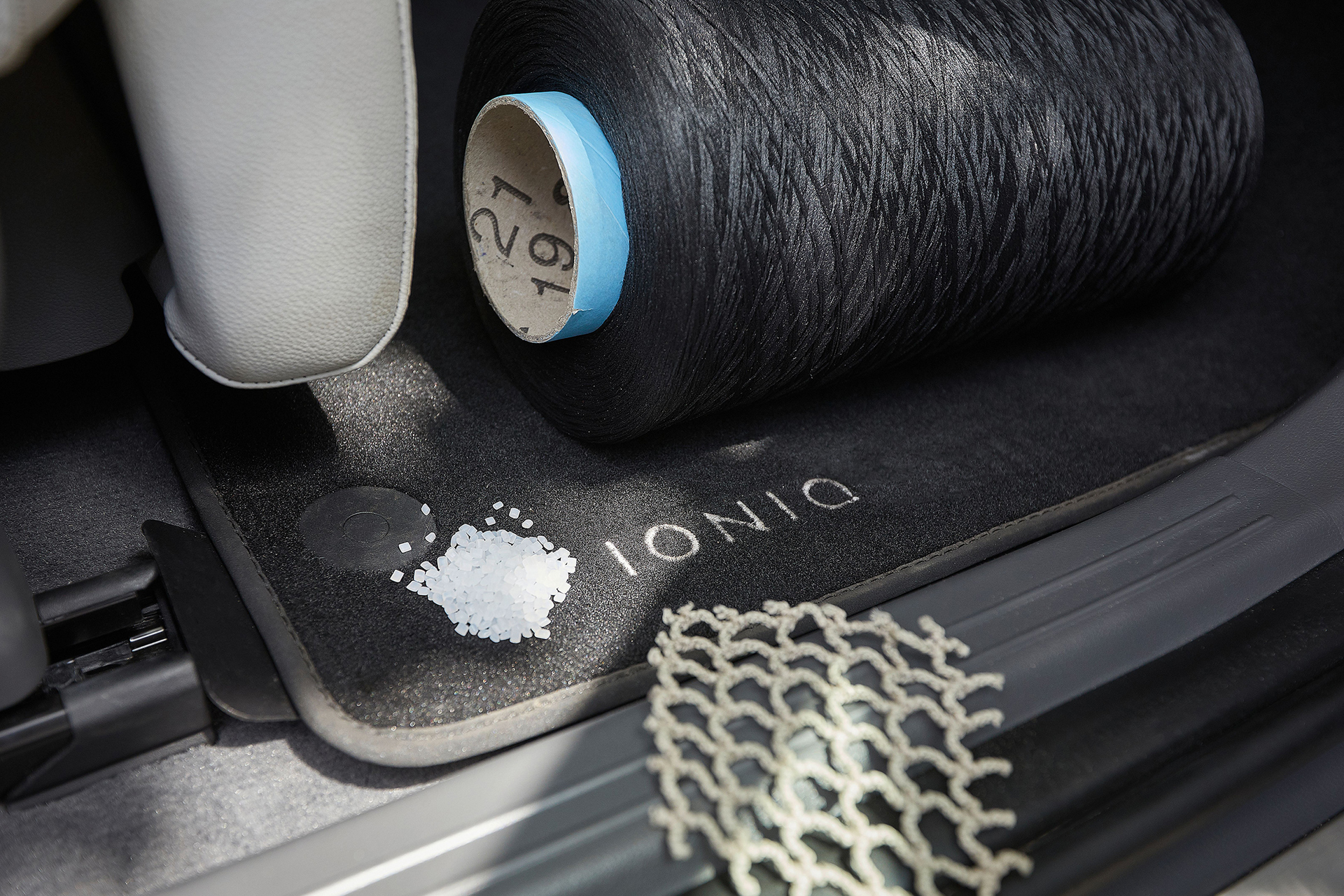
Some of the recovered nets have been shipped to Slovenia’s Aquafil plant and regenerated into premium nylon yarn, becoming part of a circular economy. This material is integrated as part of the fabric for the floor mats in Hyundai’s flagship electric and hybrid vehicles produced for the European market, including the Ioniq 5, 6, 9, Inster, and Santa Fe.
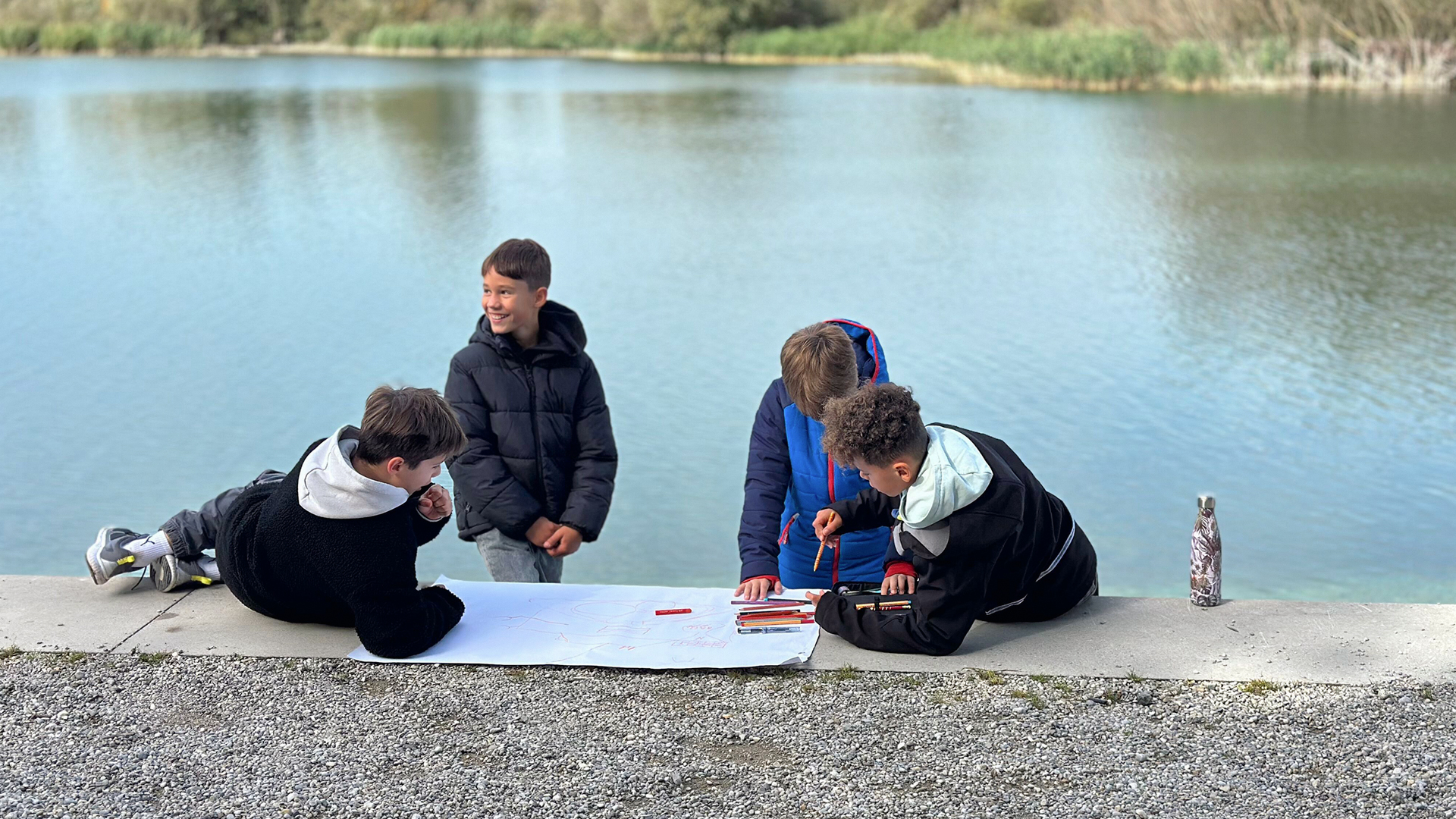
Furthermore, Hyundai has engaged with more than 4,800 students globally through marine conservation workshops and plogging initiatives, inspiring the next generation of environmental stewards.
For
Hyundai, marine conservation is not a marketing tagline. It is a concrete
blueprint for the future, bridging advanced mobility manufacturing with
real-world ecological restoration. By mapping the unnamed, Hyundai is helping
the world recognize the ocean not as a background resource, but as our shared
home.