A good cup of tea changes the pace of one’s life. Complex thoughts settle, allowing you to focus on the air and scenery around you—things you usually overlook—and on your inner self. Tea curator Seulgi Lee, who runs the traditional tea house “Mongyujae,” defines the tea ceremony as “a time to refill oneself after making space within.” “While drinking tea, the restlessness of the mind subsides, and new sensations fill that emptied space.”
This journey began as we set out with her for Boseong, South Jeolla Province—the heart of Korean tea culture. As we left the forest of skyscrapers in the city behind and entered the lush greenery of the southern region, our senses gradually began to awaken.
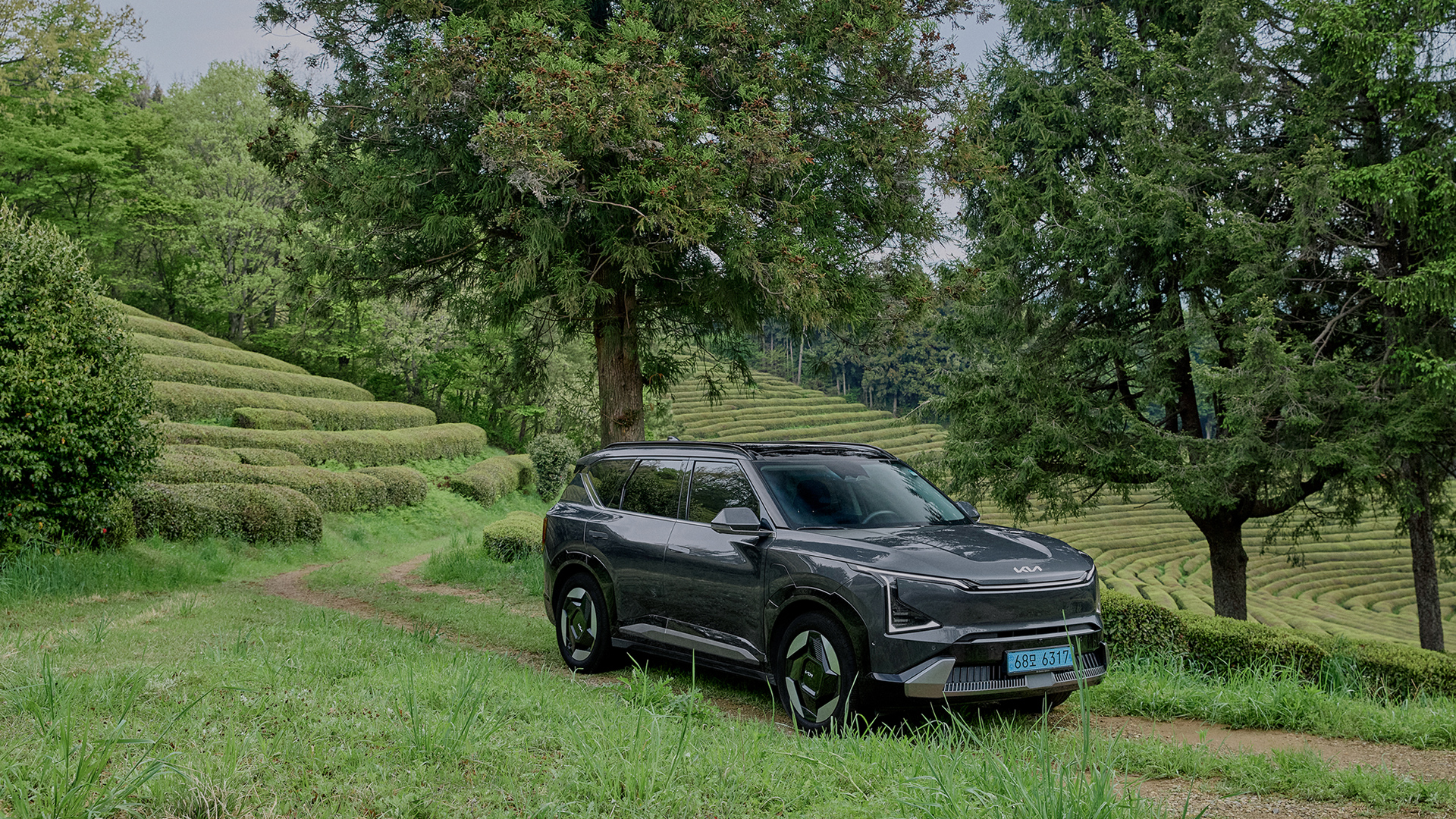
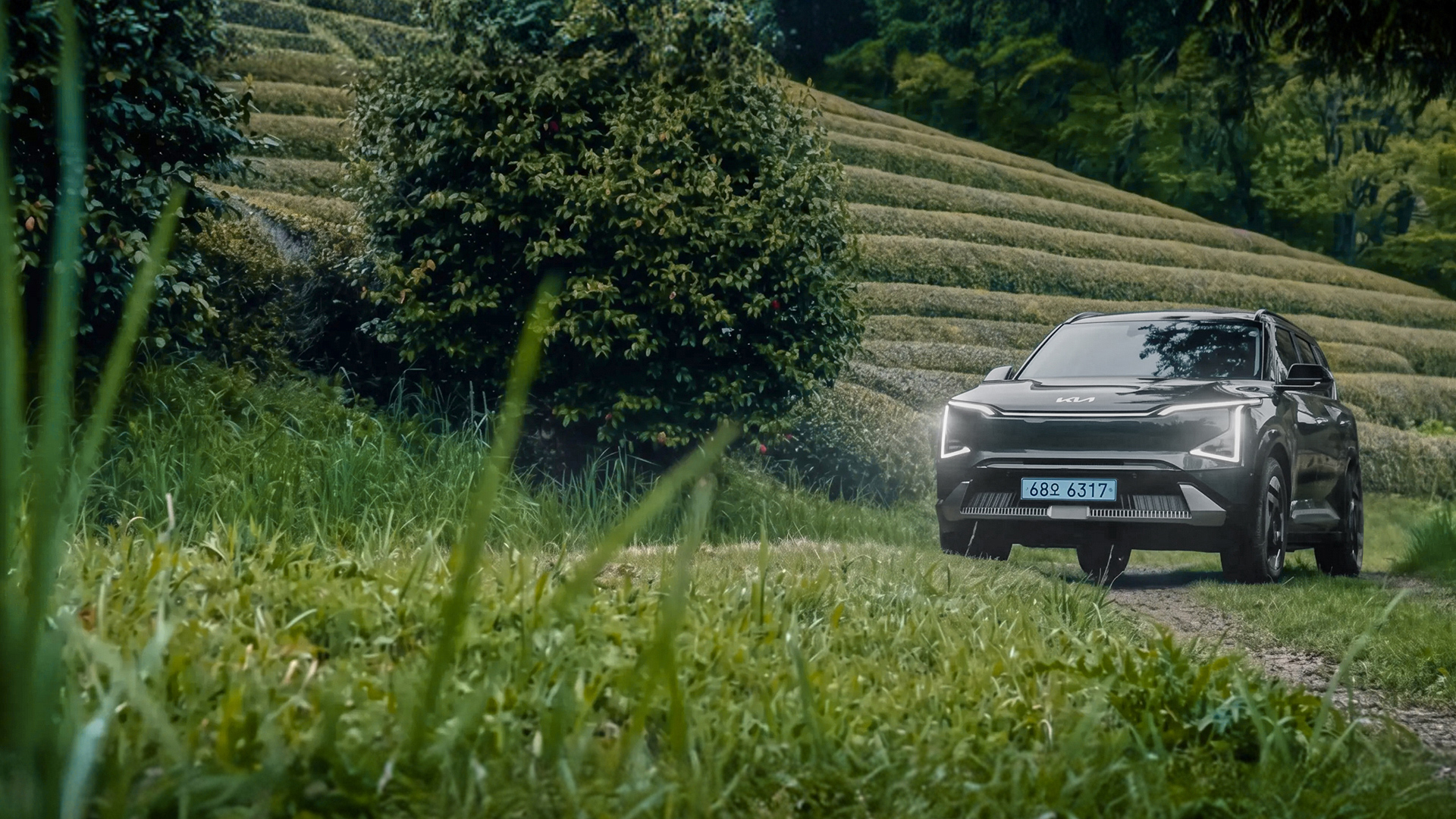
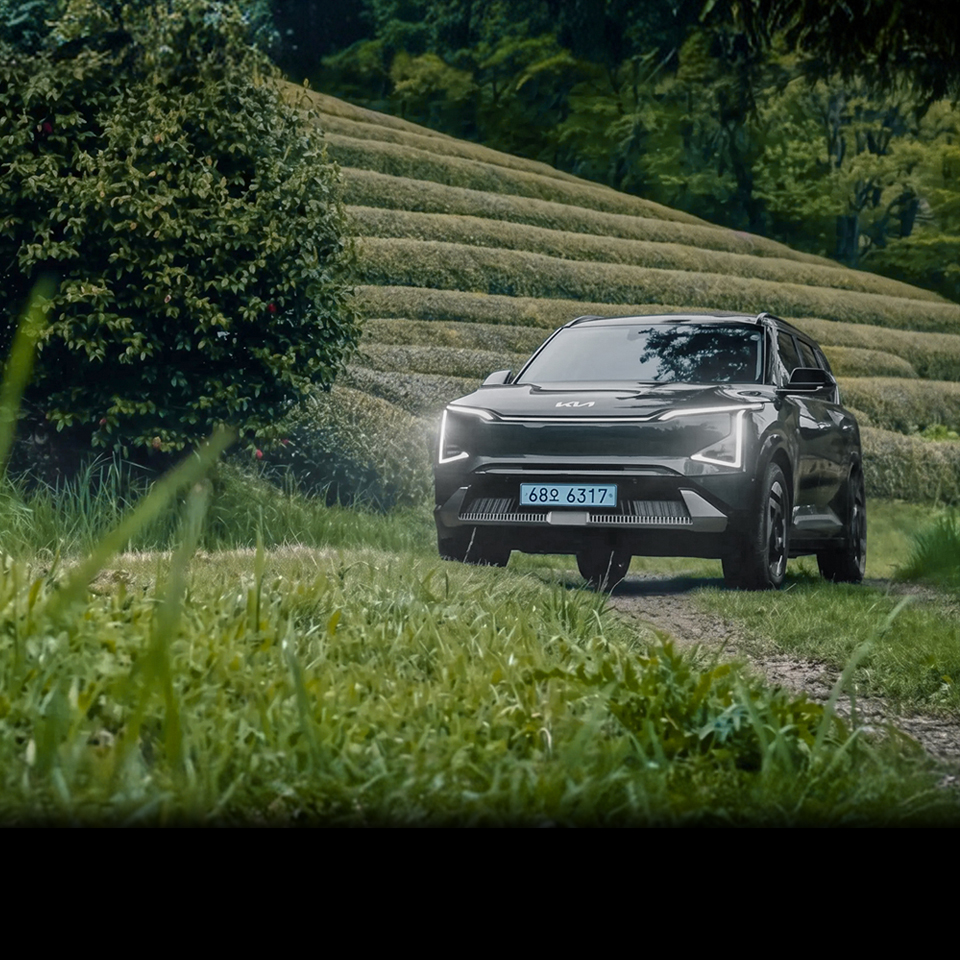
Boseong is a place that embraces endless tea fields and a tea culture cultivated over generations. And the Kia EV5 (Earth Long Range 2WD), which accompanied us on this journey, served as an excellent window through which we could fully immerse ourselves in Boseong’s beautiful scenery. Savoring fragrant tea and traveling by car may seem like entirely different experiences, but this journey revealed that the two are surprisingly similar.
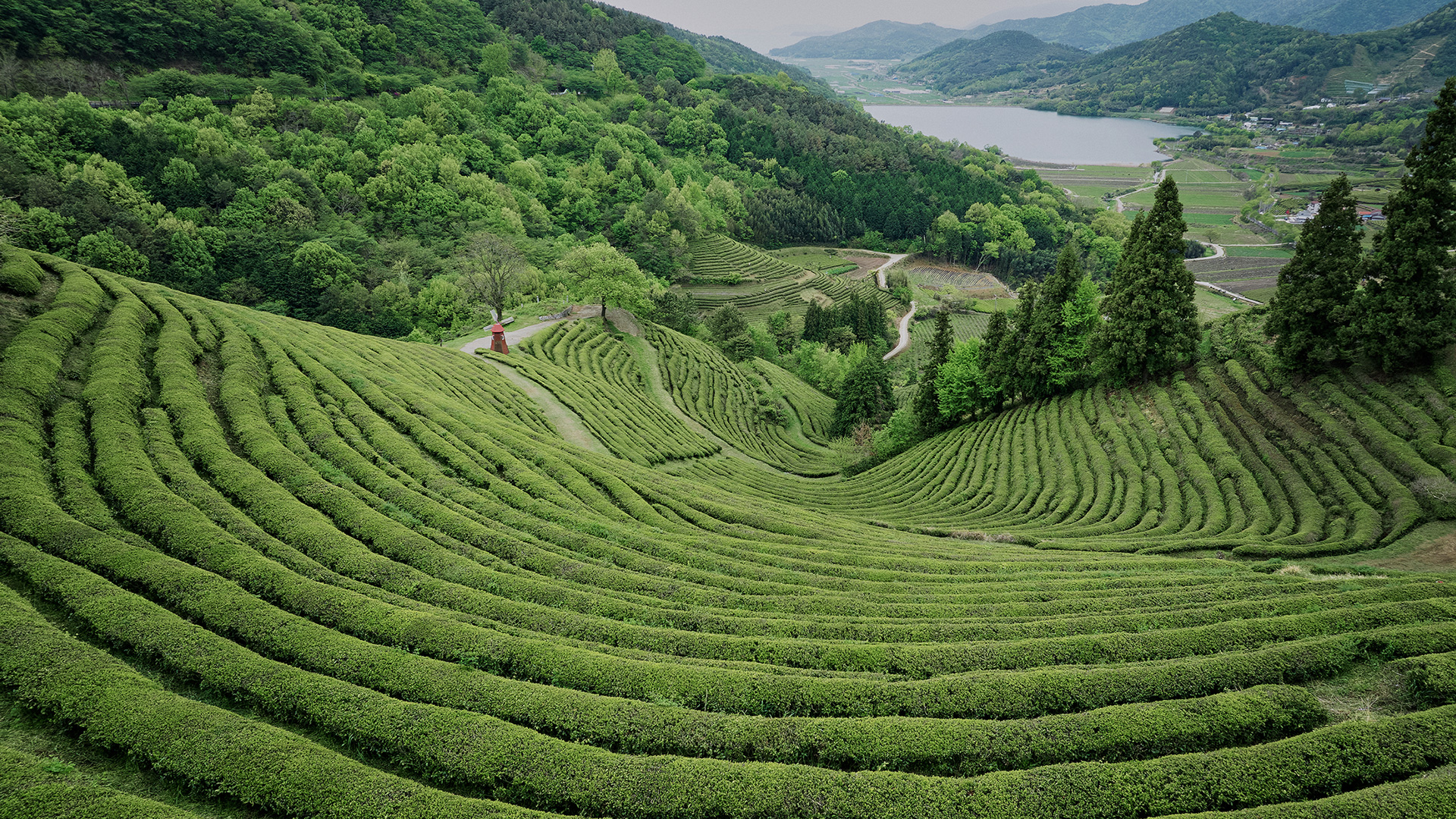
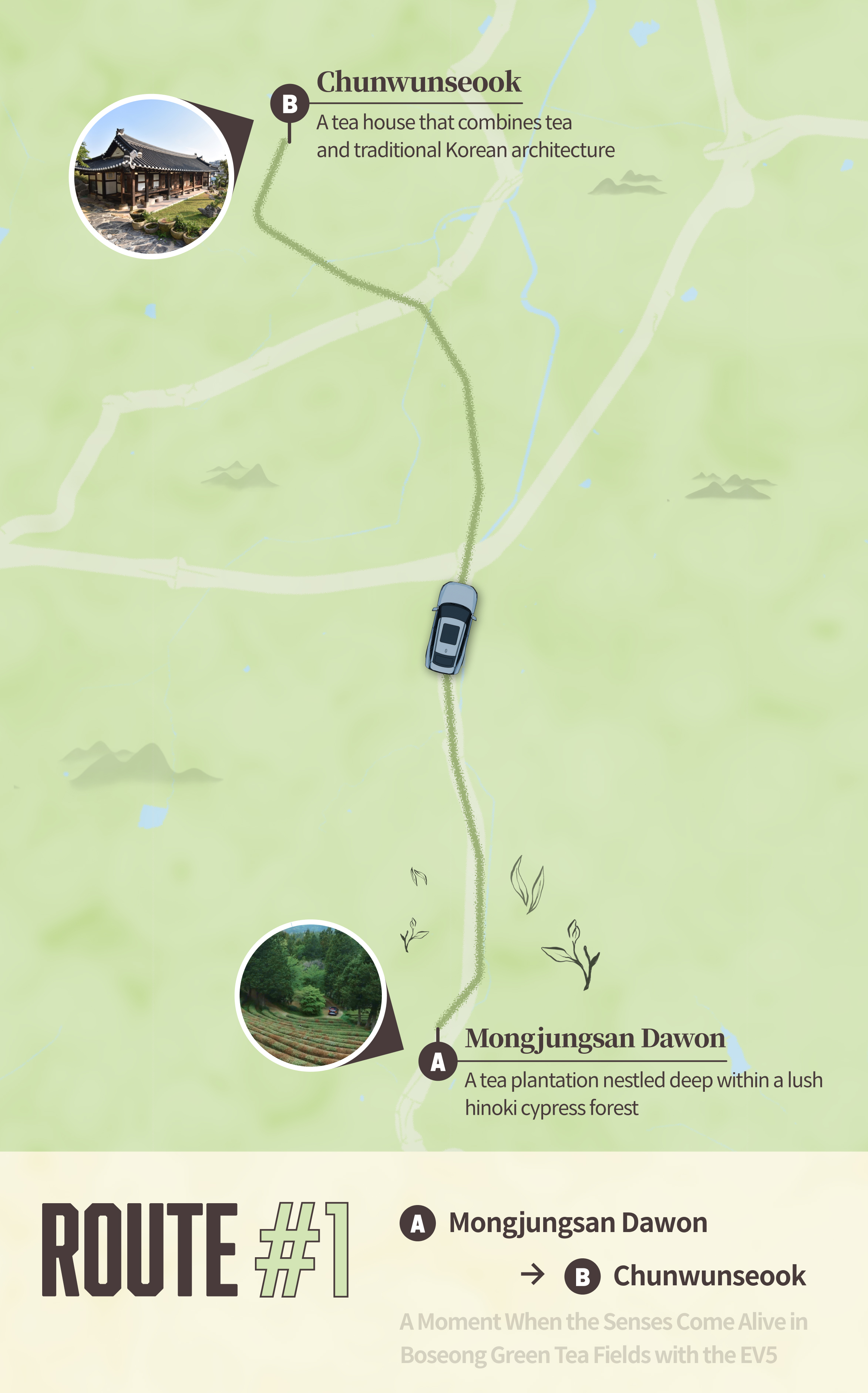
When we arrived at Mongjungsan Dawon, the early morning mist was slowly lifting over the green tea fields terraced along the hillside. The sight of tea leaves swaying with the breeze seemed to embody a vast vitality all on its own.
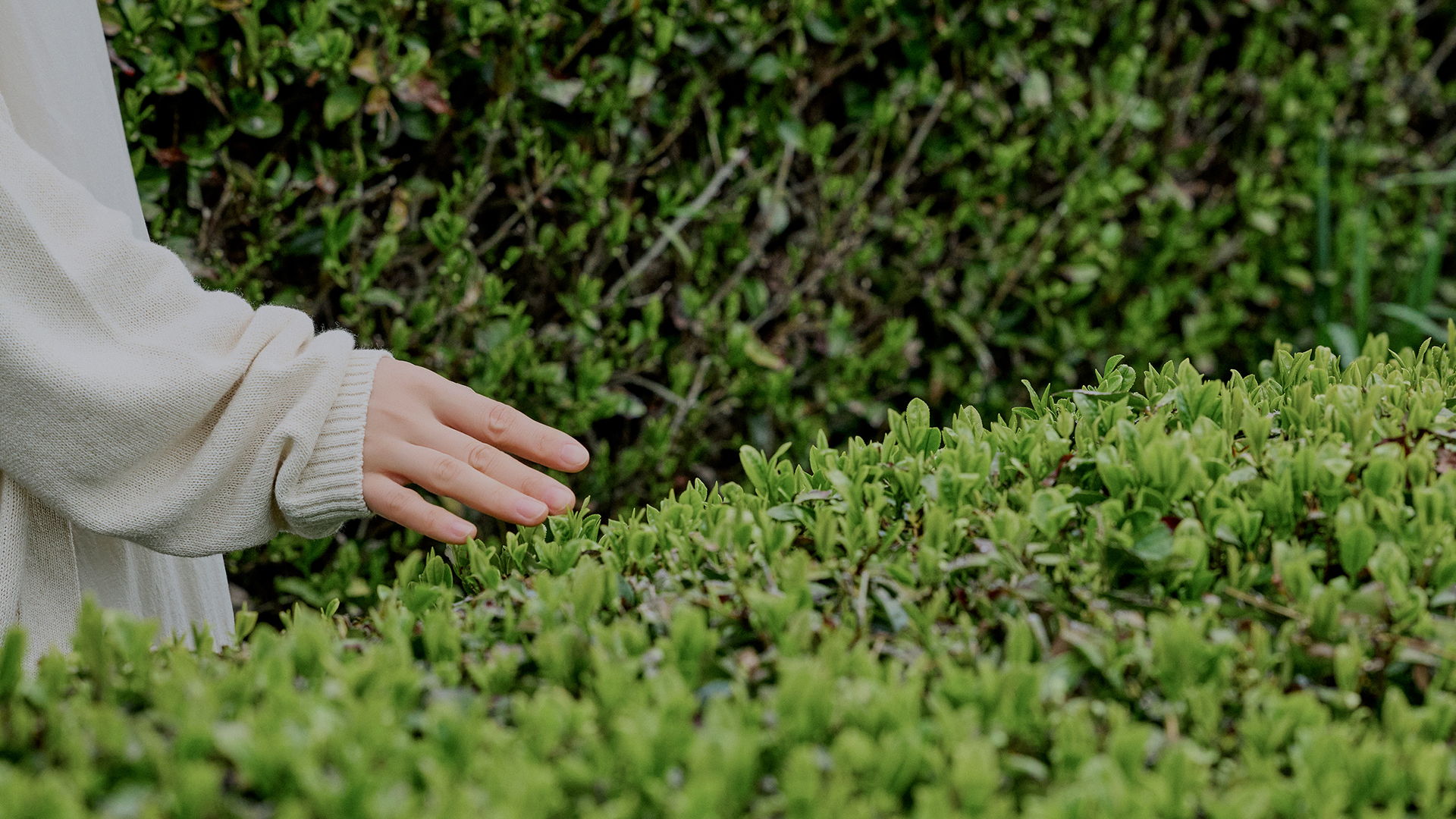
“Tea is the first medium to embrace the nature of the day,” Lee said as she gazed at the tea fields. “The direction of the wind, the temperature of the air, and the amount of sunlight all seep into the tea leaves, ultimately determining their aroma and flavor. So, drinking tea is like sensing the nature of that place.”

Just as Lee said, good tea does more than simply convey flavor. It captures the air temperature, the changing seasons, and even the scenery of that day. The EV5 evoked a similar sensation on the road to Boseong.
Along roads lined with tea fields, our gaze lingered outside the window longer than usual. As our senses—accustomed to engine noise and vibrations—stepped back into the EV5’s silence, the scenery of Boseong flooded into that empty space. The mountains growing ever more rugged as we left the city behind, the tea fields stretching along the roadside, and even the trees swaying in the breeze—all these scenes passing by the window felt like a silent film. Just as one might focus on the aroma of tea, inside the EV5, we were able to immerse ourselves entirely in the passing scenery itself.
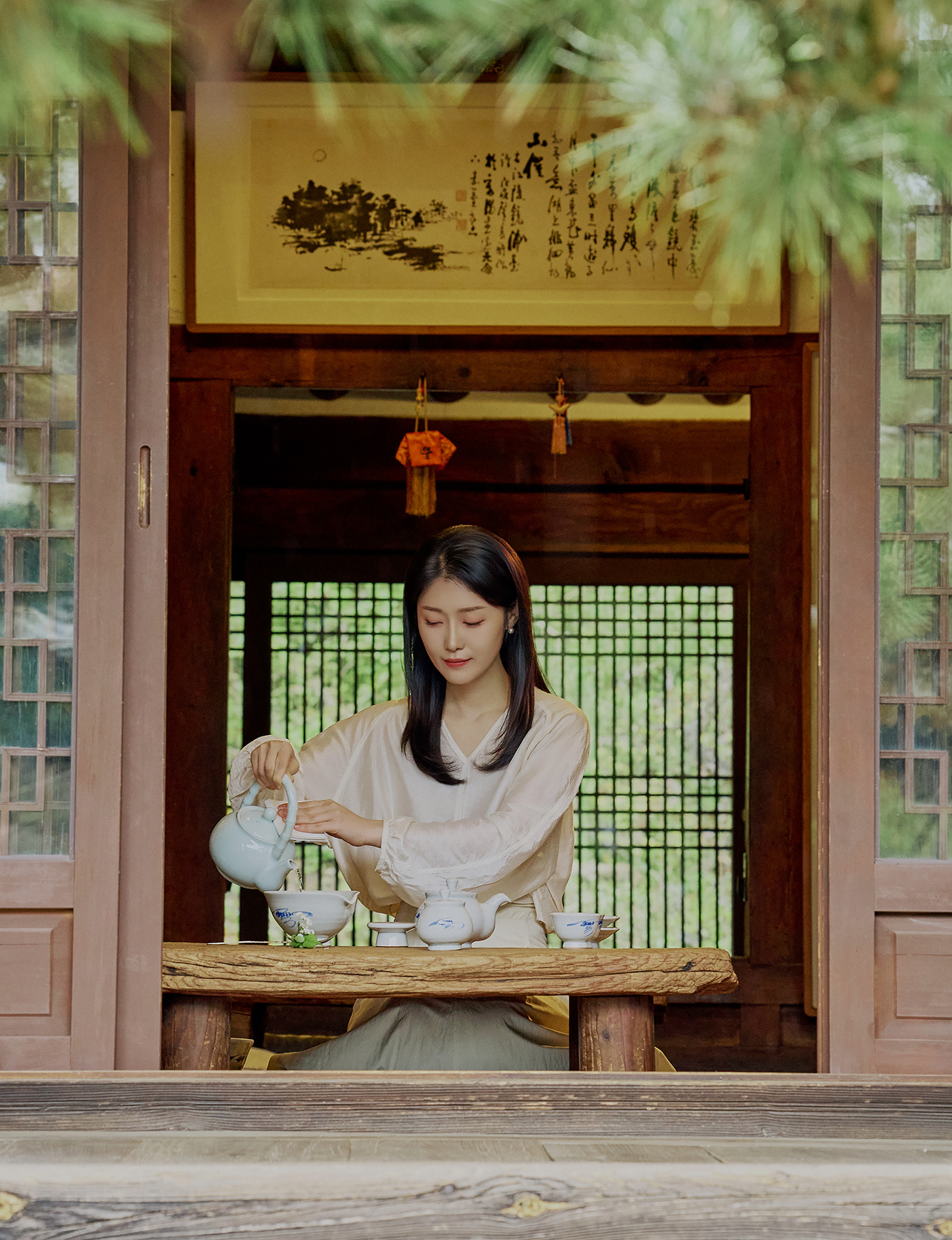
Chunwunseook is a space that embodies the aesthetics of tea culture. Rather than flaunting its grandeur, this hanok—steeped in history—achieves a serene balance through light and shadow, the deep texture of wood, and the view beyond the windows. As she poured tea into a cup, Lee spoke of the value of “emptiness.” “Rather than filling a space to the brim, the charm of the tea ceremony lies in leaving it empty, allowing one to focus on the tea’s aroma and temperature.”

This aesthetic of emptiness is fully evident in the EV5’s interior as well. The panoramic wide display—the first thing that catches your eye when you sit in the driver’s seat—contains a wealth of information but never overwhelms the gaze. The horizontally oriented dashboard and streamlined interface calmly recede into the background rather than overwhelm the driver.
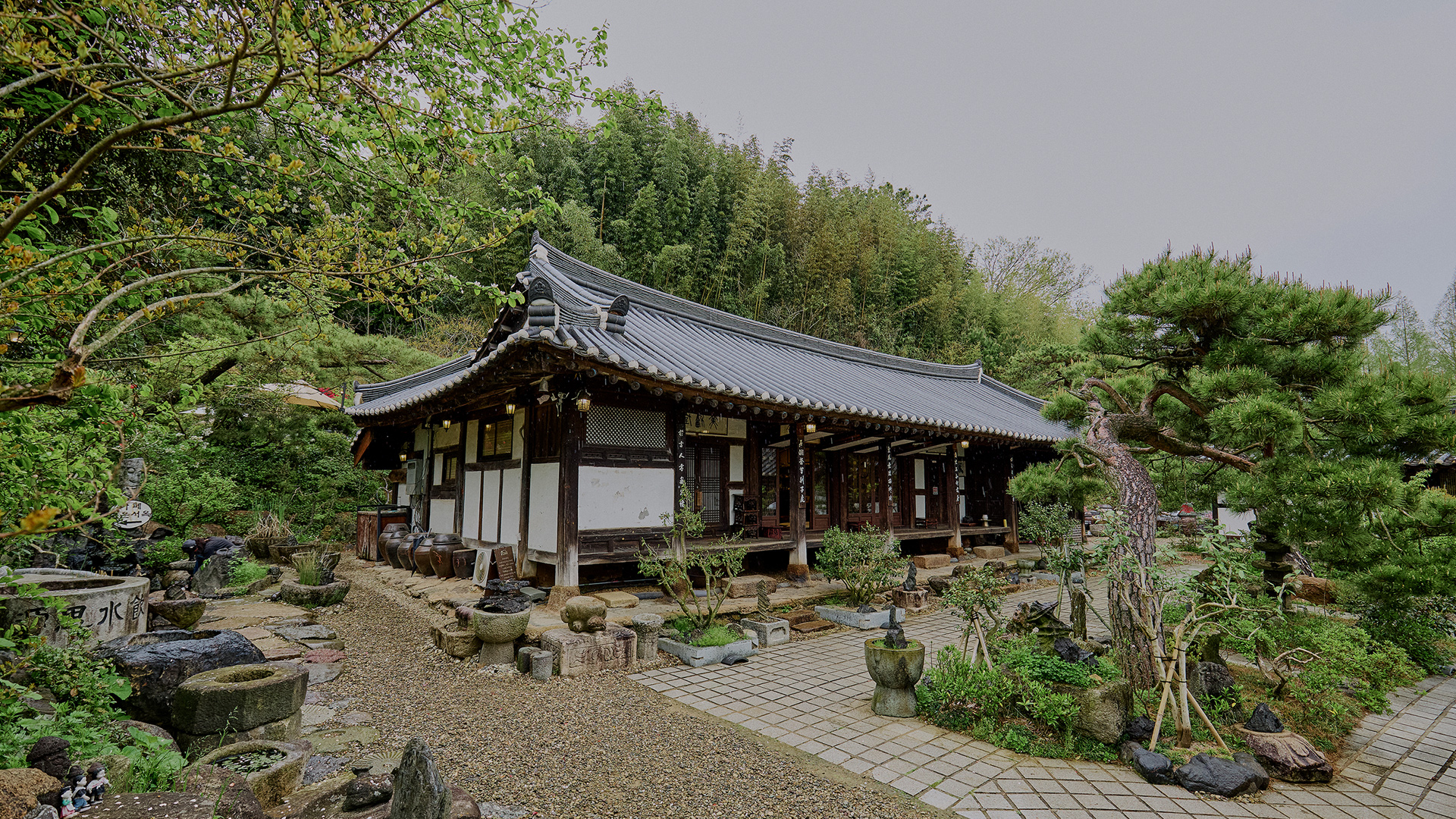
Just as the traditional Korean houses of Chunwunseook blend seamlessly into the landscape, the EV5’s interior strips away unnecessary embellishments to focus on the essence of driving. Thanks to the unobstructed, open feel that doesn’t block the view, simply sitting inside the vehicle made us feel as though we were breathing in the crisp air of Boseong.
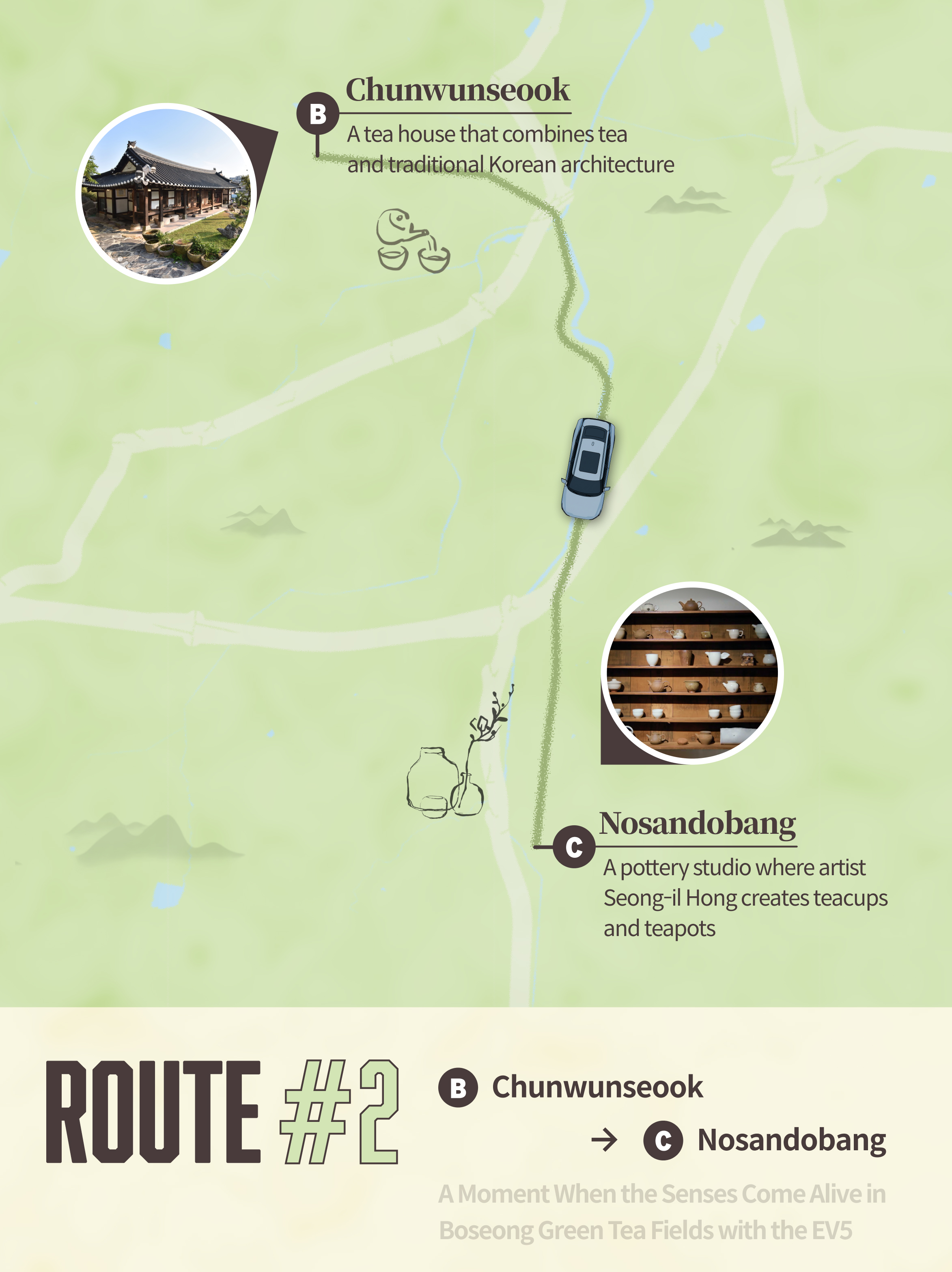
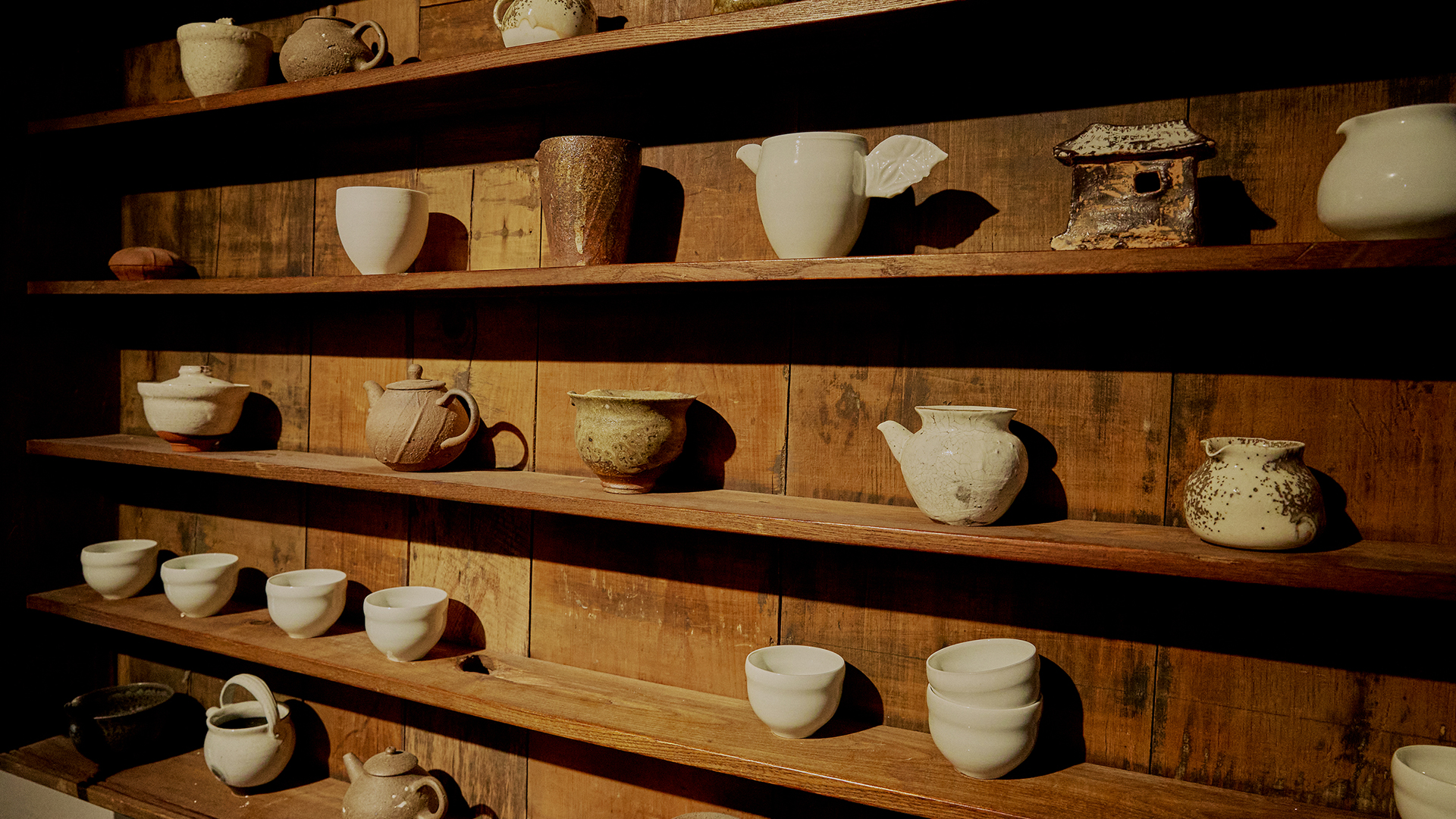
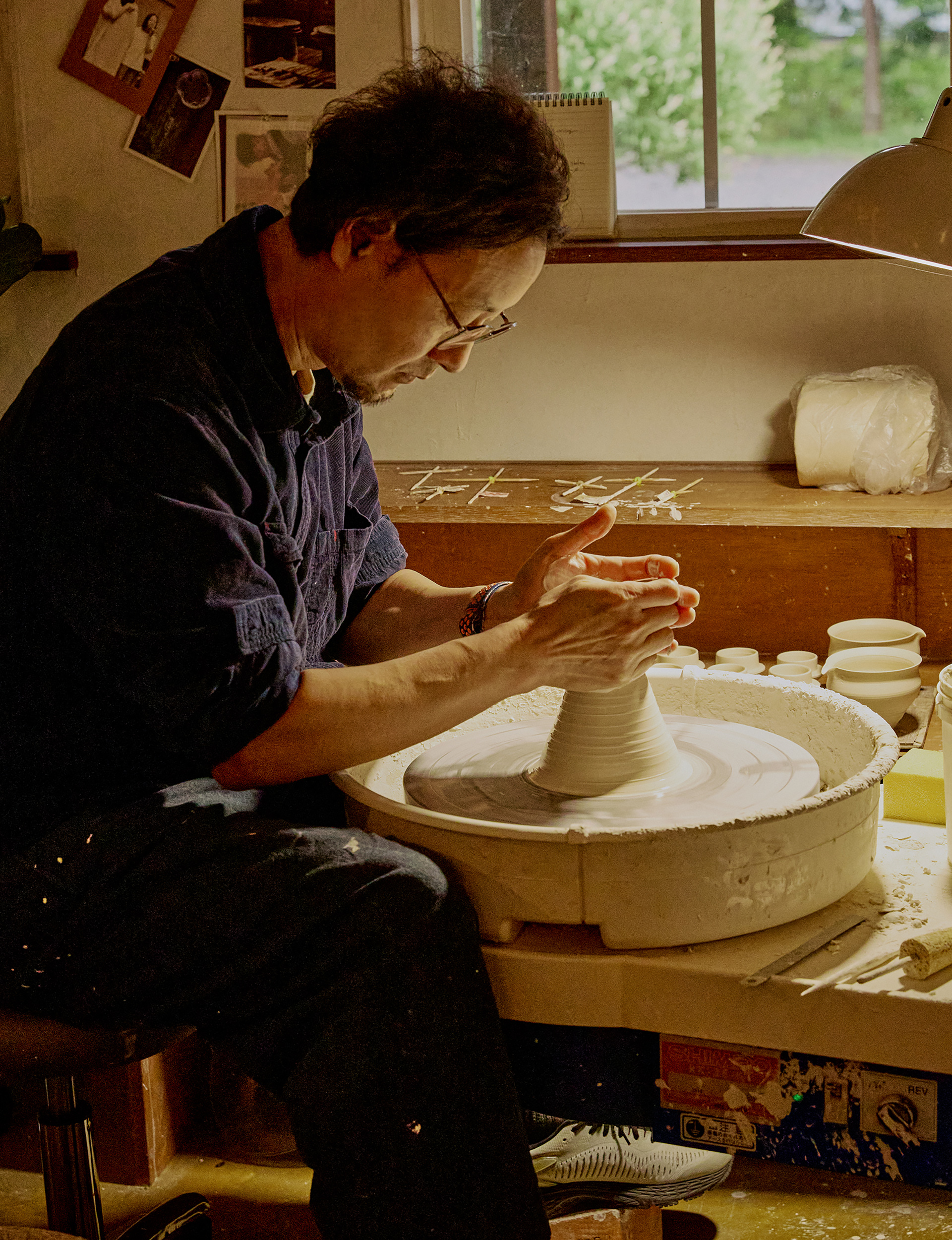
Inside Nosandobang, tea sets that retained the natural texture of clay were neatly arranged. Lee cited “natural usability” as the key criterion for a good tea set. “A good tea set isn’t just an object that looks beautiful on the outside. It must feel comfortable in your hand and retain the tea’s temperature well. Every detail of its form serves a clear purpose related to its function.”
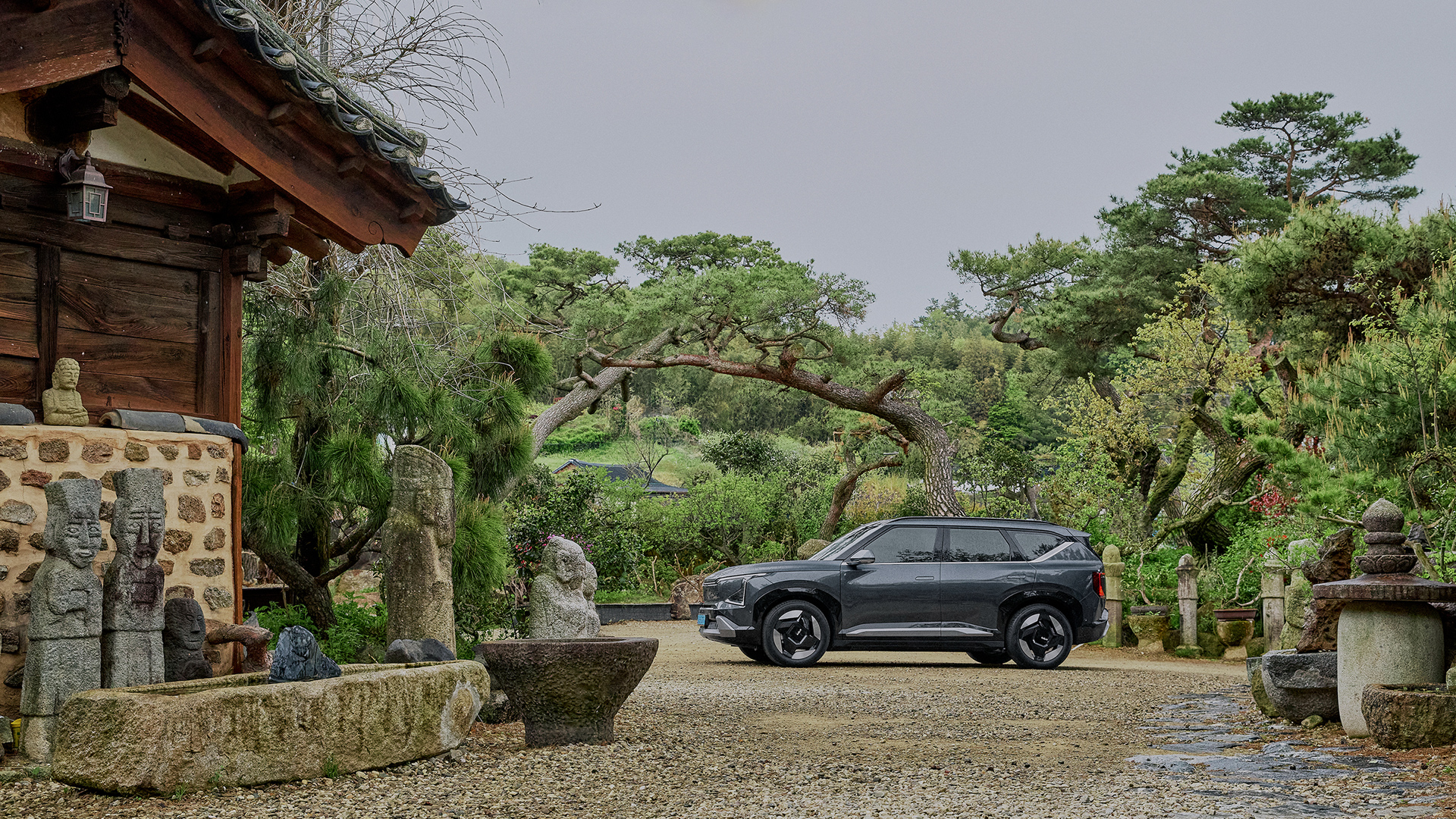
As we examined the tea sets in the workshop, the design of the EV5 naturally came to mind. Well-crafted tea sets may appear simple at first glance, but the longer they are observed, the more the deep balance created by their lines, proportions, and textures becomes apparent. The EV5’s solid silhouette, where vertical and horizontal lines intersect, its straight character lines, and its stable proportions invite the eye to linger calmly rather than stimulate it. It establishes its presence through the balance of the form itself, rather than relying on flashy design language.
And that balance of form ultimately translates into a space designed for people. The generously sized interior provides passengers with a sense of psychological ease, while the eco-friendly materials, which feel comfortable to the touch, convey a comforting tactile sensation, much like the clay of a tea set. The seats, which provide stable support even during long journeys, also align with the essence of a well-crafted vessel—one shaped with careful consideration of its purpose.
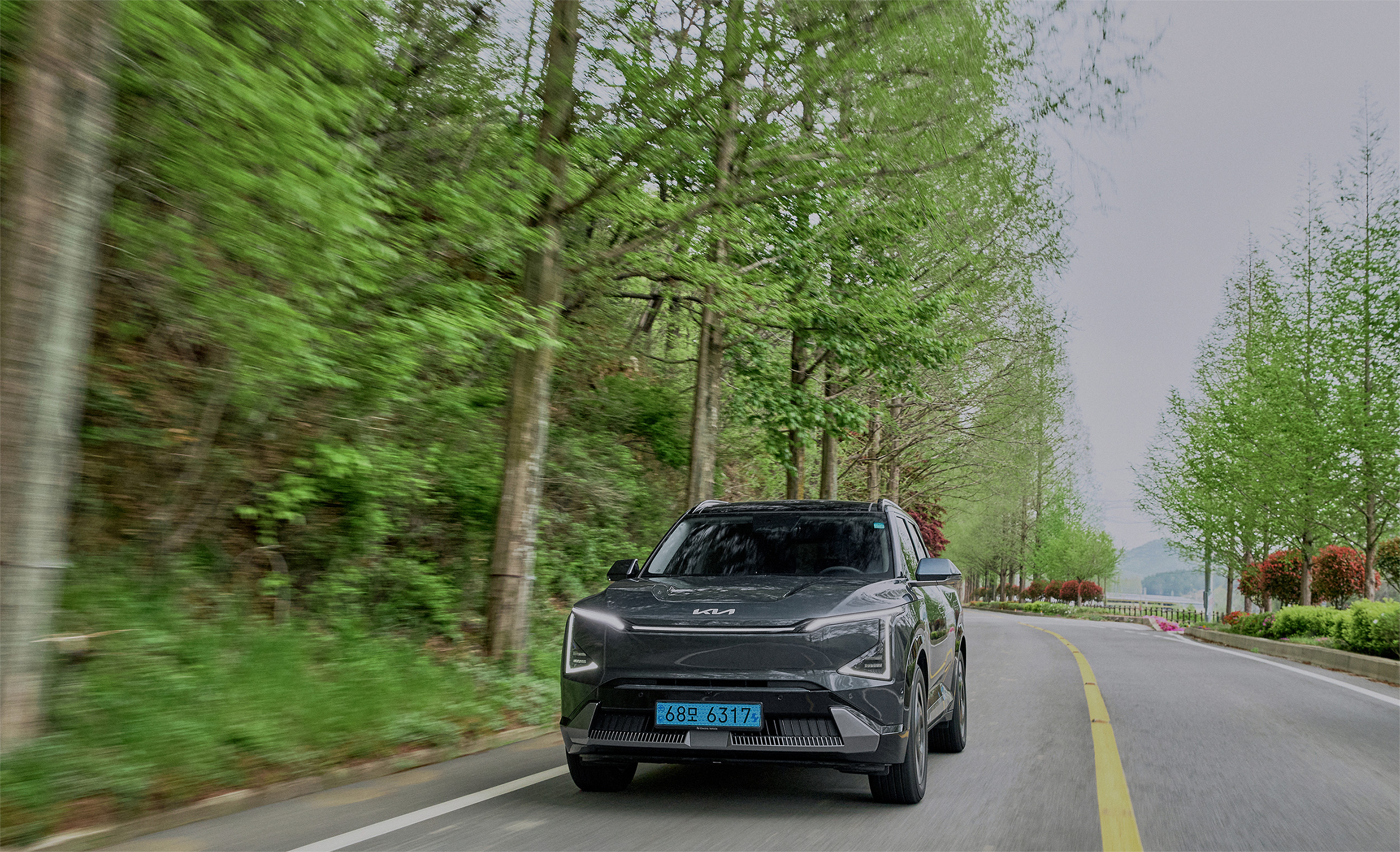
When enjoying a fine cup of tea, we tend to focus more on the peaceful moment the tea creates than on the teacup itself. The drive in the EV5 was no different. As we traveled along the roads of Boseong, acceleration and deceleration flowed naturally, and the car’s response when changing direction was seamless. Thanks to its composed ride, which gently filtered out road imperfections, fatigue did not easily set in even during long journeys.
As a result, our attention turned not to the vehicle itself, but to the time spent inside it. Those peaceful moments of gazing at the scenery outside the window, listening to music, and chatting with my travel companions stood out instead. Rather than drawing attention to itself, the EV5 quietly supported the experience of the journey.
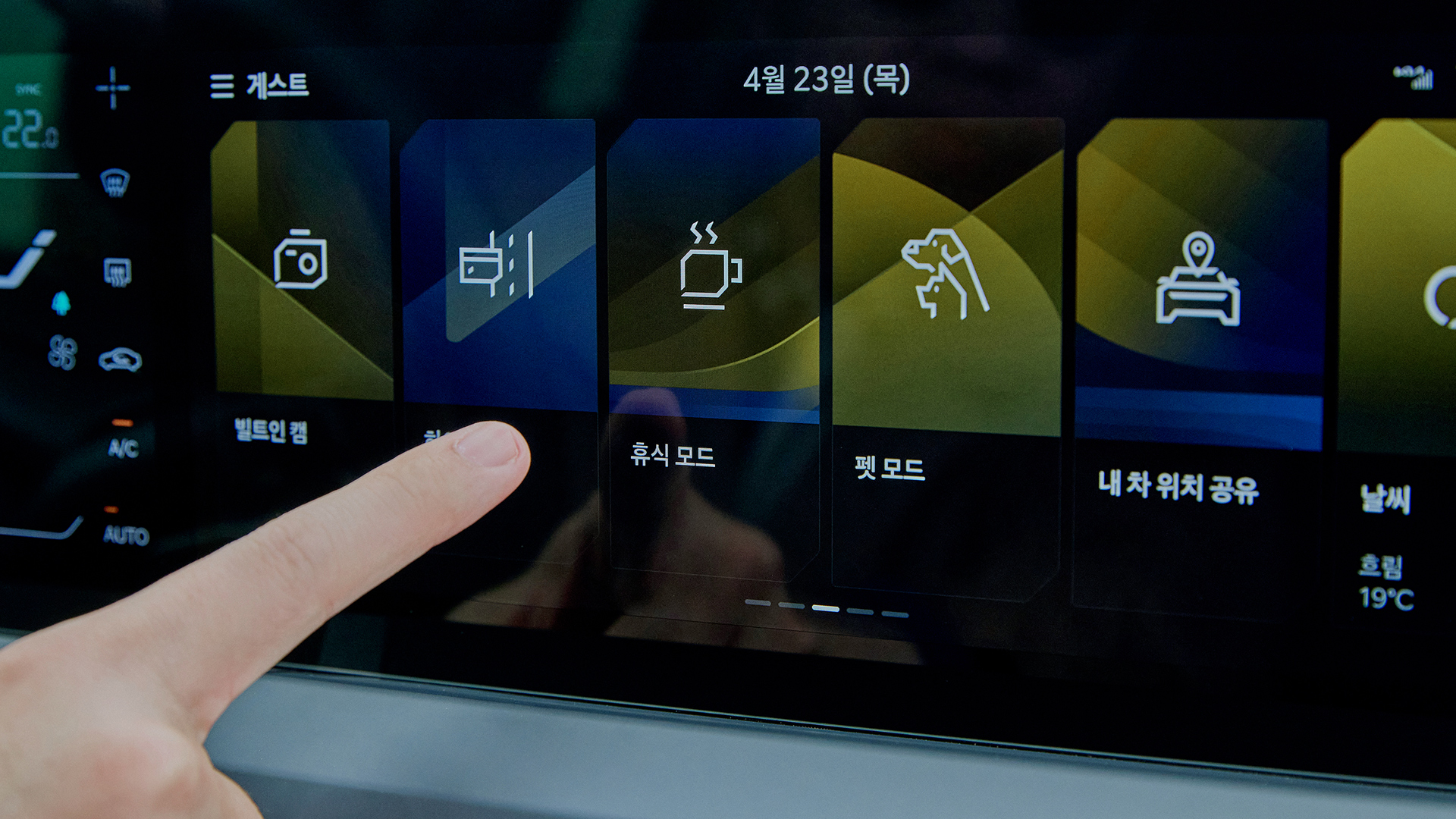
During the journey, we briefly pulled over, activated rest mode, and reclined the relaxation seats. The space that had carried us toward our destination was before we knew it, transformed into a lounge where we could catch our breath. Much like the leisure enjoyed while waiting for tea leaves to steep, pausing inside the EV5 became another form of rest rather than a tedious wait.

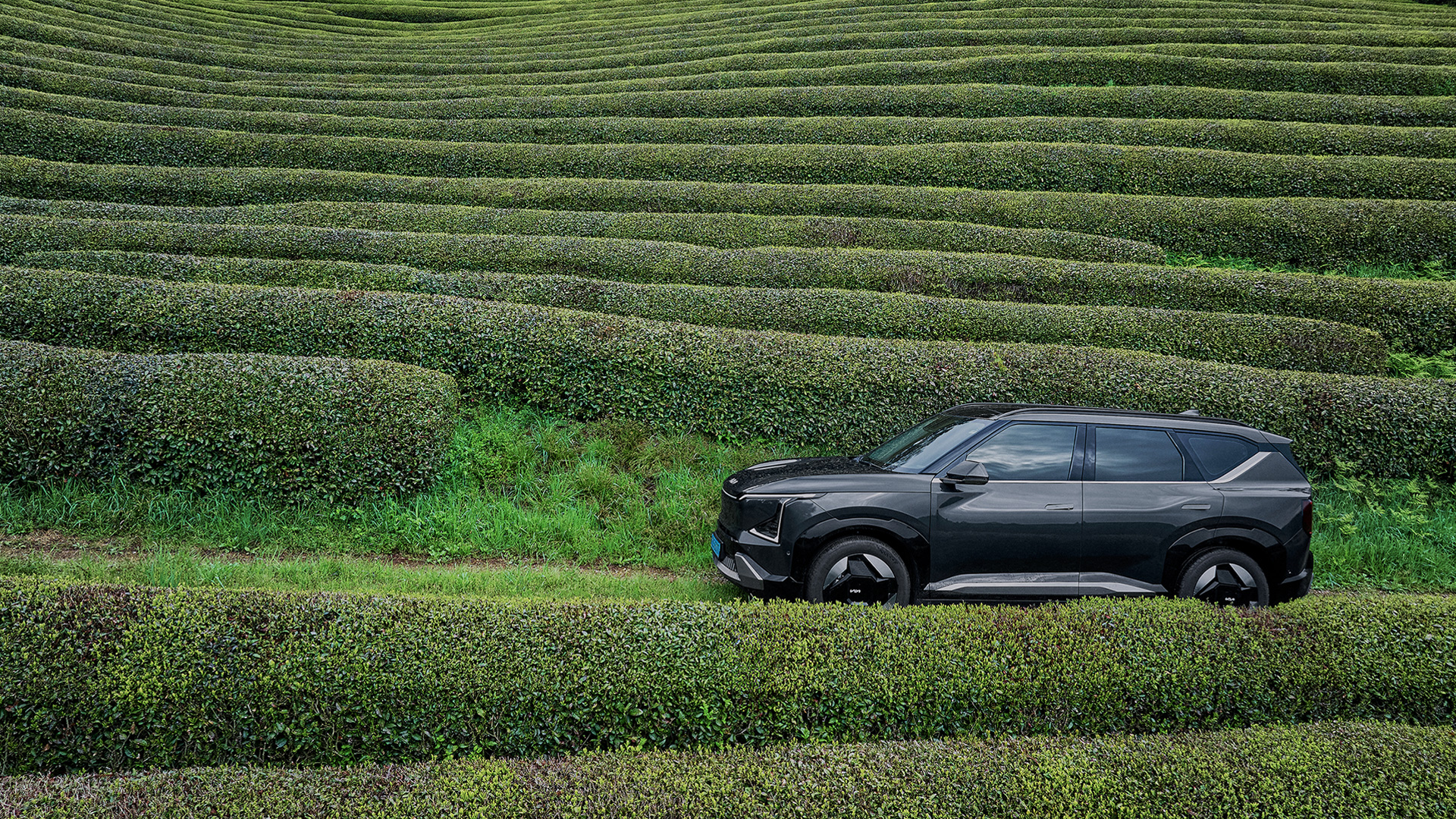
A day in Boseong was more than just drinking tea and visiting tourist attractions. At Mongjungsan Dawon, we discovered the essence of nature; at Chunwunseook, the value of emptiness; and at Nosandobang, the balance created by functionality. “Drinking tea is ultimately about sharpening our dulled senses,” as Lee said. This journey was a time to rediscover the sensations we had been missing in our daily lives.
And the EV5, which accompanied us on this journey, was more than just a means of transportation; it became a space that allowed us to fully experience this shift in perception. The EV5 quieted the noise of the journey and made room for a sense of ease, leaving a clear and serene afterglow that, like the rich aroma of Boseong tea, will linger for quite some time.
Photo: Hyunwoo Jang
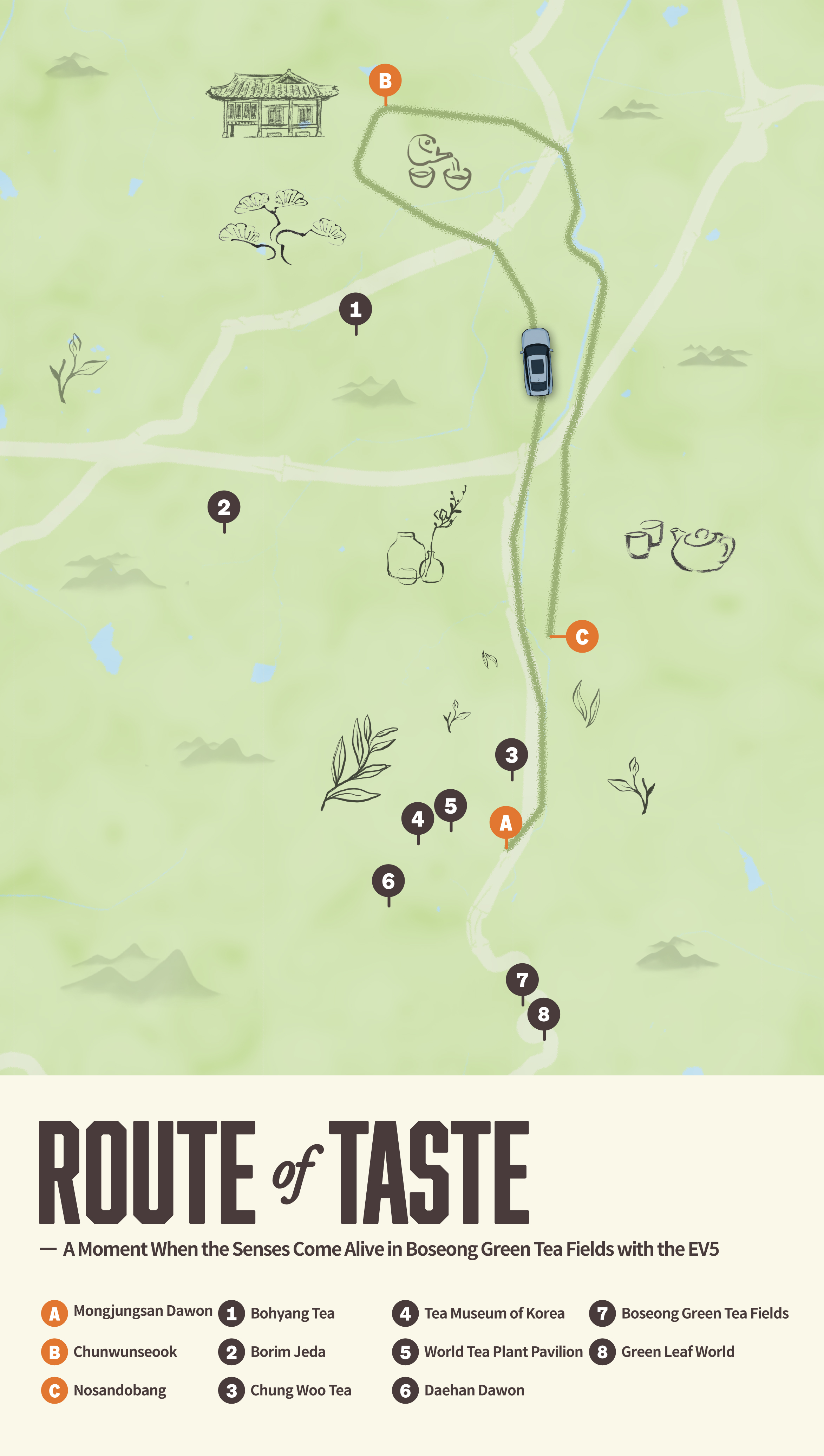
A map of Boseong featuring 11 tea destinations selected by tea curator Seulgi Lee, including the places visited on this journey. Click the button below to explore the full list on Naver Map.