The 94th running of the 24 Hours of Le Mans came with a slightly different Hypercar field. Porsche’s factory team had stepped away, and Cadillac was down one car after Action Express Racing exited. Genesis Magma Racing arrived for its debut, bringing the Hypercar class from 21 cars last year to 18 this year. That did not make the race any easier to call. Ferrari was chasing a fourth straight win, while heavily upgraded Toyota and BMW had already shown early-season strength with double podiums in WEC. Michelin’s new tire compounds for this season ad-ded another variable. For Genesis Magma Racing, the biggest unknown was even more basic: the team still had no real 24-hour race data with its Hypercar. Weather, at least, looked stable, with mostly clear skies and no rain in the forecast.
Genesis Magma Racing had already built some Le Mans experience in 2025, competing in the LMP2 class with IDEC Sport. Setup trouble early in the week kept the team out of Hyperpole, but once the race started, it moved forward quickly and ran near the front. At the 12-hour mark, IDEC Sport’s two cars were sitting fourth and fifth in class. Less than two hours later, though, one rear wheel came off, forcing retirement.
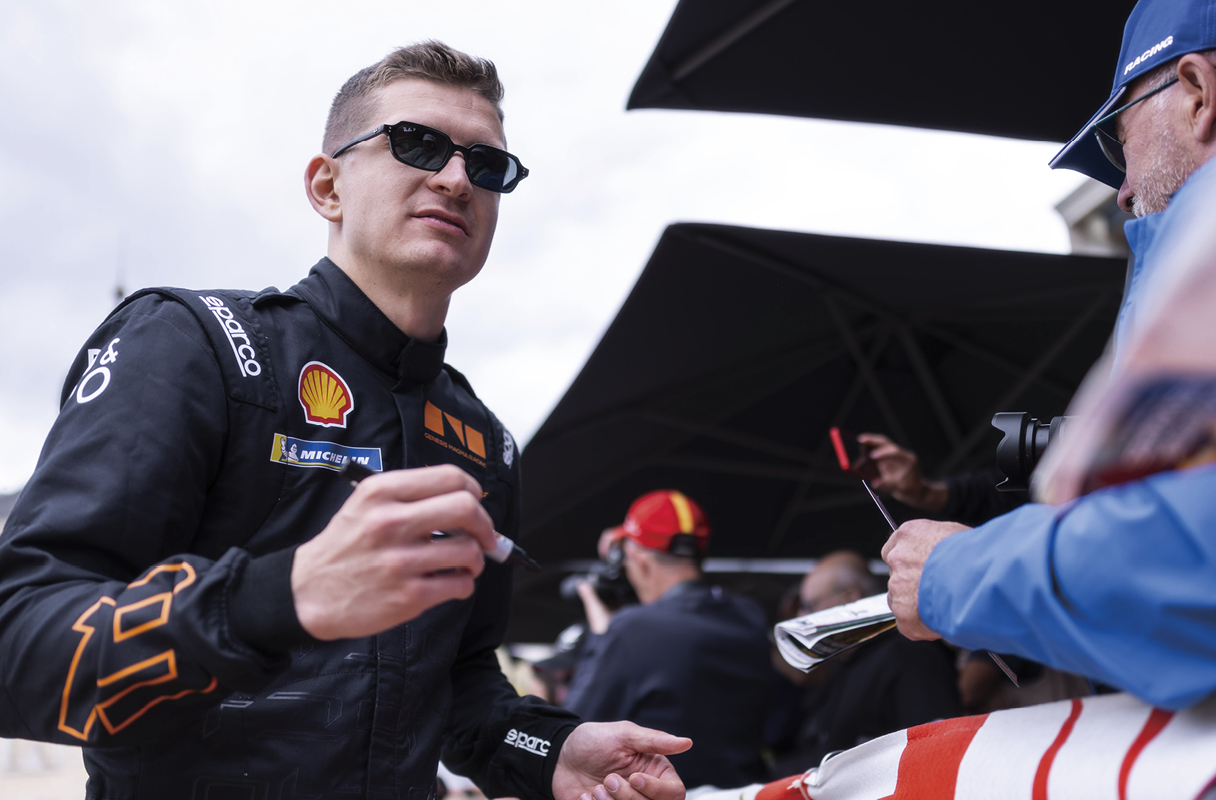
Ahead of the most important race of the season, Mathieu Jaminet put the moment in simple terms: “I’m really looking forward to the 24 Hours of Le Mans. It’s the highlight of the year for every single team and driver. I always feel that it is a very special event, especially being French and having a lot of fans there, so you get to feel a bit like a rockstar for a few days. It’s only our third race as Genesis Magma Racing, and our first race that’s more than six hours. Looking at the first two races, we know that the GMR-001 Hypercar has great potential, but we’ve still had small issues here and there that the team has been pushing flat out to solve and be as prepared as possible. As a team we’ve been working well since the start of the season, so we want to keep it that way and have a clean race. Seeing the checkered flag without any issues would be a bit of a win, and if we manage that we should also have a bit of pace to challenge some other cars, so let’s see where we end up.”
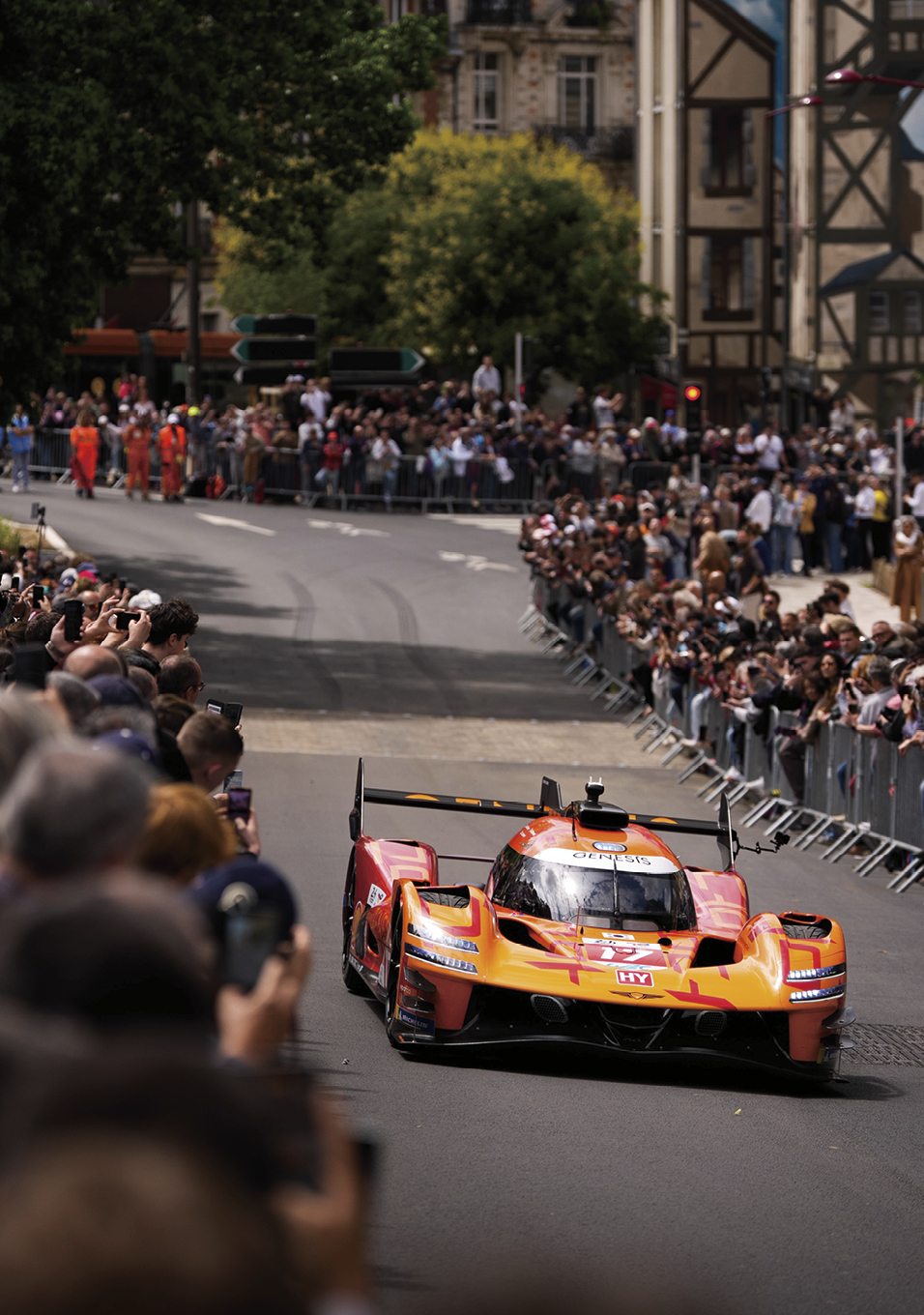
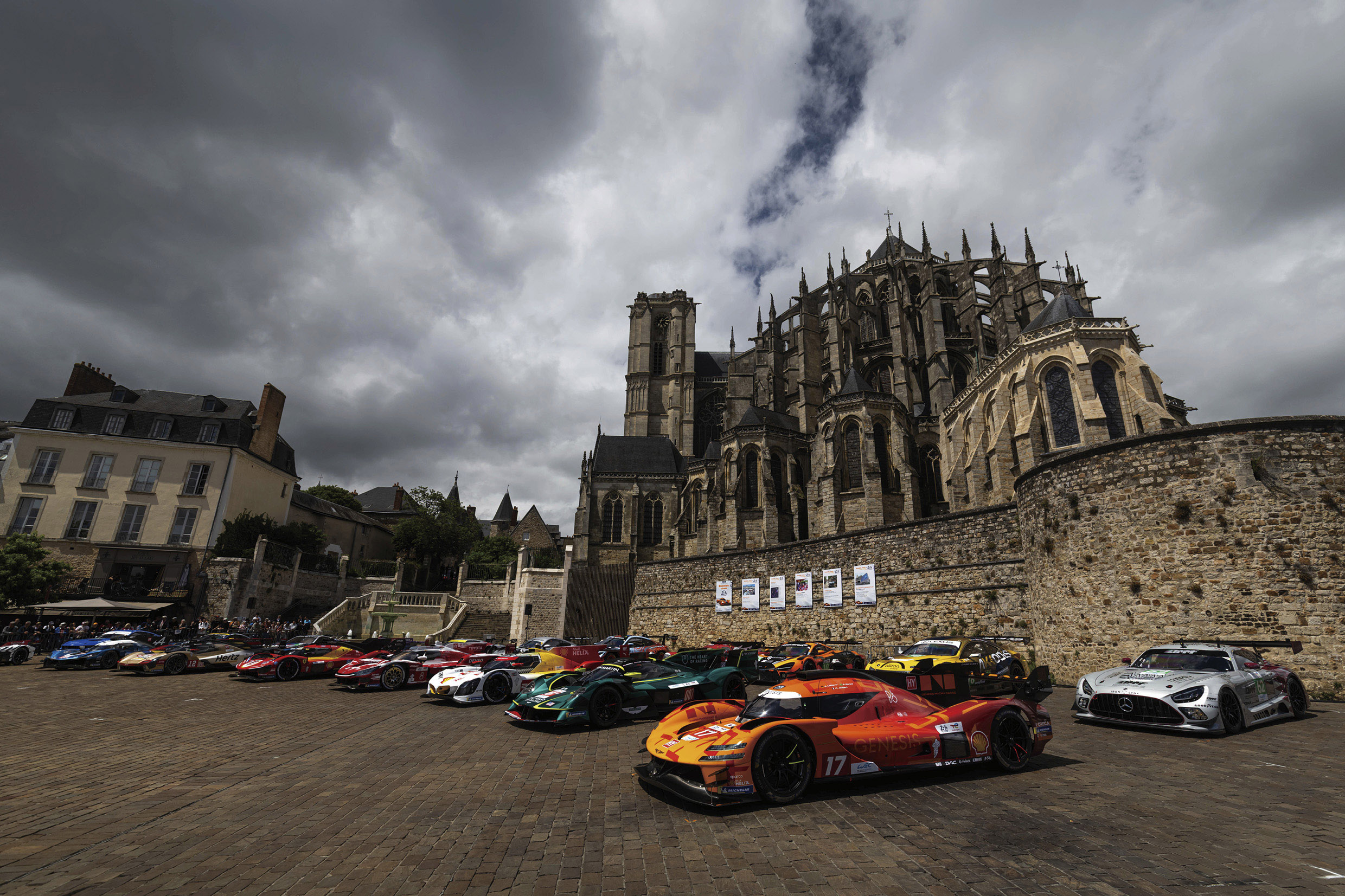
By the week before the race, Le Mans was already in full festival mode. Scrutineering took place in downtown Le Mans on June 5 and 6. Genesis Magma Racing, the new team on the grid, drew a big response from the crowd alongside Ferrari, chasing a fourth straight Le Mans win; Toyota, looking to reclaim the throne; and Peugeot, the “home team” marking the 100th anniversary of its Le Mans challenge. Porsche, with 19 Le Mans wins, also celebrated its 75th anniversary at the race. Although it had withdrawn from Hypercar, Porsche marked the occasion with a special “Silver Arrow” livery on its 911 GT3 run by Manthey.
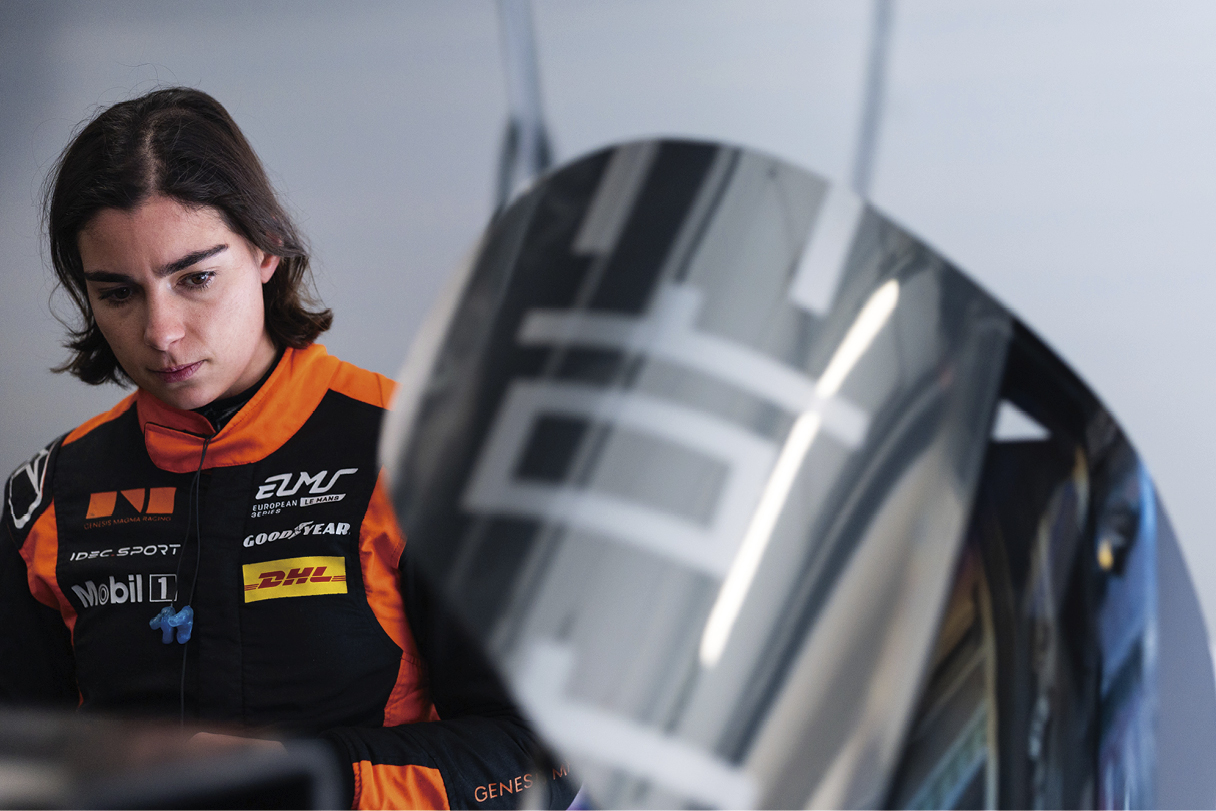
The first test session of the weekend ad-ded another line to Le Mans history. Genesis Magma Racing’s Jamie Chadwick became the first female driver to drive a Hypercar at Circuit de la Sarthe. Chadwick was part of the team’s reserve lineup, ready to step in if any of the regular drivers had an issue.
Seeing women race at Le Mans is no longer unusual. The all-female Iron Dames team was absent this year, but the field still included Dorian Pin in LMP2 and Lilou Wadoux in LMGT3. But Chadwick was the only woman to drive a Hypercar.
Qualifying for the 24 Hours of Le Mans is run in three stages. On Wednesday, June 10, the first qualifying session—Qualifying Practice—sets the lower part of the grid, from 16th to 18th. On Thursday, June 11, the top runners move into Hyperpole, split into two sessions of 20 minutes and 15 minutes. Hyperpole gives fans more to watch, but it also gives the fastest cars a cleaner track and a better shot at putting together a proper lap. Because the three sessions have to be shared among three drivers, the running order matters.
The fight was tight from the very first qualifying session. Aston Martin looked strong early, but Cadillac, Alpine, and BMW joined the fight, and in the end it was the #35 Alpine, driven by Ferdinand Habsburg, that set the fastest time. Peugeot was generally off the pace, and even the #83 AF Corse Ferrari—the previous year’s winning car—failed to clear the hurdle. Genesis Magma Racing, meanwhile, showed strong speed with both cars. On its first Le Mans attempt, the team advanced both entries to Hyperpole, qualifying 11th and 13th.
The first Hyperpole session began at 9:05 p.m. on Thursday, June 11. Genesis Magma Racing sent out Jaubert and Jaminet. Jaminet delivered a blistering lap and immediately jumped to provisional second. Jaubert, who had been seventh, stunned the pit lane with one minute remaining by posting a 3:23.126 to go provisional fastest. The final order shifted after the times were settled, but only Cadillac, BMW, and Genesis Magma Racing managed to get all of their cars into Hyperpole 2. Toyota and Peugeot, meanwhile, failed to place a single car into the final Hyperpole session. International commentators repeatedly called Genesis Magma Racing’s performance “very impressive.”
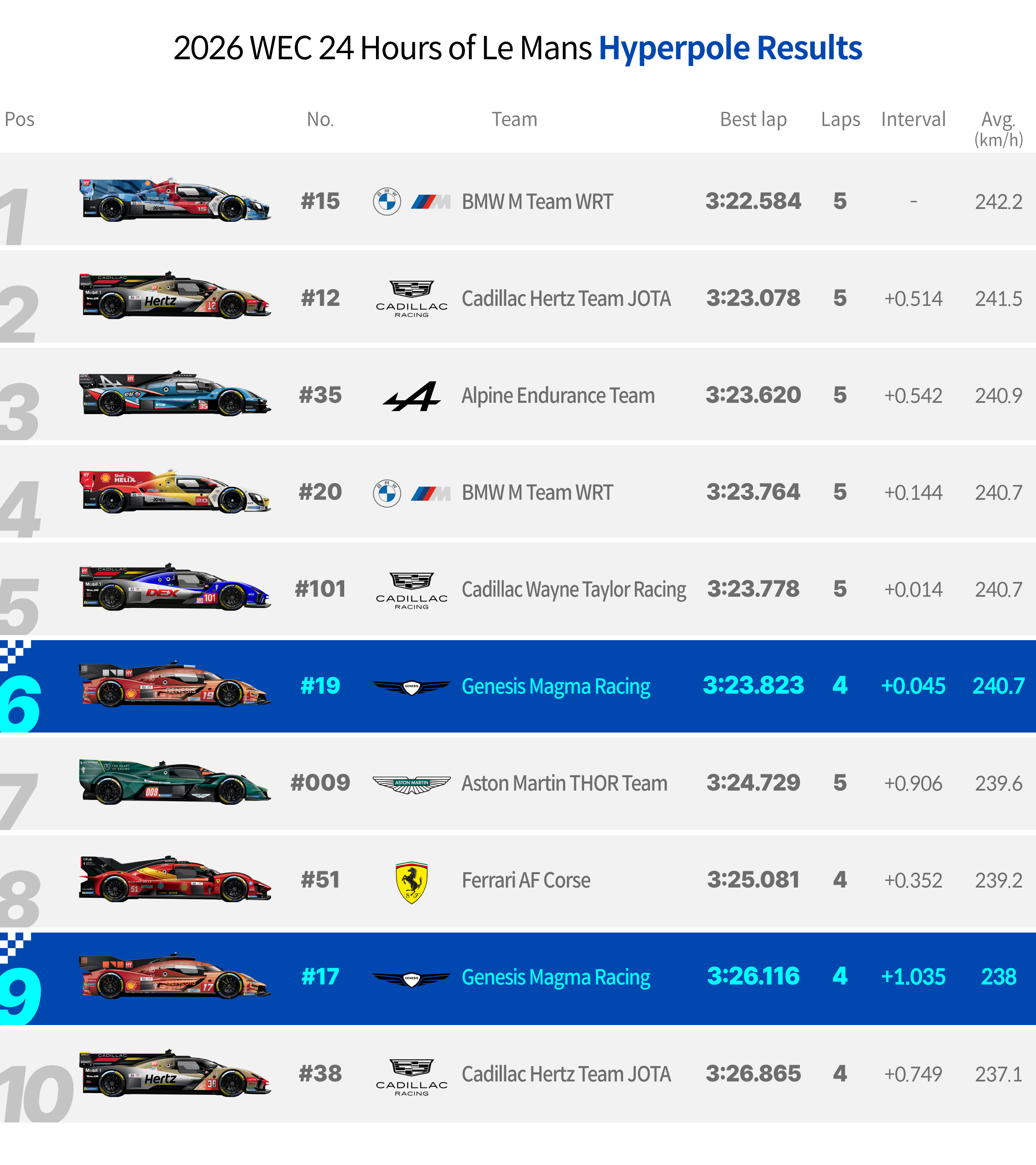
In the final Hyperpole session to decide the top 10 grid positions, BMW and Cadillac fought for the top spot from the start. Near the end of the session, Jack Aitken—the Korean-British Cadillac driver whose Korean name is Han Se-yong—beat BMW’s Dries Vanthoor by just 0.005 second. A few minutes later, however, a penalty handed pole position back to BMW.
Genesis Magma Racing’s drivers pushed hard for a top-grid result of their own. In the end, Chatin put the #19 car sixth on the grid, while Lotterer qualified the #17 car ninth. Chatin was only 0.014 second behind the #101 Cadillac in fifth, and just 0.144 second off the #20 BMW, one of the fiercest cars of the season. For a debut Le Mans effort, Genesis had given the front-runners something to think about.
In LMP2, Forestier Racing’s #29 was fastest, but a blocking penalty handed pole position to IDEC Sport’s Jon Van Uitert, who had been second. IDEC Sport, Genesis Magma Racing’s strategic partner, grouped returning drivers Van Uitert and Paul Lafargue with newly selected Genesis development driver Valerio Rinicella. The team entered only one car, the #28. In LMGT3, Heart of Racing’s #27 Aston Martin Vantage took pole position for the second year in a row.
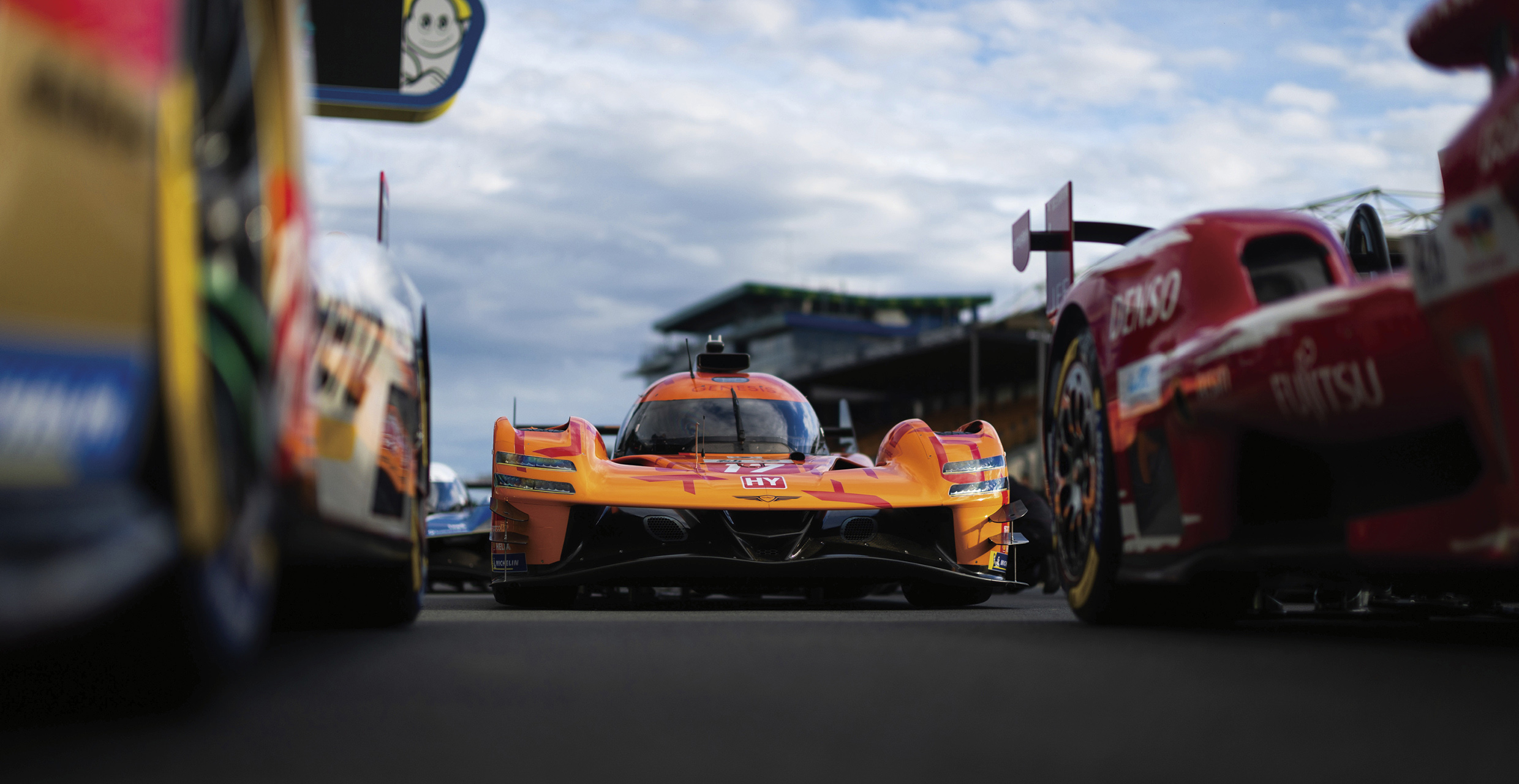
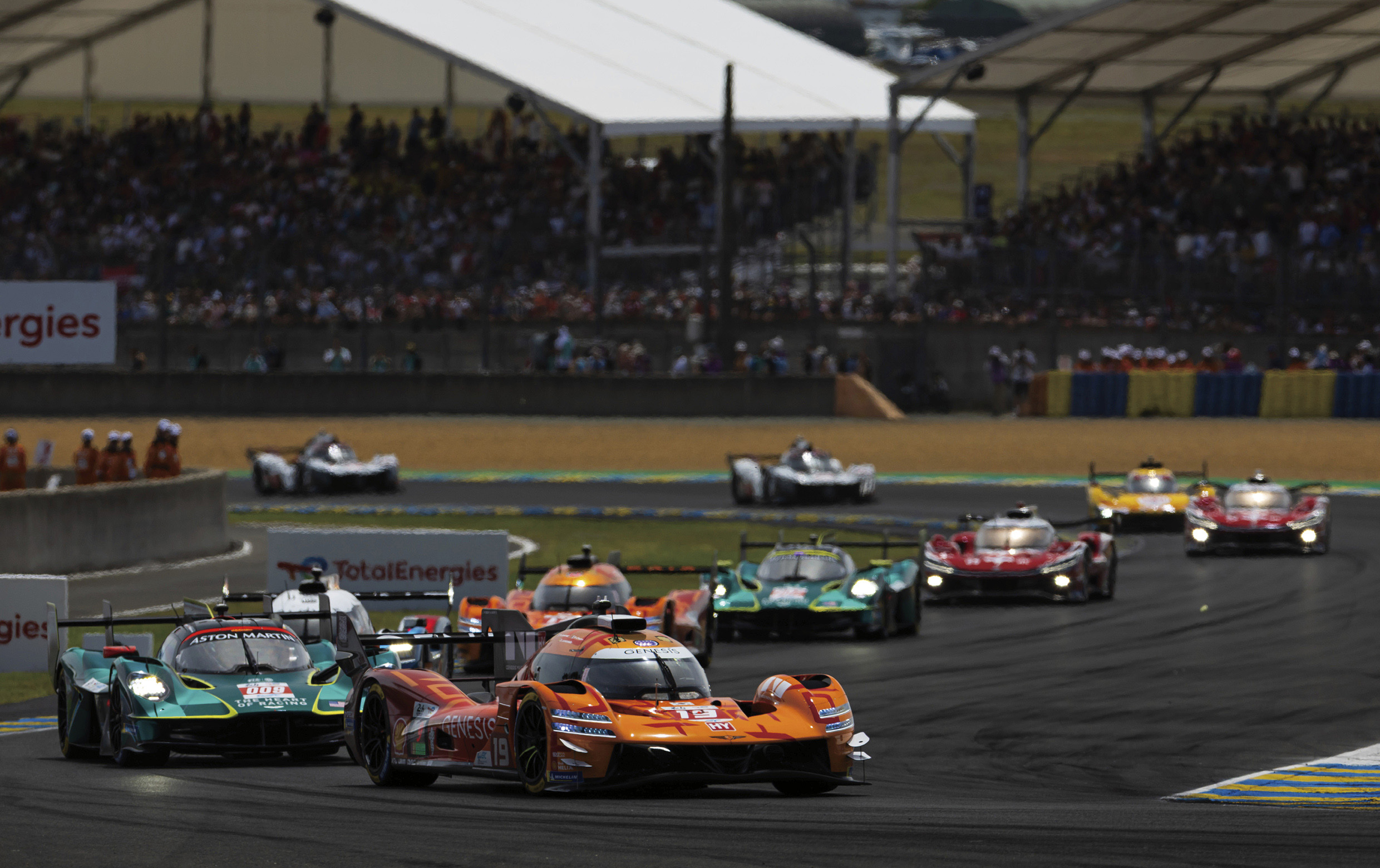
At 4 p.m. on June 13, under clear skies and with Strauss’ Also sprach Zarathustra echoing across the circuit, the 24 Hours of Le Mans finally went green. Genesis Magma Racing sent out Juncadella and Lotterer as its opening drivers.
The #15 BMW stumbled at the start, allowing Will Stevens in the #12 Cadillac to get by, but the #20 BMW—starting from fourth—charged into the lead on the Mulsanne Straight. René Rast was aggressive right from the opening laps. Juncadella climbed to fifth, then gave up spots to the Ferrari duo on the straights. In the very early running, BMW, Cadillac, and Alpine formed the lead group. Ten minutes into the race, the #19 and #17 Genesis cars had slipped to ninth and 12th, respectively, while Lotterer came under pressure from the Toyota pair.
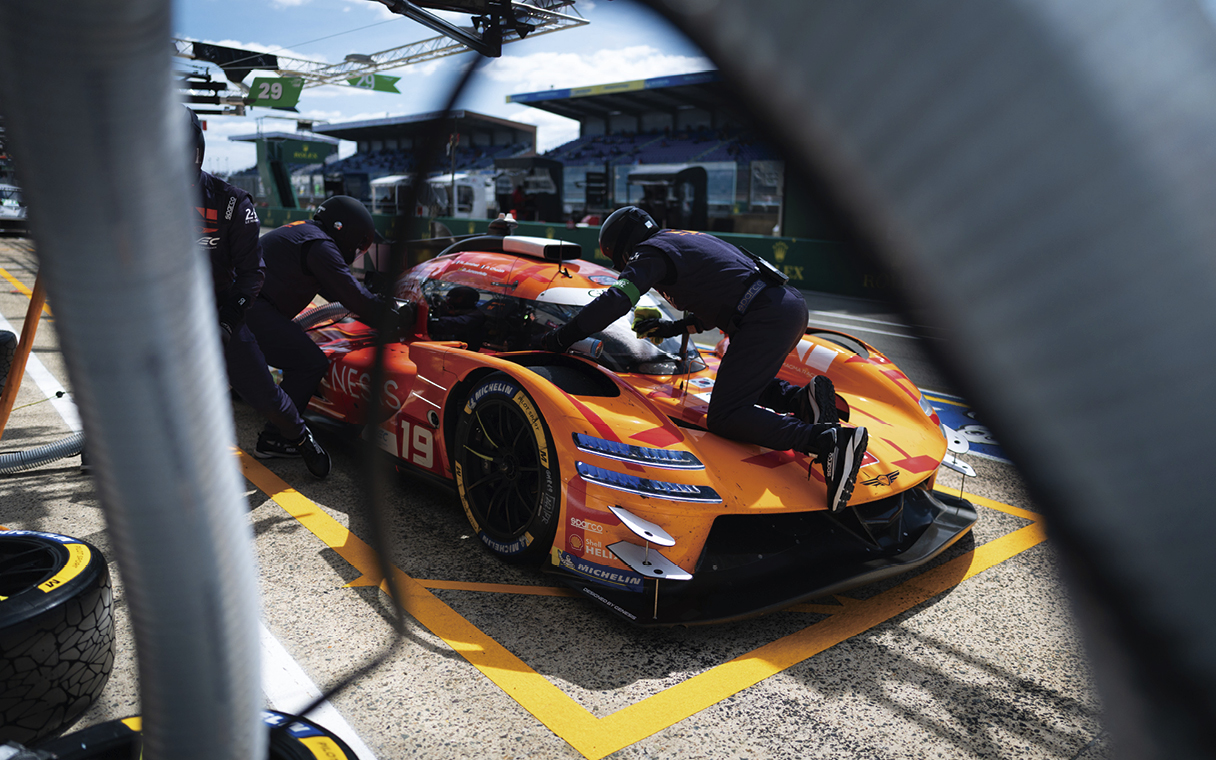
LMP2 cars began making their first fuel stops about 35 minutes into the race. LMGT3 came next, and the Hypercars were the last to start cycling through the pits. In motorsports, the stretch from one pit stop to the next is called a stint. Depending on how many refueling stops a set of tires survives, teams call it a double stint, triple stint, or quadruple stint. If one set of tires lasts through two fuel stops, that’s a double stint; if it lasts through three, it’s a triple. Tire supplier Michelin recommends three stints, though four is possible. In the past, some teams have stretched tires even further and gone five stints by managing wear to the extreme.
The teams came in with different plans. Toyota, starting from the back of the Hypercar grid, pitted early on its first stop, then used clean air to set the fastest lap on Lap 20 with a 3:26.580. But Nyck de Vries in the #7 Toyota suffered a puncture and dropped to 16th. The Cadillac trio was quick, too. Jack Aitken passed the #20 BMW around the 3-hour, 30-minute mark. Genesis Magma Racing followed a more conventional rhythm, bringing both cars in for their first stops on Lap 14 and then stopping roughly every 12 laps afterward.
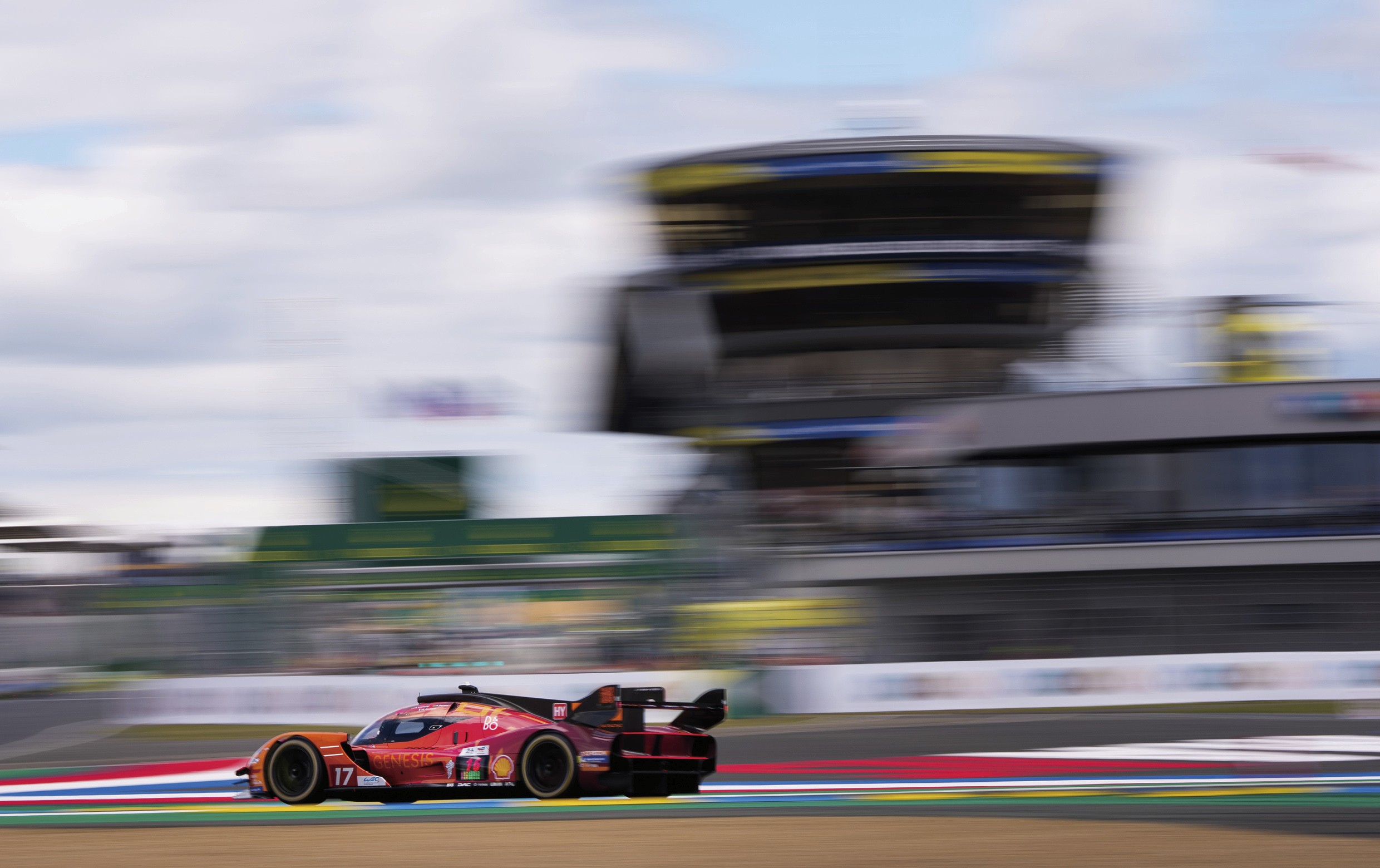
There was contact here and there, but the opening phase stayed relatively clean. Three hours in, the first Full Course Yellow* shook up the race. Toyota had pitted just before the call and came out looking smart, while several rivals had their strategies scrambled. BMW, Cadillac, and Toyota were locked into the fight at the front, Alpine was starting to slide backward, and both Genesis Magma Racing cars kept circulating inside the top 10.
Ferrari’s push for a fourth straight Le Mans win started getting complicated early. Around the three-hour mark, Antonio Fuoco in the #50 Ferrari made contact with an LMP2 car while trying to get by. The spin dropped him to ninth, and the penalty that followed made it worse. About an hour later, Alessandro Pier Guidi in the #51 Ferrari tangled with a Pro/Am LMP2 entry and was hit with a drive-through penalty.
*Full Course Yellow: A race-control procedure used for safety. Every car on track must slow down while holding position and maintaining gaps. If the situation gets more serious, the Safety Car comes out and bunches the field more tightly.
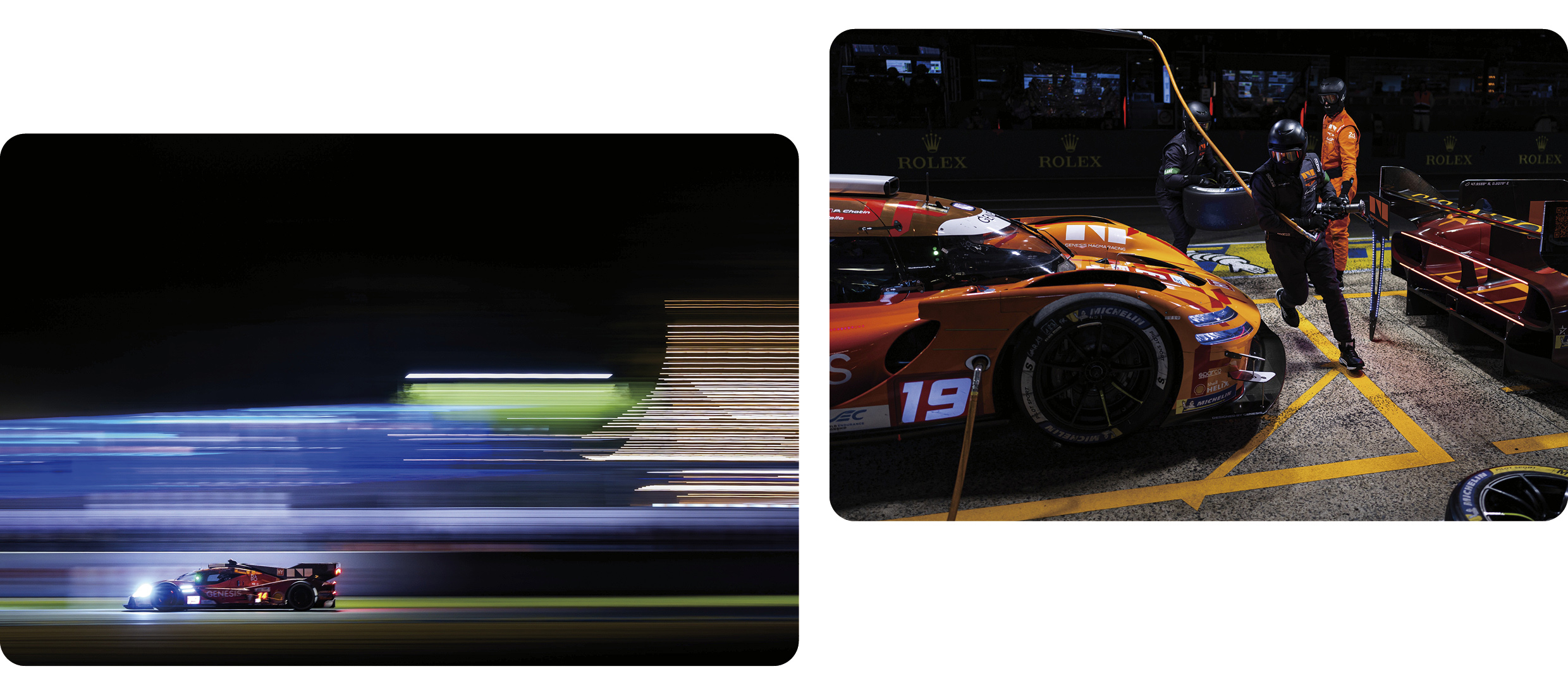
After 7 hours and 15 minutes, Genesis Magma Racing cycled through its drivers: Juncadella handed the #19 to Jaminet, while Lotterer gave up the #17 to Jaubert. Around the same time, the #15 BMW headed for the garage. Rear damage from earlier contact with an LMP2 car still hadn’t been fully sorted, and the team spent roughly 10 minutes finishing the job. That dropped the car to 18th, last in class.
Once darkness settles over Circuit de la Sarthe, the whole race gets meaner. Just before midnight, two GT3 cars collided, bringing out the Safety Car and sending a wave of cars—including Alpine and Cadillac entries—diving into the pits. The overall leader was Toyota’s Sébastien Buemi in the #8, but the race stayed frozen for a full 45 minutes before the Safety Car finally peeled off and the field went green again. At the restart, Buemi still led in the Toyota, while Will Stevens’ #12 Cadillac, running on soft tires, moved into second. The top four were covered by only about 45 seconds. At the same time, the #50 Ferrari went into the garage for repairs and spent nearly 30 minutes there before rejoining in 18th. Trying to claw back the damage from its early trouble, Ferrari started cutting down on pit stops and quietly working its way back through the order.
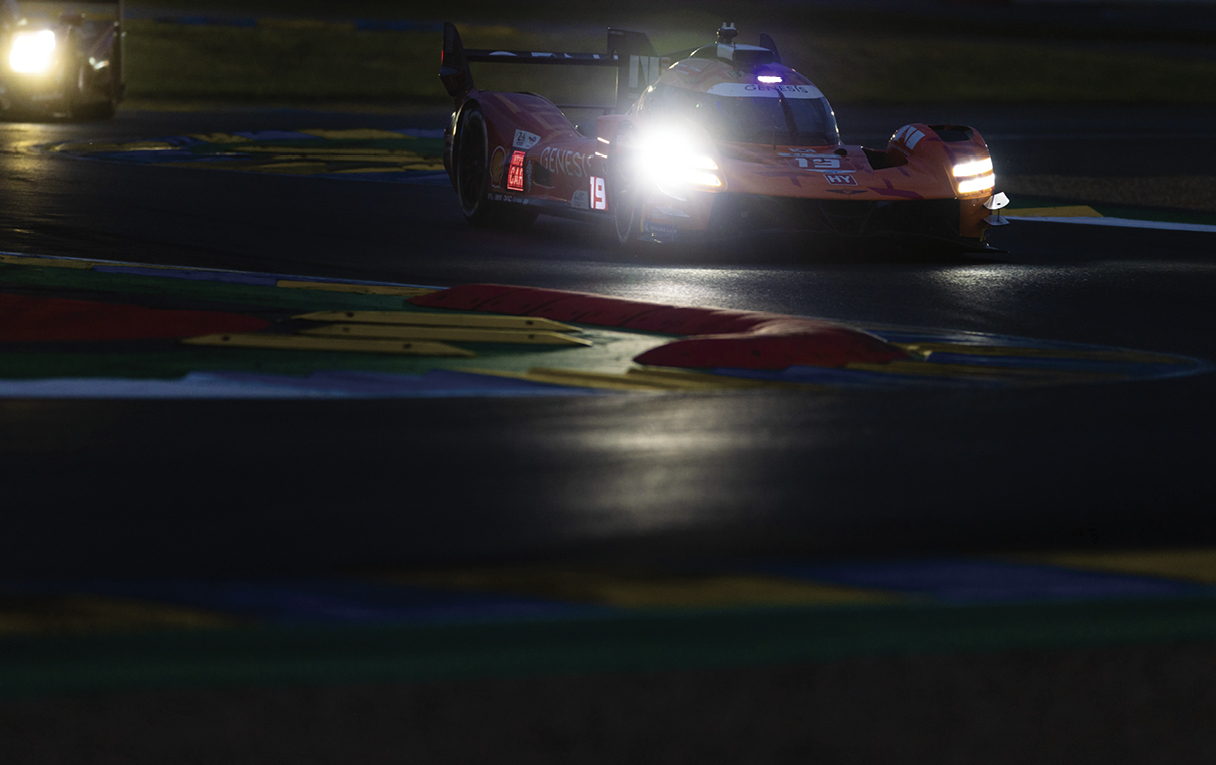
At the 10-hour mark, two Cadillacs were leaning hard on Toyota in the fight for the overall lead. The order kept flipping with the pit cycles, and Jack Aitken in the #38 Cadillac set the fastest lap as he chased his teammate. Genesis Magma Racing had the #19 running ninth, while Jaubert in the #17—running 13th—narrowly avoided trouble while passing an LMP2 car. On a circuit this long, with gaps this tight, pit timing could reshuffle the order almost in real time.
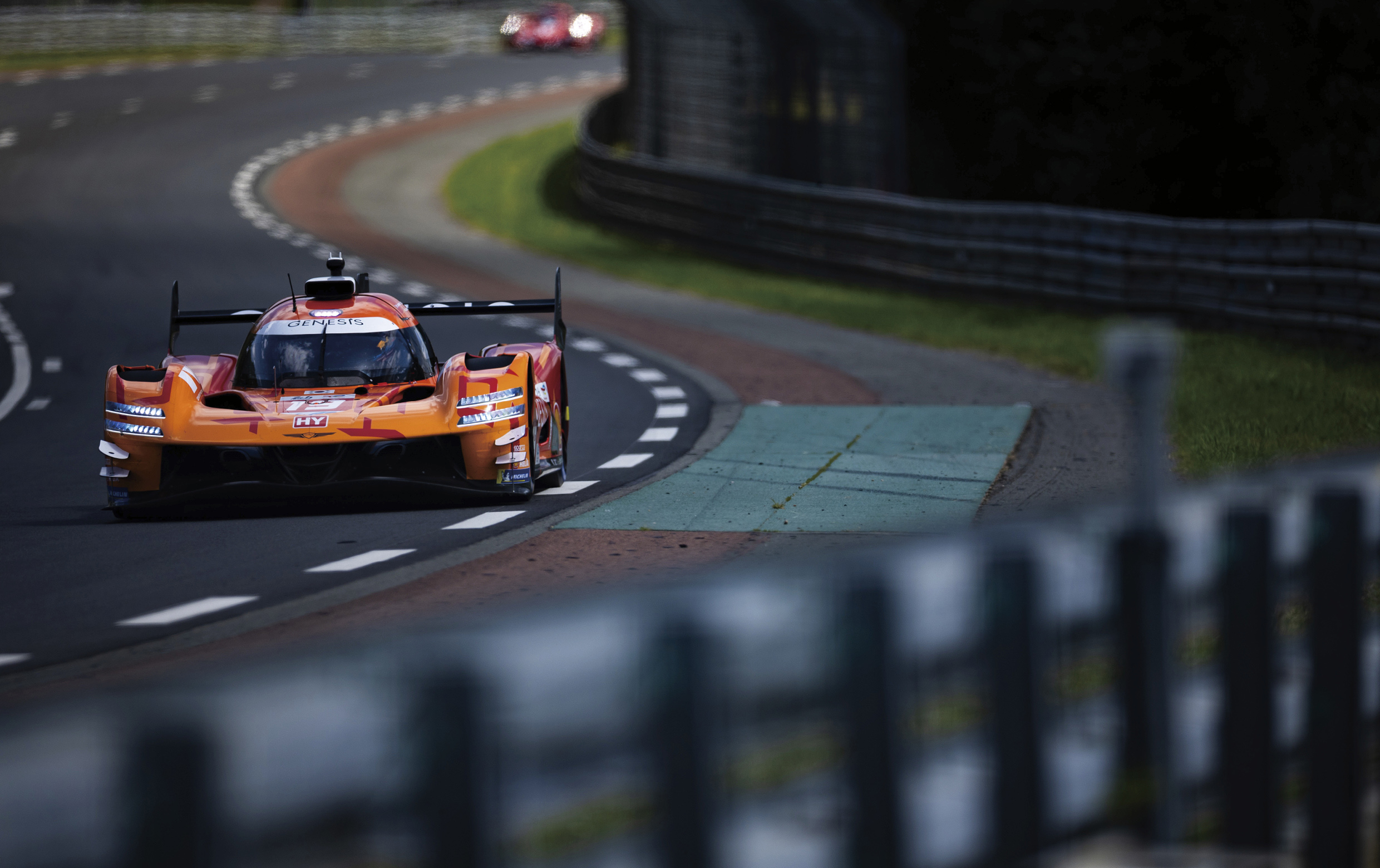
Around 11 hours and 17 minutes in, an LMP2 crash brought out another Full Course Yellow. Moments later, the #19 Genesis, driven by Chatin, lost engine power and stopped on course at Arnage. It was the kind of moment that freezes a garage. If the car couldn’t restart and get back under its own power, the race was over. Fortunately, Chatin managed to reboot the car and continue.
At the halfway point, Cadillac ran one-two overall. Behind the third-place BMW, the Toyota pair was still hunting. Ferrari, Alpine, Aston Martin, and newcomer Genesis Magma Racing—each carrying its own bruises—were locked into the midfield fight.
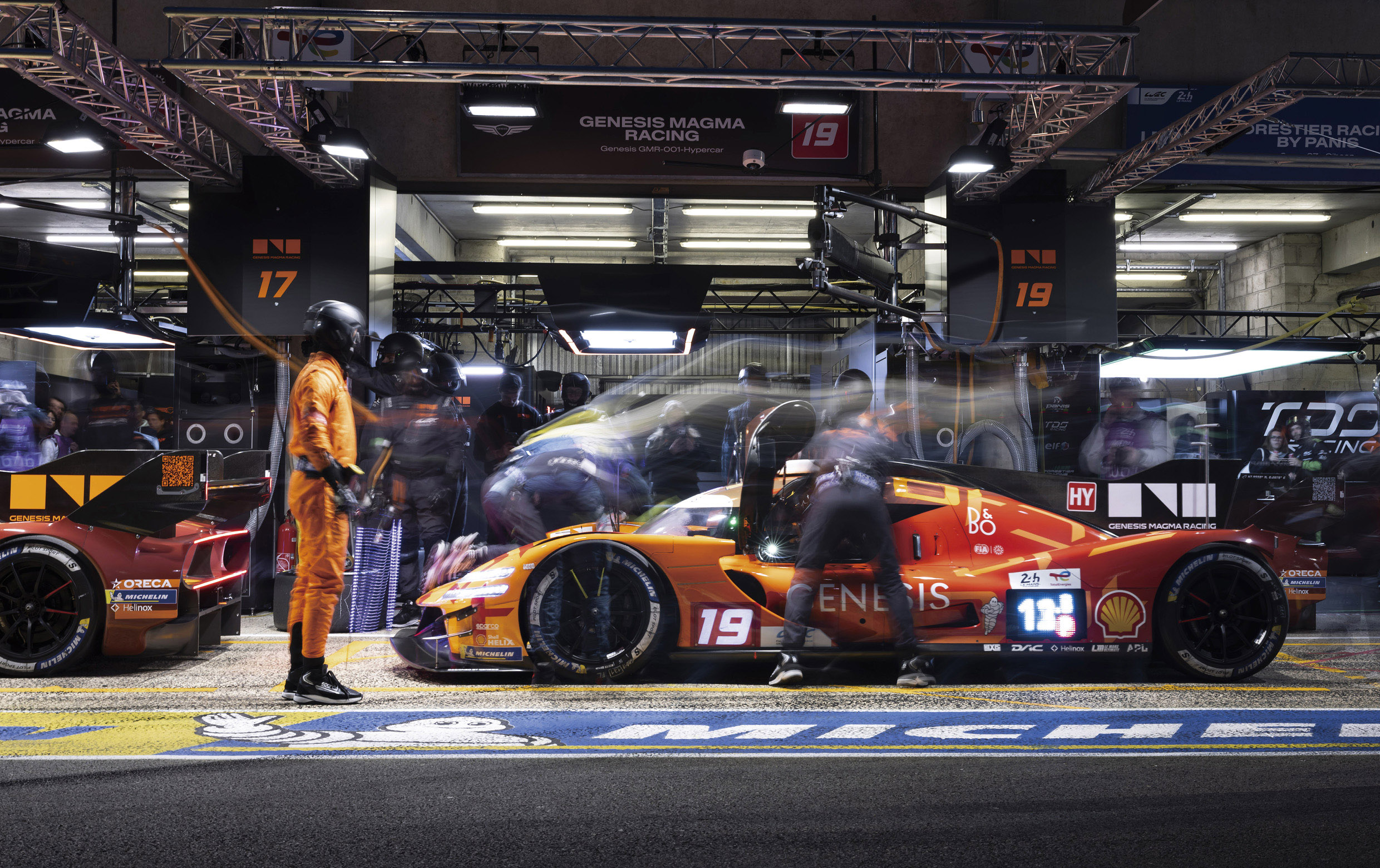
At 12 hours and 13 minutes, the second-place #38 Cadillac came into the garage. As the repair dragged on, driver Sébastien Bourdais looked visibly gutted. The #12 Cadillac still led overall, with BMW and Toyota giving chase, but after nearly 30 minutes of repairs, the #38 finally returned to the track. In a cruel twist, both cars that had started from the front row had now run into trouble.
By the 13-hour mark, dawn was starting to crack over La Sarthe. The #12 Cadillac remained out front, but Robin Frijns in the #20 BMW was only two seconds behind. The #8 Toyota sat about 30 seconds off the lead, still close enough to matter. Genesis Magma Racing had Derani and Juncadella running 11th and 12th, fighting Aston Martin for the points-paying positions.
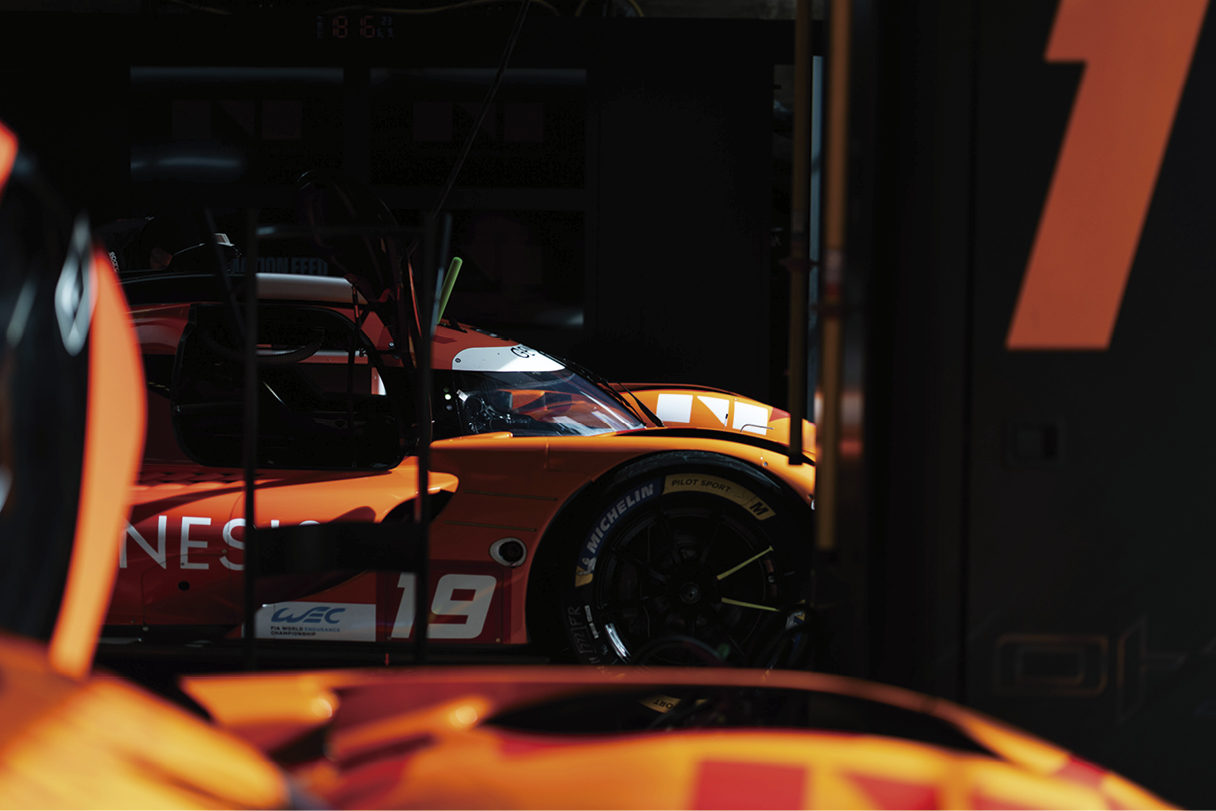
At 13 hours and 17 minutes, the #19 stopped on course again. It restarted, but the repeat issue sent the tension level in the Genesis garage straight up. While Juncadella worked to bring the car back to life, an Aston Martin slipped by, dropping the #19 to 13th. In LMP2, Duqueine was in control at the front. In LMGT3, TF Sport’s Corvette led, with Aston Martin and Ferrari chasing. The Akkodis ASP, strong in the early going, had faded backward.
When the #19 pitted at 13 hours and 35 minutes, the crew plugged in cables in the pit lane to check the car. Then the engine cut again as it tried to leave—another heart-stopping moment for a team trying to keep its Le Mans debut alive. This time, the car restarted and rejoined safely. The stop cost roughly five minutes and dropped the #19 to 15th. Meanwhile, the #38 Cadillac went back into the garage and stayed there.
At 14 hours and 15 minutes, Iron Lynx Qatar’s #72 Mercedes-AMG GT got stuck in the gravel, triggering a Slow Zone for track cleanup. Soon after, an LMP2 car produced a close-call moment, cutting across the gravel while avoiding a GT car. Up front, the #12 Cadillac still led, with the #20 BMW 14 seconds behind. James Calado’s #51 Ferrari was closing on the two Toyotas, and Genesis Magma Racing held 11th and 15th. As the sun climbed over the horizon, glare became the next problem for drivers already fighting fatigue.
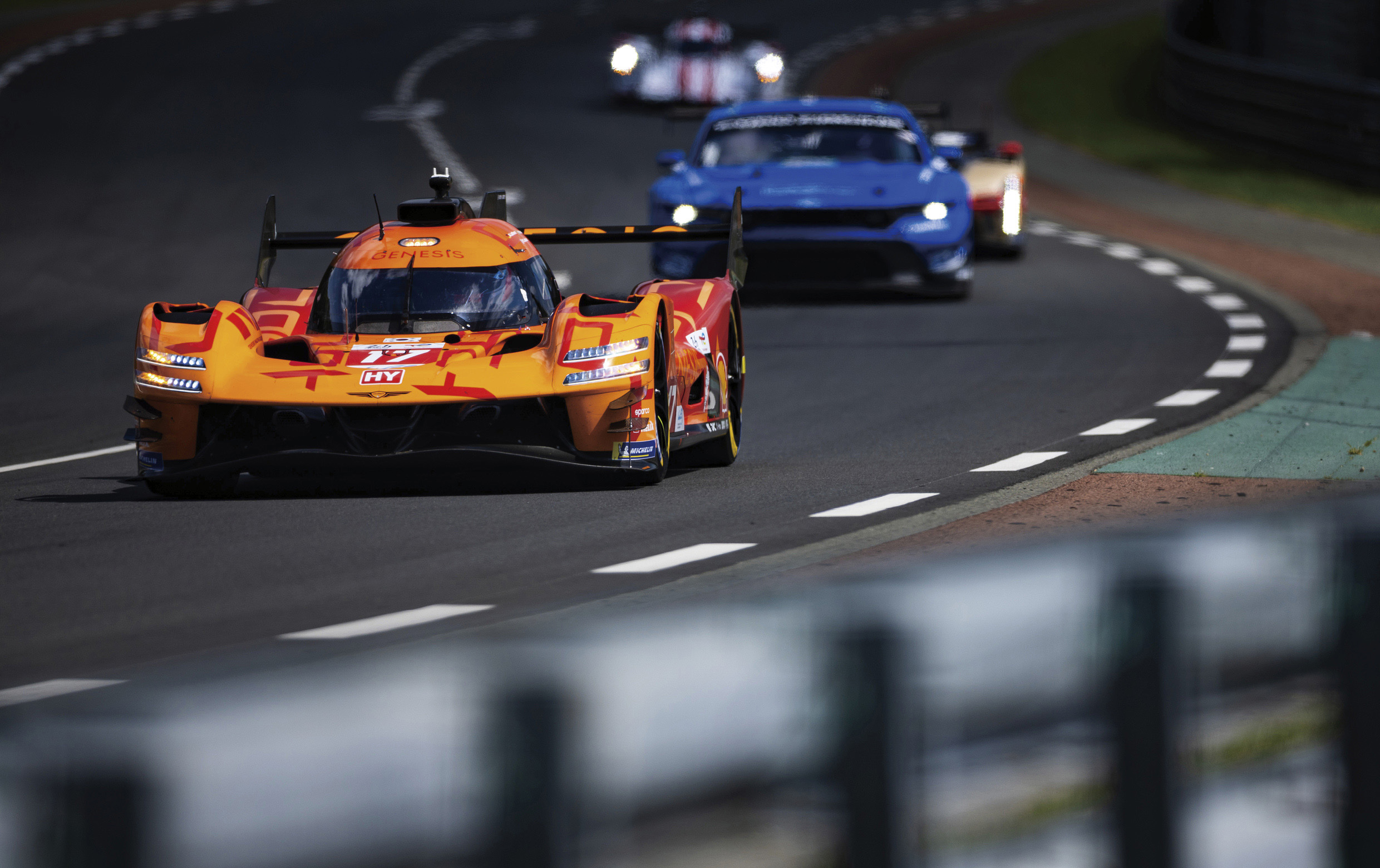
Past the 15-hour mark, the top three were packed inside 30 seconds: Stevens in the leading #12 Cadillac, Rast in the #20 BMW, and Buemi in the #8 Toyota. Buemi reset the fastest lap, and Toyota began reeling in BMW. Lotterer passed Harry Tincknell to move up to 10th, while Jaminet held 15th in the #19. From there, the #19 finally settled into a cleaner rhythm and started closing on the Peugeot ahead. The #38 Cadillac returned in the morning, 39 laps behind the leader. The #17, meanwhile, served a five-second track-limits penalty* before handing over to Jaubert.
*Track-limits penalty: A penalty given when all four wheels leave the track boundaries.
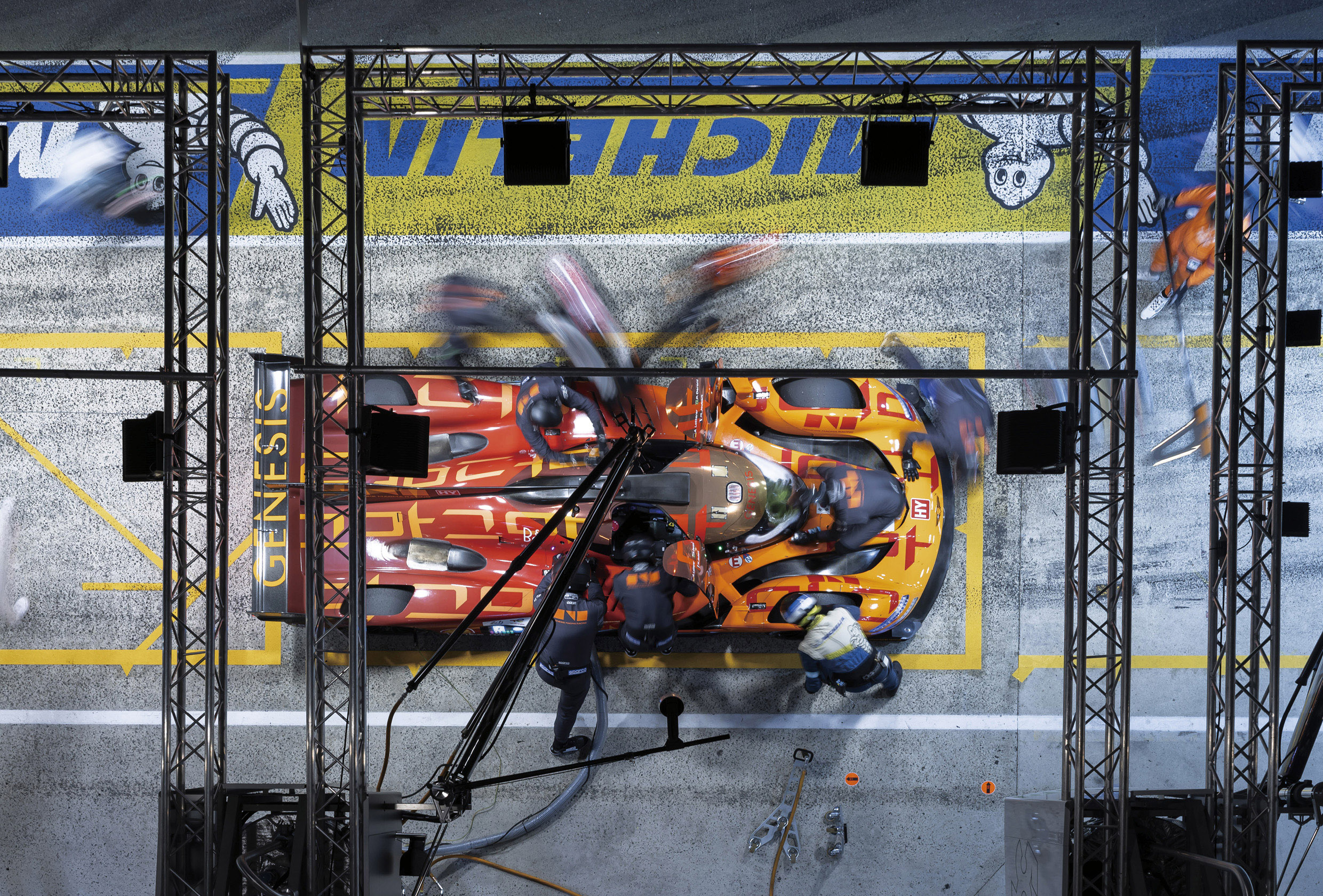
But Le Mans is Le Mans. With 7 hours and 30 minutes left, Jaubert clipped a curb in the #17 and broke the right-front suspension. The GMR-001 Hypercar could not get going again. Its race was over. Up front, Louis Delétraz was hit with a drive-through penalty for a Slow Zone violation, handing Toyota and BMW a massive opening. After serving the penalty and rejoining in third, the gap from first to third was just 14 seconds. With seven hours still on the clock, nothing was close to settled. Chatin, meanwhile, passed one of the Peugeots and moved the #19 up to 13th.
Then, with 6 hours and 40 minutes remaining, the Full Course Yellow for track cleanup was lifted—but the #15 BMW driven by Vanthoor immediately ran into trouble. Even after the green flag, the car’s 80 km/h speed limiter would not disengage. Cadillac and BMW traded the lead, while the Toyota pair held third and fourth.
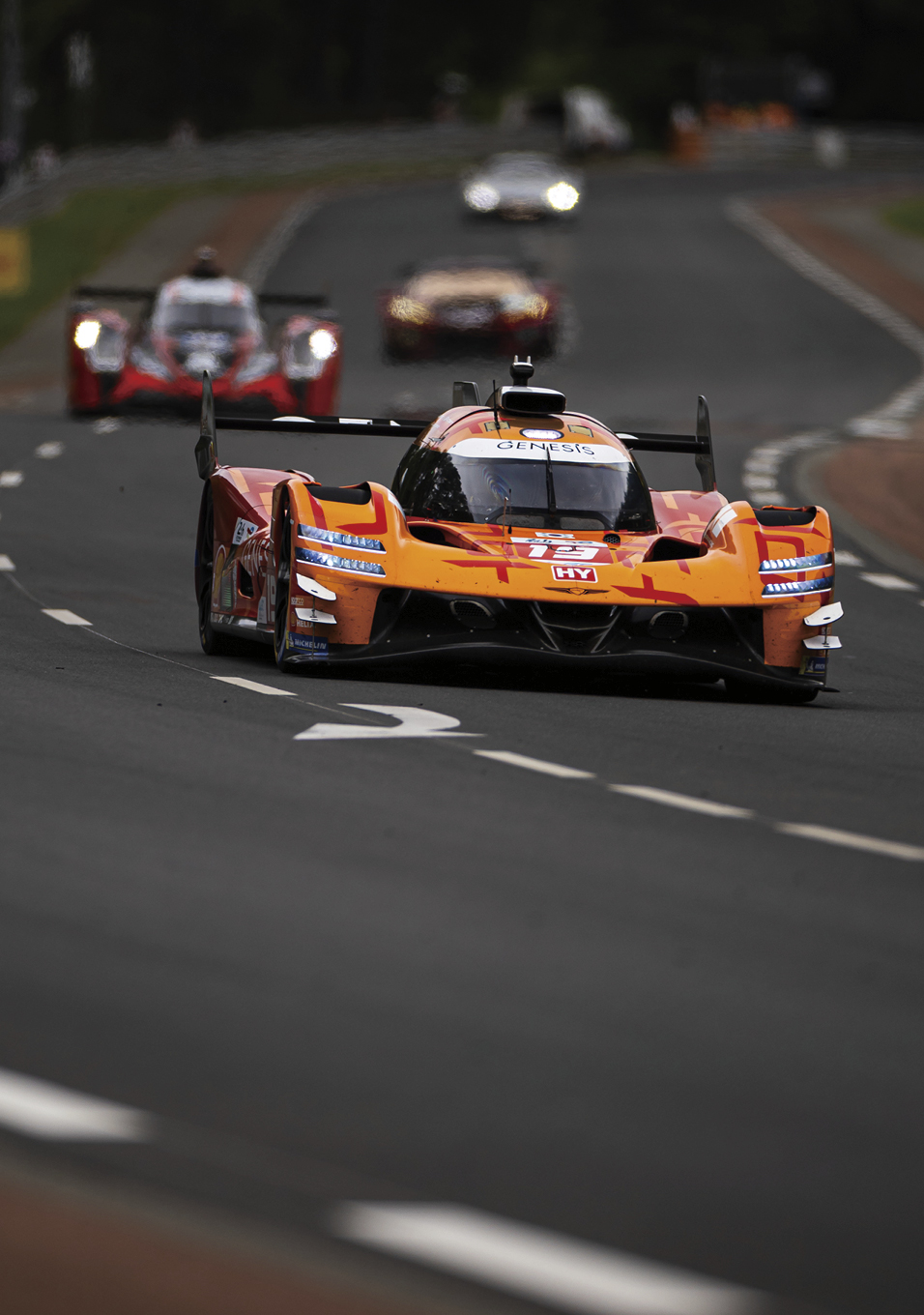
Five minutes later, the #19 Genesis Magma Racing car came into the garage. Fans who had already watched the #17’s race end sud-denly had another reason to hold their breath. After roughly 10 minutes of repairs, Chatin was sent back out, rejoining in 15th behind Fuoco’s #50 Ferrari. At the front, Delétraz in the second-place #12 Cadillac was under serious pressure from Hartley in the #8 Toyota. The #20 BMW led, while the #15 BMW—still fighting its speed-limiter issue—remained trapped in the garage. Chatin moved the #19 up to 14th when the Ferrari ahead pitted.
At the 18-hour mark, Manthey’s #91 Porsche GT3 slammed into the tire barrier in a heavy crash. The Safety Car came out, bunching the leading BMW and Cadillac back together, while the Toyota pair pitted together for tires. Barrier repairs dragged on. During the slow-running period, Molina’s #50 Ferrari stopped on course and retired with five and a half hours still remaining.
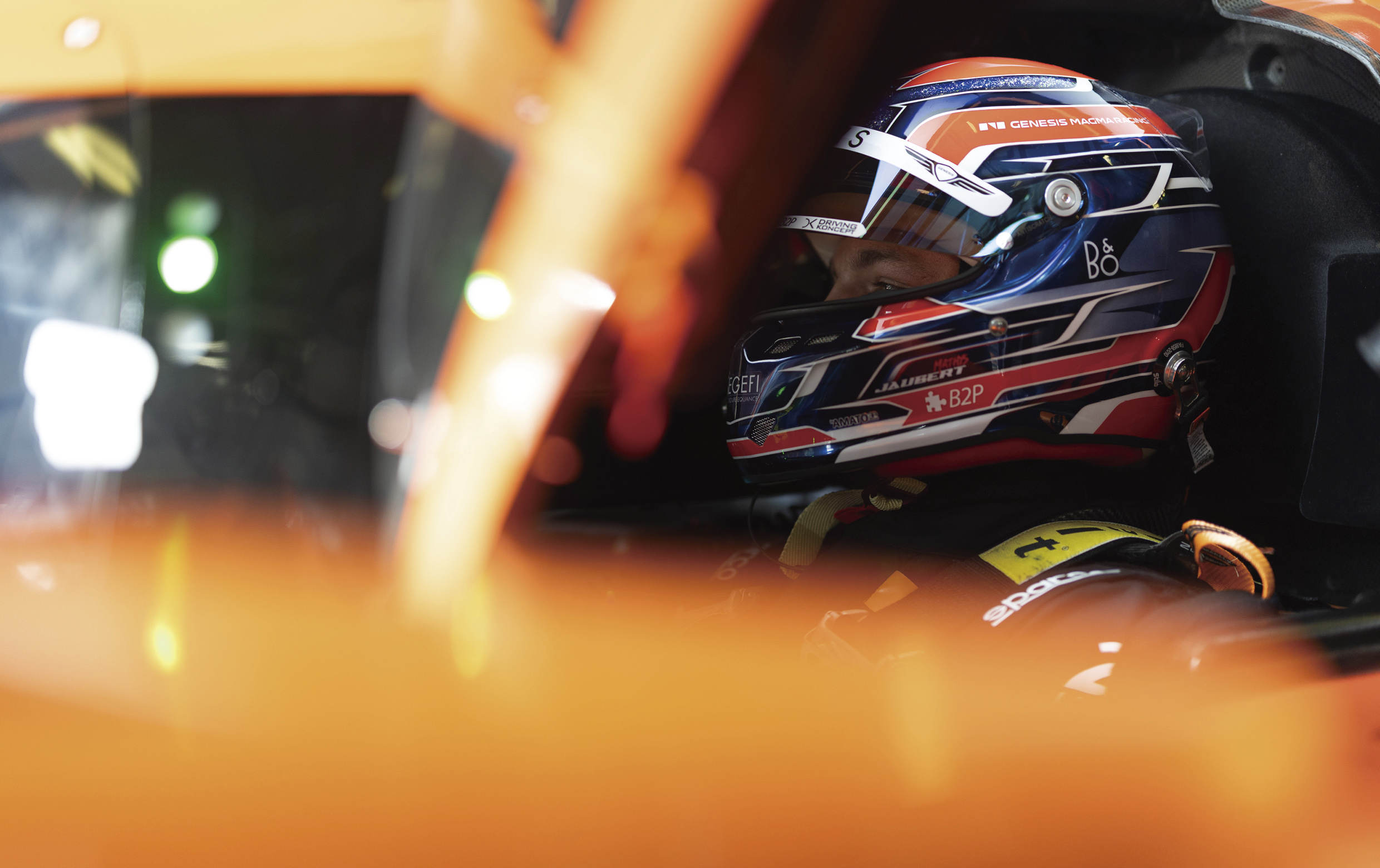
When the Safety Car period finally ended after nearly an hour, the race effectively restarted as a five-hour sprint. The caution had pulled the Toyota duo to within about 13 seconds of first and second, turning the fight for the win into a wide-open brawl. Frijns in the #20 BMW tried to stretch away at the front, while Norman Nato in the second-place #12 Cadillac came under fierce pressure from Kamui Kobayashi in the #7 Toyota. The #19 Genesis Magma Racing car, driven by Chatin, ran 14th. After the next pit cycle, the front of the field shuffled again. The #12 Cadillac took over the lead, with the #8 and #7 Toyotas stacked behind in second and third, and BMW dropping to fourth. In sixth, Robert Kubica in the #83 AF Corse Ferrari started closing on James Calado in the #51 Ferrari. With four hours left, every class leader had a challenger breathing down its neck.
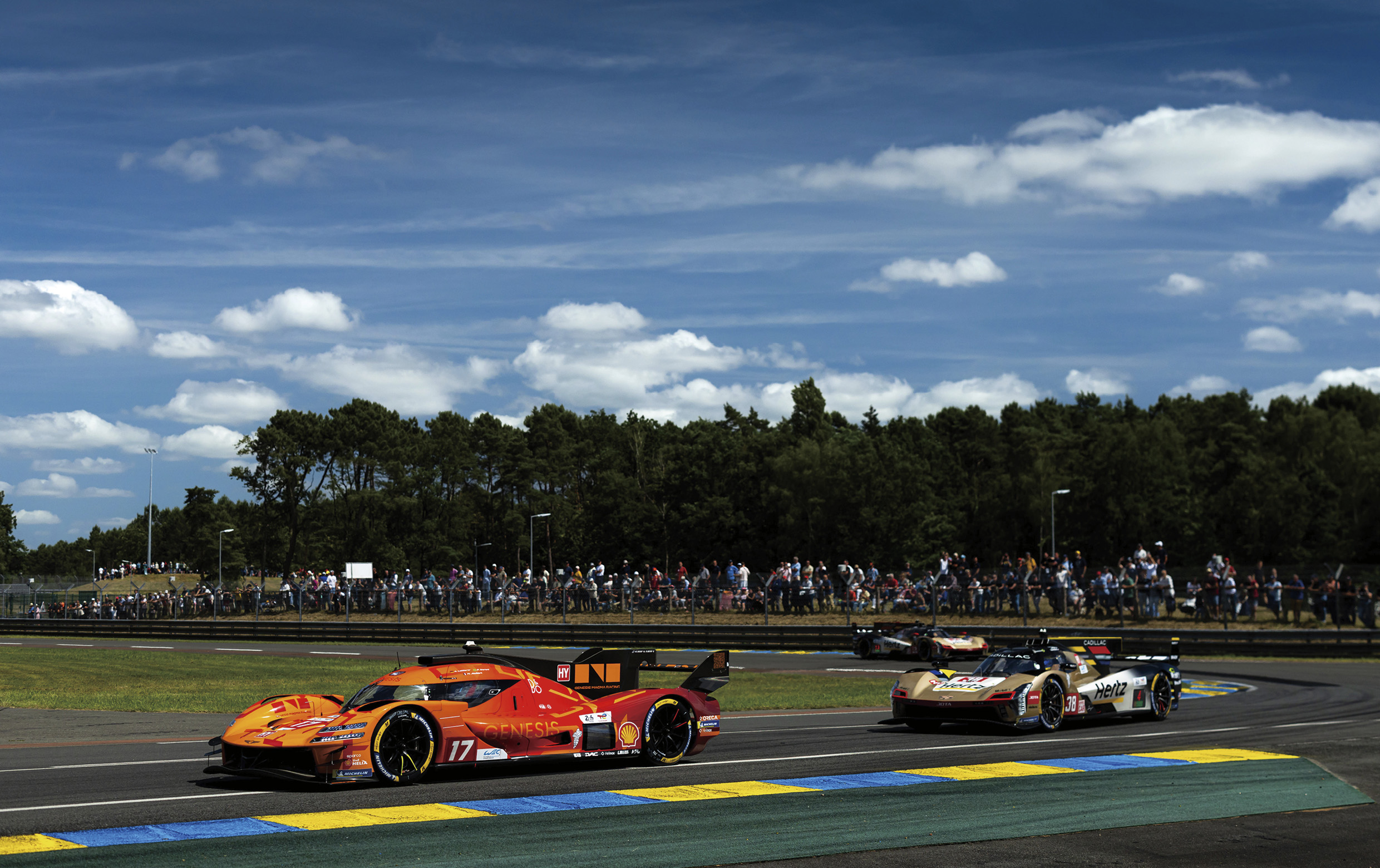
With 3 hours and 22 minutes remaining, Duqueine’s #30 car, running third in LMP2, stopped on the Mulsanne Straight with brake failure. That brought out another Full Course Yellow. On the restart, Hartley’s #8 Toyota finally made the move and took the overall lead. Behind the #12 Cadillac, the other Toyota—the #7—was closing fast. Moments later, it got by as well. When the #8 Toyota pitted, the #7 inherited the lead, while the #20 BMW split the Toyotas and climbed to second.
With 1 hour and 12 minutes left, the #009 Aston Martin slowed and headed for the pits. Up front, Toyota ran first and second, led by the #7, with the #20 BMW still charging in third. In LMP2, the two Inter Europol cars—the #43 and #343—were locked in a tight fight of their own. In GT3, TF Sport’s #33 Corvette led the #78 Akkodis ASP by 30 seconds.
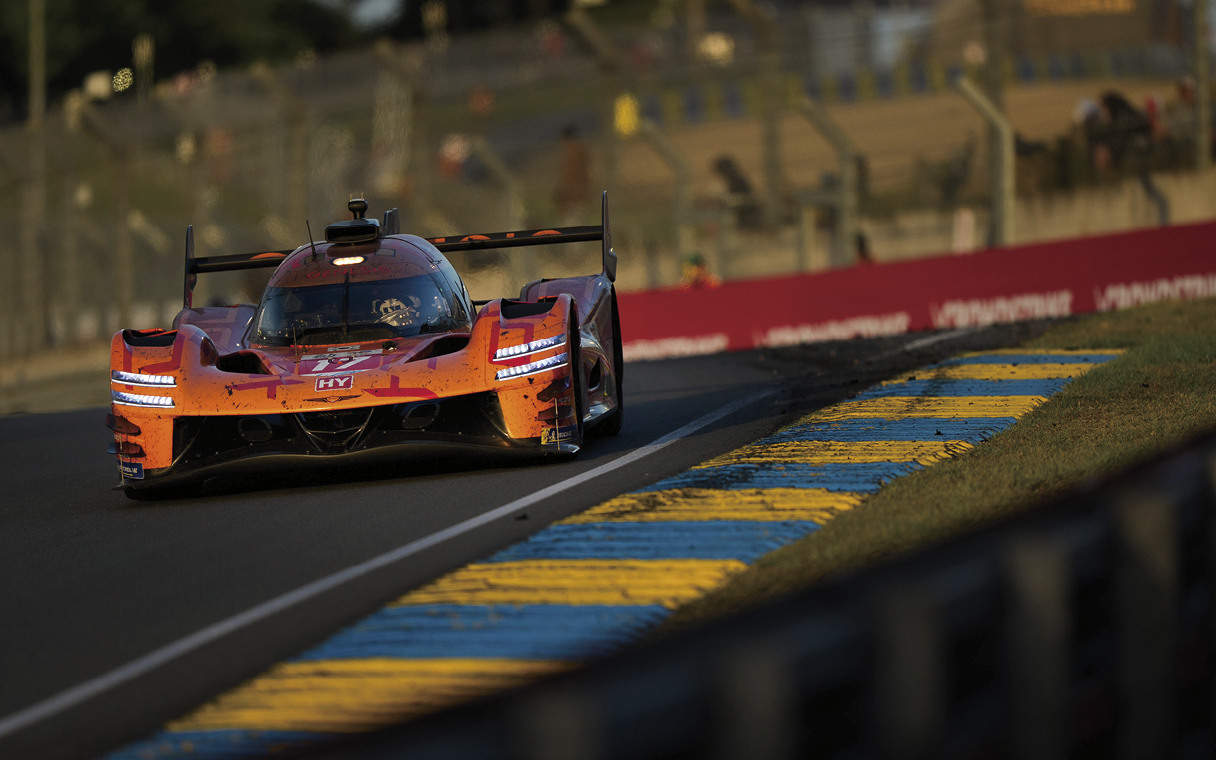
Buemi in the #8 Toyota and Frijns in the #20 BMW then turned the fight for second into a bare-knuckle scrap, running within roughly one second of each other. Frijns took advantage when Buemi got caught behind backmarkers and moved into second. The gap to the leading #7 Toyota was 24 seconds. With 43 minutes left, the top three pitted together. Toyota changed tires on the #8, while BMW gambled—fuel only, no tires. The #19 Genesis Magma Racing car moved up to 13th after the #009 Aston Martin went into the garage for repairs. With 12 minutes left, the #83 AF Corse Ferrari had to stop for fuel, allowing the #35 Alpine to slip past and dropping the Ferrari to seventh.
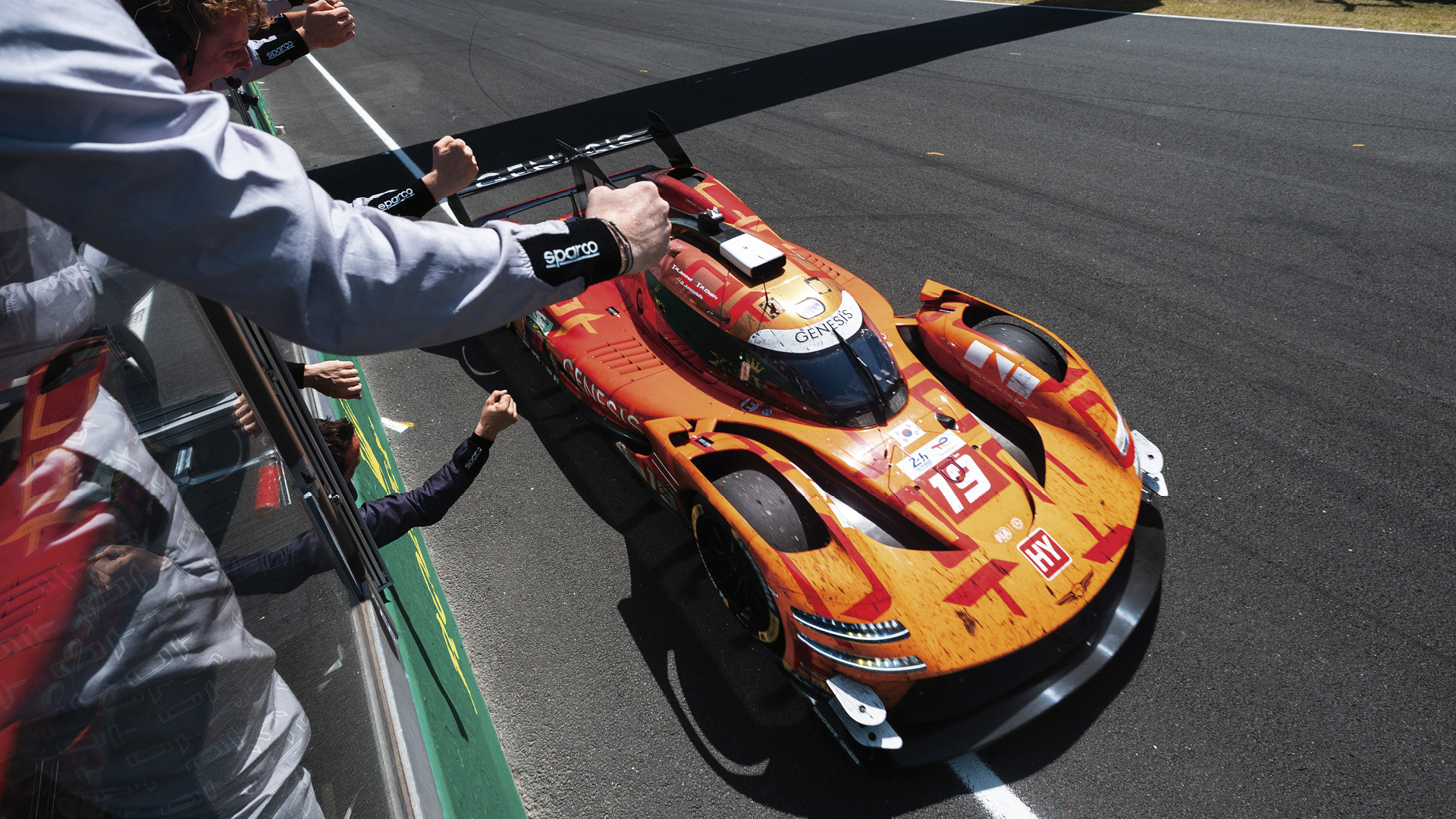
At 4 p.m., the 24-hour grind finally ended. The #7 Toyota took the overall win, the #20 BMW finished second, and the #8 Toyota completed the podium in third. Toyota had already won Le Mans five times, but those wins were sometimes viewed as coming against thinner competition. This year was different. Toyota had to beat a field packed with serious heavyweights—and it won it straight up.
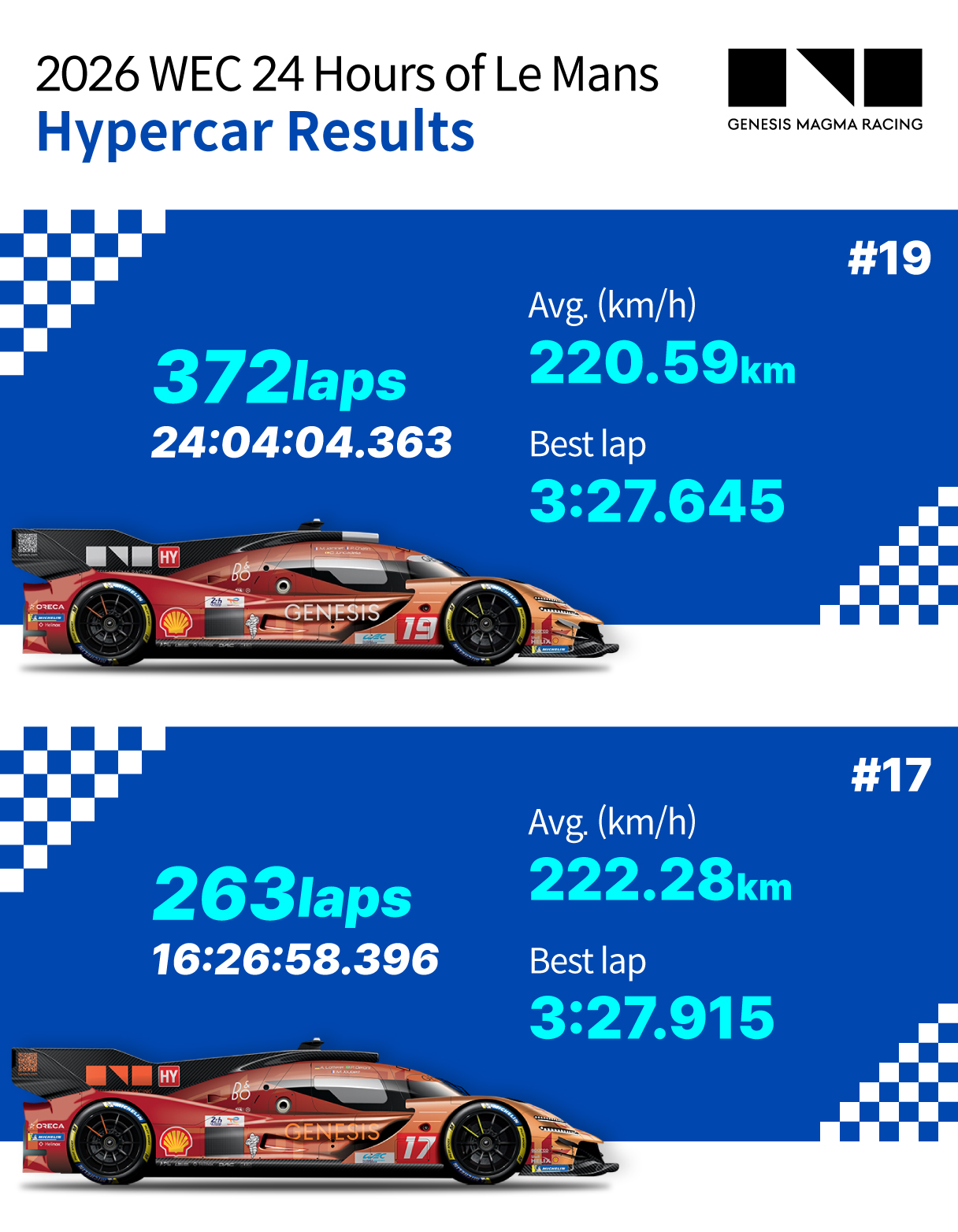
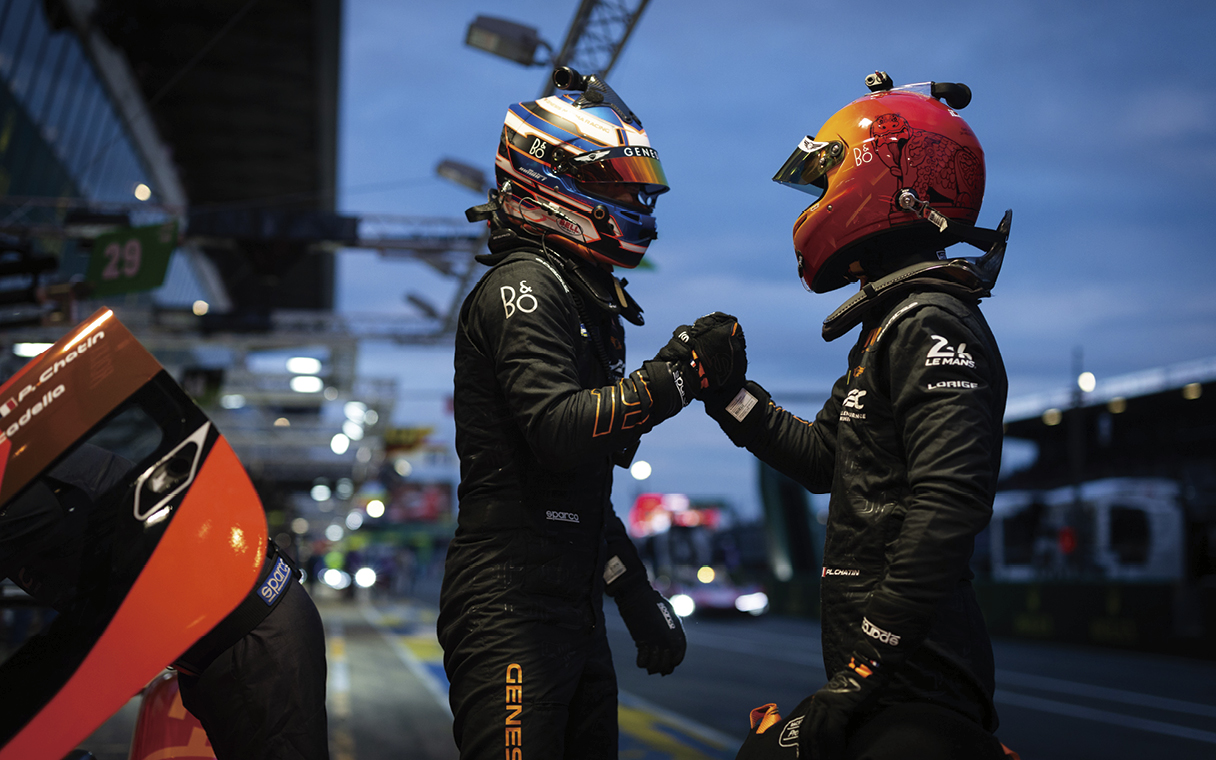
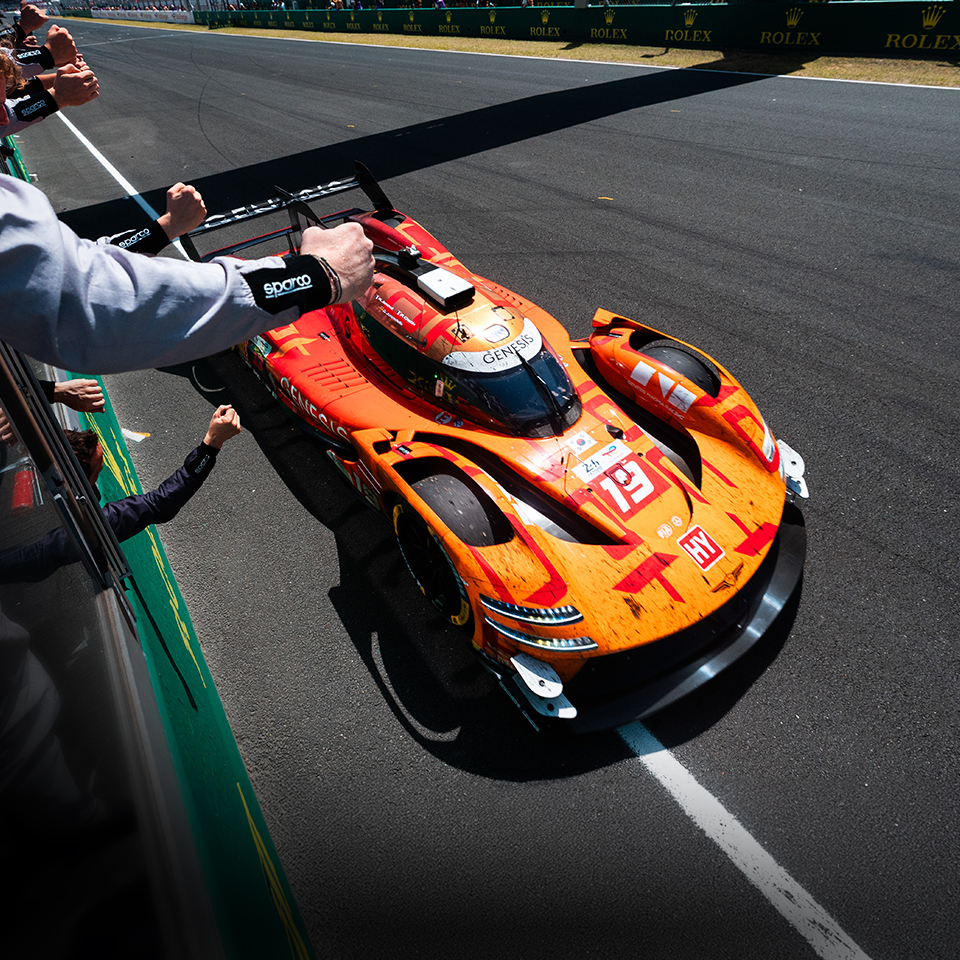
The #19 Genesis Magma Racing car of Jaminet, Chatin, and Juncadella finished 13th. For a new team, that finish mattered. The car had stopped twice in the early morning hours, somehow come back to life both times, and still made it to the checkered flag. The quicker #17, meanwhile, retired with suspension damage—a brutal reminder of just how harsh Le Mans really is.
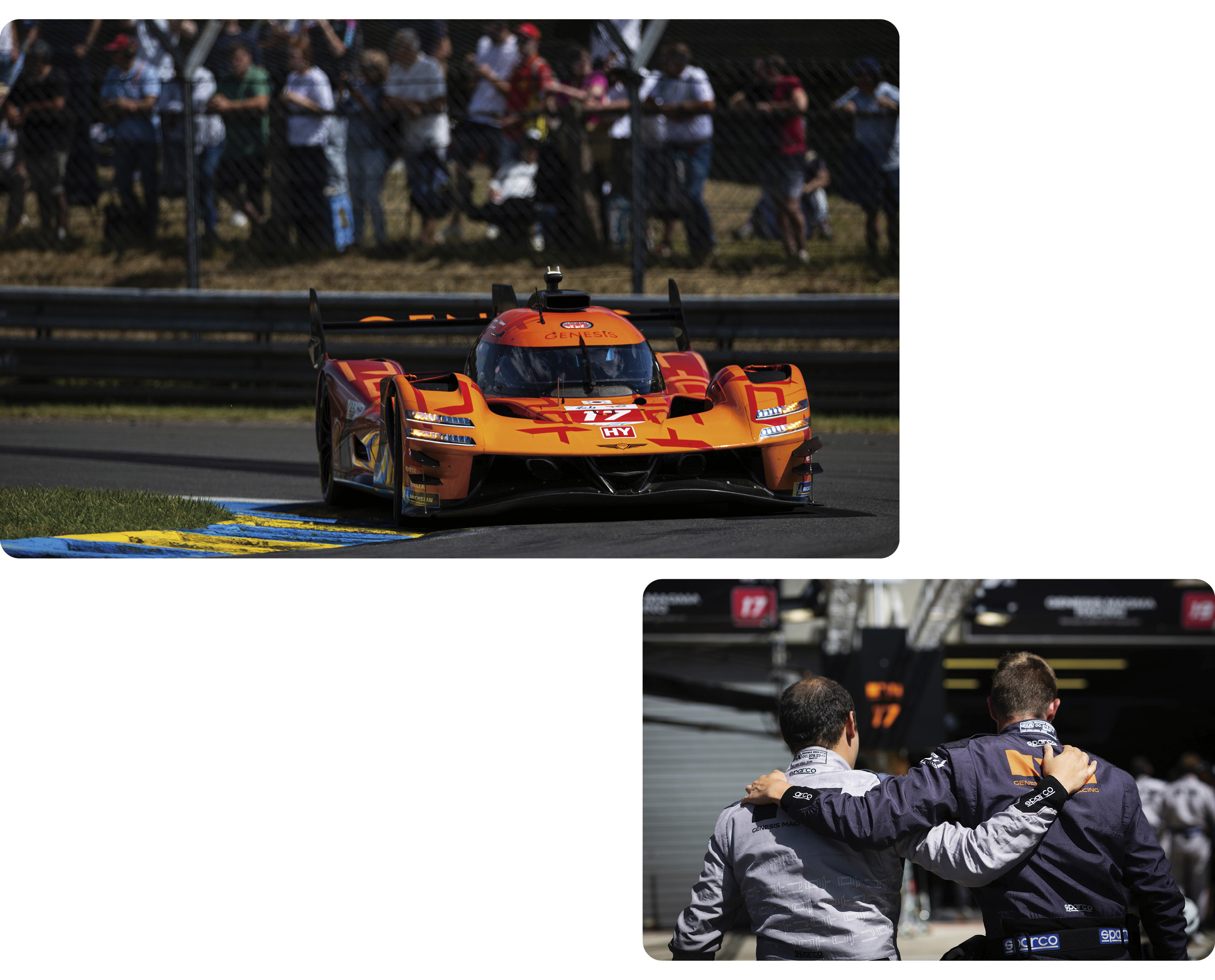
Still, recording a classified finish in its Le Mans debut was a meaningful first step not only for Genesis, but for Korean motorsport history. Even Ford, which became a Le Mans legend in the 1960s, had a crushing first attempt in 1964, when all three of its cars retired with mechanical problems. The point is simple: at the brutal Circuit de la Sarthe, even huge budgets and serious engineering do not guarantee survival.
That makes Genesis Magma Racing’s result worth more. The #19 fought through repeated issues that kept fans on edge all night, then completed more than 5,000 km. It did not just finish the race; it proved the car and powertrain could live through one of the harshest environments in motorsport. The data earned through that long Le Mans night should become a real asset for the team’s future competitiveness—and a hard-earned statement about Genesis’ engineering credibility.
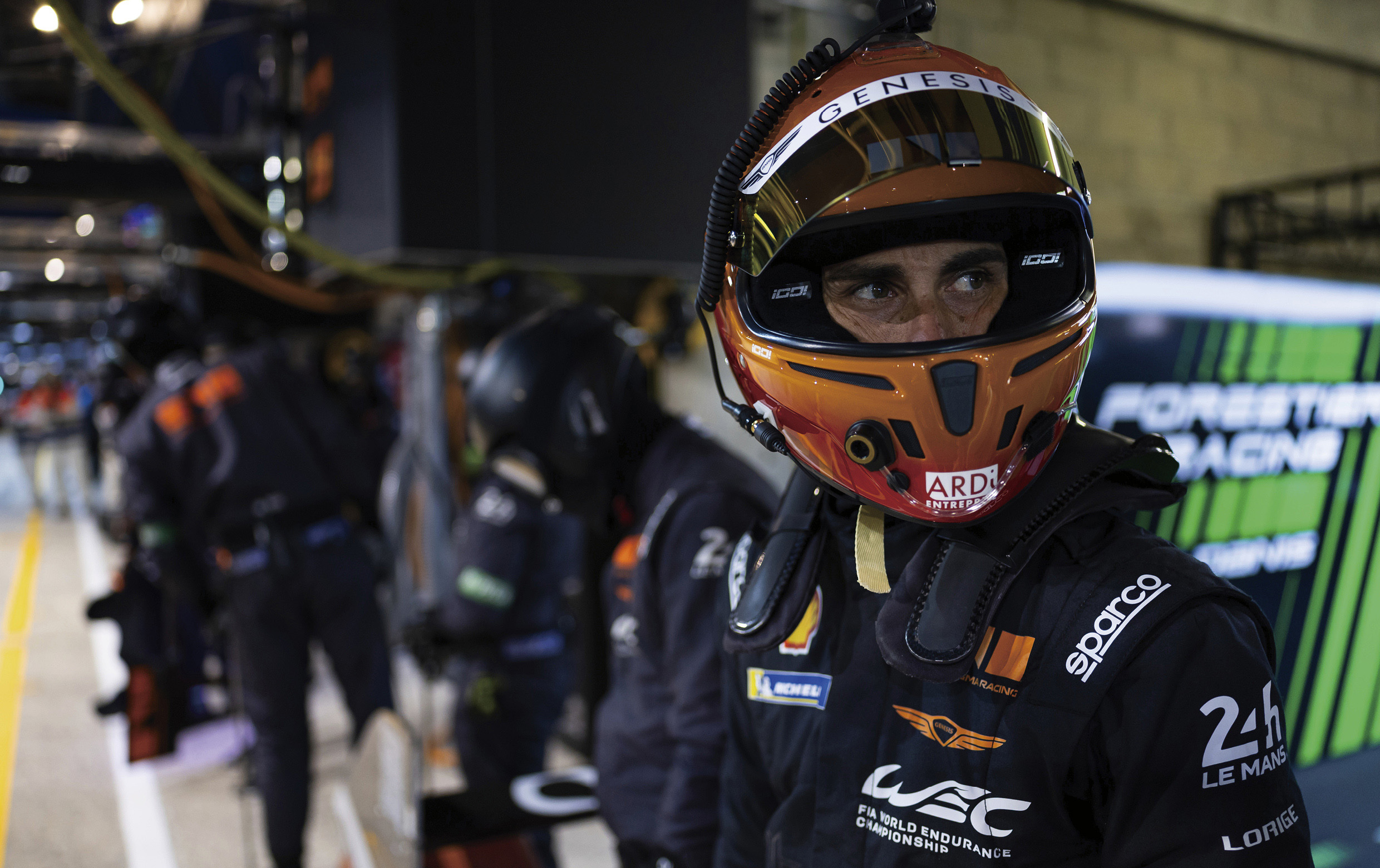
Chatin, one of the drivers of the car that made it home, said after the race: “Yeah, I'm super proud and super happy for the entire team. I think we deserve this finish. Le Mans is the hardest race in the world to finish, let alone to win of course. To achieve that it's thousands and thousands of hours of work behind to make sure that the car is the best prepared possible and then during the entire week it's all about details, all about management, all about team cohesion, team spirit and I think it's where we succeeded today. We work all together in the same direction and we just have to be super proud of ourselves. We wrote a bit of history today and I think it's just something crazy for the amazing job the team has done since the beginning of the program.”
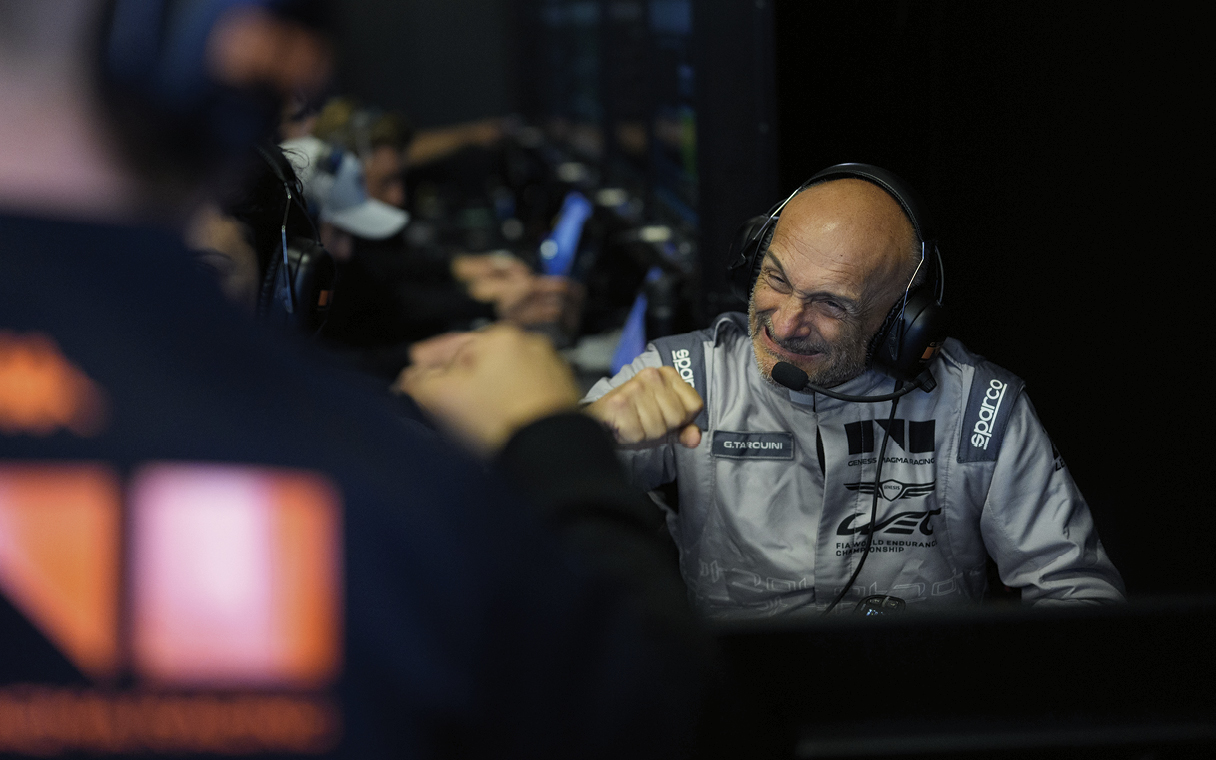
In more than a century, the 24 Hours of Le Mans has never handed out easy finishes. So when Genesis Magma Racing survived its first run at the race, motorsport fans in Korea and around the world responded immediately. The buzz had already started in Hyperpole, when Genesis Magma Racing showed real speed and fought for top grid positions. On WEC’s official YouTube Hyperpole highlights, user @Korte**** wrote, “Both Genesis Magma Racing cars in the top 10—this is simply amazing.” User @CapK**** ad-ded, “I can’t believe a new team in only its second race is beating other teams.”
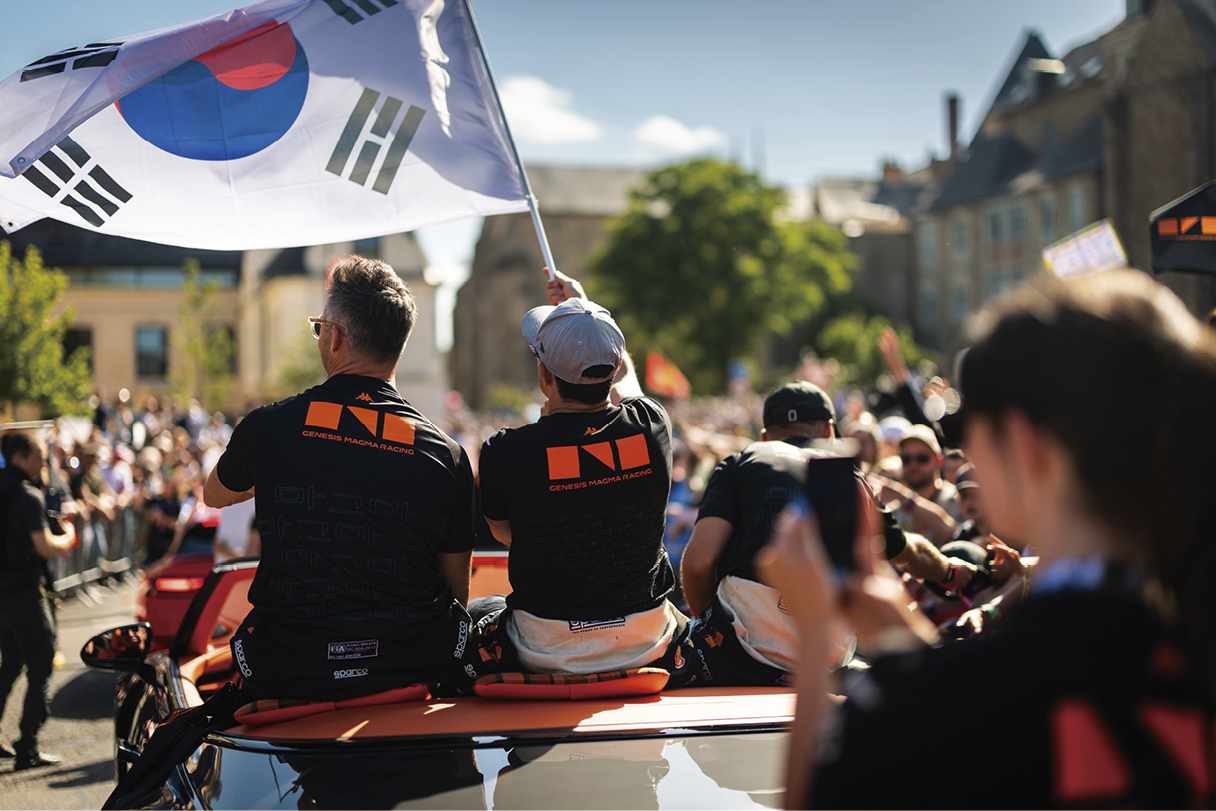
After the #19 survived 24 hours of punishment and reached the finish, the praise got louder. On WEC’s official race-highlight video, user @Varel**** called the #19 “literally like a zombie” for finishing after stopping four times, praising the drivers’ determination and Genesis’ resilience. On Genesis Magma Racing’s onboard live stream, @3_6**** wrote that watching the car fall four times, come back four times, and still finish felt like seeing the Korean fighting spirit on track.
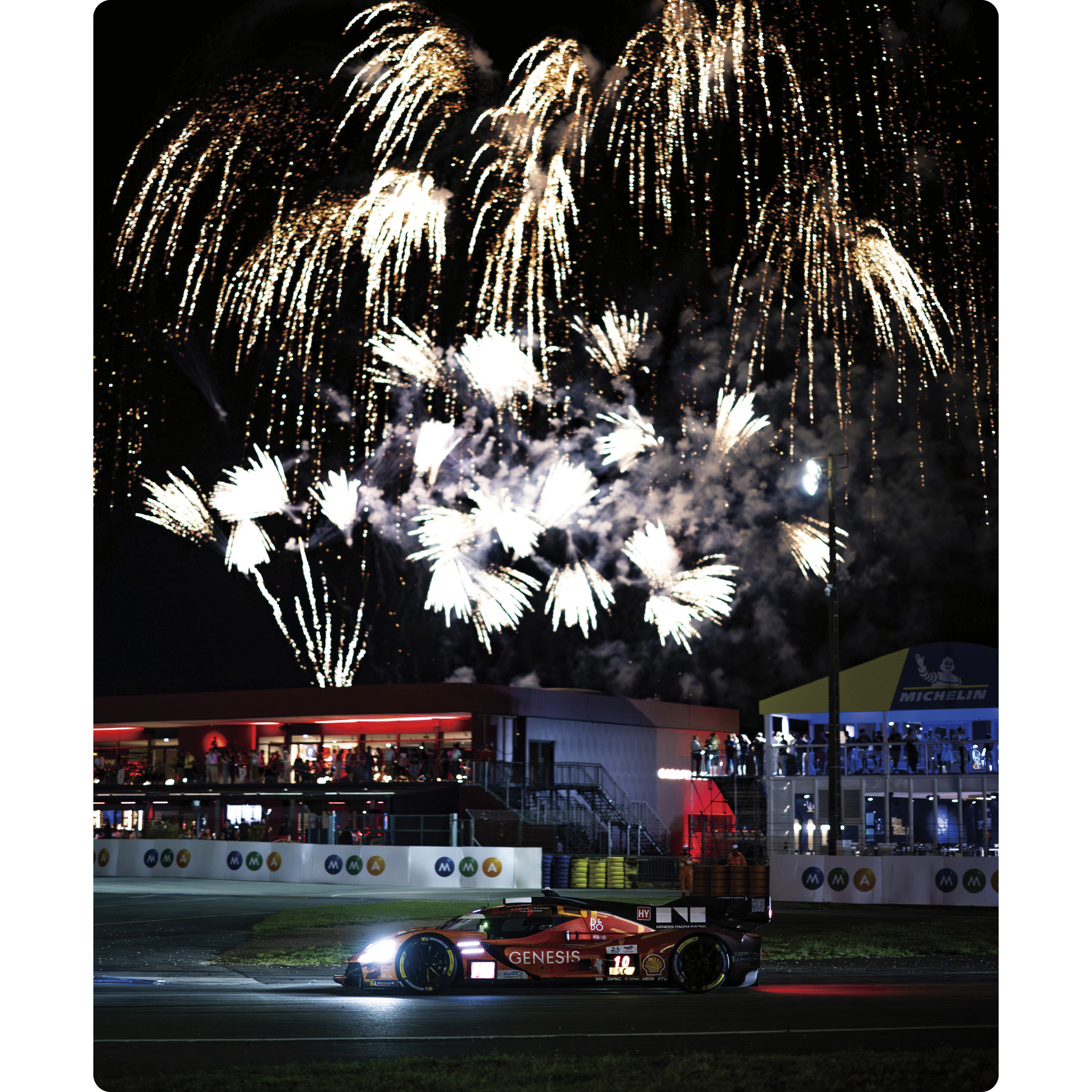
With the longest and toughest event of the season complete, the WEC field now heads to South America for Round 4, the 6 Hours of São Paulo, on July 12. For Genesis Magma Racing, which has kept putting cars at the finish since its debut, Brazil becomes the next chance to turn all that hard-earned experience into pace.
Written by: Soo-jin Lee
In 1991, Lee’s passion for cars led him to enthusiastically write letters to the newly launched Korean car magazine Car Vision. This unexpected connection led him to start his career as an automotive journalist. He has served as editor and editorial board member for Car Vision and Car Life, and now works as an automotive critic. While eagerly covering the latest trends like electric vehicles, connected cars, and autonomous driving technology, he is also a car enthusiast who secretly hopes that the smell of gasoline engines will never disappear.