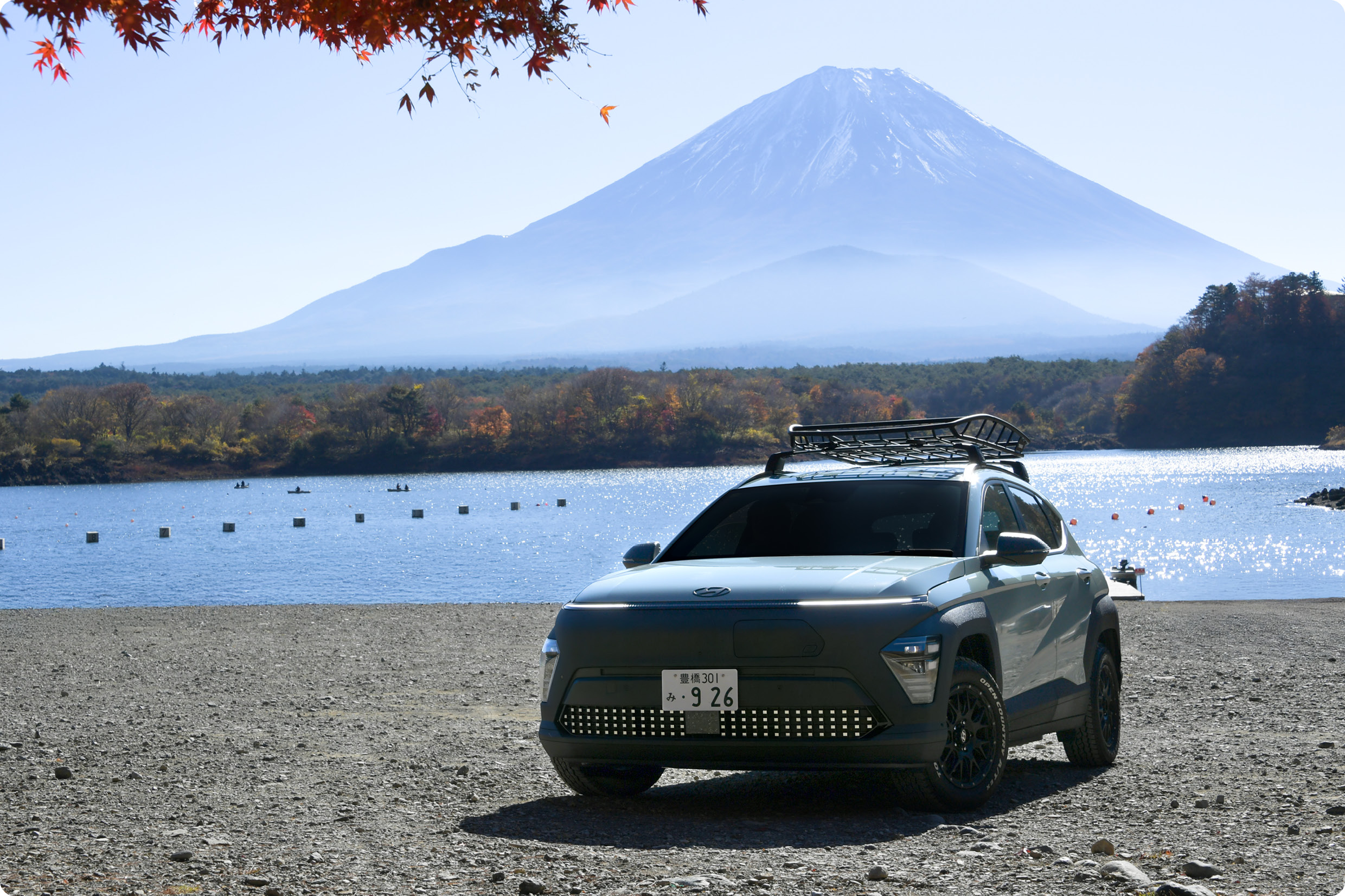
The way we think about travel is becoming increasingly diverse. The depth of a journey often depends on the kind of memories one hopes to carry home. Among the many ways to travel, a road trip offers something distinctly personal—following unfamiliar roads guided by instinct, lingering over passing scenery, and encountering moments that were never part of the plan. When the freedom of movement becomes part of the journey, travel reveals a deeper kind of enjoyment.
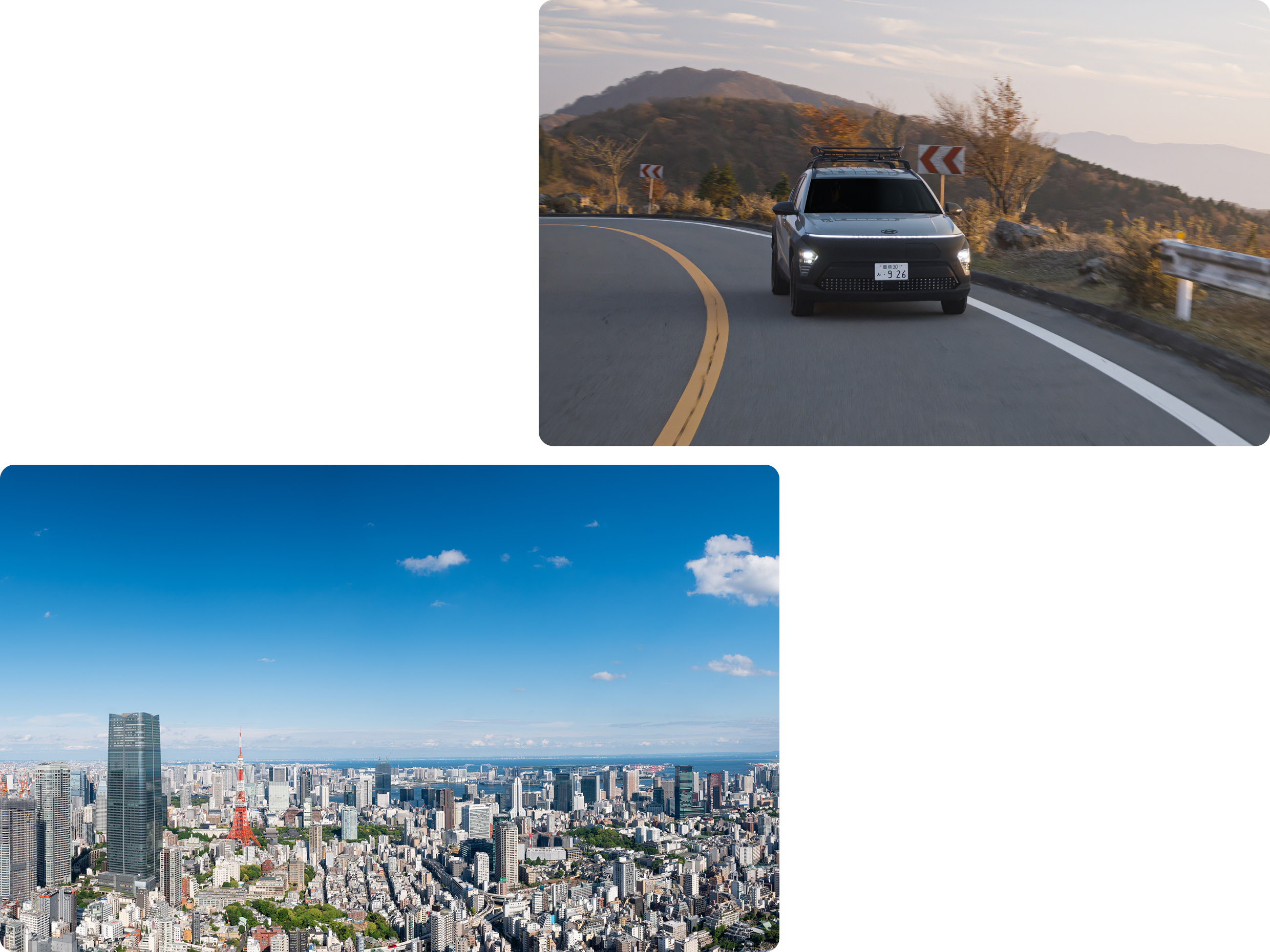
Tokyo is a city where this sense of freedom is easy to embrace. Known for its vibrant, refined atmosphere and an abundance of thoughtfully curated experiences, Tokyo also offers a quieter side just one or two hours beyond the city. With a short drive, the pace softens and nature comes into view—enough to leave travelers with an entirely different set of memories, even if only a single day is set aside from the itinerary.
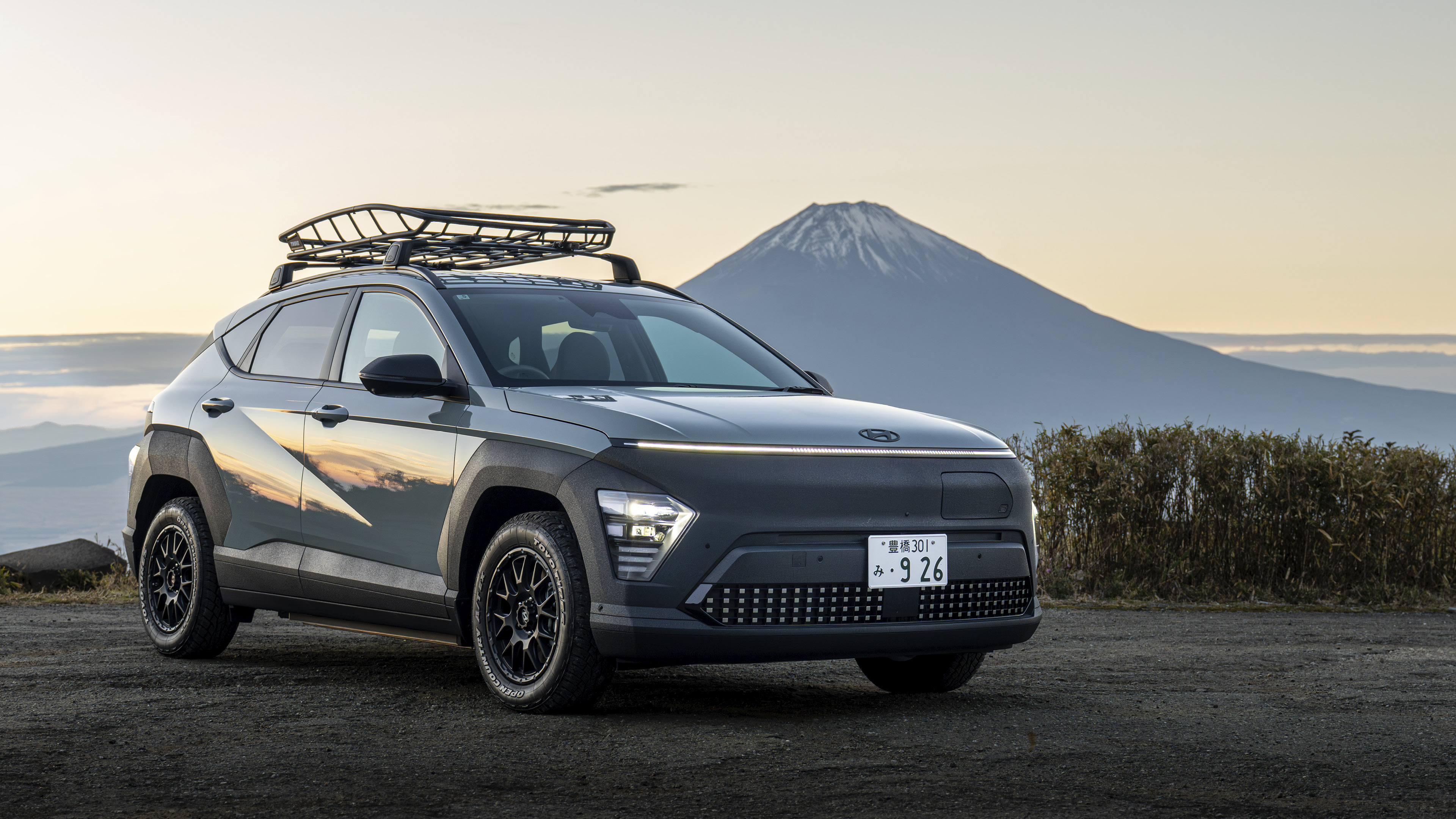
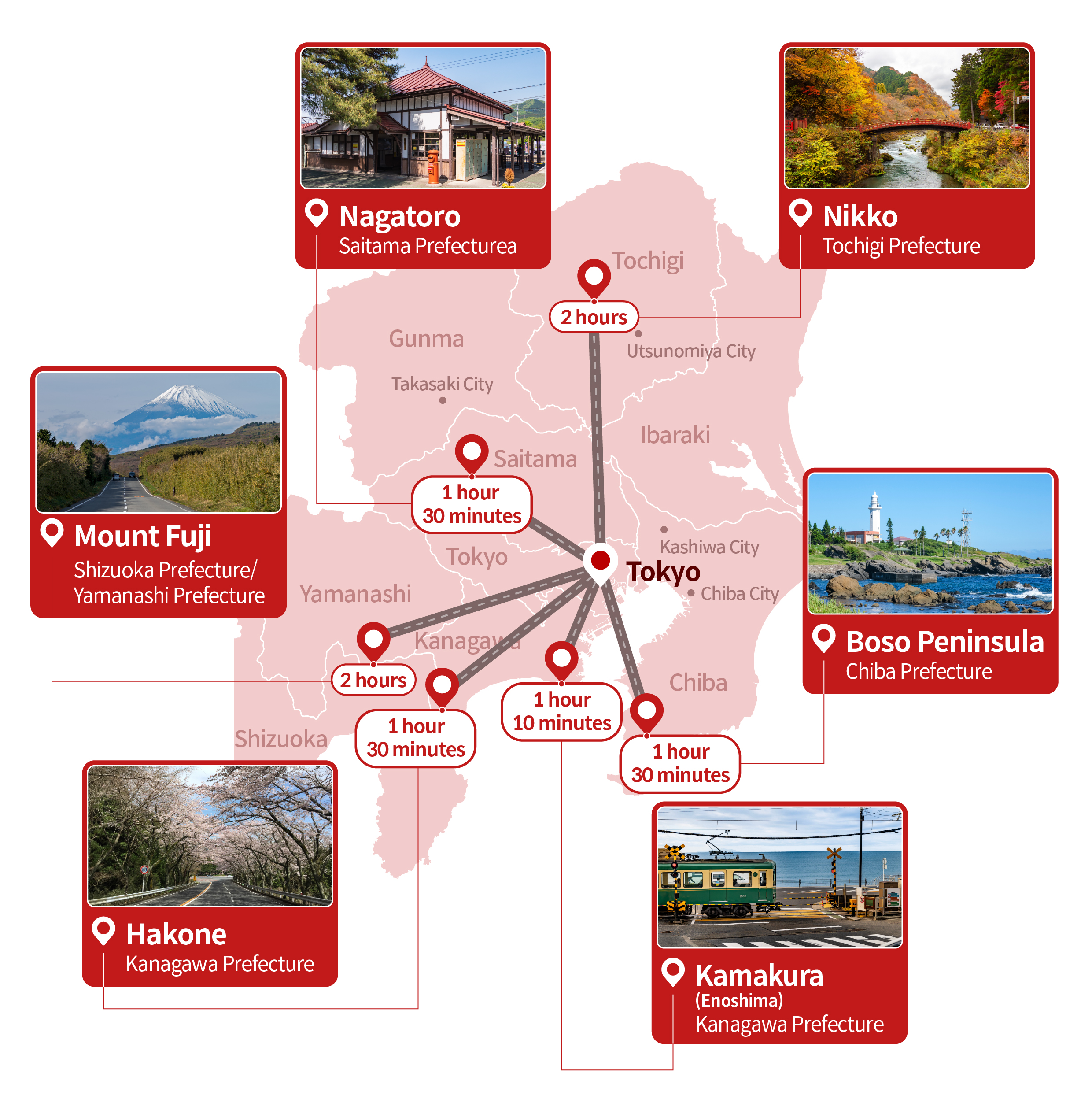
Mount Fuji, located about two hours from central Tokyo, is one of Japan’s most iconic and sacred mountains. Its symmetrical conical form and elevation of 3,776 meters give it a presence that stands out even from afar. The moment it comes into view, the impact is quietly overwhelming.
Another reason Mount Fuji continues to captivate is the richness of its natural surroundings. At the foothills, dense forests contrast with rugged terrain shaped by hardened lava, while higher elevations bring dramatic shifts in temperature and vegetation, eventually giving way to snow-covered scenery. As the mountain reveals a completely different mood depending on the season and the weather, a quiet sense of anticipation naturally follows—what kind of Mount Fuji will appear today?
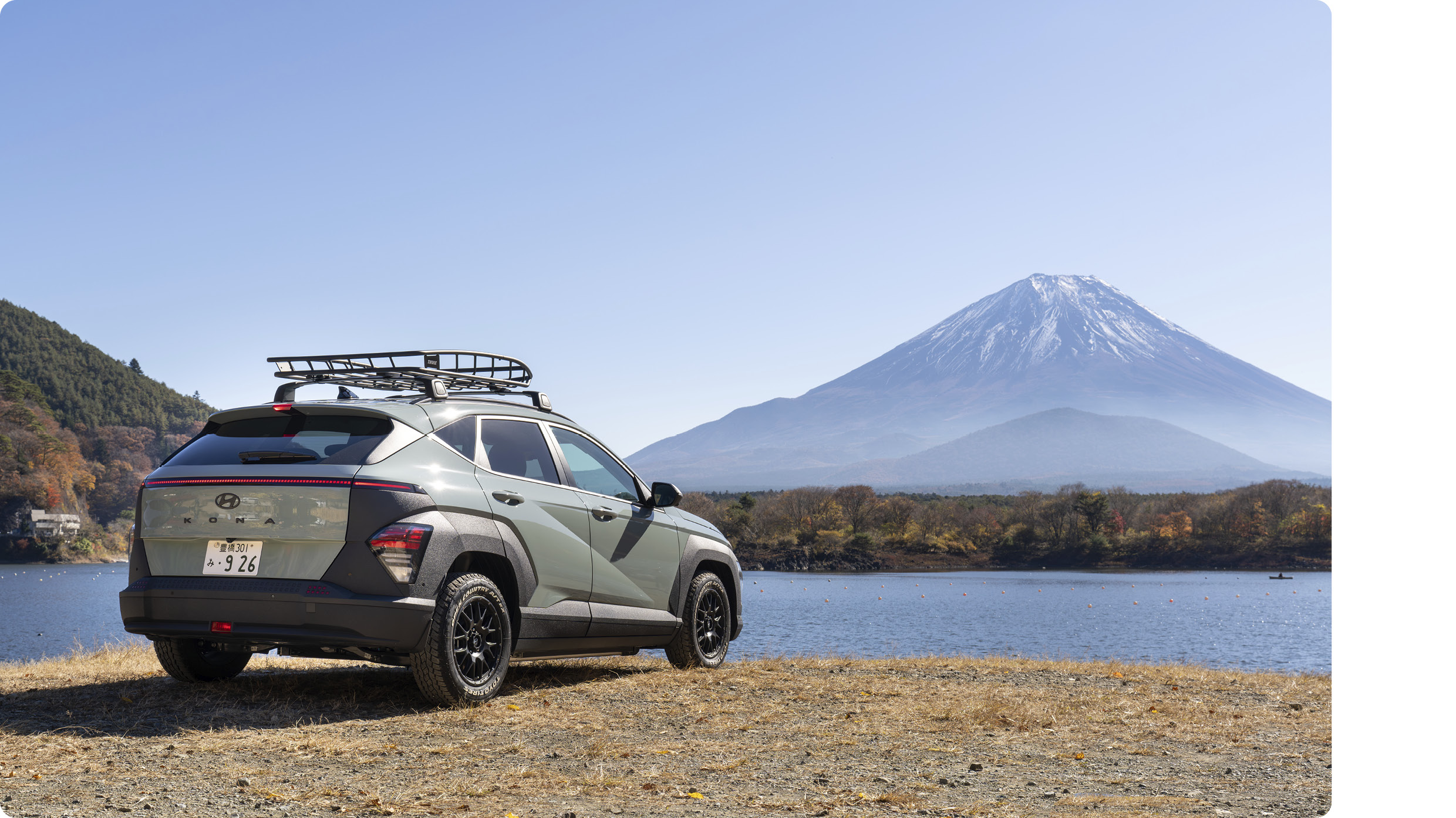
The Mount Fuji region spans Shizuoka and Yamanashi prefectures and offers scenery that feels spectacular from almost any direction. Among the many viewpoints, the Fuji Five Lakes area—comprising Lake Yamanaka, Lake Kawaguchi, Lake Sai, Lake Shoji, and Lake Motosu—is especially well known for showcasing the mountain at its best. Each lake features waterfront viewpoints where Mount Fuji is reflected on the water, making it easy to pause and take in the scenery. With campsites and accommodations offering views of the mountain nearby, the area is also well suited for an overnight stay for travelers with a more relaxed itinerary.
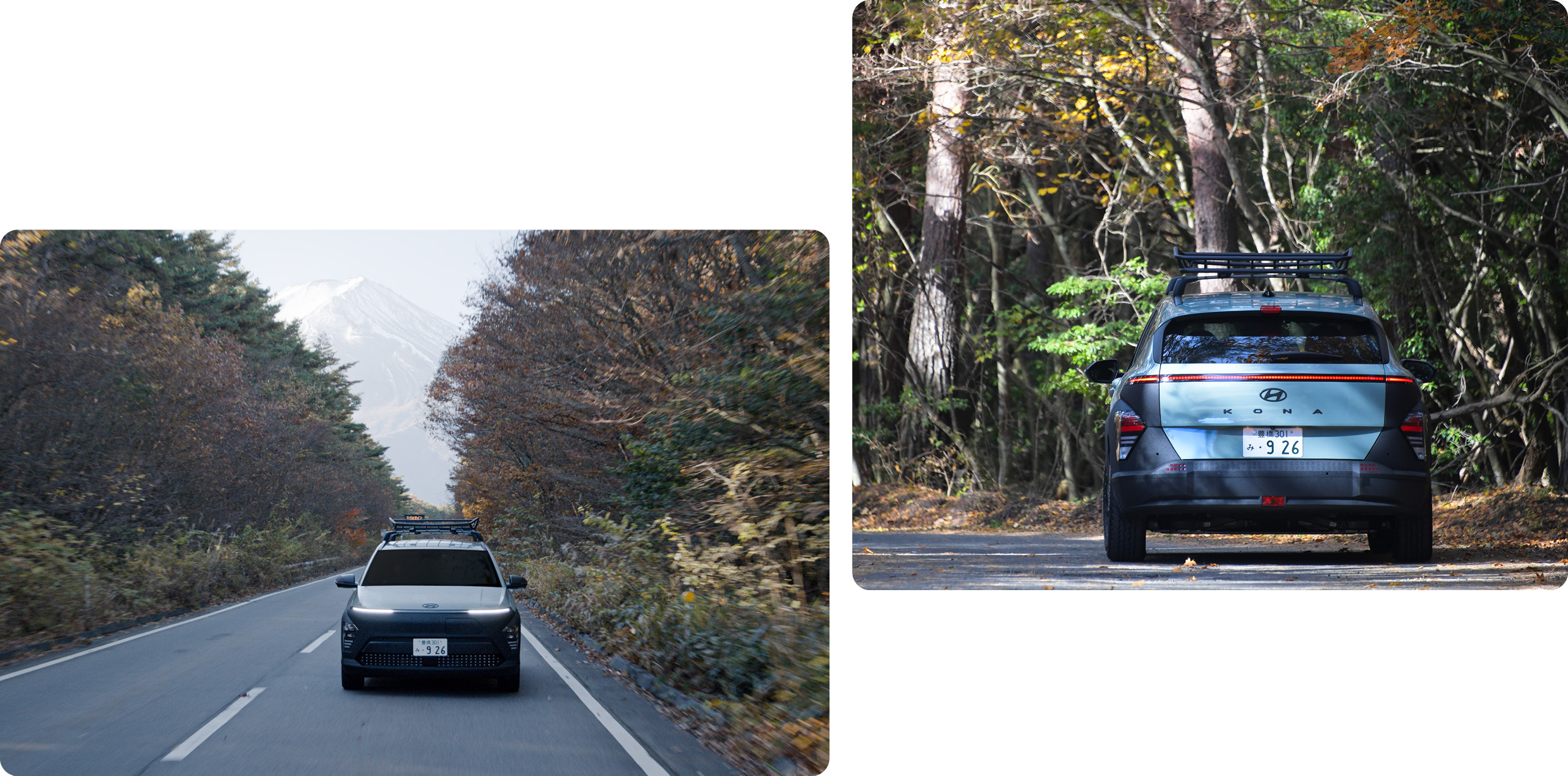
The area around Mount Fuji also offers drive routes that add another layer of enjoyment to the journey. Among the most well-known are the Subaru Line and the Azami Line, both of which guide drivers from forested roads into high-altitude terrain within a relatively short time, revealing striking shifts in scenery along the way. The Fuji Panorama Line, which runs alongside Lake Yamanaka, lives up to its name with wide, open views that allow travelers to take in the full silhouette of Mount Fuji at a relaxed pace.
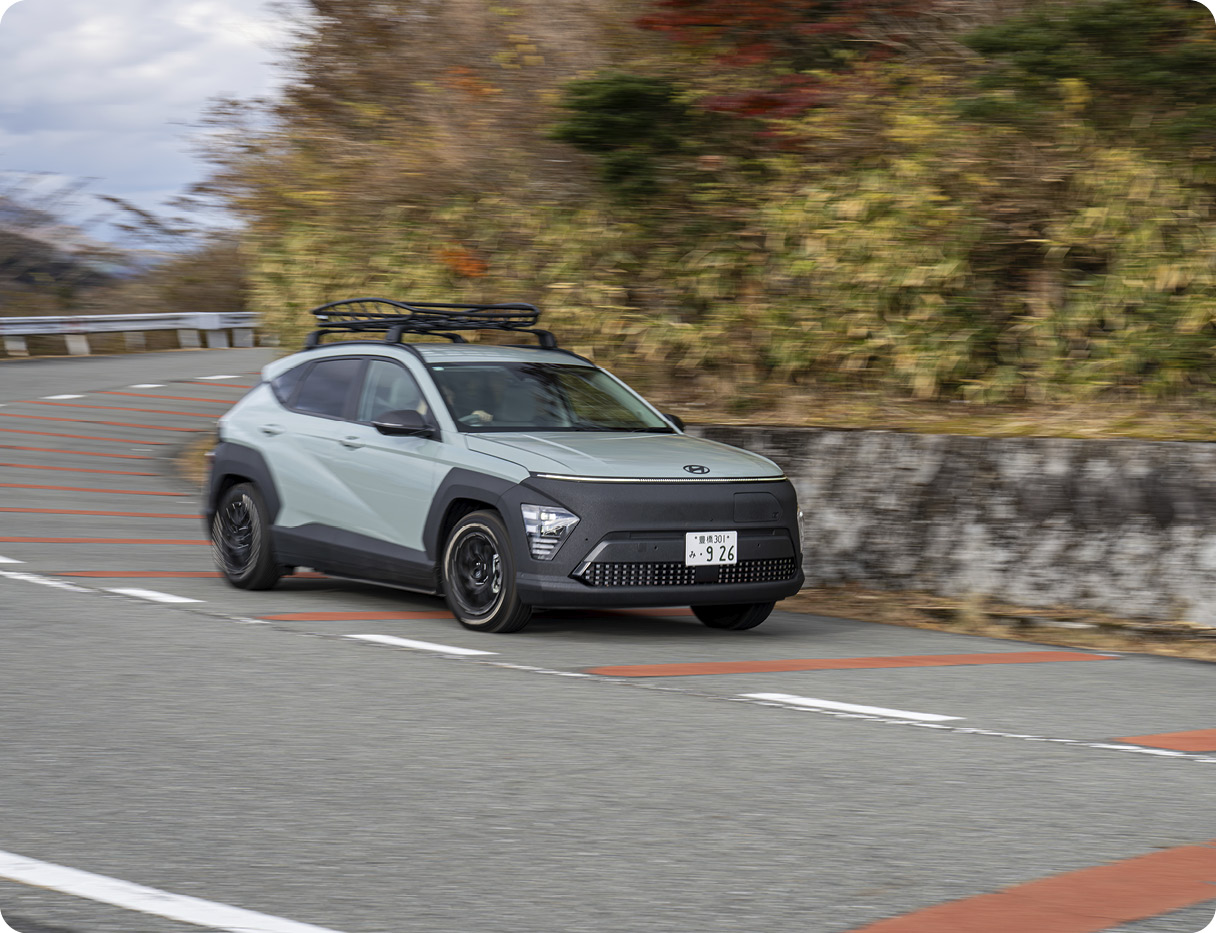
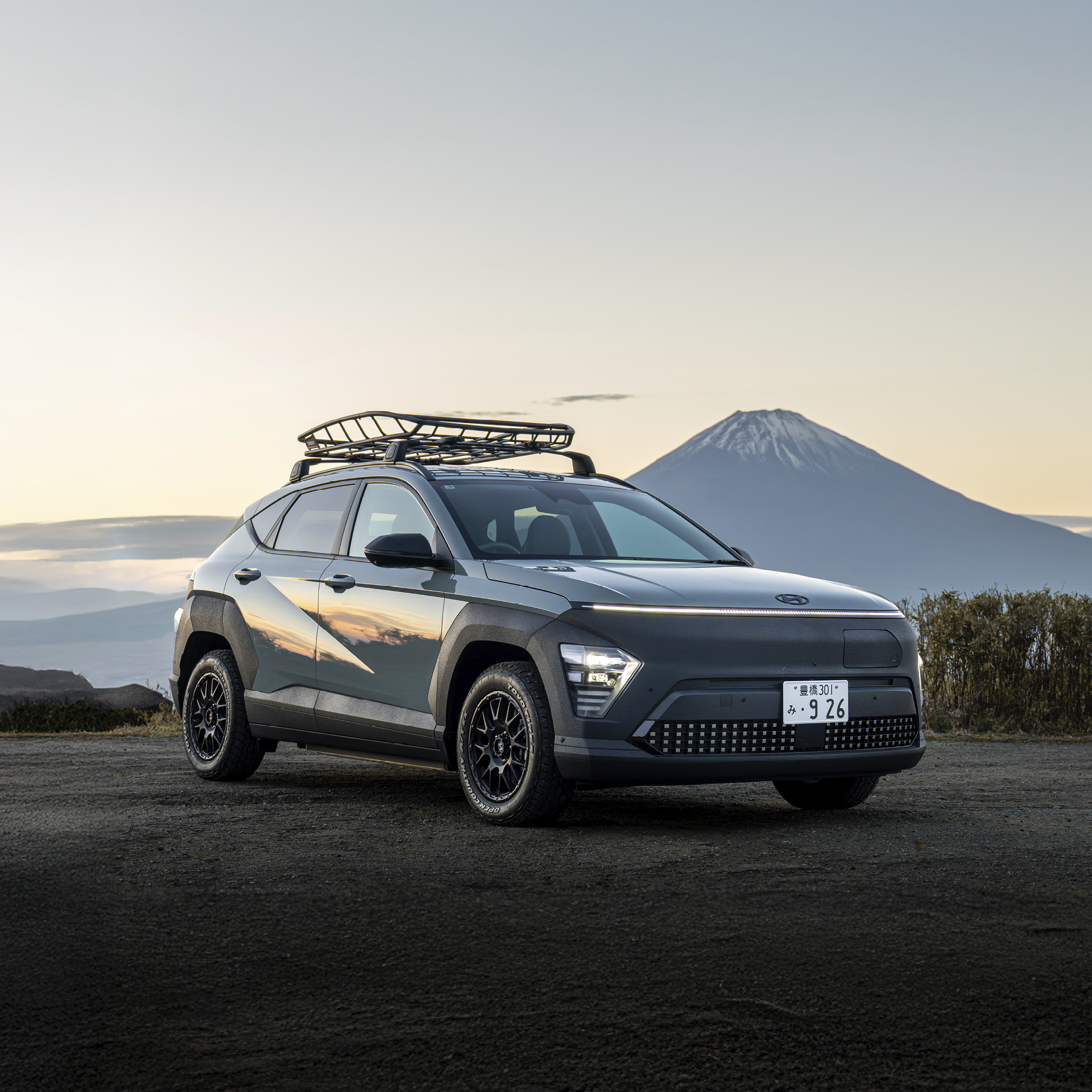
Driving around Mount Fuji becomes even more enjoyable in an electric vehicle. Thanks to regenerative braking and strong climbing performance, the winding roads that alternate between ascents and descents can be handled with ease. With minimal noise and vibration, the scenery around Mount Fuji comes through more clearly, allowing drivers to stay fully immersed in the view. In short, it is a drive that feels smooth, quiet, and free of stress.
Electric vehicles also offer an advantage when it comes to traffic regulations in the Mount Fuji area. During the summer climbing season, maikā kisei (private vehicle restrictions) are enforced on certain routes to address traffic congestion, environmental impact, and safety concerns. Electric vehicles and hydrogen fuel cell vehicles are exempt from these restrictions, allowing drivers to enjoy a far more comfortable and uninterrupted drive. This exemption only adds to the appeal of driving an electric vehicle around Mount Fuji.
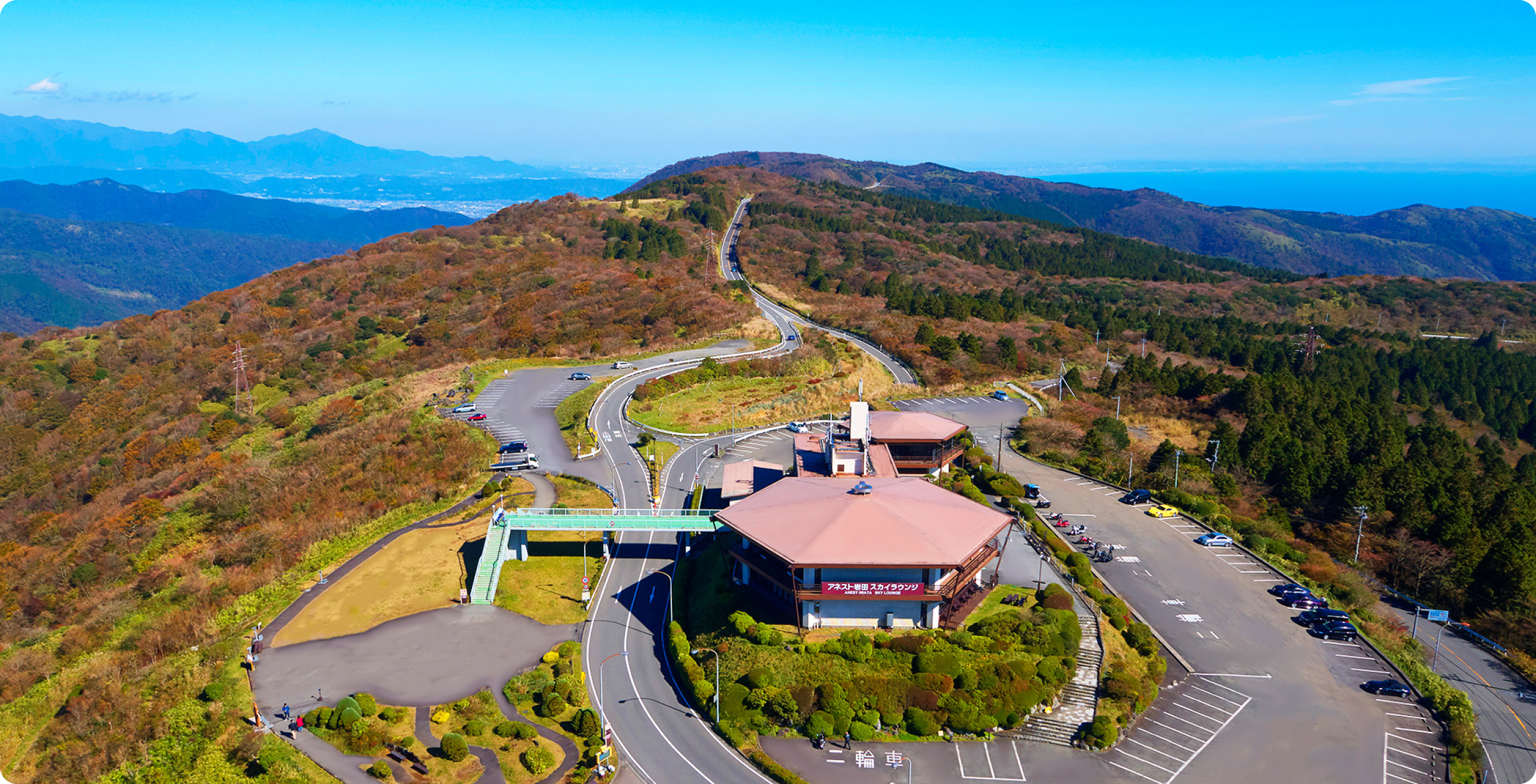
The Hakone area in Kanagawa Prefecture is also a popular destination for driving enthusiasts. Scenic routes unfold around Mount Hakone and Lake Ashi, alongside roads well known among Japanese car enthusiasts, such as the Hakone Skyline and the Hakone Turnpike. For those who want to enjoy both natural scenery and the pleasure of driving, this is a route not to be missed.
Kamakura is located about a ninety-minute drive from central Tokyo. This coastal city in southeastern Kanagawa Prefecture is known for its long history and a calm, orderly atmosphere. Quiet temples and narrow streets give the town a sense of warmth that is hard to find elsewhere. It is a drive course well loved by travelers, whether visited with family, friends, or a partner.
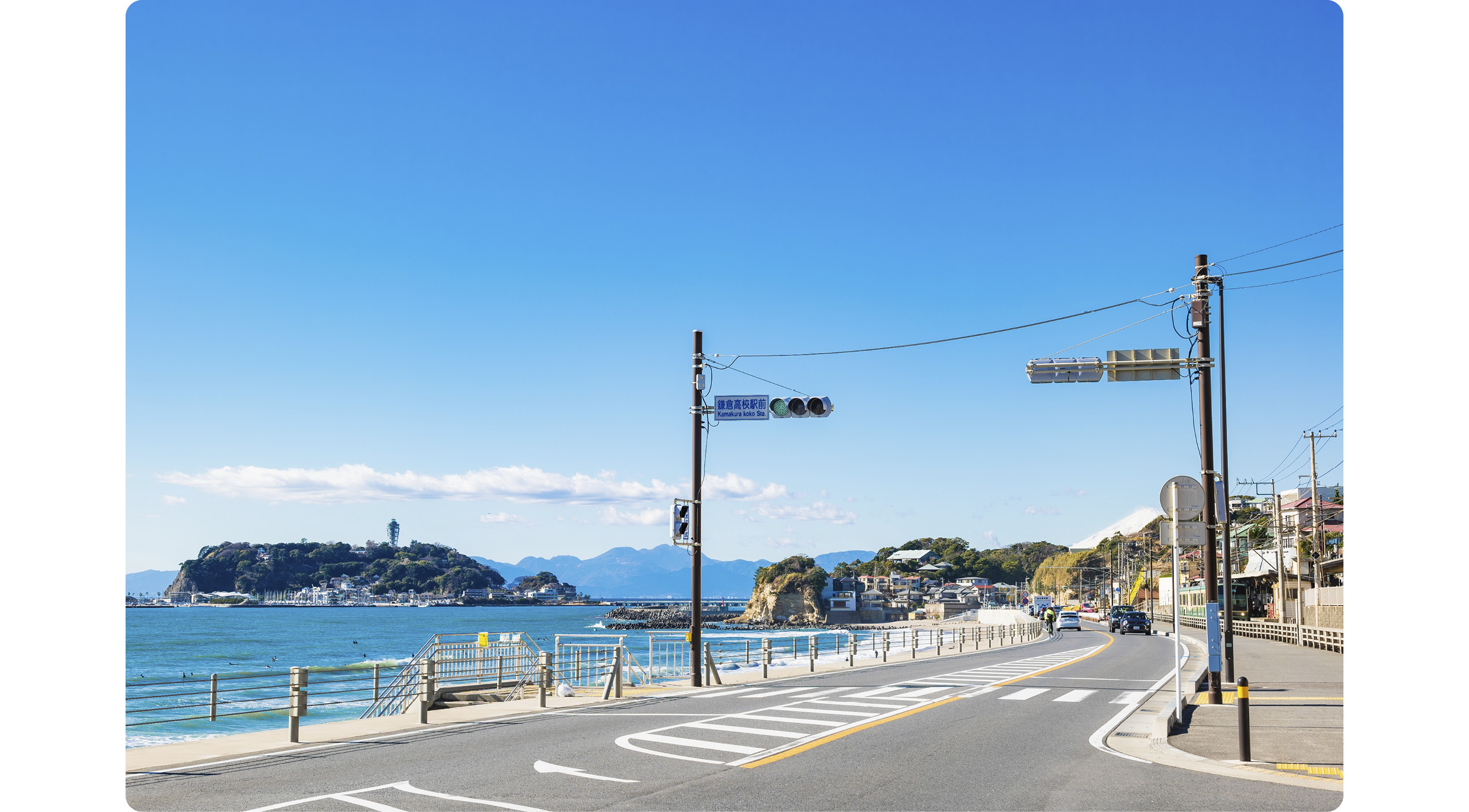
Once the drive joins National Route 134, the atmosphere immediately feels lighter and more open. The sea stretches out right beside the road, while the sound of waves and the texture of the breeze naturally become part of the drive. Toward sunset, the sky slowly spreads across the water in long bands of color, creating a more emotional mood. Each time of day brings a different charm to the route.
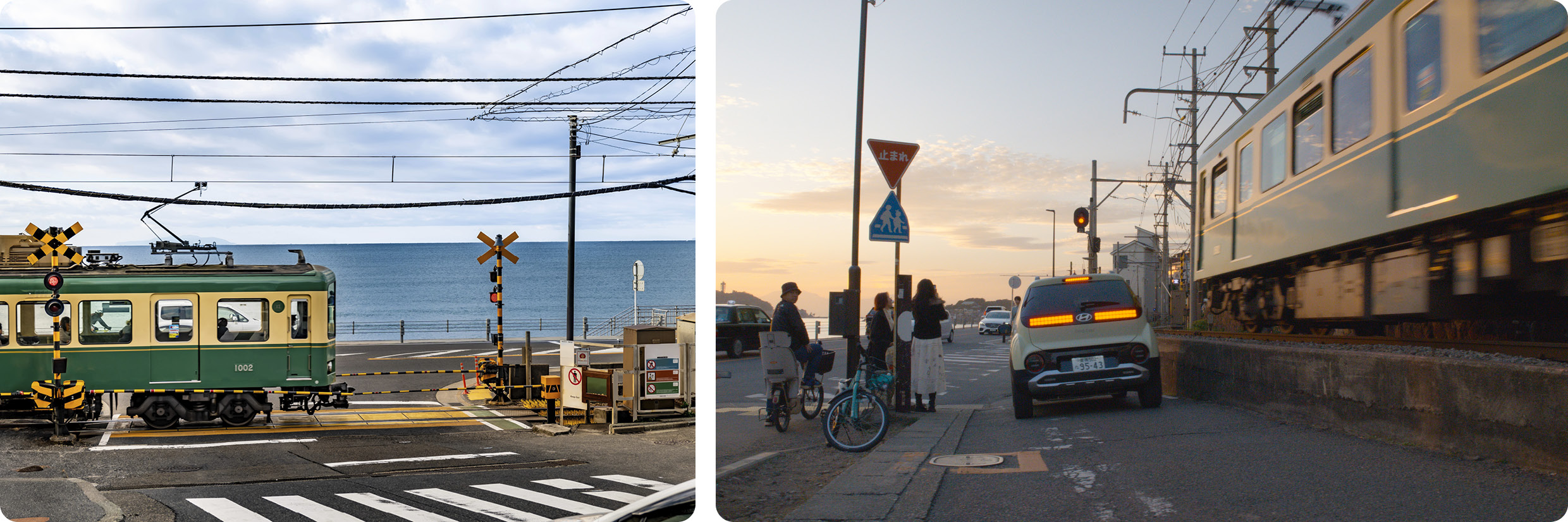
The coastline connecting Kamakura and Enoshima offers another distinctive scene: a local train running alongside the shore. Along many stretches, the road, the sea, and the railway line unfold side by side, creating an unusual combination that naturally comes into view during the drive. Among these spots, the railroad crossing in front of Kamakura High School is widely known as the setting of the popular basketball manga Slam Dunk.
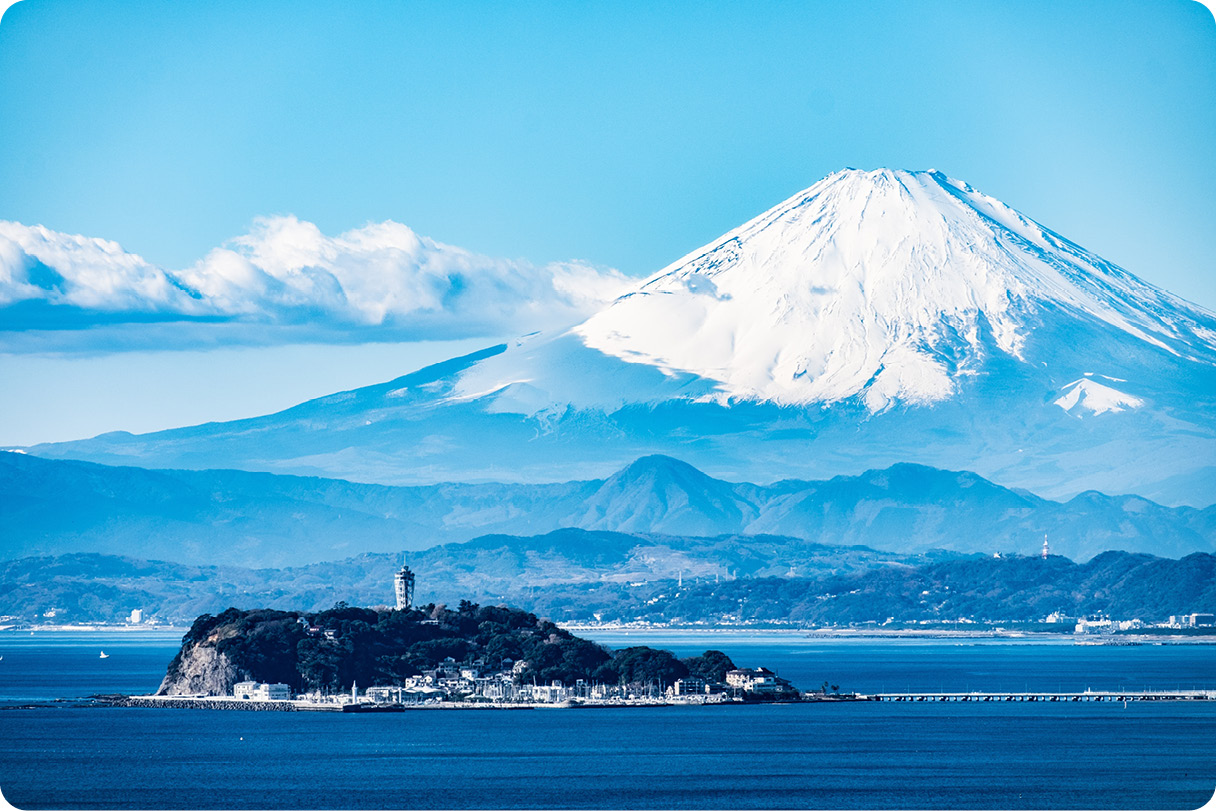
As the drive reaches its peak, the route crosses a bridge over the sea and arrives at the small island of Enoshima. The approach toward the island itself becomes a highlight, with the open view unfolding straight ahead. On clear days, the coastal road around Enoshima even offers fleeting glimpses of Mount Fuji in the distance, turning the moment into a memorable highlight of the journey.
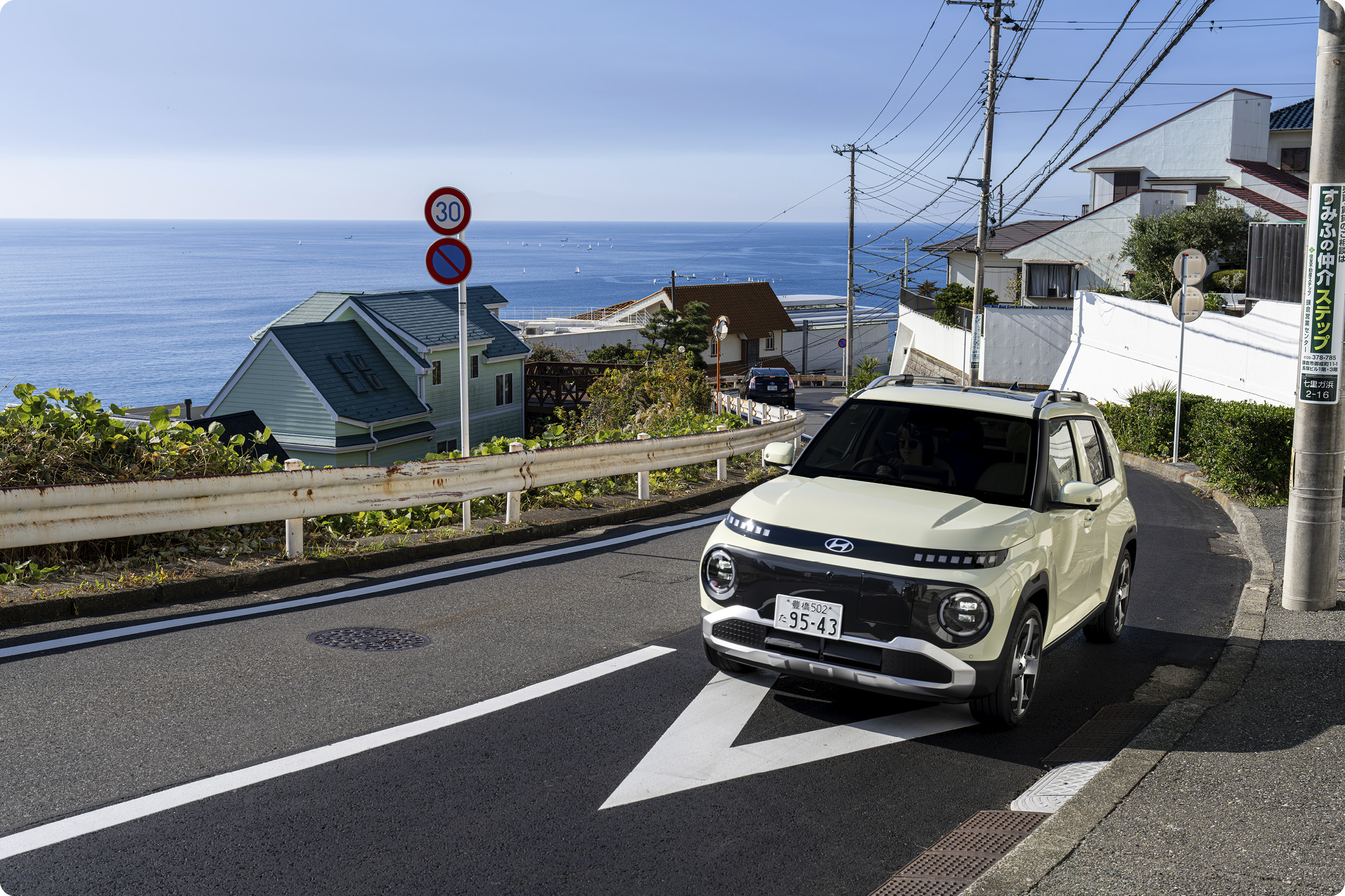
The Kamakura and Enoshima area is also filled with cafés and restaurants that invite travelers to pause and linger. Coastal cafés offer an easy brunch with views of the sea, while local specialties such as shirasu-don—a rice bowl topped with fresh whitebait from Kamakura—add a distinctive regional flavor. With plenty of places to stop and rest along short stretches of road, it is easy to set a relaxed pace throughout the trip. The route suits everything from a casual half-day drive to an unhurried full-day outing, making it approachable even for less experienced drivers while still delivering a rich mix of scenery and experiences.
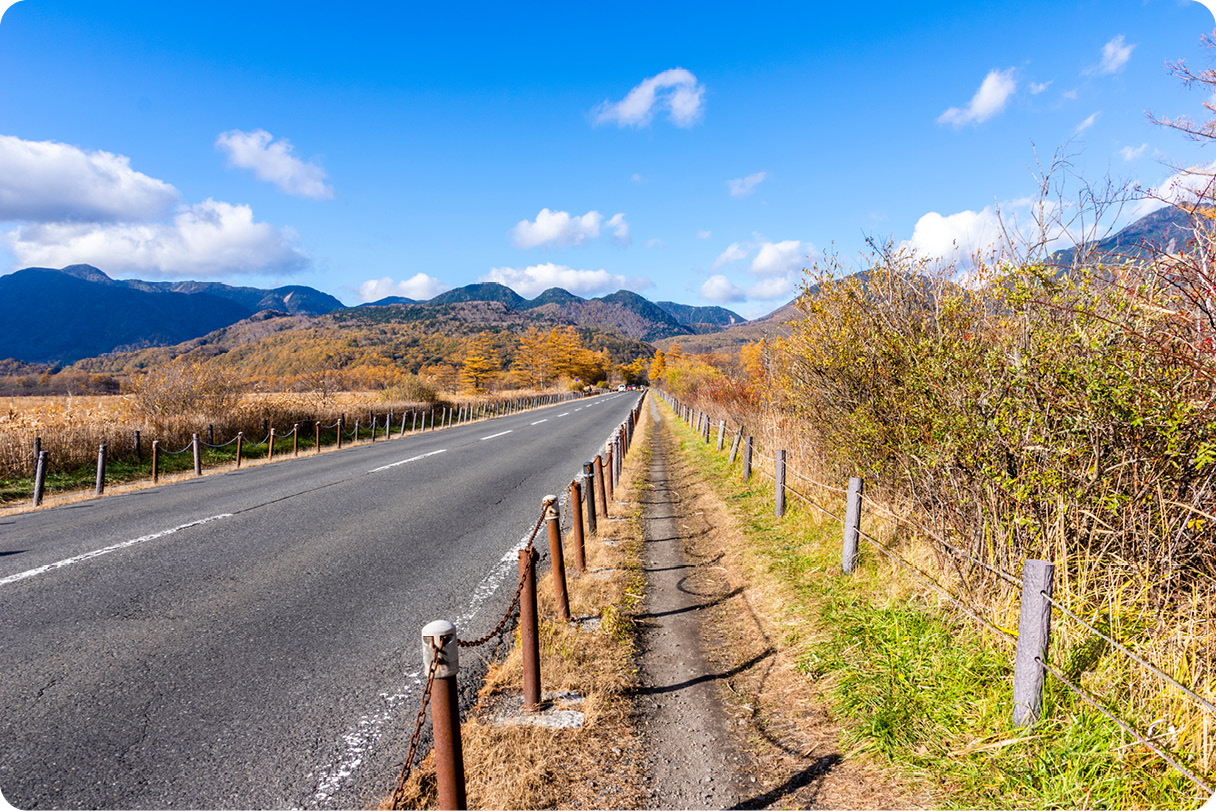
For those seeking an even quieter driving experience, there are several alternative routes worth considering. Nikko in Tochigi Prefecture, the Boso Peninsula in southern Chiba, and Nagatoro in northwestern Saitama Prefecture are among the most representative choices.
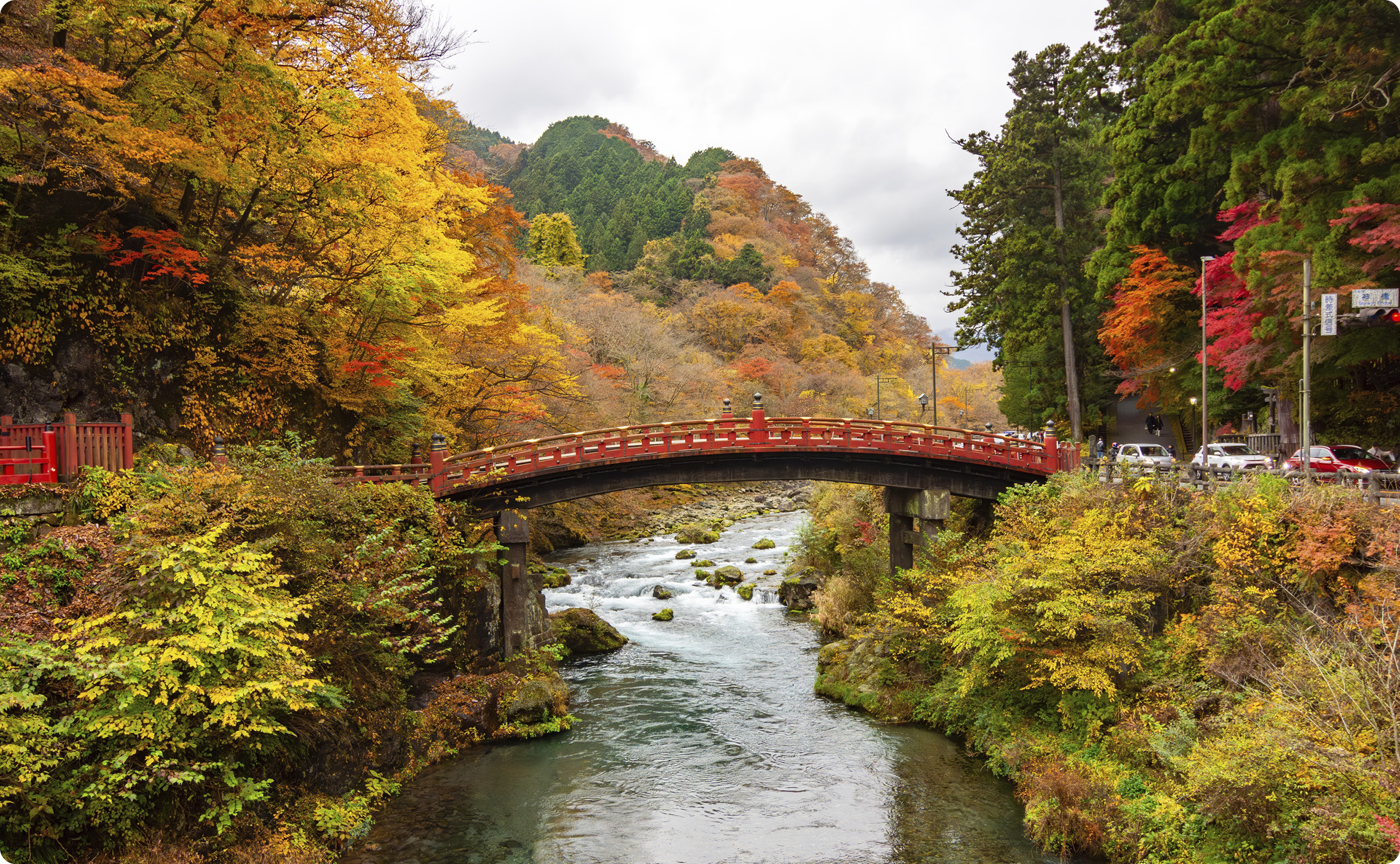
Nikko is located about two hours north of Tokyo and offers a drive course where a quiet mountain atmosphere meets expansive natural scenery. In the national park area, home to multiple UNESCO World Heritage sites, centuries-old cedar forests create a sense of stillness, drawing drivers into an experience that feels like passing through a tunnel of trees.
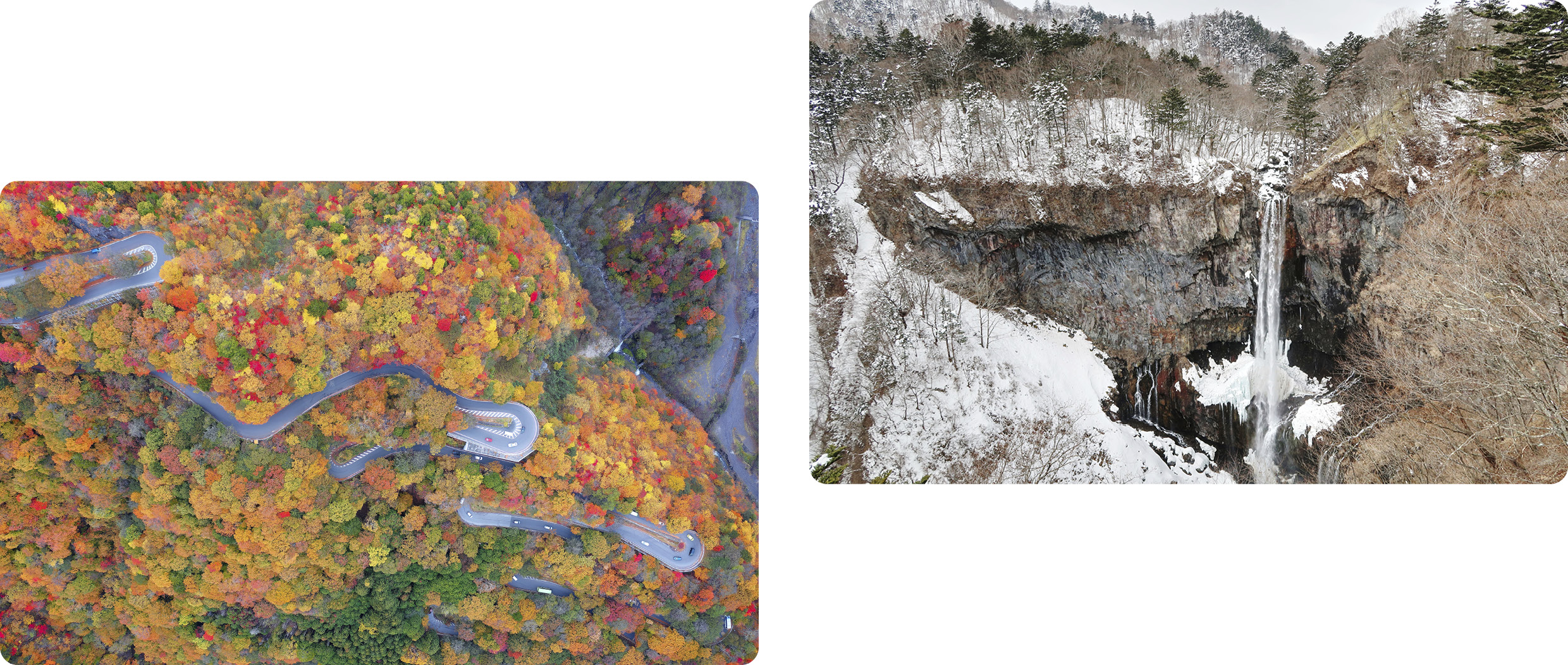
Irohazaka Road is Nikko’s most iconic drive route, capturing both the curves of the mountains and dramatic changes in elevation, where the pleasure of driving naturally blends with scenic views. Beyond Irohazaka, expansive highland landscapes unfold around Kegon Falls and Lake Chuzenji, before continuing deeper toward Senjogahara and Yumoto Onsen. The route offers distinct scenery in every season, with autumn foliage and winter snowscapes in particular elevating the Nikko drive into a truly memorable journey.
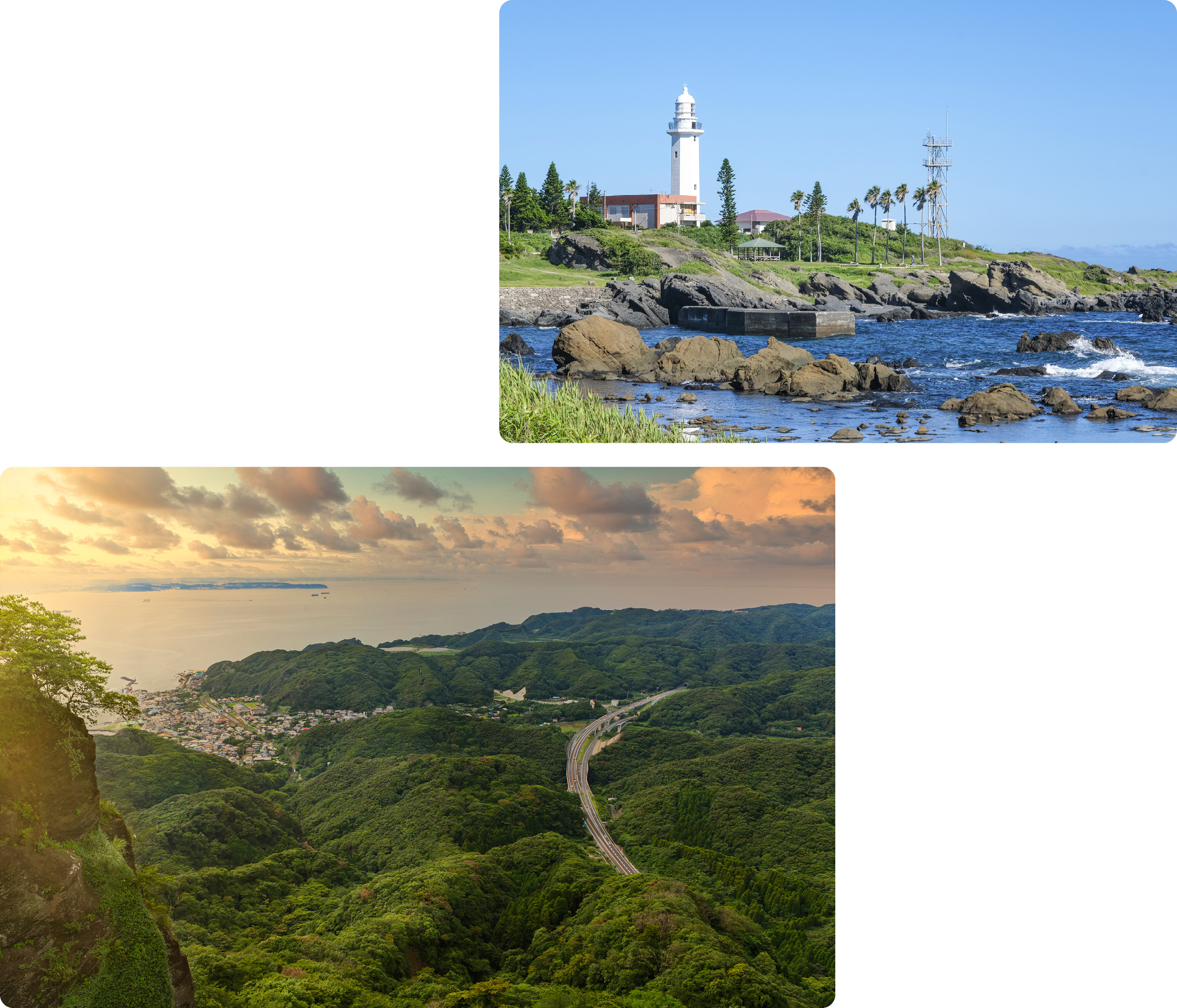
The Boso Peninsula lies close to Tokyo yet retains a surprisingly rural landscape, making it an ideal choice for a quiet and unhurried drive. Roads that follow the coastline tend to see lighter traffic, allowing drivers to settle into a relaxed, extended journey. The area around Nokogiriyama, selected among Japan’s Top 100 Scenic Low Mountains, offers especially striking natural views. As the drive continues farther south along the peninsula, the scenery gradually takes on a warmer, almost subtropical character.
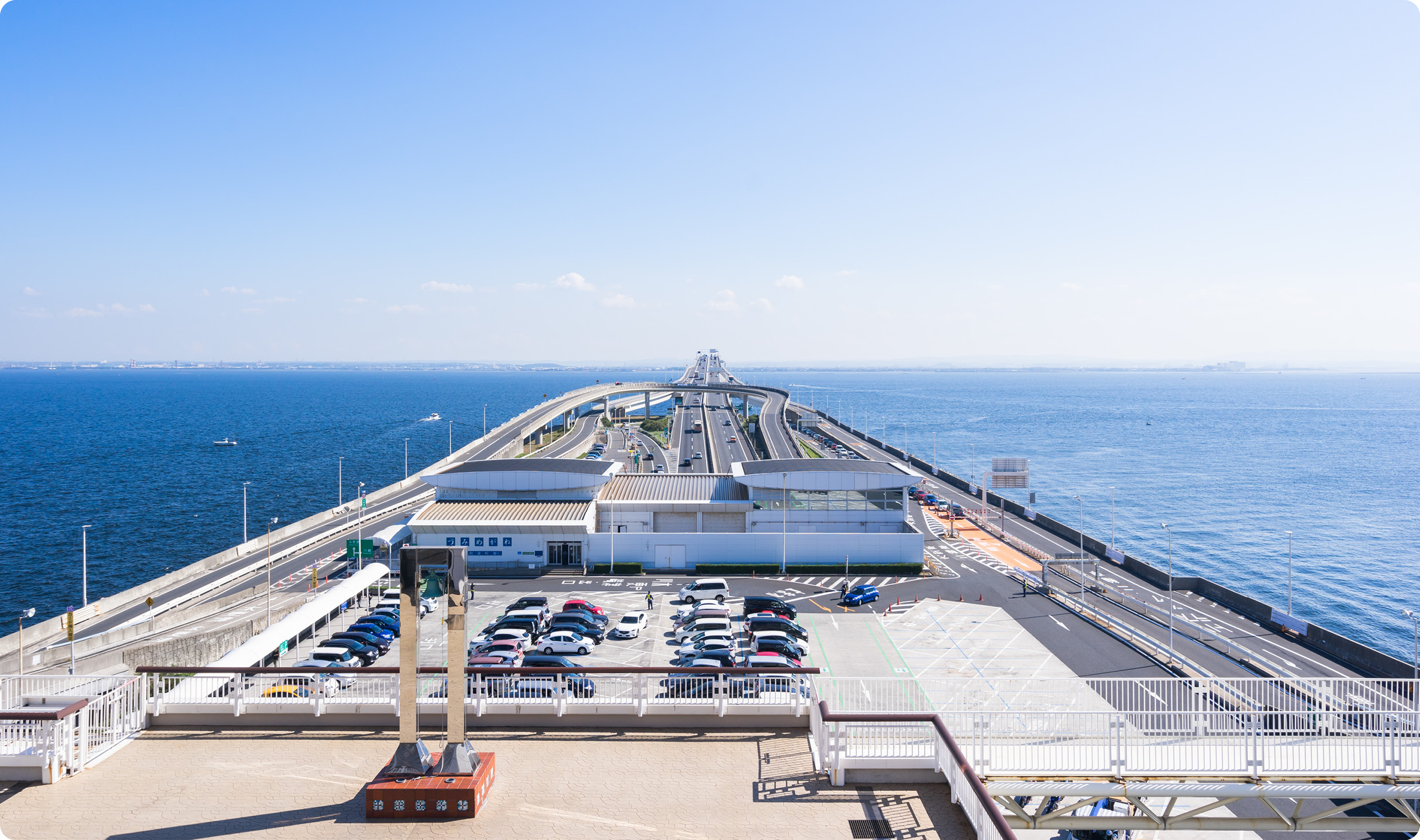
The Boso Peninsula can be reached from central Tokyo in around ninety minutes via the Tokyo Bay Aqua-Line, which connects the outskirts of Tokyo with Kisarazu in Chiba Prefecture. Stopping by Umihotaru PA, a rest area located midway along the Aqua-Line, is also worth considering. Built on an artificial island, the facility features an observation deck offering 360-degree views of Tokyo Bay, along with restaurants and shops. As a result, it has become a popular place to pause for both international visitors and local residents.
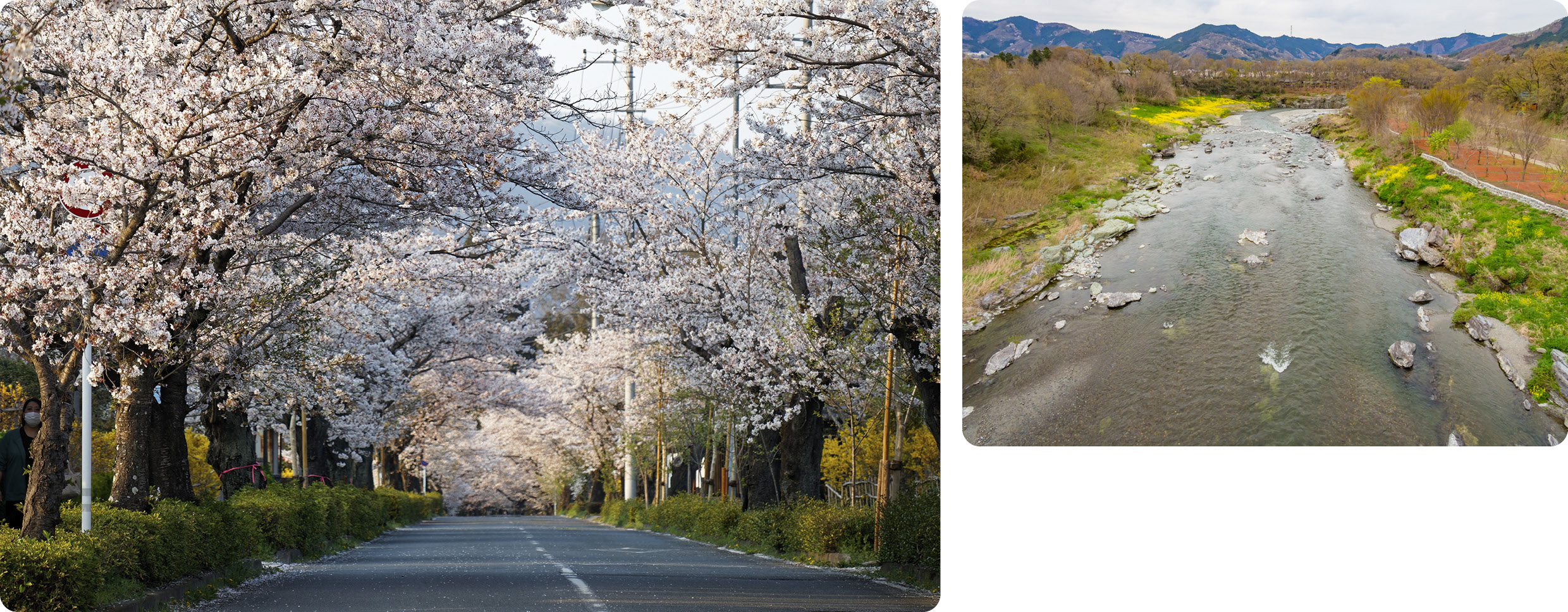
Nagatoro is home to the Arakawa River, which flows 173 kilometers across Saitama Prefecture before reaching Tokyo Bay. National Route 140 runs along the river and makes for a calm, comfortable drive, with quiet water and gentle mountain scenery throughout. In spring, cherry blossoms along the riverbanks add a subtle seasonal charm to the route.
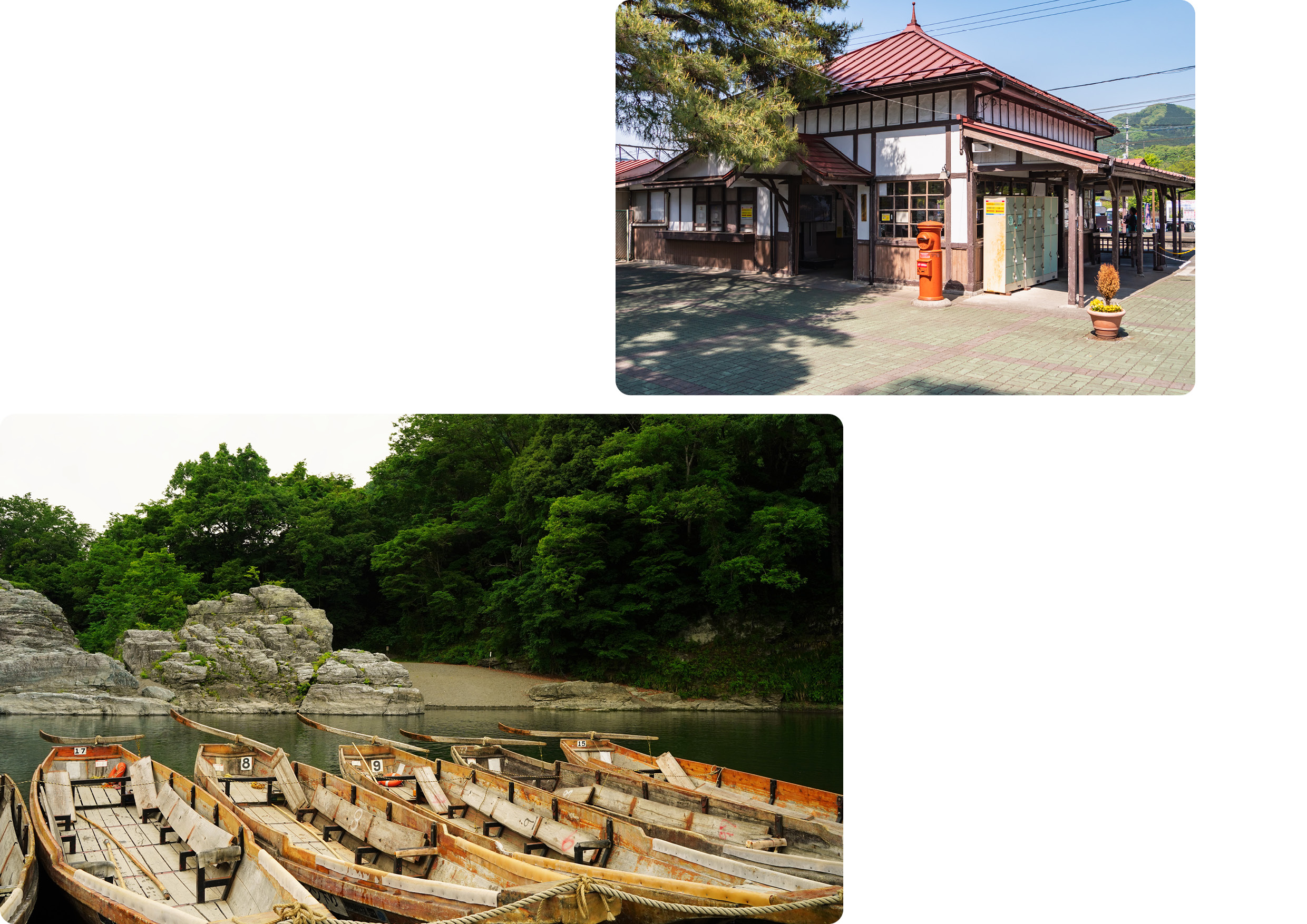
Nagatoro offers a chance to experience the character of a traditional rural town. Along the Arakawa River, visitors can enjoy activities such as traditional boat rides and rafting, while the surrounding area features a modest shopping street and sites like Hodosan Shrine. For those who enjoy both driving and exploring on foot, it is a destination well worth a visit.
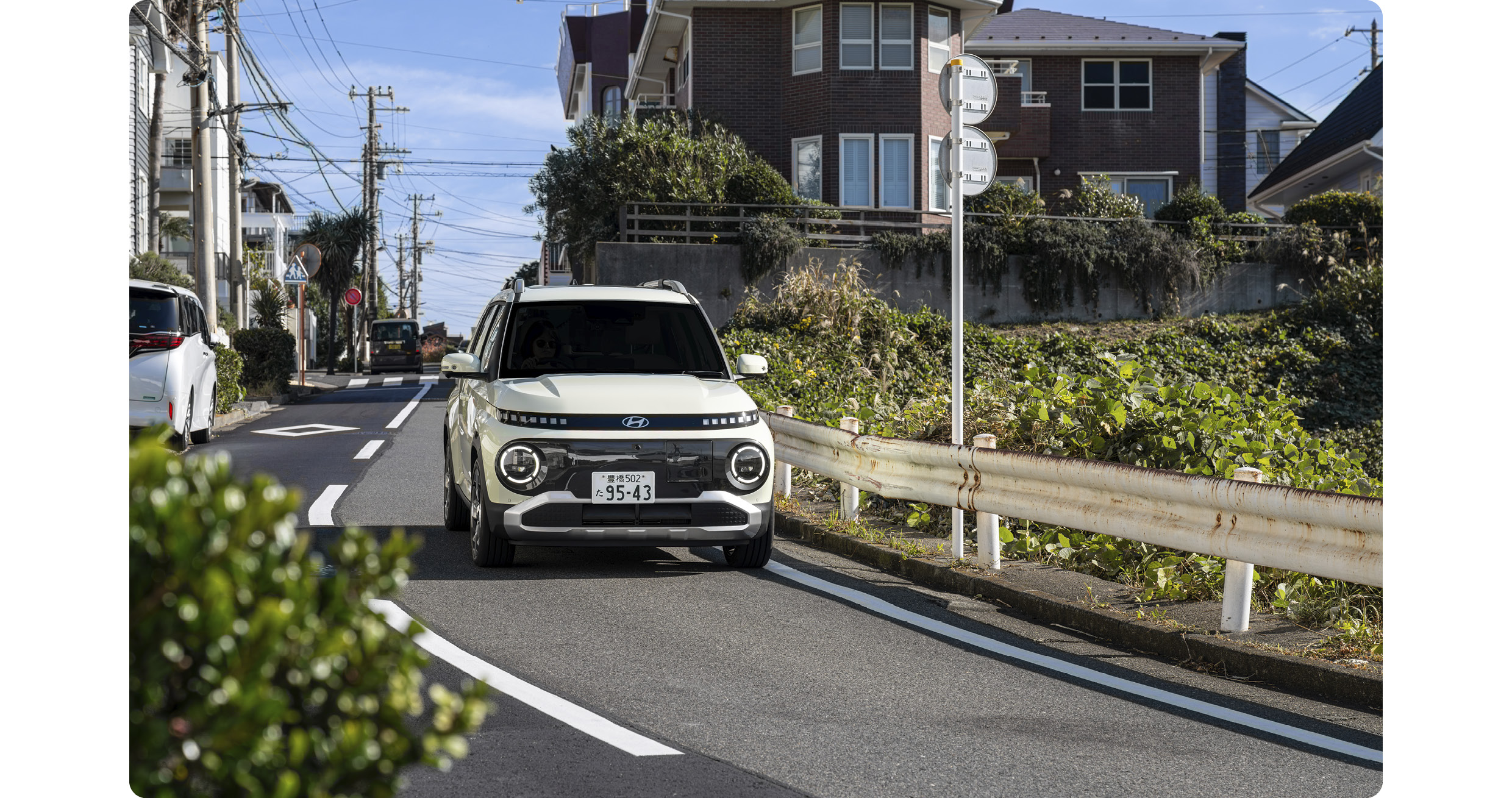
Near Tokyo, driving opens up a different way to experience travel. Whether you follow a well-known route or take a turn simply because it feels right, the drive itself becomes part of the journey. In the end, a good drive does not need a fixed destination—only the freedom to enjoy it.
Written by Choi Hyun-Jin
Video by HMG Journal