Japan has a phrase—en no shita no chikaramochi—literally “the strong hand under the porch.” It nods to the unseen support holding the structure up, and to a craftsman ethos: serious work, done with care, without applause. That’s the Center’s lane. By drilling down into materials and component-level tech, it helps prop up the innovations shaping future mobility.
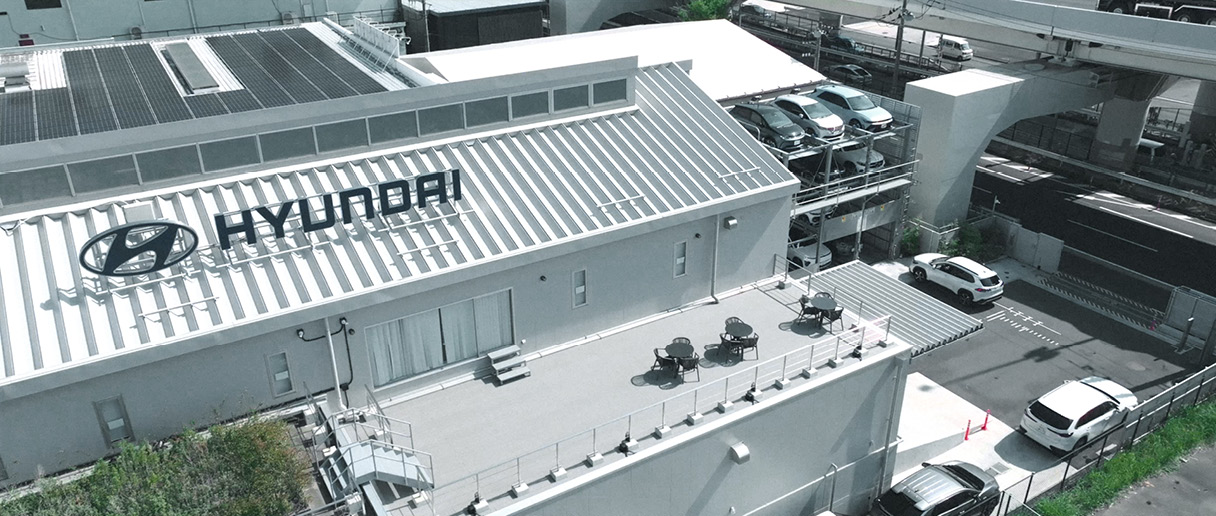
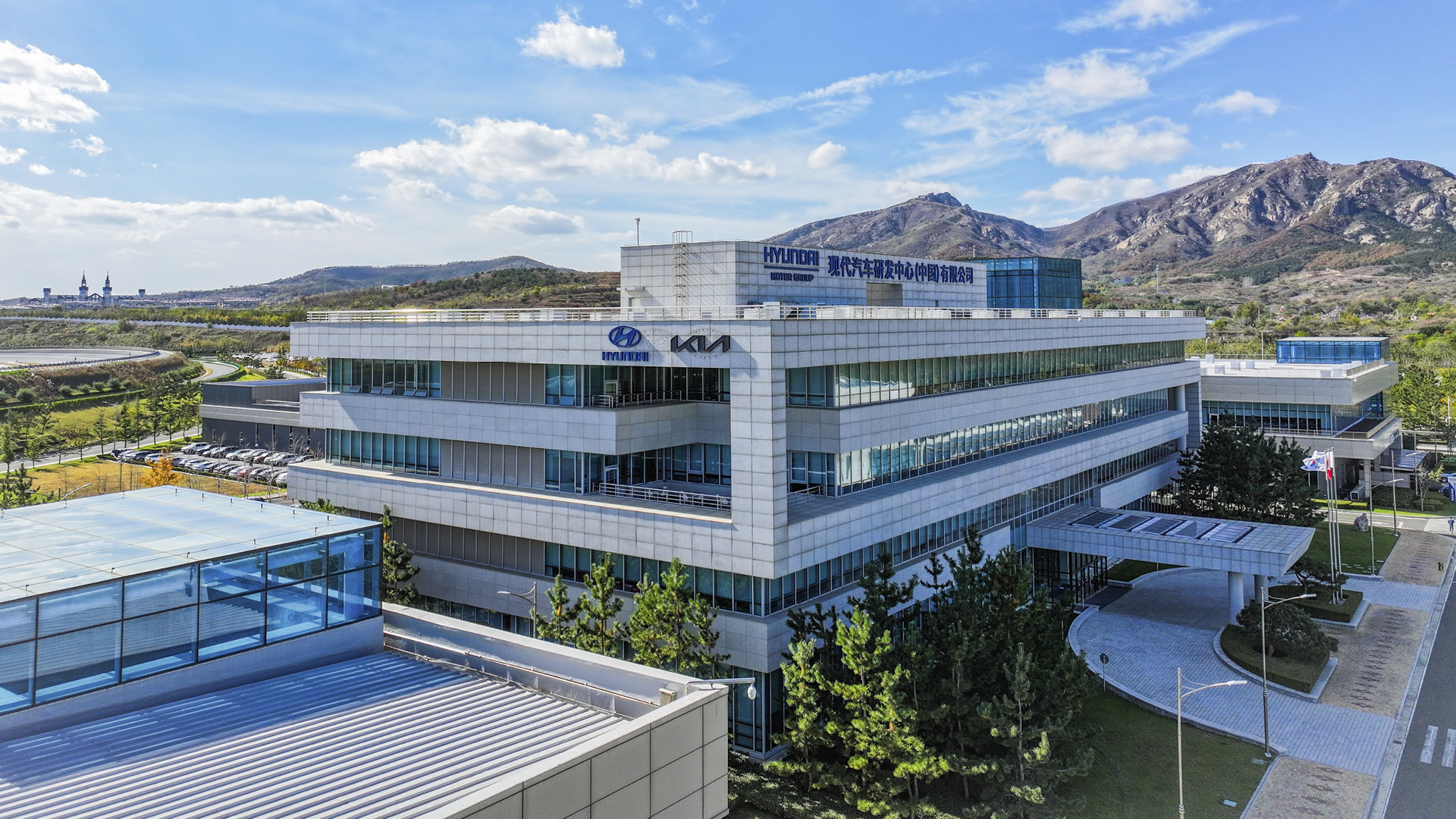
Hyundai Motor Company established the Japan R&D Center as a corporate entity in 1995. Since then, it’s worked with Japan’s engineering specialists to identify and develop the enabling technologies the country does best—power electronics, batteries, acoustics, materials recycling, energy systems, and more. It’s the kind of behind-the-scenes work that adds up to better cars and sustainable mobility.
① Taking The First Step Towards A Brighter Future (1995-1999)
In 1995, Hyundai Motor Company opened an office in Tokyo and established the Japan R&D Center corporation. At the time, Japan was leading the world in electrification—hybrids and EVs included—along with advanced electronics. Hyundai Motor Company’s Japan R&D Center became a base for studying those early technologies and building collaborative ties. President Nam-il Choi described the Japan R&D Center’s role like this:

“Through research and collaboration across multiple fields, the Japan R&D Center has supported the application of new technologies to automotive products. In the past, our work focused on hybrid-centered electrified vehicle technologies and advanced electronics such as biometrics. Today, in line with shifts in Japan’s industrial structure, we place greater emphasis on next-generation battery materials, plastic recycling, and electrification component technologies—continuing research and collaboration in those areas. We also carry out tasks including specification proposals for Japanese domestic market models, local validation, and development support.”
② Relentless Challenges for Technology Development (1999–2009)
In 1999, Hyundai Motor Group(HMG) decided to break into the Japanese auto industry. Around the same time, the Japan R&D Center moved east of Tokyo to Chiba Prefecture, expanding its footprint and its responsibilities. The mission wasn’t just to understand the market in detail, but also to support localization.
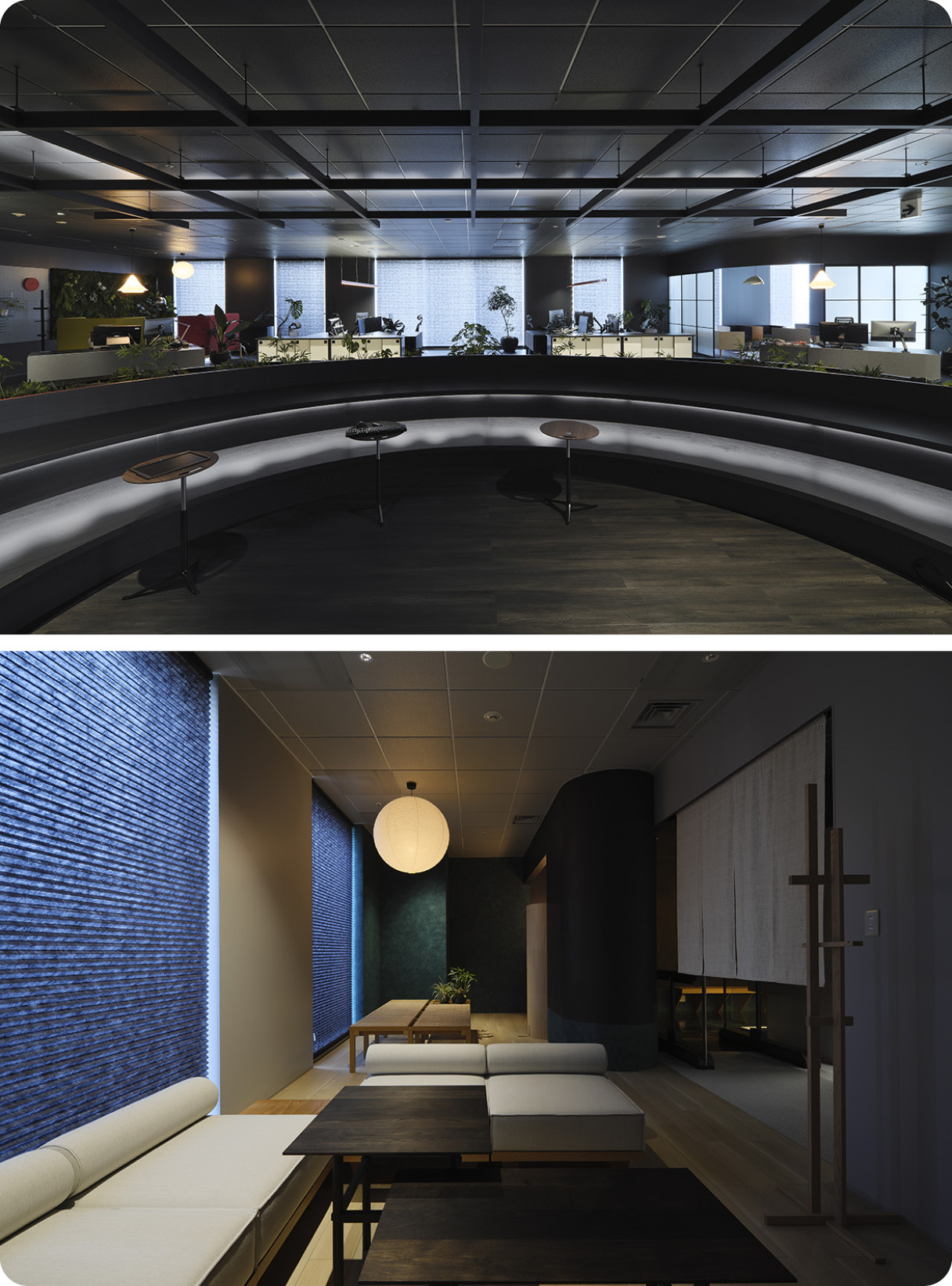
In 2004, HMG opened a design studio in Yokohama, Kanagawa Prefecture—and it quickly became a place where HMG’s styling could be viewed through a different lens. Junichi Takita, a senior designer with the Hyundai Mobility Japan R&D Center(Japan R&D Center) design team, summed up the contrast between Korean and Japanese design:
“While Korea tends to use bold design approaches like Europe or the U.S., Japan is known for ‘subtractive design’—solving design requirements within a lot of constraints. And we put painstaking care into the details, working to create a user experience that stays close to the customer. Boldness and subtraction are critical in design. I think our strength as the design team of the Japan R&D Center is that we can combine the two.”
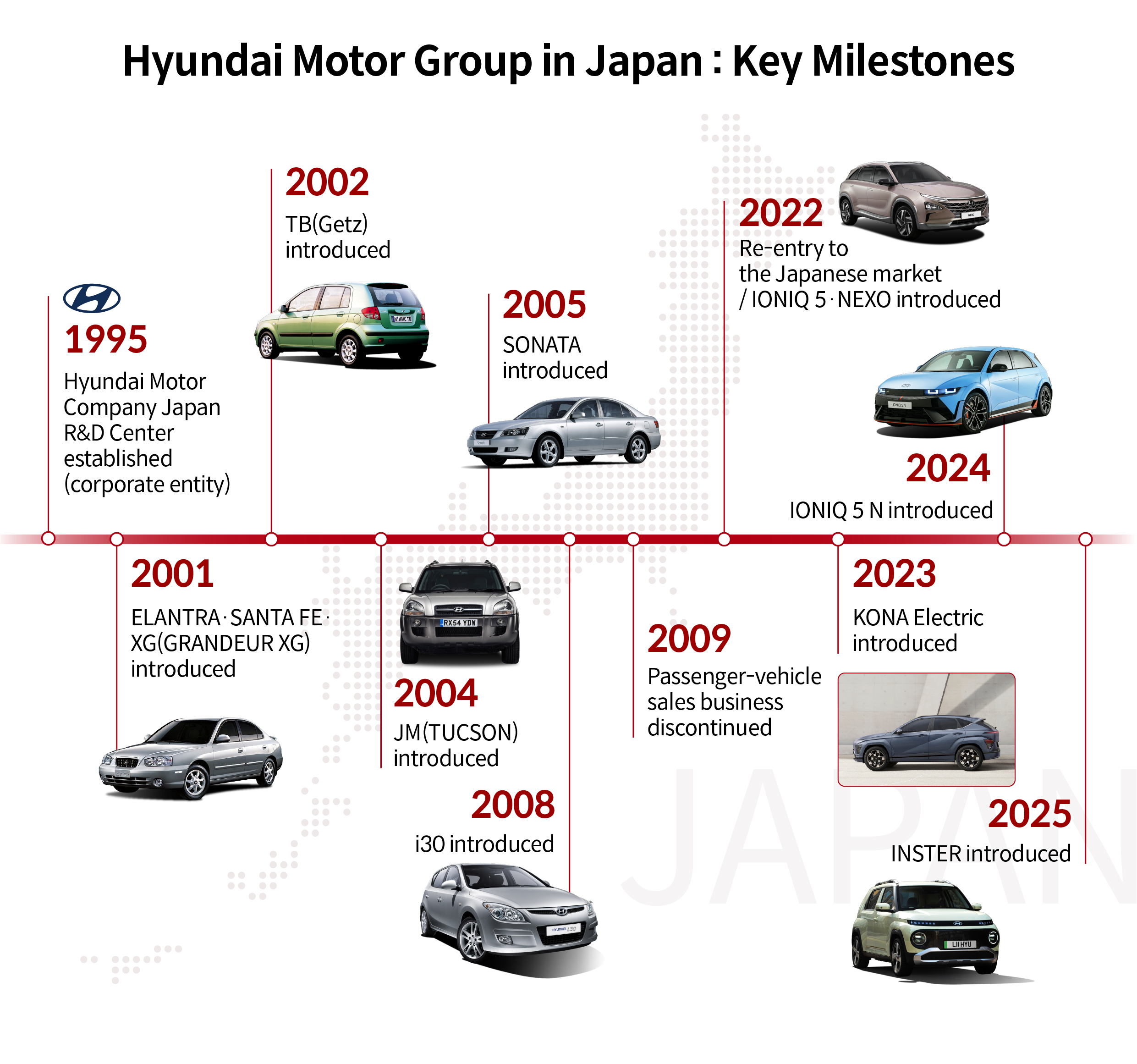
At the time, HMG continued its deliberate push into Japan—bringing a full portfolio to market, from heritage nameplates like the SONATA, XG(GRANDEUR XG), JM(TUCSON), and i30 to newer models aimed at a younger, style-conscious audience. Yet one limitation remained clear: none of the lineup fully aligned with the specific expectations of Japanese customers. Ultimately, HMG chose to withdraw from the Japanese automotive market in 2009, and the Japan R&D Center was restructured with a sharper focus on identifying and developing new technologies.
③ Resolve Shaped by Adversity (2012–2021)
In 2012, the Japan R&D Center unified its operations and relocated to Yokohama, where the Japan design studio is based—resetting with a new structure and a renewed sense of purpose. Japan was still processing the aftermath of the Great East Japan Earthquake in 2011, and the period marked a collective step forward toward rebuilding. Hiroki Nishi, a senior researcher in the Electrification Technology Development Team, reflected on the moment:
“I think Japan’s response to an earthquake of that scale—including the automotive industry—was still insufficient. After the earthquake, many industries shifted to risk hedging—and automotive was no exception.”

After living through a national crisis, the push to reduce risk didn’t stay theoretical—it translated into practical mobility solutions, including vehicle-based power supply systems. President Nam-il Choi described how the Japan R&D Center aligned its research with Japan’s shifting industrial priorities:

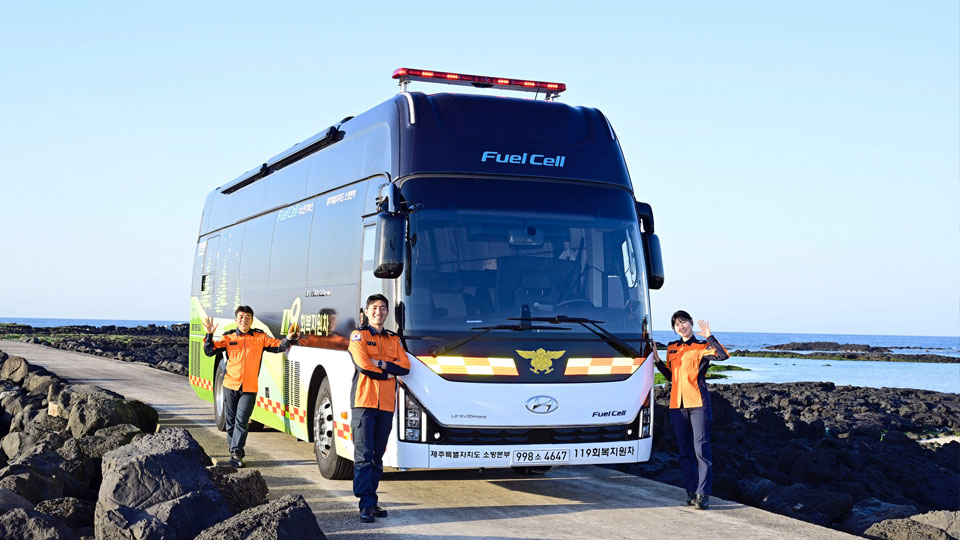
“At the Japan R&D Center, we focused on EV charging and power-supply capability with two priorities in mind: stable day-to-day energy use and dependable backup power in emergencies. A key focus was proving robust V2H (Vehicle-to-Home) compatibility. As a result, the ELEC CITY TOWN BUS, which went on sale in 2024, cleared functional compatibility verification with a range of V2H products in Japan—positioning it to serve as an energy source during disasters. It also became the first—and only—imported vehicle to receive *Whitelist certification, confirming compliance with **CHAdeMO standards and associated conformity testing.”
* Whitelist: A method that permits system access or execution only for selected, trusted entities. The ELEC CITY TOWN BUS passed CHAdeMO conformity testing and was listed on the whitelist.
**CHAdeMO: A fast-charging standard developed in Japan for electric vehicles. It supports rapid DC charging and enables bidirectional charging, making grid-linked applications such as V2G (Vehicle to Grid) easier to implement.
In addition, as it prepared for the future mobility era, the R&D Center placed strong emphasis on research in areas where Japan holds deep expertise—computer vision technologies and biometric healthcare technologies. The team focused on identifying and developing advanced technologies that protect passenger safety and health inside the vehicle cabin, such as predicting drowsiness using the driver’s facial imagery and detecting a driver’s breathing without contact using radar. Hiroshi Nakamura, head of the Connectivity Technology Development Team, reflected as follows.
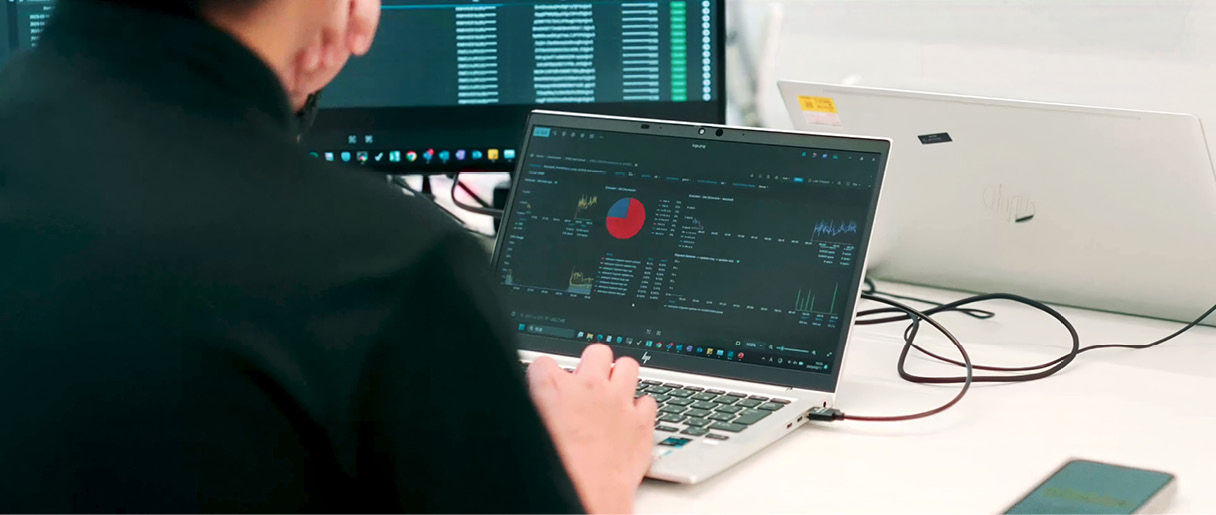
“We developed algorithms for predicting and detecting drowsiness using the driver’s facial imagery. In particular, we focused on developing technologies that can be applied in real driving conditions—such as reflections when wearing glasses, or reduced detection rates caused by accessories or masks. In the healthcare domain, we researched technologies, including contactless breathing rate monitoring through radar systems, estimating pulse using facial imagery, recognizing the driver’s emotions, and contactless personal authentication through wrist vein-pattern detection.”
④ A Renewed Push Toward the Future (2022–2025)
In 2022, HMG returned to Japan’s automotive market after 13 years. This time, the context had shifted decisively. Much like Korea, Japan’s market was accelerating its transition to electrification—and it was ready for truly competitive EVs.
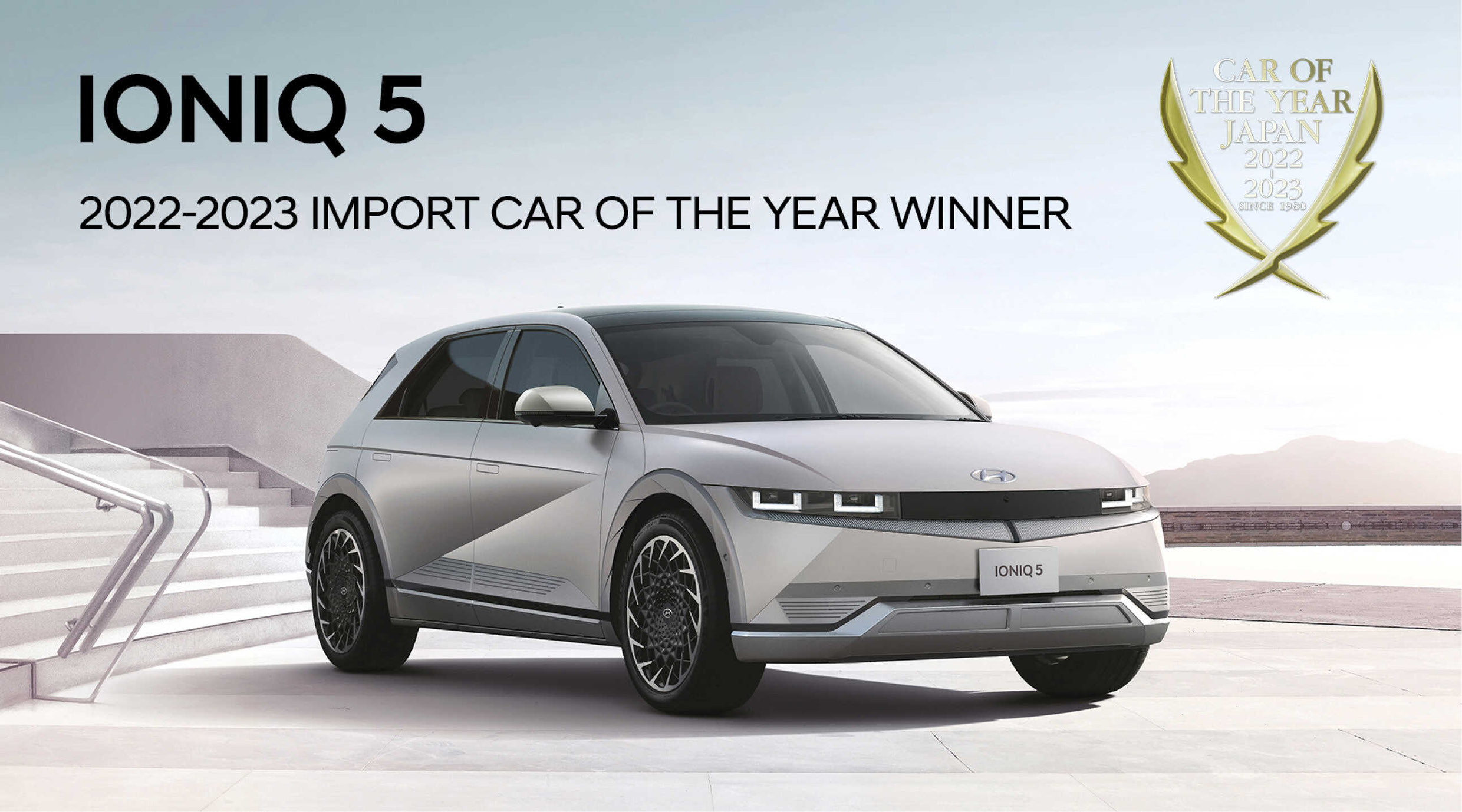
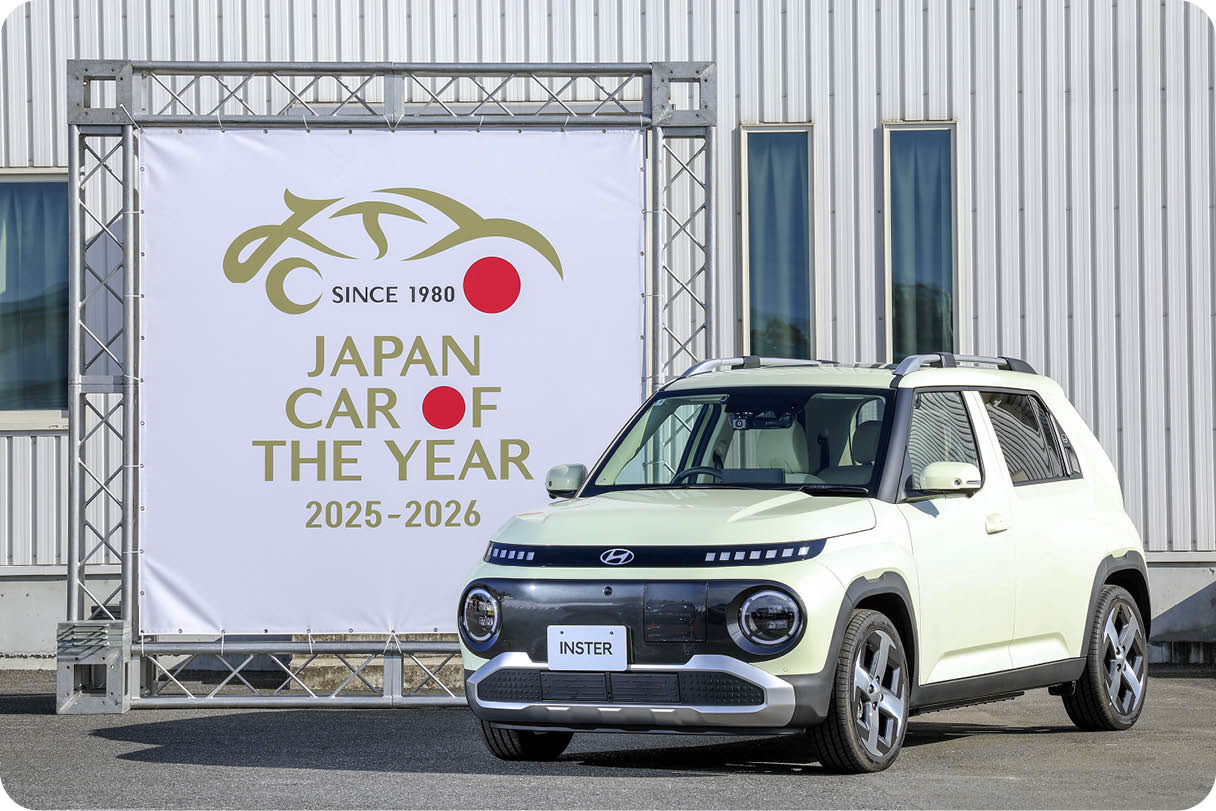
The EV lineup HMG built through years of persistence was met with strong welcome. The IONIQ 5 was selected as Japan Import Car of the Year for 2022–2023. The IONIQ 5 N followed, earning a spot on Japan Car of the Year’s “10 Best Cars” list for 2024–2025. Then, in April 2025, the INSTER drew attention and emerged as a signature model—before joining the “10 Best Cars” list for 2025–2026, following the IONIQ 5. The reasons were straightforward: size aligned with Japanese usage patterns, strong performance, and meticulous localization specifications.

With that momentum came an expanded mission for the Japan R&D Center. Beyond proposing specifications aligned with Japanese customer needs through market and customer research, it moved deeper into hands-on localized vehicle development. Junichi Nishimura, a senior researcher in the Connectivity Technology Development Team, explained what localization requires:
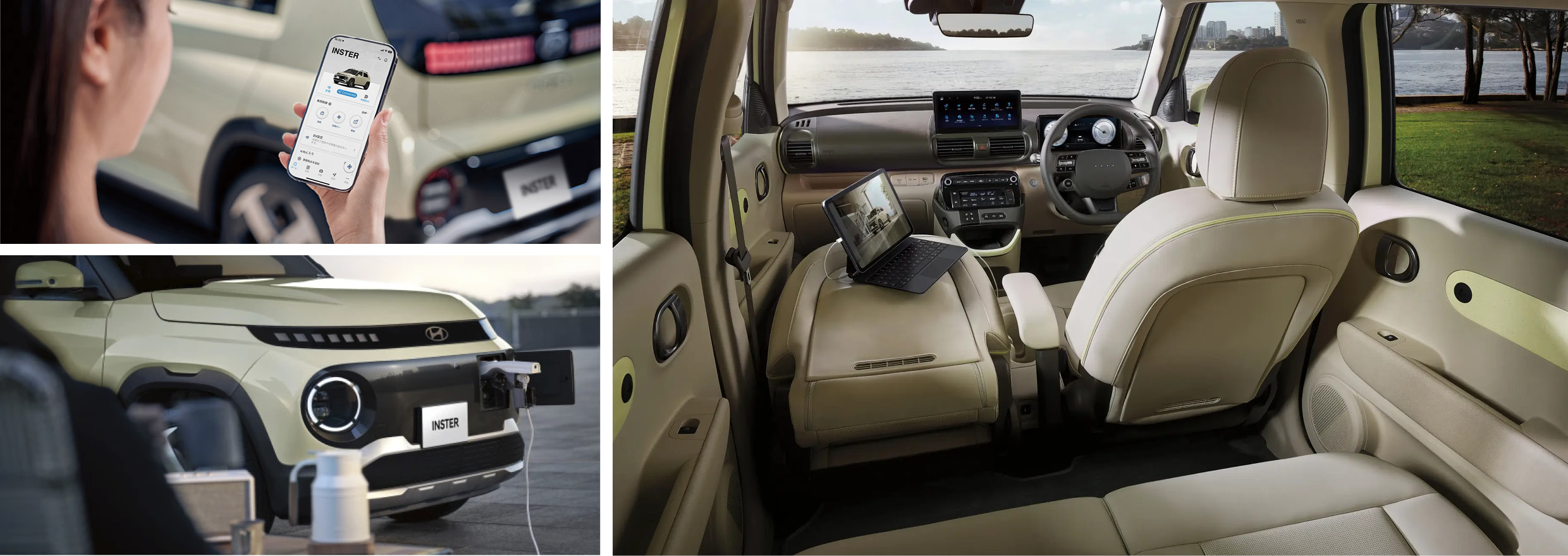
“To provide products and services that satisfy local customers, you need to conduct thorough market research and have both design and evaluation that reflect those findings. In R&D, an efficient body platform and electronic system platform are important so that design changes in response to local requirements can be implemented efficiently. The infotainment system likewise requires design changes, and we carry out development for efficient platforms, language, and UI. Therefore, I believe it is important that the local research center not only performs localization development work, but also participates in platform development so localization can be carried out efficiently.”
A representative achievement is PMSA (Pedal Misapplication Safety Assist), developed in collaboration with HMG’s Namyang R&D Center. Most Japanese automakers already deploy similar functions. The Safety Support Car program*—which recognizes the performance of such technologies—was also already widely established. Yet among import brands, there had been no model recognized for validated performance. Yong-jae Song, a senior research engineer in the Vehicle Test Team, recalled:
*Safety Support Car: A national certification program for vehicles equipped with advanced safety devices aimed at preventing traffic accidents caused by elderly drivers.

“The Japan R&D Center evaluated a wide range of vehicles in Japan, shared those insights with the Namyang R&D Center, and translated them into clear, actionable functional requirements. That work kicked off development in 2023, with PMSA ultimately applied to the Inster in 2025. In Japan, it became the first import brand to earn Safety Support Car recognition—and the same technology also carried over to the Korea-spec model, where it was met with a positive market response.”
To build vehicles that truly resonate in Japan, the Japan R&D Center is concentrating on “localized development and validation of vehicle performance that considers Japan’s unique environment and customers’ driving characteristics.” The fundamentals are different here: right-hand-drive vehicles, left-side traffic, EVs built around the CHAdeMO charging and power-supply system, and a driving culture that values smooth, progressive acceleration and deceleration.
Meeting those conditions requires more than a spec-sheet adjustment. It demands disciplined verification and careful tuning—hardware and software in equal measure. Accordingly, the Japan R&D Center is investing broadly in localization work aligned with Japanese expectations, from steering feel and overall drivability to ADAS usability, suspension optimization, and infotainment refinement. The ELEC CITY TOWN BUS, which secured V2H reliability, followed the same philosophy—measuring road profiles across multiple Japanese bus routes and conducting local validation evaluations to confirm its suitability as a route bus.
Beyond vehicle development, the Japan R&D Center strengthens competitiveness by tracking Japan’s market trajectory—including emerging technologies—and supporting responses to government and association policies. That includes proactive research and rapid response on Japan’s EV charging infrastructure to improve EV product competitiveness. The Center also built local evaluation environments for introducing NEXO to the Japanese market, while advancing work tied to regulations and policy requirements.

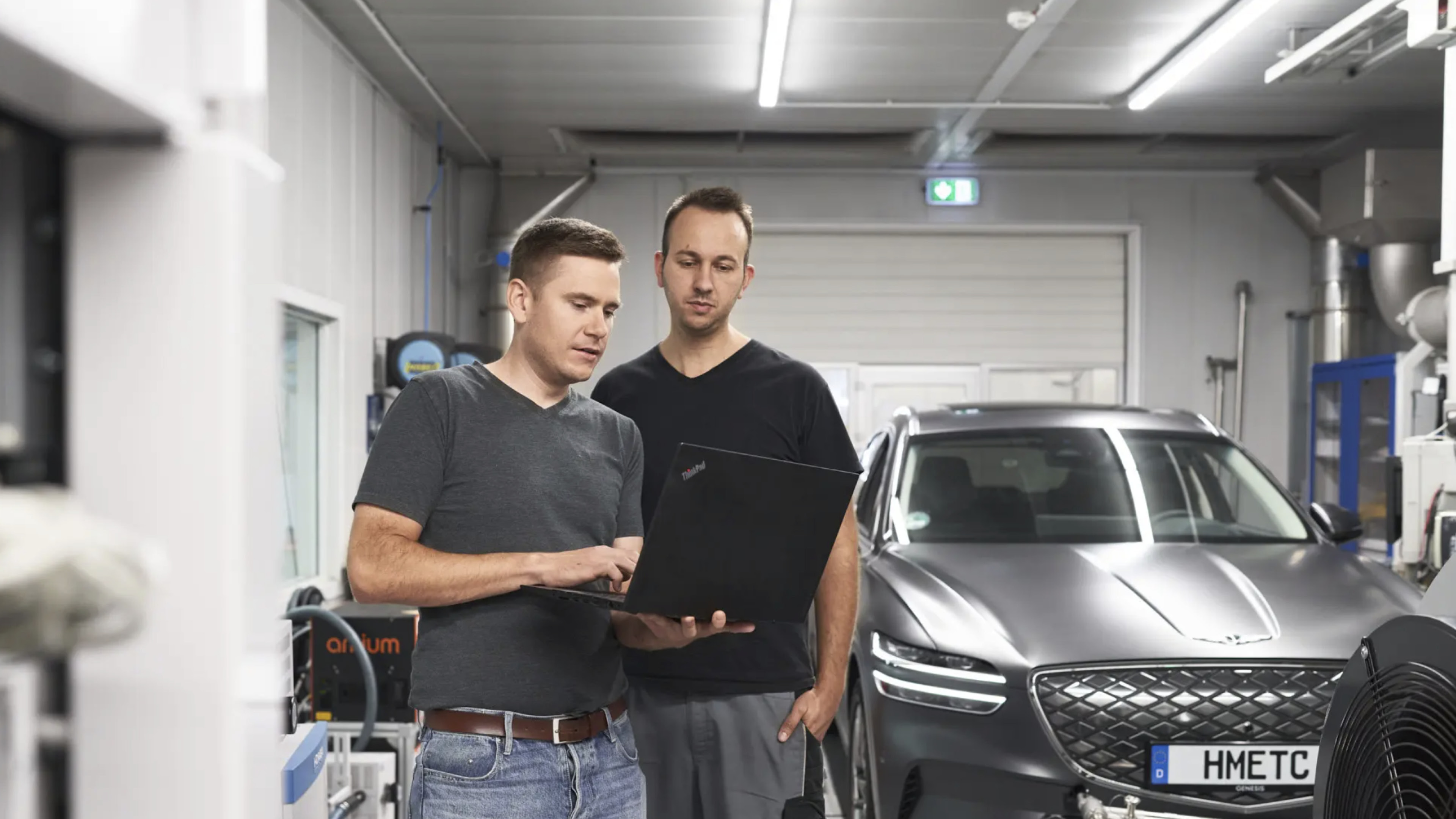
In 2024, the Japan R&D Center also opened the Shin-Yamashita Vehicle Test Lab. The facility is equipped for a broad range of advanced research, including a dry room capable of producing and studying pouch cells for all-solid-state batteries, analysis and degradation equipment for materials research, and a dedicated charging test room for functional testing of Japan-specific CHAdeMO charging and V2H equipment.

And in 2025, the Japan R&D Center expanded its own footprint. The aim was to accommodate headcount growth driven by its broader role—and to upgrade the workplace in support of new ways of working. Walls that had separated offices by area were removed, and the space was reshaped around comfortable individual workstations and open discussion zones that make group meetings and collaboration easier—creating a more flexible, open work environment.
Technology reflects society; The Japan R&D Center’s core research areas are closely tied to the characteristics of Japanese society. Japan, for example, is a leader in recycled-materials technology. Waste sorting is deeply ingrained, and the use of recycled materials is mandated under laws such as the Home Appliance Recycling Act and the Automobile Recycling Act.
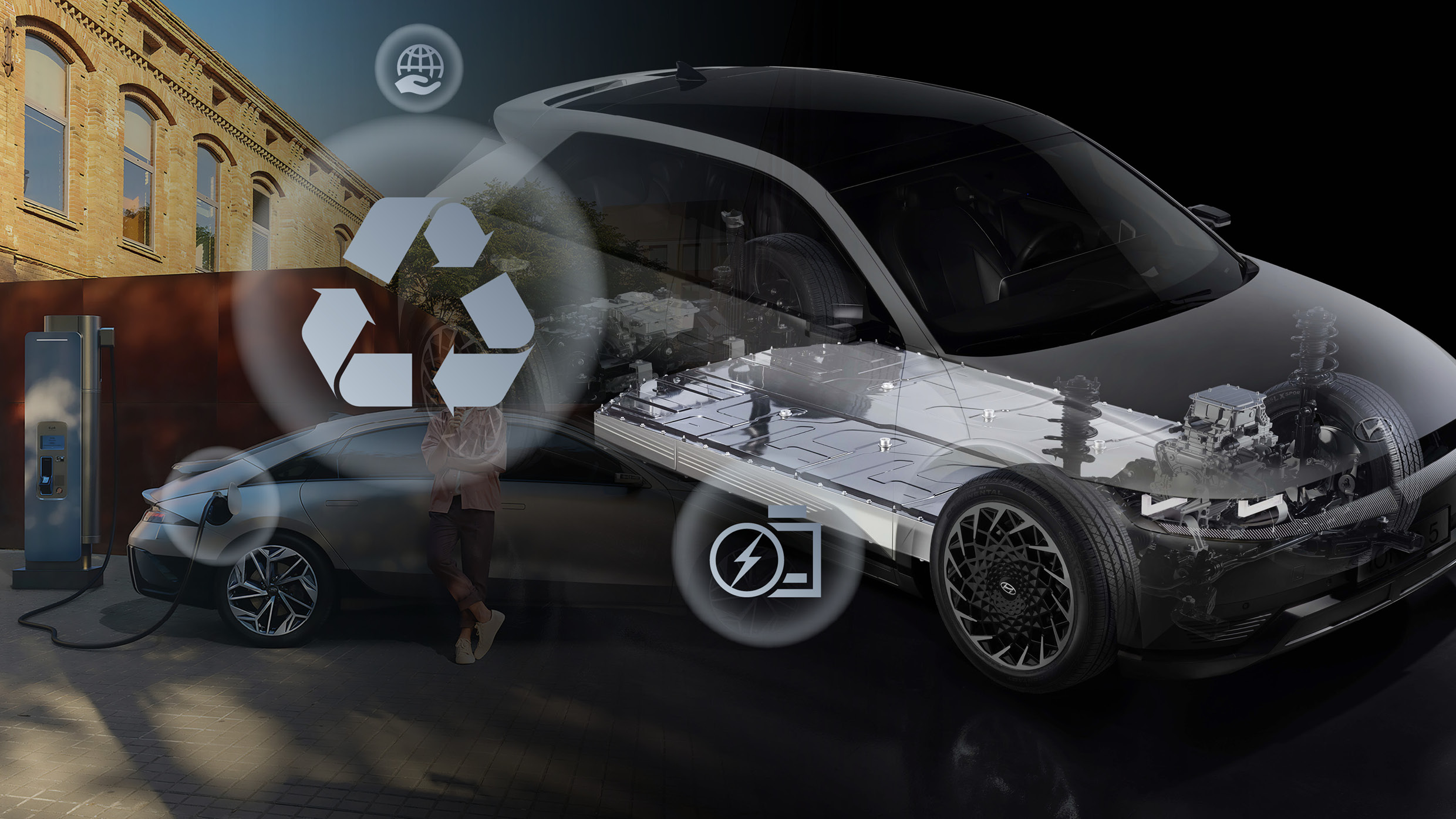
Hironari Takase, head of the Electrification Technology Development Team, framed the Center’s recycled-materials work in a broader industry context:
“Japan’s automotive industry is expected to see even stronger demand for recycled materials as it works to meet international targets for preventing global warming. Major OEMs are already building their own recycling loops, and the underlying technologies are well established. Japan’s strengths in materials engineering are now carrying over into recycling technologies and parts-application technologies, and the Japan R&D Center is increasingly seeing opportunities to receive a wide range of proposals through collaboration with these companies. Representative examples include plastics, rare metals, materials and parts that utilize them, and solvents.”
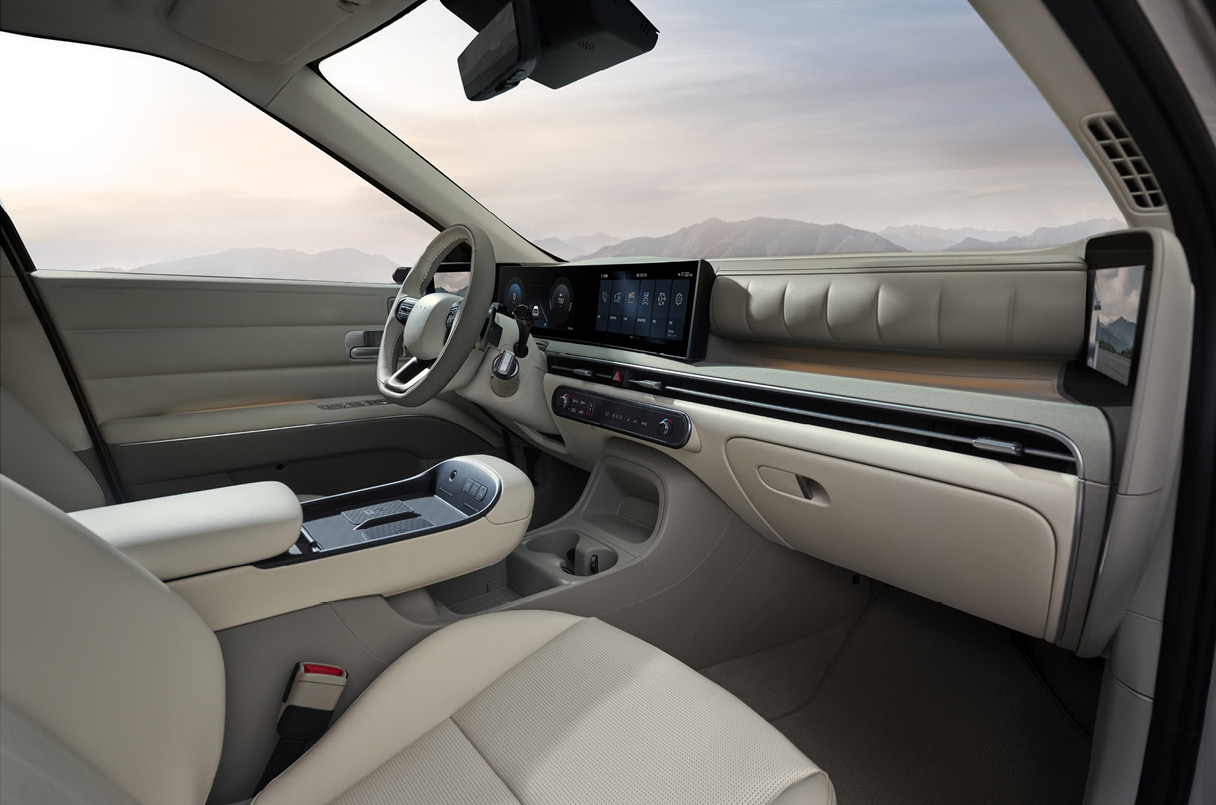
R&D philosophy differs as well. “Even in corporate research, we focus on ‘what the essence is.’ Rather than pressing for quick results, we take a mid-term view—prioritizing the process and steadily raising the level of technological completeness. In Japan, the proverb ‘If you're in a hurry, take the long way around.' is widely known. It carries the lesson that moving carefully and consistently, rather than rushing, is the surest path," says Hironari Takase.
① Physical properties recovery Technology applied Recycled Plastic

The property-restoration technology the Japan R&D Center is developing—using a resin-application relaxation mechanism—targets a familiar recycling challenge: performance drop-off. It can eliminate property degradation during recycling and also improve the properties of virgin material*. That means waste resin previously sidelined by material limitations can be recycled, and because properties don’t degrade, the material can be recycled repeatedly. Expanding that loop also helps reduce end-of-life waste that would otherwise be incinerated or sent to landfill.
*Virgin material: New raw material that has never been used or processed.
Yoshiaki Ishigami, a senior researcher in the Electrification Technology Development Team, noted that “according to research by the European Commission’s Joint Research Centre, nearly 240 kg of plastic parts are used in a single vehicle in recent years,” and explained:
“Lowering the technical barriers to plastic recycling is important. When building a car, some parts use recycled materials, but for safety-related parts, recycled plastics may be excluded because their material properties weaken. We expect that plastics with property-restoration technology identified by the Japan R&D Center could become a catalyst for expanding the use of recycled materials as the use of plastic materials continues to increase.”
② Solid-State Batteries

EV battery development is a highly competitive global field and Japan is leaning hard into all-solid-state tech. By exploiting the materials’ core strengths—flame resistance, heat tolerance, and high energy density—these batteries are positioned to deliver meaningful gains. In-woo Song, a senior research engineer in the Electrification Technology Development Team, said:
“Japan sees all-solid-state batteries as a major opportunity. Japan also has strong advantages in foundational technology industries—ceramic and glass manufacturing, solid electrolytes, high-purity cathode and anode materials, and precision manufacturing equipment. Building on that base, we’re putting significant effort into helping accelerate HMG’s researching production of solid-state batteries through business model development and collaboration.”
③ Electromagnetic noise shield technology applied Resin Cover
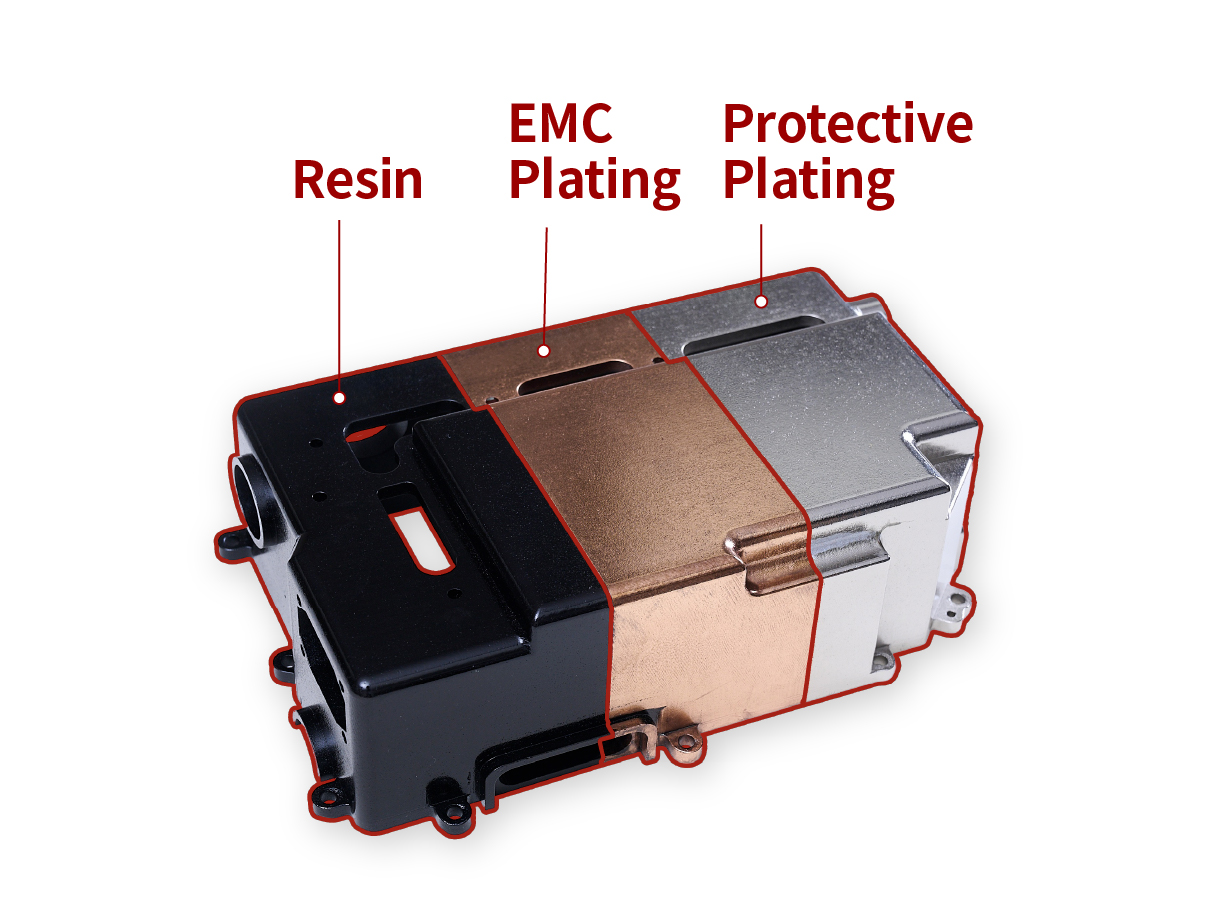
Energy and power-system development is moving quickly, too. In power electronics (PE) at the Japan R&D Center, the brief is straightforward: smaller and lighter packages, better cooling, and higher power-conversion efficiency—all in service of higher output density. Hiroki Nishi, a senior researcher in the Electrification Technology Development Team, explained:
“To improve mobility energy efficiency, lightweighting is extremely important. The Japan R&D Center is reviewing ways to replace parts made of metal materials such as aluminum with resin materials. The resin cover with electromagnetic noise-shielding technology is one example. PE components control the high power required for vehicle propulsion through power-device switching, and electromagnetic noise can be generated in that process. Because it can affect the vehicle’s radio and other electronic devices, the component case needs electromagnetic shielding. That is why we chose a method of thinly plating metal onto a lightweight resin surface. While plating isn’t possible with conventional thermosetting resins, we found a way to solve that. We’re now in the advanced development stage and will proceed with reliability testing and other work, aiming for mass-production application.”
④ Premium 3D Sound System and External Amplifier-less High-Quality Audio System

Japan’s premium-audio culture is no niche—it’s mainstream enough that customers bring high expectations into the car. The Japan R&D Center is working with Japanese audio brands to integrate signal-processing and speaker technologies, aiming to meet those expectations while carving out a more distinctive sound. Key efforts include a premium 3D sound system and a high-quality audio system designed to run without an external amplifier.
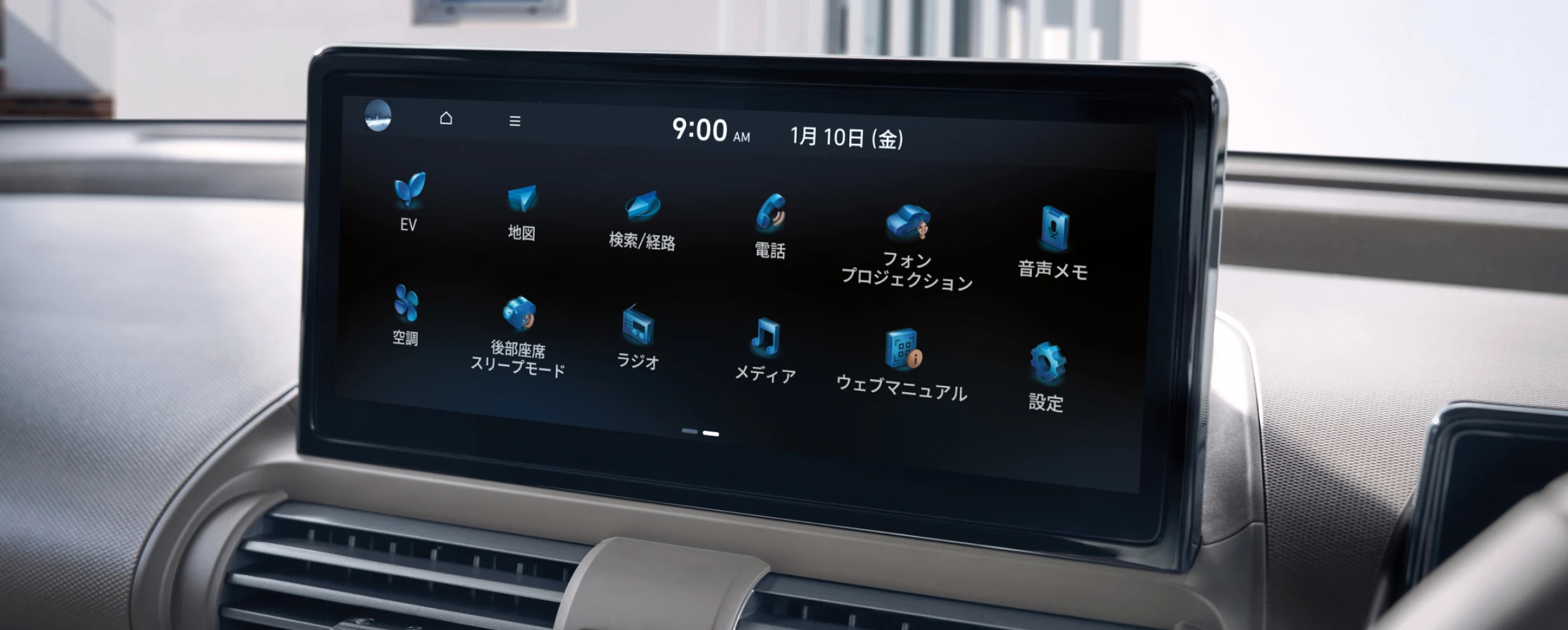
Hiroshi Nakamura, head of the Connectivity Technology Development Team, outlined the approach:
“Through collaboration with Japanese audio brands that have high-quality signal-processing and speaker technologies, we are examining multiple approaches to how sound differentiation can be achieved. Recently, we also developed a high-quality audio system that runs using only the built-in amplifier, without an external amplifier. By combining signal-processing technology with high-quality speakers, the system delivers smooth, high-quality sound even with only the built-in amplifier.”
Taken together, this is the Japan R&D Center leveraging Japan’s strengths—materials, manufacturing, electronics, and audio—into advanced research that’s intended to translate into future mobility features, even if the path to production takes time.

The Japan R&D Center operates as a link between Japan’s supplier ecosystem and HMG’s Korea-based R&D hubs, including the Namyang R&D Center and Uiwang R&D Center. One of the clearest examples is its all-solid-state battery collaboration. In-woo Song, a senior research engineer in the Electrification Technology Development Team, explained:
“The Hyundai Mobility Japan R&D Center is focusing on all-solid-state batteries and collaborating with the Uiwang R&D Center. We identify materials and process technologies in Japan and build networks with a wide range of companies, while staying in close communication with the Uiwang R&D Center about technologies that can be applied. In line with the development direction, we explore and validate Japan’s technologies—and we continue advancing the technology through three-party collaboration among the Uiwang R&D Center, the Japan R&D Center, and local companies.”
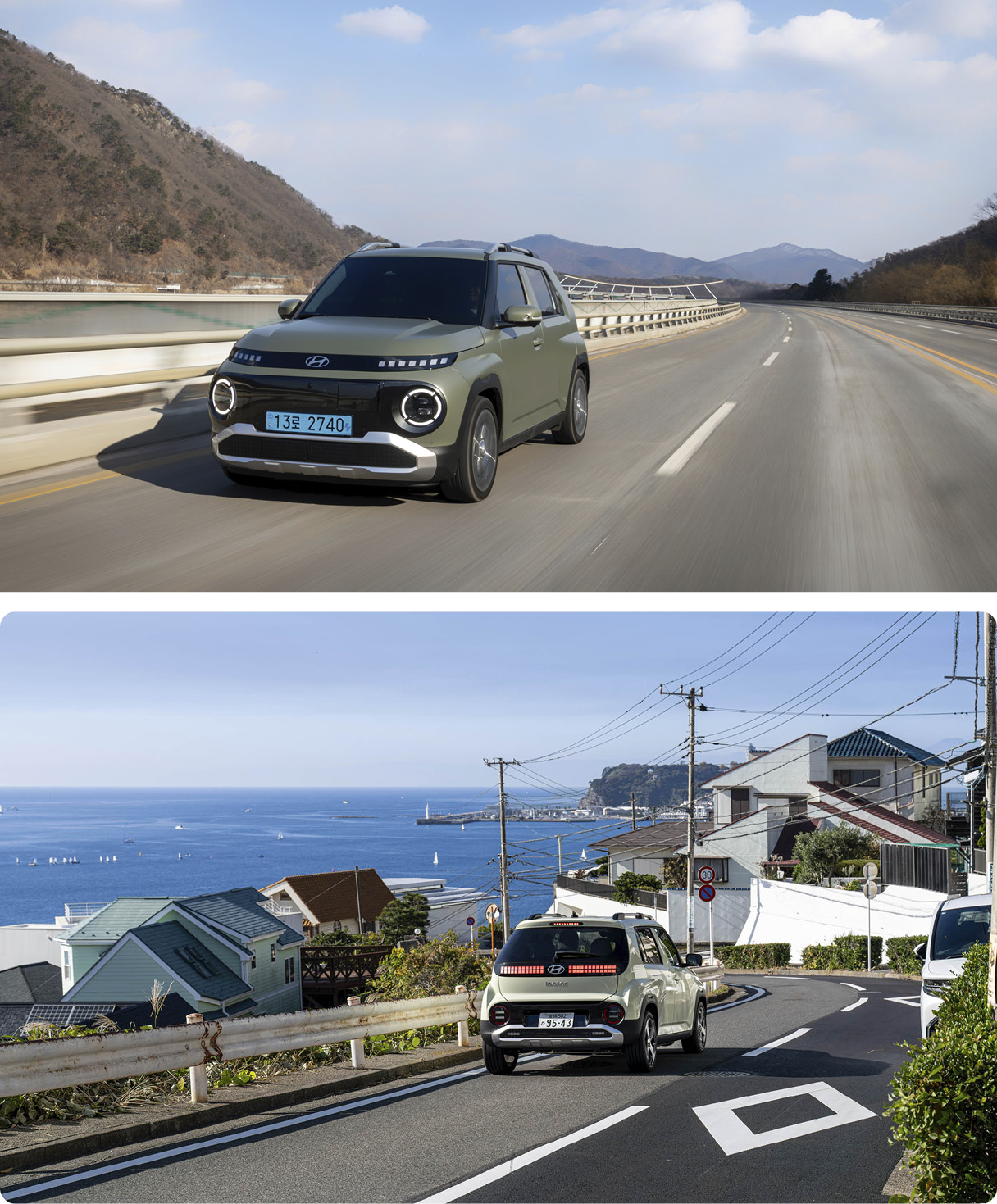
Korea and Japan share the same baseline—quality first—but they get there in different ways. Korea tends to execute fast, and make bold calls. Japan plays the long-term approach, stacking fundamentals, process discipline, and detail until the result is bulletproof. Put those two mindsets together, and you get a real advantage: speed with rigor, ambition with precision.
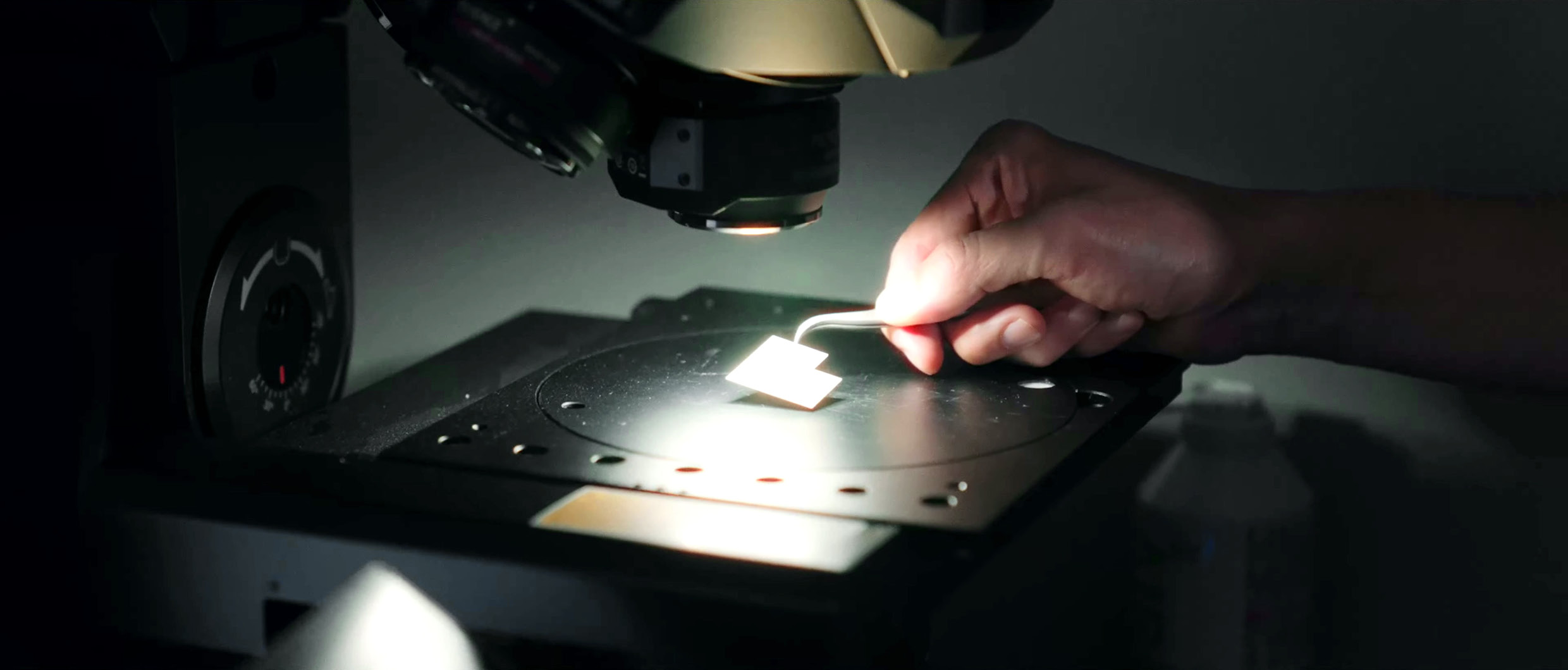
That’s the role the Japan R&D Center is aiming to fill—being a bridge for technology exchange between Korea and Japan. President Nam-il Choi sums it up:
“The Japan R&D Center aims to serve as a specialized research center—supporting engineers developing vehicles in realizing diverse values, while focusing on materials and elemental technologies to provide customers with the best products.”
It’s not the kind of work that makes headlines. It’s the kind of work you feel later—in better parts, smarter systems, and tech that’s ready when the market is.