Las Vegas streets are never exactly easygoing. Along the city’s neon-soaked corridors, hotels and casinos funnel together a constant stream of pedestrians, private vehicles, ride-hailing traffic, and delivery flow. Lane markings can disappear overnight thanks to frequent roadwork, and hotel entrances often turn into controlled chaos, packed with tourists dragging luggage and valet vehicles cutting in and out.
That makes Las Vegas challenging enough for a human driver. For autonomous driving engineers, it is something else entirely: a real-world test bed loaded with *edge cases. That is a big reason Hyundai Motor Group autonomous driving joint venture Motional has made Las Vegas one of its core operating environments.
*Edge case: A rare or atypical driving situation that falls outside normal road conditions. These scenarios play a critical role in developing and assessing autonomous driving capability.
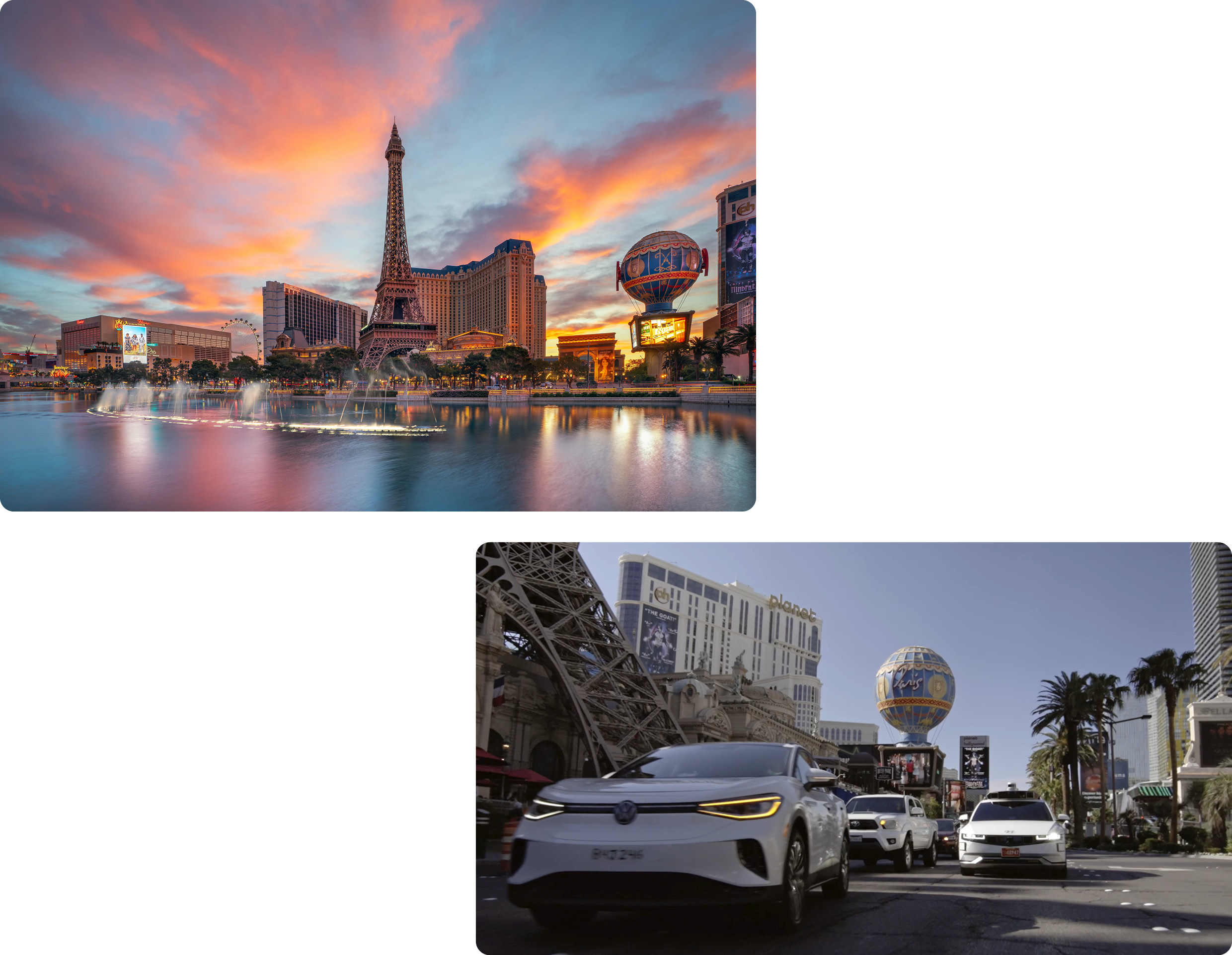
Las Vegas also checks two other critical boxes. It offers a policy environment that is relatively friendly to autonomous driving, and it delivers stable weather year-round. Together, those conditions make it an ideal place for self-driving systems to learn from a broad mix of road variables and continue building response capability. Add roughly 40 million visitors a year and transportation demand that swings dramatically by season, and Las Vegas becomes more than a flashy backdrop—it becomes a serious operating classroom. If a company can build autonomous driving know-how here, it stands a much better chance of expanding into other cities with fewer mistakes and faster adaptation. That is why Motional, along with autonomous mobility companies around the globe, sees Las Vegas as one of the right places to validate *robotaxi service in the real world.
*Robotaxi: A self-driving vehicle engineered to carry passengers to their destination without a human driver in the seat. It falls under SAE Level 4 autonomy or above. Unlike Level 3 systems, which can still require a driver to step in, a robotaxi must be capable of operating with full safety built in.
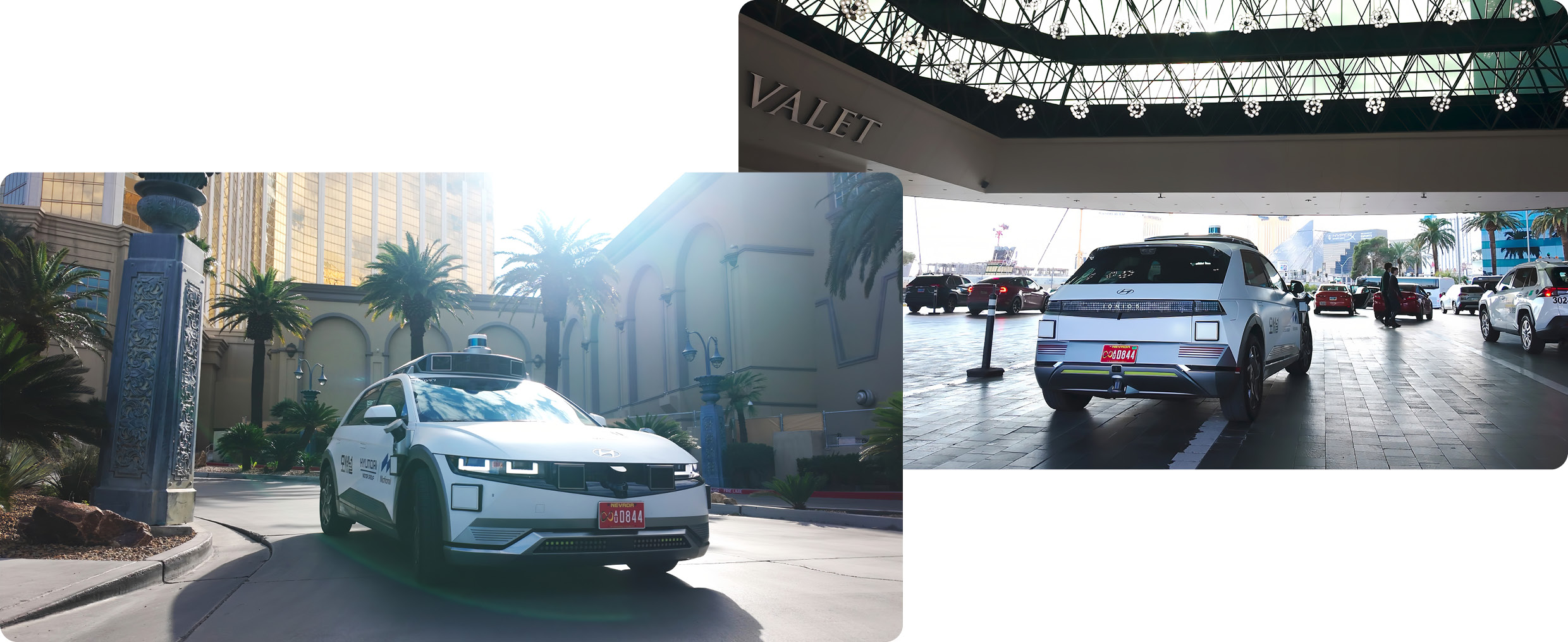
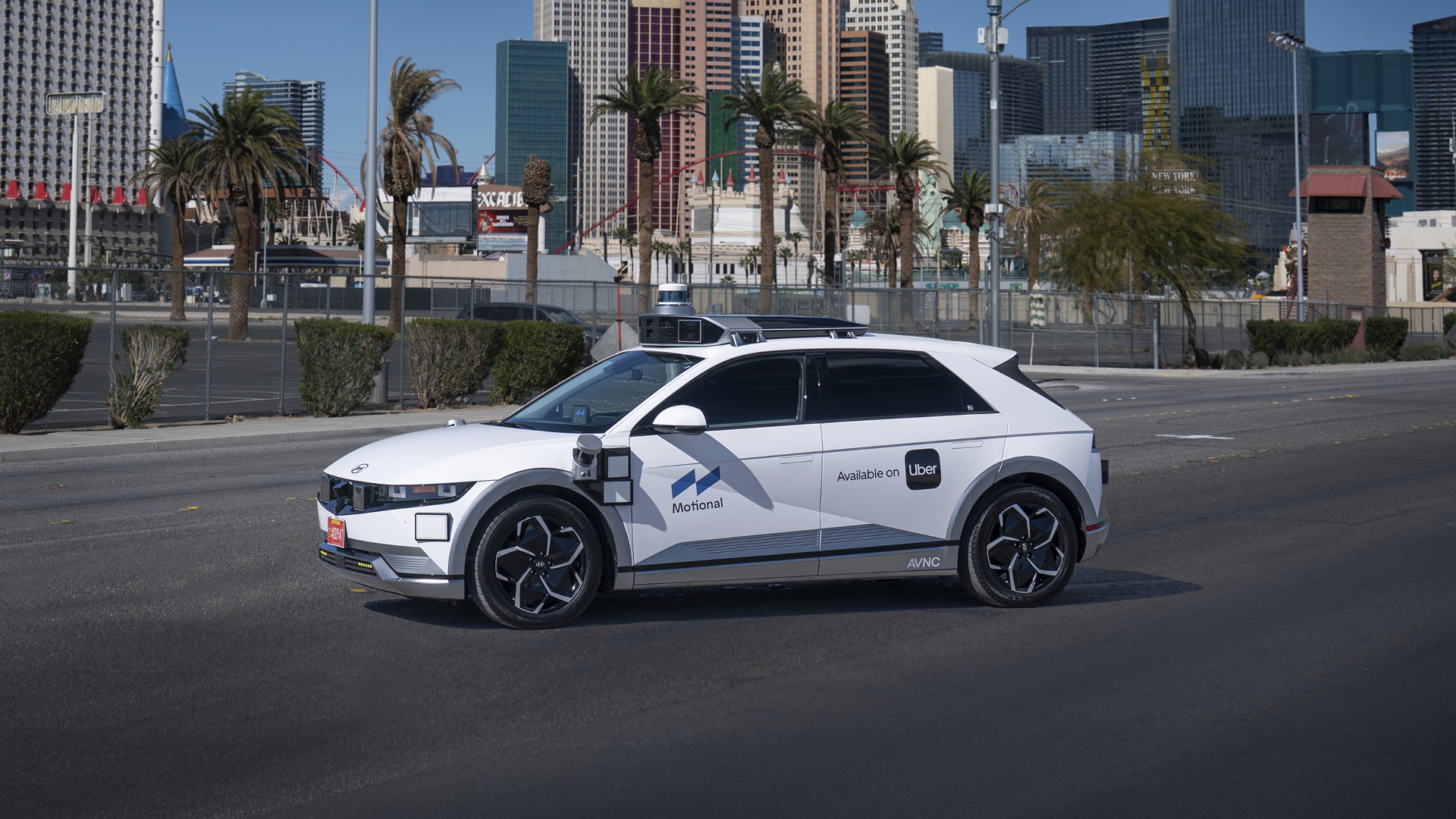
With commercial driverless robotaxi service slated to launch later this year, Motional is using Las Vegas as its final proving ground. The pilot will focus on major hotel districts including Encore at the Wynn, and Resorts World Las Vegas and other high-demand destinations across the city, traveling between key regions such as Downtown Las Vegas, the Town Square shopping center near the airport. In other words, this is not a soft rollout—it is a real-world test in some of the city’s busiest, most demanding traffic environments.
That matters even more in Las Vegas Strip of Las Vegas Boulevard, where taxis and ride-hailing vehicles cannot simply pull to the curb for pickups and must instead use designated pickup and drop-off zones. Those areas are often among the most chaotic parts of the urban traffic picture. Motional, though, comes in with a meaningful edge. Since 2018, the company has been building a deep bank of ride-hailing pickup feedback and real-world operating experience, giving it a finely tuned understanding of how to navigate passenger zones crowded with vehicles, foot traffic, and constant curbside churn.
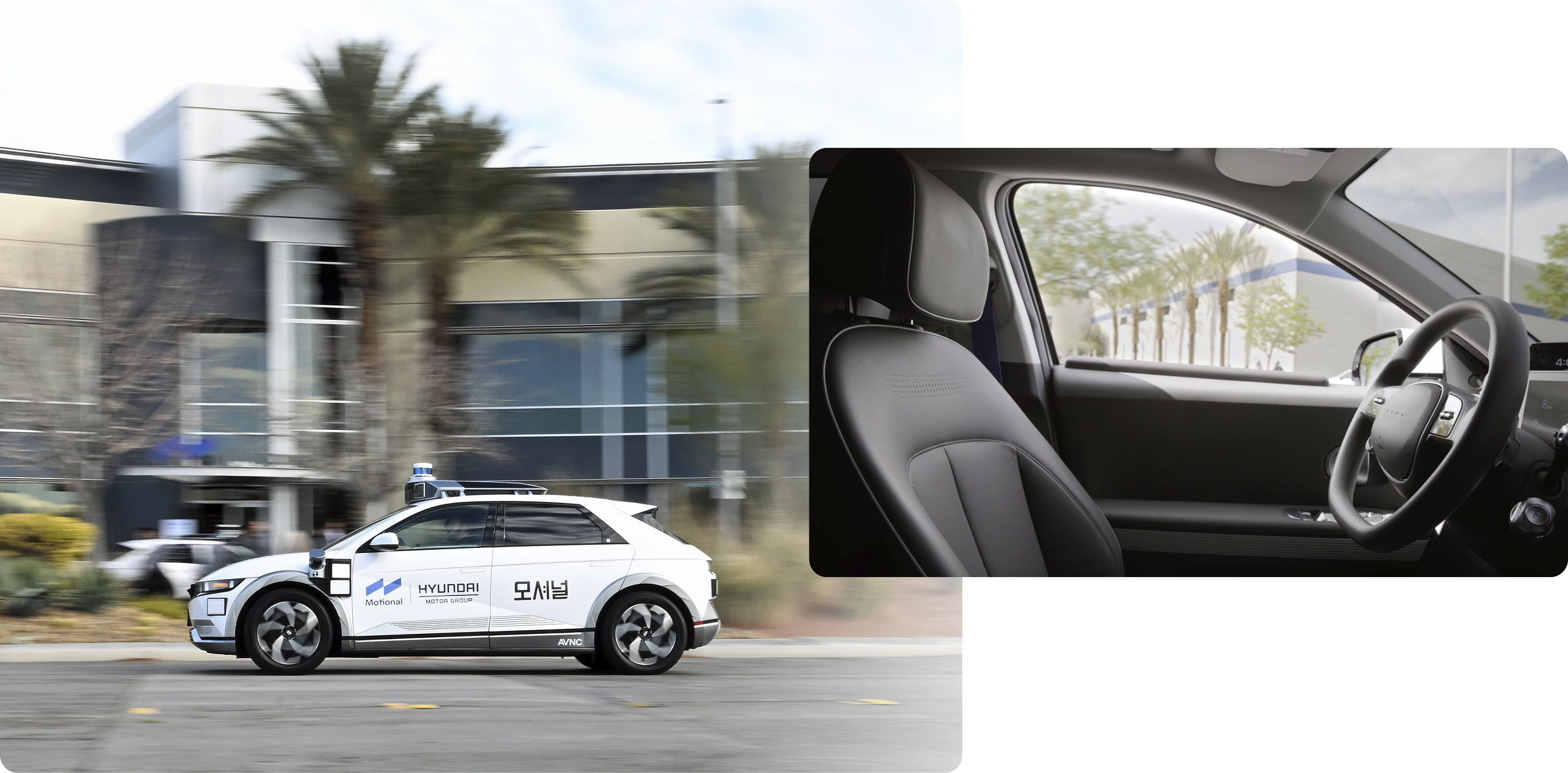
This pilot marks the final validation phase for both Motional’s autonomous driving capability and the ride experience in real operating conditions. It builds on the 10-year partnership the company signed with Uber in 2022. The two have continued working together to broaden the reach of autonomous mobility, and that relationship already broke ground in 2022, when Motional became the first in the industry to pilot autonomous Uber Eats deliveries in Los Angeles.
Uber’s scale is a major part of the story. With more than 200 million monthly active users across roughly 70 countries, it remains one of the world’s most recognizable ride-hailing platforms. That gives Motional a meaningful advantage. Instead of trying to build demand through a standalone robotaxi app, it can connect directly to a high-traffic platform with a large built-in user base in markets where ride demand is already there.
Motional’s logic is simple: robotaxis will not earn trust on technical performance alone. The technology has to work, but the experience has to feel natural, smooth, and reassuring too. That is why the company has reinforced its remote vehicle support system and shaped the service around reducing the hesitation riders may feel the first time they climb into an autonomous vehicle.
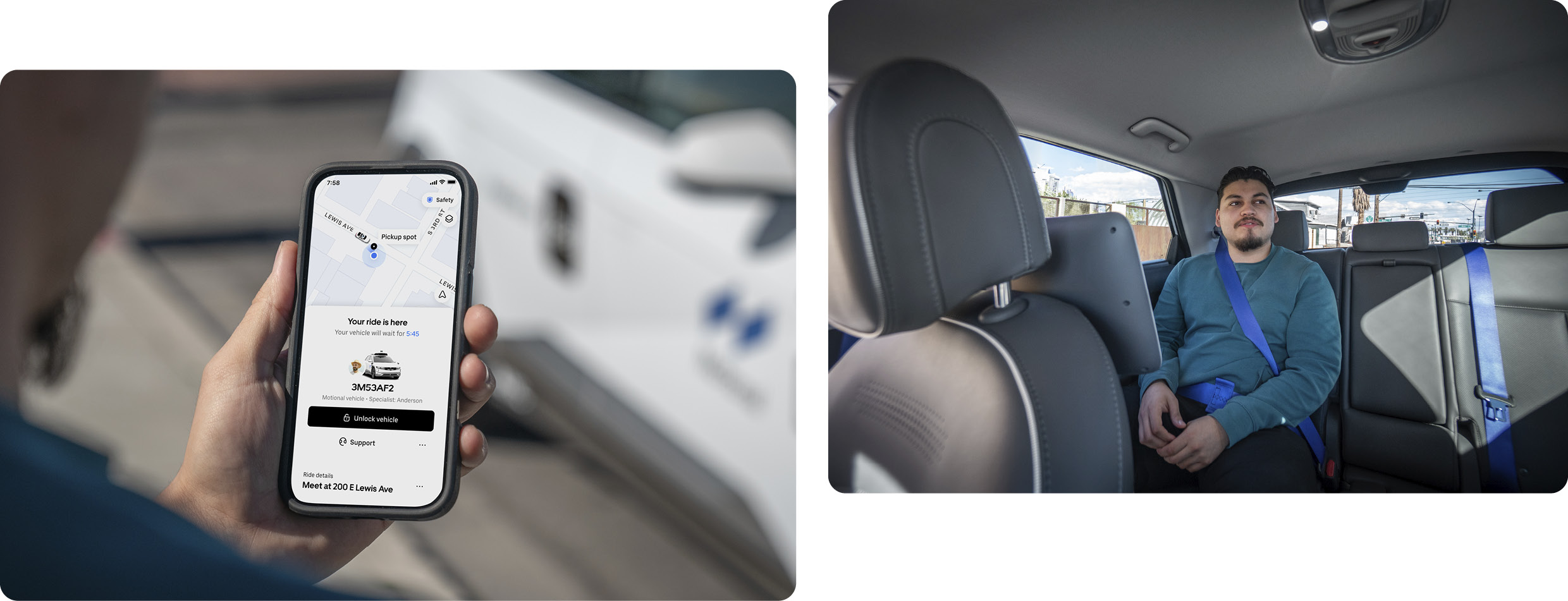
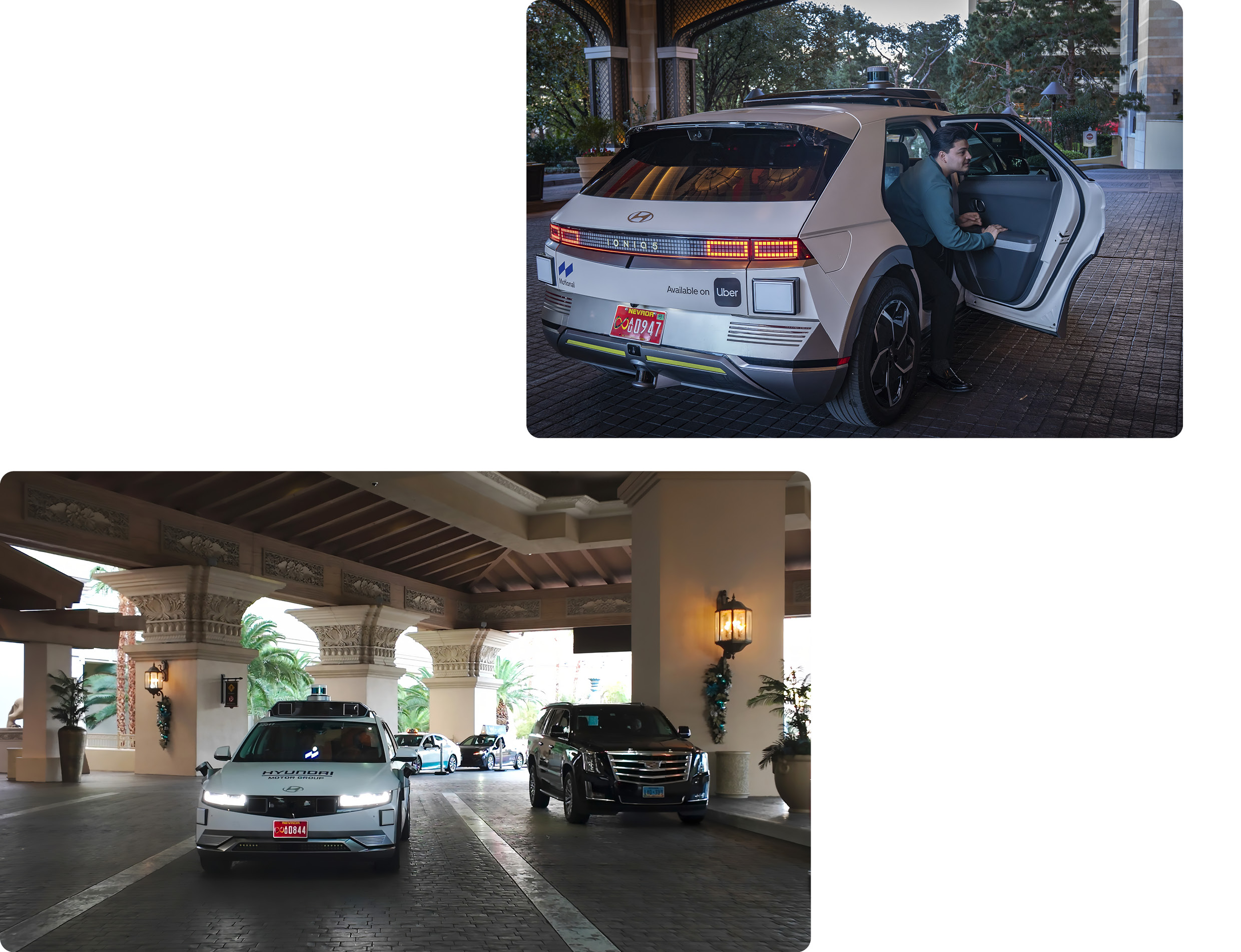
Using the service is straightforward. Existing Uber users who opt in to robotaxi dispatch can access it without downloading another app or paying an additional fee. Request a ride inside the service area, and a robotaxi might get matched for the ride, though riders can switch to a conventional vehicle if they prefer. Once the vehicle arrives, the rider unlocks it through the Uber app, gets in, buckles seat belts and presses the “Start Ride” button at the bottom of the rear-seat display or from the app. From there, the trip is underway.
Once onboard, the system provides voice guidance at key moments, including a welcome message, seatbelt reminders, and prompts to check for belongings at the end of the ride. If help is needed, support is always available through the Uber app, making the experience feel more approachable and confidence-inspiring, especially for first-time users.
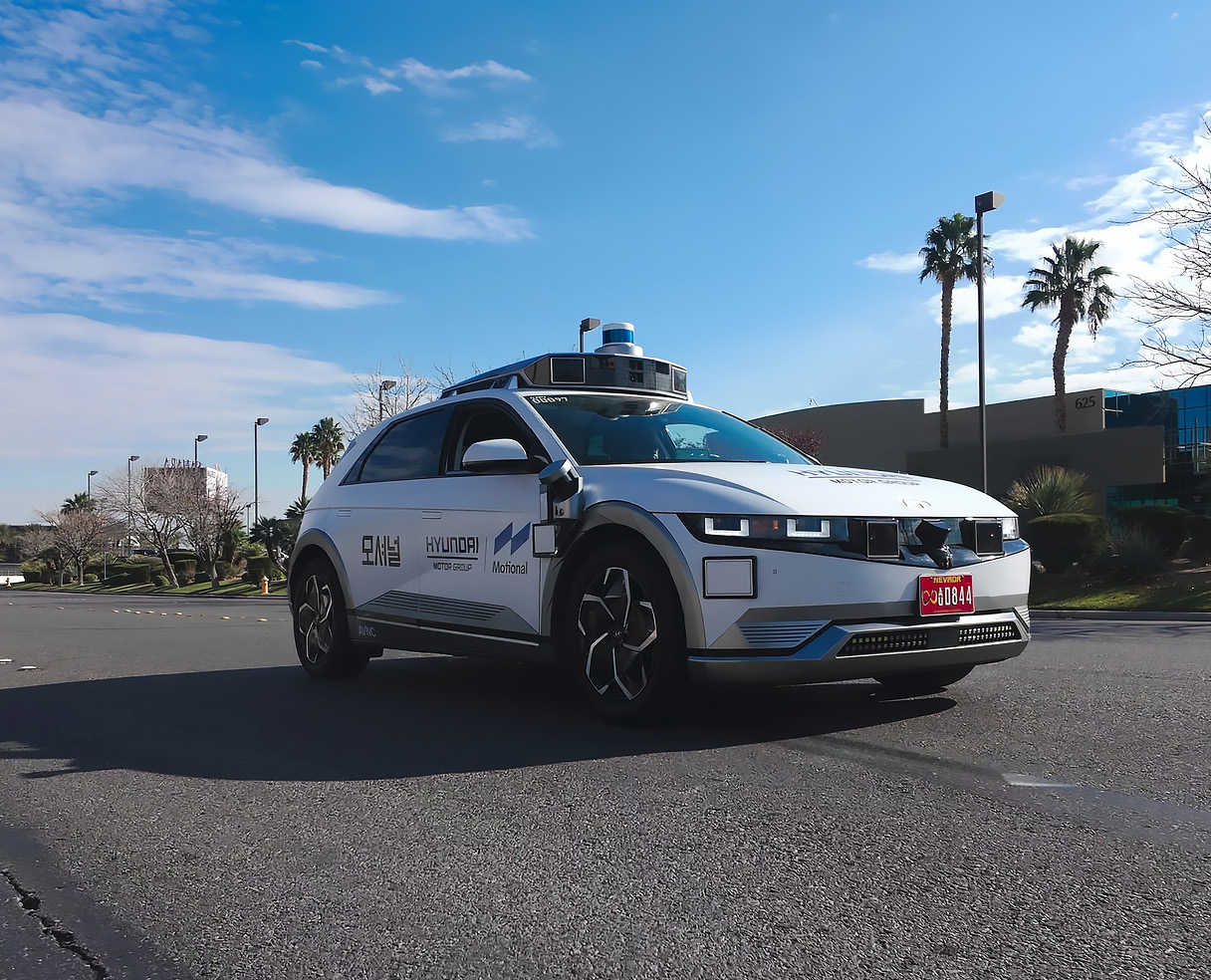
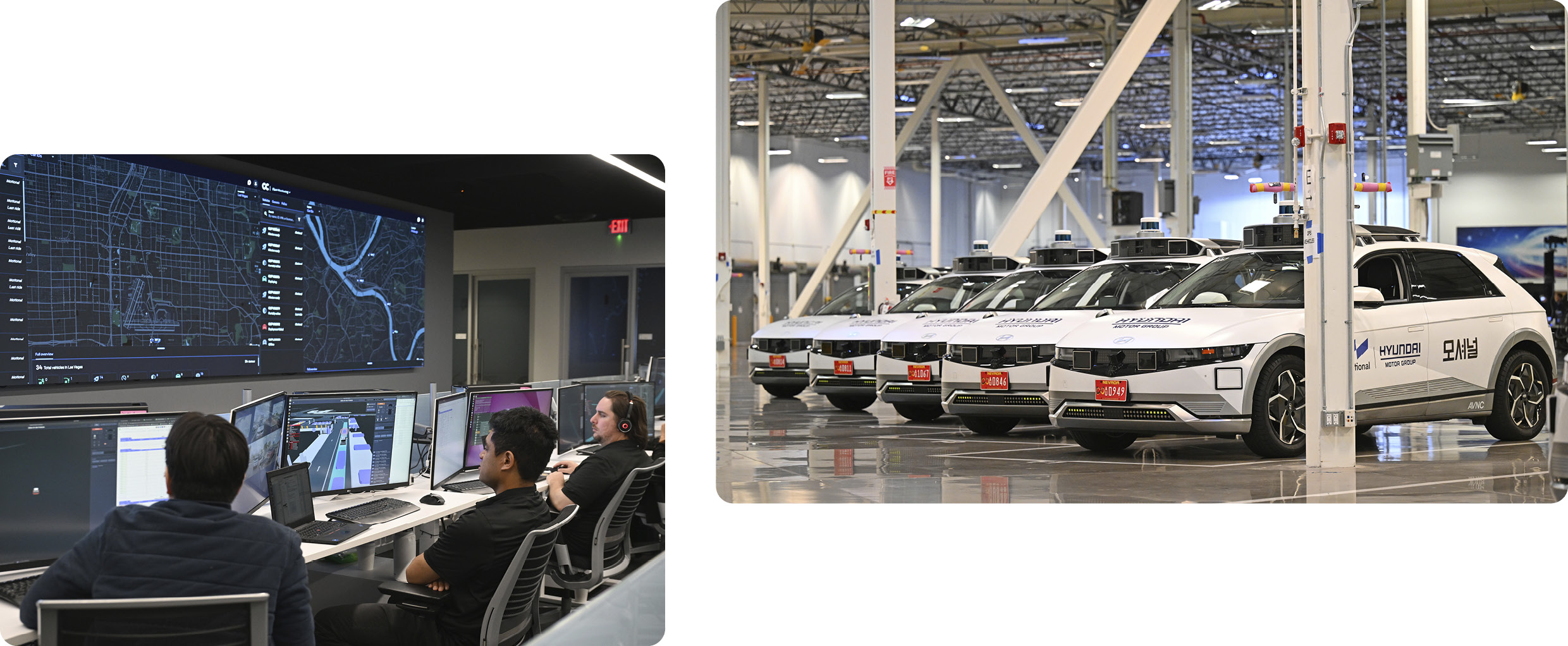
Until full service launches later this year, a vehicle operator will remain in the driver’s seat to monitor the vehicle’s autonomous performance. That role goes beyond safety oversight. It also supports the rider experience and feeds into the next round of refinement. Everything from dispatch and pickup/drop-off to route selection and response to unexpected situations will be captured as learning data. Combined with previously accumulated road and simulation data, it will help Motional further sharpen both the robotaxi’s technical maturity and the service experience before commercial rollout.
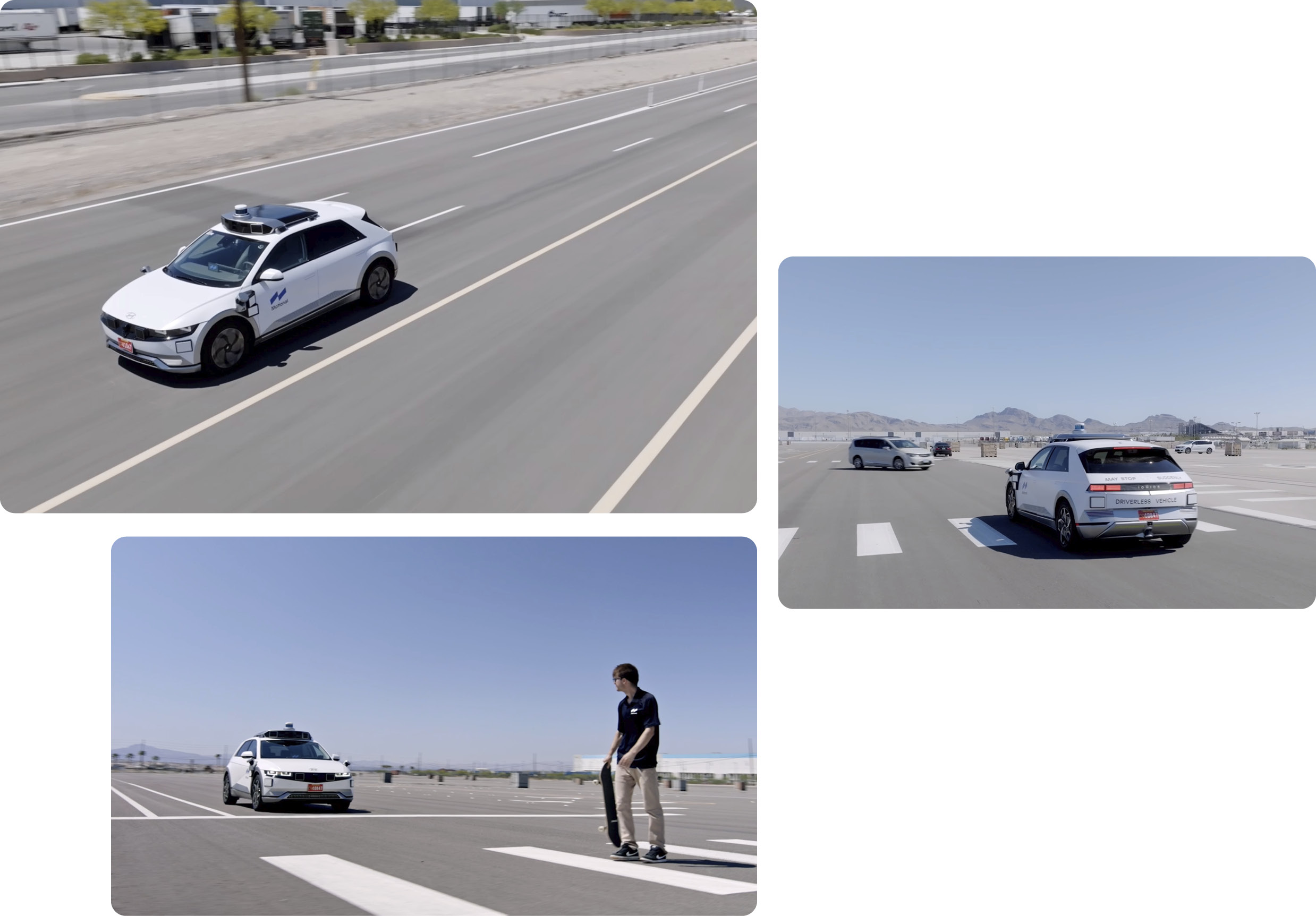
One of the biggest stories in this launch is the tech beneath the sheetmetal. Beginning in 2024, Motional started moving its autonomous driving roadmap away from a traditional *Rule-based architecture and toward an *End-to-End approach. Since then, the company has been folding together multiple *machine-learning models that were once separated by function, while reworking the broader stack around what it calls ‘Large Driving Models’—a new direction aimed at making autonomous driving sharper, more adaptable, and easier to scale.
*Rule-based autonomous driving: An autonomous driving approach that operates according to predefined rules and conditions. As the number of driving variables increases, system complexity rises quickly.
*End-to-End (E2E) autonomous driving: An approach in which an artificial neural network learns from real driving video and vehicle data, mirrors human driving behavior, and handles the full process from perception to control as one integrated system.
*Machine learning: A method in which an artificial neural network learns from data based on conditions defined by developers.
Motional is improving driving prediction performance by training on massive real-world driving datasets.
That shift is giving Motional a more powerful way to train on large-scale real-world driving datasets and improve performance across a much wider range of unpredictable road and traffic scenarios. At the same time, the company is simplifying the complexity of its software architecture, a move that should help speed up updates and make the system easier to scale as service expands. The endgame is clear: a robotaxi platform that can operate safely and consistently in dense city traffic, even when conditions get messy and the road stops behaving by the book.
In the future, Motional expects its new autonomous driving tech stack—built around Large Driving Models—to significantly improve autonomous driving performance, edge-case response capability, and overall safety
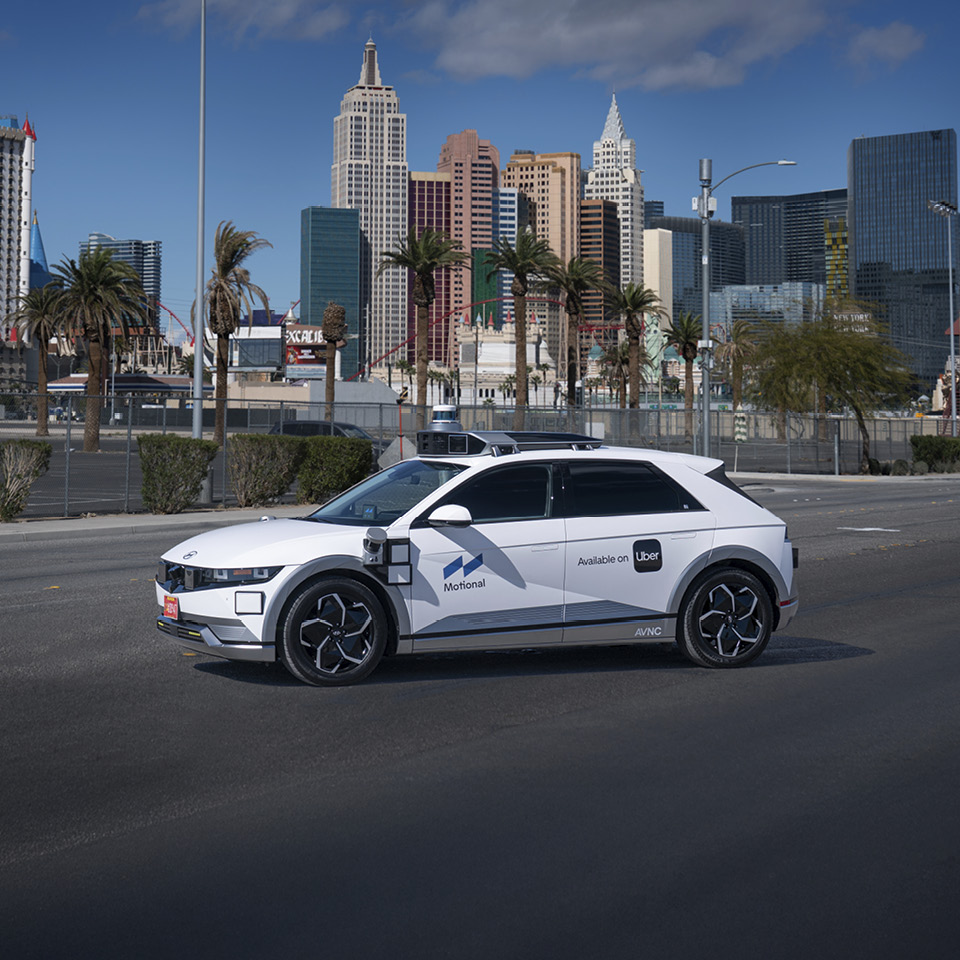
The IONIQ 5 robotaxi running in this pilot was jointly developed by Hyundai Motor Group and Motional. It was engineered from the start for ride-hailing, with features including a rear-seat display, cabin monitoring, emergency vehicle detection, and an external microphone for passengers. Just as important, it reflects the safety-first philosophy shared by both companies. A thoroughly validated *sensor suite combining LiDAR, radar, vision sensors, and ultrasonic sensors pulls together a wide range of driving data to deliver the precision and backup capability autonomous operation demands.
*Sensor suite: An autonomous driving approach that uses multiple types of sensors to collect data such as images, distance, speed, and location, allowing the system to interpret the driving environment accurately and in three dimensions.
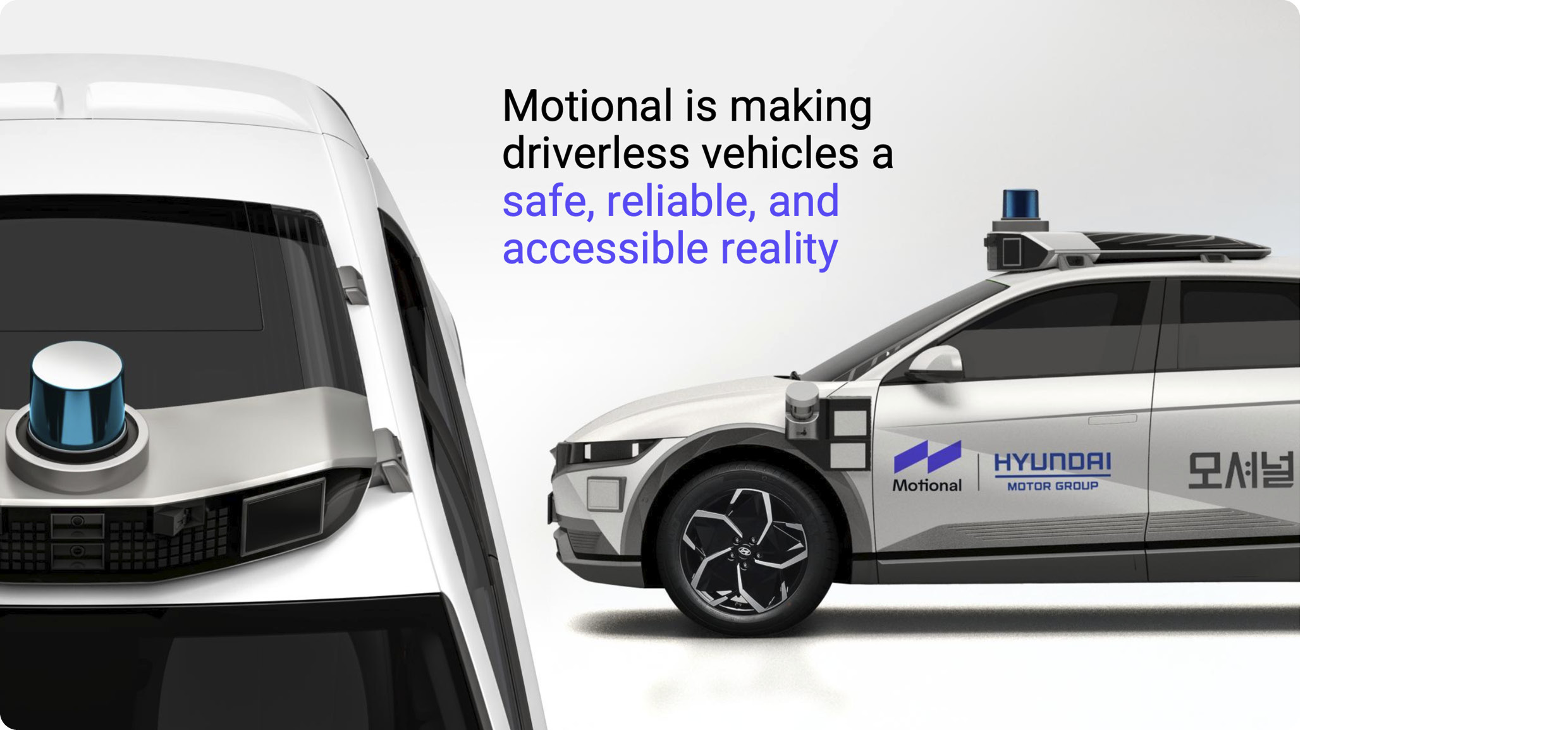
Beyond that, key systems including steering, braking, and communications feature *Redundancy Architecture, allowing the vehicle to maintain stable autonomous operation even in the event of a component failure or worsening weather. That engineering depth helped the IONIQ 5 robotaxi make headlines in 2023, when it became one of the first Level 4 autonomous vehicle to earn U.S. *FMVSS certification. Motional has also built a strong real-world safety record, logging more than 2 million autonomous miles without a single at-fault crash.
*Redundancy Architecture: A design structure in which additional components with the same function are built in to prepare for the possibility that a core system may fail.
*FMVSS (Federal Motor Vehicle Safety Standards): U.S. federal motor vehicle safety regulations covering areas such as crash protection, braking performance, lighting, and occupant safety.
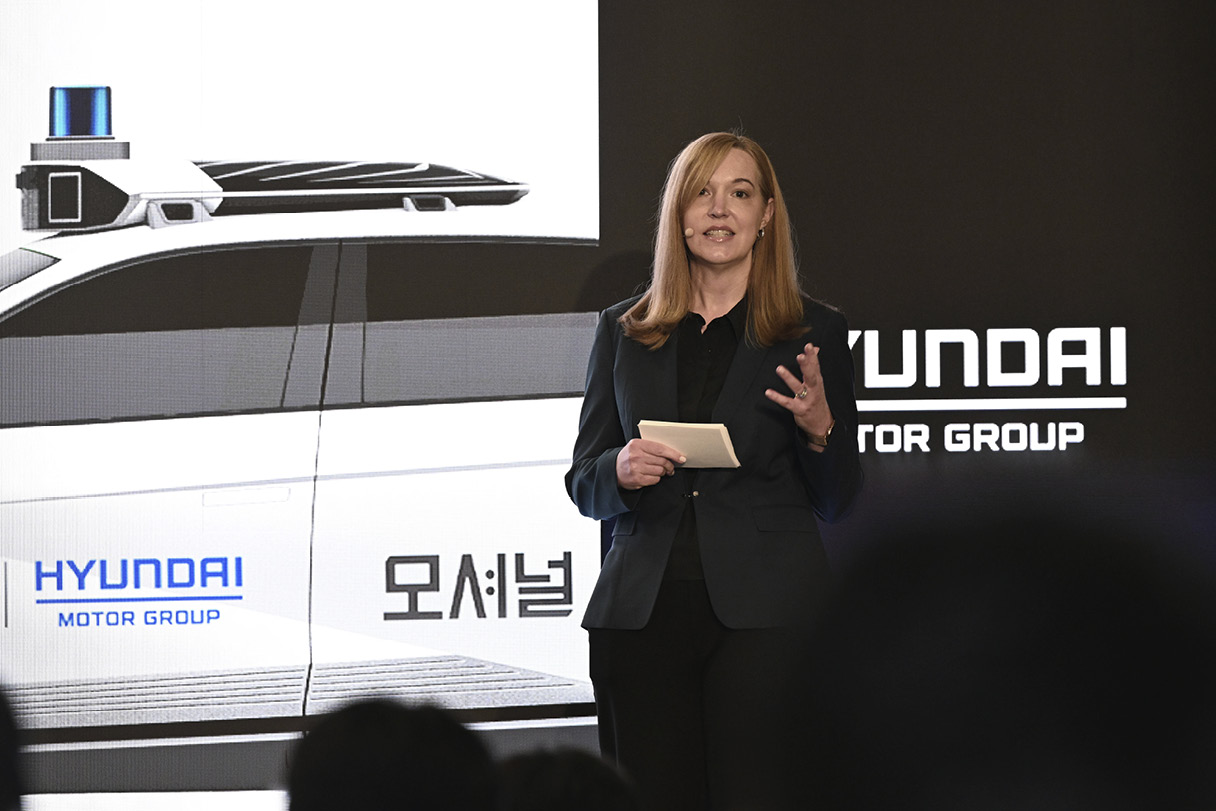
Hyundai Motor Group plans to keep working closely with Motional as it strengthens the foundation for its autonomous driving future. In January 2025, CEO Laura Major summed up that vision this way: "We have the tight partnership with Hyundai Motor Group to create a scalable, cost efficient solution. And now we have an AI first technology stack which is prepared to not only operate a safe driverless service but do it in a cost-effective way."


So how is Motional preparing for its robotaxi pilot and the commercial launch to follow? And what kind of upside does it expect from its collaboration with Uber? David Carroll, Motional Vice President of Commercialization, offered a broad look at the company’s robotaxi technology, operating strategy, and service vision in an interview.
Q. What are you most looking forward to launching robotaxi service in Las Vegas?
David Carroll Our primary expectation is to validate the comfort and reliability of the ride experience. This pilot goes beyond simply logging autonomous miles. It is about actively refining our commercial operations so we can scale globally. We want to ensure we deliver a safe, reliable, and convenient experience that truly delights riders and communities alike.
Q. As commercialization of driverless robotaxi service approaches, what are you focused on most?
David Carroll For this pilot, our main focus is the Mean Rider Satisfaction Rating. While operational success is baseline, our North Star is delivering a seamless, 5-star experience that naturally drives repeat usage. We are prioritizing the holistic rider journey by ensuring that the app integration is frictionless and that our robotaxi comfort metrics meet customers’ high expectations through ongoing development. Ultimately, if the Motional Robotaxi experience is exceptionally comfortable, safe and easy to use, the other metrics will follow.
Q. Hotel pickup and drop-off zones in Las Vegas are especially crowded with both vehicles and pedestrians. What operational strategies have you implemented to ensure the robotaxi is reliable?
David Carroll Operating in Las Vegas since our earliest days has given us deep, firsthand experience navigating the unique complexities of both pick-ups and drop-offs. Because conditions change daily based on events, conferences, and the time of day, we tackle this challenge through a multi-layered approach. We ensure a seamless rider journey by combining optimized operational workflows, precise technical integrations, clear in-app communications, and robust customer service support. As we continue to evolve these strategies to meet dynamic real-world conditions, our commitment remains the same: to safely, conveniently, and seamlessly move riders to their destinations in Las Vegas.
Q. How does the collaboration with Uber work in practical terms?
David Carroll Motional and Uber have been working closely together and will continue to collaborate on all aspects of our journey. We have established a structured partnership framework with consistent touchpoints across all levels of our organizations, from engineering and safety to customer success, marketing, and strategic planning. The goal is to combine Motional’s autonomous driving technology with Uber’s deep user-experience expertise and turn that into a sustainable business model. It is especially meaningful for us to once again be working with Uber on robotaxi service, and we are continuing close discussions on how to expand into cities around the world and operate the vehicles as effectively as possible.
Q. What message would you like to share with customers?
David Carroll We are incredibly proud and excited to welcome Uber riders back into our robotaxis in Las Vegas and help locals and visitors alike with another transportation option. Our supervised pilot is a unique opportunity for riders to experience firsthand the major advancements we’ve made in our technology. We will continue to use the insights gathered during this supervised phase to seamlessly evolve into our fully driverless launch by the end of the year. We are excited to achieve this milestone in our journey to help change the way people move and bring safe, autonomous transportation to more riders.
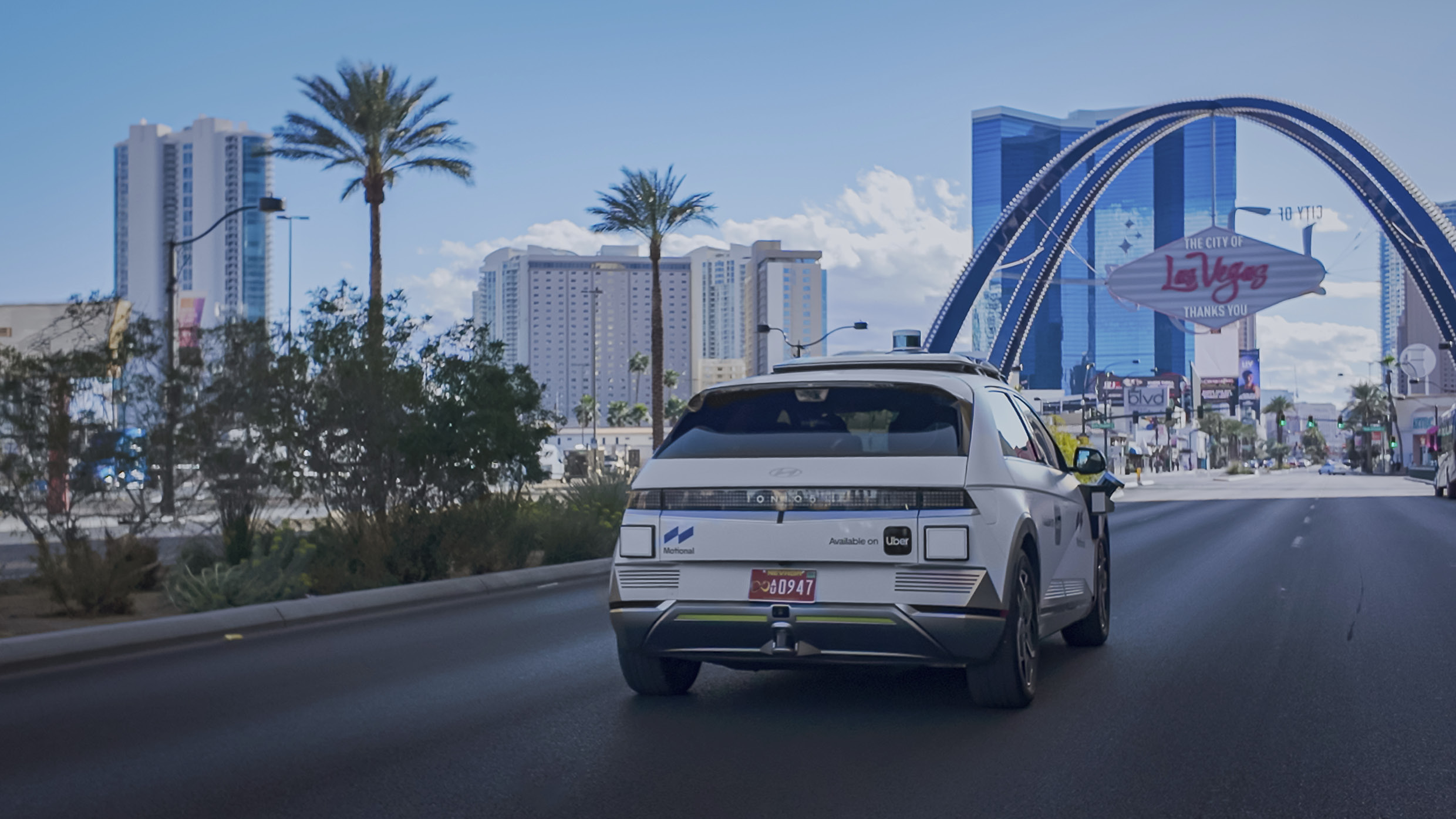
This robotaxi pilot is essentially the last big rehearsal before commercial service begins later this year. Its role is to further refine both the maturity of Motional’s new autonomous driving technology and the quality of the robotaxi service itself. By combining an E2E-based autonomous driving approach with the technical know-how the company has built over time, Motional’s latest robotaxi takes another meaningful step forward in performance, safety, and user experience. Plenty of attention will be on Las Vegas as this next phase unfolds, because this run may offer one of the clearest indicators yet of where autonomous driving is headed—and the bar it will ultimately have to clear.