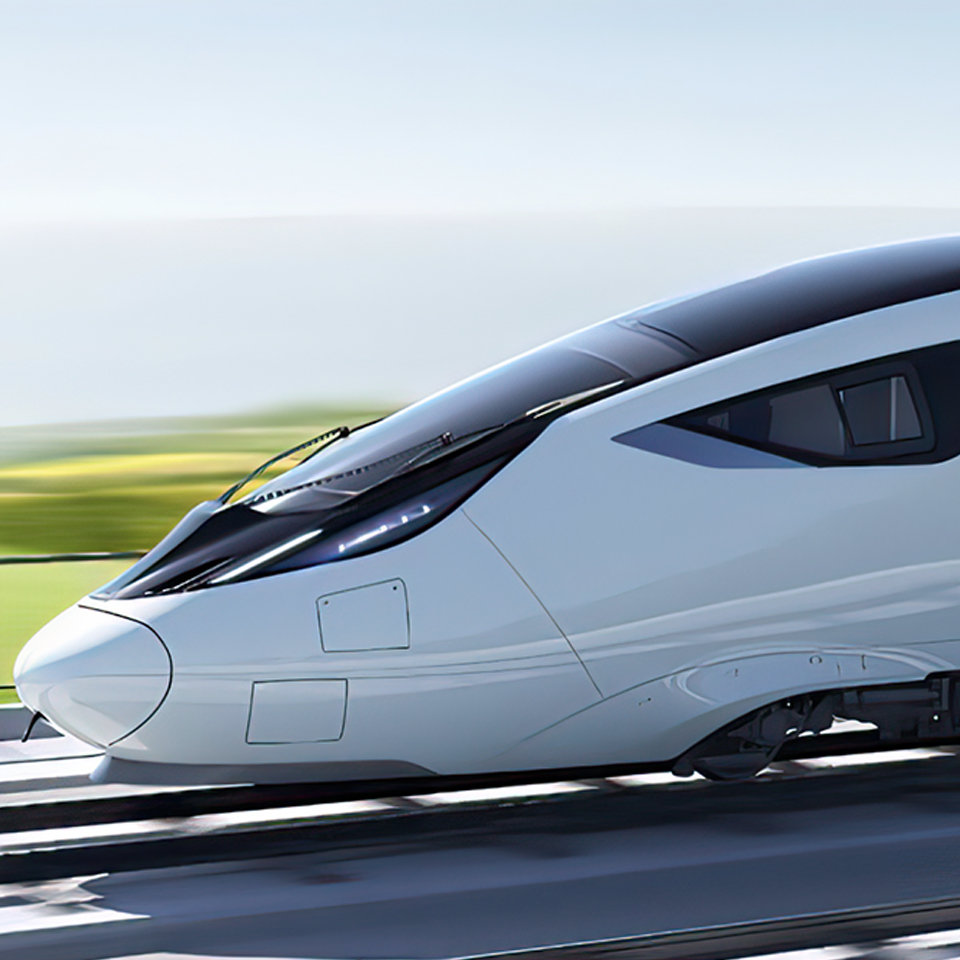
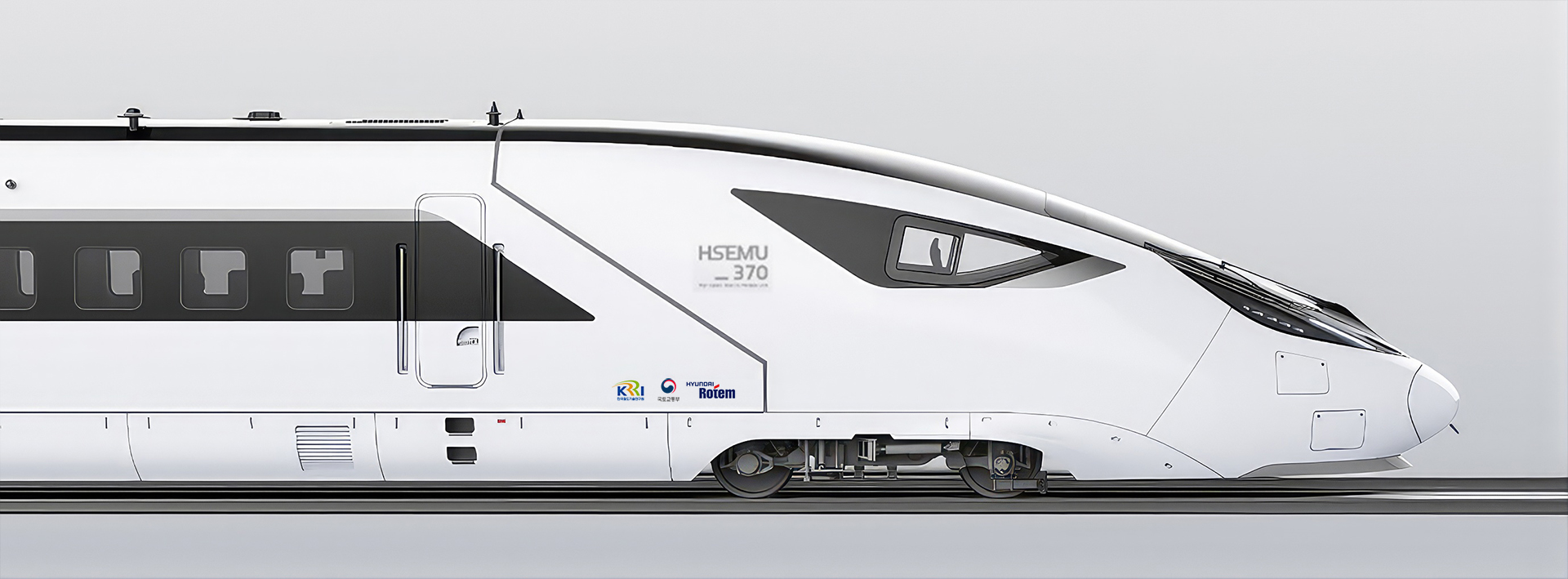
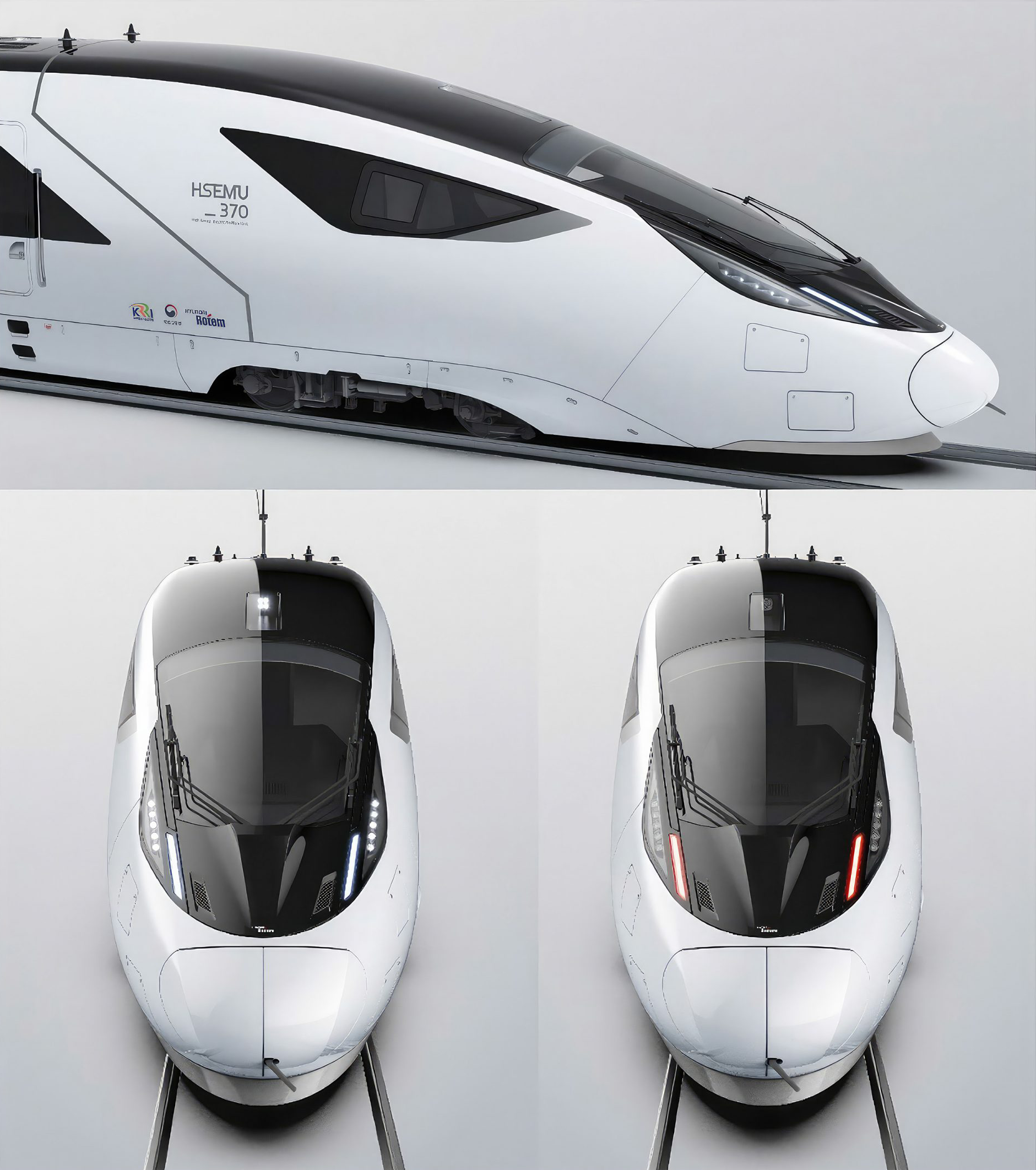
In December 2025, the Korea Railroad Research Institute (KRRI) hosted a “Presentation of Core Technology Research Achievements for 370 km/h High-Speed Rail Vehicles.” The centerpiece of the event—demonstrating that the next-generation high-speed train development program is being successfully concluded—was Hyundai Rotem’s new high-speed train, EMU-370. Scheduled to enter service on the Korean Peninsula in 2031, EMU-370 is set to record the world’s second-fastest commercial operating speed, following the launch of its 370 km/h service.
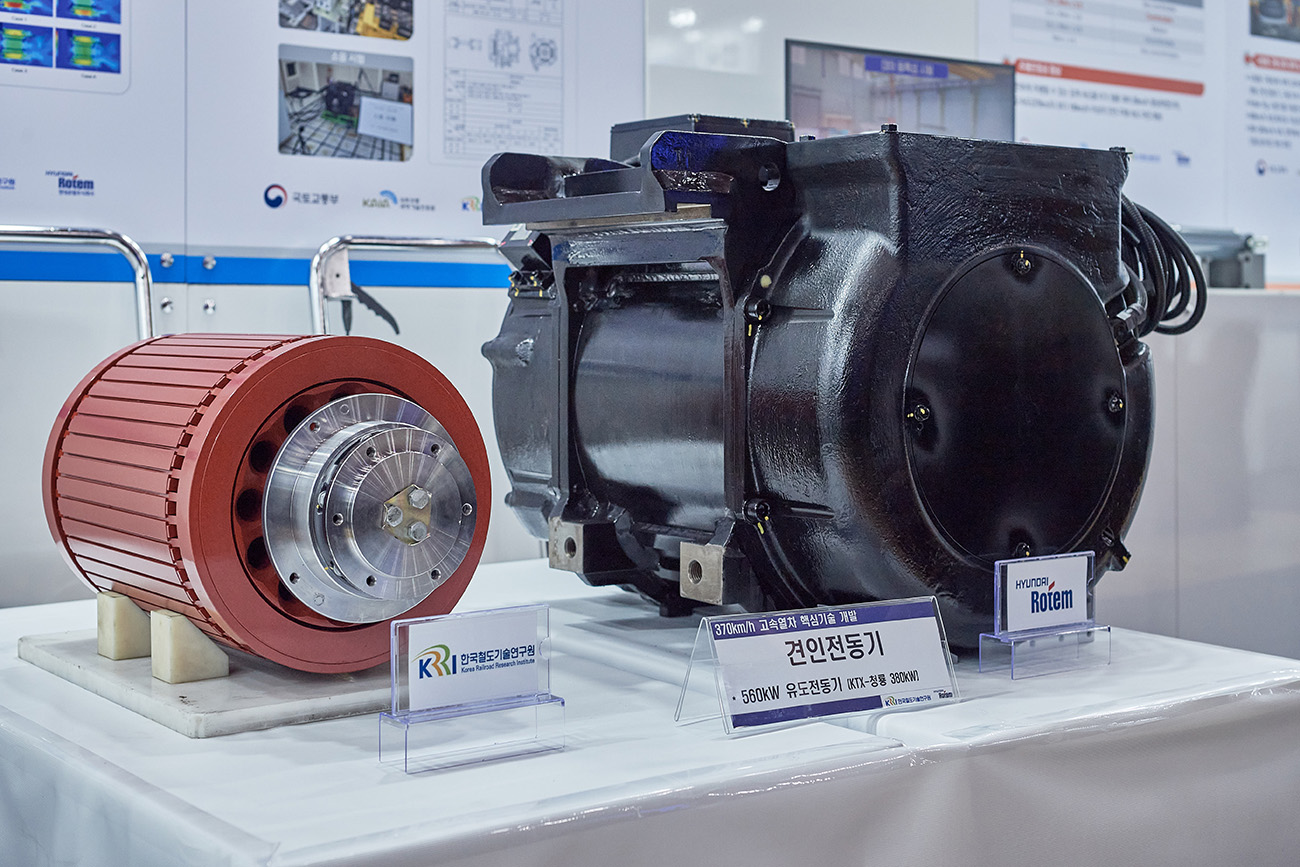
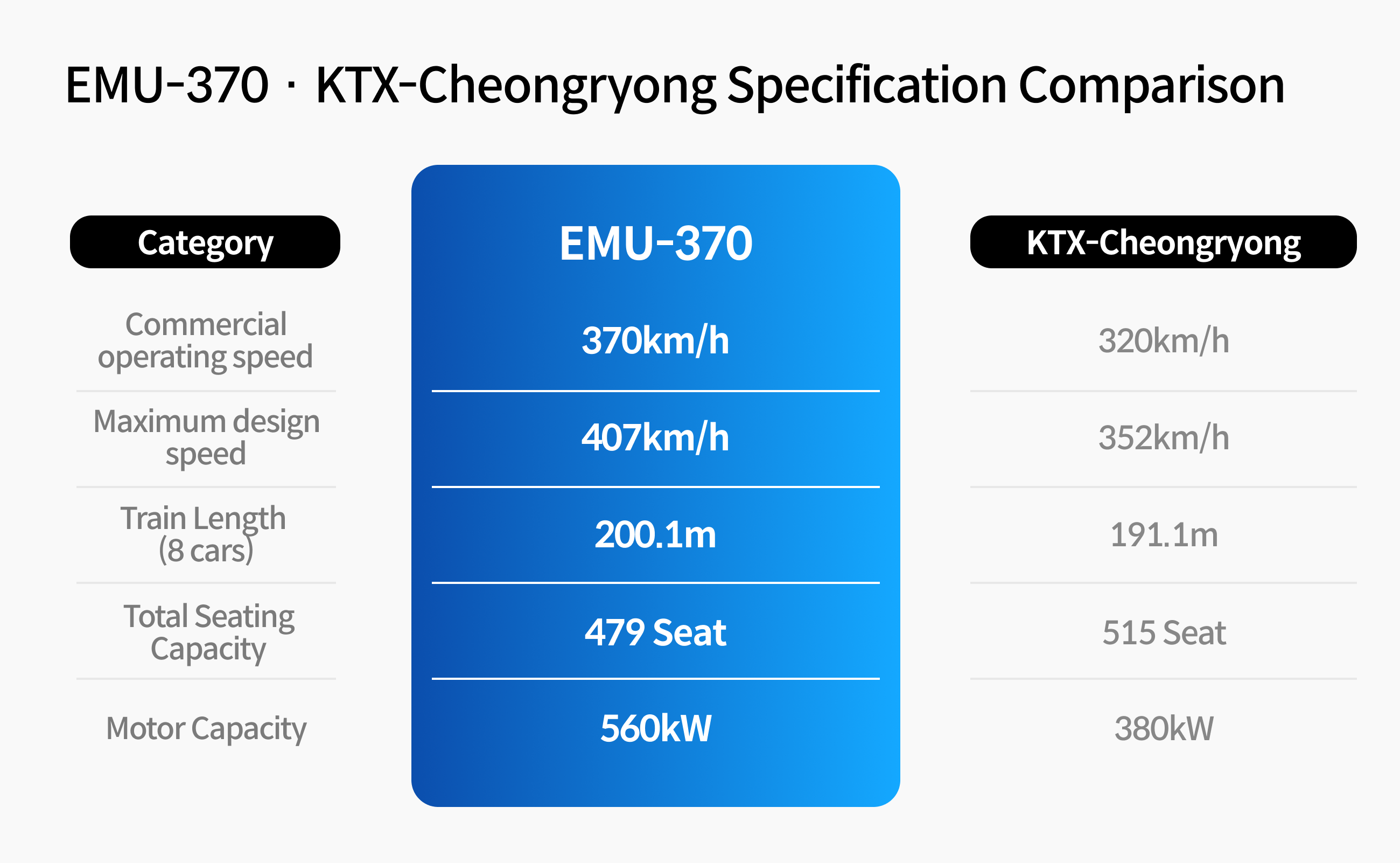
The next-generation high-speed train development program began in April 2022, led by KRRI with Hyundai Rotem participating as a co-research partner. Building on the manufacturing technologies of the KTX-Cheongryong (EMU-320), which operates commercially at 320 km/h, the program aims to develop a train that is faster, safer, more comfortable and quieter.
Hyundai Rotem’s first priority was to raise commercial operating speed to 370 km/h. To that end, the research team developed a high-speed traction motor, upgrading continuous rated output from 380 kW to 560 kW—an increase of approximately 47.4% compared to the KTX-Cheongryong.
The higher output is driven by design. The team conducted a detailed analysis of how losses vary across low-speed/startup, rated-speed, overload and high-speed operating ranges, then engineered the system to reduce losses in the key output ranges most frequently used during real-world operation. The team also conducted precise, predictive modeling of heat generation in advance and designed cooling channels to manage thermal loads efficiently.
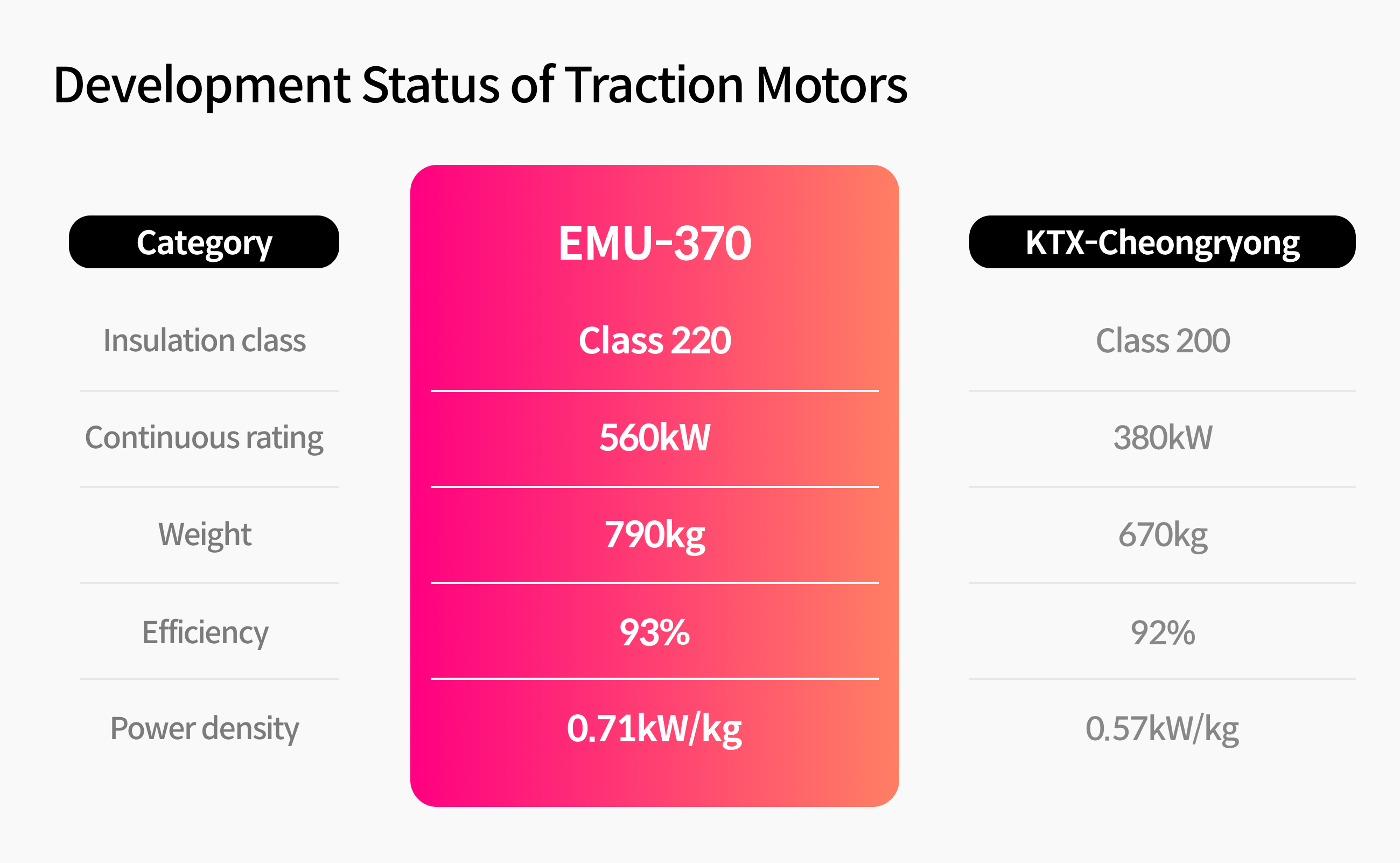
Insulation technology is equally critical, as high-speed operation subjects traction motors to rapid thermal fluctuations. EMU-370 meets the “Class 220” heat resistance rating—an ultra-high-temperature insulation standard that maintains insulation performance at temperatures up to 220°C, in accordance with international standards. This enables the motor to deliver continuous power without performance degradation, even under demanding operating conditions.
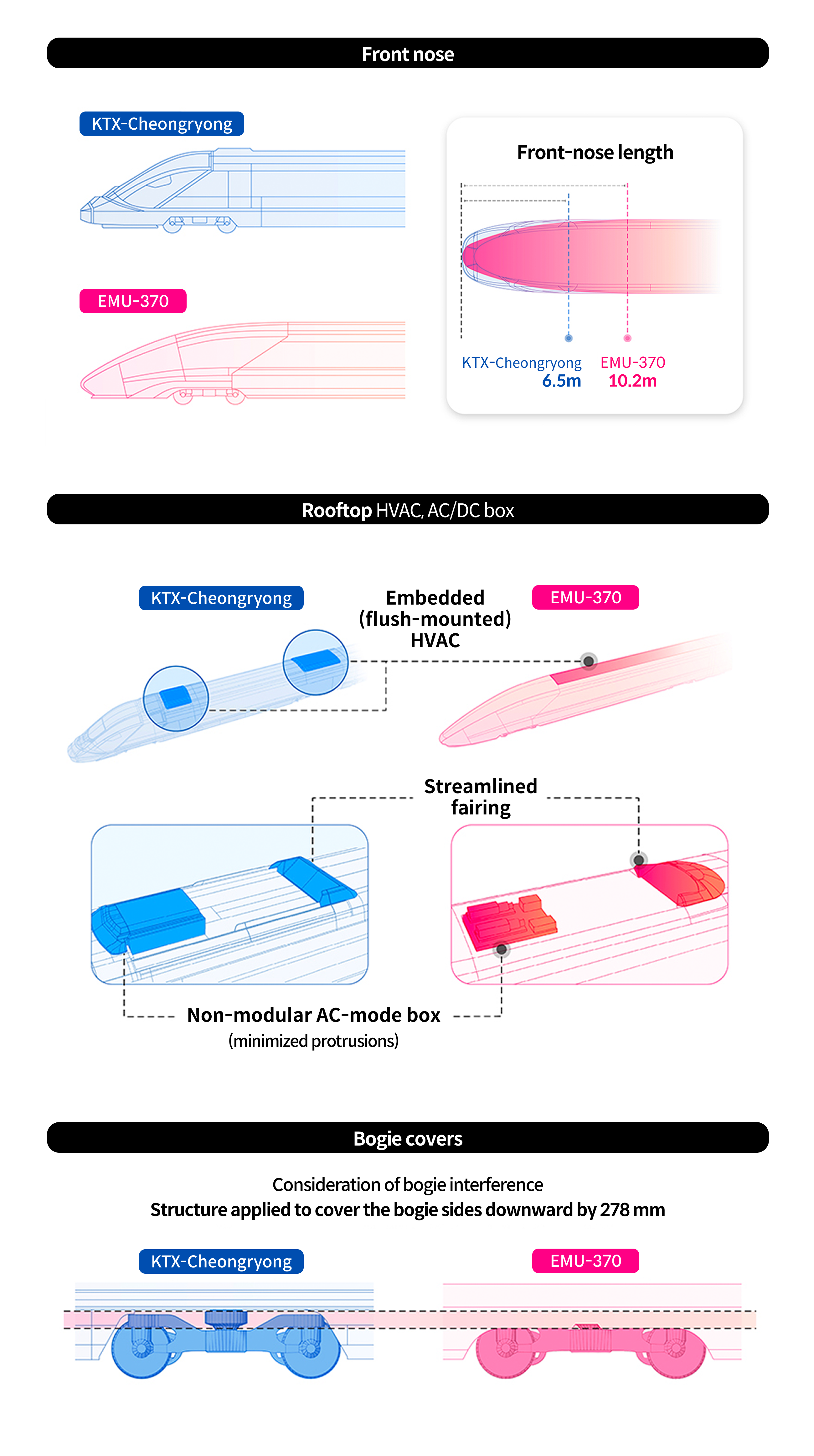
While speed is important, passenger comfort—how quietly and smoothly travelers reach their destination—is equally essential. Once a high-speed train exceeds 350 km/h, running resistance rises sharply, and vibration and noise can increase significantly. To address these challenges, Hyundai Rotem focused on aerodynamic design and applied a recessed HVAC structure.
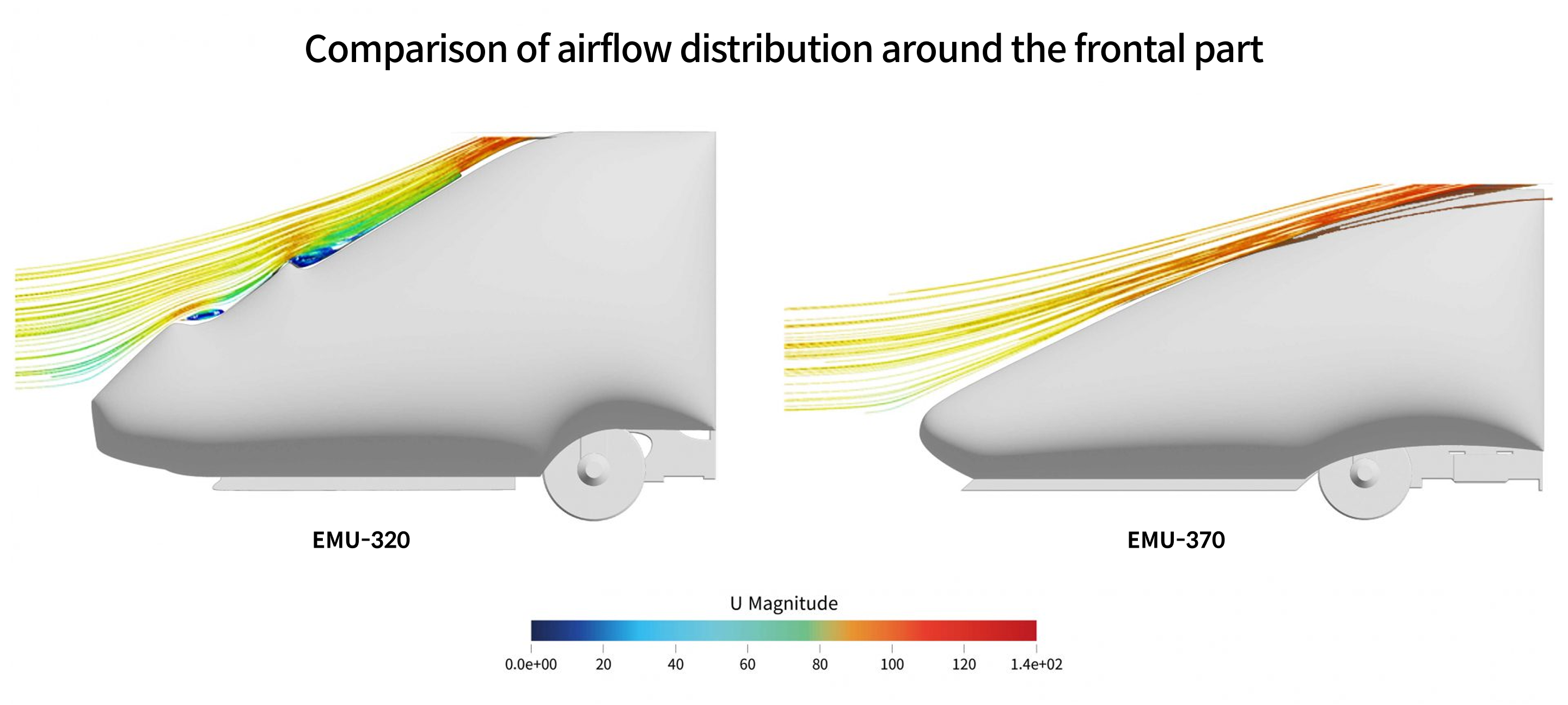
Key systems required for operation—such as HVAC equipment and communication/signaling devices—are typically installed on the roof. Protruding installations are easier to manufacture and maintain, but Hyundai Rotem chose recessed placements to lower aerodynamic drag. In addition, the front section was extended to more than 10 meters and refined for smoother airflow, and covers were applied to the lower bogies. As a result, EMU-370 achieved a drag coefficient of 0.761 Cd—approximately 12.3% lower than the KTX-Cheongryong (0.868 Cd).
Aerodynamic noise tends to increase rapidly as speed rises. To mitigate aerodynamic noise, Hyundai Rotem introduced Transfer Path Analysis (TPA), a method commonly used in high-performance automotive development but less familiar in the rail sector. The team suspended a single car body in mid-air, attached 30 to 40 triaxial sensors and collected more than 100 channels of data. This enabled precise identification of the pathways through which noise enters the passenger cabin.

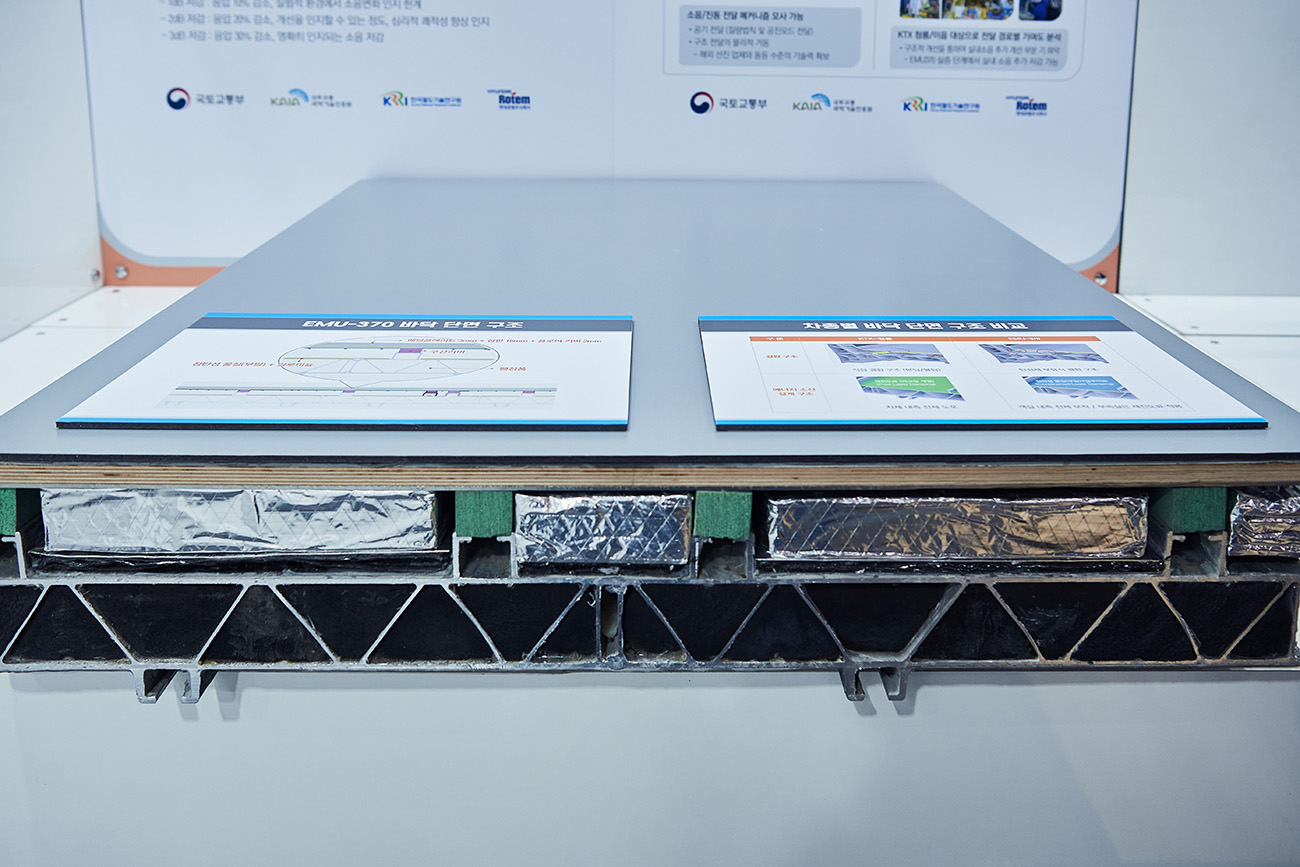
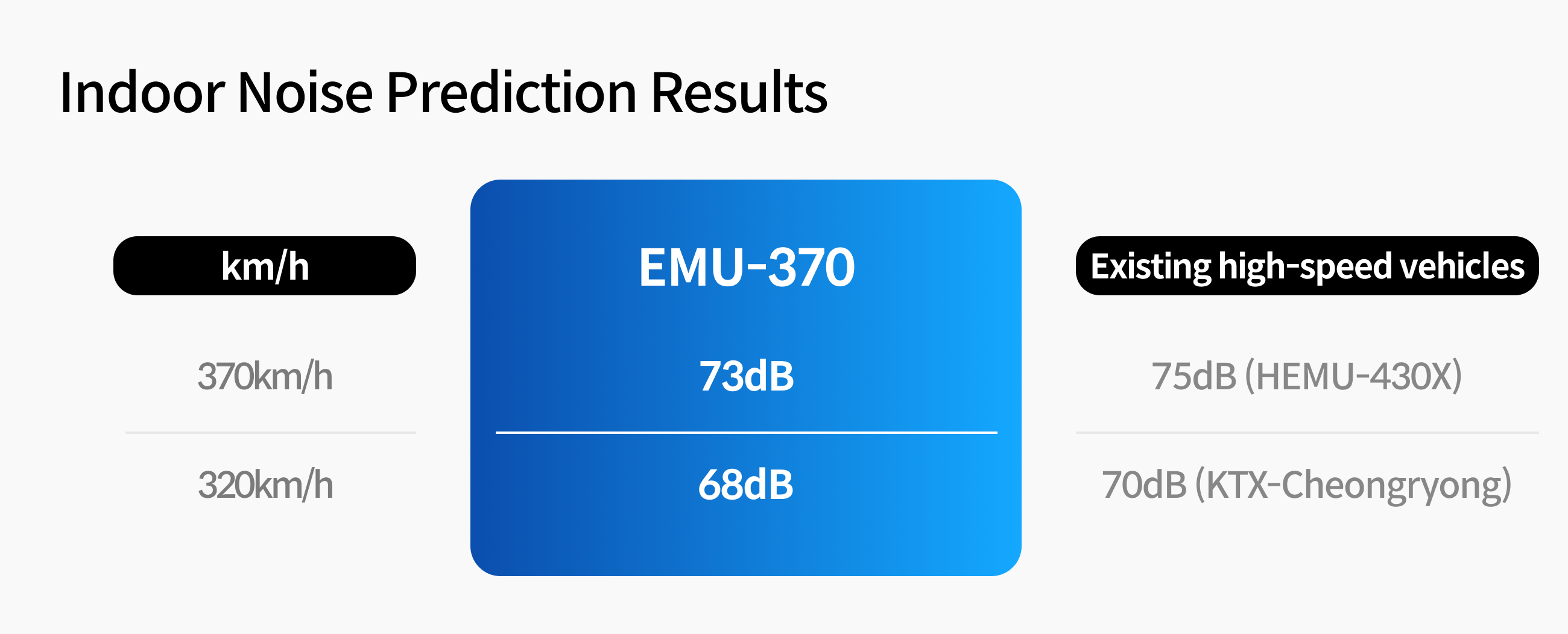
Based on these findings, Hyundai Rotem applied a “sandwich structure” across the vehicle—layering viscoelastic materials and metal plates over an aluminum extrusion frame and adding vibration-damping mats to control both noise and vibration. After more than 100 repeated experiments to fine-tune thicknesses and material combinations, the team optimized both sound insulation and vibration damping. Predicted interior noise levels for EMU-370 are 68 dB(A) at 320 km/h and 73 dB(A) at 370 km/h—more than 2 dB(A) lower than existing high-speed trains.
Efforts to improve running stability and ride comfort are also central to EMU-370’s development. While stable operation at 370 km/h requires a stiffer suspension, passenger comfort necessitates increased compliance. To address this fundamental trade-off, the research team employed multi-objective optimization to determine the optimal balance between stability and ride quality. This approach suppressed instability caused by bogie instability during high-speed operation while filtering high-frequency vibrations transmitted through the car body. As a result, EMU-370 achieved a ride comfort index (Nmv) of 1.87, meeting the highest level specified by European technical standard (EN).
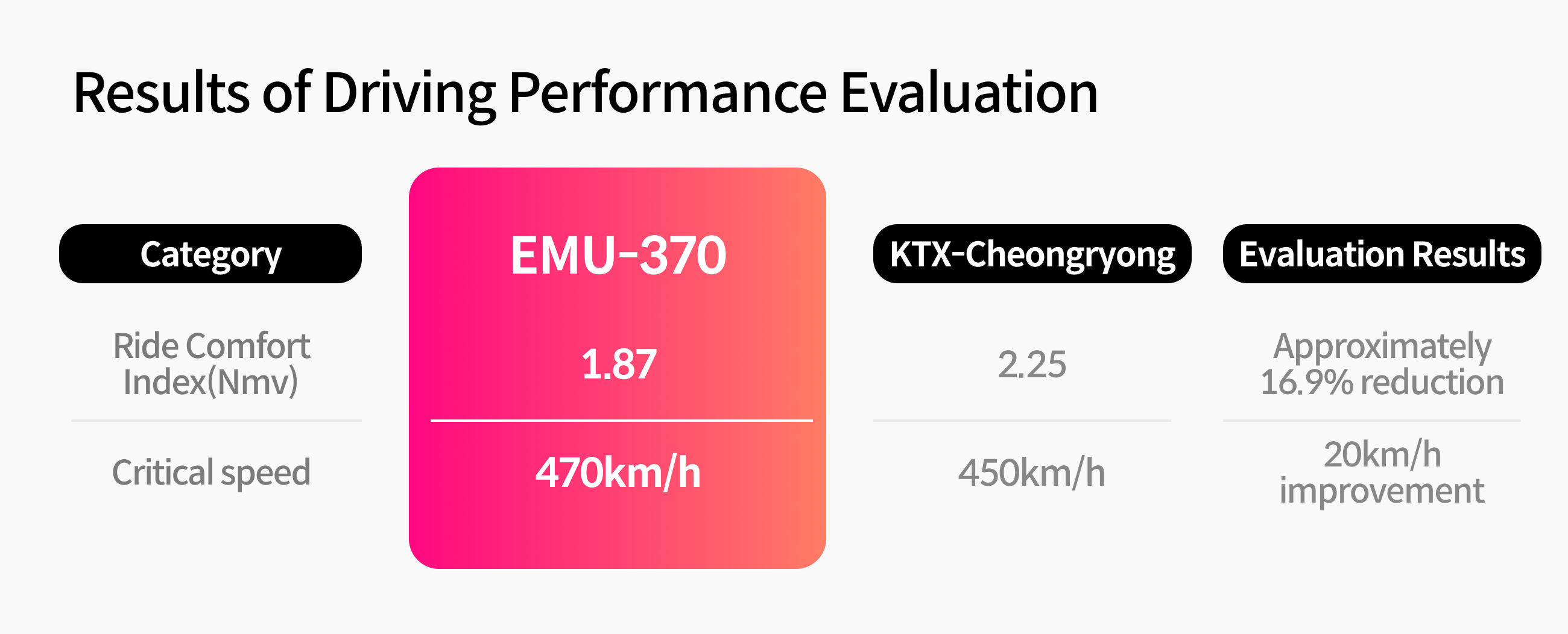
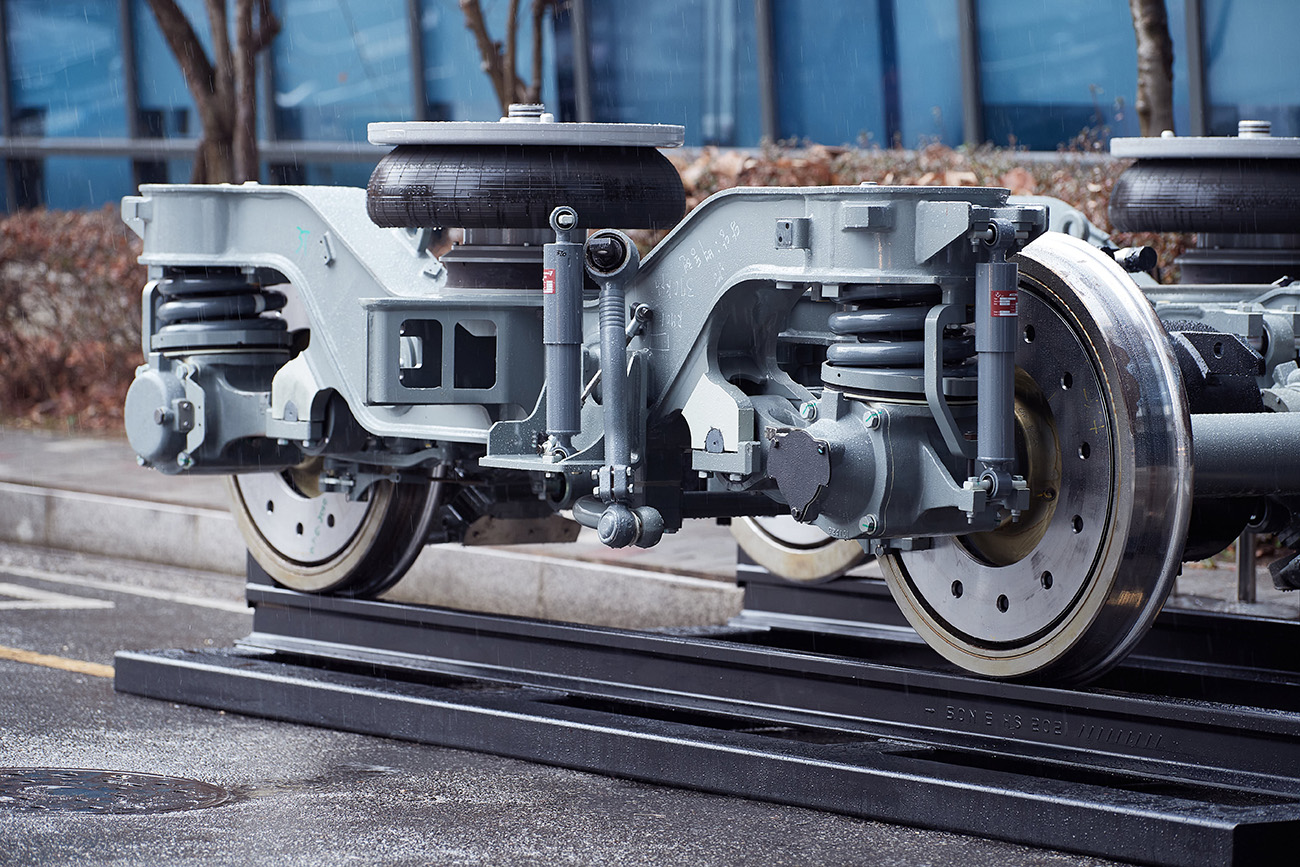
Hyundai Rotem also secured a critical speed of 470 km/h for EMU-370—an improvement of 20 km/h over the KTX-Cheongryong. In addition, Roller Rig testing—a method used to evaluate running performance and wheel-rail contact characteristics—confirmed stable behavior without abnormal vibration under simulated conditions of up to 400 km/h. Together, these results support EMU-370’s reliability and safety even in highly demanding environments.
EMU-370 is positioned as a key milestone not only for 370 km/h-class high-speed rail, but also for Korea’s progression toward the 400 km/h era. Since the launch of Korea’s first high-speed operations in April 2004, Hyundai Rotem has played a central role in advancing domestic high-speed rail technology. The experience and engineering accumulated to deliver faster, safer and quieter rail travel continue to build momentum for the future of Korean railways.
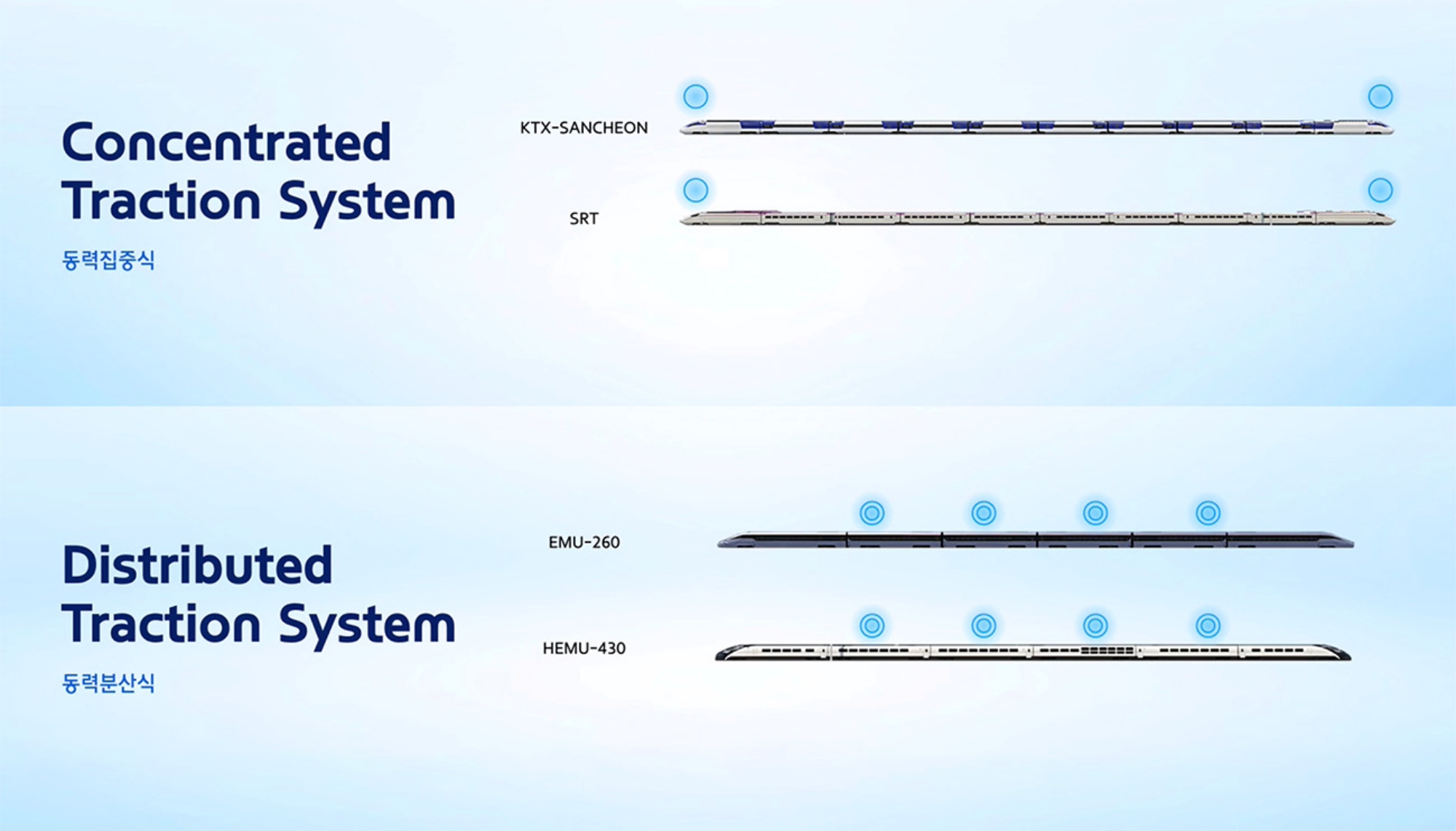
High-speed trains are broadly categorized by traction architecture. Concentrated-traction trains place traction equipment primarily at the front and rear, enabling flexible train formation and high operational efficiency. Distributed-traction trains, by contrast, distribute traction equipment across cars, delivering strong acceleration and deceleration performance while allowing passenger seating across all cars—improving transport capacity and operational efficiency. One historic trade-off has been comparatively higher noise and vibration.
To mitigate these challenges, Hyundai Rotem set noise and vibration thresholds from the early development stages and conducted extensive testing and simulations. Key measures include filling aluminum-extruded body sections with sound-absorbing materials and applying floating-floor technology, in which floor panels are structurally separated from the base to effectively minimize the transmission of noise and vibration.
As a result, KTX-Eum, a distributed-traction model, maintains an interior noise level below 70 dB(A) at 260 km/h, delivering a quiet and comfortable ride comparable to the concentrated-traction KTX-Sancheon. For reference, EMU-370’s predicted interior noise level is 68 dB(A) at 320 km/h.

KTX-1
Korea’s First High-Speed Train
In 1992, the Korean government began construction of the Gyeongbu High-Speed Railway. In 1994, it signed a contract with France’s Alstom to introduce the KTX based on the TGV (Train à Grande Vitesse), with technology transfer as a condition. However, limited transfer of core technologies and the need to adapt the design to Korean conditions required substantial modifications. Refined by Hyundai Rotem for Korea’s terrain and operating environment, the KTX-1 began service on April 1, 2004, when the Gyeongbu High-Speed Railway opened. The first-generation KTX covered the 412 km route from Seoul to Busan in 2 hours and 40 minutes, marking a turning point in Korea’s railway history.
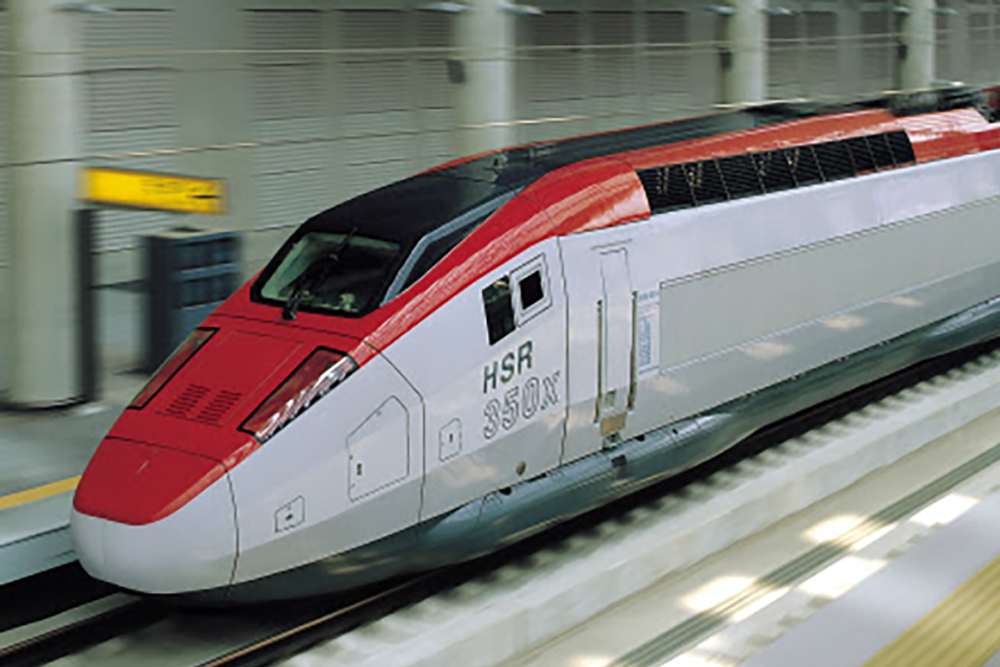
HSR-350X
Korea’s First Independently Developed High-Speed Test Train
HSR-350X was built to localize TGV technologies and support the development of Korean high-speed rail vehicles. Hyundai Rotem began development in 1996, completed it in 2002 and secured safety through 200,000 km of operation over five years through 2007. In December 2004, HSR-350X recorded a maximum test speed of 352.4 km/h, validating Korea’s technical capabilities. This positioned Korea as the fourth country in the world—after Japan, France and Germany—to possess independent high-speed rail technology.

KTX-Sancheon
Korea’s First Independently Developed Commercial High-Speed Train
Manufactured by Hyundai Rotem, the second-generation KTX-Sancheon commercialized technologies developed and validated through HSR-350X. It achieved localization of most major components, demonstrating the viability of domestic high-speed rail engineering. With a maximum speed of 305 km/h, the train adopts a concentrated traction configuration in which locomotives at both ends pull passenger cars. It entered service in March 2010, operating as Train 501 from Yongsan to Gwangju.
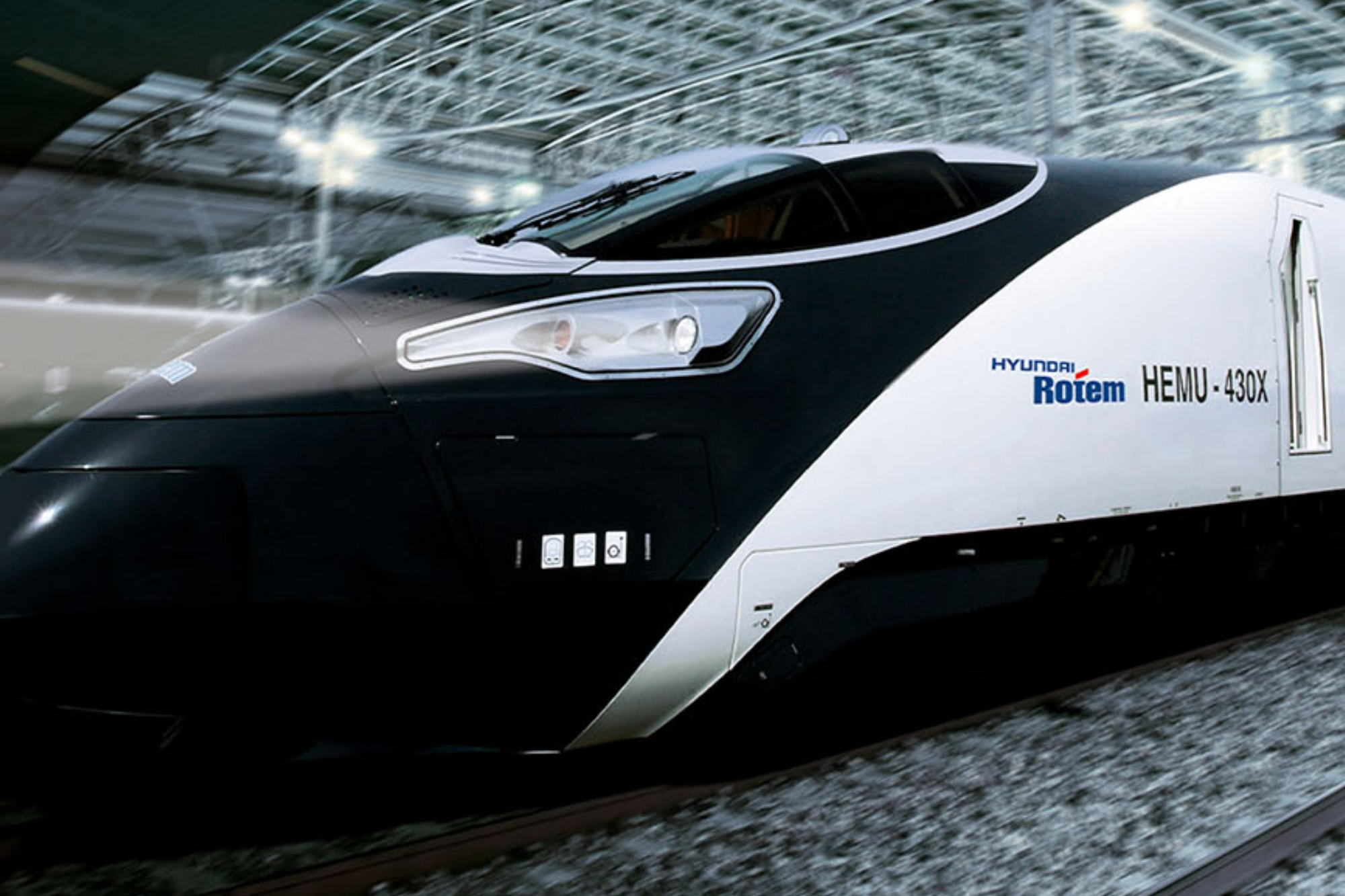
HEMU-430X
Korea’s First Distributed Traction High-Speed Test Train
Hyundai Rotem began developing HEMU-430X in 2007. Unlike KTX-1 and KTX-Sancheon, it was designed as a distributed traction train, with propulsion equipment distributed under each car—enhancing transport capacity and acceleration/deceleration performance. To address weight increases from distributed equipment, the train incorporated lightweight aluminum extrusions. In March 2013, HEMU-430X recorded a maximum test speed of 421.4 km/h, making Korea the fourth country—after France, China and Japan—to develop high-speed rail technology capable of exceeding 400 km/h.

KTX-Eum (EMU-260)
Korea’s First Distributed Traction Commercial High-Speed Train
Completed by Hyundai Rotem based on the design and manufacturing technology of HEMU-430X, KTX-Eum is Korea’s first distributed traction commercial high-speed train. For safe operation at speed, it applies bidirectional yaw dampers between the car body and bogies to suppress yawing and enhance running stability. Special vibration-damping devices and sound-absorbing materials reduce car body noise, while aerodynamic design and lightweight construction improve energy efficiency. Since 2021, KTX-Eum has operated on lines with maximum speeds below 250 km/h, including the Jungang, Gangneung and Gyeonggang lines.
KTX-Cheongryong (EMU-320)
Next-Generation Performance for the 320 km/h Class High-Speed Train
In May 2024, Hyundai Rotem’s KTX-Cheongryong commenced service. With a maximum operating speed of 320 km/h and a maximum design speed of 352 km/h, it is another high-speed train developed based on HEMU-430X. Through its distributed traction architecture, it enhances acceleration/deceleration performance and energy efficiency. To reduce noise during operation, additional sound-absorbing materials and sound-insulating panels were applied in passenger cabins and the driver’s cab, contributing to a quieter and more comfortable interior. The train currently operates on the Gyeongbu and Honam high-speed rail lines.

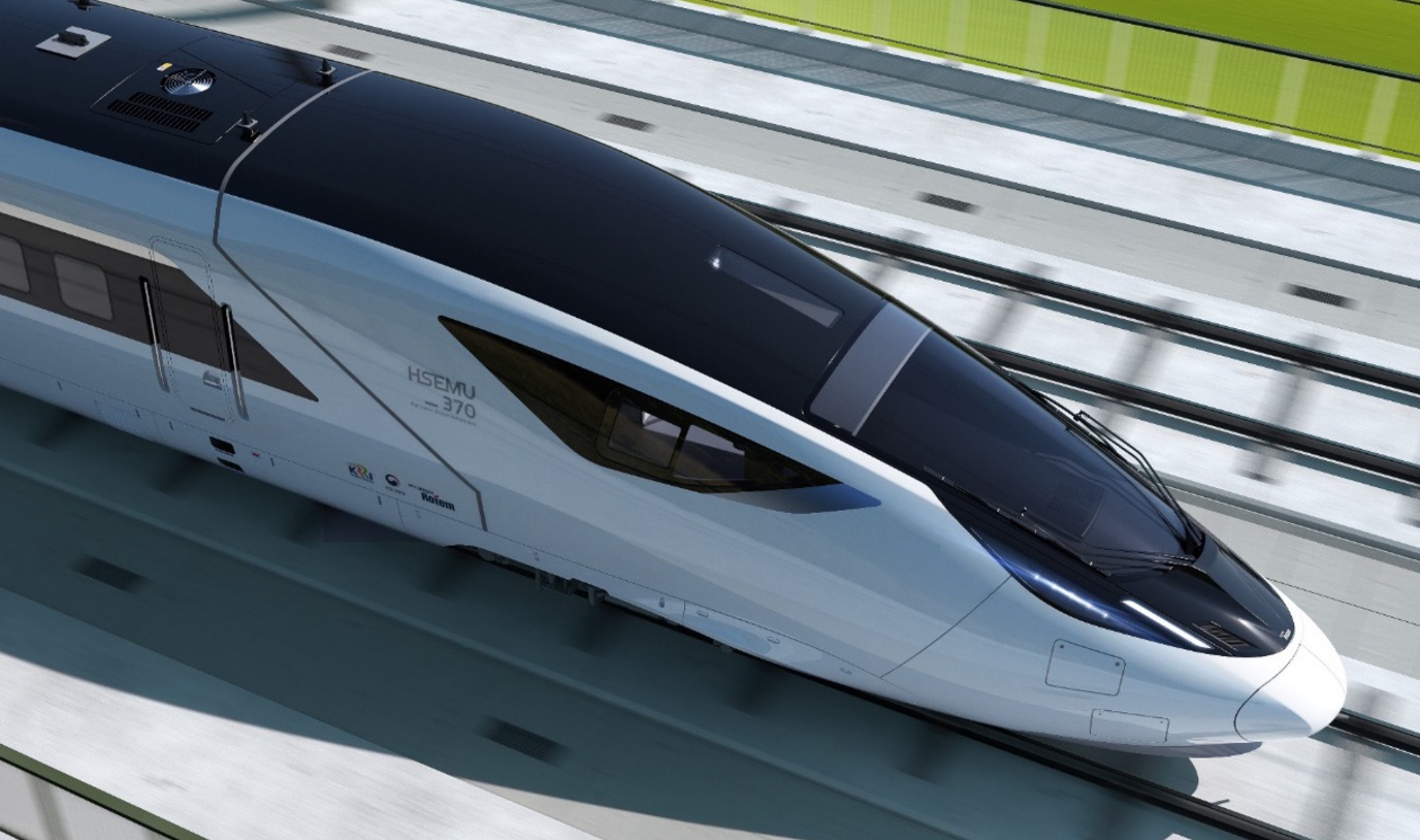
Since high-speed rail service began in April 2004, South Korea’s high-speed train technologies have advanced rapidly, with Hyundai Rotem at the center of that progress. The EMU-370 program underscores Hyundai Rotem’s continued drive to push boundaries in speed, safety and comfort—supporting Korea’s next step toward the 400 km/h era.
Infographic, Photos: Hyundai Rotem TECH Site