본문 바로가기
Technology Future Mobility Main Poster Technology Future Mobility Sub Poster
  • Series
Future Mobility

New Value Enriching Human Life

Hyundai Motor Group is introducing new mobility paradigms and spatial experiences through robotics applicable across manufacturing, logistics, healthcare, and services, PBV(Purpose Built Vehicle) and AAM (Advanced Air Mobility) technologies.

Technology Future Mobility Mid Image

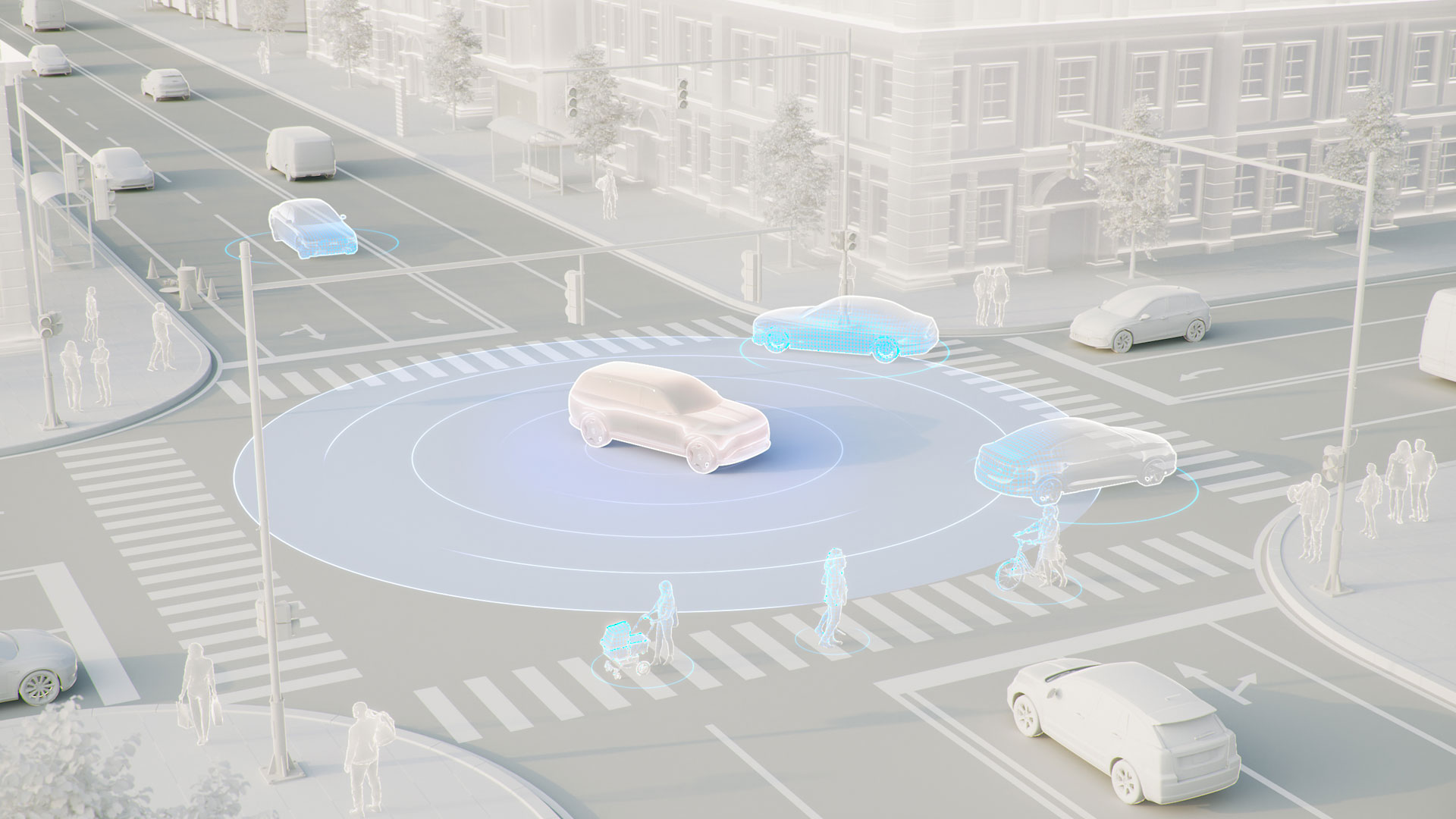
By enabling real-time connectivity between intelligent mobility solutions and urban infrastructure, and embedding smart technologies into everyday life, the Group continues to drive innovation across all domains in pursuit of leadership in future mobility. 

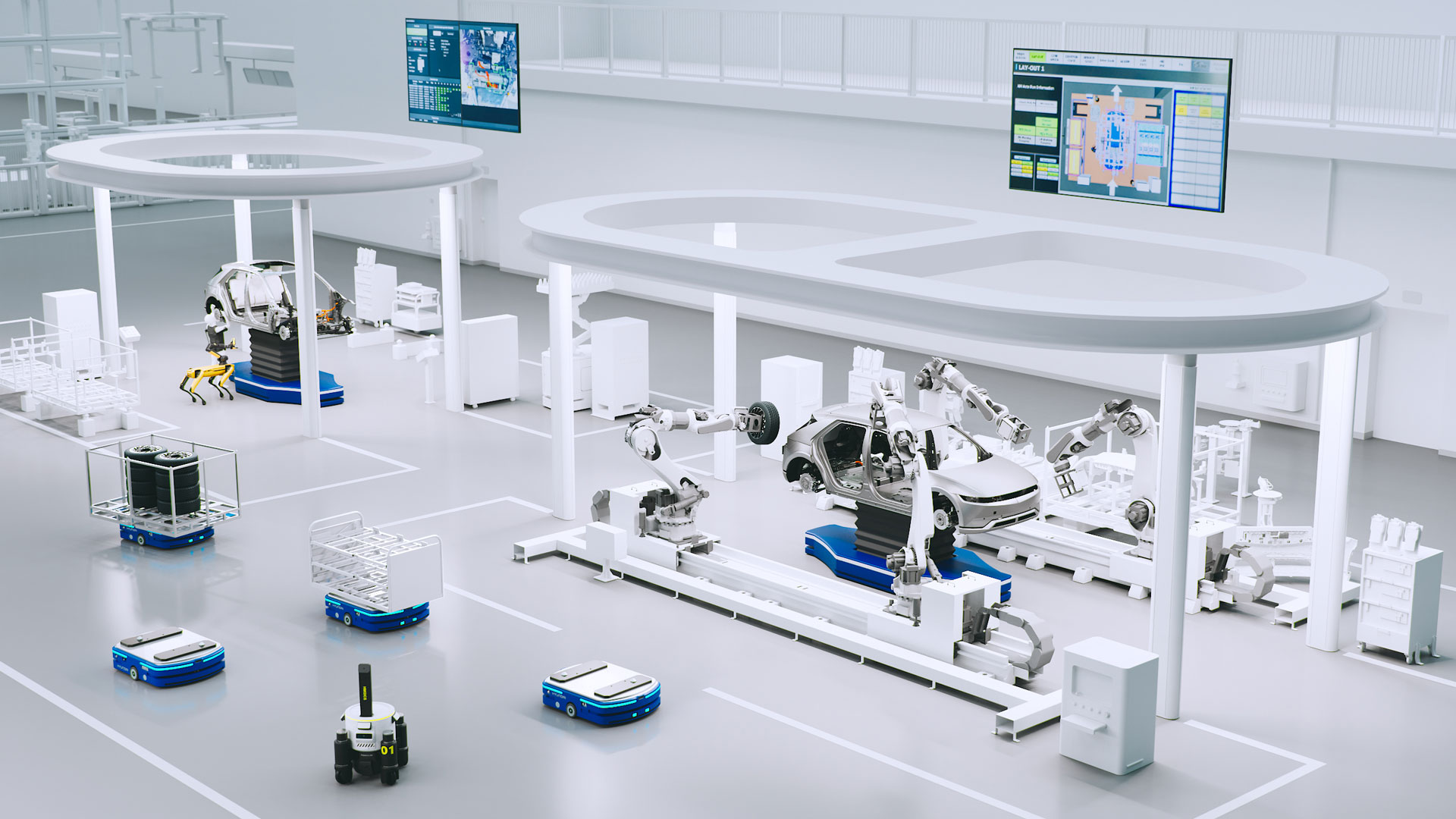
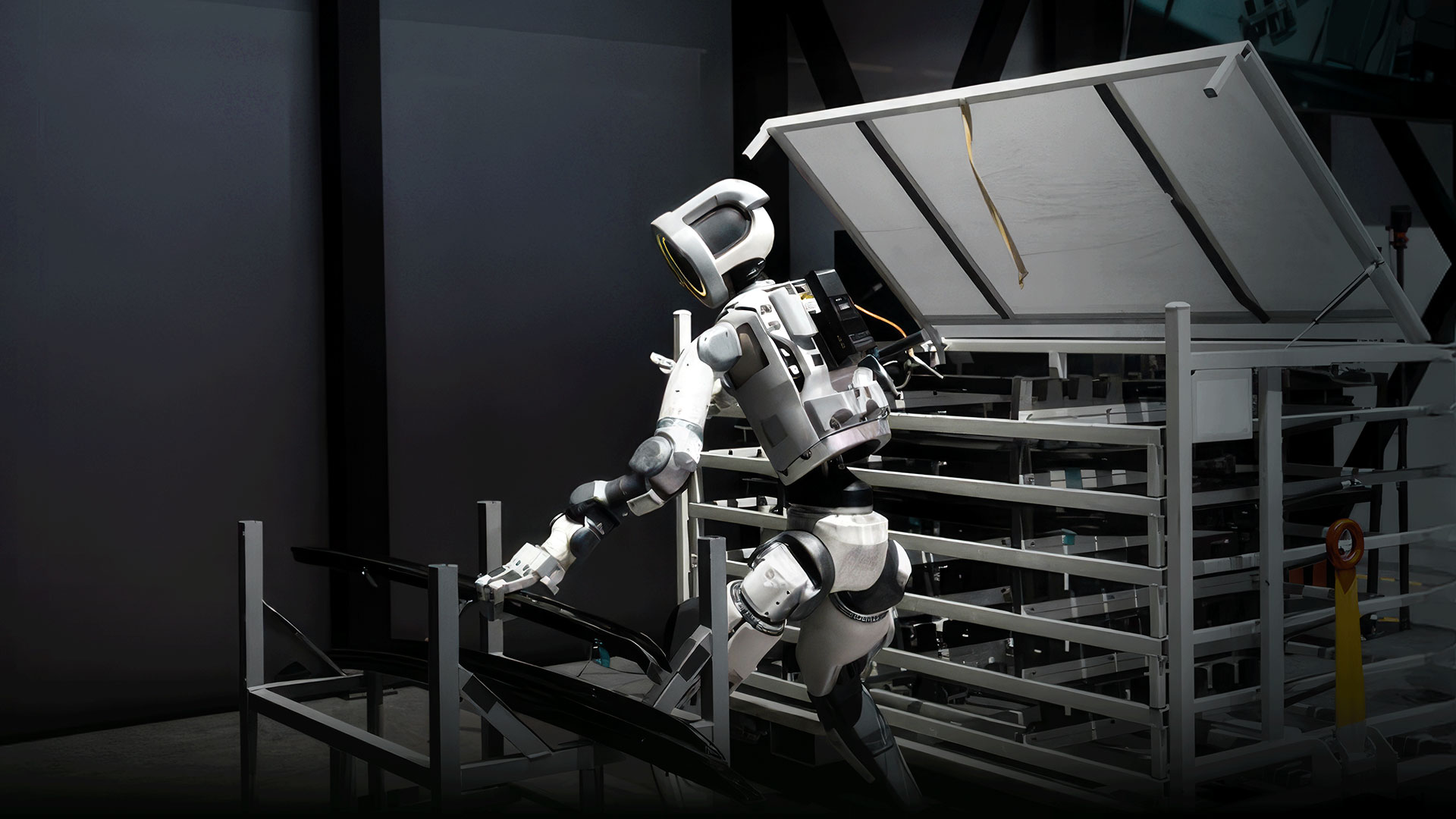
Robotic technology is rapidly expanding into various industries such as production, construction, safety, delivery, and healthcare. Hyundai Motor Group's industrial wearable robots and AI-based service robots are simultaneously improving work efficiency and customer experiences, while Boston Dynamics' robots are performing practical roles in the field based on autonomous perception, judgment, and control technologies. Looking ahead, the Group plans to integrate large behavior models into humanoid robots to create collaborative environments in which robots interact naturally with humans. 

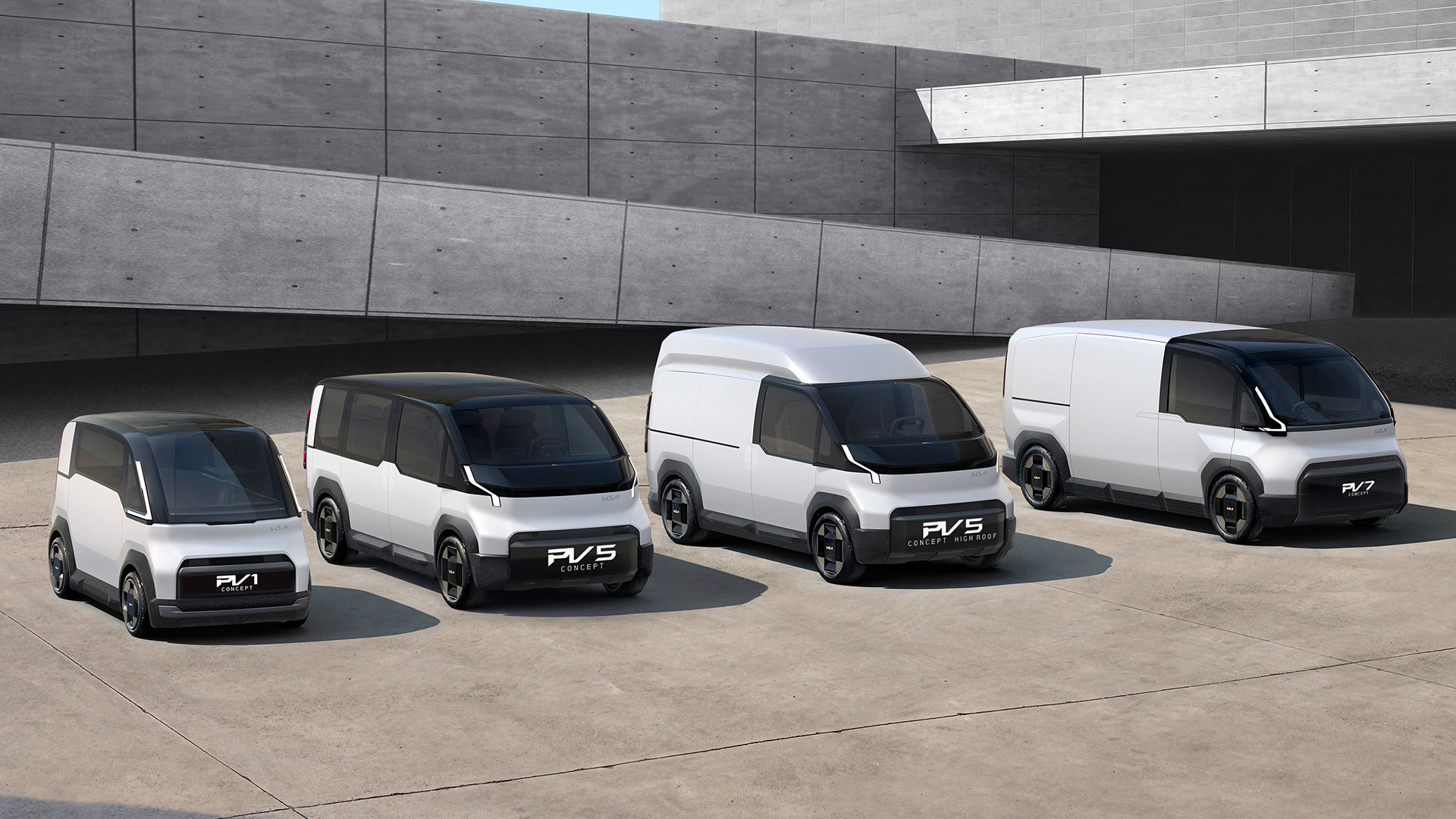
PBV is a new mobility concept that delivers customized vehicles and solutions tailored to diverse customer purposes, enabling automobiles to evolve beyond a simple means of transportation into business and lifestyle spaces. Hyundai Motor Group is building a flexible PBV manufacturing ecosystem to support a wide range of vehicle variations, and aims to expand the value of PBV as future mobility by integrating advanced technologies such as SDV (Software-Defined Vehicles) and autonomous driving.

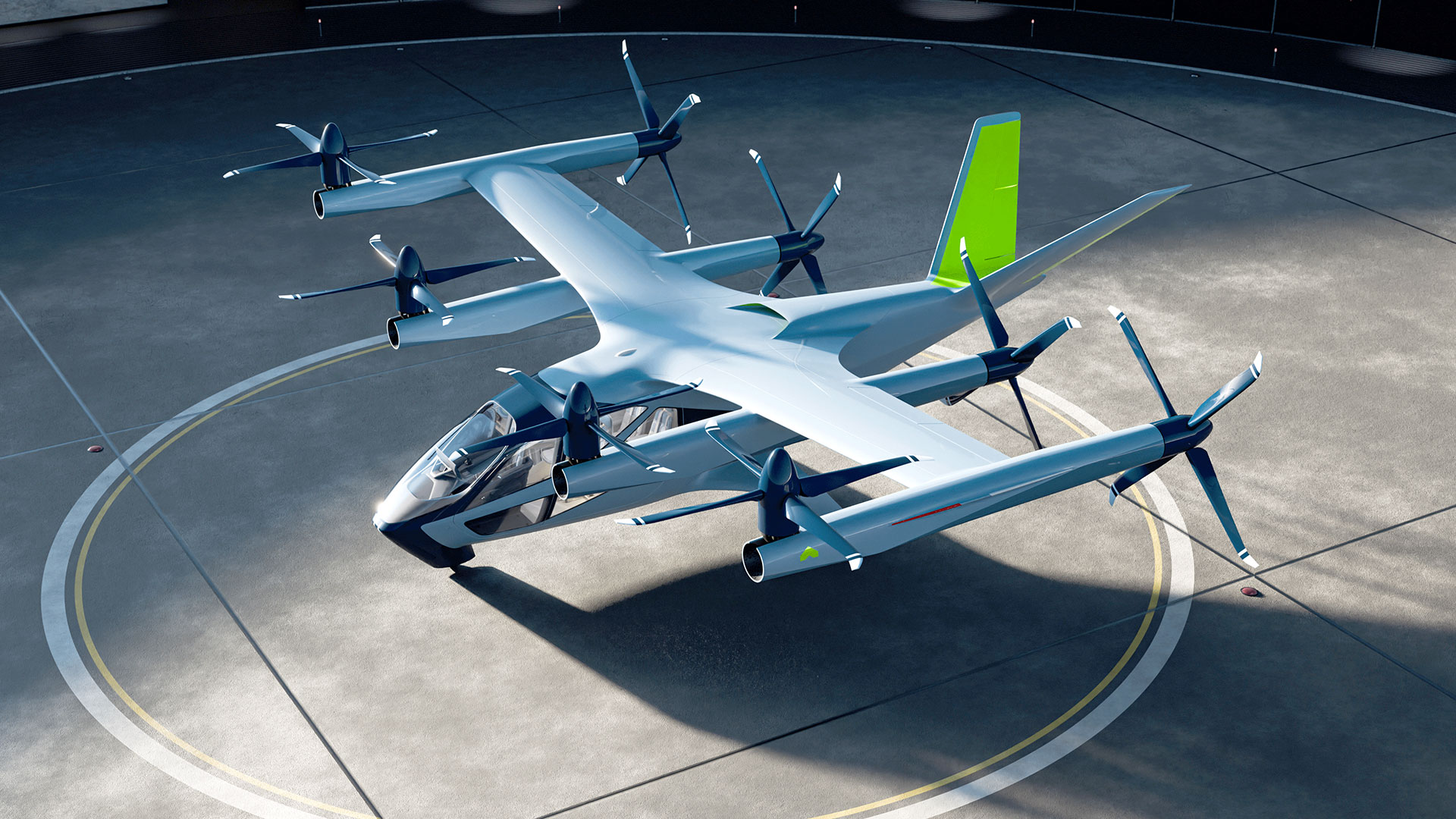
Advanced Air Mobility (AAM) encompasses future aerial mobility solutions, including Urban Air Mobility (UAM), designed to maximize intra-city transport efficiency and alleviate congestion in megacities, as well as Regional Air Mobility (RAM), enabling intercity connectivity between major urban hubs. To pioneer the AAM market, Hyundai Motor Group is consolidating its group-wide capabilities in batteries and robotics while strengthening the foundation for commercialization by collaborating with leading companies in the global aviation industry.  

Moving beyond a traditional finished vehicle manufacturer, Hyundai Motor Group is creating and connecting 'everything that carries and moves' to realize a peaceful and comfortable life for humanity. As a Smart Mobility Solution Provider, the Group aims to organically integrate diverse transportation means into a single platform, further advancing the mobility experience.
  • Technology Future Mobility imgslide_01

    Robotics

    Hyundai Motor Group's robotics technology is advancing towards increasing collaboration efficiency between humans and robots in daily life and industrial environments, focusing on service, wearable, and mobile robots. Representative examples include the service robot 'DAL-e' with emotional recognition and autonomous navigation capabilities, and the wearable robot brand 'X-ble' that assists physical strength. Combined with Boston Dynamics' humanoid and logistics robot technology and group-wide AI, manufacturing, and logistics capabilities, robotics is expanding beyond individual products into an ecosystem strategy applied to actual industrial sites and living spaces.
  • Technology Future Mobility imgslide_02

    PBV

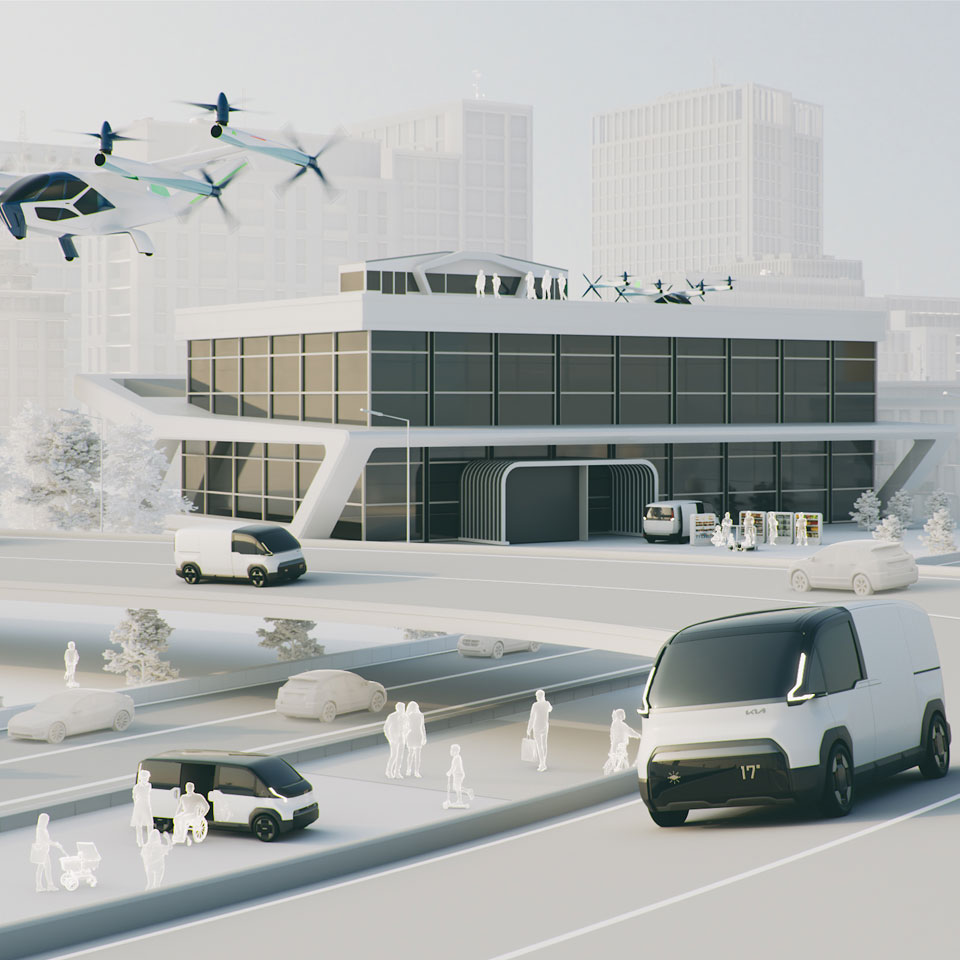
    PBV, which stands for 'Platform Beyond Vehicle,' aims to deliver integrated solutions combining vehicles, software, and services. Hyundai Motor Group has launched its first model, PV5, in the global market, offering customized mobility solutions with diverse hardware variations—including Passenger Van, Cargo Van, and WAV (Wheelchair Accessible Vehicle)—integrated with digital solutions such as IVI and Fleet Management Systems (FMS). Looking ahead, PBV will evolve into a platform organically connected within smart cities, leveraging autonomous driving and robotics technologies, to establish itself as a core axis of the future mobility ecosystem.
  • Technology Future Mobility imgslide_03

    AAM

    Hyundai Motor Group has established an independent entity, Supernal, to expand its AAM business and is developing electric Vertical Take-Off and Landing (eVTOL) aircraft with the goal of commercialization. Supernal is performing tests and flight tests of various technology demonstrators to secure airworthiness certification and build a mass-production system, while leading the development of the overall AAM ecosystem and entry into related industries through collaboration with global partners.

Robotics

Technology Future Mobility imgslide_01

Hyundai Motor Group's robotics technology is advancing towards increasing collaboration efficiency between humans and robots in daily life and industrial environments, focusing on service, wearable, and mobile robots. Representative examples include the service robot 'DAL-e' with emotional recognition and autonomous navigation capabilities, and the wearable robot brand 'X-ble' that assists physical strength. Combined with Boston Dynamics' humanoid and logistics robot technology and group-wide AI, manufacturing, and logistics capabilities, robotics is expanding beyond individual products into an ecosystem strategy applied to actual industrial sites and living spaces.

PBV

Technology Future Mobility imgslide_02

PBV, which stands for 'Platform Beyond Vehicle,' aims to deliver integrated solutions combining vehicles, software, and services. Hyundai Motor Group has launched its first model, PV5, in the global market, offering customized mobility solutions with diverse hardware variations—including Passenger Van, Cargo Van, and WAV (Wheelchair Accessible Vehicle)—integrated with digital solutions such as IVI and Fleet Management Systems (FMS). Looking ahead, PBV will evolve into a platform organically connected within smart cities, leveraging autonomous driving and robotics technologies, to establish itself as a core axis of the future mobility ecosystem.

AAM

Technology Future Mobility imgslide_03

Hyundai Motor Group has established an independent entity, Supernal, to expand its AAM business and is developing electric Vertical Take-Off and Landing (eVTOL) aircraft with the goal of commercialization. Supernal is performing tests and flight tests of various technology demonstrators to secure airworthiness certification and build a mass-production system, while leading the development of the overall AAM ecosystem and entry into related industries through collaboration with global partners.