Guinness World Records is a platform that officially verifies and records the remarkable attempts and creative ideas happening around the world. While challenges often seem to be represented by mere numbers, they carry cultural significance, technological advancements, and new ways of communication. This is why companies and organizations aim to break Guinness World Records.
Hyundai Motor Group has set numerous Guinness World Records through various projects, showcasing their cutting-edge technology, artistic sensibility, and future-oriented vision in a single experience that engages customers. From large-scale visual performances using drones to artistic installations symbolizing future energy, and technological experiments proving long-distance driving and efficiency — each record emphasizes the values and spirit of experimentation that HMG stands for.
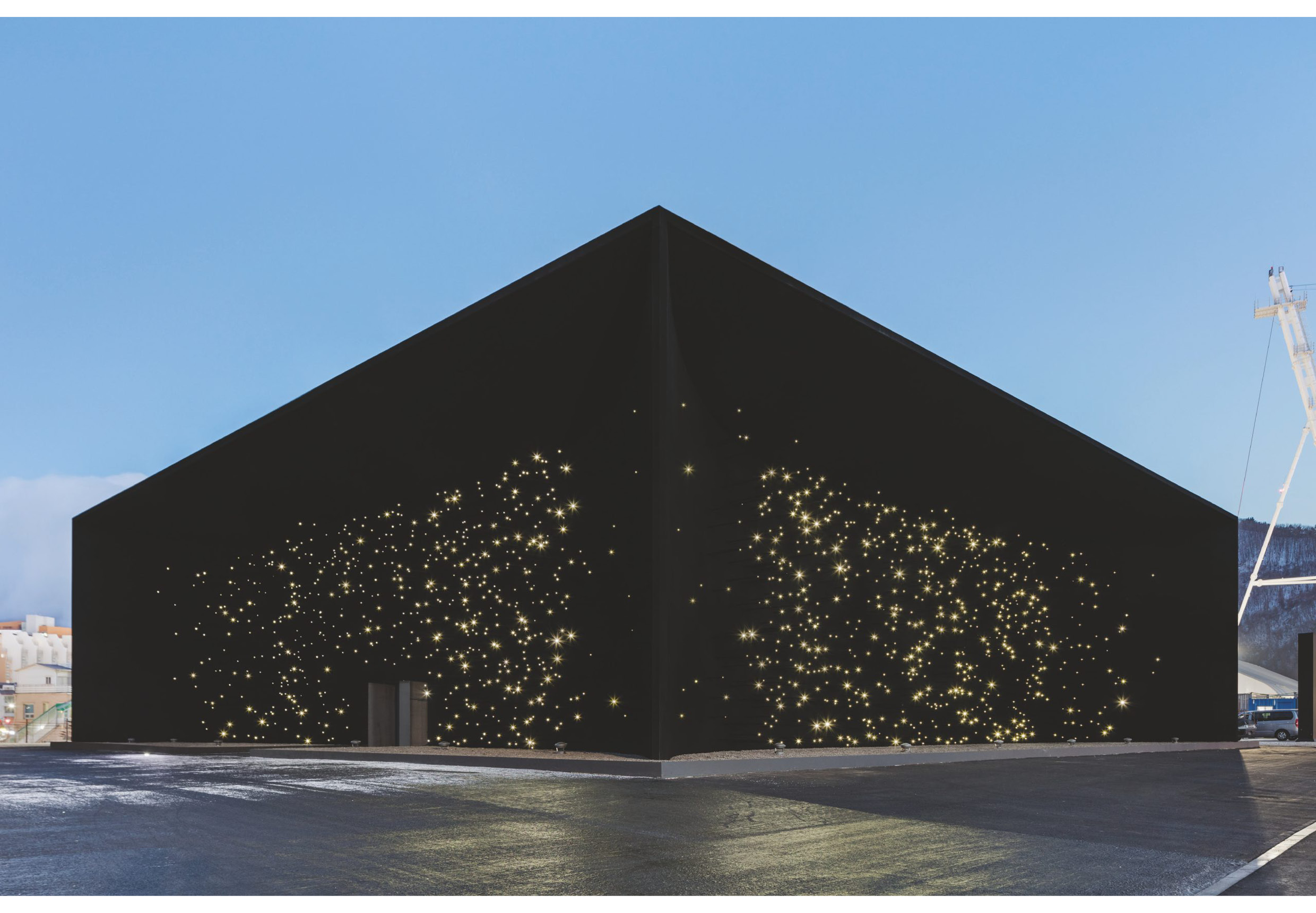
During the 2018 PyeongChang Winter Olympics, Hyundai Motor introduced the Hyundai Pavilion, which set a Guinness World Record for having the darkest exterior in the world. The building's 10-meter-high facade was wrapped in Vantablack, an innovative material that absorbs 99.9% of light and creates the illusion of an exterior devoid of substance. Applying Vantablack, a material typically used only for interior applications, to the exterior of the building was an unprecedented challenge. This bold move aligned with the vision of capturing the infinite space filled with hydrogen, inspired by the cosmos.
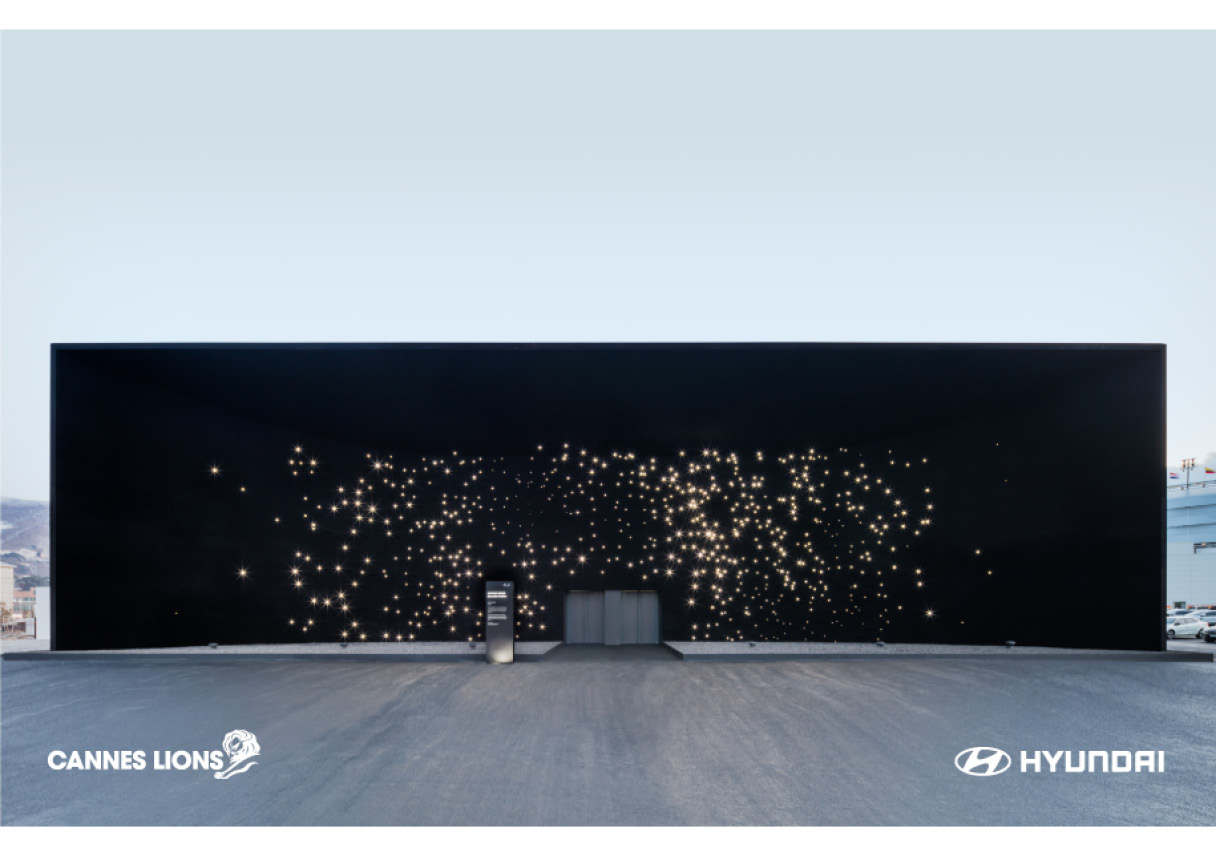
The task presented an ongoing challenge throughout the installation process due to its complex application. To achieve the optimal color depth, the external temperature had to be maintained above 10°C, while internal ventilation and hot air systems were used to preserve the dark hue and avoid fire hazards. The process also involved more than 20 rounds of repeated painting, along with the installation of decorative stars and additional refinishing. The result was a facade that absorbed light like a black hole, symbolizing Hyundai’s innovative fusion of technology and design. The Hyundai Pavilion was ultimately recognized by Guinness World Records for having the darkest temporary building exterior.
Hyundai's journey of creating artistic sculptures continued to amaze. To mark the opening of the 2022 FIFA World Cup™, the company collaborated with Italian sculptor Lorenzo Quinn on the large-scale sculpture ‘The Greatest Goal,’ which became Hyundai’s second artwork to set a Guinness World Record. The sculpture, featuring two hands reaching out and joining each other, carries the message that humanity must unite to achieve a sustainable future.
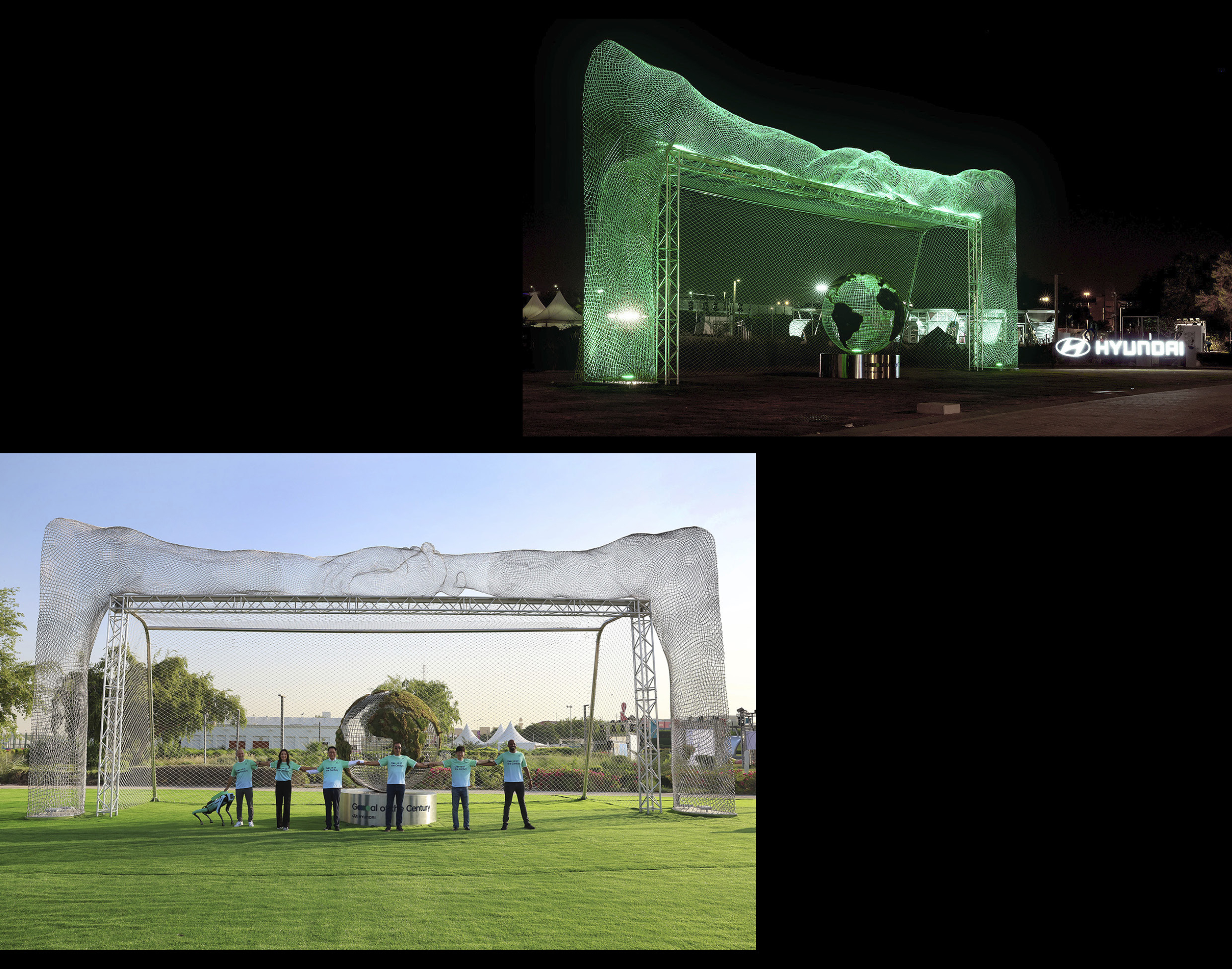
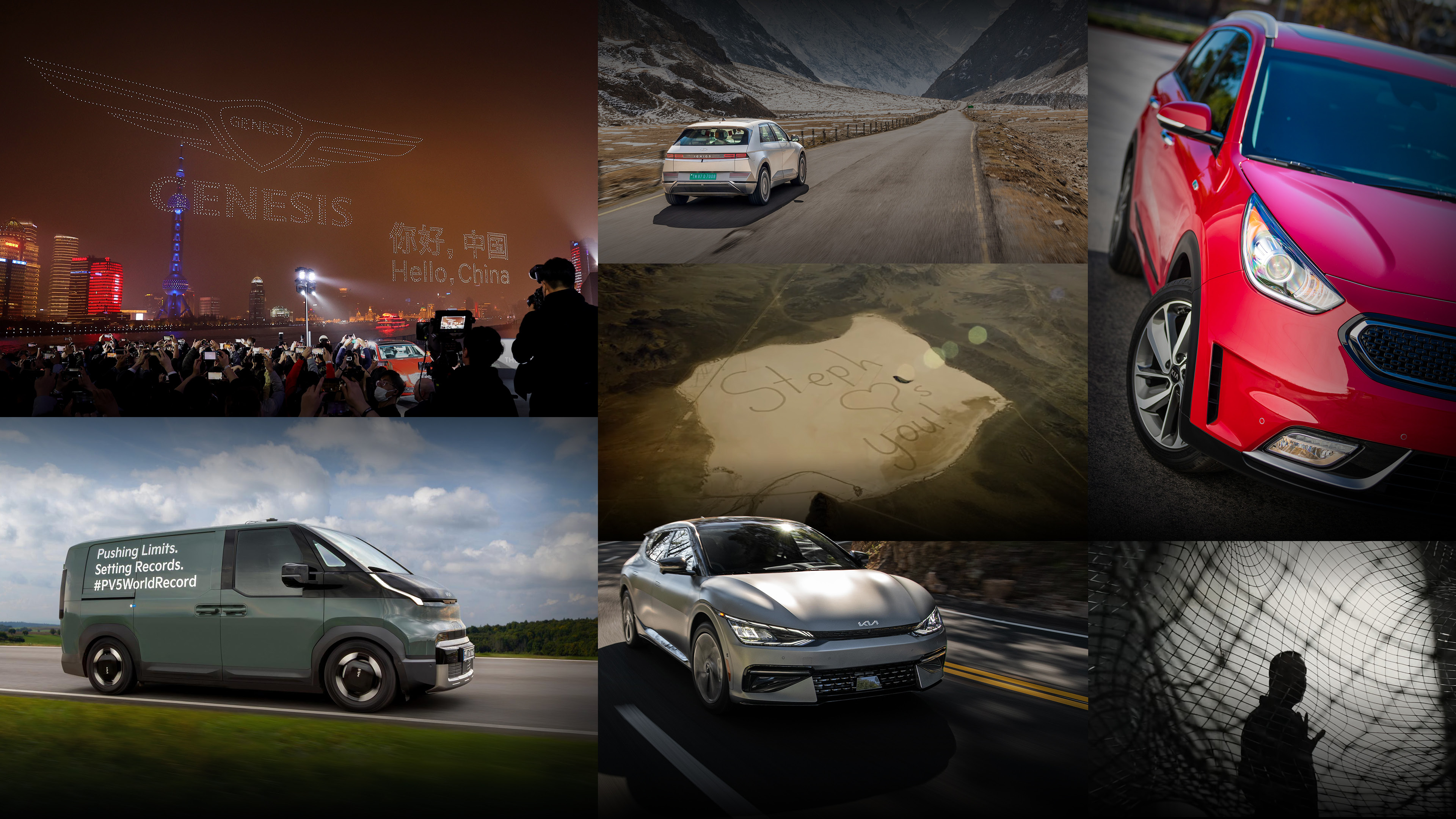
"The Greatest Goal” was created using discarded steel mesh, brought together through nearly 70,000 welding points. It was then combined with recycled linen nets handwoven by local Qatari fishermen using traditional techniques, resulting in an artistic moment where tradition and innovation come together.
Using more than 130 tons of recycled steel, the work stands 7.79m tall and 17.47m wide, earning an official Guinness World Record for being the largest sculpture made of recycled steel. The glowing green Earth-shaped sphere has not yet crossed the goal line, but it symbolizes that we are on the right path as long as we move forward together, hand in hand, toward a greater goal.
In April 2015, at the boundless Delamar Dry Lake in Nevada, eleven G80s (known then as Genesis) traversed the vast desert floor, carving tire tracks into the surface. They were creating a message from a girl named Stephanie to her father, who had been away for months on a mission at the International Space Station. The message, large enough to be seen from space, carried her words to him — pressed into the desert with all her heart: “Steph loves you”.
This remarkable challenge was part of Hyundai’s ‘A Message to Space’ project, completed through the collaboration of teams from around the world. It was an unprecedented attempt to send a message into space using nothing but the tire tracks of automobiles.
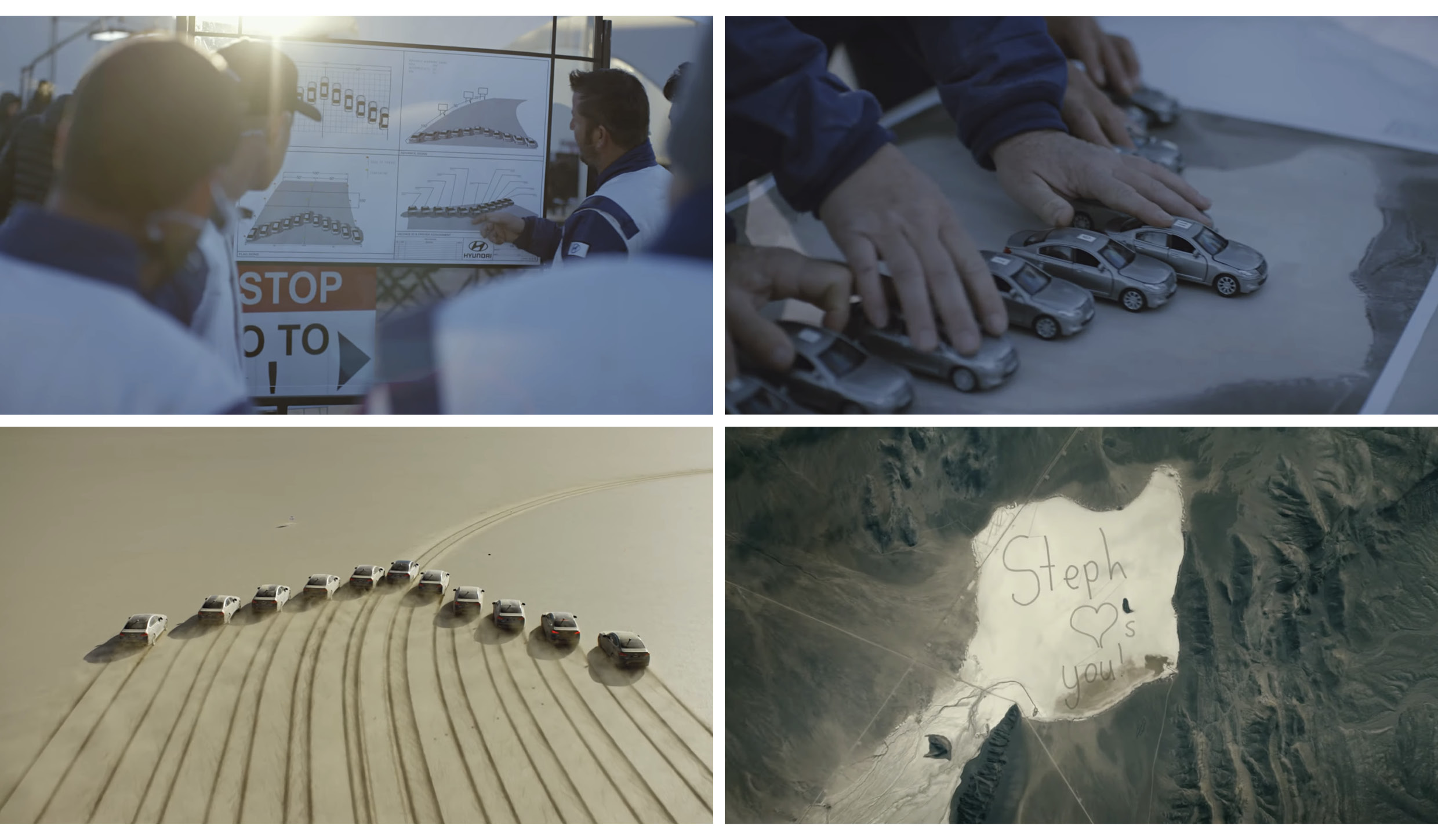
Hyundai worked for an extended period to faithfully recreate Stephanie’s handwriting so her father, far away in space, could feel her emotions just as she wrote them. After analyzing weather data from around the world, the team selected Delamar Dry Lake as the optimal site, and used GPS technology to calculate precise coordinates and design the exact path the vehicles needed to follow.
This resulted in a message spanning 5km in length and 1.5km in width, roughly one and a half times the size of New York’s Central Park—large enough to be officially certified by Guinness World Records as the Largest tire track image. The video documenting the entire challenge was also praised for its emotional storytelling built on precise technology, resulting in three Bronze Lions at the 2015 Cannes Lions International Festival of Creativity.
In 2021, Genesis once again captivated audiences with a large-scale show powered by advanced technology. Over the Huangpu River in Shanghai, the brand marked its entry into the Chinese market with a monumental drone performance. Thousands of drones illuminated the night sky, forming the greetings—“Hello, China” and “你好, 中国”—along with the Genesis logo and the silhouettes of its vehicles, drawing astonishment from everyone who watched.
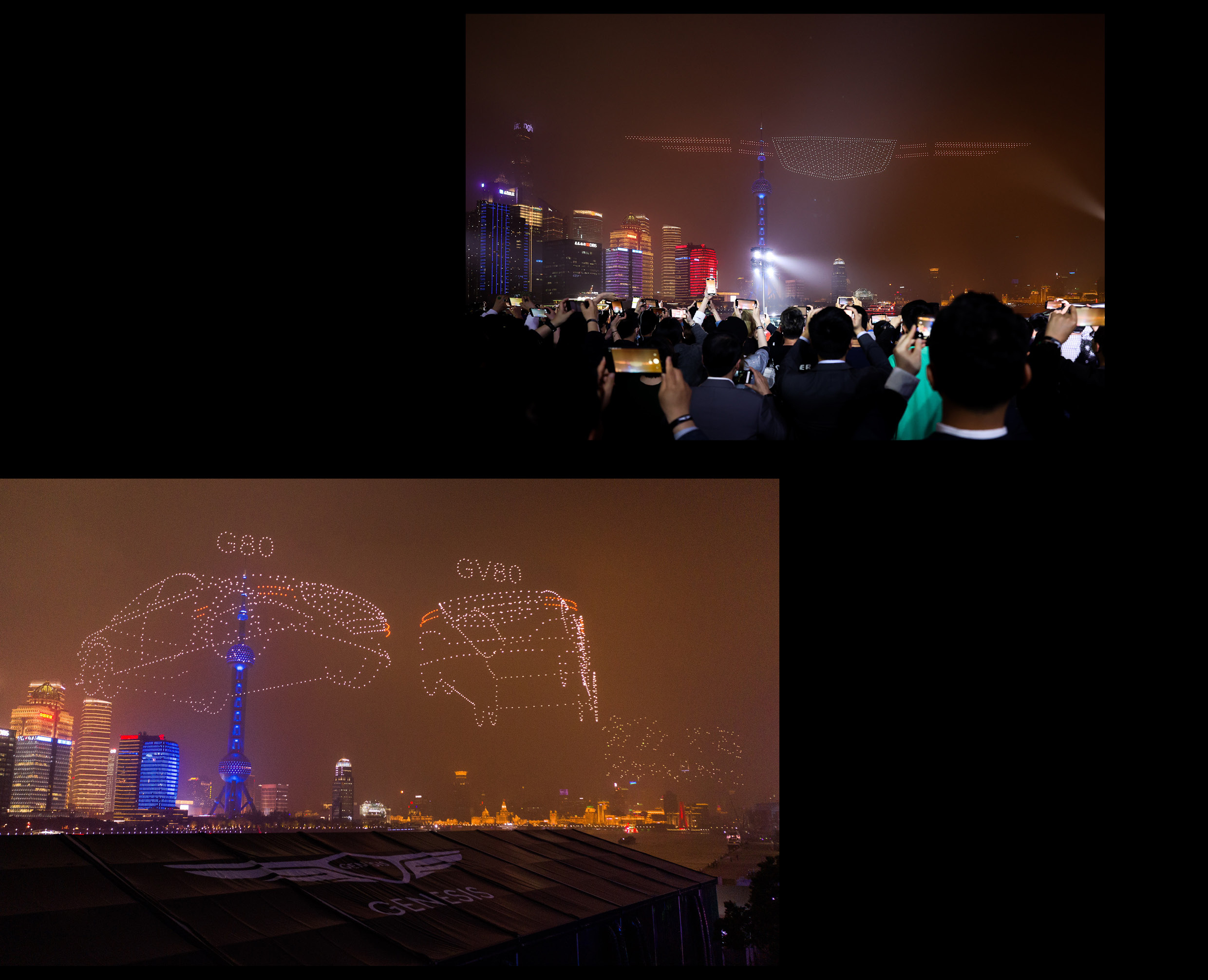
This event was more than a spectacle—it was a showcase of Genesis’ precise technology and artistic sensibility. With 3,281 drones flying at the same time to create perfectly rendered images, the performance was officially recognized by Guinness World Records for “Most unmanned aerial vehicles airborne simultaneously.” It set a new benchmark by surpassing the previous record of 3,051 drones by 230. The precise movements of each drone, aligning seamlessly into a single display, reflected the brand’s commitment to uniting technology and artistry.
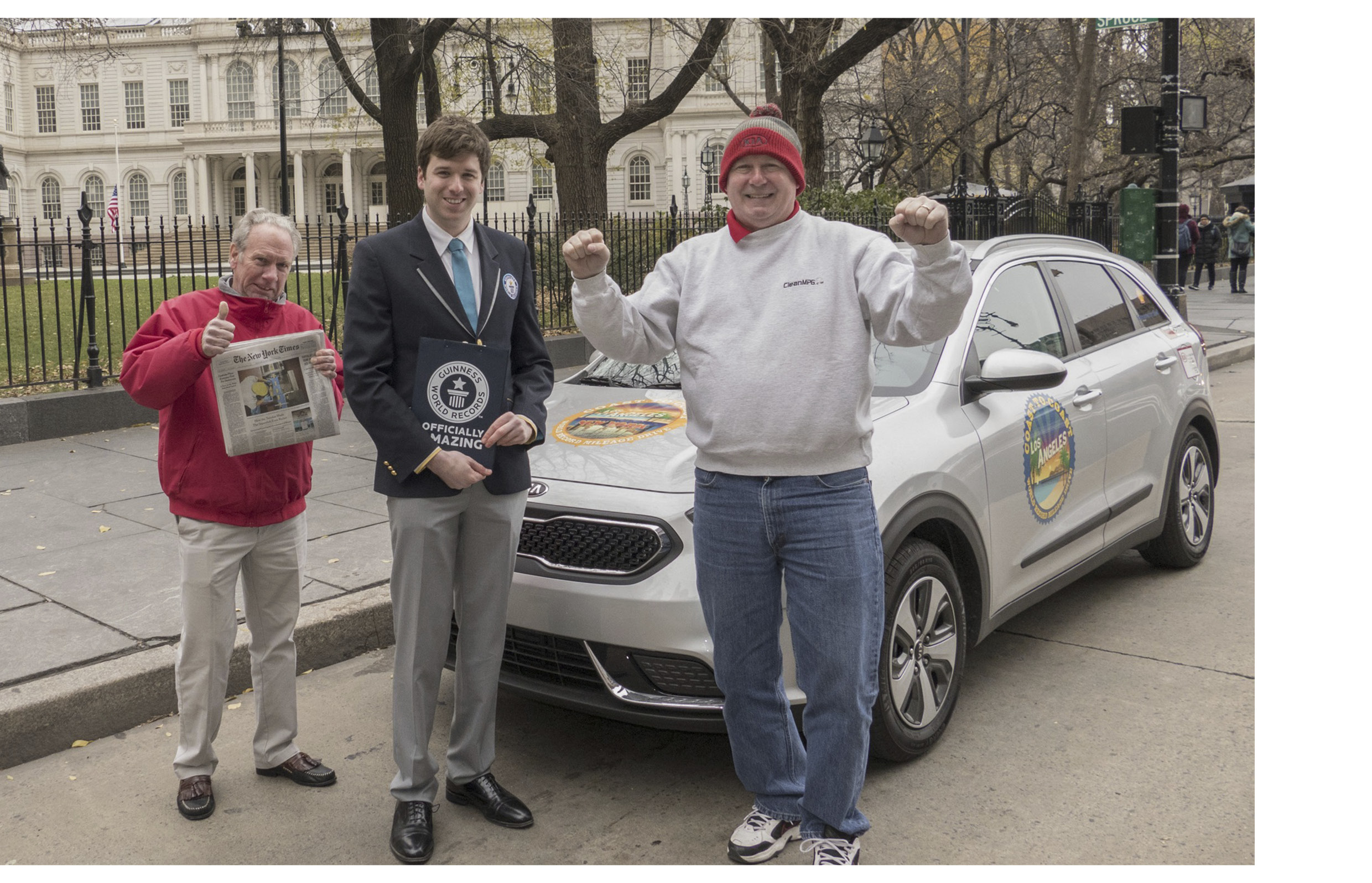
How far can a hybrid car known for great fuel efficiency really go on a single tank? In 2016, the Kia Niro hybrid SUV answered that question with an astonishing result. Starting at Los Angeles City Hall and ending at New York City Hall, the Niro drove 5,979 kilometers across the United States with only four refueling stops. It used just 183.6 liters of gasoline, achieving an average fuel efficiency of 32.6 km/L. This accomplishment earned the Niro a Guinness World Record in the category of “Lowest fuel consumption driving across the USA from coast to coast – hybrid car.”
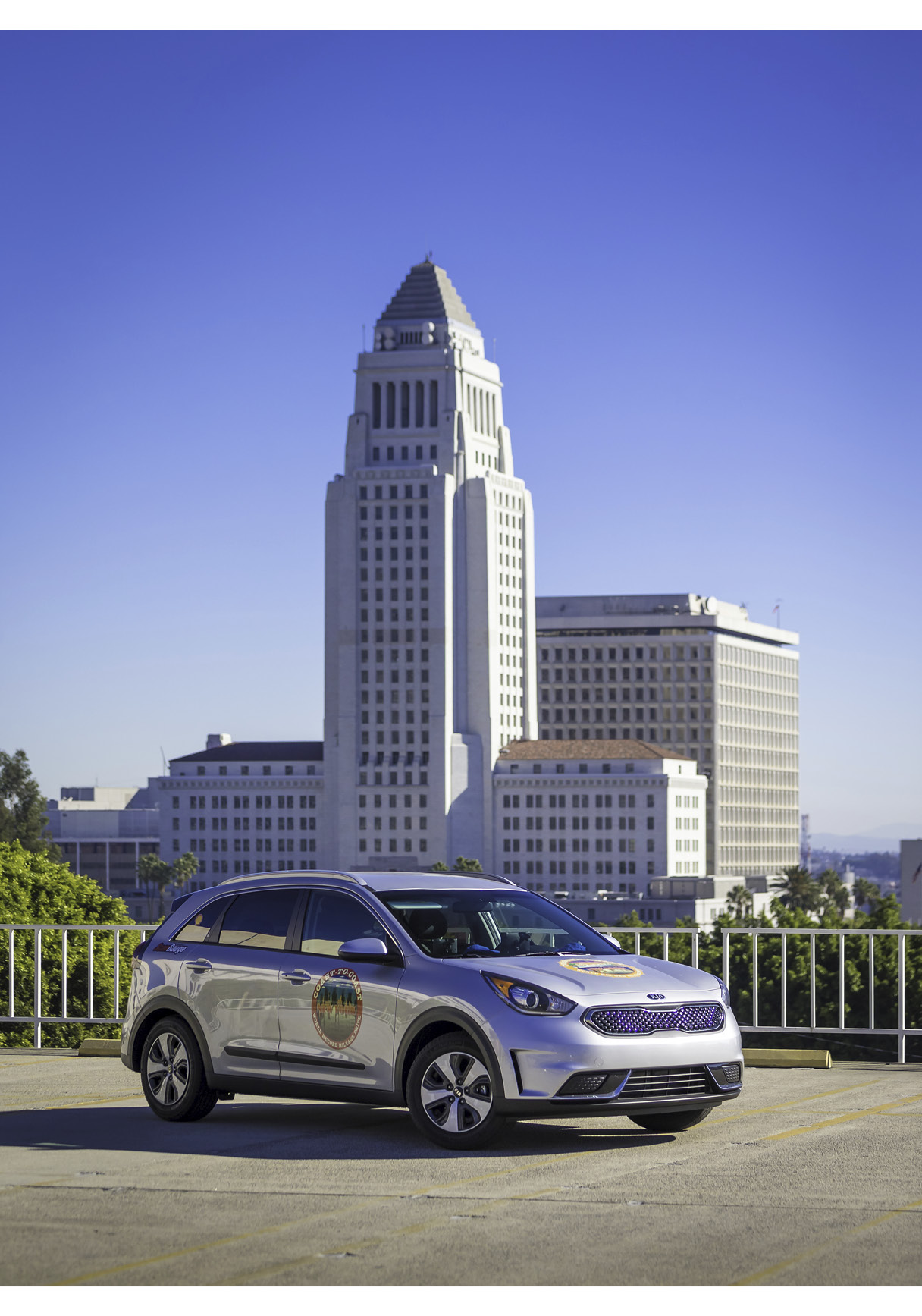
This milestone was the result of Kia’s precise hybrid technology and a design optimized to minimize aerodynamic drag. Equipped with a hybrid system combining a 1.6L GDI engine, a 32-kW electric motor, and a lithium-ion battery, the Niro carries an EPA-rated combined fuel economy of 20.8 km/L in the United States. Yet in real-world driving, it recorded an average of 32.6km/L—an efficiency 56.7% higher than the official figure. With this achievement, the Niro strengthened its place as Kia’s flagship hybrid SUV and reaffirmed the brand’s technological excellence in electrification worldwide.
In 2021, the Kia EV6 traveled approximately 4,635.7km from New York to Los Angeles, earning a Guinness World Record for the shortest charging time to cross the United States in an EV. Over the seven-day journey, the total time spent charging was just 7 hours, 10 minutes, and 1 second—more than 5 hours and 30 minutes faster than the previous record.
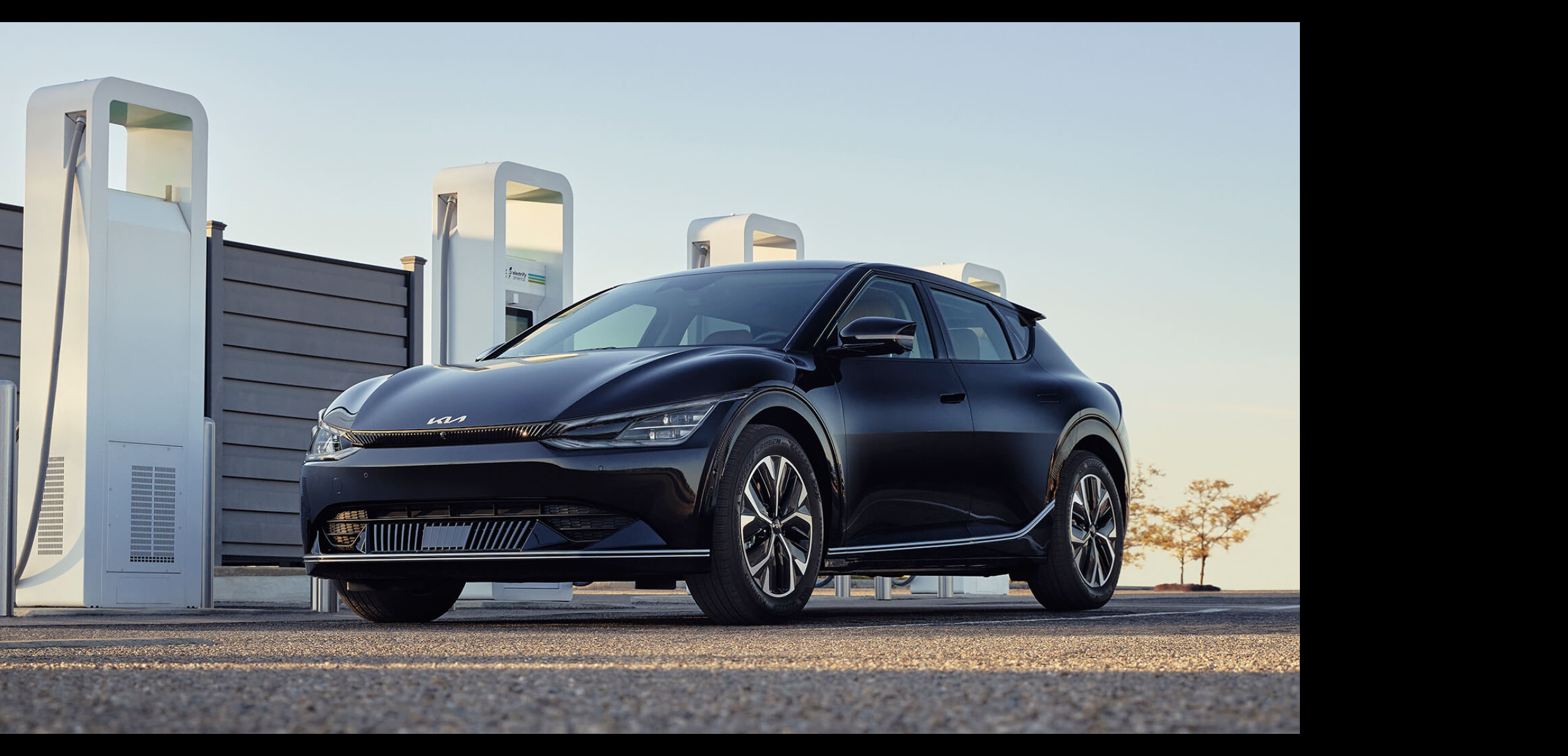
The key to this achievement lies in the innovative technology of E-GMP, Hyundai Motor Group’s dedicated EV platform that underpins the EV6. Its 400V/800V multi ultra-fast charging system allows the battery to go from 10 to 80% in just 18 minutes, making long journeys possible with only short charging stops. With its efficient energy management and groundbreaking charging performance, the EV6 has set a new benchmark for the EV era and continues to be widely admired today.
Hyundai Motor Group’s E-GMP–based electric vehicles continued to set remarkable records around the world, and this time the spotlight was on the Hyundai IONIQ 5. To demonstrate that an EV can remain stable even under extreme elevation conditions, Hyundai took on a Guinness World Records challenge with its well-known electric model. The IONIQ 5 successfully completed a drive from Umling La in India, situated at 5,799m above sea level, down to a point in Kerala at –3m, overcoming a total elevation difference of 5,802m.
This achievement was officially certified by Guinness World Records in the category of “Greatest altitude change by an electric car.” Despite the extreme terrain and harsh weather conditions, the IONIQ 5 completed the journey without any battery depletion or electrical system issues.
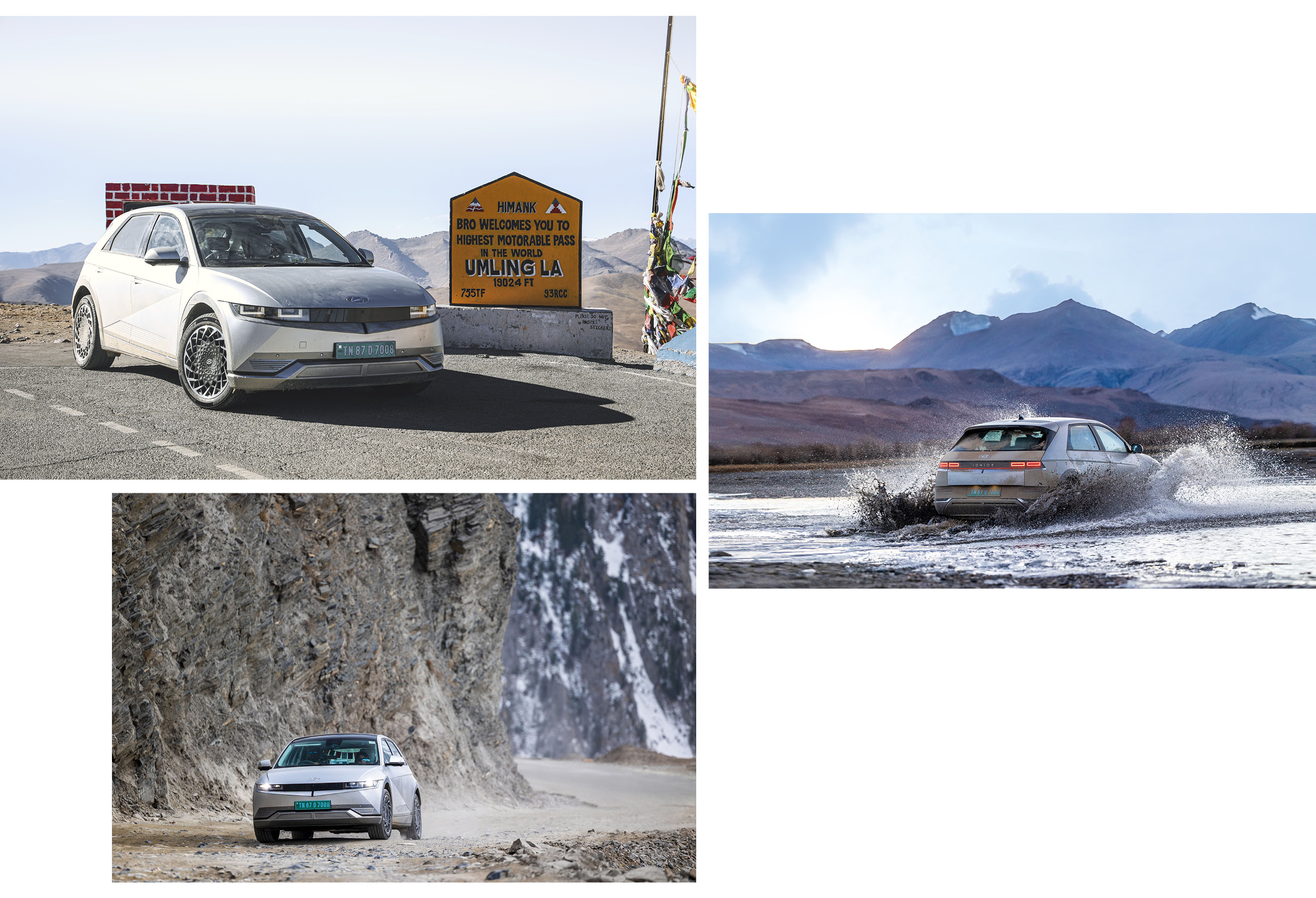
The challenge was carried out in collaboration between Hyundai Motor India and the local automotive media outlet <Evo India>. To document the entire journey, the team equipped the vehicle with an altimeter, GPS, and temperature sensors, recording all data in real time according to Guinness verification standards. The harsh cold and thin air of the Himalayan highlands, along with the hot and humid conditions of Kerala’s coastal region, posed serious tests to the limits of EV performance. Even so, the IONIQ 5 completed the journey safely, covering 4,956km over 14 days and achieving remarkable efficiency—consuming as little as 4% of its battery to travel 100km in certain sections.
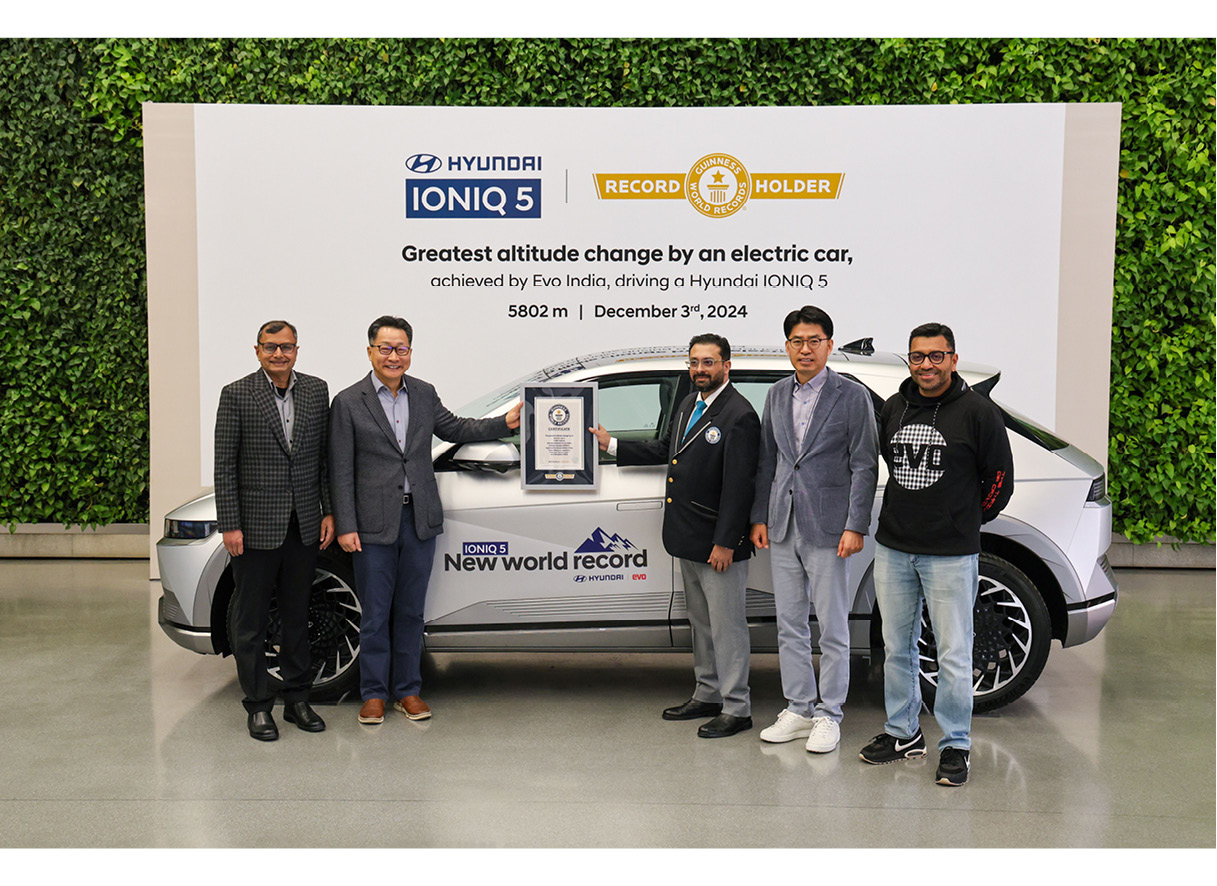
This Guinness World Record stands as clear proof of Hyundai’s electrification technology and vehicle reliability under harsh driving conditions. The IONIQ 5 overcame challenges that typically limit EV performance—such as lower temperatures at high altitudes, reduced battery efficiency, and limited charging infrastructure—demonstrating strong capability and durability throughout the journey.
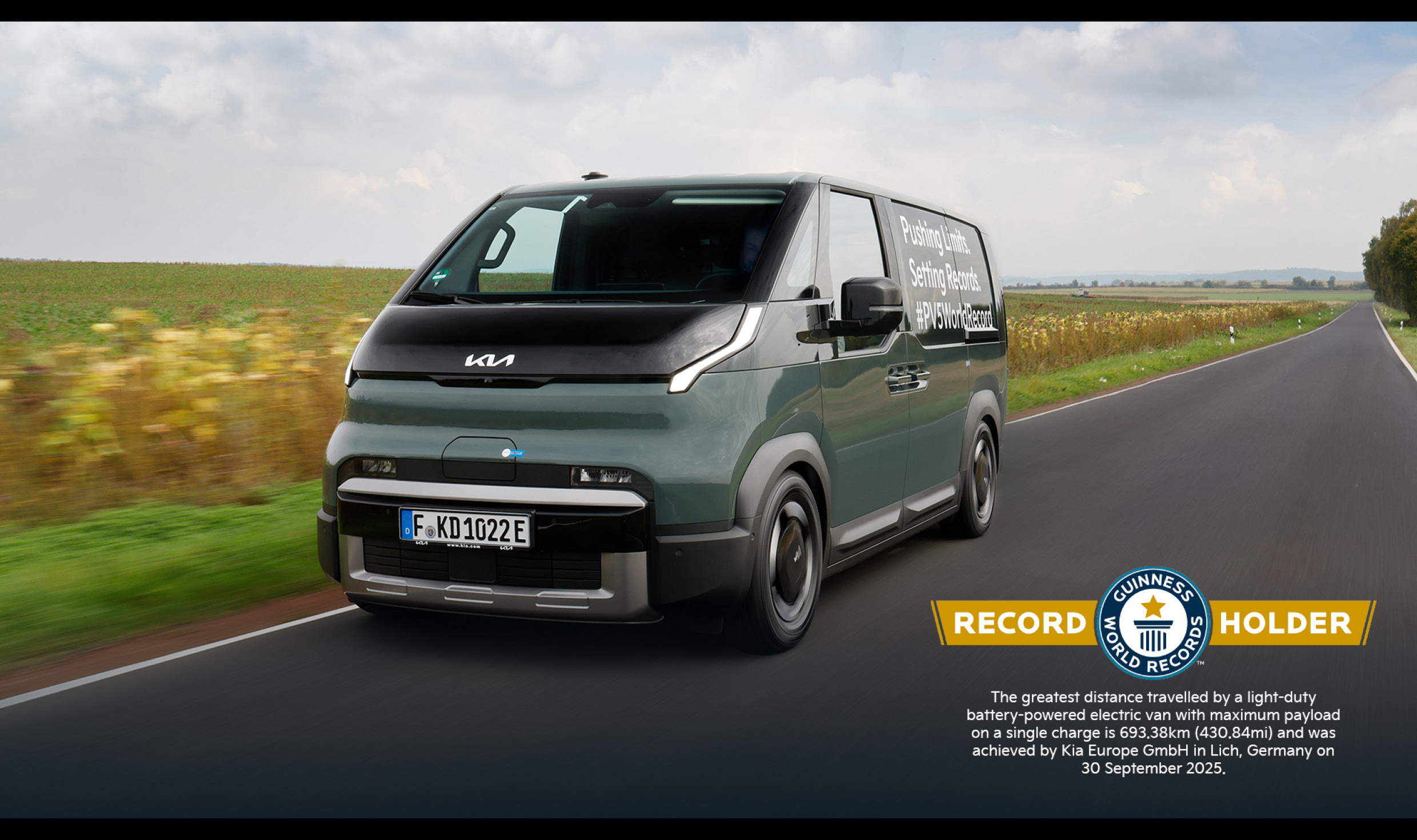
HMG’s electrification technology has also demonstrated its strength in the commercial EV segment. On September 30, the Kia PV5 set a new record in the category for electric light commercial vehicles by achieving the longest distance on a single charge while carrying its maximum payload. The model used for this challenge was the Cargo 4-door variant, optimized for freight transport. Loaded with its full payload capacity of 665kg, the PV5 Cargo drove 693.38km until its fully charged battery was completely depleted, earning an official Guinness World Record for “Longest distance by an electric light commercial vehicle.”
The challenge took place under the supervision of a German testing and certification agency to thoroughly validate the PV5’s driving performance and efficiency. The route on public roads north of Frankfurt was designed to mirror real delivery and logistics conditions, combining urban streets with outer-road sections. It featured traffic lights, intersections, roundabouts, and even a segment with roughly 370m of elevation change—conditions far from ideal for setting a new record.
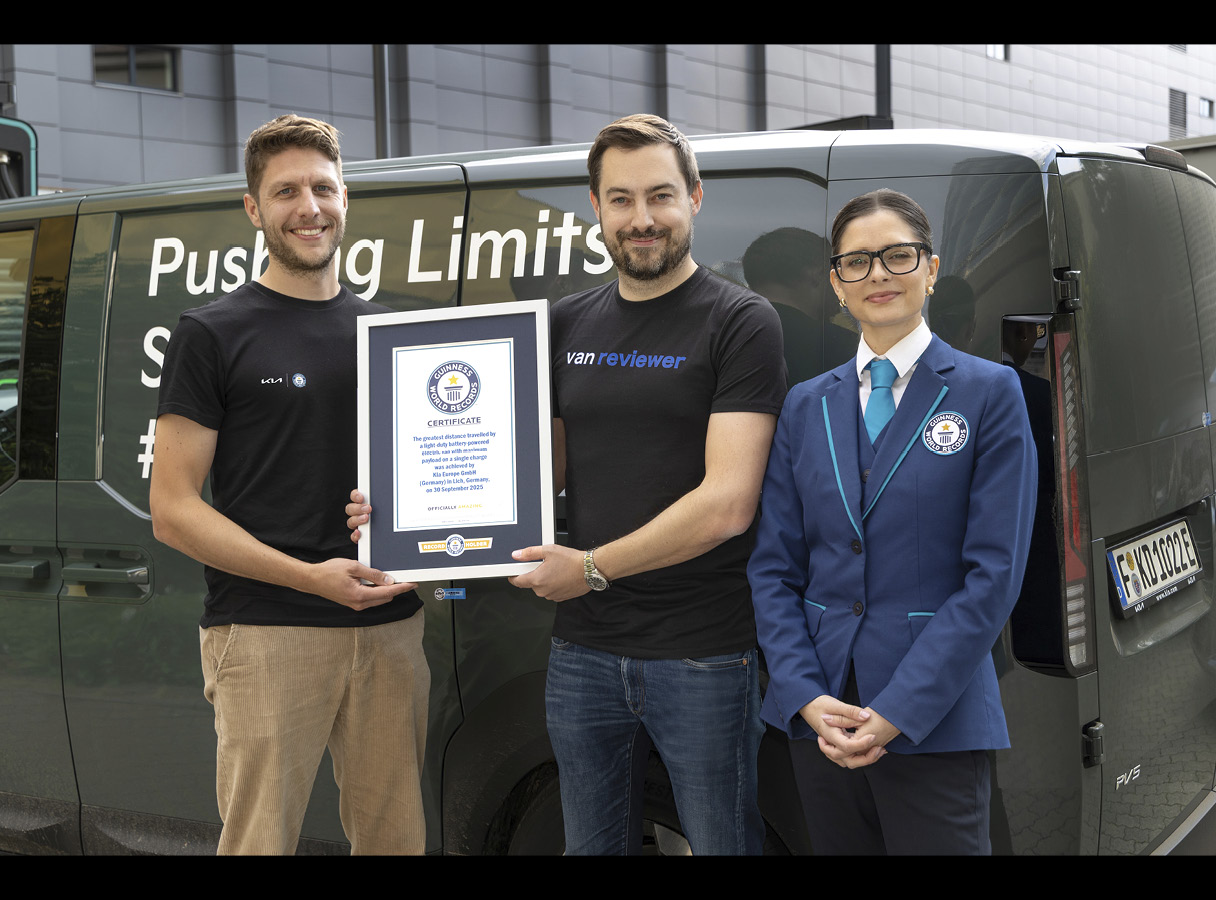
The vehicle was equipped with various devices to verify the record, including GPS and interior cameras. The PV5 was driven by George Barrow, an International Van of the Year juror and commercial vehicle journalist, together with Christopher Niggemeier, a senior engineer at the Hyundai–Kia European Technical Center.
Starting the challenge with its battery charged to 100 percent, the PV5 Cargo covered an impressive 693.38km over 22 hours and 30 minutes, with both the charging port and cargo area sealed throughout the entire run. Through this challenge, the PV5 proved not only its suitability for logistics operations but also its high practicality and efficiency under real driving conditions. Beyond setting a new world record, Kia gained meaningful momentum for expanding its presence in the European light commercial vehicle market.
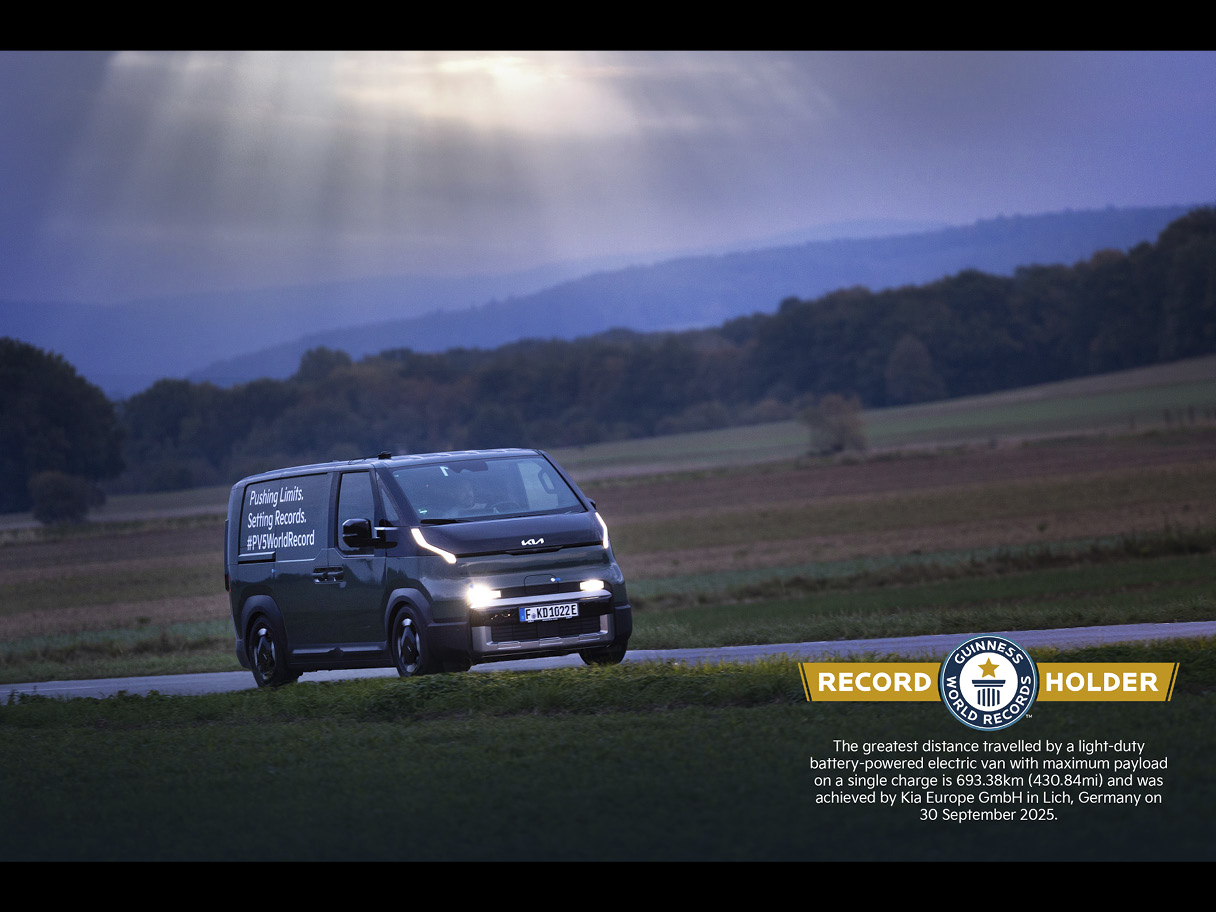
Guinness World Records are not merely a contest of being the biggest or the fastest. Each record is an experiment that shows how technology, art, design, and brand philosophy can come together, offering new forms of experience. Hyundai Motor Group will continue taking on diverse challenges that inspire and delight consumers, expanding the possibilities of sustainable mobility and creative brand experiences.