
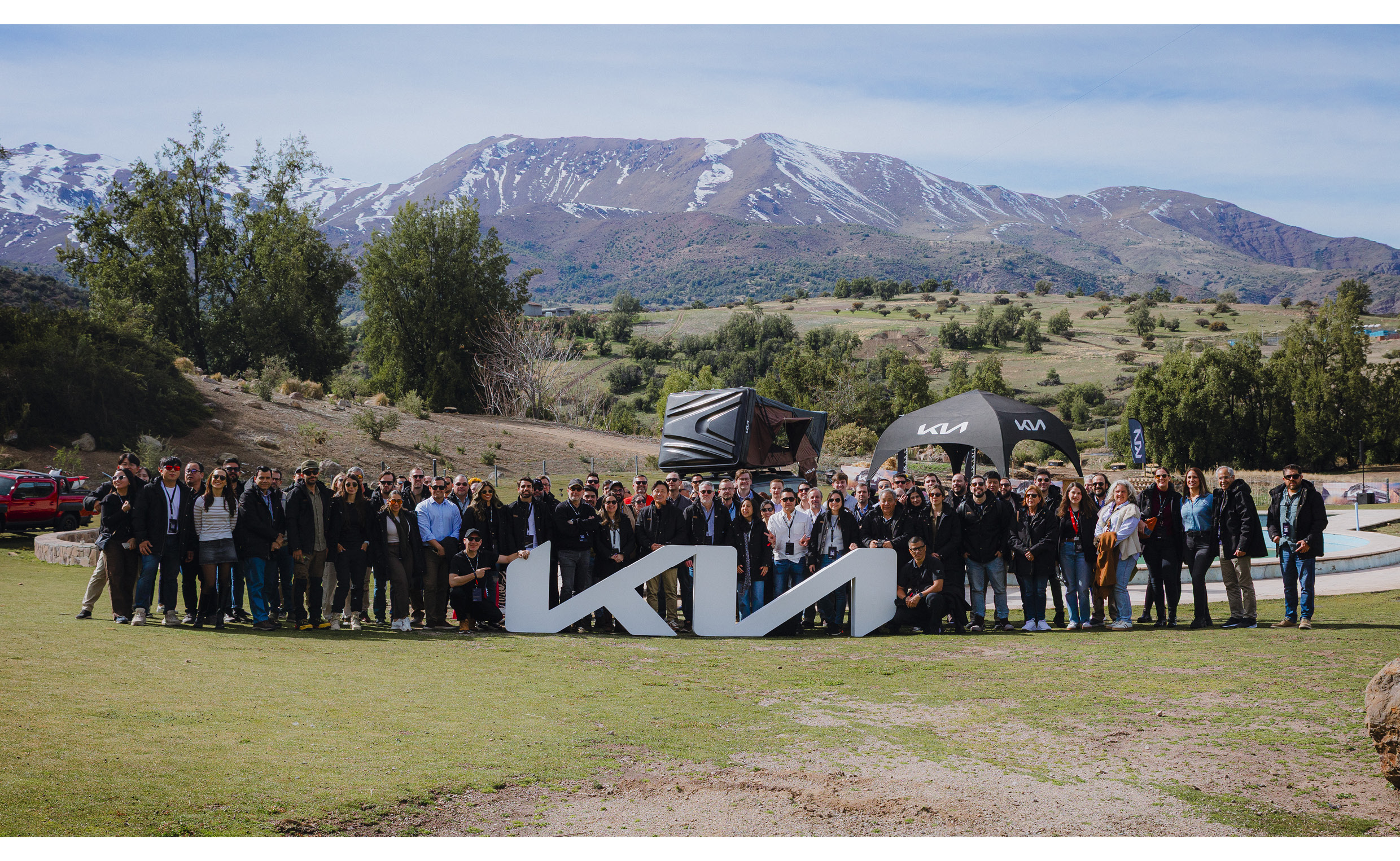
Kia officially pulled the wraps off its first-ever traditional pickup, the Kia Tasman, this August in Santiago, Chile, and the launch was a hit. Under the banner “Dive into a new dimension,” Tasman is engineered to deliver strong performance and serious usability, slotting in as a key player in Latin America’s demanding conditions. On the global stage, Latin America doesn’t always command top billing. But Kia’s Tasman story makes one thing clear: the brand sees massive upside here. Latin America is home to roughly 670 million people (per a UN release in the first half of 2025) and moves over 5 million vehicles a year—a large, stable market by any measure. It’s no mystery why global automakers now see the region as a strategic stronghold.
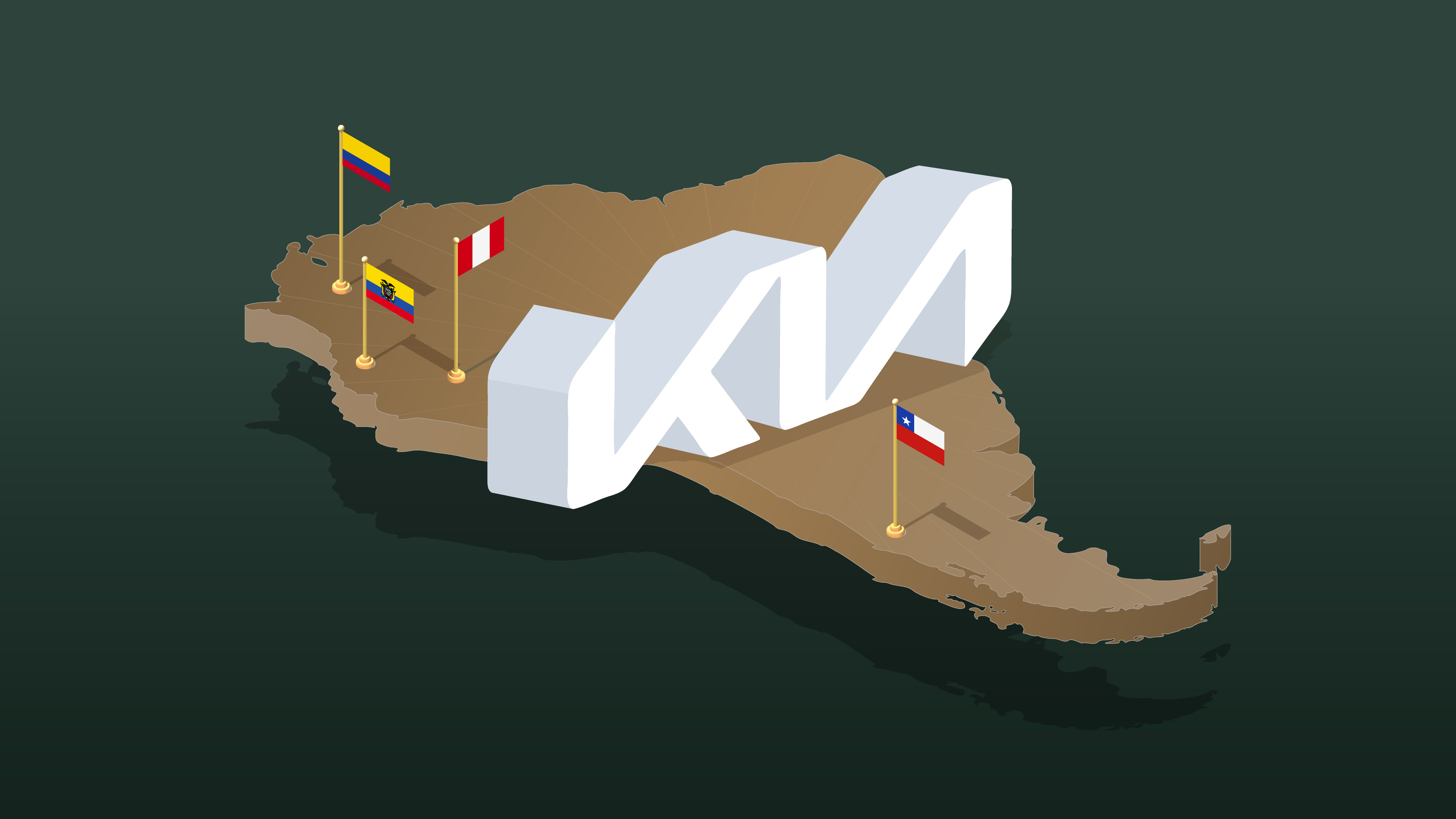
Kia was early to that conclusion. More than 30 years ago, it moved quickly into Latin America, betting on the region’s potential. Today, in what many consider one of the toughest, most demanding markets in the world, Kia is posting standout results. In key countries like Colombia, Peru, Ecuador, and Chile, the brand consistently ranks near the top in market share. Beyond pure numbers, Kia has tailored its approach to local consumer lifestyles and culture, establishing itself as one of the most trusted automotive brands in the region.
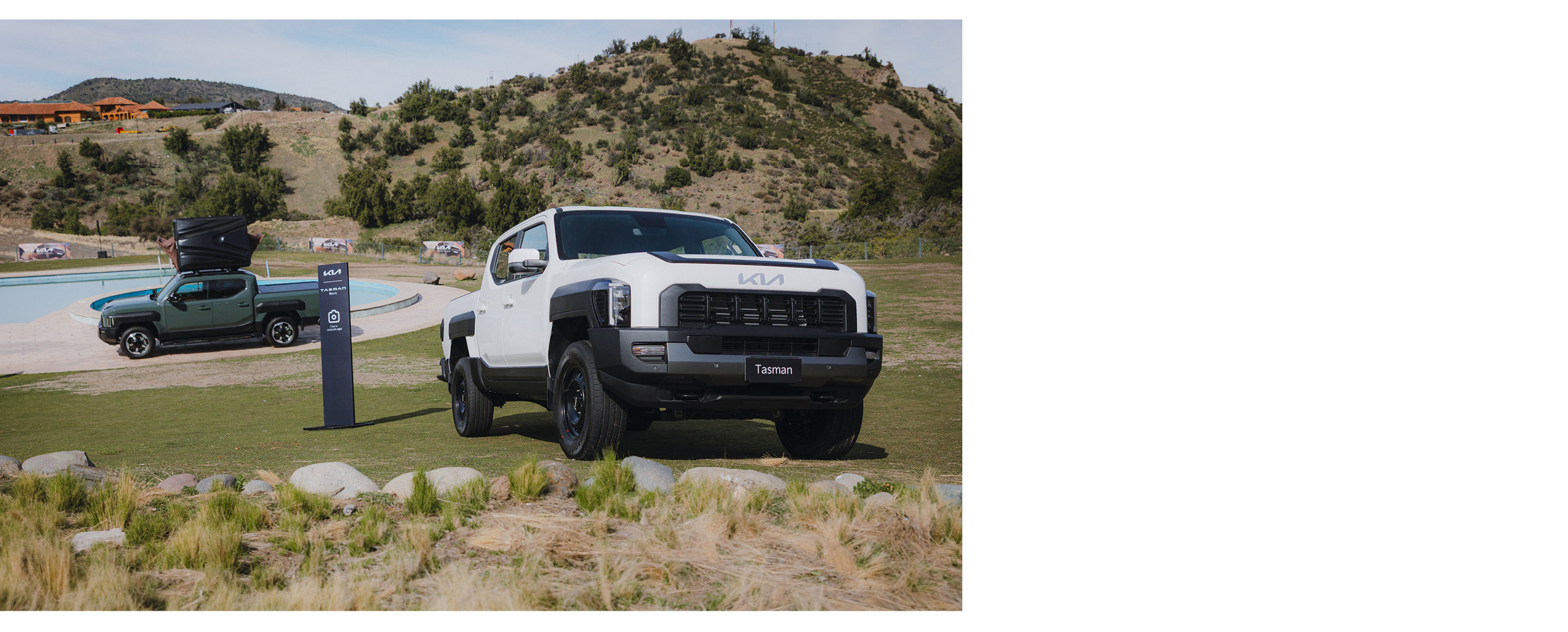
More recently, Kia has been laying the groundwork for an EV future, rolling out targeted electrification marketing as it anticipates rising demand. At the same time, the successful launch of the Tasman marks the start of a serious push into the pickup segment. With momentum building, it’s the perfect time to take a closer look at Kia’s journey in Latin America—and the bright road ahead.
If you had to describe the Latin American automotive landscape in one word, it might be “harsh.” The region’s geography and climate look nothing like North America, Europe, or Asia, and that reality ties directly back to why humans settled Latin America later than other continents.
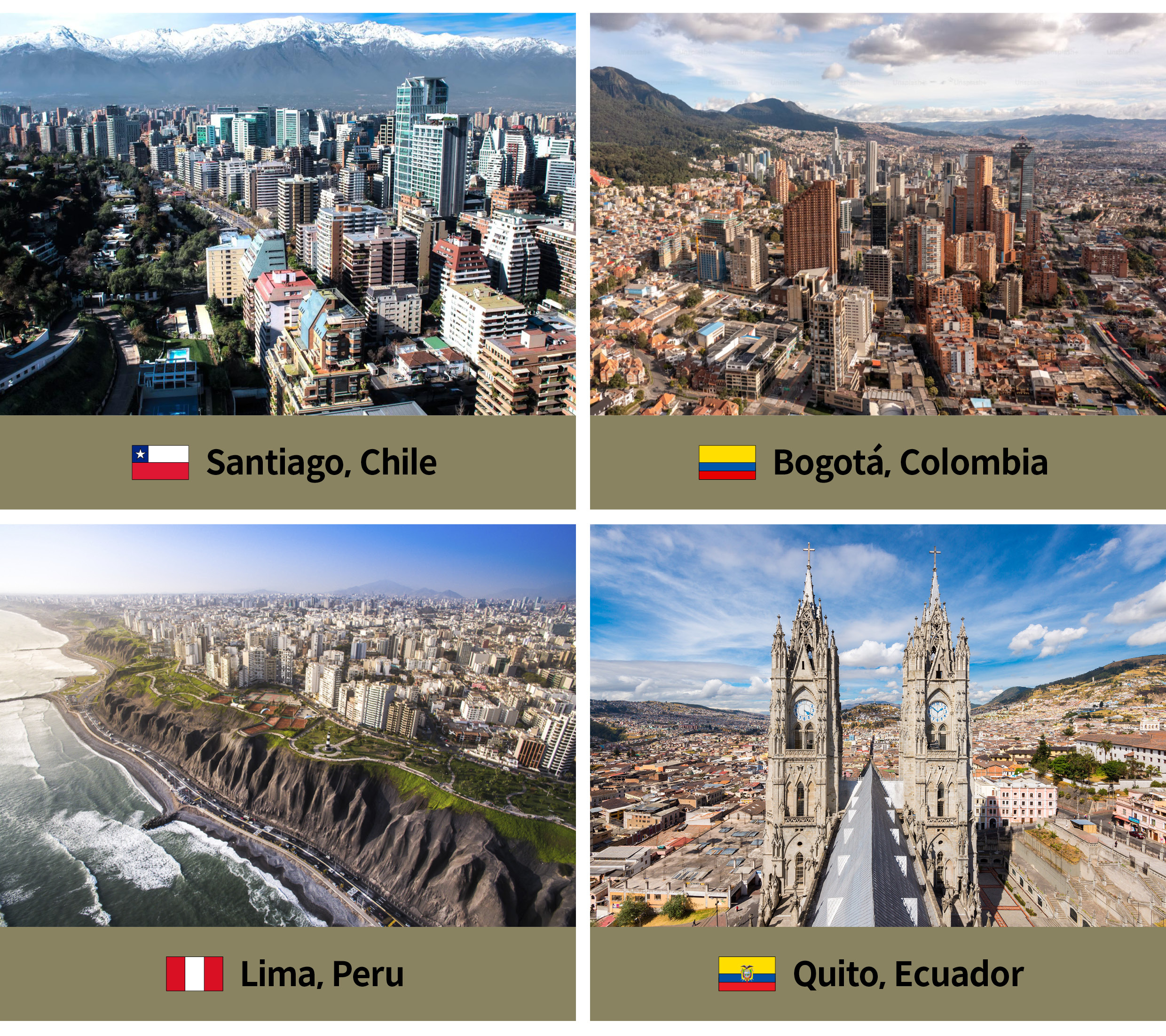
Geographically, Latin America packs in just about everything: high plateaus and peaks in the Andes approaching 6,000 meters above sea level, tropical climate zones, vast deserts, Caribbean Island nations, and even regions close to Antarctica. That makes physical routes for mobility rough, complex, and often unforgiving. At the same time, Latin America records one of the highest urbanization rates in the world. On average, about 81% of the population lives in urban areas, and major cities like Bogotá (Colombia), Lima (Peru), Santiago (Chile), and São Paulo (Brazil) rank near the top globally in traffic congestion.
*Urbanization rate: The ratio of people living in urban areas to the total population of a given country or region.
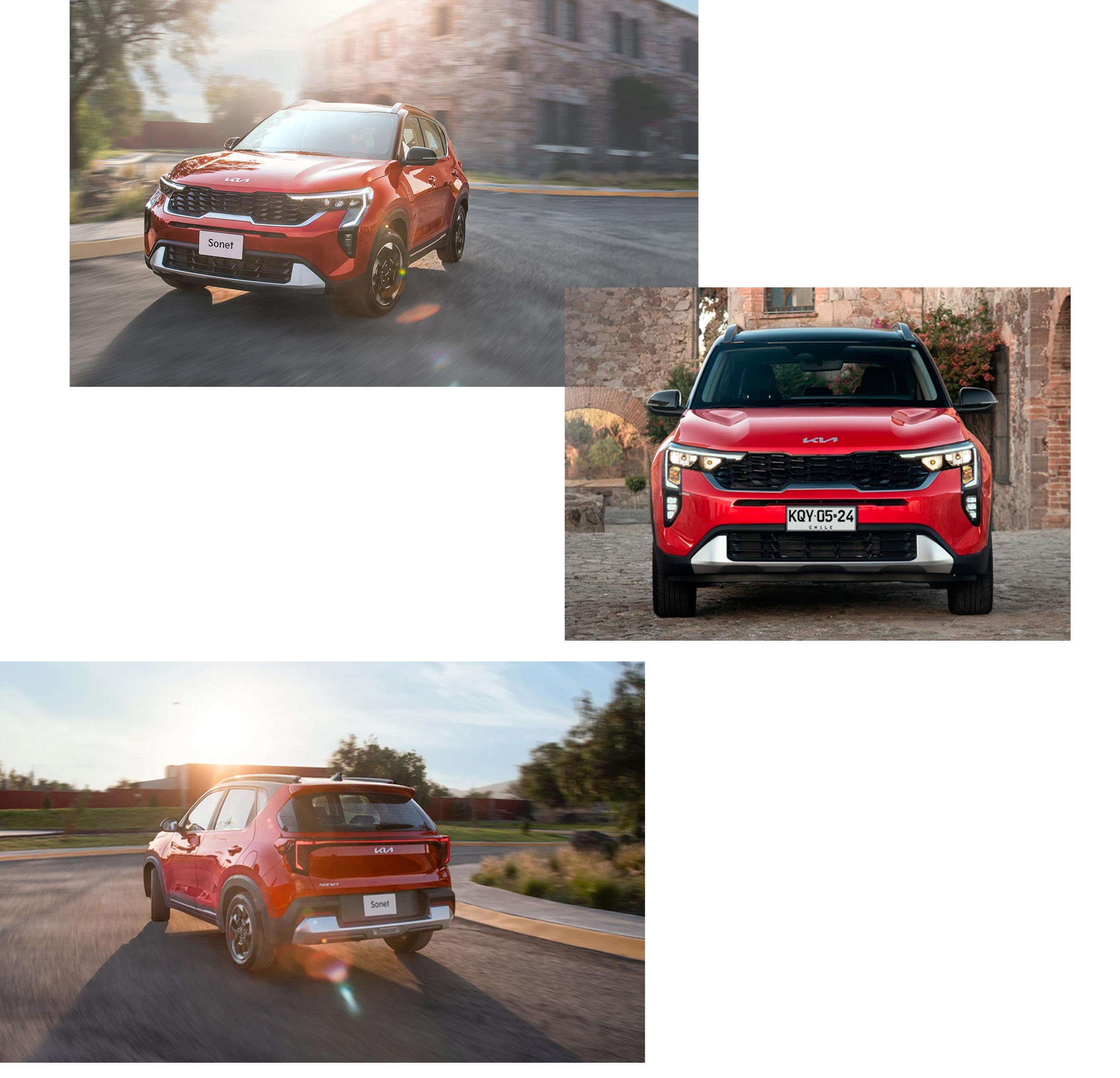
Cars sold in this environment have to do it all: survive gridlocked city driving, deal with tight parking, shrug off rough and varied road surfaces, and cope with constantly changing weather. That’s why many Latin American customers gravitate toward vehicles with high ground clearance, robust suspensions, strong low-end torque, and excellent durability. One of the hottest segments in the region is the compact SUV. In Brazil, for example, B-segment SUVs now account for nearly half of small-car sales, overtaking hatchbacks and sedans.
In Chile and Costa Rica, pickup trucks remain consistently popular. The appeal is obvious: a high seating position, generous ground clearance, and a reputation for toughness and safety. More recently, large touchscreens, advanced connectivity features, and low ownership costs thanks to strong durability have climbed to the top of customers’ wish lists.
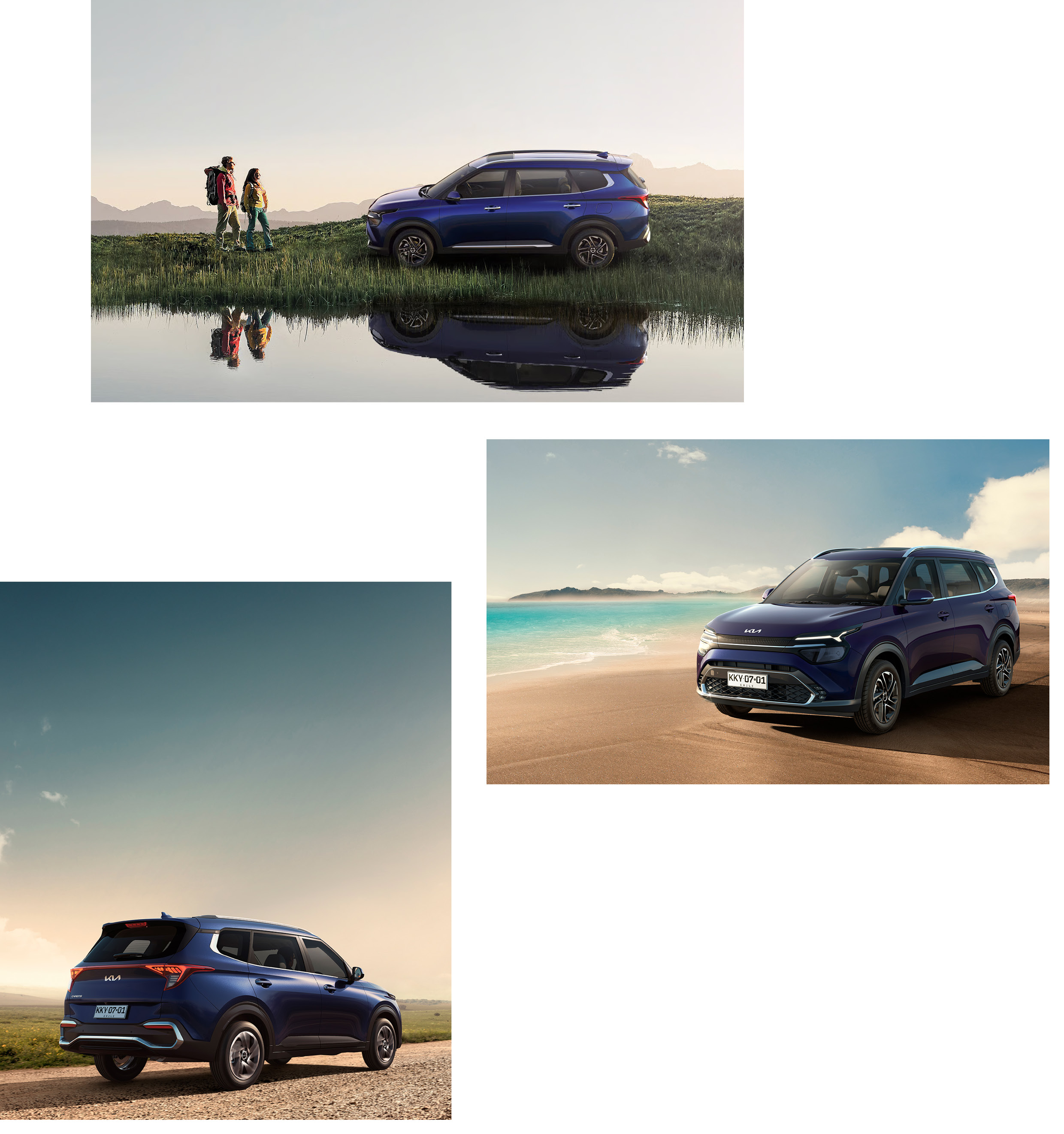
Small hatchbacks and sedans still pull their weight, especially for first-time buyers and in the ride-hailing space. At the same time, policy shifts in some countries and rising fuel prices are nudging interest toward electrified options like hybrids and EVs. Vehicle penetration in major Latin American markets sits at around 0.2 vehicles per capita, which is still relatively low. But that simply highlights the upside—the room to grow is huge. Kia is actively leaning into this potential, using aggressive localization and a broad product portfolio to steadily expand its footprint across the region.
Even in a demanding environment like Latin America, Kia has been anything but passive. The brand has executed a wide range of strategies to compete: regional product specialization, optimized production locations, strong local partnerships, and a customer-centric mindset to build brand equity.
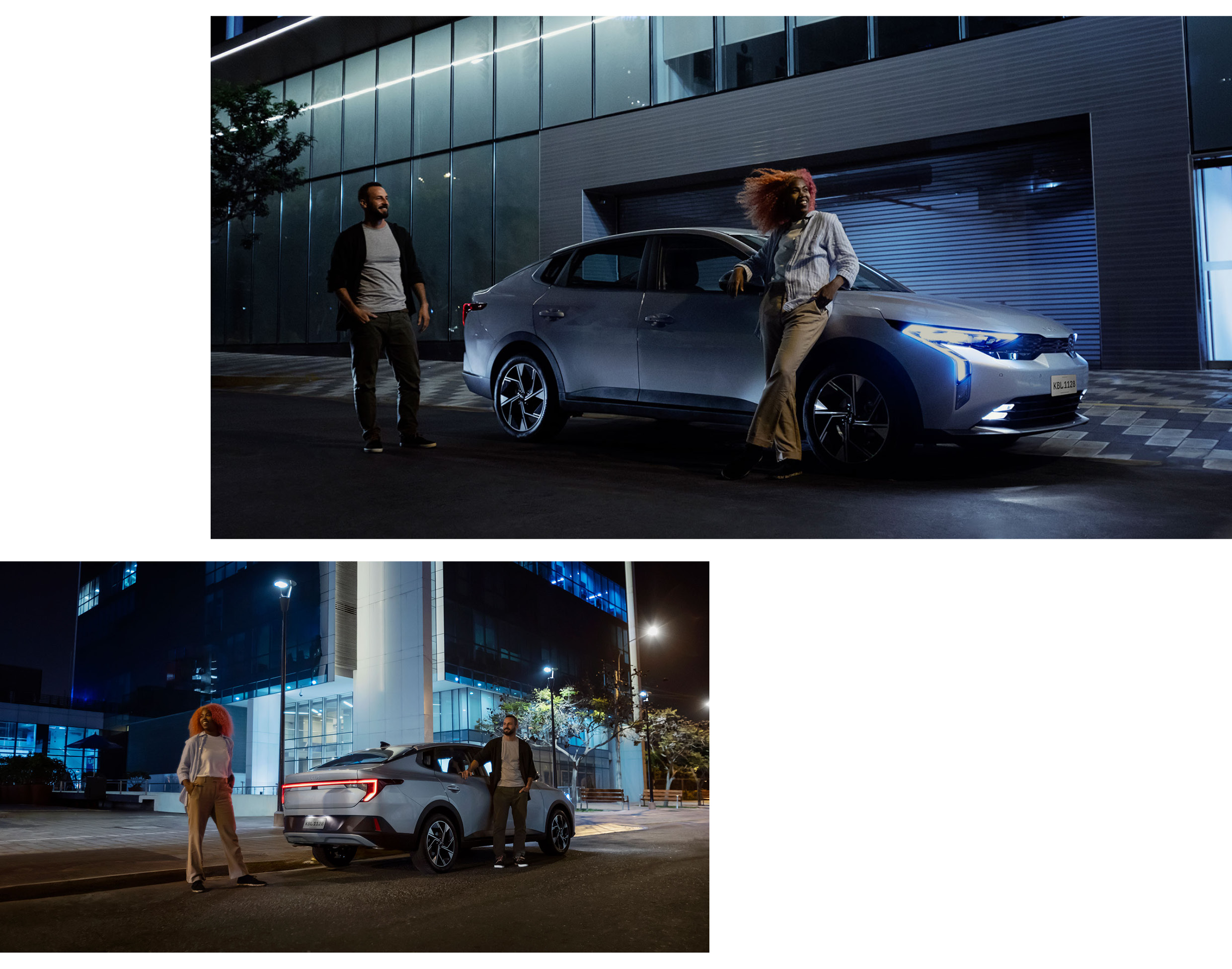
The results are showing. In 2025, Kia’s cumulative market share numbers in major Latin American markets are impressive. In Colombia, Kia holds the No. 1 spot with a 13% share, underlining its dominant presence. The brand also moved away from a business model heavily dependent on the Picanto (known as Morning in Korea), which once accounted for more than half its sales. Kia modernized every showroom in Colombia to strengthen customer touchpoints and countered steep import tariffs—around 35%—by launching the K3 in the first half of 2024, produced in Mexico, a tariff-free FTA partner.
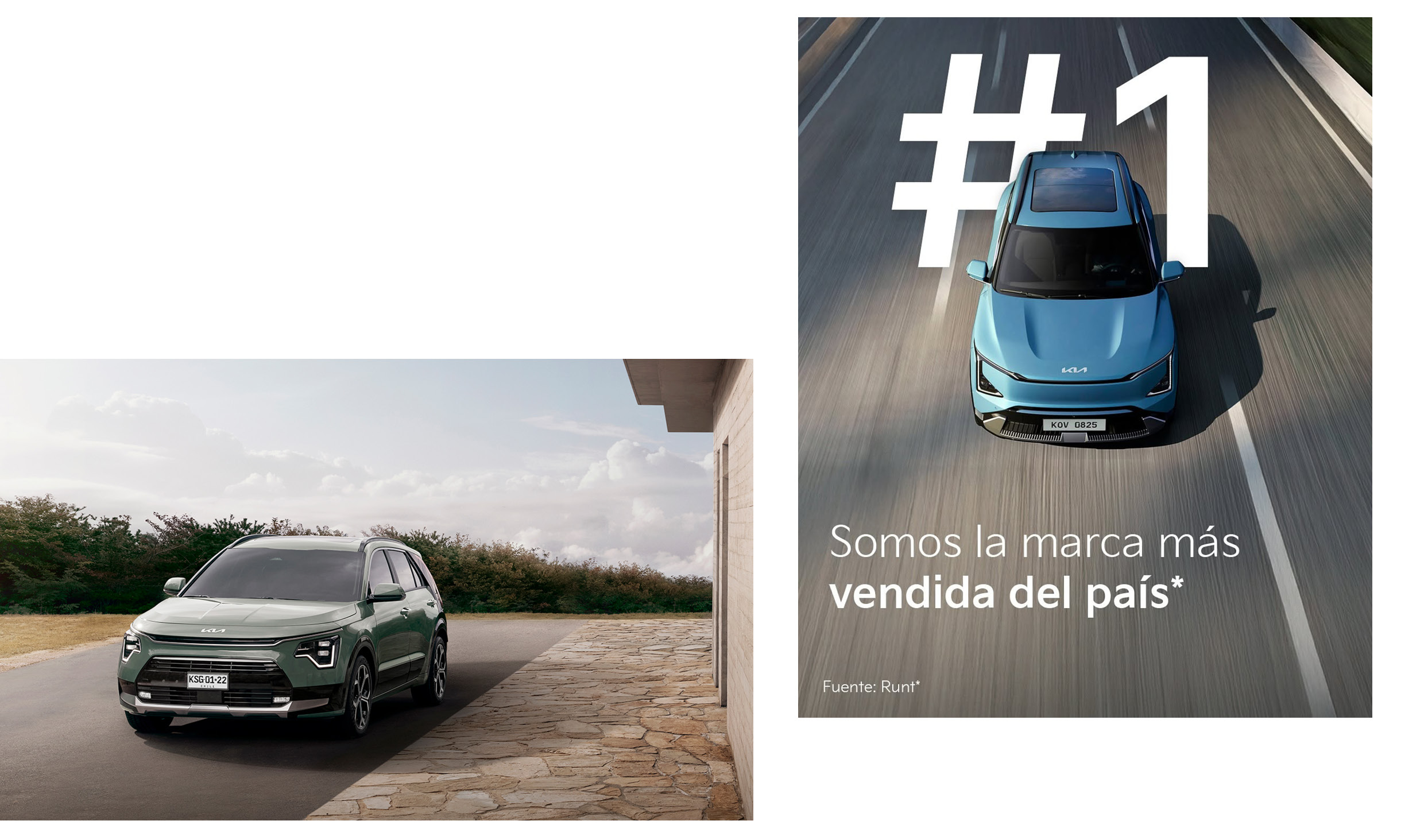
The payoff? Kia’s Colombian market share climbed from 8.7% in 2023 to 13% in 2025, securing the No. 1 position. In addition, by actively leveraging local tax incentives for EVs and hybrids, Kia focused on electrified models and, as of the first half of 2025, now ranks No. 2 in eco-friendly vehicle sales.
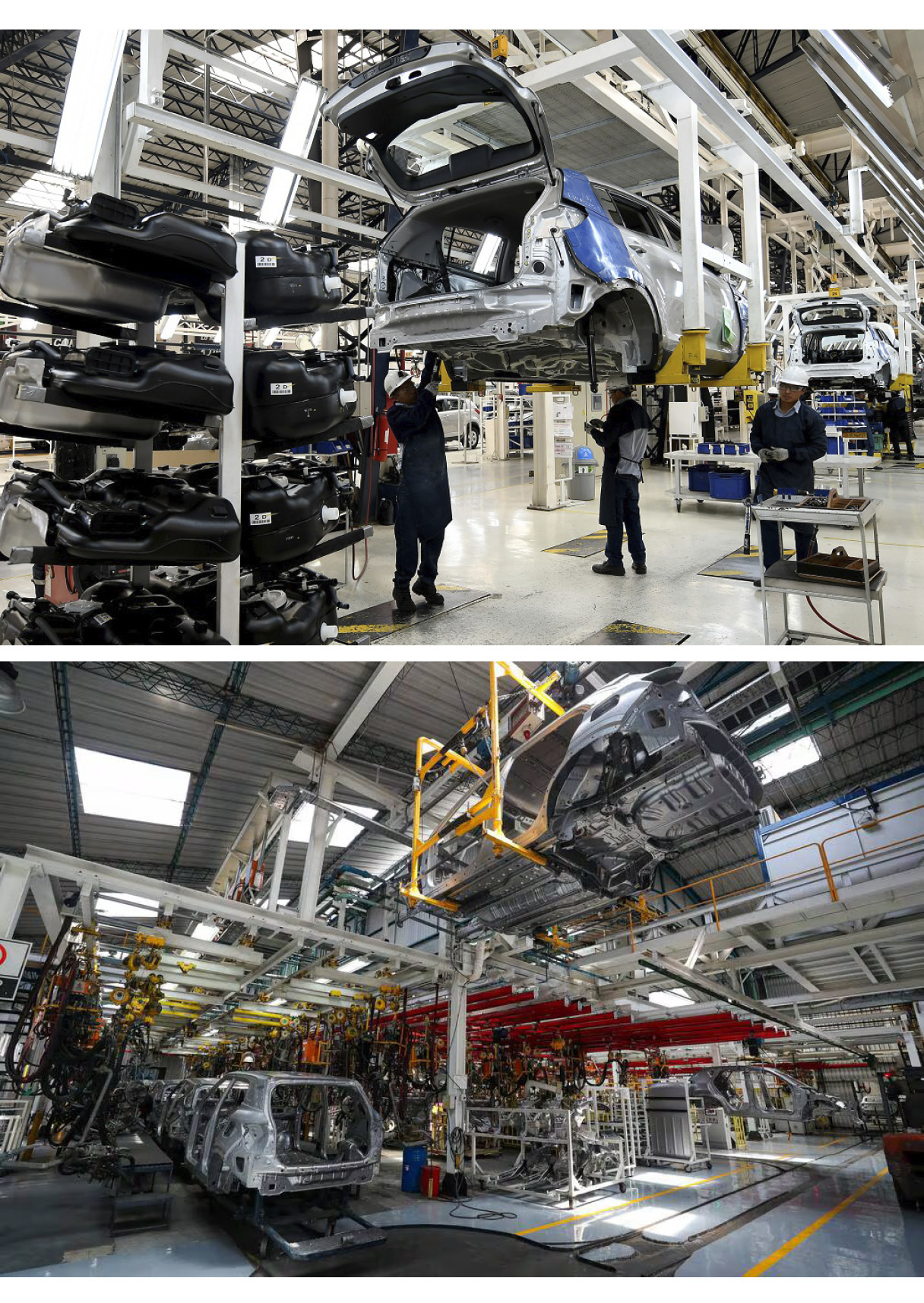
In Ecuador, Kia holds a 13.5% share, topping the overall market there as well. The brand’s long-standing reputation and well-established service network have helped it maintain high customer satisfaction. Local CKD (Complete Knock Down) assembly, strong residual-value management, and a dense service footprint have all played key roles in solidifying its position.
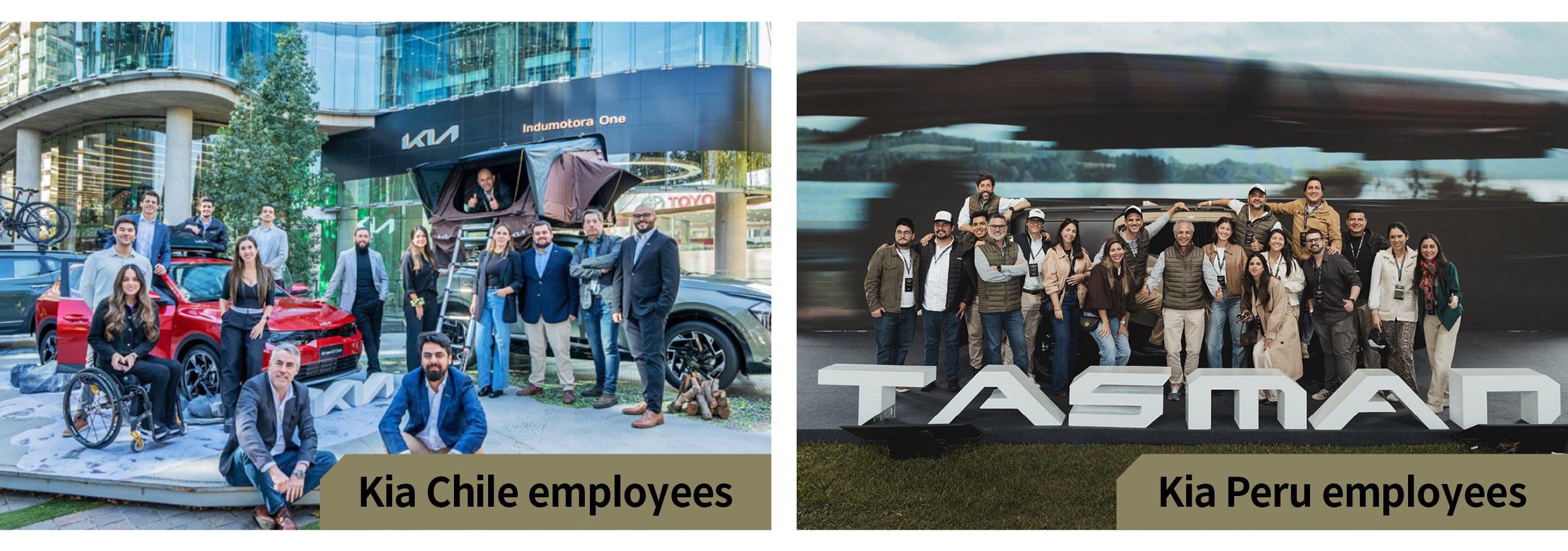
Kia’s performance in Peru and Chile is equally noteworthy. The brand enjoys healthy market share in both countries, despite intense competition from fast-rising Chinese brands. Kia is growing volume by combining stable supply with product mixes and pricing strategies that are tuned to each market’s needs and customer preferences. The results: market share of 8.6% in Peru (No. 2) and 6.0% in Chile (No. 4).
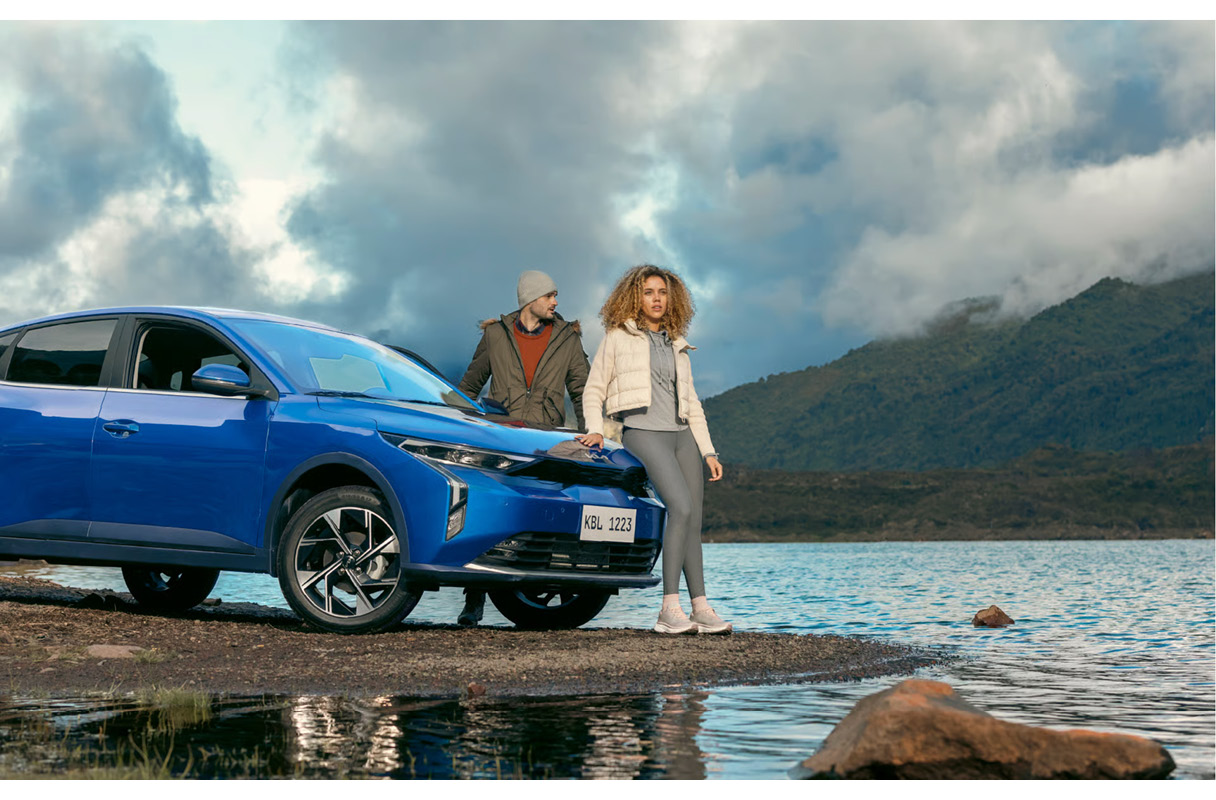
As those examples show, there’s essentially one rule for success in Latin America: you can’t win without localized strategies. But that’s easier said than done. Latin America is one continent but many cultures—each country has distinct consumer behavior and different expectations of what a car should be. That’s why Kia’s goal goes beyond simply “selling cars.” The brand wants to become a natural, everyday part of local customers’ lives.
The core of this localization strategy is deep analysis of each market and its customer needs. Take Brazil, where family-oriented lifestyles are prominent. In contrast, buyers in Chile and Colombia lean more toward value and day-to-day practicality. Kia takes these differences seriously and builds market-specific lineups and marketing strategies accordingly.
On this point, Steve Lee, President of Kia Central and South America, notes: “The essence of localization is a deep analysis of the market and customer needs. It starts by listening to dealers and customers in each country and understanding their daily lives and values. Kia reflects each nation’s geographic realities and cultural differences in its product lineups and marketing messages.”
Lee adds, on the brand’s future direction: “Going forward, we don’t see localization as a one-off strategy, but as a core brand philosophy—breathing with our customers. Kia will continue working to blend naturally into the lives of Latin American customers.”
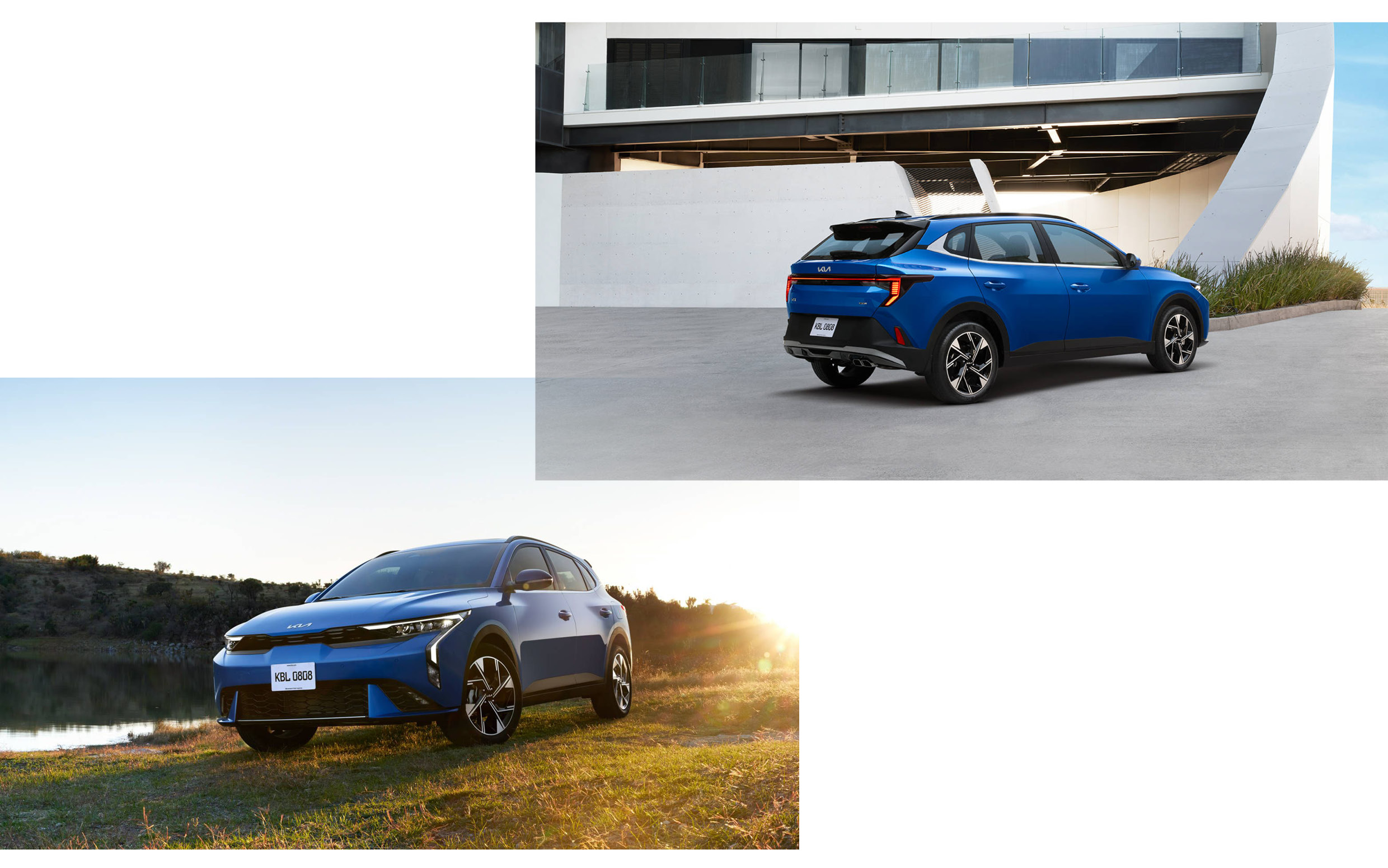
One of the best examples of Kia’s localized strategy is the K3, developed specifically with Latin America in mind. Kia deliberately moved away from the older Rio image and boldly applied the K3 name to build a fresher brand identity. It also launched the K3 Cross, a 5-door model with SUV cues, aimed directly at Latin American customers who favor SUV styling. That bet has paid off: today, the K3 and K3 Cross rank among the region’s best-selling models.
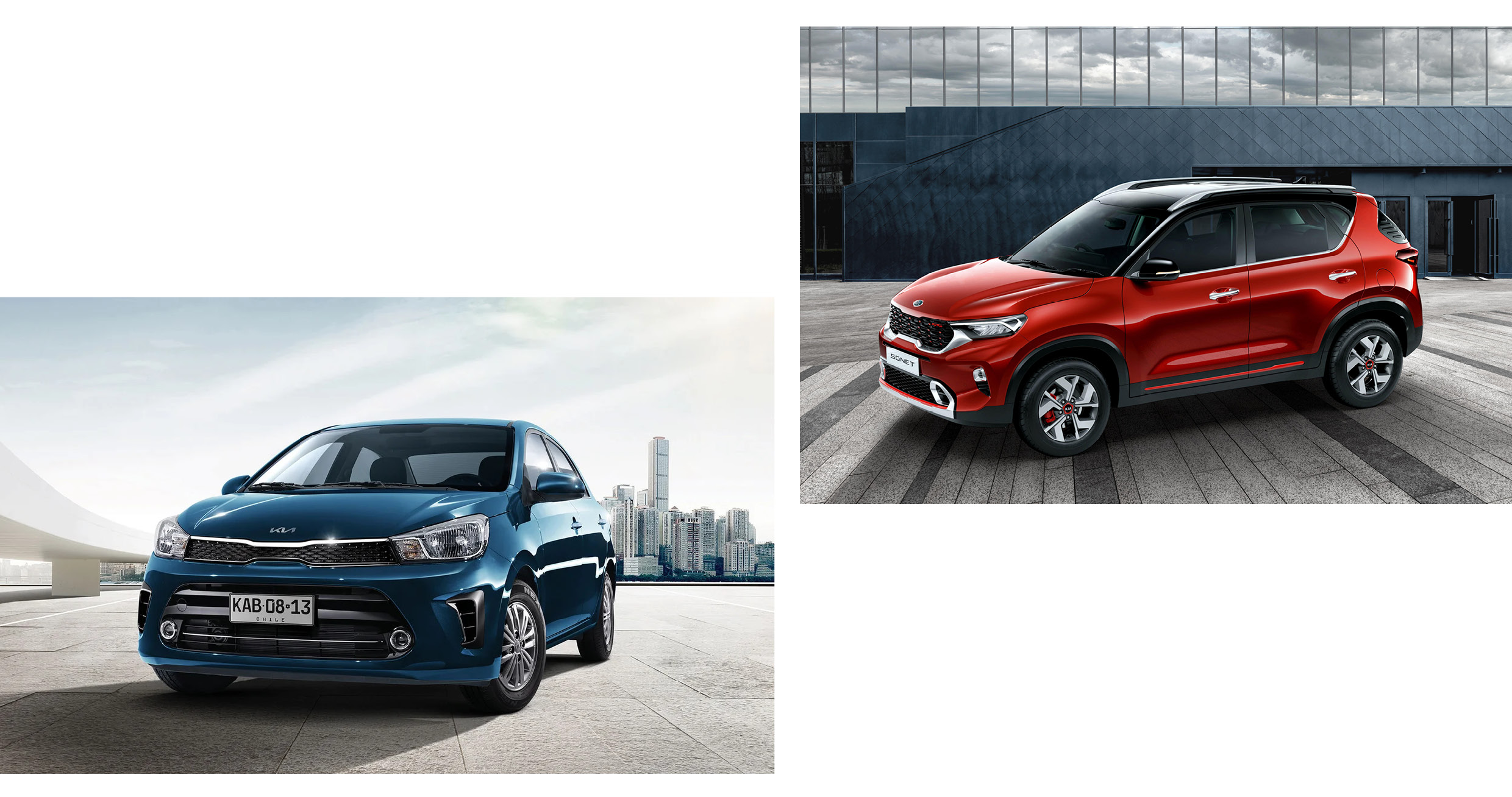
Beyond that, Kia’s lineup is carefully layered: Soluto and Picanto as entry-level models, Sonet and Seltos aimed at younger buyers, Sportage and Sorento covering the family SUV space. This portfolio is built around lifestyle fit and price sensitivity, allowing Kia to flex with market shifts and serve a wide range of customers. The strategy has clearly boosted competitiveness, helping the brand meet diverse needs without losing its edge. Looking ahead, Kia plans to keep treating “localization” not just as a tactic but as a brand philosophy—a way of living and breathing alongside customers. One of the ultimate goals is to become a brand that truly shares in the everyday lives of Latin American customers.
Another big reason Kia continues to perform well in Latin America is decades-long partnerships rooted in mutual trust. In Chile, Kia has worked with Indumotora, a company specializing in the distribution and sale of cars, trucks, and buses, for an incredible 35 years. In Colombia and Ecuador, Kia has partnered with the Eljuri Group for 25–30 years.
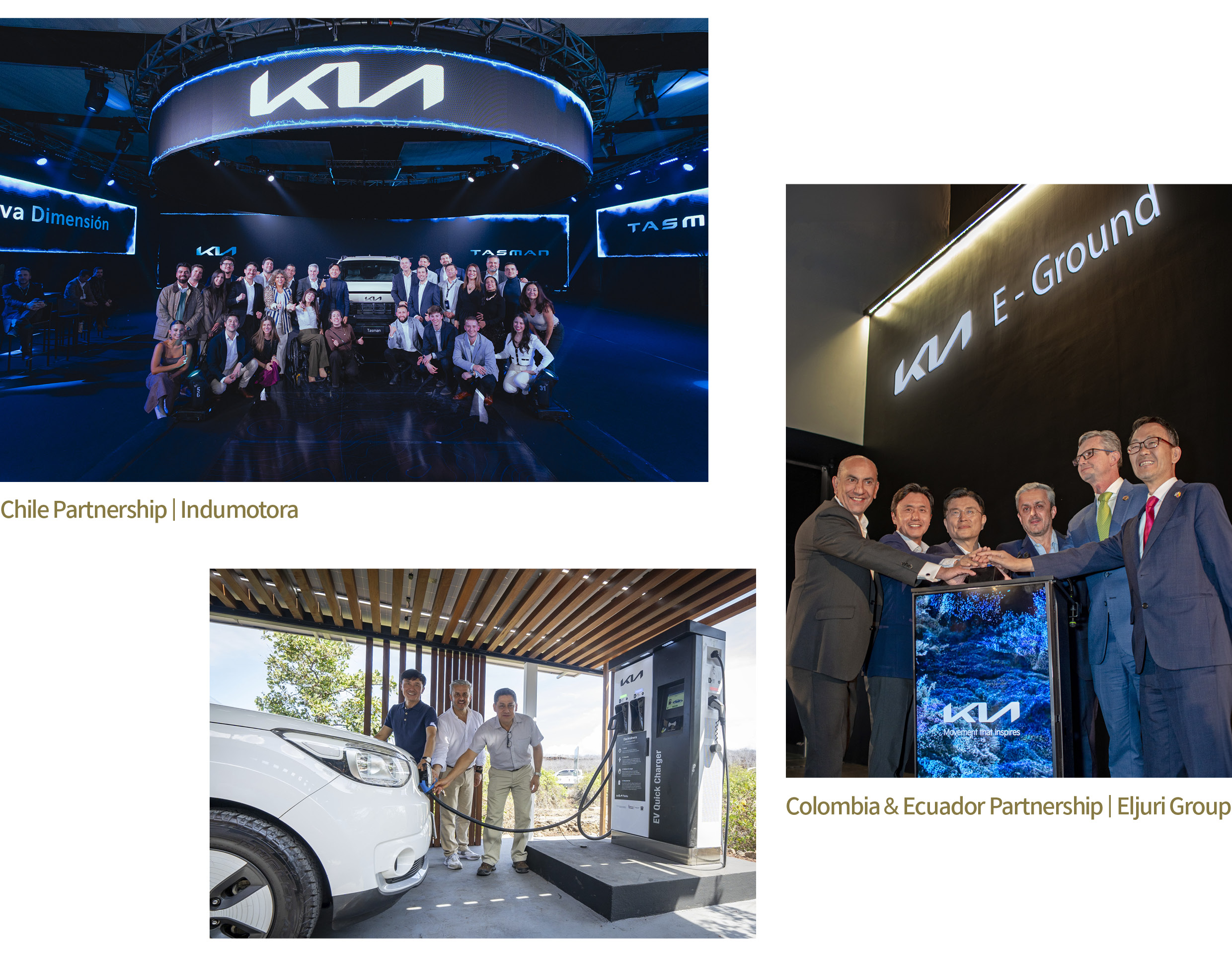
Kia’s ability to maintain such stable relationships goes far beyond transactional business. It’s built on strategic, consistent communication grounded in mutual trust. From its early days in Latin America, Kia prioritized open, constructive conversations with its partners. Backed by strong leadership at Kia Central and South America, Kia and its partners worked together to establish shared goals and build the flexibility needed to respond to fast-changing market conditions. Kia also reinforced trust by providing high-quality support based on deep market knowledge and a strong sense of responsibility toward its business partners.
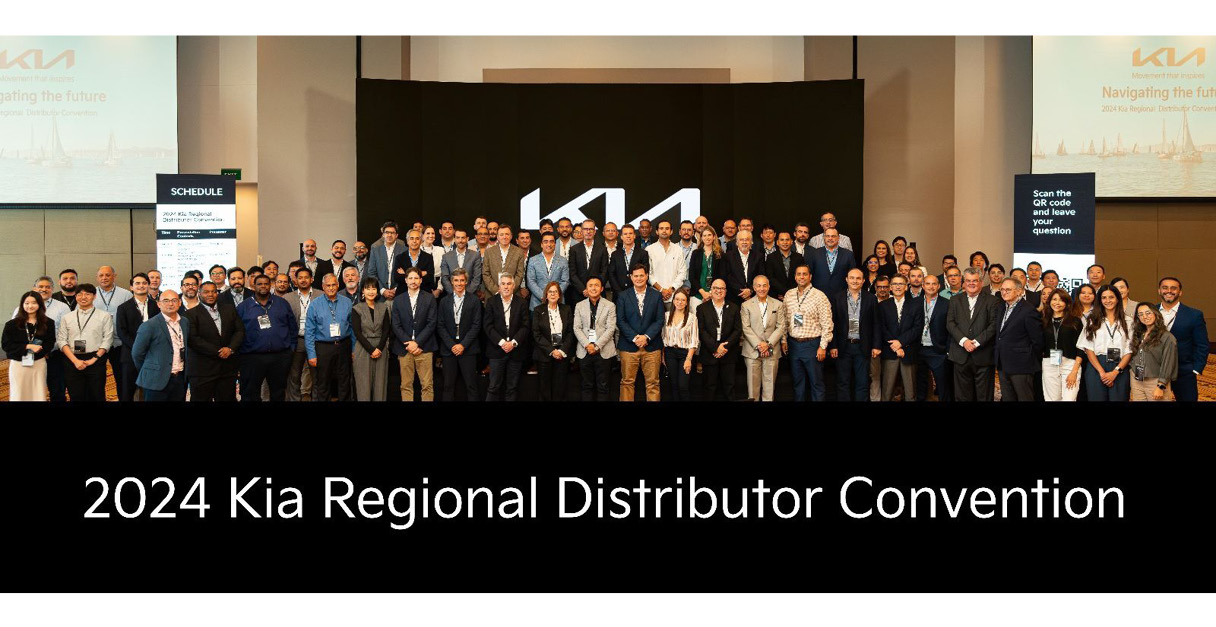
Under the guidance of the Kia Central and South America, Kia continually analyzes each market’s unique automotive landscape, then sets tailored product portfolios and service strategies. The brand remains committed to listening to customer feedback and working with its partners to constantly improve the customer experience. Through this approach, Kia has strengthened brand loyalty and laid the groundwork for sustainable growth across the region.
Kia’s presence in Latin America isn’t limited to selling cars. The brand has also focused on community-based social contribution, which has significantly boosted its emotional connection with customers. Working closely with partners in each country, Kia has been rolling out ESG and brand activities tailored to local needs and social challenges. This has been critical in shaping Kia’s image as a responsible brand rather than just another automaker.
One standout initiative is Kia’s collaboration with The Ocean Cleanup, a nonprofit organization working to remove plastic waste from oceans and waterways. Since 2022, Kia has partnered with The Ocean Cleanup globally to promote its vision of sustainable mobility, raising awareness of marine pollution throughout Latin America and backing innovative solutions. As part of these efforts, Kia recently joined forces with the Guatemalan government and local partners on a river cleanup project. That initiative removed 23,354 tons of waste, and the project was turned into content to raise global awareness of ocean plastic pollution and call viewers to action.
In Chile, Kia runs the “In Project”, which provides customized in-vehicle mobility solutions for people with physical disabilities, helping them gain independence and a better quality of life. The program equips vehicles with specialized assistive devices and accessories, clearly reflecting Kia’s commitment to a more inclusive society. In one powerful example, Kia Chile produced content featuring Maria Paz Diaz, a Kia Chile employee and wheelchair user, as the face of the In Project. Her story highlighted how mobility can change lives.
Commenting on these efforts, Fiorella Farje, Head of Marketing at Kia Central and South America, says: “Through ESG and brand activities tailored to each country’s characteristics and customer needs, Kia is becoming recognized as a reliable brand, not just a car brand. In key markets, Kia is emerging as a brand that fulfills its social responsibilities, leads in technology and design, and makes a positive impact on customers’ lives.” She adds: “Kia will continue to grow alongside local communities based on electrification, sustainability, and customer-centric values, and we will keep striving to be a brand that brings positive change to people’s lives.”
Right now, the Latin American EV market is still in its early innings. According to a 2024 report by the International Energy Agency (IEA), EV penetration in Latin America is about 4%, trailing China (48%), Europe (21%), and Korea (9%). Public perception of EVs and charging infrastructure are still developing. But that also highlights enormous upside. In key markets, the numbers are already moving fast: EV penetration has reached 6.5% in Brazil, 7.5% in Colombia, 15% in Costa Rica, and 13% in Uruguay. For Kia, this is a prime opportunity to position itself as a leading electrification brand in the region.
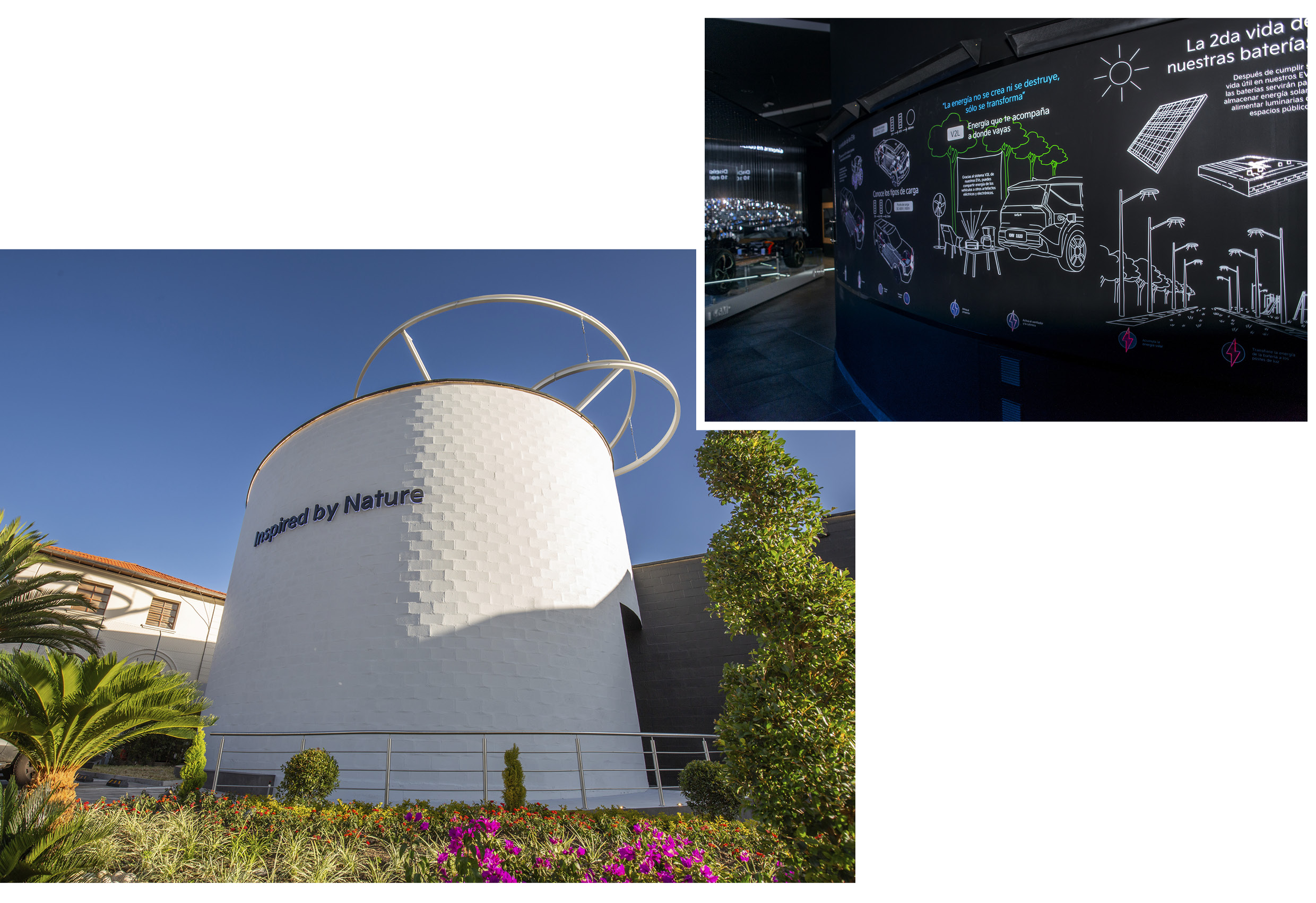
In September 2024, Kia opened “Kia E-Ground” in Quito, the capital of Ecuador, as part of its electrification strategy. Kia E-Ground isn’t just a showroom; it’s an experiential platform where customers and local communities can experience the brand’s EV vision and technological innovation firsthand. Since opening, it has drawn around 73,000 visitors as of January 2026, a clear sign of strong interest from Latin American customers.
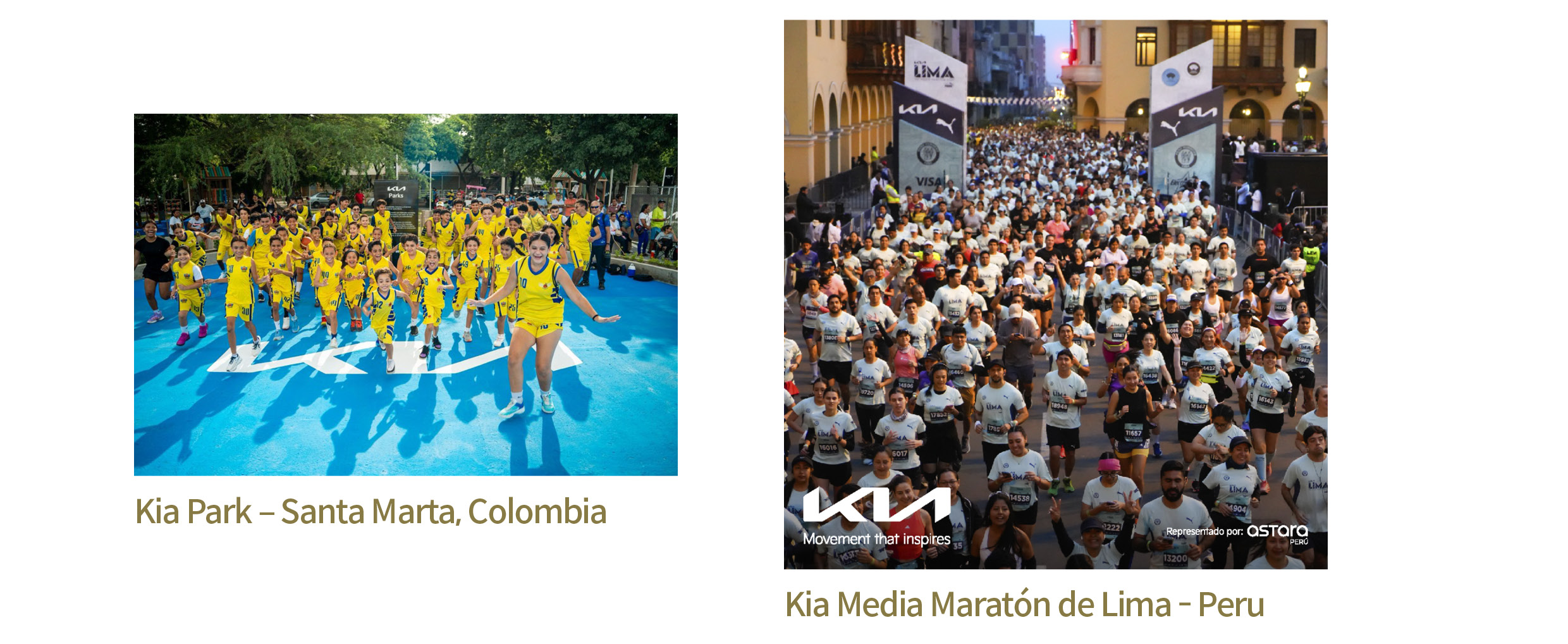
Another key move is “Kia Parks,” an initiative launched in 2023. Kia has established seven Kia Parks across the region: one each in Chile, Peru, Colombia, and Paraguay, and three in Ecuador. These spaces symbolize Kia’s ambition to evolve into a sustainable mobility solutions provider.
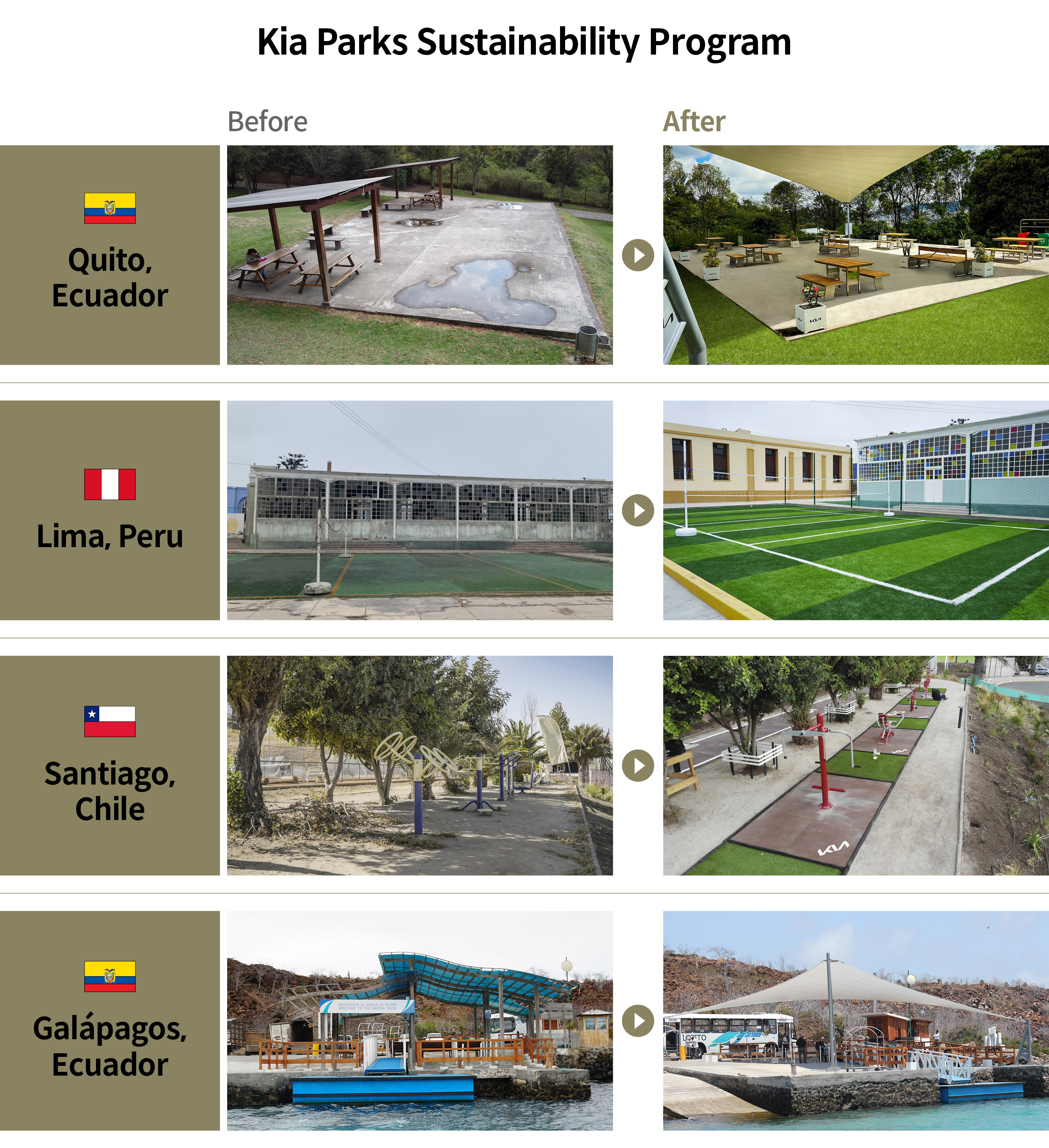
Kia Parks revitalize aging public parks and social welfare facilities, contributing directly to local communities. At the same time, they feature Kia EV displays, charging stations, and solar power systems, presenting a tangible vision of the brand’s electrified future. In one especially notable project, Kia renovated convenience facilities at a harbor pier in the Galápagos Islands, a UNESCO World Heritage site, and installed EV chargers in key areas, emphasizing the importance of environmental conservation through sustainable mobility.
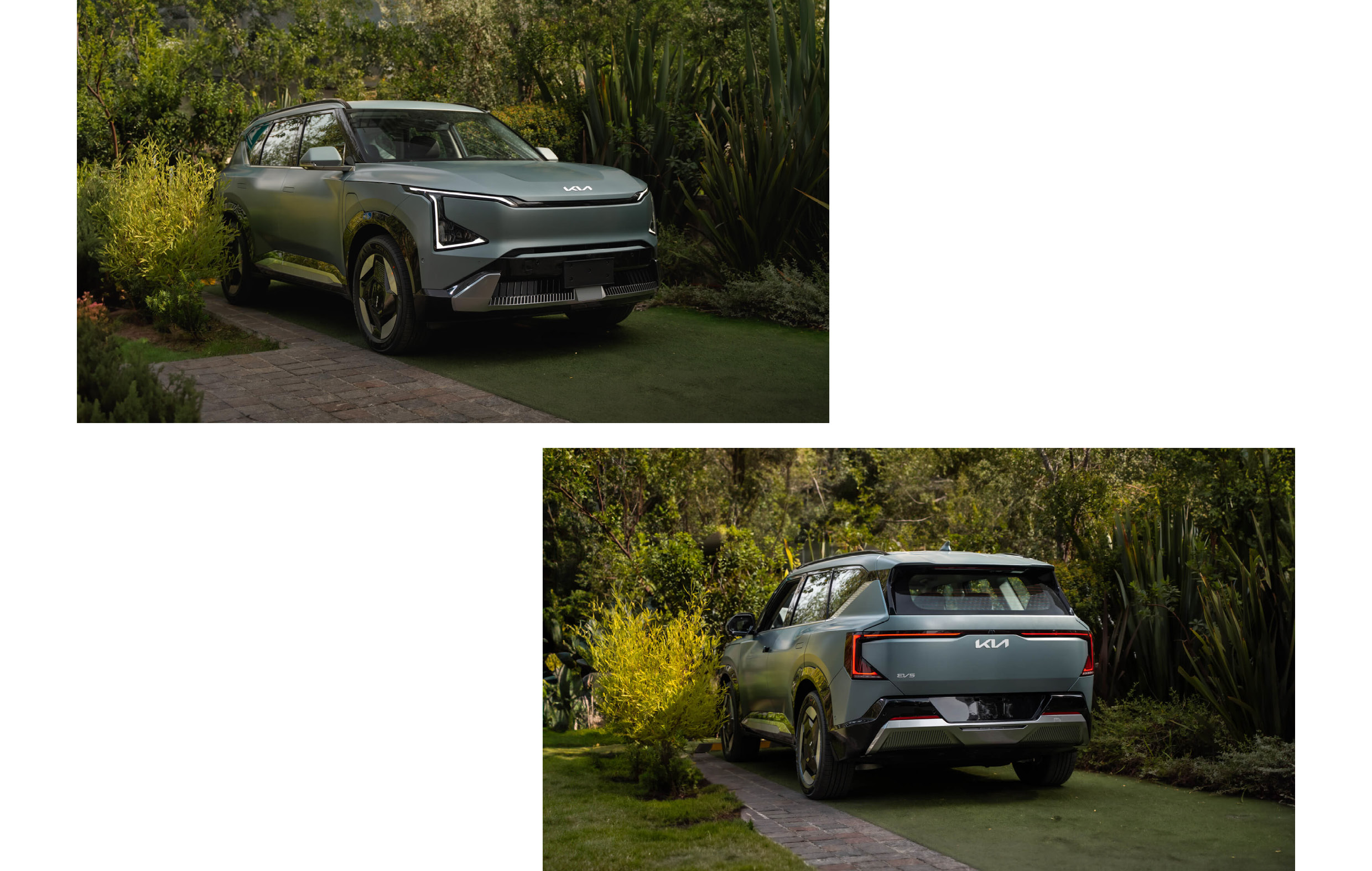
In parallel, Kia has been rolling out its dedicated EV lineup—EV3, EV5, EV6, and EV9—starting with core markets such as Ecuador and Colombia. Looking ahead, the brand plans to expand its portfolio with the EV2, a small electric SUV, and its first electric sedan, EV4. Guided by the regional headquarters, Kia is also conducting broad electrification campaigns to spread awareness of its brand direction and eco-friendly vision throughout Latin America.
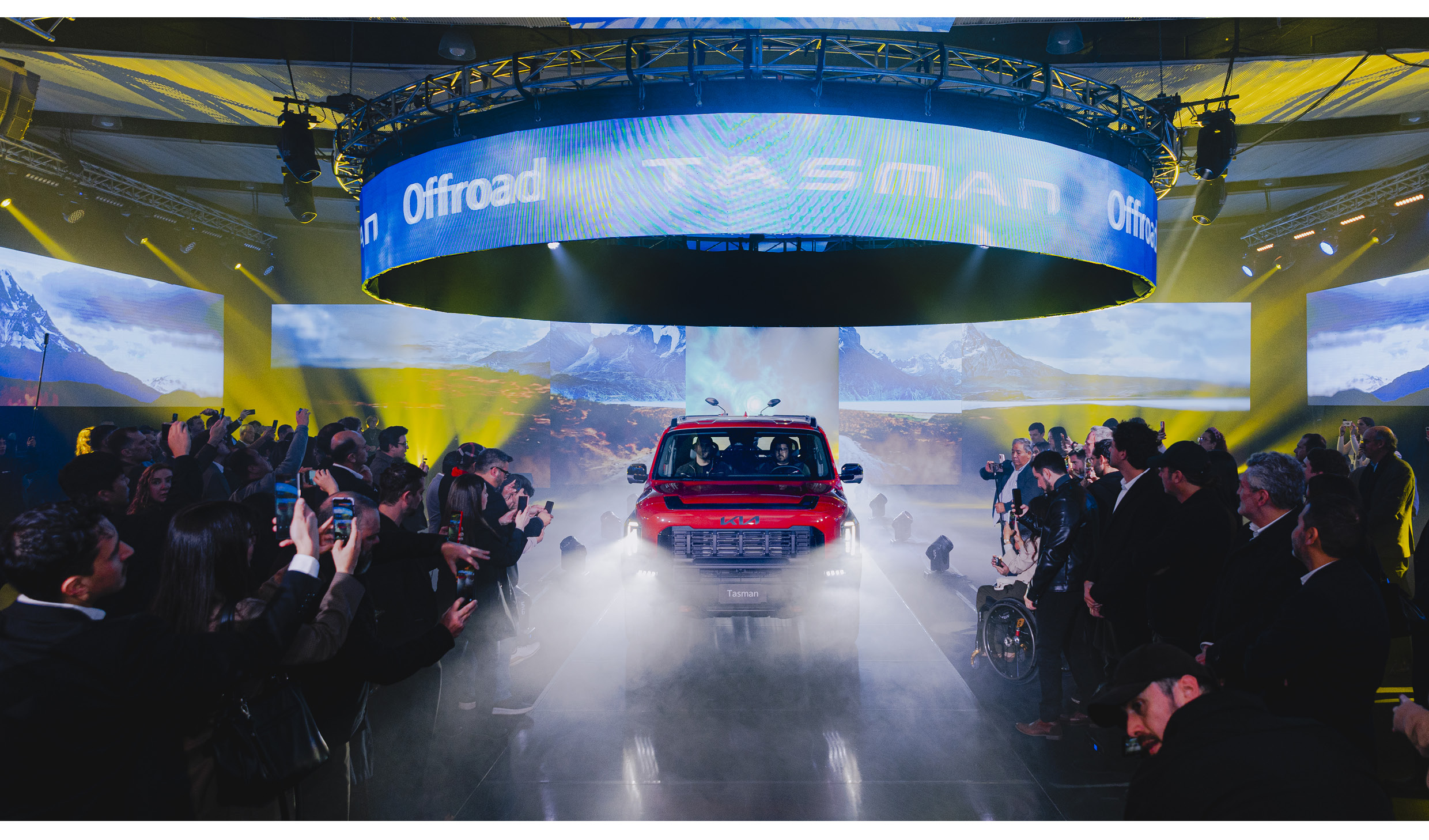
Last August, Kia officially launched the Tasman, its first-ever pickup, in Latin America. Tasman is more than an expansion of the product lineup—it’s a strategic platform and a new growth engine for Kia’s long-term ambitions in the region.
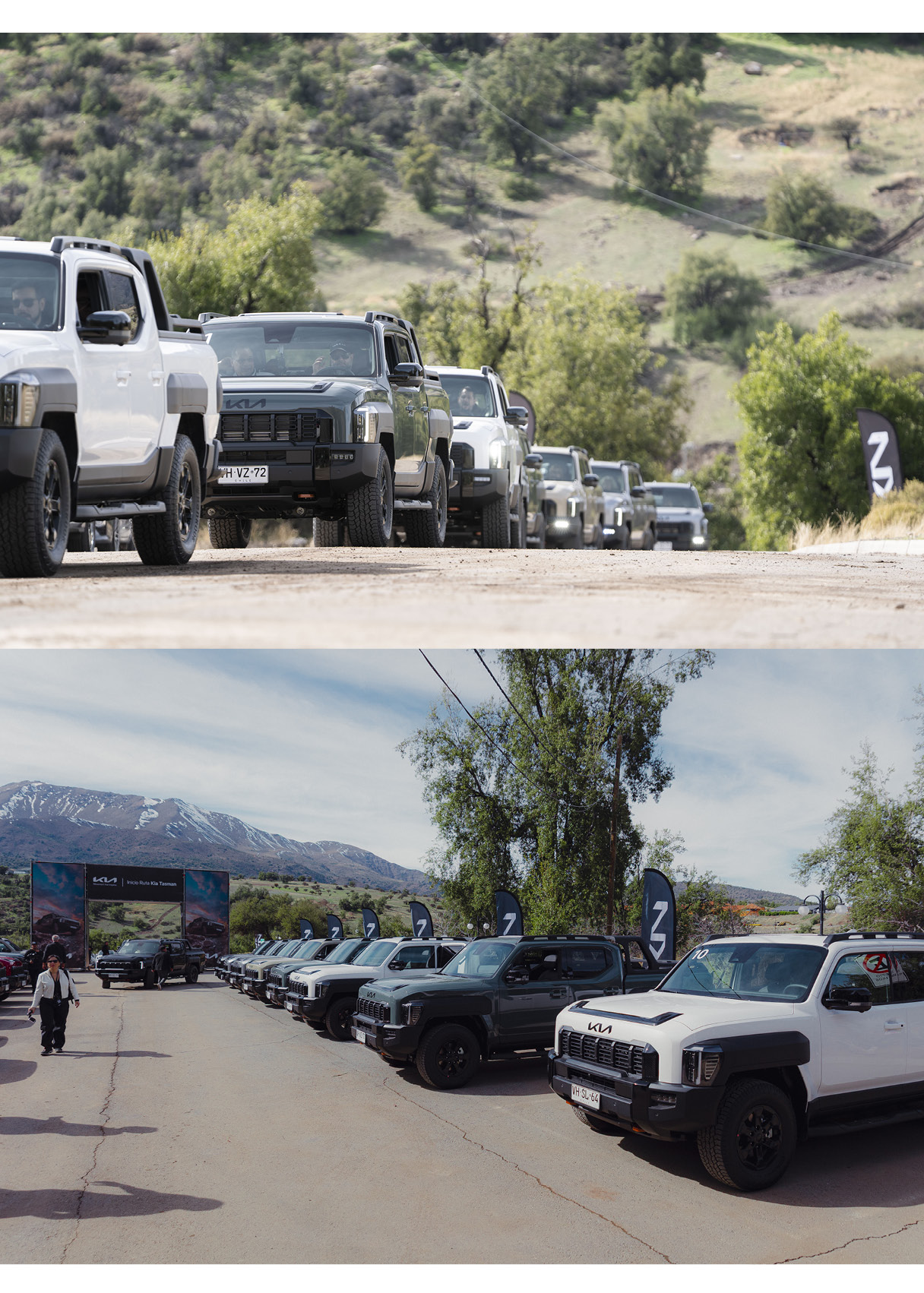
Make no mistake: the Latin American pickup market is unfamiliar territory for Kia. Pickups account for about 20% of total vehicle sales, making it one of the most critical and competitive segments. Still, Kia is confident in Tasman’s prospects, backed by years of design innovation, hard-won quality credibility, advanced technology, and a brand position that’s already strong across Latin America. Kia doesn’t want Tasman to be just another utilitarian truck. The goal is to create a pickup that connects emotionally, inspires customers, and sets a new benchmark for what a modern pickup can be.
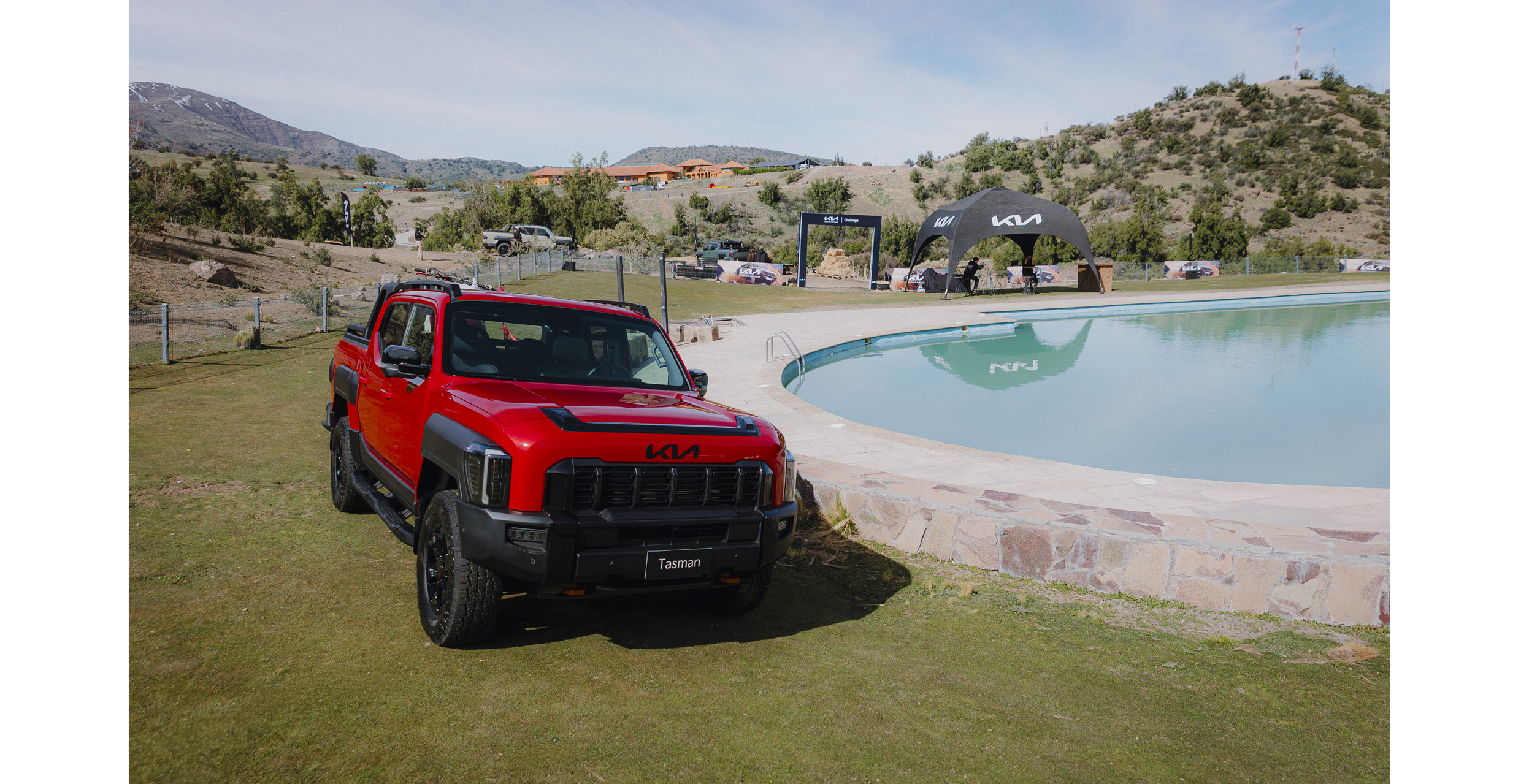
Against its main rivals, Tasman stands out on core truck fundamentals: capability and practicality. But its real differentiator is the interior. Premium materials, a spacious cabin, advanced infotainment, and ride comfort that genuinely considers rear-seat occupants all come together to set a new standard for pickup refinement. That combination lets Tasman move beyond commercial use into the realm of family and lifestyle, covering everything from weekday work to weekend adventure.
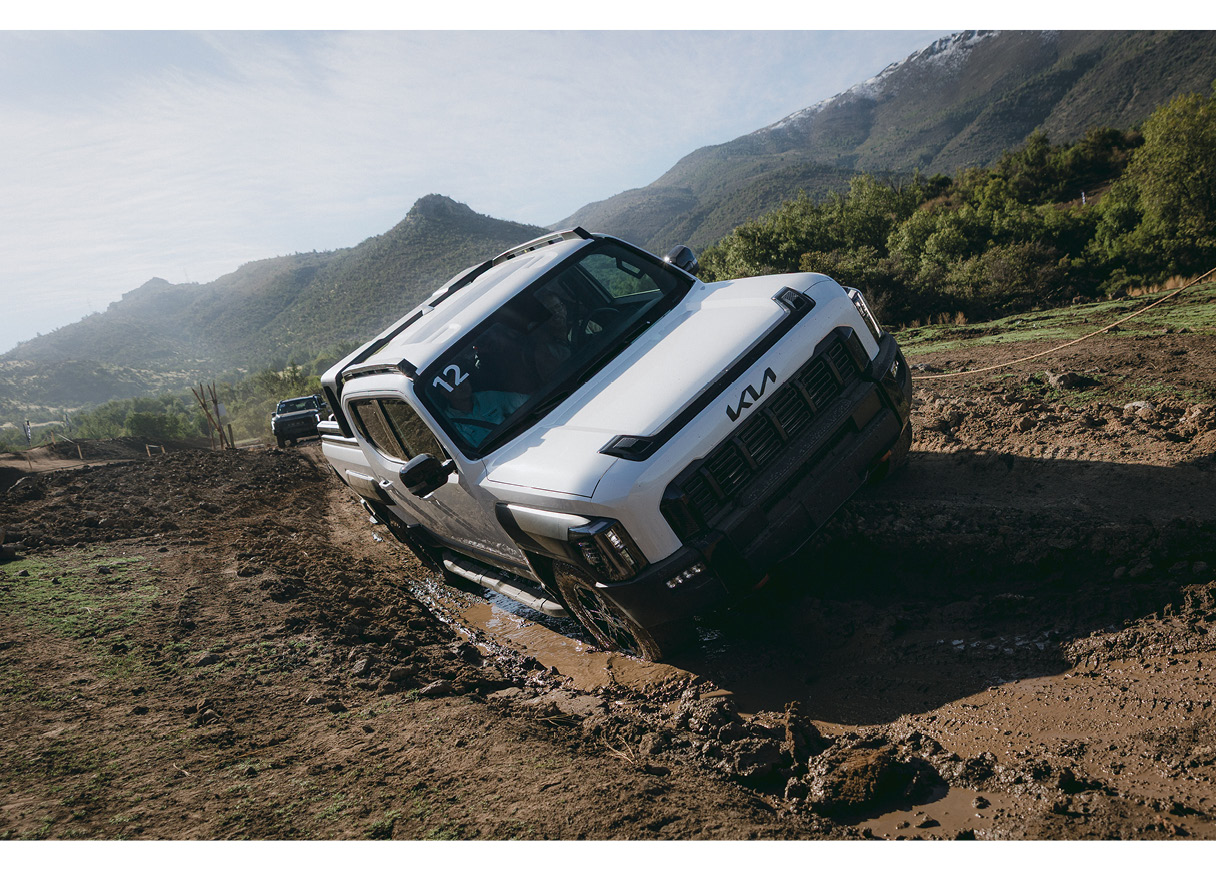
Media reactions at the local test drives were loud and clear. Latin American auto outlet Autocosmos wrote: “With excellent payload capacity, off-road capability, and multiple drive modes, Tasman will set a new benchmark in the Latin American pickup market. We expect it to reshape the competitive landscape in Chile’s pickup segment.” Peruvian automotive media Automundo Peru ad-ded: “Tasman, Kia’s first-ever pickup, is an innovative model that combines modern design, strong payload capability, and the convenience to handle daily life and outdoor activities alike. Tasman is a core element of Kia’s strategy for the Latin American market, signaling a bold entry into the highly competitive pickup segment and opening a new chapter in the brand’s history.”
Latin America’s car market is unlike any other, and Kia faces two major structural challenges there. First, regulations, tax policies, and cultural norms differ widely from country to country, leading to highly varied purchase patterns. Kia has responded by crafting detailed localization strategies for each market and steadily securing stable market share in key countries.
Second, there’s the region’s strong price sensitivity. Latin American customers place enormous weight on purchase price and fuel economy—but at the same time, they show high loyalty to global brands they trust. In this environment, Kia is working to stand apart not as the “affordable” option, but as a brand that delivers genuine value.
Above all, Kia aims to be more than just a manufacturer. The brand wants to serve as an inspiring partner in the future journey of Latin American customers. That means contributing to local development as a responsible member of society and helping to build a sustainable future together. Ultimately, Kia’s goal is to deliver mobility experiences that exceed expectations—and to ensure that owning a Kia becomes a genuine point of pride for customers across Latin America. Through sincere promises backed by real action, the brand intends to keep proving that commitment, mile after mile.