
Tomorrow’s vehicles have to go farther, handle better, crash smarter, and sip less—period. That’s why Hyundai Motor Group is leaning hard into composite materials. A composite combines two or more constituents to create properties you simply can’t get from a single material. Change the mix ratios, fiber orientation, and layup schedule, and you’re not just choosing a material—you’re tuning behavior. Exhibit A: carbon-fiber-reinforced plastic (CFRP). It’s light, strong, and increasingly common everywhere from industrial equipment to consumer products.
How it’s built: a matrix (resin, metal, or ceramic) that bonds and protects, plus a reinforcement (fiber, particle, or flake) that dramatically boosts stiffness and strength.
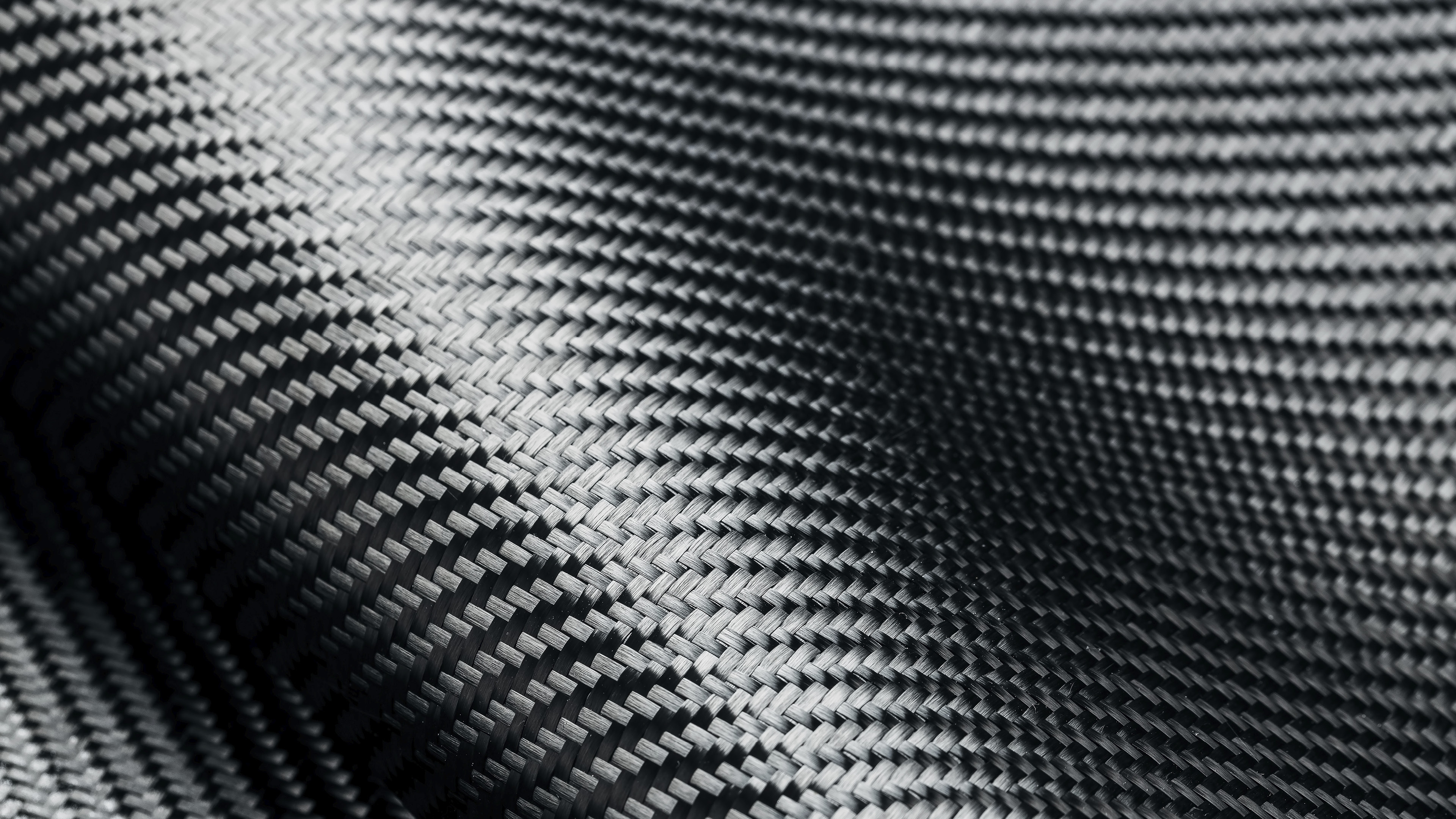
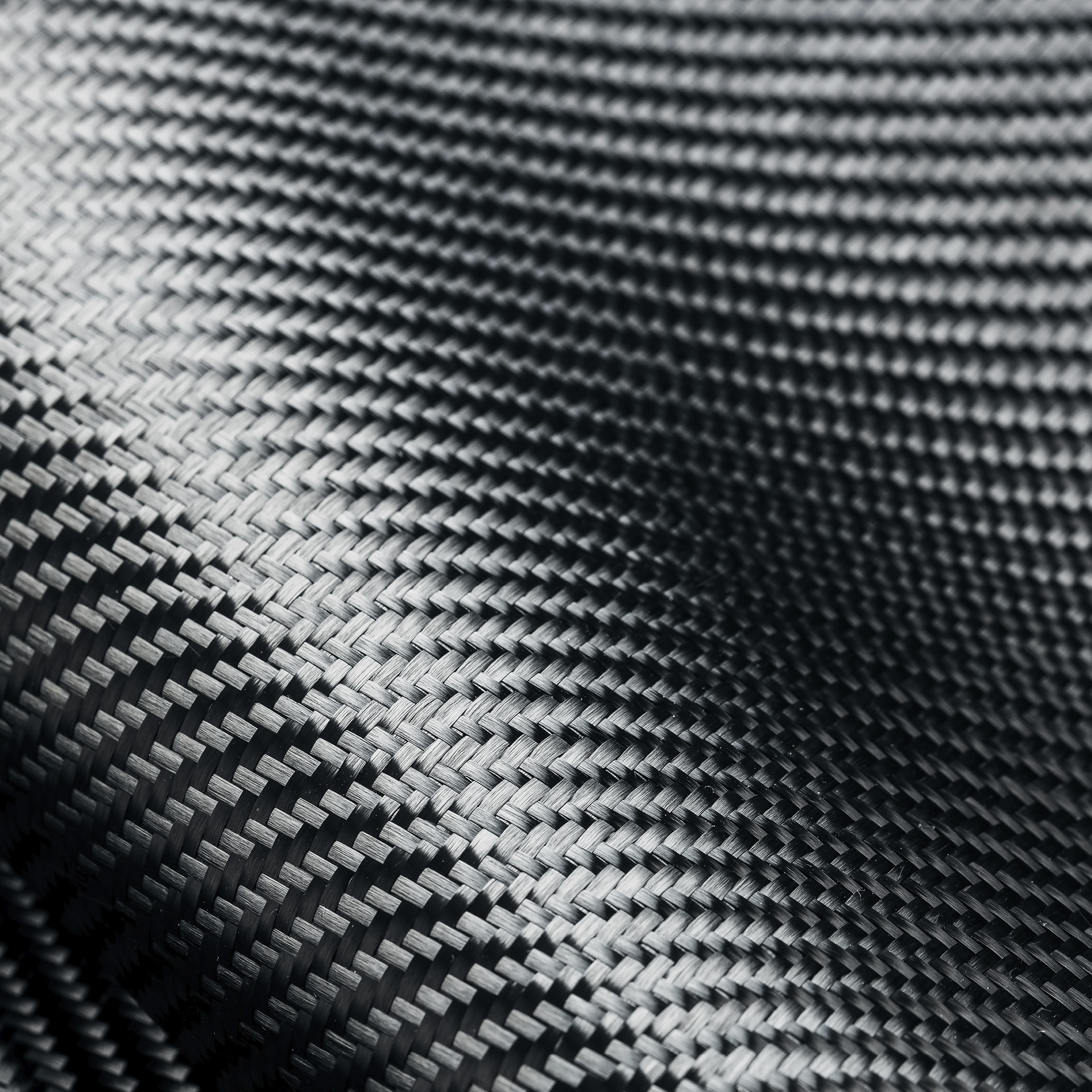
The appeal is straightforward: composites let you stack strengths while minimizing weaknesses. Carbon fiber—the headline reinforcement—measures just 5–15 μm across (about 0.0002–0.0006 in), yet it brings serious tensile strength and a sky-high modulus. Weave it into fabric, wet it with polymer resin, apply heat, and you end up with CFRP: lighter than metal, resistant to flex, and impressively tough when the outside world starts throwing punches.
And because you can tailor properties on demand, composites have become must-have tools for future mobility—cars, AAM/UAM aircraft, robotics, the whole ecosystem. They’re efficiency multipliers and quality enablers by design. So what does that look like inside Hyundai Motor Group? Let’s get into it.
The body-in-white is the mass monster in any vehicle, so automakers keep throwing every weight-saving trick they’ve got at it. Hyundai and Kia are doing the same, and one of the most quietly effective examples is the ultra–low-density seam sealer—basically a featherweight adhesive. Seam sealer fills overlaps between body panels and helps prevent corrosion on the metal underneath. A typical vehicle uses about 170 meters (~558 ft) of the material, totaling roughly 8 kg (~17.6 lb) per car.
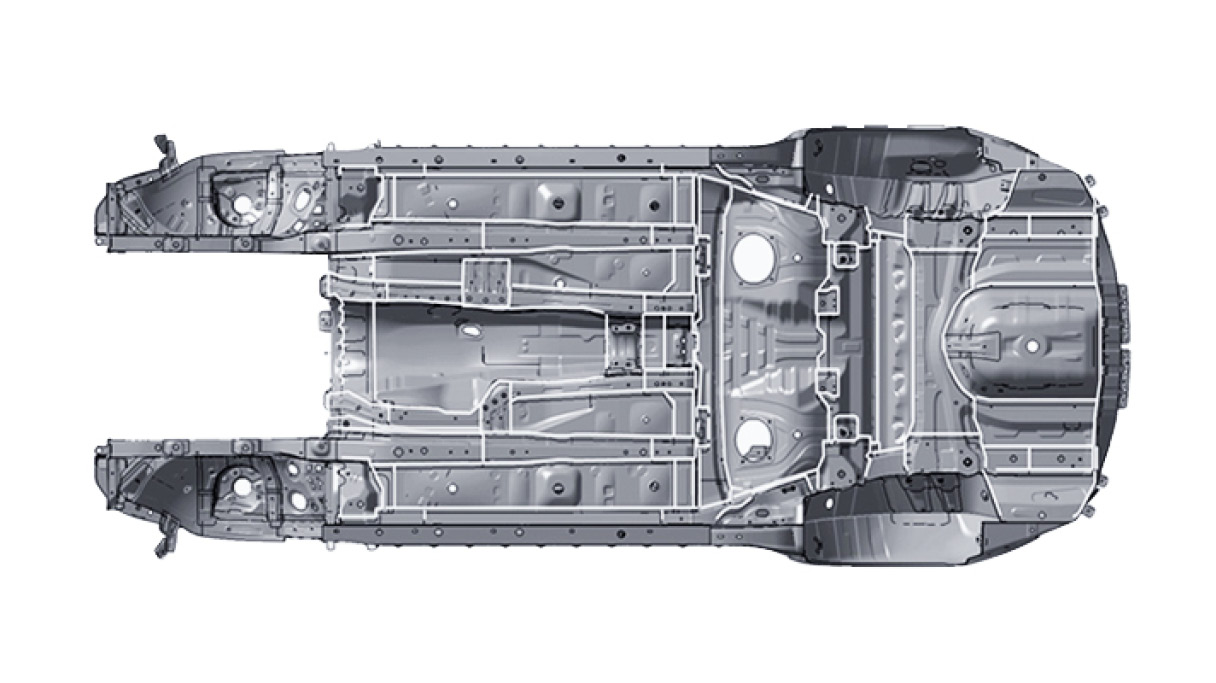
Hyundai/Kia’s ultra-low-density formula cuts mass by mixing in glass bubbles, an ultralight filler. The base sealer is a PVC (polyvinyl chloride) resin blend with additives. Where conventional sealers relied on calcium carbonate filler, Hyundai/Kia substituted part of that filler with glass bubbles to drop density. These bubbles are tiny hollow microspheres—extremely small, extremely light—and widely used for light-weighting in aircraft insulation and building materials.
The resulting sealer is 37.5% lighter than conventional material while still meeting required mechanical and durability specs. Bottom line: about 3 kg (~6.6 lb) saved per vehicle. It’s a reminder that even “boring” materials can deliver real gains when the composite toolbox shows up. And seam sealer is only one play—Hyundai and Kia are also trimming mass across the body structure with aluminum, engineering plastics, and thermoplastic composites.
Headlamps are a safety-critical component, so the tech push never stops—more brightness, sharper beam control, better real-world visibility. But none of that matters if the optics haze over.
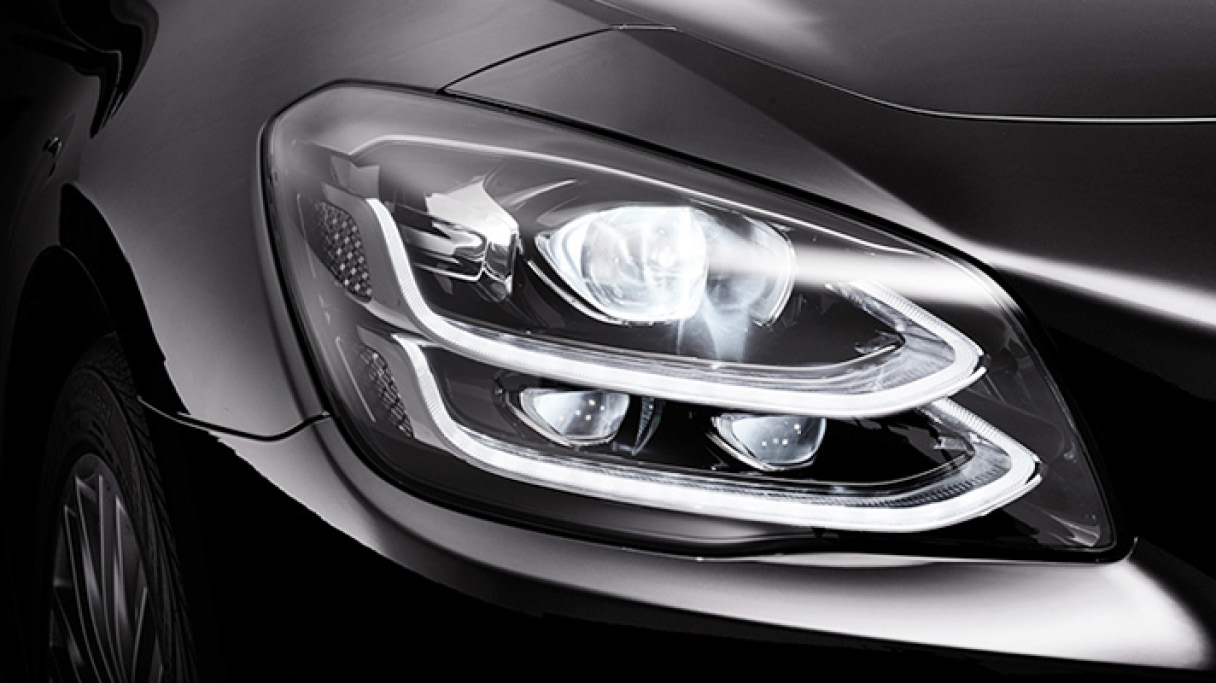
One long-running issue: traditional headlamps can develop internal clouding over time. When internal temperatures climb above 200°C (~392°F), gases released from certain plastic components can discolor the lamp and reduce transparency. Hyundai/Kia’s solution is to reduce the share of conventional plastics and apply a composite reinforced with glass fiber and high-polymer additives to improve heat resistance. The payoff is a headlamp that stays light while staying clear for the long haul.

Hyundai’s ST1 roof spoiler is produced with a paintless composite molding process that builds the final surface color into the part itself. Instead of relying on physical adhesion between outer and inner panels, the process uses chemical bonding between materials. Here’s the workflow: a layered color sheet—plastic raw material already in the target color—is heated to increase ductility and formed in the mold. Then the inner surface is coated with polyurethane and glass fiber, and the final shape is finished via compression molding.

Compared with a conventional spoiler, the paintless composite-molded ST1 roof spoiler is 25% lighter and delivers an 80% improvement in exterior surface quality. Traditionally, spoilers were built by stacking glass, carbon, or aramid fibers, impregnating them with resin, and then doing post-processing. The ST1 approach reduces density by combining a color sheet, polyurethane, and glass fiber—making it lighter. And because the color comes from the material, not paint, it delivers consistent hue and better resilience: even if the surface gets scratched or abraded, it retains its color.
“Carbon composites” generally refers to materials that pair a carbon-based reinforcement with a matrix. The marquee example is CFRP, which combines carbon fiber reinforcement with a resin matrix. In the old-school auto world, CFRP mostly lived in race cars—lightweight, strong, and cost-prohibitive for mainstream use. But across the broader mobility landscape, applications are expanding fast.
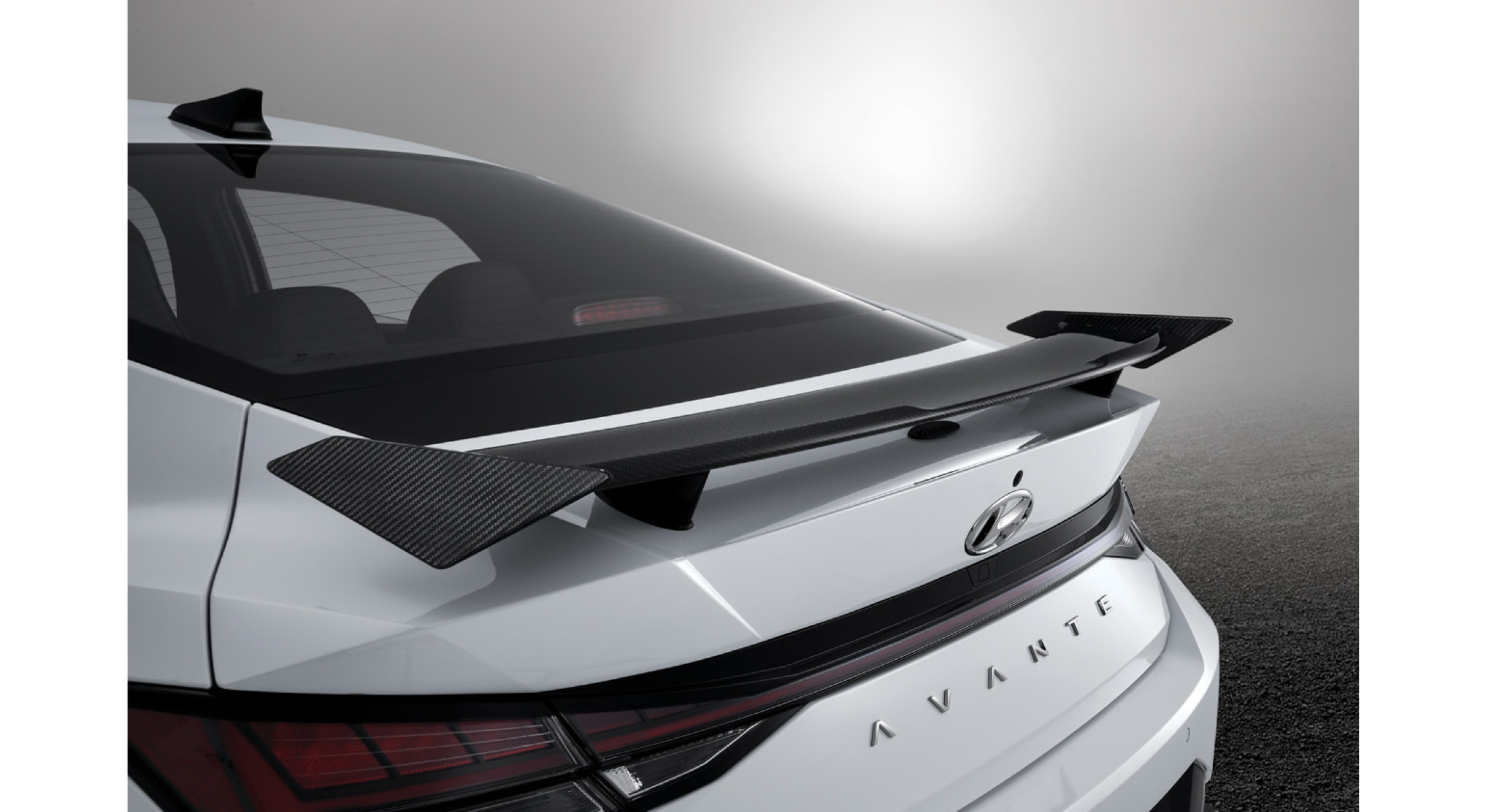
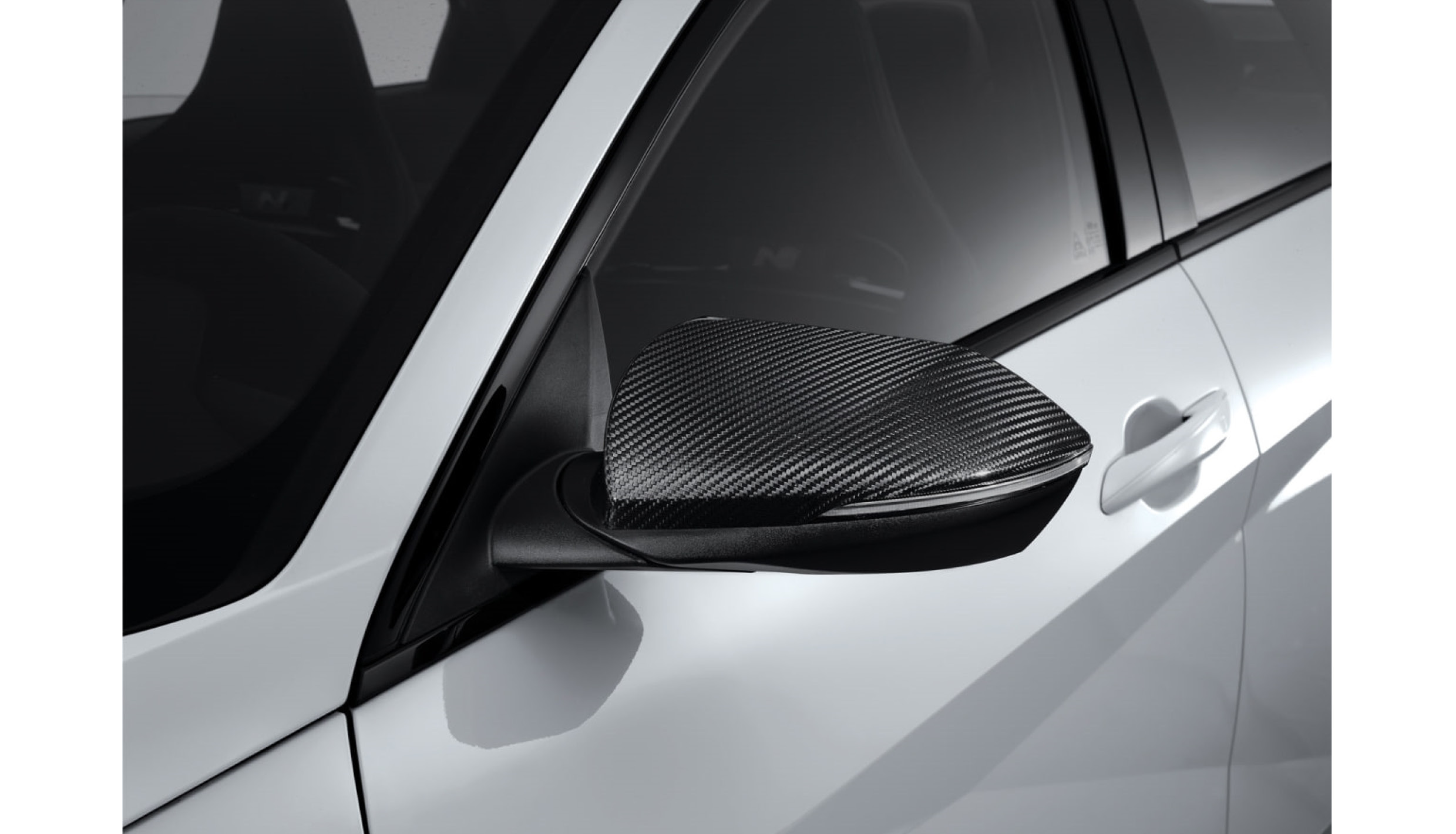
First, Hyundai Motor Group is applying CFRP on high-performance vehicles. On the Avante N and IONIQ 5 N, CFRP shows up in components like the spoiler, side mirrors, and muffler/exhaust trim—targeting weight reduction and improved aerodynamic drag performance.
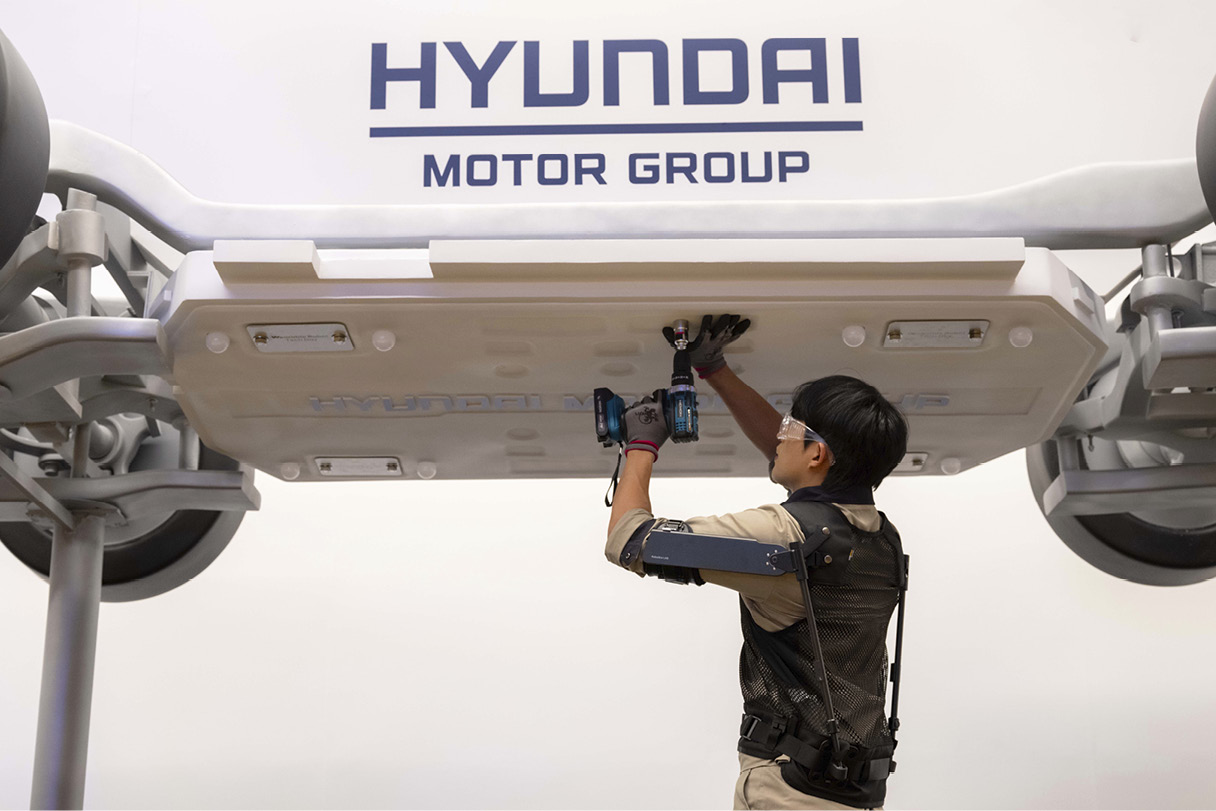
Hyundai Motor Group’s Robotics Lab has also put CFRP to work in its wearable robot X-ble Shoulder. It’s designed to assist a worker’s upper-arm (shoulder) muscles, and because it’s worn through a full shift, every gram matters. CFRP helps deliver stiffness without making the device feel like a punishment.
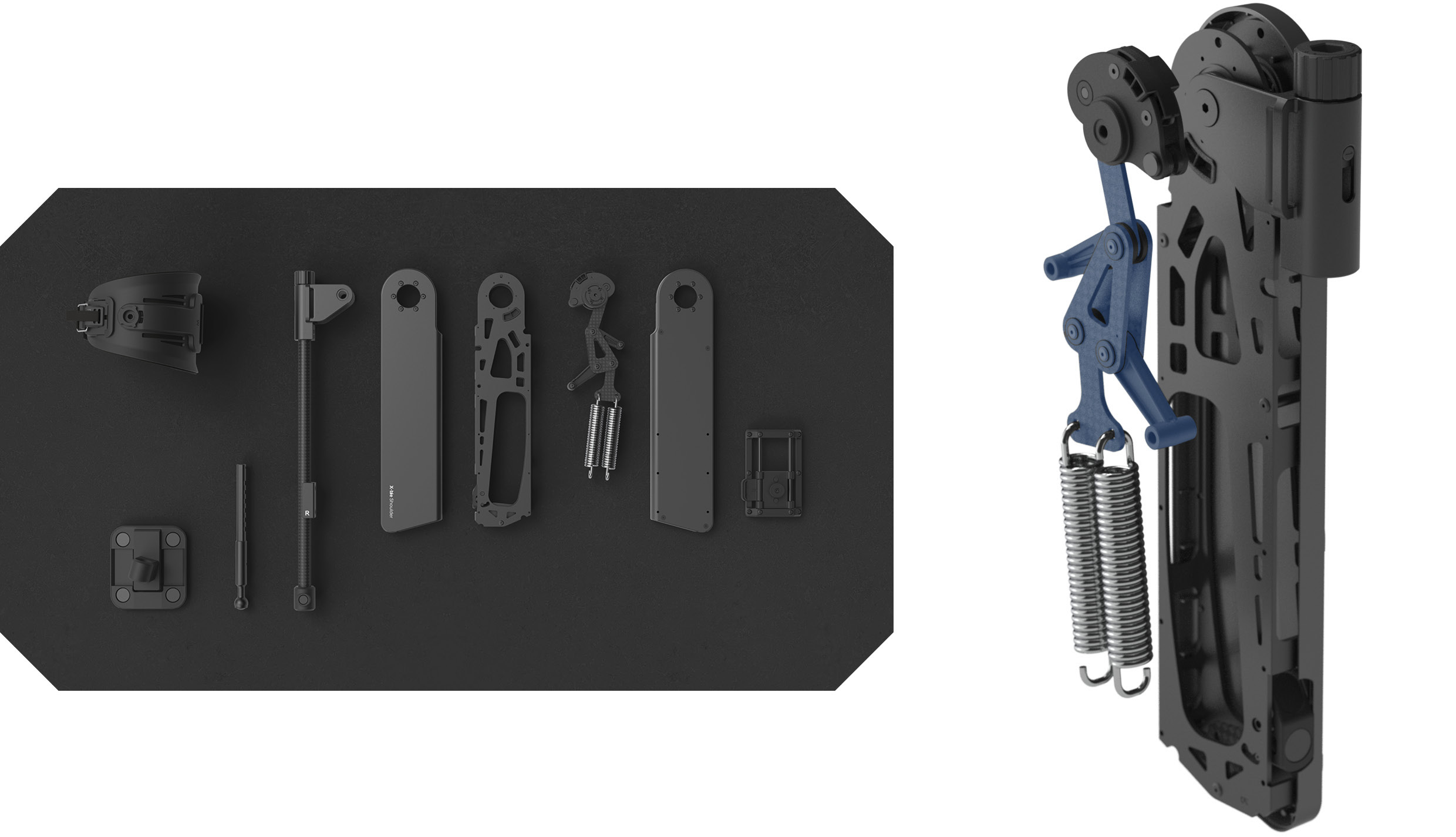
X-ble Shoulder uses a passive torque-generation mechanism: a muscle-assistance module converts a spring’s elastic energy into rotational force to support the wearer’s upper-arm strength. By making internal parts of this module from CFRP and glass fiber, the Robotics Lab achieved 3.3× the stiffness of aluminum while reducing weight by 40%.
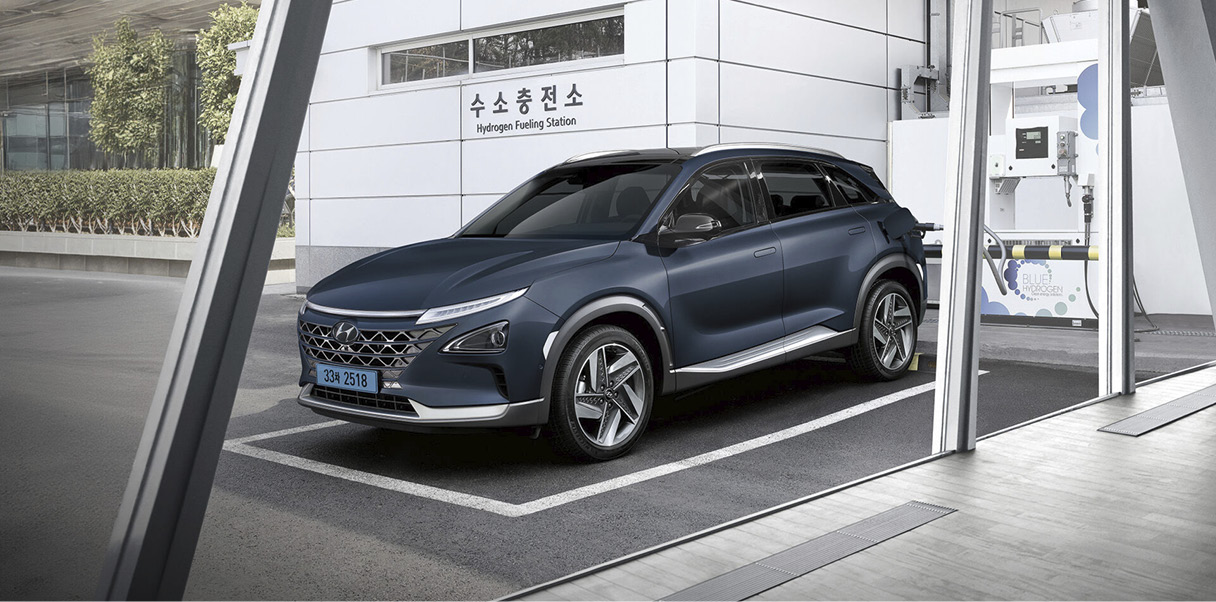
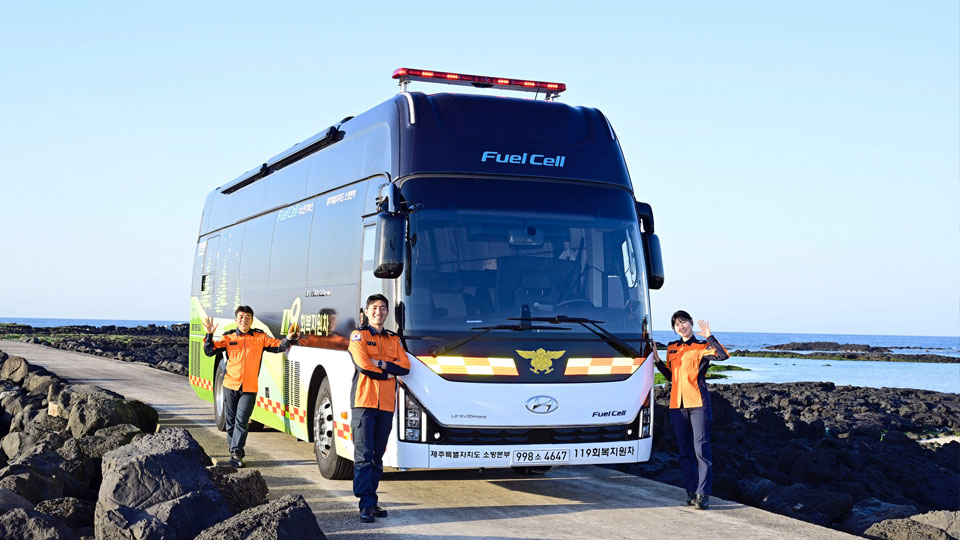
Carbon composites also play a critical role in hydrogen fuel-cell vehicles like the Hyundai NEXO—especially the hydrogen tank. The tank is produced by wrapping a high-density polymer liner with CFRP and other composite materials. With internal pressure reaching 700 bar, you need materials that combine exceptional strength with the right elasticity to store hydrogen safely.
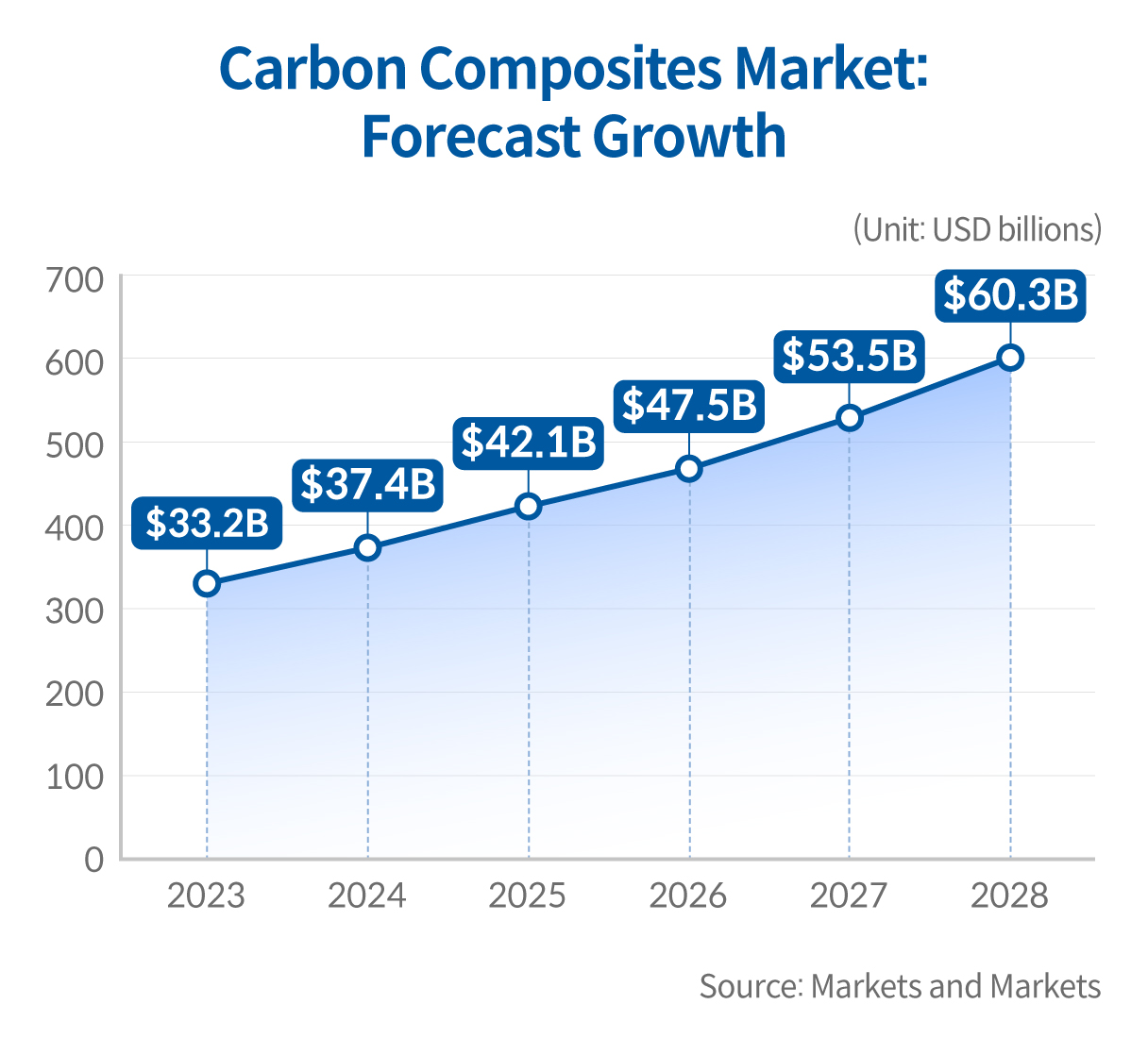
The carbon-composites market is growing quickly. A 2023 report from MarketsandMarkets pegged the segment at $33.2 billion, forecasting 12.7% CAGR growth to $60.3 billion by 2028.
Research and Markets reported in 2025 that carbon-composite usage is climbing across automotive, wind energy, and construction. The rapidly expanding EV space is a major driver of demand for lightweight materials, positioning carbon composites as credible alternatives to metals.
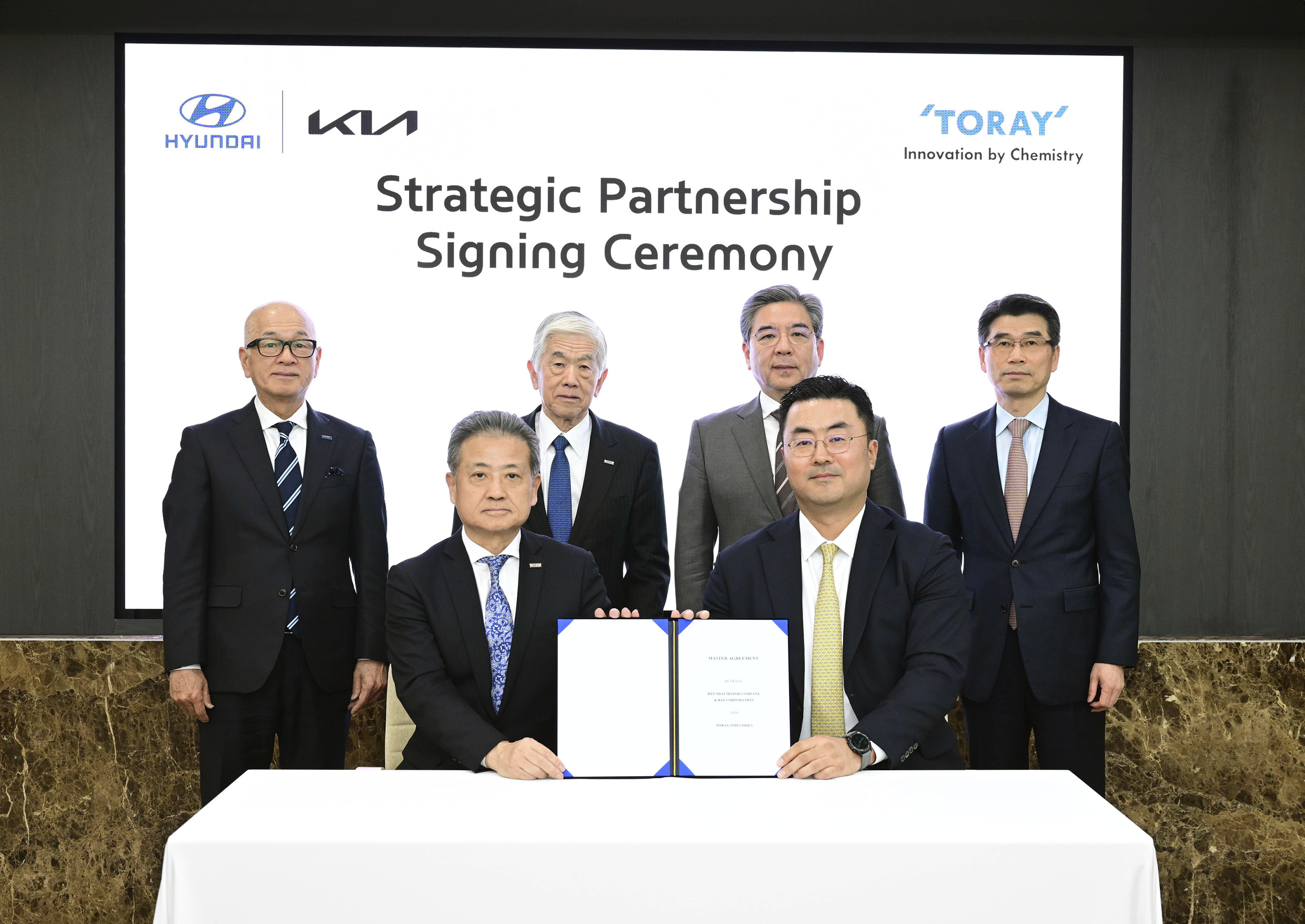
One of the biggest names in carbon composites remains Japan’s Toray, which produces both carbon fiber and carbon-composite materials; even Boeing uses Toray carbon fiber. In April 2024, Hyundai Motor Group signed a strategic collaboration with Toray aimed at applying advanced materials to future mobility. By co-developing CFRP and related materials, the goal is improved performance and safety—and to push innovation through real-world adoption, not just lab demos.
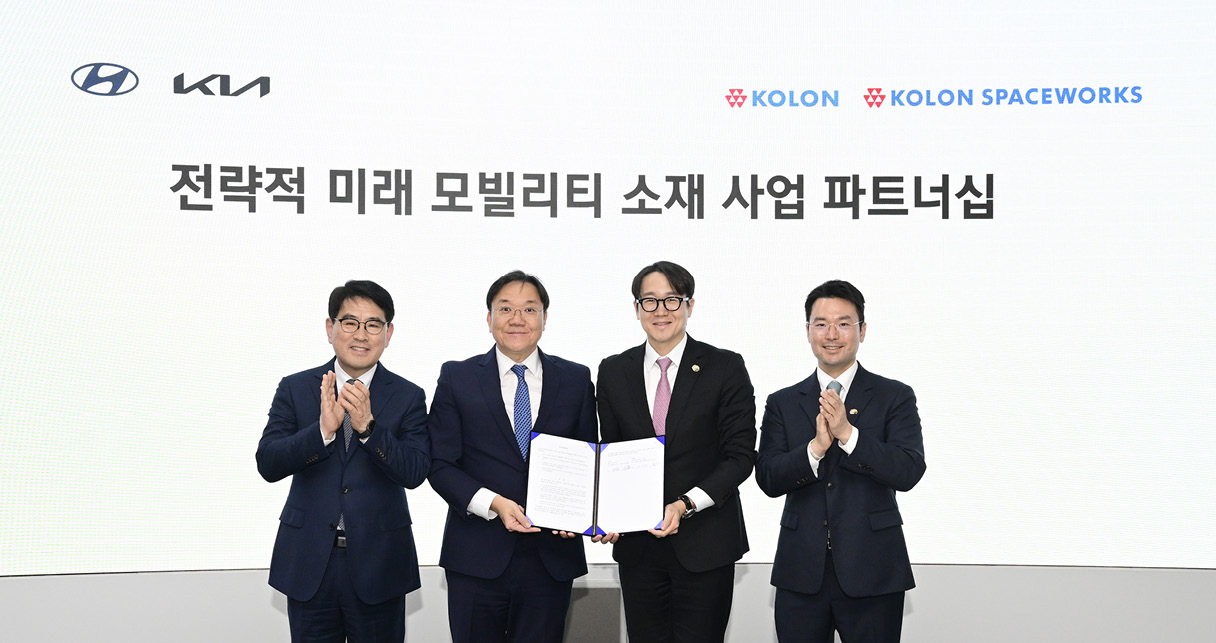
In February 2025, Hyundai Motor Group also entered a Strategic Future Mobility Materials Partnership with Kolon Group. Plans include investing in Kolon Space Works (which develops and produces materials used in automobiles and aircraft) and pursuing broad collaboration to strengthen competitiveness in mobility materials. The scope covers joint R&D on hydrogen-storage vessel materials and battery-cover performance upgrades, plus alignment with global environmental regulations such as the EU’s ELV (End-of-Life Vehicles) directive.

Hyundai Motor Group is pushing composites R&D alongside a wide range of other technologies to accelerate eco-friendly future mobility. AAM, PBVs, robotics, and last-mile solutions all point toward a world where movement feels more seamless—and composites will be one of the quiet enablers holding that future together. They’re not just about shaving pounds; they’re about enabling smarter packaging, better durability, and higher overall product completeness. In that light, Hyundai Motor Group’s composite initiatives aren’t a footnote—they’re a signal worth watching.