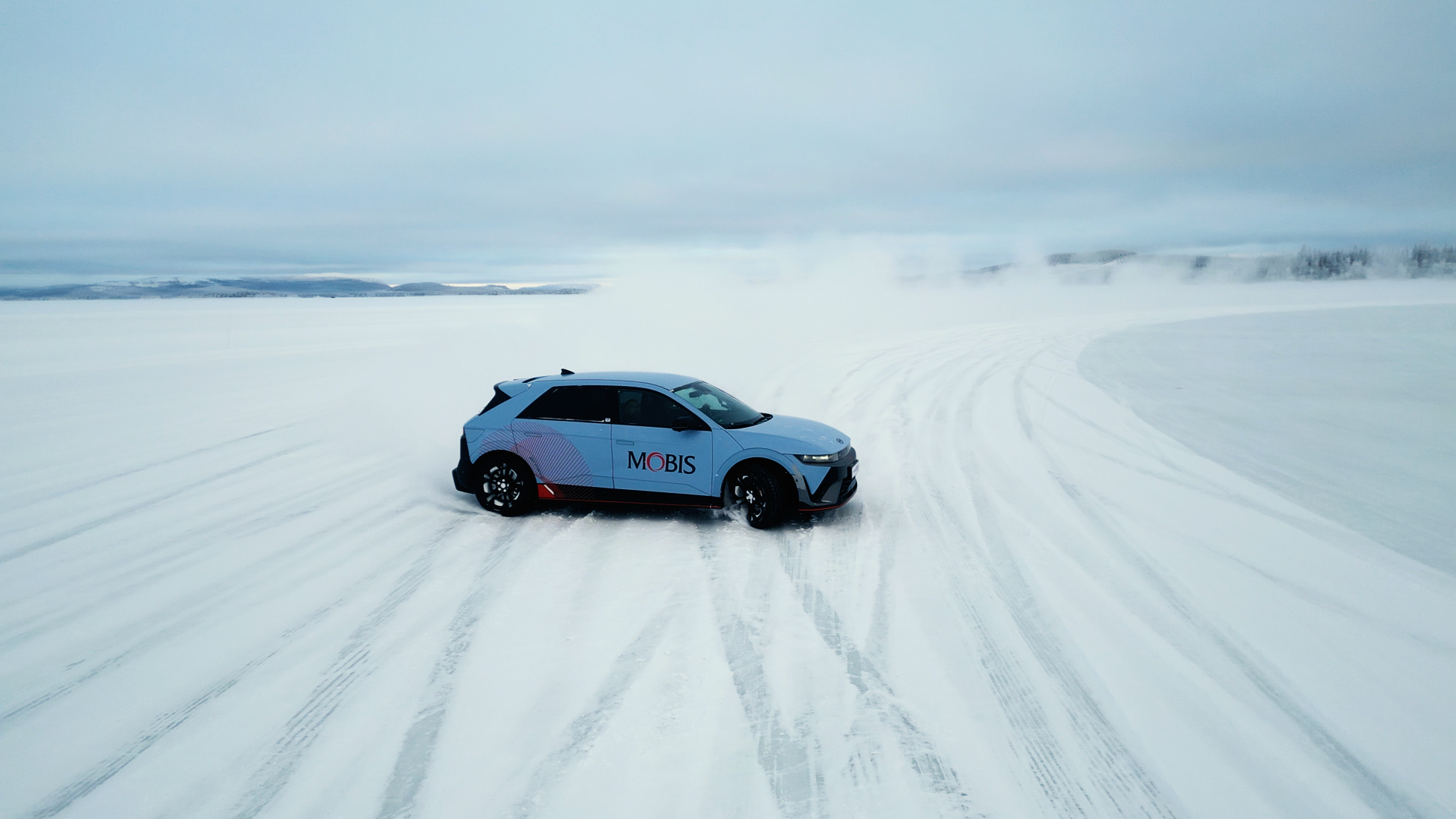
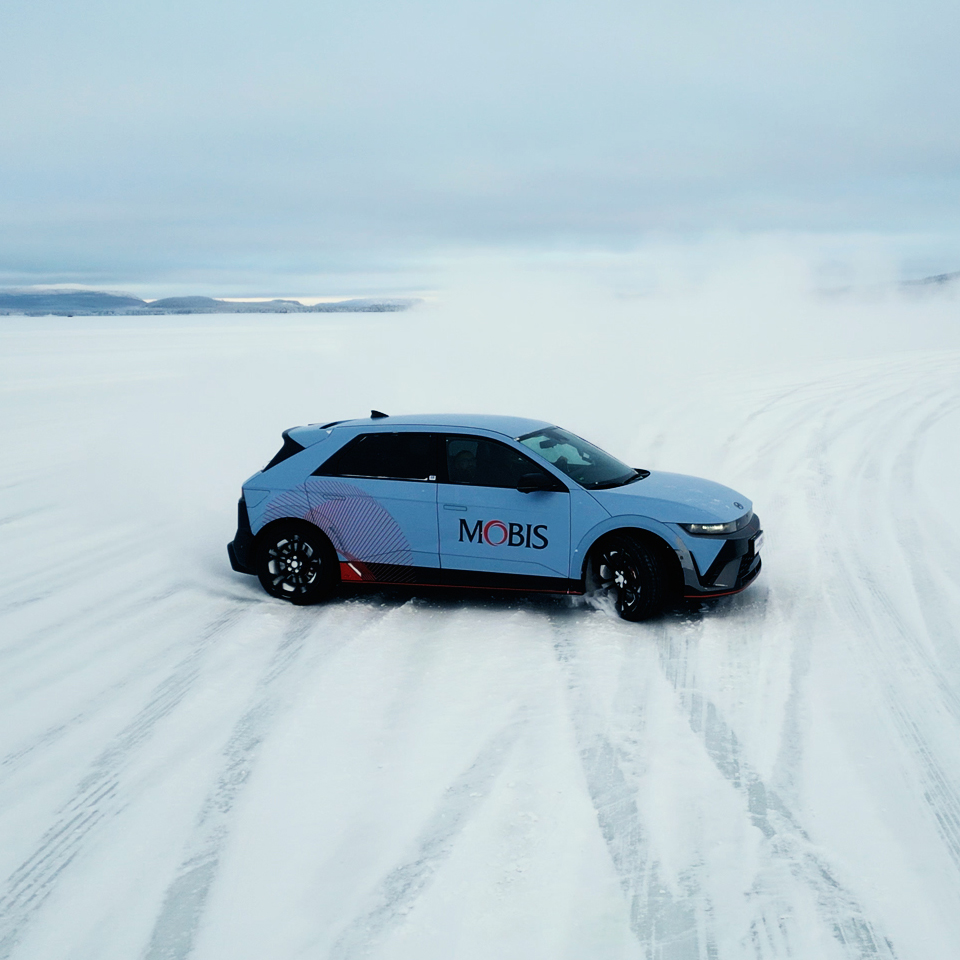
Arjeplog, a small town in northern Sweden. As winter deepens, temperatures drop below -30°C, and all roads are covered in thick snow and ice. While this remote region presents harsh living conditions, it is also where major advancements in automotive technology begin. This is because the harsh environment reveals real-world driving variables that can never be replicated in a laboratory simulation. For the past 21 years, Hyundai MOBIS has repeatedly tested the core performance of vehicles on the icy roads of this frigid Arctic region. The goal is to establish safety standards that ensure unwavering performance even in the worst-case scenarios customers might face.
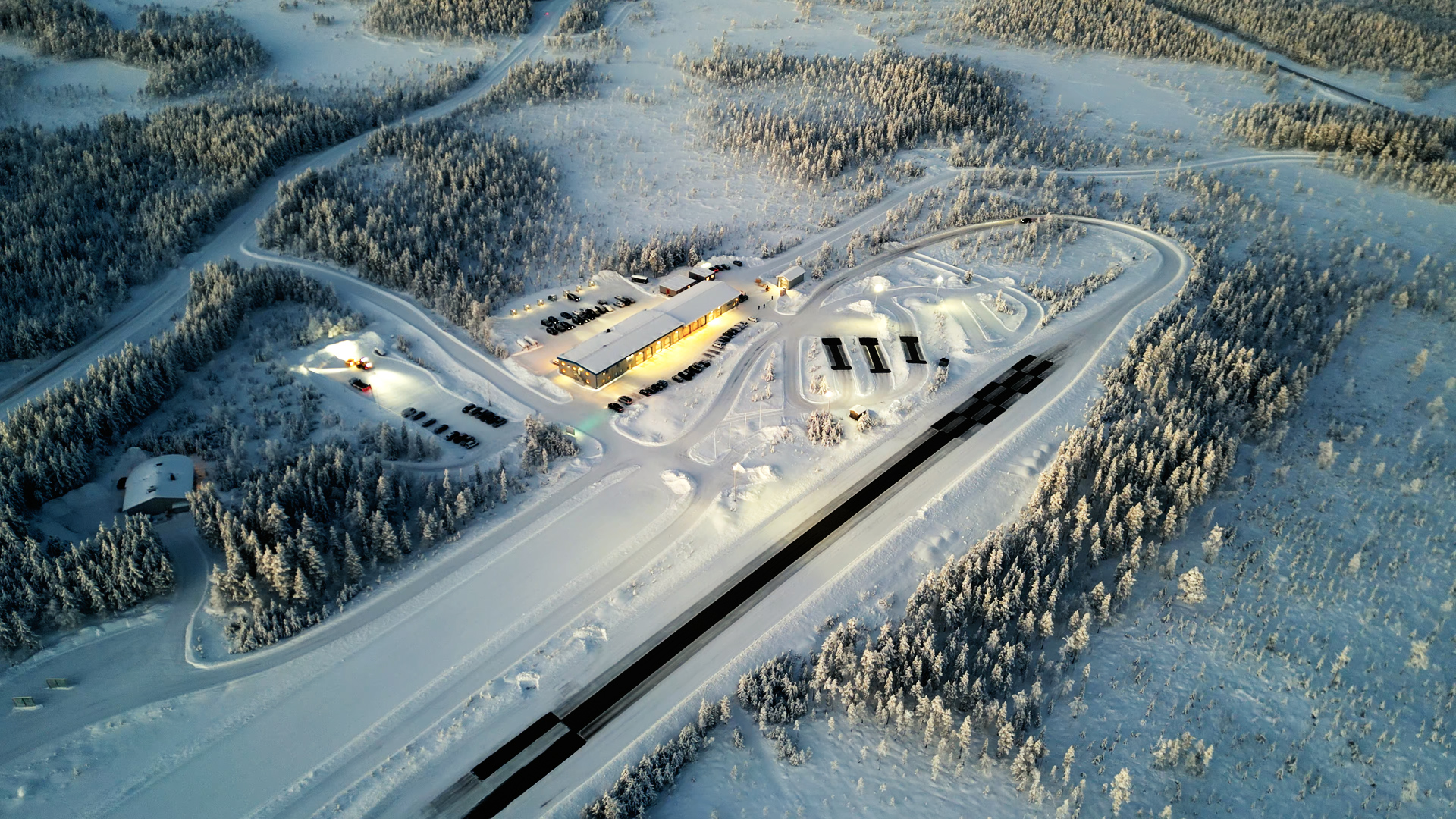
Winter roads cannot be simply described as “slippery.” Snow-covered roads and ice have distinct friction characteristics, and their conditions constantly change with temperature fluctuations. Such environments cannot be replicated in a laboratory or on ordinary roads. The extreme uncertainty created by nature itself serves as the most precise and grueling test environment, which is the fundamental reason why automotive companies from around the world come to Arjeplog.
Geographical and environmental advantages make Arjeplog an even more unique testing hub. As a small town with a population of less than 3,000, it has low vehicle traffic and few residential areas, allowing for relatively unrestricted high-speed and high-risk testing of undisclosed new vehicles or technologies where confidentiality is paramount. Its remote, sparsely populated location has, in fact, become a natural fortress that helps protect the confidentiality of automotive technologies.

Combined with the infrastructure that has been steadily built up since the 1980s, the area has evolved into a massive industrial complex. It is equipped with dedicated test tracks, maintenance facilities, accommodation, and logistics systems, as well as a foundation for close collaboration with research institutions such as Luleå University of Technology. As automotive companies gathered here, related suppliers followed, creating a virtuous cycle that attracted even more companies. As a result, Arjeplog has now established itself as a highly sophisticated “global automotive ecosystem.”

Hyundai MOBIS has been operating the proving ground in Arjeplog since 2005. Now in its 21st year, This facility sees more than 150 researchers deployed annually to battle the harsh winter conditions. The testing site is broadly divided into the “Lake Track” and the “Land Track.”
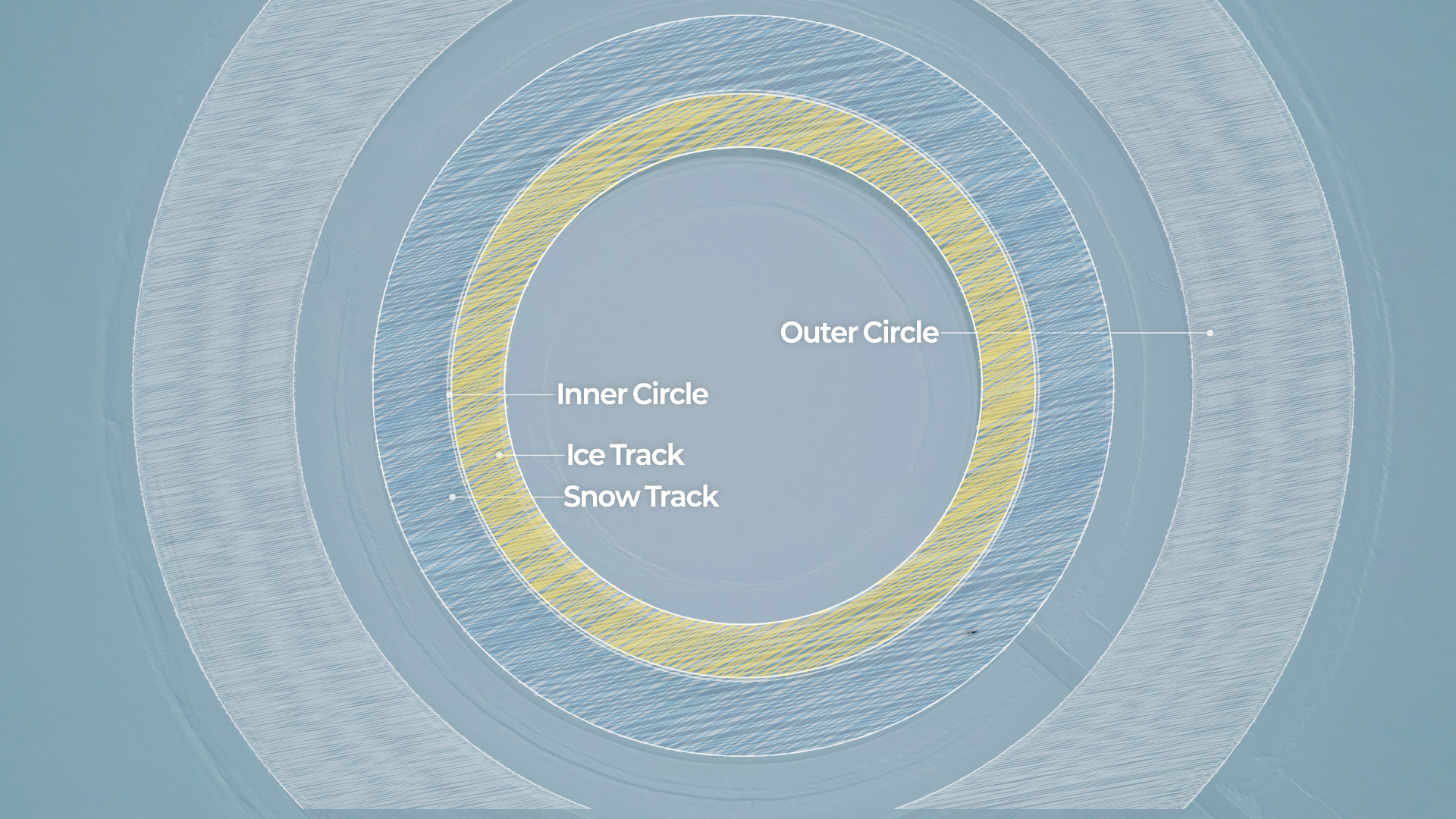
The Lake Track is a proving ground built on a naturally frozen lake surface spanning approximately 1.6 million ㎡. With a minimum ice thickness of 80 centimeters and designed to withstand loads of up to 40 tons, it ensures a safe testing environment. This area features the ABS track for verifying ABS stability on surfaces with asymmetric friction, and the circle track for evaluating vehicle stability and cornering ability on curved roads. Additionally, the general track tests steering and braking performance through lane changes, slaloms, and emergency braking, while the handling track simulates various real-world road scenarios.

The Land track spans approximately 33,000 ㎡ and consists of the Urban Track that replicates city alleyways, the Hill Track that verifies vehicle control on snow-covered inclines, and the General Track that comprehensively evaluates various braking and steering performance metrics. From city streets to rough terrain, this facility encompasses every scenario that a Northern Hemisphere winter can offer.

Testing at the proving ground is not merely a matter of driving. It is an intense process of repeatedly verifying the vehicle’s response under various conditions set on low-friction surfaces such as snow and ice. Comprehensive testing is conducted, covering not only braking performance and steering stability but also Electronic Stability Control(ESC), ADAS and sensor detection performance, and the low-temperature performance of electrification components.
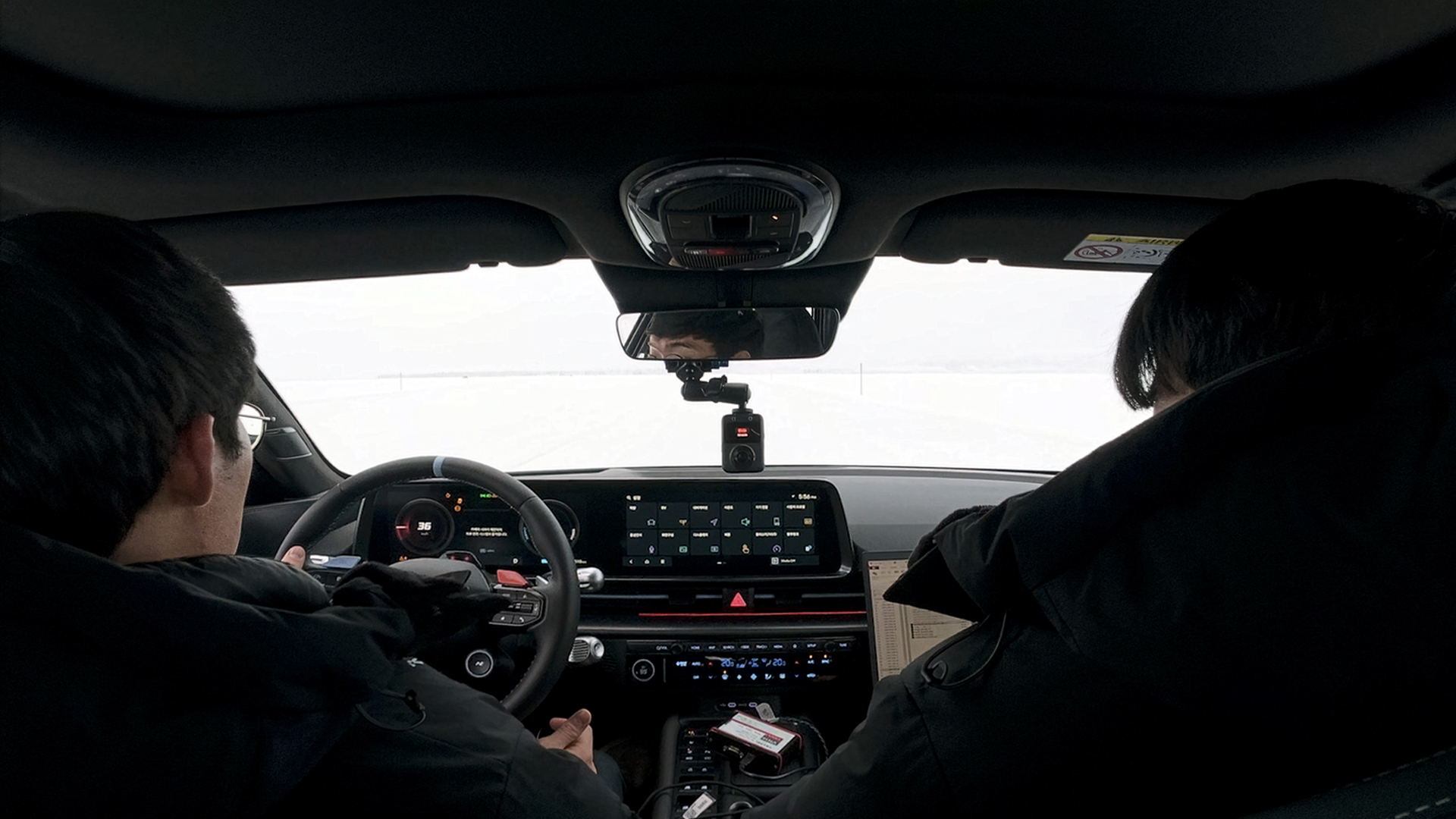
Researchers do not stop after a single run under a single condition; instead, they accumulate vast amounts of data by performing repeated runs and comparative tests across various combinations of variables. The collected data is immediately shared with the development team and leads to improvement efforts; this “structure where development and verification occur simultaneously” is the key driver behind enhancing the sophistication of the technology.

Another crucial role of winter testing is to uncover unexpected issues. Components that functioned perfectly in the laboratory may exhibit altered response speeds or subtle effects on sensor detection logic in very low-temperature environments problems that only surface in real-world winter road. Hyundai MOBIS believes that the quality of components determines the overall performance and safety of the vehicle. This is why, despite not being an automaker, the company operates its own testing site and has established a system to conduct repeated verification in real-world vehicle testing environments starting from the development stage.
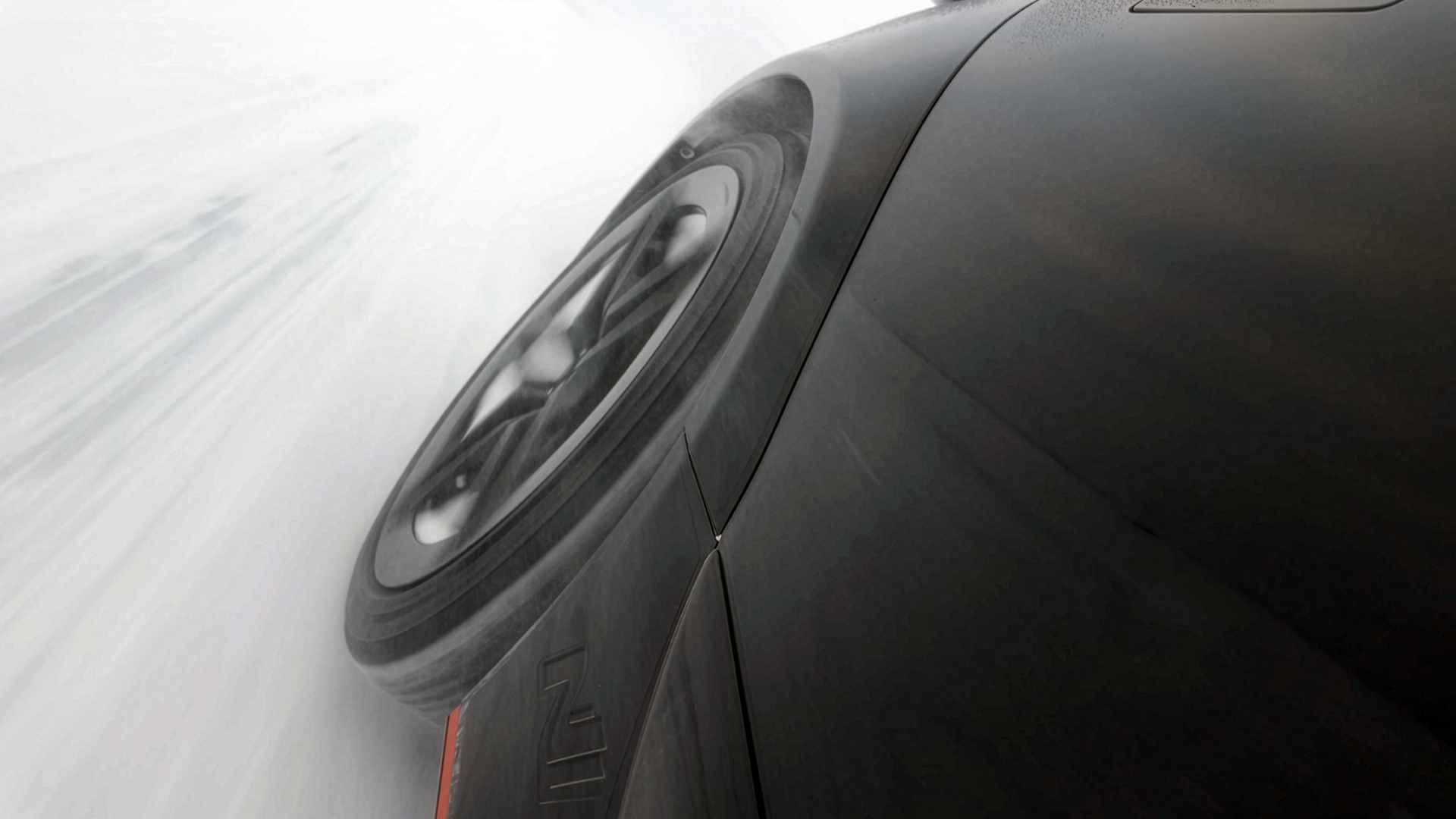
Based on data collected in extreme environments, Hyundai MOBIS precisely fine-tunes the response characteristics of braking, steering, and Electronic Stability Control(ESC). In situations where friction drops sharply—such as on snowy or icy roads—even minor variables can significantly affect a vehicle’s movement, making optimal control criteria.

The accumulated data is not merely a set of test results but serves as the standard that determines vehicle quality. Conservative and stable performance standards that account for variables in extreme environments directly translate into the sense of stability experienced by the driver. Ultimately, the proving ground can be seen as a space where “intangible quality”—unseen by the user—takes tangible form.

For Hyundai MOBIS, the proving ground in Sweden is a place where safety and reliability are directly verified alongside global customers. Hyundai MOBIS aims to go beyond simply supplying parts to serve as a partner that develops and validates technology together with its customers. This verification is not limited to a specific region. In addition to Arjeplog, Hyundai MOBIS operates proving grounds in Heihe, China, and Wanaka, New Zealand, establishing a year-round, uninterrupted testing system. Heihe is a hub optimized for performance in local Chinese models, while Wanaka allows for continued extreme cold testing even during the Northern Hemisphere’s summer. This global testing network integrates data accumulated from diverse environments into a single standard, resulting in even more refined quality.

As mobility technology becomes more complex and autonomous driving and electrification advance, the role of such validation will become increasingly critical. This dedication, which began behind the scenes, will continue to translate into “trust” on the road. At the heart of it all lies Hyundai Mobis’s technology and passion, which never waver even in the most extreme conditions.