Life’s circumstances vary. For some, a comfortable home or a daily barrier-free walking path may define their way of life. The same holds true for mobility. Different people have different essential requirements when it comes to getting around. However, it is no easy task to meticulously reflect the needs and demands of every user within mass-produced mobility solutions. Nevertheless, Hyundai Motor Group dreams of mobility that embraces everyone and is working to make that dream a reality. What would mobility look like if each person’s unique circumstances were not a limitation, but rather something that made everyone’s daily life more vibrant? And in our society, for whom is mobility intended, and how far can it reach?
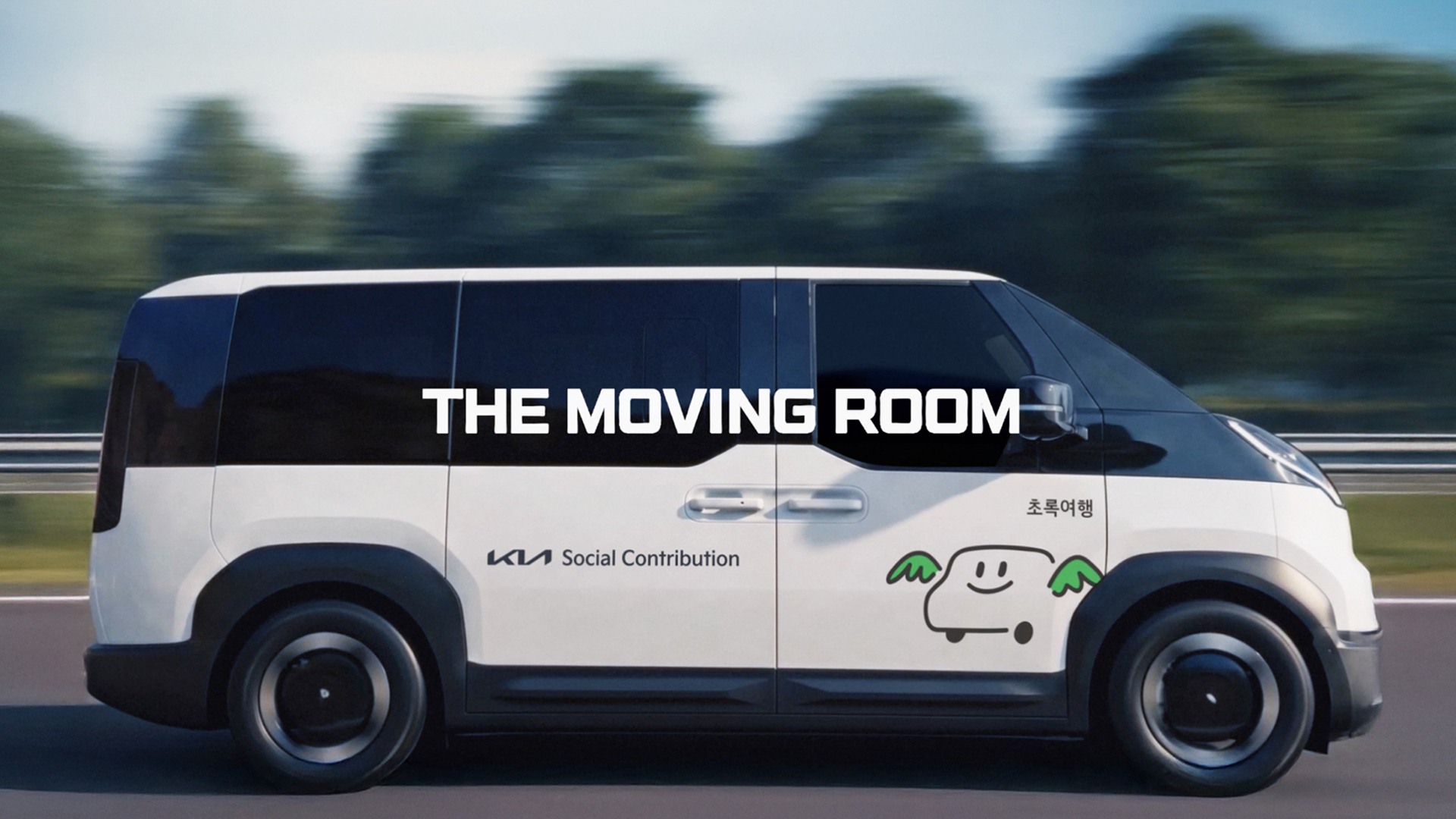
Hyundai Motor Group’s campaign video, “The Moving Room,” begins with precisely these questions. The video embodies the technological commitment to bring a wider and more colorful world to everyone by setting the previously static scenery outside the window in motion. Onyu Kim, who had been confined to viewing only static scenery as a person with a respiratory condition, visited the sea she had long dreamed of for the first time in 23 years and created unforgettable memories with her family. Hyundai Motor Group’s “Platform Beyond Vehicle (PBV)” PV5 WAV (Wheelchair Accessible Vehicle) served as a reliable partner on this meaningful journey.
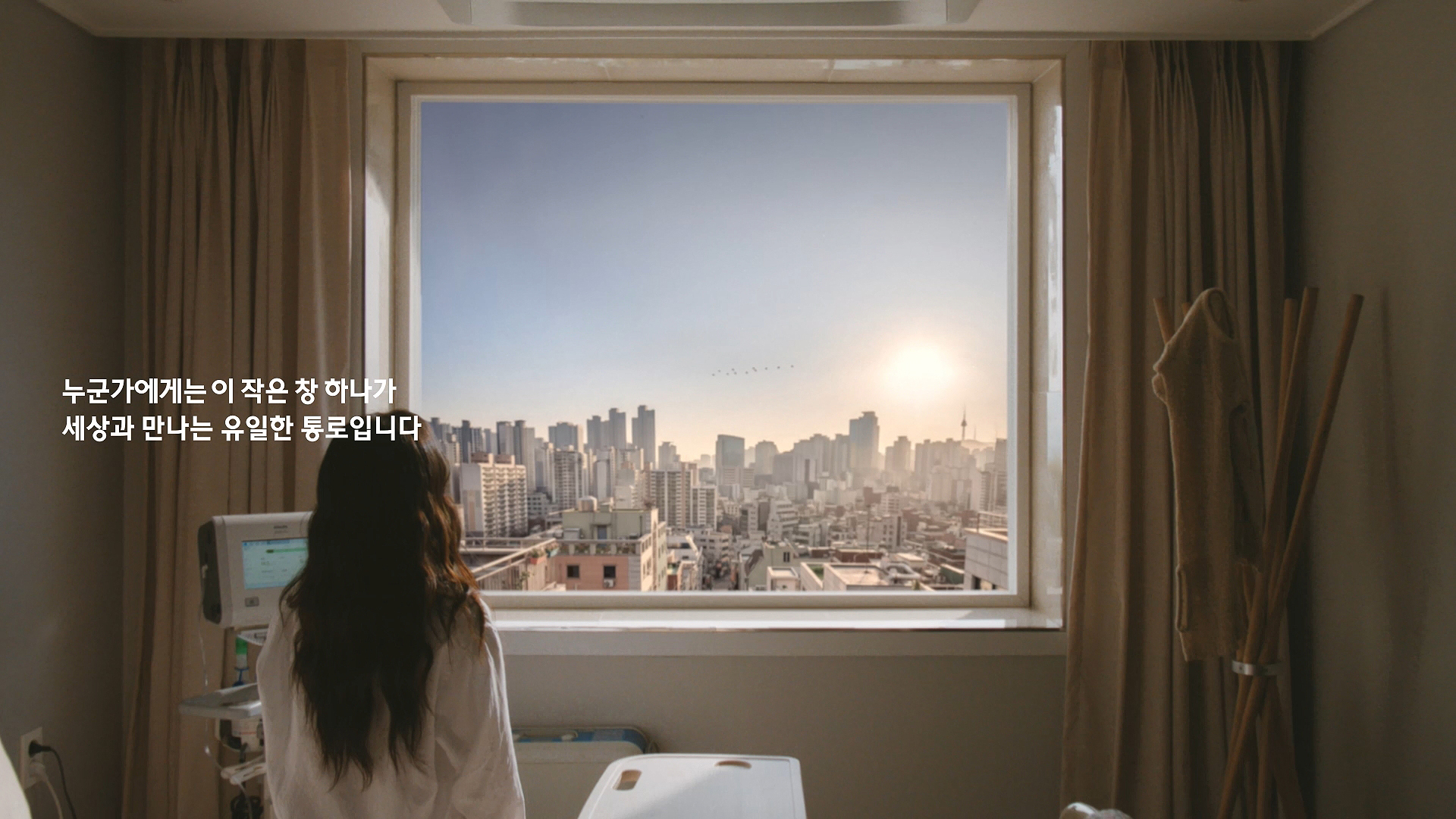
The video “The Moving Room” begins by presenting a panoramic view of the windows we encounter in our daily lives. Diverse landscapes flash by rapidly through various panes of glass—from subways and trains to cable cars. It then shifts to a glimpse of Kim’s daily life as she gazes at the same outdoor scenery from her hospital room window. For 23 years, Onyu Kim has viewed the world through her hospital room window. To her, the window was both a “portal” to the world and a frame that always captured the same scenery. For Kim, who struggles to breathe on her own, the world was a place she could only reach through brief outings. However, the place she had long dreamed of was a world far beyond. A trip to the sea—her first in 23 years. Traveling far to see the sea is also her long-held dream.
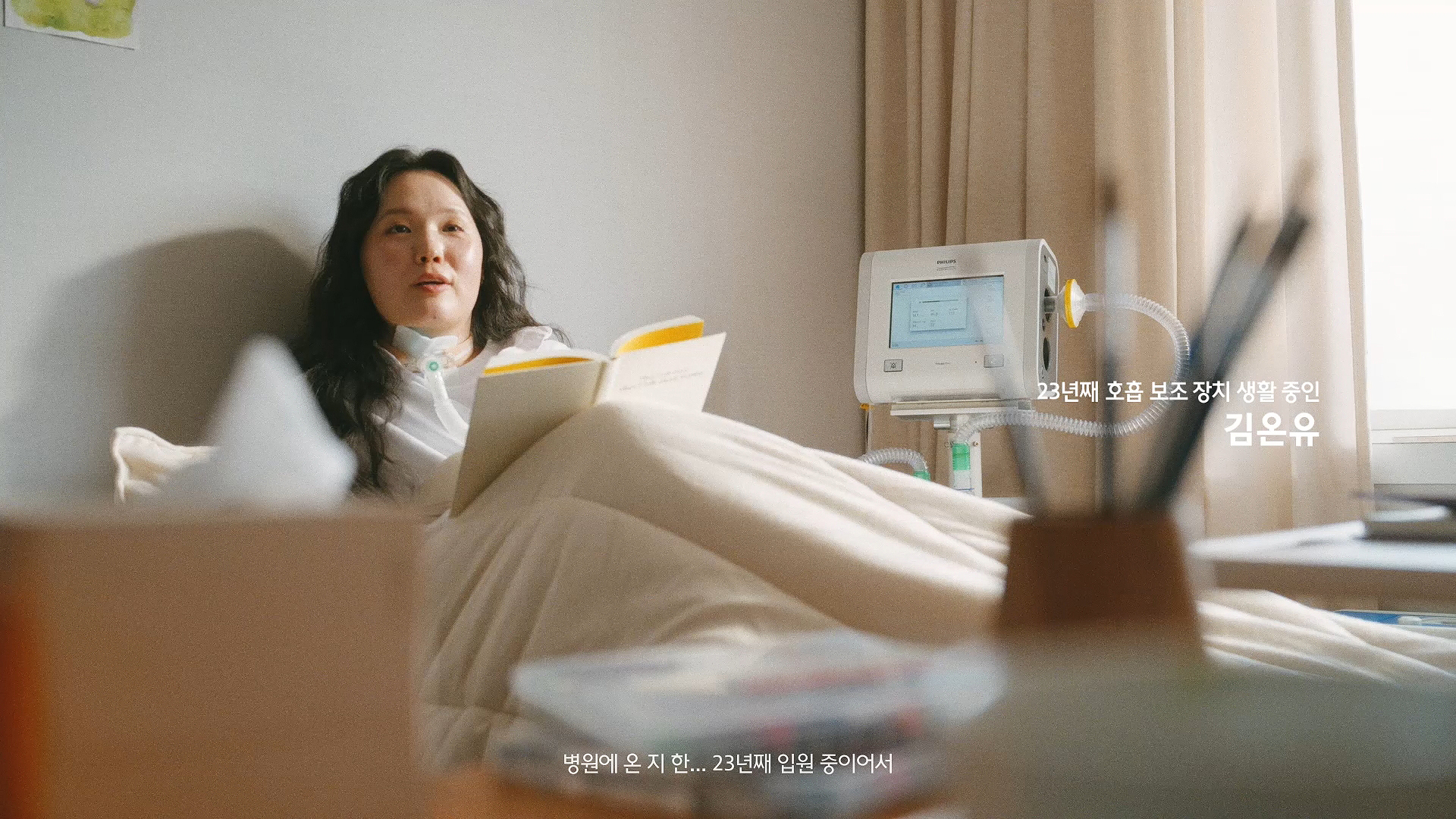
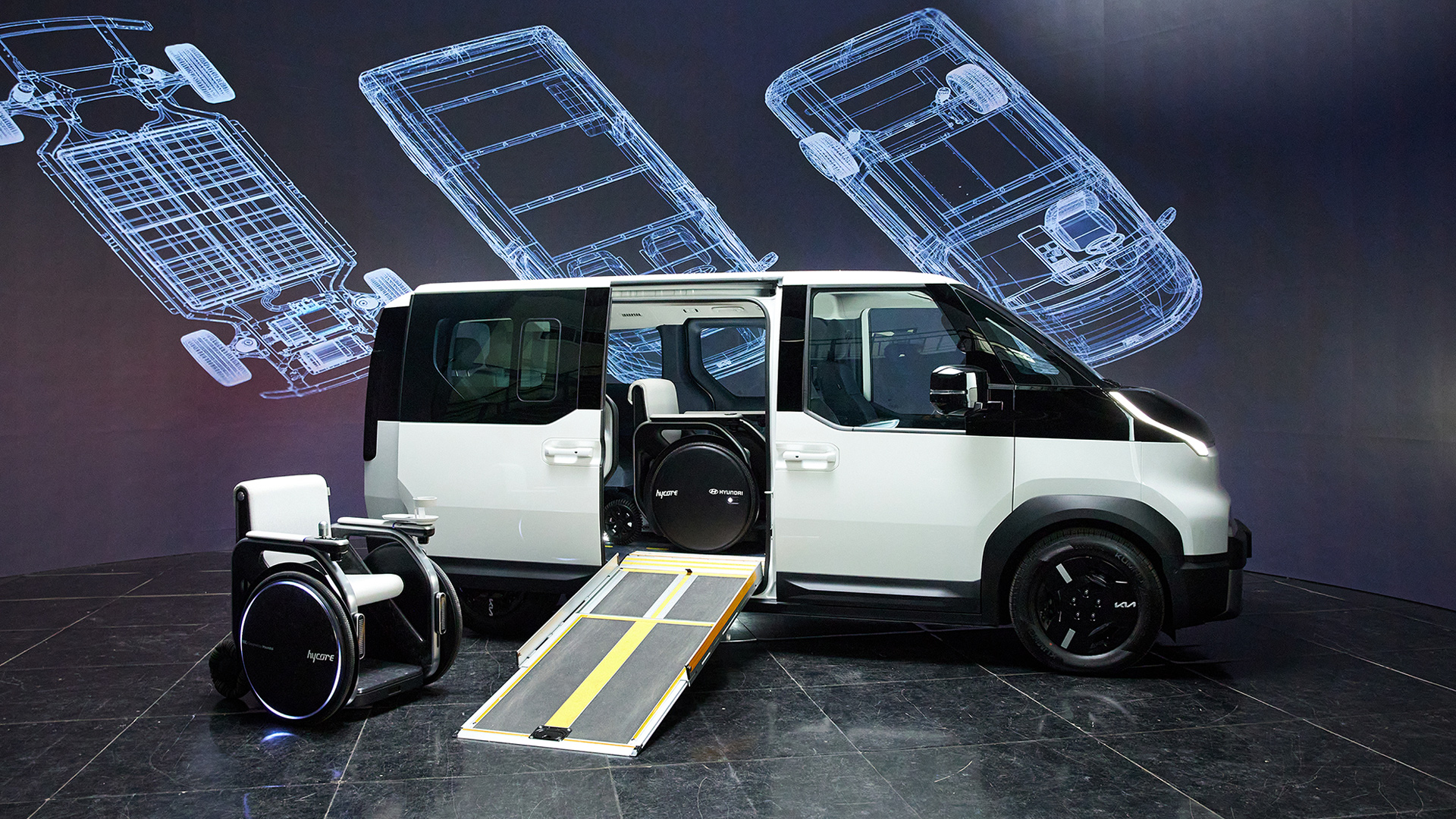
To help those who, like Kim, were confined to the same place, take in a more diverse world, Hyundai Motor Group has decided to set the static scenery outside the window in motion. The vehicle that served as a moving room for this trip was the PV5 WAV. The PV5 WAV is a dedicated PBV designed with the mobility needs of wheelchair users in mind. In an era where mobility functions as a comfortable space in itself, traveling has become a new experience—where you head to your desired destination within a space tailored to your needs.
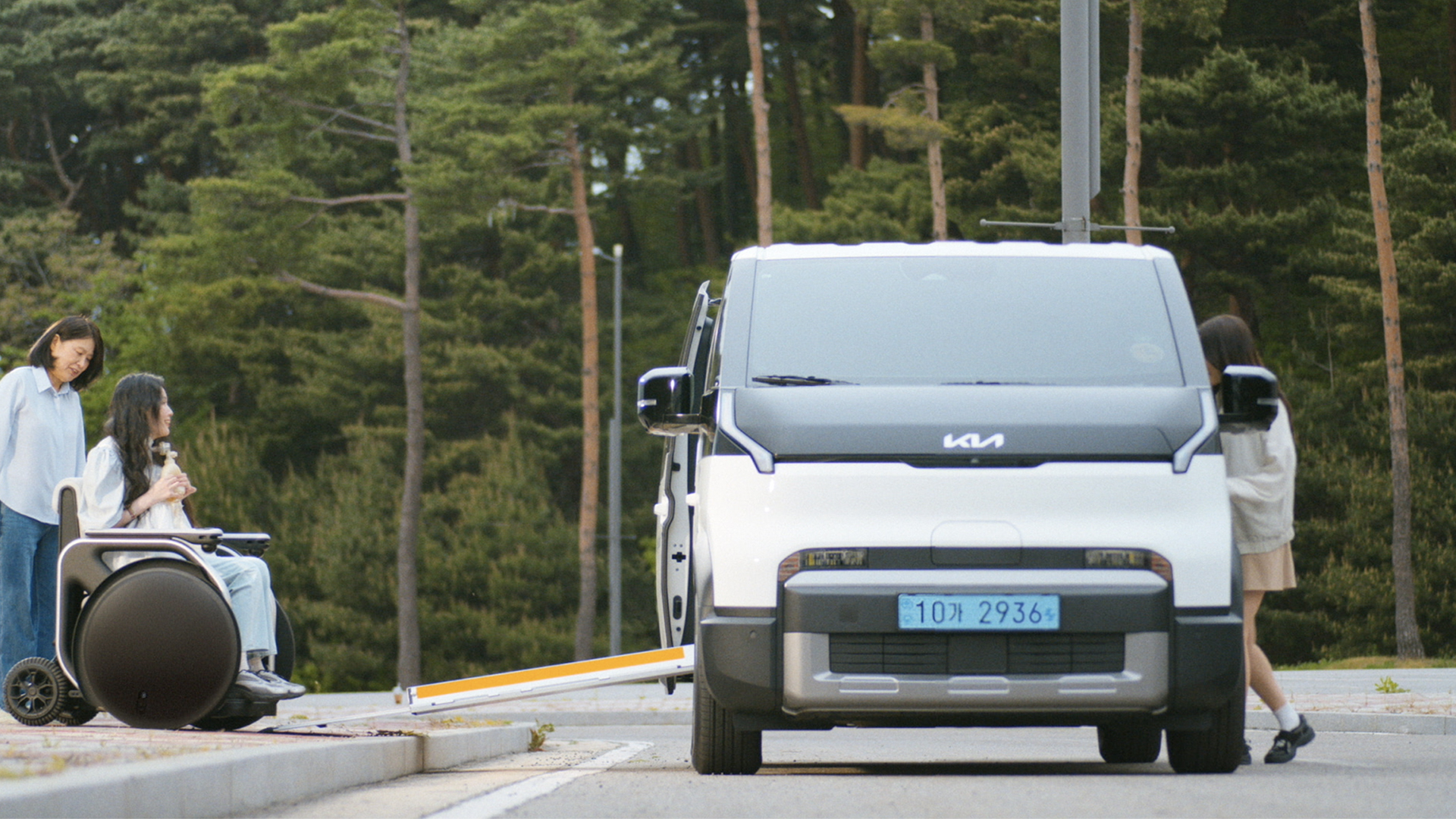
For Kim, who embarked on her first journey with the PV5 WAV, the essentials for travel include a medical device to assist with breathing and a wheelchair (Nano Mobility)* prepared for long-distance travel. Kim uses a wheelchair for mobility because her spinal issues make prolonged walking difficult in addition to breathing difficulties. The door of the PV5 WAV opens, and a ramp extends from the side of the vehicle. Kim and her family, with excited expressions, board the PV5 WAV.
*Nano Mobility: An ultra-compact personal mobility vehicle (Nano PBV) designed for specific purposes. It features a simple structure with in-wheel motors and provides an end-to-end mobility solution integrated with ride-hailing platforms, FMS, and autonomous driving technology.
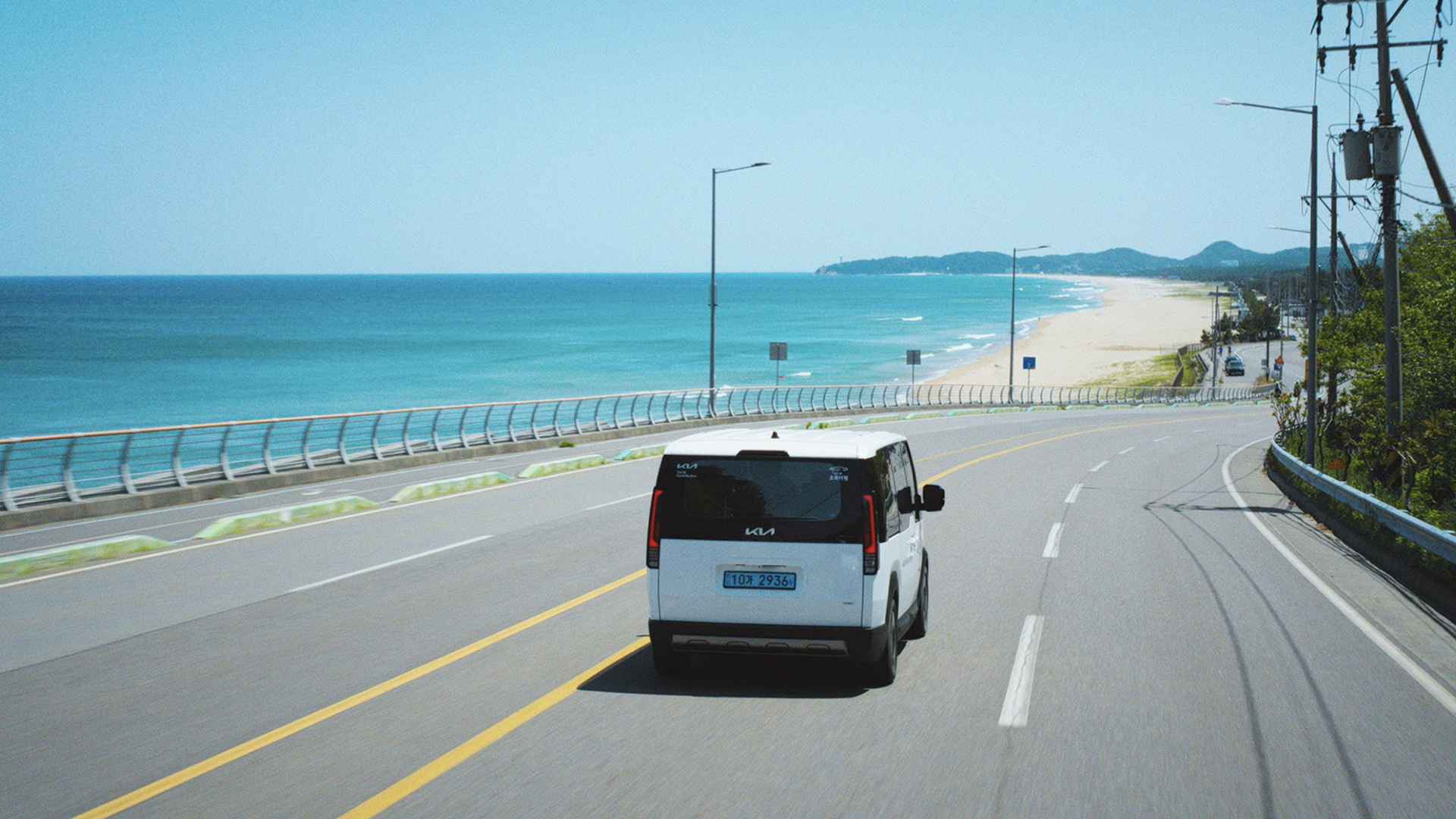
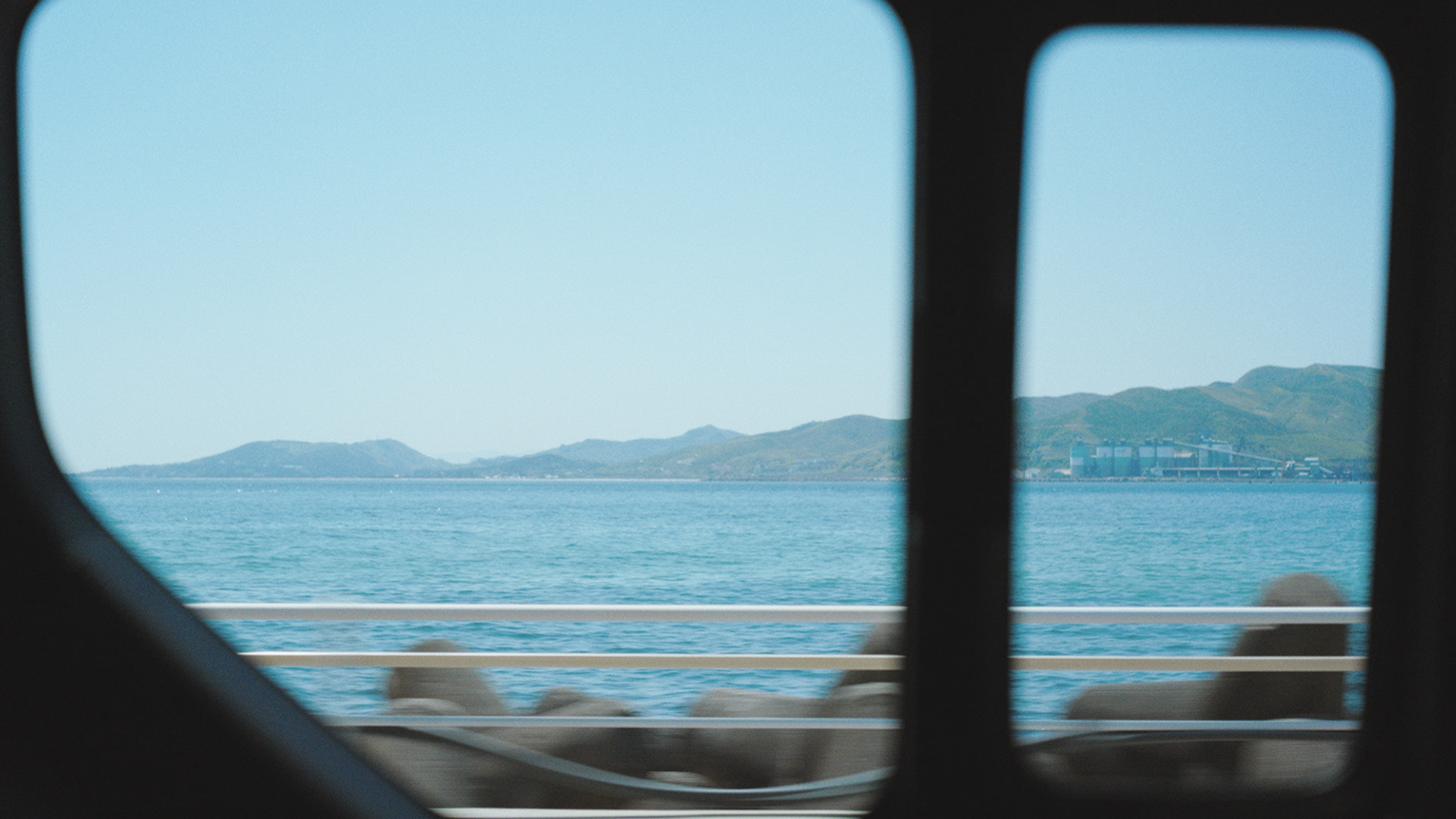
Finally, Kim and her family set off for Jeongdongjin. Memories of family trips, which had been frozen in time since she was 15, begin to flow again after 23 years. The frozen landscape gradually gives way to the sea, and Kim’s radiant smile as she gazes out at the sea intuitively demonstrates how technology can enrich an individual’s life.
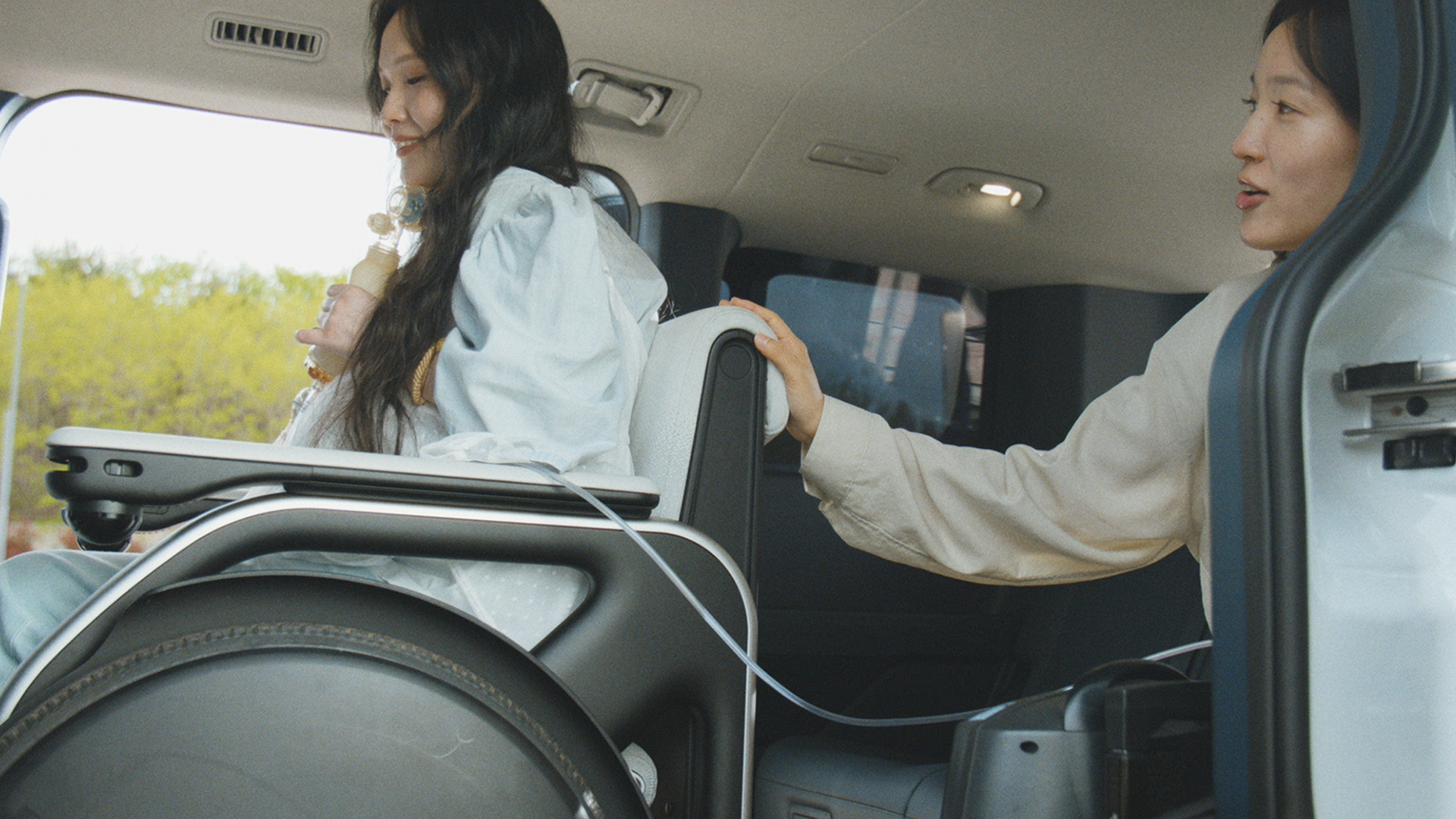
For Hyundai Motor Group, mobility is not merely a physical change of location. People should be able to feel safe wherever they are, while fully maintaining their own lifestyle at every moment of their journey. In this campaign, the Group presented the concept of creating spaces that prioritize safety and accommodate the user’s specific needs—and then moving those spaces themselves. The Group has created secure spaces where everyone—from those with mobility challenges requiring wheelchairs to those with respiratory conditions—can travel while meeting their essential living needs. These spaces embody the mobility philosophy and technology that Hyundai Motor Group has long been developing.
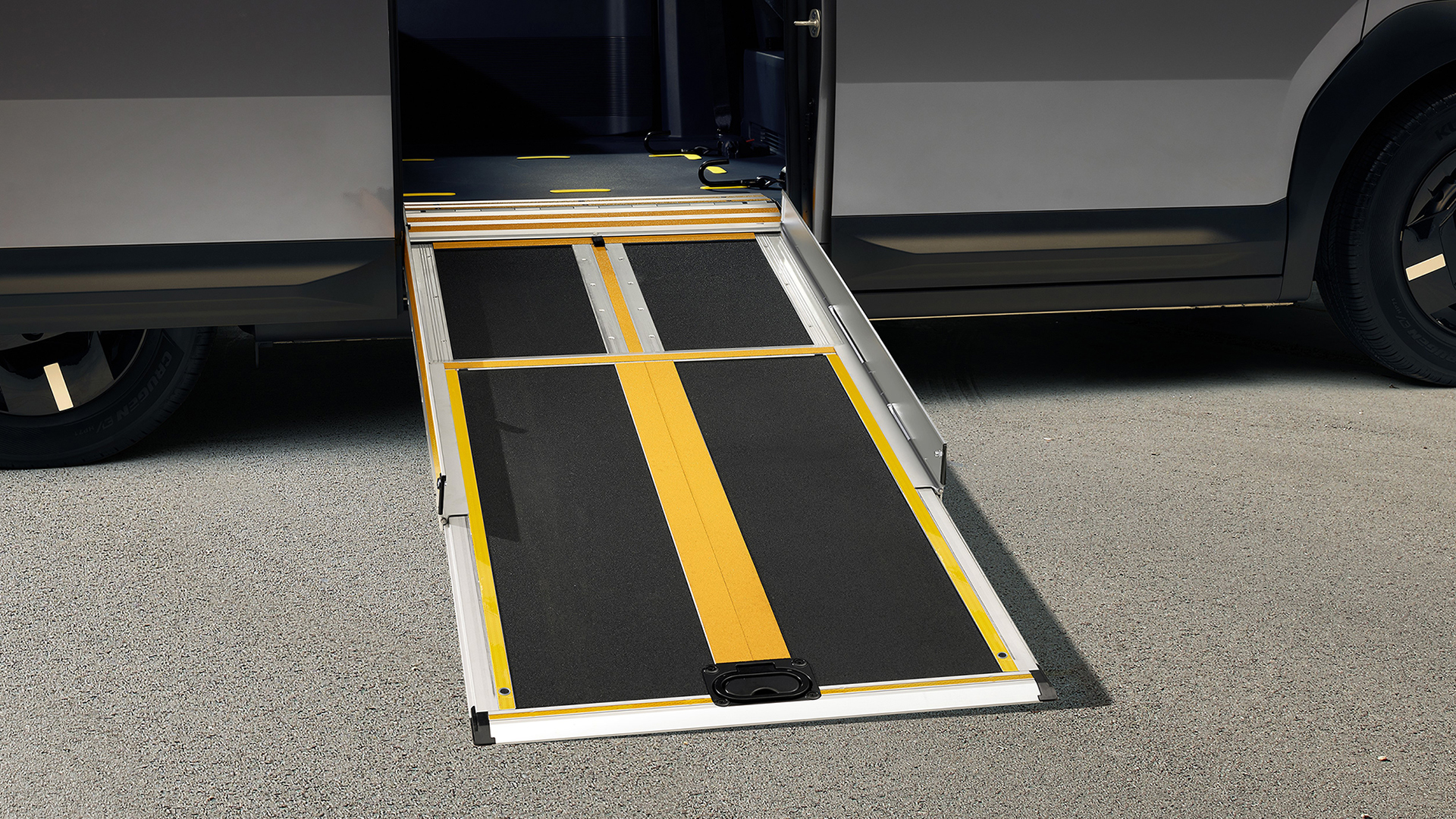
First, Hyundai Motor Group focused on user dignity as the core value that technology should pursue. The experience must be one of respect from the moment users enter the vehicle, throughout their time inside, until they exit. In conventional vehicles for people with disabilities, wheelchair users boarded through a space created by modifying the rear cargo area. In the rear, the voices of passengers sitting in the front seats were barely audible, and the vehicle’s motion felt more pronounced compared to other seats.
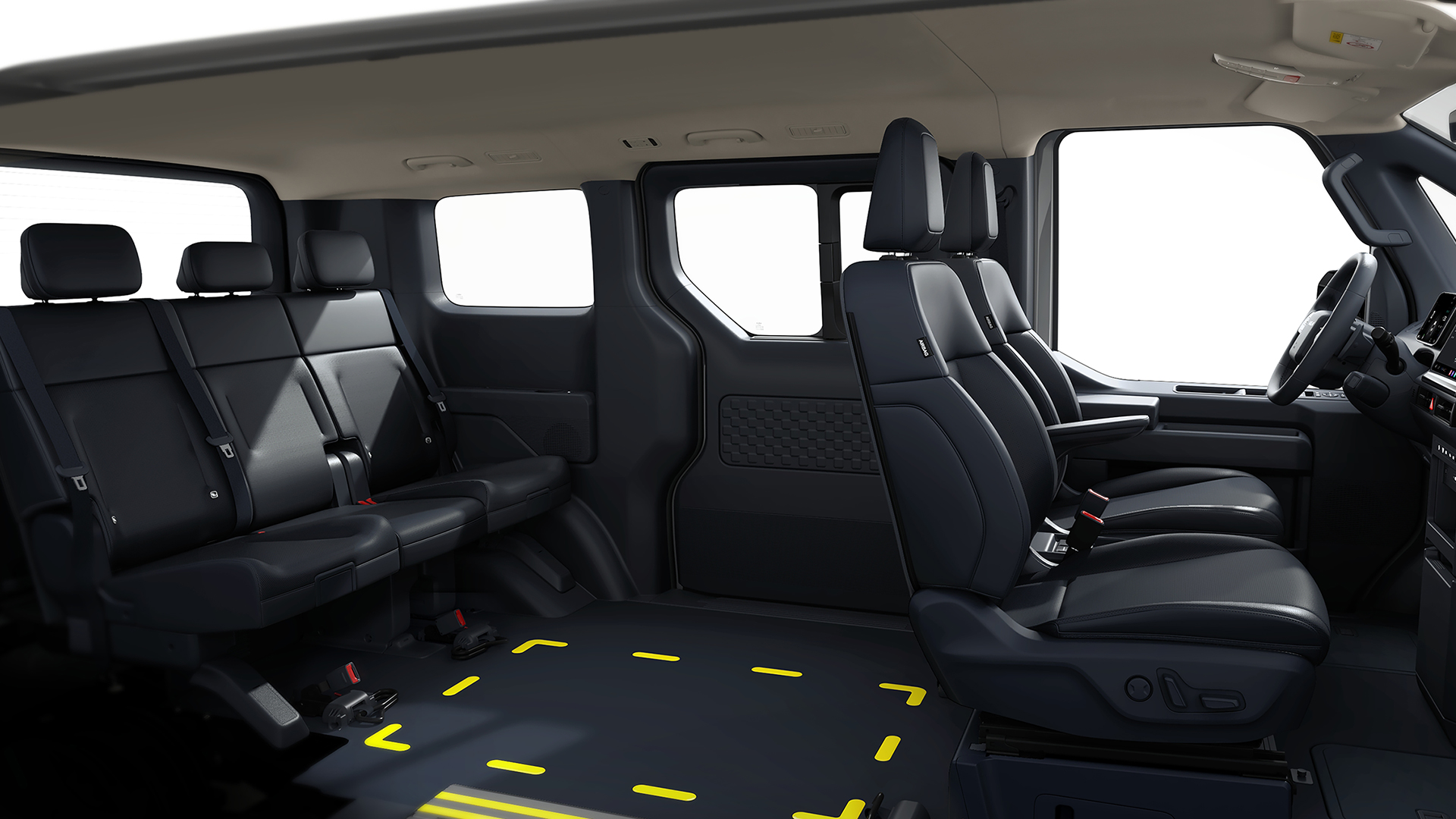
In contrast, the PV5 WAV, which features a side-entry system, allows wheelchair users to board through the same door as their family and friends. This enables them to make eye contact and converse naturally within the same space. Beyond the boarding method, the design—which allows users to travel at eye level with their companions—demonstrates that this mobility solution was designed with the user at the center from the very beginning.
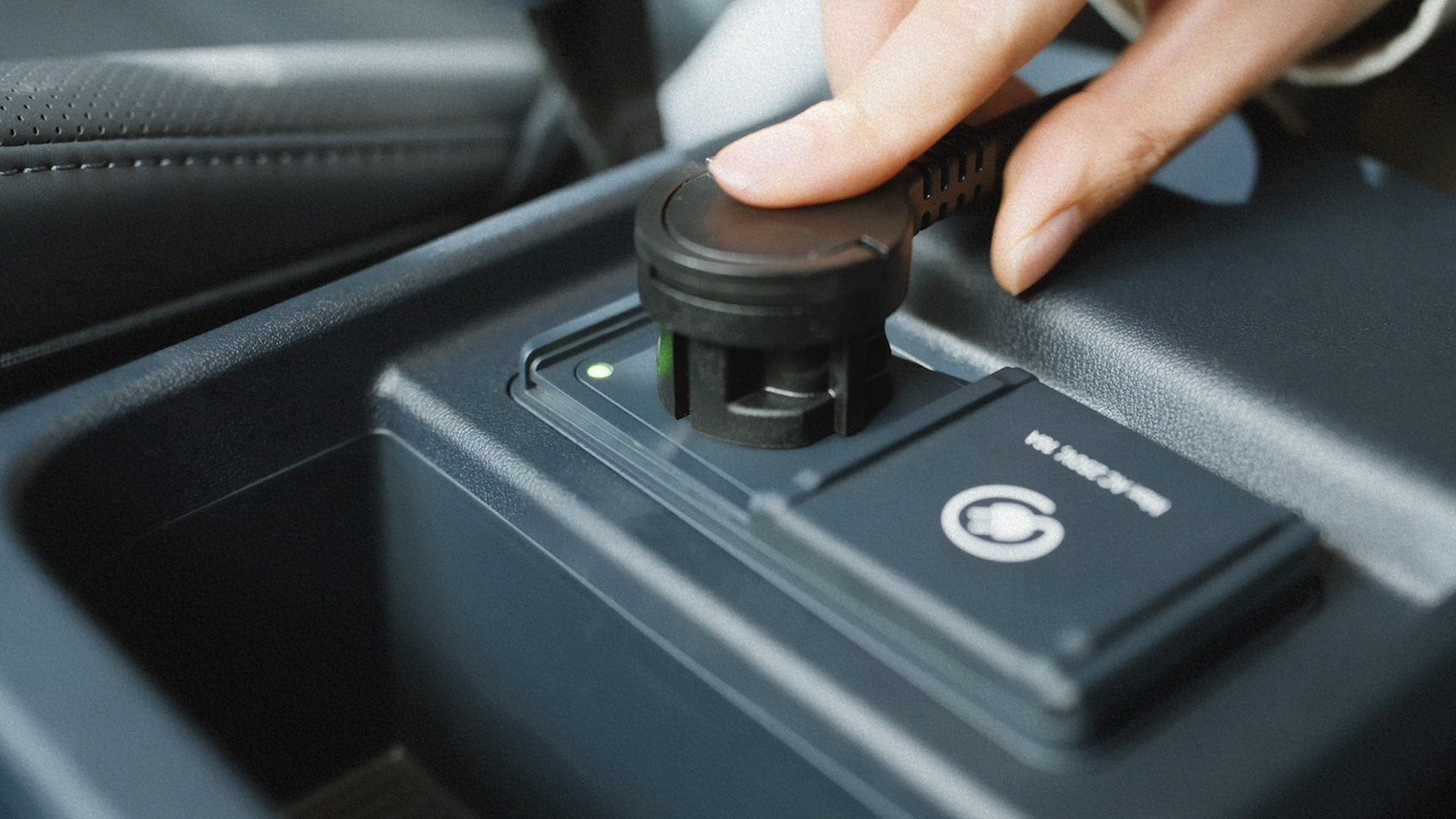
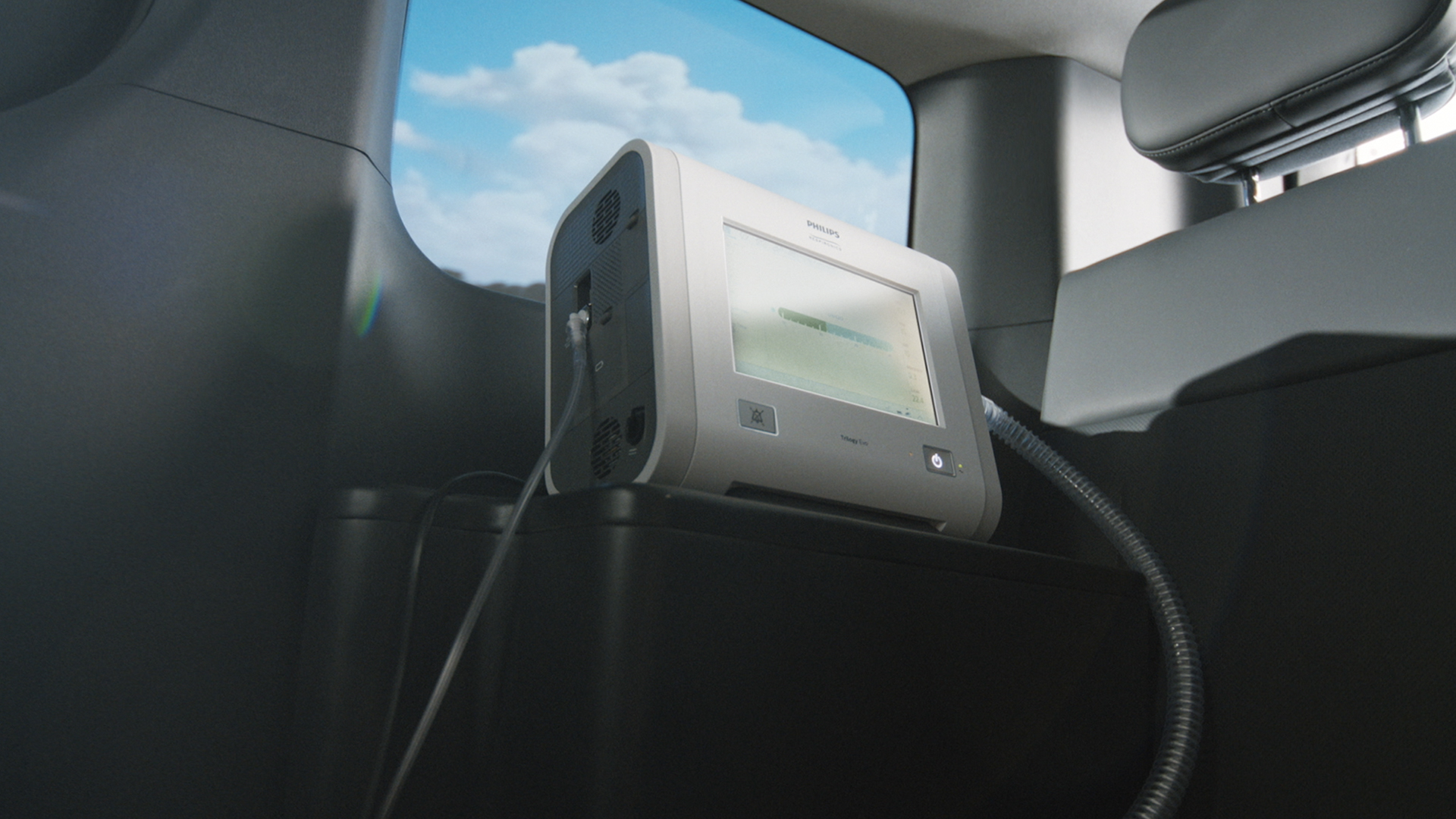
The reliable power supply provided by Vehicle-to-Load (V2L, a feature that supplies standard power to external devices) technology also adds a sense of security to travel. Medical equipment like the ventilator used by Onyu Kim requires a 24-hour power supply, which previously limited long-distance travel. The in-vehicle V2L system provides ample power so that such equipment can be used outside the vehicle without worrying about battery life. This reduces instances where travel range is limited simply because charging is difficult.
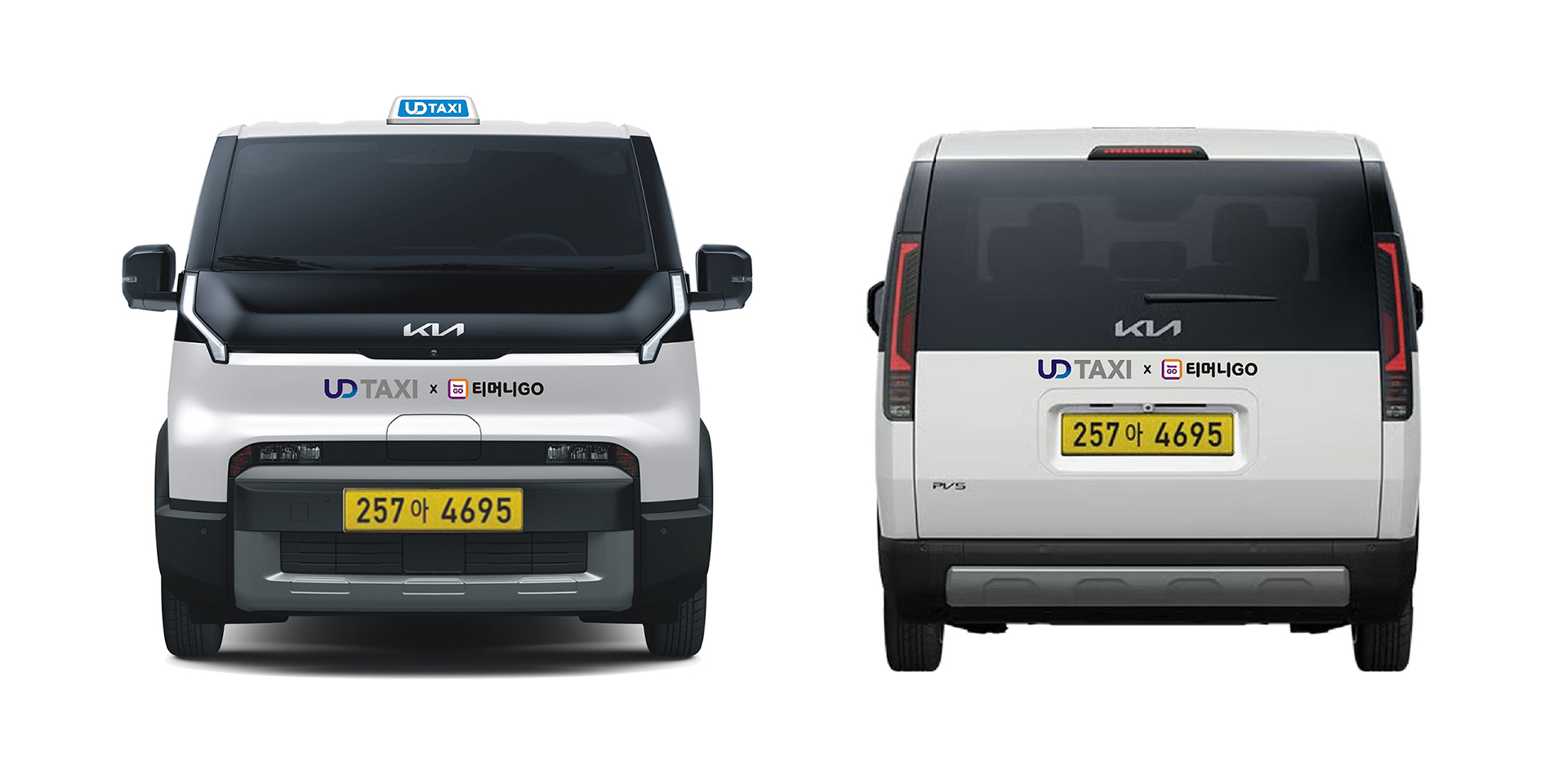
The PV5 WAV is now set to become a more frequent and reliable partner in our daily lives. Developed through a collaboration between Kia and the Seoul Metropolitan Government, the “Universal Design (UD) Taxi”—based on the PV5 WAV—began pilot operations in Seoul starting in July 2026. Universal Design, or “design for all,” refers to a design philosophy that enables as many people as possible—regardless of age, gender, nationality, or disability—to use a product safely and conveniently. This journey of using technology to lower mobility barriers and expand possibilities for everyone is already becoming a reality.
Hyundai Motor Group’s vision for inclusive mobility comes to life through Kia’s “Green Trip (Cho-rok Yeo-haeng),” a social contribution initiative aimed at improving mobility for people with disabilities. This trip by Kim family also began as an extension of Kia’s Green Trip.
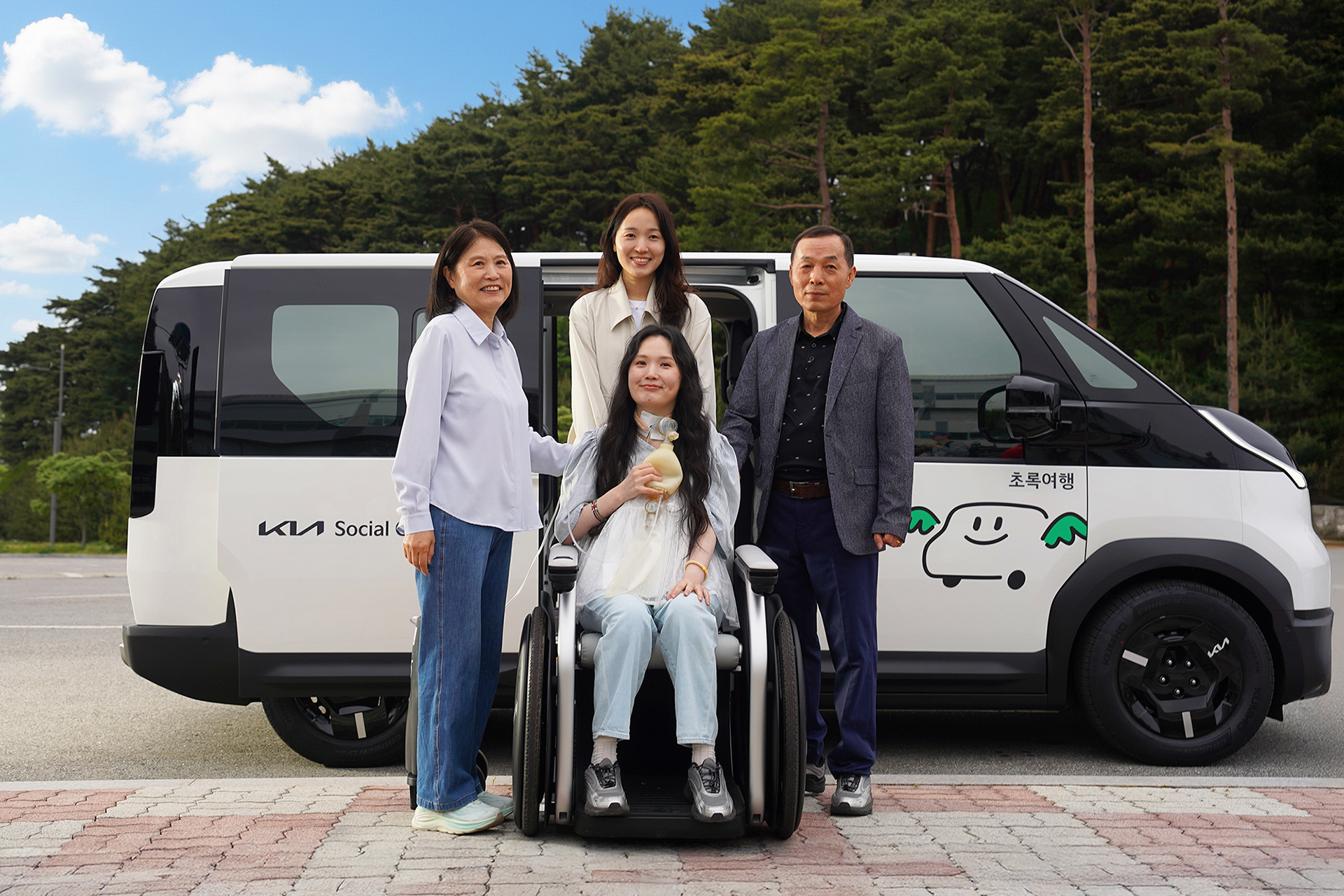
Since 2012, Kia has been providing customized mobility services—including accommodation for both electric and manual wheelchairs, as well as the option for individuals to drive themselves depending on their level of disability—to support free travel for people with disabilities. Additionally, the company operates a total of 30 vehicles nationwide year-round, including the Carnival, PV5 Passenger, and PV5 WAV. Through this program, Kia has provided vehicles and travel opportunities to those who previously found it difficult to travel due to limitations in accessible facilities.
In our society, there are many people for whom the very word “travel” feels unfamiliar luxury due to costs, difficulties in using public transportation, and, above all, the lack of disability-friendly transportation and accessible facilities. In fact, according to the 2024 “National Travel Survey” by the Ministry of Culture, Sports and Tourism and the “Panel Survey on the Lives of People with Disabilities” by the Korea Disability Policy Development Institute, while the rate of domestic travel among people without disabilities exceeds 90%, the rate among people with disabilities remains significantly low—a reality that has persisted for some time.
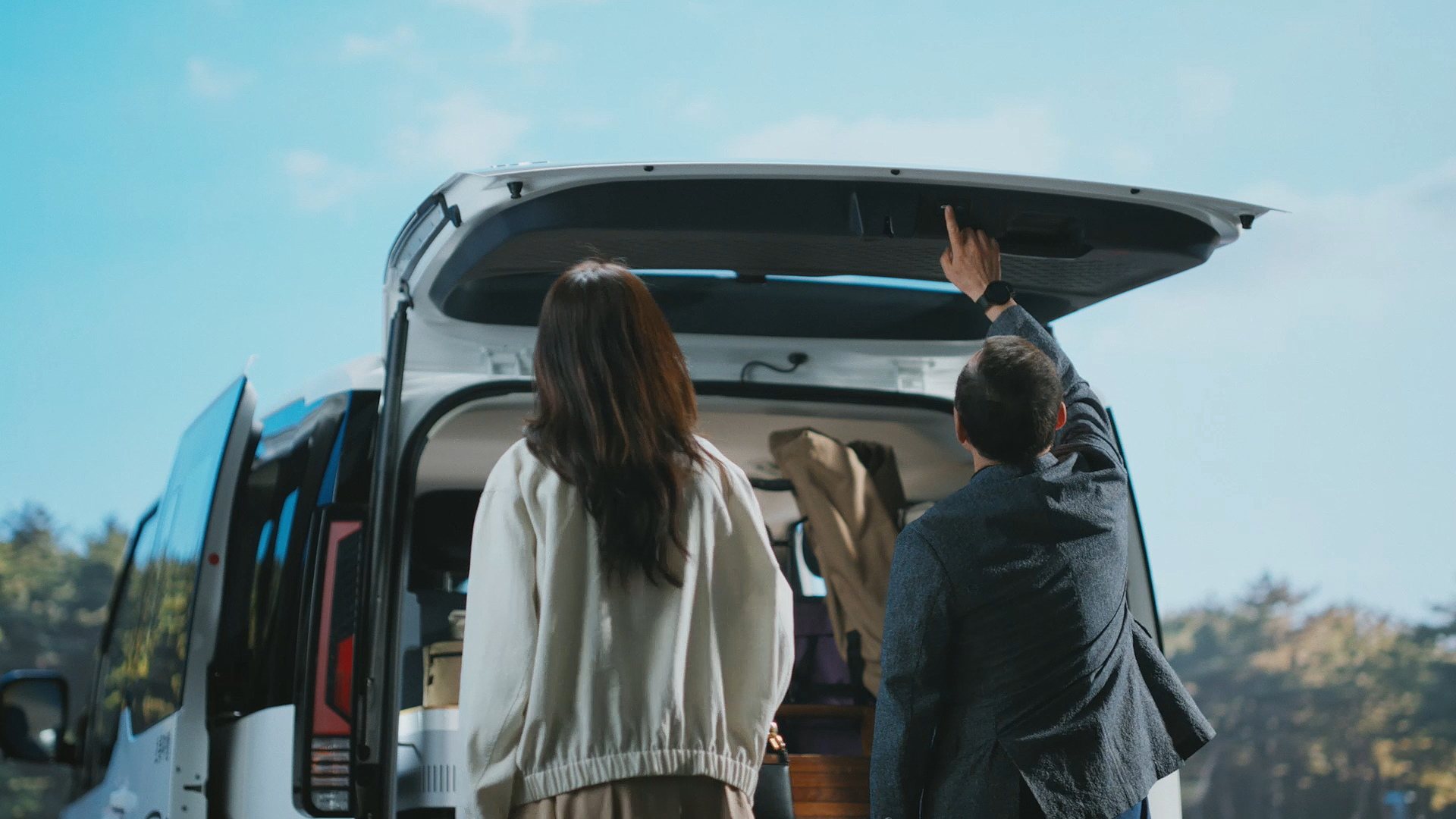
Green Trip was launched to bridge this gap in experiences. As of June 2026, more than 110,000 customers have traveled over 7.27 million kilometers together since 2012, creating more than 57,000 days of special memories. All vehicles provided by Green Trip are equipped with hand controllers that assist people with disabilities in driving themselves, allowing them to take the lead in planning and embarking on the trips they desire.
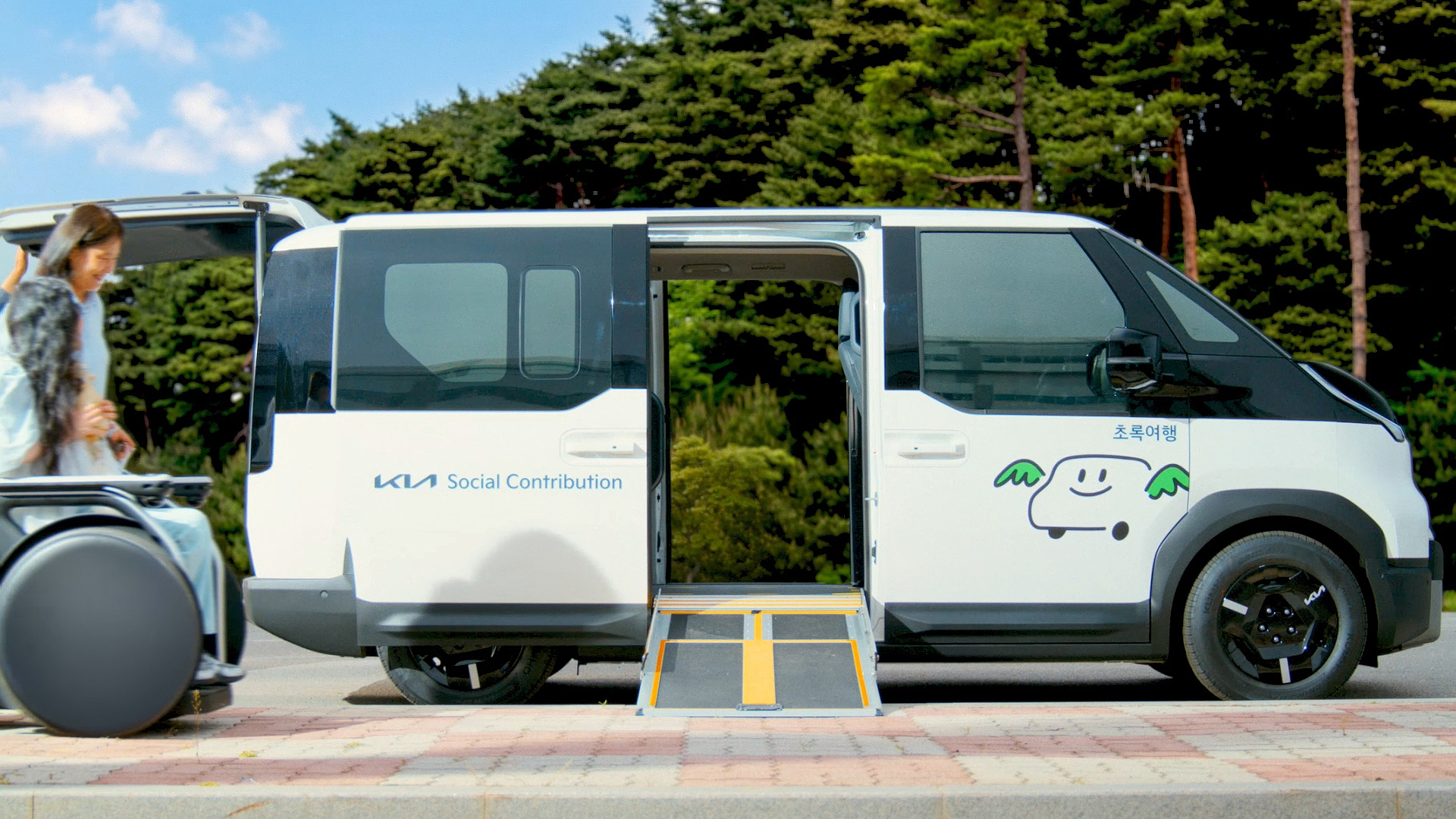
Last March, Kia donated four PV5 WAVs to the Green Trip program, enhancing accessibility for people with mobility challenges. Green Trip, which has primarily supported the mobility of people with disabilities who face transportation difficulties, has expanded its service scope to include individuals with severe respiratory disabilities—such as Onyu Kim —and users of medical devices requiring 24-hour power, by leveraging the PV5 WAV’s spacious interior and Vehicle-to-Load (V2L) technology. Green Trip is making “free travel” a reality in its truest sense, enabling any person with a disability who wishes to travel to freely explore wherever they desire alongside family and friends.
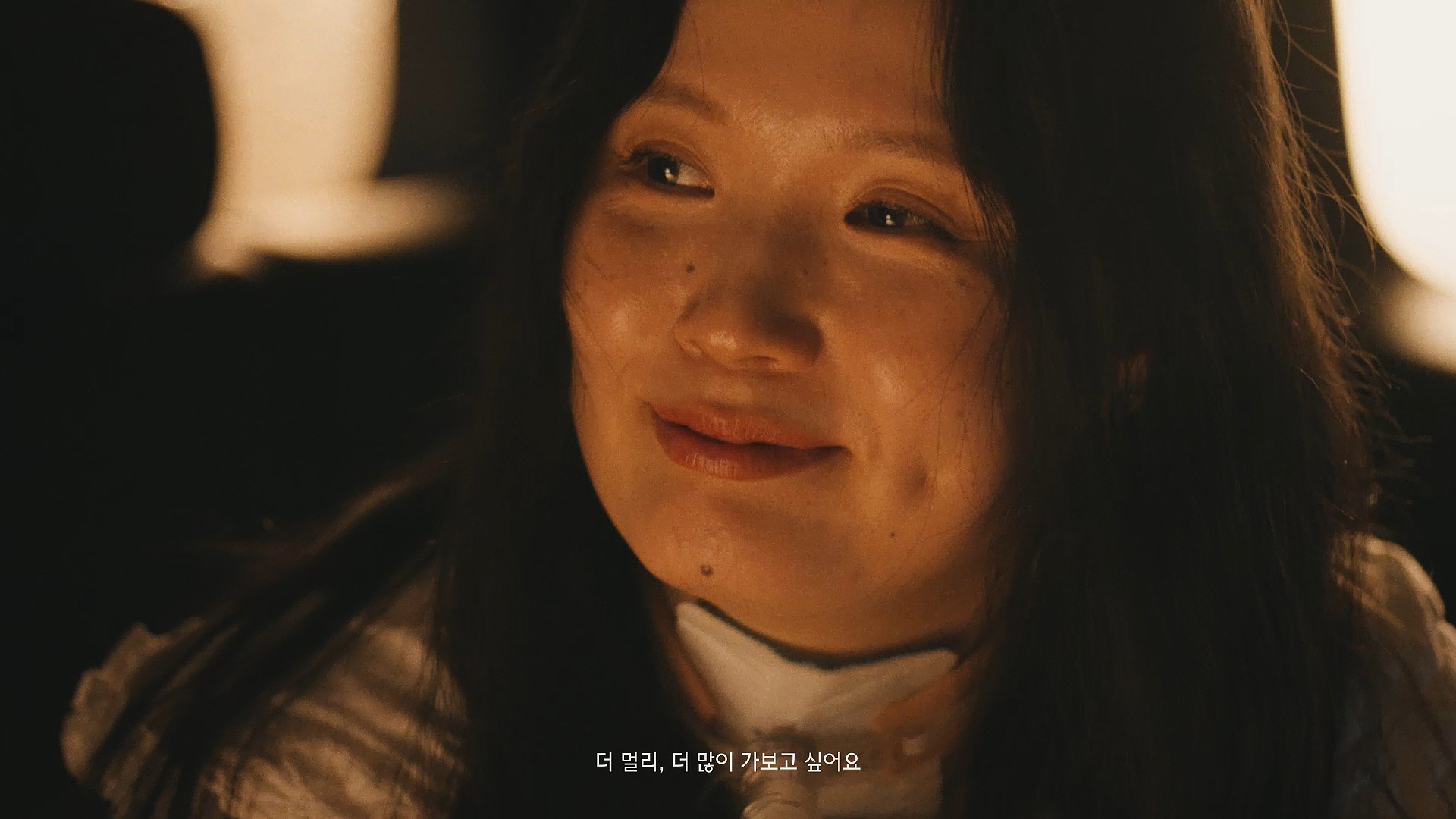
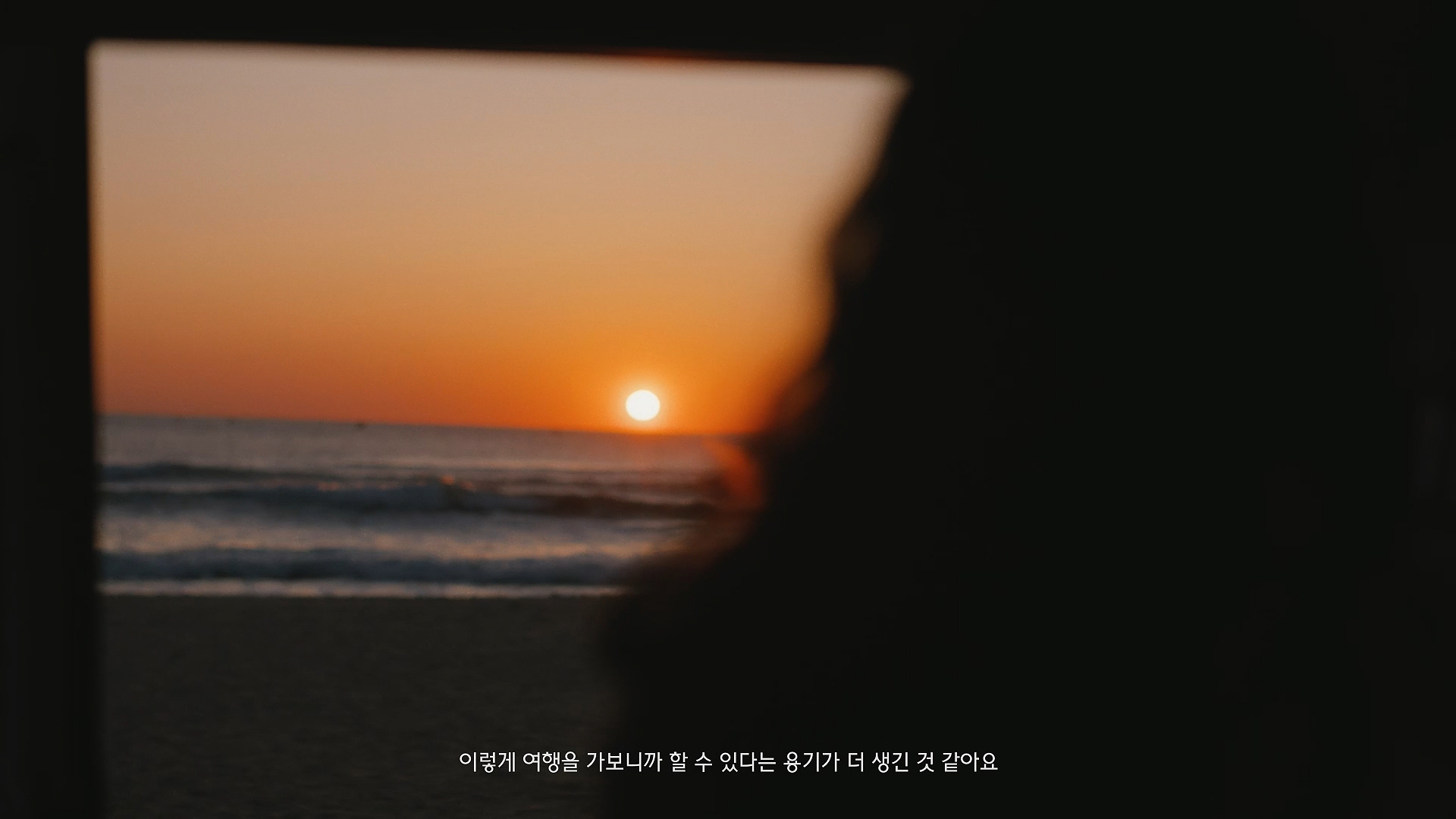
After the trip, Onyu Kim shared her thoughts, saying, “Coming here has given me the courage to believe I can make my wishes come true,” and adding, “I want to go farther and see more.” The image of her freedom, once captured on canvas by her sister, artist Juyoung Kim, has now become a daily reality where the whole family can face the real sea together, thanks to PBV technology. The moment when the dream of going anywhere—which had previously existed only in a painting—became the reality of the sea breeze, technology finally proved its reason for being.
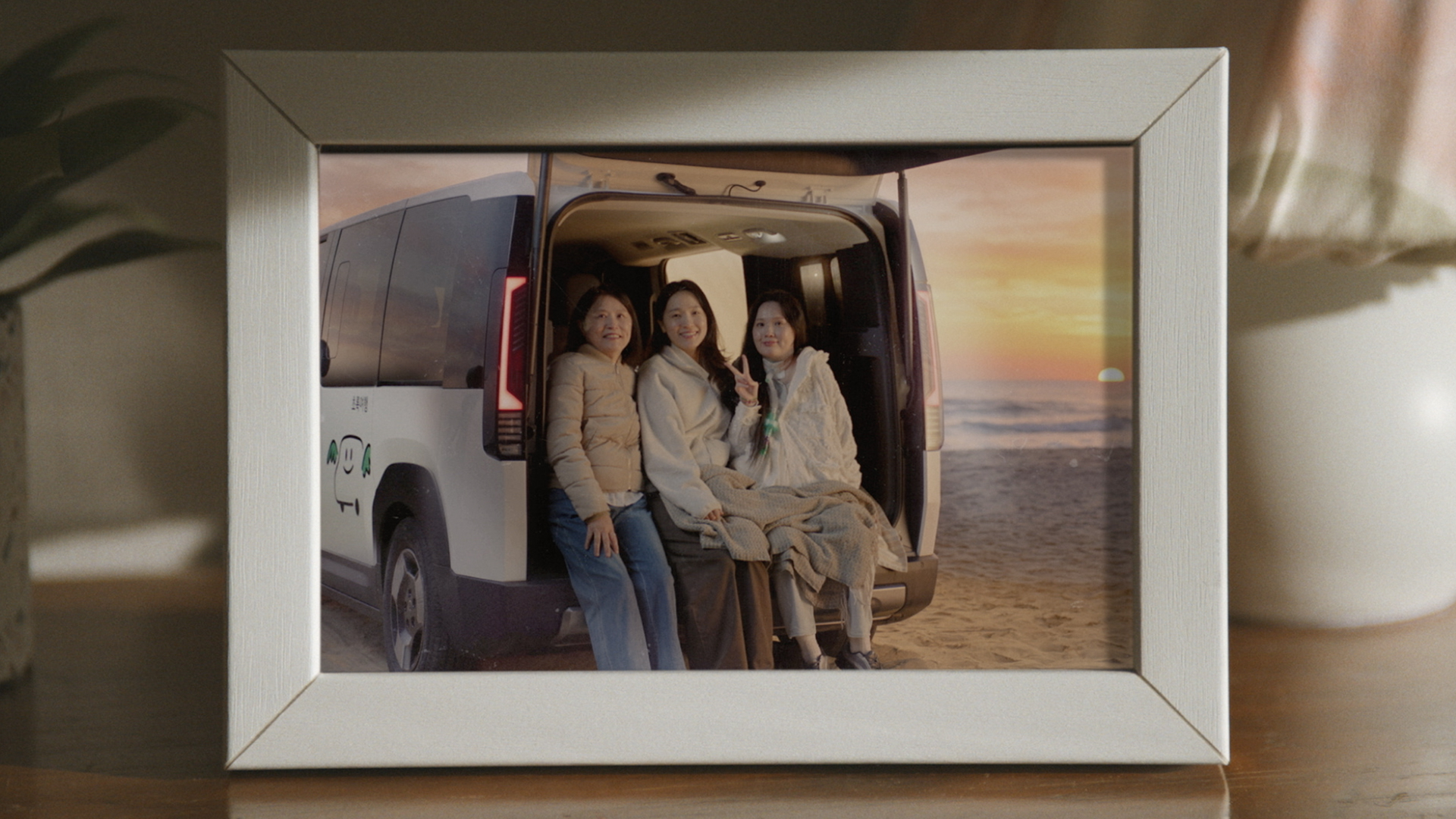
The essence of the future mobility envisioned by Hyundai Motor Group is not a race for speed. It is about “enabling people to travel ‘with’ space when they cannot leave it behind,” and safeguarding the dignity of all beings so that each individual’s unique circumstances do not become limitations on their lives. Based on a human-centered philosophy that adapts technology to users’ lives, Hyundai Motor Group is quietly shaping a future of mobility where everyone can equally enjoy the freedom of movement.
*Anyone with limited mobility who dreams of diverse, barrier-free travel—like the Kim family featured in the video—can experience the PV5 WAV through Green Trip. Detailed information on vehicle rentals and travel support, as well as reservations, can be found on The official Green Trip website and via the dedicated app.