How Hyundai Motor Group’s Hydrogen and Robotics Tech Powered the Genesis Le Mans Debut
- Hyundai Motor Group
- 2026.07.02 (KST)
- 분량8min
- 조회수 5,829Views
- Hyundai Motor Group’s hydrogen and robotics divisions supported Genesis Magma Racing at the endurance event
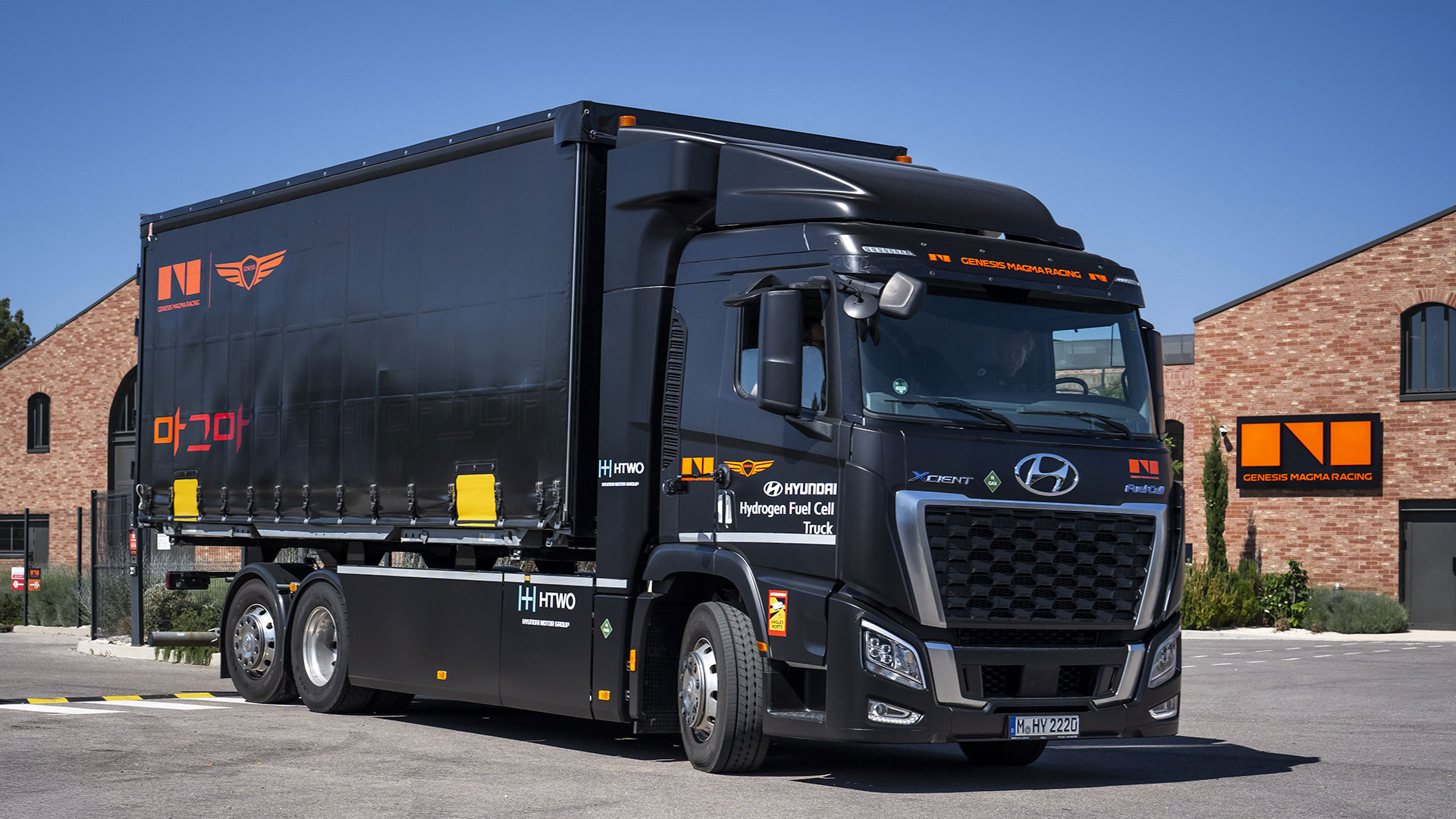
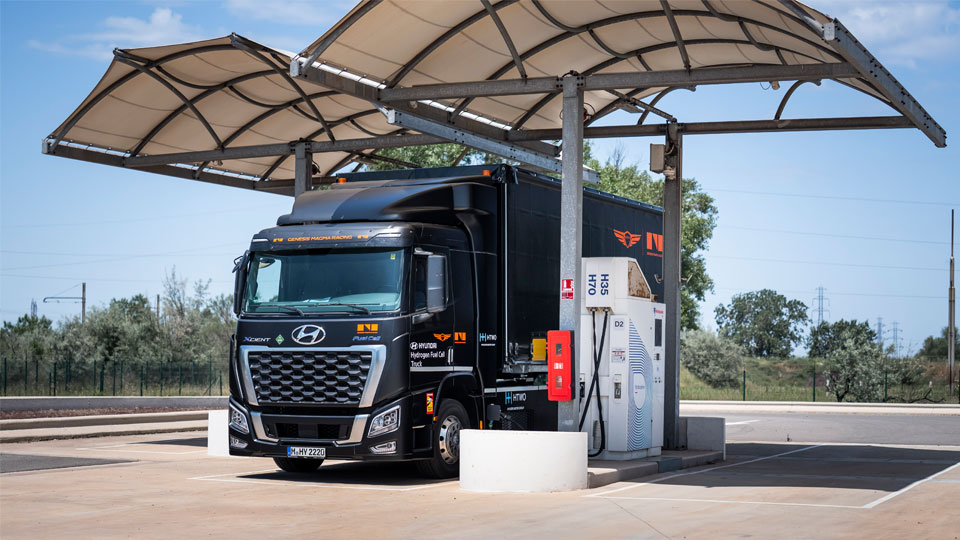
- XCIENT Fuel Cell Class-8 heavy-duty truck deployed to pilot zero-tailpipe-emission freight operations, paving the way for lower-carbon motorsport logistics
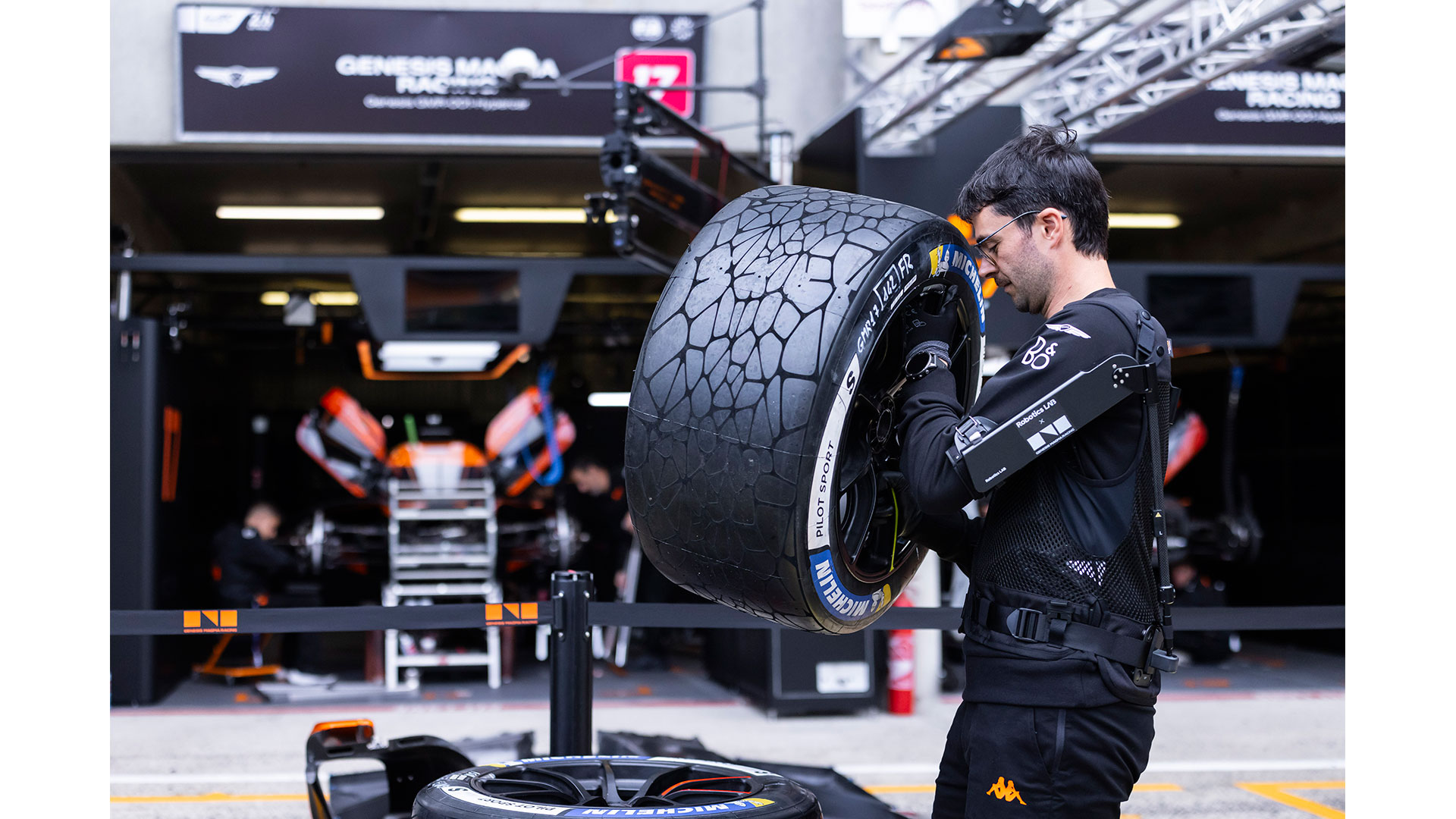
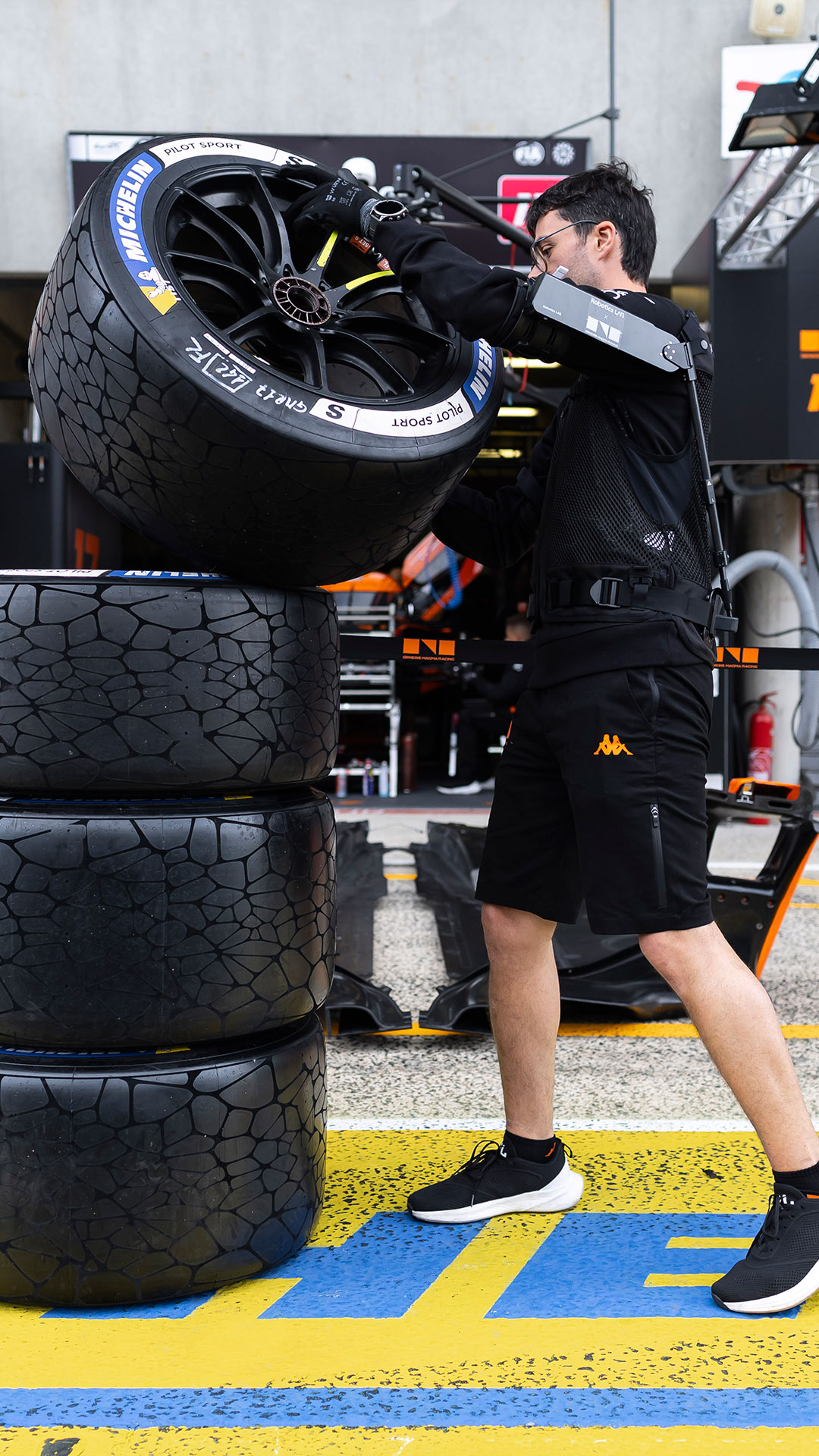
- X-ble Shoulder wearable robot deployed to reduce shoulder joint load for pit crew members
SEOUL, July 2, 2026 – Hyundai Motor Group (the Group)’s robotics and hydrogen logistics divisions provided powerful support for Genesis Magma Racing’s historic completion of the 24 Hours of Le Mans Hypercar class.
The racing team made its debut in the top tier of competition at the 94th running of the event, held June 13–14 at the Circuit de la Sarthe in Le Mans, France. While the GMR-001 Hypercar #19 marked a landmark moment in Korean motorsport history on the track, two key innovations — the XCIENT Fuel Cell Class-8 heavy-duty truck and the X-ble Shoulder industrial wearable robot — enabled success behind the scenes.
"At this year's 24 Hours of Le Mans, Hyundai Motor Group demonstrated its collaborative efforts to support Genesis Magma Racing's motorsport operations. Hydrogen-powered logistics and wearable robotics that are ready to scale enhanced the team's off-track efficiency, while the Genesis Box Buggy Concept offered a glimpse into the Group's vision for an elevated, customer-centric experience even in demanding environments such as the racetrack." – Luc Donckerwolke, President and Chief Creative Officer of Hyundai Motor Group.
How Did Hydrogen Power Support the Race Team?
Running a professional racing team demands a massive logistical operation. To meet this challenge sustainably, Hyundai Motor Group deployed its XCIENT Fuel Cell truck for all freight and logistics supporting Genesis Magma Racing.
The XCIENT Fuel Cell truck transported the team’s test equipment, spare parts and precision engineering instruments throughout the Le Mans event with zero tailpipe emissions. This demonstrated the real-world viability of hydrogen-powered logistics on one of motorsport’s most prestigious global stages. As the world’s first mass-produced hydrogen fuel cell heavy-duty truck, the vehicle is currently operating across five European countries with a combined fleet of 175 units with a cumulative driving distance exceeding 21.8 million kilometers.
How Did Robotics Assist the Pit Crew?
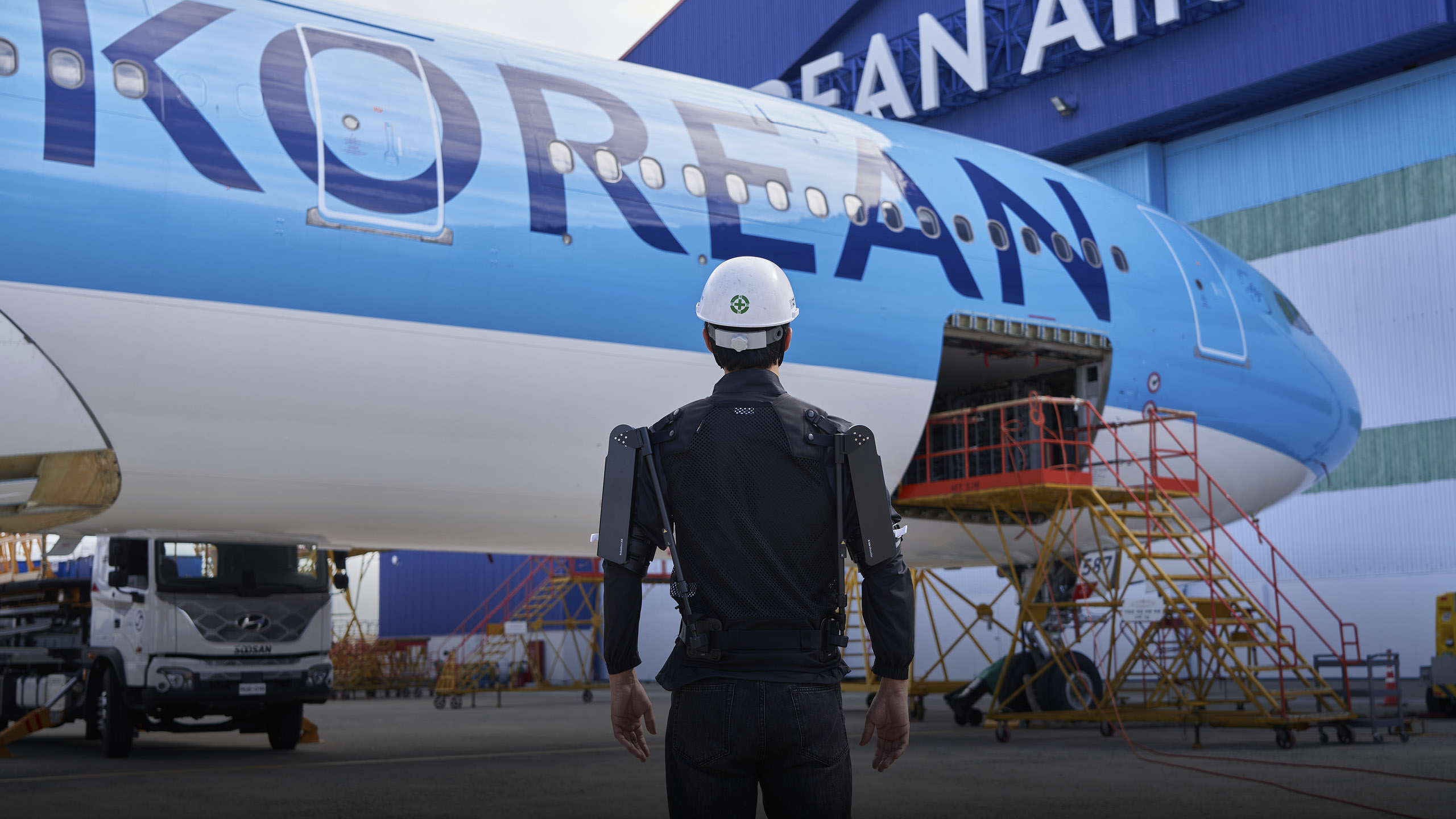
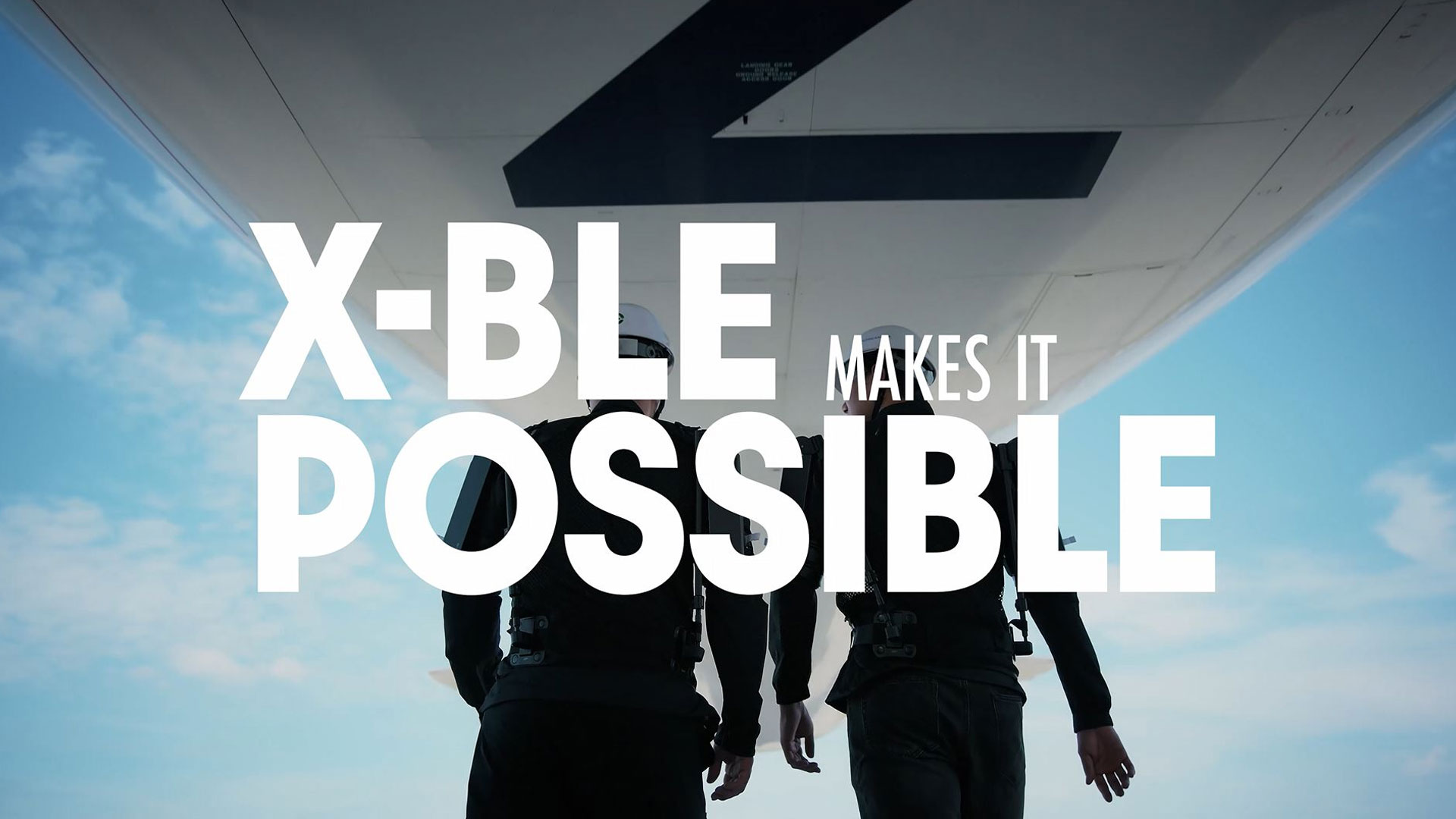
Keeping pit crew members in peak physical condition throughout a grueling 24-hour race is a critical strategic factor. To alleviate the physical demands placed on the crew, Hyundai Motor Group deployed the X-ble Shoulder — an industrial wearable robot developed by Hyundai Motor Company and Kia Corporation's Robotics LAB.
Key benefits include:
· High-Volume Load Management: Each tire on the GMR-001 Hypercar weighs approximately 13 kilograms, and crew members handle up to 56 tires per car.
· Reduced Shoulder Strain: The X-ble Shoulder reduces shoulder joint load by up to 60 percent.
· Decreased Muscle Fatigue: It also decreases anterior and lateral deltoid muscle activity by approximately 30 percent, assisting crew members during tire and equipment handling.
The deployment underscores the Group’s vision for applying wearable robot technology beyond factory settings to support safer, more efficient work in a broader range of industries.
What Did Genesis Reveal for Future Mobility?
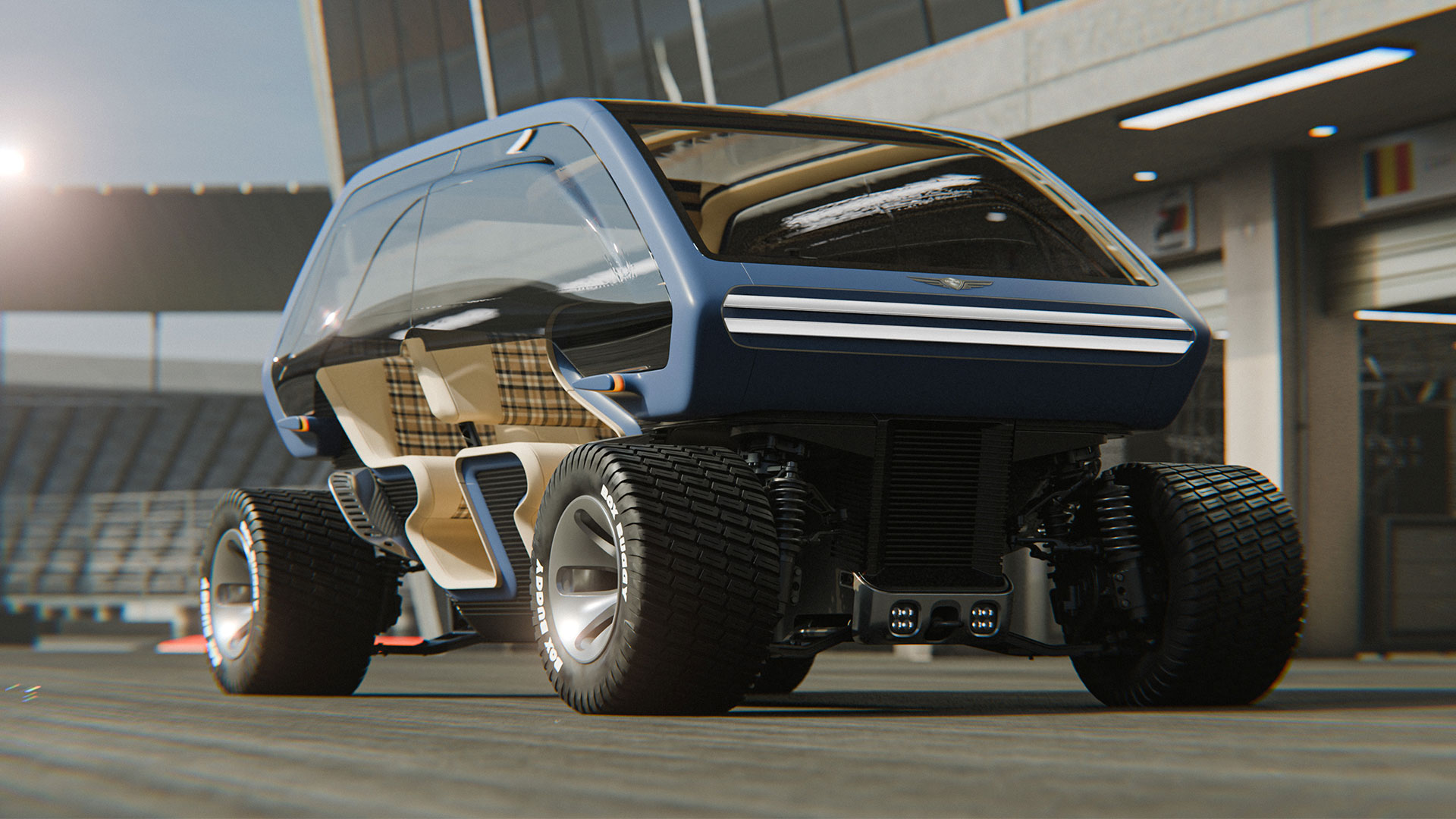
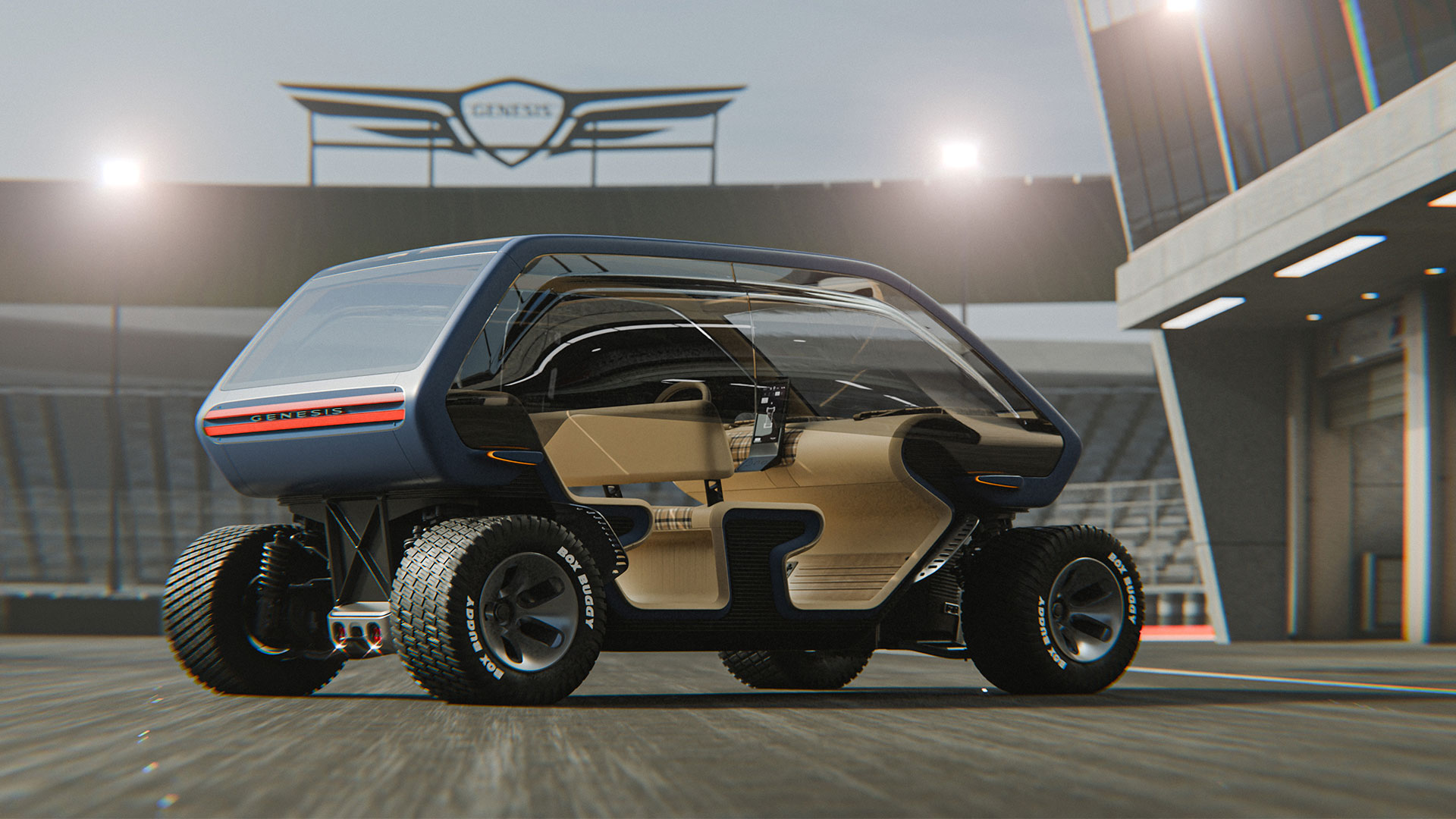
Away from the high-speed intensity of the track, Genesis offered a global debut of its Genesis Box Buggy Concept in the Circuit de la Sarthe paddock.
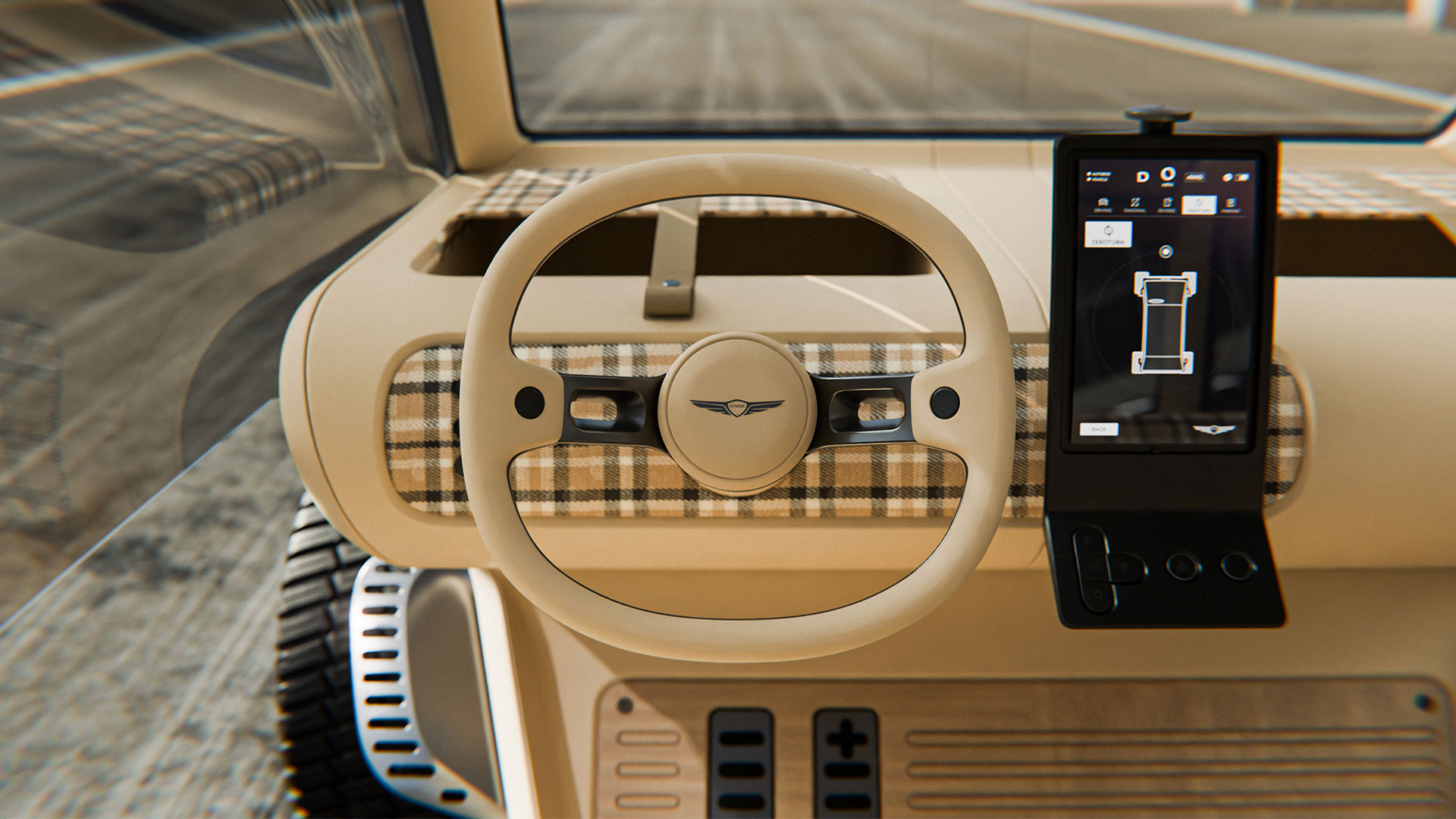
Unveiled by Luc Donckerwolke, President and Chief Creative Officer of Hyundai Motor Group, the avant-garde “paddock vehicle” served as a highly visible VIP shuttle in the pit lane throughout the 24 Hours of Le Mans weekend. The buggy is built on an advanced mobility platform featuring Hyundai Mobis’s cutting-edge e-Corner system. By integrating steer-by-wire technology into each wheel, the system allows the wheels to rotate up to 90 degrees independently, enabling the vehicle to crabwalk laterally and spin 360 degrees on its own axis to navigate the tight confines of a crowded paddock.
Featuring a distinctive trapezoidal exterior that seamlessly integrates Genesis’s signature two-line lamp design DNA, the high-performance concept also showcased a luxurious interior wrapped in a custom tan tartan fabric. While serving as a functional, 160-horsepower utility vehicle at Le Mans, the Box Buggy captivated audiences beyond the racetrack.