The video “A Safer Way Home” vividly conveys the tension and gravity of a fire scene through the language and perspective of firefighters. Pal-soon Im, Rescue Team Leader, who provides the narration, delivers the line “a place from which we may never return” in a matter-of-fact tone that lingers long after the words are spoken, while the footage serves as a reminder that the ultimate goal of disaster response is “ensuring people return safely.” The video naturally captures the fact that the safety of citizens and firefighters are intertwined, as well as the role technology can play at that intersection, leaving viewers with much to ponder.
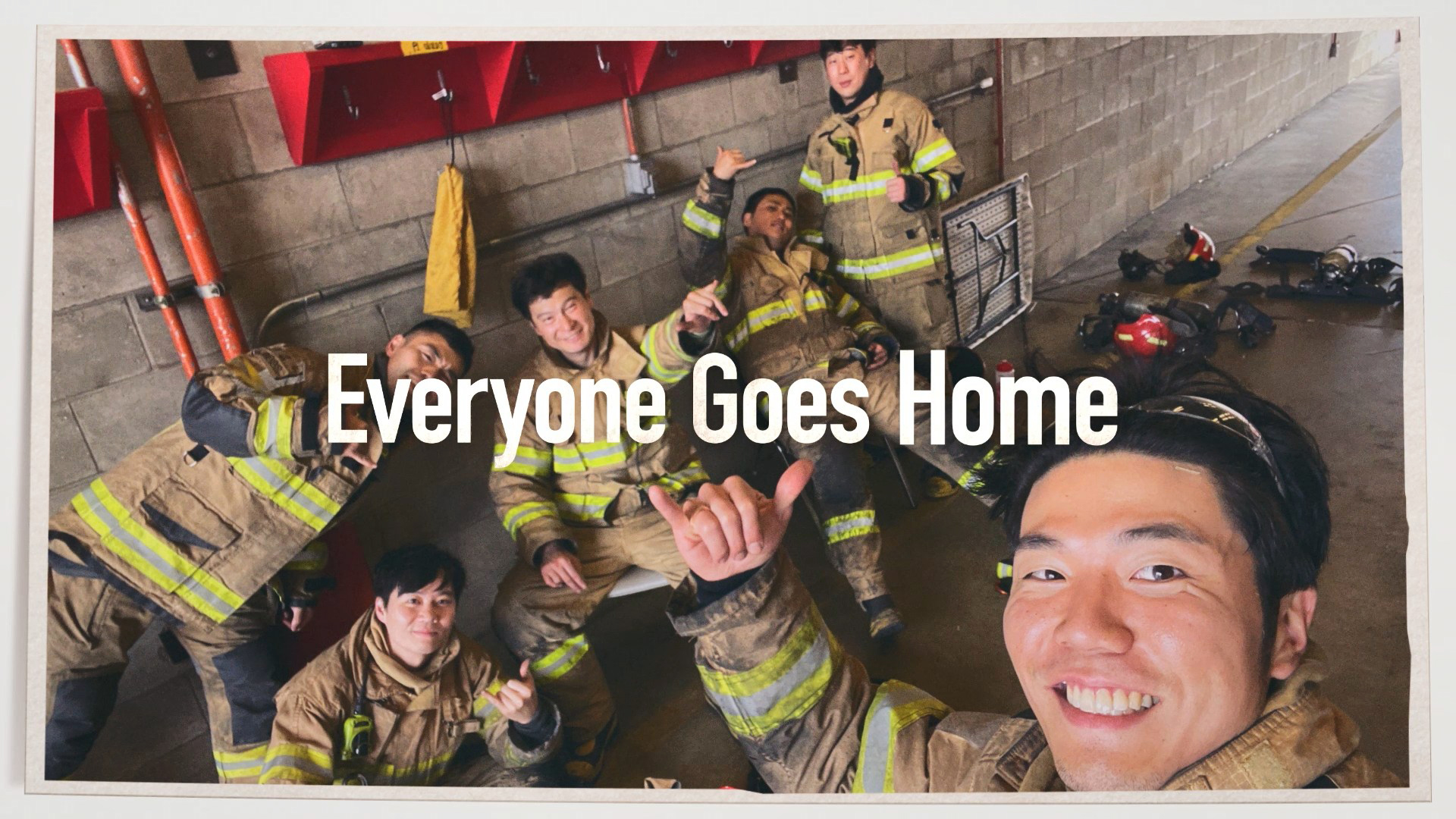
Hyundai Motor Group pondered: “Can we use our capabilities to make the environment for firefighters safer?” To protect the smiles of firefighters in their soot-stained uniforms and ensure that every firefighter deployed to high-risk fire scenes returns home safely, a special solution unlike anything seen before was needed. To achieve this, Hyundai Motor Group, together with its affiliates—including Hyundai Motor Company, Kia, Hyundai Mobis, and Hyundai Rotem—collaborated with the National Fire Agency to develop the “Unmanned Firefighting Robot.”
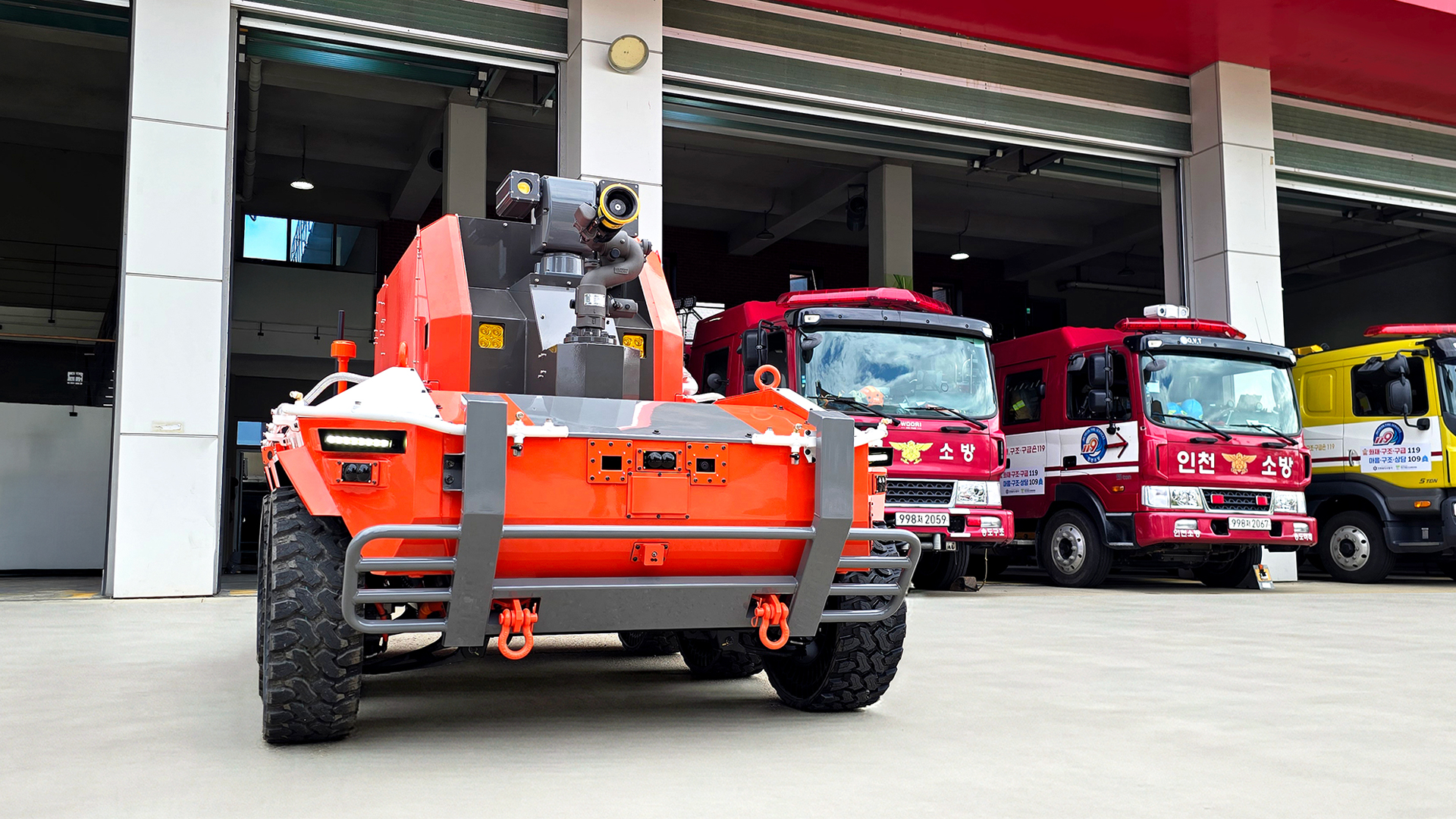
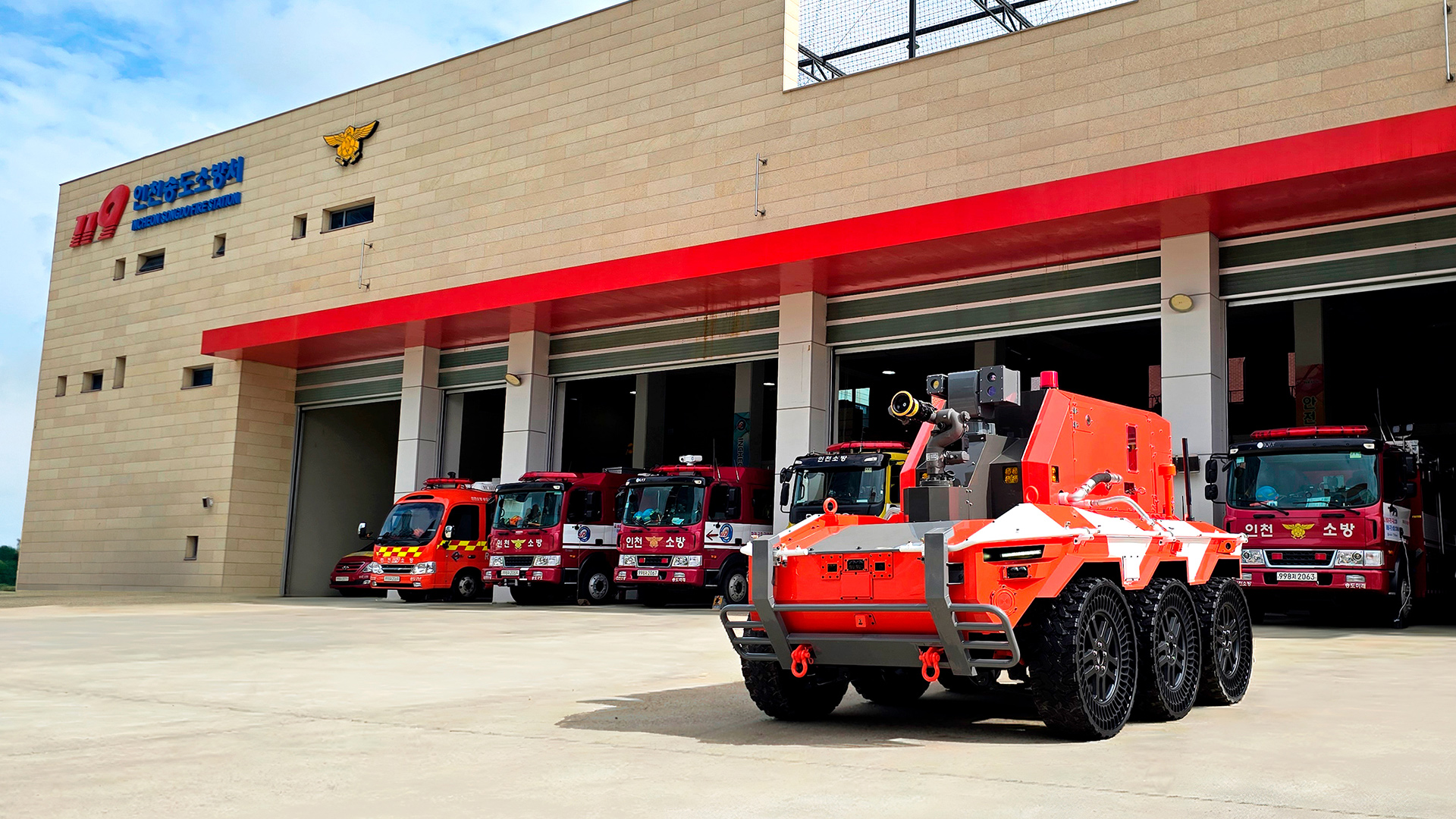
The foundation of the Unmanned Firefighting Robot is the “HR-Sherpa,” a dual-use civilian/military multipurpose unmanned vehicle developed by Hyundai Rotem. First introduced as a concept in 2019, it was delivered in July 2021 as Korea’s first military unmanned vehicle. It supports both remote control via a controller and autonomous driving, and on-site, the robot performs various roles depending on the equipment mounted on its upper body. It is a robot that truly lives up to the term “multi-purpose,” capable of performing a wide range of tasks, from defense operations to transporting supplies and patients all at once.
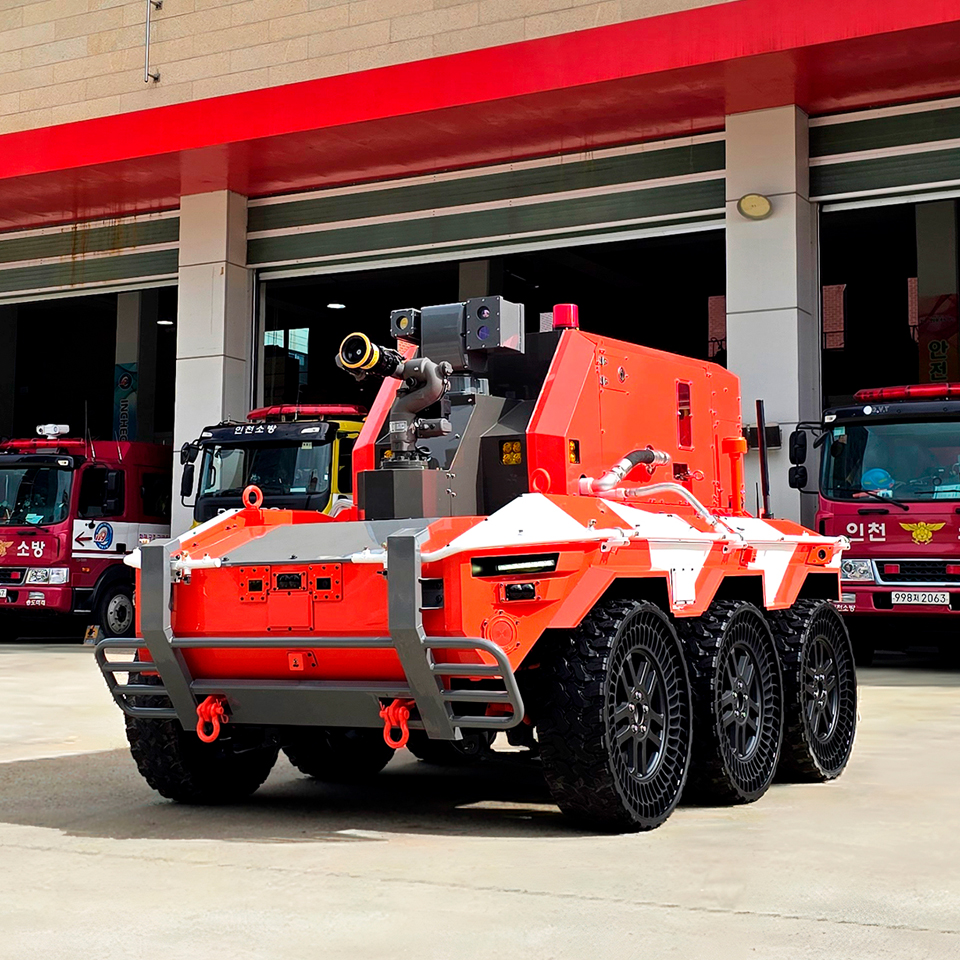
Another advantage of this robot is its mobility. It traverses rough terrain using a total of six wheels. The secret lies in the “In-Wheel Motor System” developed by Hyundai Mobis. Each wheel is equipped with an electric motor, allowing all wheels to drive independently. As a result, it can change direction by turning the front wheels like a conventional car, and in tight spaces, it can even perform a 360° spin to escape.
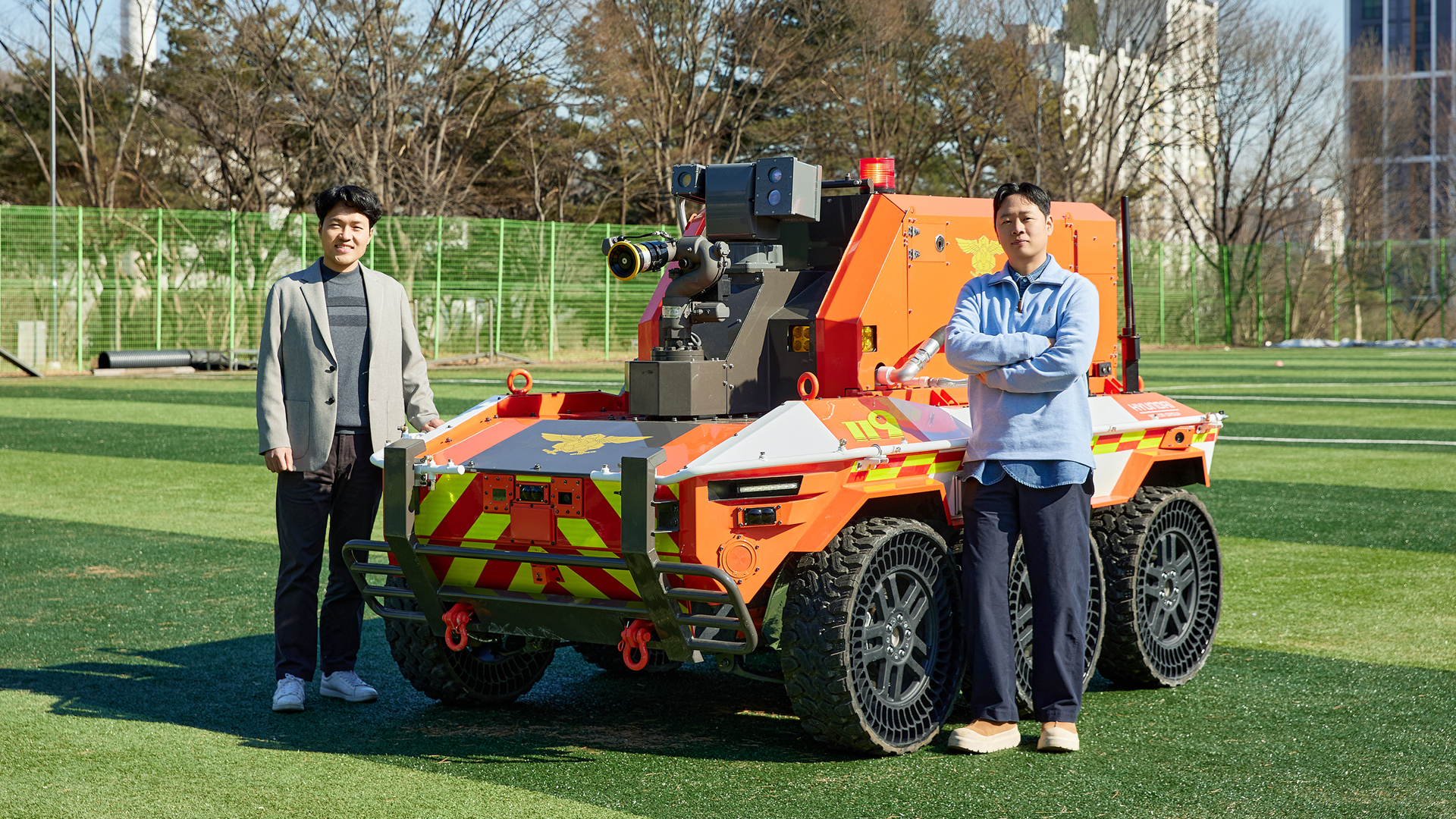
The Unmanned Firefighting Robot was developed by integrating key equipment—such as an advanced driver assistance system (ADAS), AI Vision-enhancing Cameras, High-Pressure Self-illuminating Hose Reels, and a 6×6 In-wheel Motor System—into a multi-purpose unmanned vehicle. So, what was the process behind the creation of this Unmanned Firefighting Robot? To hear the full story, we met directly with Jeong-woo Oh, a senior researcher at Hyundai Rotem, and Kyung-ho Shin, a senior researcher at Hyundai Mobis, both of whom participated in the planning of the Unmanned Firefighting Robot.
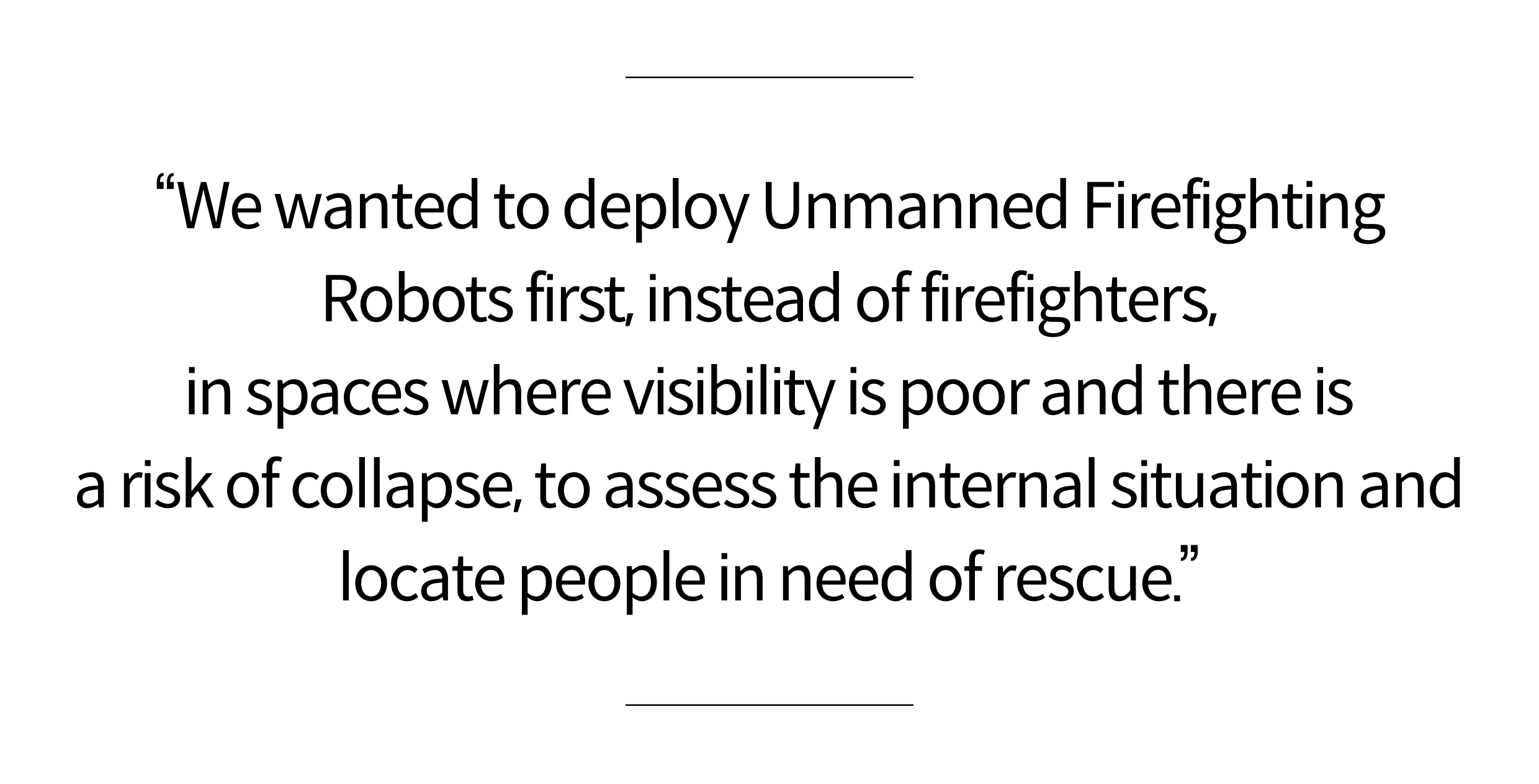
The Unmanned Firefighting Robot was developed from the perspective of its actual users: firefighters. The top priority was to use technology to resolve the difficulties firefighters face when responding to incidents. Senior Researcher Jeong-woo Oh focused on “securing visibility” at fire accident sites. “I’ve often heard that when firefighters are dispatched to enclosed fire scenes, they are unable to enter because they can’t see anything ahead due to thick smoke. We wanted to deploy the Unmanned Firefighting Robot first, in place of firefighters, in spaces where visibility is difficult and there is a risk of collapse—such as factory fires—to assess the internal situation and search for people in need of rescue.”
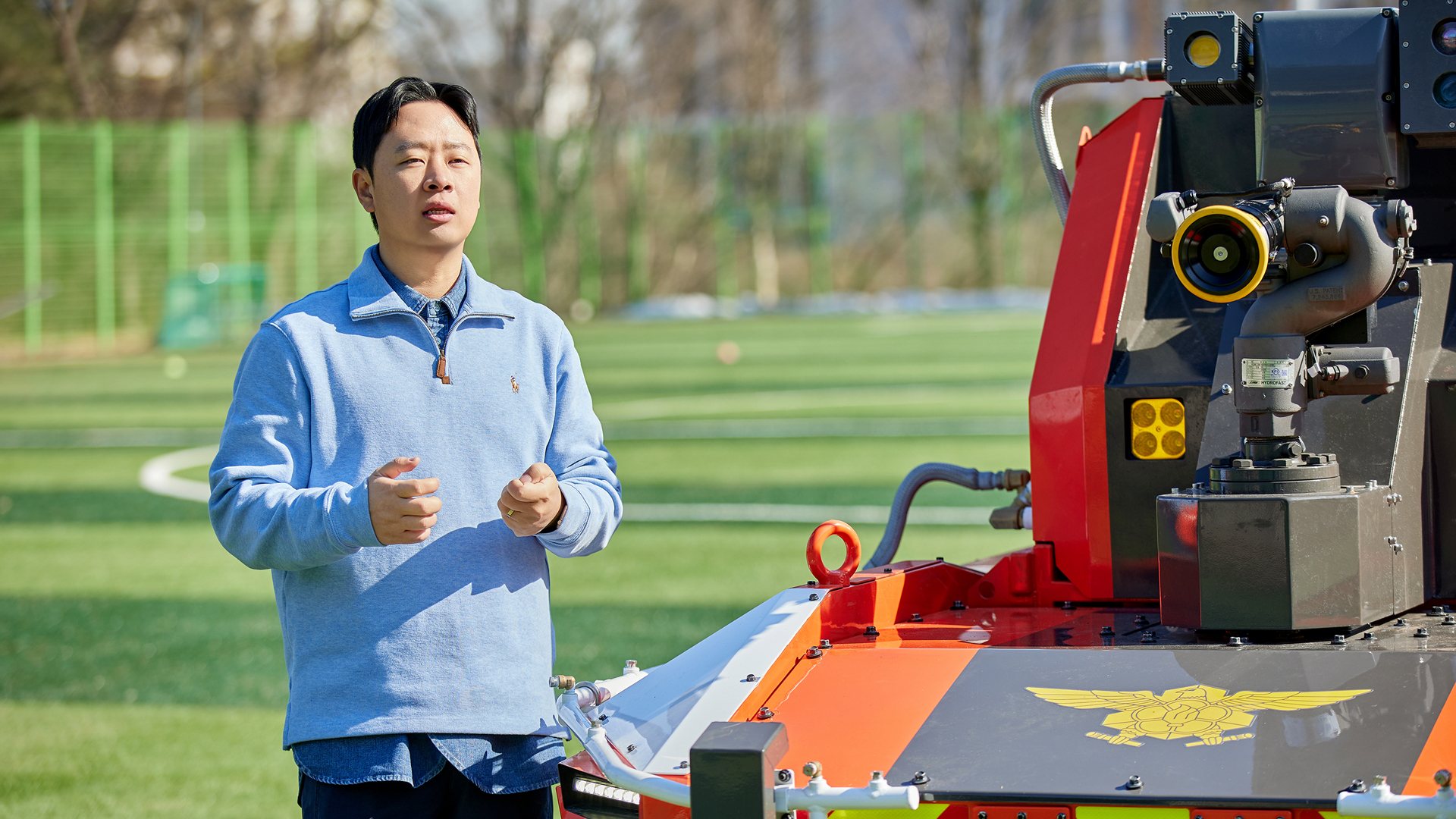
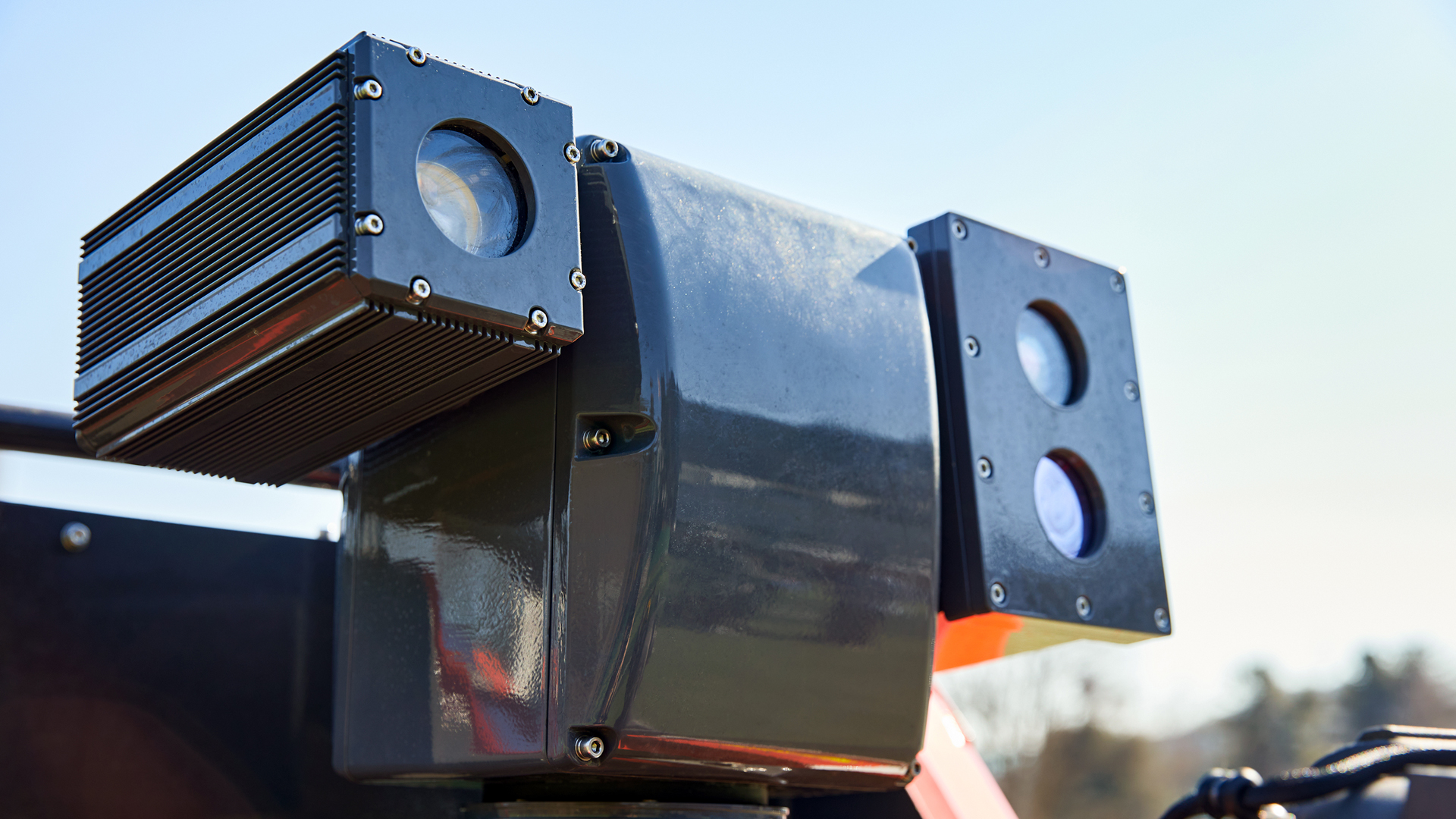
The opening scene of the Unmanned Firefighting Robot’s footage shows a firefighter entering thick smoke. In such smoke-filled real-life fire scenes, visibility is so limited that it is impossible to see even one meter ahead. Therefore, special search capabilities beyond human vision were required. Hyundai Rotem solved this challenge with a “Vision Enhancement Camera.” The basic principle is long-wave infrared (LWIR) detection. Long-wave infrared has the longest wavelength among infrared wavelengths, offers excellent penetration, and detects thermal energy effectively.
However, there was a limitation: visualizing flames using only thermal radiation signals resulted in significantly reduced contrast and clarity. This was the backdrop for the development of a “Vision Enhancement Algorithm” specifically designed for Unmanned Firefighting Robots. Thanks to this, the algorithm suppressed the low-frequency components in the data collected by the camera and emphasized only the high-frequency components, thereby improving visibility. According to Senior Researcher Jeong-woo Oh, the team drew inspiration from research findings indicating that humans rely more on shape than texture when recognizing objects.
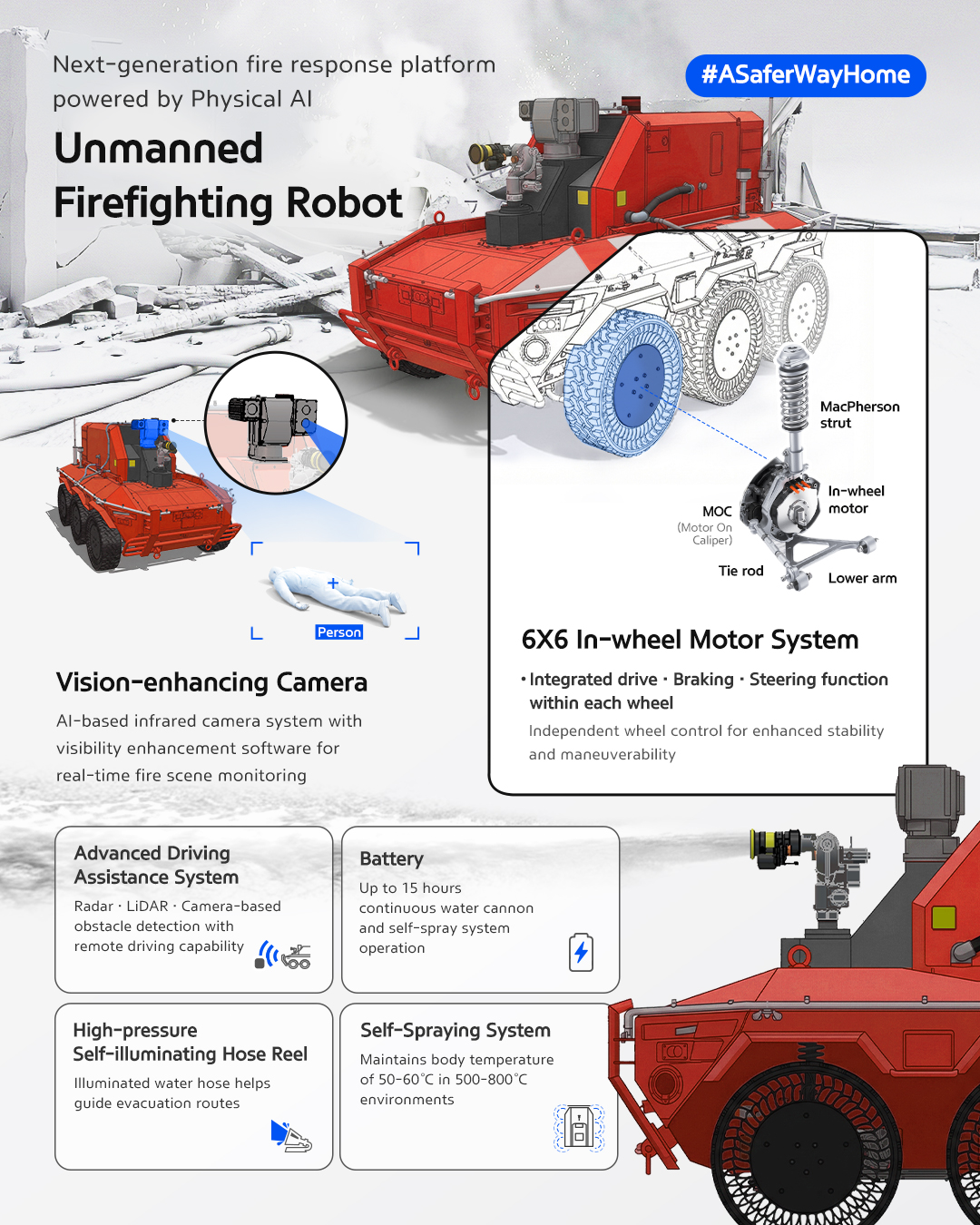
Once the scale of the fire has been assessed, it’s time to make a full-scale entry. The Unmanned Firefighting Robot must be able to navigate through all kinds of obstacles, such as the debris of buildings collapsed by fire. It must also be prepared for damage to its drive system caused by heat or impact. The drive system, built with six in-wheel motors from Hyundai Mobis, is perfectly suited for such environments. The wheels, connected to the chassis via independent suspension, adapt flexibly to the road surface. They possess exceptional maneuverability, capable of clearing vertical obstacles as high as 300 mm. Even if one or two motors are damaged during operations, the remaining motors can continue driving. Combined with airless tires that require no inflation, this ensures optimal traction at all times.
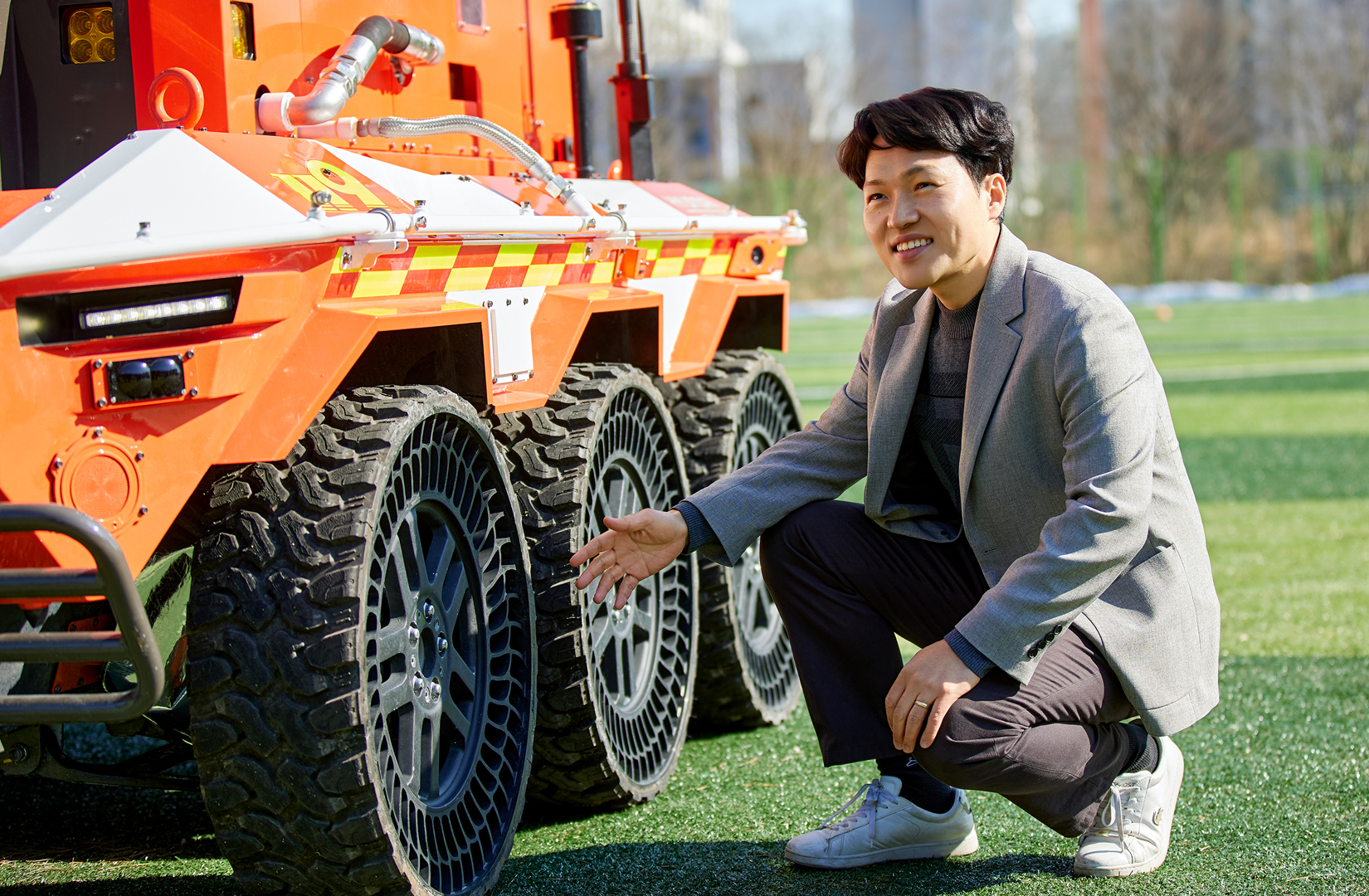
At first glance, it may seem like a simple motor, but it embodies Hyundai Mobis’s deep deliberation. “The wheel torque required for an Unmanned Firefighting Robot had to be more than 50% higher than that of the in-wheel motors developed for passenger car auxiliary drive systems. Adding a parallel reduction gear would have immediately increased the torque, but it also enlarged the in-wheel size, causing interference with the vehicle body during steering. Therefore, we placed the planetary reduction gear inside the wheel bearing to create an ‘integrated wheel bearing planetary reduction gear’ that does not increase the width-wise volume. ”Additionally, the motor was integrated into the 17-inch wheel and paired with a caliper for the electronic parking brake (EPB).
The importance of mobility for Unmanned Firefighting Robots is also clearly demonstrated in the ‘A Safer Way Home’ video. When structures catch fire and collapse to the ground following an explosion, they become obstacles that hinder firefighters’ smooth entry. Irregular terrain obscured by smoke poses a significant threat to firefighters. The in-wheel system possesses powerful performance capable of fully overcoming these variables.
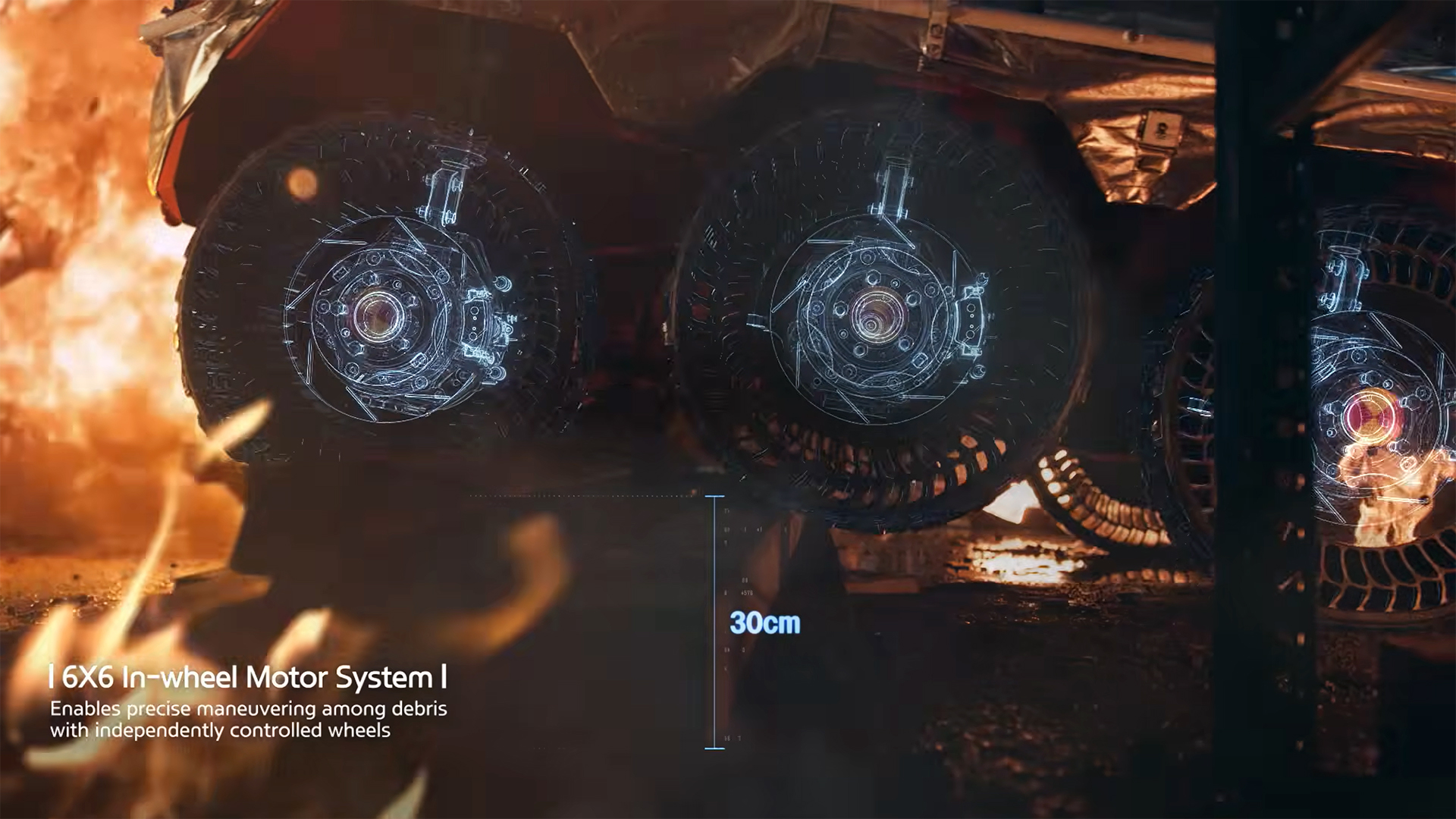
The benefits of the in-wheel system don’t end there. With the elimination of traditional components such as drive shafts and differential gears, each wheel can be controlled with greater precision. This has led to minimized energy loss, resulting in improved driving efficiency and responsiveness. However, given the specific purpose of “firefighting in extreme environments,” thorough testing was essential. To address this, Hyundai Mobis utilized in-wheel motors and inverters proven in the passenger vehicle sector and newly developed a gearbox combining a planetary reducer and wheel bearings to meet the specific requirements of the Unmanned Firefighting Robot. The resulting drive system can easily navigate the inclines of underground parking garages or logistics warehouses, and in some cases, can reach speeds of up to 50 km/h to quickly reach fire scenes.
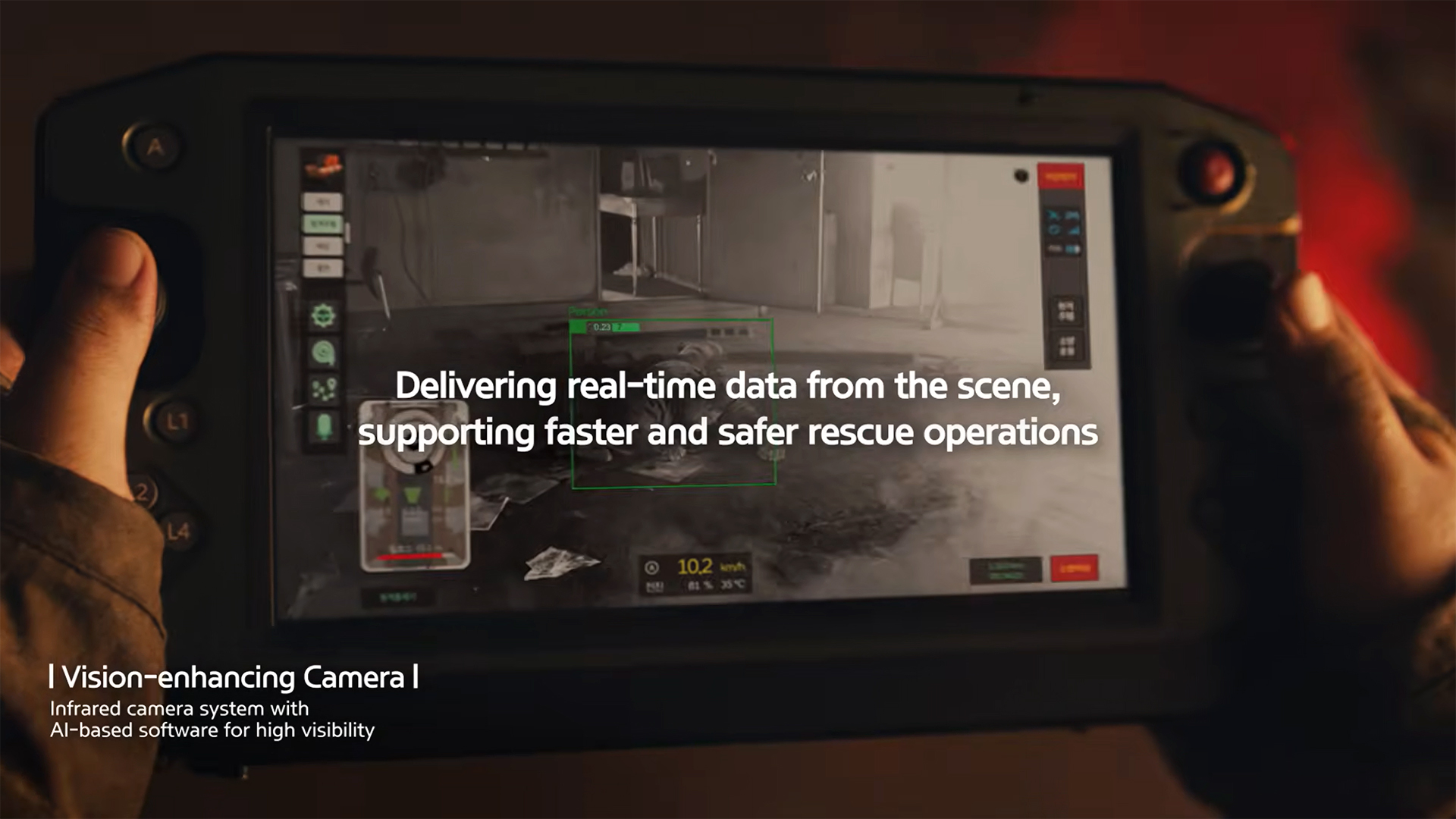
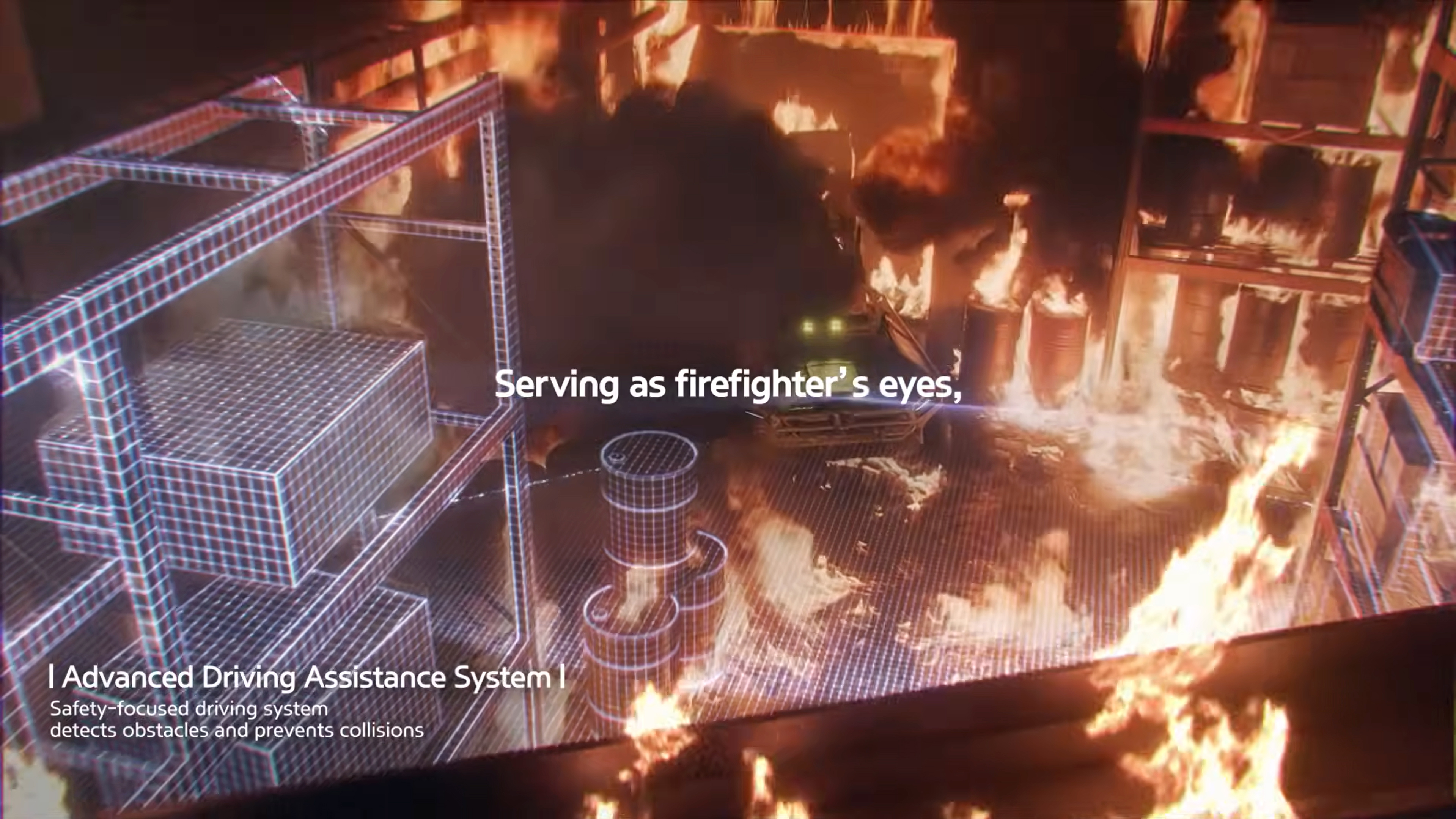
If the in-wheel system serves as the “feet” of the Unmanned Firefighting Robot, the “head” that issues commands is handled by the “Advanced Self-driving Assistance System.” It analyzes information collected by high-resolution cameras, recognizes the surrounding terrain and the shapes of obstacles, and minimizes the risk of collisions. This functionality is also essential for the next step: the “fully autonomous Unmanned Firefighting Robot.” The vision of an Unmanned Firefighting Robot that moves autonomously and extinguishes fires based on learned environmental data is closely linked to securing competitiveness in the field of “Physical AI,” as it involves moving with a physical body. For reference, Physical AI refers to physical artificial intelligence technologies—such as robots and autonomous vehicles—that can see, judge, and move on their own in the real world.
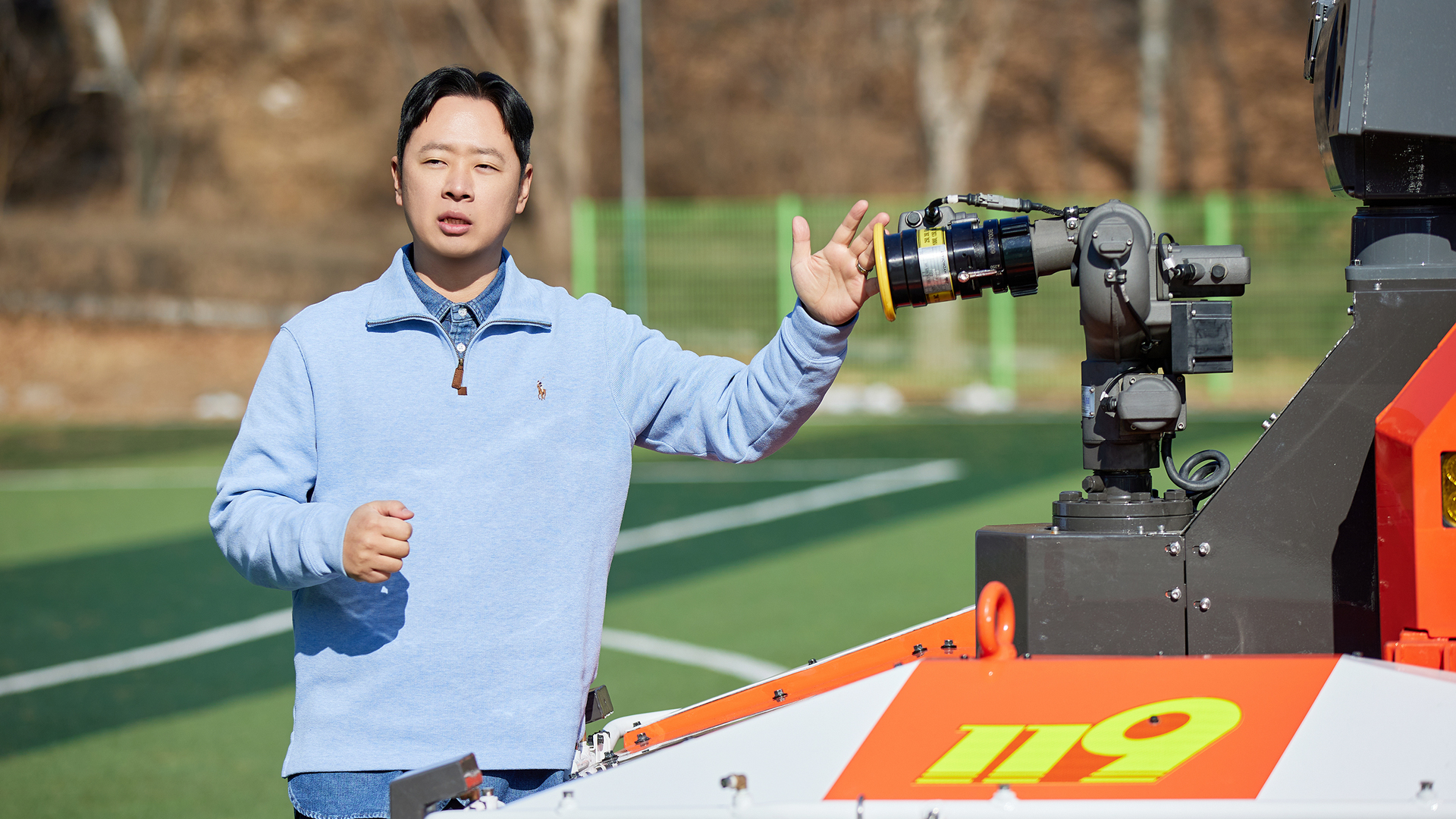
The Unmanned Firefighting Robot is equipped with a 20kWh lithium-polymer battery, allowing it to operate for 15 hours, and it sprays water up to 50 meters using a front-mounted water cannon. The water needed for firefighting is supplied via a 65mm fire hose from a fire truck or hydrant. At the same time, the robot is equipped with a feature to protect itself from high heat—a so-called “self-spraying device.” Senior Researcher Jeong-woo Oh explained how the Unmanned Firefighting Robot withstands the intense heat at fire scenes, stating, “Twenty-four fine-mist nozzles, each with a diameter of 1.8 mm, spray approximately 40 liters of water per minute around the robot’s body. This allows us to keep the temperature around the robot at about 50°C, even in environments reaching 500–800°C.”
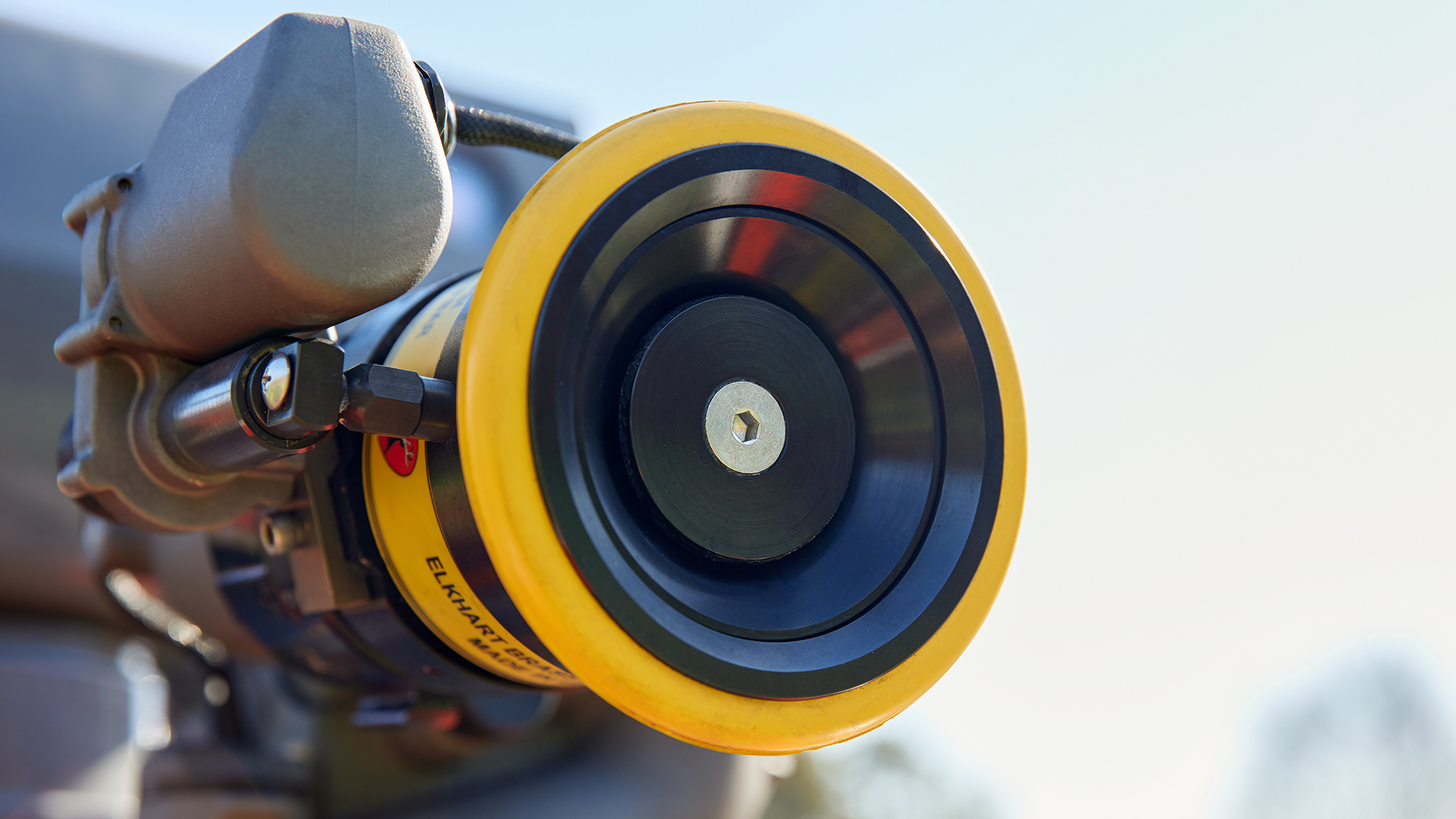
Once the robot begins extinguishing the fire, it means the firefighter remotely controlling it is already far away. From this point on, the stability of long-range communication becomes critical. This is because the remote signal can weaken if the deployment site is underground or in terrain with many obstacles. Hyundai Rotem’s solution was the 2.4 GHz S-band frequency, which excels in diffraction (the ability to bypass obstacles). They also installed a high-output communication device capable of transmitting over 5 km when there are no obstacles between the remote controller and the robot. Additionally, they enhanced performance with a “Dual-Polarization” antenna, which reduces signal interference and improves reception sensitivity. Performance tests conducted over 11 sessions proved that smooth remote control was possible even from the first basement level, 130 meters away in a straight line.
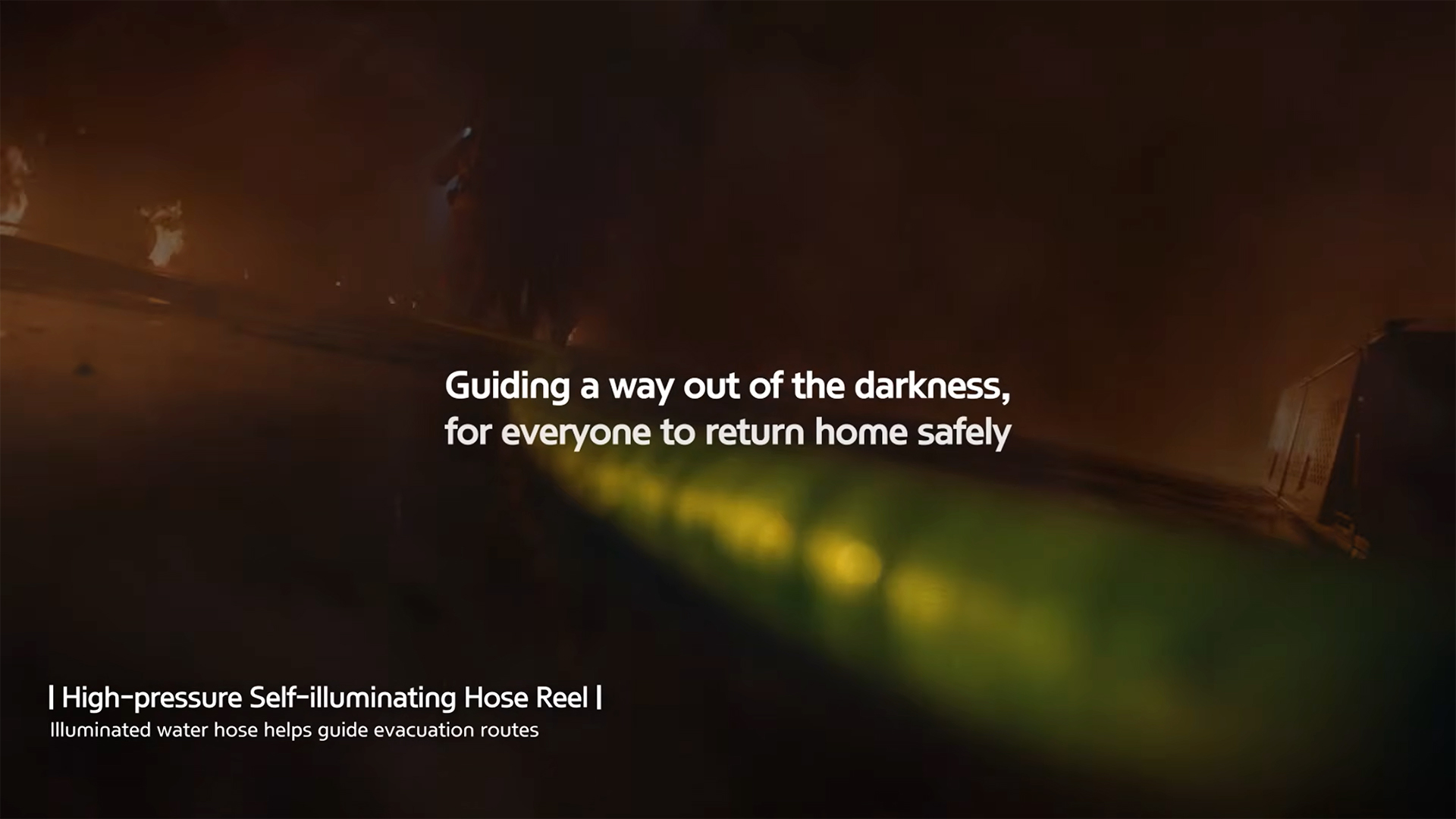
The final and most critical phase of the operation is ‘escape.’ Firefighters have traditionally had to secure their entry and escape routes by following the fire hose in situations with limited visibility. The ‘High-Pressure Self-illuminating Hose Reel’ mounted on the Unmanned Firefighting Robot makes this process much easier. Since the hose emits or reflects light on its own, it is much easier to find one’s way through smoke. The scene toward the end of the video, where the hose emits a bright light to guide the firefighters’ escape route, proves that fire hoses can fulfill another valuable role beyond simply conveying water.
As such, the Unmanned Firefighting Robot was brought to the world after close collaboration and in-depth research. The process of adding the specific purpose of “firefighting” to existing unmanned robots involved a great deal of deliberation. Jeong-woo Oh, a senior researcher at Hyundai Rotem, recalled the early planning stages as follows. “Our biggest concern was enhancing reliability so that the robot could operate even in extreme fire environments. Unlike ordinary robots, firefighting robots must function in the worst conditions, such as high temperatures and thick smoke. Therefore, we focused on creating equipment that absolutely must work on-site, rather than simply building a robot with high performance.”
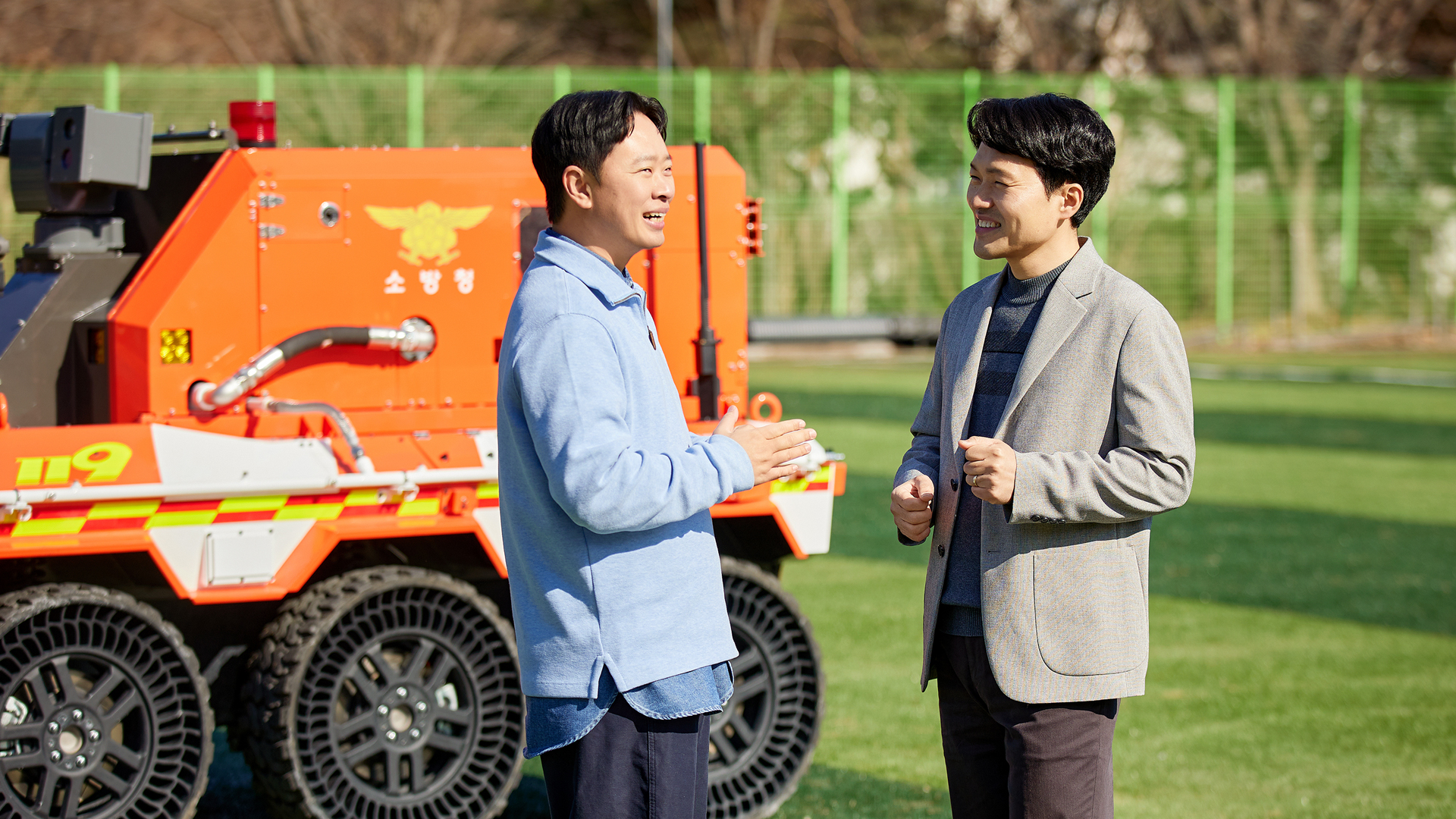
Senior Researcher Kyung-ho Shin also reflected on the development process, stating, “To apply an in-wheel system to special-purpose vehicles for fire suppression, such as Unmanned Firefighting Robots, the stability and reliability of the drivetrain are crucial. Therefore, ensuring the structural durability of the power transmission components was essential.” Fortunately, the Unmanned Firefighting Robot was built on a powerful military platform capable of climbing slopes of up to 60% with a weight of over 2.5 tons, so it had no trouble at all entering the fire site while dragging a fire hose filled with water.
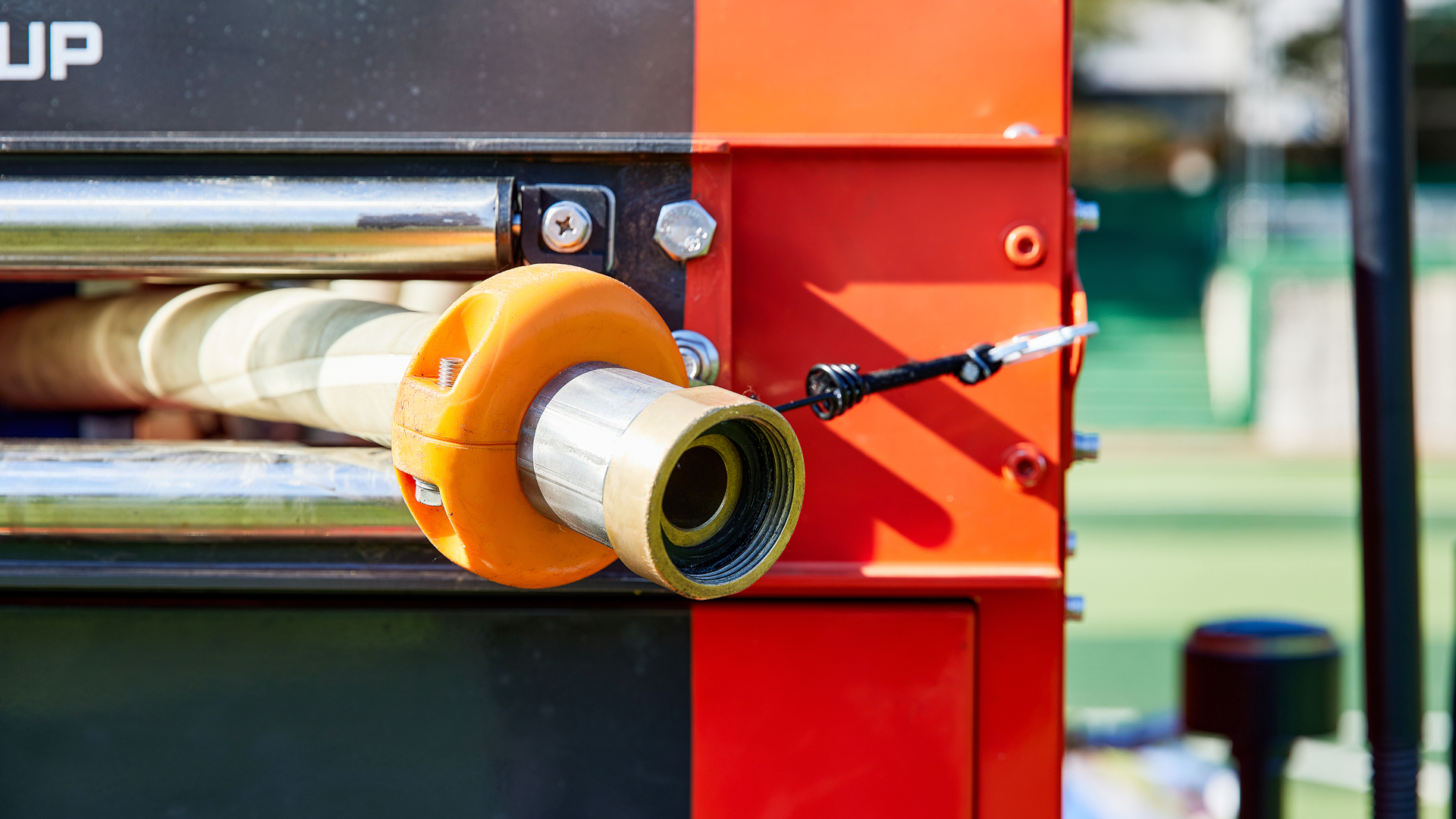
As the interview was wrapping up, I also heard an anecdote from the collaboration with the National Fire Agency. It happened during prototype testing for the final model. The Unmanned Firefighting Robot entered an underground parking garage while towing a fire hose, but the hose got caught between the wheels of a parked car, damaging the valve at the hose connection. To solve this problem, the team worked with the National Fire Agency to devise a “high-pressure reel hose.” Instead of dragging the hose, they redesigned the system to unroll the hose in real time as it moved forward. He says the process of re-establishing everything from scratch—from the body design to the water supply piping and the remote control concept—is what stands out most in his memory.
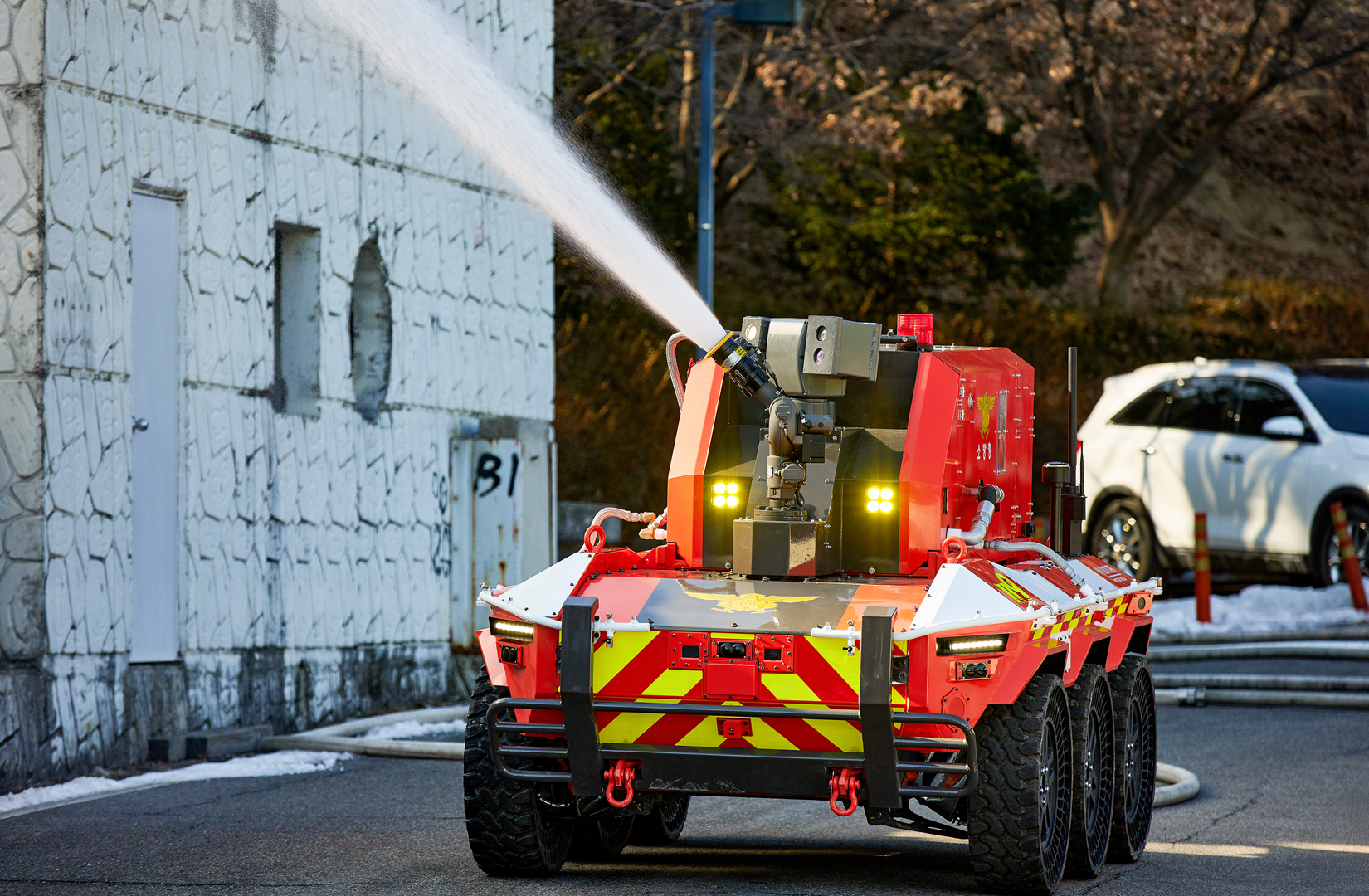
A total of four Unmanned Firefighting Robots produced by Hyundai Motor Group have been delivered—one each to the 119 Special Rescue Teams in the Seoul metropolitan area and the Yeongnam region—and one each is scheduled to be deployed to the Gyeonggi South and Chungnam Fire Headquarters. Accordingly, these special rescue teams have established dedicated departments to build up specialized personnel and operational systems. They have enhanced their ability to operate the Unmanned Firefighting Robots through at least two hours of theoretical training and four hours of practical training per month, and have completed thorough preparations—including meticulous inspections and maintenance—to ensure they are ready to deploy at any time.
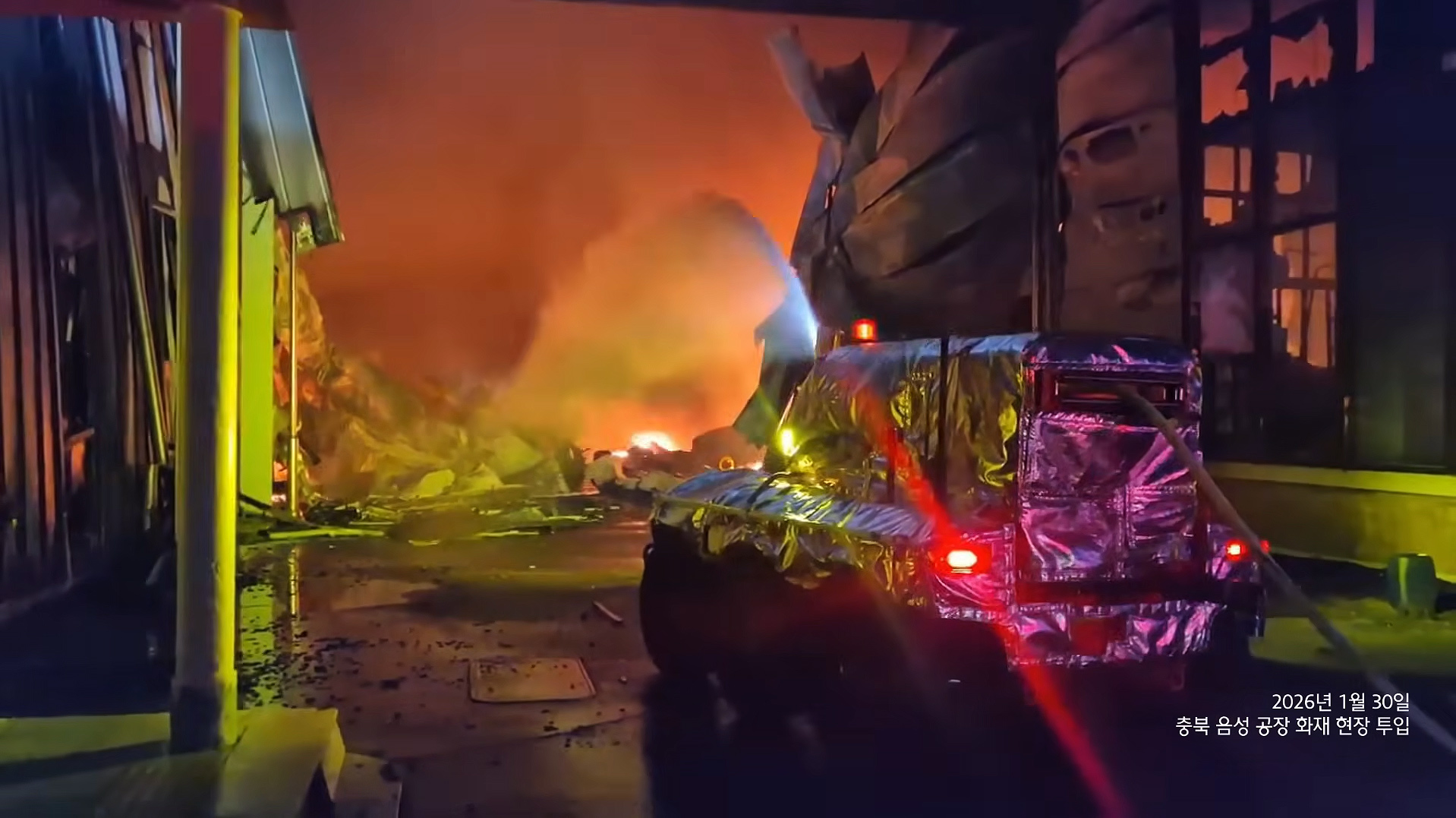
The deployment to the fire scene in Eumseong, North Chungcheong Province, on January 30—featured in the “A Safer Way Home” video—was the result of this thorough preparation. The fire broke out at a diaper and wet wipe manufacturing plant with a sandwich panel structure, and to make matters worse, the flames spread to the raw material, pulp. Fire authorities declared a Level 2 response, deploying 254 personnel, 94 pieces of equipment, and 6 helicopters. However, since smoke and heat remained intense inside the building even three hours after the fire broke out, they decided to deploy an Unmanned Firefighting Robot. The Unmanned Firefighting Robots, airlifted from the Special Rescue Teams in the Seoul Metropolitan Area and the Yeongnam region, silently advanced through the thick smoke and successfully completed their first real-world mission since their debut.
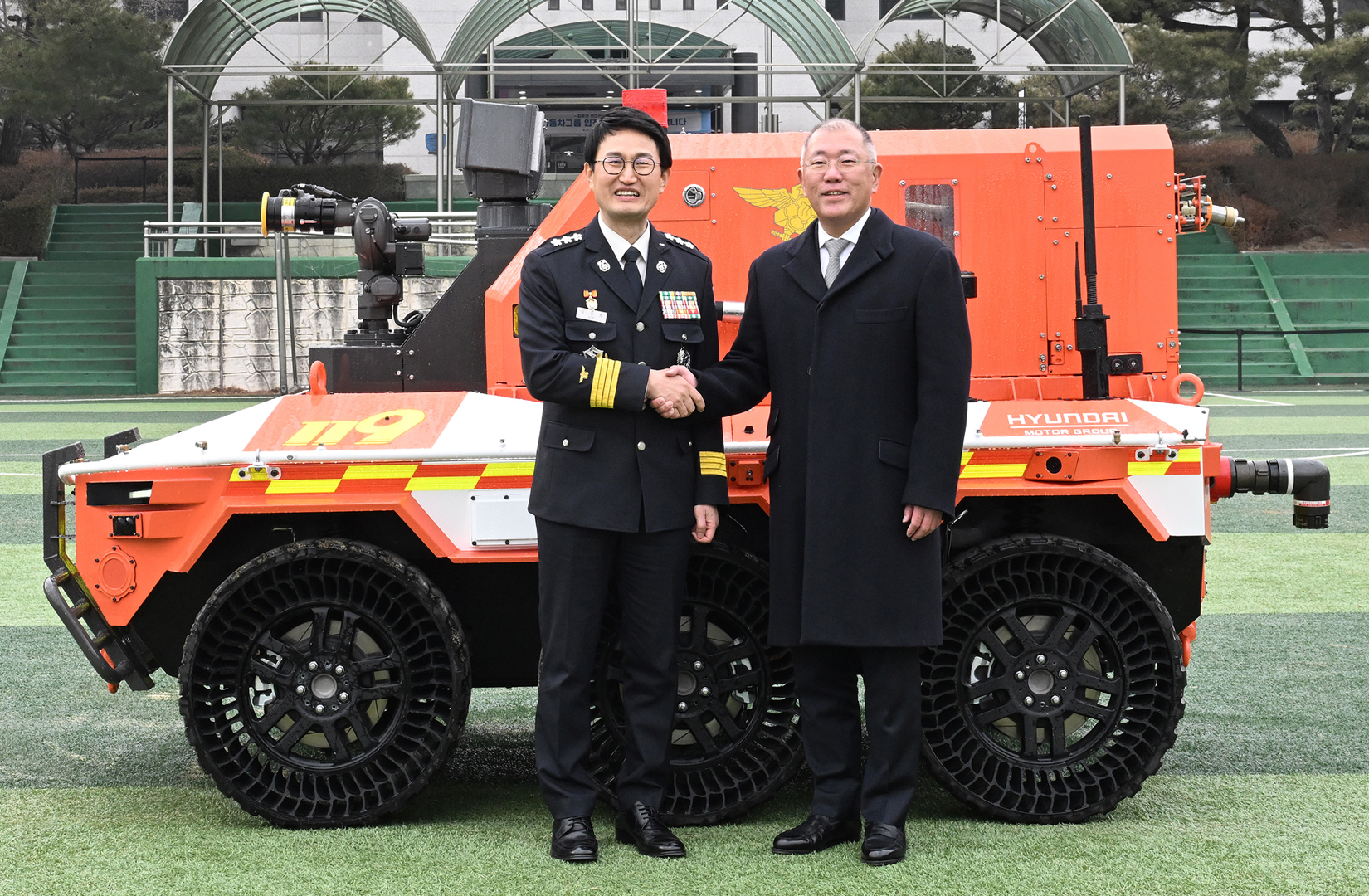
On the 24th of last month, a ceremony to donate the Unmanned Firefighting Robots was held at the Capital Region 119 Special Rescue Unit in Namyangju, Gyeonggi Province. In the presence of key officials—including Euisun Chung, Executive Chair of Hyundai Motor Group, Sung Kim, President of Hyundai Motor, Yong-bae Lee, President of Hyundai Rotem, Seung-ryong Kim, Acting Commissioner of the National Fire Agency and Jin-ho Lee, Director of Planning and Coordination —the Unmanned Firefighting Robots officially became reliable partners to firefighters. Euisun Chung, Executive Chair of Hyundai Motor Group, stated, “The sight of firefighters rushing into the scene of a struggle without hesitation to save lives reminds us of the values our society must uphold,” and expressed his hope that the Unmanned Firefighting Robot would become a reliable teammate that is deployed one step ahead into dangerous situations to protect the safety of firefighters.
Seung-ryong Kim, Acting Commissioner of the National Fire Agency, also remarked, “Today’s event marks the first step toward a paradigm shift that will rewrite the history of disaster response. Moving forward, we will actively introduce cutting-edge science and technology into the field through innovative partnerships with the private sector, including Hyundai Motor Group,” expressing his anticipation for the “Firefighting AI Transformation Era” driven by Physical AI.
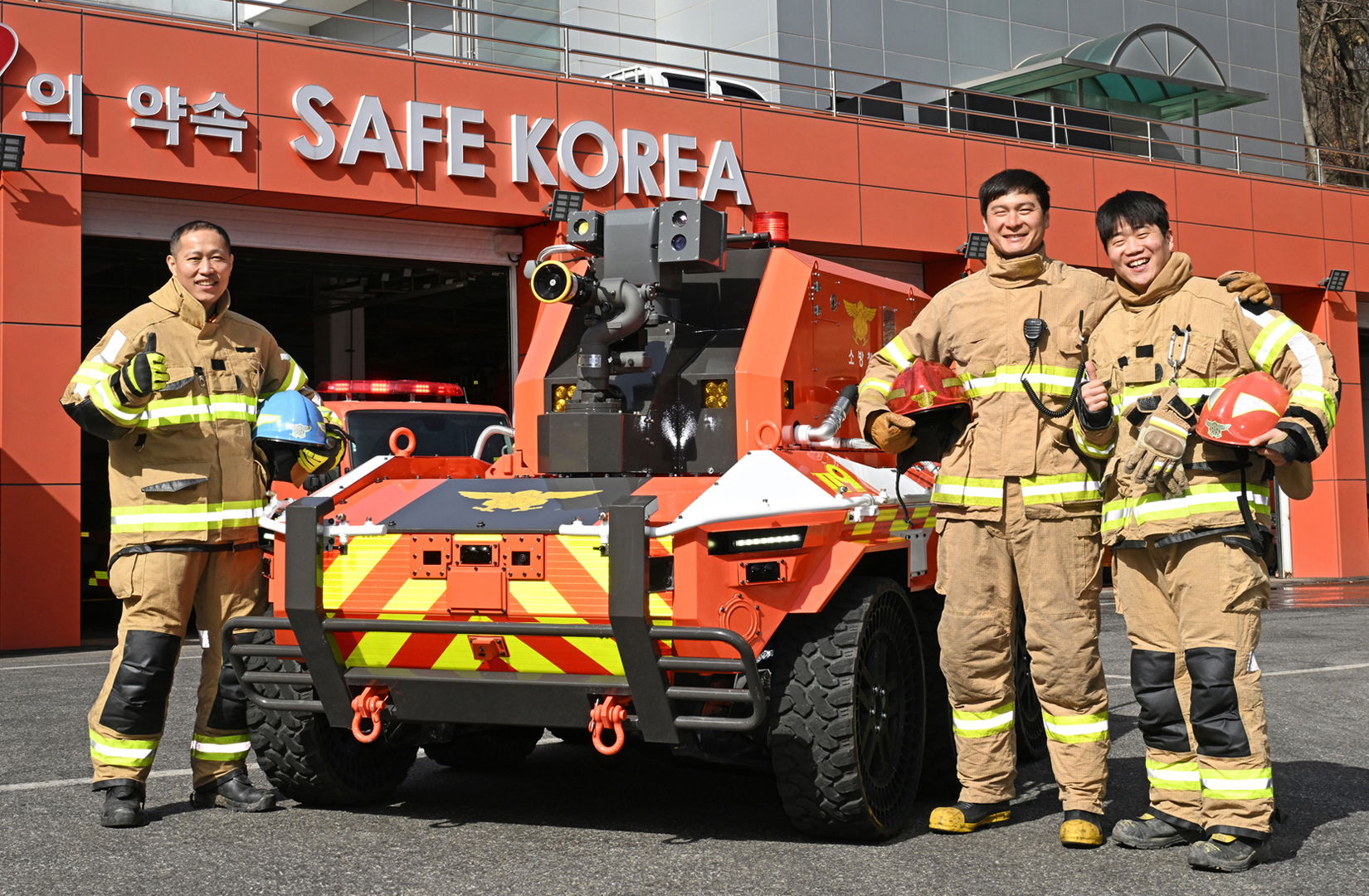
“I hope that Unmanned Firefighting Robots will not merely be machines, but rather colleagues who enter dangerous situations first and serve as a shield. I believe that if even one more firefighter can return safely, that in itself is meaningful.” Senior Researcher Jeong-woo Oh’s closing remarks encapsulate all the reasons and value behind the need for Unmanned Firefighting Robots in this world. The partnership between Hyundai Motor Group and the National Fire Agency, which began in 2023 with the “Firefighter Recovery Support Vehicle,” has been renewed through the Unmanned Firefighting Robot, once again supporting the heroes who protect the lives of the public. Hyundai Motor Group’s efforts to ensure the safety of firefighters will continue.