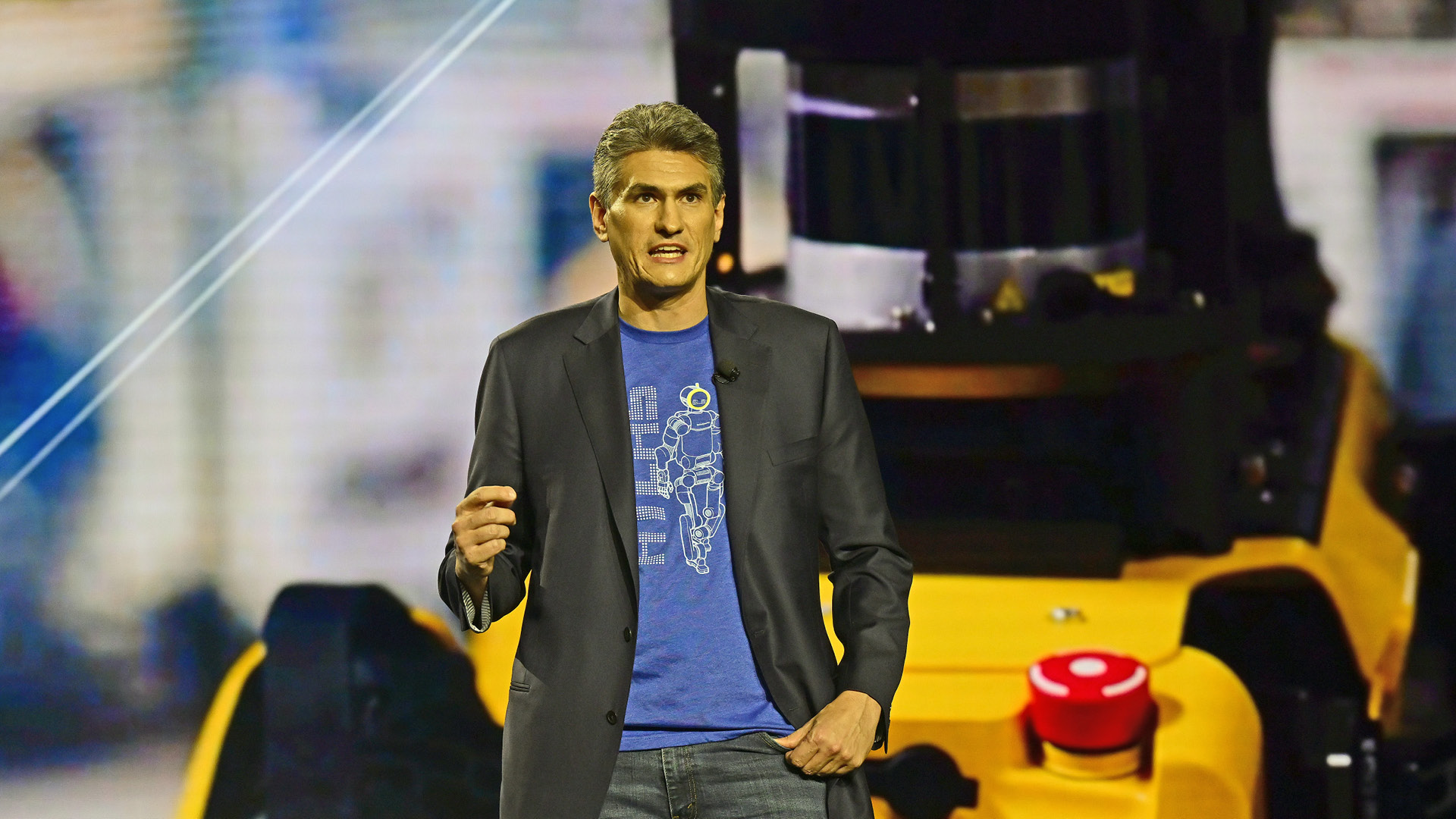
Today, we’re talking with Zachary Jackowski, Chief Product and Technology Officer of Boston Dynamics, about what it takes to move robotics beyond the lab and into the real world.
For decades, robotics has been defined by breakthrough demos—machines that walk, balance, lift, navigate, and astonish. But the harder challenge begins after the applause: making robots reliable enough for customer sites, practical enough for daily operations, and scalable enough to create real value.
As Hyundai Motor Group expands its vision for Physical AI, Boston Dynamics sits at the center of that transition. Jackowski’s view is direct: in robotics, building an extraordinary machine is only the beginning.
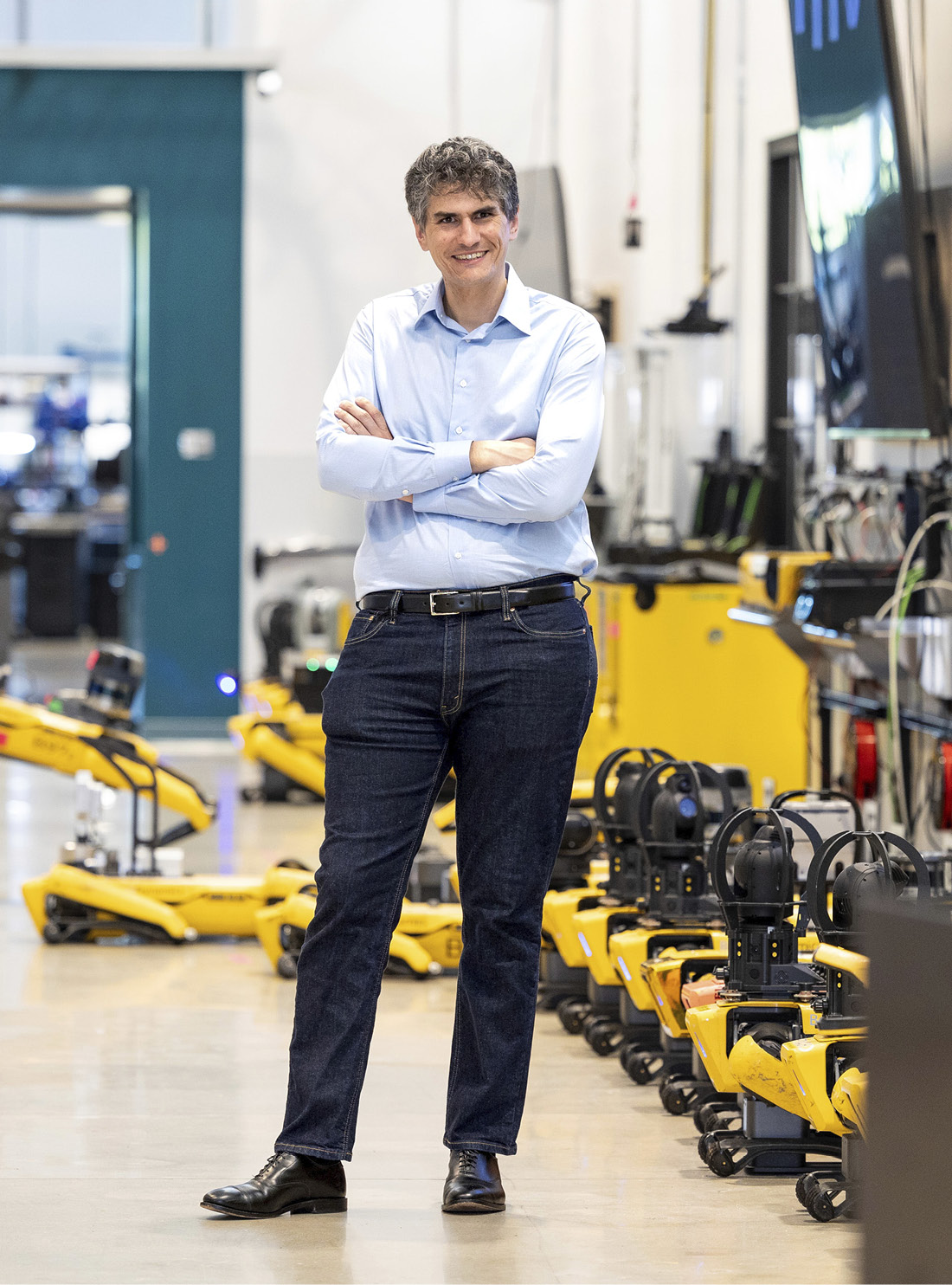
Jackowski’s career sits at the point where robot motion becomes robot utility.
At Boston Dynamics, he led the design of every generation of Spot, the four-legged robot that helped move the company from breakthrough locomotion toward commercial deployment. Before that, he worked on the company’s Cheetah robots. His technical foundation spans mechanical engineering, electrical engineering, and control systems—the disciplines required to make a robot move through the physical world.
Before joining Boston Dynamics, Jackowski did his graduate work at the MIT Robot Locomotion Group. That background placed him close to one of robotics’ central problems: motion is difficult, but useful motion is harder.
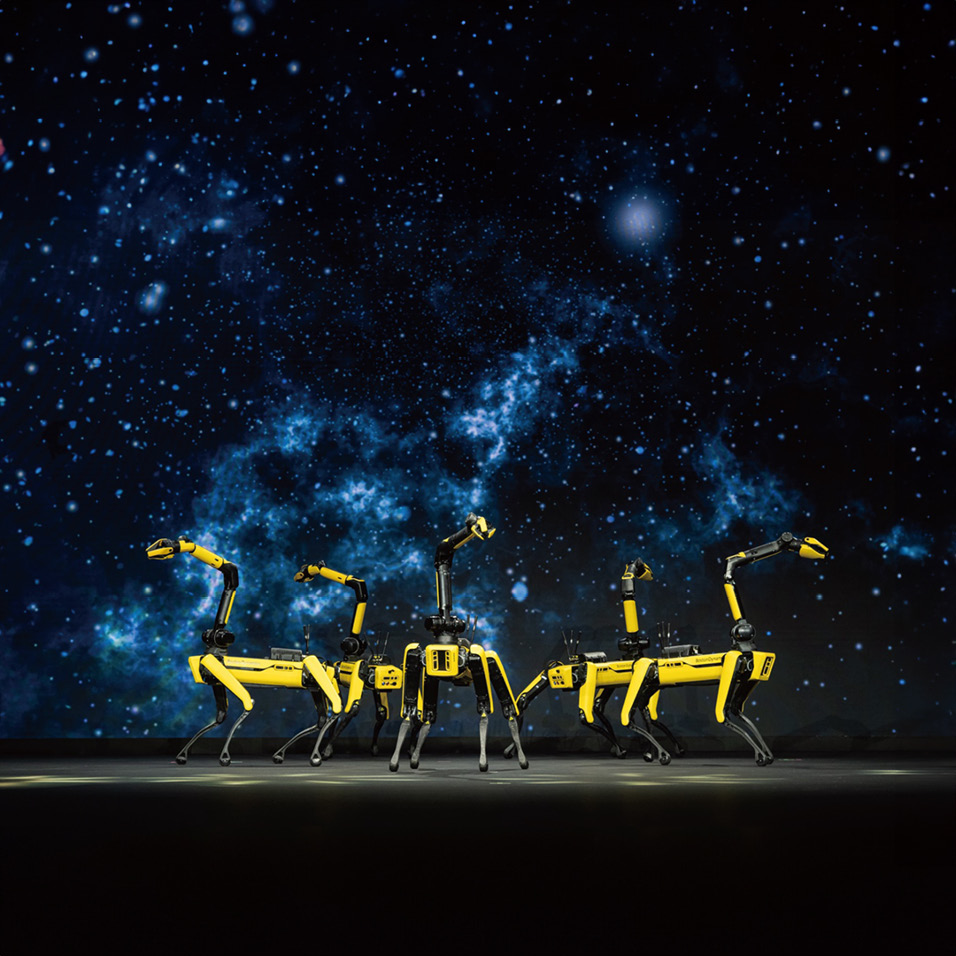
The defining shift came when the technology became strong enough to leave the research phase.
“Once our technology started working well enough, I led the effort to design, launch, and scale the product version of Spot,” Jackowski says.
That is the hard turn in robotics. A prototype can be impressive. A product has to be useful. It has to survive workflows, duty cycles, edge cases, maintenance, and expectations. It has to become less of a machine people admire and more of a system they depend on.
For Jackowski, that transition—from technical breakthrough to working product—is where robotics becomes real.
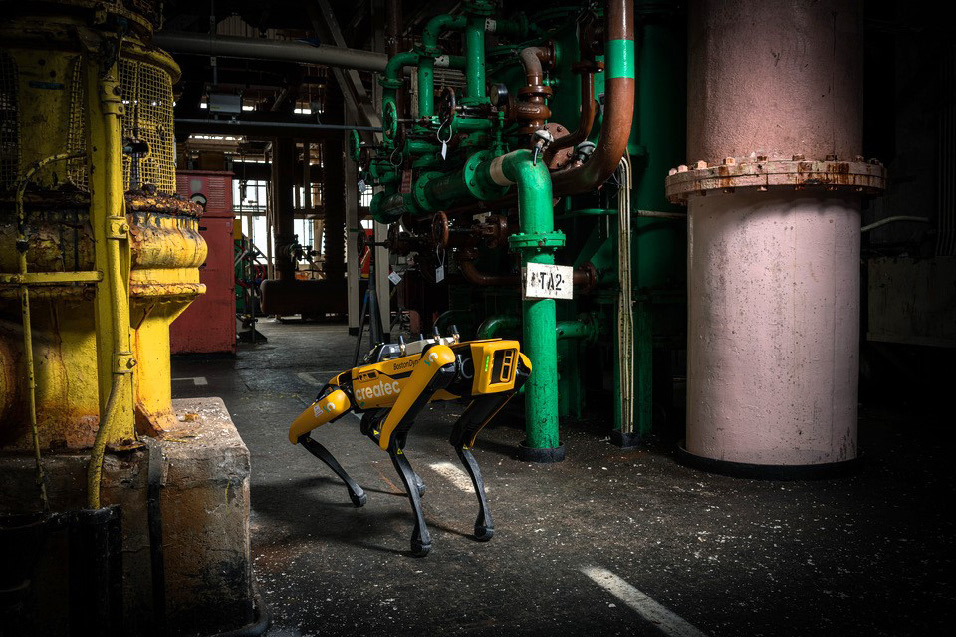
For Jackowski, Spot is the accomplishment that stands out most clearly. “The thing I’m most proud of over my time at Boston Dynamics has been getting the Spot product to the point where customers use it for real work, and like it enough to scale their fleets to many tens of Spots,” Jackowski says.
That was not just about engineering an impressive machine. It required understanding what customers actually needed, then building something robust enough to become part of their operations.
That distinction matters. In robotics, a breakthrough in movement or control is not enough. The machine has to survive real environments, solve a practical problem, fit into a workflow, and prove useful. “Getting that done required not just making a great robot,” Jackowski says, “but really understanding how to do something valuable for customers and deliver it reliably.”
That is the pivotal lesson. The robot matters, but the product is the full operating package around it: software, service, application, and the customer’s confidence that it will keep working.
For Boston Dynamics, Hyundai Motor Group changes the size of the playing field. “Hyundai’s ability to leverage its scale to make ambitious projects possible has been amazing,” Jackowski says.
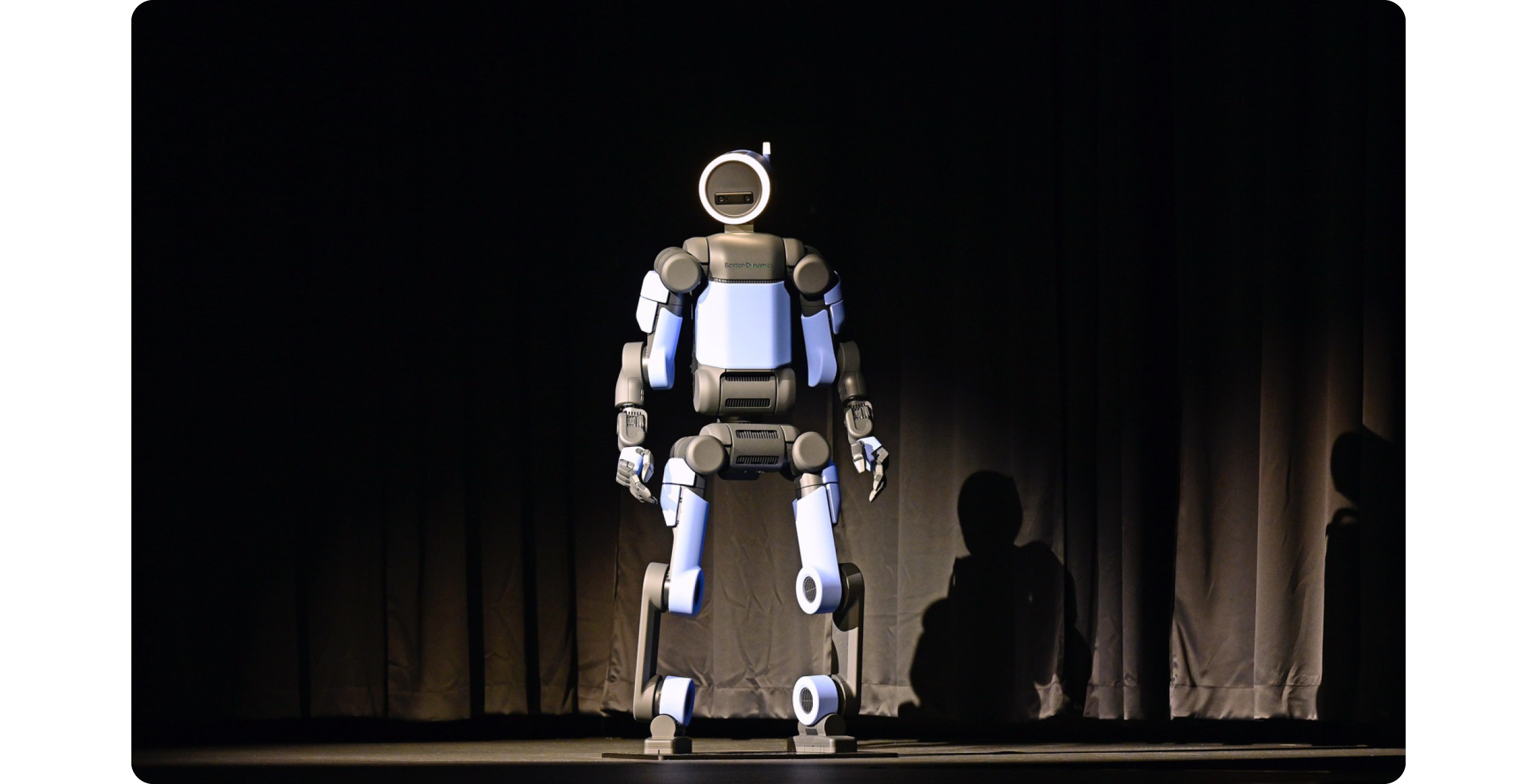
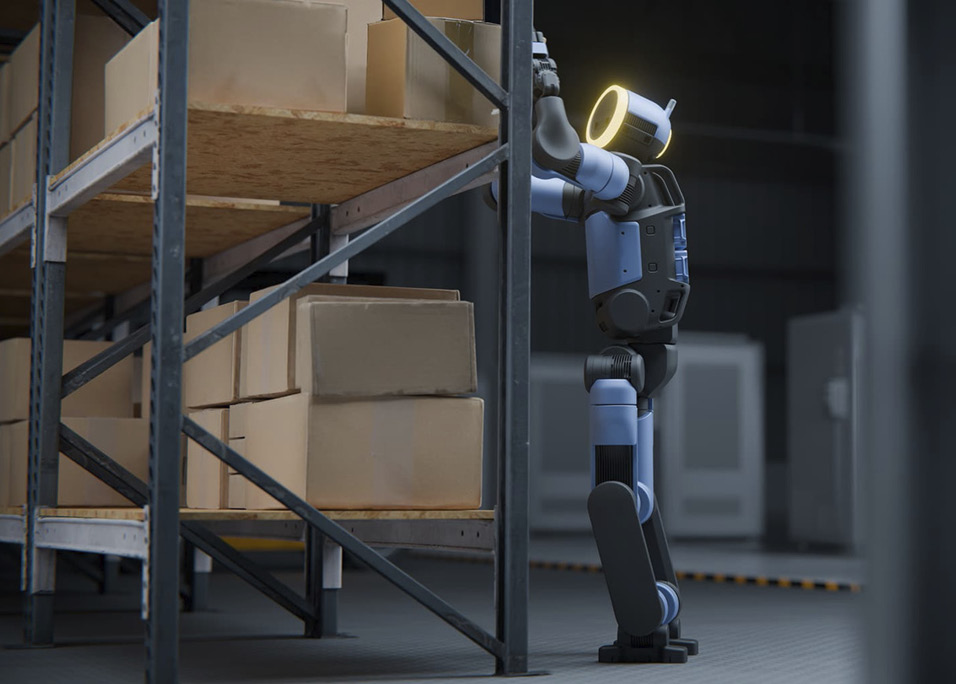
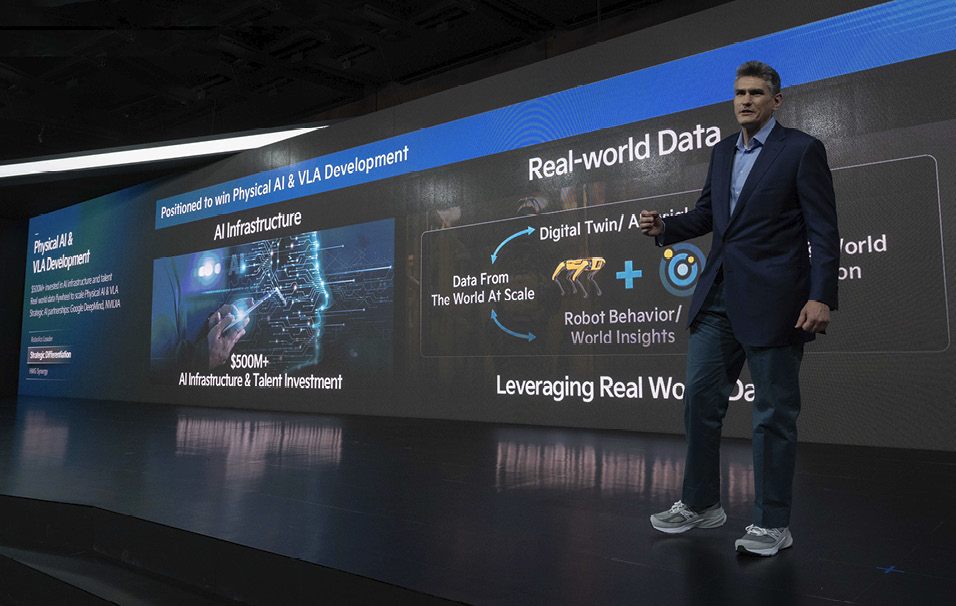
That scale becomes especially important when advanced robots move out of research and into commercialization. Atlas is the clearest example—the team had to look beyond robot performance and define what industrialization would actually require.
The challenge was no longer only about making the robot move well. It was about preparing a complex machine for production. “When we decided to really make Atlas a product, we built a strategy,” Jackowski says. “We needed serious automotive-style design resources and supply chains for actuators—and brought Hyundai Mobis to the table.”
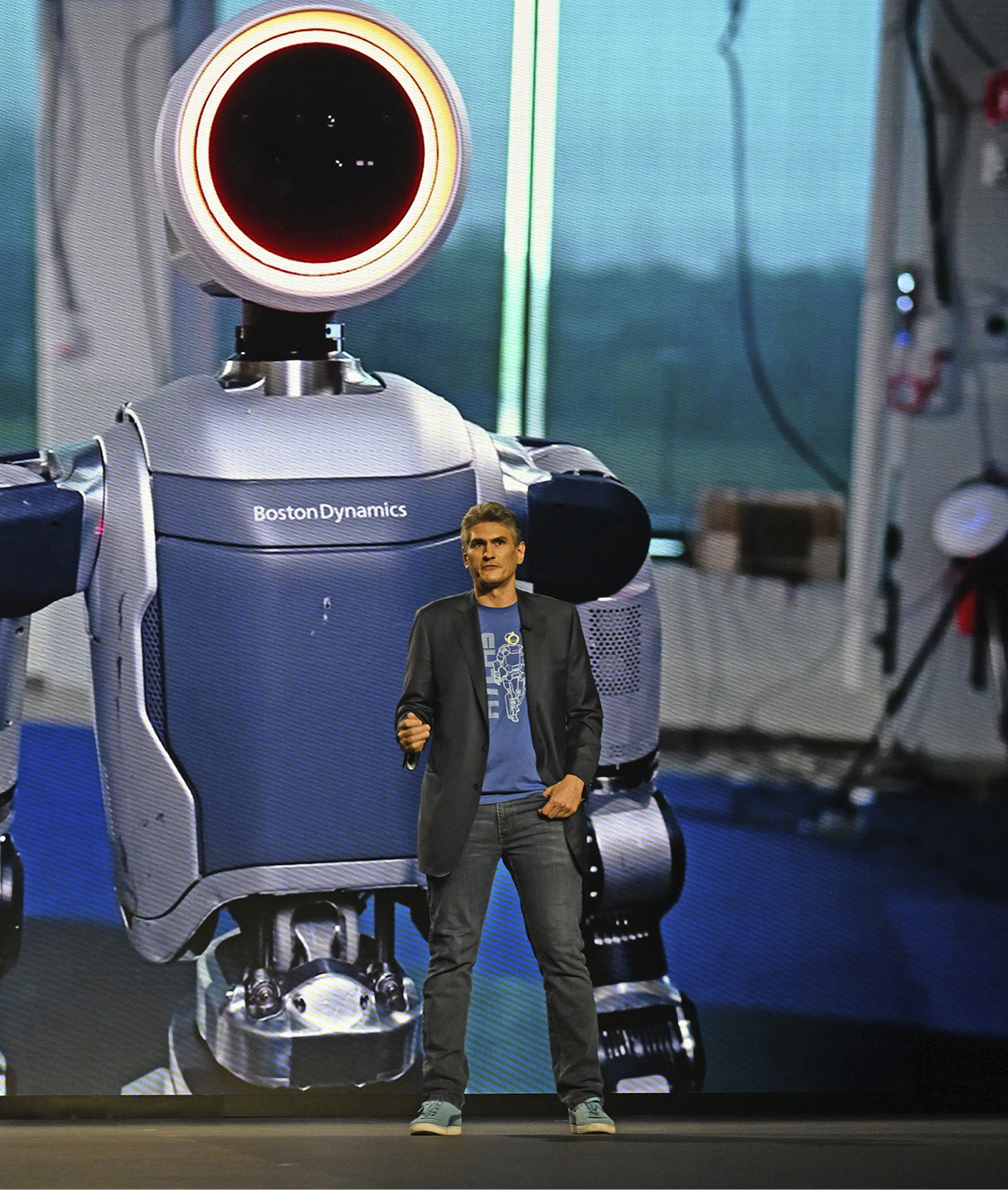
The work did not stop there. Boston Dynamics also had to develop certainty of demand, which meant studying application needs across Hyundai Motor Group’s manufacturing base.
That is a different kind of advantage. Robotics companies often have deep technical talent. But turning a complex machine into something scalable requires more than engineering. It requires application insight, manufacturing context, supplier depth, and real deployment opportunities. “These kinds of things just aren’t possible at a smaller organization,” Jackowski says.
For robotics, that system-level support makes the leap from ambitious machine to field-ready product more realistic.
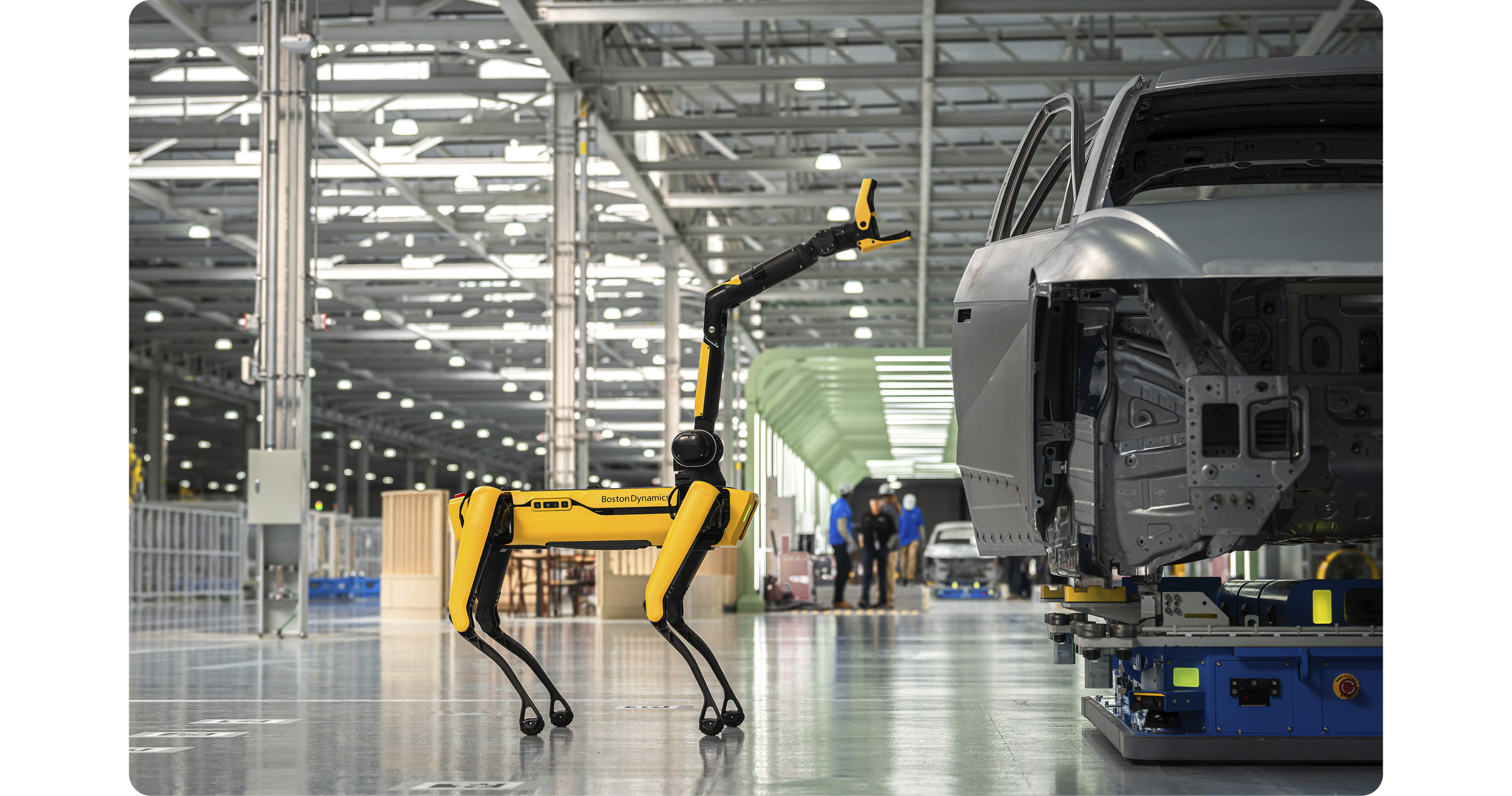
Boston Dynamics operates in a robotics field that is growing more crowded every year. Some companies specialize in hardware. Others focus on software, AI, components, or integration.
Jackowski believes Boston Dynamics’ advantage is that it does not treat robotics as a set of disconnected layers. “Our most fundamental advantage is that we have deep understanding of our customers’ needs and have a complete grasp of robot design, down to the smallest details,” he says. That understanding reaches across AI, hardware, software, integration, and customer support. The result is not a better part or a smarter algorithm in isolation, but a robot engineered as one coherent product. “This lets us find design solutions that span the entire system and produce truly innovative complete products that outperform for our customers,” Jackowski says.
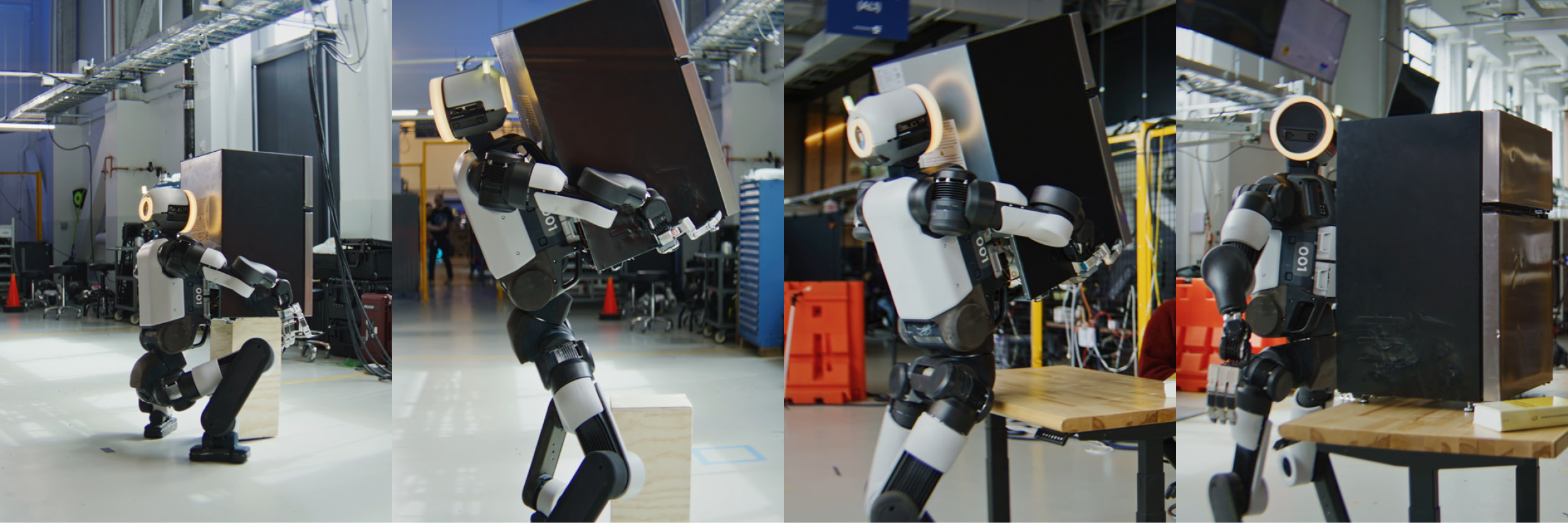
For new joiners, that means the work starts close to the core.
New employees receive guidance and direct interaction from top experts in their field from day one. More importantly, they are brought quickly into work that matters to the company. In robotics, that kind of responsibility is important because the problems are physical, software-driven, system-level, and often uncertain.
Learning happens by working directly on technology that has to function outside controlled demonstrations. “New people typically receive real, impactful responsibility for something important to our products almost immediately,” Jackowski says. “And they always work with the most leading technologies and techniques.”
The timing also matters. Jackowski sees the next five years as a period of rapid acceleration. “The pace of advancement in AI is changing what our robots are capable of and how they do it at a pace we’ve never seen before,” Jackowski says. “That unlocks new possibilities every day.”
For Boston Dynamics, the moment is powerful because several forces are now reinforcing one another: better intelligence, wider use, and larger-scale production. Each one expands the potential of the others.
Hyundai X FIFA World Cup 2026™
The kind of candidate Jackowski is looking for has more than technical depth. “We are looking for candidates who are at the top of their game technically,” Jackowski says, “but also thrive as part of a team to make something much bigger than they could make on their own.”
That requires comfort with uncertainty. Candidates need to think strategically about design paths and risks, while managing their own priorities day to day.
In robotics, the machine is complex, the environment is physical, and the system has to integrate hardware, software, AI, control, customer needs, and reliability. Engineers often have to make decisions before every variable is perfectly settled.
That is why judgment matters as much as skill. For candidates, Boston Dynamics puts the field’s top minds within reach—and pairs that expertise with the scale needed for high-stakes robotics work.
“Boston Dynamics offers the opportunity to build something that will really make an impact globally alongside the top leaders in the field,” Jackowski says. “You’ll have access to the resources necessary, even if they’re really big things like data centers, test labs, or even whole supply chains, to do genuinely groundbreaking work.”
That is the promise of Boston Dynamics inside Hyundai Motor Group: deep robotics expertise, real product responsibility, and the industrial capacity to turn ambitious ideas into machines that can operate in the world.
For engineers interested in robotics, Physical AI, and the next generation of intelligent machines, the HMG Tech Talent Forum shows the people, systems, and technologies shaping that future.