Everyone in Silicon Valley knows the rhythm by now: writing code late into the night, refining algorithms, training faster AI models, and chasing the kind of performance milestones that make the rest of the industry take notice.
But behind all that work lies a more fundamental question: what happens when the model leaves the screen? What happens when software has to operate in the physical world—across vehicles, robots, factories, logistics systems, and energy infrastructure? If technology never changes the real world, can it really be called innovation?
This is the question Hyundai Motor Group is addressing when it comes to global tech talent.
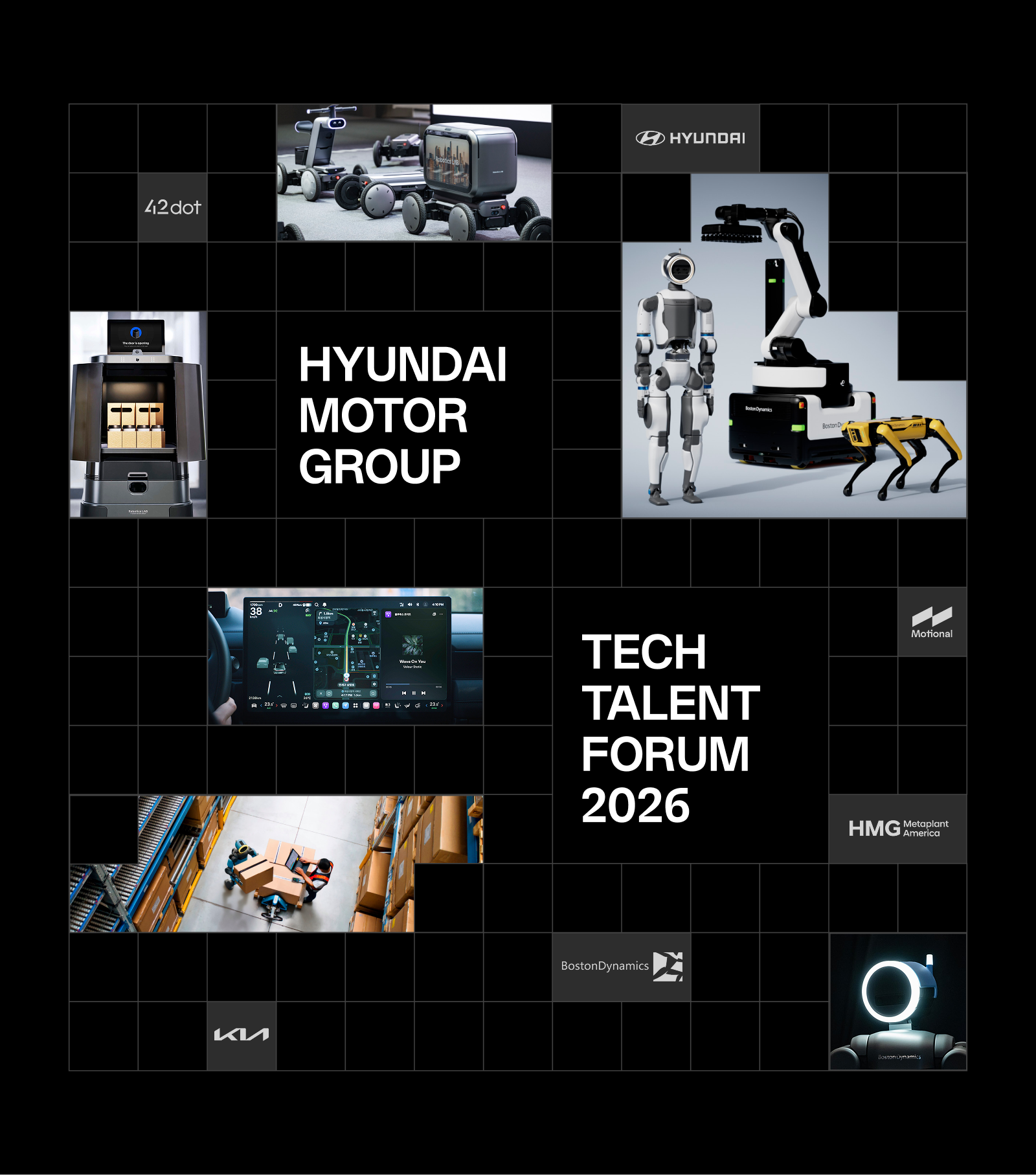
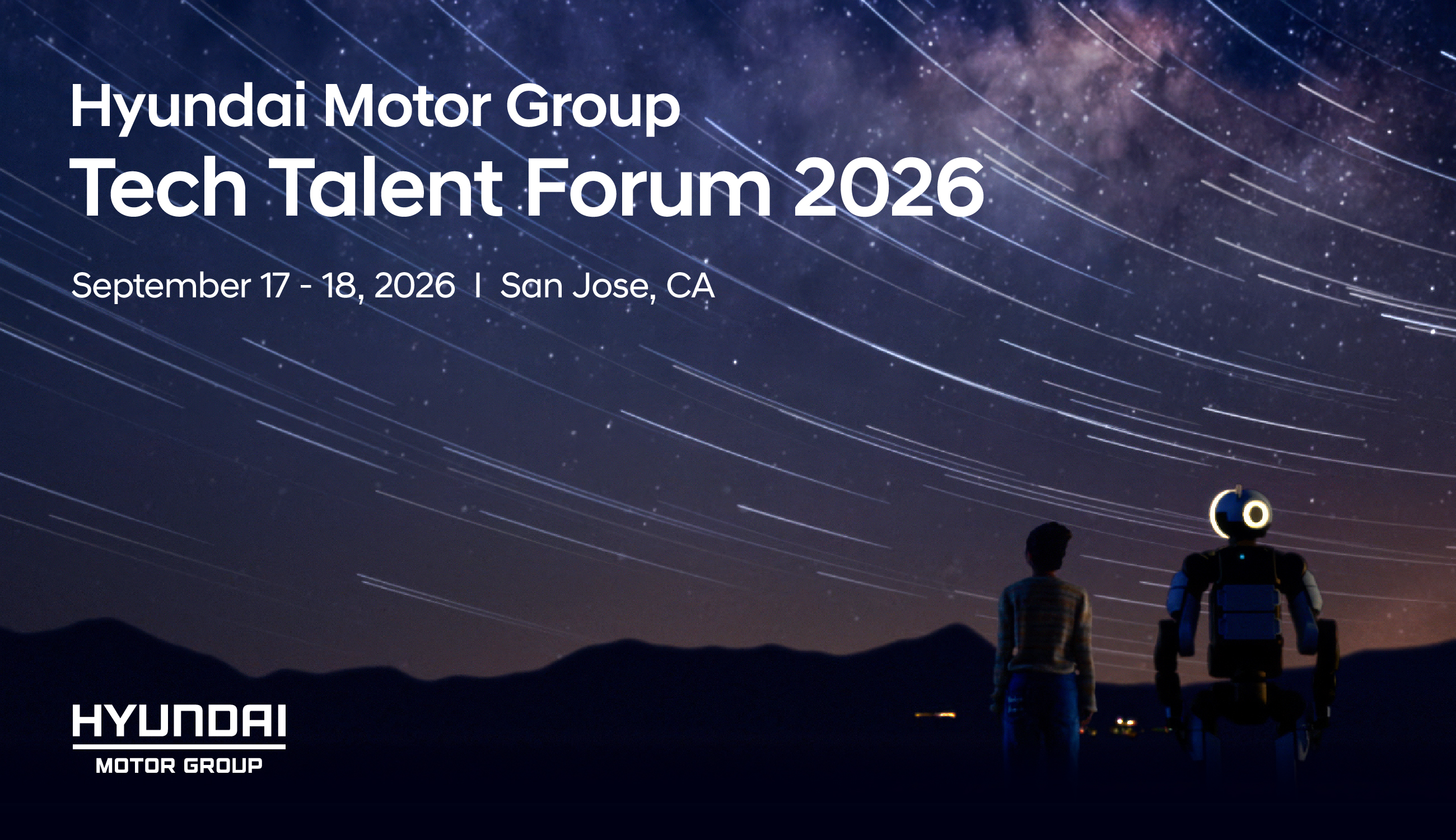
It sits at the heart of the HMG Tech Talent Forum 2026, a two-day event beginning September 17 at the San Jose McEnery Convention Center in California. Through the forum, Hyundai Motor Group aims to present its technological capabilities, business strengths, and long-term vision—while encouraging engineers to think more concretely about the kinds of careers they can build as AI and software begin to take on real-world operational roles.

For the first time at a Group-wide level, Hyundai Motor Company, Kia, Boston Dynamics, Motional, 42dot, and Hyundai Motor Group’s North American affiliates will come together in one place to engage global tech talent as a unified organization. The event is designed as an open platform where the Group’s technology leaders can meet world-class engineers directly, explore major technology trends, and exchange perspectives on the challenges reshaping mobility, robotics, AI, and manufacturing.
Ahead of the forum, four leaders representing Hyundai Motor Group’s technology vision shared their perspectives on where the Group is headed—and the kind of talent it is looking for.
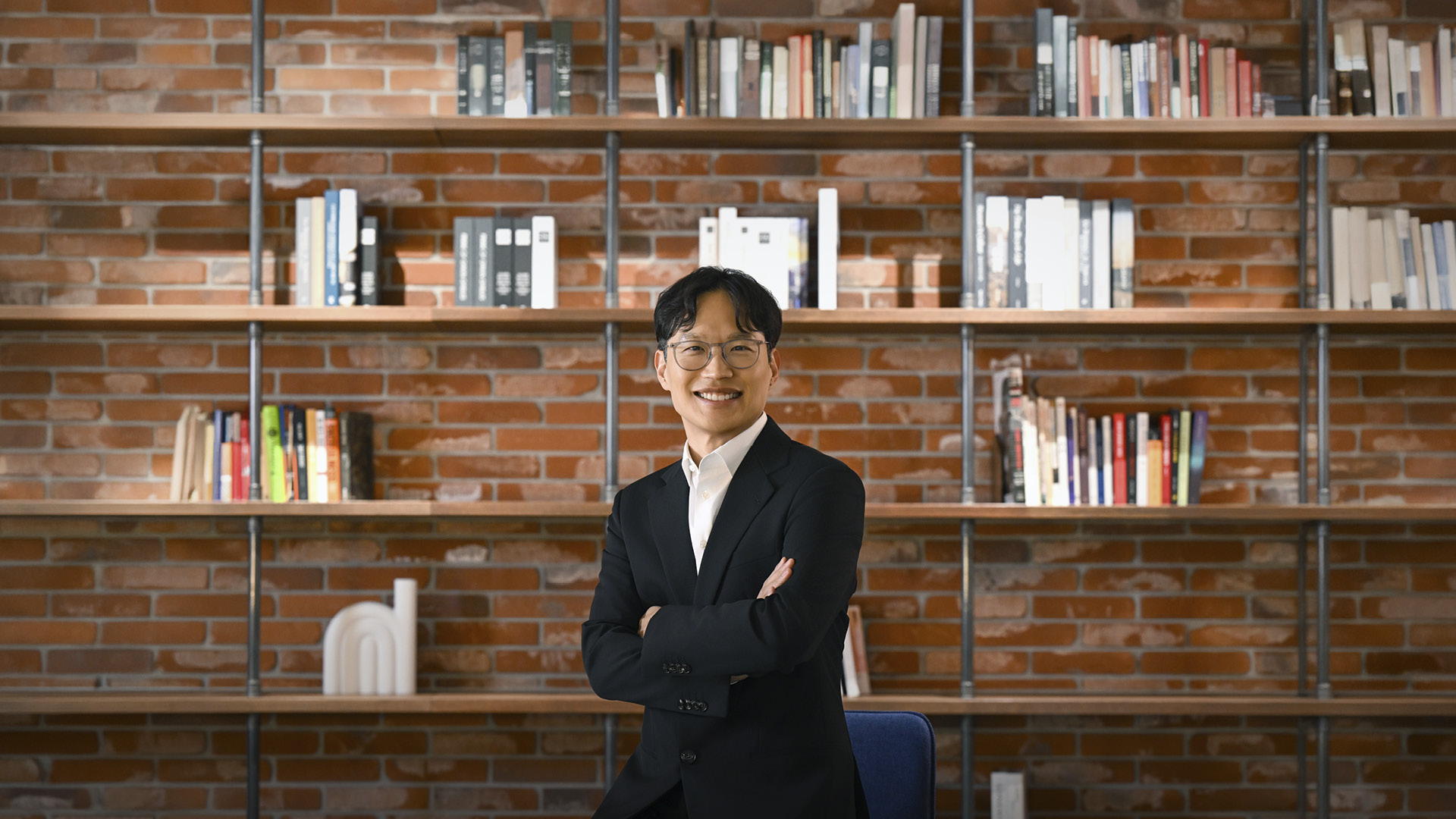
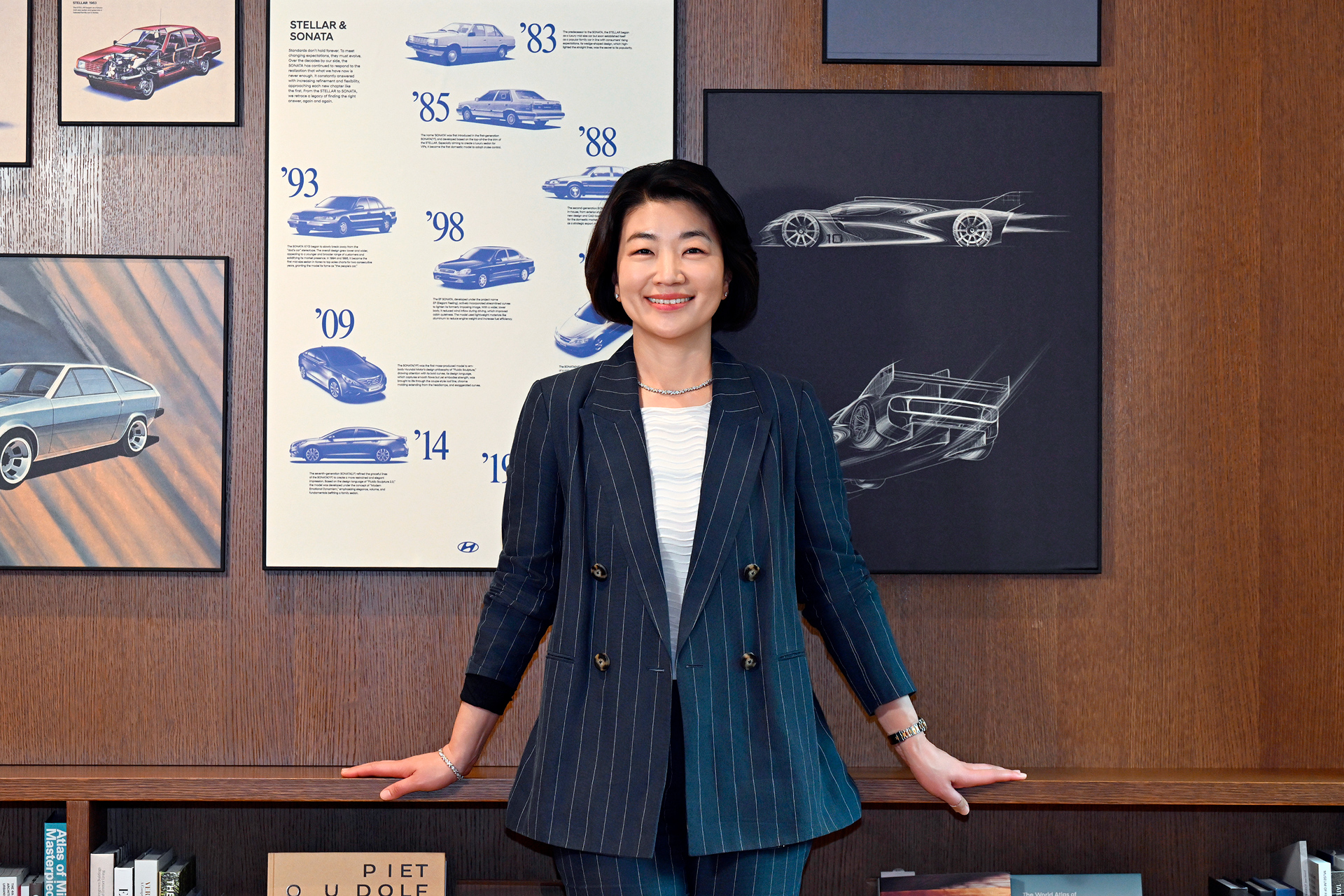
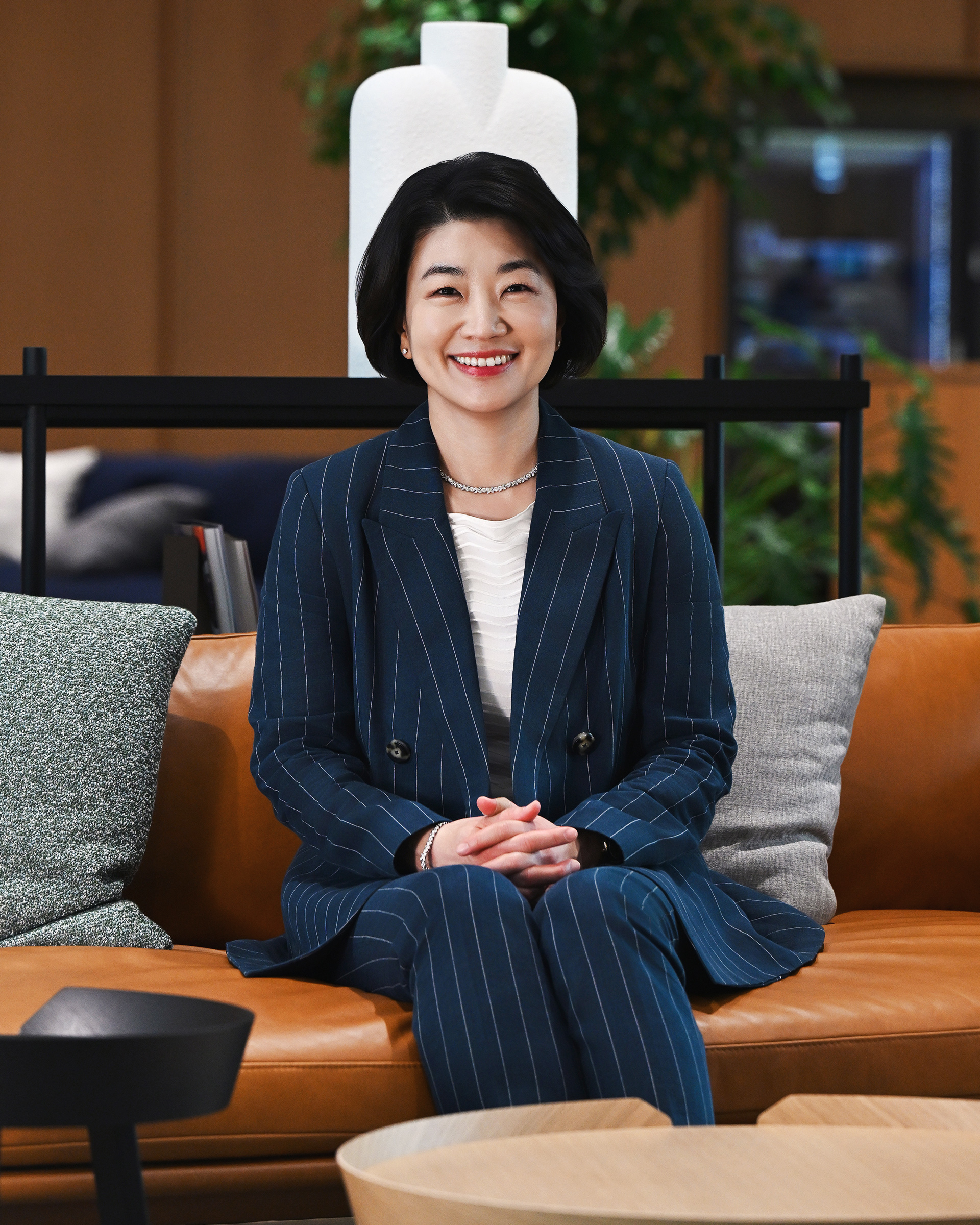
The first is Hae In Kim, Executive Vice President and Chief Human Resources Officer of Hyundai Motor Group. In her role as CHRO, Kim oversees the Group’s overall HR strategy. She previously worked at PwC and served as CHRO at BAT’s global headquarters. Since joining Hyundai Motor Group in early 2024, she has played a strategic role in recruiting global technology leaders and driving the organizational change needed to support the Group’s next phase.

AI, robotics, autonomous driving, and future mobility are evolving rapidly. But to many people, Hyundai Motor Group is still seen primarily as an automaker. Kim does not reject that label. She expands on it.
“Of course, Hyundai Motor Group is an automaker,” Kim says. “But from the perspective of AI and software talent, the company is far more multidimensional than that.” Her point is that Hyundai Motor Group’s real advantage lies not just in building vehicles, but in having a system capable of taking technology into the physical world at industrial scale.
Hyundai Motor Group’s business ecosystem extends beyond automobiles to include parts, steel, construction, finance, and a wide range of affiliated companies. Across 55 major business areas and more than 320,000 employees, the Group has the operating scale to turn technology into solutions that work in real industries—not just controlled demonstrations.
Mobility, robotics, smart manufacturing, logistics, and hydrogen energy are not separate stories within the Group, they are interconnected capabilities. This structure—where the elements needed to realize Physical AI already exist within a single organization—is one of the clearest reasons Hyundai Motor Group believes it can appeal to global tech talent.
For engineers, that matters. The work does not have to stay inside one narrow domain. Technology can move across different businesses, operate under real conditions, and ultimately show the kind of impact it can create.
“In the past, many engineers focused on the technology itself,” Kim says. “Now, more and more technical talent wants to understand how that technology is implemented in real environments, what kind of results it creates, and what impact it can have in the real world.”
This is where Hyundai Motor Group’s proposition begins to stand apart from the typical software-company pitch. AI developed by engineers can be embed-ded in vehicles and advanced robotic systems, connected to smart manufacturing and logistics operations, and extended to clean hydrogen energy systems. It can move across the full real-world value chain, rather than remain within a single product layer.
Kim describes this as a loop. “AI makes decisions, moves physical devices, generates data, and then uses that data to improve the model again,” she says. “That loop is extremely important.” Very few companies can offer engineers the opportunity to experience that loop end to end—from model development to field deployment, all the way to real operating environments. Hyundai Motor Group’s argument is that this is where technical growth accelerates.
“Hyundai Motor Group’s technology ecosystem does not end as a clean demo in a laboratory,” Kim says. “The models our engineers develop are deployed directly into real environments, where conditions are rough, unpredictable, and full of variables.” That makes the work more challenging. It also makes the feedback more valuable.
“In that process, we accumulate a tremendous amount of real-time feedback and high-quality edge data,” Kim says. “We then use that data to refine and improve the model. This loop repeats continuously.”
For Kim, that loop is not just a development method. It is also a career environment. “It can significantly elevate the level of the technology itself,” she says. “And it also pushes engineers involved in the process to expand their technical perspective to an entirely new level.”
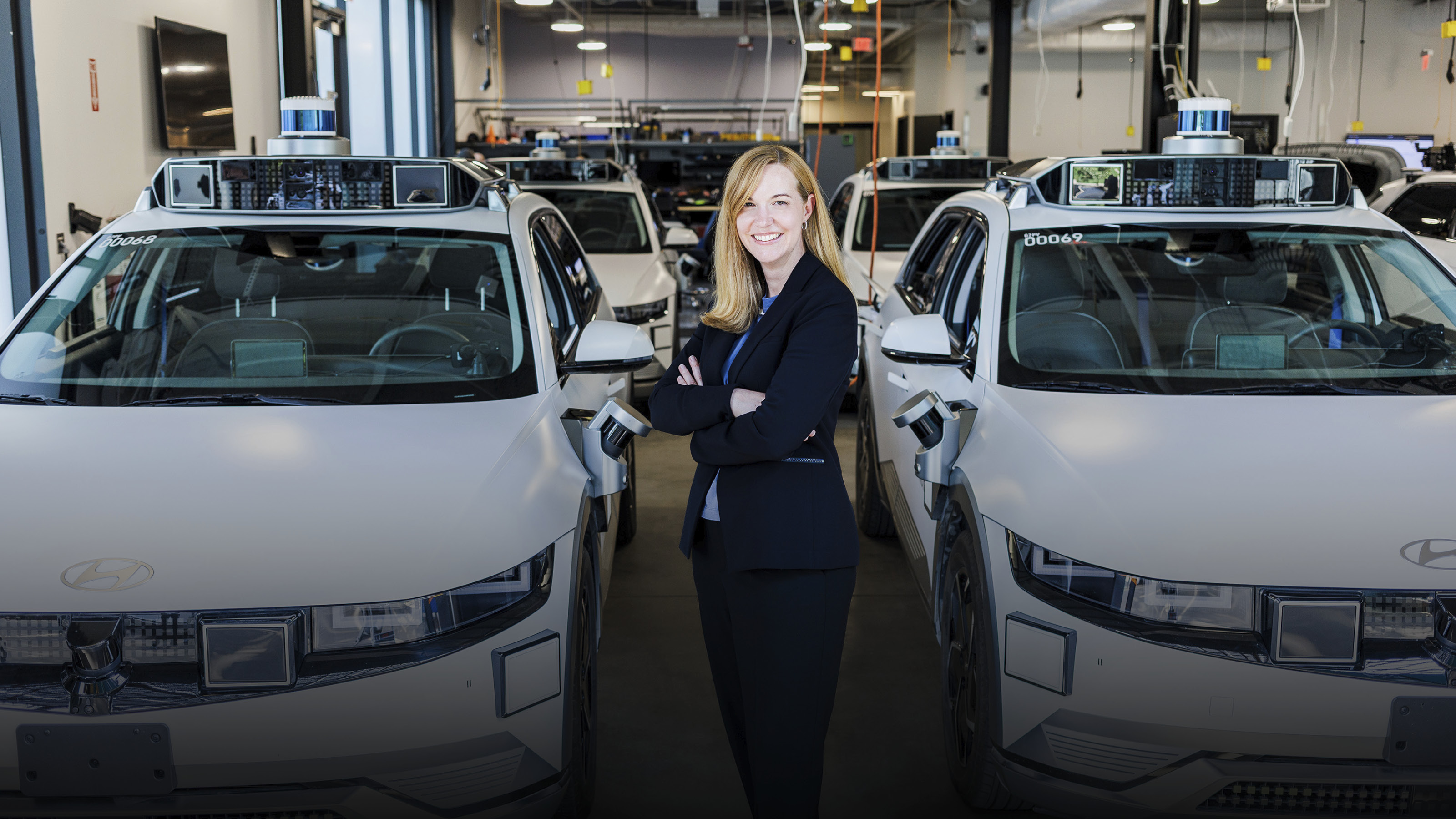
In January, Hyundai Motor Group brought in Minwoo Park as President, Head of the AVP Division, and CEO of 42dot. Park was a core member of Tesla’s Autopilot team and helped build the foundation of its autonomous-driving system. He later joined NVIDIA in 2017, where he contributed to the development of autonomous driving software architecture and rose to vice president within six years, working closely with leadership, including Jensen Huang.
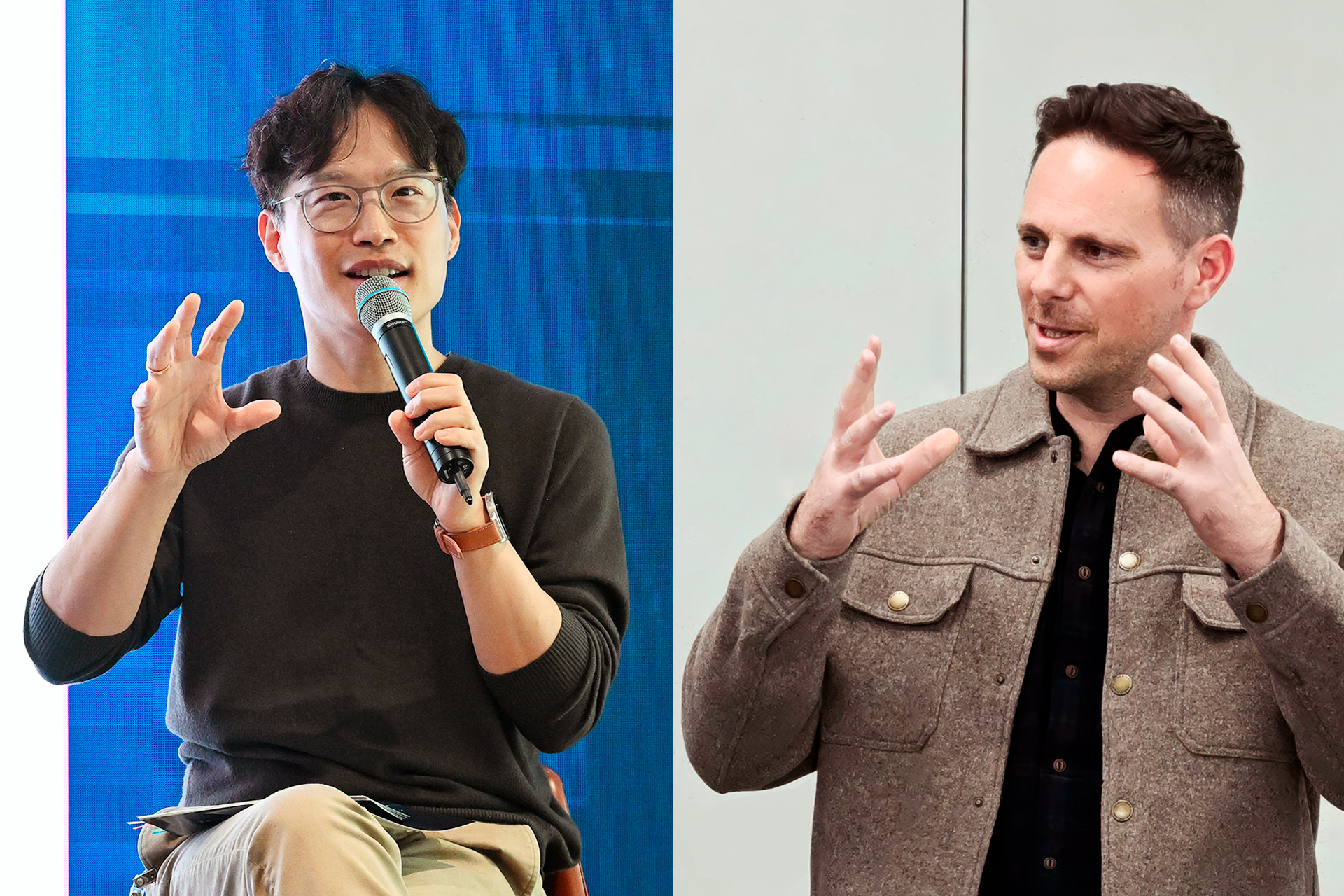
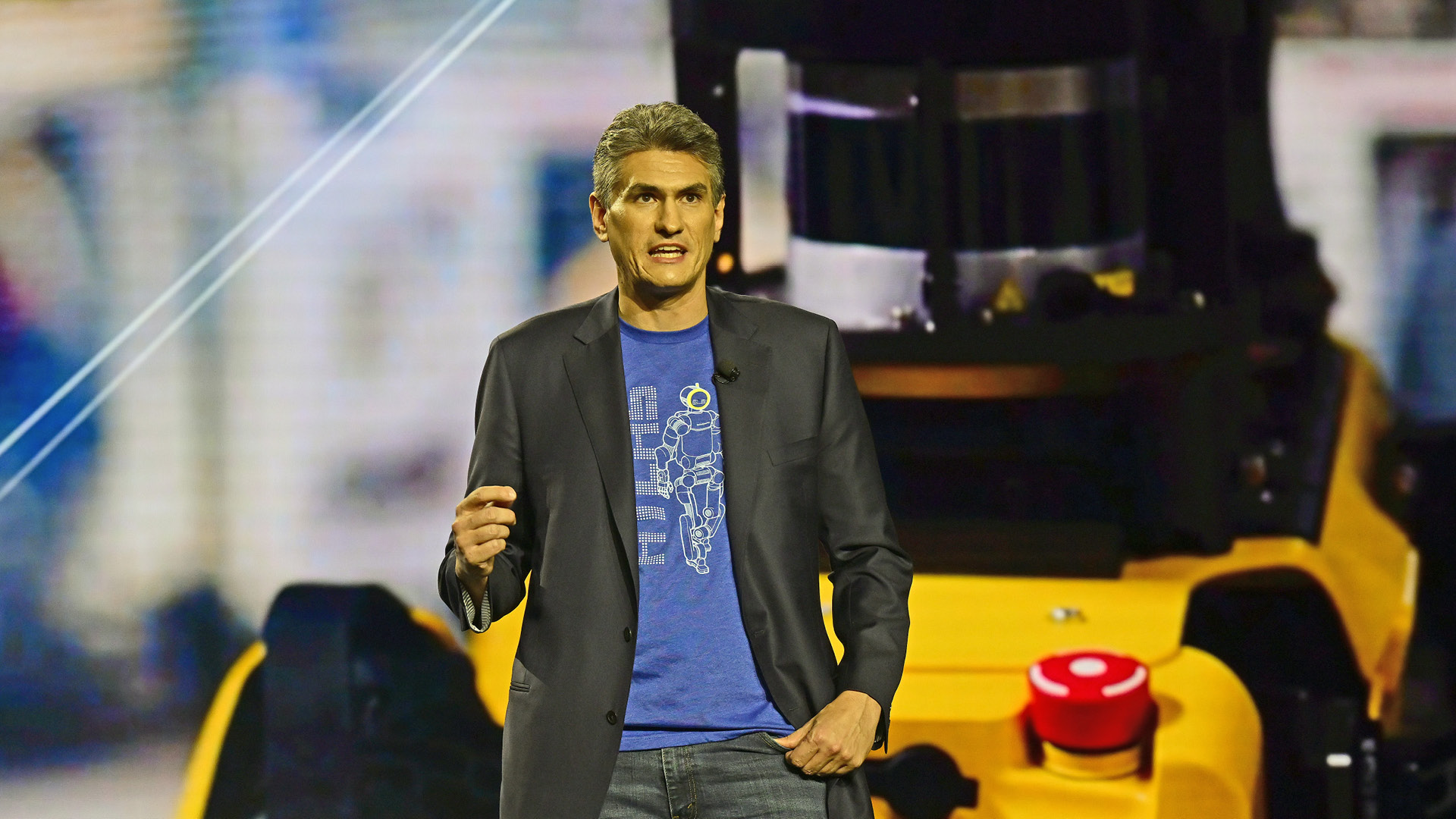
Around the same time, Hyundai Motor Group appointed Milan Kovac as Group Advisor and independent director of Boston Dynamics. Kovac is not a conventional auto-industry hire. He has spent nearly two decades working across software, hardware, and AI-based robotics systems. At Tesla, he worked on Autopilot, the company’s camera-based, vision-first autonomous-driving system. He led development of the Optimus humanoid robot program until recently.
Those are not just résumé details. They say something about what Hyundai Motor Group is trying to become. Both Park and Kovac come from environments where software, AI, and hardware are deeply integrated rather than treated as separate domains. They have also both worked on technologies that are exceptionally difficult to take from prototype to real-world deployment: autonomous driving, humanoid robotics, and AI systems that have to understand and react to the physical world.
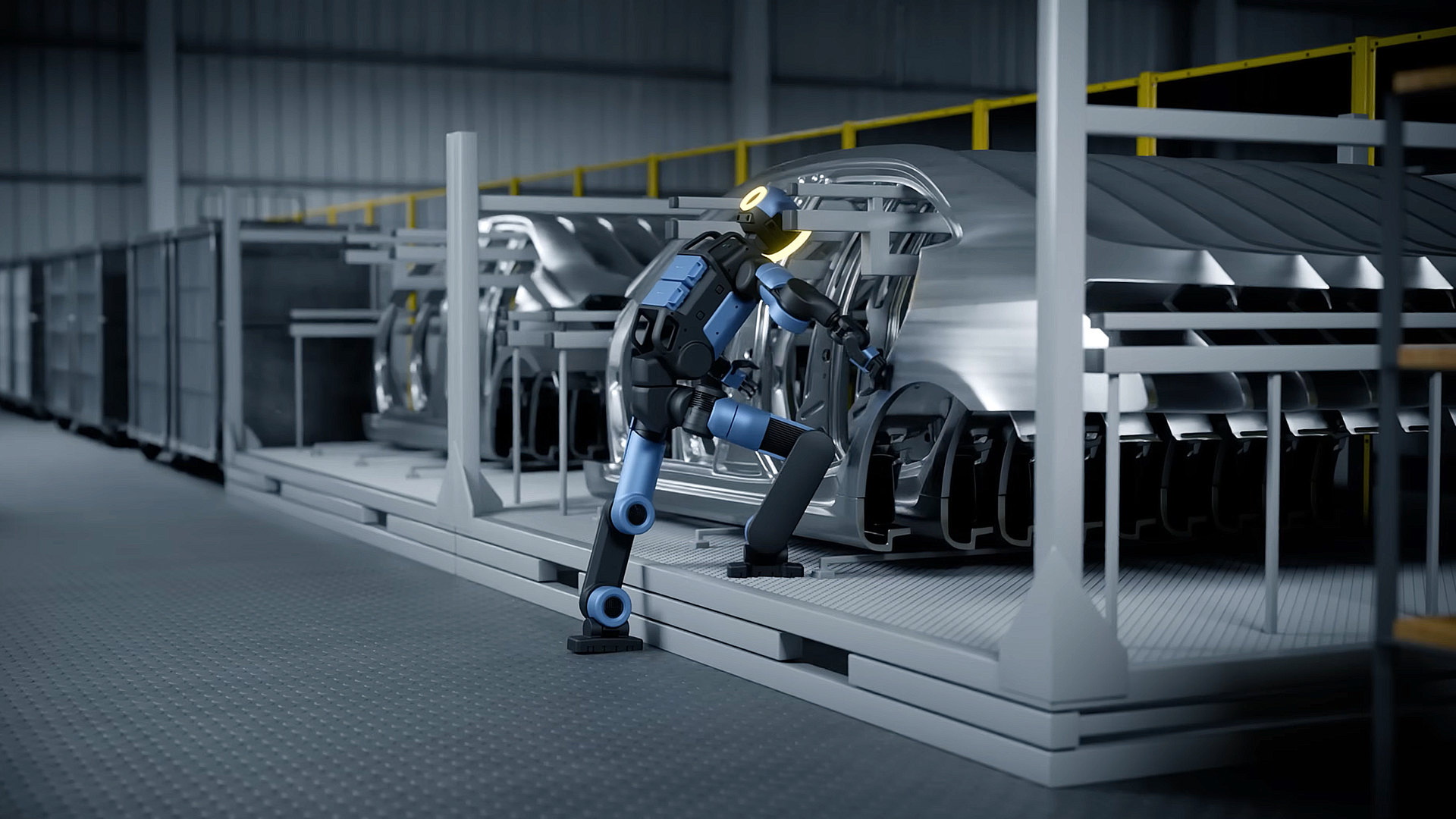
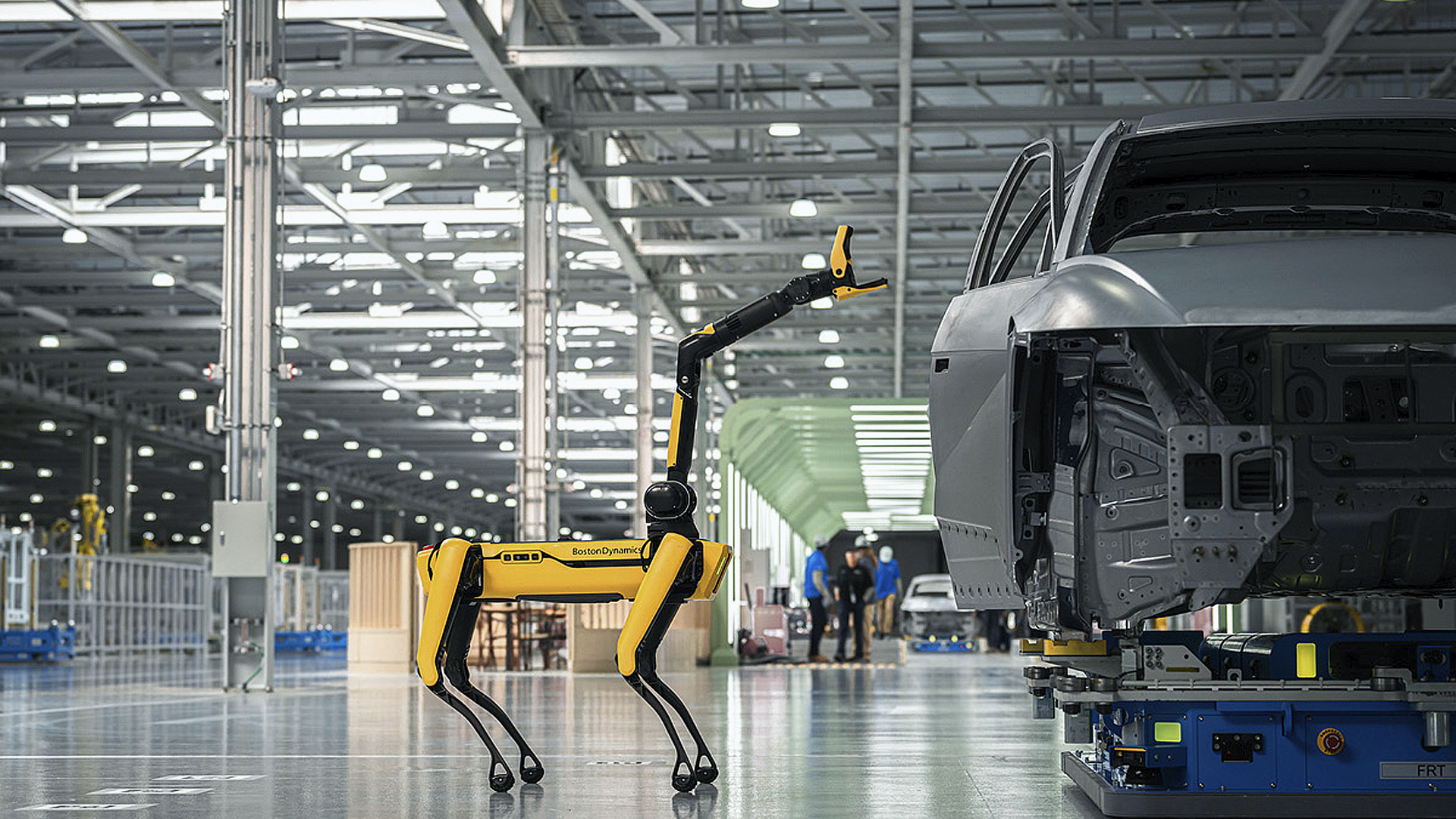
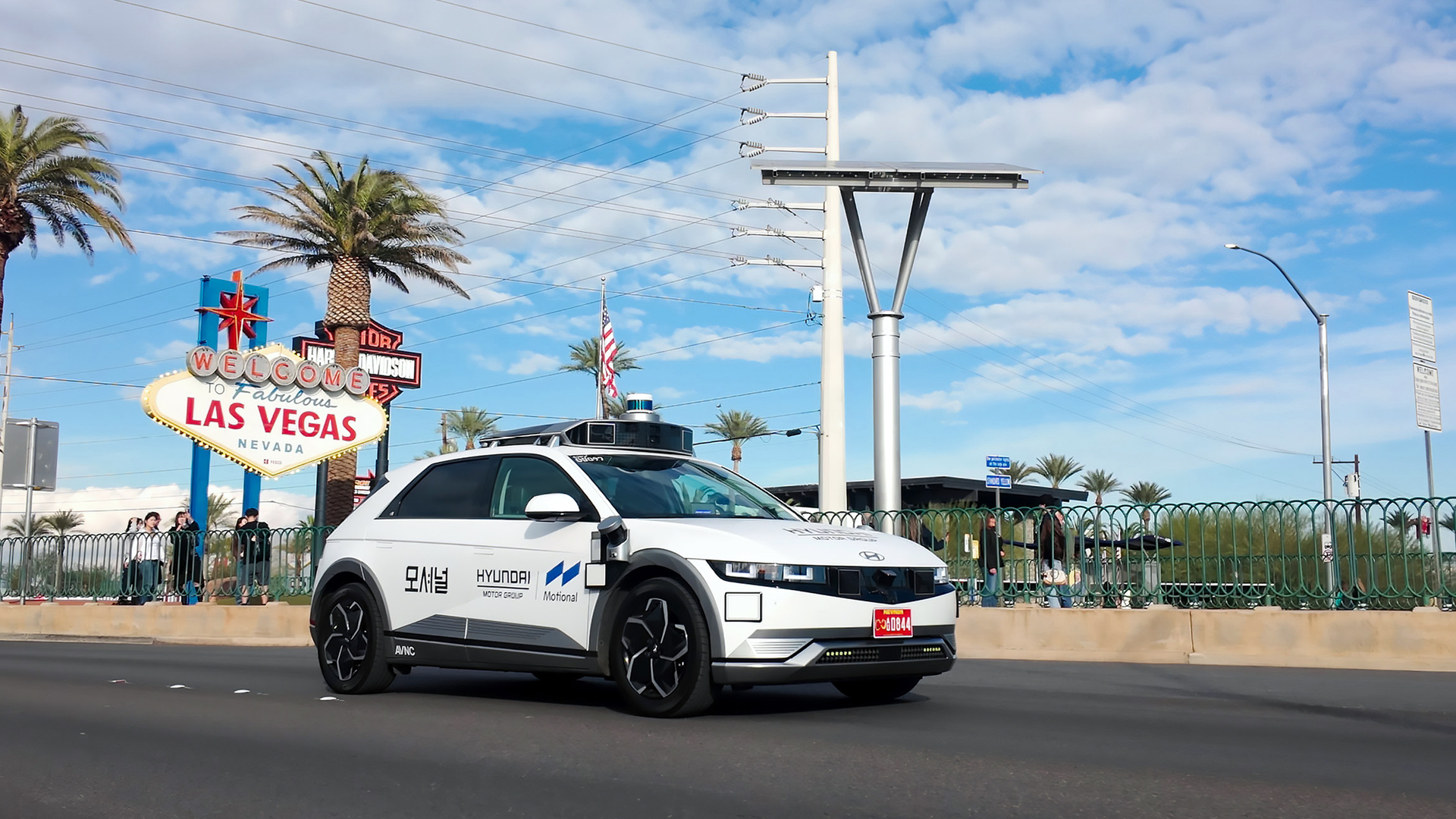
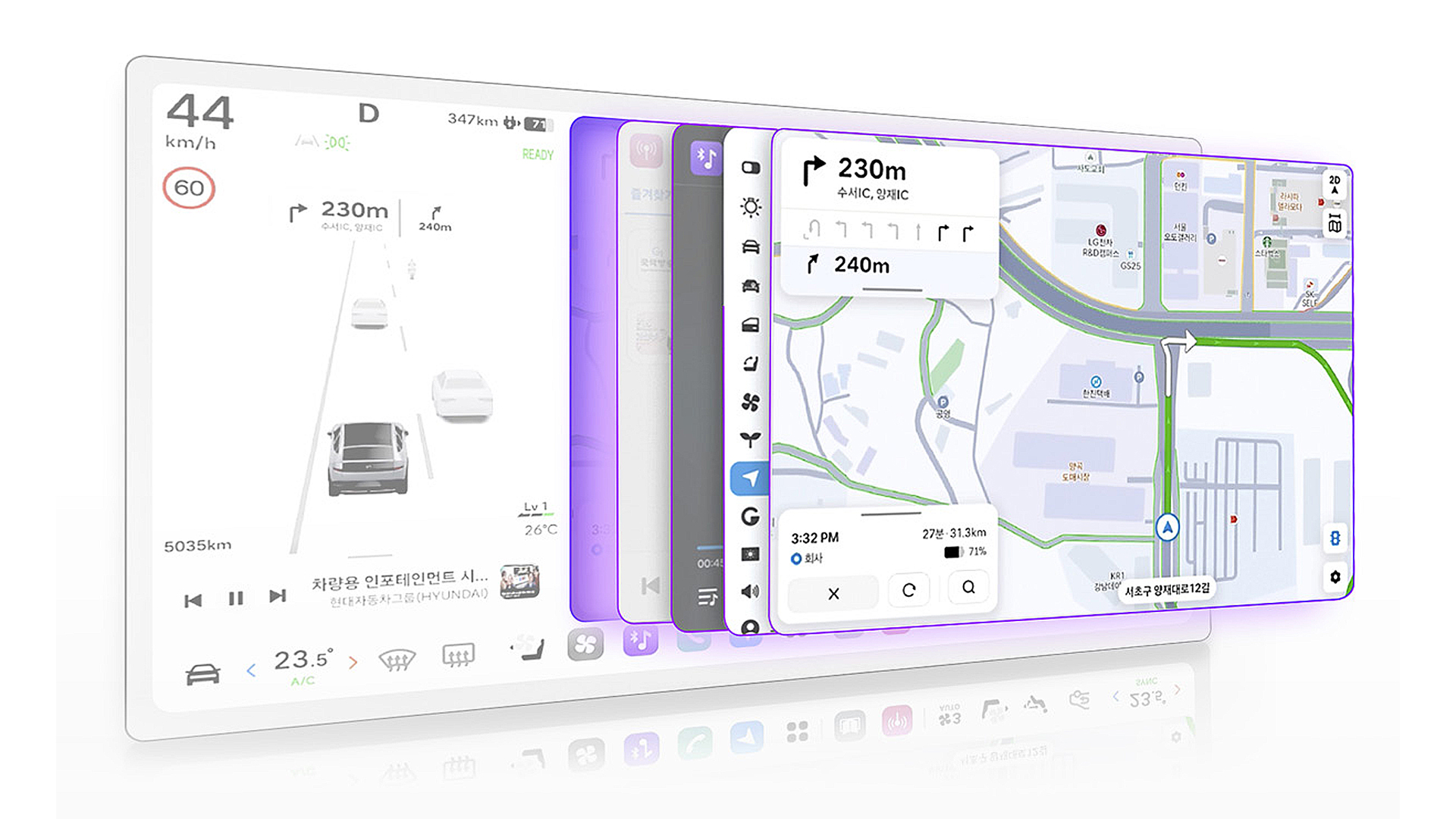
That is the real point. Hyundai Motor Group is not just looking for people who can build promising technology. It is looking for people who understand what happens after the prototype works.
That is why these hires matter. They signal that Hyundai Motor Group is moving robotics, AI, and autonomous driving out of the “future tech” category and into the more demanding world of industrial execution. They also sharpen the Group's message to engineers. Hyundai Motor Group is not looking only for people who can build a breakthrough in isolation. It wants talent that can take those breakthroughs into complex industrial environments—where they must be commercialized, scaled, validated, and trusted. Kim frames this as one of the key differences in a technology career.
“What you have built over the course of your career matters,” Kim says. “But experiencing how that technology actually works, and how it changes when it encounters unexpected problems, becomes an even greater asset.” That kind of experience changes how engineers approach problems. “When dense, real-world experience accumulates,” Kim says, “the way you see problems naturally becomes broader.”
Physical AI is easy to describe. Building the machinery behind it is something else entirely.
The idea sounds straightforward: AI understands the world, makes decisions, moves machines, gathers data, and improves over time. But once that concept leaves the screen, it becomes a full-scale engineering challenge. It has to deal with factories, robots, energy systems, safety requirements, physical space, regulation, capital investment, and failure modes that cannot be solved with a simple software update.
That is what makes Hyundai Motor Group’s Saemangeum Robot and Hydrogen Advanced Industry Development and AI Hydrogen City Project worth watching. Announced in February, the project calls for a roughly 9 trillion won investment in the Saemangeum area of Jeonbuk. The plan brings together an AI data center, a robot manufacturing and parts cluster, a PEM water electrolysis plant, solar-power infrastructure, and an AI Hydrogen City in one connected site.

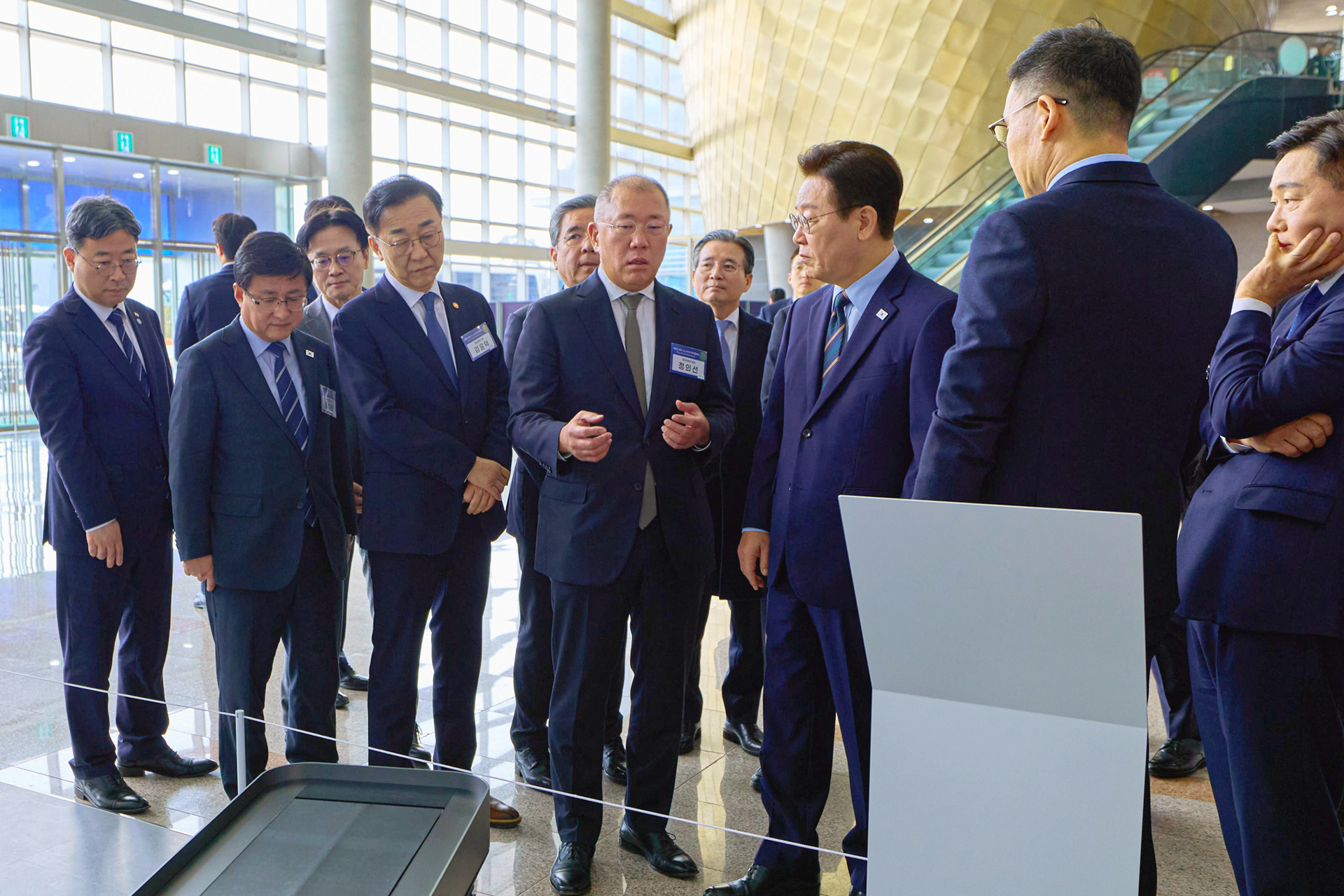
The numbers are big: 50,000 GPUs in the first phase of the AI data center, annual production capacity for 30,000 robots, and a 200MW-class PEM water electrolysis plant designed to produce clean hydrogen at scale. The AI data center and solar-power infrastructure are scheduled to begin construction in 2027 and be completed in 2029. The robot manufacturing and parts cluster is expected to break ground in 2028 and be completed in 2029.
But the real story is not just the scale of the investment. It is the way Hyundai Motor Group is trying to link the pieces together. Physical AI requires more than compute power. It needs manufacturing, robotics, energy infrastructure, data pipelines, safety validation, and real environments where the system can be tested, improved, and proven.
Saemangeum is Hyundai Motor Group’s attempt to bring all of these together in one place. For engineers, that changes the nature of the opportunity. The technology they build would not be limited to simulations or controlled demonstrations. It could be deployed at a city scale, where robotics, energy, data, manufacturing, and mobility must operate as a single, integrated system.
Kim sees the project as one of the clearest examples of Hyundai Motor Group’s future direction: “Hyundai Motor Group is intentionally designing an environment where technologies can function and interact from the beginning," Kim says. “What matters is not simply discussing the potential of technology, but creating an environment where it is integrated into everyday life.”
That is a different mission from simply building a strong mobility product. It is closer to building the foundation for AI to operate in the real world. “The Saemangeum project clearly reflects the direction Hyundai Motor Group is taking,” Kim says. “The Group is moving beyond the traditional boundaries of a manufacturer focused on specific mobility products.”
The bet is that the next phase of AI will reward companies that can connect the digital and physical layers at scale. Hyundai Motor Group wants to be one of the companies that can do so with real hardware, real production, and real-world validation.
“We are building a real structure that can give Hyundai Motor Group strength in the next phase, where AI moves into the physical world,” Kim says. “For technical talent, that creates an opportunity to expand both their role and impact."
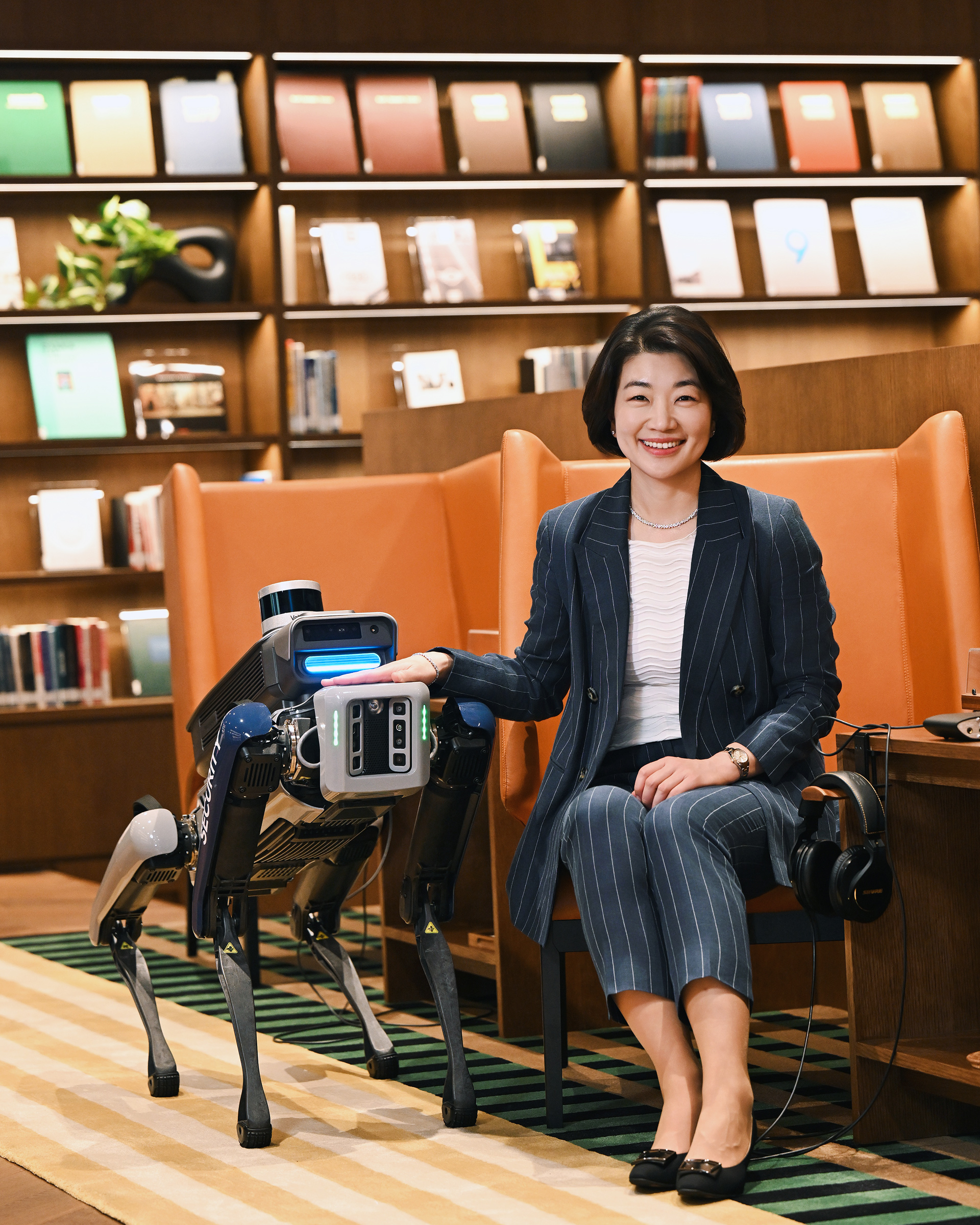
That leads to an essential question for engineers: if Hyundai Motor Group is working to connect AI, robotics, mobility, manufacturing, logistics, and energy into a single operating system, what kind of engineer fits that model?
Kim’s answer comes down to three competencies: perspective, collaboration, and the willingness to take on challenge.
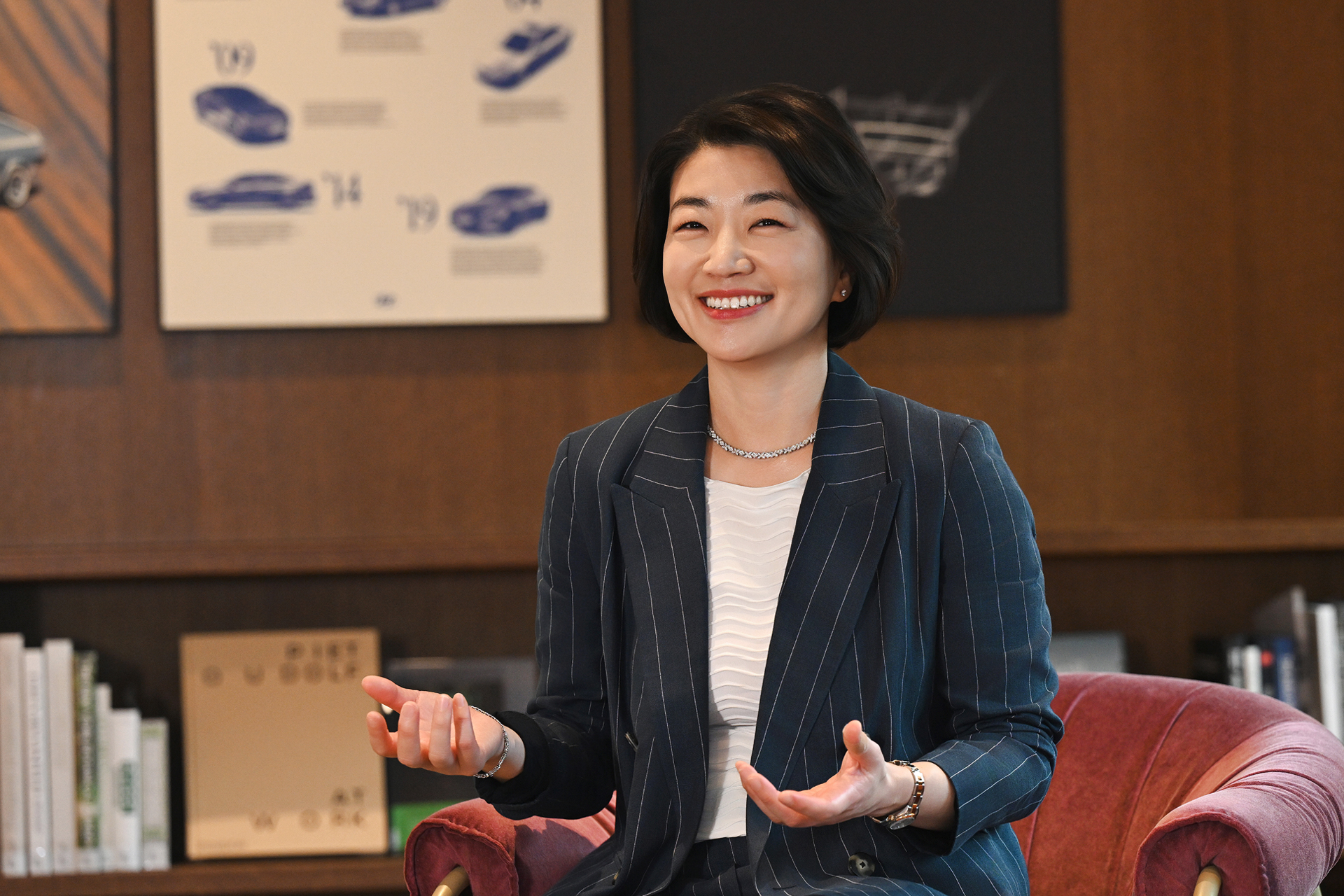
The first is perspective. In a company building systems that operate in the physical world, a narrow technical view is not enough. A model is not just a model. A sensor is not just a sensor. A line of code can ultimately shape how a vehicle moves, how a robot reacts, how a factory operates, or how energy flows through a city-scale system.
“We are not looking for people who lock themselves inside a narrow technology stack or a fixed job description,” Kim says. “What matters is the perspective and curiosity to understand what role your technology plays inside the overall system—and how it can be expanded.”
That is an important distinction. In a pure software environment, the boundaries of a product can be relatively clear. In Hyundai Motor Group’s world, the product may be a vehicle, a robot, a manufacturing process, an energy system, or the connection among all of them. The engineer has to understand where one system ends, where another begins, and how decisions in one area affect the entire chain.
The second keyword is collaboration. It may sound like standard corporate language, but in this case it is more structural than cultural. Hyundai Motor Group’s end-to-end value chain spans from automobiles and robotics to manufacturing systems, logistics, and future clean energy. In an environment like this, the most meaningful problems do not belong to a single team or even a single discipline.
A robotics engineer may need to work closely with manufacturing experts. An AI engineer may need to understand vehicle data, safety requirements, and field conditions. A software team may have to coordinate with hardware, production, logistics, and service organizations before a technology can reach the real world. That is why Kim has used the phrase “global one team” in previous media interviews. It is not just a slogan. It is a requirement for making complex technology work at scale.
The third keyword is challenge. “We are looking for global talent with the strength and attitude to take on new problems boldly, enjoy the process itself, and grow through that challenge,” Kim says. “Not people who simply look for a safe, predetermined answer.”
That may be the most direct way to understand Hyundai Motor Group’s talent proposition. The company is not promising engineers a clean, predictable software problem. It is offering the opposite: complicated systems, physical constraints, safety demands, production realities, and customers who expect the technology to work every time.
For Kim, that is exactly why the work can matter.
“A technology career should not be reduced to a simple choice about compensation or the name on the next company badge,” she says. “It should be a decision about the context of the problems you want to experience.”
This matters because not all technical challenges shape a career in the same way. Some problems are difficult because the code itself is complex. Others are difficult because the real world refuses to behave like the test environment. Hyundai Motor Group believes that the second kind of problem will become increasingly important as AI moves into physical systems.
“You need to ask whether the problems you will face are complex and realistic enough,” Kim says. “You also need to consider how the experience of solving those problems will shape the career that follows.”
The more complex the technology becomes, the more important the people around it become as well. Kim’s point is that individual talent still matters, but it is no longer enough on its own. “As technology grows more complex and more interconnected, it becomes increasingly important to grow together through collaboration—and not just through individual capability,” Kim says. “If you have a clear answer to those questions, you can grow with a strong sense of direction—whether at Hyundai Motor Group or elsewhere.”
That is also why HMG Tech Talent Forum 2026 is positioned as more than a recruiting event.
At first, it may simply be seen as a hiring push. But Hyundai Motor Group is positioning the forum as something broader: an opportunity for engineers to understand what the Group is building, the kinds of technical problems it is working to solve, and how a career can develop within a company where AI and software operate across vehicles, robots, factories, logistics systems, and energy infrastructure.
The forum will include keynotes and leadership panels outlining the Group’s technology direction. Expert sessions will give participants a deeper look at specific technical areas. Technology exhibits will show how those ideas are being implemented. Networking sessions will make the organization more visible— not just its strategy, but the people behind it.
The goal is to make the system legible.
For engineers who mostly know Hyundai Motor Group as an automaker, the forum is designed to present a different version of the company. Kim says attendees do not need to arrive with a complete understanding of that agenda. The point is to see it directly.
“You do not need to fully understand every aspect of Hyundai Motor Group’s technology or vision before attending HMG Tech Talent Forum,” Kim says. “But when you speak with our tech leaders on-site and see our technology in practice, I am confident that you'll be able to evaluate our vision—and the value of a career here—from a completely different perspective.”
That is the broader message Hyundai Motor Group aims to deliver in San Jose. The next stage of AI may not be defined solely by larger models, faster chips, or more capable software platforms. It may be defined by what happens when those technologies enter the physical world—and by the companies that can make them work there. For engineers looking for that kind of challenge, Hyundai Motor Group is making the case that the real frontier is no longer just on the screen. It is on the road, in the factory, inside the robot, across the energy grid, and ultimately, in the city itself.