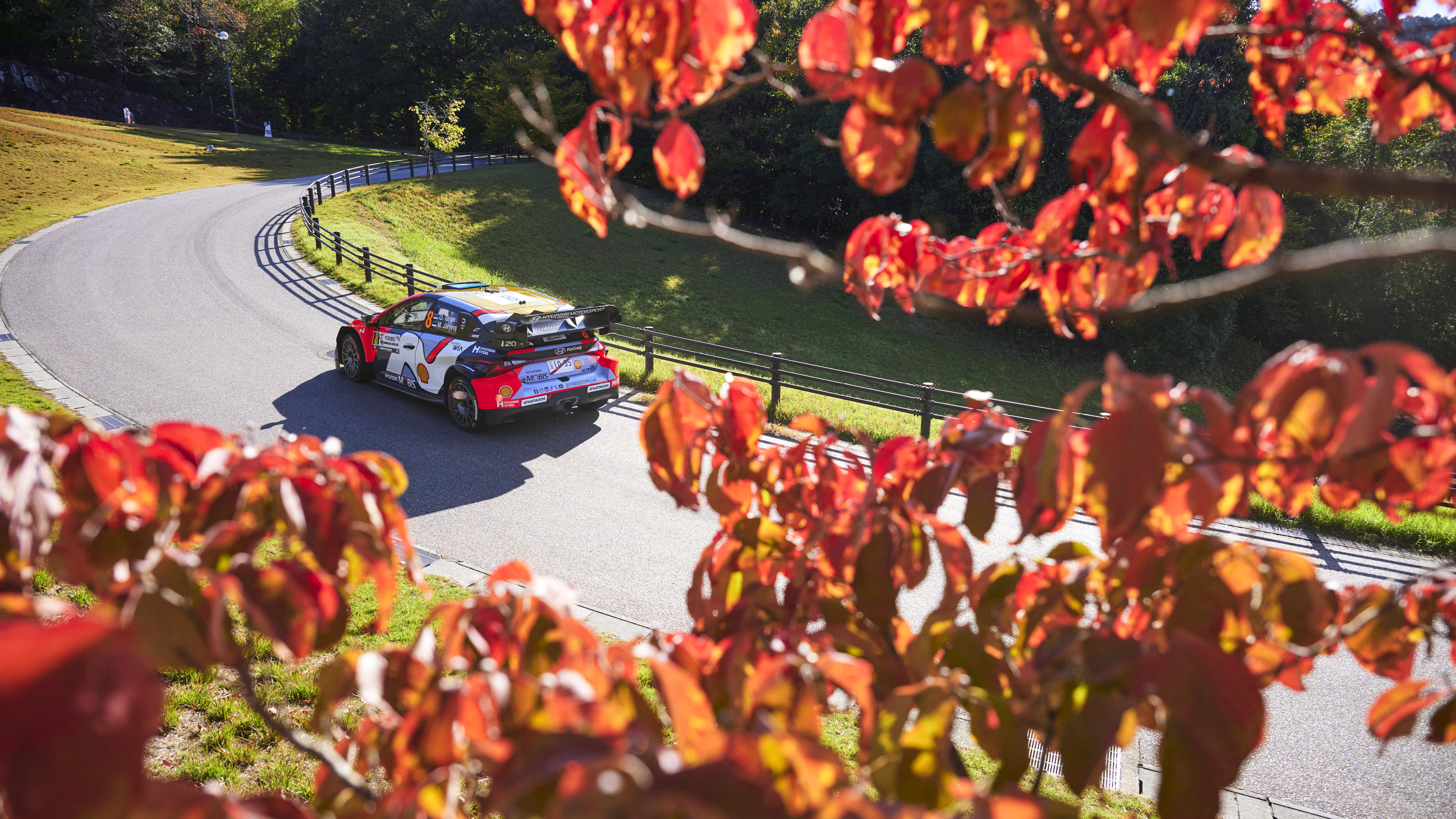
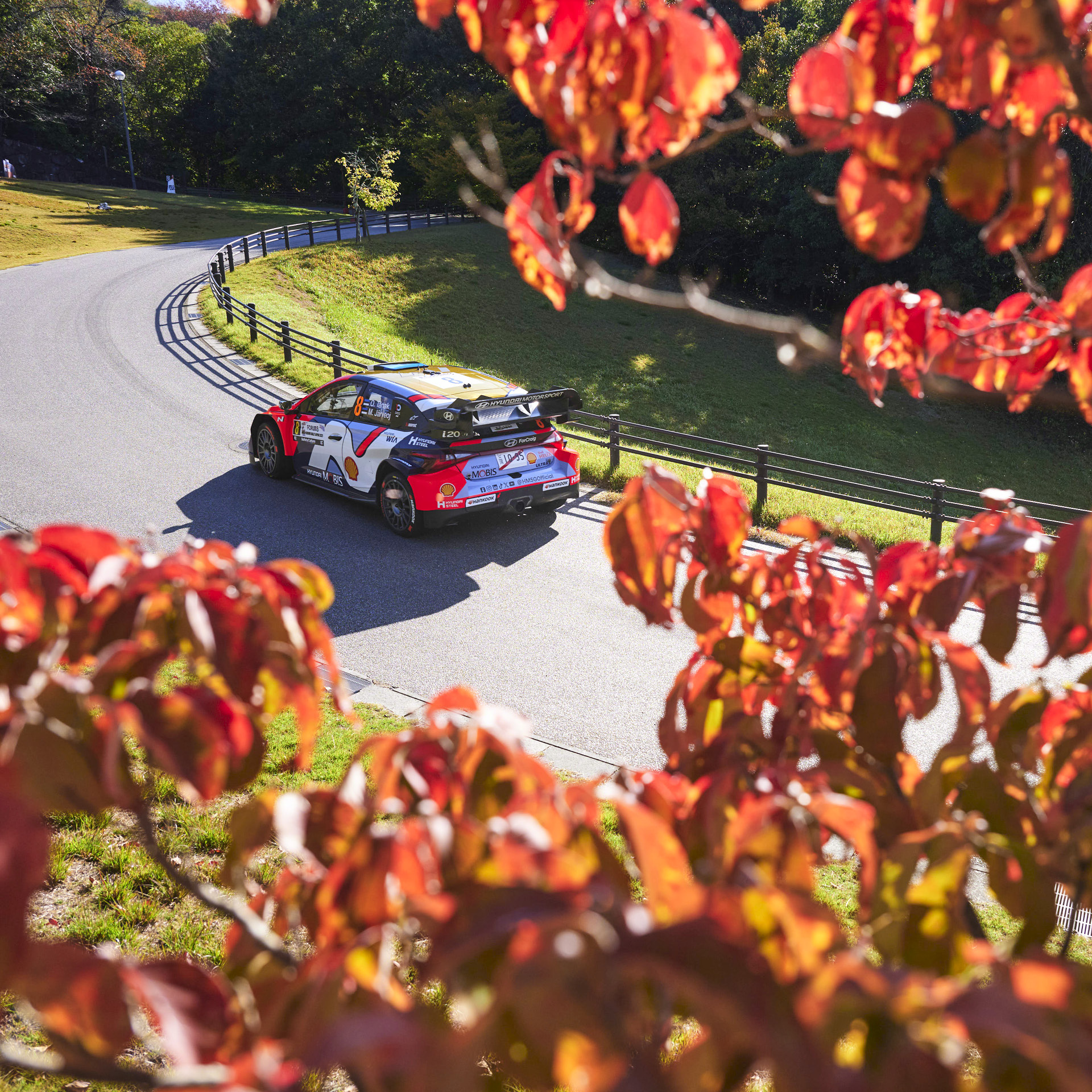
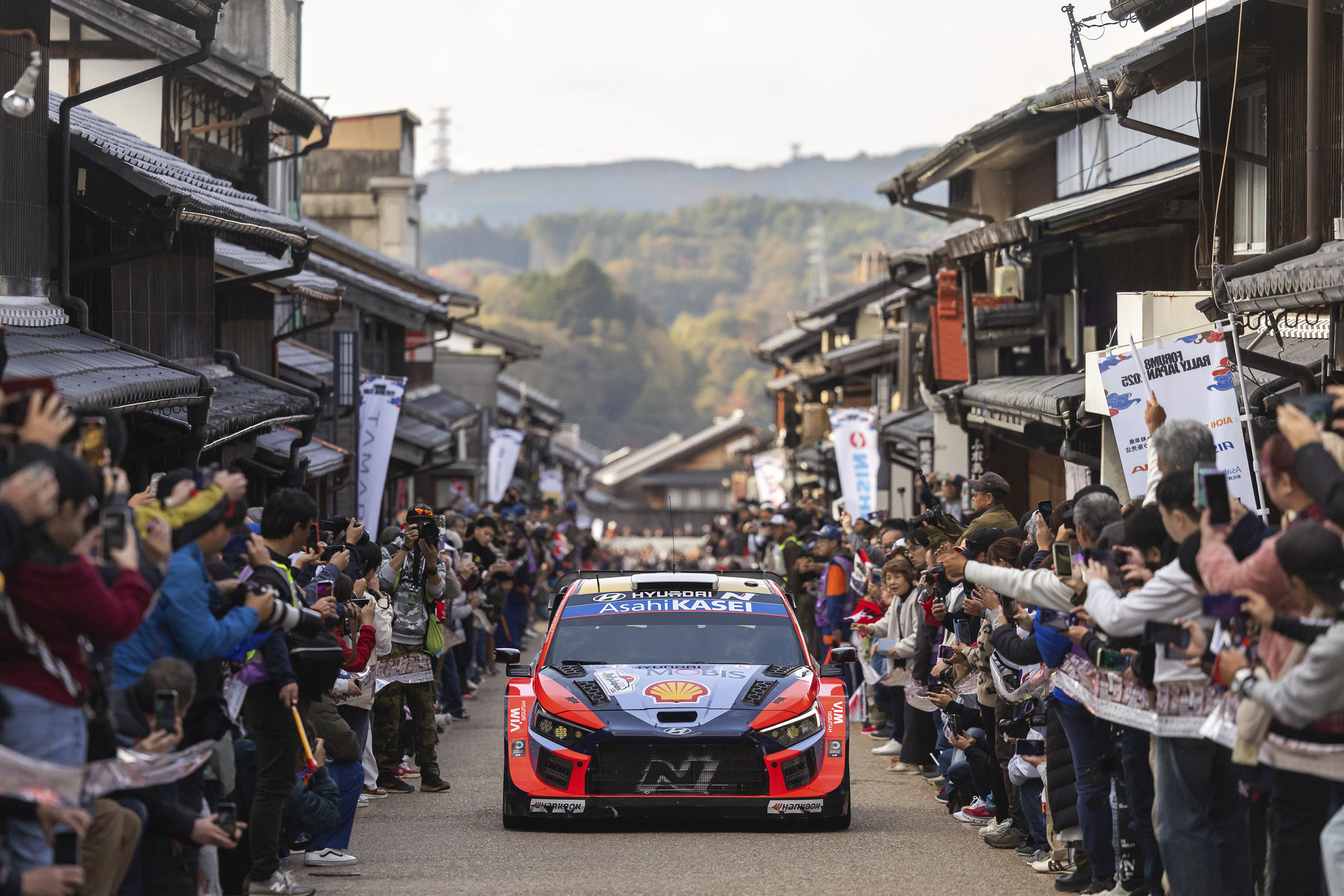
The 2025 WRC season, now heading into its final stretch, held Round 13 in Japan. Currently the only WRC round in East Asia, Rally Japan used to run on the gravel roads of Hokkaido in the early 2000s before disappearing from the calendar after 2010. When it returned in 2022, not only the venue but the character of the rally changed. Today’s Rally Japan is based around Aichi Prefecture in the center of the country and, unlike the old gravel format, is now primarily a tarmac event run on paved public roads.
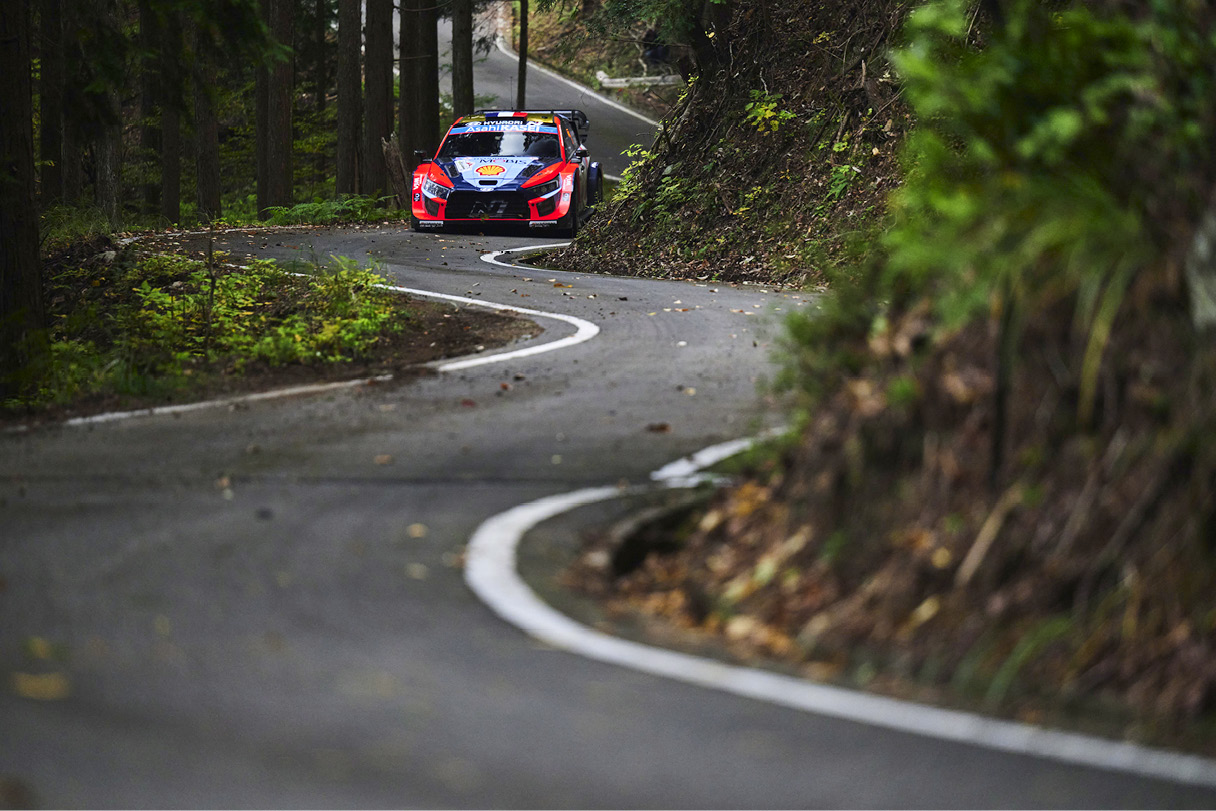
On top of that, Japan’s signature tight, winding roads are lined with thick layers of fallen leaves, sheer drops, and dense trees—obstacles waiting to catch out the slightest mistake. The damp surface means grip levels swing wildly, and dense fog often cuts visibility. For most drivers other than local hero Takamoto Katsuta, it’s a very unfamiliar environment. With the roads so narrow, fortunes can change on the smallest margin. A difference of just a few centimeters can mean clipping an obstacle, suffering a puncture, or dropping off the edge. Clean, tidy driving and simply surviving to the finish is critical.
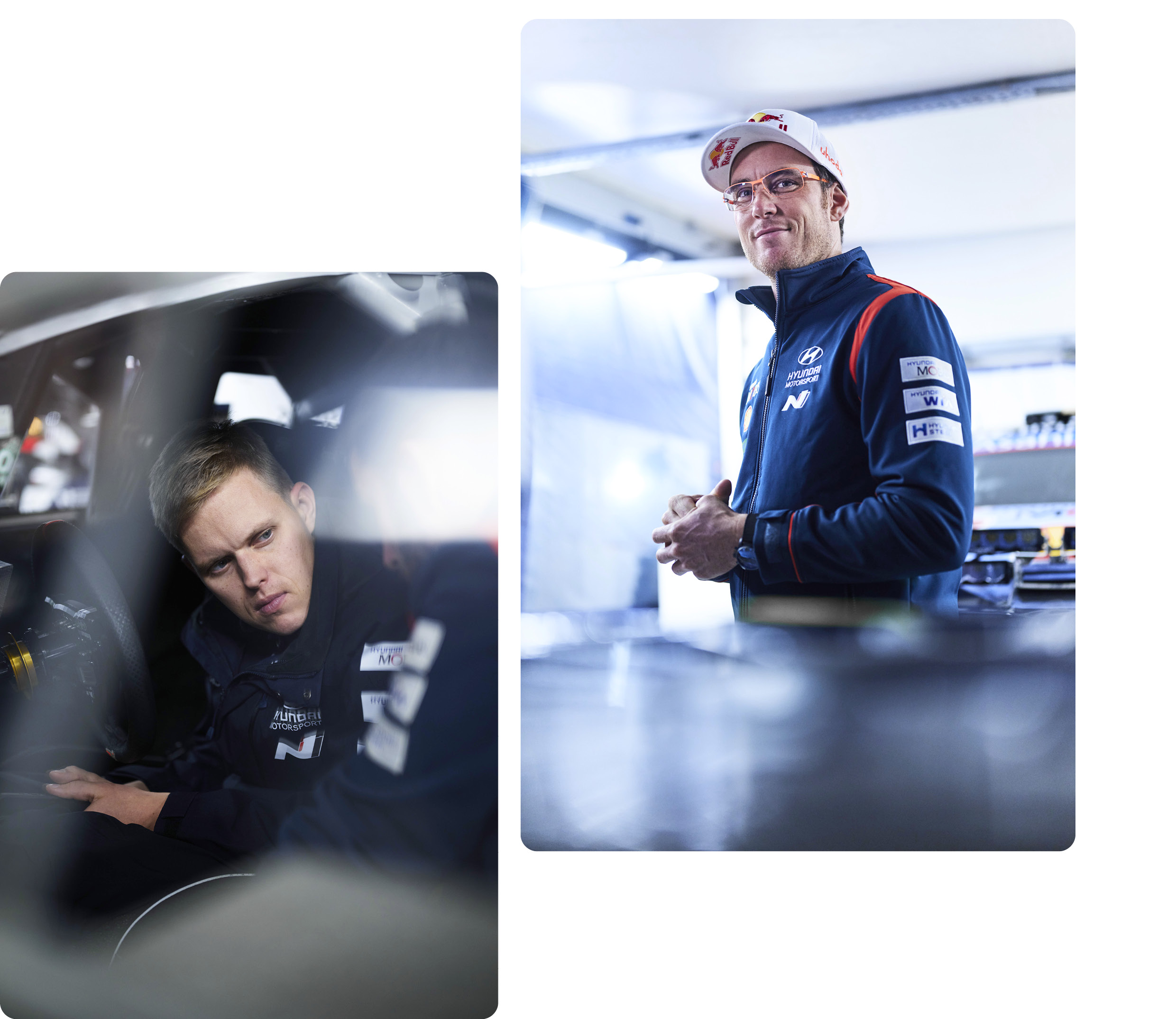
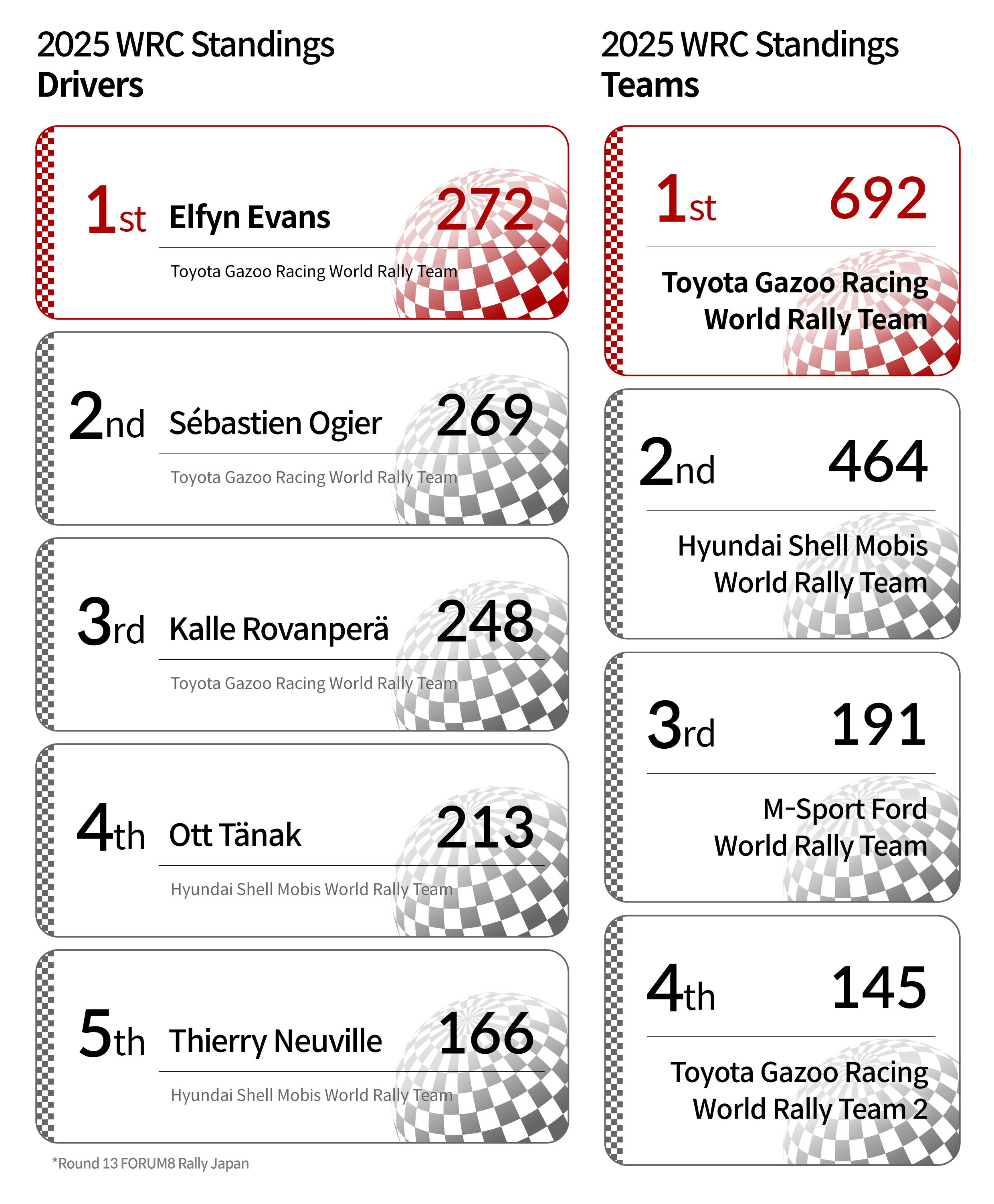
Hyundai entered Ott Tänak—still mathematically in the fight for the drivers’ title—along with Thierry Neuville and Adrien Fourmaux. Tänak trails points leader Elfyn Evans by 50 points, and his best result at Rally Japan to date is 2nd place in 2022. To better support Tänak’s title push, Hyundai has reduced the burden of scoring manufacturers’ points since the previous round and refined a car based on the spec used at the season-opening Rallye Monte-Carlo to better suit his preferences.
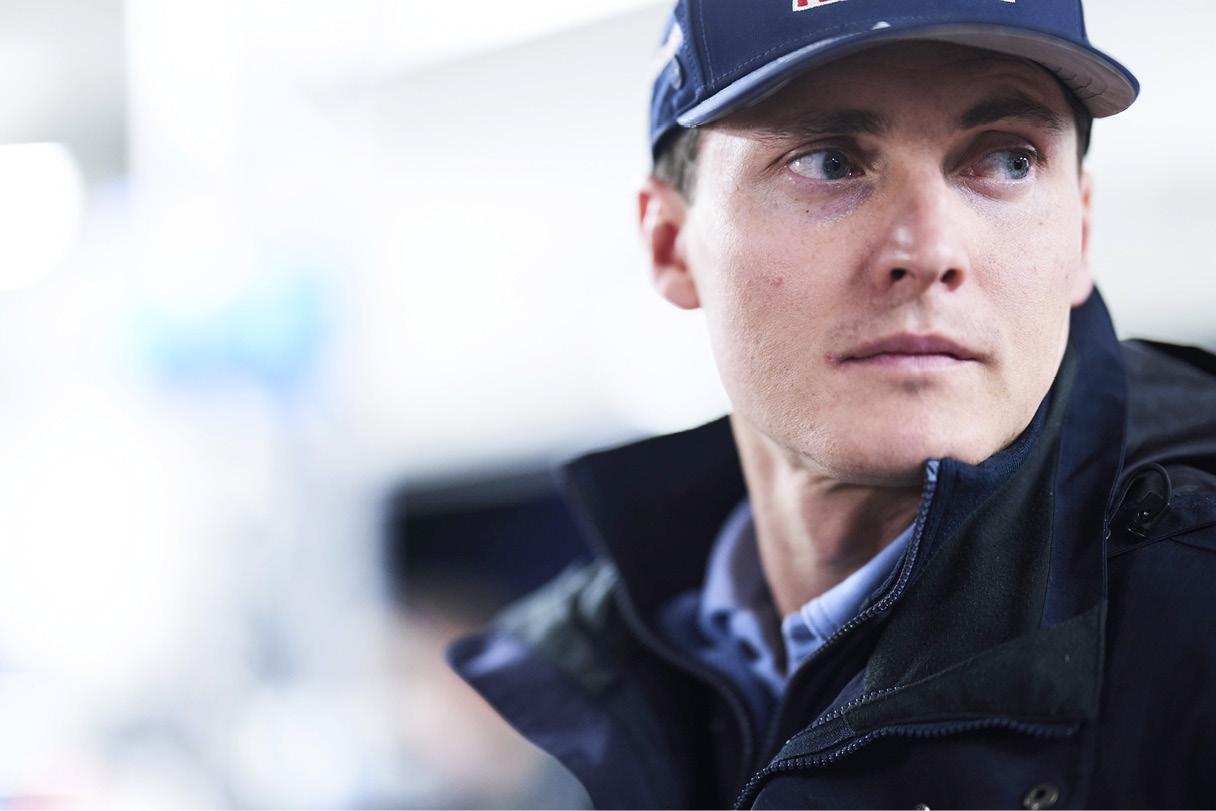
Neuville, who won Rally Japan in 2022, took the drivers’ championship title last year and comes into this season with four third-place finishes already on the board. Fourmaux, who finished third and on the podium here last year, arrived highly motivated. He described Rally Japan as a very unique event, pointing out that the mountain stages are narrow, endlessly twisty, and quite dark because of the tall trees. He ad-ded that when the rain comes it gets even tougher, with fallen leaves making the surface extremely slippery and visibility dropping off, which makes the rally exceptionally demanding.
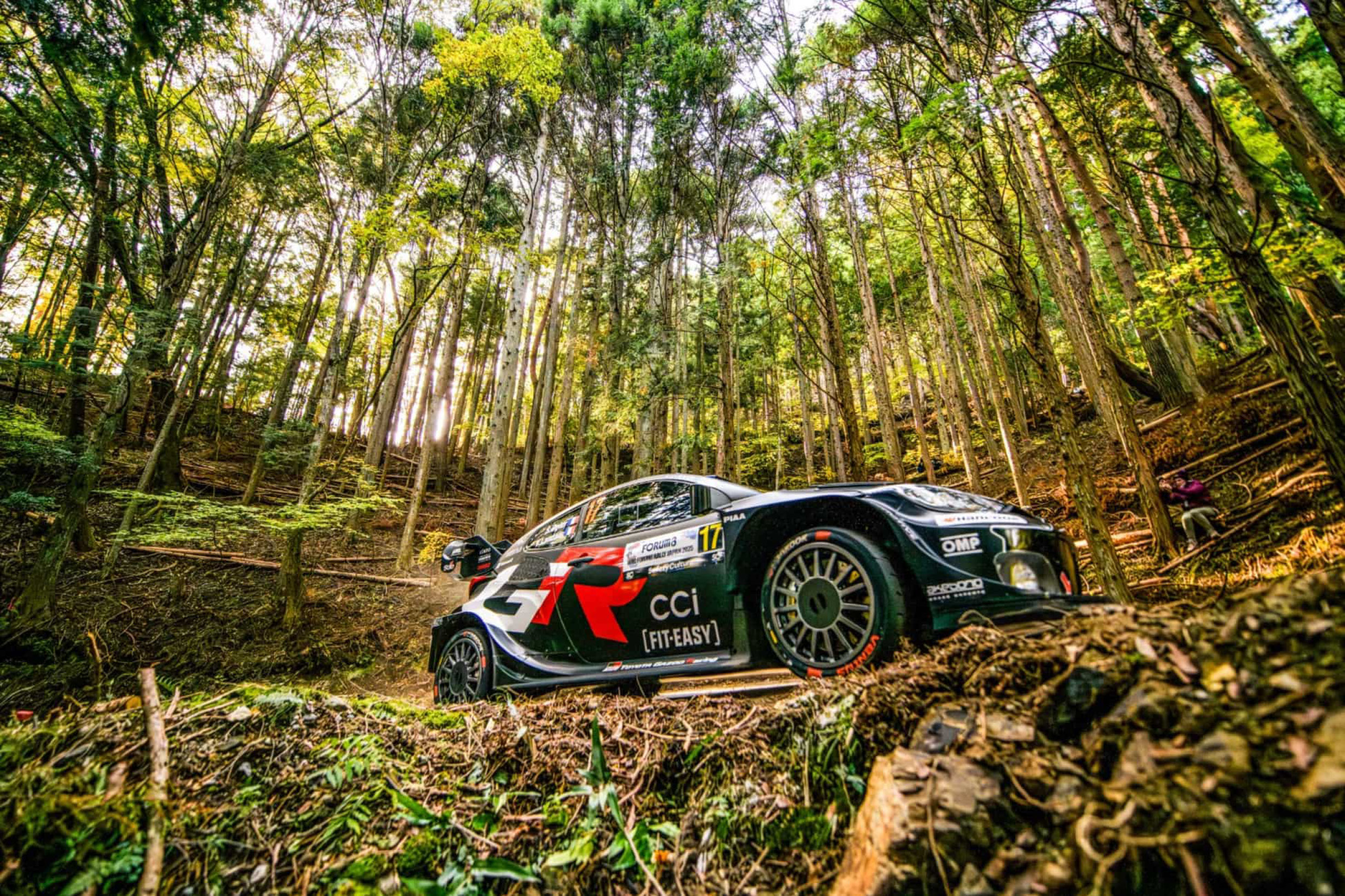
After locking up the manufacturers’ title in Central European Rally, Round 12, thanks to Rovanperä’s victory and a double podium, Toyota Gazoo Racing World Rally Team (hereafter Toyota) could afford to relax a little and instead focus on the three-way intra-team battle for the drivers’ crown. Elfyn Evans led the way on 247 points, with Sébastien Ogier and Kalle Rovanperä tied on 234 points behind him. Toyota fielded five GR Yaris Rally1 cars in total, including local star Takamoto Katsuta and Sami Pajari, who was entered under a separate team.
M-Sport Ford entered Grégoire Munster and Josh McErlean. Munster finished 5th at last year’s Rally Japan, while for McErlean this would be his first event in Rally1 machinery. For reference, McErlean finished 30th in WRC2 here last year.
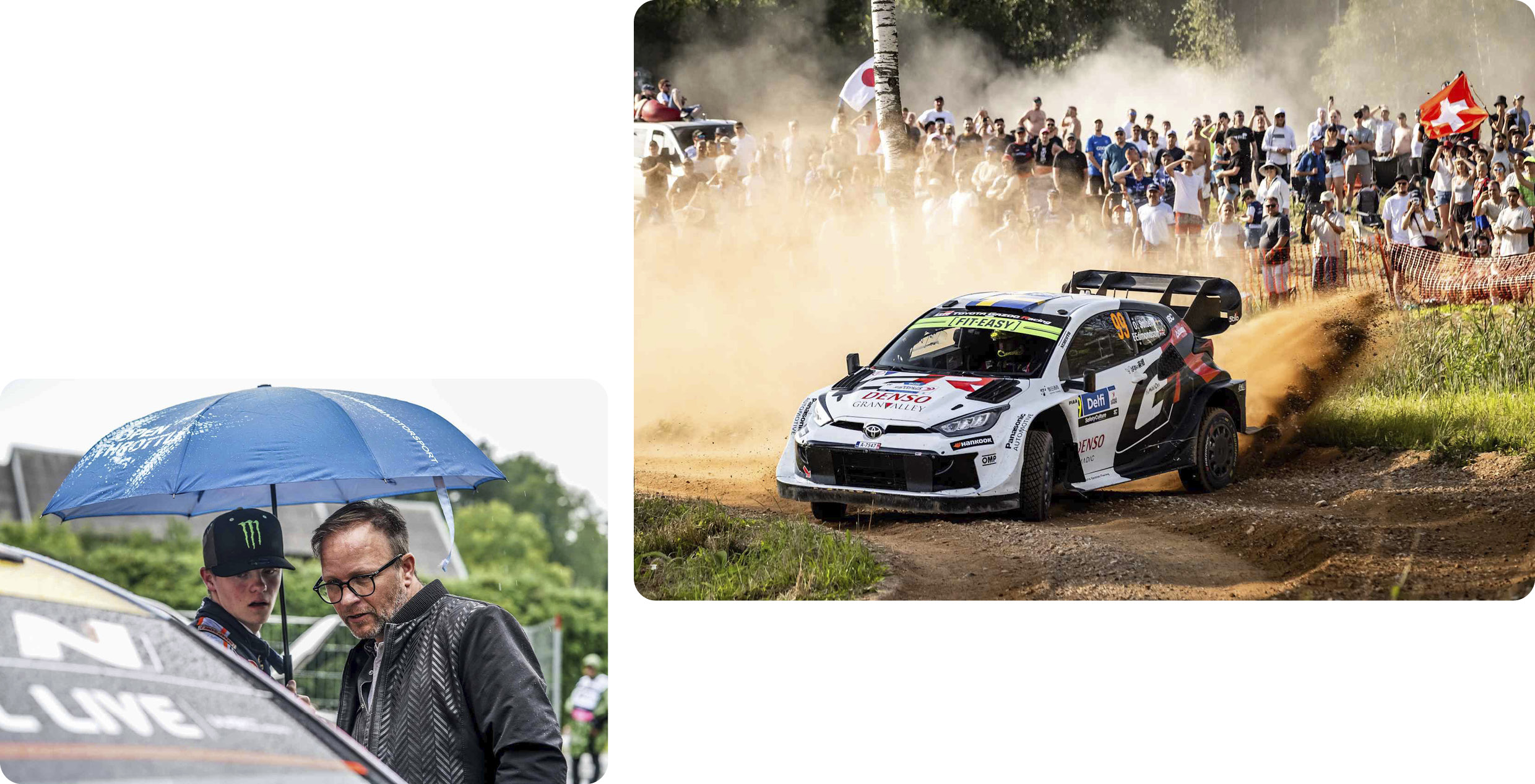
In WRC2, Oliver Solberg has already clinched the championship, taking some of the tension out of the category, but the WRC2 Challenge Championship remains on the line. The Challenge is aimed at privateer drivers who do not receive manufacturer backing.
Among this year’s Rally Japan entrants, last year’s WRC2 winner here, Nikolay Gryazin, came into the event 3rd in the Challenge standings, 13 points behind leader Roope Korhonen, and still had a shot at the title. Also drawing attention were Gus Greensmith, last year’s 3rd-place finisher Hiroki Arai, and Takuma Kamada, whose father is a former Japanese rally champion.
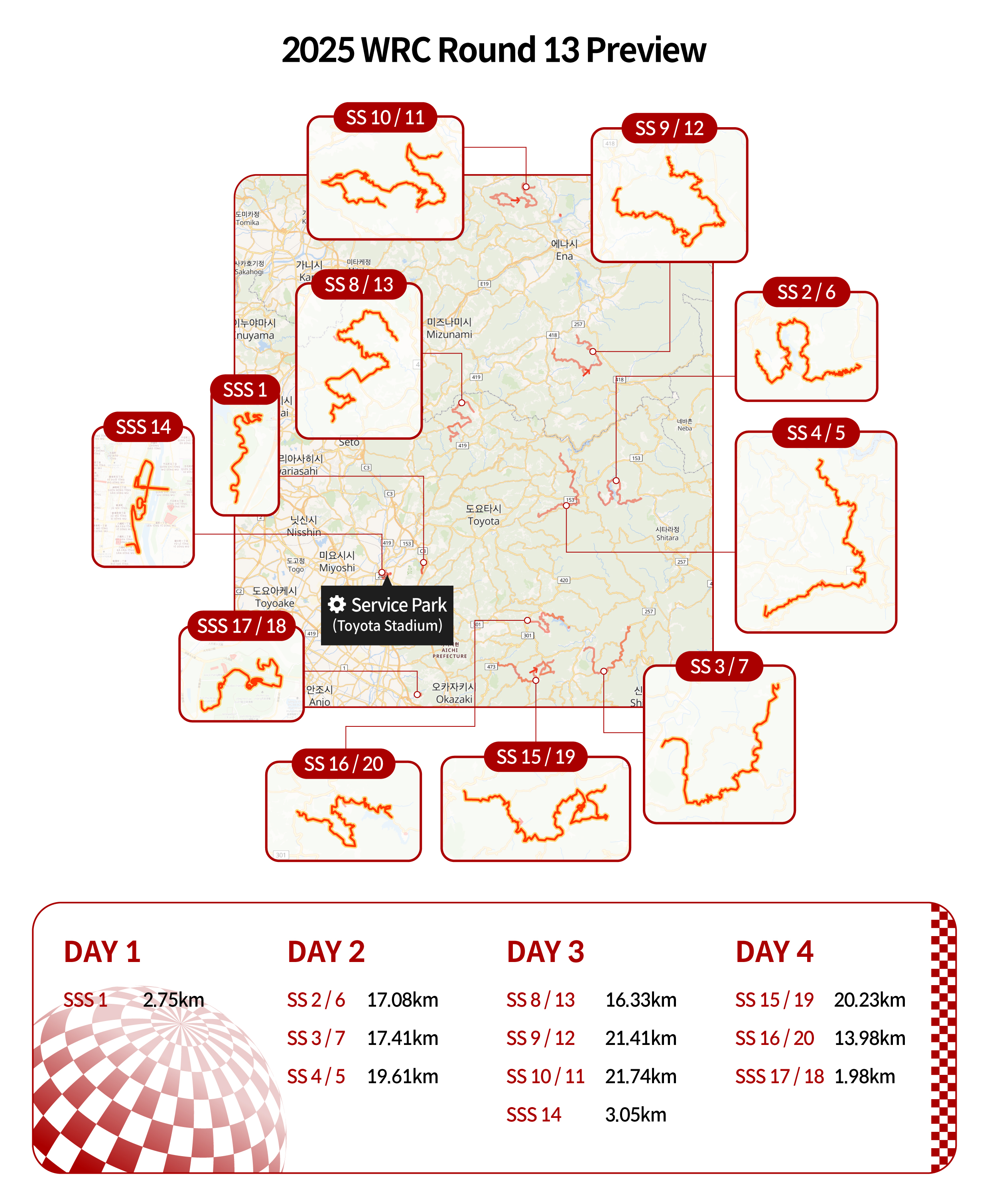
At 4:05 p.m. on Thursday, October 6, Rally Japan got underway with SSS1 Kuragaike Park. This was a 2.75 km superspecial run on the park roads, which also served as the opening stage back in 2022. Rovanperä clocked the first top time of the rally, 0.1 second faster than Tänak, to lead after day one. Behind Tänak came Katsuta, Ogier, Pajari, and Evans, with Hyundai’s Fourmaux and Neuville in 7th and 8th respectively.
Hyundai’s Rally Japan campaign began with Ott Tänak’s shakedown run. Video: WRC
Friday, November 7, opened with SS2 Inabu Shitara (17.08 km), followed by SS3 Shinshiro, and then one of Rally Japan’s signature tests, SS4 Isegami Tunnel. In the afternoon the crews tackled SS5 Isegami Tunnel, SS6 Inabu Shitara, and SS7 Shinshiro in that order, for a combined 108.2 km over six stages from SS2 to SS7.
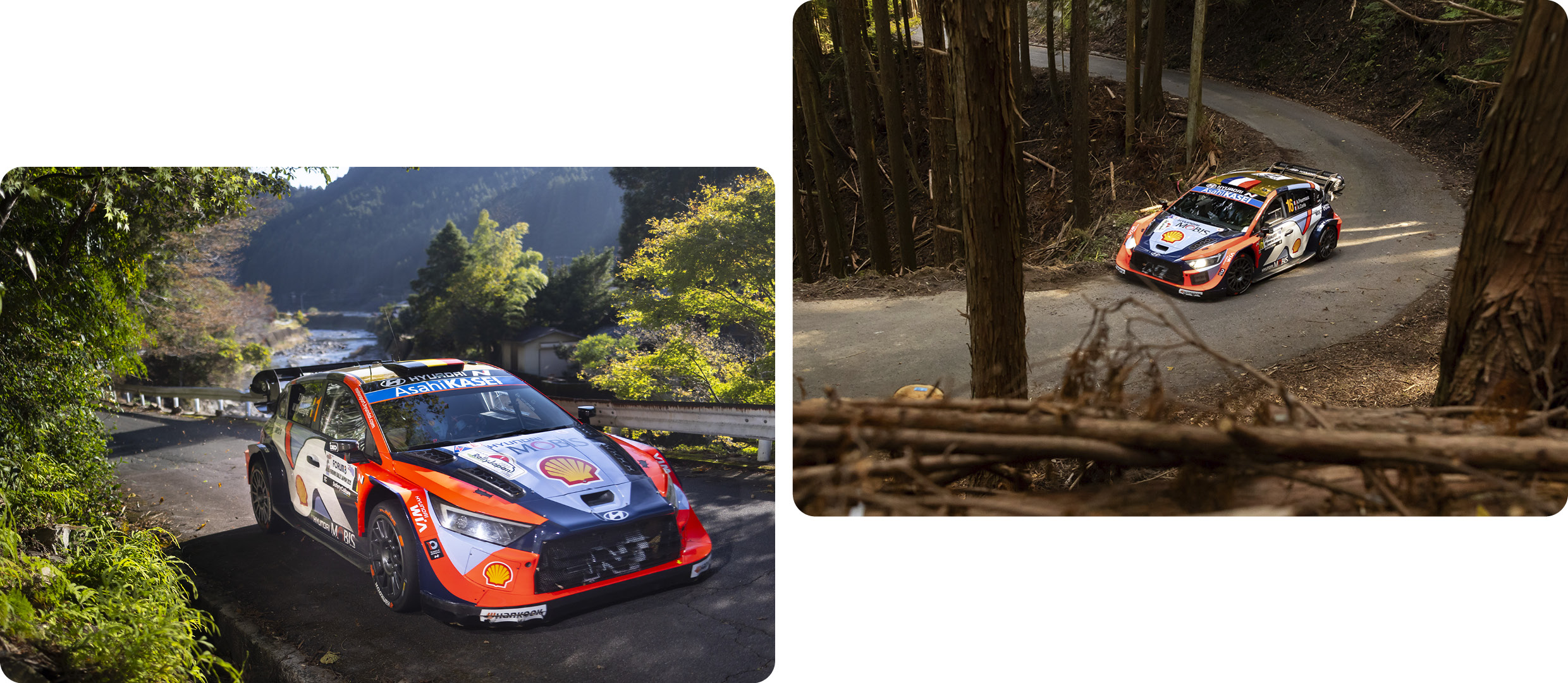
SS2 Inabu Shitara alternates between open sections and tight forest roads, demanding a very high level of skill from the drivers. In the morning, low grip from dew on the road makes it crucial to maintain a good driving rhythm, while tire wear also needs careful management.
Ogier was the quickest man out of the blocks, completing SS2 Inabu Shitara 1.4 seconds faster than Katsuta. Evans lost a little time after encountering a deer early in the stage but still finished ahead of Hyundai’s trio as well as Pajari and Rovanperä. Within the Hyundai camp, Fourmaux set the fastest time.
SS3 Shinshiro, at 17.41 km, mixes long straights with tight hairpins. The road gradient changes frequently and there are many blind sections, making it difficult to pick braking points. Conversely, a driver with strong momentum can carve out big gaps over rivals. Here, Katsuta led a Toyota charge at the top of the times, while Rovanperä clipped a guardrail, damaging his rear suspension and dropping out of the title fight. With Katsuta moving into the overall lead, Hyundai’s Fourmaux rose to 5th overall, while Tänak and Neuville climbed to 6th and 7th.
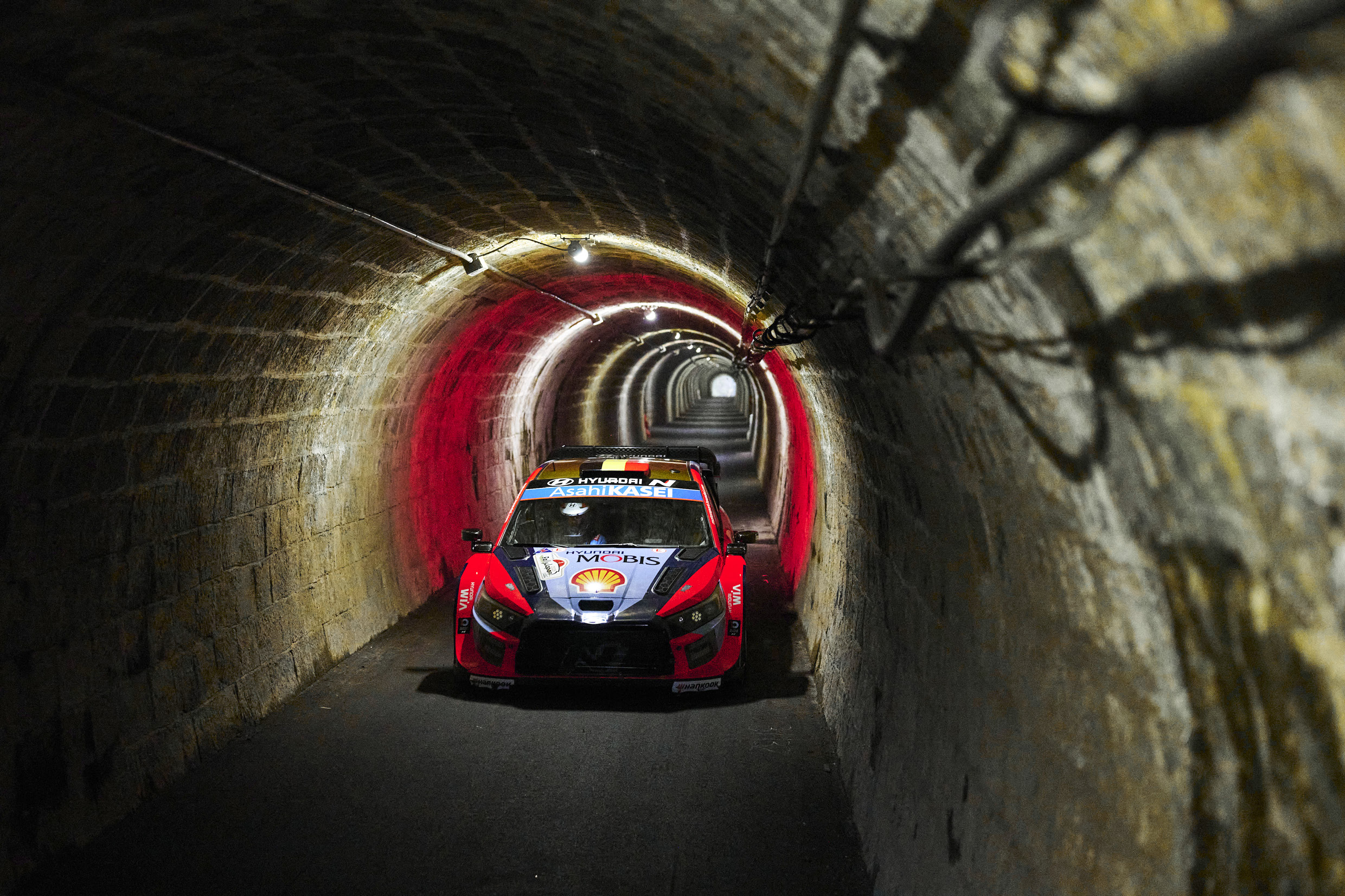
SS4–SS5 Isegami Tunnel is the iconic section of Rally Japan. It’s a narrow, dark tunnel barely wide enough for one car, and grip on the surrounding roads changes constantly depending on how much sunlight reaches the surface. The pass at Isegami has long been a key transportation route, and the 308 m tunnel was originally built in 1897. Once a simple gravel road, it has been resurfaced in asphalt and fitted with LED lighting for the WRC.
Evans set the pace on SS4. Fourmaux again led the way for Hyundai, 4.8 seconds off Evans, while Tänak and Neuville, still searching for their ideal setup window, dropped 21 and 31 seconds respectively. In the drivers’ standings, Ogier returned to the overall lead. Rovanperä, nursing a wounded car, trailed the leaders by more than five minutes, but he had to get through SS4 to reach service and repair the damage.
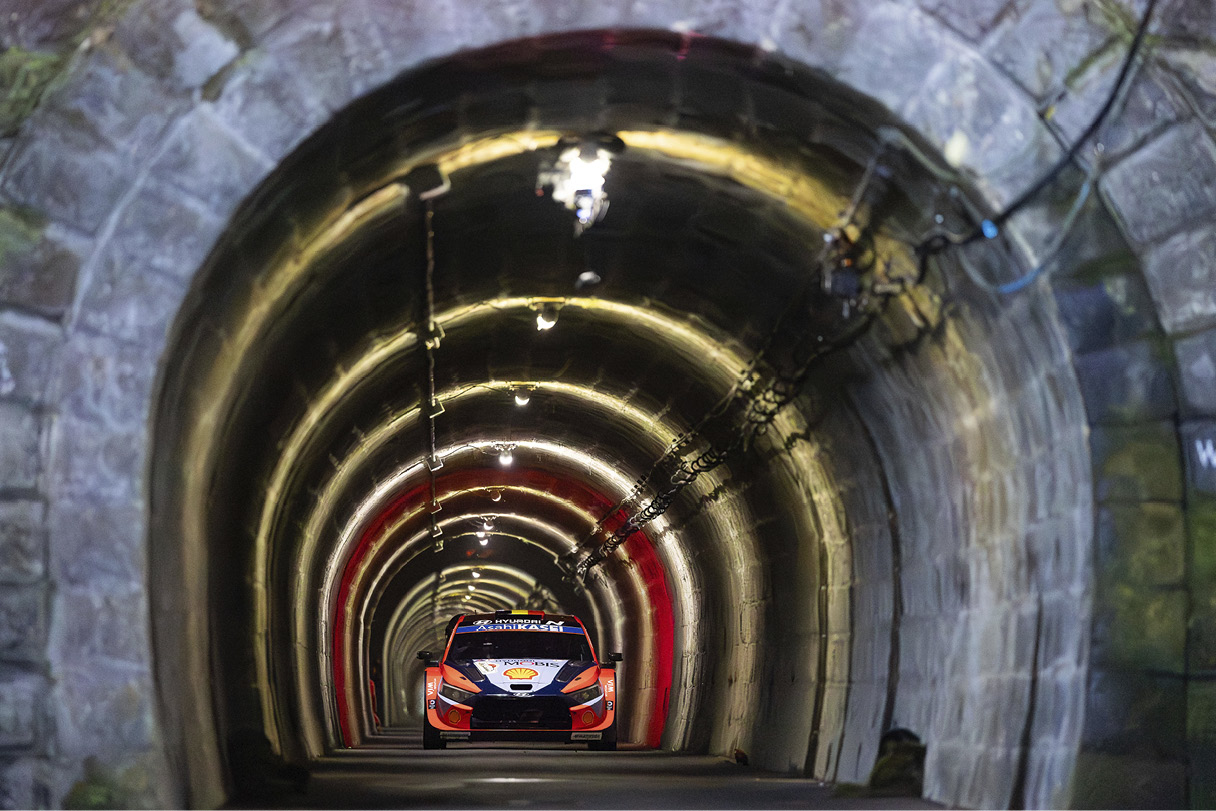
On SS5, a second pass through Isegami Tunnel, Ogier posted the top time to consolidate his lead. Katsuta was 2nd and Fourmaux 3rd. Tänak and Neuville improved their pace compared to the morning, cutting the gap to the leaders to 12.6 and 18 seconds respectively. On SS6 Inabu Shitara, Ogier took a second consecutive top time to stay P1 overall. Pajari, holding 4th overall and under pressure from Fourmaux, narrowly beat the Frenchman by a slim margin; after SS5 their gap stood at only 1.2 seconds.
On SS7 Shinshiro, Evans topped the timesheets, with Fourmaux just 0.1 second behind. Ogier ended Friday as overall leader, followed by Katsuta in 2nd and Evans in 3rd. Fourmaux pushed past Pajari to move up to 4th overall. Tänak held 6th, while Neuville, hampered by rear differential issues, finished Friday in 7th.
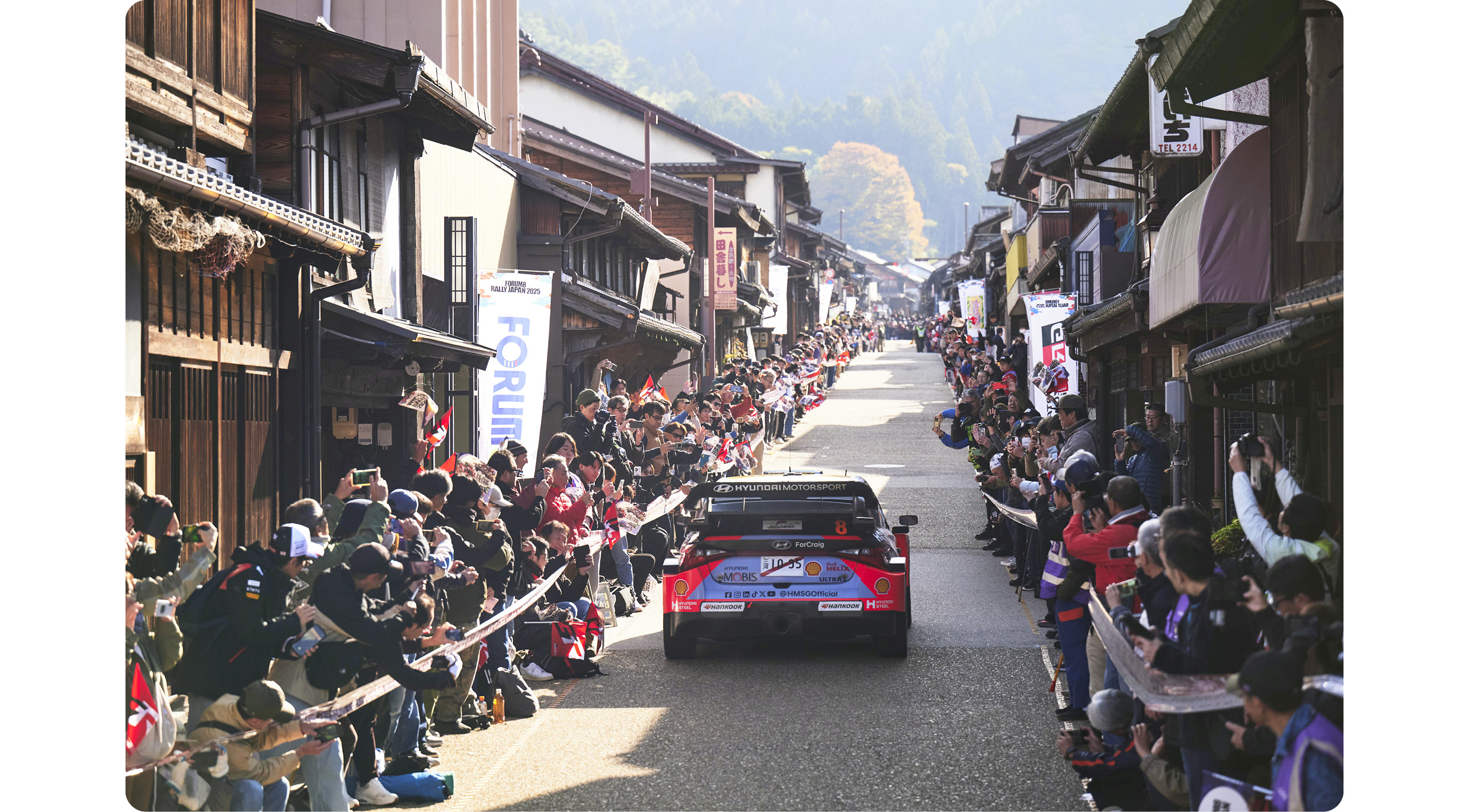
Saturday, November 8, moved northwest into the hills above Toyota City, starting with SS8 Obara and then two stages over 20 km: SS9 Ena and SS10 Kasagisan. In the afternoon, the crews repeated the three stages in reverse order before ending the day on a special riverfront superspecial in Toyota City, SSS14. In total, the seven stages from SS8 to SSS14 covered 122.01 km.
SS8 Obara is a narrow, technical stage with virtually no straight sections. The surface is relatively smooth but the abundance of blind corners demands total concentration. Fourmaux delivered Hyundai’s first stage win of the rally here, intensifying his push for a podium. In the overall classification, Evans moved past Katsuta to take 2nd.
By the end of day two, Adrien Fourmaux was holding 3rd overall. Video: WRC
The newly introduced SS9 Ena is a high-speed stage packed with tricky braking points. That makes it hard for drivers to read and easy to lose rhythm. A single mistake can snowball into big time loss, so maintaining a steady pace is critical.
Here, Fourmaux backed up his Obara performance with another top time and climbed to 4th overall. After the run he said, "This stage is really demanding. One corner to another. Every corner looks the same downhill, really demanding for the memory and the pacenotes. Also managing the tires, I lost them a bit. Quite a positive morning anyway for now."
At 21.74 km, SS10 Kasagi-san demanded sustained concentration from the drivers. Video: WRC
SS10 Kasagisan, which climbs and descends along the mountainside, was the longest stage of this year’s Rally Japan at 21.74 km—about 5 km longer than last year. The narrow, twisting mountain road crests near 1,000 m above sea level in the middle section, making weather conditions hard to predict, and the stage was a prime viewing highlight for fans. Evans was fastest on SS10, trimming his deficit to Ogier in the overall standings. Fourmaux set the third-fastest time.
Takamoto Katsuta lost huge time after striking an obstacle. Video: WRC
On SS11, a repeat run of Kasagisan, home driver Katsuta made a costly mistake. Just before entering the stage he hit an obstacle, damaging the steering and losing more than four minutes. That promoted Fourmaux to 3rd overall and Tänak to 5th.
On SS12 Ena, Ogier—chasing a record ninth world title—and Evans, still hunting his first—were locked in a fierce duel. Ogier set the top time, but the gap to the chasing Evans was only 0.3 second. Fourmaux was the only driver able to run at virtually the same pace. He said it was a stage where he really has to manage the tires and brakes, with corners coming non-stop, and ad-ded that he’d driven it very precisely and was hoping the time sheet would reflect that.
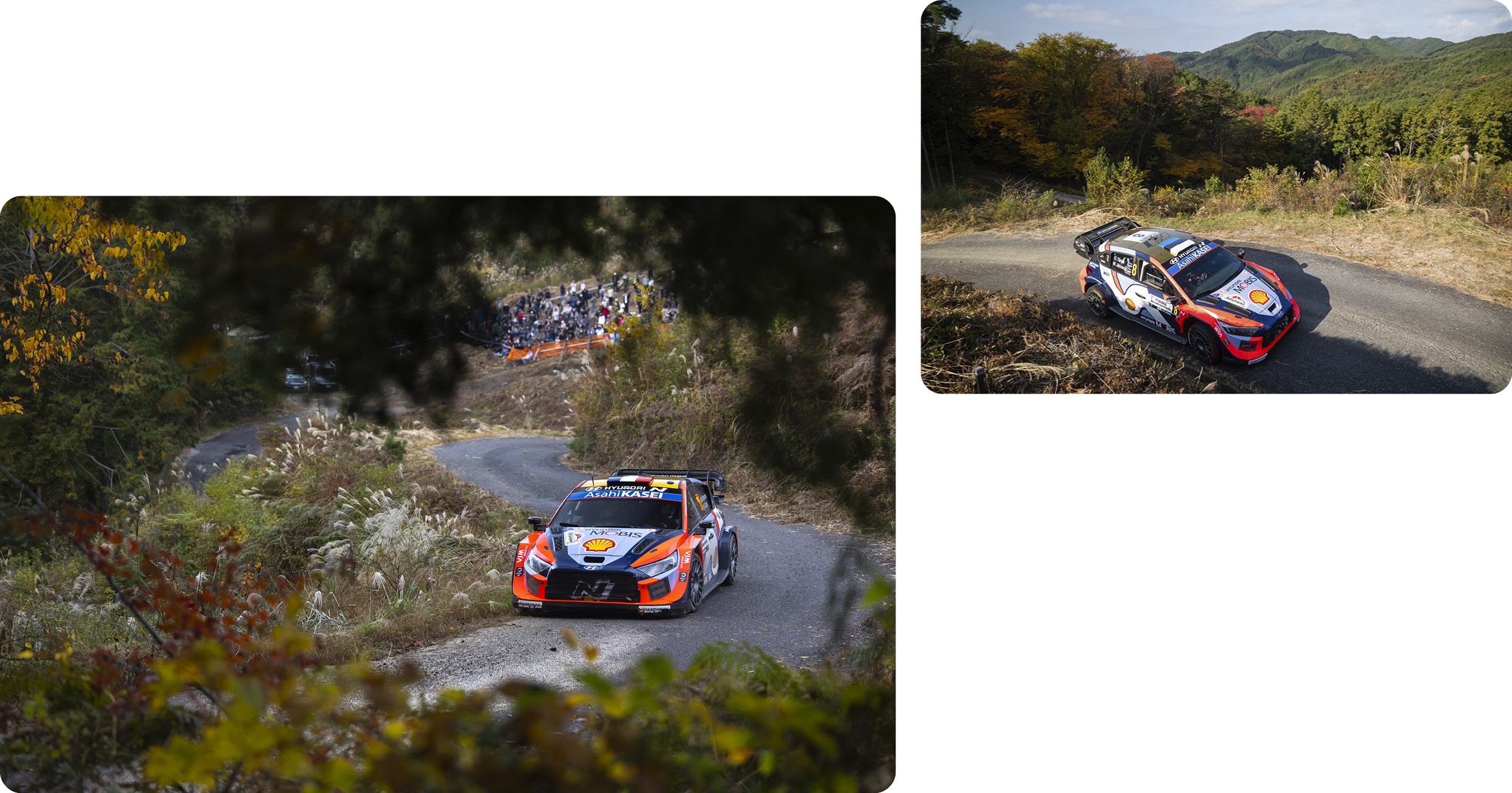
On SS13 Obara, Ogier took another stage win to stretch his advantage over Evans. Fourmaux again ran near the front, finishing just two seconds off Ogier. Near the service park, organizers had laid out the 3.05 km SSS14 on a short course along the riverside in Toyota City, looping around Shirahama Park before crossing the finish line. This stage replaced the previous Toyota Stadium superspecial to improve spectator access and fan engagement.
Ogier closed out Saturday with three straight stage wins to remain overall leader, with Evans in 2nd and Fourmaux in 3rd. Pajari held 4th overall, followed by Tänak, Munster, and Rovanperä. In WRC2, Solberg, Alejandro Cachón, and Gryazin filled out the top spots inside the top 10.
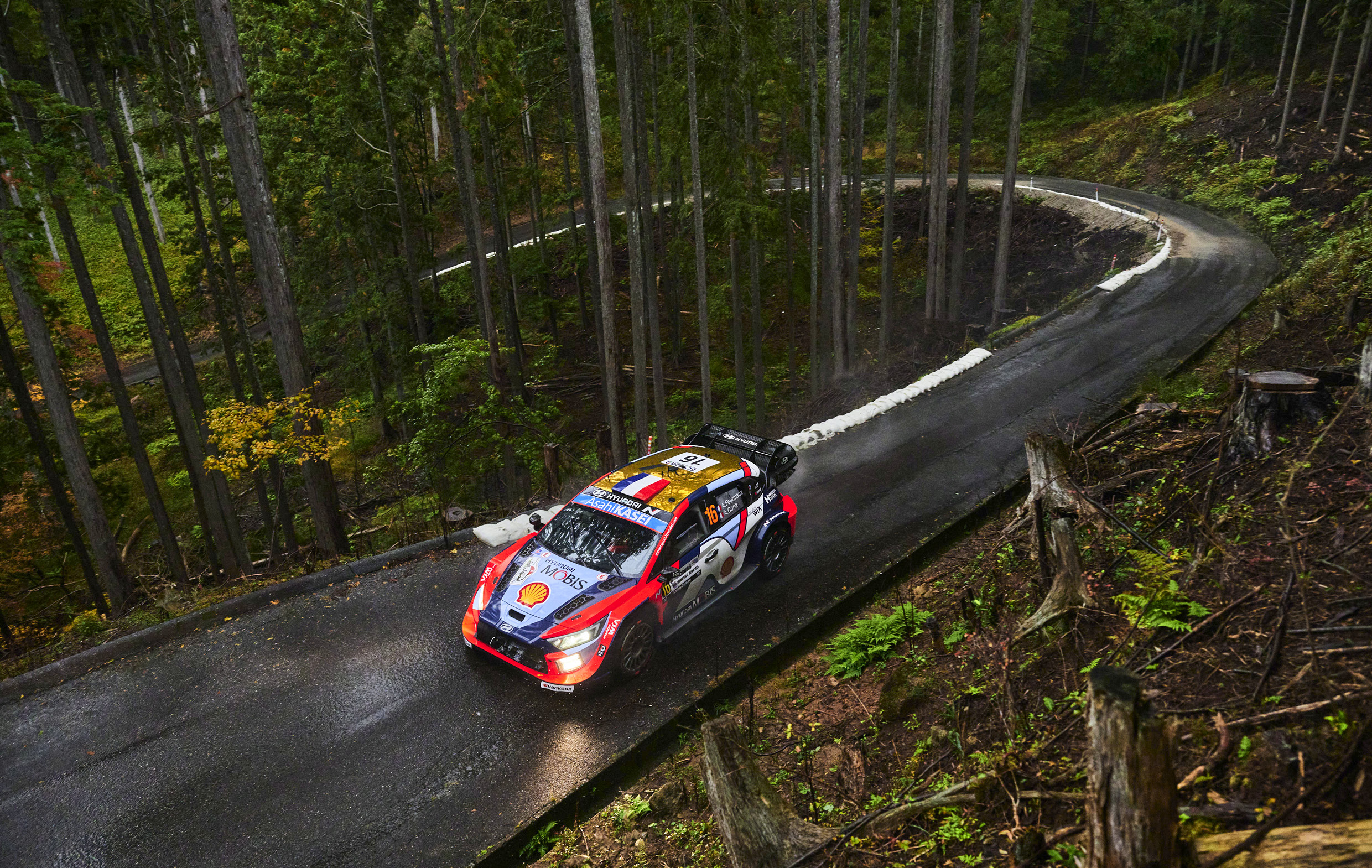
Sunday, November 9, began with SS15 Nukata (20.23 km), followed by SS16 Mikawako Lake (13.98 km), and then the short 1.98 km SSS17 Okazaki. After SSS18 Okazaki and a second pass of SS19 Nukata, the field headed back to Mikawako Lake for SS20, which served as both the final stage and the Power Stage. The six stages from SS15 to SS20 totaled 72.38 km, and relentless heavy rain left standing water in many sections, adding yet another challenge for the drivers.
The opening SS15 Nukata stage features a sequence of descents and climbs almost from the start, plus tight corners and hairpins waiting to punish any misjudgment. Braking points, corner-exit speed, and line choice are all critical. Tänak grabbed his first stage win of the weekend here. However, Neuville retired when his wipers failed, and Fourmaux—Hyundai’s quickest driver up to that point—slid off in a corner and crashed.
Fourmaux’s car suffered a shattered windshield and torn-off door, making it difficult to continue. Video: WRC
At the crash site, the crew’s time card and mobile phones ended up on the road, scattered among the broken door panels. Fourmaux did make it to the finish of the stage, but continuing the rally was unrealistic. He explained, "There was a lot of fog on the windscreen, I was searching for a corner, it was full of mud and we went a bit wide, touched some trees." With Fourmaux out, Pajari moved up to 3rd overall, while Tänak and Munster climbed to 4th and 5th.
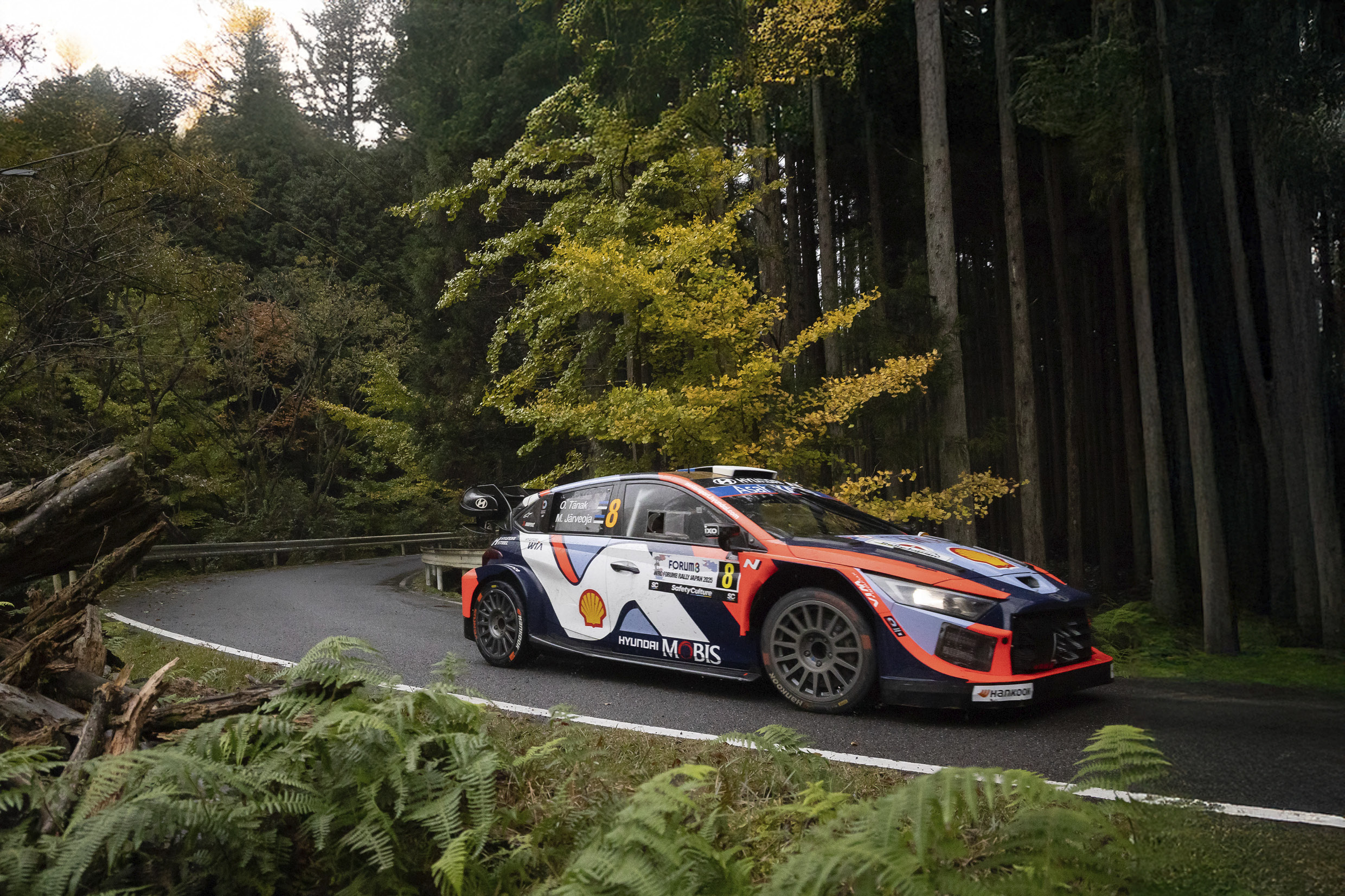
SS16 Mikawako Lake is renowned for its beautiful scenery. The stage blends high-speed blasts with technical sections, demanding a carefully balanced setup. Ogier again set the top time, staying ahead of Evans overall. Tänak, meanwhile, suffered a puncture, effectively ending his chance to score big on Super Sunday points.
On SSS17 and SSS18 in Okazaki, Katsuta was fastest, but the results did little to change the bigger picture. Ogier continued to edge away from Evans, then further extended the gap by topping SS19 Nukata.
Ott Tänak wrapped up Rally Japan with a 4th-place finish. Video: WRC
The final SS20 Mikawako Lake carried both Power Stage and Super Sunday points, making it an absolutely crucial battleground for the championship fight heading into its final act. Ogier set the fastest time on the last stage as well, sealing a dominant victory at Rally Japan. Evans also tied Ogier’s top time on SS20, but it wasn’t enough to overturn the earlier deficit, leaving him 2nd overall. Pajari celebrated his first-ever WRC podium in 3rd. Tänak finished 4th, followed by Munster and Rovanperä.
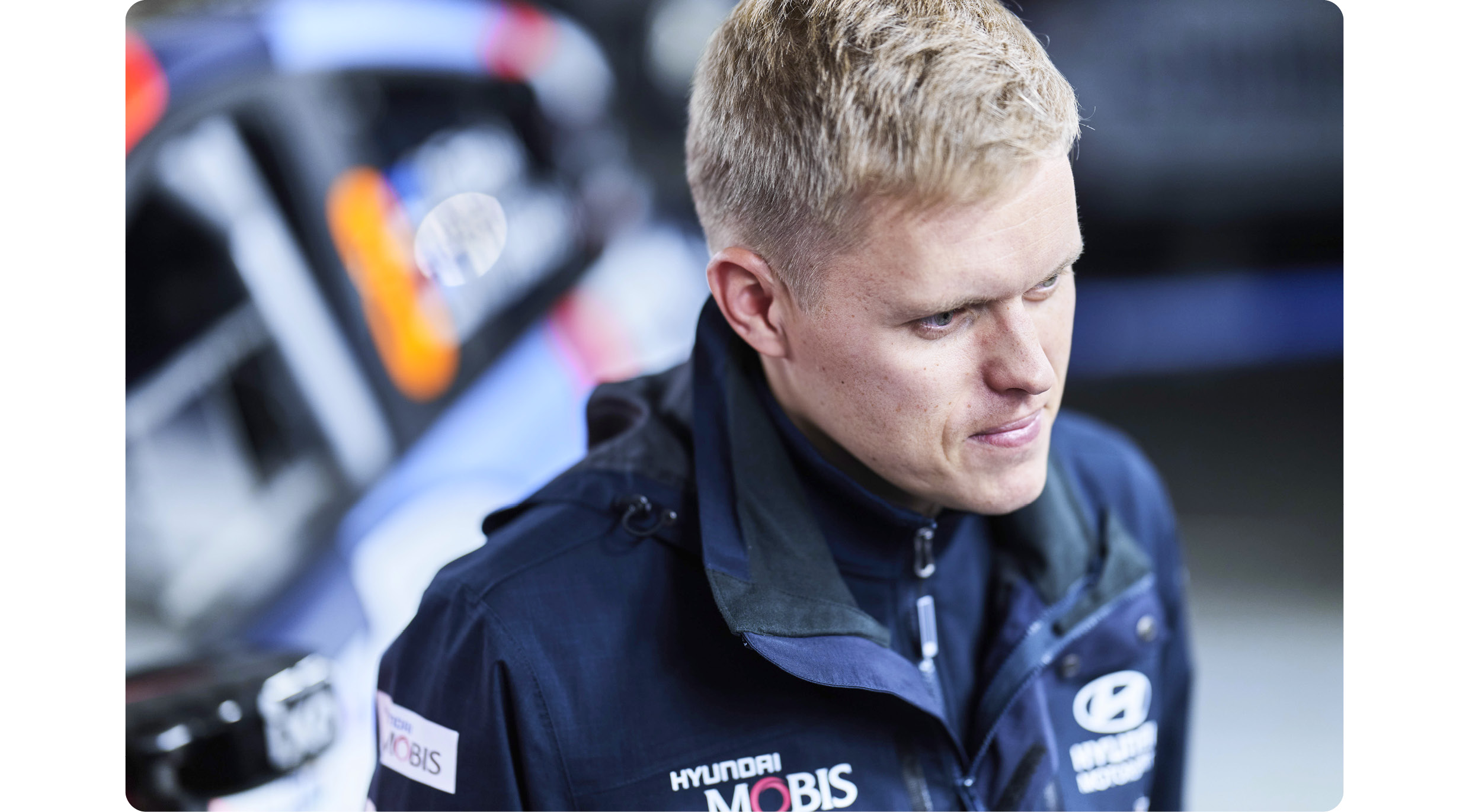
A few hours after the finish in Japan, major news about Tänak emerged. The driver who had delivered Hyundai’s first victory of the 2025 season announced that he would be stepping away for a break next year. He said, “This isn’t a complete goodbye, it’s a chance to reset, recharge and refocus for the future. This sport has been a huge part of my life, but I feel it’s time to take a breath, spend more time with my family and focus on life back home in Estonia,” and made it clear he intends to return after recharging. Over 18 seasons in the WRC, Tänak has become a true star, with 58 podiums and 22 victories to his name.
Now the 2025 WRC season will draw to a close at Rally Saudi Arabia, held November 25–29. It marks the championship’s first visit to the Middle East since Rally Jordan in 2011, and a punishing route across the desert is expected. With most drivers facing completely unfamiliar terrain, anticipation is high to see what kind of drama will unfold in this final act.
Written by: Soo-jin Lee
In 1991, Lee’s passion for cars led him to enthusiastically write letters to the newly launched Korean car magazine Car Vision. This unexpected connection led him to start his career as an automotive journalist. He has served as editor and editorial board member for Car Vision and Car Life, and now works as an automotive critic. While eagerly covering the latest trends like electric vehicles, connected cars, and autonomous driving technology, he is also a car enthusiast who secretly hopes that the smell of gasoline engines will never disappear.