The protagonist, stepping out of the house with her family, takes her seat in the back. As she fastens her seatbelt and enjoys the view out the window, the scenery gradually gives way to a coastal landscape. Upon arriving in Gangwon Province, they visit traditional markets and campgrounds, creating unforgettable memories. The next morning, as they watch the sun rise over the horizon, the family’s trip to the East Sea comes to a close.
For some, a two-day, one-night domestic trip might seem like no big deal. But for people with limited mobility, the story is quite different. Onyu Kim, the protagonist of the campaign video “The Moving Room” released by Hyundai Motor Group on July 19, has been living with a respiratory support device for 23 years. She typically uses a mechanical ventilator in her hospital room, but switches to a manual Ambu bag when she needs to go outside. Since going out is physically exhausting, she uses a wheelchair. Long-distance travel, including vacations, was practically impossible.
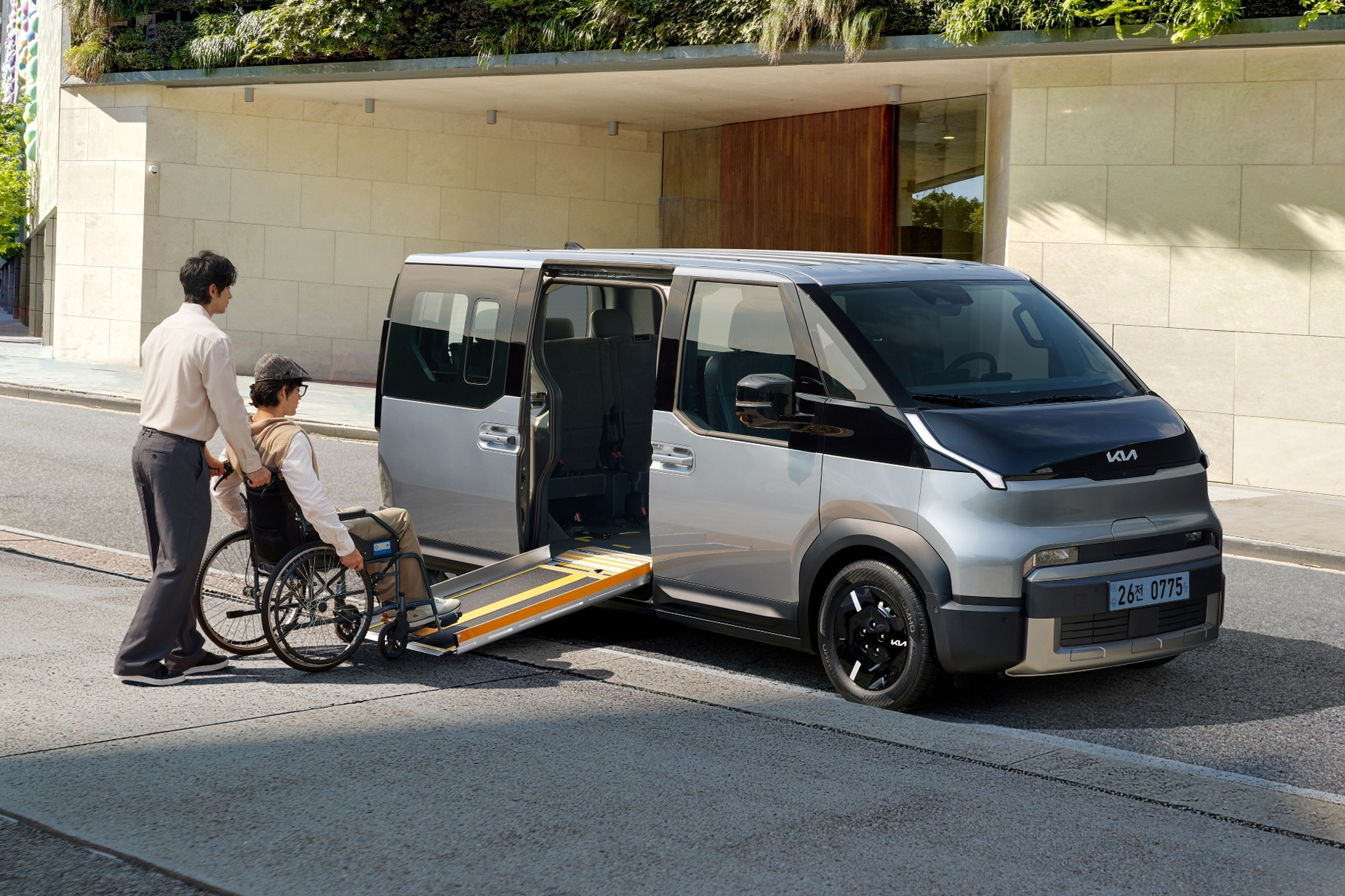
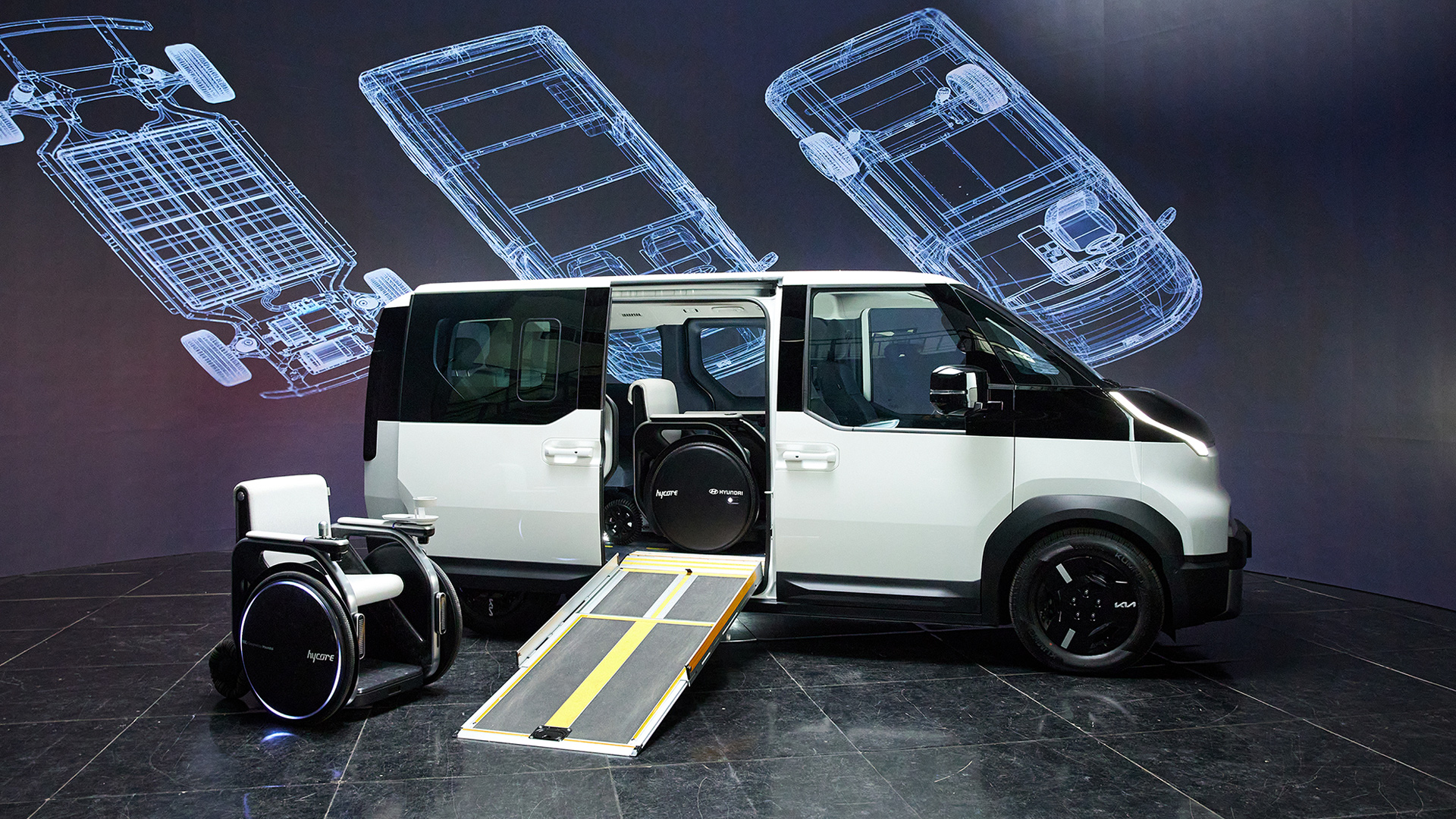
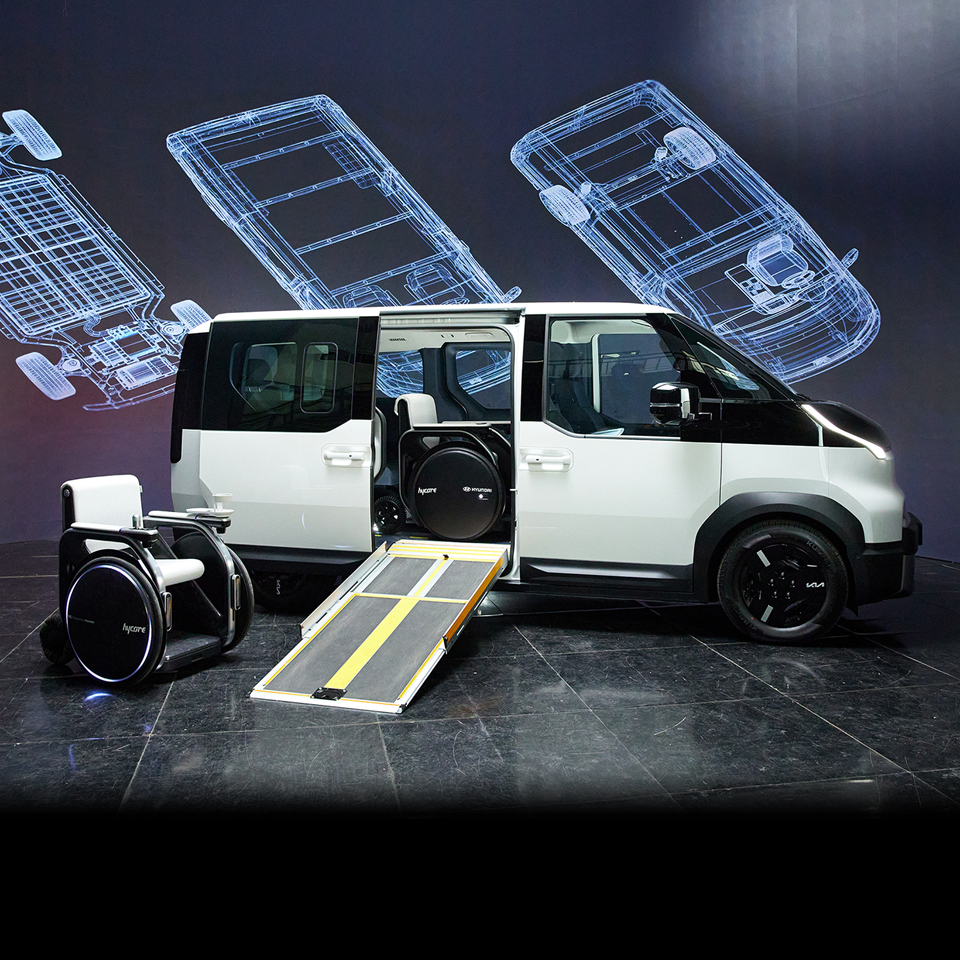
The Kia PV5 WAV (Wheelchair Accessible Vehicle) was created to help people with mobility challenges move freely. By reconfiguring the seating layout of the PV5 Passenger and equipping it with specialized options—such as a side ramp to assist with rear-seat entry and exit, and dedicated seat belts—it was engineered to allow wheelchair users to move around conveniently and safely.
This design was made possible thanks to the unique characteristics of the PV5, which was born as a “Platform Beyond Vehicle” (PBV)—more than just a car. Hyundai Motor Group’s dedicated electrified PBV platform, “E-GMP.S,” optimizes the driver’s seat position and rear suspension structure to implement a lowered full-flat floor, allowing for more spacious interior utilization compared to electrified light commercial vans based on internal combustion engine vehicles. This is why various PV5 derivative models—such as the Passenger, Cargo, and Open Bed—were able to secure ample space tailored to their respective purposes.
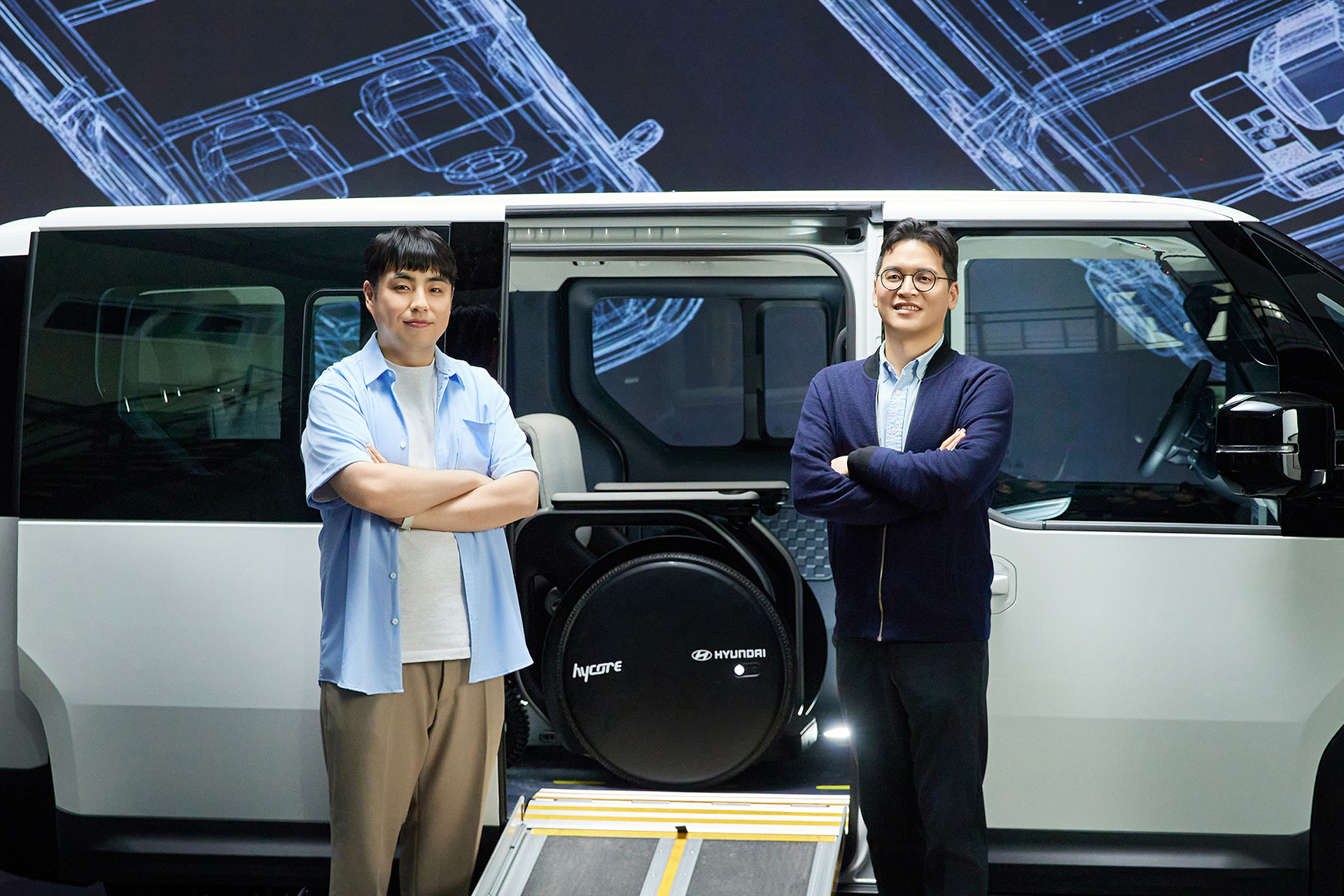
So, what kind of careful consideration went into the meticulous details that fill the PV5 WAV’s interior? We met with Jeongho Han, Senior Research Engineer of the MSV Closure Engineering Design Team 1, and Hansoo Yoo, Senior Research Engineer of the MSV Interior Engineering Design Team 1, both at Hyundai Motor Group, to hear in detail about the manual in-floor two-stage ramp and seats they were responsible for in the PV5 WAV.
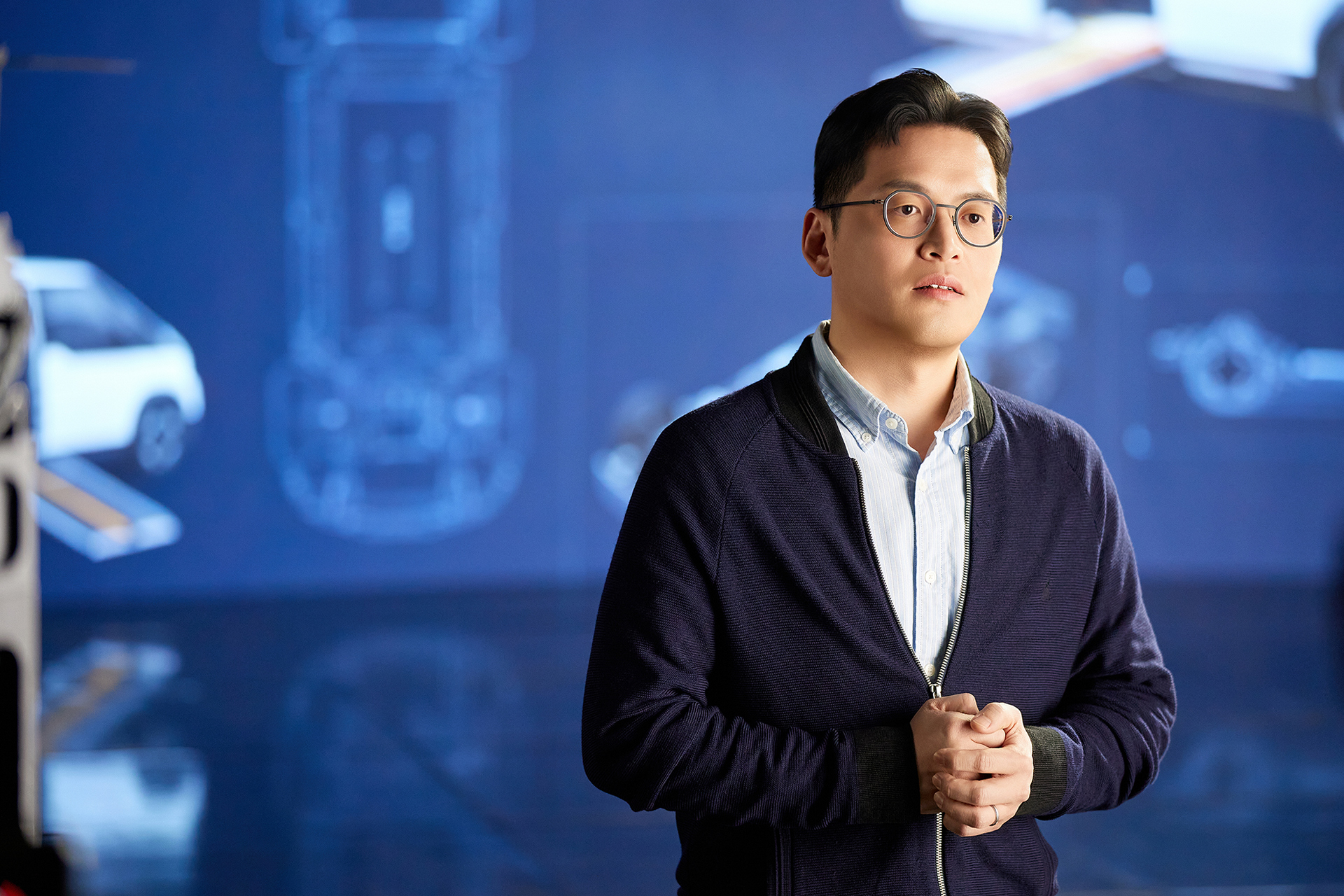
Every detail of the PV5 WAV is focused on resolving the inconveniences that wheelchair users actually face in their daily lives. The foundation is “boarding.” To enter the vehicle while seated in a wheelchair, they must use a ramp. The angle of the ramp is crucial here. Kia set a target of “14° or less”—the angle regulation between the ramp and the ground applied to buses in Korea. However, an unexpected problem arose.
“When we built the ramp and actually pushed a wheelchair up, it was still a bit heavy. So, we decided to lower the angle to 13°. That’s why we set the total length of the ramp to 1,750 mm. However, since the ramp couldn’t be stored flat against the vehicle floor in that configuration, we had to implement a two-stage folding mechanism. The first stage is 1,250 mm long, and when fully extended, it adds an additional 500 mm.” This is the explanation provided by Han, the Senior Research Engineer in charge of ramp development.
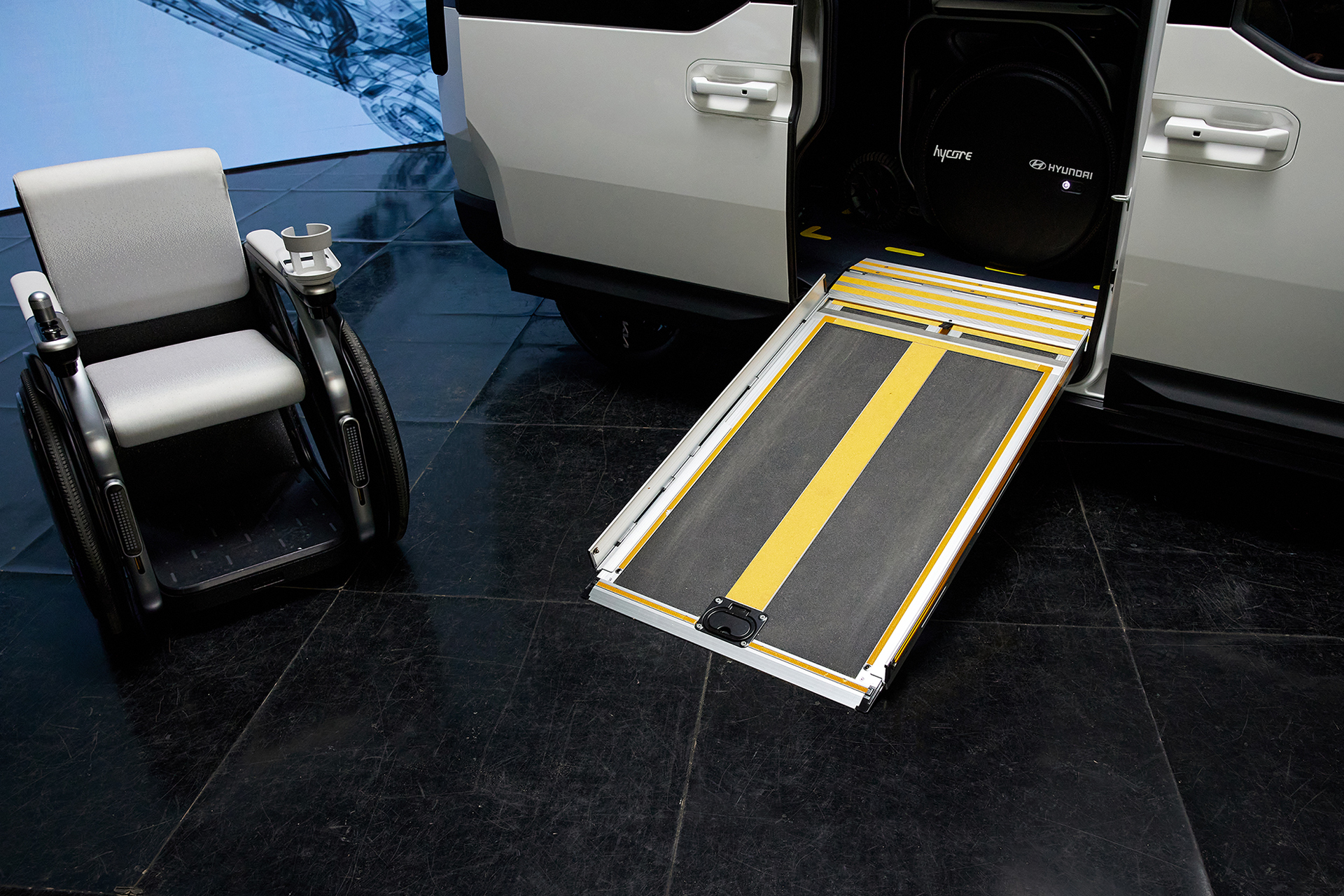
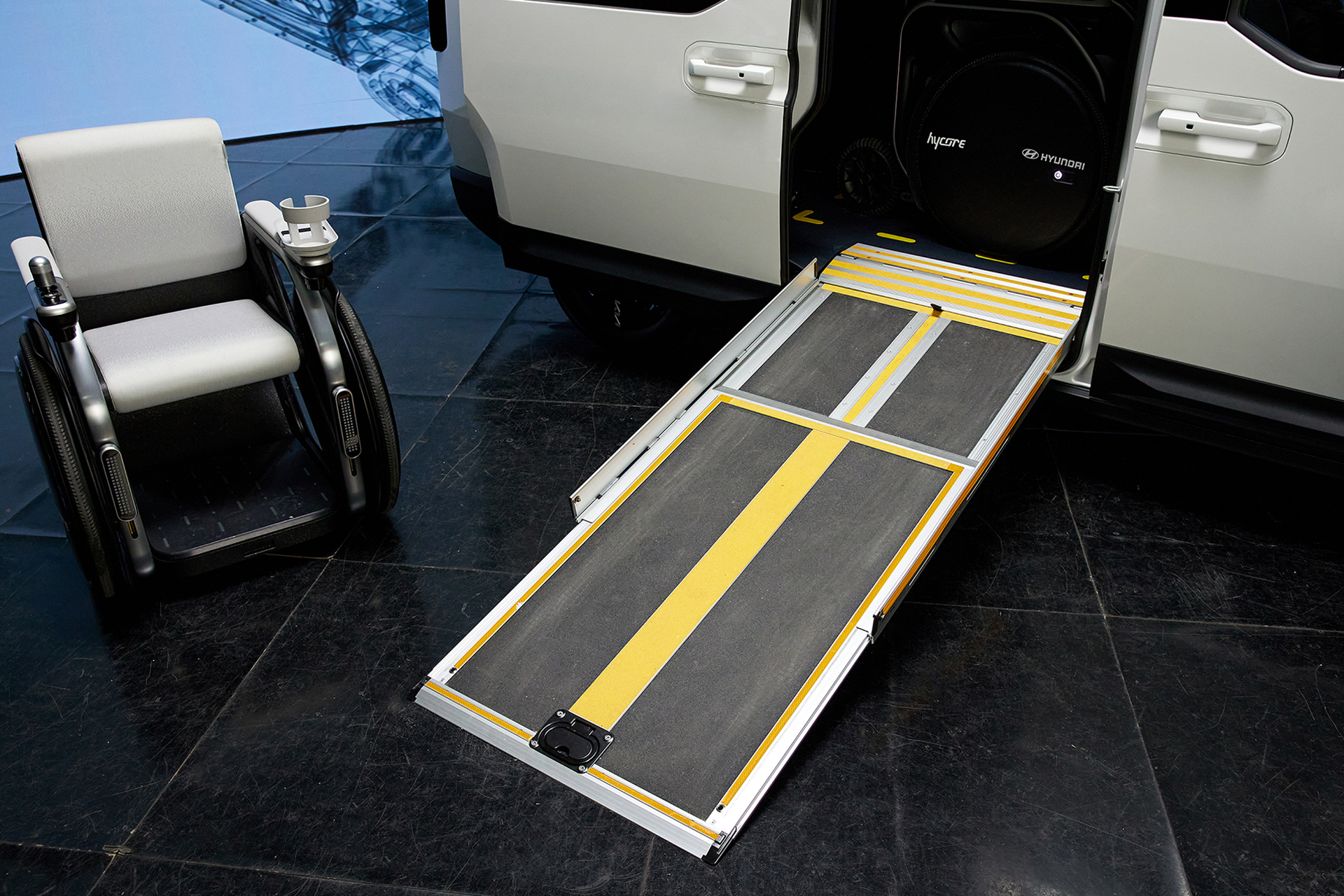
Thanks to this design, the ramp maintains a stable slope of 13° when fully extended and resting on the ground. When deployed on a 150 mm high curb, it can achieve an angle of 11° in the first stage and 8° in the second stage. This makes it much easier for manual wheelchair users to board the vehicle on their own.
The process of integrating the ramp into the vehicle floor was not easy. Electric vehicles designed for people with disabilities rarely use side-entry designs. This is because the battery pack located beneath the vehicle prevents the step height from being lowered arbitrarily. Adding a two-stage ramp to this configuration further reduces interior headroom. In other words, “minimizing the ramp’s thickness” was essential.
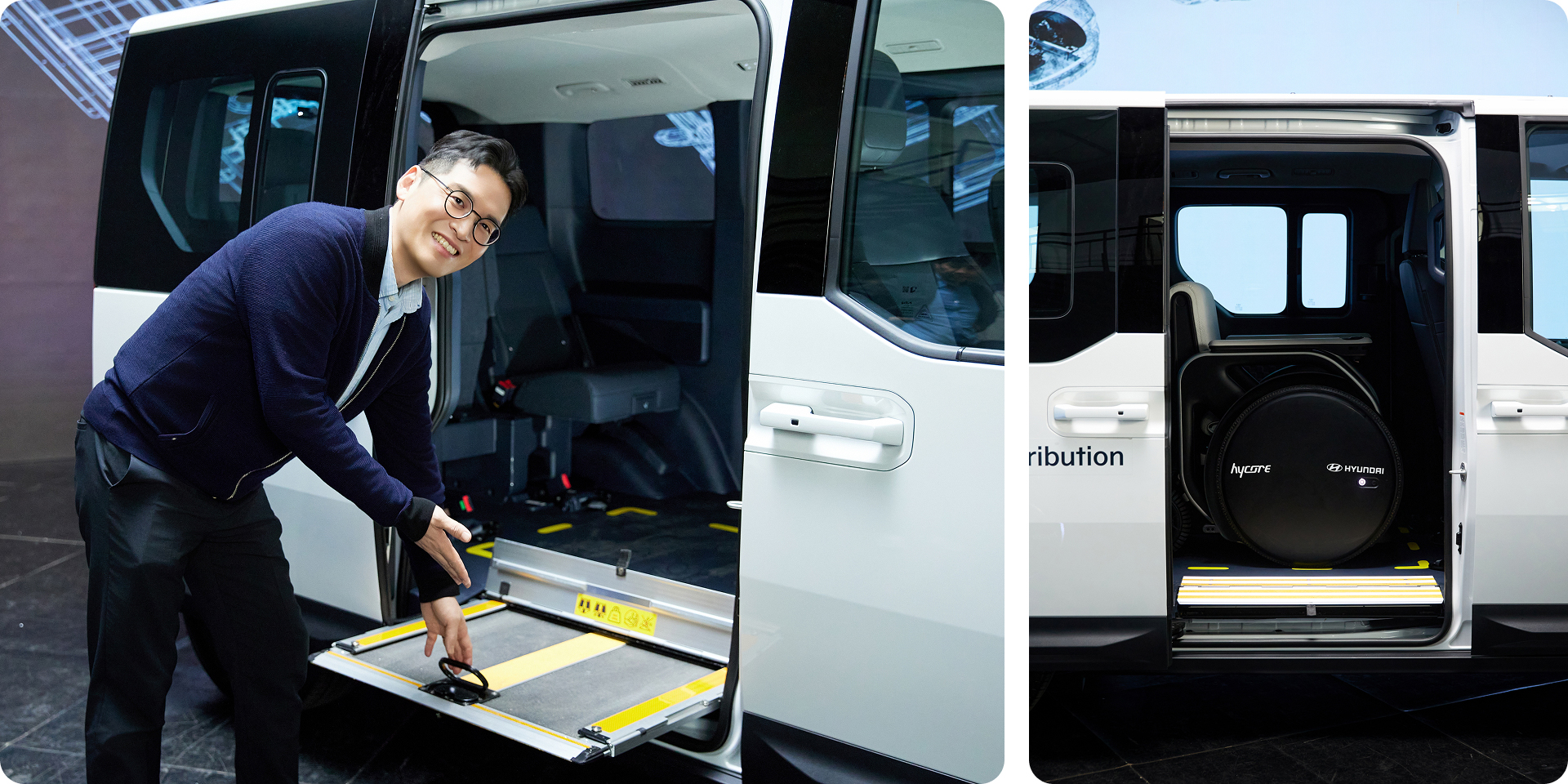
The next challenge was the ramp’s rigidity. The weight of electric motor-driven wheelchairs—which users can operate independently—can exceed 200 kg depending on the model. On top of that, we had to account for the user’s body weight as well. “To meet all typical usage conditions, we set the allowable load at 300 kg. At the same time, to reduce the ramp’s own weight, we minimized the overlap area between the two panels; however, when we conducted durability tests with a 300 kg load, the ramp broke after just a few cycles.”
We had to satisfy requirements for the ramp’s thickness, length, and rigidity. So, we worked closely with another PV5 development team to integrate the ramp while minimizing the increase in the vehicle’s ground clearance and to determine the panel overlap area. We also adopted a manual deployment mechanism to optimize the two-stage structure. To ensure smooth manual operation, we used aluminum instead of heavy steel plates; to make it even lighter, we applied aluminum panels with a honeycomb structure—hollowed out while maintaining rigidity. As shown in the video, the reason anyone can easily deploy the ramp is precisely because of this meticulous design.
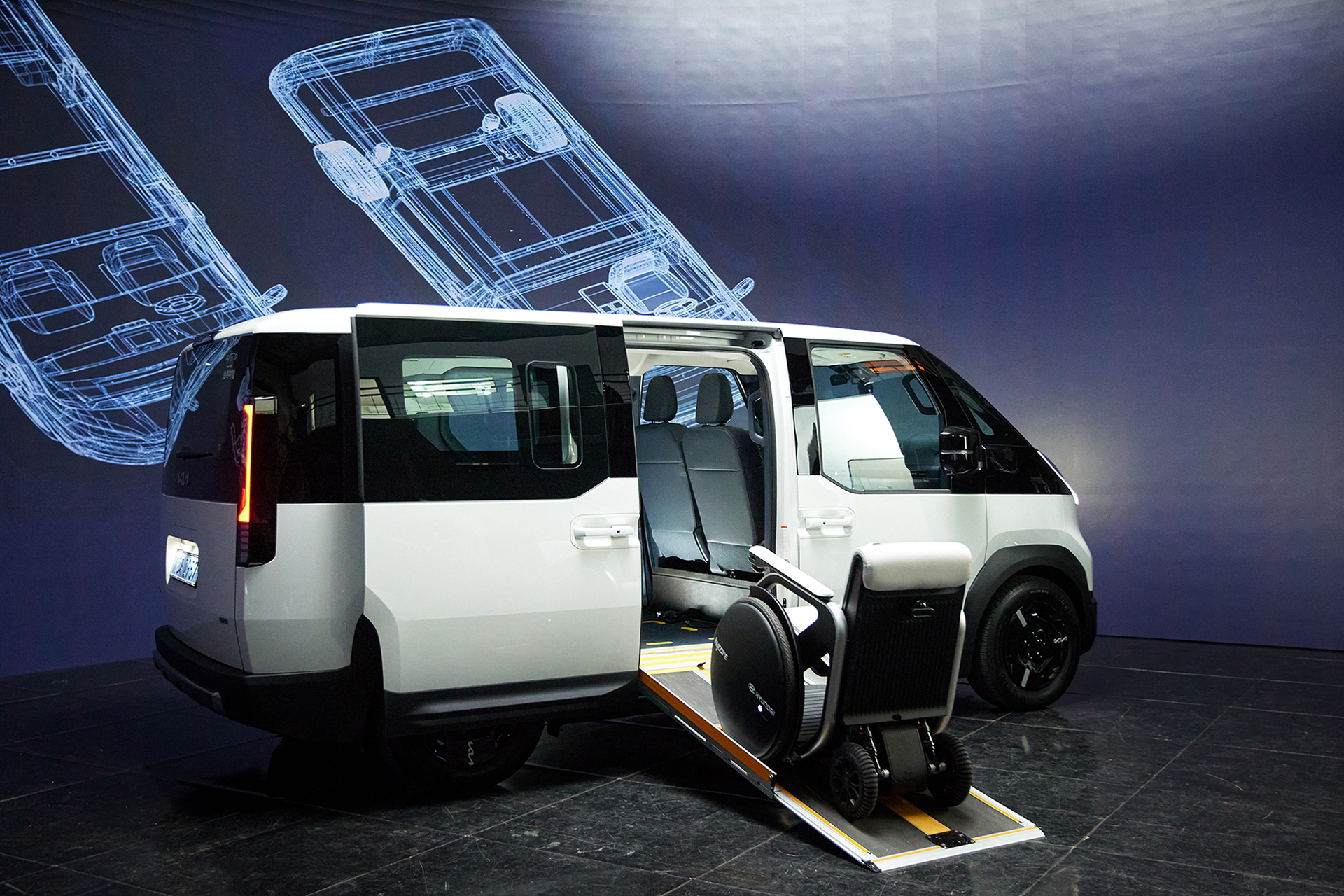
The reason we insisted on side-entry access, even while pushing the limits of structural feasibility, was simple: we wanted wheelchair users to get in and out of the vehicle just like any other passenger. With conventional vehicles that use trunk access, passengers must take the risk of stepping from the sidewalk onto the road to enter the car. Even after getting in, they are confined to a space isolated from their family or friends. Being confined to the trunk—which is typically used as “luggage space”—also makes wheelchair users feel marginalized. The PV5 WAV holds special significance precisely because it overcomes these physical and psychological discomforts.
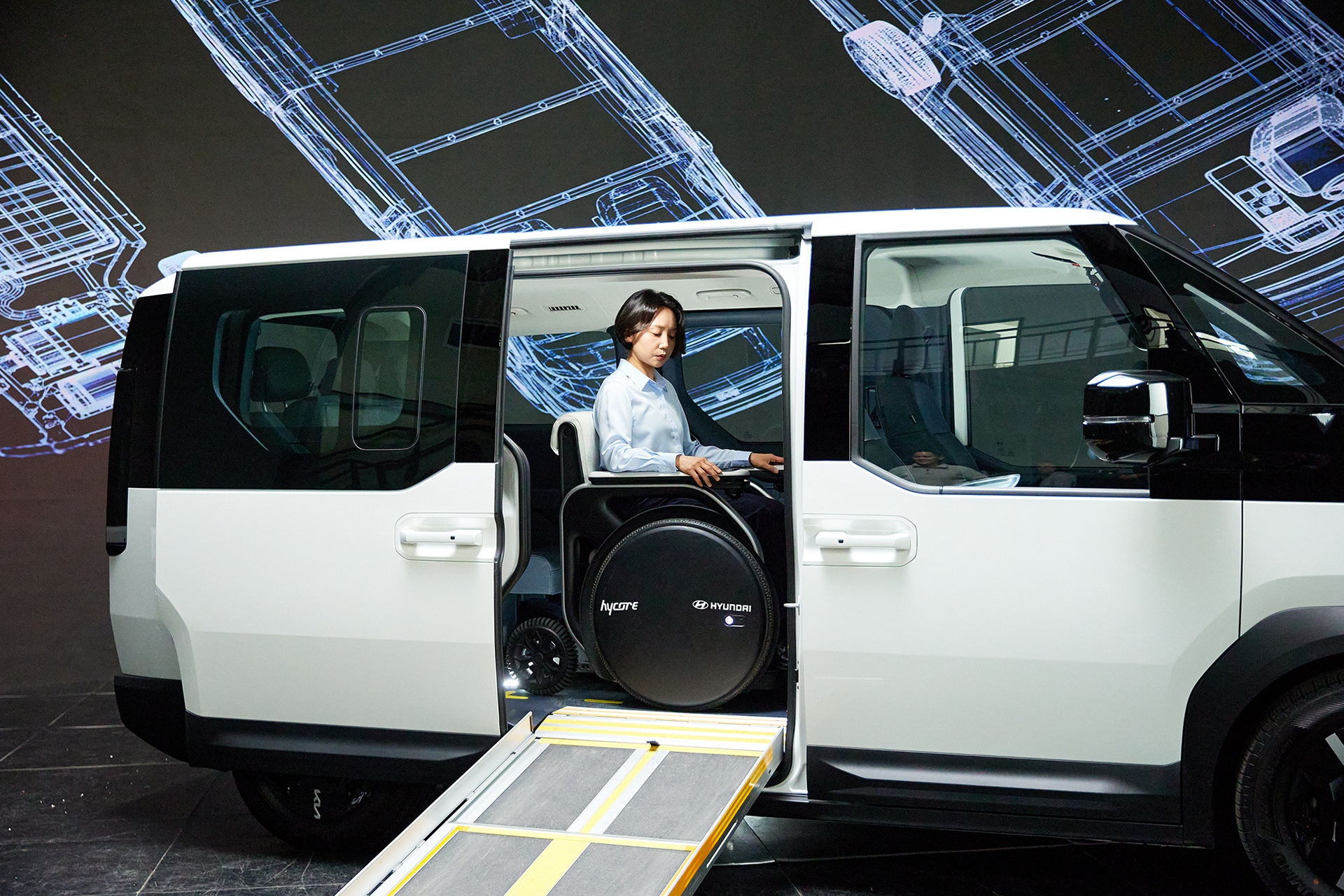
The rear seats of the PV5 WAV were designed with the convenience and efficiency of wheelchair users in mind. The wheelchair enters head-on via a ramp, then reverses to position itself behind the front passenger seat. Therefore, securing space in the “rear right” area is crucial. In particular, to accommodate the various sizes of wheelchairs used in Korea, the interior had to be much more spacious than initially anticipated.
“Considering both the wheelchair size and the smooth movement of the caregiver, we thought that lifting the third-row seat cushions would help maximize interior space. So, we implemented a ‘tip-up’ function that allows the cushions to be raised. The rear seats of the PV5 Passenger model split 6:4 between the left and right sides. If this structure were used as-is, the space for a wheelchair to enter in reverse would be relatively narrow.”
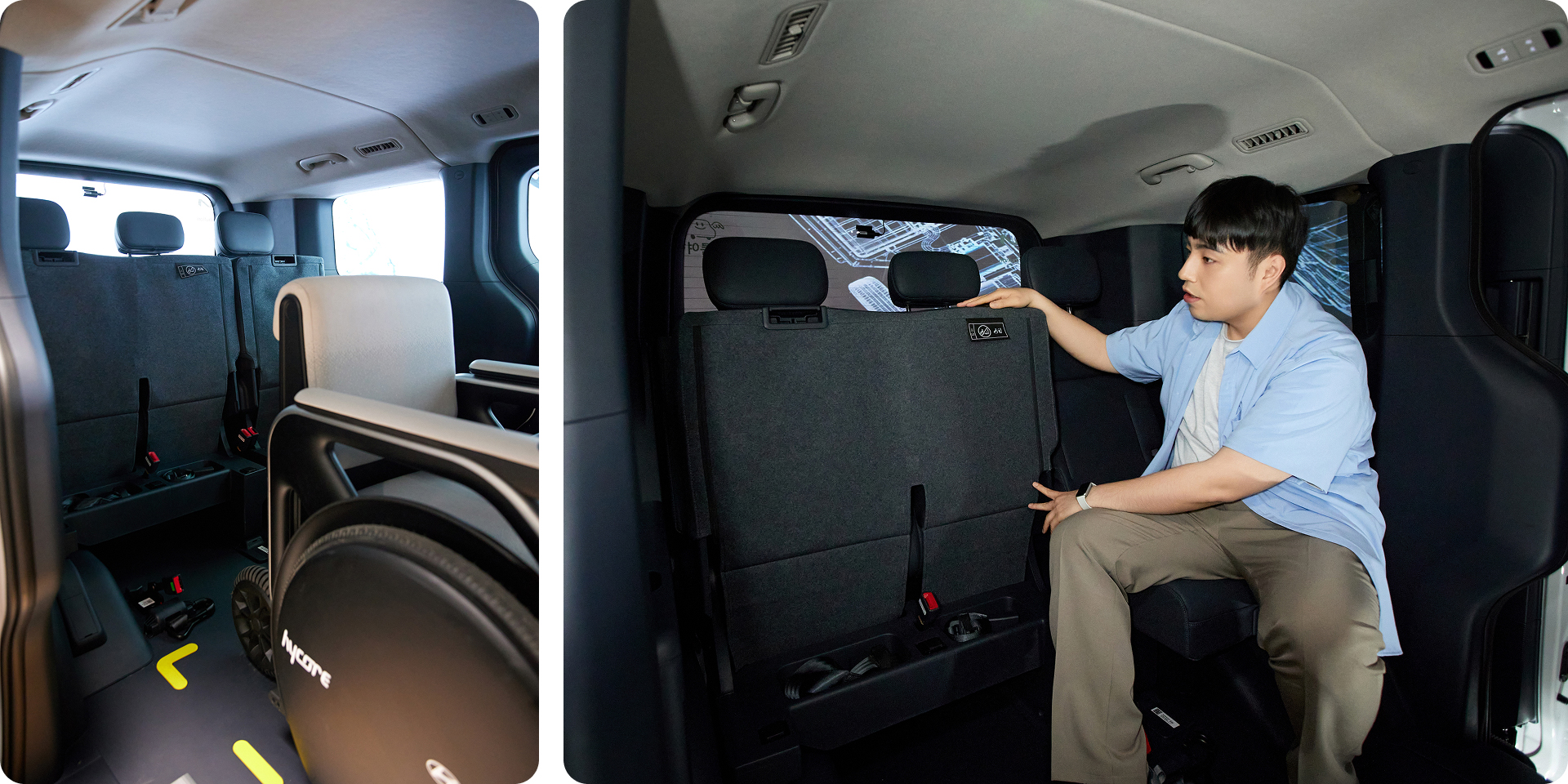
The solution from MSV Interior Engineering Design Team 1 was a 4:6 left-to-right seat configuration. The key is that wheelchair users and their caregivers travel together. Once the right-side seat is lifted to allow the wheelchair to enter, the caregiver can sit on the remaining left-side seat and travel together. Onyu Kim, the star of the campaign video, headed toward the East Sea not in isolation but in a space shared with her family. A single scene in the video captures the faces of the four family members—a moment that vividly illustrates the “equal mobility experience without discrimination” that the PV5 WAV aims to provide.
The MSV Interior Engineering Design Team 1, led by Senior Research Engineer Hansoo Yoo, reconfigured the seats to create an optimal interior space. While it may seem simple, it was actually quite a challenging task. In typical cars, seats are designed according to regulations specific to each row and then applied identically across all derivative models. However, the PV5’s seat structure varies depending on its intended use. This inevitably leads to a longer and more complex certification process than usual. From the cushion tip-up function to the left-right folding ratio and the under-seat storage compartment for wheelchair securing devices, every feature was unique, requiring the researchers to put in even more effort.

Since the vehicle was based on the PV5, some aspects of development proceeded smoothly. Senior Research Engineer Yoo highlighted the PV5’s spacious interior as a key advantage. “It takes more space than you might think for a wheelchair to turn around and be securely fastened inside the vehicle. If the interior had been any narrower, we would have had to reduce the size of the seats or remove them entirely, but the PV5 is so spacious that simply adding the cushion tip-up feature allowed it to accommodate wheelchairs of all sizes.”
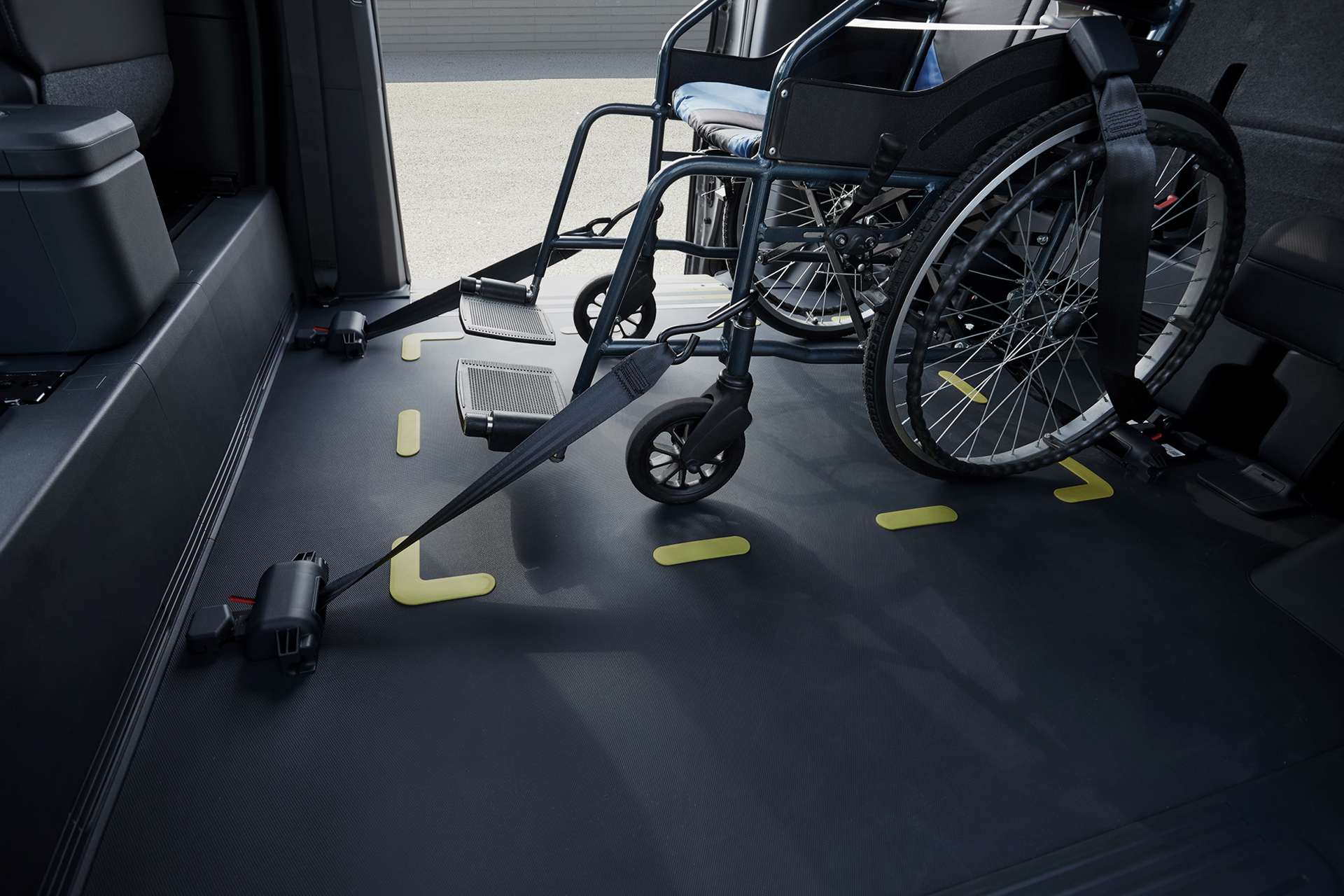
The two-stage ramp and rear seats—two features that symbolize the PV5 WAV’s clear purpose—achieved a higher level of refinement precisely because the vehicle was developed entirely in-house at Kia from start to finish. By bypassing the need for a separate specialty equipment manufacturer, we were able to fully leverage the vehicle’s structural characteristics. By prioritizing the ramp’s packaging, we were able to create the first retractable ramp with a two-stage deployment structure and even optimize rigidity by accounting for the difference in materials between the steel ramp entrance and the aluminum ramp itself.
The seat configuration was also designed from the very beginning to accommodate scenarios where a caregiver rides along. This approach differed from conventional vehicles for people with mobility challenges, which typically require access through the trunk. Senior Research Engineer Yoo, who watched the campaign video, shared his thoughts: “In most vehicles designed for people with mobility challenges, it’s common to see a wheelchair user traveling alone, so seeing an older sister and a younger sister sitting side by side was truly heartwarming.”
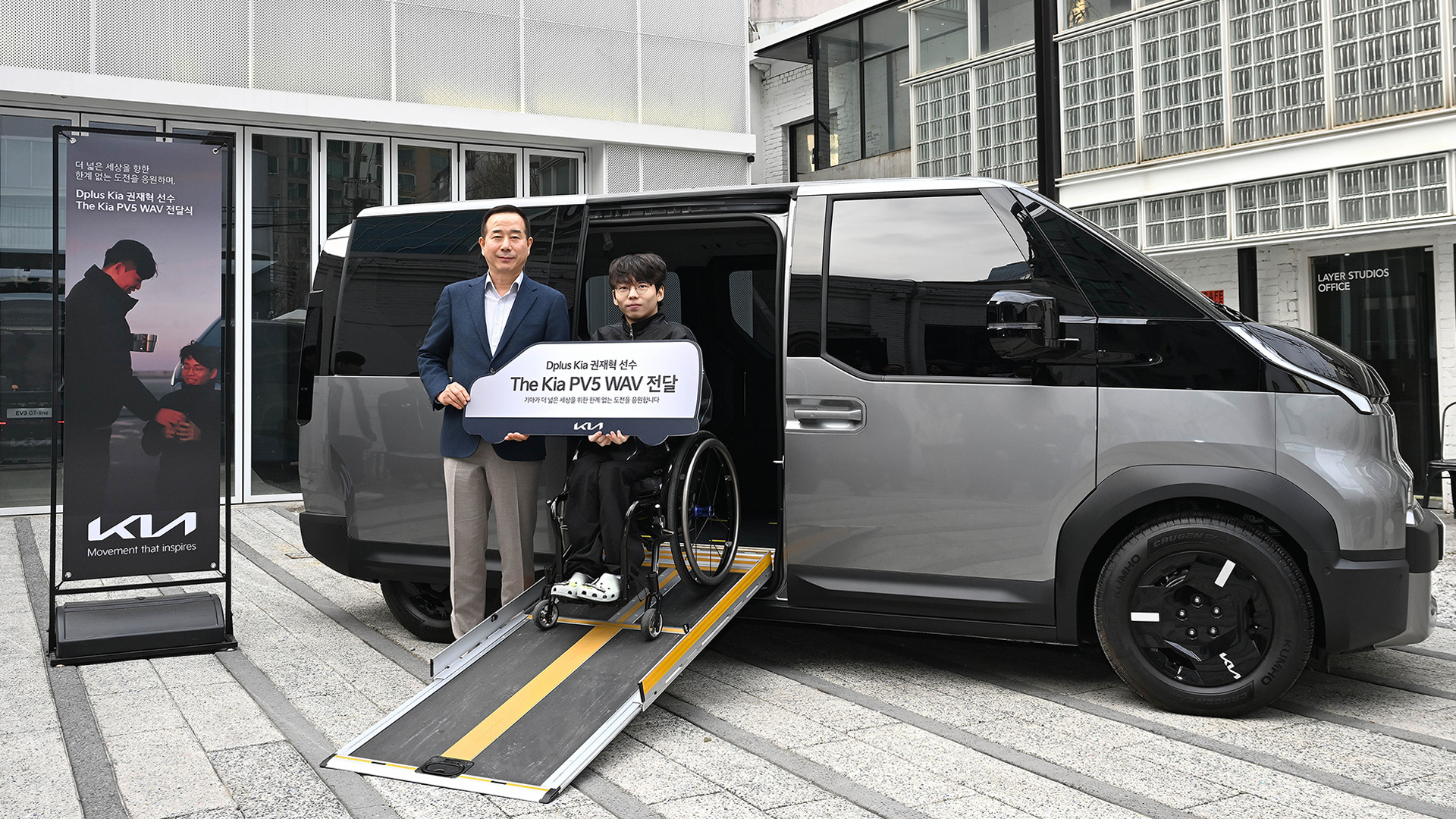
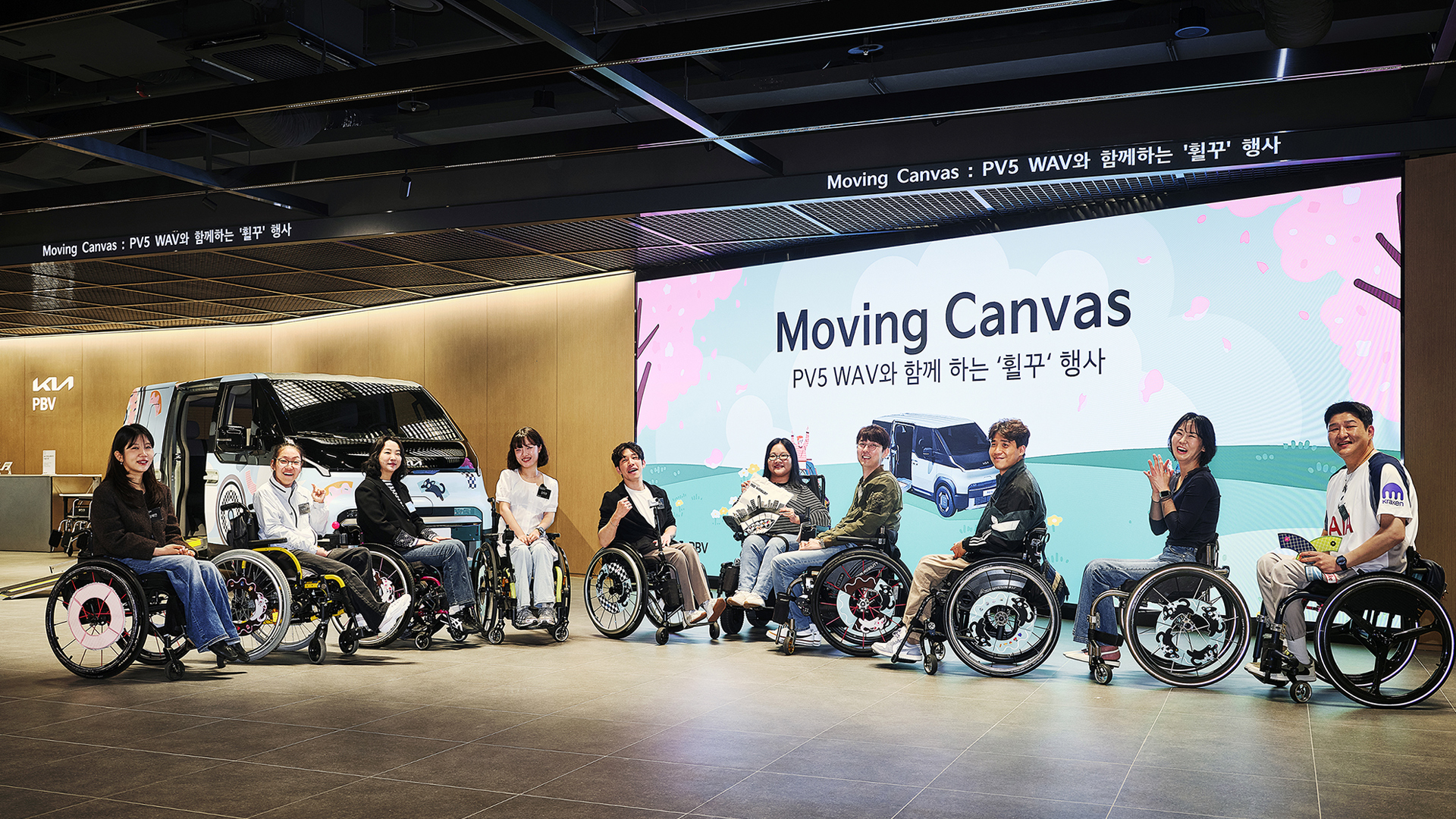
Kia is ramping up its PV5 WAV initiatives to provide the convenience of mobility that Onyu Kim experienced to more people with mobility challenges. First, in March of this year, Kia began supporting the professional career of Jaehyuk Kwon, a player for Dplus Kia—Kia’s esports partner team—by providing him with a PV5 WAV. Last April, to mark the Day for Persons with Disabilities, Kia held various events. At the “2026 Crossing the Line Festival,” the company operated a dedicated booth under the theme “Borderless Mobility Experience” to showcase the convenience of the PV5 WAV to wheelchair users. At the PBV Experience Center in Pyeongtaek, Gyeonggi Province, the company held “Moving Canvas—Wheel-ku (Wheelchair Customization) with the PV5 WAV,” a participatory program for wheelchair users. Together with YouTuber “Rolling GURU,” participants customized their wheelchairs and even had the opportunity to test drive the PV5 WAV.
In addition, Kia is expanding its collaboration with local governments. It is providing special purchase subsidies* for the PV5 WAV to social welfare facilities in Seoul and citizens with family members who have disabilities, and is currently reviewing plans for the introduction and operation of the PV5 WAV with Gyeonggi Province and Hwaseong Special City.
*800,000 won for the right-side Smart Power Sliding Door and Smart Power Tailgate, plus 200,000 won for electric vehicle charging costs.
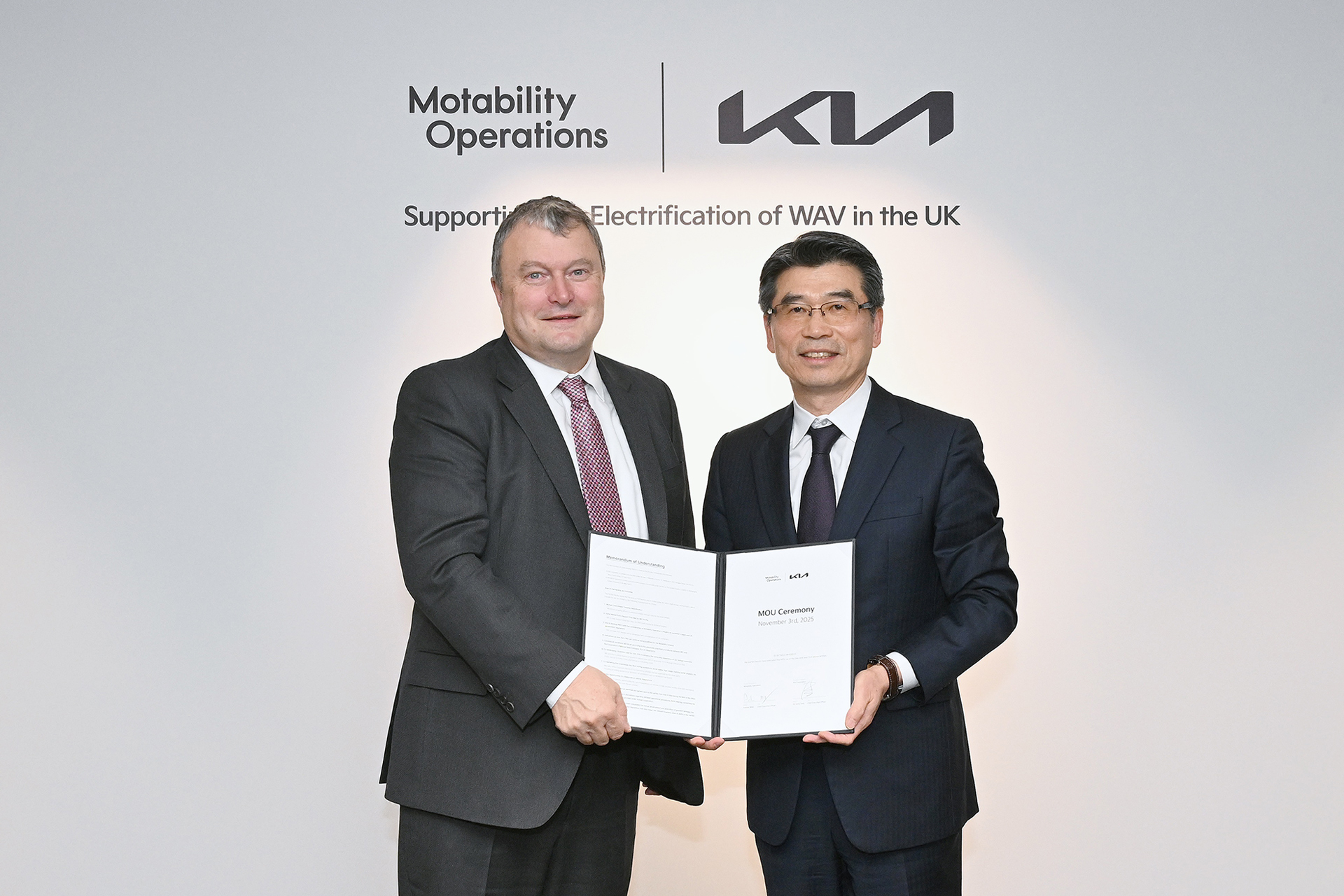
The PV5 WAV is also making its mark in the UK. Last November, Kia signed a business agreement with Motability, the UK’s largest lease vehicle operator for people with disabilities. Kia will supply the standard PV5 and the PV5 WAV, and Motability plans to launch services utilizing these vehicles starting this year. Information on the WAV market collected by the two companies will be used in the development of the WAV model for the PV7, a large PBV that Kia plans to launch in the future.

The simple joy of stepping in confidently through a side door rather than the trunk, and looking out the window shoulder-to-shoulder with family, is only realized when “technology is designed with people in mind.” The PV5 WAV has arrived as a means of transportation that can bring these everyday joys closer to us. Kia’s sincere commitment to achieving greater freedom of movement is now ushering in meaningful change on roads around the world.
Photo: Taekwon Lee