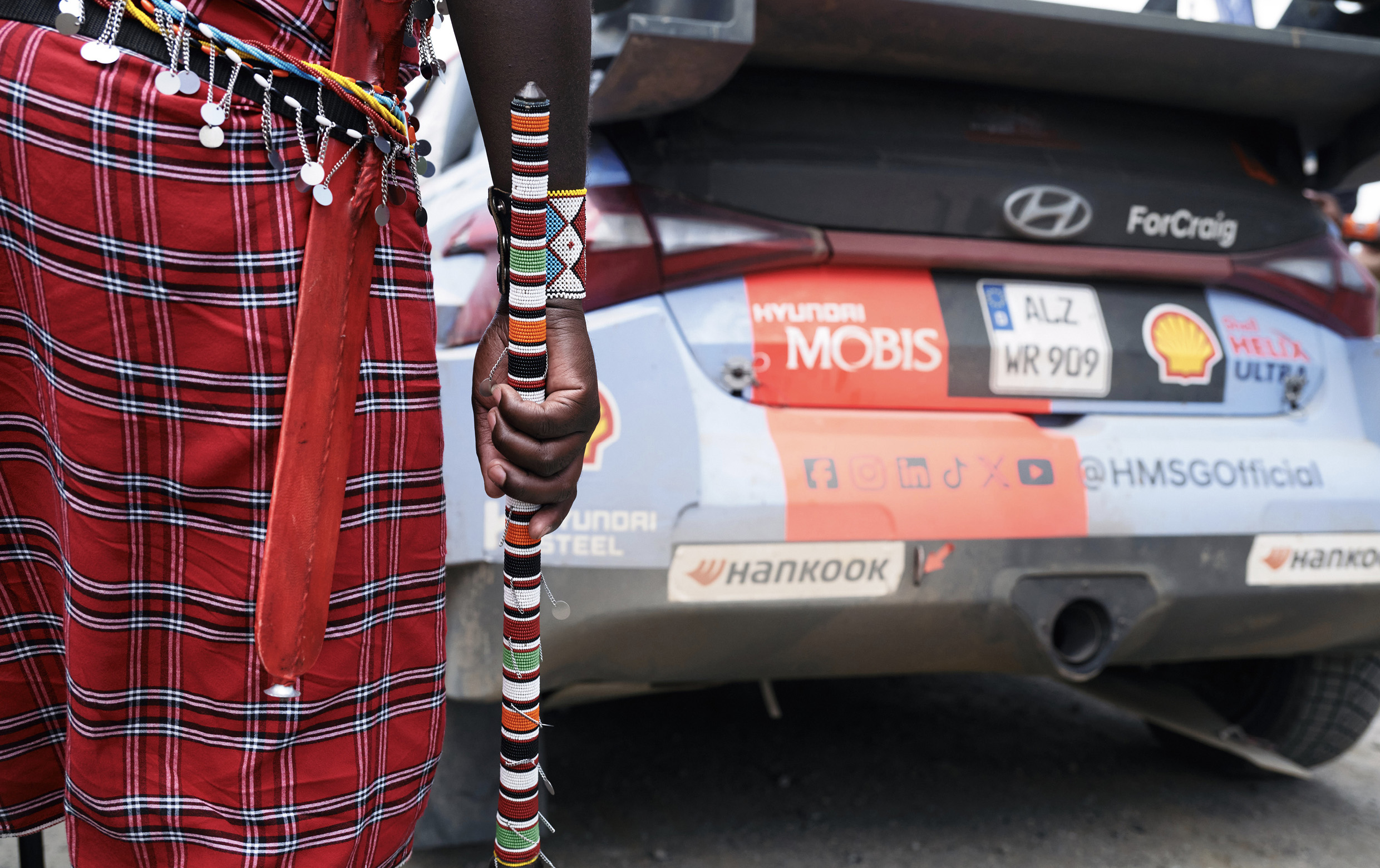
After Rally Sweden, the field packed up and flew south to eastern Africa for the Safari Rally. On the WRC calendar, Safari is the one event everyone labels the same way: the toughest, and the least predictable. This year, the traditional Nairobi-area opening stage was dropped, and most of the rally played out around the punishing terrain near Lake Naivasha. With both the competitive distance and the road sections reduced, the total route was shortened by roughly 180 km.
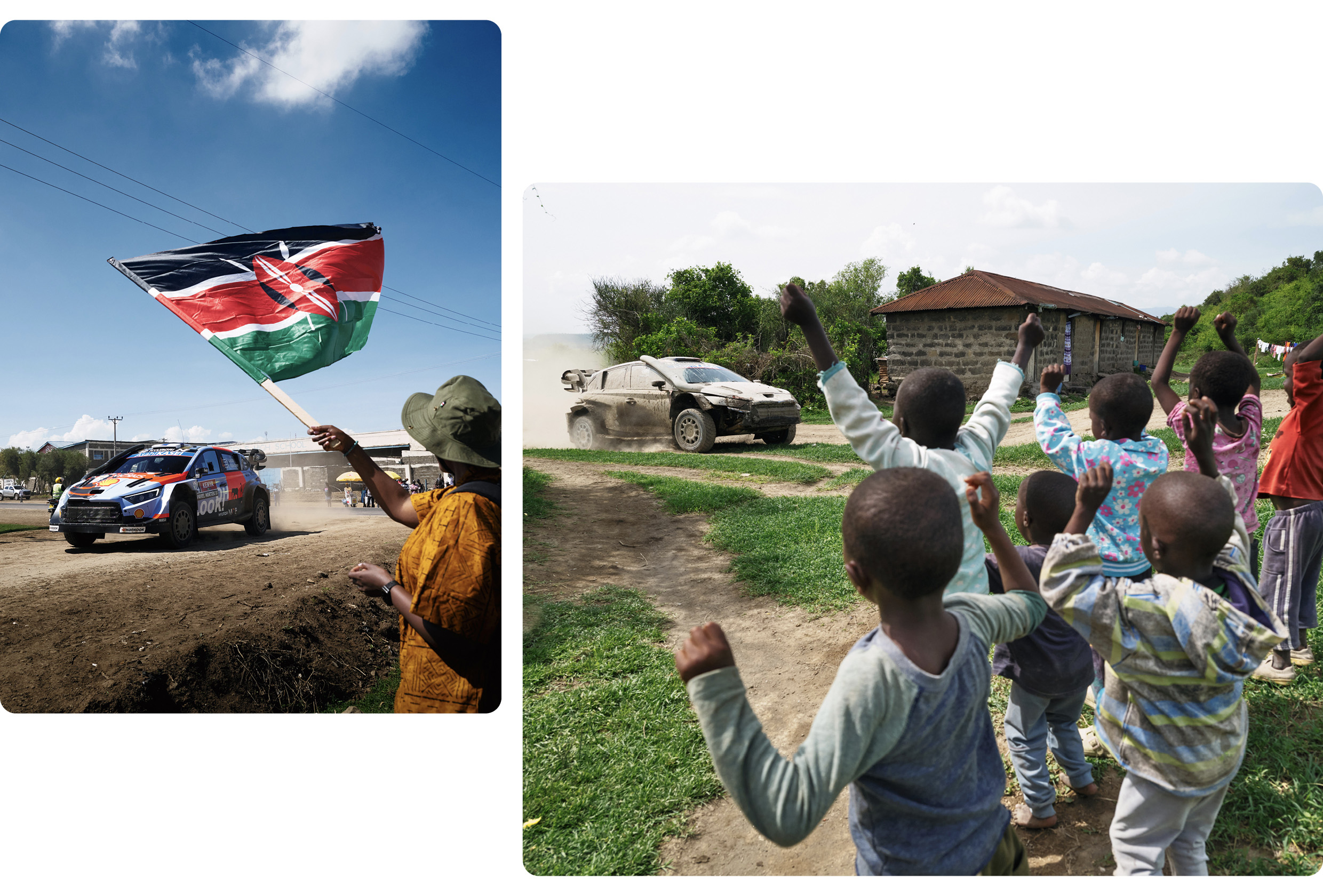
Safari’s story goes all the way back to 1953, when it began as an event to celebrate Queen Elizabeth II’s coronation. In the early days, it crossed thousands of kilometers through Britain’s East African territories—more a durability-focused survival run than a flat-out sprint. Safari was on the very first WRC calendar in 1973 and quickly became a cornerstone event. It disappeared from the championship after 2002, but continued locally—and successfully returned to the WRC in 2021.
Even after adapting to modern rallying by cutting the competitive distance to roughly 350 km, Safari’s reputation hasn’t softened. Its one-of-a-kind conditions once favored local specialists, and the all-time win leader is home hero Shekhar Mehta with five victories, followed by Björn Waldegård and Juha Kankkunen. More recently, Sébastien Ogier and Kalle Rovanperä have each taken two wins, and last year’s winner was Elfyn Evans.
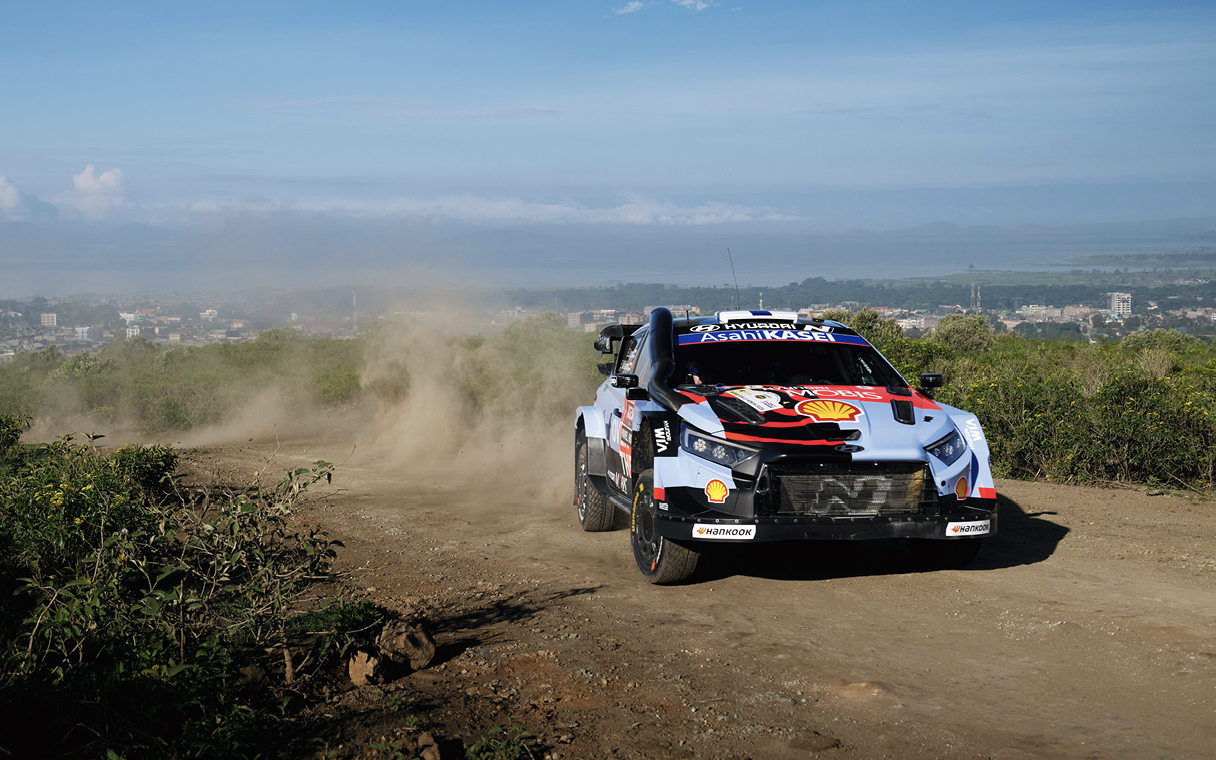
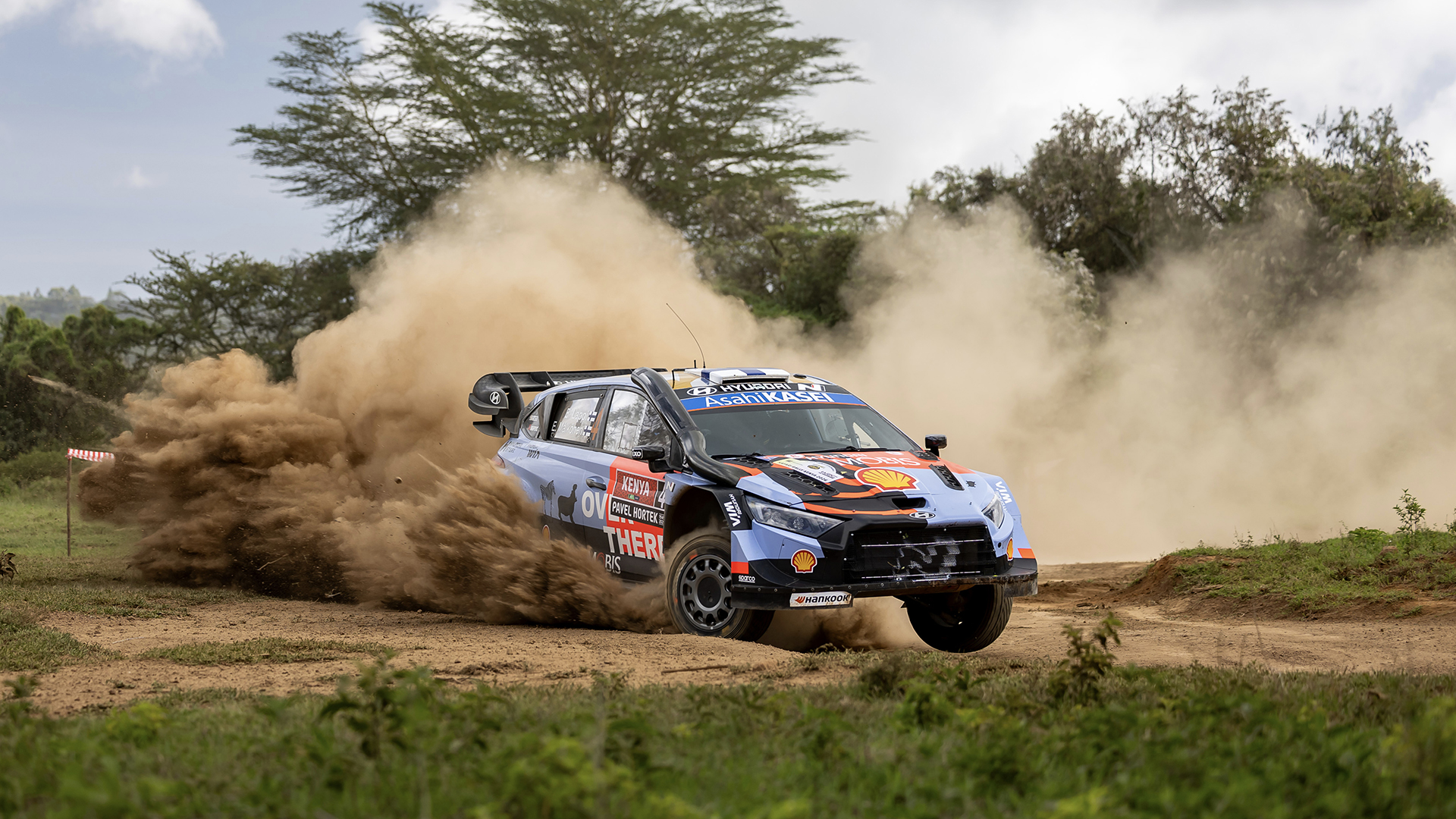
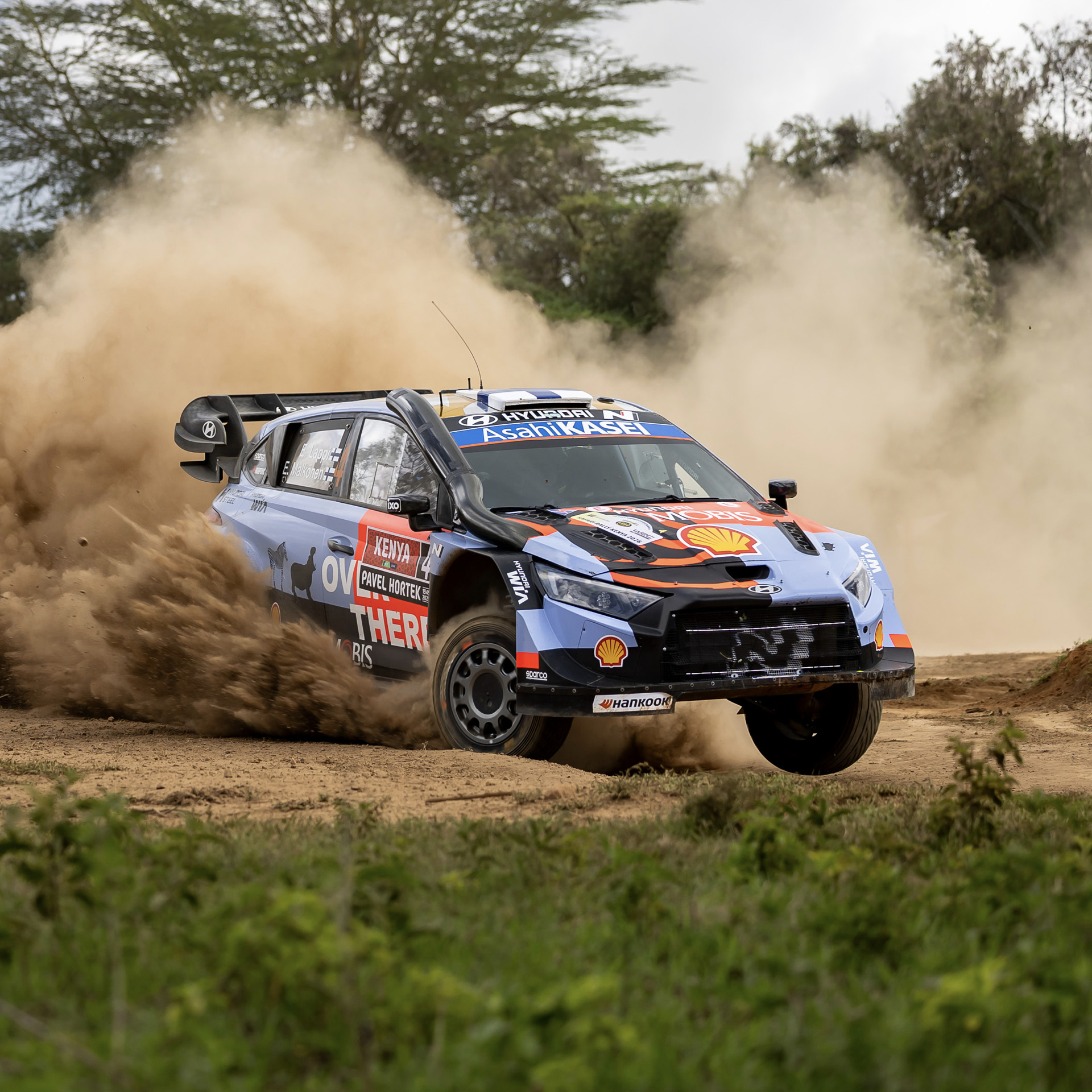
Safari-spec Rally1 cars are their own species, and the biggest visual tell is the snorkel. That thick intake pipe runs up the A-pillar and onto the roofline, feeding the engine clean air—and, just as importantly, helping prevent water ingestion when sud-den downpours turn sections into deep puddles and flooded crossings.
Ground clearance is cranked way up for the same reason: this is rallying in the wild. Teams also fit mudguards, special coatings designed to shed mud, mesh grilles to protect the radiator, and serious skid plates to keep the underbody alive. Around Naivasha, elevation approaches 1,900 meters, where thinner air makes dedicated engine mapping for power compensation a must. If any WRC event produces the most “alien” Rally1 cars of the year, it’s Safari—every time.
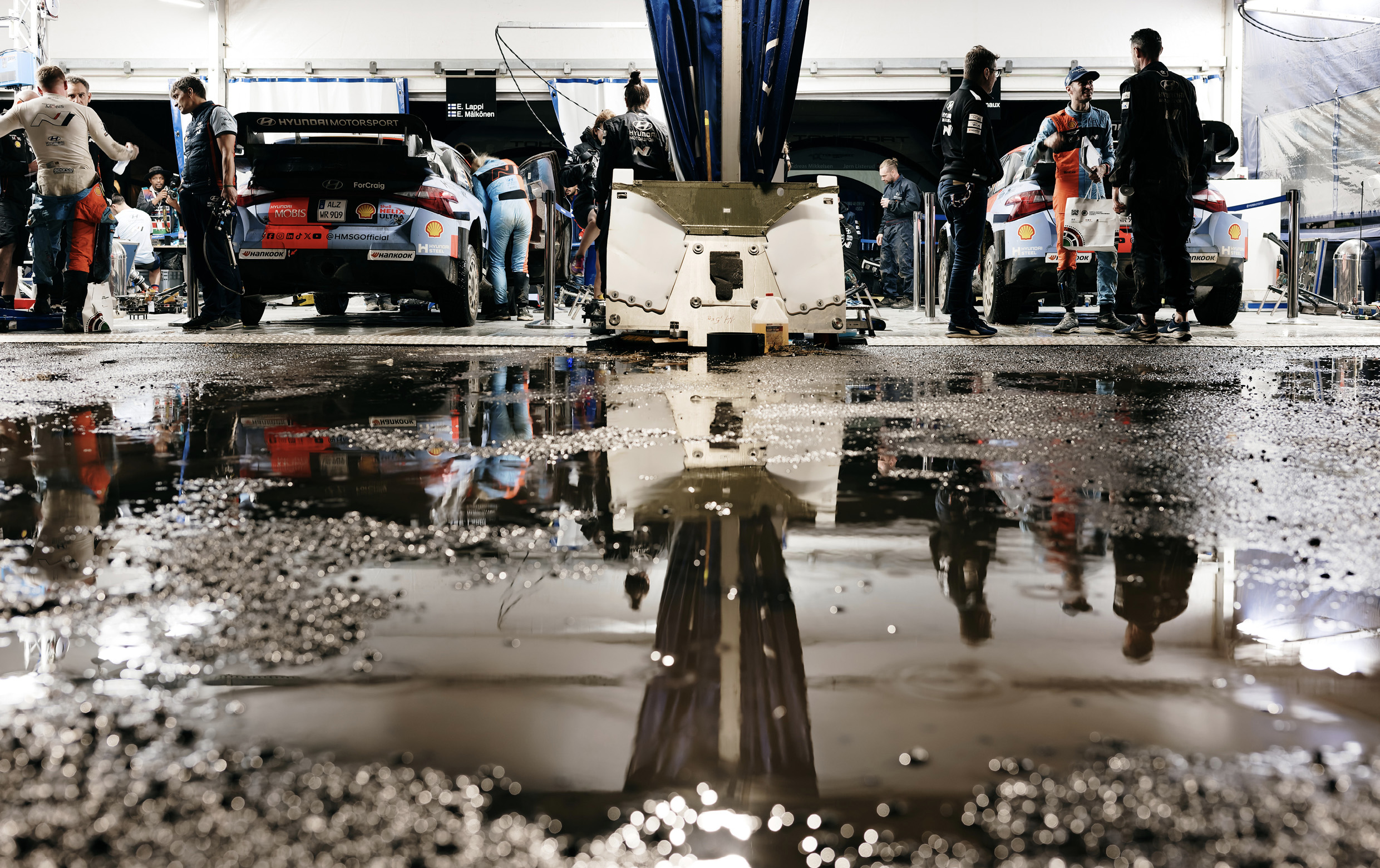
Hyundai Motorsport GmbH arrived in Kenya under more pressure than usual. The season’s first two rounds—Monte-Carlo and Sweden—came and went without a podium, and Safari has historically been one of Hyundai’s most punishing venues. Still, steady durability upgrades and targeted weak-point fixes have started to pay off; last year, Hyundai managed a double podium with second and third.
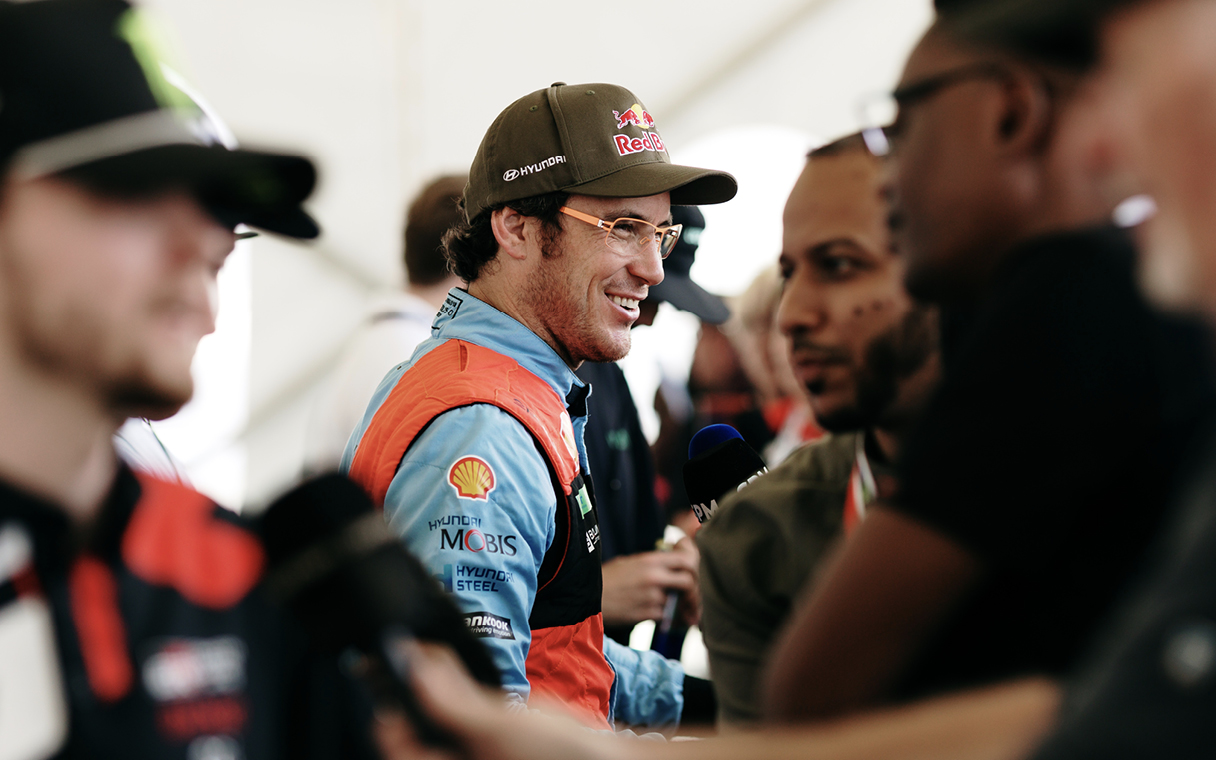
Hyundai kept the same lineup as Sweden: Thierry Neuville, Adrien Fourmaux, and Esapekka Lappi. Neuville, who finished third here last year, set the tone for what Safari demands:
“Safari Rally Kenya is one of the most demanding events on the calendar for both man and machine. It’s been a tough event for us, but last year we were able to secure our first podium, and that’s where we want to get back to. It’s hard to know what the conditions will be like, but based on what we’ve had over the past few years, we expect a huge variety. Rain tends to be very localised, but it’s usually heavy across stages like Sleeping Warrior. As well as navigating the conditions, we must optimise our setup to protect the car as much as possible. Balancing reliability with the right setup is always a challenge, but avoiding punctures is an even bigger one. My goal is to have a trouble-free event.”
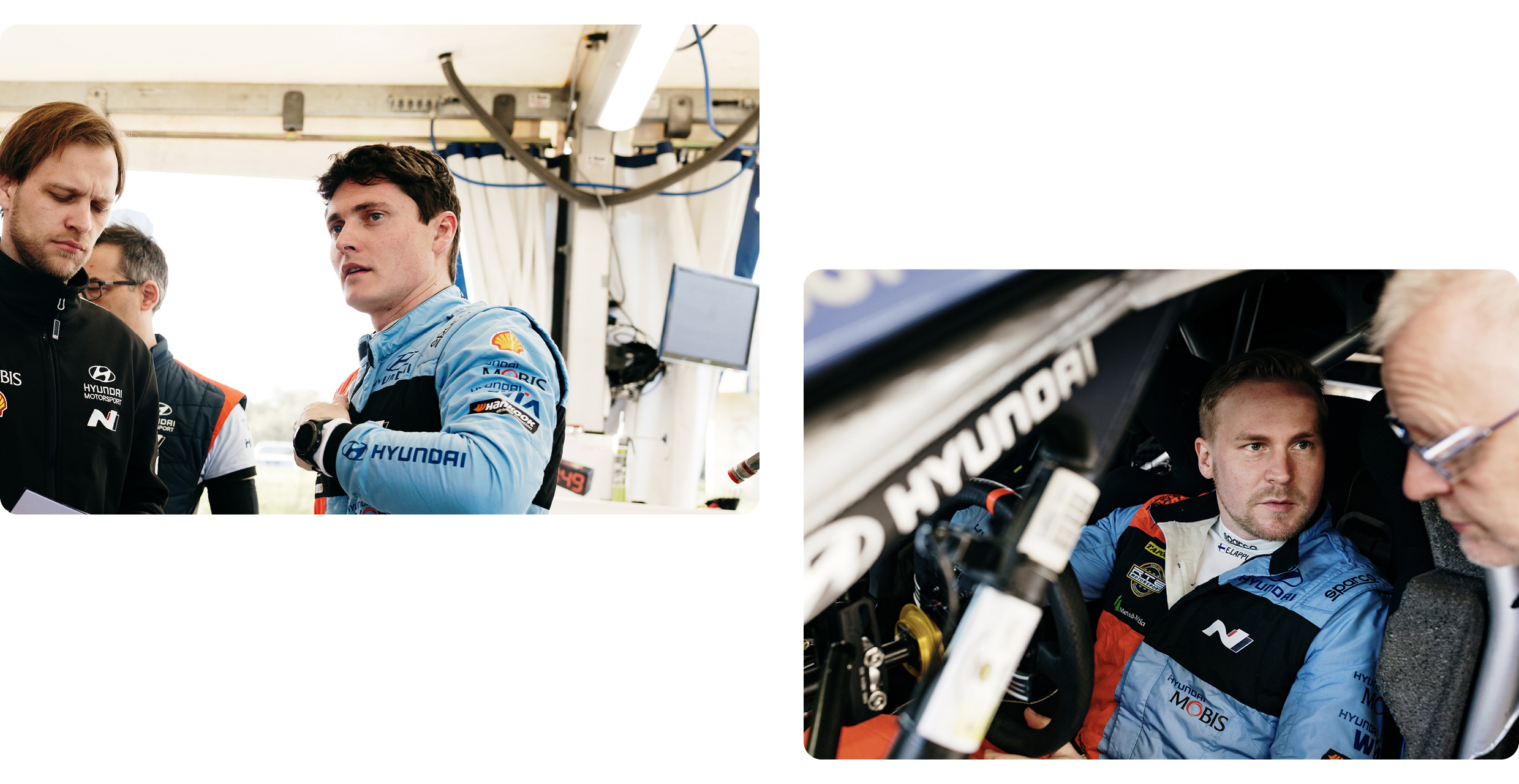
Fourmaux already has Safari credibility: he finished third here in 2024 with M-Sport Ford. He also came in fourth in the championship standings, which meant he would run fourth on the road early—often a sweet spot at Safari, because the cars ahead “clean” the line and reduce the risk of damage from rocks and ruts.
Lappi entered Safari in 2023 and 2024 with Hyundai, but those seasons coincided with a period when the i20 N Rally1 struggled with prop shaft durability issues, and both attempts ended in retirement. Even so, Lappi’s stage pace was consistently strong—so with reliability improved on the updated car, there was real curiosity about what kind of result he could unlock.
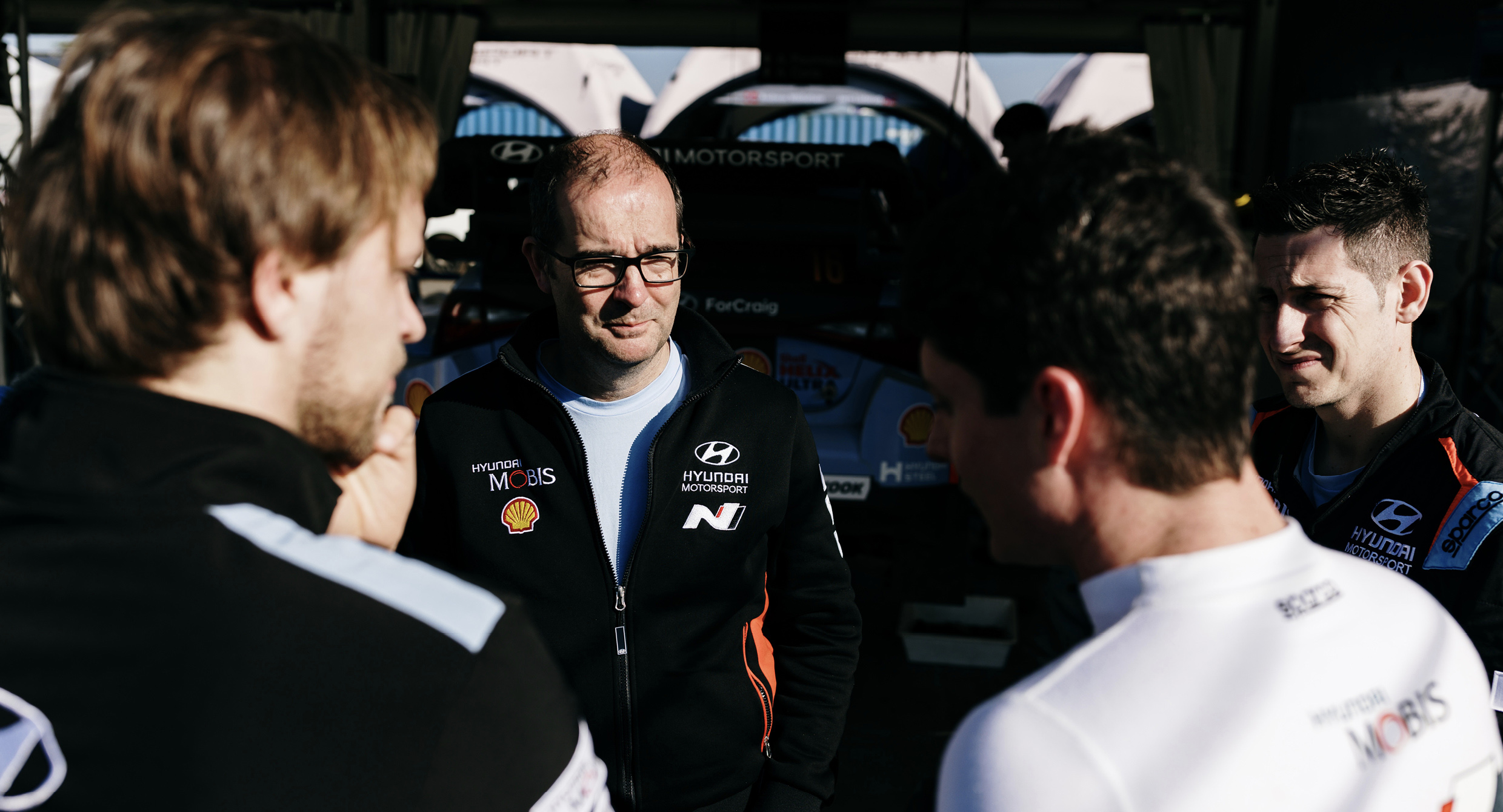
“Safari Rally Kenya is a very different prospect from the first two events of the season. Compared to the high-speed, flat-out nature of Sweden, Kenya is an event that demands respect and rewards patience. This will be the first time that we have competed here with the Hyundai i20 N Rally1 Evo specification car, but we know that it’s capable of securing solid results at these types of events – like we saw in Greece and Saudi Arabia last year. The weather can make a dramatic difference to the stages, and it can be very hard to predict when the rain will arrive on a specific stage,” said Hyundai WRC Sporting Director Andrew Wheatley, about the team's goals for the rally.
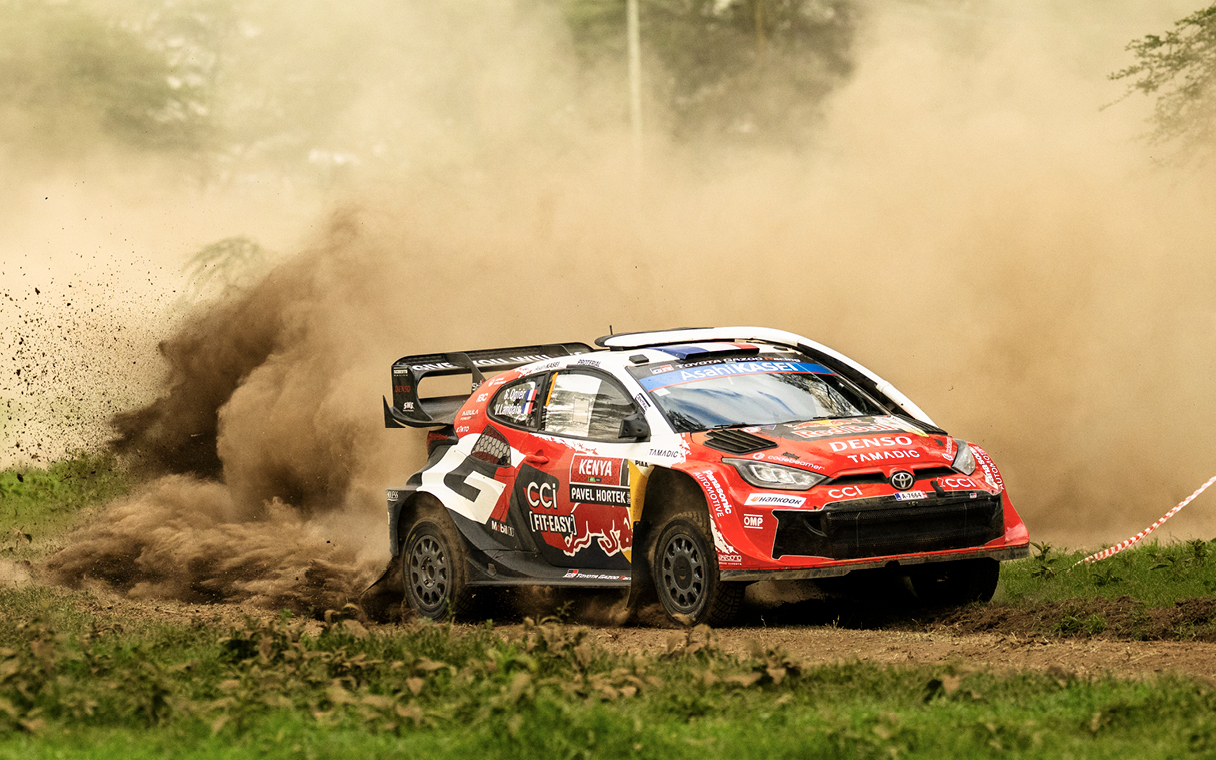
Toyota brought Elfyn Evans, Oliver Solberg, and Takamoto Katsuta, with part-time ace Sébastien Ogier back on the entry list. Sami Pajari also joined, giving Toyota five GR Yaris Rally1 cars in total.
Evans arrived as the championship leader after his Sweden win, and he owns three Safari podiums, including last year’s victory. Among current drivers, Ogier leads on pure Safari wins with two. Toyota’s designated manufacturers’ points scorers were Evans, Ogier, and Solberg. Still, Katsuta came in with three Safari podiums of his own, and Pajari impressed last year with a strong fourth-place finish.
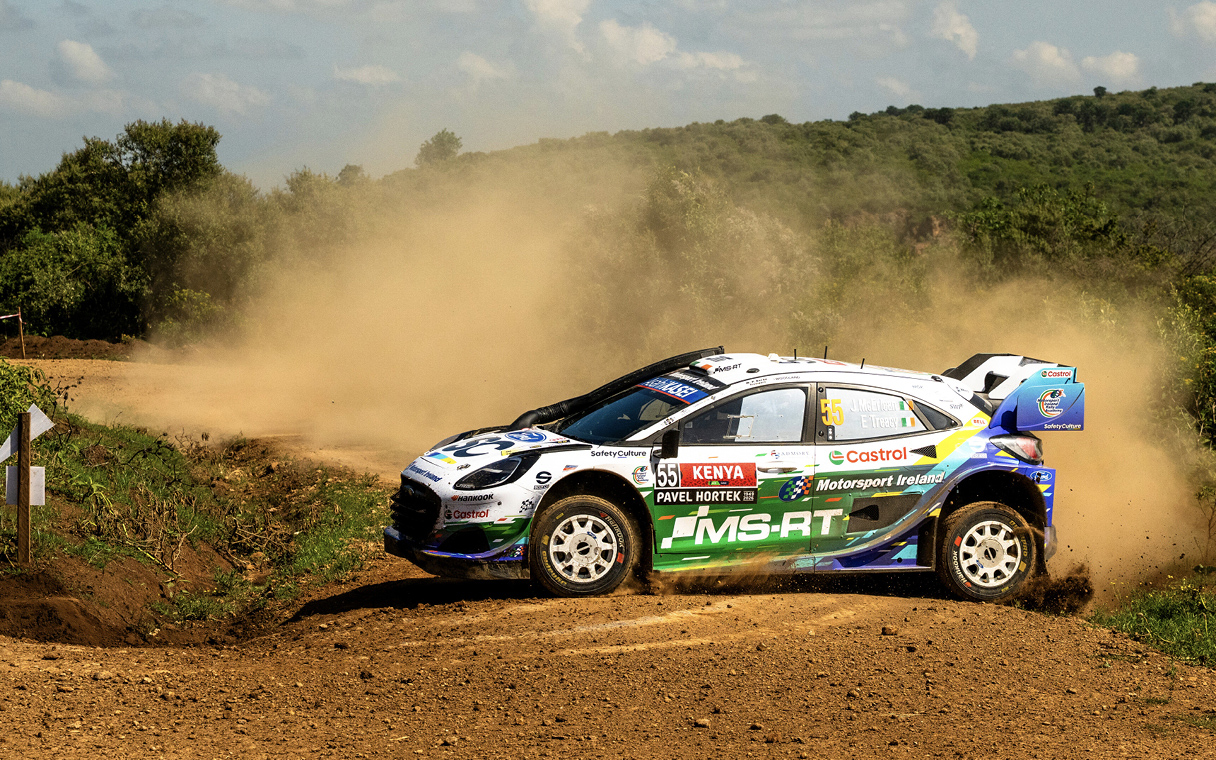
M-Sport Ford, fresh off scoring its first points of the season in Sweden, entered two cars for Kenya: Josh McErlean and Jon Armstrong. McErlean finished 10th at Safari last year to just sneak into the points, while Armstrong was making his Safari debut.
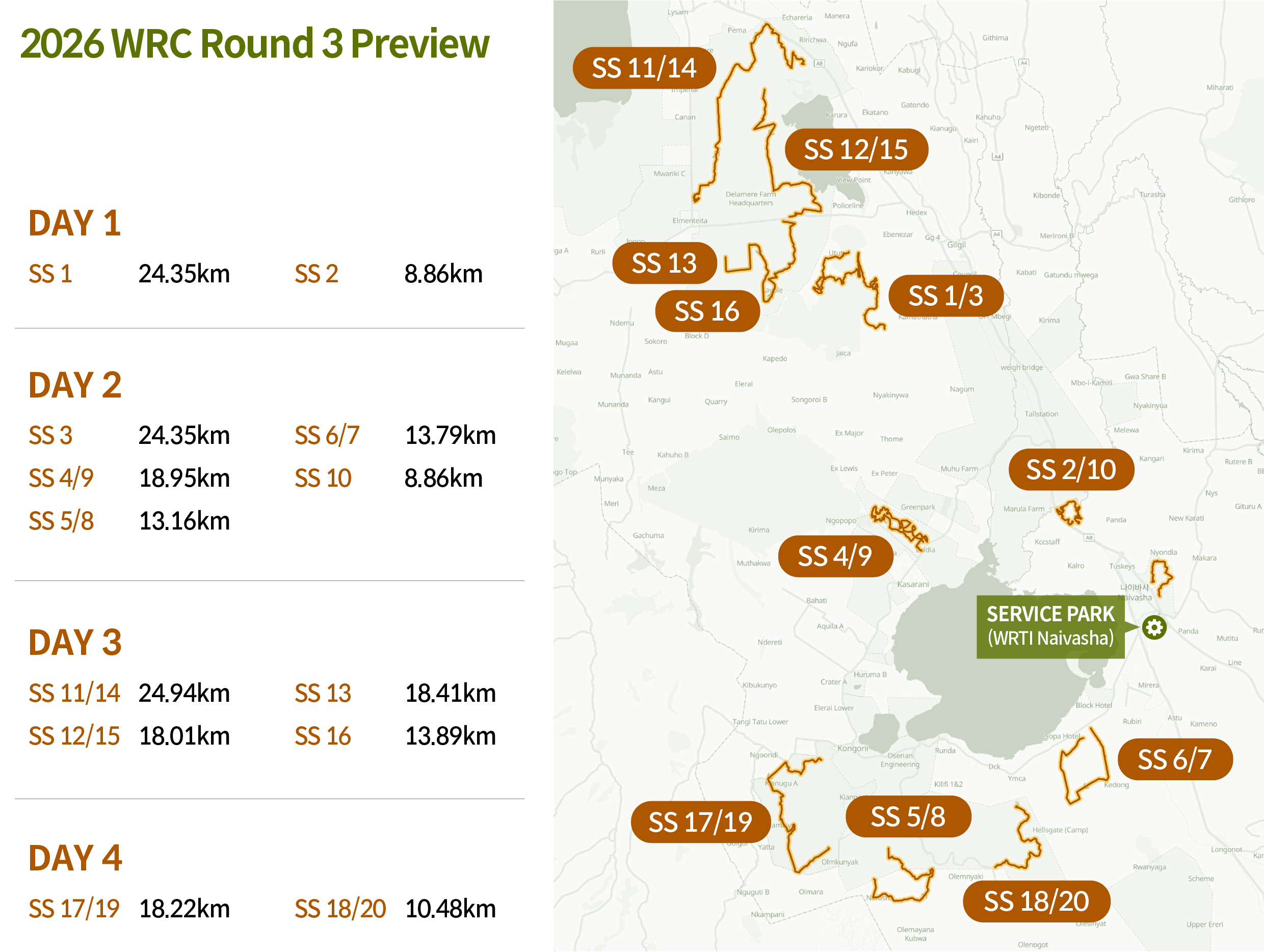
This year’s Safari Rally also arrived with a major route change. The Kasarani Super Special Stage near Nairobi—used as the opener since Safari’s 2021 return—was dropped, and the entire rally was centered around Lake Naivasha. Thursday, March 12 featured two stages: Camp Moran and Mzabibu.
The biggest variable, though, was the weather. Torrential rain around Naivasha turned parts of the stages into deep mud. Lappi said he’d never seen conditions like it before. He described simply driving through the stages in the recce car as an achievement—and warned that if more rain came, grip could just vanish. At that point, he said, the rally would become a run through standing water and long, flooded straights where the car would be nearly impossible to control, wandering wherever it wanted. In his words, it would turn into a razor-edge adventure—and he expected a brutal event.
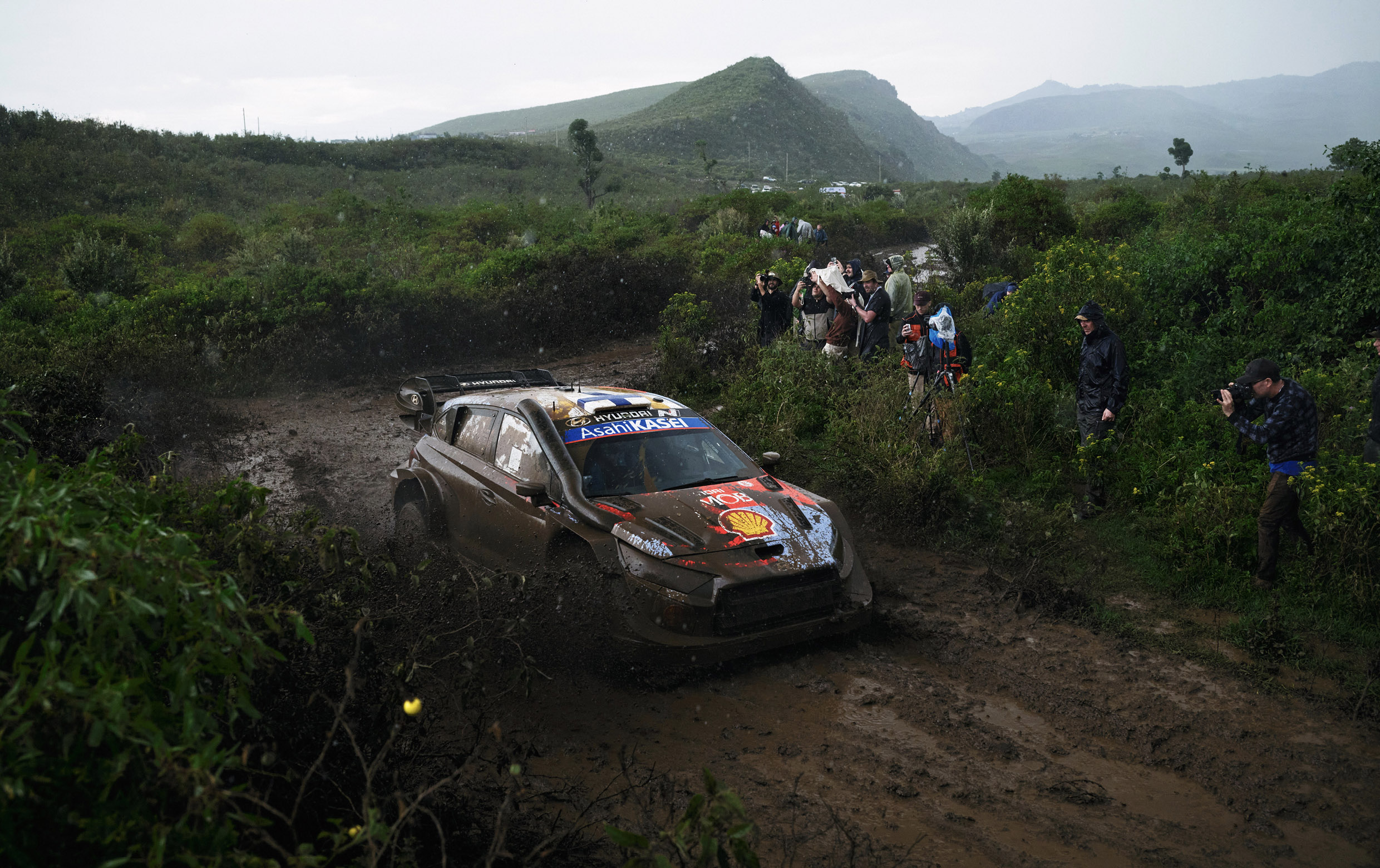
SS1 Camp Moran kicked off in light rain, and at 24.35 km it was still a proper long stage—even if it was shorter than last year’s 31.4 km. Oliver Solberg fired the first shot with the fastest time to grab the early lead, with Elfyn Evans, Sébastien Ogier, and Takamoto Katsuta stacked right behind. Hyundai’s trio landed a little deeper in the order: Thierry Neuville sixth, Adrien Fourmaux seventh, and Esapekka Lappi ninth.
Heavy rain turned sections of the stages into deep mud, tormenting drivers all weekend. Video: WRC (http://www.wrc.com)
Even as Hyundai’s quickest, Neuville still hemorrhaged more than two minutes to Solberg—an early snapshot of just how wild the surface had become. After feeling the road morph corner by corner, Neuville put it plainly: “We need a boat in there or something else than a rally car. I took it carefully you don't know where it is slippery and what is behind the corner. Nothing is working everything is soo cold, the brakes. The rally is long, anything can happen.”
As the weather cleared and the surface improved, the problem flipped—overheating started popping up everywhere. Video: WRC (http://www.wrc.com)
Hyundai kept fighting—Neuville and Fourmaux, and even Lappi, all dealt with engine overheating. Video: WRC (http://www.wrc.com)
SS2 Mzabibu is short by Safari standards at 8.86 km, and its name—Swahili for “grapes”—fits, because it cuts straight through massive vineyards. The sky cleared and the road improved, but Toyota’s momentum didn’t: Ogier punched in the fastest time and kept the GR Yaris Rally1s at the sharp end. Hyundai’s day, meanwhile, turned into damage-control. Fourmaux picked up an impact that triggered engine issues, Neuville crossed the line trailing smoke, and Lappi had warning lights firing almost immediately after the start as overheating woes spread through the field. Solberg, who looked unstoppable on SS1, lost pace with windshield fogging—yet still carried the overall lead into the end of Day 1.
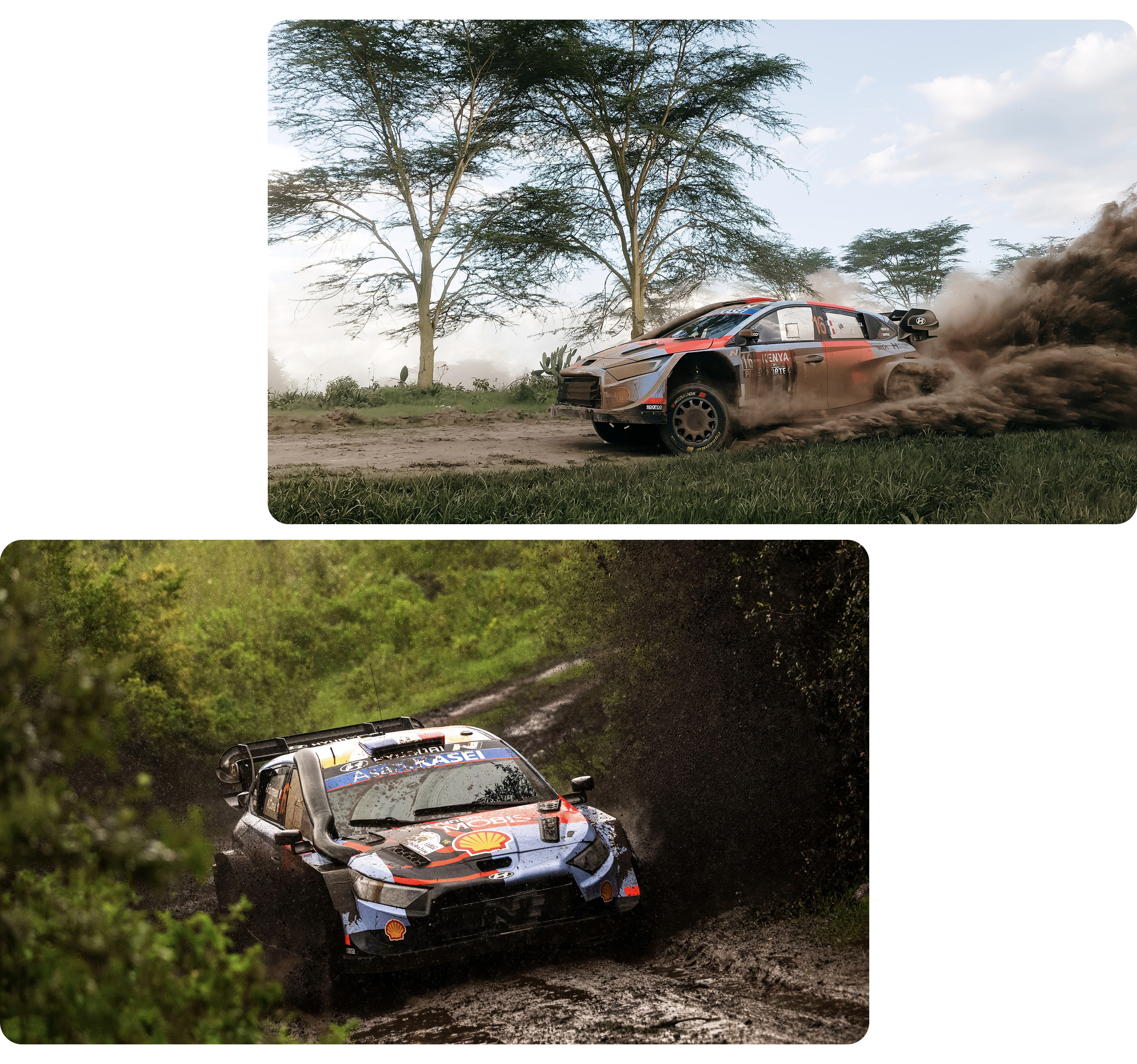
Friday, March 13 was the real Safari test: Camp Moran, then the rally’s longest stage at 25.04 km—Loldia—followed by Kengen Geothermal and the 13.79 km Kedong stage. The crews ran that four-stage loop morning and afternoon for a punishing 137.19 km day across the kind of terrain Safari is famous for, including stretches of fesh-fesh.
Fesh-fesh is ultra-fine soil formed from weathered volcanic ash. It’s a triple threat: it explodes into dust clouds that wipe out visibility, it can choke intakes and sap engine performance, and in the worst cases it can contribute to serious engine damage. Add rain and it turns into slick, greasy mud—like trying to drive on ice—while deep fesh-fesh can swallow a tire and leave you stranded with nowhere to go.
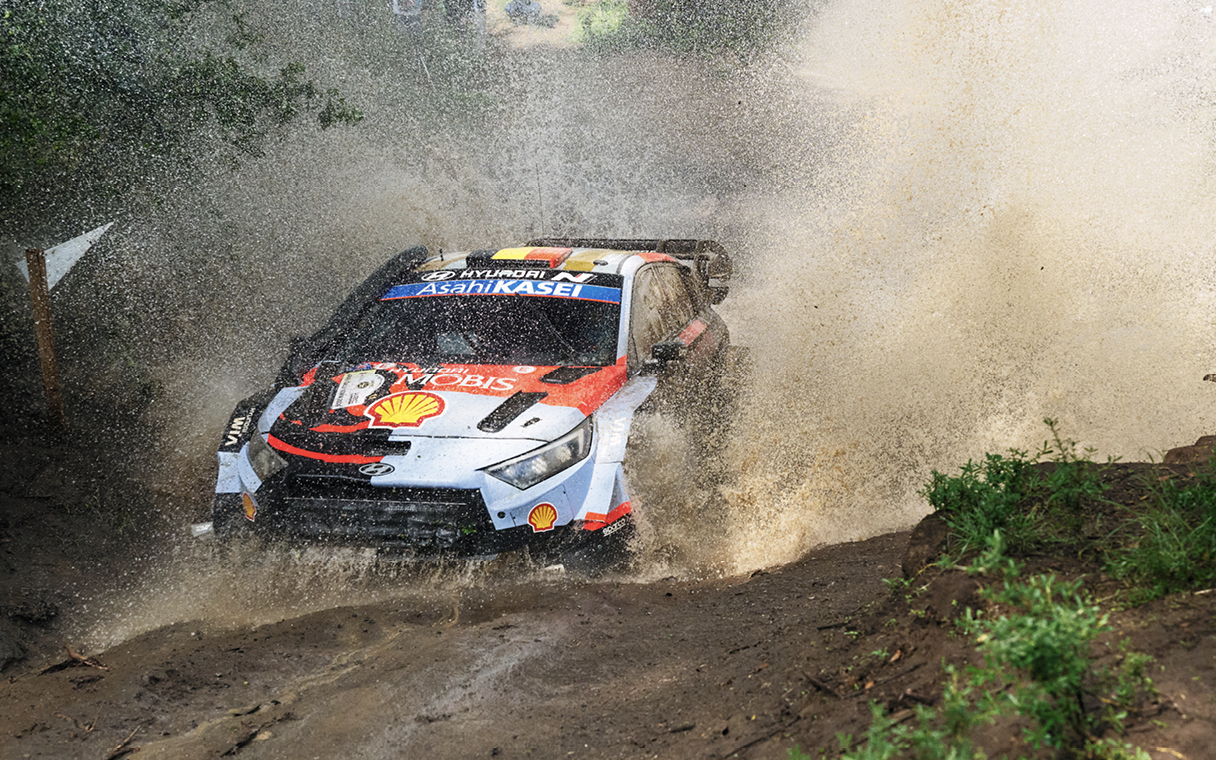
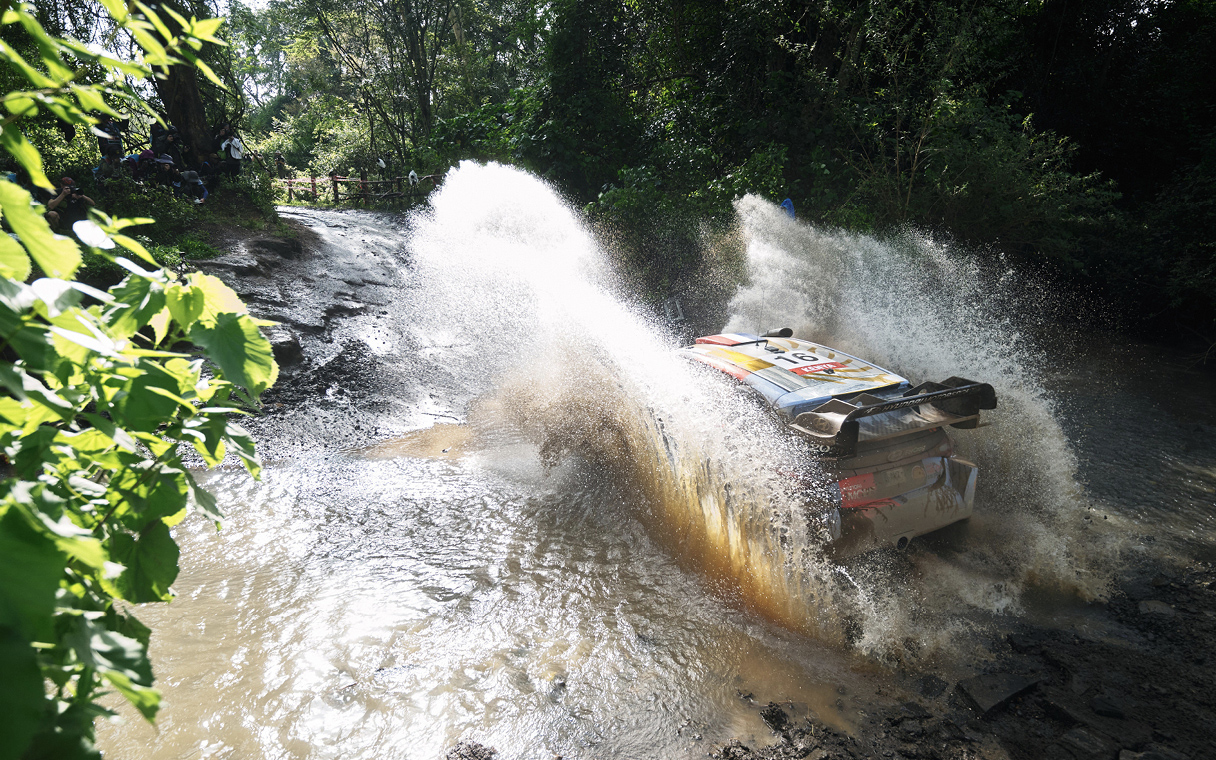
The weather stayed the headline. SS3—scheduled as another run through Thursday’s Camp Moran—was cancelled after overnight torrential rain made the stage unsafe and inaccessible for support trucks and ambulances due to deep ruts and standing water. SS4 Loldia was also altered right before launch: a newly ad-ded rough section was removed and the stage reverted to last year’s layout, shortening it to 18.95 km.
With everyone on soft tires for the restarted Day 2 opener, Ogier went fastest on SS4. Fourmaux logged the third-best time, jumping ahead of Armstrong to move up to seventh overall. Neuville lost time after stalling mid-stage, and Lappi chose survival over heroics, running a conservative pace to keep the car intact. Hyundai explained its overheating issues as a cooling-efficiency problem: mud was sticking to the radiators, drying there, and choking airflow.
Neuville and Fourmaux turned the wick up and continued their chase toward the front. Video: WRC (http://www.wrc.com)
SS5 Kengen Geothermal runs through a geothermal power complex that supplies a significant share of Kenya’s electricity—an almost sci-fi backdrop of steam pipes and cooling towers as Rally1 cars rip through the site. The road is uneven, littered with sharp rock, and the high geothermal heat adds another layer of stress for both cars and crews.
In drier conditions here, rookie Pajari announced himself with the fastest time. Up front, Solberg’s cushion over Evans shrank to 27.2 seconds. For Hyundai, Neuville was quickest, with Fourmaux right behind. Neuville had a scare near the end when a tire popped off the rim, but the time loss stayed manageable.
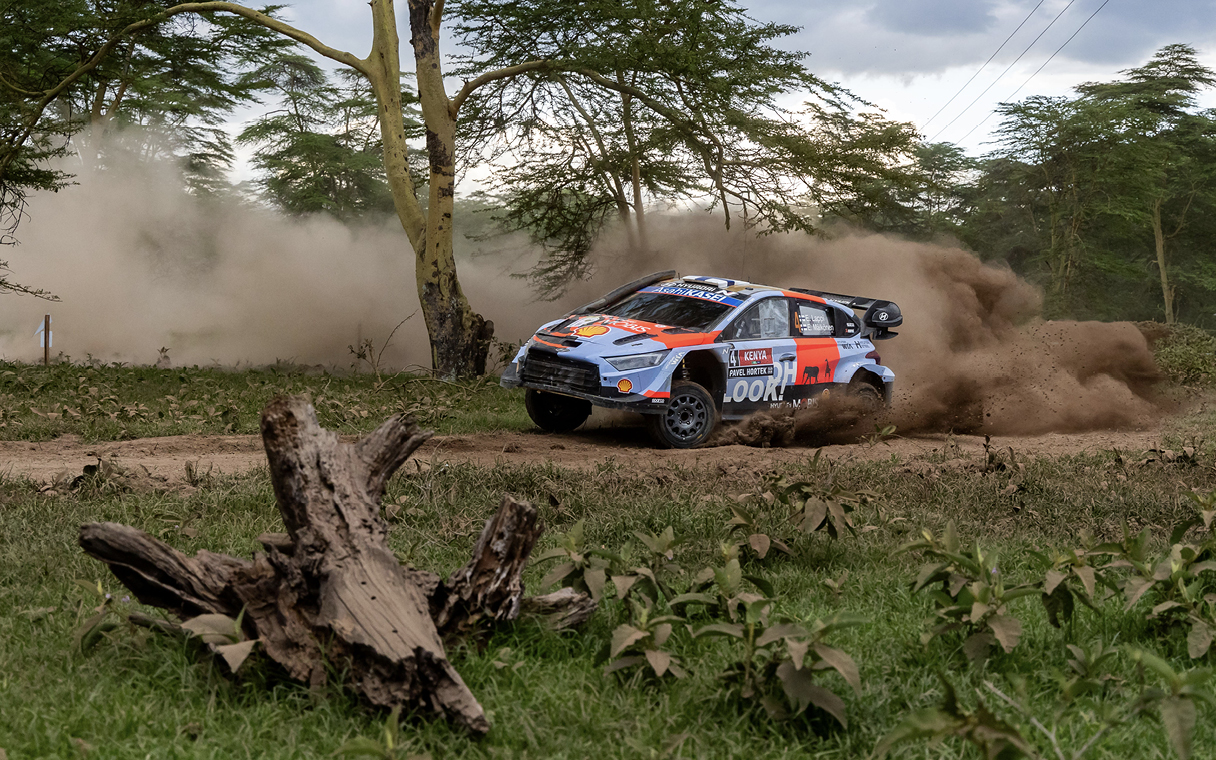
Next up was SS6 Kedong—one of Safari’s signature tests, the kind of place that’s less “stage” and more “stress test.” With the weather still making the roads unpredictable and the attrition threat climbing, officials tweaked parts of the route to keep the rally from turning into a full-on retirement parade. Pajari stayed red-hot and went quickest again. Neuville, meanwhile, muscled the Hyundai through with tire damage and still nailed the third-fastest time—just 5.5 seconds off the stage winner.
After midday service, the crews turned around and ran Kedong again for SS7, and Ogier reminded everyone why he’s always in the Safari conversation—fastest on the repeat and up into second overall ahead of Evans. Pajari kept building his own story and climbed to fourth overall. Hyundai’s positions didn’t budge: Neuville sixth, Fourmaux seventh, Lappi ninth. Over at M-Sport, Armstrong swapped both the radiator and intercooler to fight overheating, but the stopwatch still wasn’t impressed. Katsuta and McErlean also took hits, each losing time with tire damage.
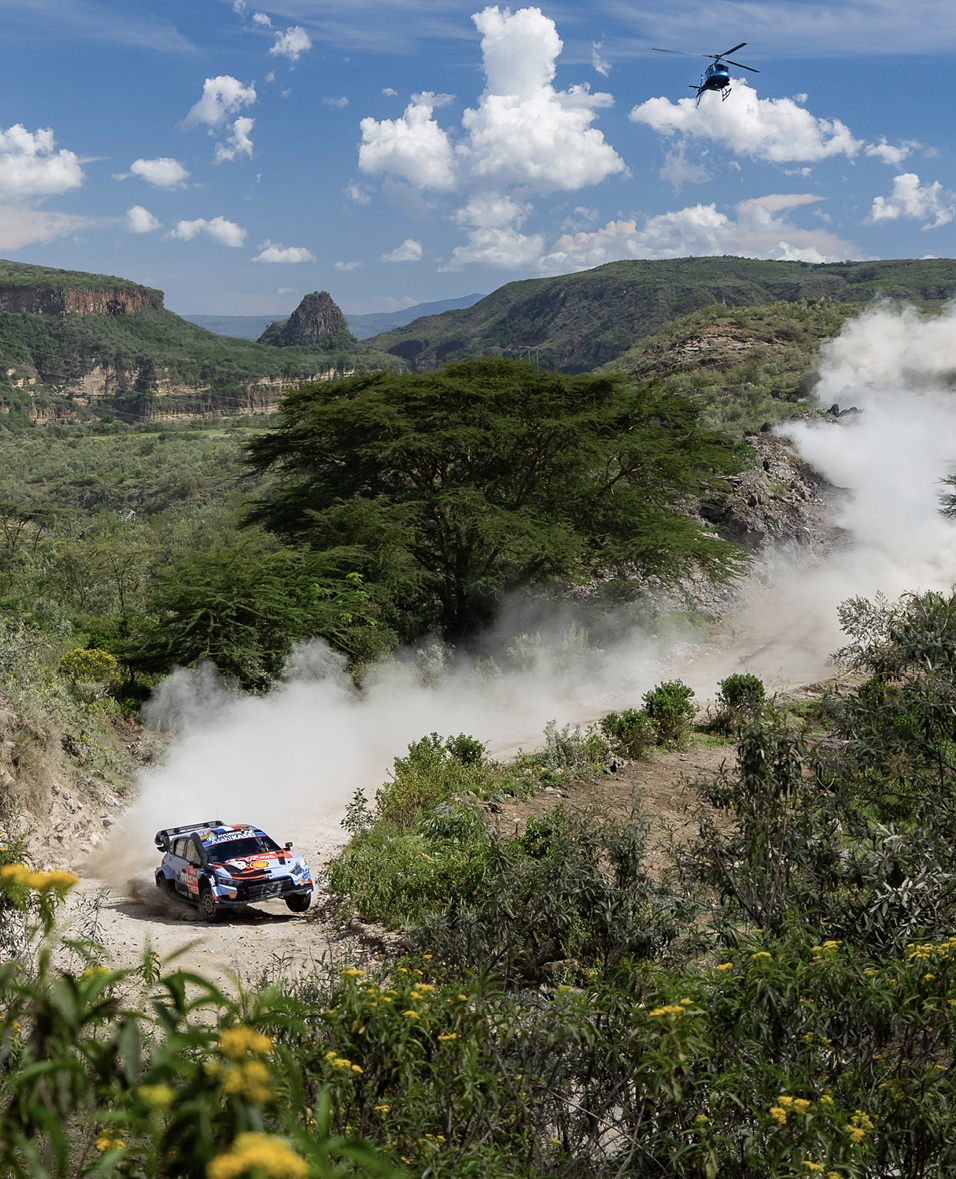
Back at SS8 Kengen Geothermal, Pajari completed the hat trick—three stage wins on the day. Fourmaux had a moment, running wide and tagging rocks, but he escaped without a puncture. Solberg didn’t get the same break: a rear puncture cost him about 30 seconds. He still held the overall lead, but sud-denly Ogier was right on his bumper—just one second back.
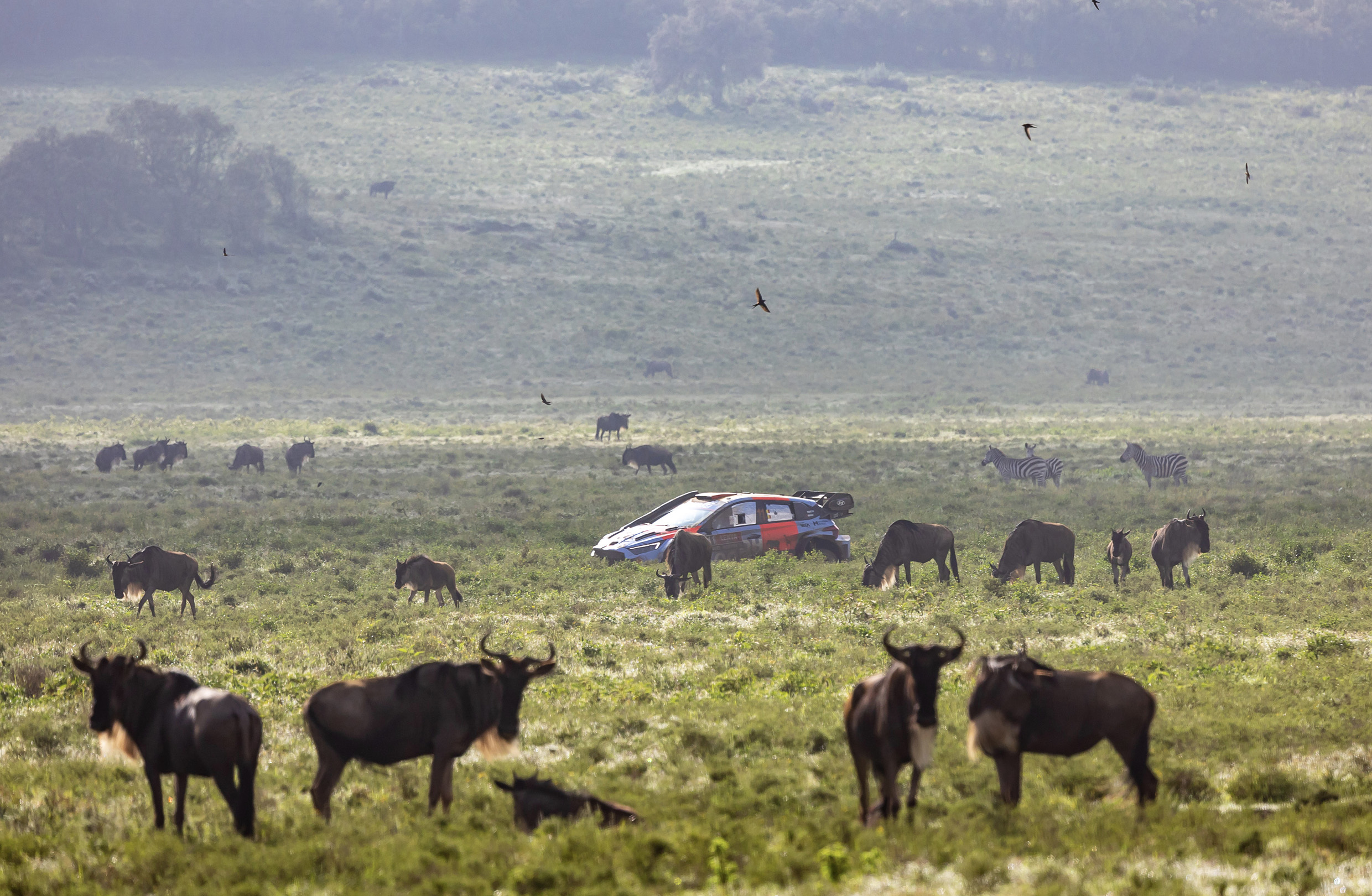
SS9 Loldia went Ogier’s way again—but the overall lead stayed with Solberg by the tiniest sliver imaginable: 0.03 second. With Katsuta having burned through his spares, he backed off to protect the car and avoid a terminal mistake. Neuville and Fourmaux took advantage, climbing to fifth and sixth overall. Lappi, though, got Safari’d in the most Safari way possible—delayed by a herd crossing near the road and dropping roughly 10 seconds.
Friday closed with SS10 Mzabibu, and Pajari once again put his name at the top of the time sheet. Solberg went second and did just enough to keep the overall lead, while Ogier ended the day still only one second behind in second. Evans held third, Pajari sat fourth, followed by Neuville in fifth and Fourmaux in sixth. Lappi wrapped the day in eighth.
From Saturday on, Fourmaux started dialing up the pace and putting the podium squarely in sight. Video: WRC (http://www.wrc.com)
Saturday, March 14 was built around three big tests—24.94 km Soysambu, Elmenteita, and Sleeping Warrior—run twice, morning and afternoon. SS11 through SS16 totaled 122.72 km, and most teams had this circled as the rally’s hardest day.
The morning began with SS11 Soysambu, run in roughly the same reverse direction as 2024, with one key change: a rock-strewn section was removed. The stage still delivers Safari’s trademark contrast—open terrain where you can finally breathe, followed by narrow, rough roads that punish anything careless. It’s normally known for a dramatic water crossing, but overnight rain turned it into a minefield of mud and standing water.
Solberg went fastest again and stretched the gap to the chasers. Ogier’s day went the other way in a hurry: he clipped a rock at speed, punctured, and bled more than two minutes. Evans and Pajari moved up to second and third, while Fourmaux climbed to fourth—sud-denly close enough to smell the podium. Fourmaux said after the stage: “It was tricky in some places and there are a lot of big puddles that are cleaning. I'm quite happy with my performance. It is quite difficult as the pot holes are deep and there has been some big impacts on the car. Im ok.”
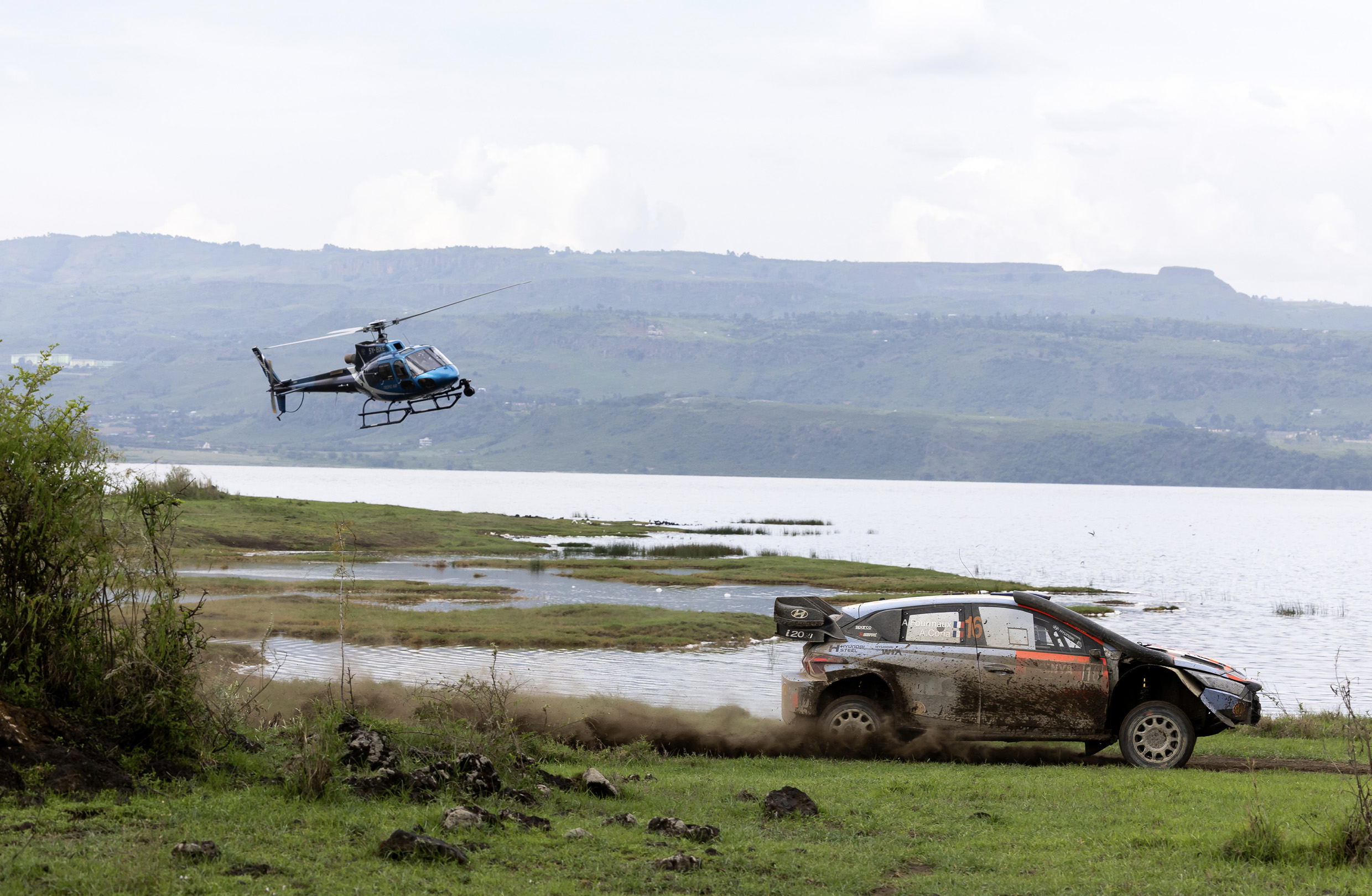
SS12 Elmenteita (18.01 km) is a high-speed lakeside stage that normally rewards clean, precise control. This time, the mud dictated the terms. Deep ruts and broken surface brought a puncture parade—Solberg, Evans, Armstrong, and Lappi all got caught out. The frustration boiled over, with competitors blasting the FIA and organizers for what they felt was inadequate pre-event inspection. On the stopwatch, Fourmaux and Neuville were next-best behind Ogier. Overall, Fourmaux held fourth, Neuville sixth, and Lappi seventh.
SS13 Sleeping Warrior is Safari mythology—the mountain-and-hill silhouette looks like a giant warrior lying down, and it’s considered a sacred place by the local Maasai. But as a rally stage, it’s notorious: carry too much speed and it can bite hard, and when rain hits, it turns into slick, greasy mud with a rollover reputation.
And it delivered more chaos. Fourmaux and Neuville dealt with engine overheating again, while Lappi ran out of washer fluid and struggled for visibility. The real gut punch, though, hit Evans: a failure in the right-rear suspension forced him out. Ogier went quickest again and climbed to second overall. Neuville moved up to fourth, Fourmaux to fifth, and Lappi to sixth. After the Rally1 cars completed the stage, organizers deemed conditions too dangerous and stopped the remaining classes.
Neuville burned through even his spare tires in the chaos—and ultimately had to retire. Video: WRC (http://www.wrc.com)
After midday service, Fourmaux came back swinging. On SS14—the second run of Soysambu—he delivered Hyundai’s first stage win of the rally and sud-denly jumped into the win conversation. Neuville, meanwhile, had used up even his spare tires and couldn’t continue. Lappi inherited third overall. Safari’s cruelty didn’t stop at Hyundai. Toyota’s own nightmare hit hard: both Solberg and Ogier retired together while returning to service after the morning loop, felled by engine issues. Mud had infiltrated the engine bay and took out the alternator. With that, Katsuta inherited the overall lead.
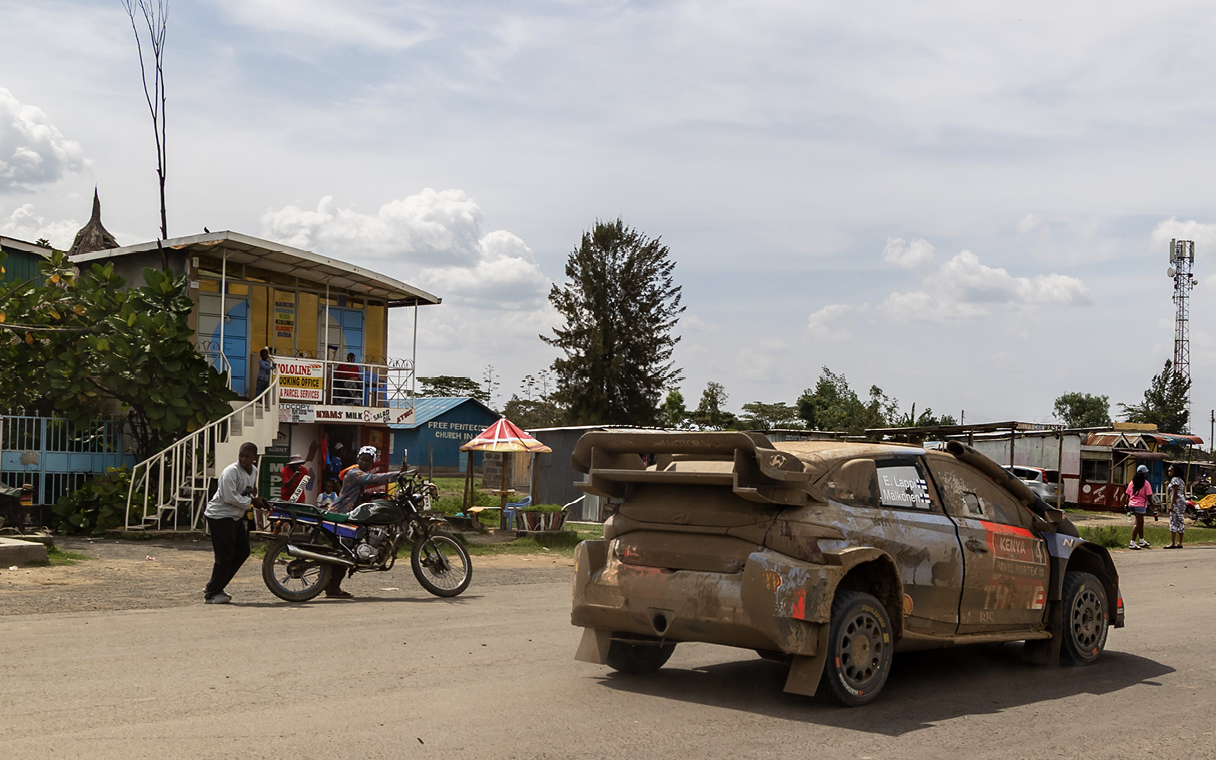
On SS15, Pajari went fastest and jumped ahead of Lappi into third overall. And with SS13 cancelled, SS16—run on the same section—was also cancelled, locking in the Saturday order. Katsuta led overall, with Fourmaux 1 minute 25 seconds back, and Pajari another four minutes behind in third. Under normal circumstances, that’s “P1 and P2 feel parked” and “P3 is the only fight.” But nothing about this Safari Rally was normal—calling anything “safe” still felt optimistic.
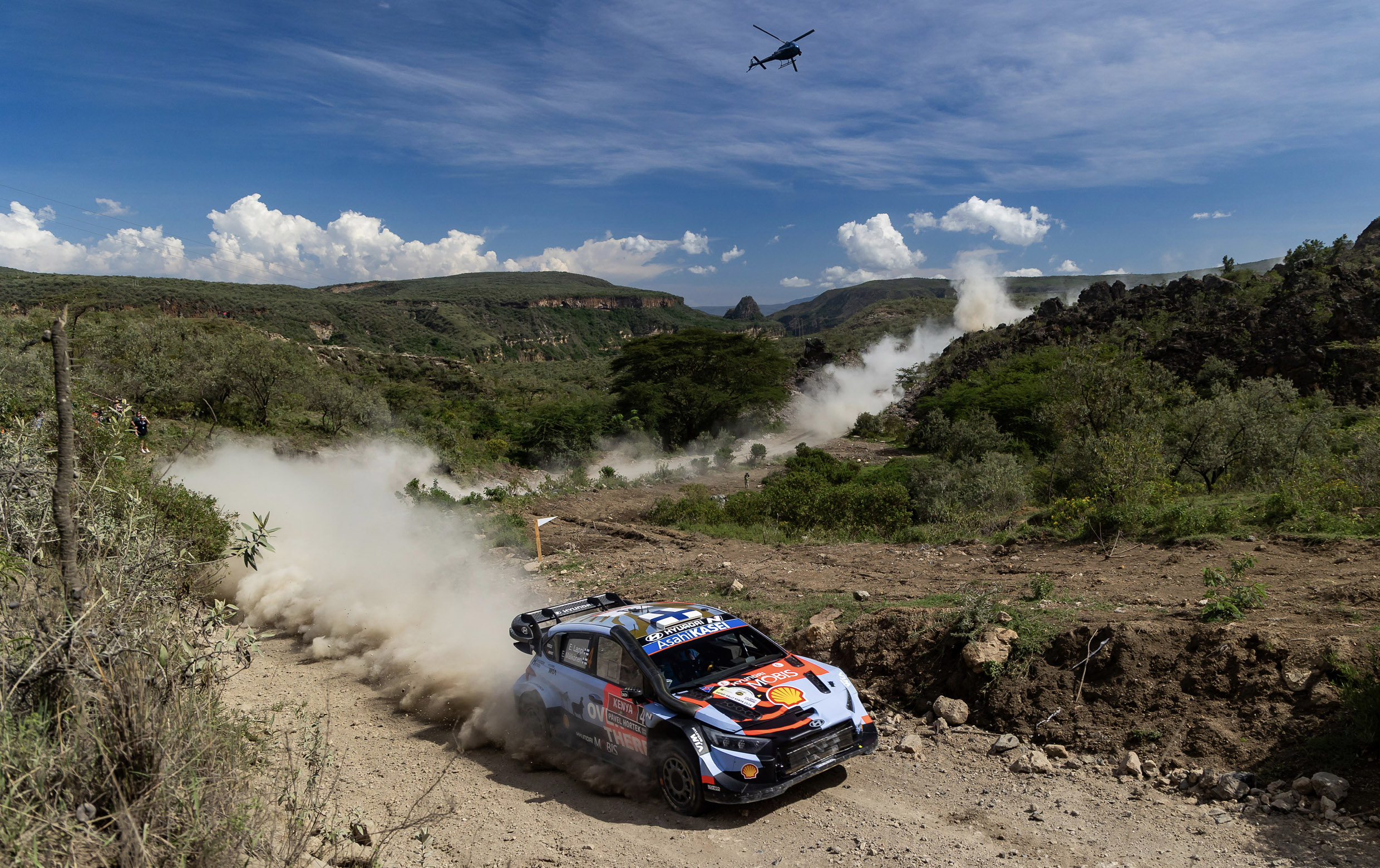
Sunday, March 15 was a tighter itinerary: two stages—Oserengoni and Hell’s Gate—repeated for a four-stage total of 57.4 km. SS17 Oserengoni (18.22 km) is narrow and technical, the kind of stage that demands full concentration right up to the final time control. Forecasts called for clear, dry weather, with no rain expected.
With Neuville already out, several big names who had retired on Saturday—Ogier, Evans, and Solberg—went all-in chasing Super Sunday bonus points. McErlean, however, couldn’t restart due to engine trouble. Ogier set the fastest time. Up front, Katsuta—now closest to the overall win—managed the gap. With a 1:25 cushion over Fourmaux, he resisted the temptation to overdrive.
Fourmaux raised his pace and slashed the gap to the leader. Video: WRC (http://www.wrc.com)
Hell’s Gate runs inside Hell’s Gate National Park, one of Kenya’s standout tourist destinations. It’s named for a narrow pass between massive rock walls that looks like an entrance into the underworld—and the towering cliffs near the end of the stage add real visual pressure, even at a distance. In SS18 (a dry run for the Power Stage), Evans went fastest. Fourmaux also turned it up and cut Katsuta’s lead down to one minute. Pajari and Lappi, by contrast, stayed in “bring it home” mode, prioritizing a clean finish.
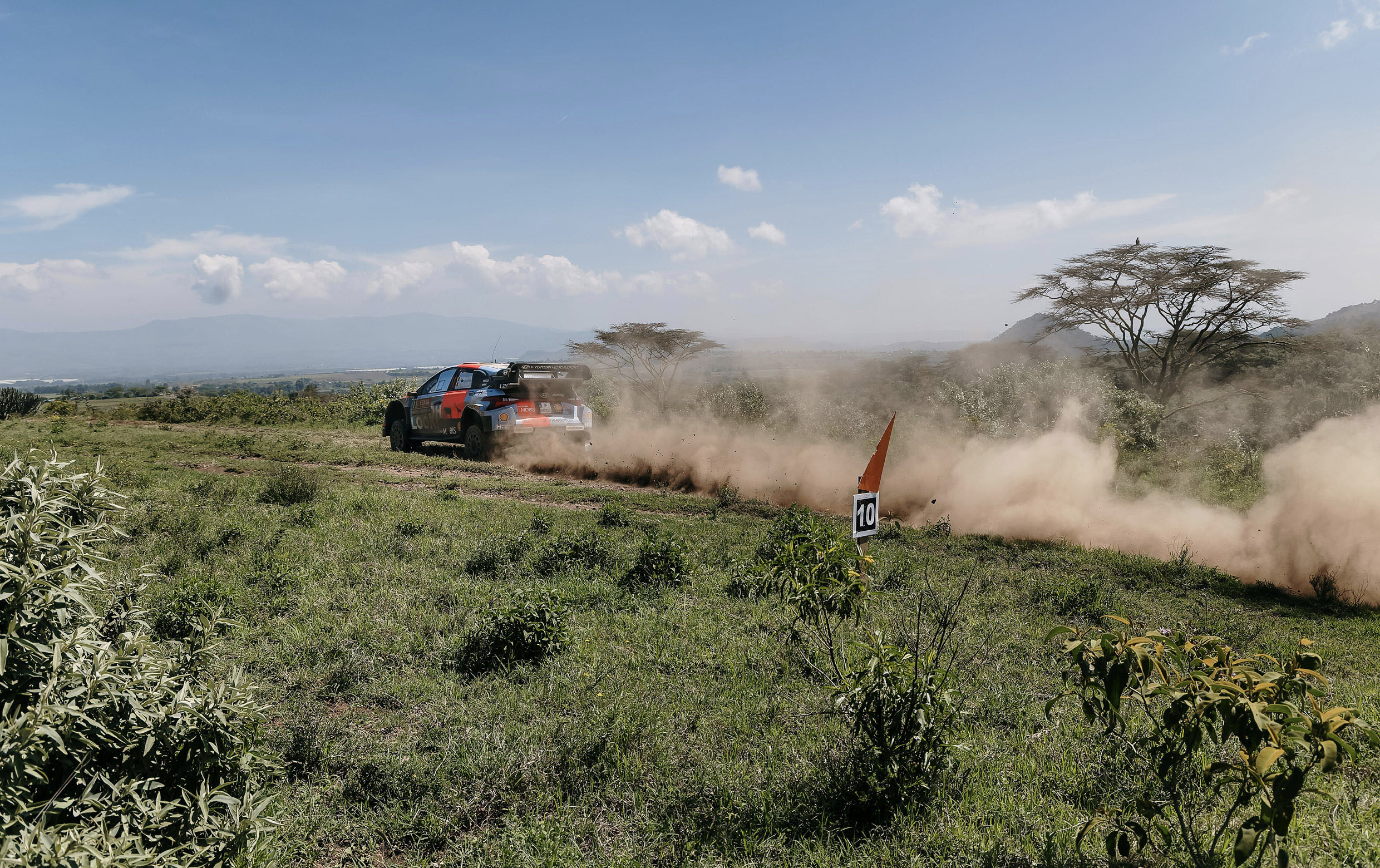
On SS19—the second run of Oserengoni—Solberg grabbed the fastest time and put himself in the best position for Super Sunday points. Fourmaux cut Katsuta’s lead again, down to 42 seconds, but it was still a tall order to overturn. After SS20—the final Hell’s Gate run and the Power Stage—Takamoto Katsuta sealed the first win of his career. Fourmaux finished second, Pajari took third, and Lappi brought it home fourth. From fifth onward, the classification was filled by WRC2 runners including Robert Virves, while Solberg scraped into the points in 10th.
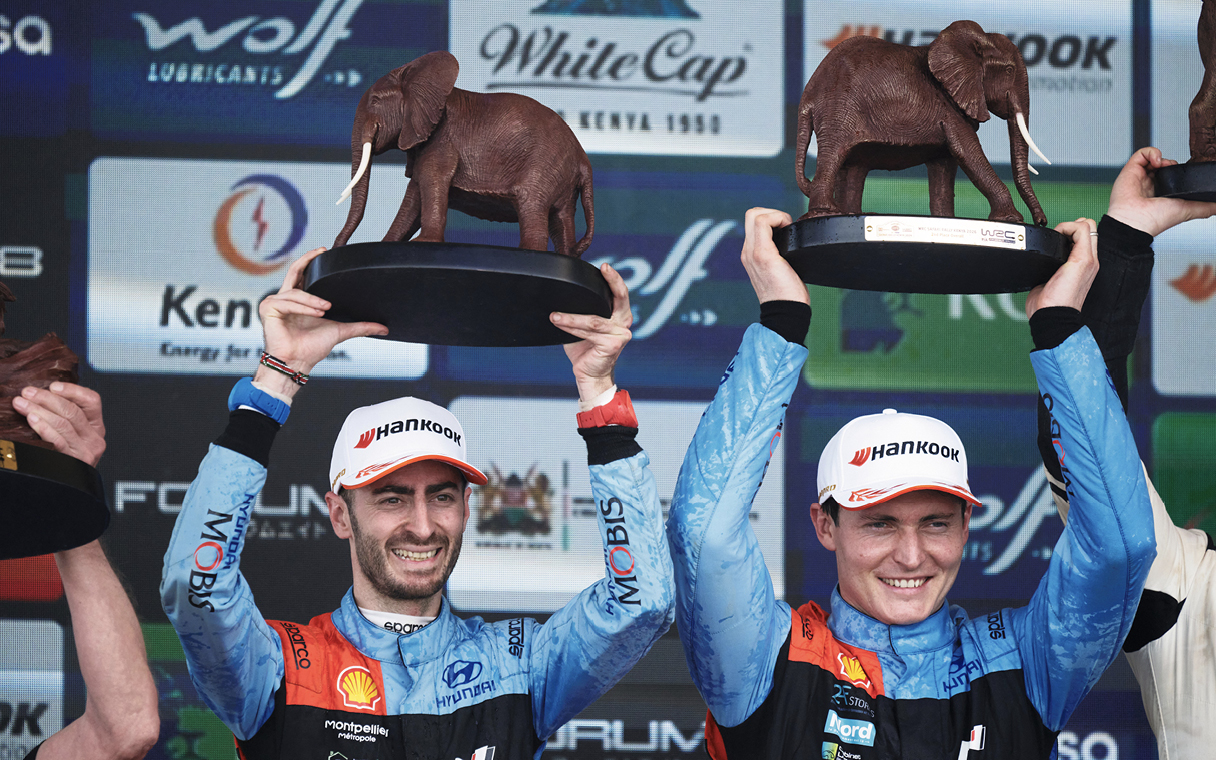
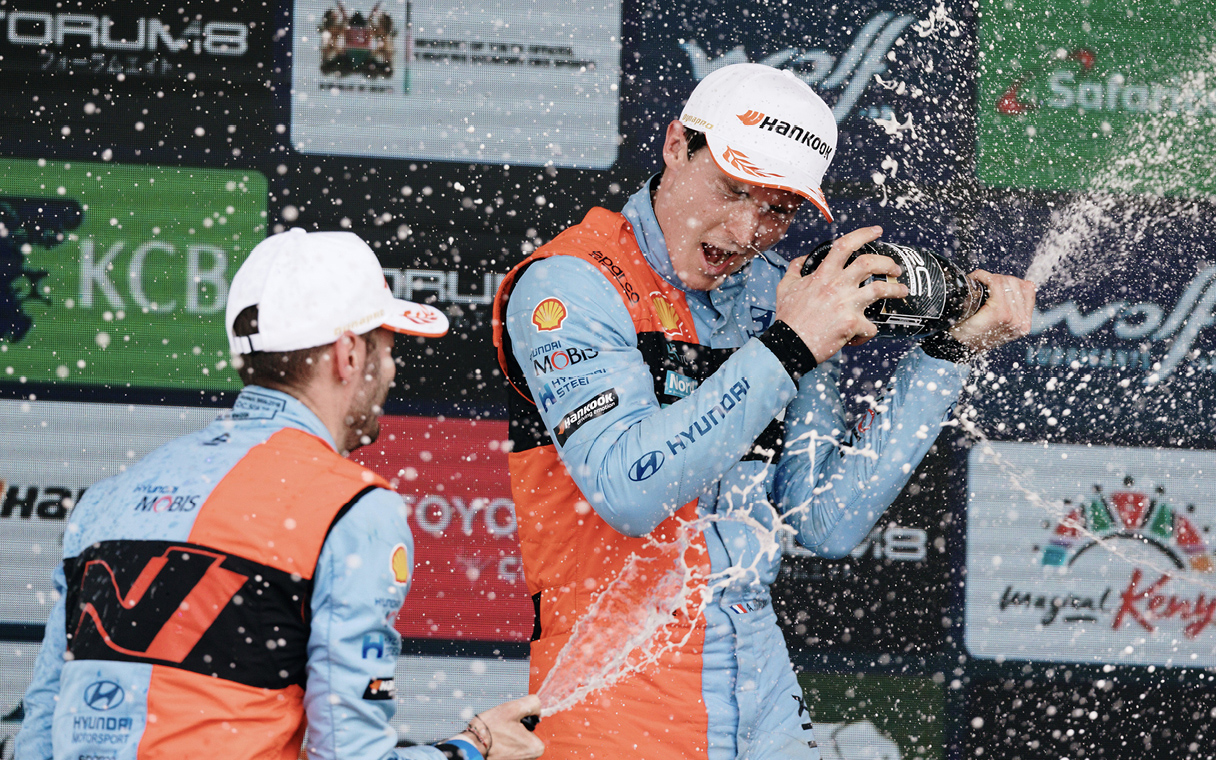
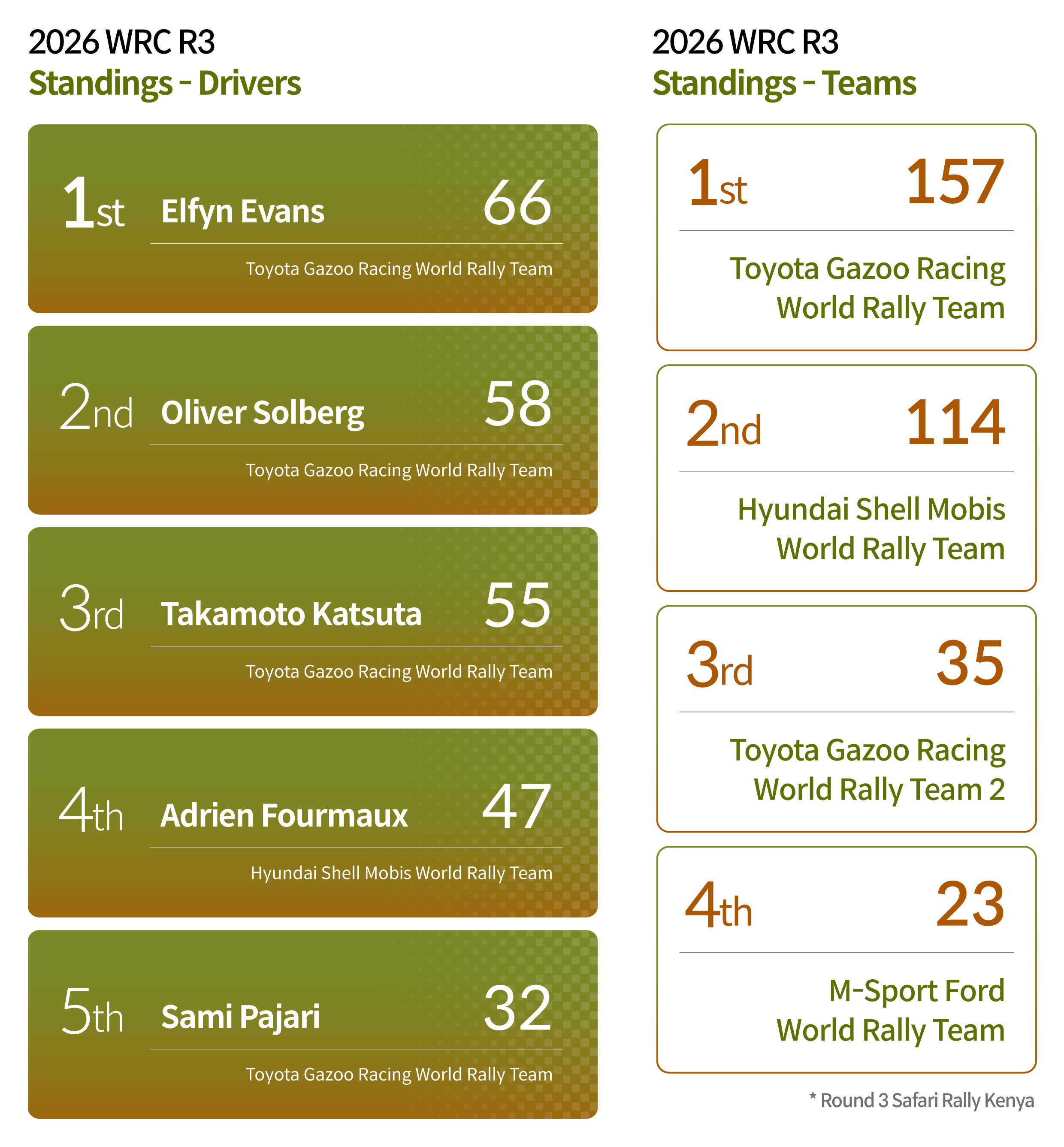
Fourmaux—scoring Hyundai’s first podium of the season and the 10th podium of his WRC career—smiled through the relief afterward: “A difficult start but we finish on a high.” The drivers’ championship order didn’t change much: Evans stayed on top, and Solberg, Katsuta, and Fourmaux held their positions.
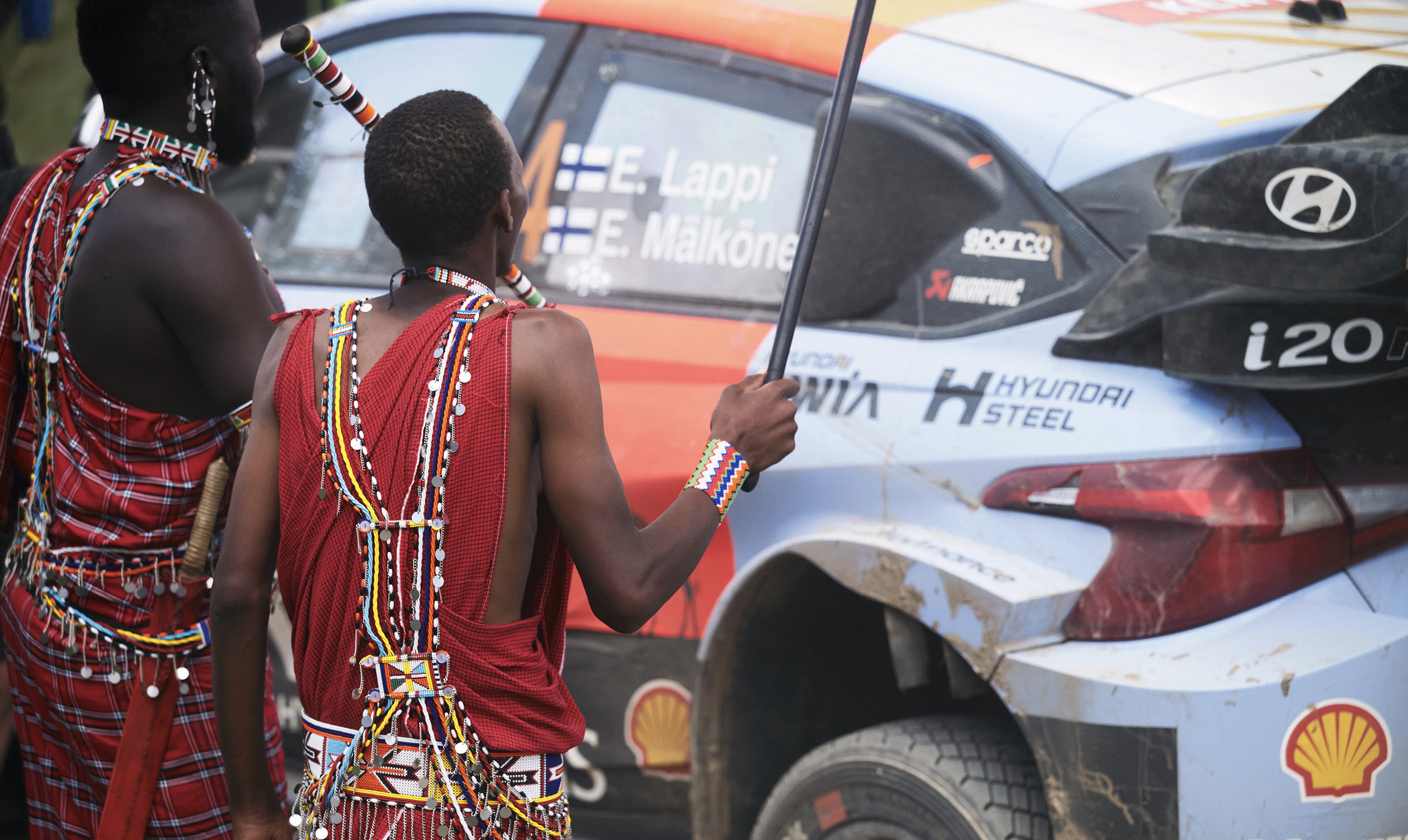
Manufacturers’ points, though, were a different story. Toyota’s big scorers for the event weren’t Katsuta and Pajari—the two drivers who actually finished on the podium—which opened the door for Hyundai to capitalize. The result helped Hyundai cut Toyota’s advantage by roughly eight points.
After surviving a Safari Rally that felt off-the-charts brutal, the teams headed back to Europe. Round 4 runs April 9–12 in Croatia, the season’s first tarmac rally. It returns to the calendar after missing last year, filling the gap left by the removal of Central European Rally. One more change: the host region shifts from the capital, Zagreb, to the coastal port city of Rijeka.
By Su-jin Lee
In 1991, Lee’s passion for cars led him to enthusiastically write letters to the newly launched Korean car magazine