Europe’s road network is about as good as it gets for vehicle development. There are unrestricted stretches of Autobahn where high-speed stability gets exposed immediately, and there are old, uneven stone roads where ride quality and body control get tested in a completely different way. Put simply, Europe gives engineers just about every road condition they could ask for. If you are trying to build a better car, it is one of the best places in the world to do it.
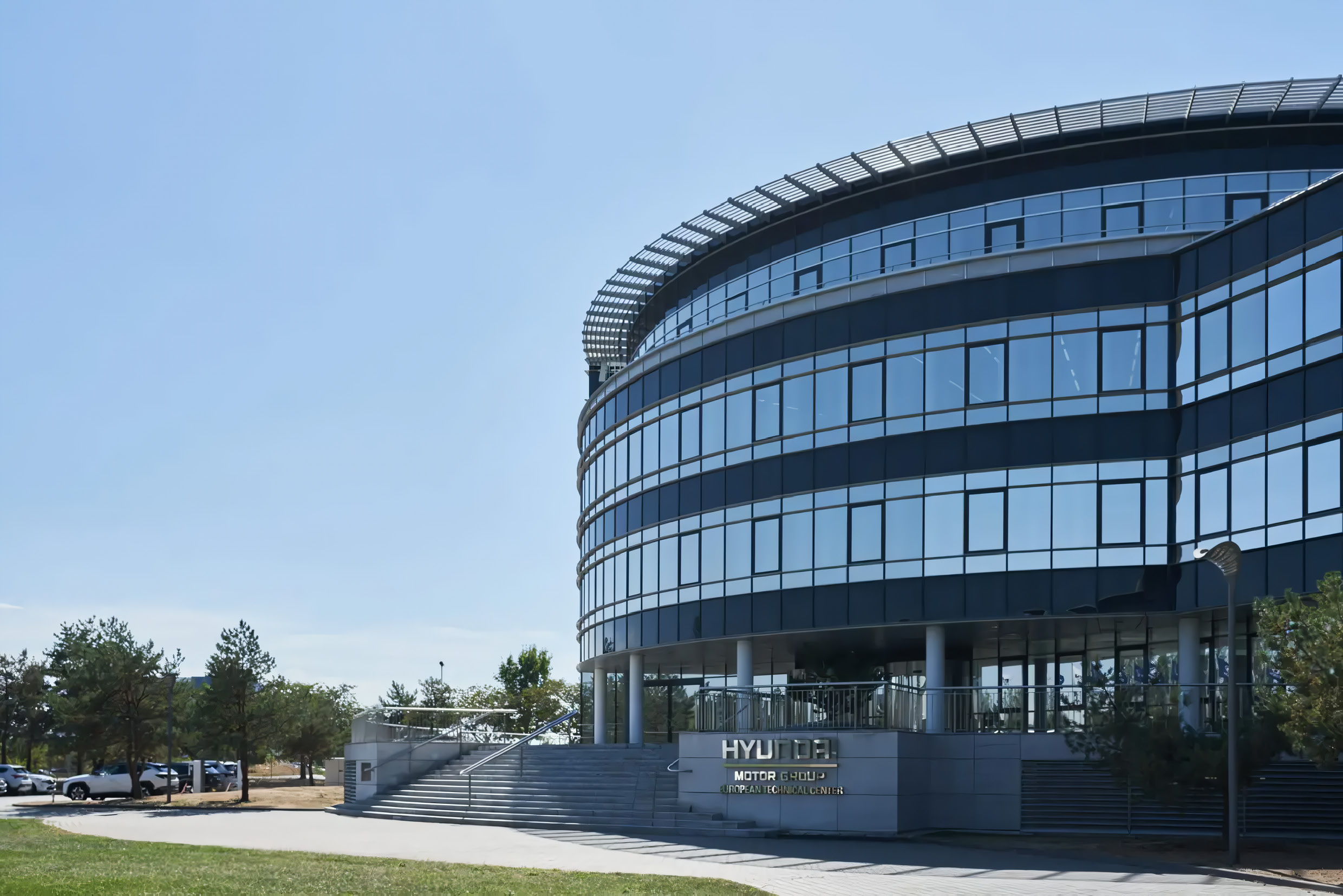
That is why Rüsselsheim, Germany, matters so much to Hyundai Motor Group. Tucked into an industrial city along the Rhine, HMETC has been there since 1995, spending the last three decades learning exactly what European drivers expect from a car. Endless testing at the Nürburgring, direct exposure to some of the strictest regulations in the industry, and years of engineering shaped around European roads and tastes have turned HMETC into a serious force inside Hyundai Motor Group’s global development network.
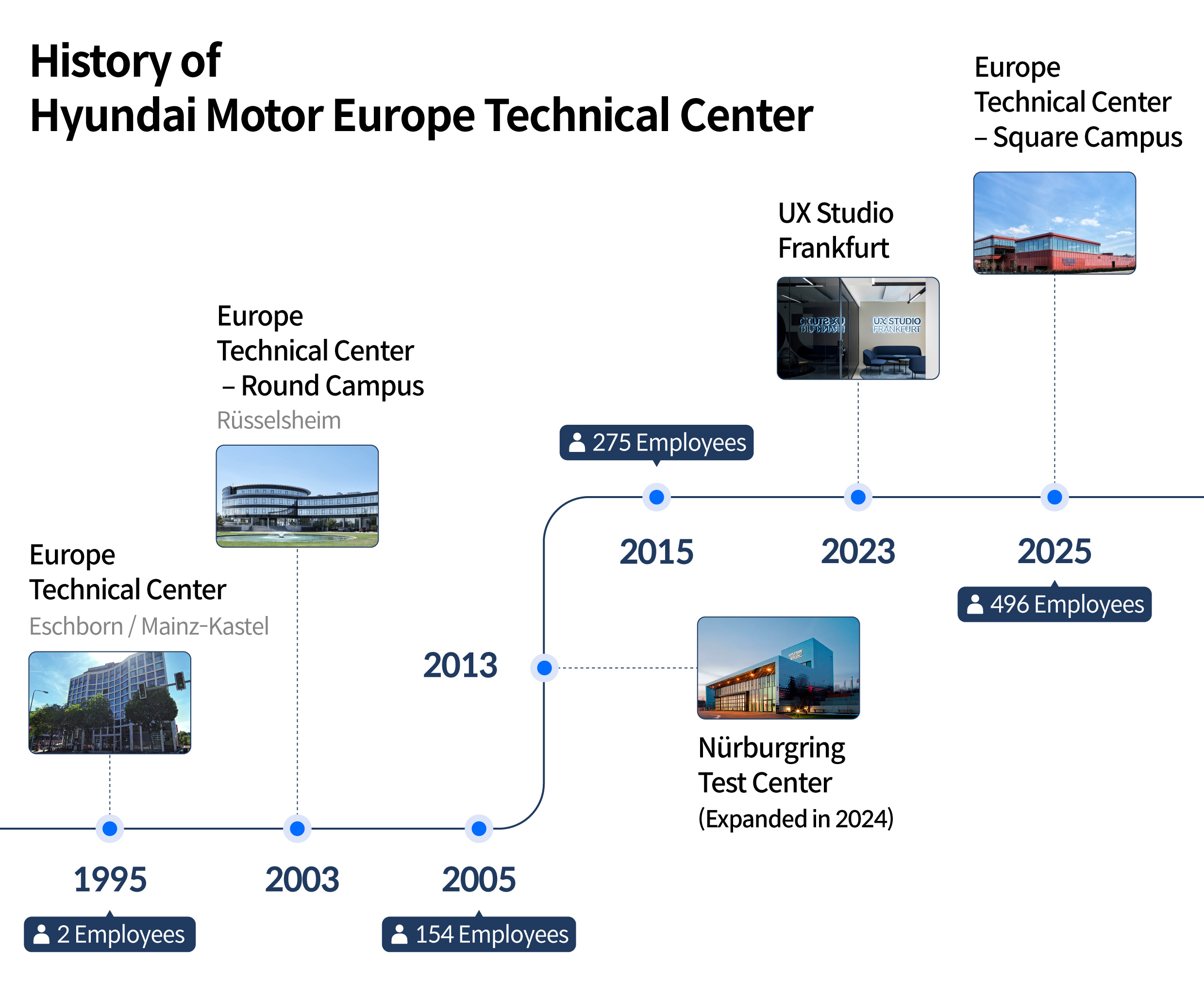
By 2025, Hyundai Motor Group had grown into the world’s third-largest automaker by global sales. But that kind of scale started from a much smaller place. Roughly 50 years ago, the company was still beginning to push into overseas markets with independently developed models. In 1976, the Pony was exported to the United Kingdom, marking Hyundai Motor Group’s first real move into Europe. Breaking through there, though, was never going to be easy. Europe was crowded with established brands, deep engineering traditions, and buyers who expected a lot from the machine underneath them.
As Hyundai Motor Group kept building its development capability, it moved to establish a real engineering foothold in the region. In 1995, it opened its first European R&D bases in Eschborn and Mainz-Kastel, Germany. Then, in 2003, it expanded again with an R&D center and Round Campus in Rüsselsheim, giving itself a much deeper technical footprint in the market.
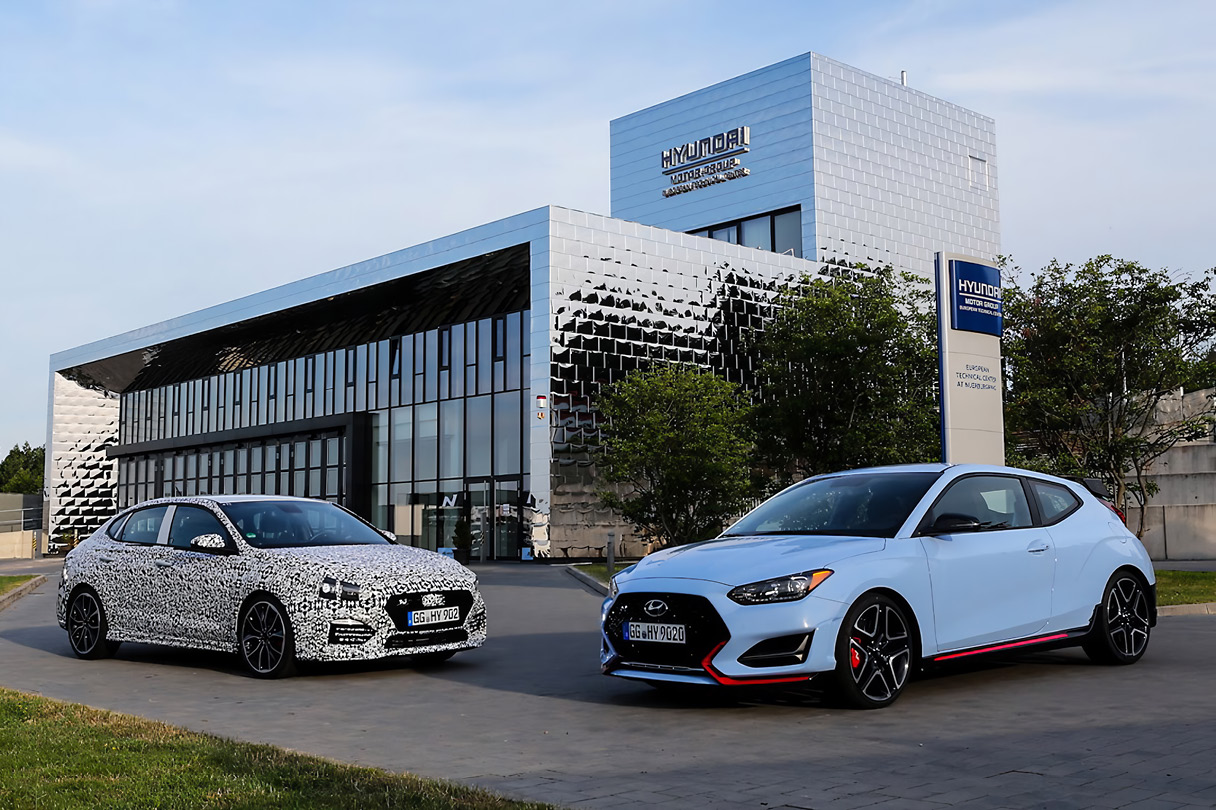
Once the 2010s arrived, Hyundai Motor Group started pushing harder into high-performance development as part of a broader effort to strengthen the brand and open up new ground. That meant building the infrastructure to test ride quality, handling, and durability in far tougher conditions. For HMETC, the answer was obvious: the Nürburgring. Equal parts racetrack, torture chamber, and engineering benchmark, it remains one of the most important proving grounds in the world. After establishing a nearby test center, HMETC began using it to fine-tune R&H and NVH not just for European-market products, but for major global models as well.
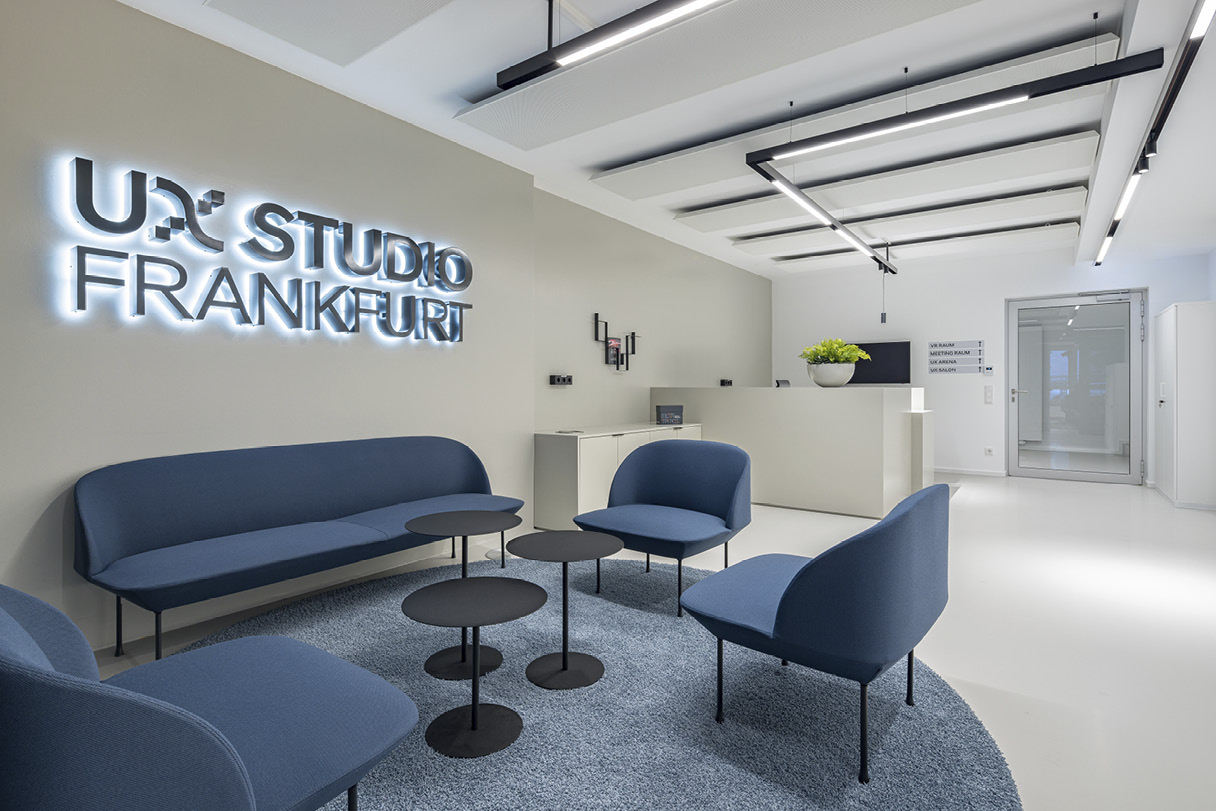
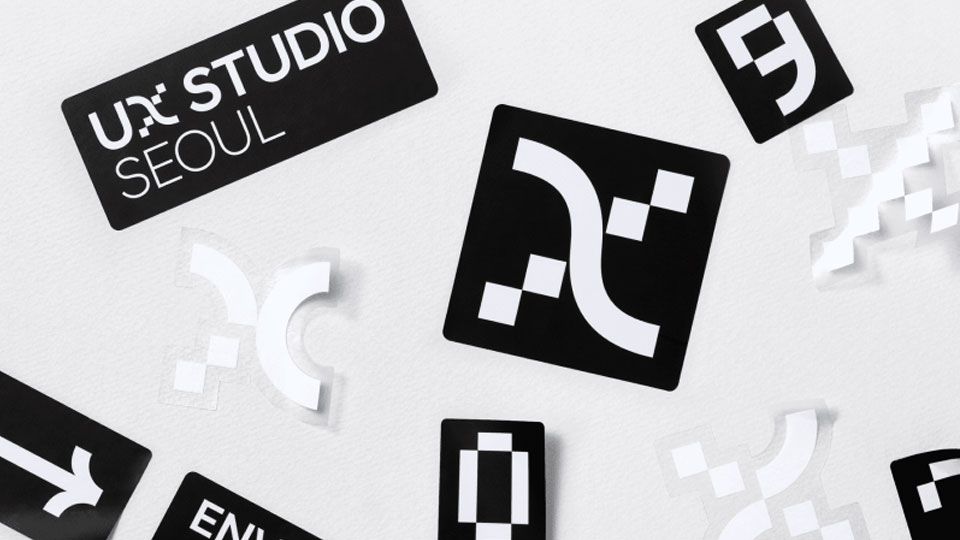
Its mission has expanded beyond chassis tuning, too. In 2023, Hyundai Motor Group opened a UX Studio in Frankfurt, signaling a broader push that reaches beyond raw engineering and into the customer experience itself. Located near the Rüsselsheim R&D center, the studio serves as a hub linking R&D, design, and the regional headquarters, helping bring real European customer-use cases into the development process from the beginning.
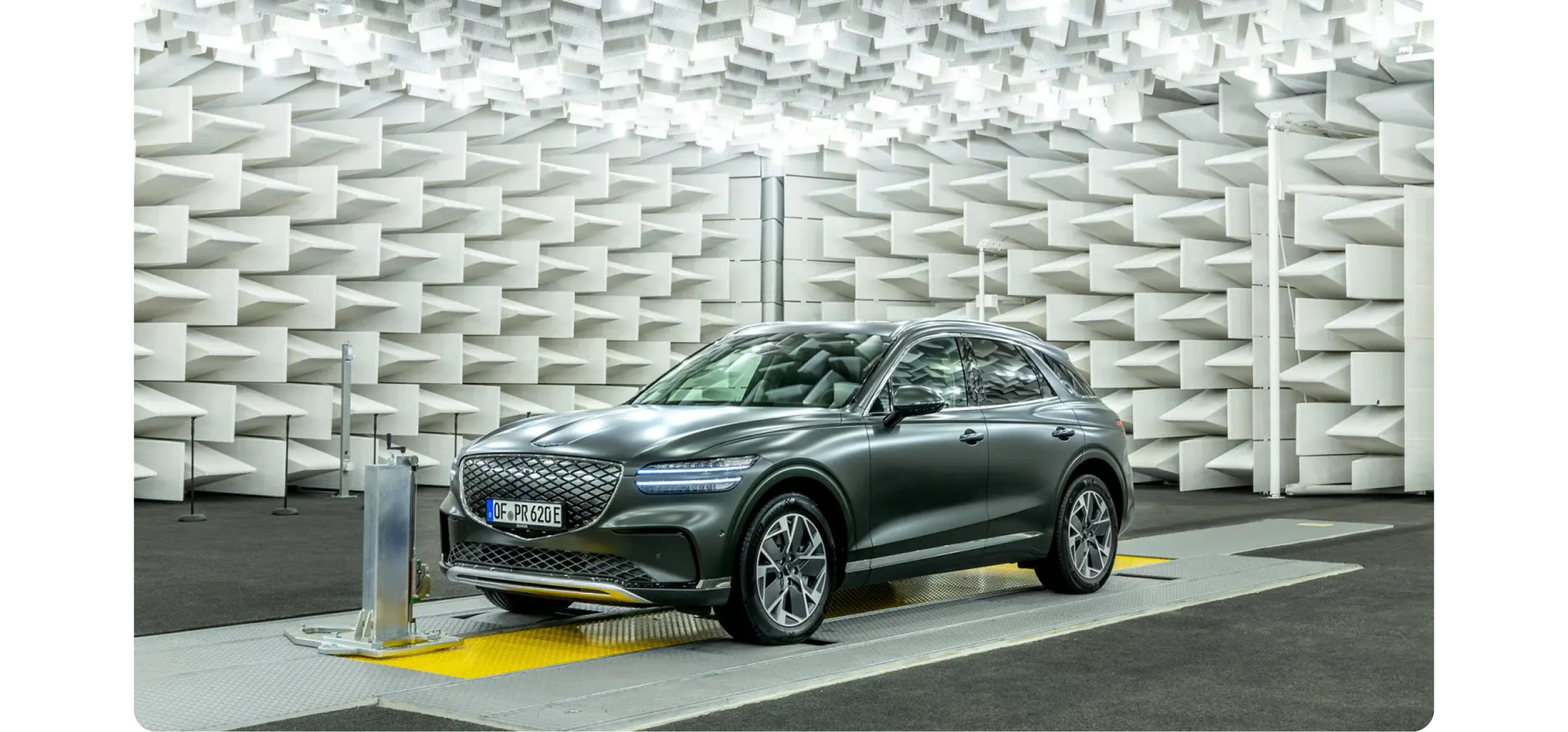
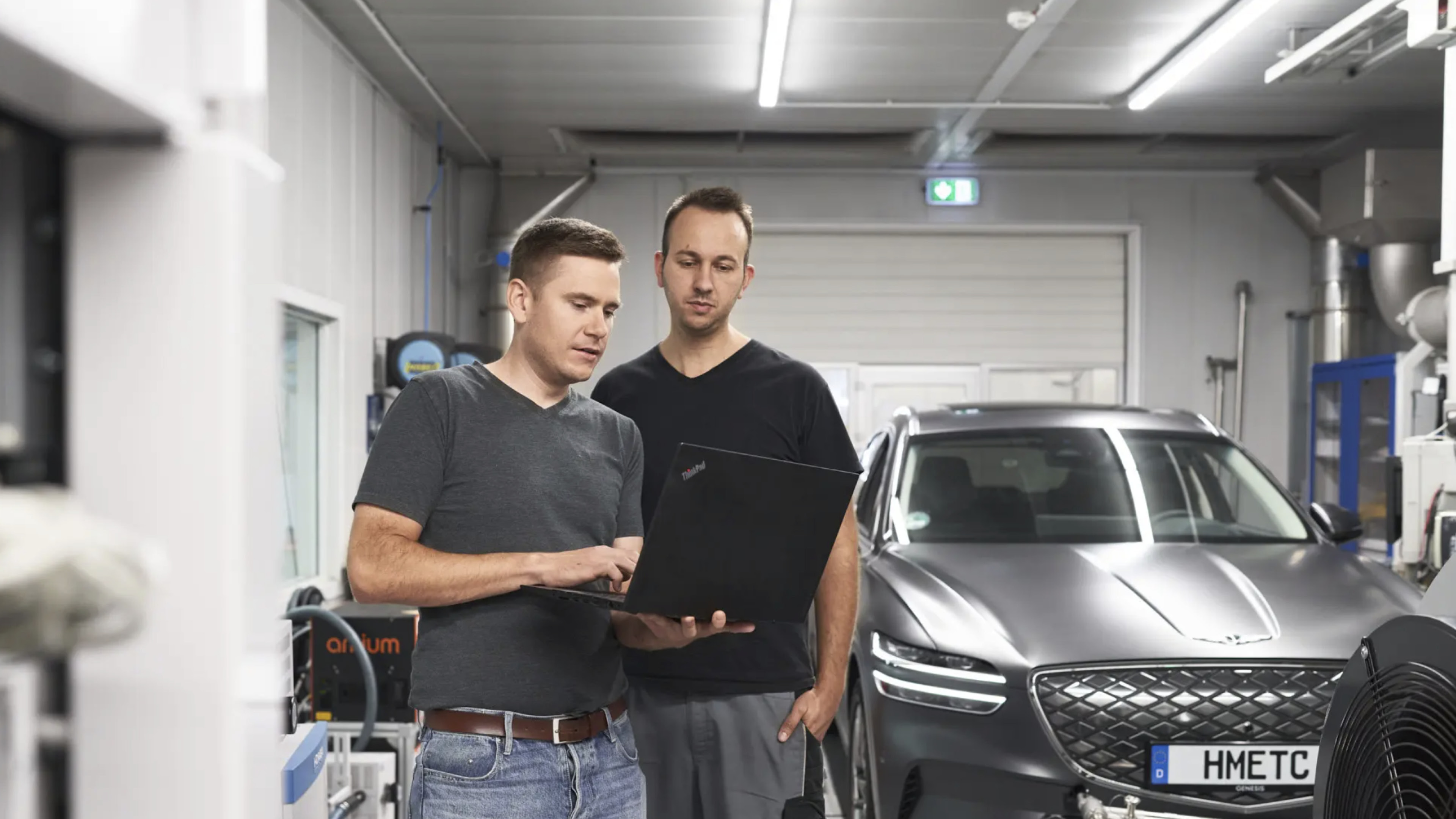
In November of last year, we established a Square Campus at the R&D center in Rüsselsheim to lead research and development in future mobility technologies, and significantly expanded our development facilities. The facility features one of Hyundai Motor Group’s largest four-wheel NVH dynamometer, enabling the simulation and evaluation of vehicle NVH performance under various conditions without the need for real road tests. In addition, it is expected that the addition of dynamic driving simulator equipment in the near future will enhance vehicle development efficiency.
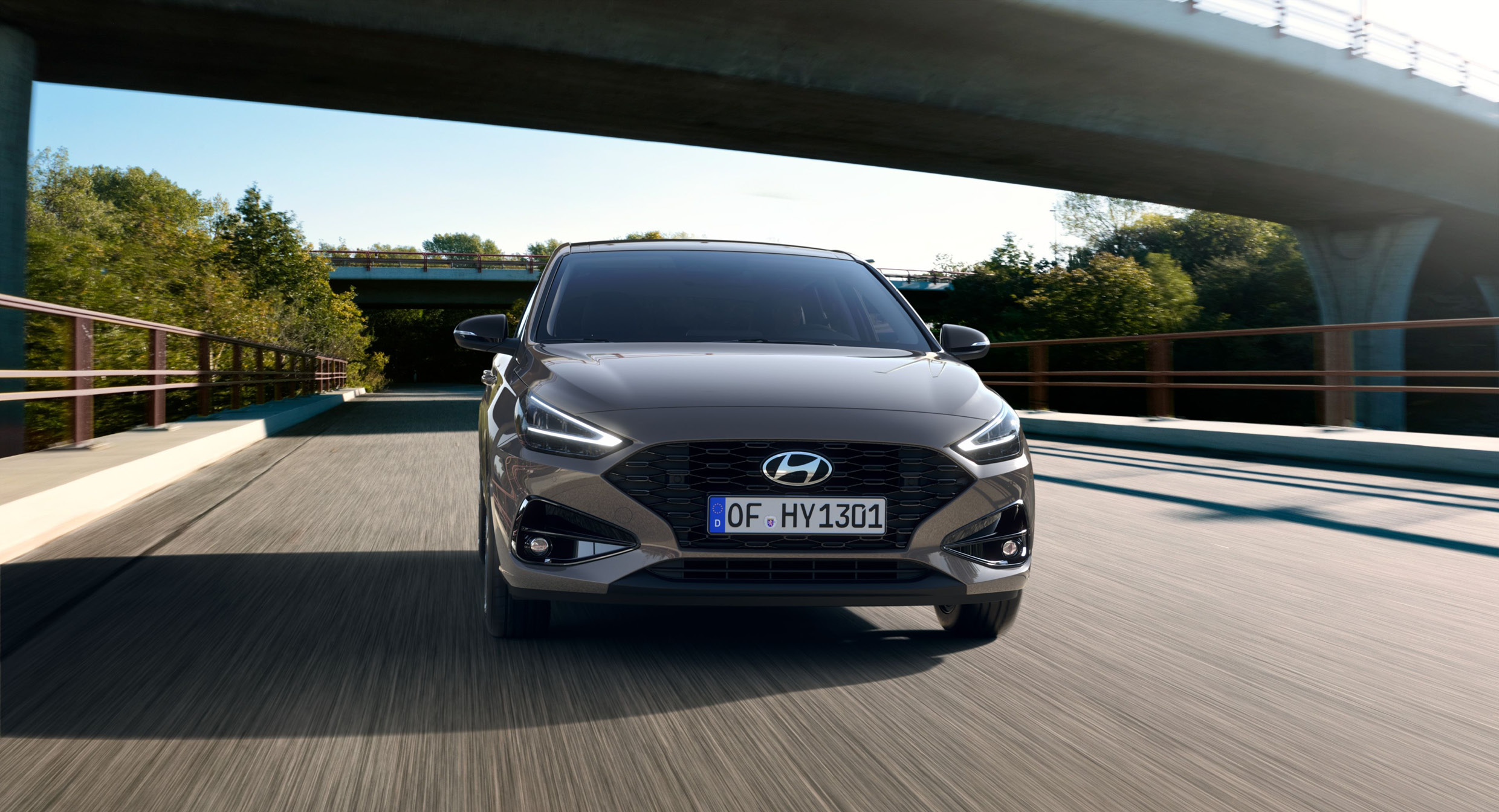
When HMETC first opened in Eschborn, it had just two researchers. Today, it has grown into one of Hyundai Motor Group’s core engineering centers, with roughly 500 employees. That climb did not come easy. Europe is a hard market to crack—buyers care deeply about how a car drives, and brand trust takes years to build.
In the early days, HMETC had to learn the hard way. Limited infrastructure, limited manpower, and a market with very specific expectations made the process anything but smooth. But those growing pains ended up becoming part of the center’s strength. They forced HMETC to understand Europe on a deeper level, and that eventually gave it the engineering confidence to do more than just support the region.
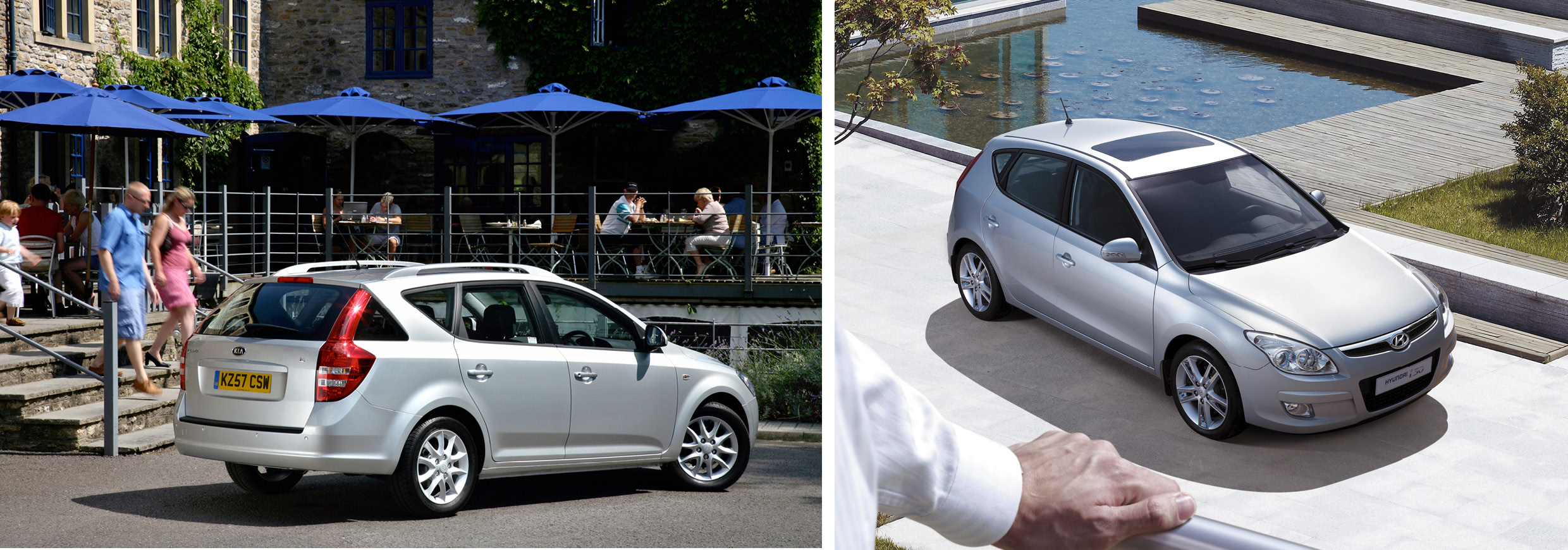
The real turning point came with the Europe-focused Kia Cee’d and Hyundai i30. These were not just global hatchbacks with a few local tweaks. They were shaped around European roads, European tastes, and European expectations, right down to the chassis tuning and overall engineering balance. With HMETC driving the effort, both cars delivered the road manners and polish buyers in the segment expected, and both found real traction in Europe’s brutally competitive C-segment hatchback market.
Just as important, those cars proved HMETC could deliver. They helped establish the credibility the center would later carry inside Hyundai Motor Group’s wider R&D hub, especially in ride and handling. They also became the first real proof that a Europe-led development process could influence the company’s broader global product strategy.
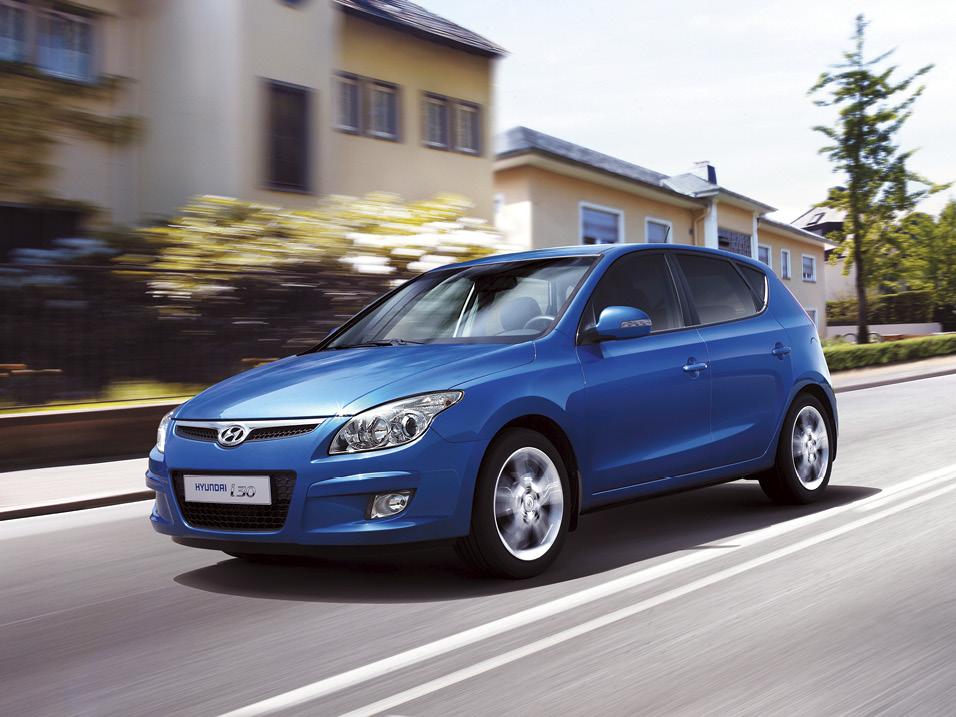
The market noticed. Hyundai Motor Group’s sales in Europe, which had been climbing more gradually before, started moving more decisively once those Europe-focused models hit. As confidence in the products grew, the company moved into a much stronger growth phase in the region.
At the same time, HMETC’s importance inside the company grew fast. Its role in planning and developing global models expanded, and its ties with the Namyang R&D Center got tighter. That helped produce vehicles like the Hyundai Tucson and Kia Sportage, both of which went on to become major players not just in Europe, but around the world. In powertrain development, HMETC also strengthened its standing by contributing to new diesel engines and turbocharger technology, giving it even more weight inside Hyundai Motor Group’s global R&D hub.
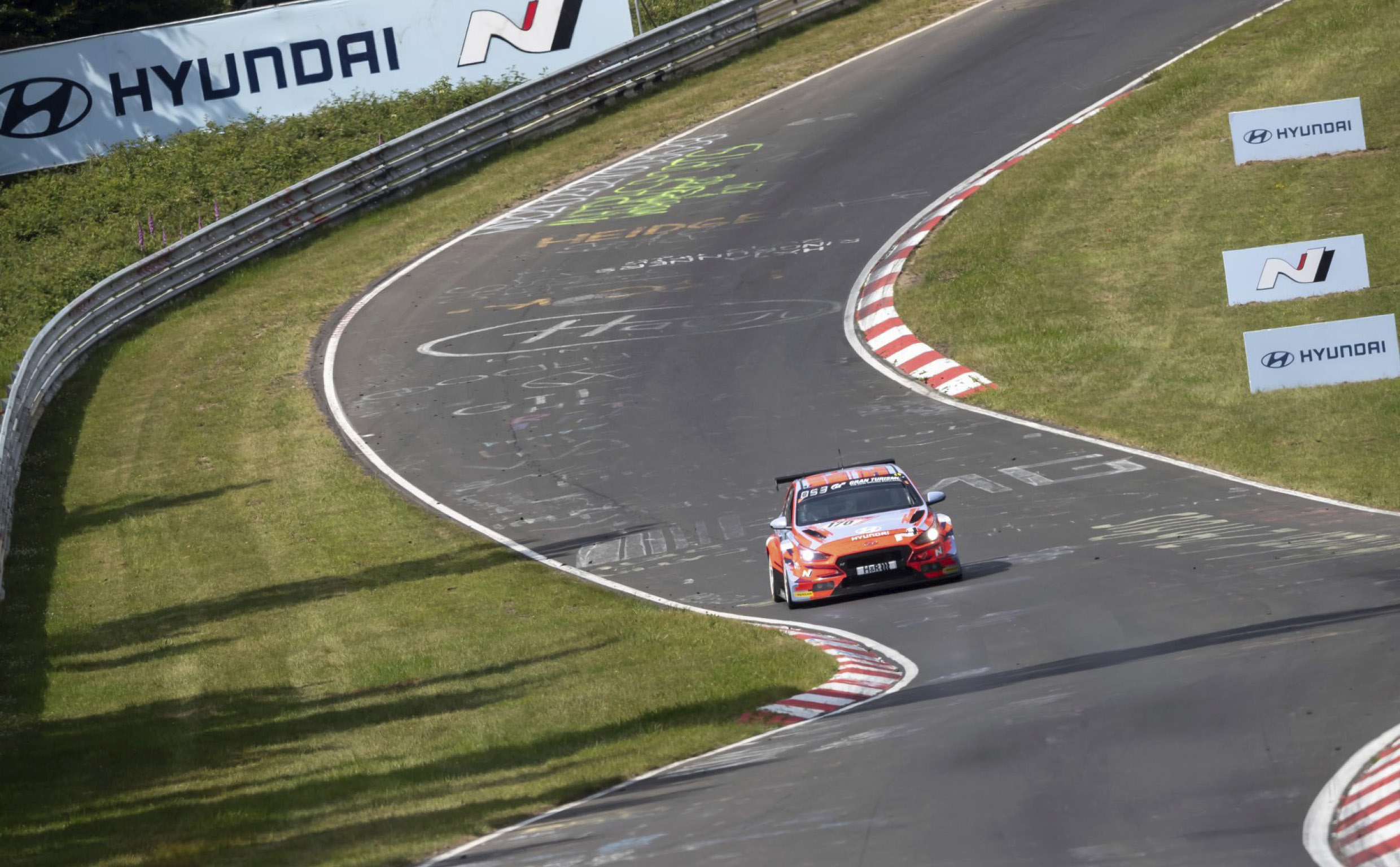
In Europe, where heritage still matters and performance credibility is earned the hard way, motorsport is more than just a marketing tool. It is one of the clearest ways a brand can prove it knows how to engineer a car. Hyundai Motor Group understood that early. From the late 1990s into the early 2000s—back when HMETC itself was still finding its footing—the company was already building experience through rally competition, especially in the World Rally Championship.
As Hyundai’s Europe-focused products started gaining traction, the local operation gained weight with them. That opened the door to a more serious motorsport push, including the creation of dedicated organizations to support it. Just as important, the engineering behind Europe-focused compact cars like the Cee’d and i30 was getting better fast. With that base in place, Hyundai Motor Group launched Hyundai Motorsport in 2012, aimed squarely at Europe-centered small-car series like the WRC and touring-car racing.
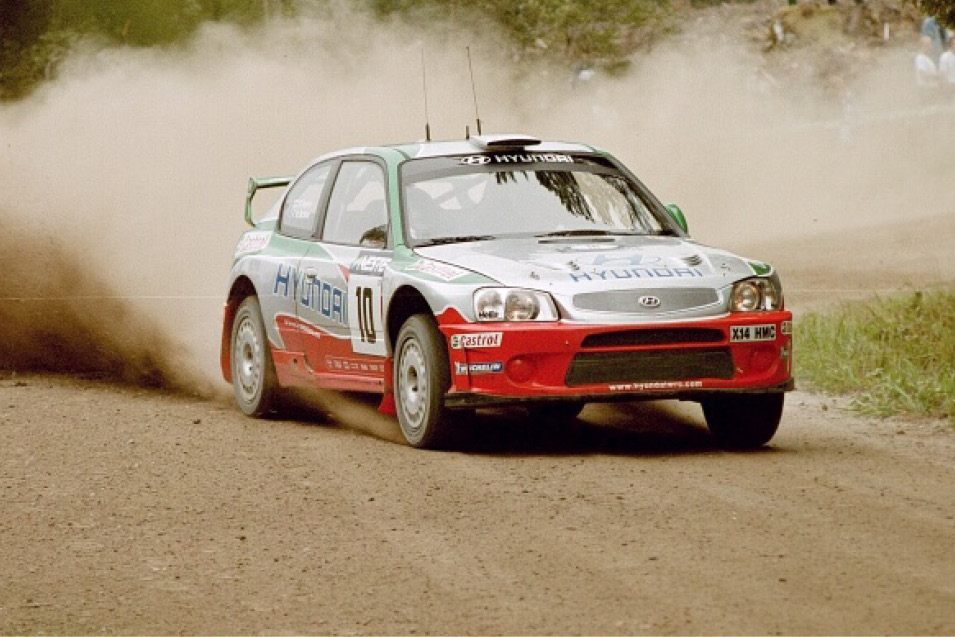
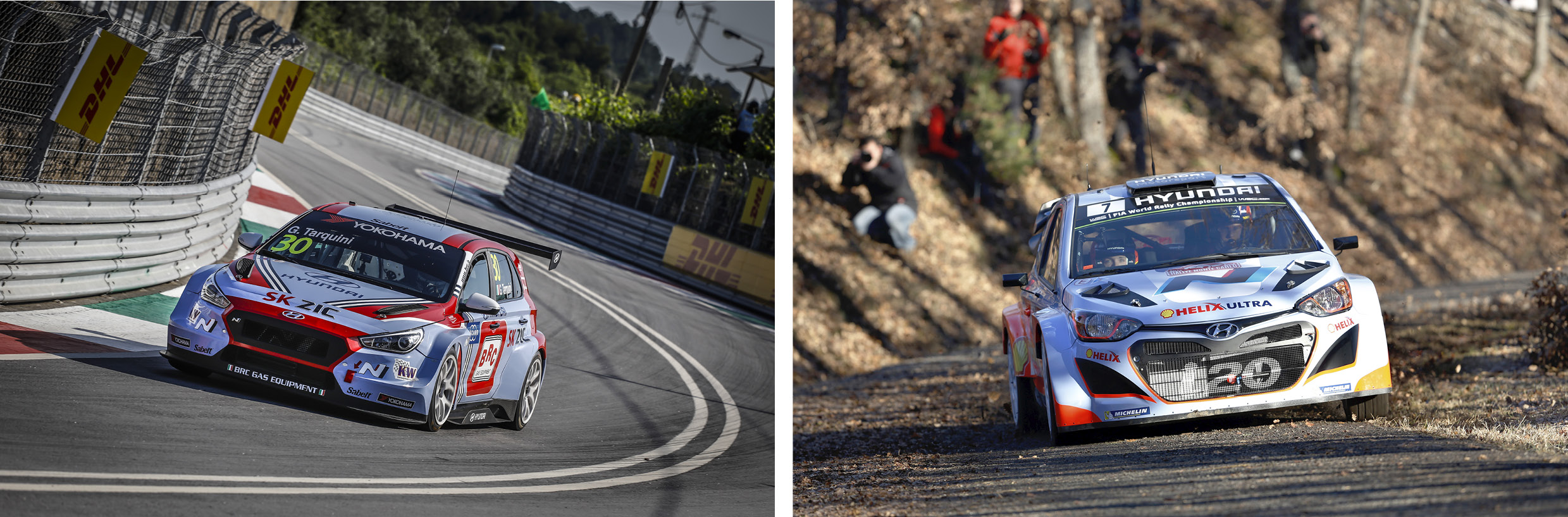
When Hyundai returned to the WRC in 2014 under the new team structure, it got people’s attention. HMETC was a big part of that story. European engineers had a major hand in the chassis work, high-speed durability testing, and the vehicle-dynamics tuning that shaped the rally car. And with the Nürburgring test center and Europe’s broad mix of proving grounds nearby, the team had exactly the kind of environment needed to beat on the car in extreme conditions.
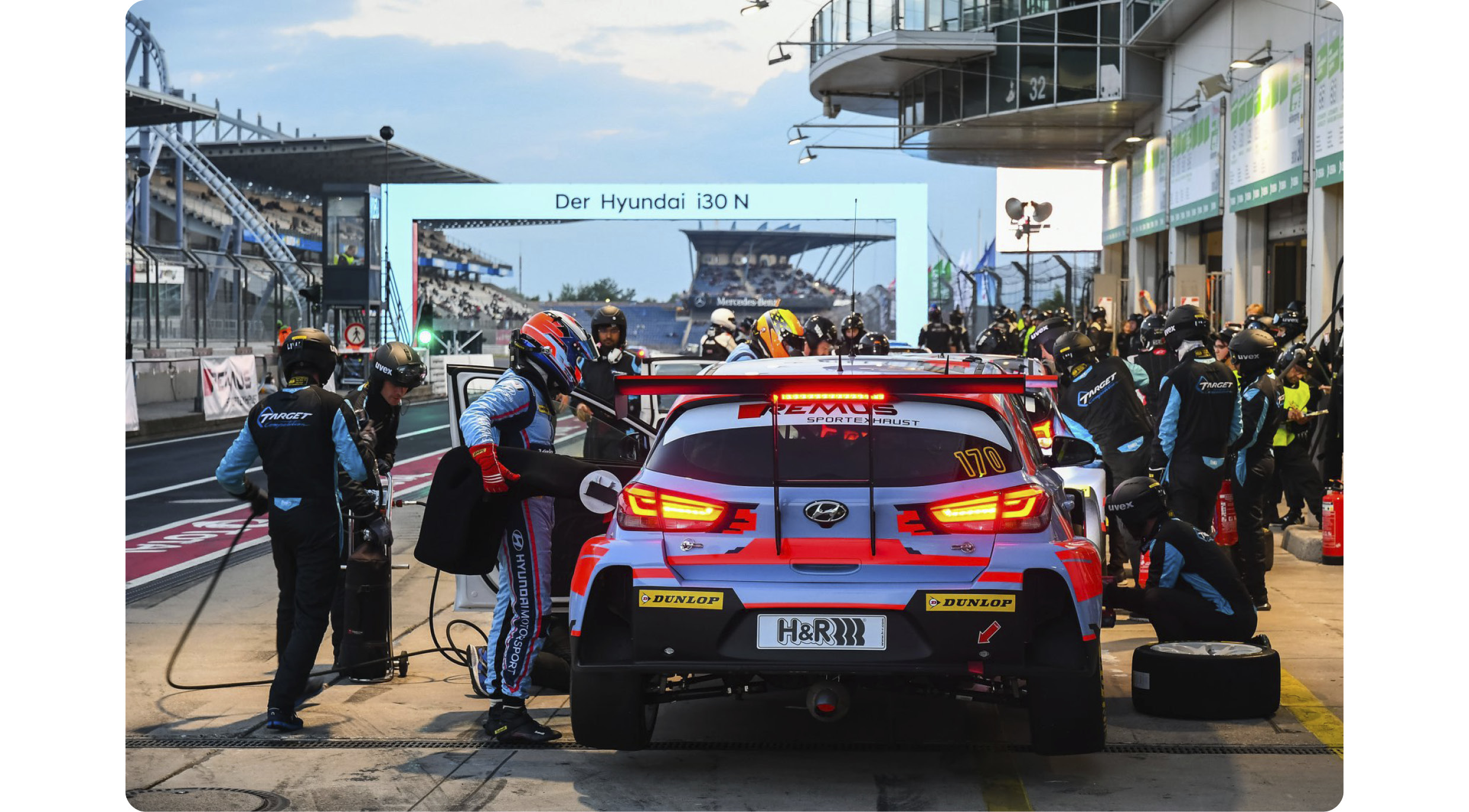
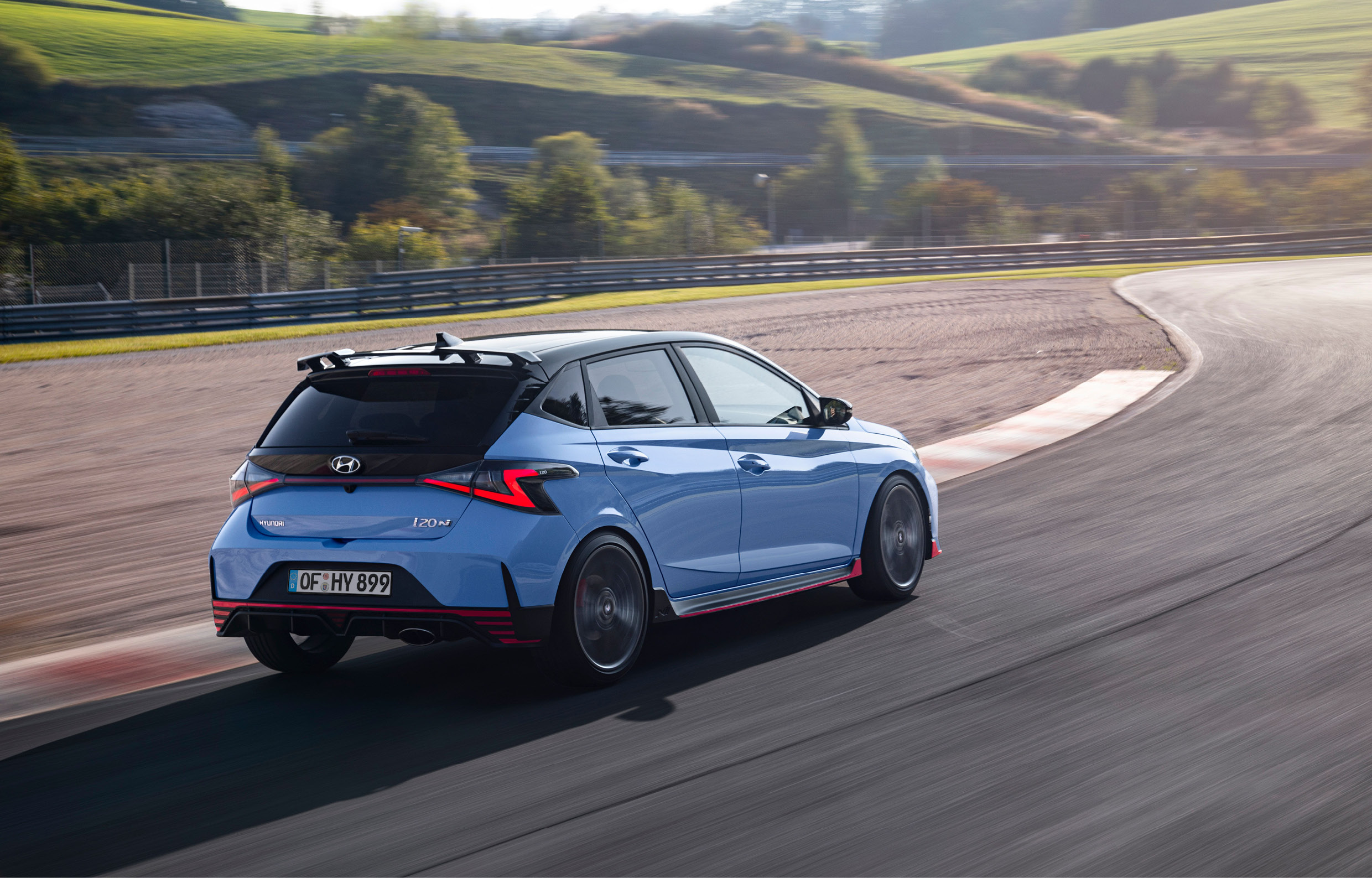
As Hyundai started putting up real results in WRC and in customer touring-car racing, buyers began connecting the brand with serious engineering, sharp chassis tuning, and durability proven the hard way. That mattered. It did more than improve Hyundai’s image—it gave the brand the kind of credibility the Hyundai N models would later need. Just as important, the lessons learned in motorsport started feeding straight back into the road cars, tightening the bond between the brand and European customers.
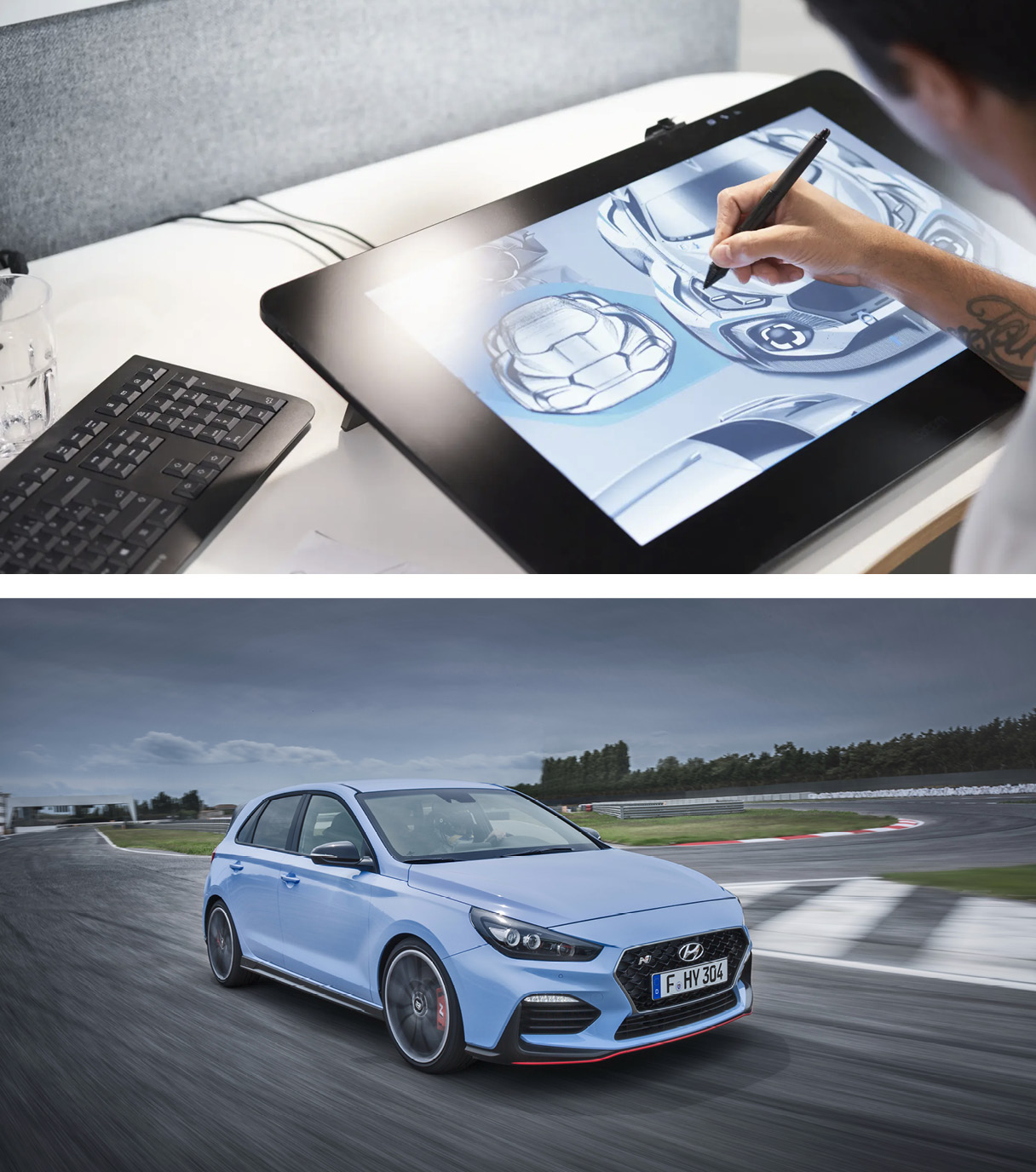
By rebuilding a genuine motorsport story and leaning on close cooperation with research centers like HMETC, Hyundai laid the groundwork for a legitimate high-performance brand. Namyang led the early N-car effort overall, but HMETC’s validation and tuning work—grounded in a real understanding of European roads and European driving expectations—helped sharpen the final product. In the areas that mattered most, from chassis tuning to high-speed durability work to Nürburgring validation, the global centers worked hand in hand. That is a big part of why Hyundai N cars ended up with the feel they have.
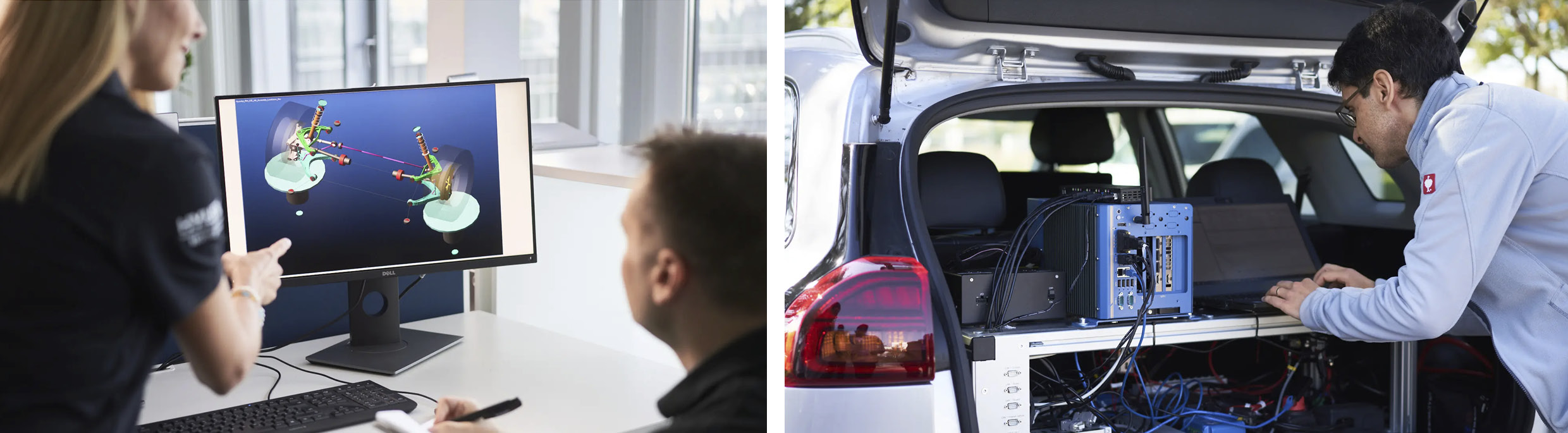
After Hyundai N launched, HMETC’s role grew fast. The center became more deeply involved in areas where local expertise actually changes the outcome, and that only strengthened its ties with Hyundai Motor Group’s other global R&D hubs. Today, HMETC is involved across the full development process—from the earliest planning work to prototype builds to real-world validation at places like the Nürburgring—using a development methodology that has now been proven over time.
That shift is not just about HMETC. It also reflects the way vehicle development has changed across the industry. Automakers are no longer leaning as heavily on fully separate regional models the way they once did. The dominant approach now is to start with a global model, then tune it around the needs, expectations, and regulations of each market.
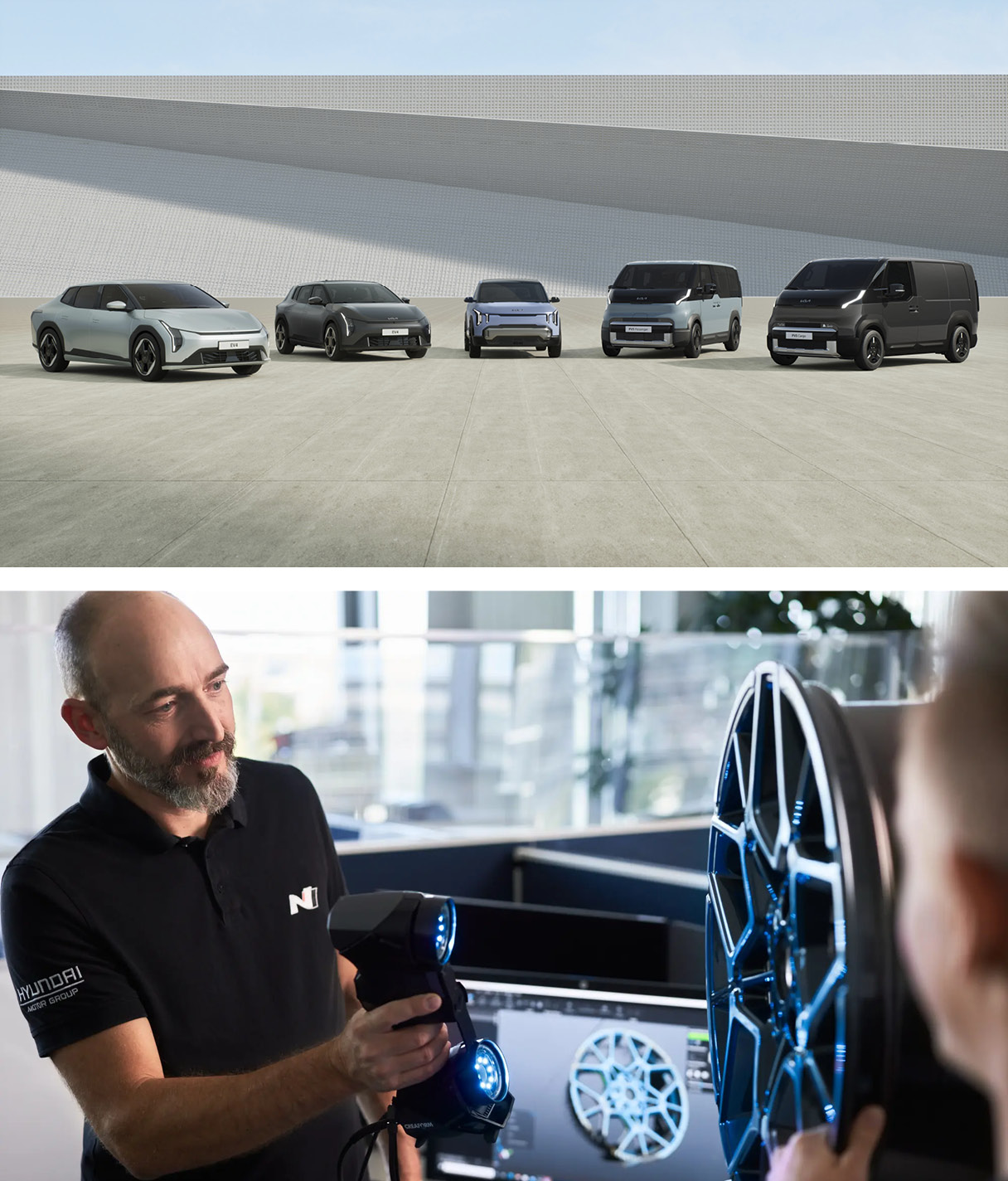
That is where HMETC comes in. The center gets involved early to make sure global products will meet European standards—both in terms of regulation and in terms of what European buyers expect from the way a car drives. Working closely with Hyundai Motor Group’s global R&D hub, HMETC helps preserve the efficiency benefits of common platforms while making sure the final product still delivers the road manners and polish Europe demands. Its biggest influence continues to be in vehicle dynamics, especially steering feel and suspension tuning, but its reach also extends into regulatory work, project operations, and even vehicle design.
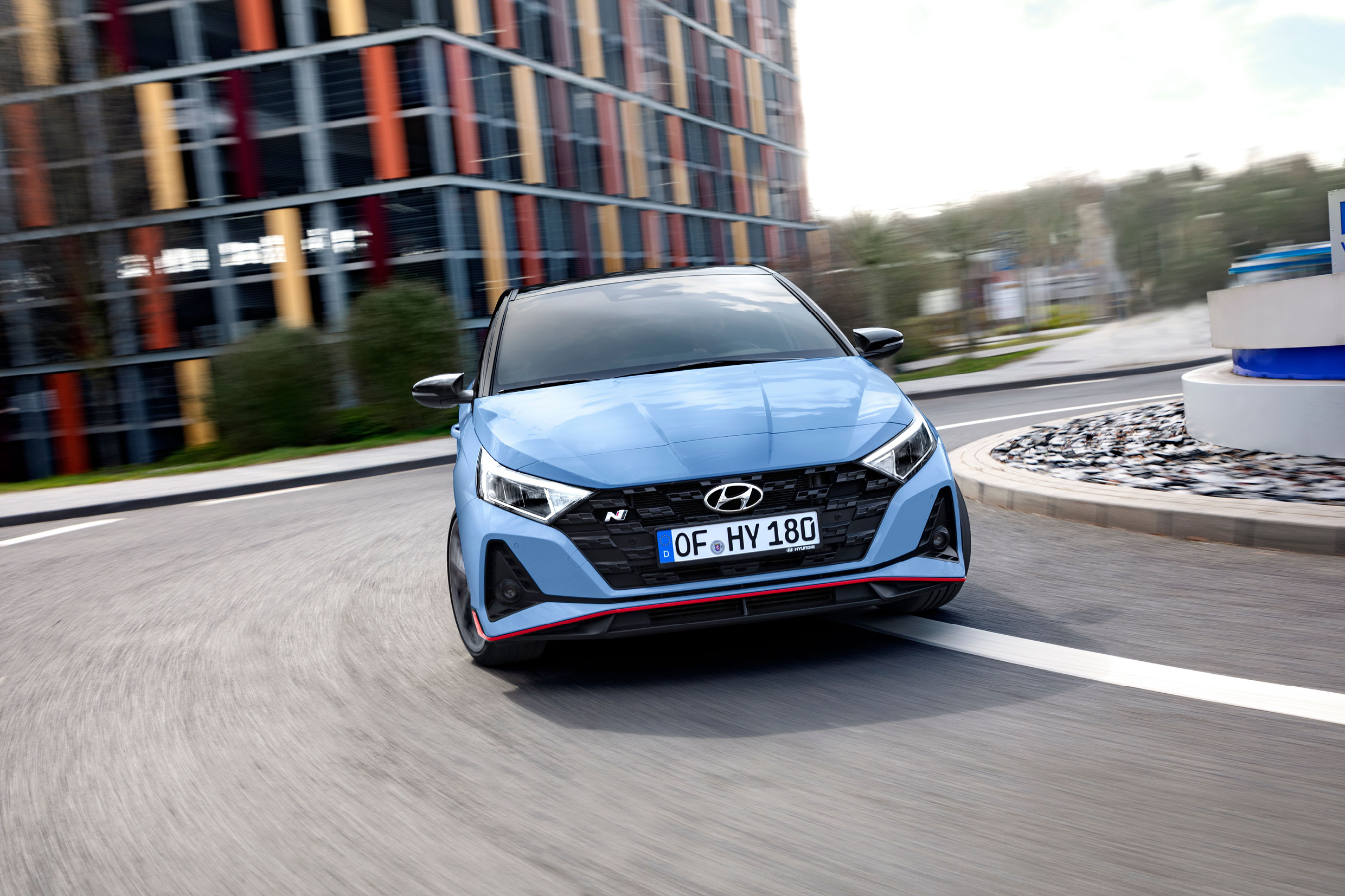
HMETC’s technical strength still shows up most clearly in the areas Europe has always cared about most: powertrain and chassis engineering. Years of developing cars in a market where high-speed driving is just part of daily life have shaped the kind of precise handling and rock-solid stability European buyers expect. And that same mechanically grounded mindset now carries straight into the hunt for new technology.
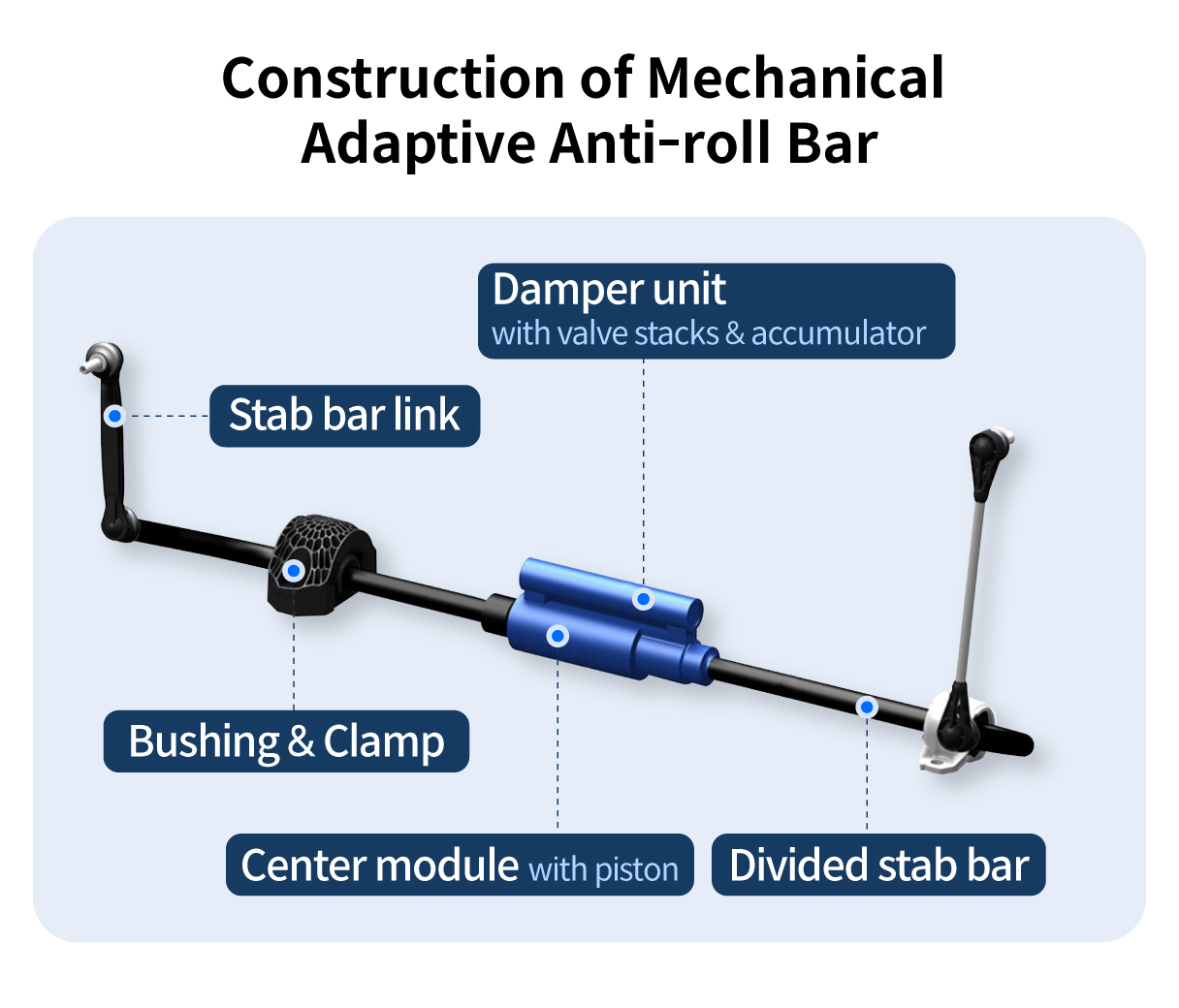
One of HMETC's representative new technologies is the Mechanical Adaptive Roll Damping. The new stabilizer bar system has a hydraulic damping unit with integrated frequency selective valve that modulates the roll stiffness and roll damping depending on the driving conditions. There is no electronic control unit or wiring, it is a mechanical approach for optimized roll control and improved ride comfort
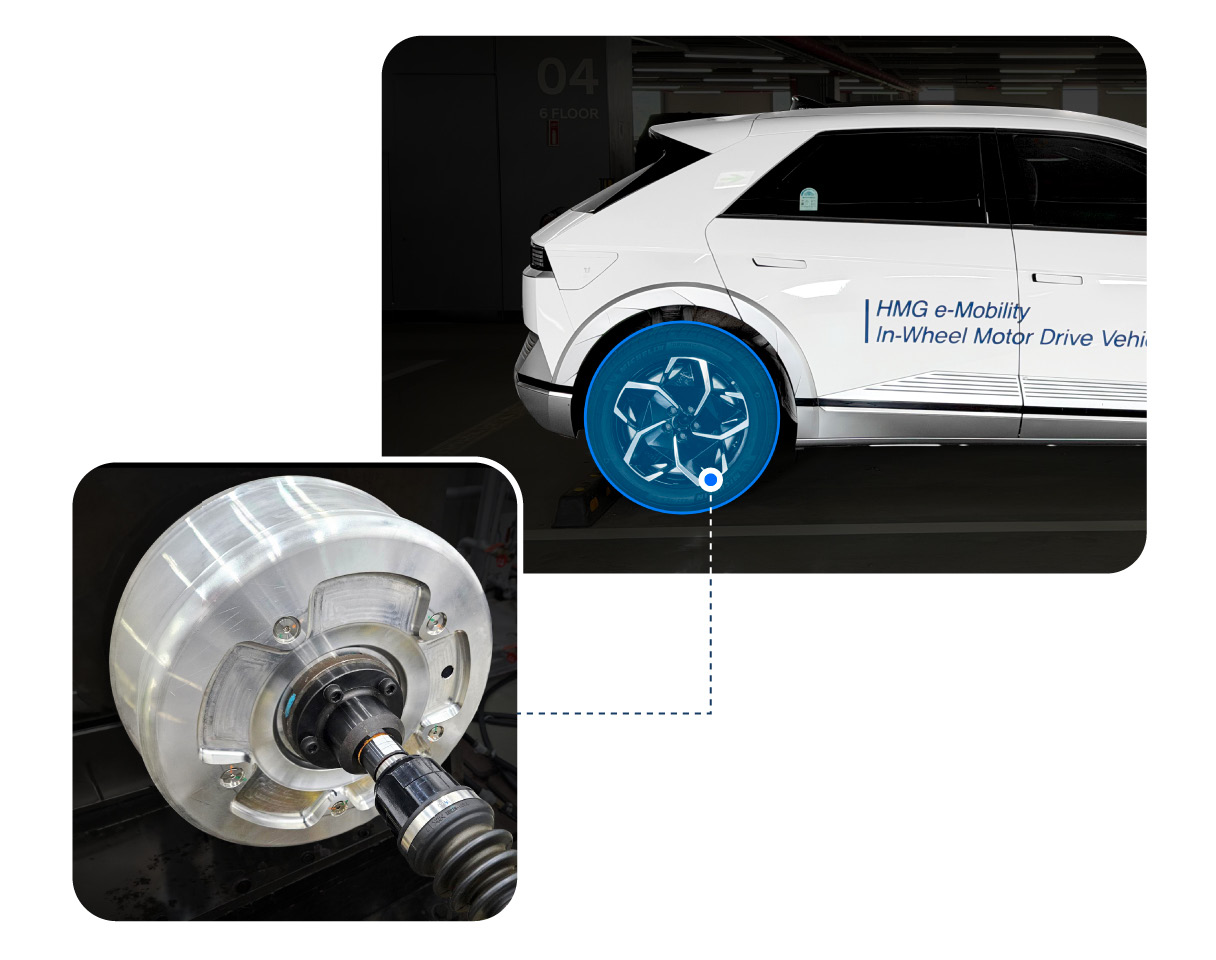
At the same time, HMETC is actively pursuing the development of new stator & winding technologies aimed at the era of electrification. For example, through collaboration with the Namyang R&D Center, the dedicated designed motor, considering chassis integration, required new technology & production methods. European production technology was implemented to ensure basic performance and durability. Additionally, joint research is underway to enhance efficiency by applying 'Litz wire' winding technology to in-wheel motors.
More recently, HMETC has also been backing the global R&D centers in areas customers care about more than ever, including Advanced Driver Assistance Systems (ADAS). The point is not just to make those features function. It is to make sure they feel polished, intuitive, and genuinely useful in the real world—especially through the eyes of European customers.
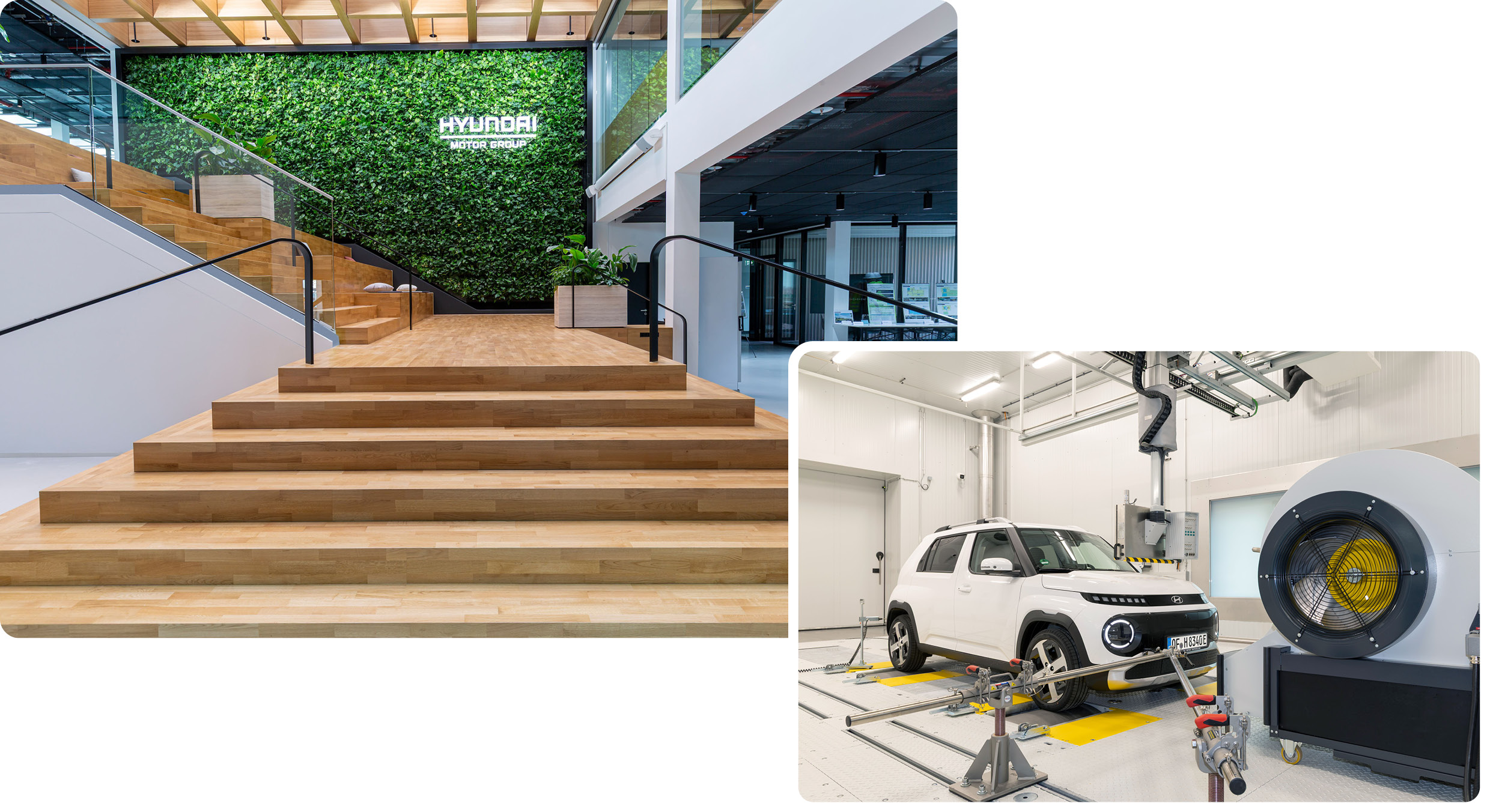
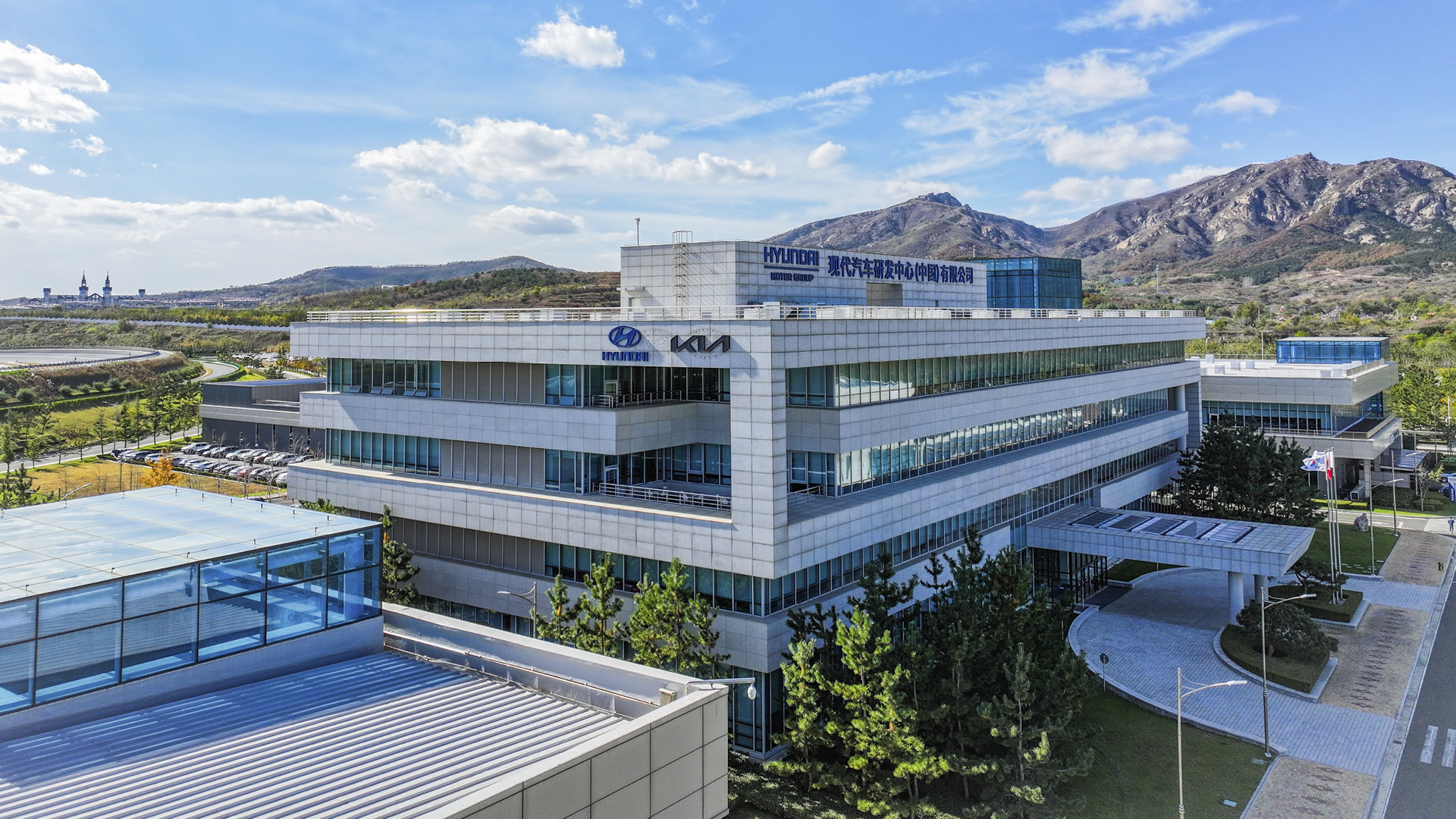
The new Square Campus says something bigger, too. It is not just an engineering expansion; it is also part of Hyundai Motor Group’s broader sustainability push. During the buildout, HMETC incorporated environmentally conscious materials and brought in energy-harvesting technologies such as solar panels and heat-pump systems. The campus also includes a hybrid workspace, a rooftop garden, and a smart working system designed to support collaboration and creativity. In other words, HMETC is no longer just blending traditional engineering with advanced technology. It is folding sustainability into that formula as well.
Today, with roughly 500 researchers on site, HMETC stands as one of the centers helping carry Hyundai Motor Group’s global engineering effort. Over the last 30 years, it has kept pushing to help the company establish itself in Europe, and along the way it has been part of several of the projects that changed Hyundai Motor Group’s trajectory. In a lot of ways, Europe’s difficult roads and tough regulations ended up doing exactly what the best proving grounds are supposed to do: make the engineering better.
From a place shaped by the pressure of the Nürburgring and the freedom of the Autobahn, HMETC is still chasing the fundamentals of what European buyers want in a car. And with its expanded infrastructure now in place, the center is set to go even harder at electrification and high-performance system innovation—pushing toward a future where serious engineering and environmental responsibility have to deliver side by side.