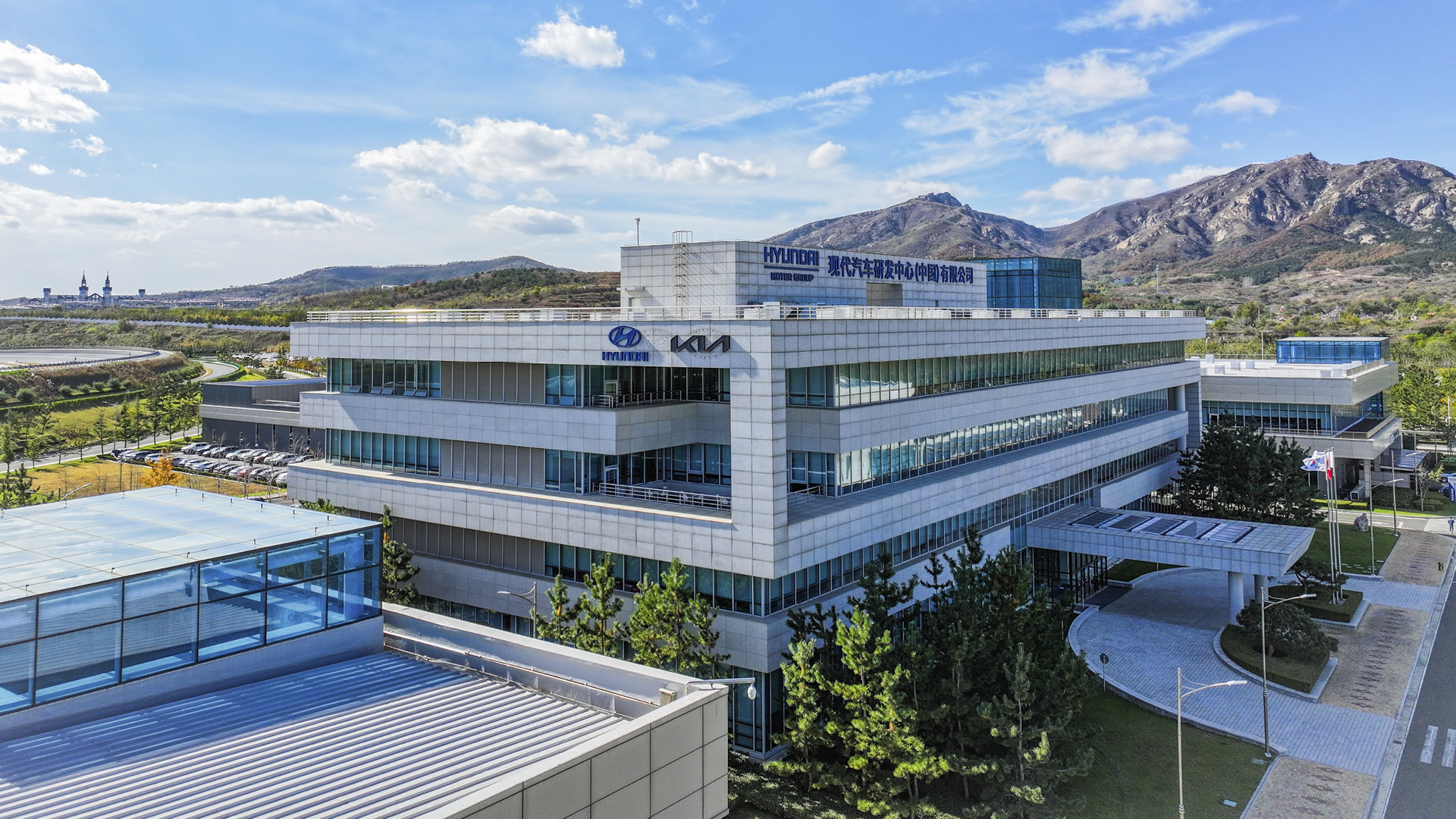
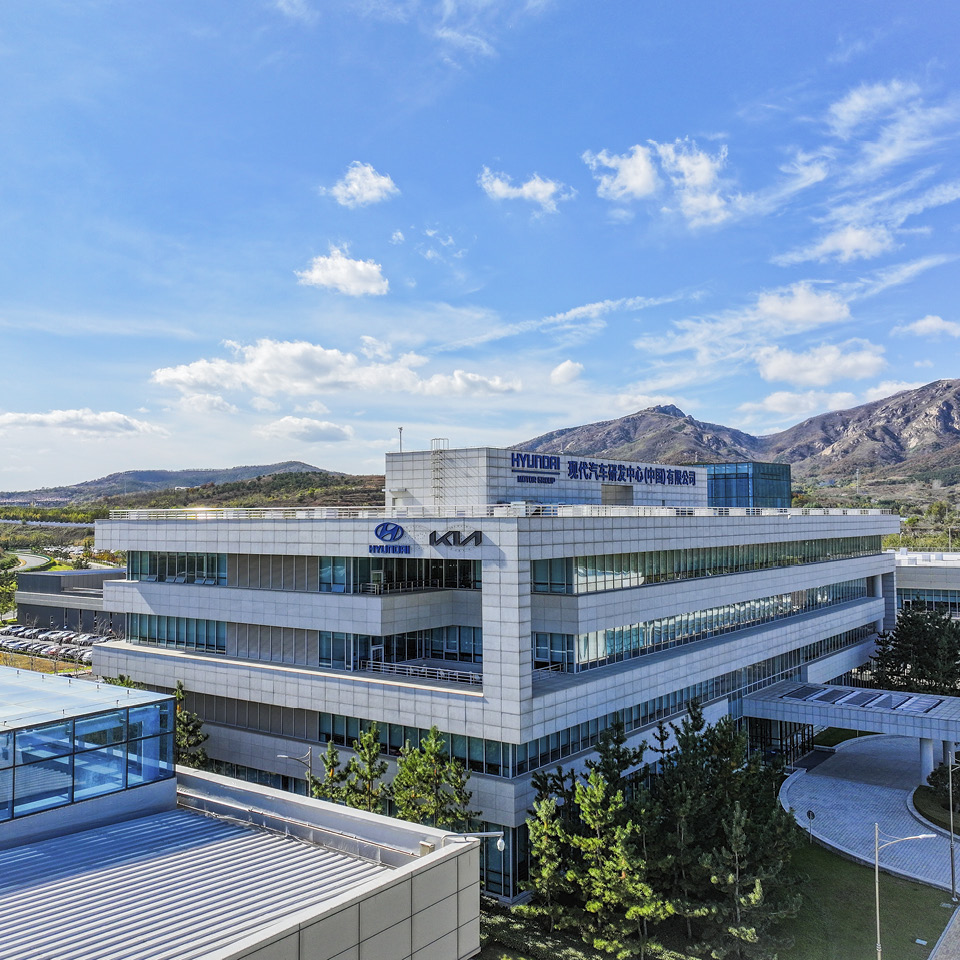
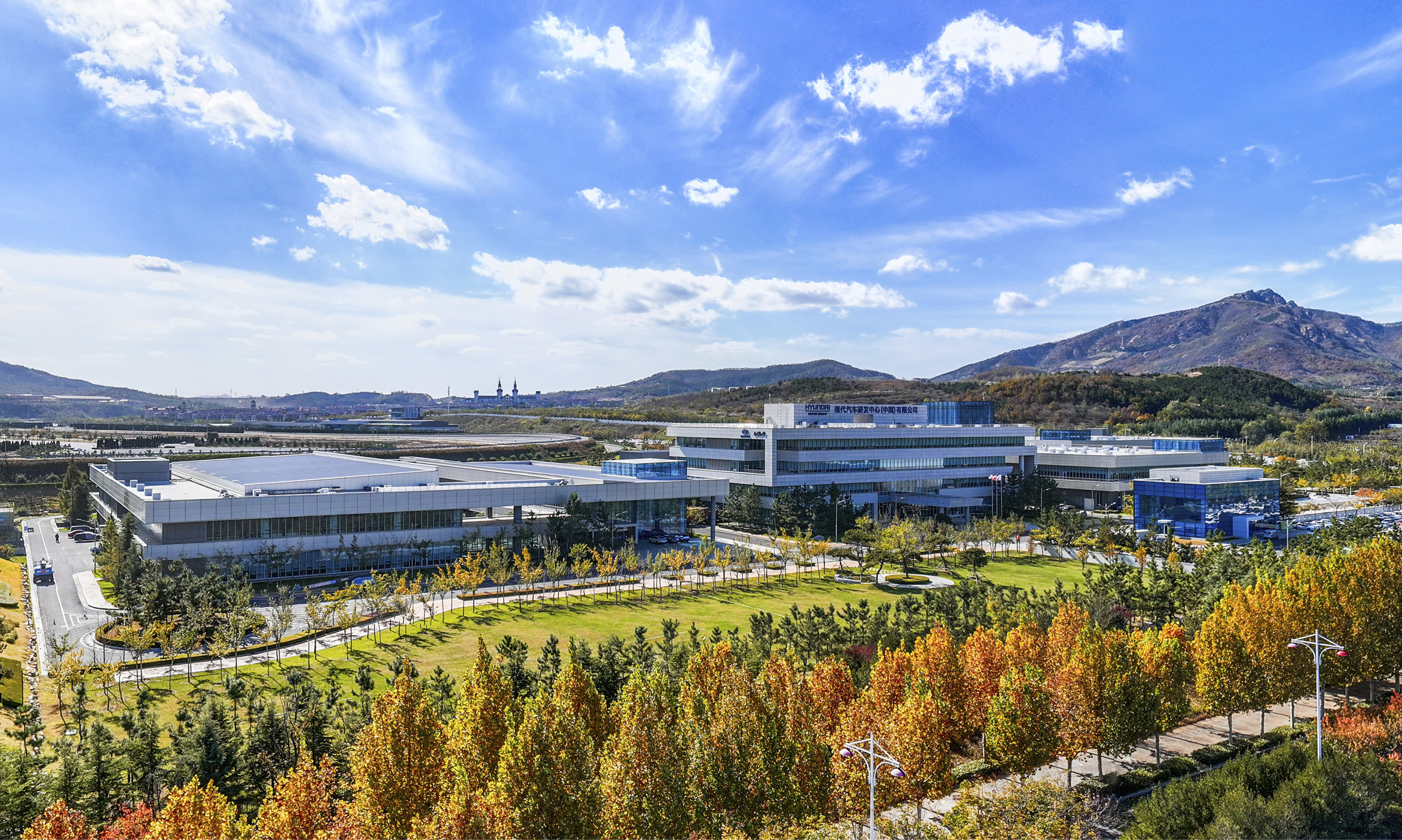
China isn’t just the world’s biggest car market. It’s also one of the fiercest battlegrounds in the global technology race. Competing there means more than building a good car for a population of 1.4 billion with wildly different needs. It means tapping world-class IT infrastructure, massive data pools, and a customer base that adopts new technology at remarkable speed. That is exactly why Hyundai Motor Group China Research Center is pushing hard on next-generation mobility and digital technology.
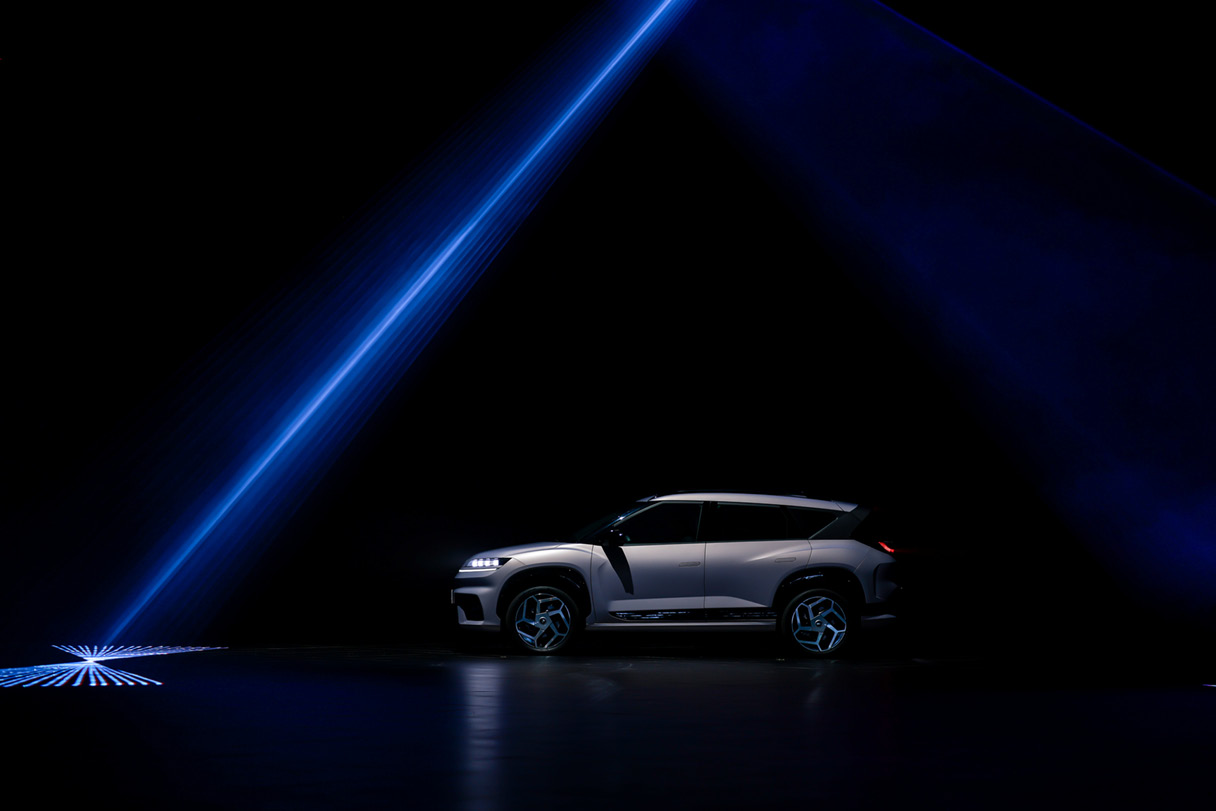
China’s auto market never sits still, and the history of the China Research Center tracks Hyundai Motor Group’s own evolution alongside Chinese customers. It started with localizing global models, moved into the independent development of China-specific vehicles, and eventually produced popular models of its own. Today, the center is working on everything from autonomous driving and artificial intelligence to smart cabins.*
*Smart cabin: Technology that recognizes an occupant’s condition and surroundings, then delivers the appropriate services in an intuitive and convenient way. It relies on a range of technologies, including motion analysis and biometric-signal analysis.
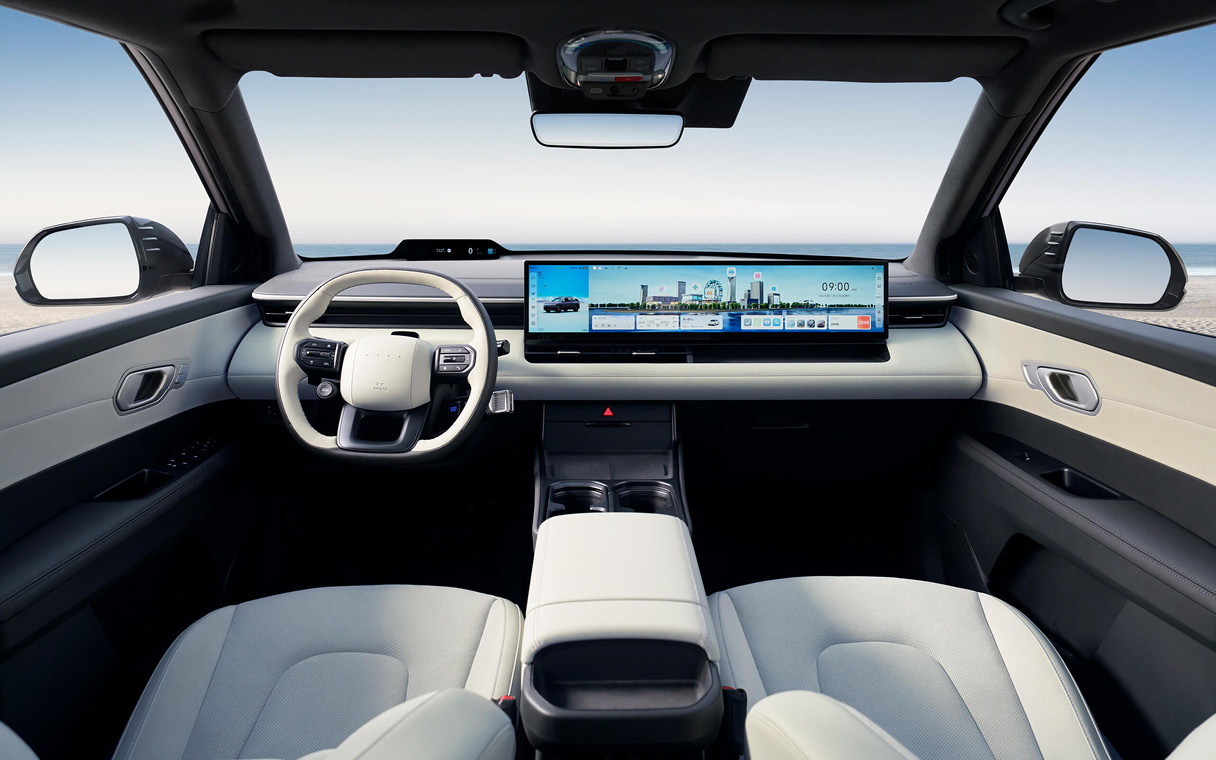
This is also where Hyundai Motor Group is testing ideas that could shape the next generation of mobility. In China, IT and transportation are merging at a pace the industry has never seen before. A representative of the China Technical Center explains: “China has world-class IT infrastructure, and customers here adopt advanced technologies across an exceptionally broad range—and at remarkable speed. That makes it an ideal environment for experimenting with and validating new technologies.”
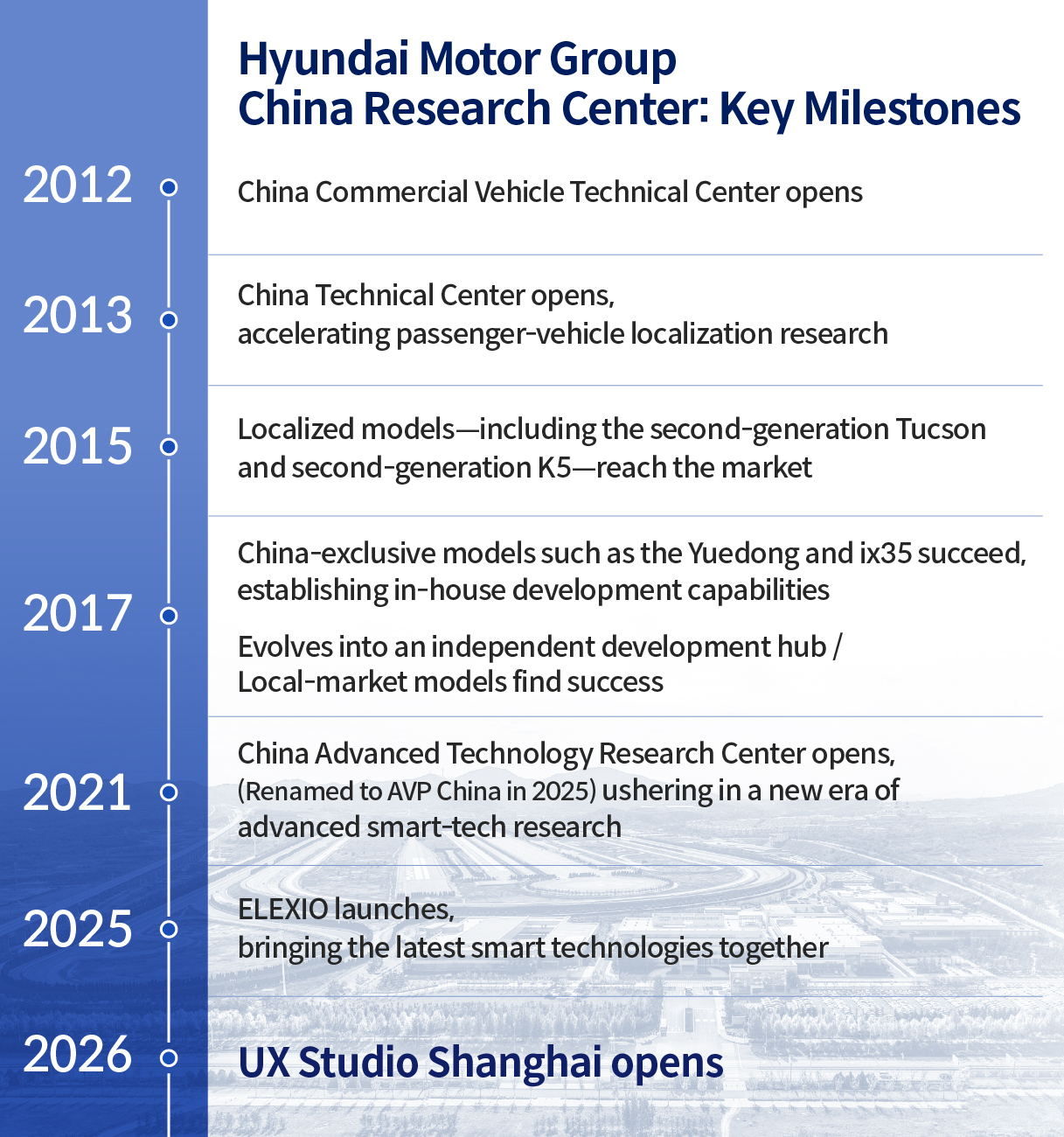
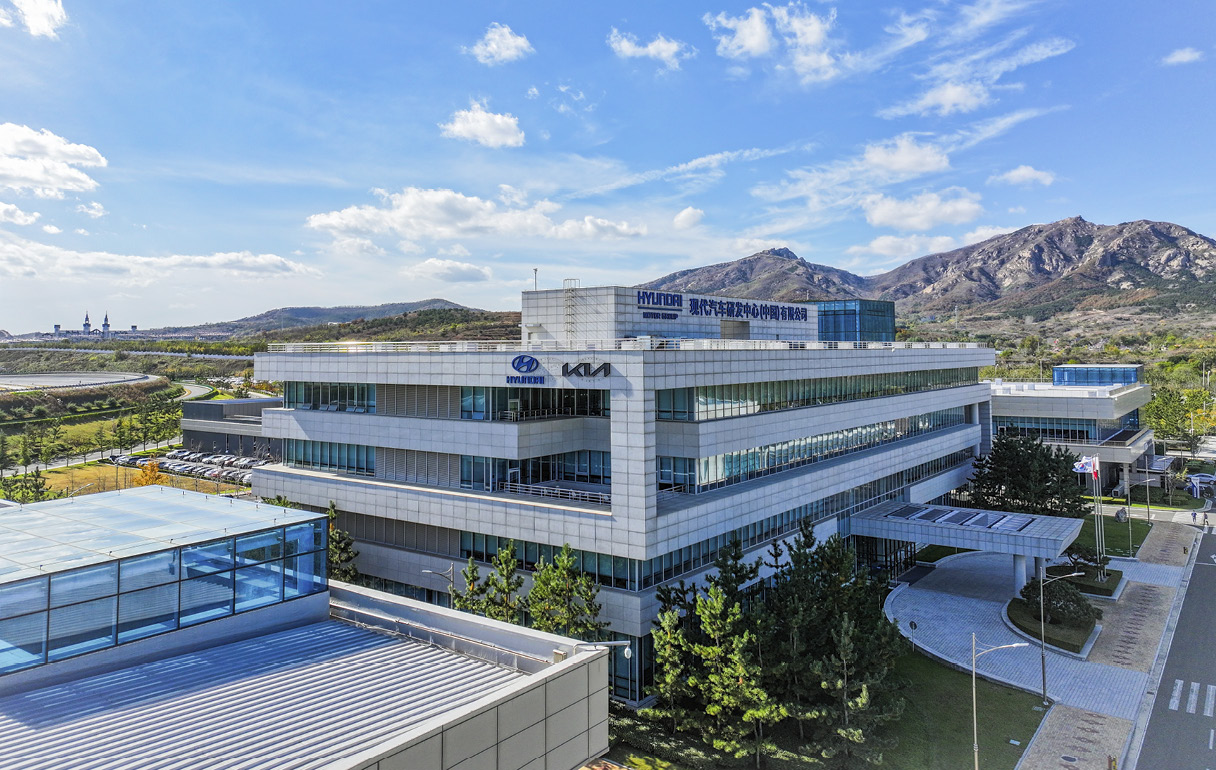
Hyundai Motor Group opened its China Commercial Vehicle Technical Center in 2012, followed by the China Technical Center in 2013. The mission was straightforward: develop more distinctive vehicles that reflected the increasingly diverse tastes of Chinese customers and respond more directly to what the market was asking for. “Chinese consumers wanted vehicles that fit their lifestyles, road conditions, and cultural sensibilities,” the China Technical Center explains. “By conducting research and development locally, we worked to create vehicles genuinely designed for China.”
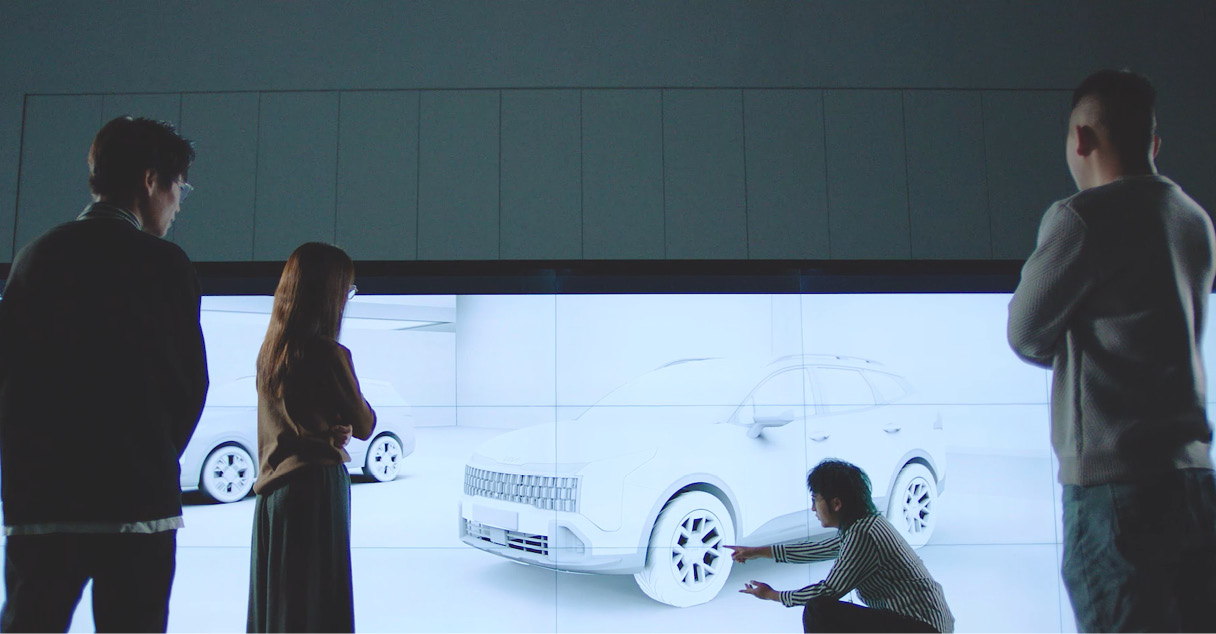
The first step was localization—retuning global vehicles for Chinese tastes, road conditions, and regulations. As models such as the second-generation Tucson and second-generation K5 entered China, the center built out a local parts supply chain and recalibrated specifications around local demand. It also worked closely with Chinese suppliers to raise the share of locally sourced components.
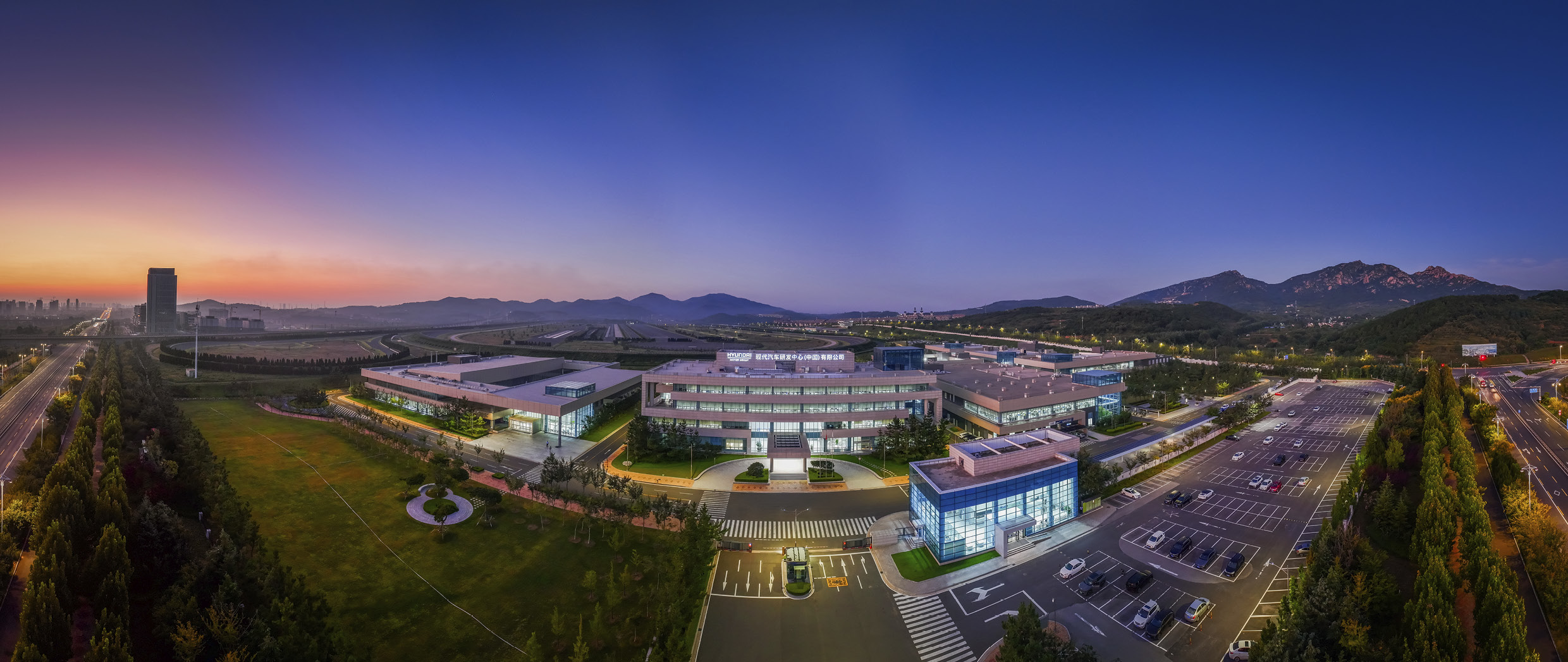
At the same time, the center rapidly built up its engineering muscle. Construction of the design and vehicle-testing buildings began in 2014. A dedicated styling building and environmental-technology building followed in 2015. Then, in 2016, the center completed a 1.5-million-square-meter proving ground—about 373 acres—with 17 different test surfaces, along with a crash-test facility capable of handling complex collision evaluations. That gave the China Technical Center the physical foundation it needed to stop merely adapting cars and start developing them on its own.
Beginning in 2017, the China Technical Center stepped up into a fully independent vehicle-development base. A prototype facility completed that year brought the entire process—from engineering and prototype construction to testing—under one roof. A training center followed in 2018, and a second performance-testing building opened in 2019.
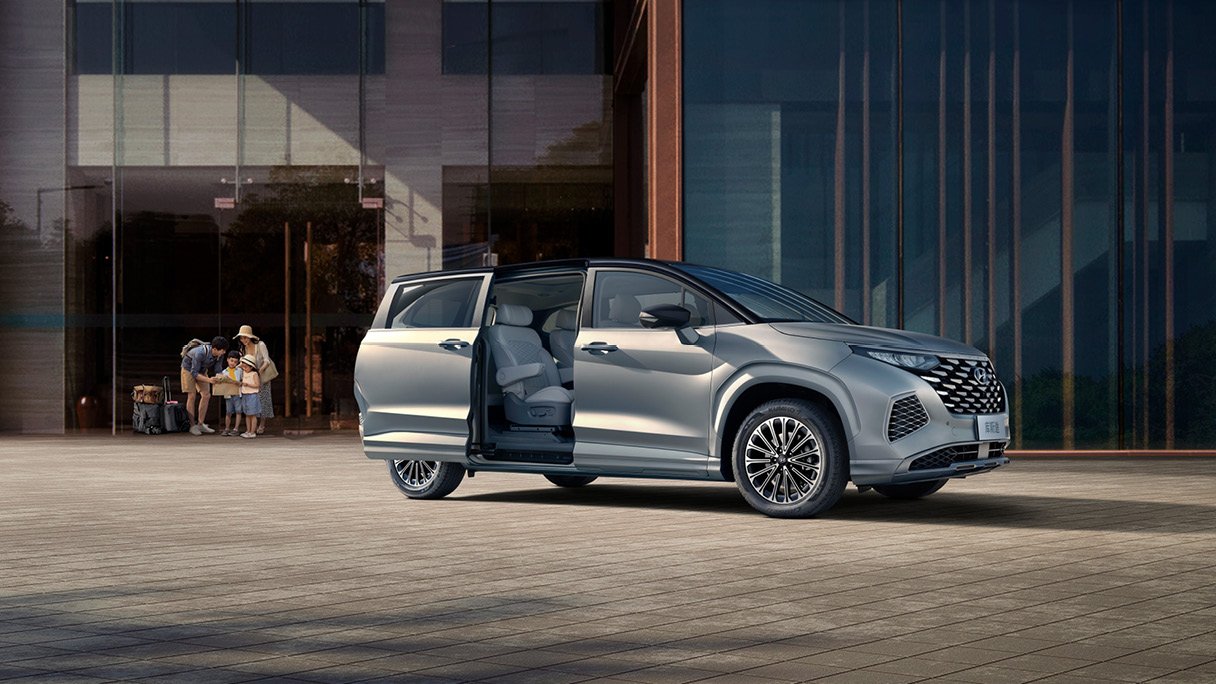
The biggest advantage of developing cars locally is simple: engineers can tune them directly around the market instead of trying to understand customers from thousands of miles away. According to the China Technical Center, “Because we develop vehicles while engaging directly with customers here, we can capture even the smallest needs—details that can be difficult to identify through a global development process.” The payoff came quickly. China-specific models such as the Yuedong and ix35 found a strong response, while the CUSTO became a popular choice in both China and Southeast Asia.
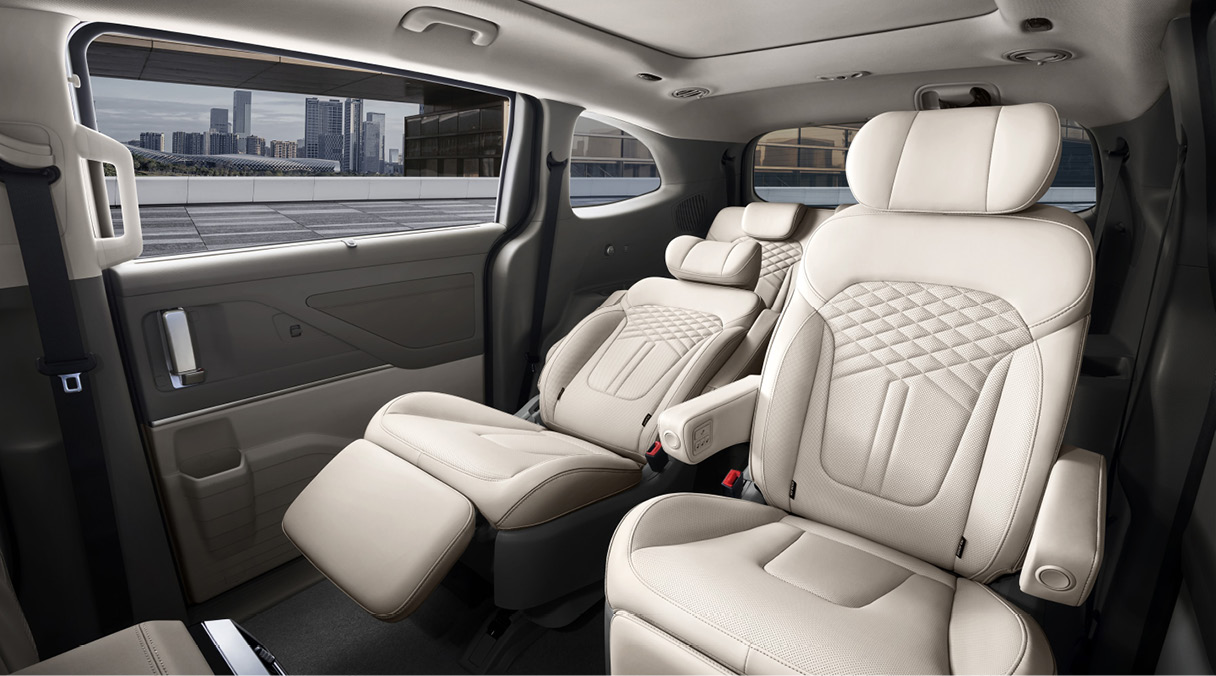
For the CUSTO, the China Technical Center focused not only on nailing the basics, but also on giving the vehicle something its rivals didn’t have. That led to best-in-class interior space and a forward-looking design with the visual toughness of an SUV. The center also loaded the CUSTO with family-focused details, including second-row one-touch relaxation seats, smart power-sliding doors, and a rear-occupant a-lert. It was the kind of equipment mix that came directly from watching how local buyers actually used their vehicles.
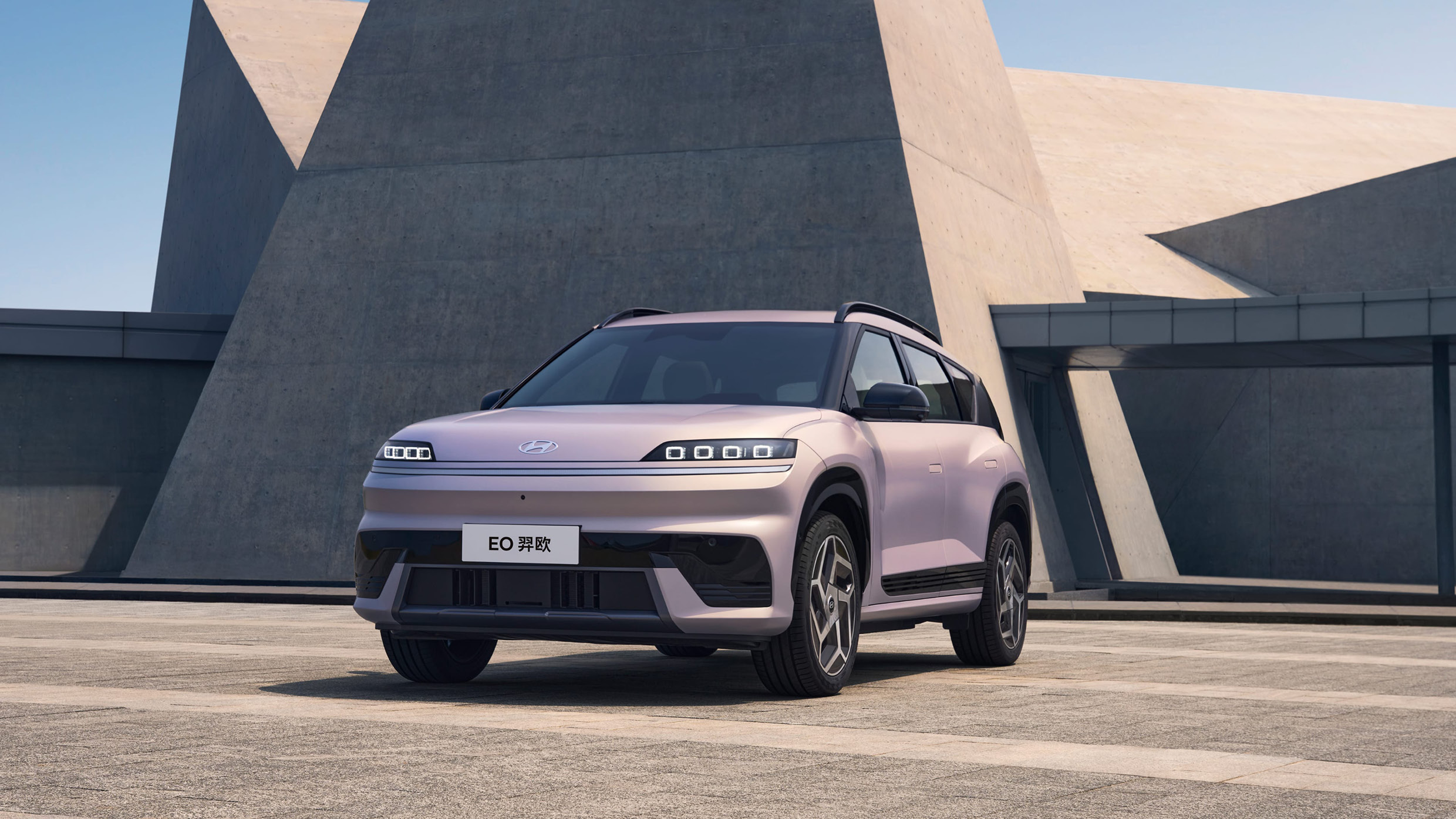
The body-engineering expertise built through those independent projects matters just as much. On the ELEXIO electric SUV, development led by the China Technical Center increased the use of high-strength steel and optimized how crash energy travels through the body structure. The result was a five-star ANCAP safety rating in Australia.
As the 2020s began, the collision between IT and mobility accelerated across China’s auto market. The Chinese government elevated AI to the level of a national strategic technology and poured resources into its development. Automakers responded by pushing vehicle engineering deeper into software. China quickly became one of the front lines in the race toward the software-defined vehicle, or SDV.
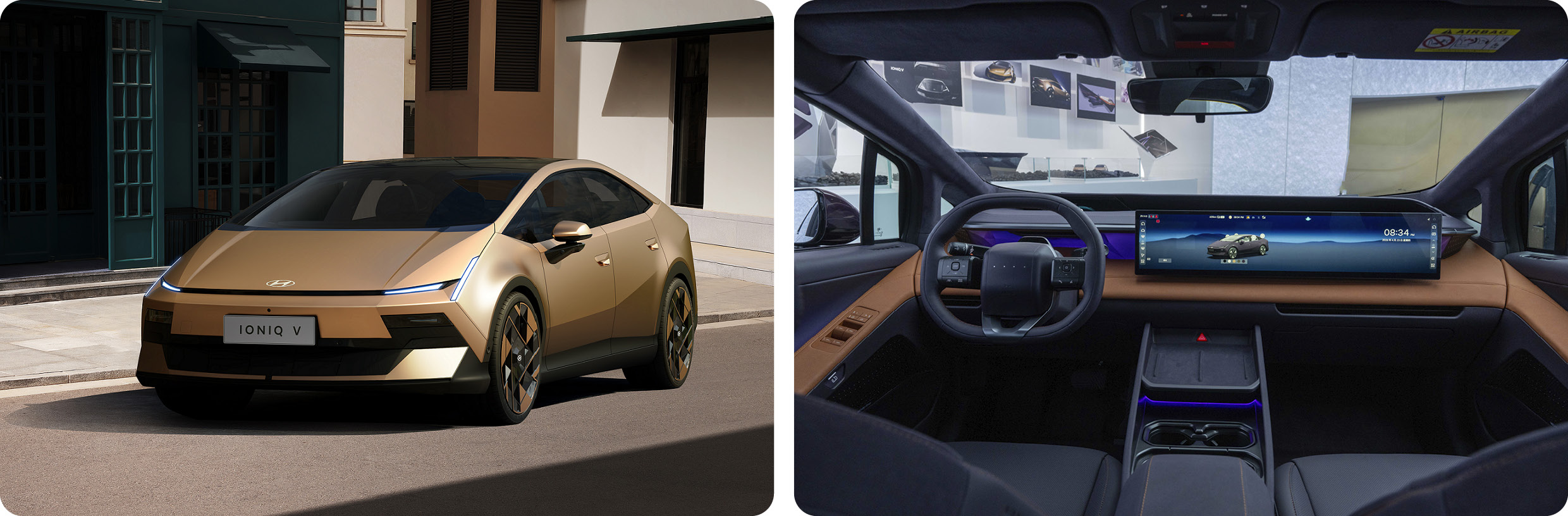
“The Chinese market influences the global auto industry not only through its size, but also through the speed at which it adopts technology and the level of sophistication customers expect,” the China Technical Center explains. Chinese buyers are highly tuned in to electric vehicles, autonomous-driving technology, and connected services. According to a report published in February by the China Internet Network Information Center, or CNNIC, China had 1.125 billion internet users as of December 2025. The country continues to expand digital services that connect directly with the physical world. That matters inside the car. Customers already accustomed to seamless digital services expect the same speed, convenience, and intelligence from the vehicle’s cabin.
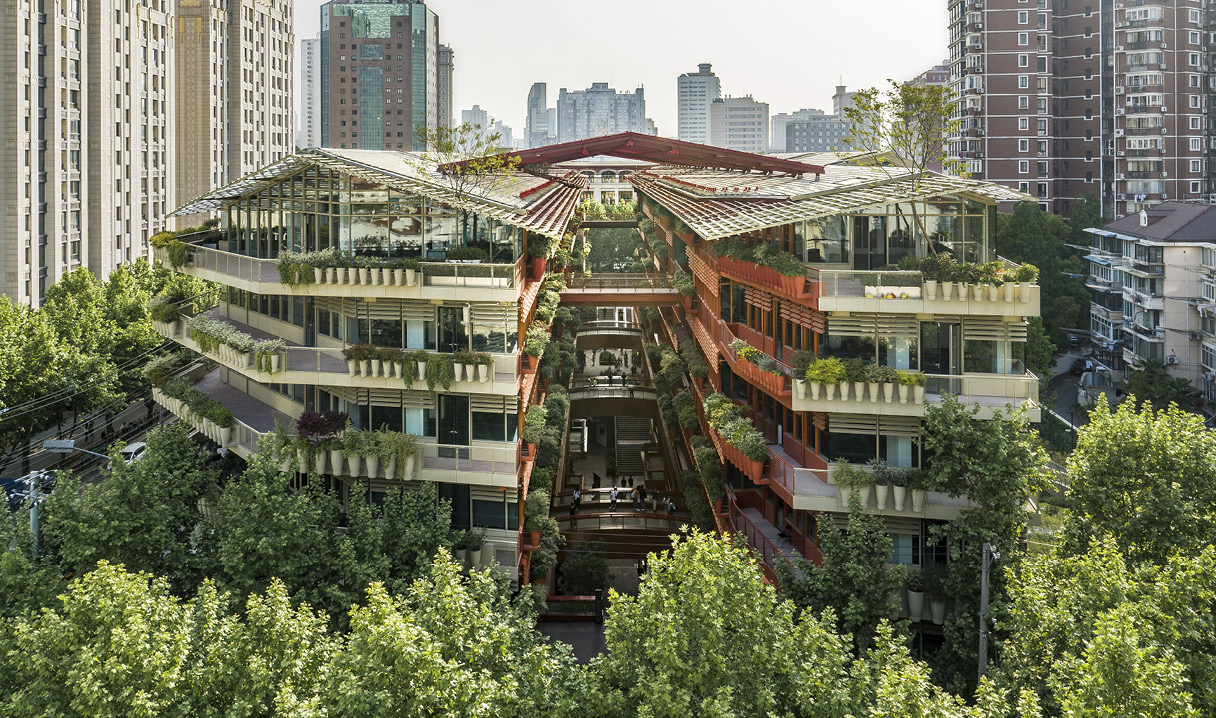
Hyundai Motor Group moved closer to that action in June 2021, opening the AVP China(Renamed from China Advanced Technology Research Center in 2025) in Shanghai. Its job is to develop key SDV technologies, along with features and user experiences shaped specifically around Chinese customers and the pace of the local market. The center’s current research stretches across smart-cabin technology—including voice recognition, gesture recognition, large language models, and other AI applications—as well as autonomous driving, electrical and electronic architectures, and integrated vehicle controllers.
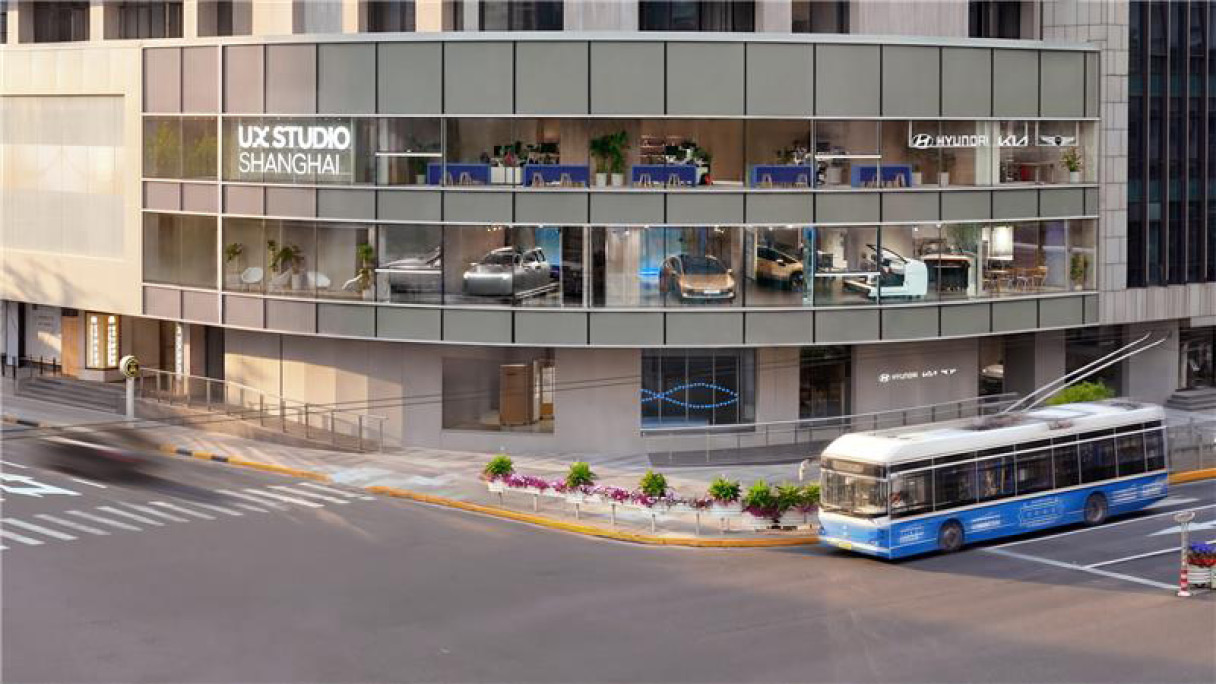
UX Studio Shanghai is scheduled to open in July 2026. Rather than studying customers from behind a screen, the studio will bring them directly into the development process, allowing them to take part in UX research and communicate with engineers in real time.
Chinese consumers care deeply about what happens on the screens—and everywhere else—inside a car. When one smartphone already handles banking, shopping, navigation, and transportation, the vehicle is expected to behave like another smart device: connected, responsive, and easy to command. That expectation is where the China Research Center’s work on intelligent interfaces begins.
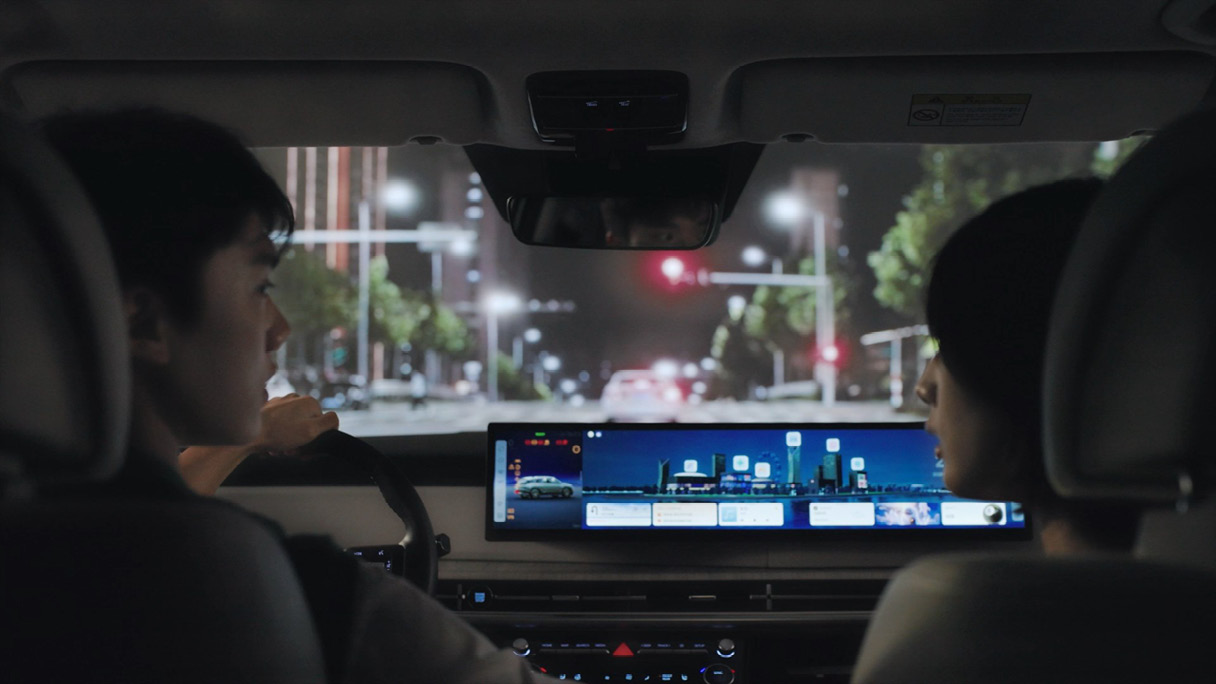
Working with major Chinese technology companies, the China Technical Center and AVP China developed an AI agent specifically for local customers. It can hold a natural conversation, pull up the information or services the driver needs, and use the vehicle’s cameras to understand what is happening outside the car. Ask, “What sign is up ahead?” and the system combines the camera feed with video- and image-recognition models, reads the sign, and answers, “Speed limit.”
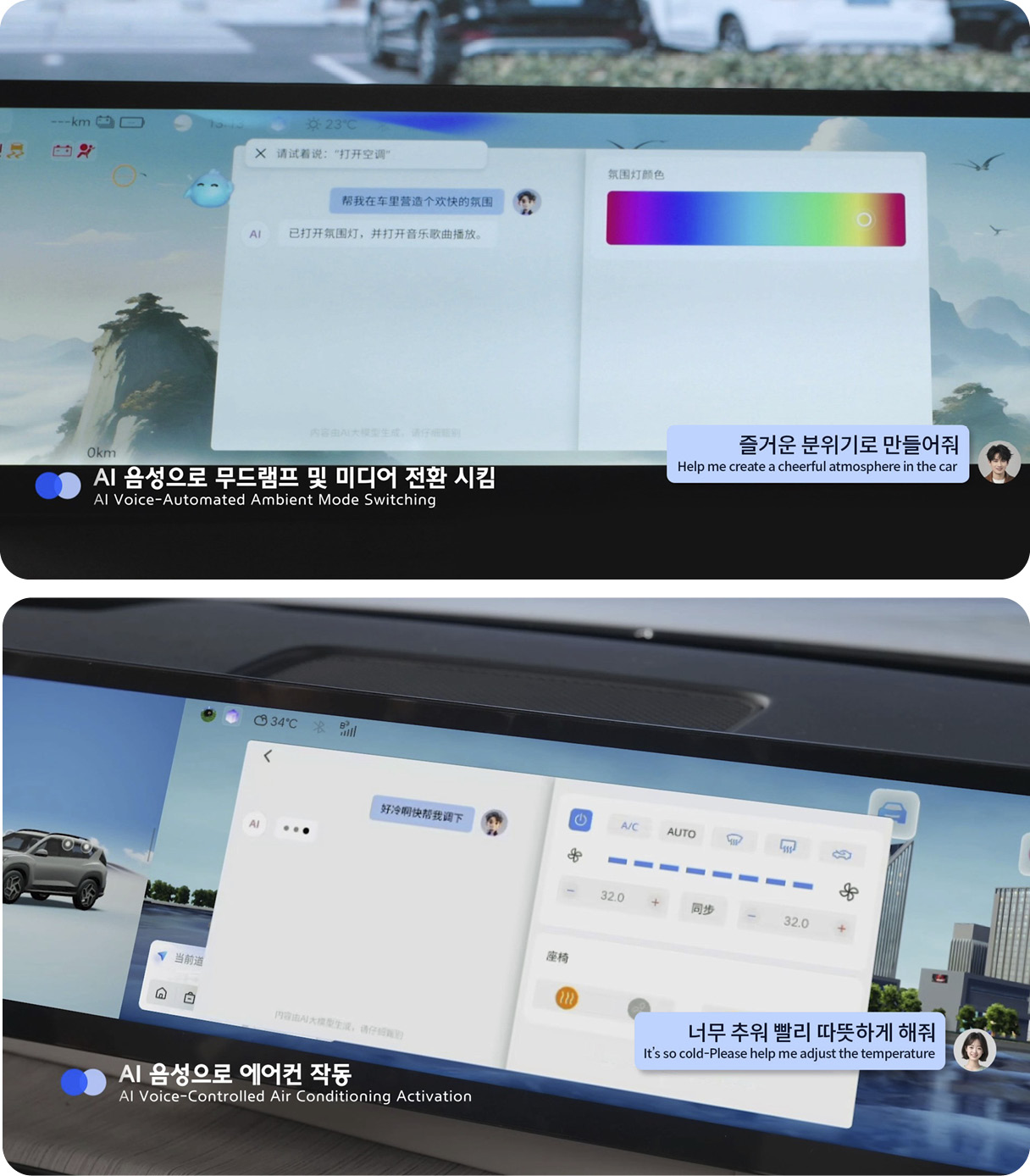
The system can also find charging stations, parking lots, and other useful stops along the route. More important, it can read the intent behind ordinary language and act on it. Say, “It’s too hot,” and the AI switches on the air conditioning and brings the cabin temperature down. Entertainment gets the same treatment. Tell the car, “Make it feel like New Year’s,” and it can change the ambient lighting, find and play music that fits the mood, interpret the lyrics, and generate a matching background image. The point is not another voice-command menu. It is a cabin that understands context and handles several tasks at once.
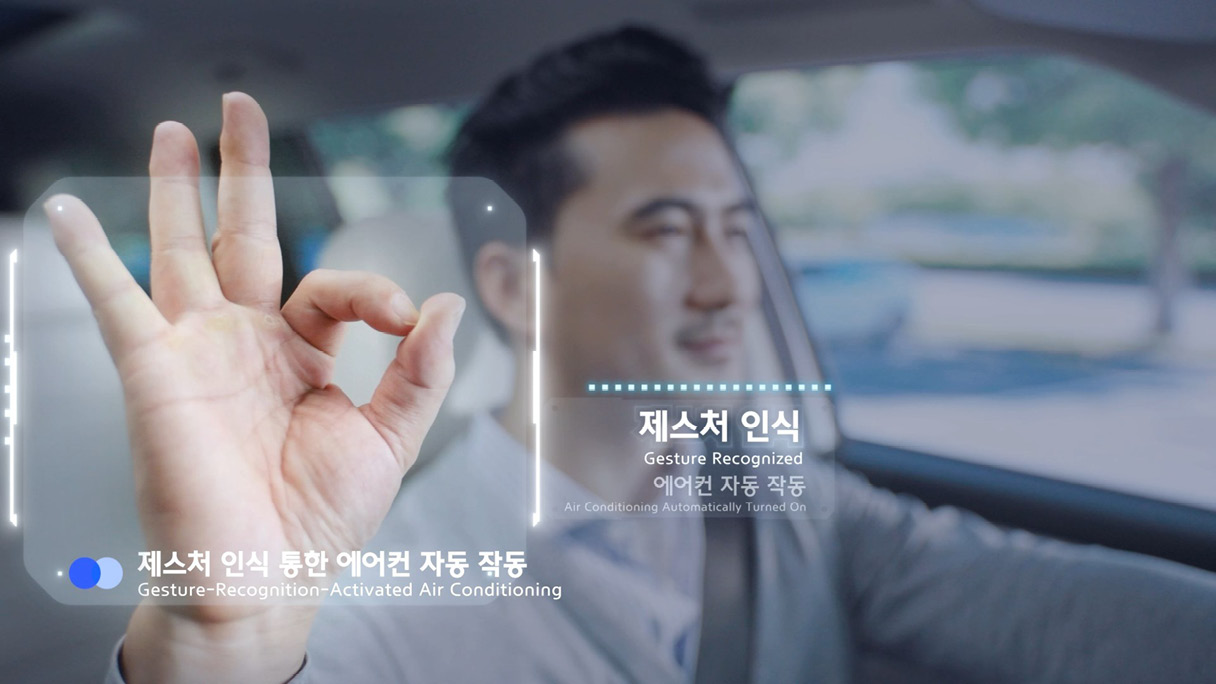
Gesture recognition lets occupants control the audio system, navigation, and climate settings with a simple movement of the hand. The demonstration is easy. Making it dependable in an actual car is the hard part. The system has to recognize different hand sizes and skin tones, and it has to keep working after dark or with harsh sunlight pouring into the cabin. The China Technical Center ad-ded infrared sensors to maintain recognition at night, then refined the software algorithms to improve accuracy across a wider range of users and physical conditions.
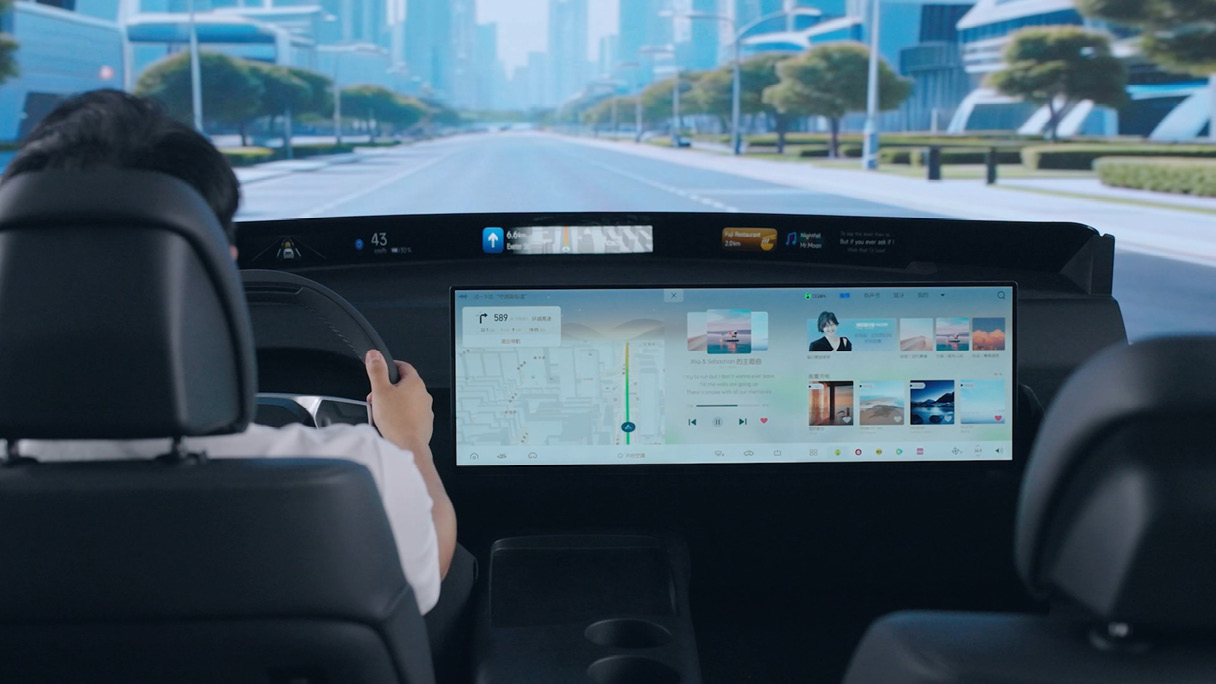
Multimodal interaction combines cabin-camera image recognition with gesture and voice recognition to figure out what the user actually wants. Point toward a specific area while giving a spoken command, and the system interprets both inputs together before activating the intended function. Natural speech, hand movement, and even gaze direction become parts of the same interface, allowing occupants to control most vehicle functions without digging through layers of menus. The benefit goes beyond convenience for tech-savvy drivers. Children, older passengers, and others who may not feel comfortable using conventional digital interfaces can interact with the vehicle in a more direct and intuitive way.
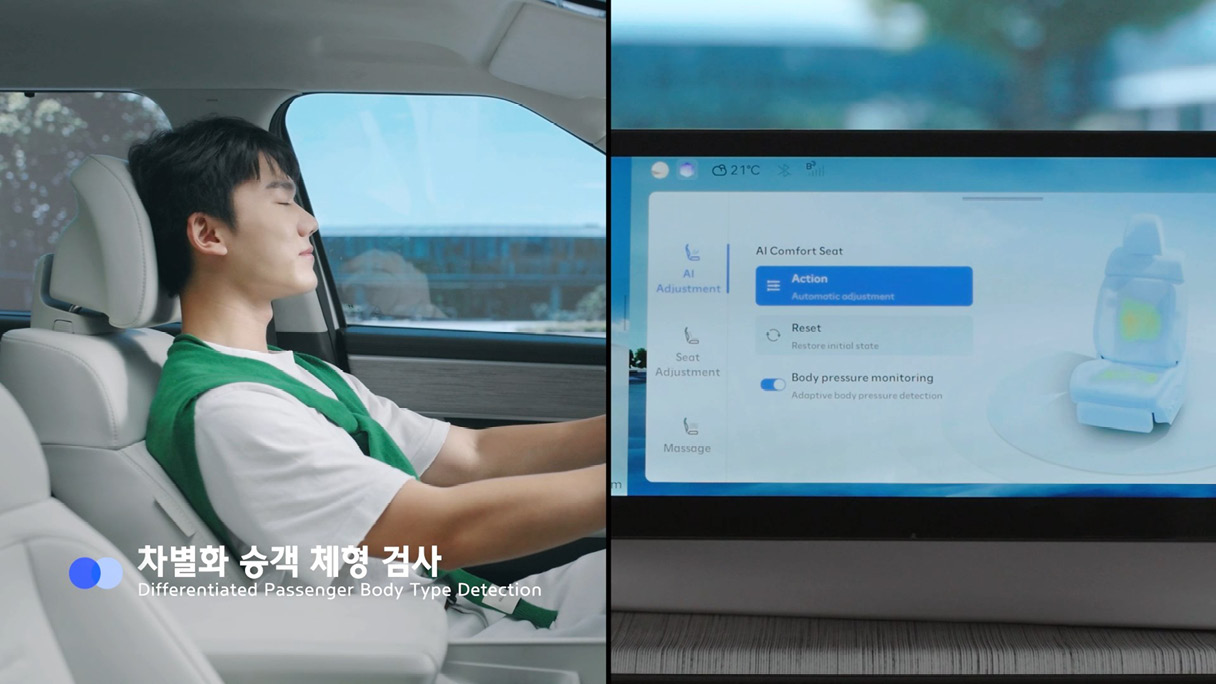
The smart-cabin push does not stop at screens and voice control. The AI Comfort Seat under development at the China Technical Center starts working as soon as an occupant sits down. Pressure sensors beneath the cushion detect body shape and pressure distribution. AI analyzes that data, then adjusts air blad-ders inside the seat to reshape the surface around the occupant. The system keeps working as the drive continues. It tracks changes in posture and muscle pressure in real time, then makes fine adjustments as the body shifts and fatigue builds. That is why the China Technical Center calls it “a seat that thinks in real time.”
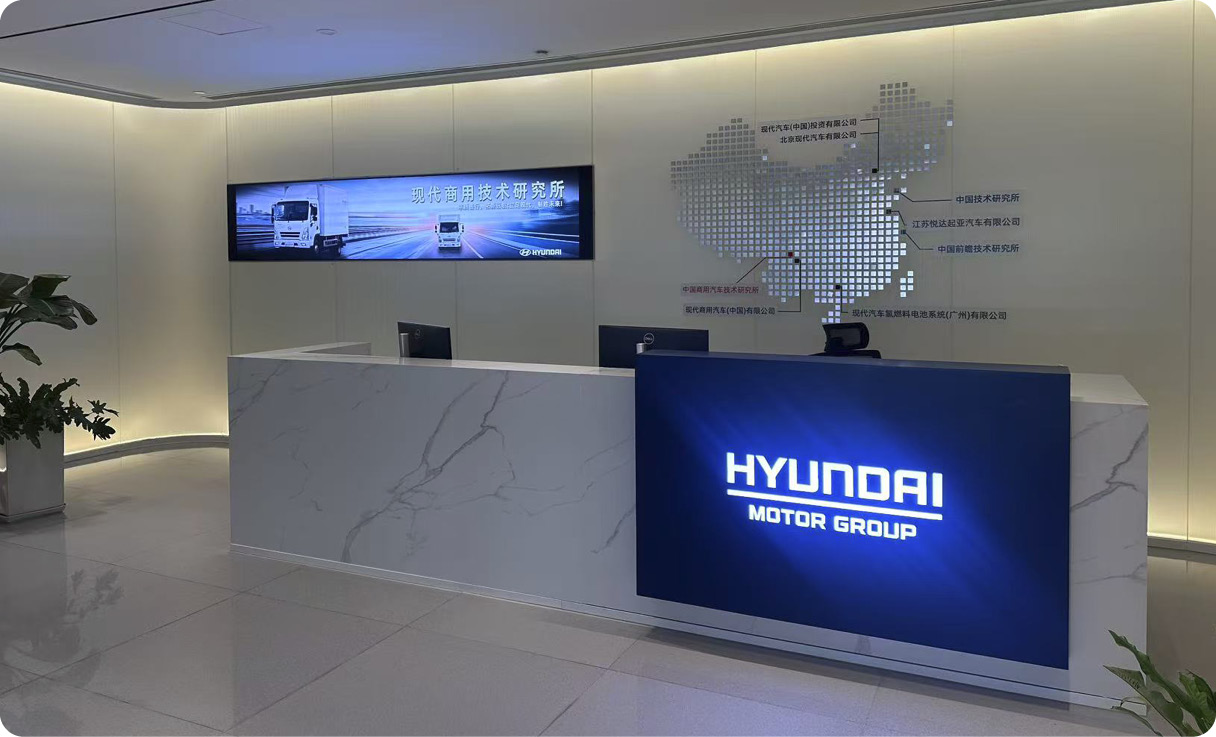
The China Commercial Vehicle Technical Center is also developing core modules for electrified commercial vehicles, or xEVs—where space, weight, and energy use matter even more. The integrated power-supply module combines the vehicle’s main power-distribution hardware into a single unit. That helps stabilize output and optimize energy consumption. Commercial vehicles may also carry different specialized modules depending on their job, from delivery equipment to other vocational hardware. Consolidating the power system creates more usable space and reduces the amount of the vehicle that must be redesigned when a key component changes.
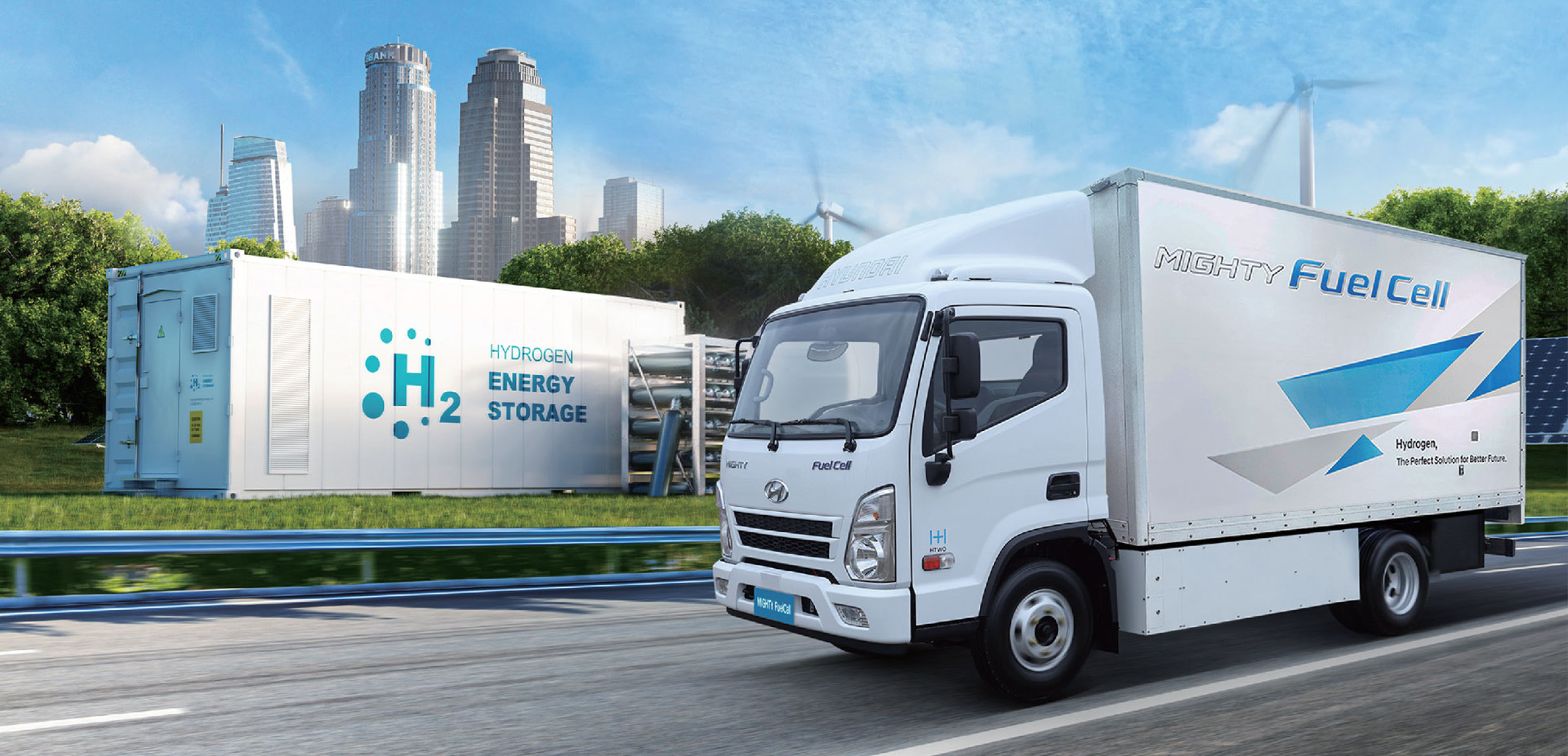
The integrated thermal-management module folds three major jobs into one system: heating and cooling the cabin, controlling the temperature of the high-voltage battery, and cooling the electric motor. It also captures waste heat from the battery and other electrified components and reuses it to warm the cabin. The payoff is measurable. The system can remove roughly 20 kg of weight and increase driving range by more than 3 percent. That means more packaging space and better efficiency from the same vehicle—exactly the kind of gain that matters in commercial operation.
The China Research Center takes full advantage of local development speed, but it does not work alone. It collaborates closely with Hyundai Motor Group’s Namyang R&D Center, combining market insight from China with engineering expertise developed across the Group. The “Wide Open Door” project shows how that works. After identifying demand from Chinese families for easier entry and exit, the China Technical Center joined Namyang’s Advanced Body Development Team to design a new semi-sliding door system. The teams also used Failure Mode and Effects Analysis, or FMEA, to identify potential issues in quality, manufacturing, and after-sales service before they could become real-world problems.
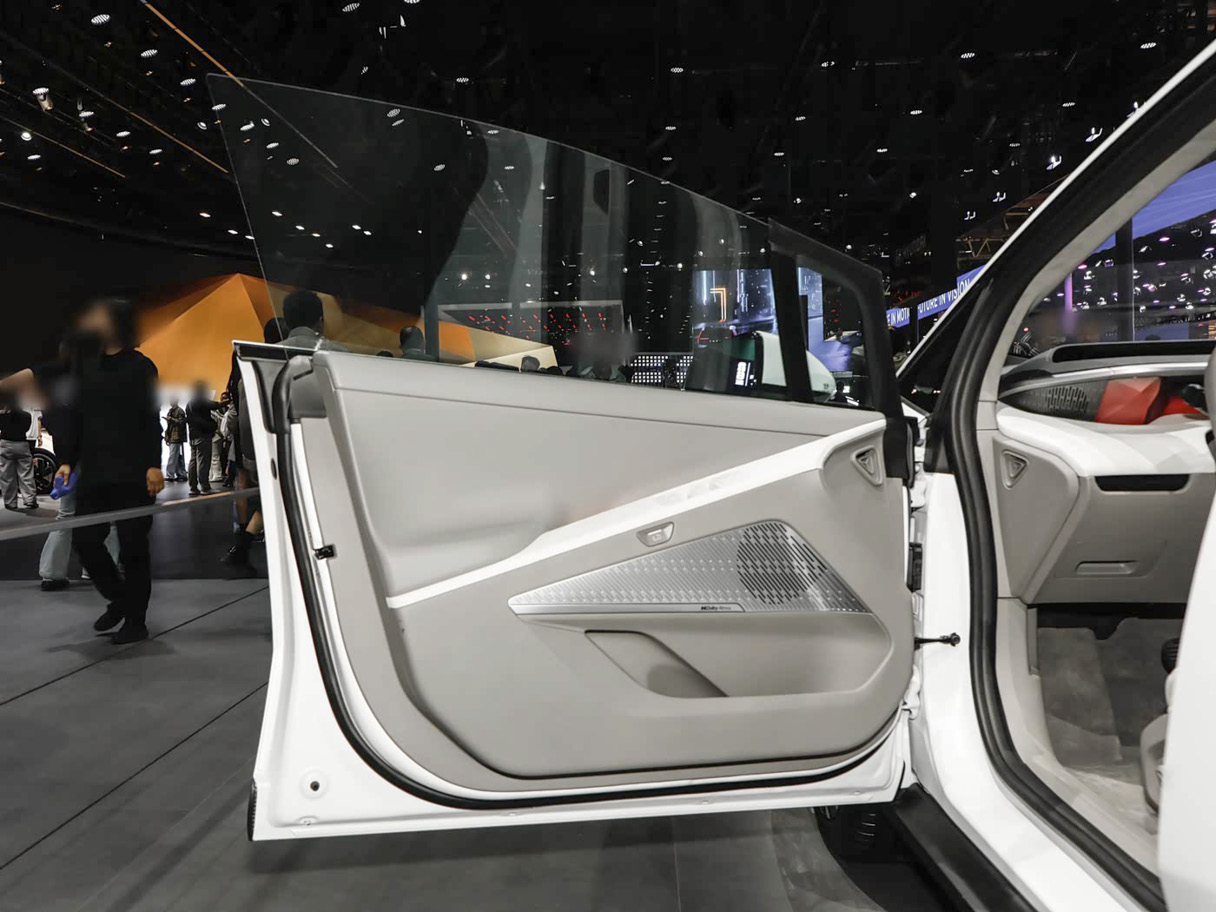
That same partnership became crucial when the China Technical Center tackled frameless doors for the first time. Engineers from Namyang shared their design know-how, while the two centers worked through issues involving engineering, manufacturing, assembly, and vehicle integration as they appeared.
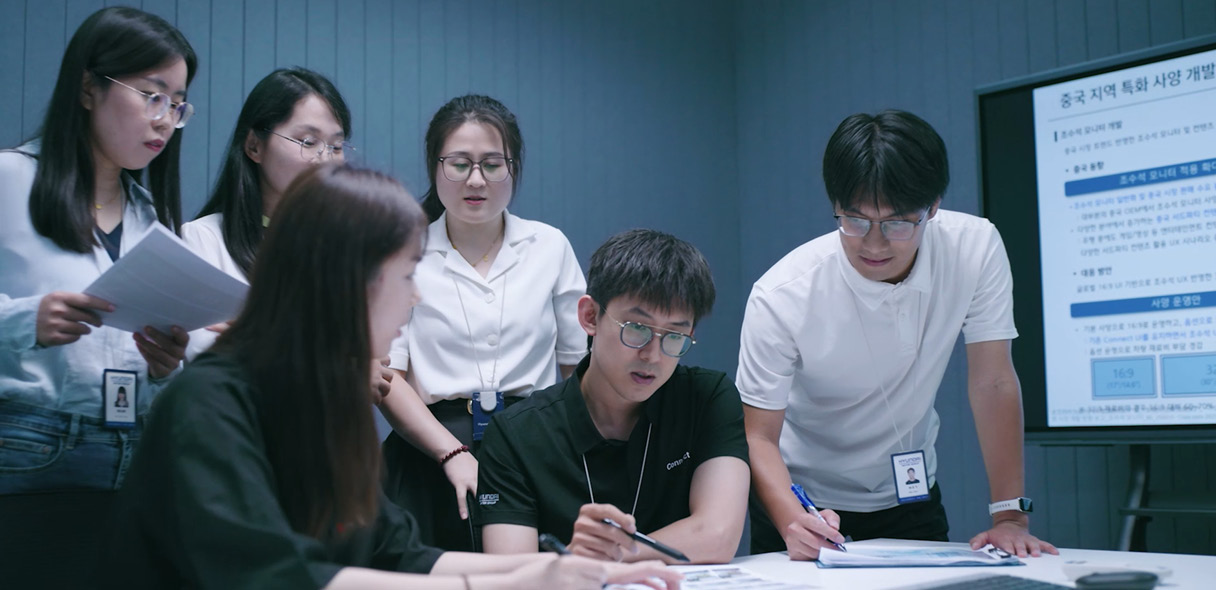
The China Technical Center is not easing off. Its next priorities include expanding the electrified-vehicle lineup faster, developing smarter vehicle technology, and pushing AI deeper into the cabin and the vehicle’s core systems. “We will continue researching technologies that understand the driver, care for passengers, and use energy intelligently,” the China Technical Center explains.
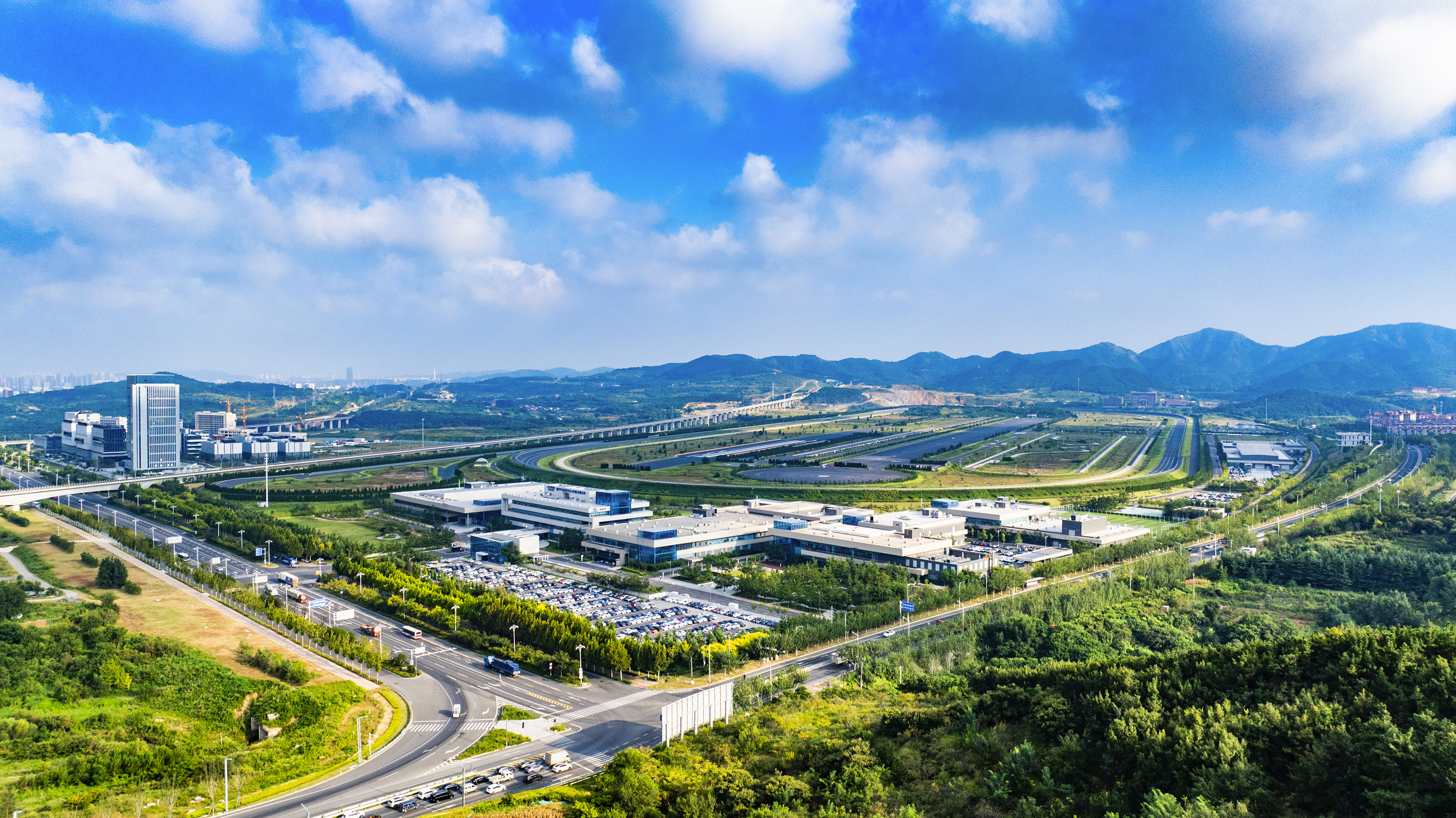
China is not simply the world’s biggest car market. It is the market changing the fastest—and the place where established automakers are meeting a new generation of software- and smart-tech-driven competitors head-on. In the middle of that fight, Hyundai Motor Group China Technical Center is turning local behavior, local infrastructure, and local expectations into working vehicle technology.