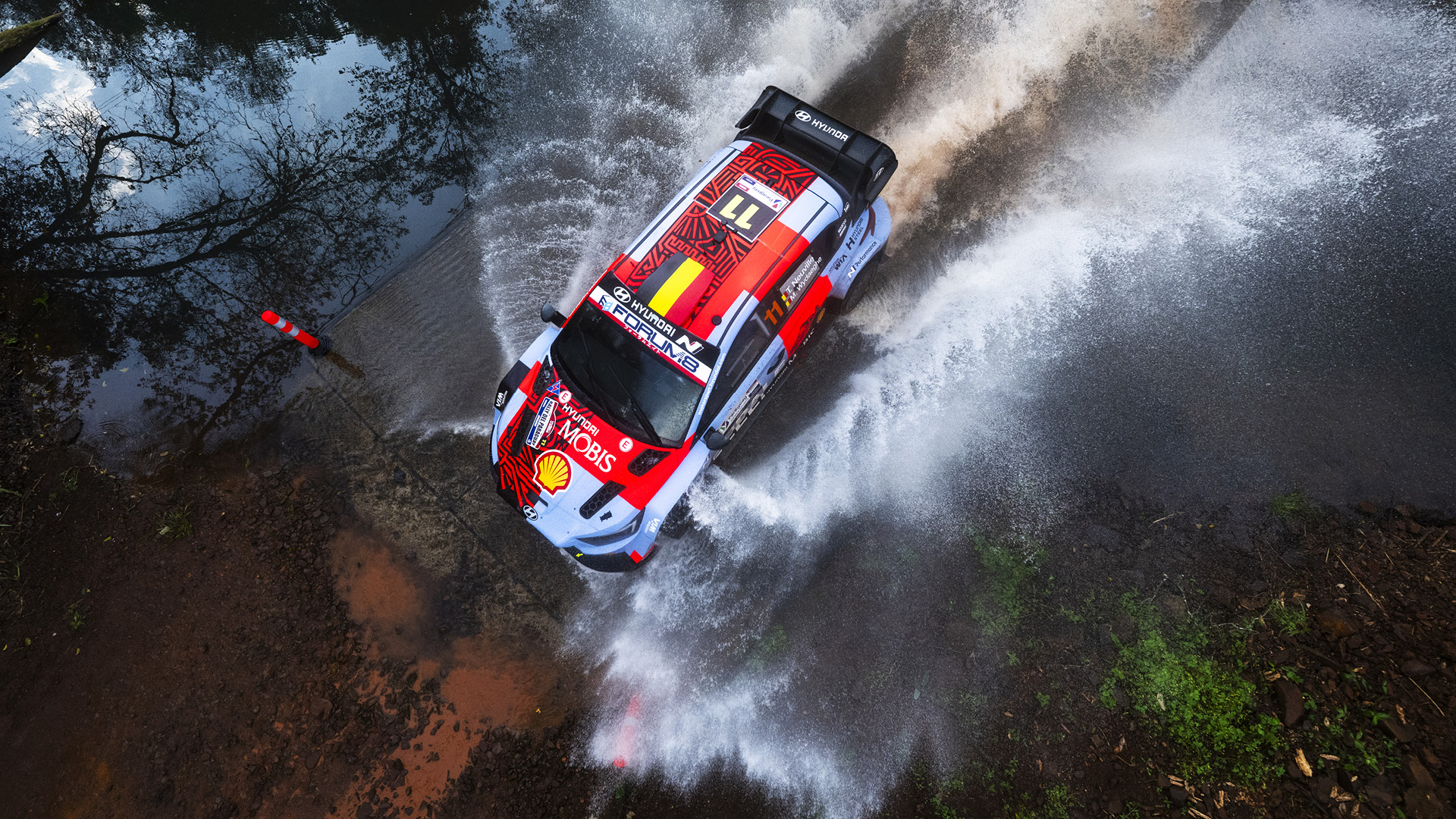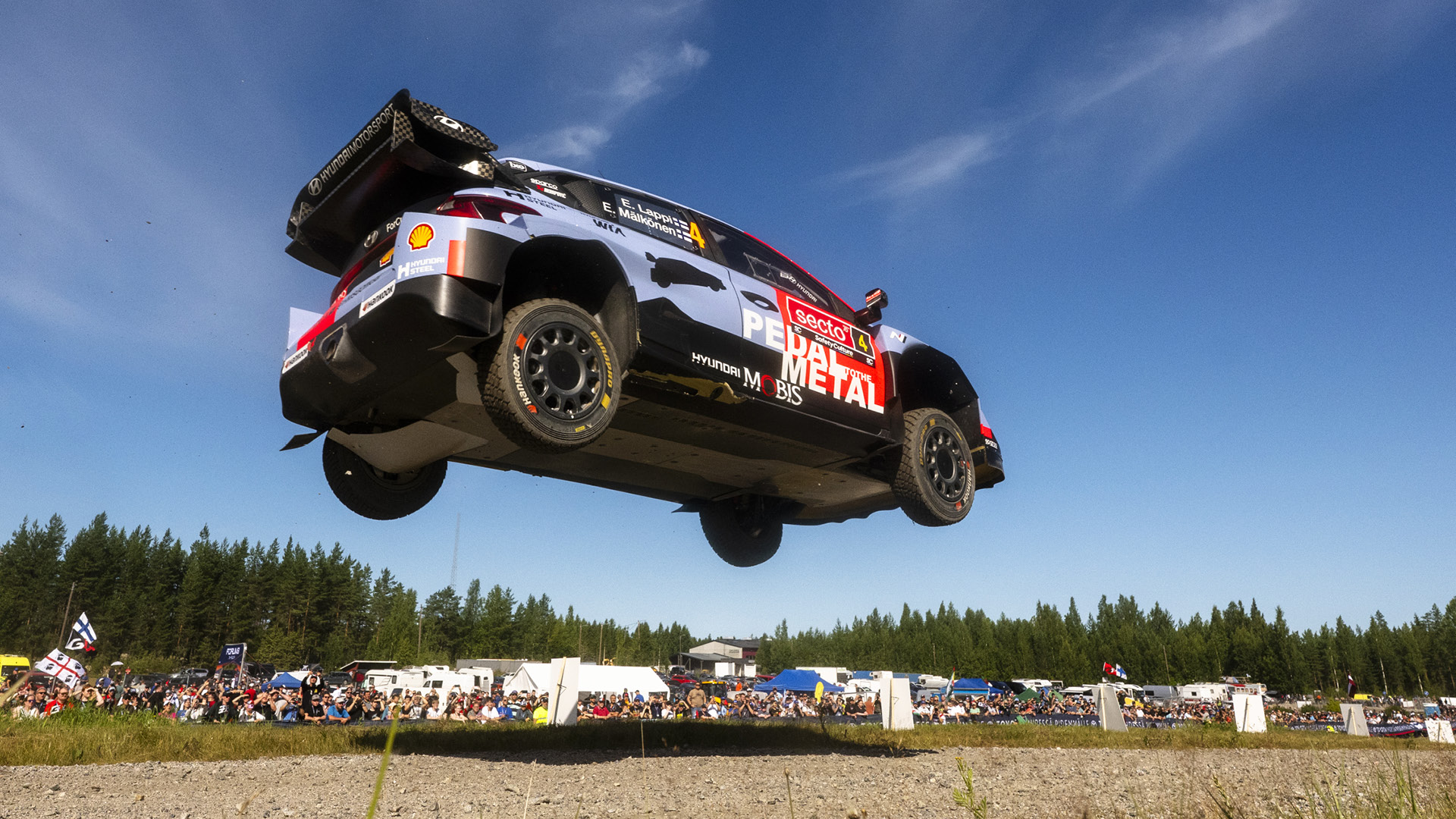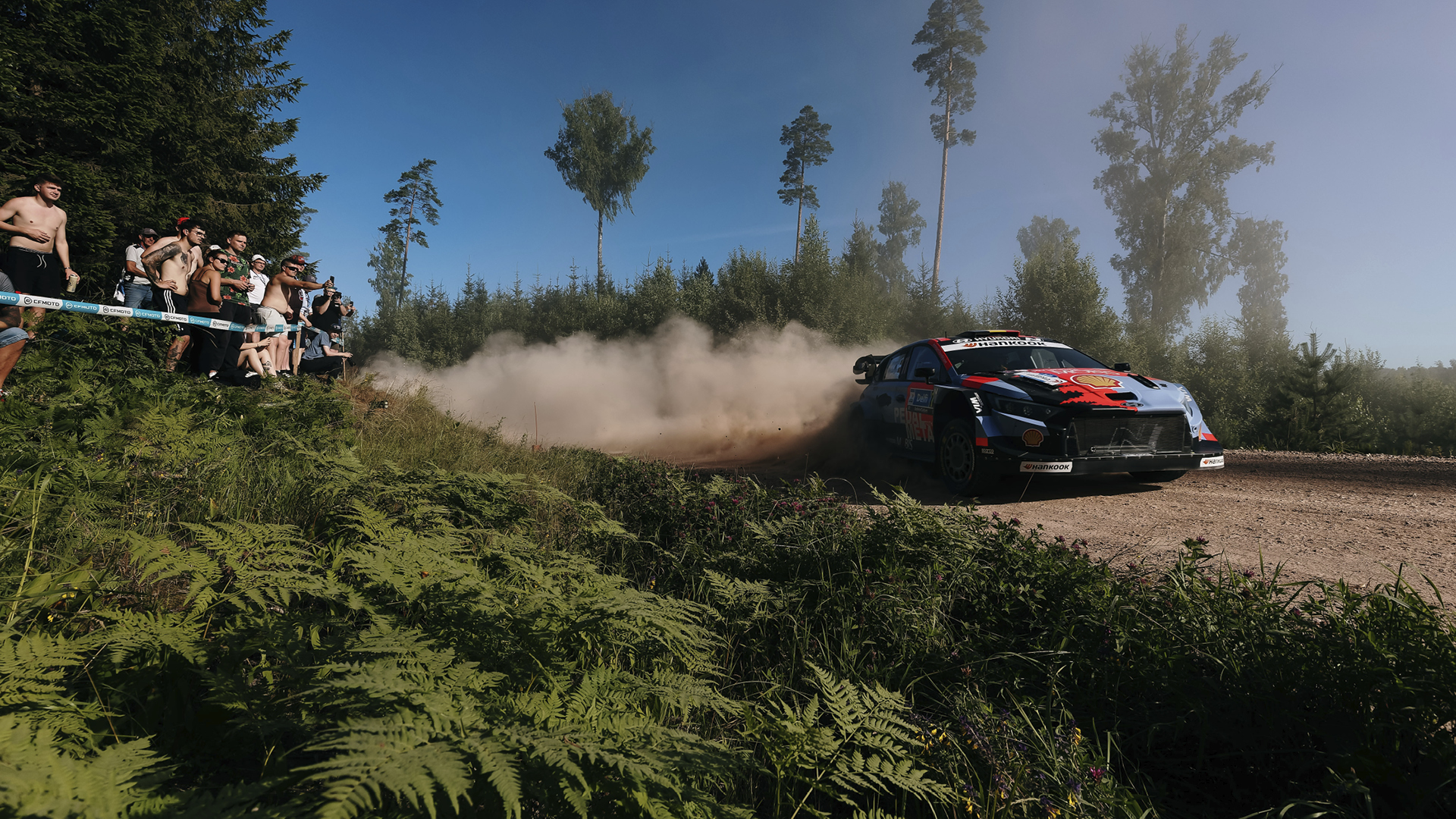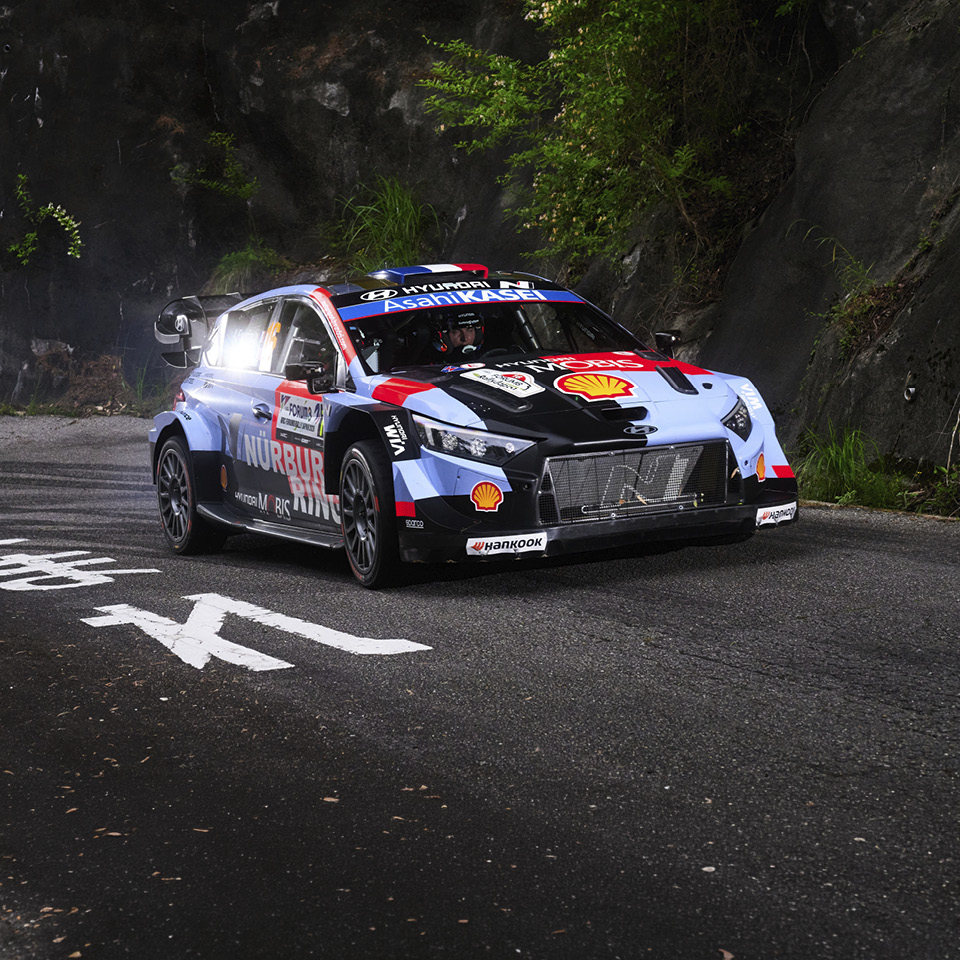
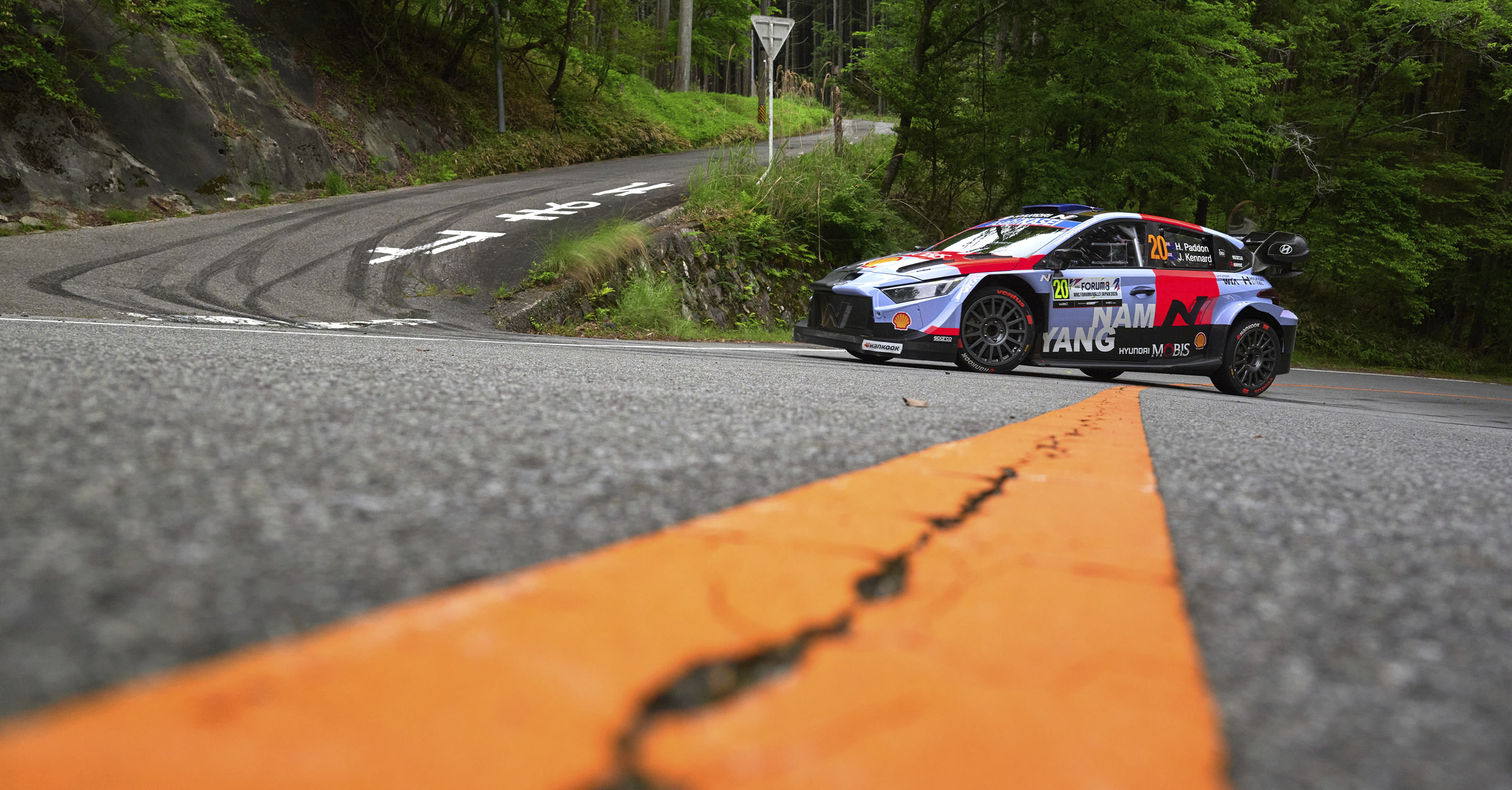
This year’s WRC calendar also came with a major reshuffle. The idea was to stack more tarmac rallies early in the season, rather than forcing the championship leader into the usual “road-sweeper tax” on gravel. As part of that shift, the Italy rally that previously ran in June was pushed back to October, and FORUM8 Rally Japan—typically Round 13—was moved up to Round 7. Since returning in 2022, Rally Japan has also built a reputation as something tougher than the classic WRC tarmac template (think Tour de Corse): set across Aichi and Gifu prefectures, it throws drivers into narrow lanes, relentless corners, constant obstacles, steep drop-offs, and tight forests that leave almost no margin for improvisation.
Rally Japan originally ran as a gravel event in Hokkaido, but it disappeared after 2010—hit by a mix of financial challenges, Japanese manufacturers - Mitsubishi, Subaru, and Suzuki - stepping back, and the aftershock of the 2008 global financial crisis. When Toyota returned to WRC in 2017 and domestic interest surged again, momentum grew to bring Japan back to the calendar. Twelve years later, the rally returned in 2022.
The revived Rally Japan is fundamentally different from its earlier era: it’s now a tarmac event in central Japan, across Aichi and Gifu, with a completely different location and character. For Hyundai Motorsport, Japan also carries extra meaning—this is the rally where the team scored a 1–2 finish in 2022 with Thierry Neuville and Ott Tänak, right in the heart of a rival’s home territory.
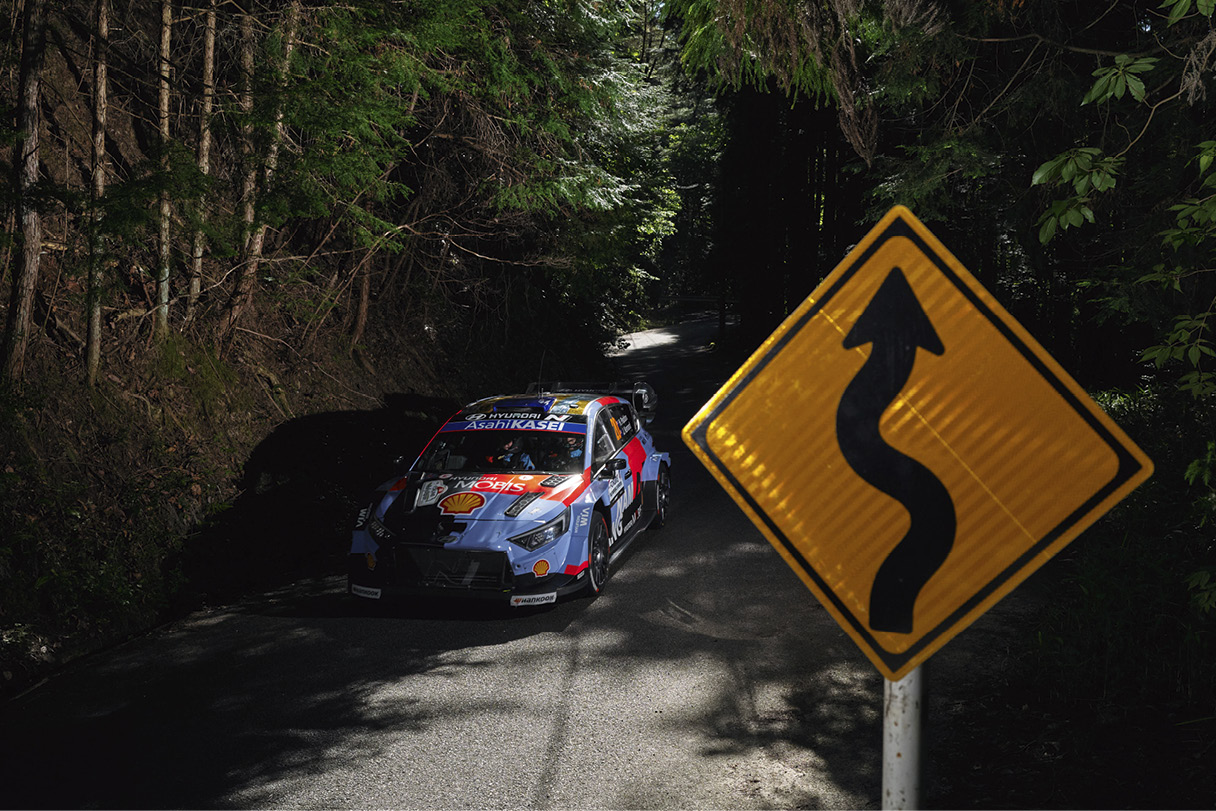
Japan’s rural roads are cleanly paved, but compared to Europe the lanes are tighter, the corners never stop coming, and true straights feel rare. Add roadside drainage ditches and steep cliffs, and the environment becomes brutally unforgiving—there’s almost no room to “save it” after a mistake. When the rally ran in November, fallen leaves and early-morning frost often turned sections slick. With the event moved to late May, grip rises dramatically. The tradeoff is heat: daytime highs can hit 30°C, so managing temperature becomes mandatory. And Japan’s sud-den, localized downpours remain a wildcard that can flip a stage in minutes.
Hyundai’s lineup featured Adrien Fourmaux, Thierry Neuville, and Hayden Paddon. Neuville arrived fresh off Hyundai’s first win of the season in Portugal—finally washing away the frustration of Croatia. Japan is also personal for him: it’s where he won in 2022, and where he locked up his first drivers’ championship title in 2024.
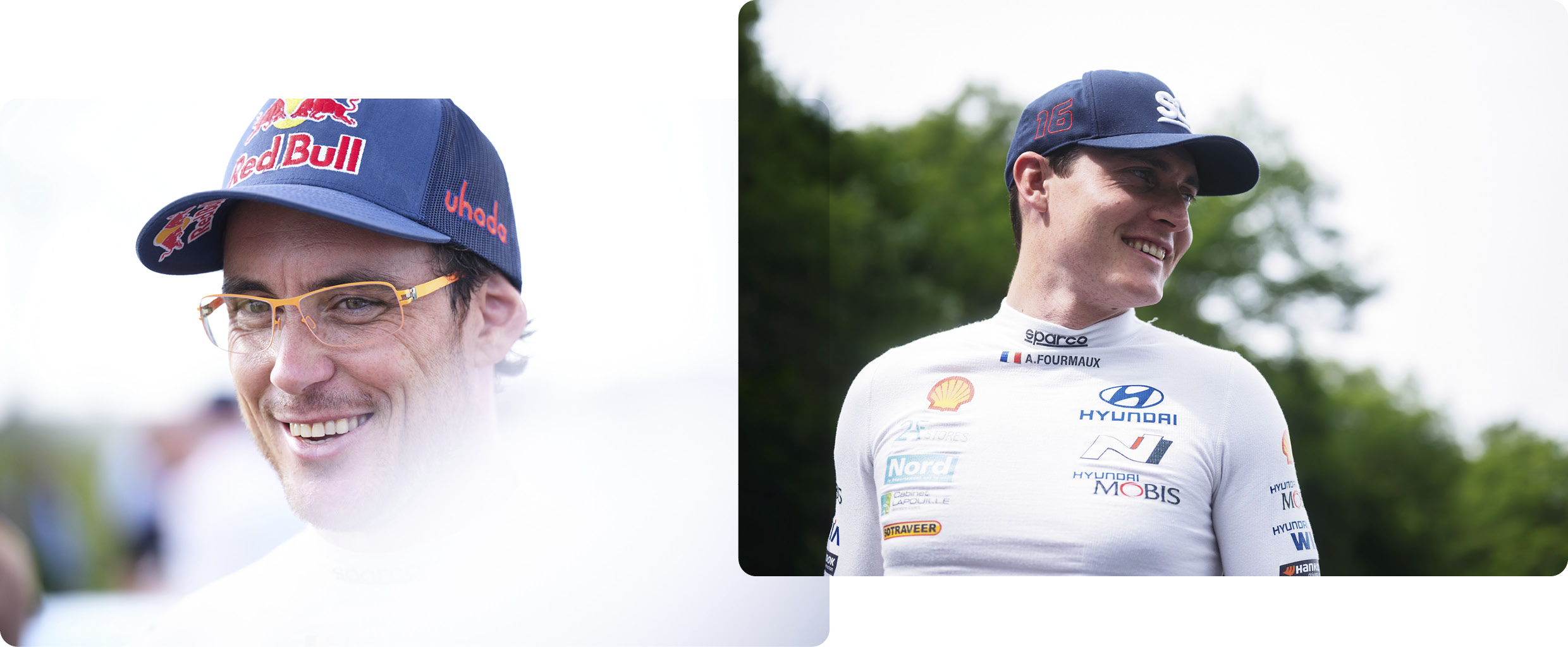
Even so, Neuville said he expected Japan to be a difficult weekend: “We are very happy to have taken our first victory of the year, which was a long time overdue. Importantly, we were competitive throughout the whole weekend, which is very encouraging for the future. However, we know that we are currently still fighting to find performance on tarmac, and we’re expecting a difficult weekend in Japan. This is one of the most twisty rallies on the WRC calendar, and probably one of the slowest. The recce is very demanding as we need to make a lot of pace notes; many corners are similar, so you need to differentiate between them as well as the speeds you can go. My goal is to be competitive and fight for a good position.”
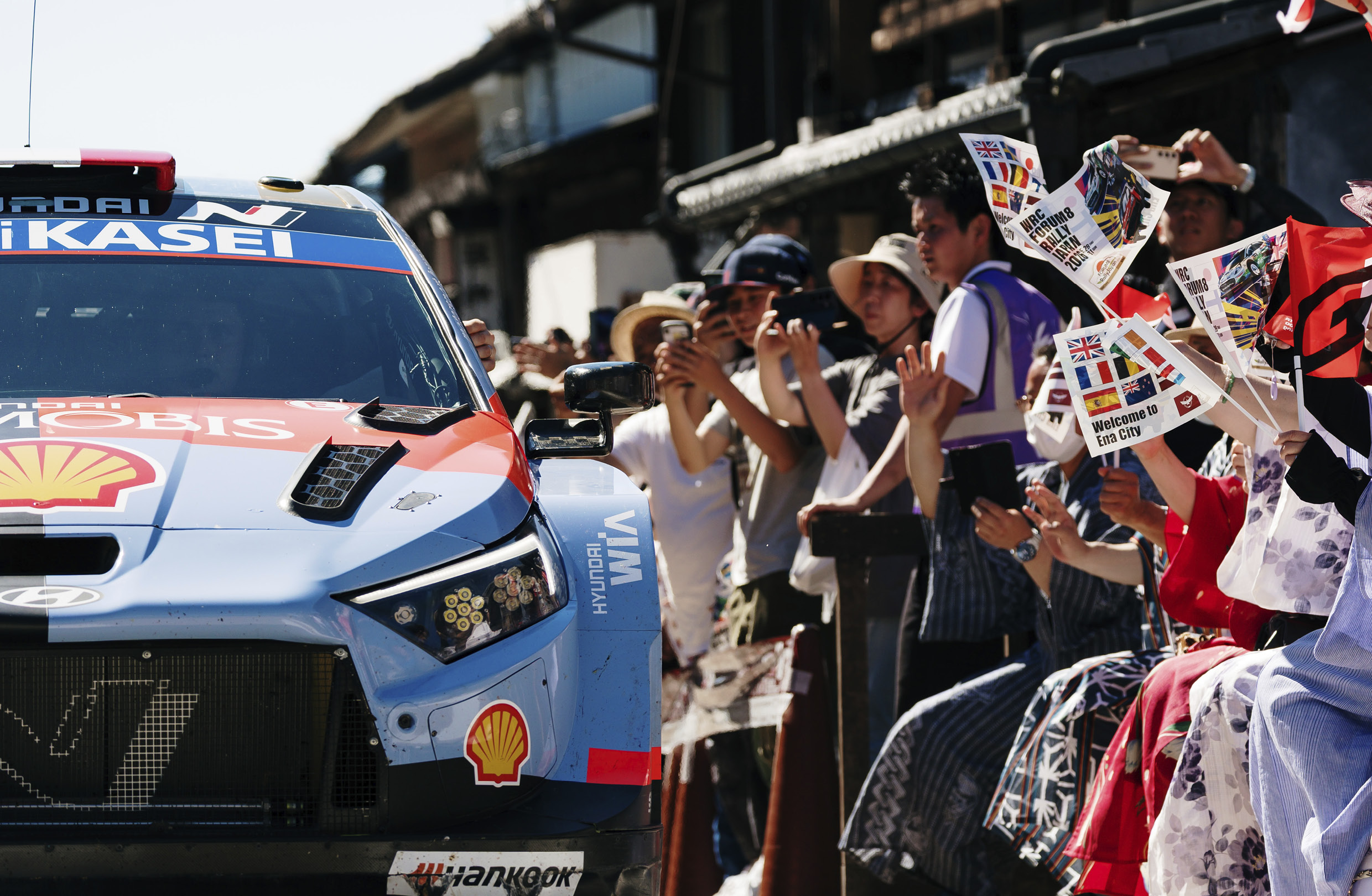
Adrien Fourmaux said: "Rally Japan will feel quite different this year, being held in May instead of the usual autumn period. The conditions are likely to be less unpredictable, but the roads are still incredibly technical and demanding, with narrow sections and a lot of commitment needed on every stage. Japan will be the last tarmac event of the season, and last year we were fighting for podium positions there, so hopefully we can be competitive again. The atmosphere from the fans is always fantastic in Japan, so we’re really looking forward to it."
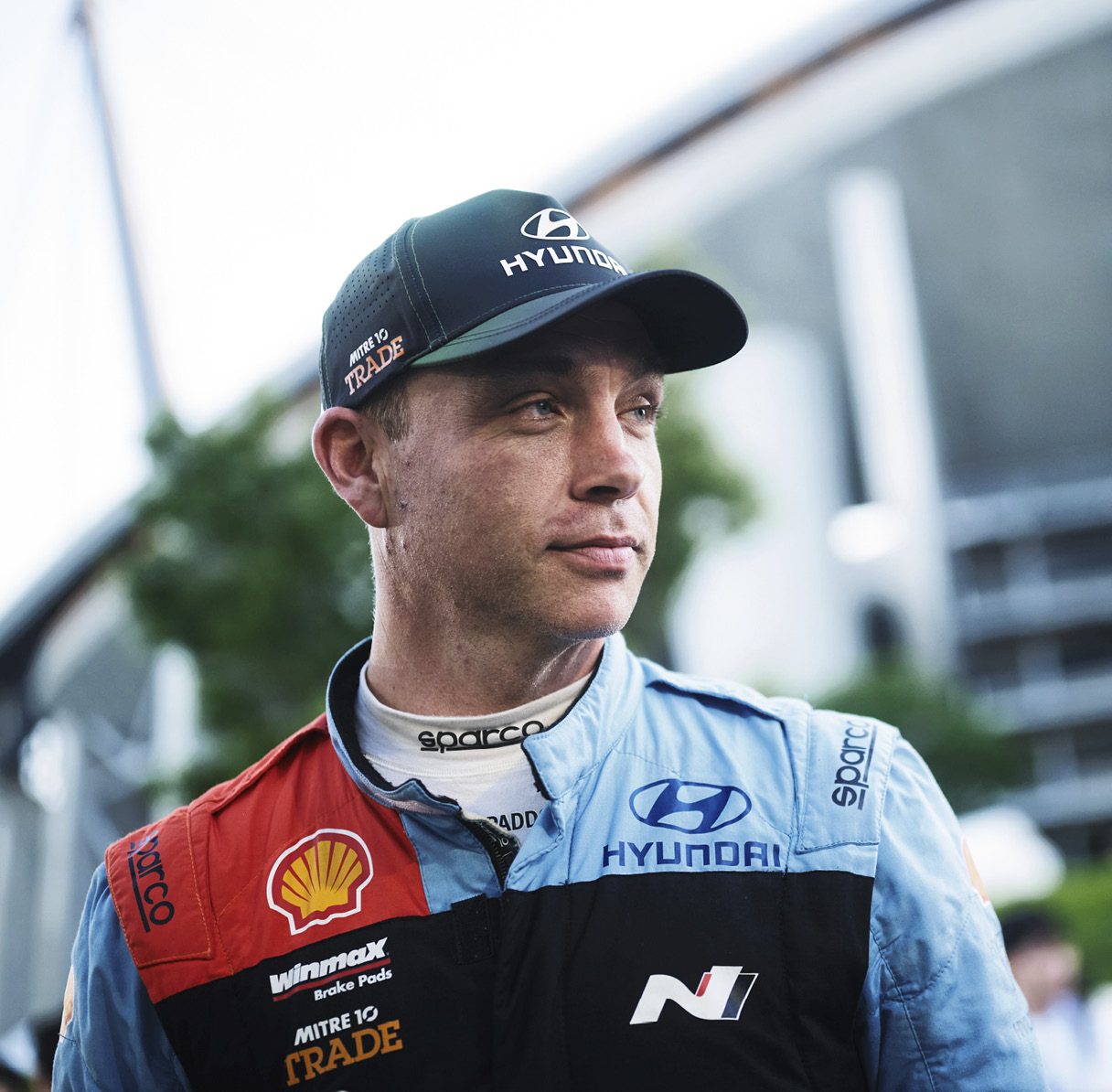
For Paddon, Rally Japan was his third start of the season, following the opener and Croatia. Unlike most of the Europe-based drivers, he traveled from nearby New Zealand and had a bit more breathing room. Returning to Rally1, he struggled at Monte Carlo in brutal conditions—but in Croatia he finished third, a reminder the speed is still there. His only prior “Rally Japan” experience dates back to 2010, when the event was still gravel, so this was effectively a first start in the rally’s modern form. And unlike the previous two events—where he had to prioritize finishing and keep risk low—this time he was allowed a more open push.
Paddon said he was ready to go for it: “Another new rally for us, but this time the approach shifts - time to release the shackles and turn up the speed,” he said. “A lot of people have asked about gravel events. Trust me, we’d love that opportunity, but right now we’re grateful for every start we get and we’ll make the most of each one.”
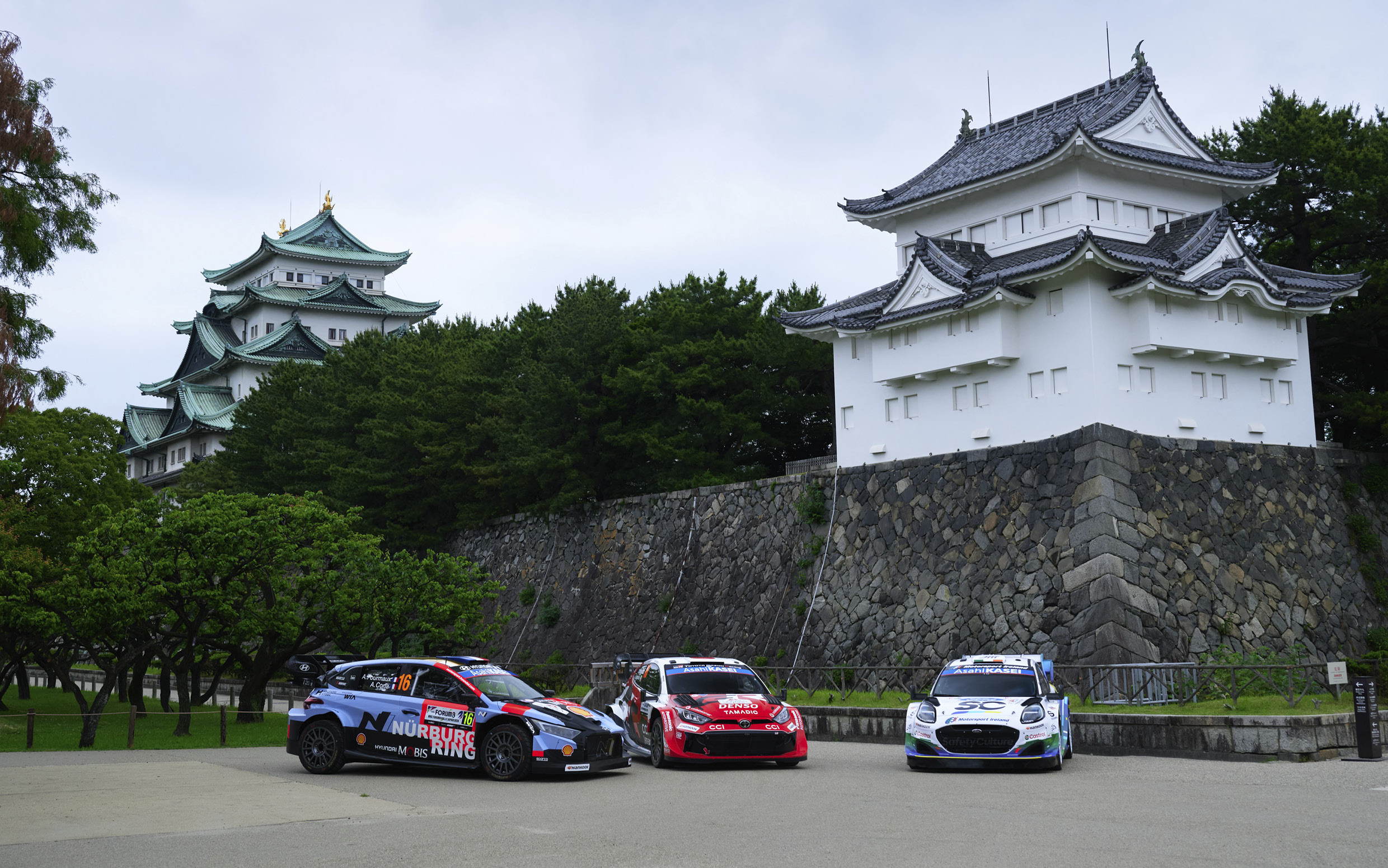
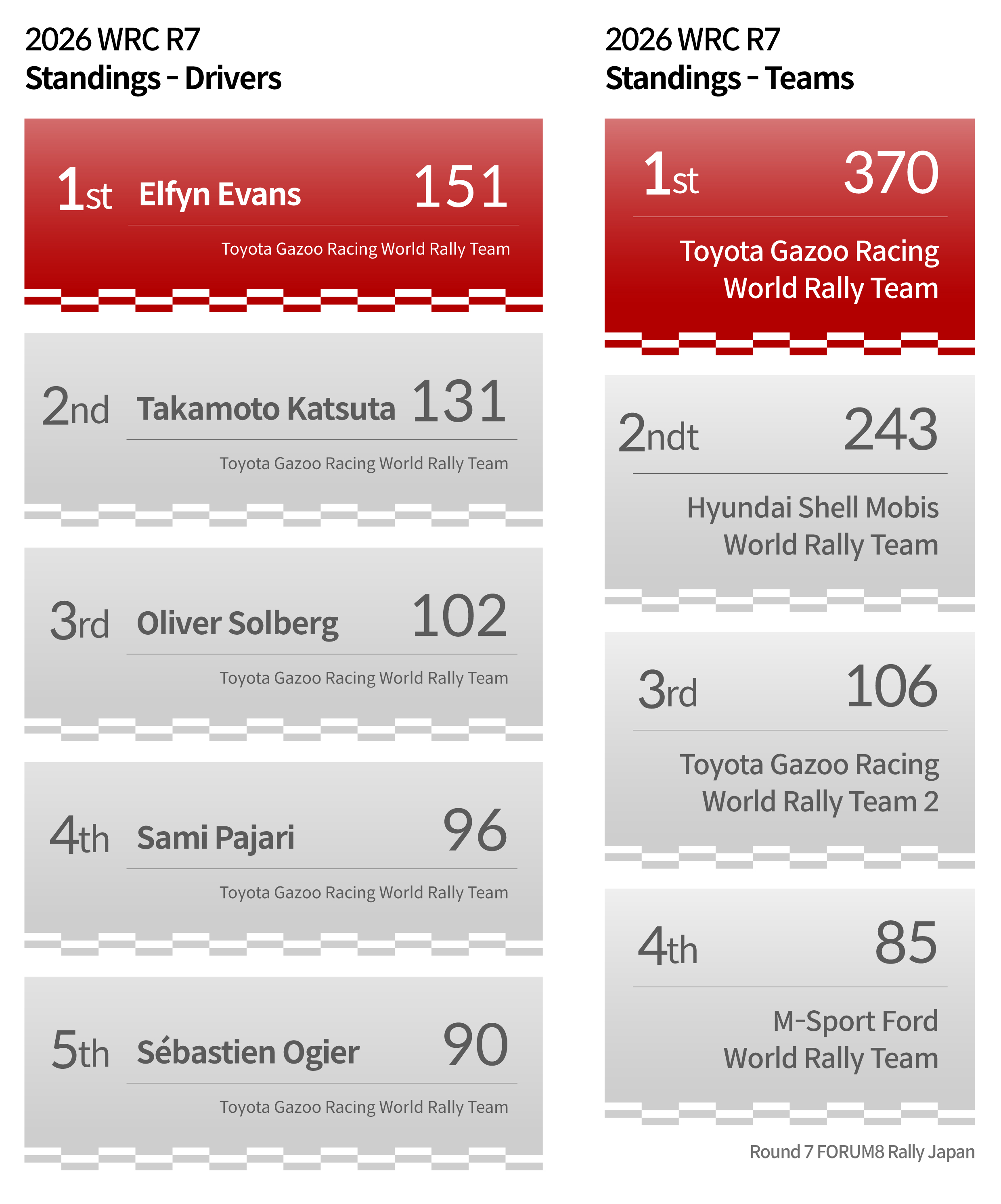
Toyota rolled in with a five-car GR Yaris Rally1 armada: Elfyn Evans, Oliver Solberg, Sébastien Ogier, and Takamoto Katsuta, plus second-team entry Sami Pajari. Evans has two wins in Japan and leads the championship, but Katsuta—at home, on roads he knows cold—was never going to make it easy. With two wins already this season, the timing felt right for the home breakthrough he’s been chasing, and he arrived second in the standings, 12 points back of Evans. Part-time ace Ogier is one of the few who’s won Rally Japan in both eras—back when it ran as a Hokkaido gravel event and now in its modern tarmac form.
M-Sport Ford entered Josh McErlean and Jon Armstrong. It’s McErlean’s third Rally Japan start and Armstrong’s debut, but Armstrong isn’t walking in blind—he’s been through these stages multiple times as part of a route-note crew, so the roads themselves aren’t new. In WRC2, the entry list included last year’s Japan winner Alejandro Cachón and Lancia’s Nikolay Gryazin. Among the home-storyline names, Toyota Gazoo Racing WRC Challenge Program driver Yamamoto Yuki and All-Japan Rally Championship points leader Arai Hiroki also stood out.
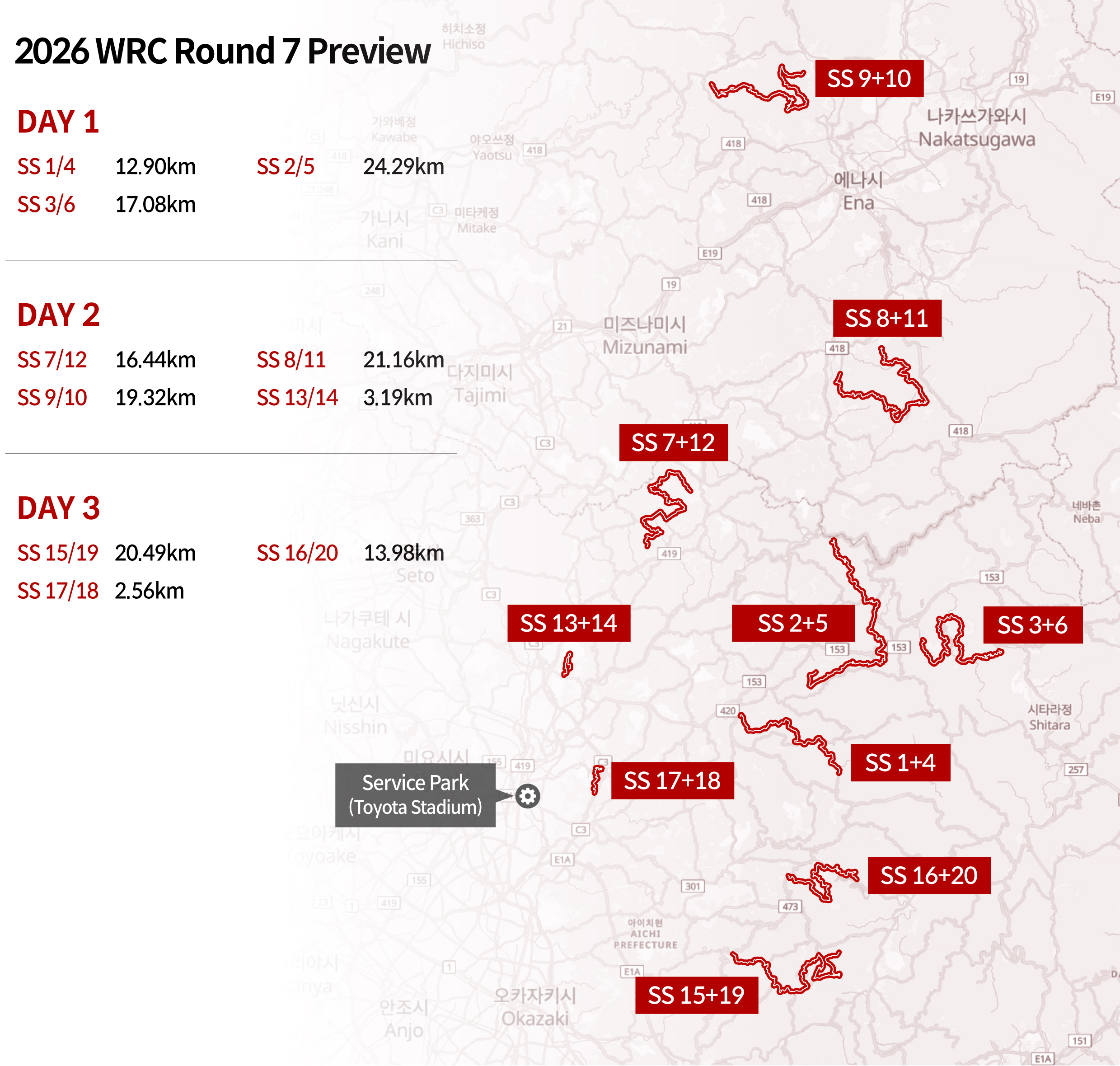
This year, Rally Japan didn’t start on Thursday—it went green on Friday, and it immediately felt like the tire call would decide who looked brilliant and who looked stuck. The opener, Asuke, is a 12.9-km mid-length stage brought in to replace Shinshiro, which had a reputation for big incidents. From there, the route ran through the iconic Isegami Tunnel and the familiar Inabu–Shitara stage, then repeated the same sequence again in the afternoon. Across SS1–SS6, the day totaled 108.54 km.
With overnight rain leaving the tarmac damp, strategy diverged immediately. Ogier, Pajari, and Katsuta went with four softs plus one hard as the spare. Fourmaux packed five softs and one hard, while Neuville chose four softs and two hards. Paddon and Armstrong went off-s-cript with an even split: three softs and three hards.
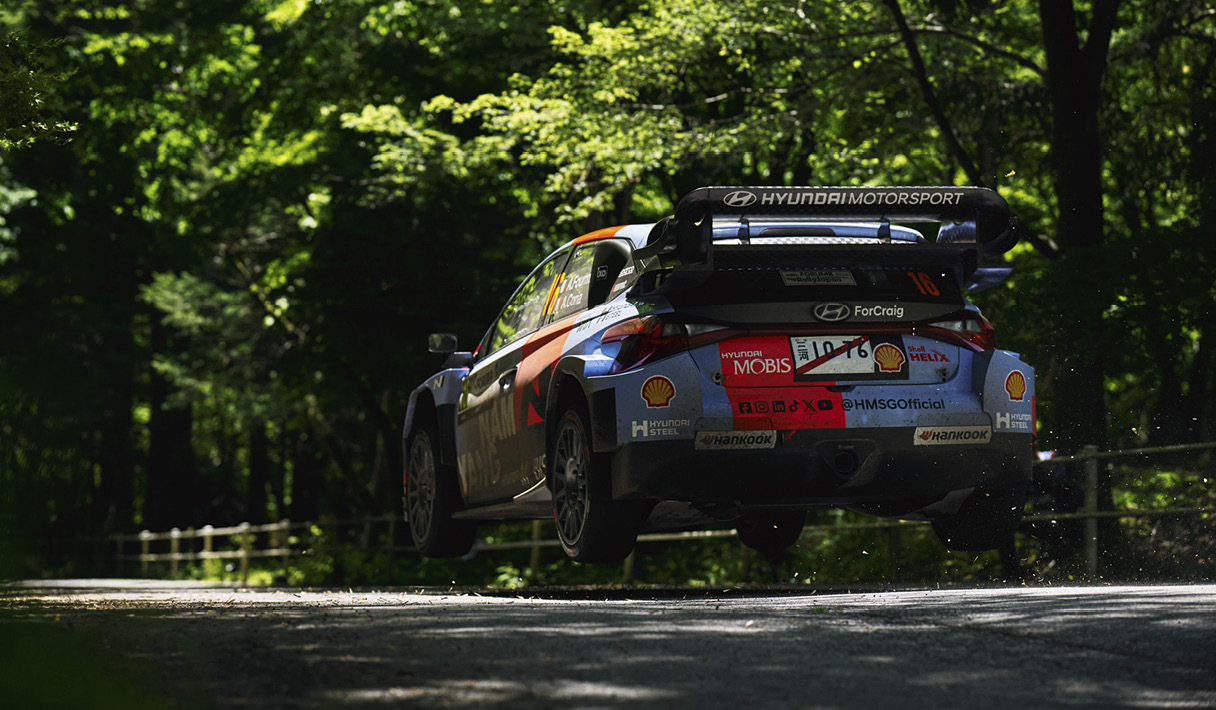
SS1 Asuke starts with a quick riverside blast, then tightens and gets progressively more technical after the 5 km mark. The back half turns rough enough that tire management becomes part of the driving job. Solberg topped the opener, and Toyota immediately planted itself near the top of the board. Home driver Katsuta lost time to a rear puncture. For Hyundai, Neuville and Fourmaux clocked fourth and fifth, with Paddon eighth. Experiencing Rally Japan’s tarmac for the first time, Paddon said: “It was a nice flowing stage. It was really difficult knowing what the right option is for tires.”
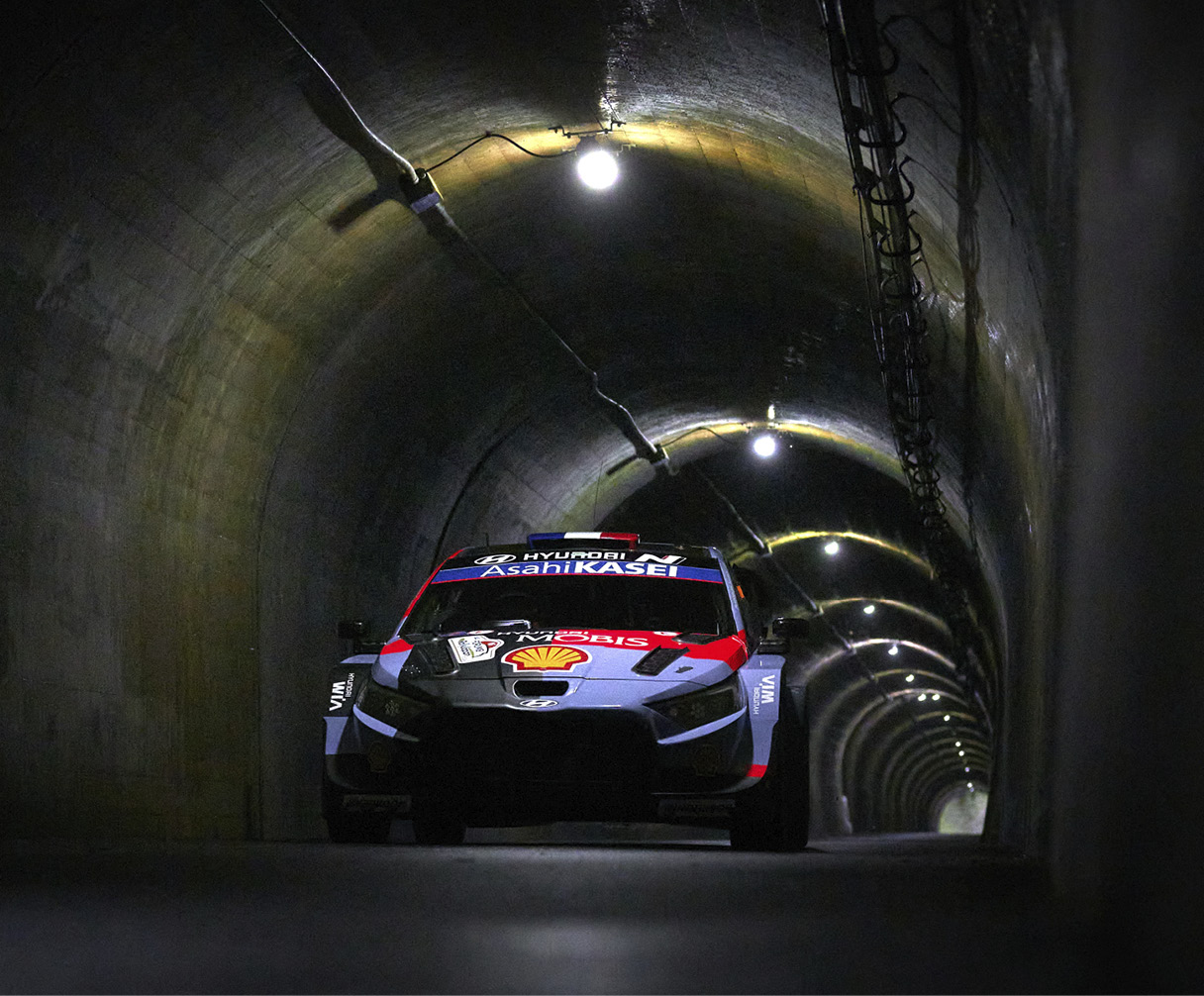
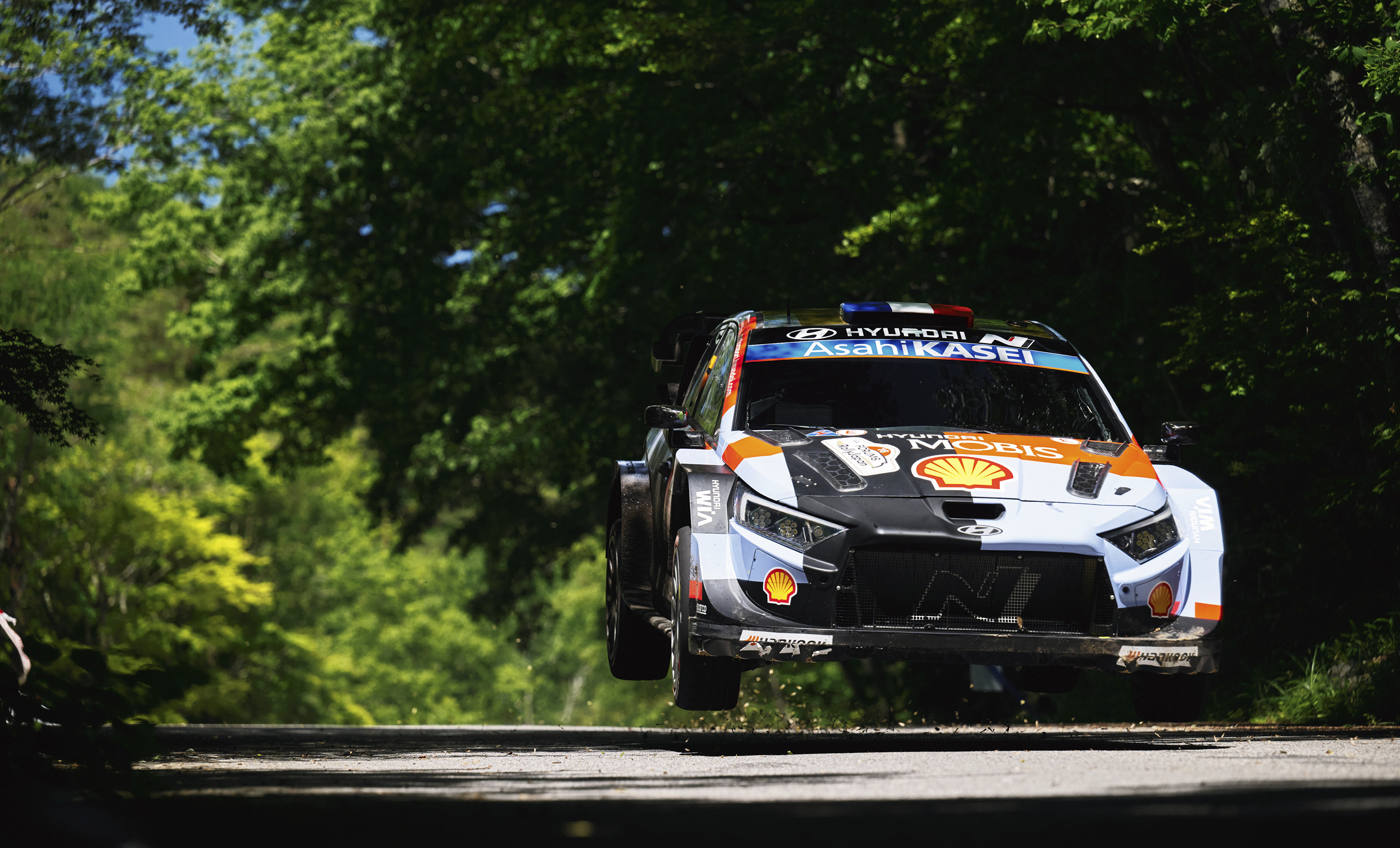
SS2—the stage that runs through the Isegami Tunnel—has a reputation as both difficult and unforgiving. It starts with speed, then dives into forest where the road sud-denly narrows. From about the 7 km point, a downhill section stacks hairpin combinations one after another, and at 10.8 km an old tunnel appears that’s so narrow and dark it feels like the car barely fits through. At 24.29 km, it was the longest stage of the rally, and it put a serious workload on both car and crew.
Evans went fastest here and moved into the overall lead. Neuville ran fourth—behind Evans, Solberg, and Ogier—and jumped past Pajari to move up to fourth overall. Neuville said: “It is getting more and more dirty. Honestly I had a good run but I cannot keep the apex in many places so I have understeer on the exit and it is penalizing me a lot.”
The narrow forest roads that define Rally Japan made life difficult for many drivers. Video: WRC (https://www.wrc.com)
Fourmaux lost time after spinning in a hairpin, and Paddon took a hit after contacting an embankment. Paddon said he struggled because he misread the tire call: “: It was really difficult with the hard tire, I expected it to dry out quicker than this but there is shade under the trees. It is hard on brakes, tires and everything.”
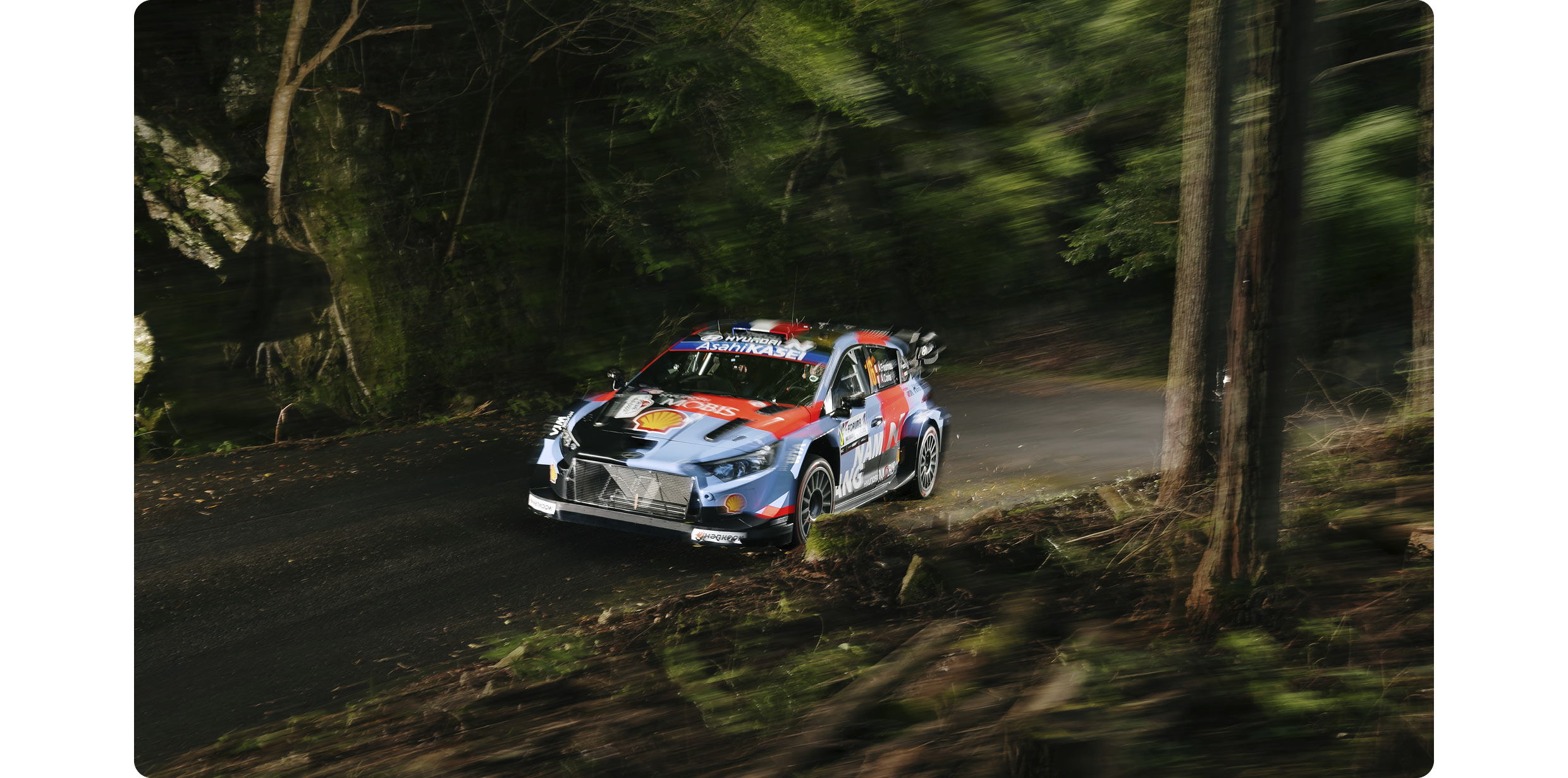
SS3 Inabu is one of the rally’s harder tests—high-speed and low-speed technical sections alternating like a rollercoaster. Dense forest cover makes road temperature inconsistent, and grip can swing fast. Evans went quickest again and stretched the gap, while Solberg lost time after being blocked by a herd of deer. Neuville—third-fastest overall and Hyundai’s quickest—still described the struggle: "Obviously I made the choice to stay on the four softs. My gravel crew said the last section was really slippery. I had no front as the tire were overheating and the braking was not very efficient. On the grease we were able to catch back some time. It was a bit of a compromise. The balance is quite ok we also know on the softs we find more confidence in the car than the hard. The rally is still very long. The afternoon loop will be a hell of a ride."
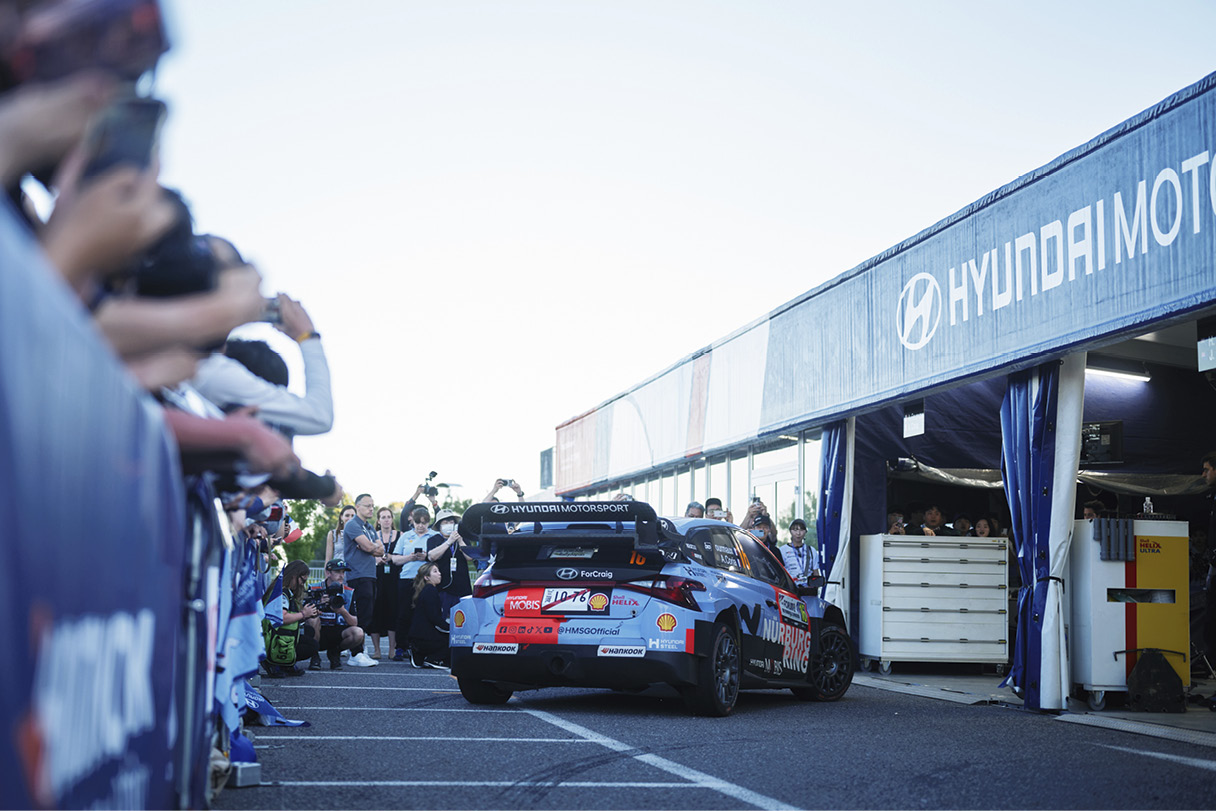
After midday service, the afternoon stages began—and most crews expected a drier road. The majority went out with five hard tires. Katsuta and Armstrong chose four hards and two softs, while McErlean lightened the car by carrying only a soft spare.
On the repeat run of SS4 Asuke, Solberg was quickest again. On SS5, Evans set the fastest time and extended his advantage over Solberg. Pajari, pressuring Neuville, got by and moved up into fourth overall. Neuville—unable to make the hard tire work—was blunt: “I am on the limit of the front everywhere. I have to slow down everywhere to be able to turn. I cannot do more. Once we are on the hard tire the balance is gone. It is the same story with this car. This car is not meant to go fast in these conditions."
Neuville closed Day 1 in fifth overall. Video: WRC (https://www.wrc.com)
SS6 ended the day with Pajari taking the stage win. Evans stayed in the overall lead, with Solberg 15.7 seconds back. Ogier sat third, just 1.4 seconds behind Solberg. Pajari held fourth, and Neuville finished Friday in fifth overall. Fourmaux and Paddon ran seventh and eighth. Neuville summed up the day: “Not much honestly to come. It was very reasonable. We were able to make a difference in the difficult conditions. On the hard tire the grip just goes away. It is proper fighting in there.” In WRC2, Cachón moved into the lead ahead of Gryazin, separated by 8.3 seconds. Home driver Yamamoto sat 1 minute 21 seconds behind Cachón.
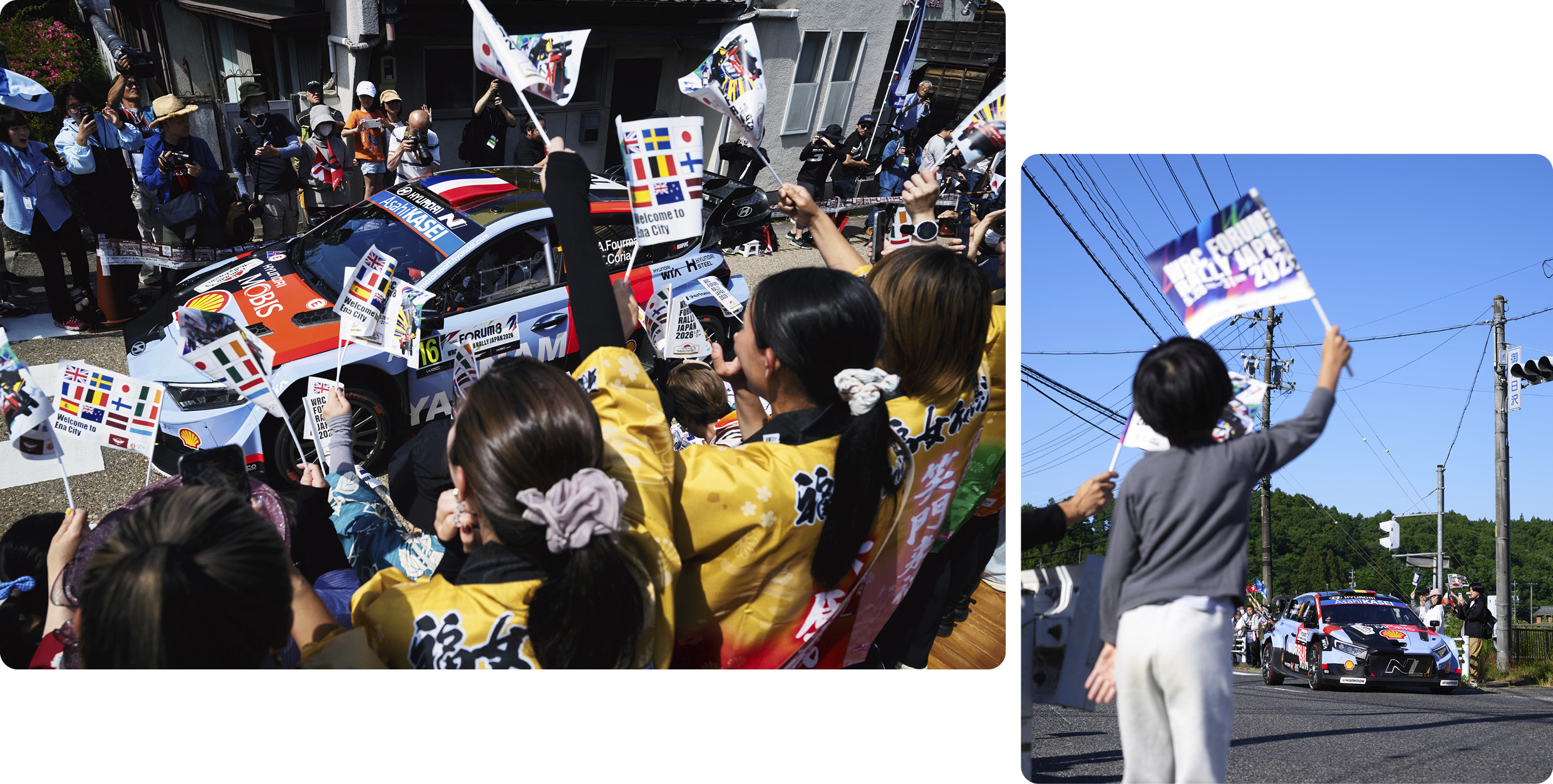
Saturday was built like a marathon. The morning ran Obara → Ena → Mount Kasagi, then flipped the order in the afternoon. The day ended with two runs of the Fujioka Super Special on the outskirts of Toyota City. Across SS7–SS14, the total distance hit 120.22 km—the longest day of the rally—and there was no midday service. That meant any early issue, or any wrong pace-management call in the morning, could turn into a long, expensive afternoon. With the sky clearing and the forecast calling for a 31°C high, the tire story simplified fast: every car went with five hard tires.
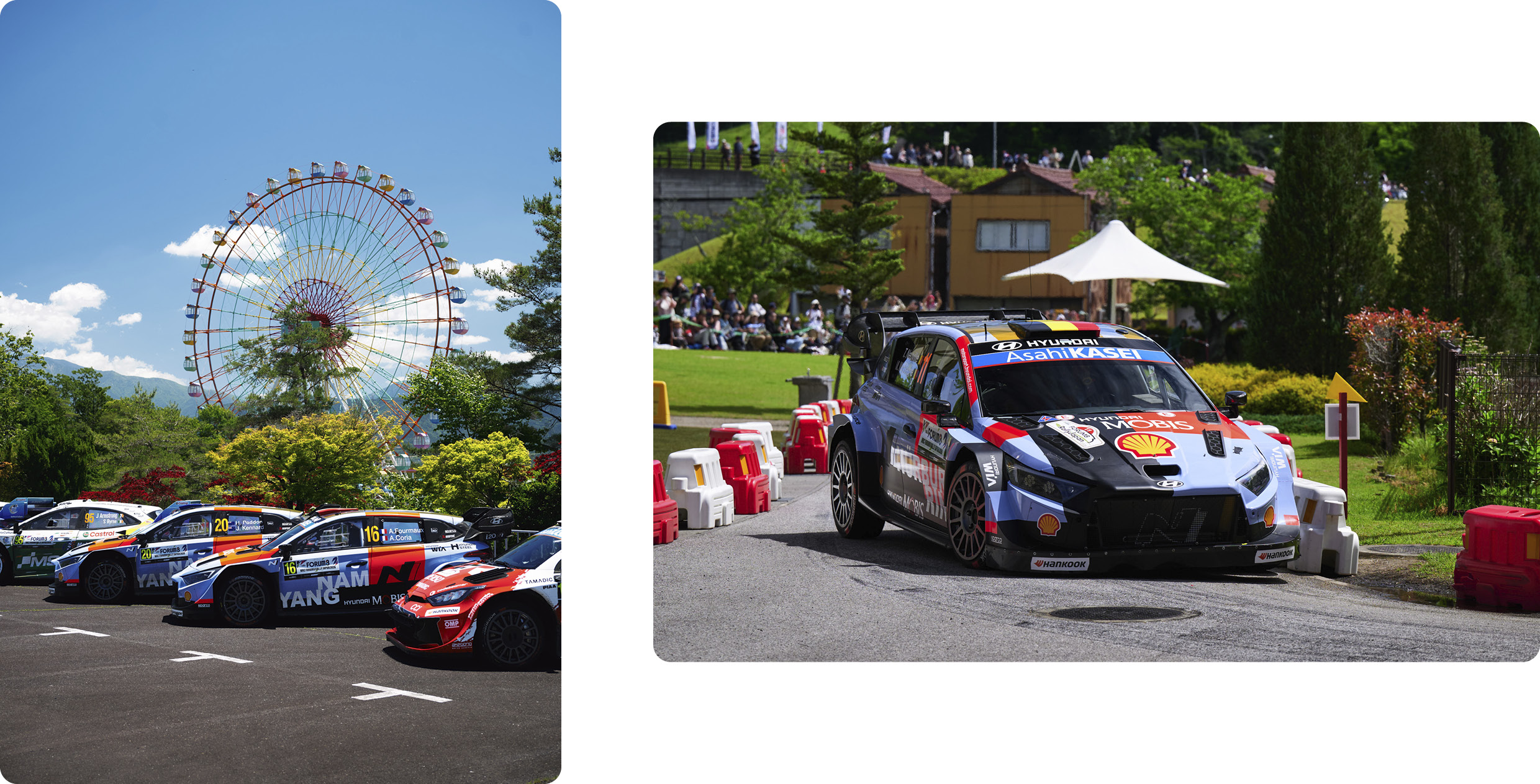
The opener, SS7 Obara (16.44 km)—first introduced last year—starts on a narrow, rough road and quickly opens into a wide, high-speed section. From 2.4 km, the stage cuts into the forest and stacks medium-speed corners one after another. After the 6.2 km hairpin, it turns into a very narrow, dirty downhill lined with trees—tight enough that it feels like you’re driving between walls. Solberg set the pace and cut Evans’ margin to 12.5 seconds. On the dry surface, Hyundai’s drivers still couldn’t fully unlock the hard tire the way Toyota could, and the gap showed. Katsuta jumped past Neuville into fifth, meaning Toyota held P1 through P5 at that point.
The second stage of the day, SS8 Ena (21.16 km)—the second-longest of the rally—was shortened slightly versus last year. It starts on narrow, rough pavement, climbs through forest, then flips around the 6 km mark into a downhill packed with hairpins. The lane width and surface change constantly, so it demands full concentration from start to finish. Evans was quickest and extended his gap to Solberg to 13.9 seconds, with Ogier close enough to keep both honest. Fourmaux—who was fastest here last year—wasn’t able to match Toyota’s five-car pace wall this time. He explained: “I had a good stage, but at the same time I was also a bit struggling at the beginning with the balance and surprisingly in the downhill it was improving. It's a demanding stage. I could have improved, but also it's very easy to make mistakes. There were some corners which were more slippery than last year. Some others, there were more grip.”
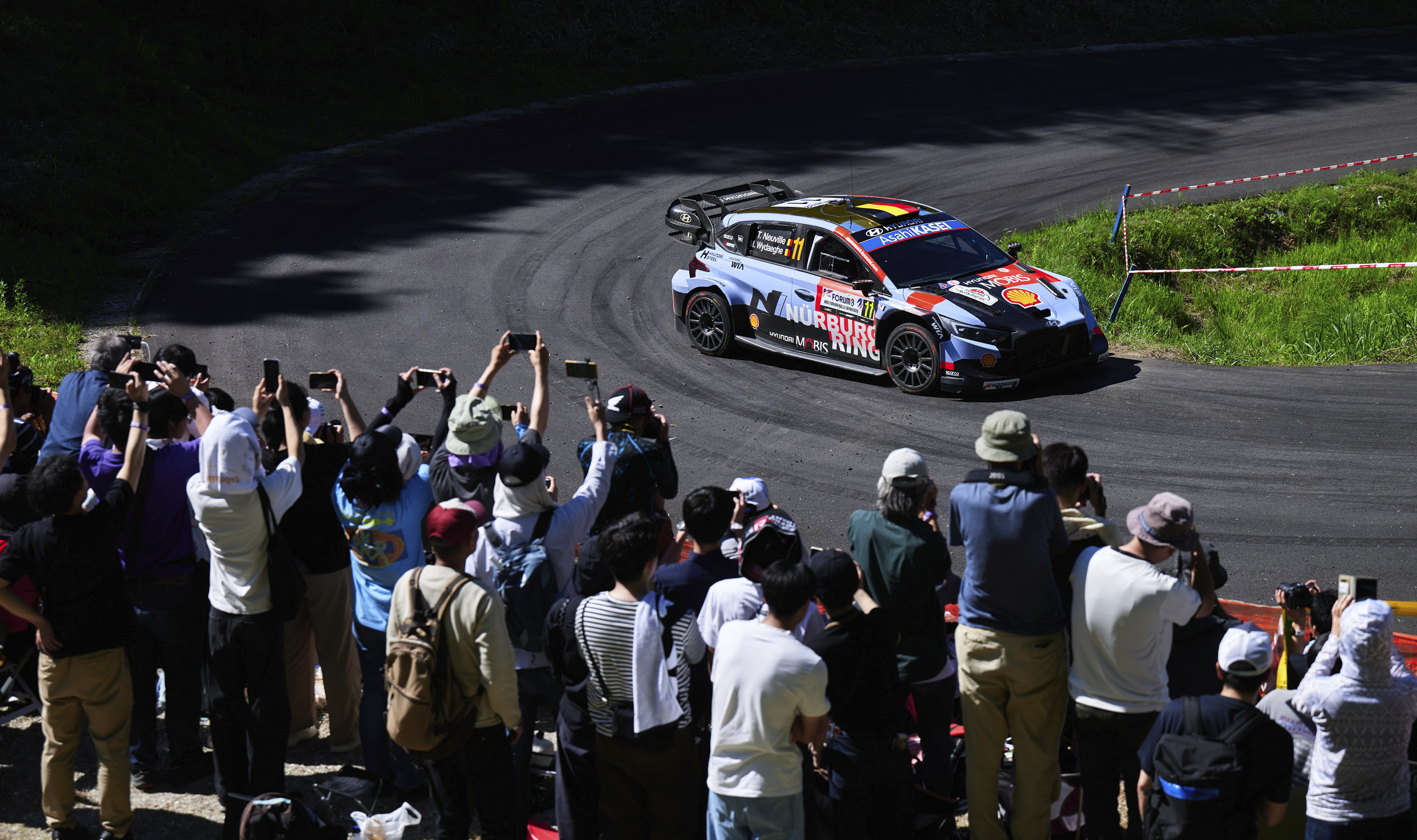
SS9 Mount Kasagi is exactly what it sounds like: a classic hillclimb. It starts on a newly built, wide two-lane road, climbs to a summit around 990 meters, and then the win-or-lose section is the long sequence of downhill hairpins that follows. Grip is inconsistent—rough sections and smooth sections alternate—so you never get to relax.
Solberg went fastest and cut Evans’ lead to 10.6 seconds. Fourmaux was the quickest of Hyundai’s trio, and the payoff was immediate: he jumped Neuville and moved up to sixth overall. Elsewhere, several drivers—including McErlean—ran into brake trouble as the repeated uphill/downhill rhythm punished temperatures. Neuville said he was also fighting a handbrake issue that made hairpins harder than they should’ve been.
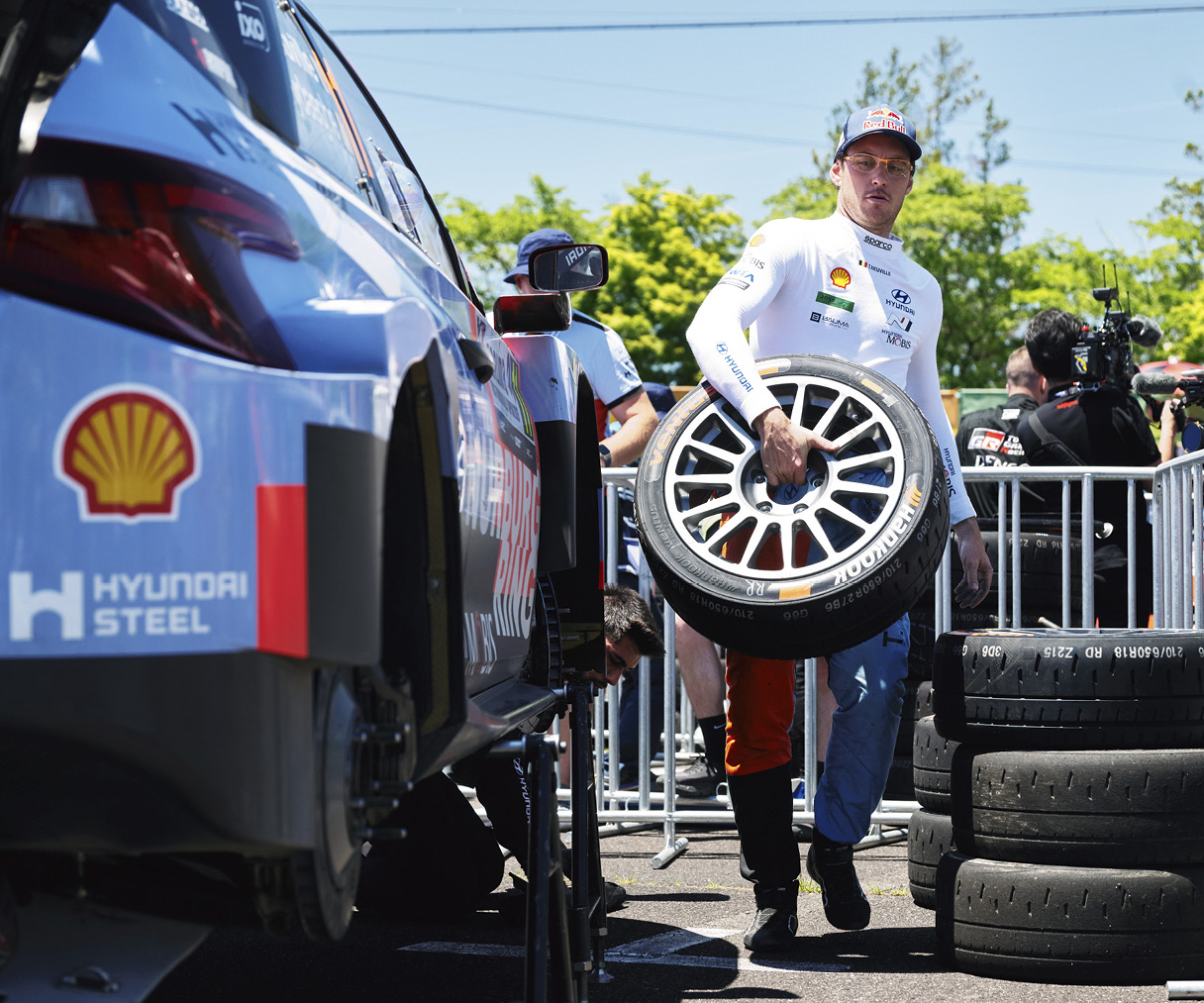
By afternoon, temps were pushing 30°C, and the tire workload got heavier. The second run of Mount Kasagi (SS10) was also dirtier thanks to heavy corner-cutting. Then the rally delivered a major twist: Solberg went off and crashed, heavily damaging the right-rear of the car and retiring. Ogier set the fastest time. Evans still led overall, and as you’d expect, everyone behind gained a position. In WRC2, Domínguez went off again and the stage was briefly stopped.
As Saturday moved into the second half, Fourmaux started turning up the pace hard. Video: WRC (https://www.wrc.com)
On the second run of Ena (SS11), the asphalt temperature reportedly climbed toward 50°C. Pajari was fastest, and Fourmaux was again Hyundai’s quickest. Neuville’s handbrake issue continued to come and go. Neuville said: “Honestly I am driving the limit of the front. We had many changes and when we went stiff on the rear it went the wrong way. I am happy with my stage. The handbrake was working until the last 3km then I lost it.”
Paddon delivered steady, consistent pace throughout Saturday. Video: WRC (https://www.wrc.com)
On SS12 Obara, Evans hit back and stretched the gap again. Paddon said he finally felt like he could drive the car properly: “Today has been a positive day. We are not too far away. This stage here felt better. The more I drive the car with this set up I'm getting used to it. This felt like the best stage so far.”
Saturday ended with the Fujioka Super Special—two runs, SS13 and SS14—and Pajari set back-to-back fastest times to close the day. Evans held the overall lead, 17.8 seconds ahead of Ogier in second. Pajari and Katsuta followed, with Fourmaux fifth overall, and Neuville and Paddon sixth and seventh. Armstrong sat eighth for M-Sport, while WRC2 runners Gryazin and Cachón held ninth and 10th.
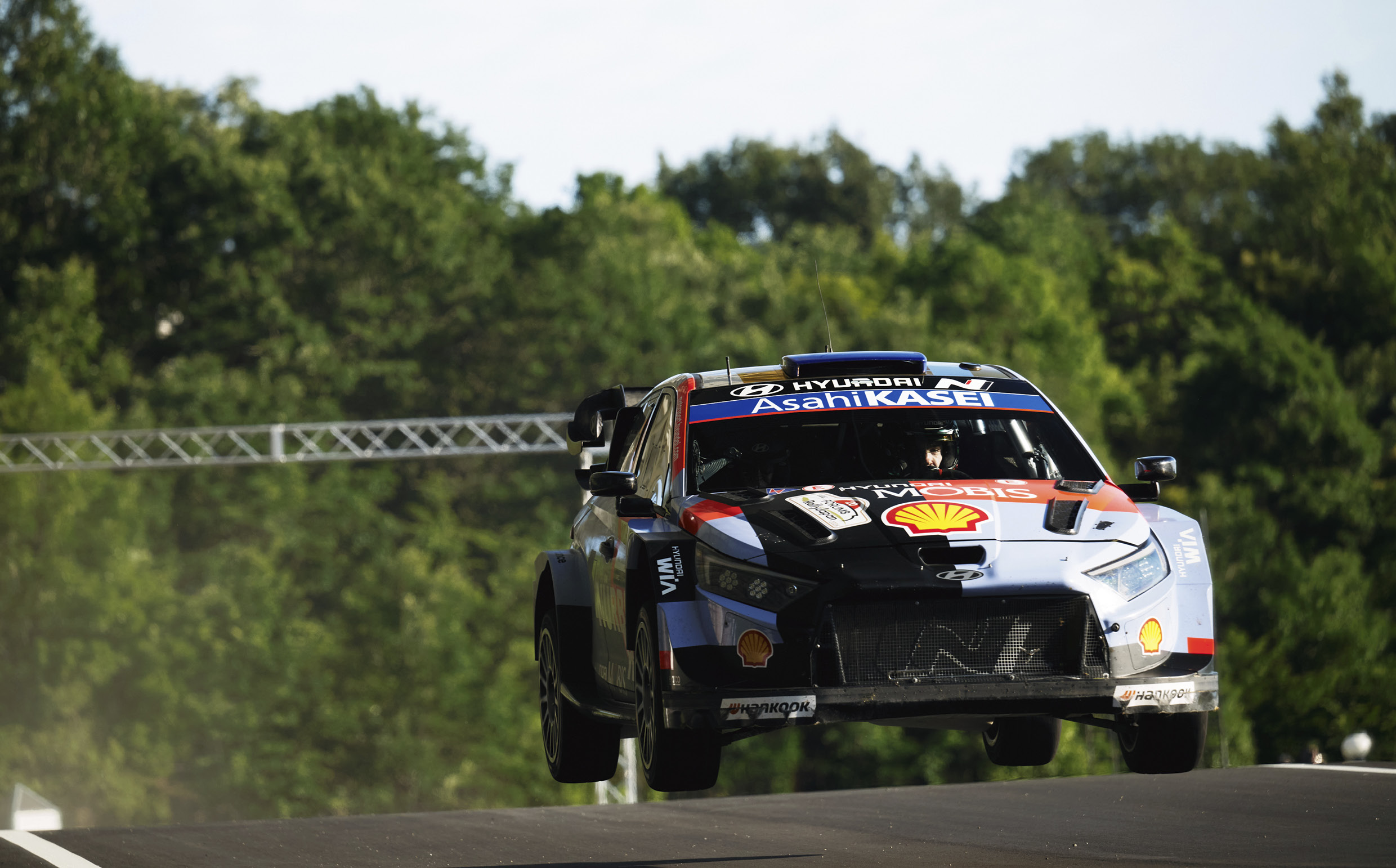
Sunday, May 30, ran a tighter schedule: SS15 Nukata, then Mikawako Lake and the Kuragaike Super Special twice, followed by another pass of Nukata and the final showdown back at Mikawako. Across SS15–SS20, the day totaled 74.06 km. Forecasts matched Saturday’s heat—up to 31°C, with humidity around 54%—so almost everyone again chose five hard tires.
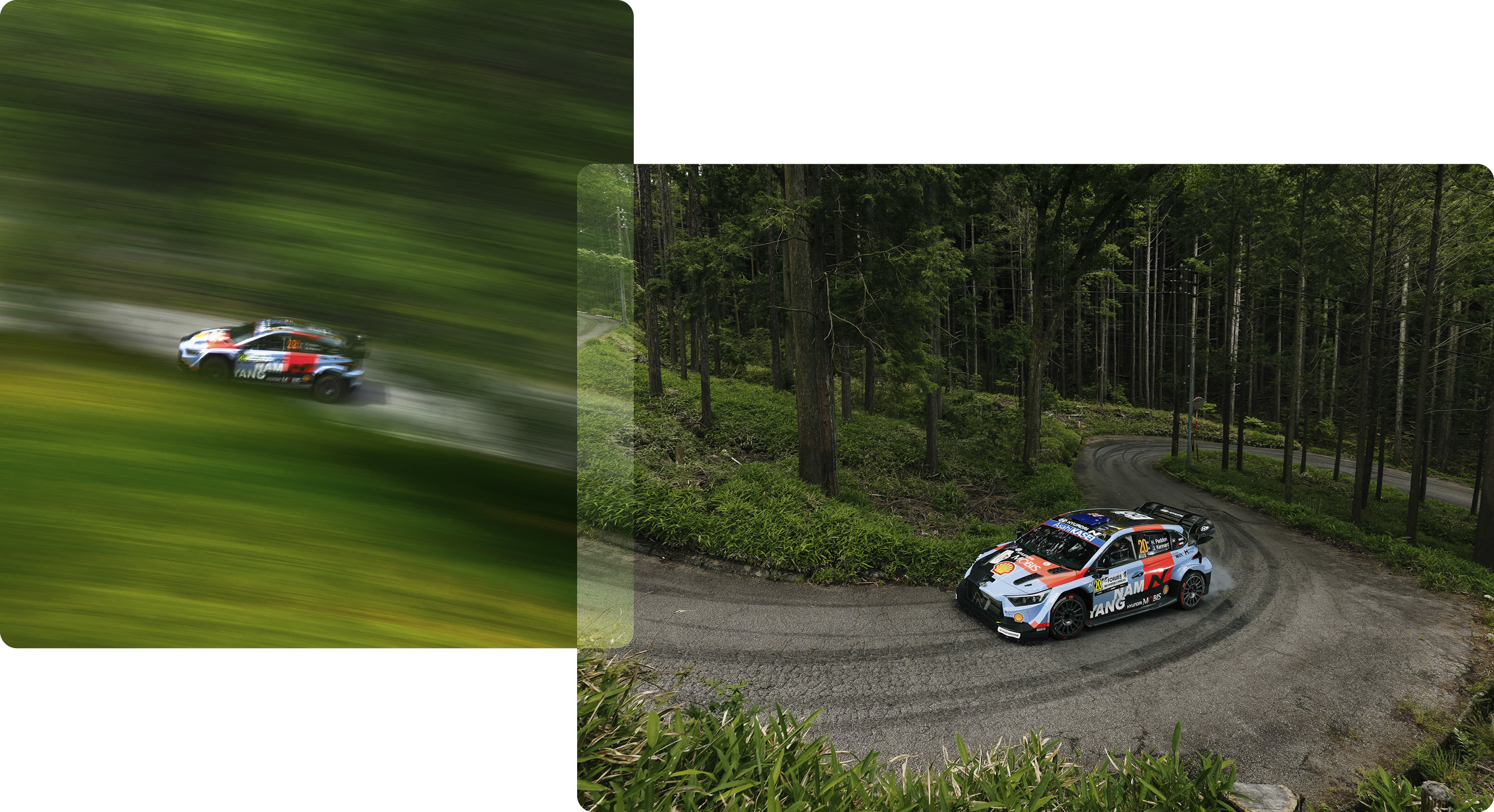
The opener, SS15 Nukata (20.49 km), ran the same layout as last year and is a proper long stage. Early on, the road is twisty with major elevation change. It begins on a wider road, dives into forest, transitions to a smooth but narrow section, then after 8.6 km it turns into a rougher forest road that demands more patience and precision.
After retiring at this same location last year, Fourmaux ran a calm, controlled pace this time. Video: WRC (https://www.wrc.com)
Solberg—who retired the day before—went fastest on the opener, giving himself the best possible setup for Super Sunday points. Evans was second-fastest and kept his overall lead firmly intact. Fourmaux, who last year suffered a brutal day here (including a door ripped off and even losing his pace notes), ran sixth this time. After the stage, he joked that he asked his co-driver Alex whether the door was still on the car.
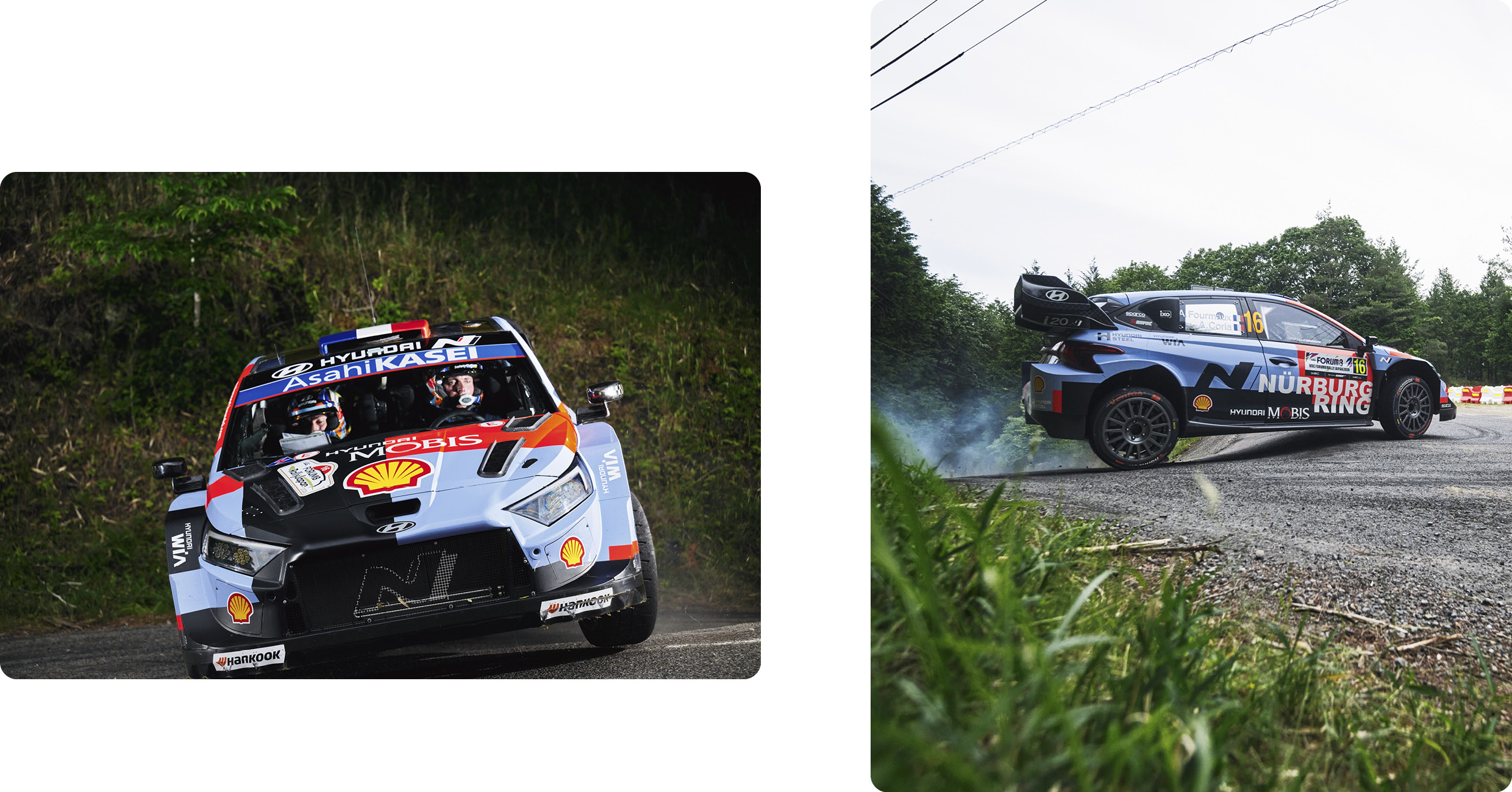
SS16 Mikawako Lake, which also served as the final Power Stage, starts near the lake with a smooth, rhythmic winding road for the first 3.5 km, then climbs sharply before turning into a downhill speed battle. Katsuta, fueled by home support, went fastest, while Ogier and Solberg were split by just 0.1 second.
While many rallies keep Sunday lean with four stages, Japan has consistently used a Super Special on the final day. This year, the rally ran the familiar Kuragaike test course in reverse. Kuragaike Park sits east of Toyota City and is easy for fans to access. On the two consecutive Kuragaike runs (SS17 and SS18), Ogier was quickest both times.
Fourmaux finished Rally Japan in fifth overall. Video: WRC (https://www.wrc.com)>
After the morning loop, Fourmaux said: “It has been a nice morning. The stages were very interesting and technical and I was enjoying We have to enjoy this last day of the Rally1 car on tarmac. It is good fun to drive it.”
On the second run of Nukata (SS19), Solberg went fastest again, keeping the strongest Super Sunday position. Up front, gaps were mostly 10 seconds or more, so the overall order stayed stable. Evans’ lead over Ogier stood at 13.3 seconds. In WRC2, the fight was far tighter: leader Gryazin and Cachón were separated by only 2.8 seconds. Neuville slowed his pace intentionally to focus on the Power Stage.
Neuville finished sixth overall, right behind Fourmaux. Video: WRC (https://www.wrc.com)>
The final stage—back at Mikawako Lake for SS20, which doubled as the Power Stage—saw Solberg go fastest again, banking extra points for both Super Sunday and the Power Stage. The overall win went to Evans, who took the lead on Friday morning and never gave it back. Ogier finished second, Pajari third, and Katsuta fourth.
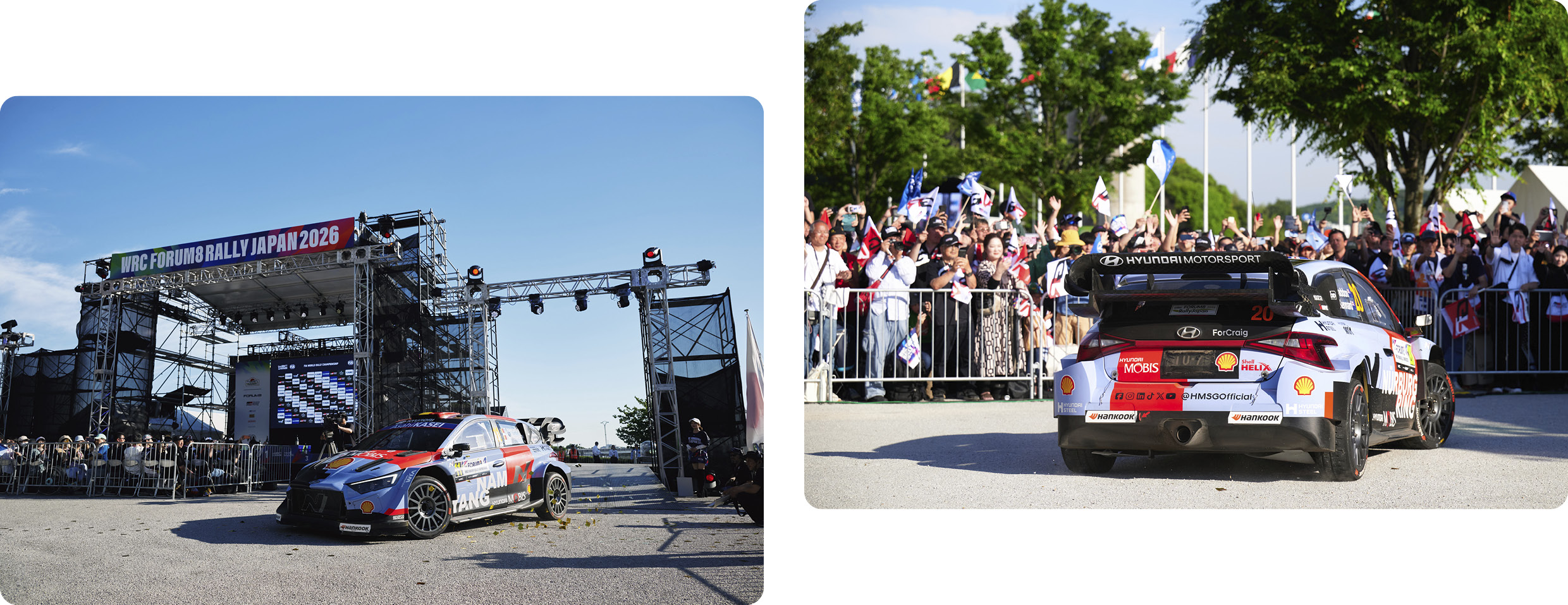
Hyundai finished with Fourmaux fifth, Neuville sixth, and Paddon seventh. In WRC2, Gryazin won, with Cachón and Yamamoto behind. From here, the championship returns to Europe for Round 8, June 25–28, in Greece’s brutal central highlands. The Acropolis Rally—the "Rally of the Gods”—has a reputation for rock-strewn roads and heat that can push 40°C, making it one of the toughest tests of the season.
Written by: Soo-jin Lee
In 1991, Lee’s passion for cars led him to enthusiastically write letters to the newly launched Korean car magazine Car Vision. This unexpected connection led him to start his career as an automotive journalist. He has served as editor and editorial board member for Car Vision and Car Life, and now works as an automotive critic. While eagerly covering the latest trends like electric vehicles, connected cars, and autonomous driving technology, he is also a car enthusiast who secretly hopes that the smell of gasoline engines will never disappear.